First Herps of the Year

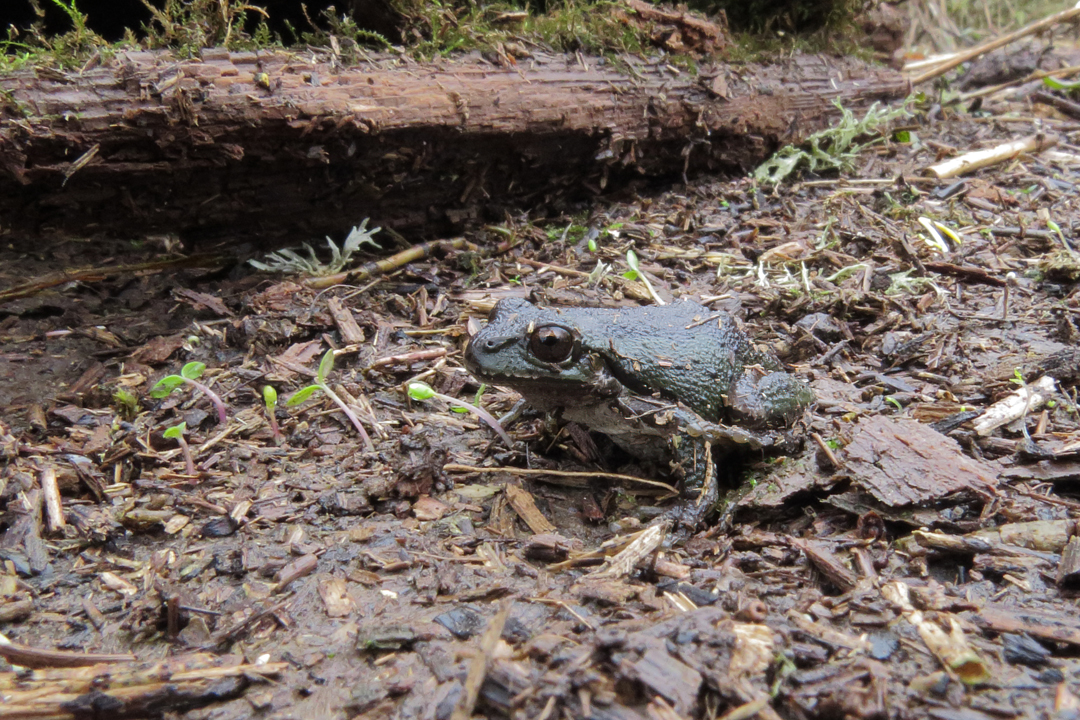
The nights are still cold, often below freezing, but the days are starting to warm. With the first hints of spring come the first amphibians and reptiles of the year. You can hear Pacific Treefrogs calling all year, but this is the first one I have seen. They were hanging out under a small log. The temperature was in the 30s, so they didn’t move at all while I was there. I snapped a quick photo and replaced the log over the frog.

Long-toed Salamanders are one of the first amphibians to breed in the spring, so they are everywhere right now. These three were under a single board. Lifting a small piece of plywood revealed about a dozen of these critters.
Another Long-toed Salamander

My first snake of the year was this Common Garter Snake soaking up some sun. The subspecies we have in this area is Red-spotted Garter. I was thrilled to find this individual, but quickly saw several dozen more on this sunny morning.
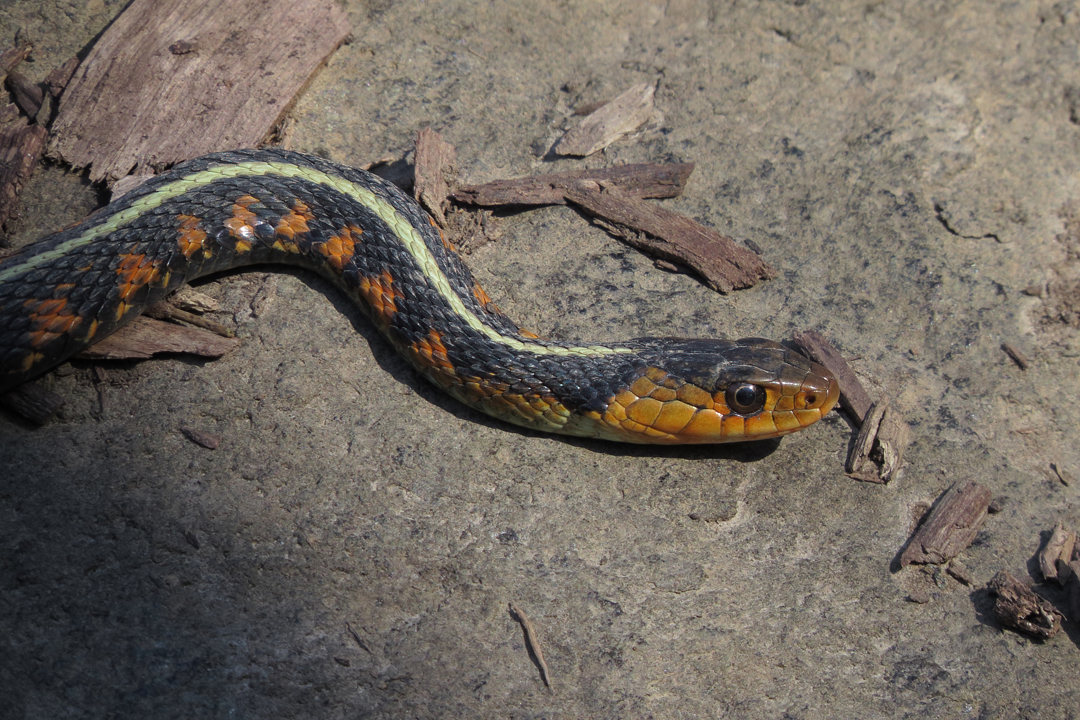
The red coloring on the face is common in this subspecies.

These two Red-spotted Garters were enjoying a little amour in the sunshine.
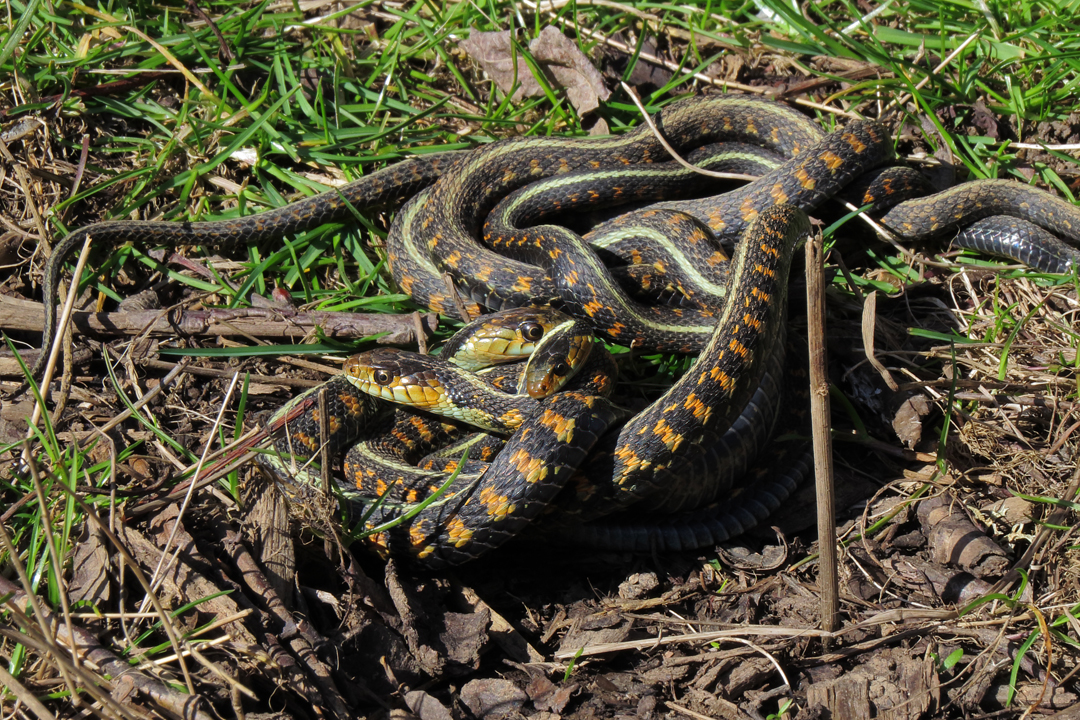
They were soon joined by a third individual, forming a mating ball.

Happy almost spring.
Fernhill Wetlands

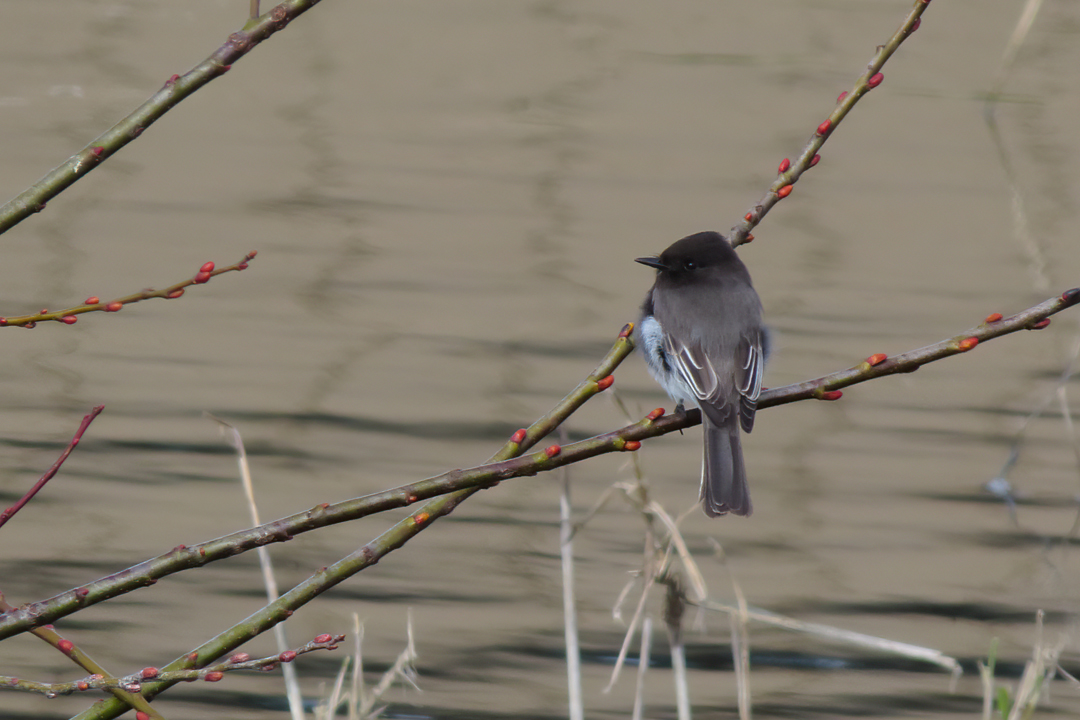
Despite morning temperatures near freezing, signs of spring are appearing at Fernhill Wetlands. This Black Phoebe was posing with some colorful buds.

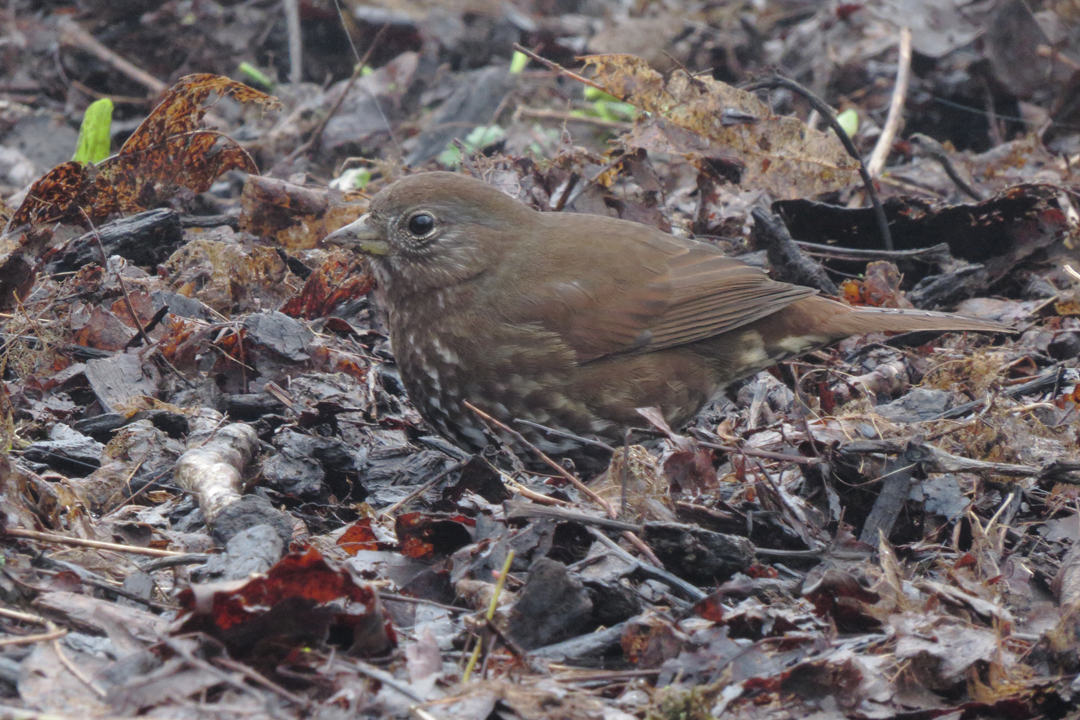
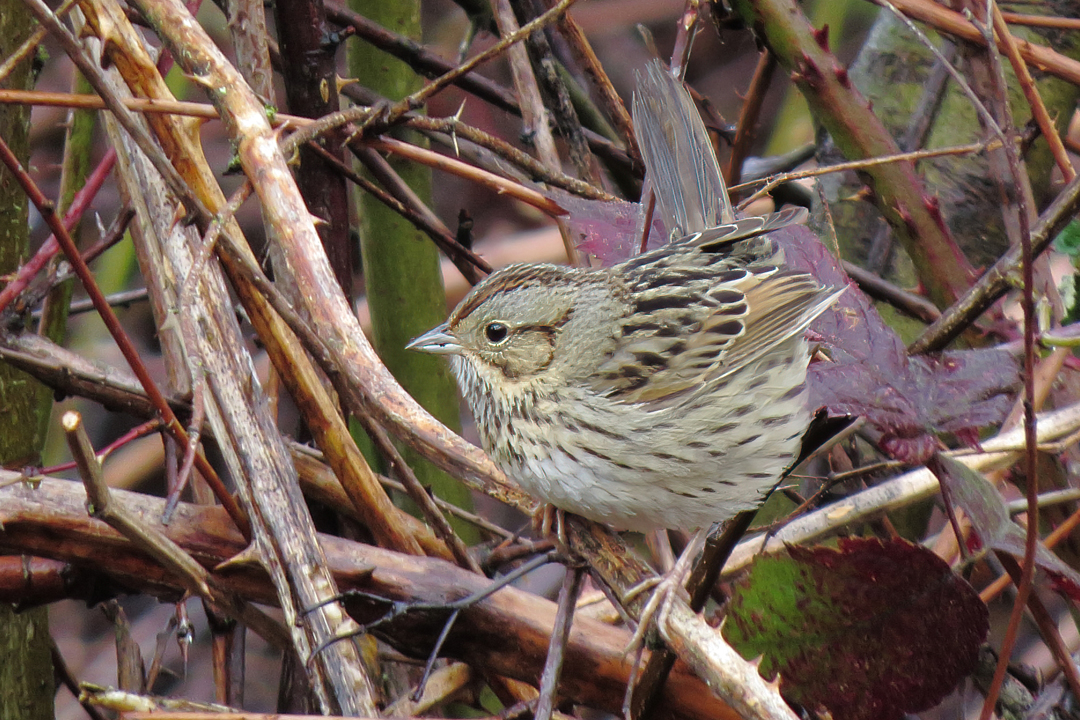
The winter sparrows, like this Fox Sparrow, are still around.

Waterfowl numbers are dropping as northern breeders start to head out. This pair of Northern Pintails was grooming along the main lake.

Lesser Scaup

This young Red-tailed Hawk was very comfortable around people, perching right above some nearby birders.

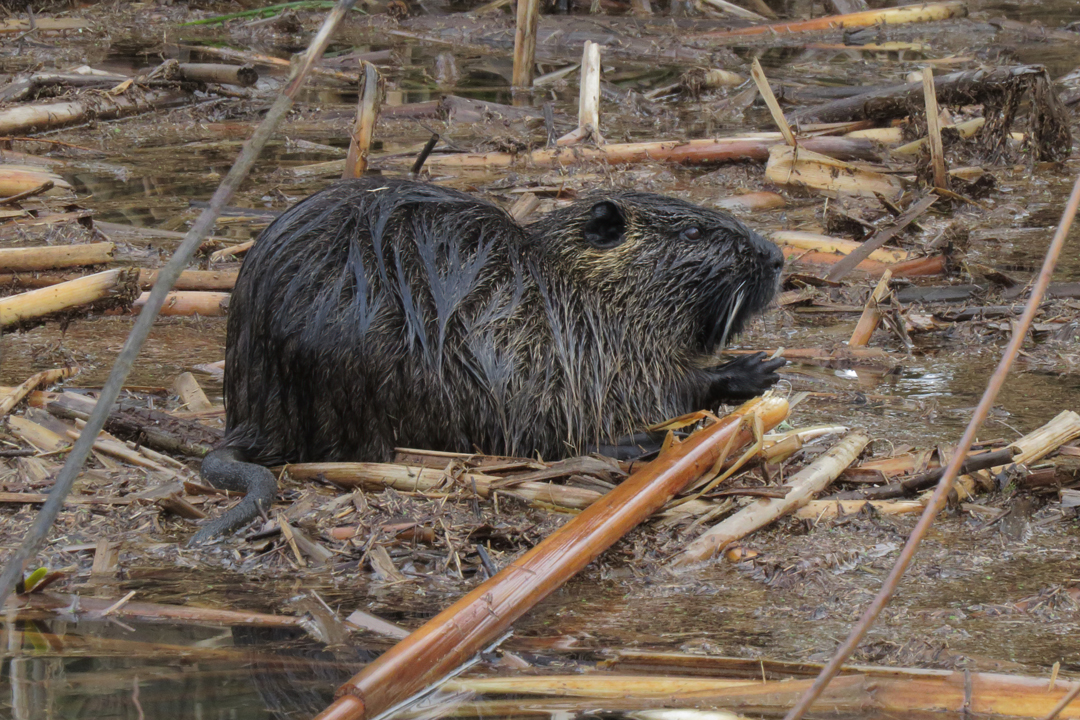
The number of Nutria at Fernhill continues to grow. I don’t know if they are causing any problems or not.
We are in that late-winter slow birding time, but spring migrants should start showing up any day.

Happy final days of winter

Winter Birding

We finally had a bout of winter weather in the Portland area. The west side of town got more ice than actual snow, so travel conditions were not ideal. Since we had an appointment in Hillsboro anyway, I made a quick stop at Amberglen Park. This Ring-necked Duck was putting on a nice show.

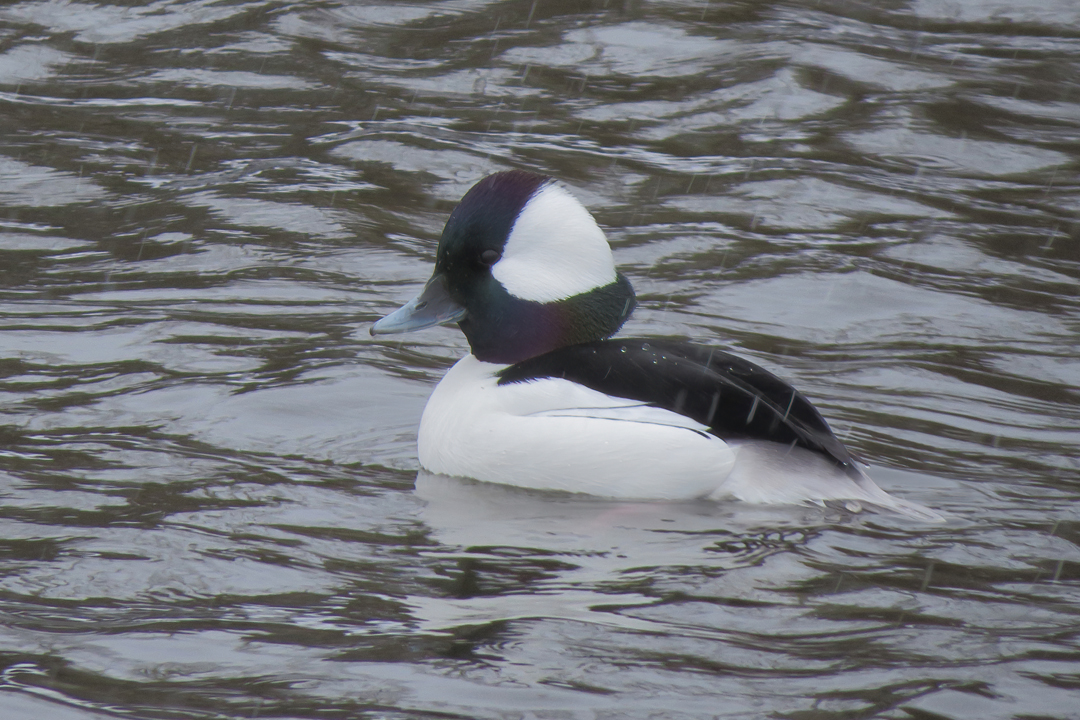
This Bufflehead spent much more time below the surface of the water than above it, but I managed a quick photo. Note the streaks of sleet.

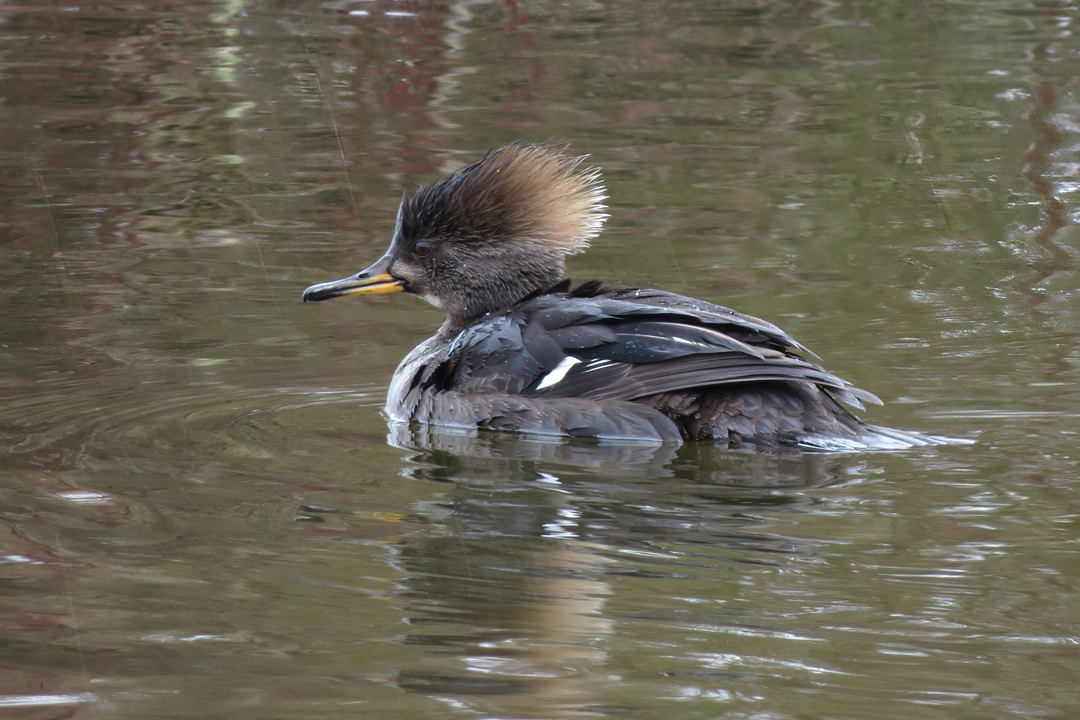
This habitat doesn’t seem right for Hooded Mergansers, but I often see them here.
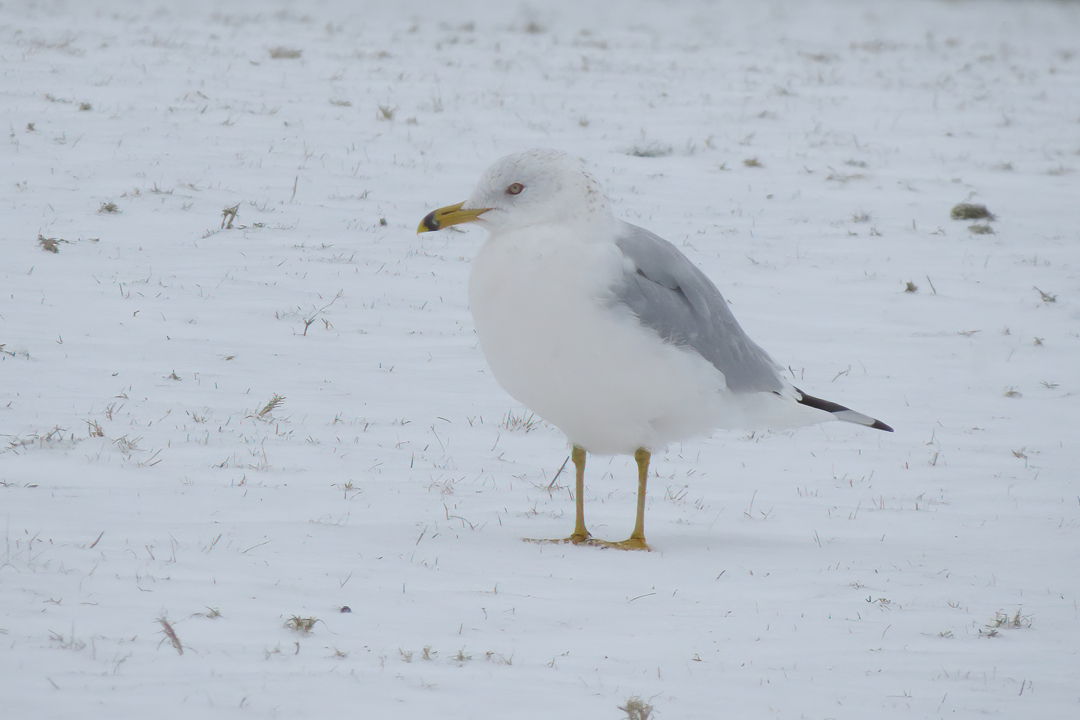
The Portland area doesn’t seem to have a good winter gull roost these days. Amberglen attracts a few, mostly Ring-billed Gulls.

I think gulls are really attractive in the snow. Note the slight pinkish tones on this bird.

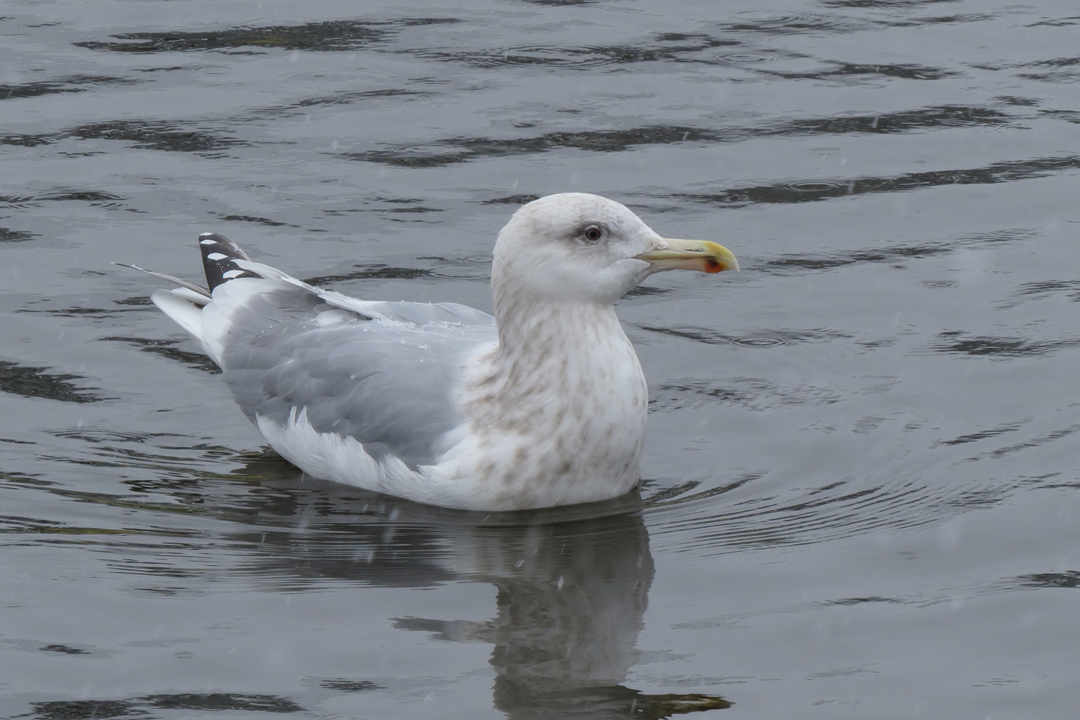
Here are some Ring-billed Gulls swimming with an “Olympic” Gull (Western X Glaucous-winged hybird).

This is a “Cook Inlet” Gull (Herring X Glaucous-winged hybrid). The bill pattern is classic winter Herring Gull. The eye is dark and the primaries are not quite true black. It gives the impression of a Thayer’s Iceland Gull with a giant bill.
On the home front, snow often brings Varied Thrushes to the yard. We had four at one time cleaning up seeds under the feeder.

I am always grateful for the splash of color provided by this Townsend’s Warbler.

The snow is gone now, and birds are starting move. Spring will be here any minute.

Happy Winter

Ankeny NWR

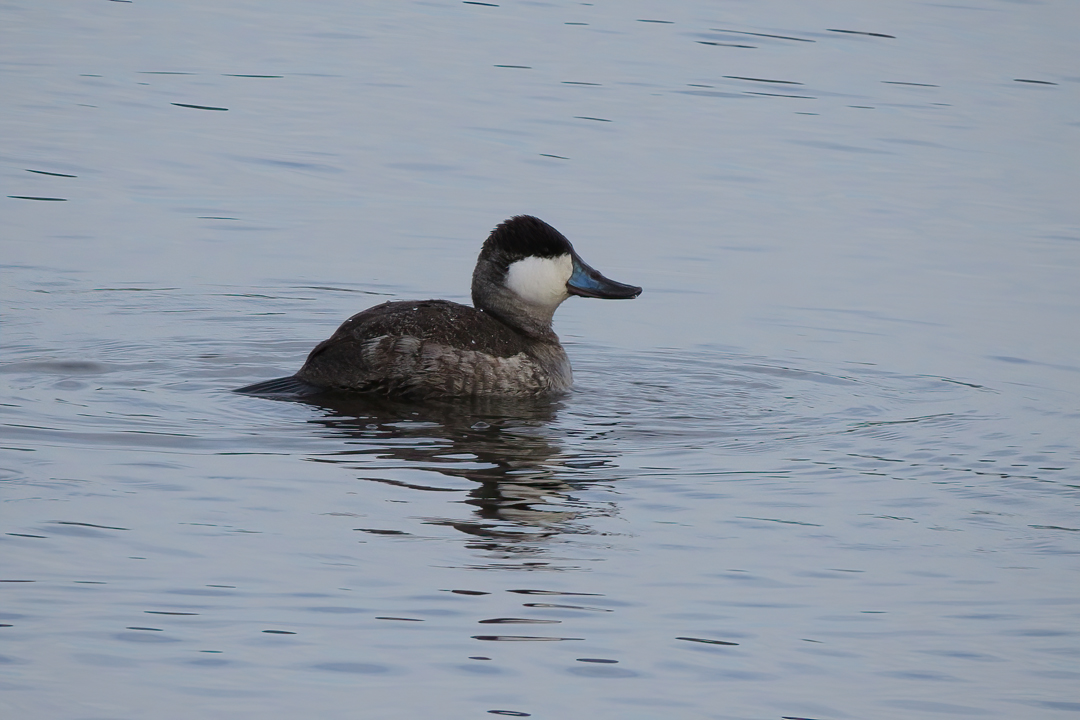
I made a quick trip to Ankeny National Wildlife Refuge, just south of Salem. Like the other refuges in the Willamette Valley, most of Ankeny is closed in winter to protect wintering waterfowl. But there are spots on the refuge open to birders year-round. Here is a male Ruddy Duck just starting to get a little color in his bill for spring.
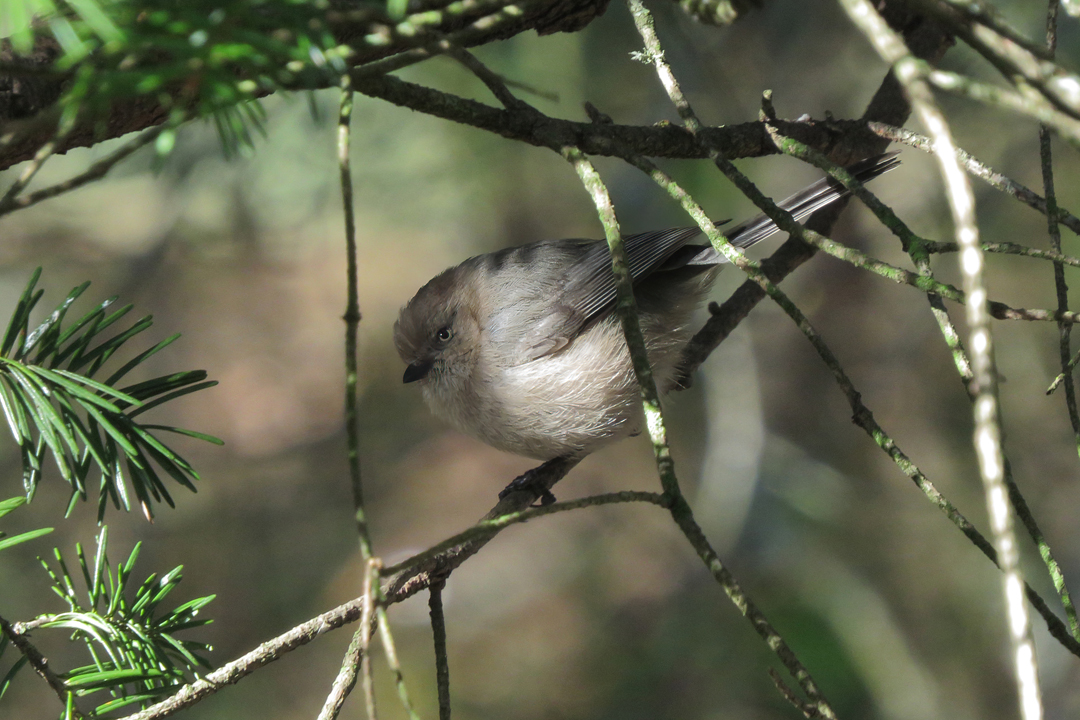
Song Sparrow at the edge of Pintail Marsh

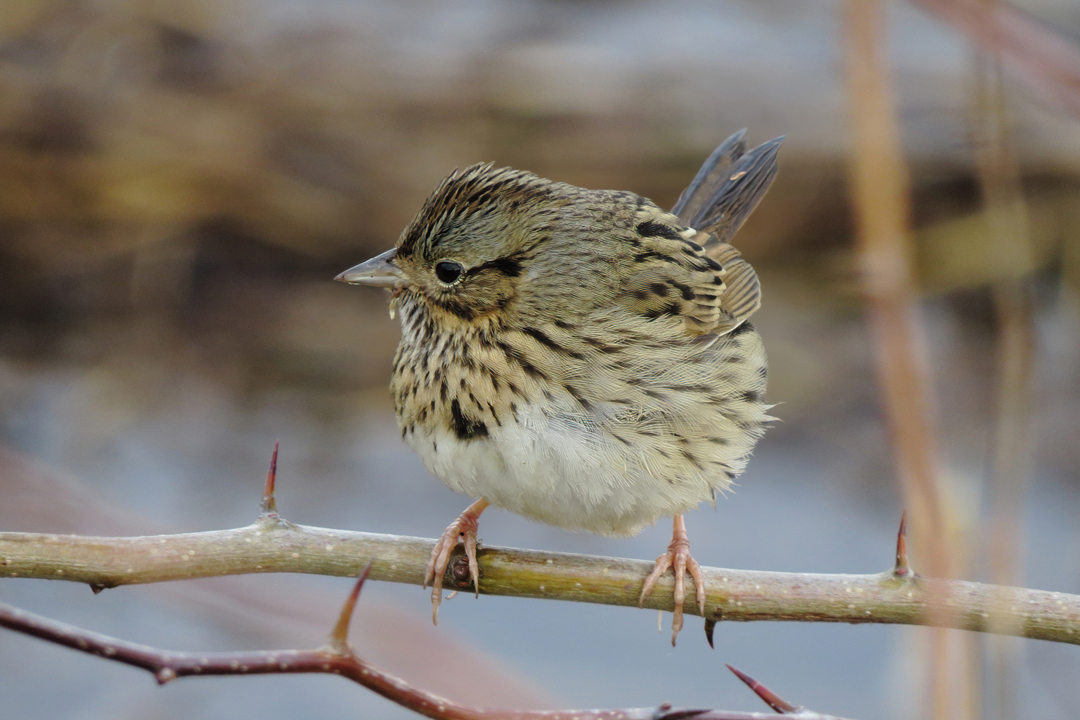
This Lincoln’s Sparrow popped up for just a second, but long enough for me to take his portrait.

Here is a very distant Eurasian Green-winged Teal, or Common Teal, or Eurasian Teal, depending on who you talk to. In Europe, this is considered a separate species, but in the U.S., it is considered a subspecies of Green-winged Teal. I have been hoping for many years that North American authorities would recognize this form as a species (so I could add another tick to my list), but it doesn’t look like that is going to happen.

This pair of Great Horned Owls was hanging out along the trail to the Rail Trail boardwalk, once again proving that my camera would much rather focus on branches than on birds.

The main reason for my visit was a communal roost of Long-eared Owls discovered a few days before. This species is usually very hard to find in western Oregon, and had been a state nemesis bird for me.

There has been a lot of concern expressed about birders disturbing this group of birds. In Kansas and Ohio, where I have seen Long-eared Owls before, visiting winter roosts is the only way for birders to see this species. I believe it can be done without stressing the birds if birders speak softly (or not at all), maintain a respectful distance, and keep their visits brief. That is pretty easy to do at this site. Birders are confined to a boardwalk (assuming they are not assholes), and it is easy to make a quiet approach. If everyone exhibits just a modicum of self-control and common courtesy, this could be a sustainable birding experience for weeks to come. Fingers crossed.

Happy Winter

Winter Birding

February is usually cloudy and damp in the Portland area, making it hard for me to get too motivated to venture out. But there is always something to see, like this lovely Lincoln’s Sparrow.

This Cedar Waxwing was flycatching over the water at Koll Wetlands.

This Spotted Towhee spent quite a bit of time perched out in the open in a blackberry bramble.

Winter is a great time to study waterfowl in the Willamette Valley. This little gang of Lesser Scaup was at Force Lake in north Portland.

I was initially excited to find this young male Northern Shoveler standing out in the open, but then I realized the poor guy was ill. He was gasping for breath and his eyes were partially closed. I’m guessing he has respiratory infection caused by Aspergillis, a common type of fungus, which has been affecting a lot of waterfowl this winter.

Back home at the feeders, my vegan suet has been very popular this winter. I mix equal parts of coconut oil, peanut butter, and flour, then pour the mixture into molds to solidify. This recipe only works in the winter, as it will melt if temperatures get above 60 degrees F. Here is a Chestnut-backed Chickadee working on the last bit of a cake.

A Bushtit, one of many that come through the yard every day

Happy Winter

Random Images

Here are some random birds from recent weeks. This Great Blue Heron was wading deep at Commonwealth Lake. The white face and yellow eye really popped, giving her a creepy look.

A Black-capped Chickadee was excavating a cavity in a dead tree at Commonwealth Lake. It is a little early for nesting, but birds will be pairing up soon.

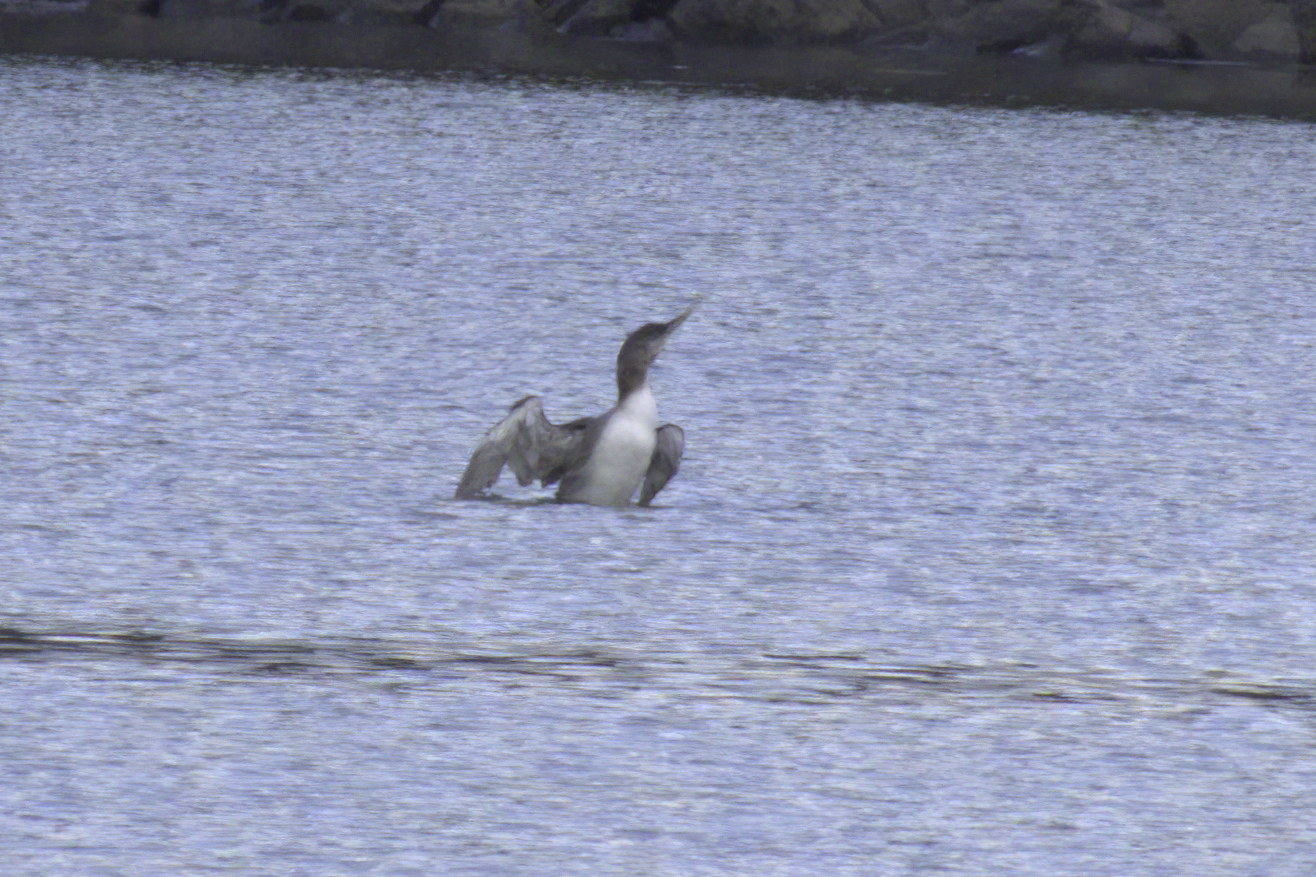
This is a lousy photo, but it documents the Yellow-billed Loon that hung out at Hagg Lake for a few days in early January. Lifers are few and very far between for me, so it is great when one shows up relatively close to home.

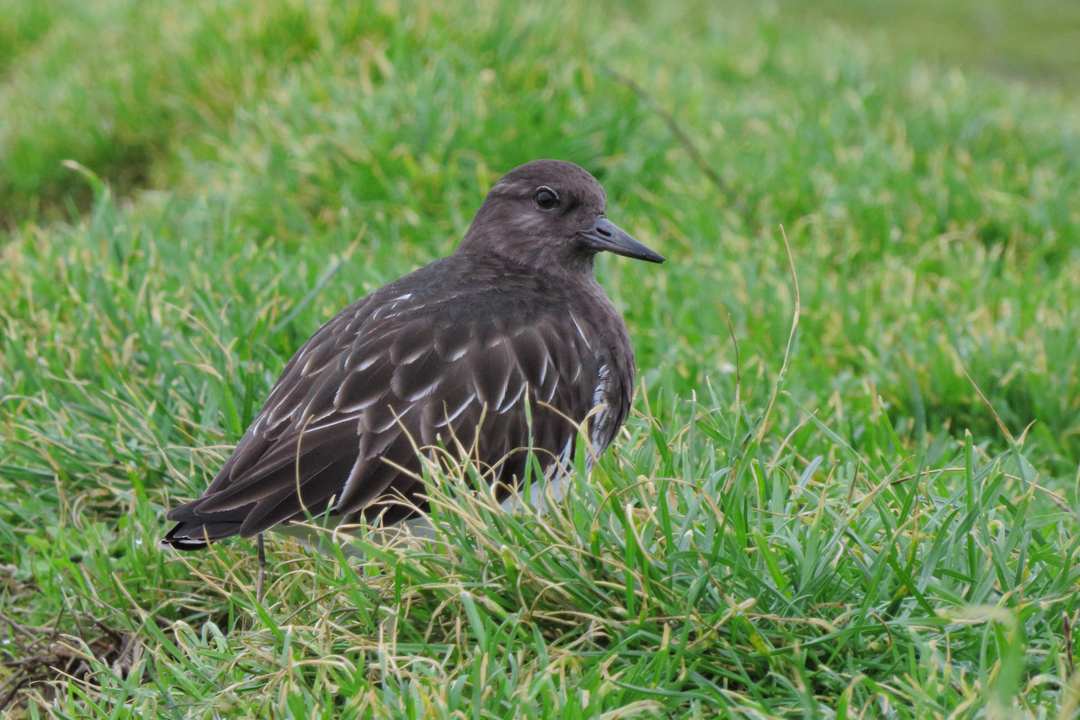
This Black Turnstone was taking shelter from the high tides on the little lawn at the Seaside Cove.

Western Gull at the Seaside Cove

The marbled pattern on the bill and the bit of dark smudging on the tail suggests this is a third cycle Western Gull.

Varied Thrush at Summer Lake Park in Tigard

Black-crowned Night-Herons have been regular at Koll Center Wetlands for several years now. They used to be a little more accommodating, but lately they have remained in dense cover most of the time.

This Bushtit was hanging out in the back yard for quite a while. I hope the extreme puffiness of this bird was due to it being cold and was not an indication of illness.

Happy Winter

Winter Waterfowl

Waterfowl seem to dominate the birding scene in the Willamette Valley in winter. Year-round residents, like this Pied-billed Grebe, are joined by a host of winter migrants.

My camera hates white birds, but managed to capture this Common Merganser pretty well.

I usually gloss over Mallards, but they are a pretty duck.

Ring-necked Duck

Eurasian Wigeon have been hard to come by the past couple of winters, so it was nice to see this pretty boy at Dawson Creek.American Wigeon remain common on grassy lawns and ponds.

Green-winged Teal, also at Dawson Creek.

There are other birds around this time of year, like sparrows and raptors. But while it is nice to see that Merlin fly overhead and the flocks of Golden-crowned Sparrows deep in the brush piles, sometimes it is good to take the time to study and appreciate the waterfowl that sit out in the open in the daylight.

Happy Winter

Beach Birds

I spent a few days on the north Oregon coast to escape the New Year’s fireworks in Portland. As expected this time of year, there was plenty of wind and rain. But there were enough breaks in the weather to get out and enjoy some coastal birds.

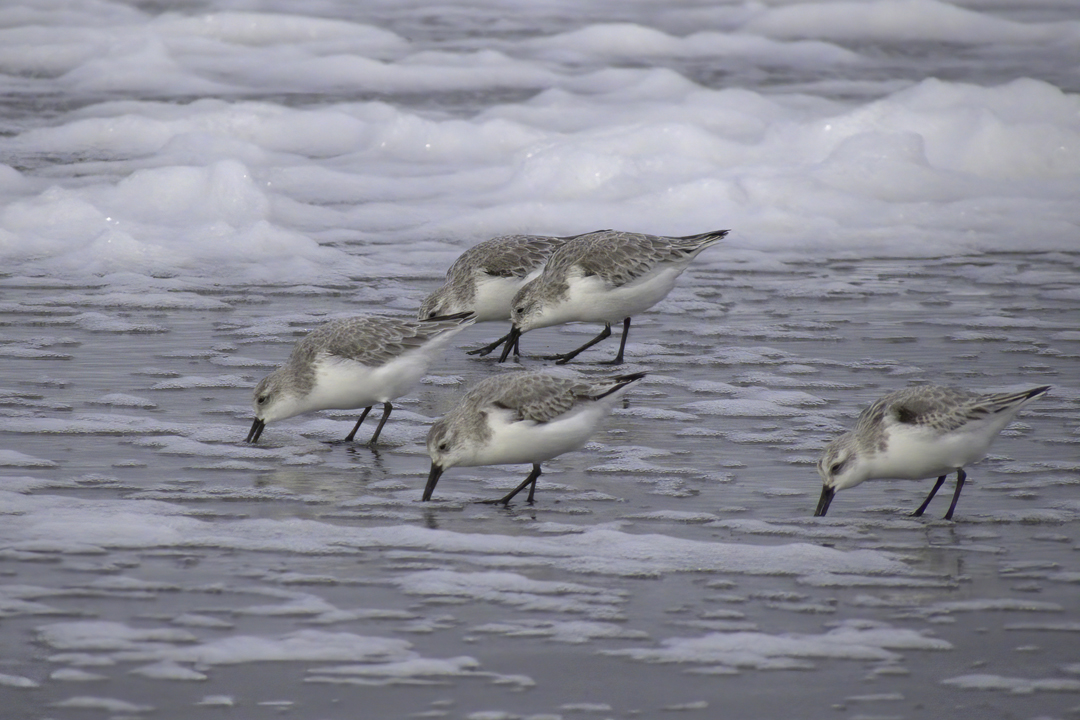
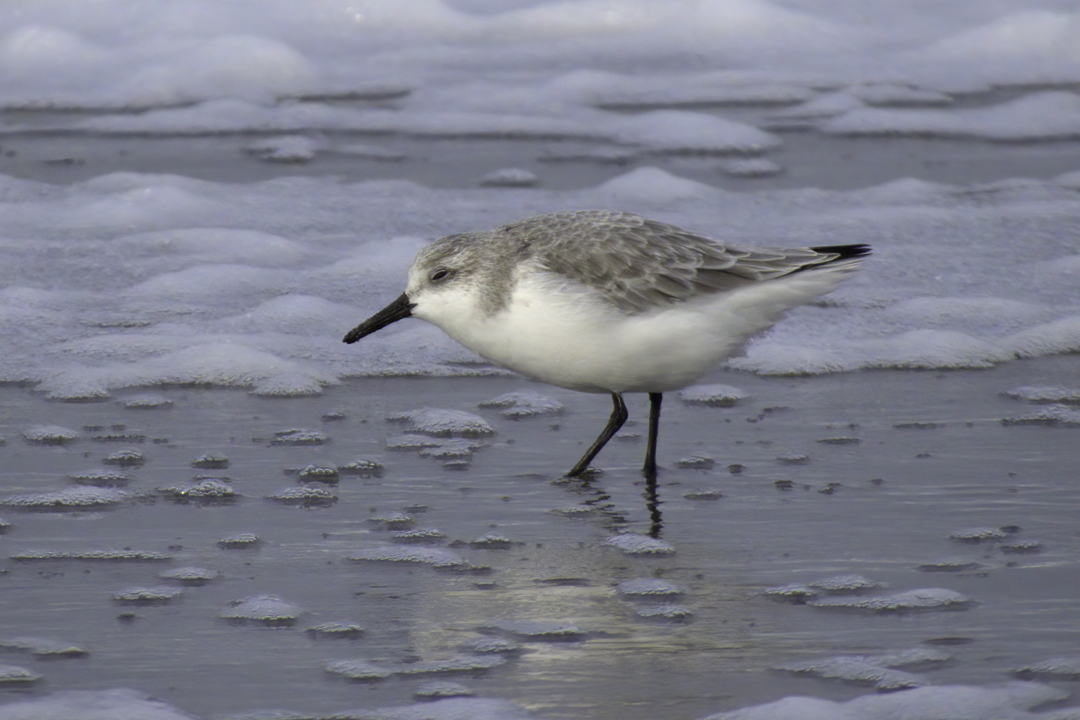
Sanderlings are always a treat. This bird was squinting into the howling wind.

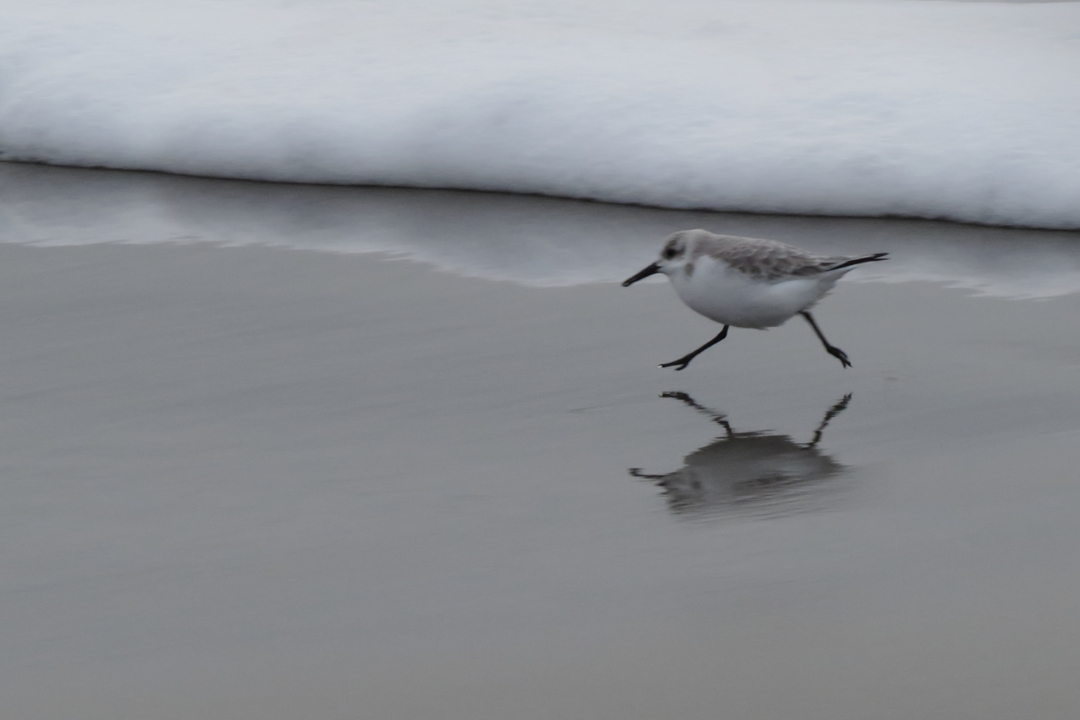
A blurry photo of typical Sanderling wave-running

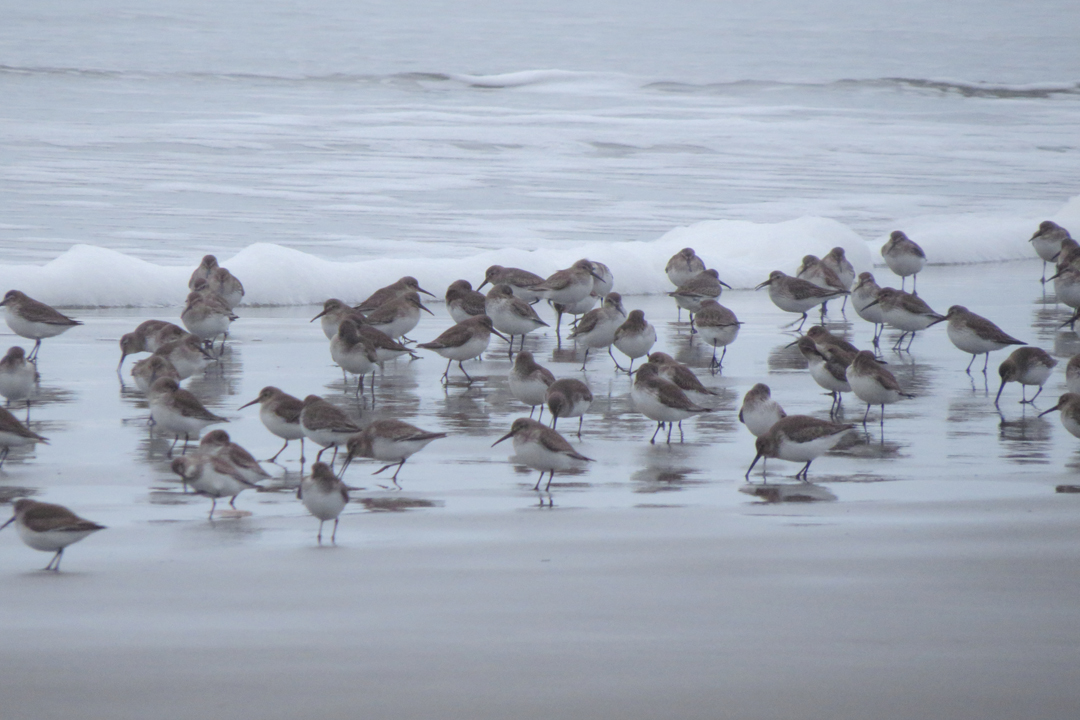
This time of year, the largest shorebird flocks are made up of Dunlin.

This gull caught my eye. The marbled pattern on the bill indicates a third-cycle bird. The dark mantle and black wing tips suggest Western Gull. The heavy mottled hood suggests some Glaucous-winged Gull in this bird’s ancestry.

I ran into a small flock of Snowy Plovers. This species is making a great comeback on the Oregon Coast after nearly being extirpated.

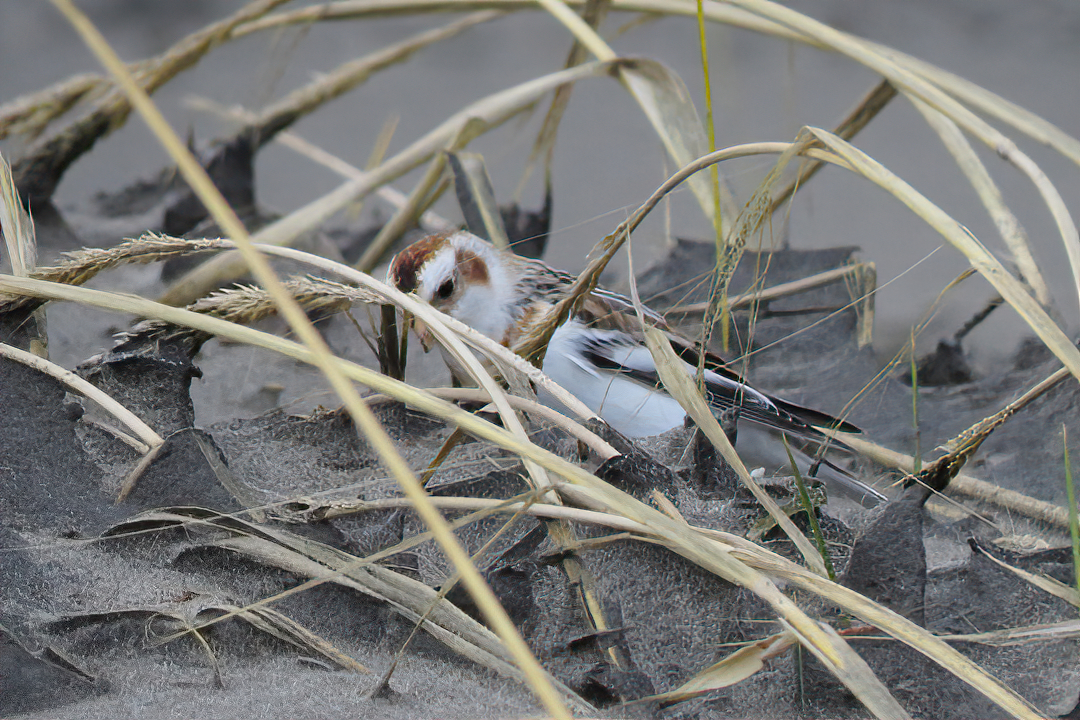
A flock of Snow Buntings was a special treat. The high winds kept the birds moving around and usually hunkered down in the beach grass, so I couldn’t get a clear photo.

A washed-up log hosted a colony of Pelagic Gooseneck Barnacles. These were actually quite lovely despite the strong fishy smell. The gulls were delighted to find these tasty snacks.

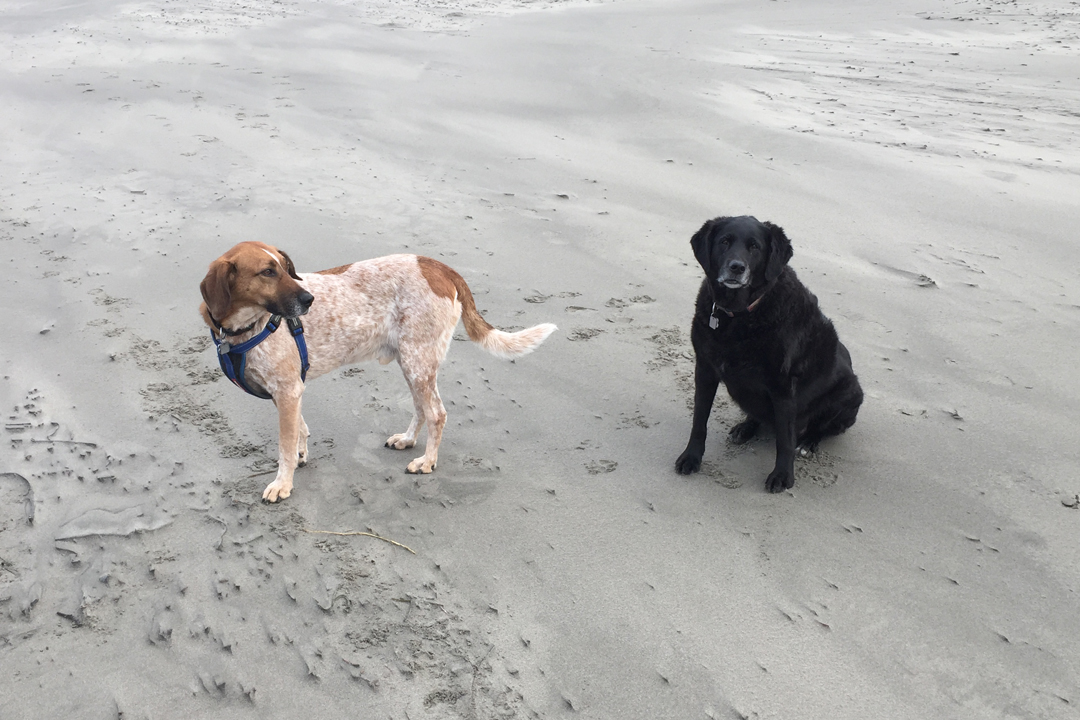
Bodhi and Nala love a good romp on the beach, despite the weather.

We play hard, we rest hard. Happy New Year

Orchard Oriole

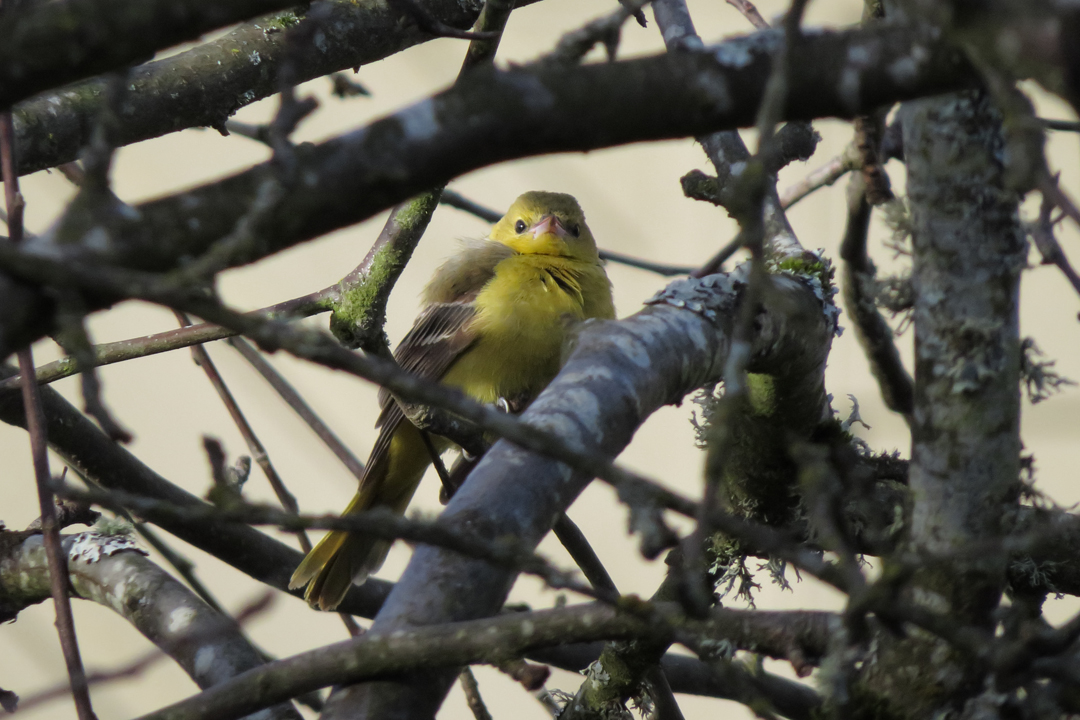
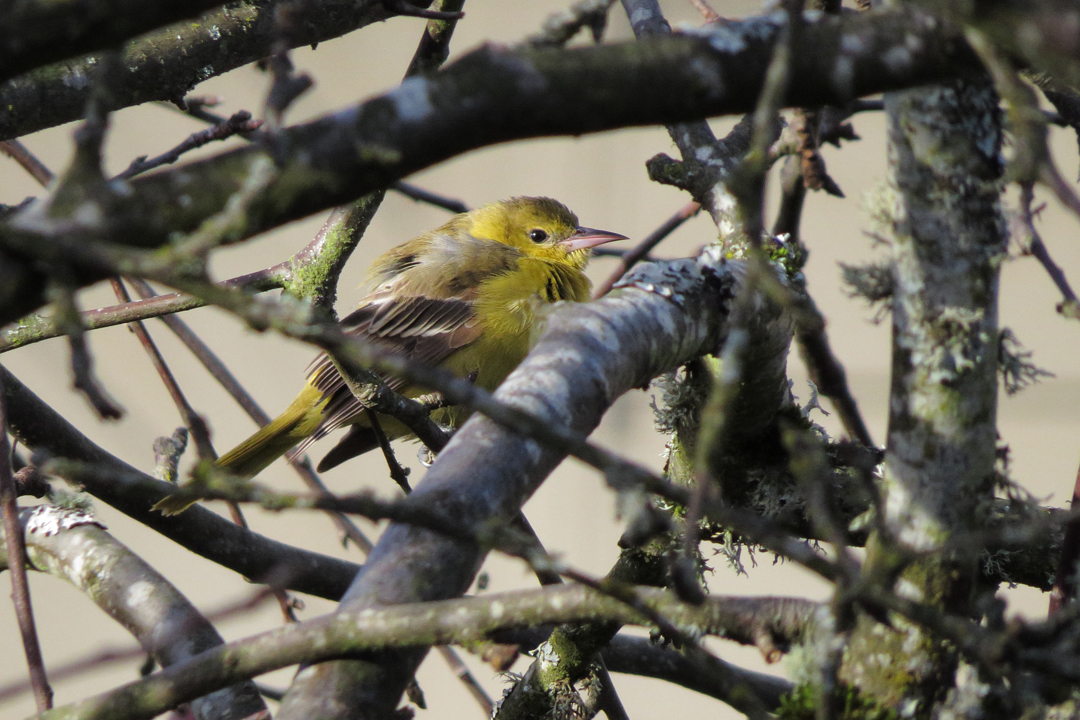
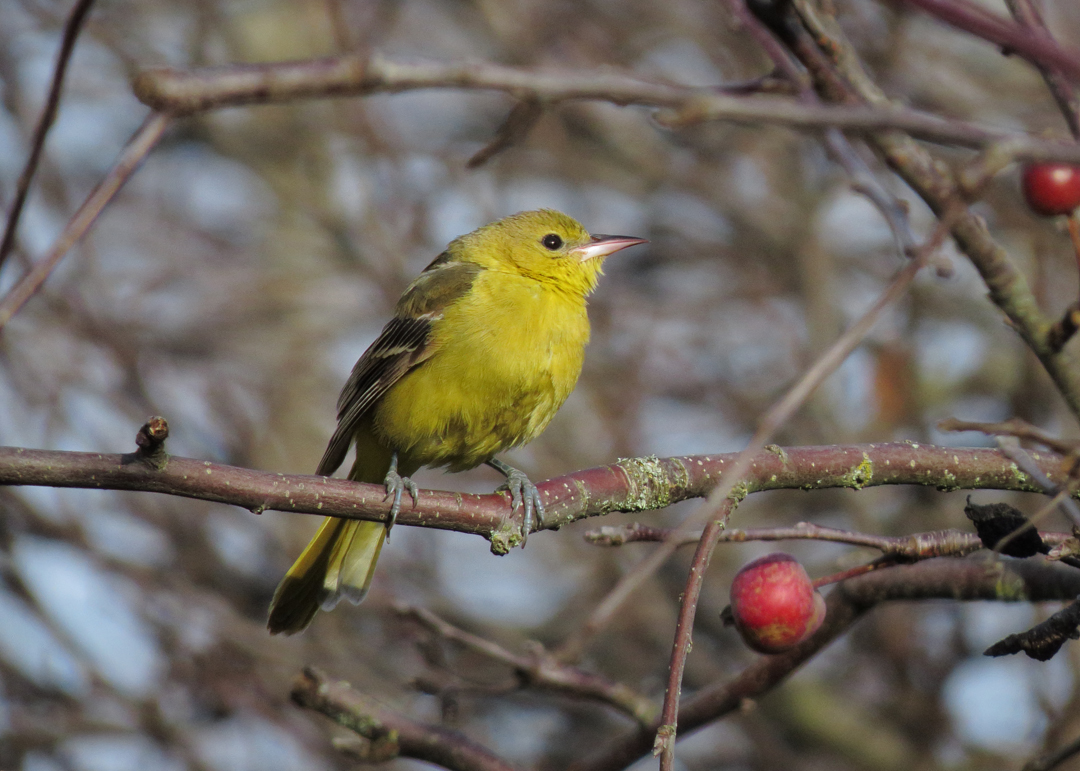
An Orchard Oriole has been showing off for birders in southeast Portland for a few weeks now. This is the 15th record of this species in Oregon.

The chances of just running across an Orchard Oriole in Oregon are very slim, so when one sets up camp at an accessible site close to home, I am obligated to go see her.

My current birding goal is to see 400 species in Oregon. There are very few regularly occurring species that I haven’t seen, so if I am going to make my goal I must rely on seeing vagrants, such as this bird. My chase radius is short, and I don’t get to travel much, so local rarities are my only hope.

Happy Winter

Jackson Bottom

I spent a foggy morning at Jackson Bottom Wetland Reserve. This Great Egret was blending in with the foggy background at Pintail Pond.

Belted Kingfishers are almost always distant subjects for my photos. They are quite skittish.

The Coyote Hill Trail is a nice loop around a weedy field that can be good for upland species, like this American Kestrel.

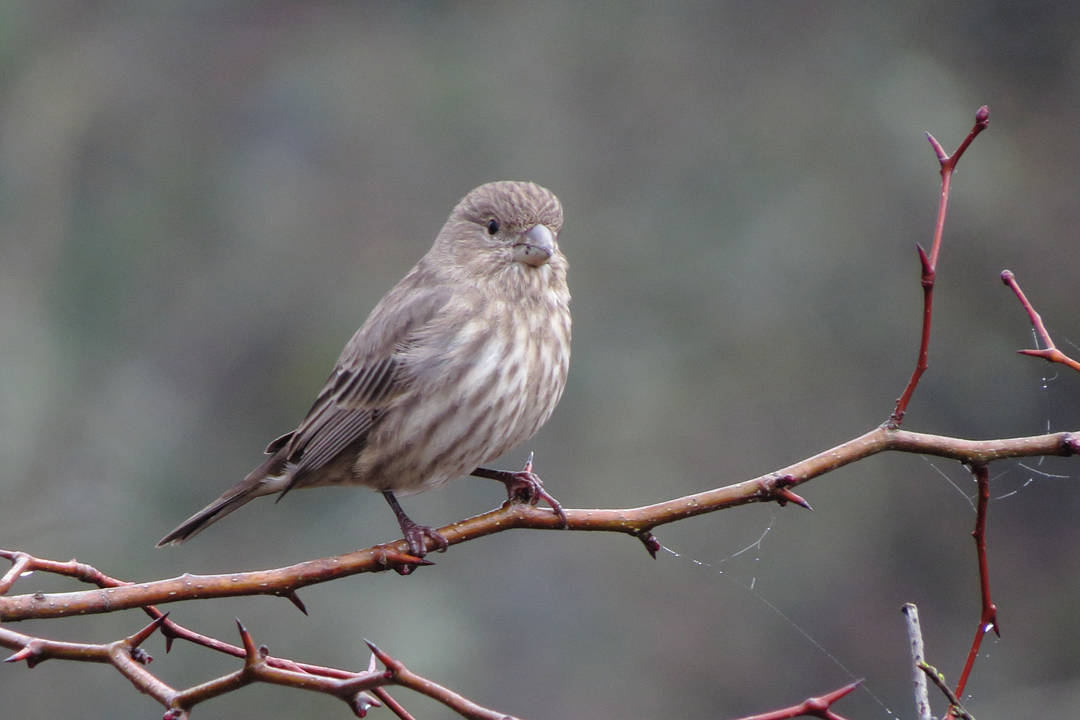
House Finch

Northern Pintail was the most abundant species of waterfowl on this day.

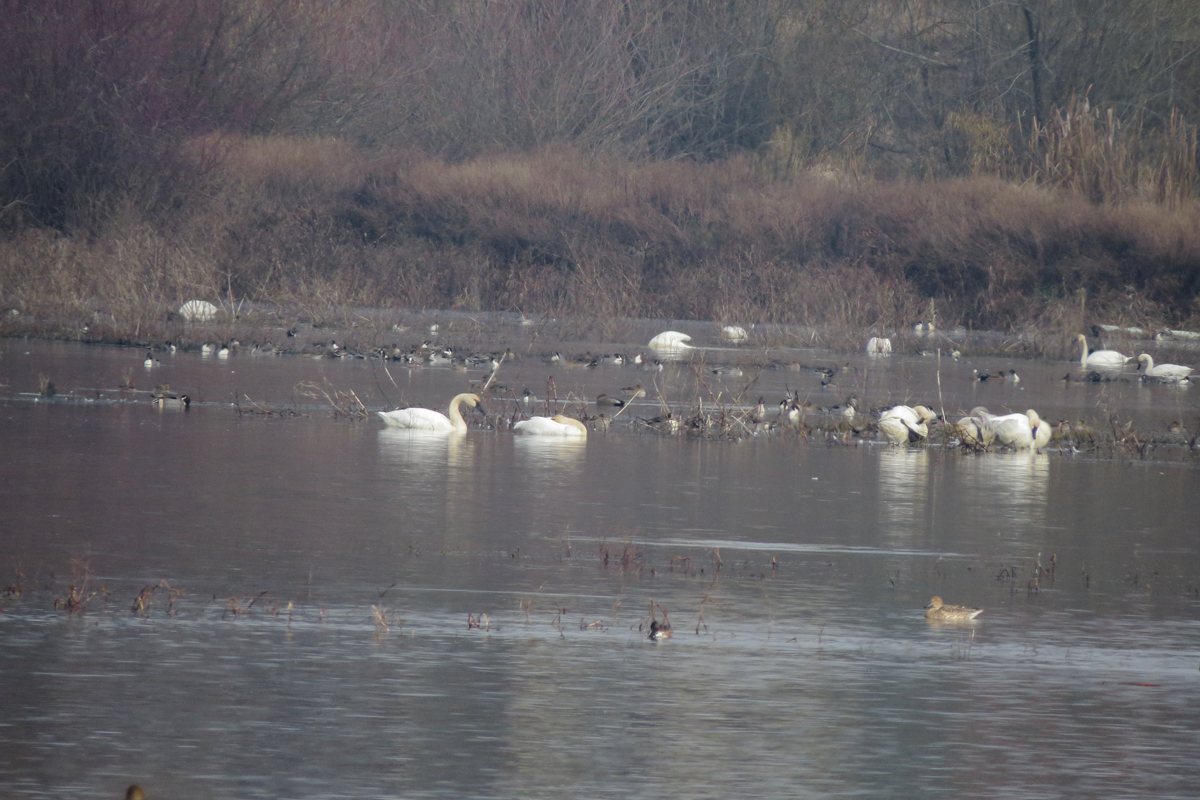
The north end of the reserve hosted a flock of 20 Tundra Swans, always a nice find.

There weren’t any great rarities on this trip. But there were a lot of good birds and a nice four-mile hike without any rain – a great trip for December.

Happy Autumn