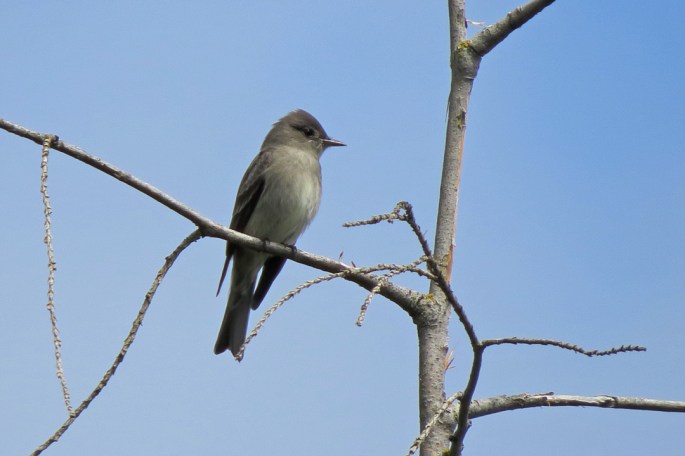
 Our team for the Audubon Society of Portland’s Birdathon birded several sites in the northern parts of Portland. The weather was cool and rainy, not conducive to photography or bird activity, but we ended our efforts with 76 species for the day. This Western Wood-Pewee at Whitaker Ponds was one of the few photogenic individuals.
 Bushtit, also at Whitaker Ponds
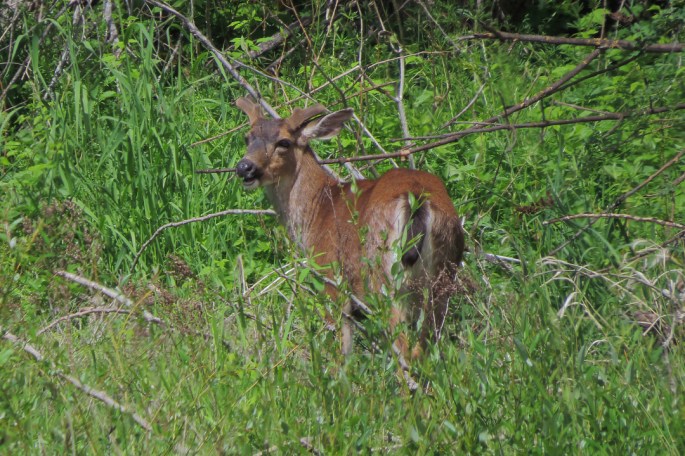 This Black-tailed Deer, with his new antlers just starting to sprout, was at Smith and Bybee Wetlands.
 There are only two native species of turtle in Oregon, both of which are considered at risk do to habitat loss and pollution. Smith and Bybee Wetlands is a local stronghold for Western Painted Turtles.
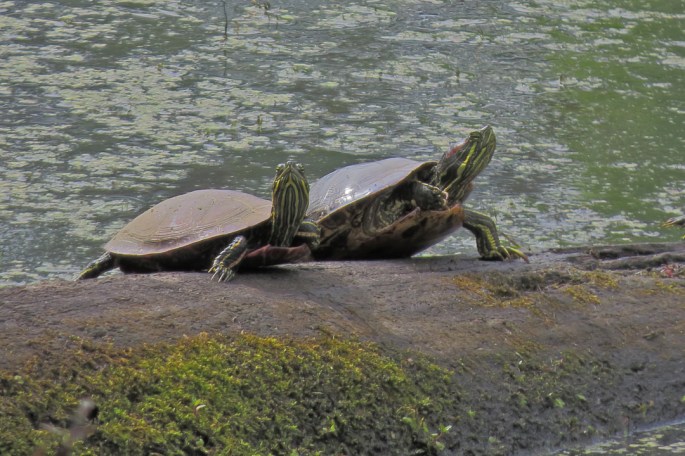 Here is a Western Painted Turtle on the left, with a Red-eared Slider on the right. Red-eared Sliders are native to the southeastern U.S., but have been introduced into many areas, usually by people disposing of unwanted pets. Introduced species compete with native species for food and nesting habitat.
Happy Spring
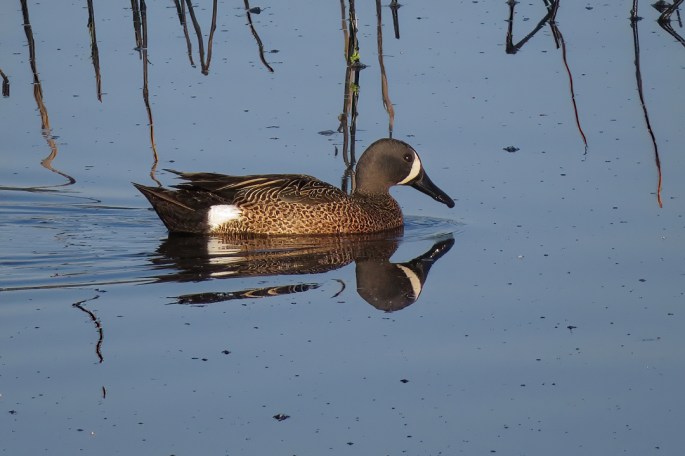 The long hiking trail at Tualatin River NWR is open, and this refuge always offers some good birding in the spring and early summer. A pair of Blue-winged Teal was in the southwest pond.
 As is typical for this species, this Hutton’s Vireo stayed back in heavy cover.
 It is really hard to shoot a Brewer’s Blackbird against the sky without ending up with just a silhouette, but I keep trying.
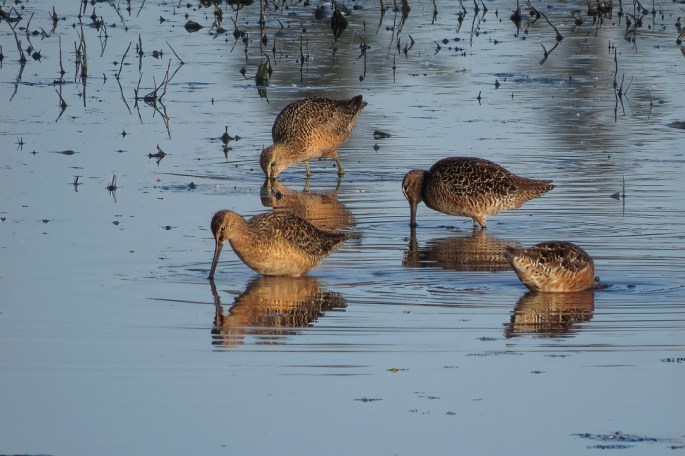 Long-billed Dowitcher was the most common shorebird on this visit. It is nice to see them in full breeding plumage.
 The best bird of the trip was this Pectoral Sandpiper. Pectorals are regular autumn migrants in this area, but are very rare in spring.

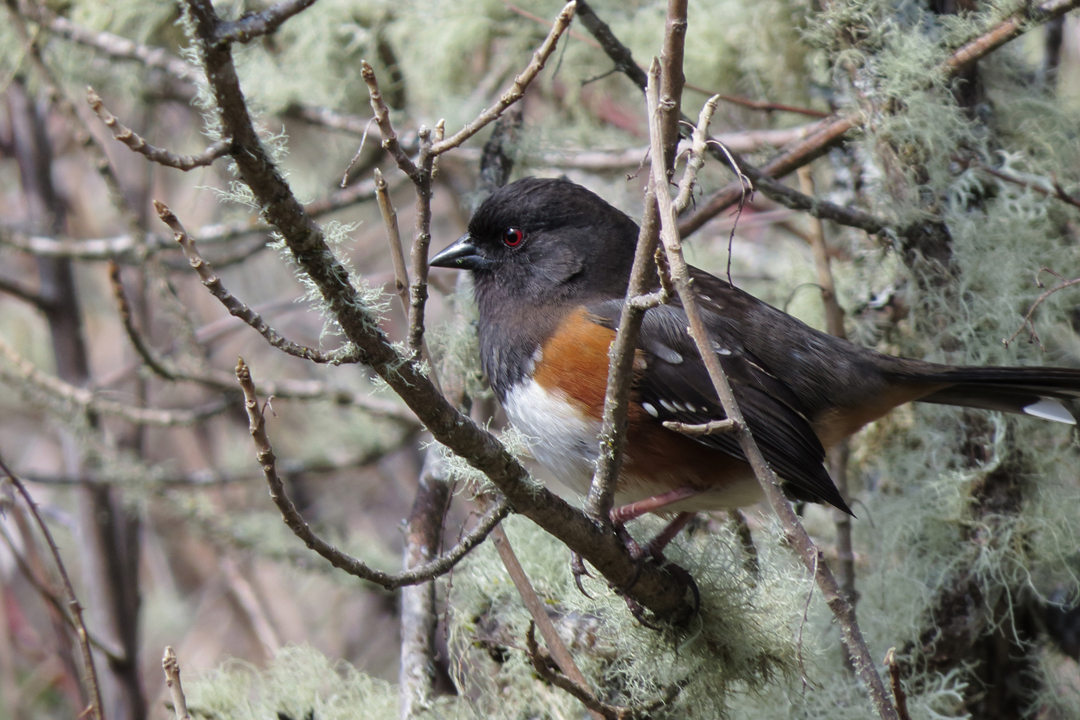
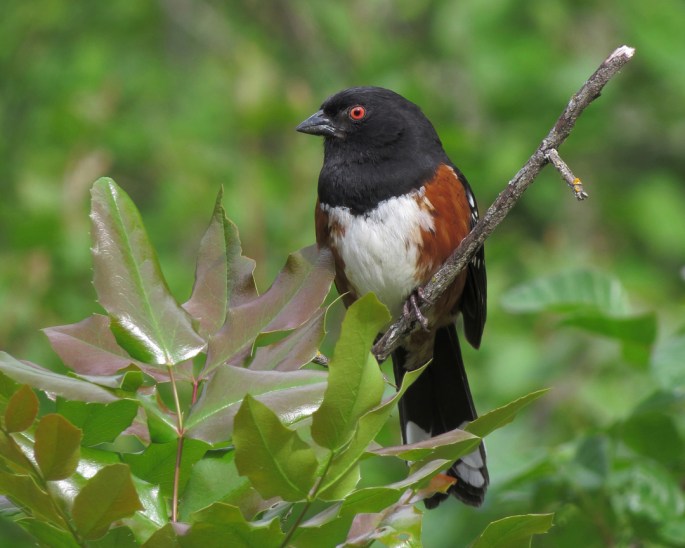 Spotted Towhee, really working that red eye in the sunlight
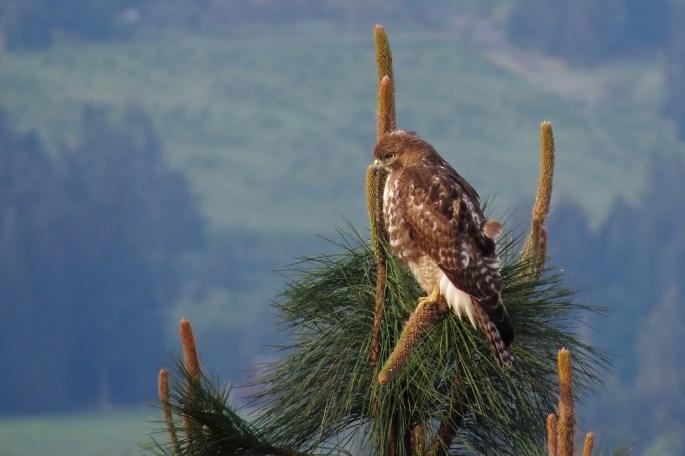 This young Red-tailed Hawk was checking out the meadow.
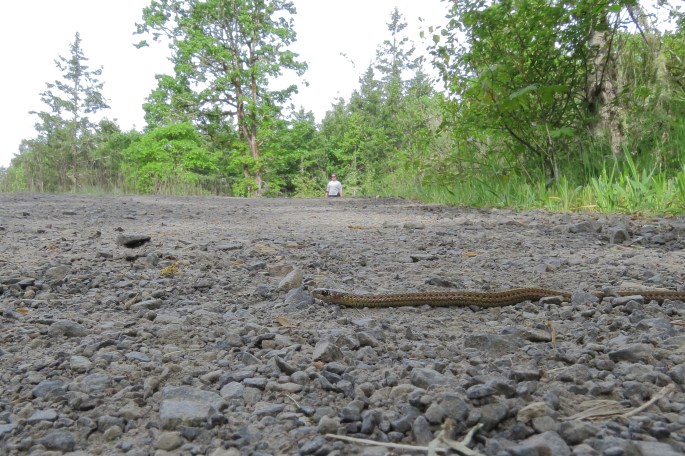 A young Northwestern Garter Snake crossing the trail
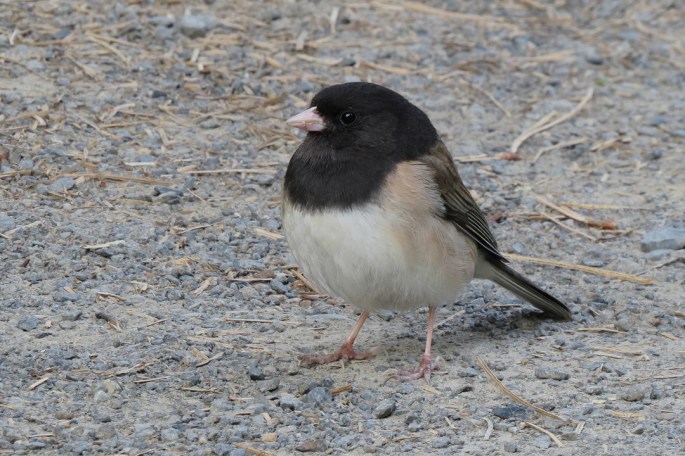 The local Dark-eyed Juncos have seemed quite tame lately. I wonder if they are just really busy gathering food for their nestlings.
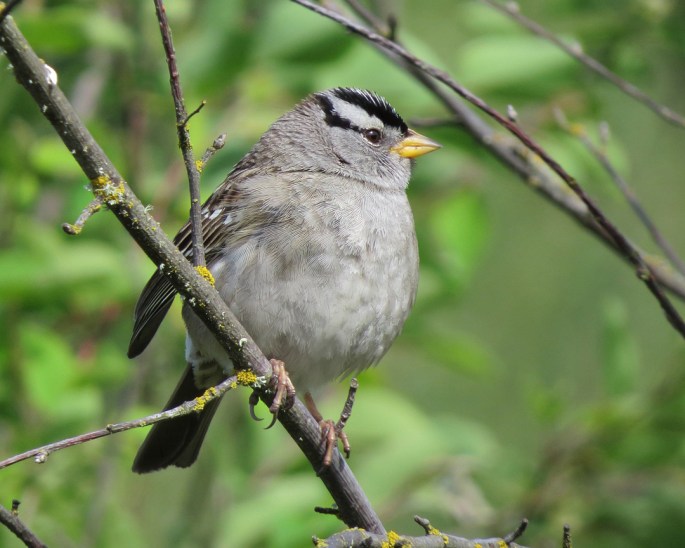 Another White-crowned Sparrow. Despite their limited color palette, I have always thought this species was especially attractive.
 I went to Fort Stevens to look for shorebirds this week. The main push of spring migrants hadn’t arrived yet, but numbers were definitely on the increase. I was pleased that I timed the tide correctly at Parking Lot D. This little bay fills quickly when the tide comes in, so it was nice to have extensive mudflats on this visit.
 Semipalmated Plovers enjoying the mud
 This spot often hosts good numbers of Caspian Terns. Several birds were seen courting.
 Of the six Black-bellied Plovers I saw that day, only one was in full breeding plumage. The others, including this bird, were still in molt.
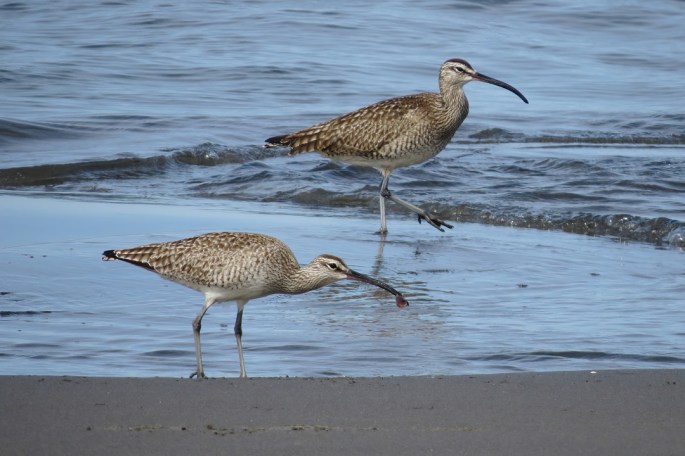 The beach hosted good numbers of Whimbrels.
 The most common shorebird on the beach that day was Sanderling. Most were still in winter plumage.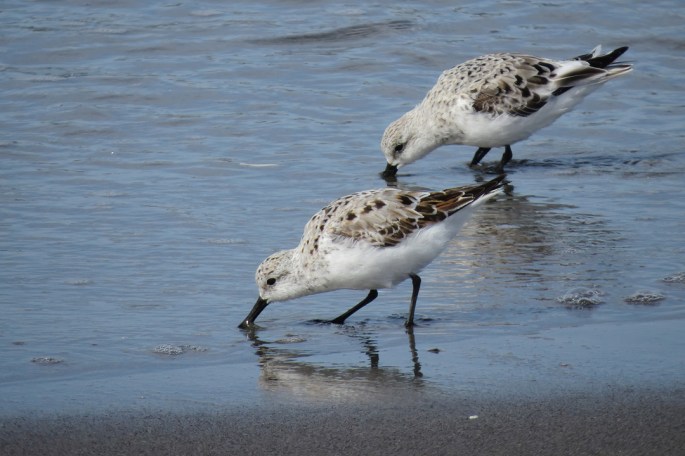
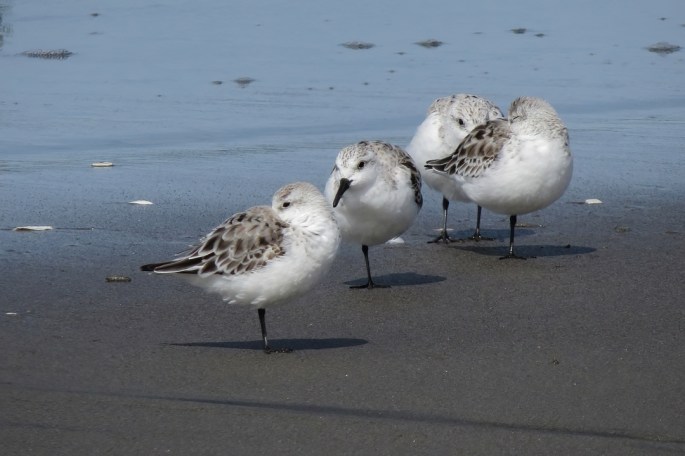


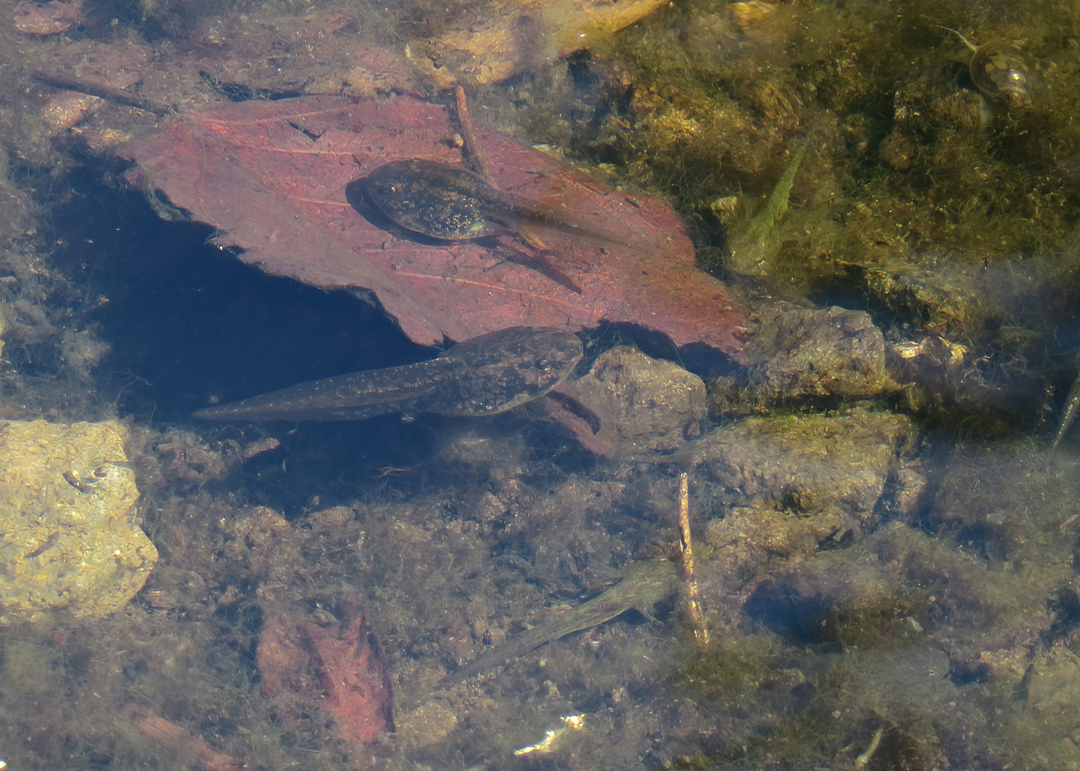
 A quick tour of Fernhill Wetlands showed bird activity picking up, with the appearance of newly arrived migrants and nest building by the local breeders. This Tree Swallow was staking out a cavity.
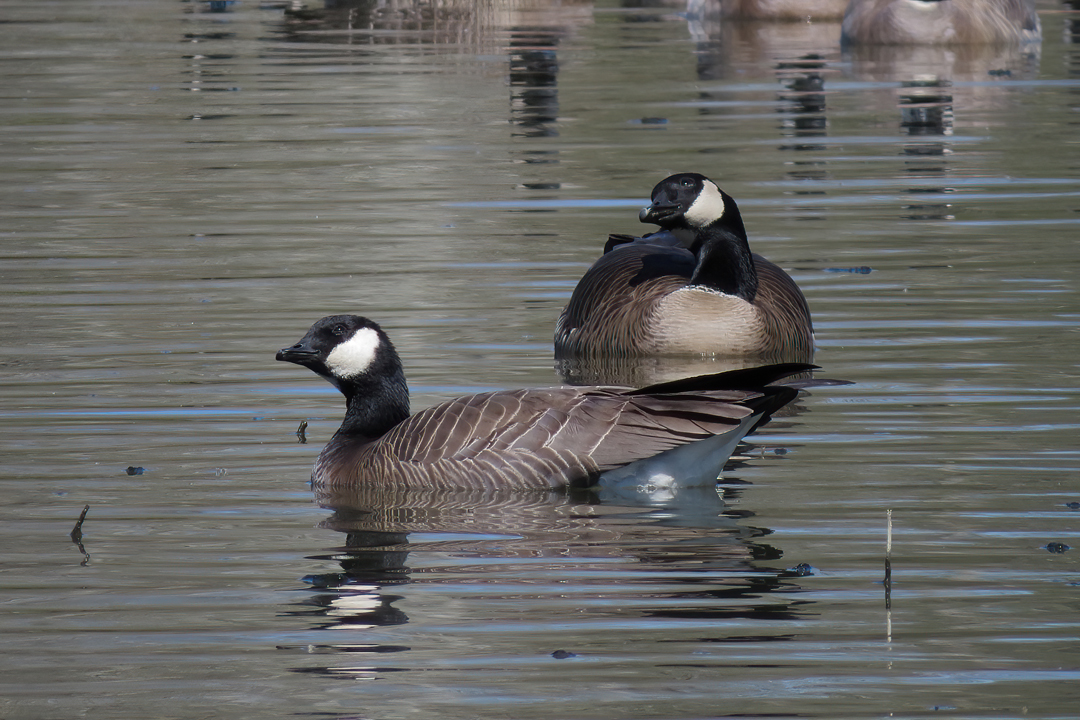 There are still some Cackling Geese around, although they should be heading north any day now. Here is a nice side-by-side view of a Ridgeway’s Cackling Goose and a Taverner’s Cackling Goose.
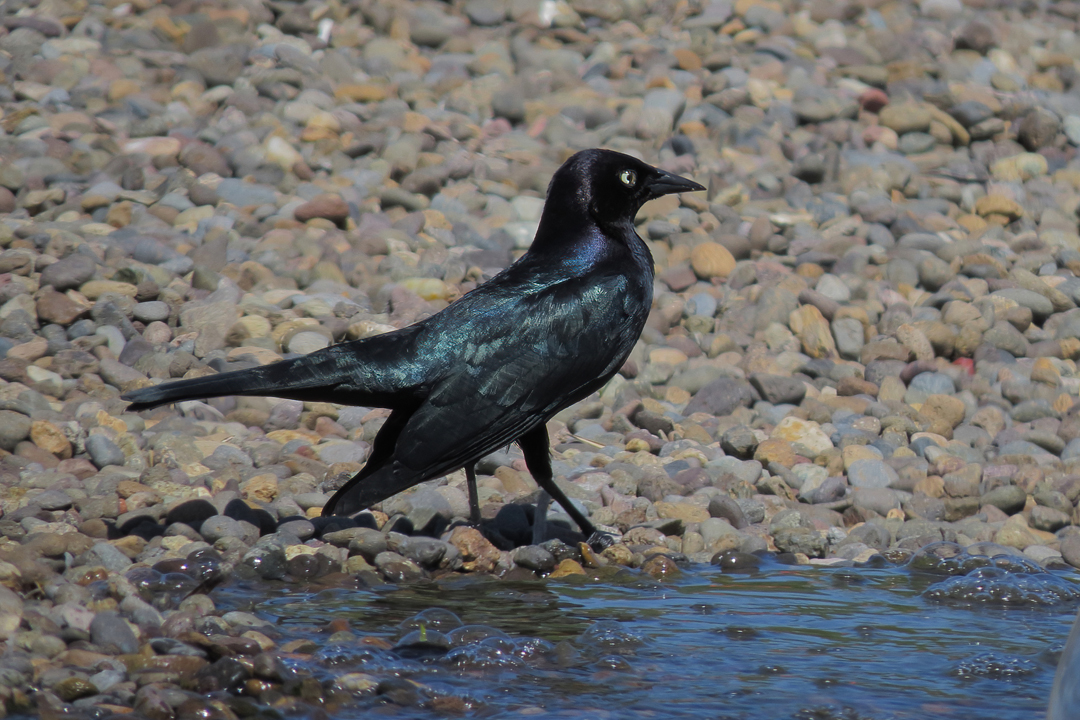 The male Brewer’s Blackbird was showing his colors in the bright sunlight. I caught him in the middle of a blink, so his eye looks weird.
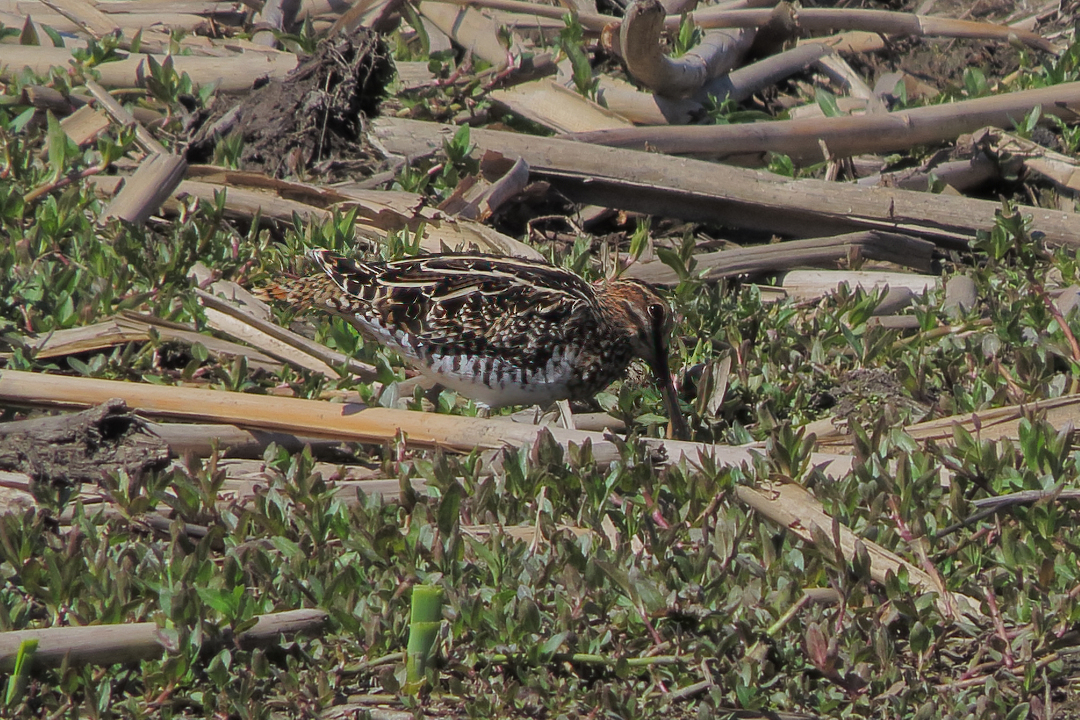 Wilson’s Snipe
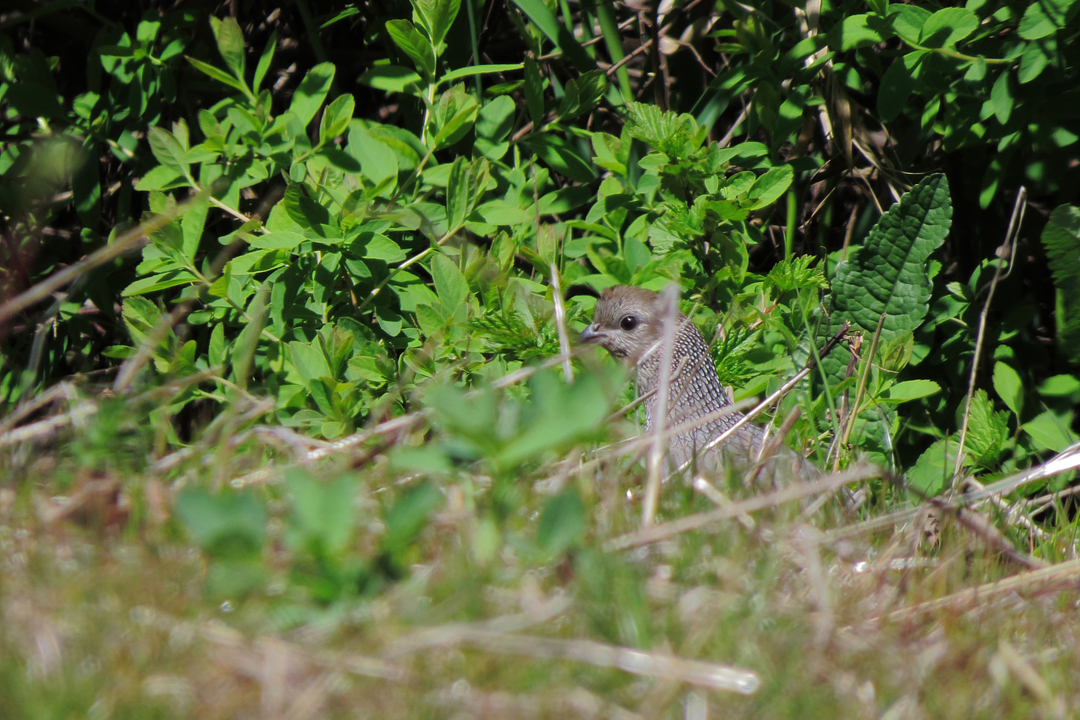 California Quail have become slightly more common at Fernhill in recent years.
 The Common Carp are spawning in Fernhill Lake.
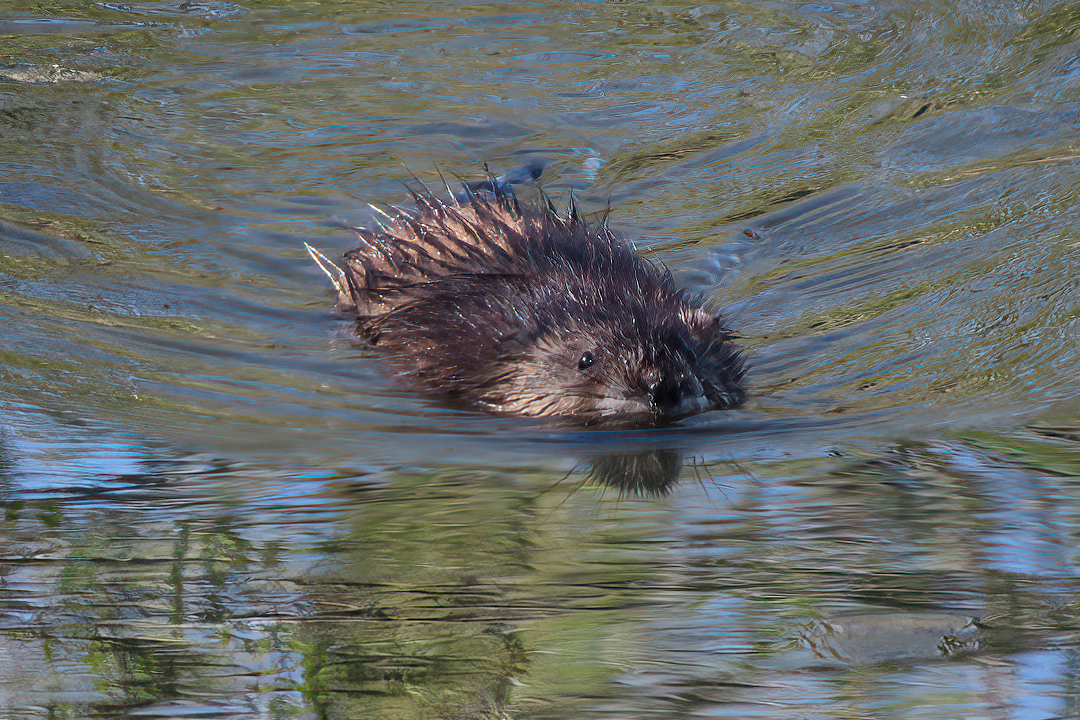 I was pleased to find this Muskrat. The non-native Nutria have become so common at this site I worry they might crowd out the native Muskrats and Beavers.
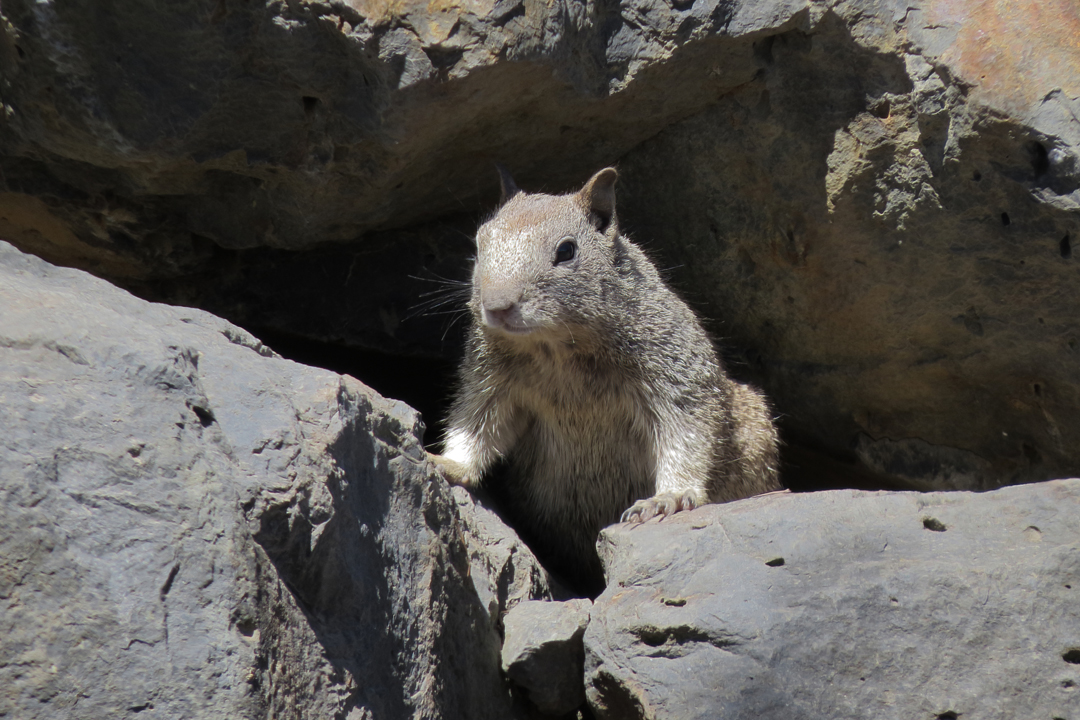 California Ground Squirrels have been taking advantage of the large rocks used in the landscaping at this site.
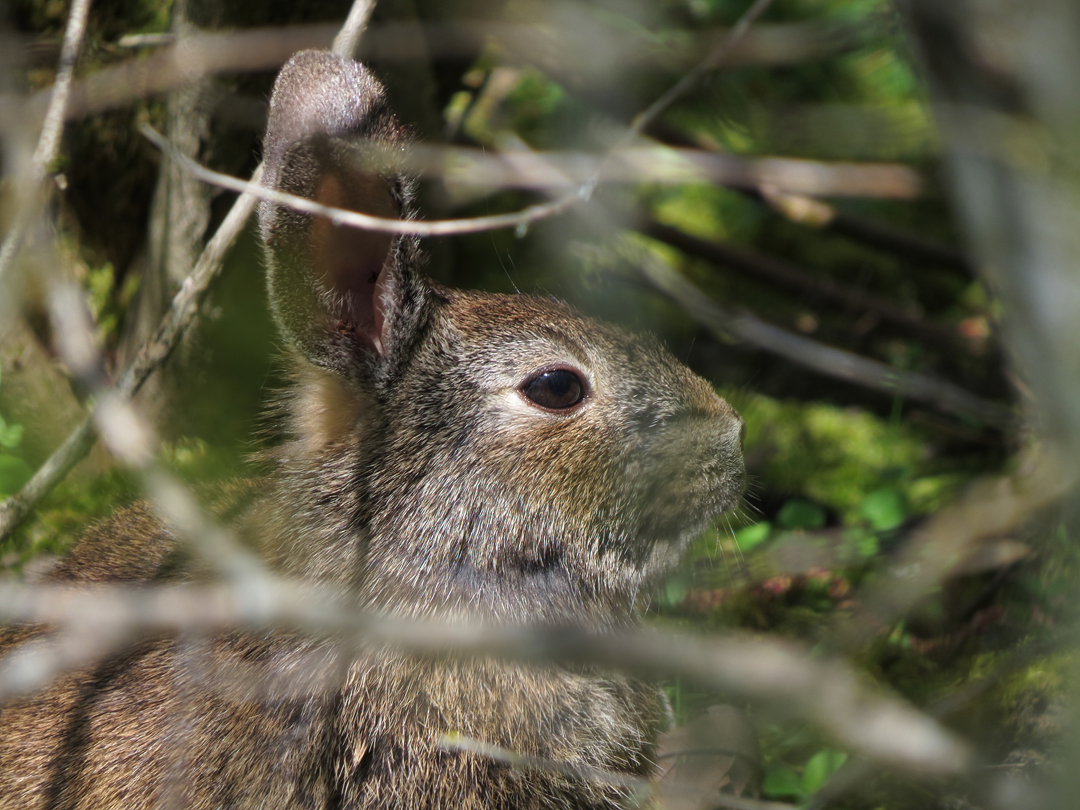 This Brush Rabbit was looking very regal in his thicket.

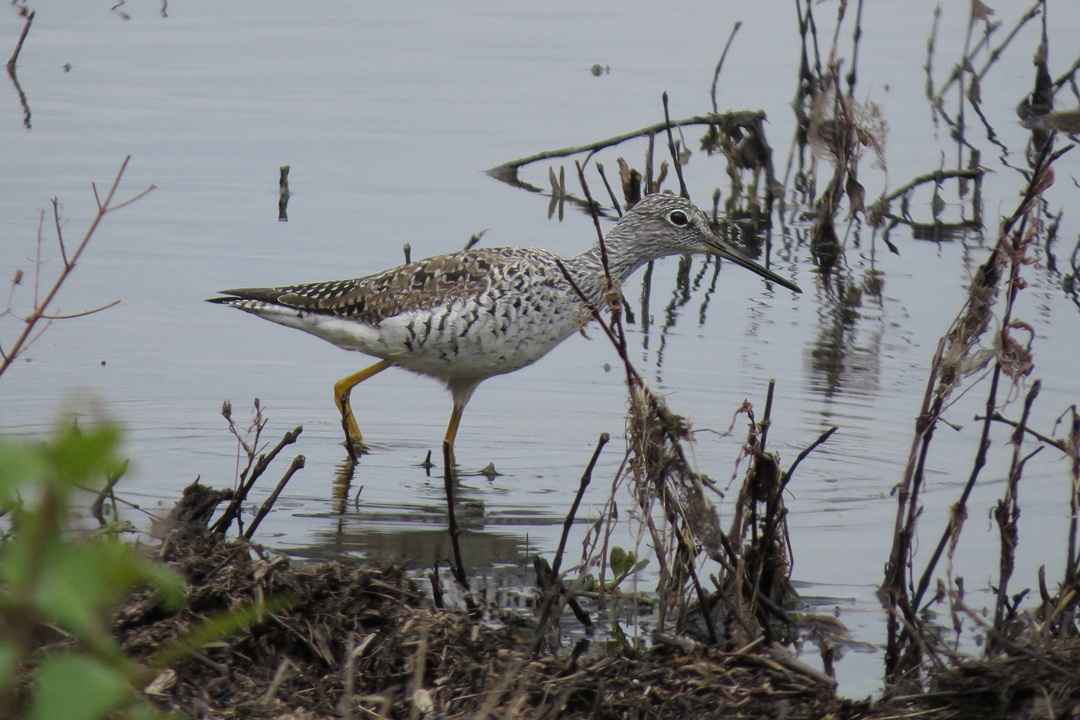

 This lone Greater White-fronted Goose was at the Tualatin River NWR. Not many of these geese touch down in the Portland area, but huge flocks pass overhead in spring and autumn.
 The western U.S. does not get to enjoy the great diversity of warblers found in the east, but we do get Yellow-rumped Warblers all winter. This male Audubon’s race is coming into breeding plumage.
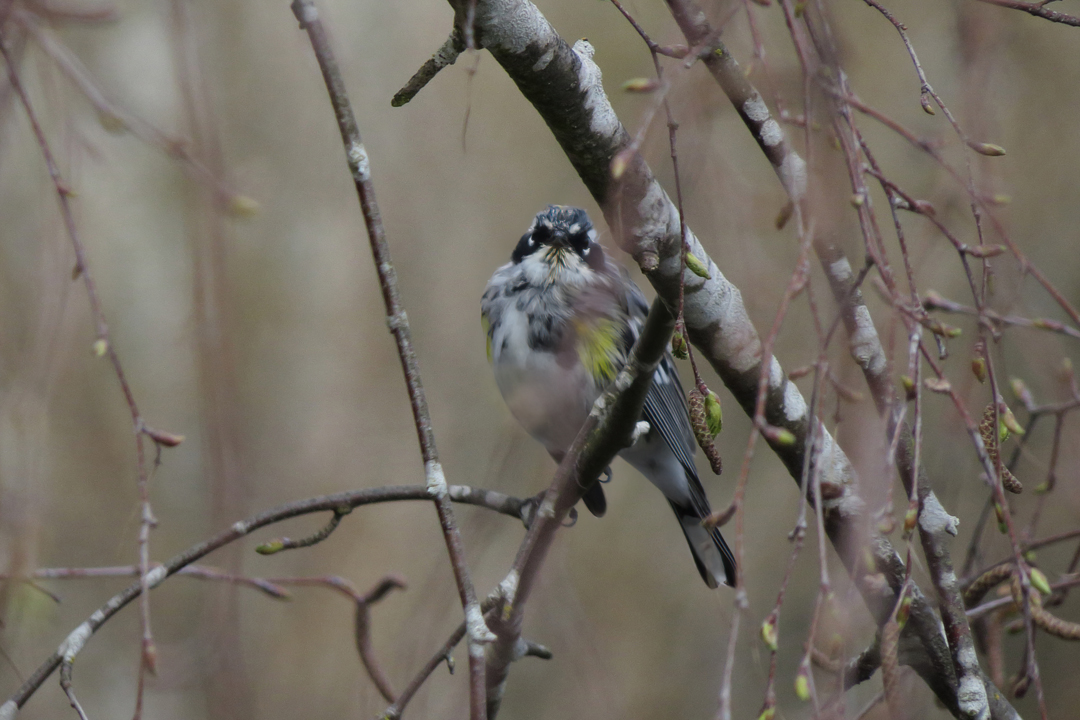 We also get Myrtle race Yellow-rumps in winter. I keep hoping that these two forms will be split into separate species, as they once were. This individual seems to have a little yellow on the throat, suggesting some mixed parentage somewhere in this bird’s family tree.
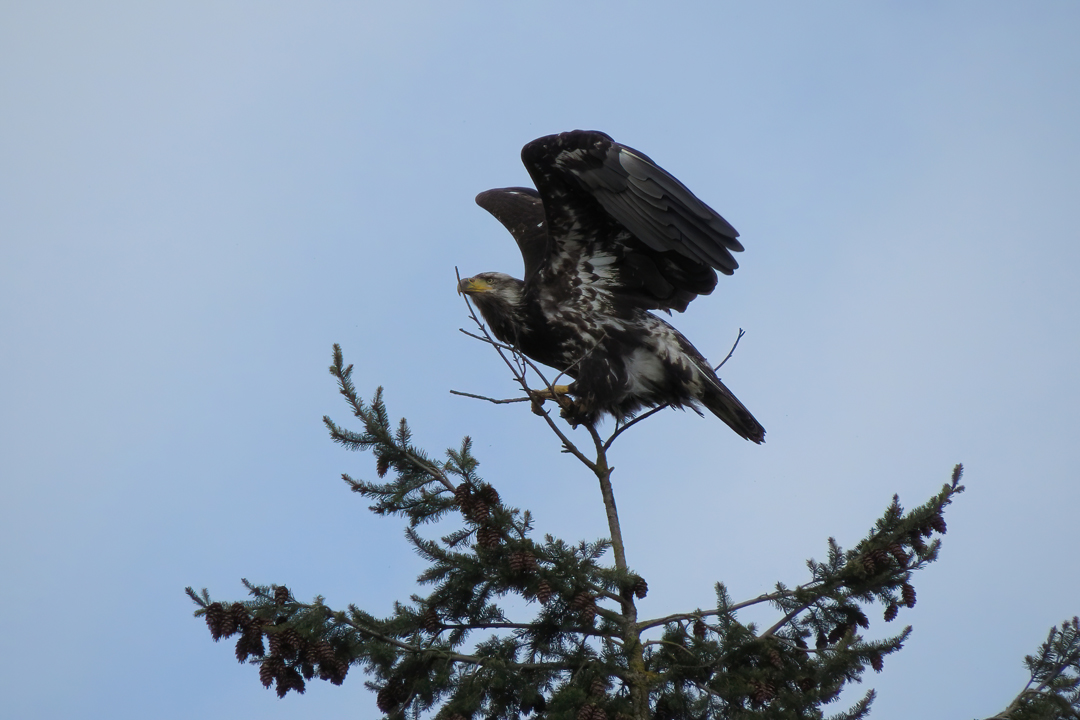 This young Bald Eagle was looking regal in a parking lot.
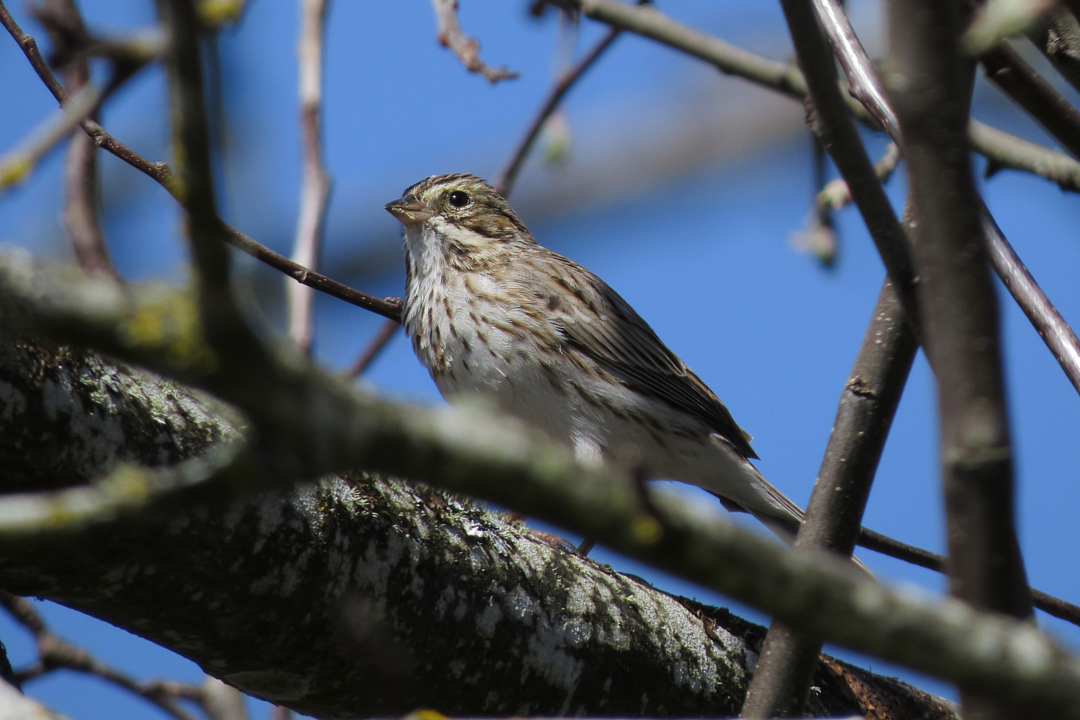 Savannah Sparrows have started returning to their nesting areas. This rather faded individual was at Jackson Bottom.
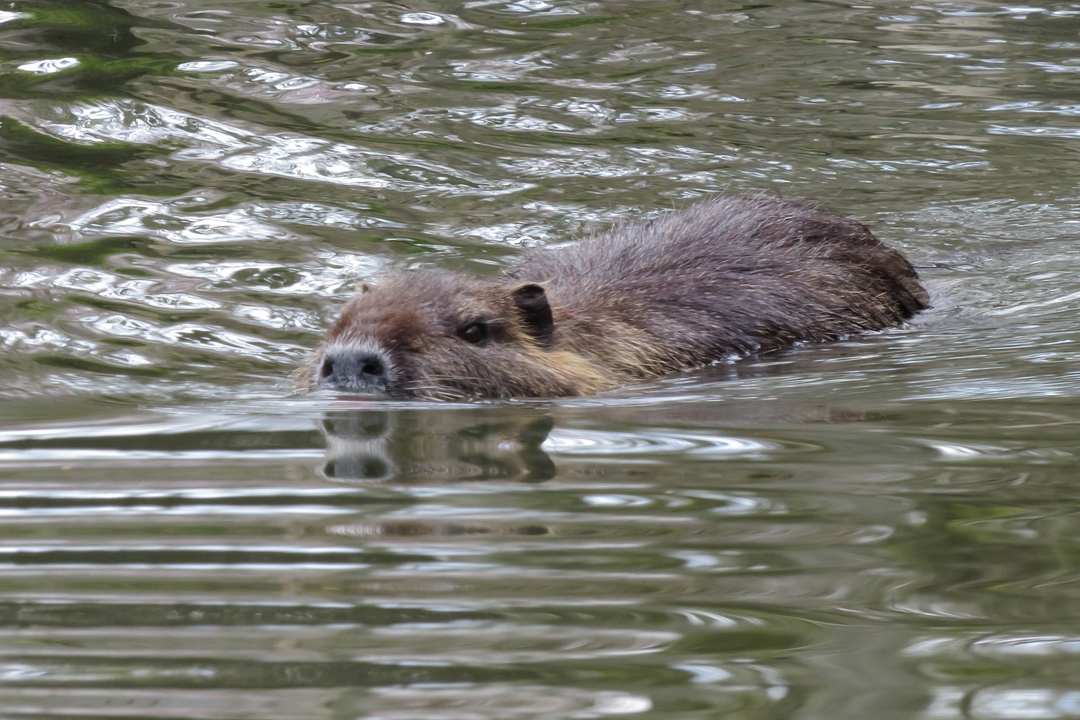 I very rarely get to see Beaver, but Nutria (pictured above) are everywhere, giving me my daily allowance of large aquatic rodents.
 It is always a treat to see Black-tailed Deer.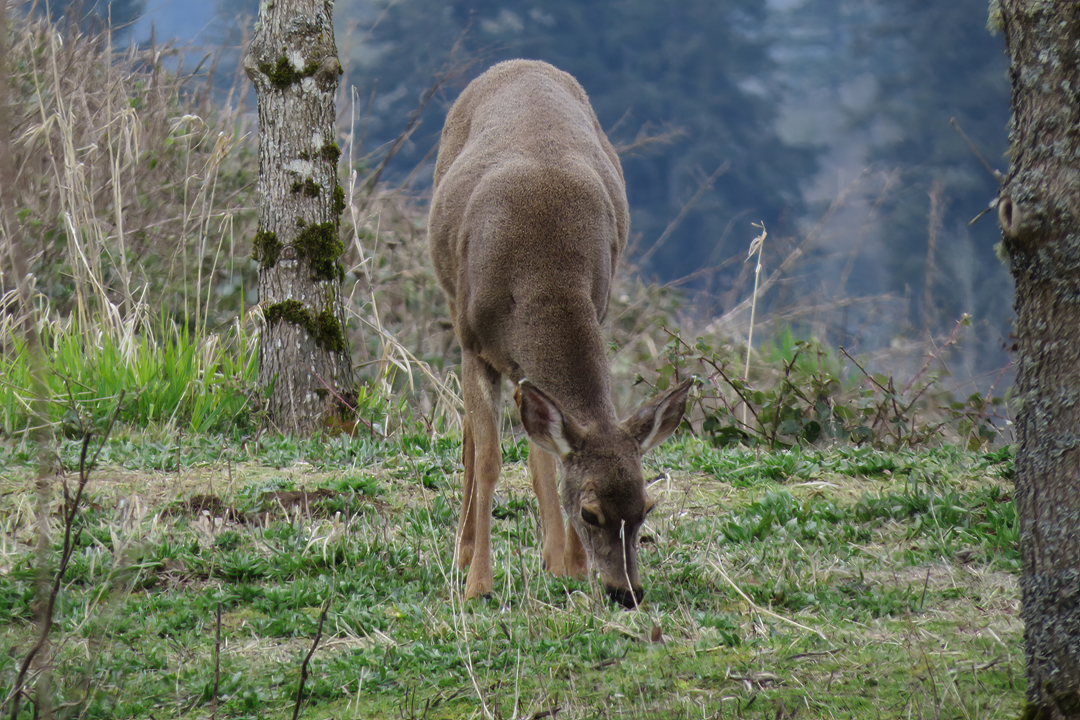

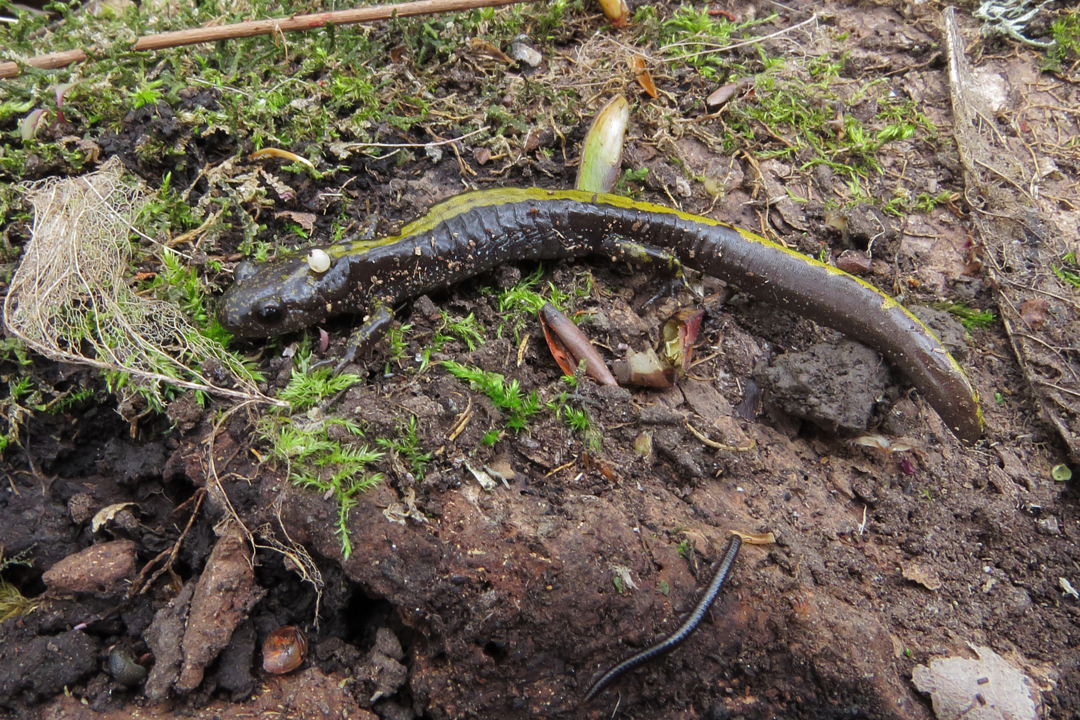
 Partially because birding has been slow, and partially because I am preparing for a herping class in May, I have been looking for amphibians and reptiles a lot this spring. This is an Oregon Ensatina, a very small specimen that was about two inches long. Ensatinas are recognized by their proportionally large head and eyes. The Oregon subspecies typically has the yellow coloring at the base of the legs.
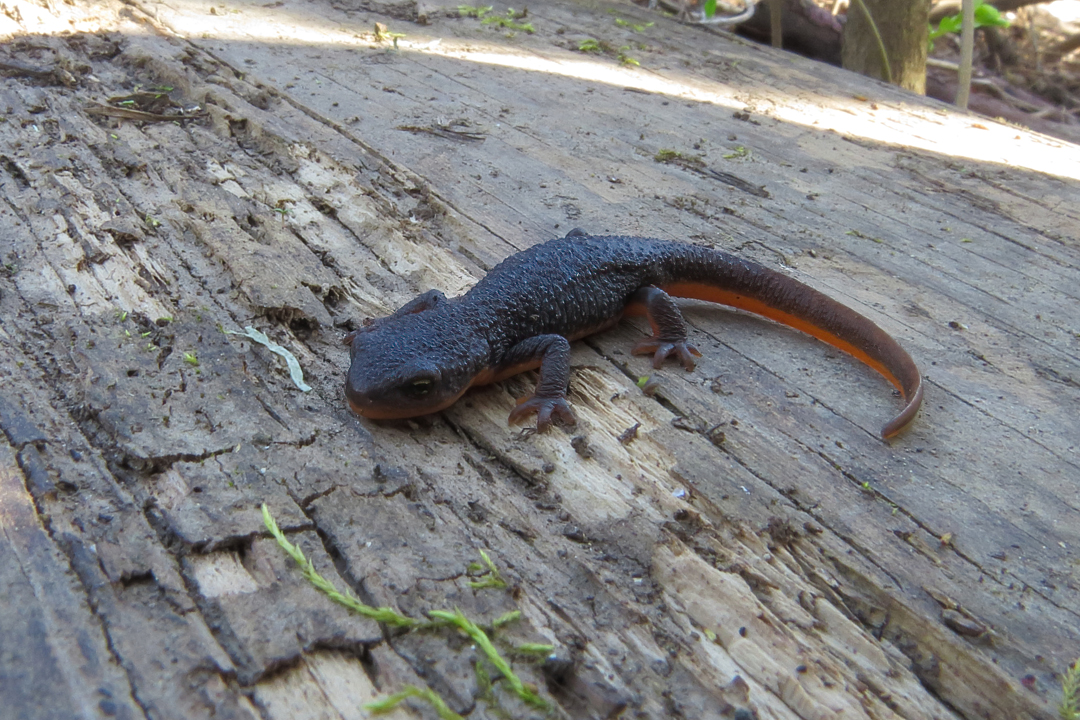 This is the smallest Rough-skinned Newt I have seen, about two inches long.
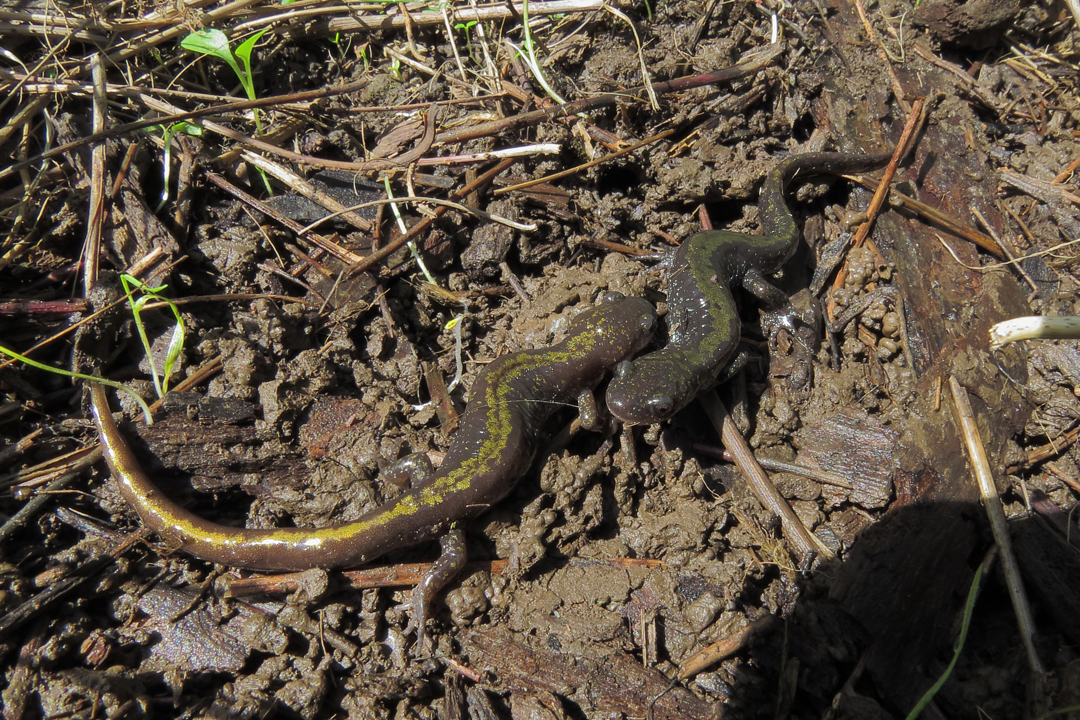 These Long-toed Salamanders were creating some neat shapes.
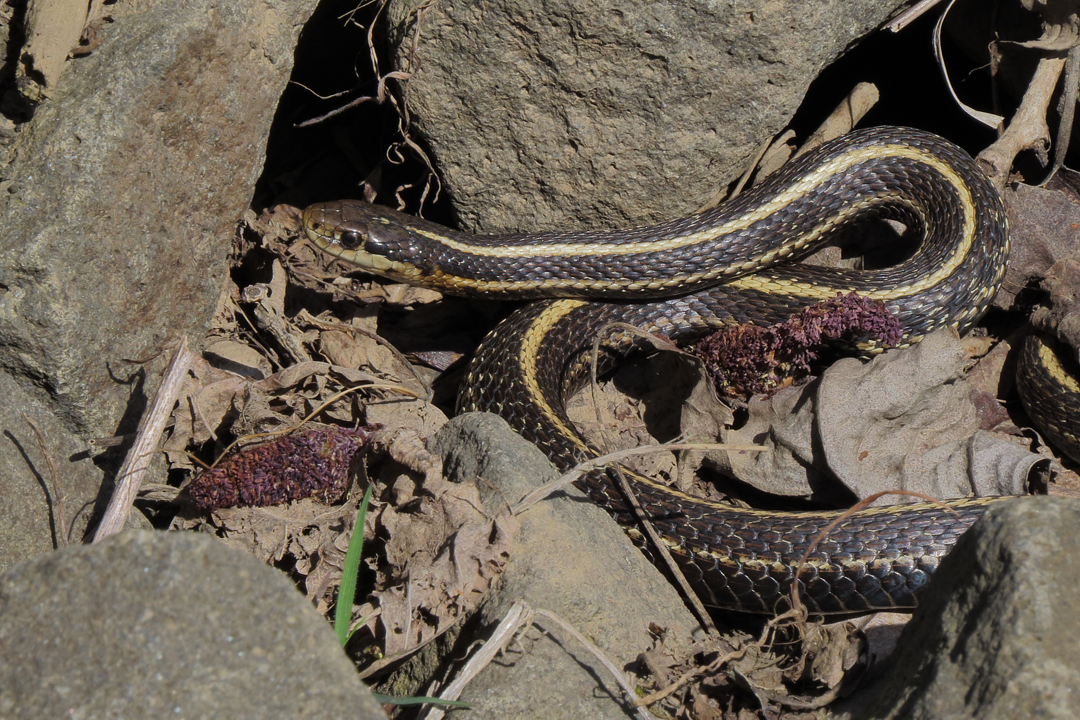 Northwestern Garter Snake
 Two courting Northwestern Garter Snakes. Notice the variation in color pattern, typical of this species.
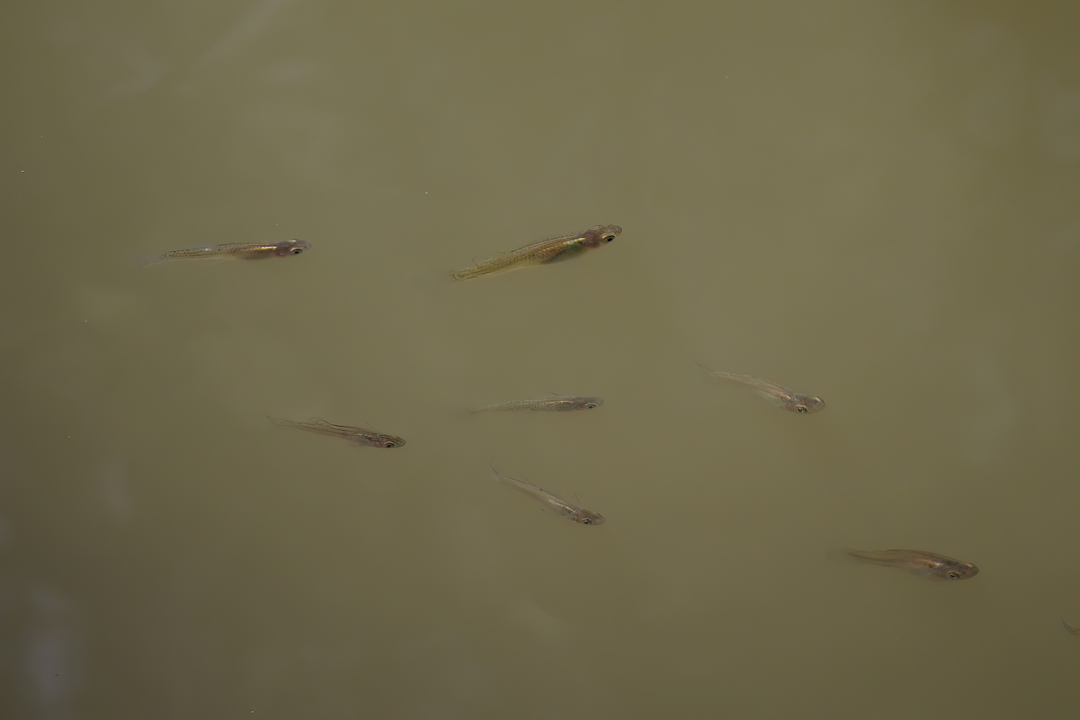 Western Mosquito Fish



 Ethical Birder