 There was an interesting thread on the Oregon Birders On Line (OBOL) email list this week. It started with two birders reporting an Eastern Yellow Wagtail on the north shore of the Necanicum Estuary in Gearhart (Birding Oregon p. 122). Eastern Yellow Wagtail is extremely rare in Oregon, and this individual will be the first verified by a photograph. So this was a great find.
The birders posted the find on OBOL that evening, once they got to a location with an internet connection. What followed was a pathetic tantrum from several birders who felt cheated. Some wanted to know why these birders hadn’t reported the sighting earlier. (The bird had been seen in the mid-afternoon.) Some accused the birders of being selfish. Some suggested that these birders, both being members of the Oregon Bird Records Committee, had an obligation to share the sighting immediately and then accused the entire committee of being elitist and secretive.
When did we get to this point where we feel entitled to know about everyone else’s birding results? It wasn’t that long ago that rare bird reports only appeared in print several months after the fact. Just because current technology makes it POSSIBLE to report rarities instantly, birders are certainly not under any obligation to do so. I do not have the RIGHT to know what birds you saw today, no matter how rare they are.
I have certainly benefited from other birders’ sightings. Many of the rarer species on my Oregon list (Lesser Sand-Plover, Northern Hawk Owl, Ruff, Sharp-tailed Sandpiper, Vermilion Flycatcher, Cassin’s Kingbird) are the result of chasing birds reported on OBOL. Rare bird alerts are tools that we can use, but they are not the only way to find birds, and they are not a God-given right.
The people who find the most rarities are the people who go birding a lot and look at a lot of common species. It is a combination of persistence (the more you bird, the more you will see) and dumb luck. So if you hear about a great bird that someone else has found, and it is too late or too far to chase, turn off your computer and go birding. Find your own birds and enjoy every one of them.

Great Blue Heron, a very common bird in this area, but always worth a look
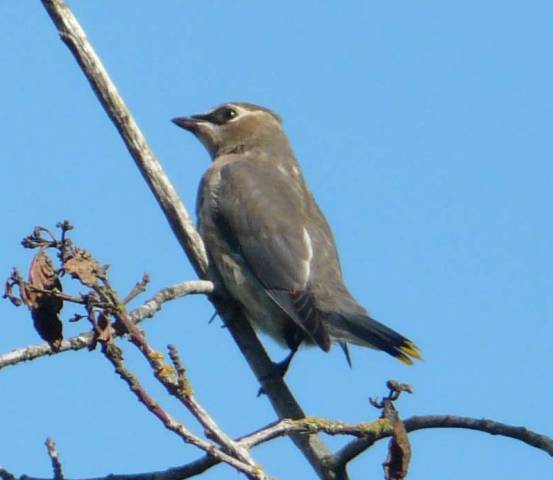
a young Cedar Waxwing

 But that has changed. In celebration Peterson’s centennial, and in an effort to maintain the legacy (and cash flow) of the Peterson name, Houghton-Mifflin has released a new Peterson guide to the birds of North America. Combining the eastern and western guides into one volume, the publishers have enlisted the help of several artists and writers to update Peterson’s work. The end result is actually very impressive.
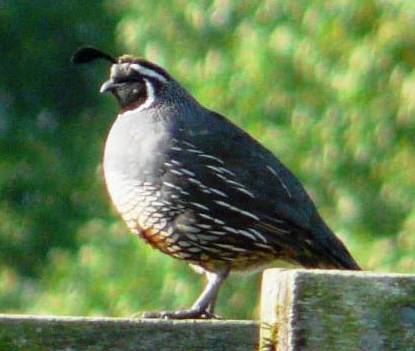

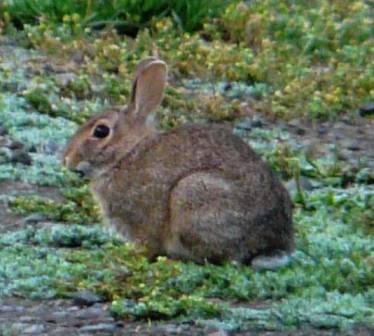


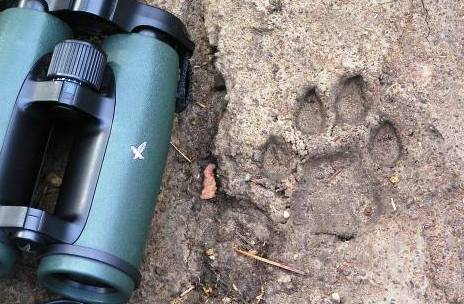
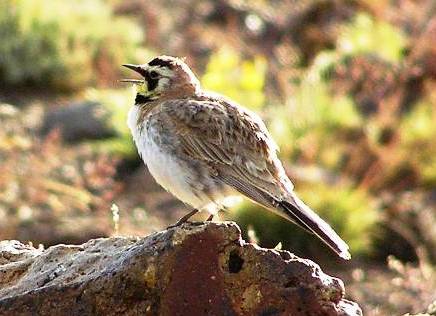


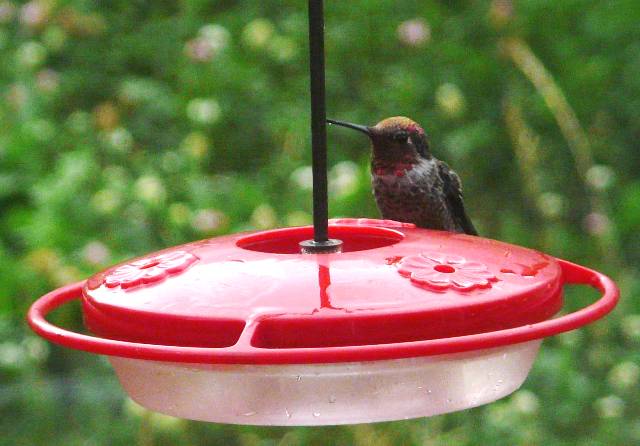

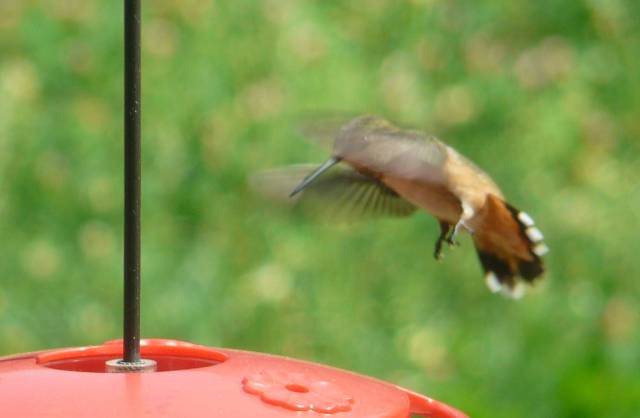
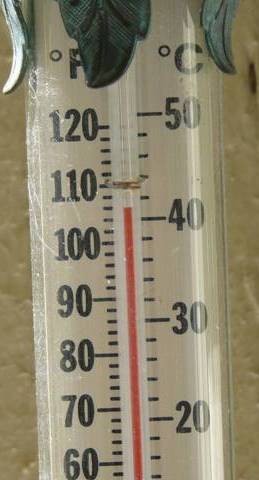 It’s hot. There is nothing unusual about this, being mid-August and all. And in a few days it will be cool and cloudy, if you can believe the forecast. But for now, it is hot and I am inside, where the temperature is a tolerable 77 degrees F.








 Ethical Birder