Gray Jays


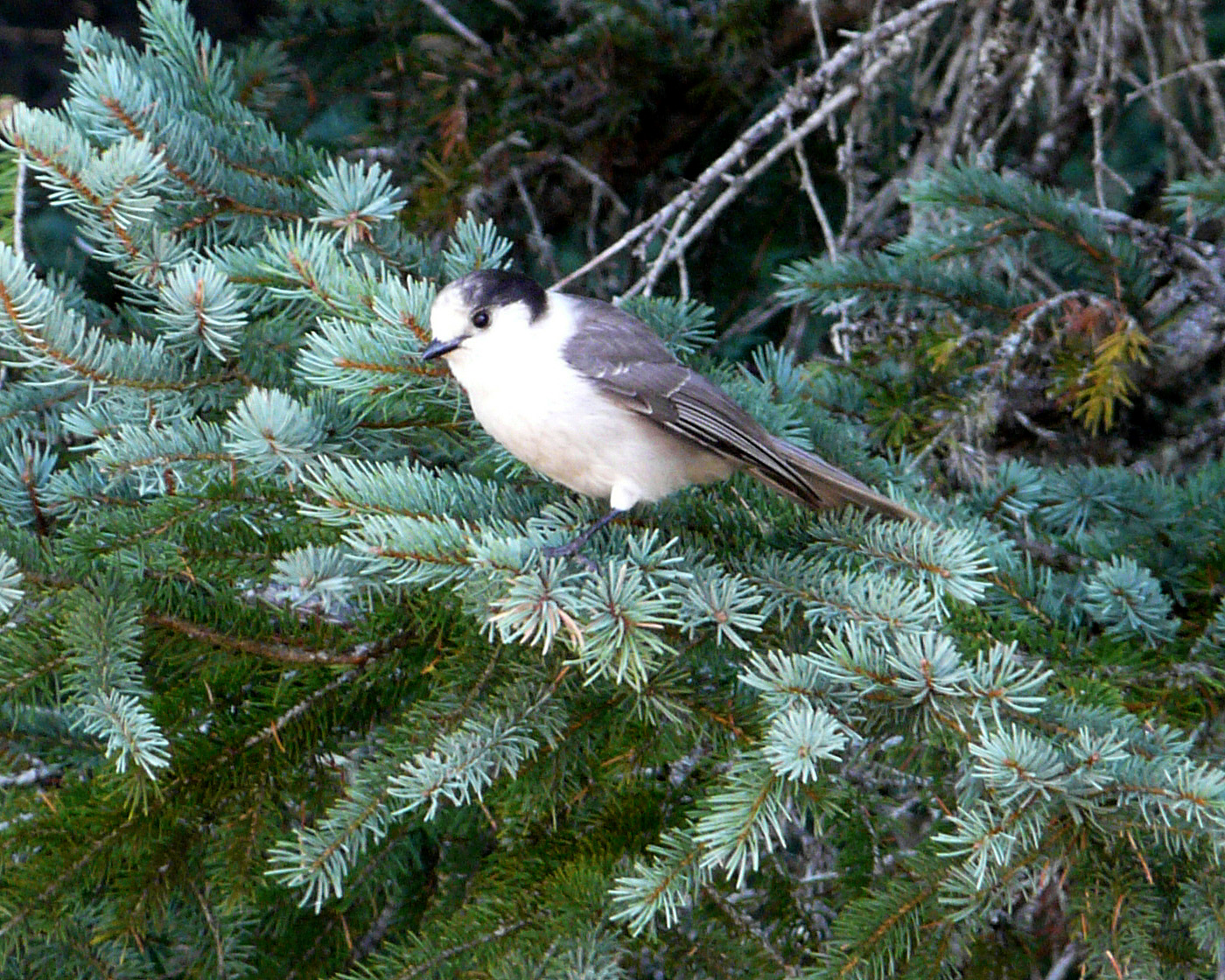
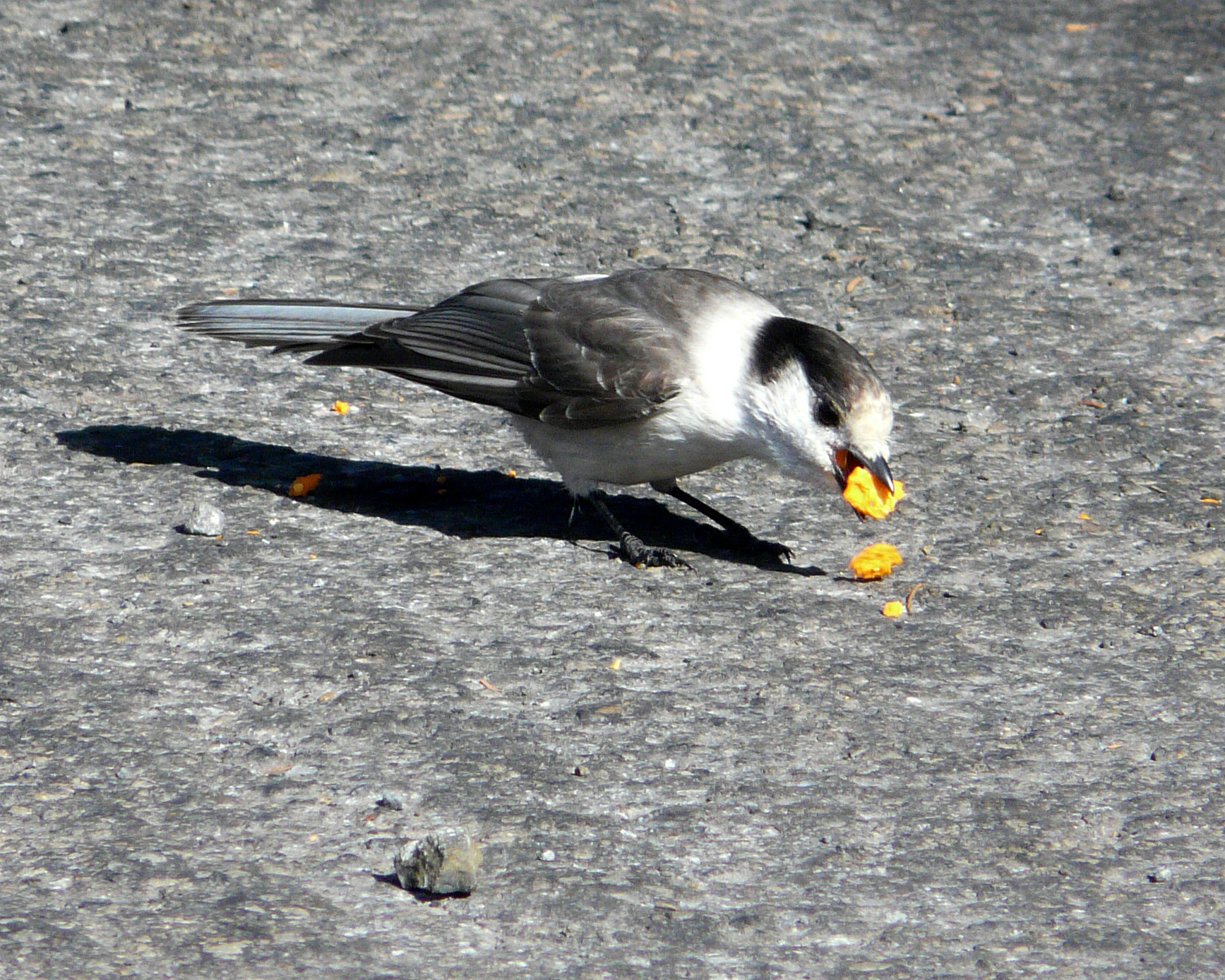
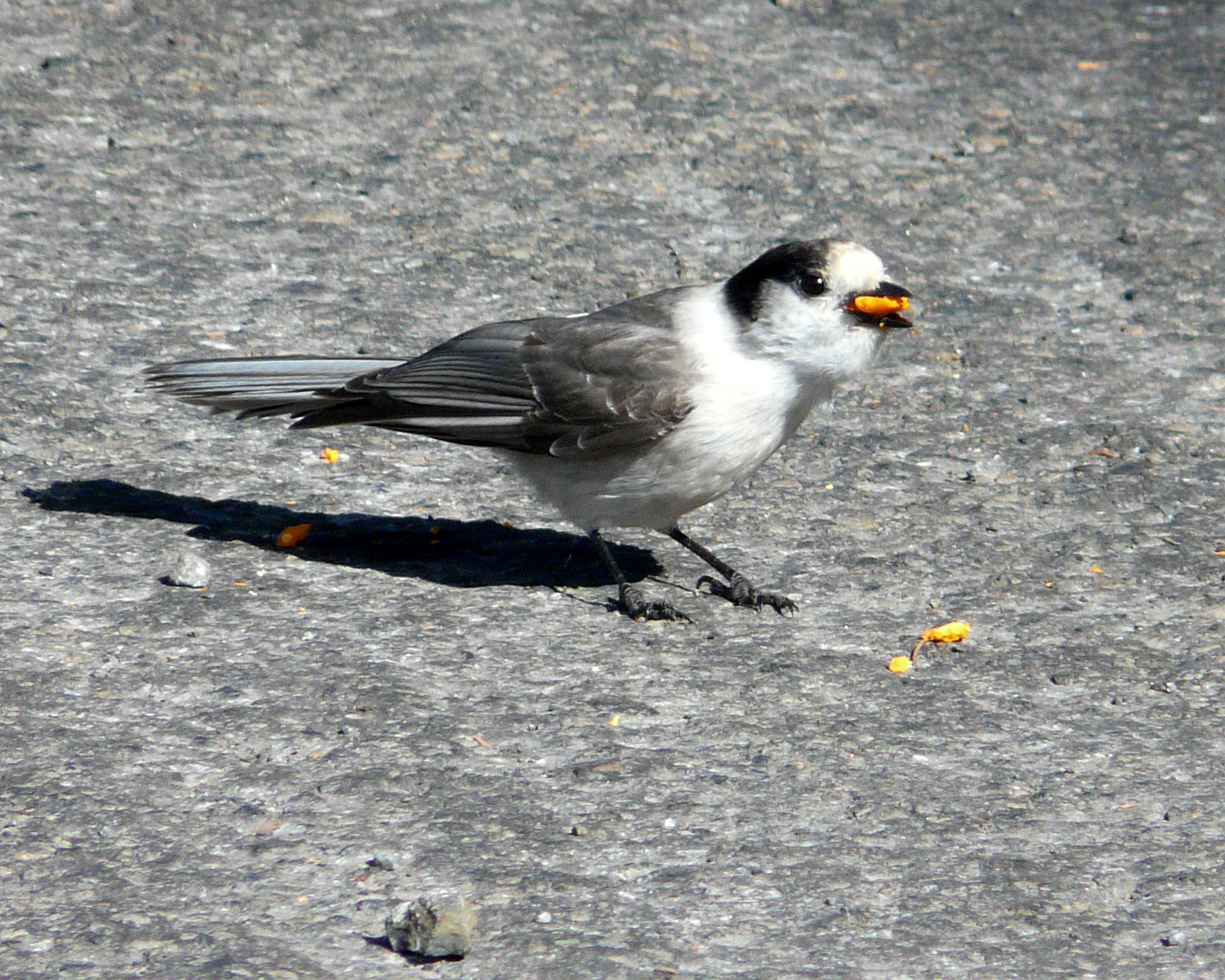
While exploring areas around Mt. Hood, my Portland Audubon class encountered a flock of Gray Jays at the Little Crater Lake Campground (Birding Oregon p. 75). When I find this species in the woods, they seem rather shy to me. But when the birds have been enjoying the easy pickings at a campground, one can quickly see how they got the nickname, Camp Robber. Jays were landing on fingers, binoculars, and hats in hopes of getting a handout. Their efforts were rewarded with nuts and crackers, a small price to pay for such an enjoyable close encounter with a beautiful bird.

Coyote


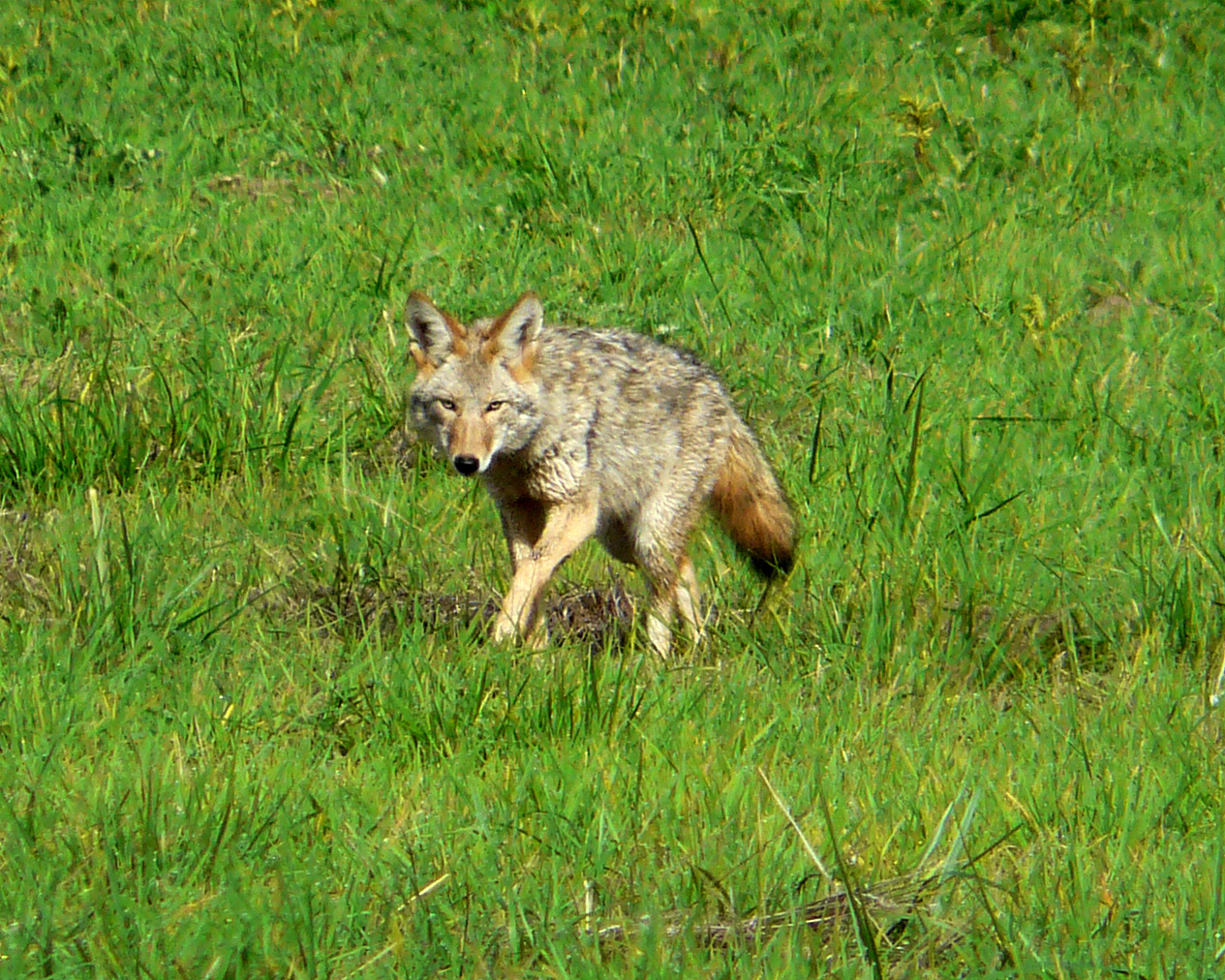
A recent trip around the Auto Tour Route at Ridgefield NWR in Washington provided a great opportunity to watch a Coyote hunting in a meadow. Ridgefield is one of those few places where Coyotes can go about their business without having to worry about idiots with rifles.


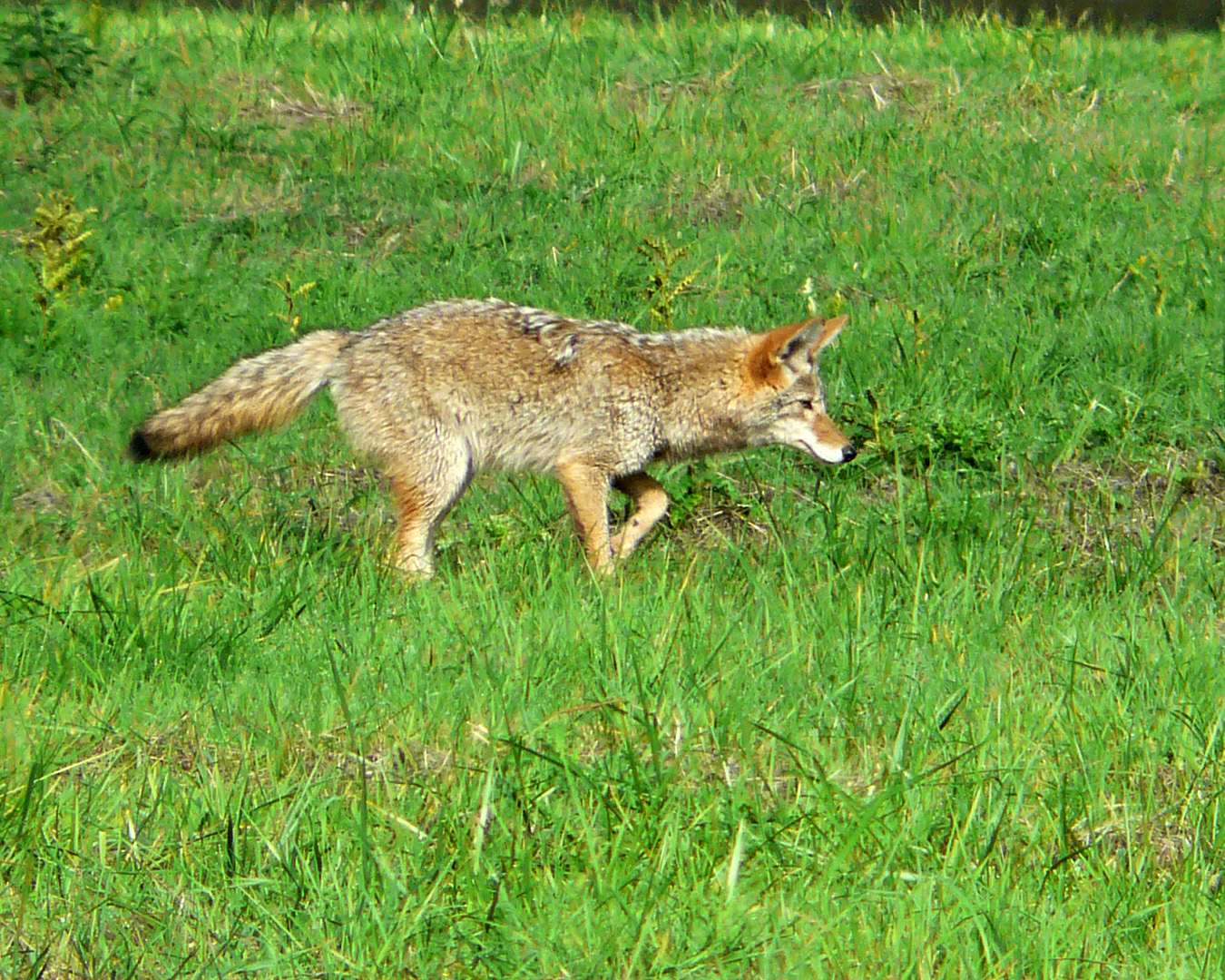
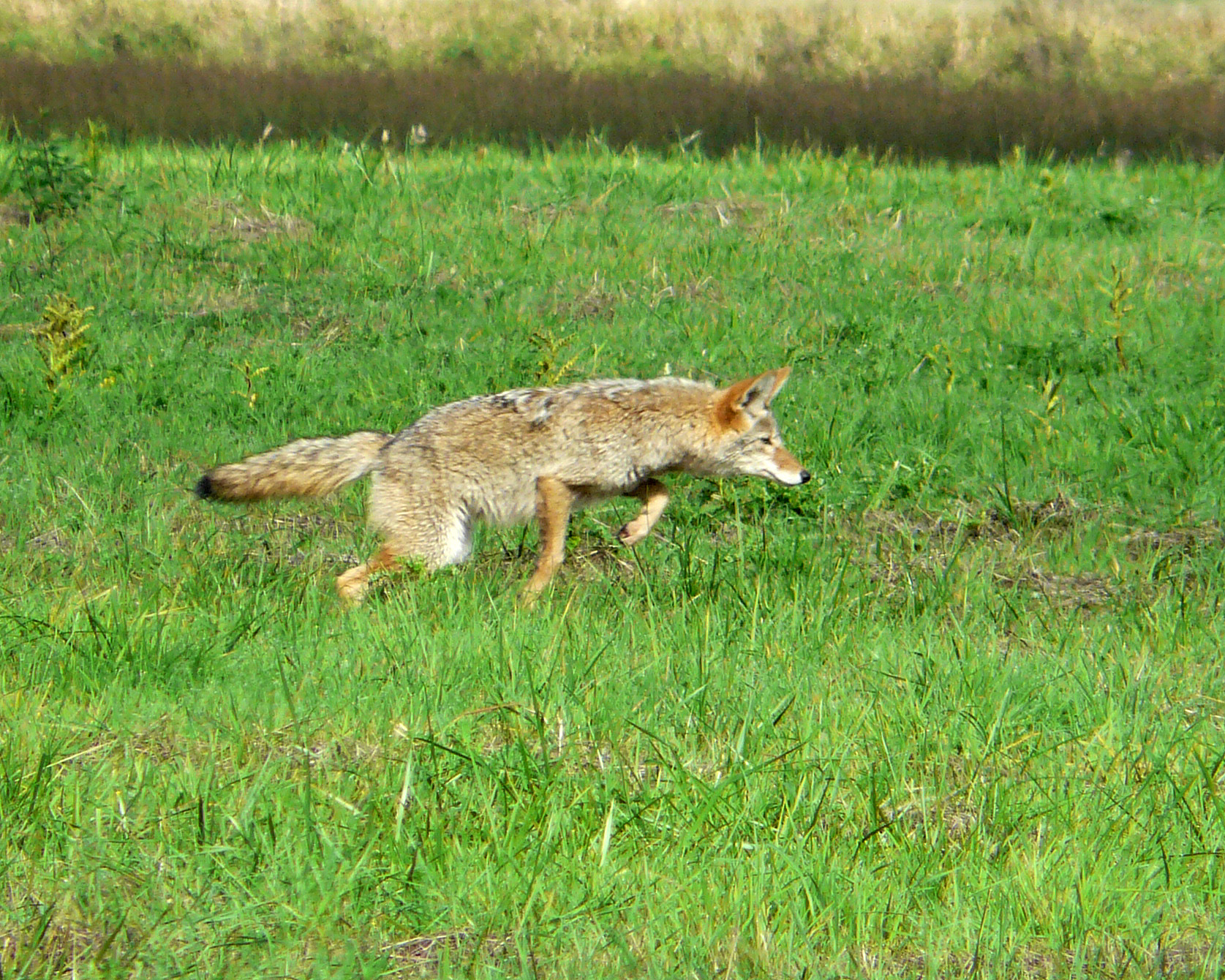
Here we can see the rufous ears, a key field mark for this species. The prey of the day was small rodents, I assume some species of vole, and hunting was good. The technique is illustrated in the four images below.


1. Listen


2. Leap


3. Pounce


4. Enjoy. Bon appetit!

Mt. Hood National Forest

Here are some photos from a recent scouting trip to Mt. Hood for my upcoming Portland Audubon class.


Timothy Lake, a good spot to look for migrant loons and grebes


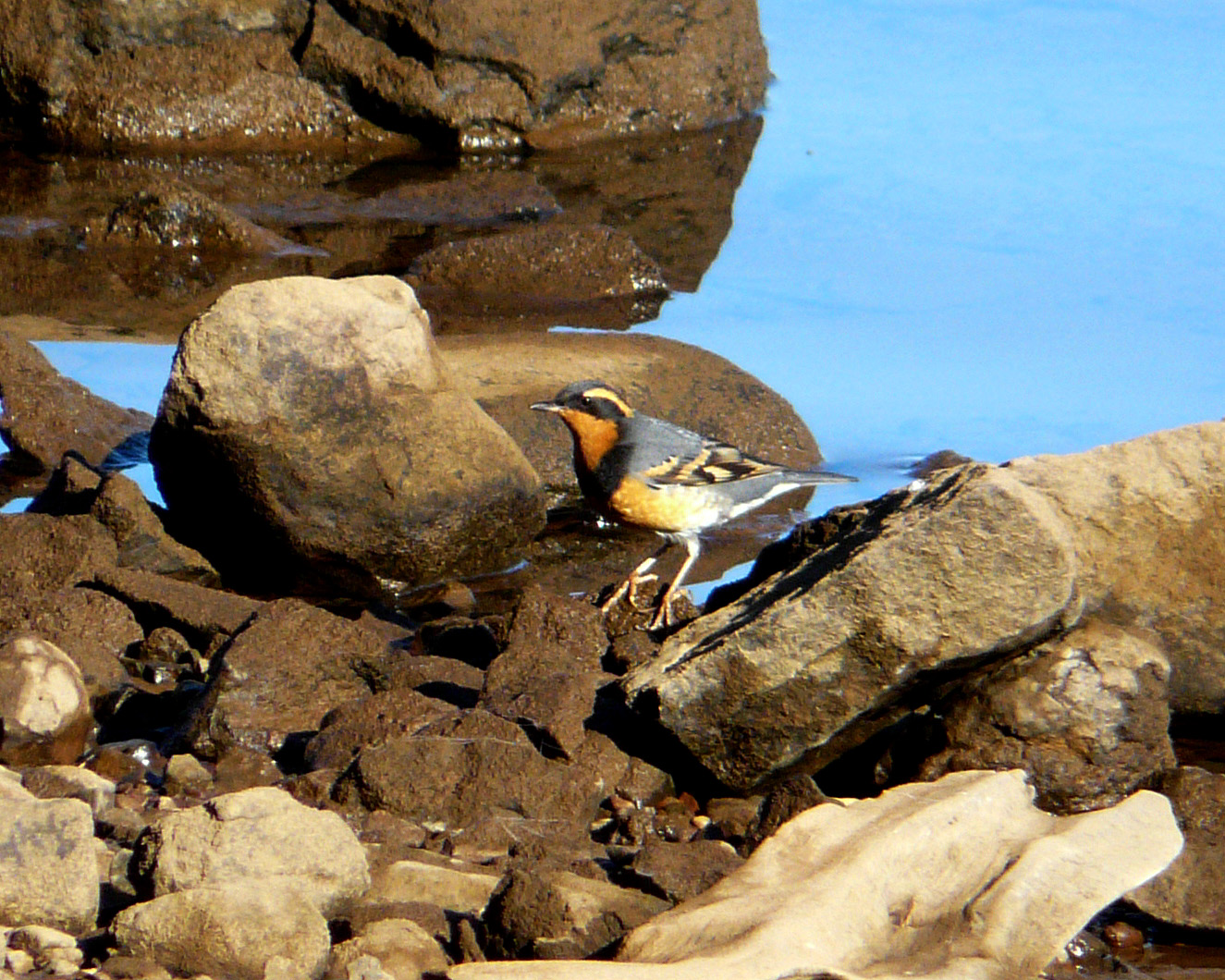
Varied Thrush on the shore of Timothy Lake


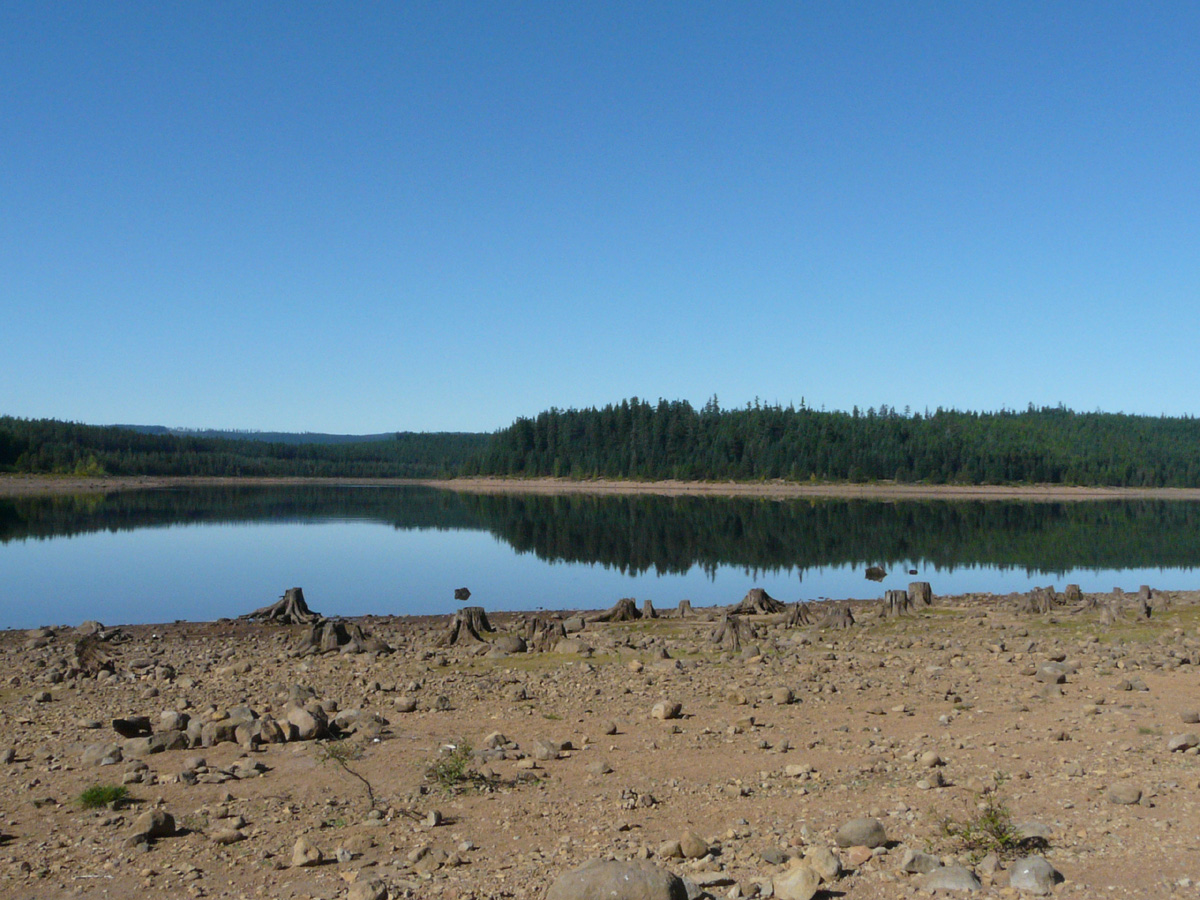
Clear Lake is very low this time of year, but still attracts waterfowl.


Greater White-fronted Goose on the shore of Clear Lake


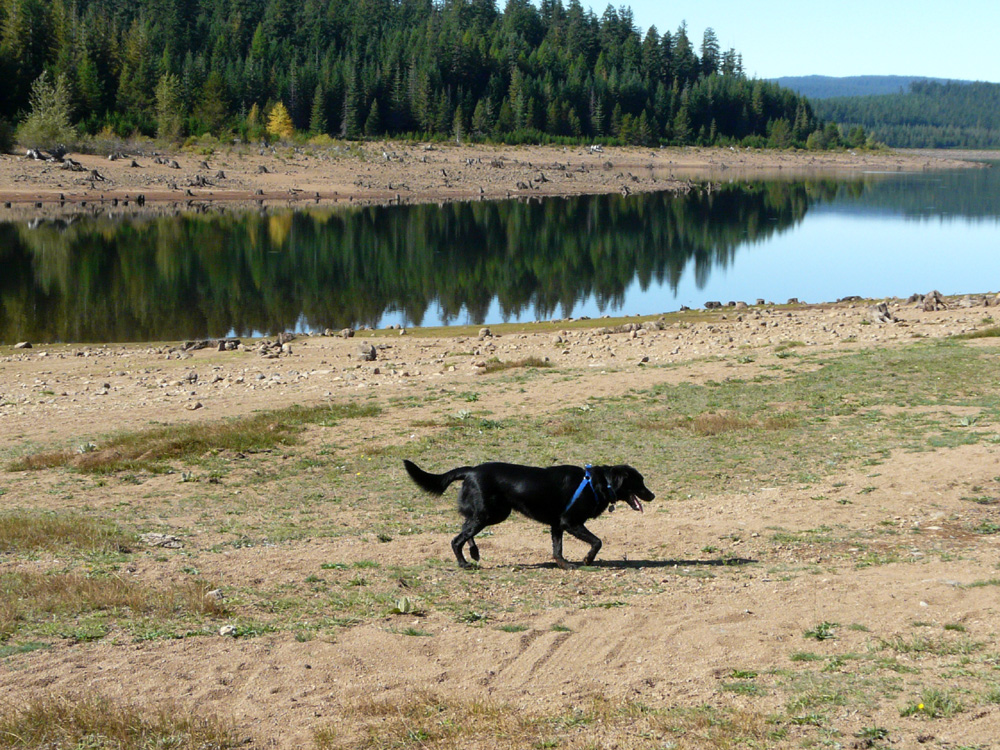
Nala, the Birding Dog, after adding Greater White-fronted Goose to her life list. She apologizes for chasing the goose into the lake, but she just couldn’t help it.


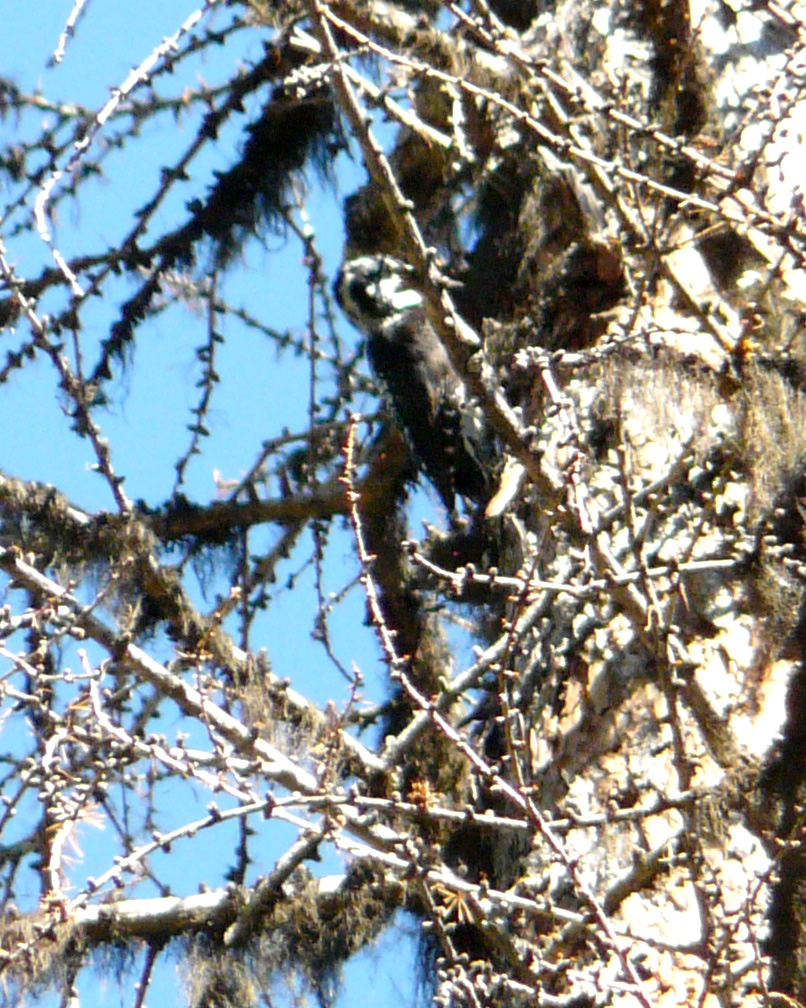
A burned section of forest near Cooper Spur on the northeastern part of the mountain. Burned forest is a magnet for woodpeckers.


A really bad photo of an American Three-toed Woodpecker in the burn


The giant gravel pile that is Mount Hood, above Timberline Lodge


Townsend’s Solitaire

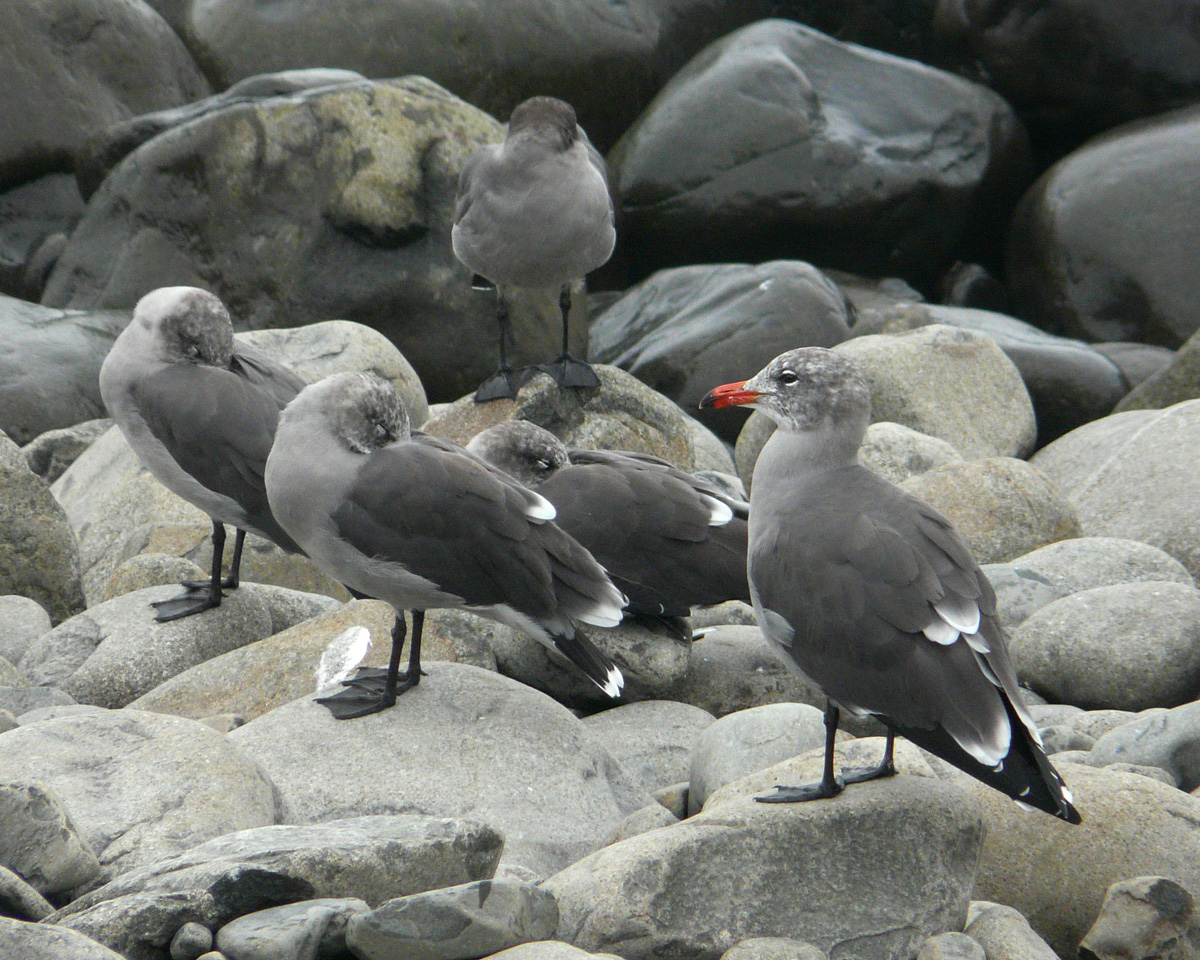
Studies in Gray; Heerman’s Gull

The rocky shore of The Cove in Seaside (Birding Oregon p. 121) is a favorite loafing spot for Heerman’s Gulls. The gray stones match the velvety gray of the gulls, and make the flash of brilliant red from the gulls’ bills even more stunning. Heerman’s Gulls are certainly among the most beautiful birds in North America.


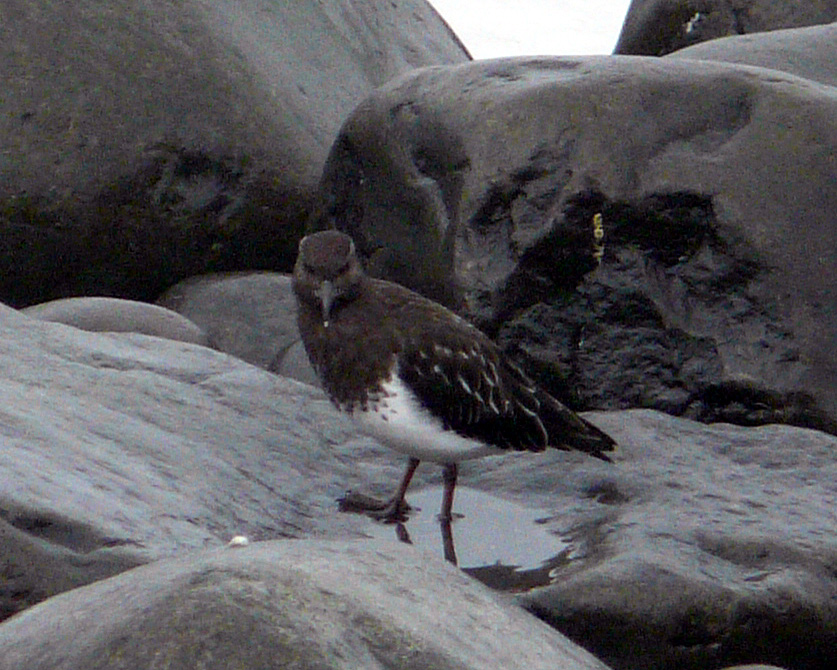
Black Turnstones also blend in with the rocky shore.

Ft. Stevens State Park, 9-28-’10

I took a client birding along the northern coast this week. Ft. Stevens State Park (Birding Oregon p.119) is a mandatory stop when spending a day in this area.


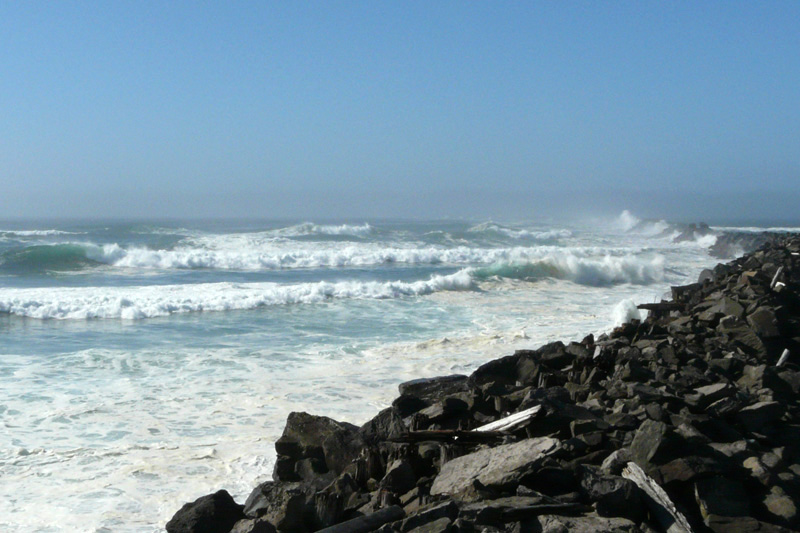
An observation deck overlooks the south jetty of the Columbia River. This is usually a great place to find birds on the water, but the surf was very rough on this day. Notice the waves washing over the jetty.


This California Sea Lion had hauled out onto the beach to take a break from the big surf.


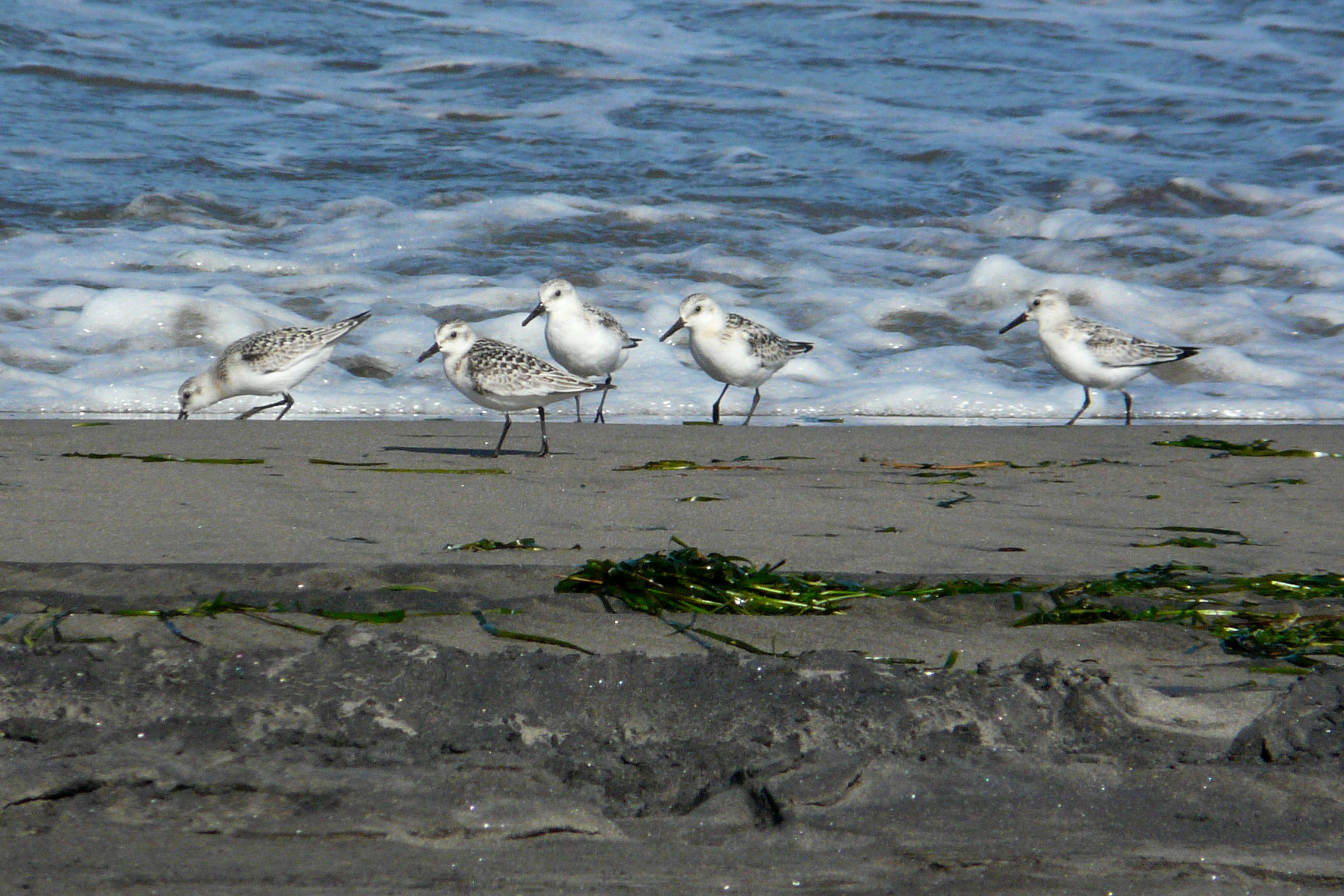
This flock of Sanderlings was feeding on the calmer side of the spit.


Notice how the second bird from the right is bending his upper mandible. Shorebird bills are flexible, allowing the birds to grab onto prey beneath the surface of the sand.


Running along at the very edge of the waves is typical behavior for Sanderlings.


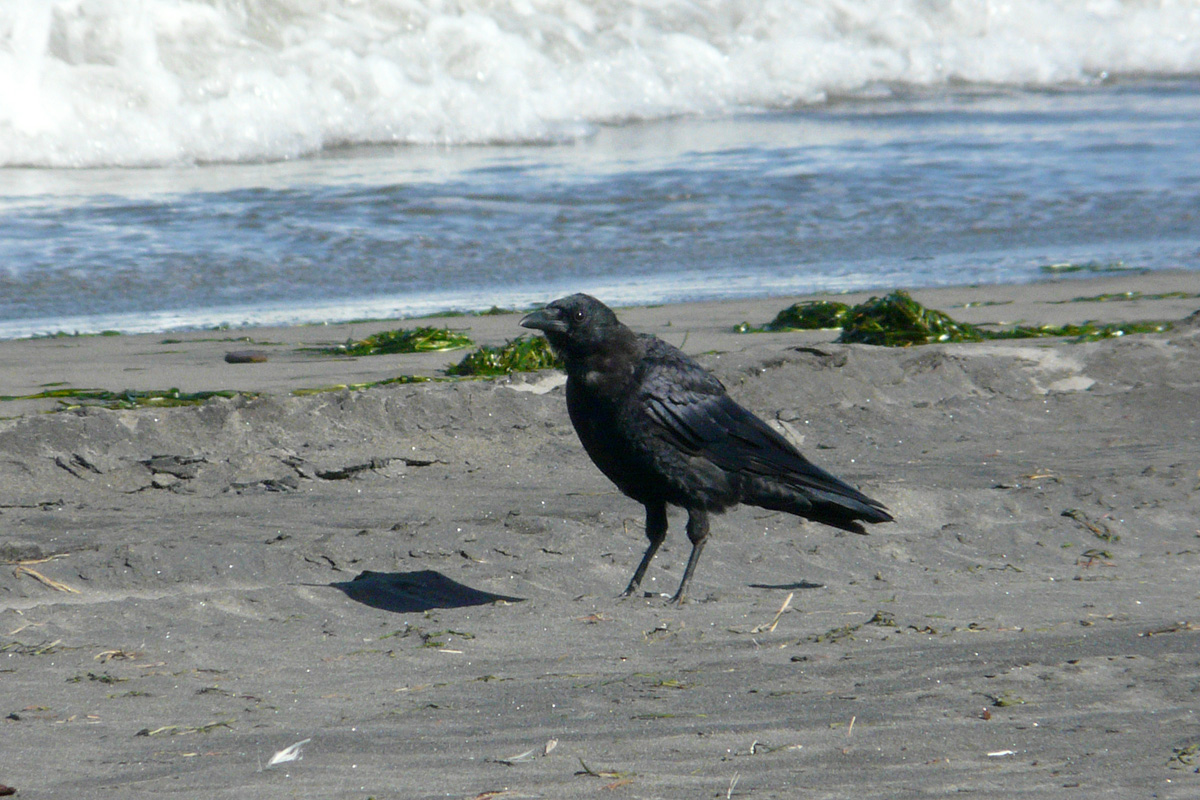
An American Crow on the beach. Some sources list Northwestern Crows as occurring at Fort Stevens, but there is no physical evidence to show that Northwestern Crows have ever inhabited Oregon. The race of American Crow found along the West Coast is considerably smaller than the races found inland. This might lead to confusion among visitors who are used to seeing larger crows.

Autumn migration


It has been a good migration so far in the Portland area, with nice weather and good numbers of songbirds being reported. Swainson’s Thrushes always come through our property in September to eat dogwood berries. At night, you can hear the calls of these birds as they fly overhead.


Sunrise at Pittock Mansion (Birding Oregon p. 70) This tree, a large birch, was a warbler magnet this year, attracting all the common species plus two Northern Parulas. I missed the parulas by one day.


Orange-crowned Warbler, Pittock Mansion


Birds are not the only autumn migrants. Lots of dragonflies are on the move, as well. I don’t know the dragonflies, so if you can ID this one, please leave a comment.

Pelagic Trip 9/11/2010

I took a pelagic birding trip out of Newport, OR, on September 11. This was a trip offered by Greg Gilson of The Bird Guide, Inc. His trips are always well organized and I highly recommend them.


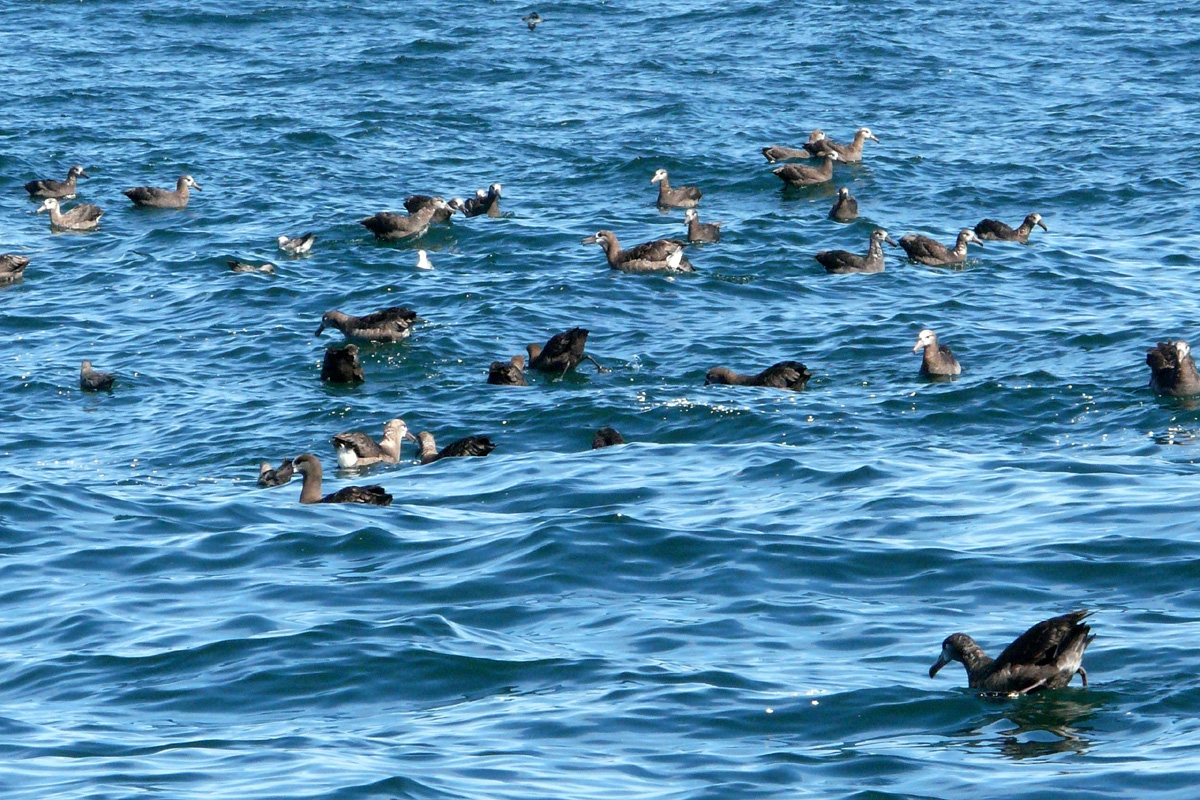
Black-footed Albatrosses are common off the Oregon Coast, and are readily attracted to chumming.


This is a small portion of the flock of Black-footed Albatrosses attracted to our boat. The older birds have white on their heads, while younger birds are darker overall. The smaller birds near the upper left corner are Northern Fulmars.


Pink-footed Shearwaters were the most numerous shearwater species on this trip, with well over 2000 birds seen. Despite their abundance, they seldom got close enough or still enough for a chance at a decent photo.


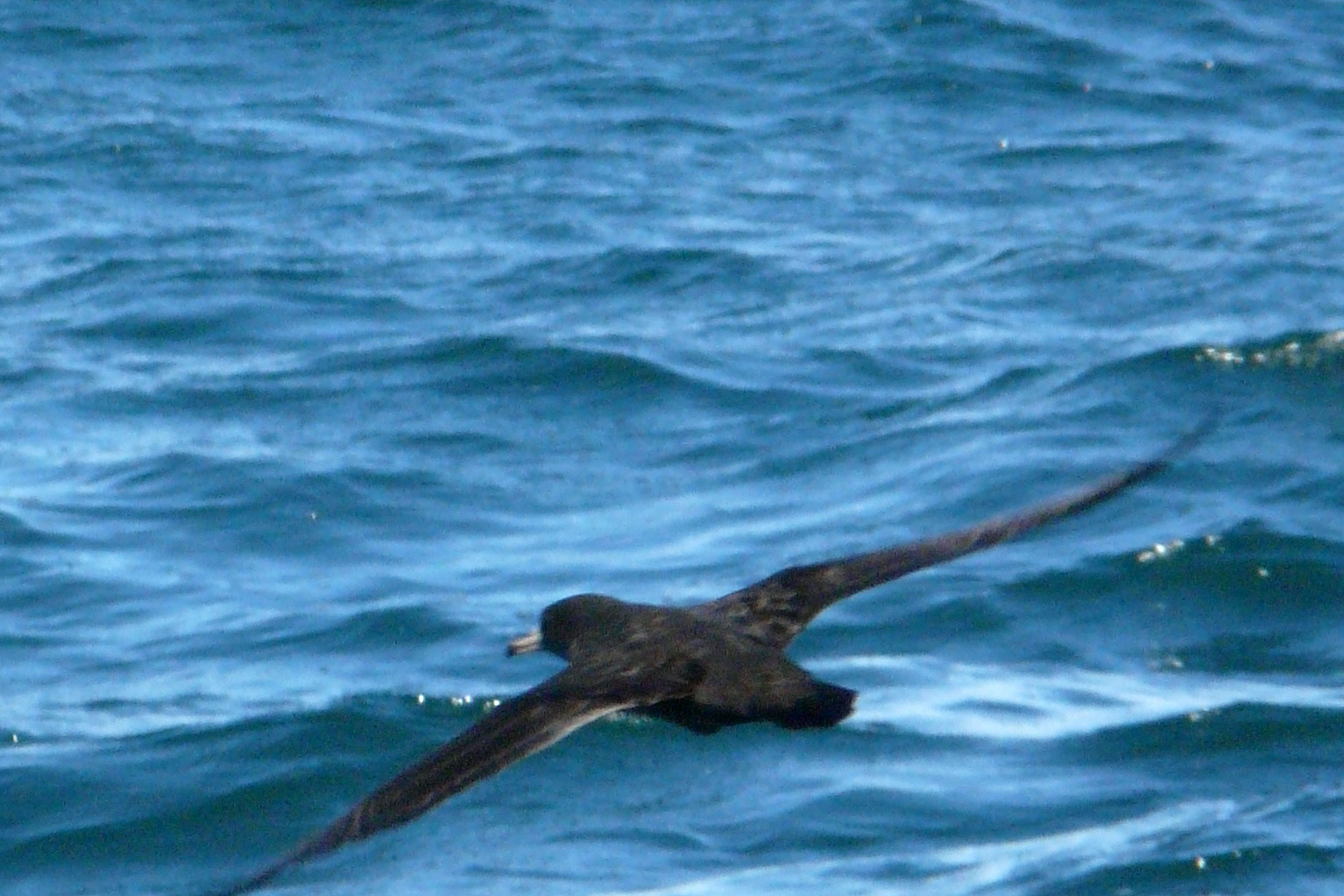
The rarest bird of the trip was this Flesh-footed Shearwater, which I almost captured in the frame of this photo.


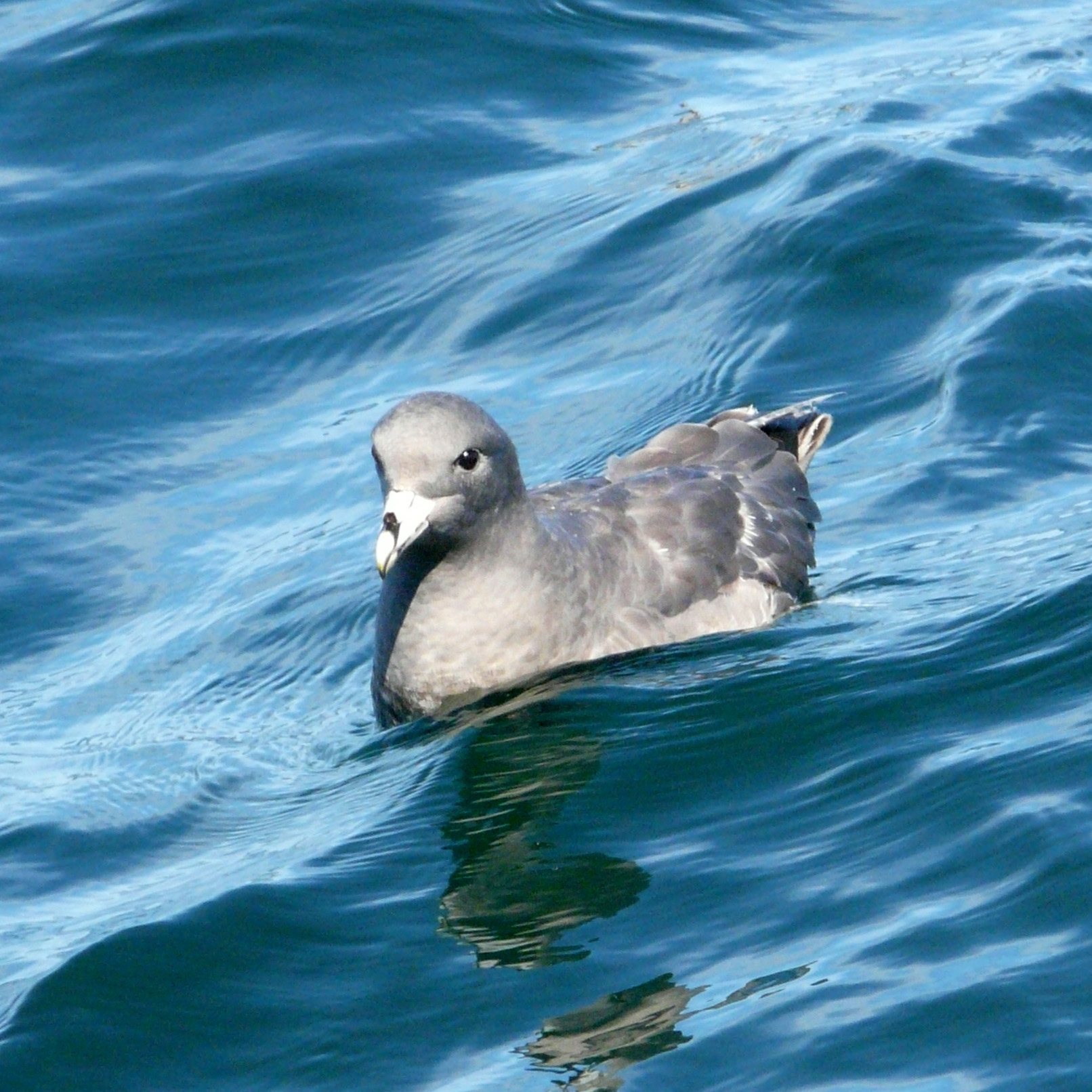
Northern Fulmars will often come very close to the boat. Notice the tube on top of the bird’s bill.


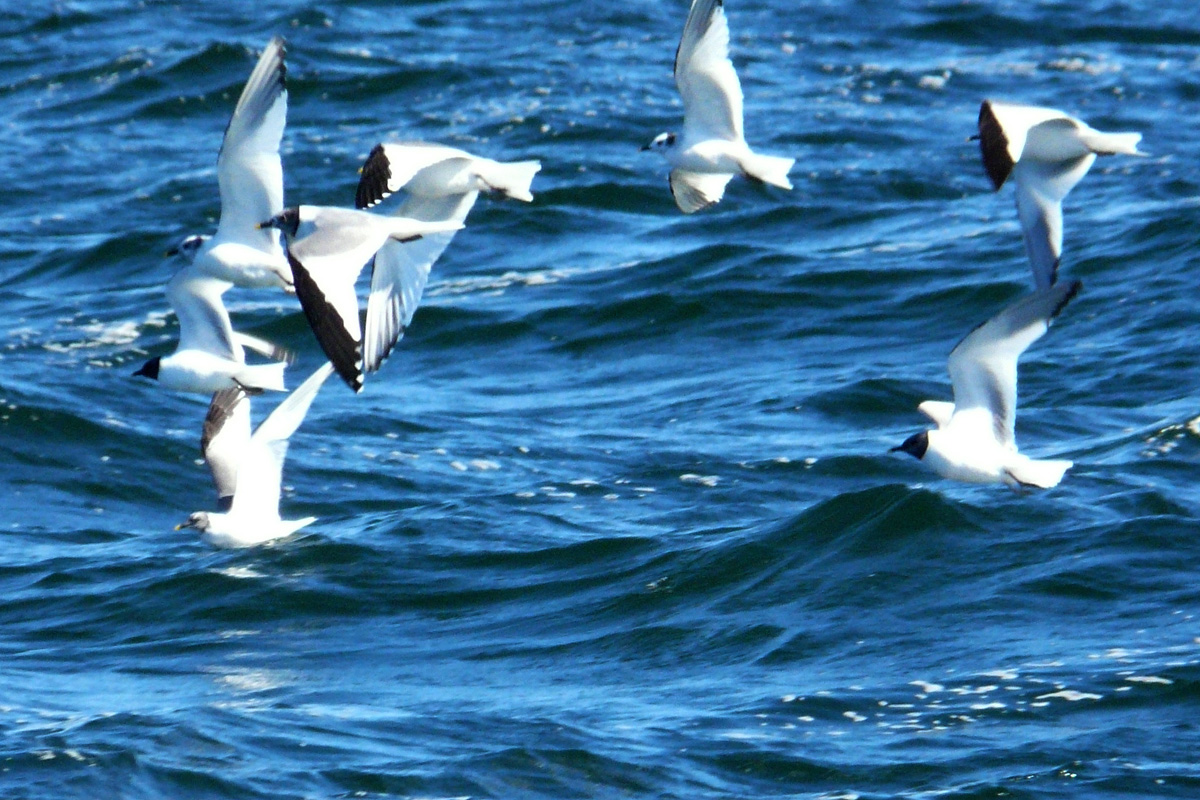
Sabine’s Gulls are easily recognized by their striking wing pattern.


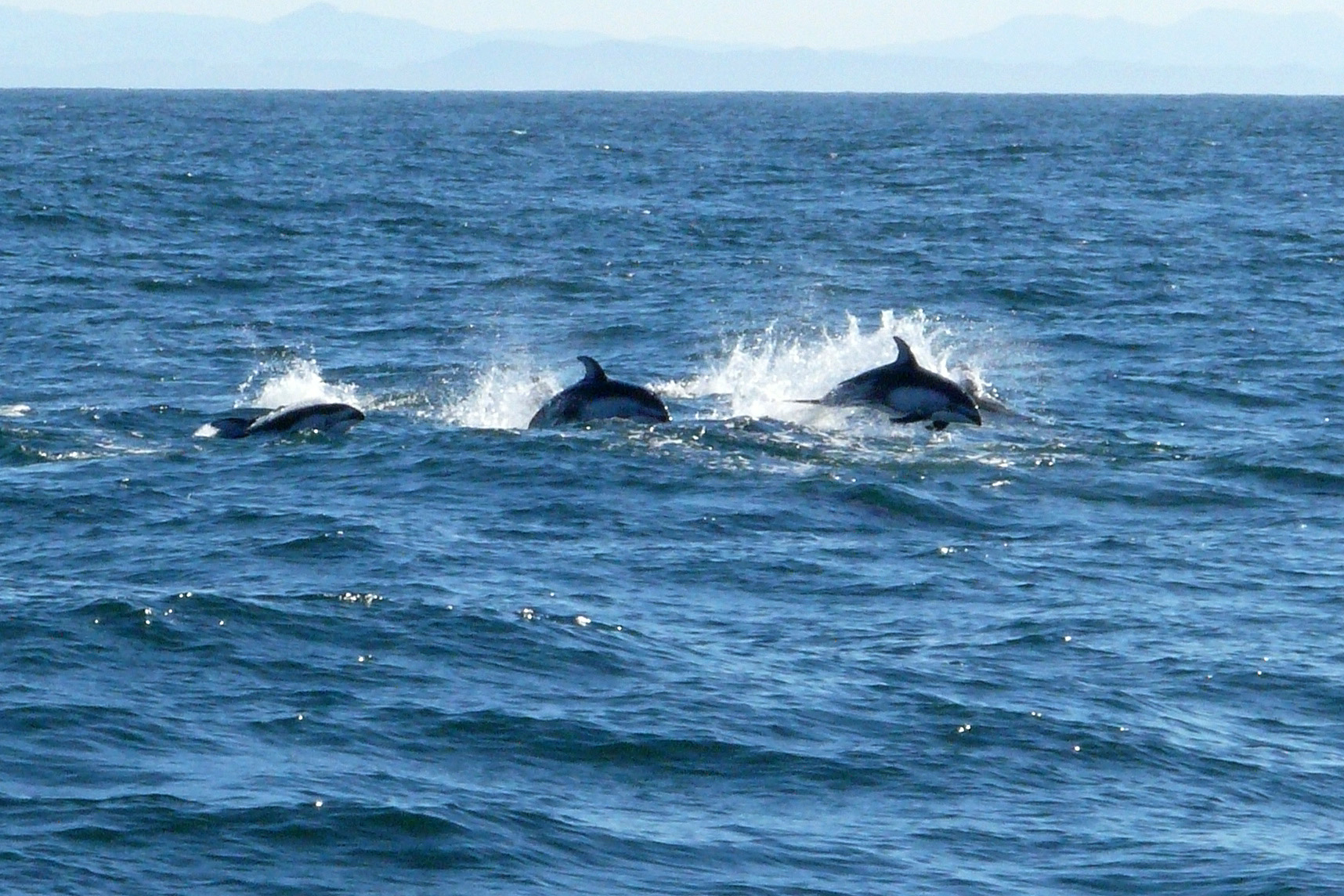
Pacific White-sided Dolphins surfed the boat’s wake.

Bayocean Spit

It had been a while since I had walked all the way around Bayocean Spit (Birding Oregon p. 128). This is a great walk which takes about four hours, assuming you stop and look at birds along the way.

This morning was one of those misty gray days when the sky blends into the ocean. The fog and drizzle make photography rather difficult, giving everything a blurry grainy look. The dark line on the horizon is the south jetty. The crane in the distance is working on the end of the north jetty.
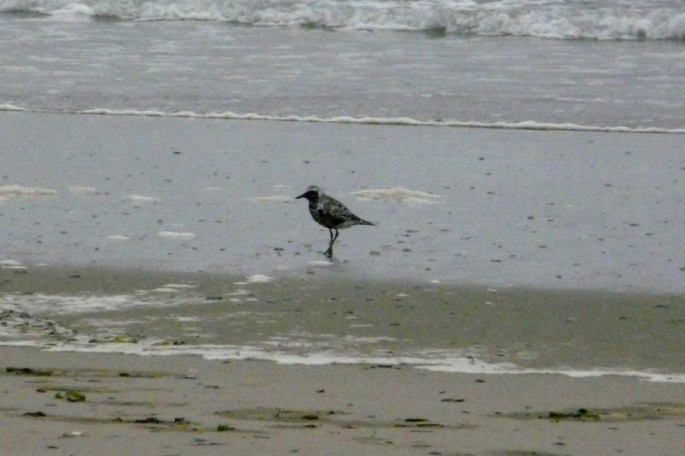

Shorebirds were few and far between this day. This is an adult Black-bellied Plover.


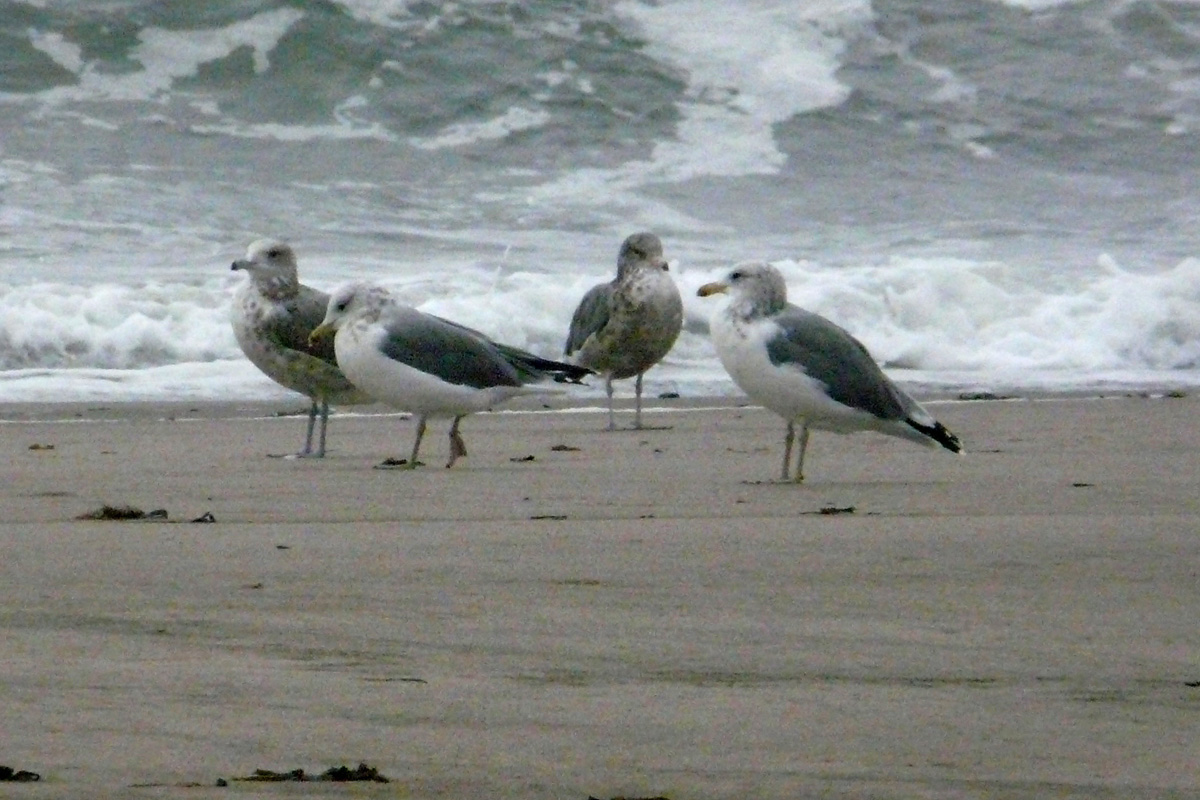
Western Gulls
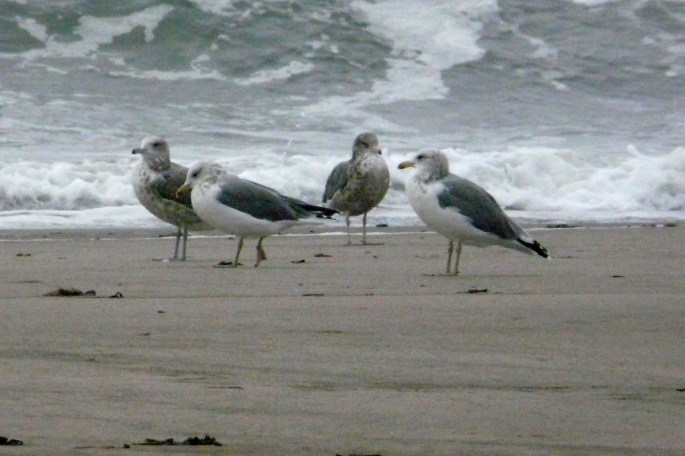

California Gulls


The rocks of the jetty are home to many Ochre Sea Stars.


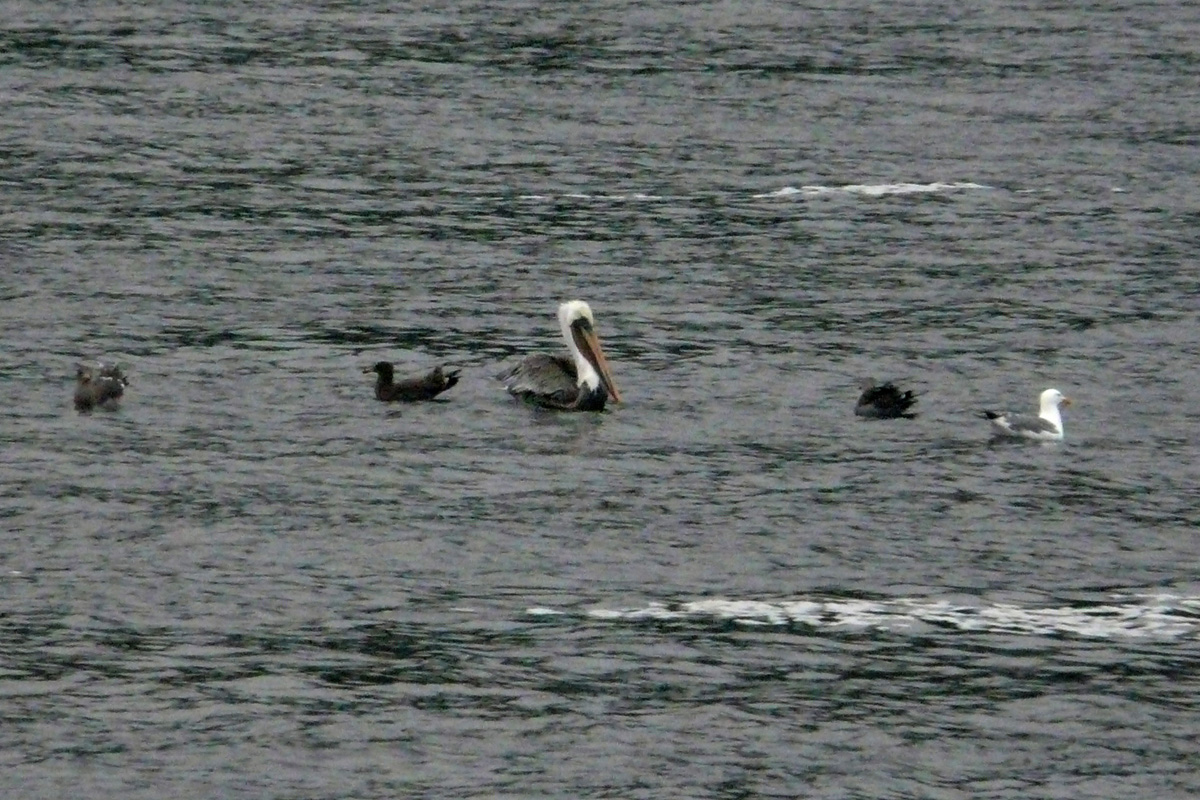
Brown Pelicans are constantly being harassed by other birds, especially Heerman’s Gulls, which make their living stealing fish from the pelicans. In this photo we see a young Western Gull, three Heerman’s Gulls, a Glaucous-winged Gull, and a Pelagic Cormorant, all hoping the Brown Pelican drops his fish. Notice the Heerman’s Gull hanging on to the pelican’s feet.


Brown Pelican with his posse.


The woods and brushy areas on Bayocean Spit are home to Wrentits. These birds tend to remain hidden in heavy cover, but their loud and unique vocalizations are heard throughout the year. This bird sat still just long enough for my point-and-shoot camera to get off one shot at 1/13th of a second.
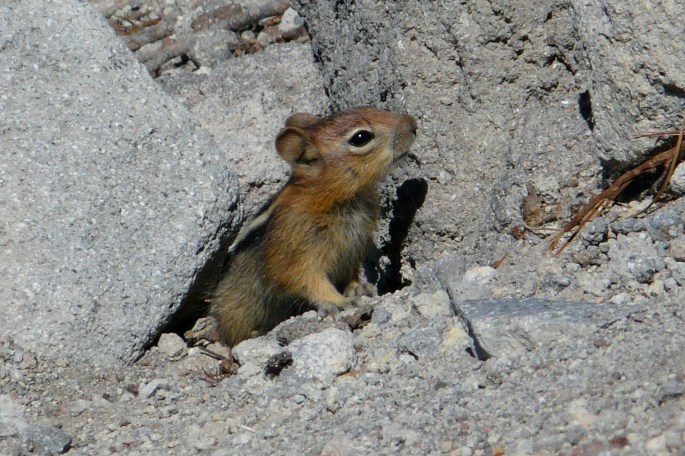
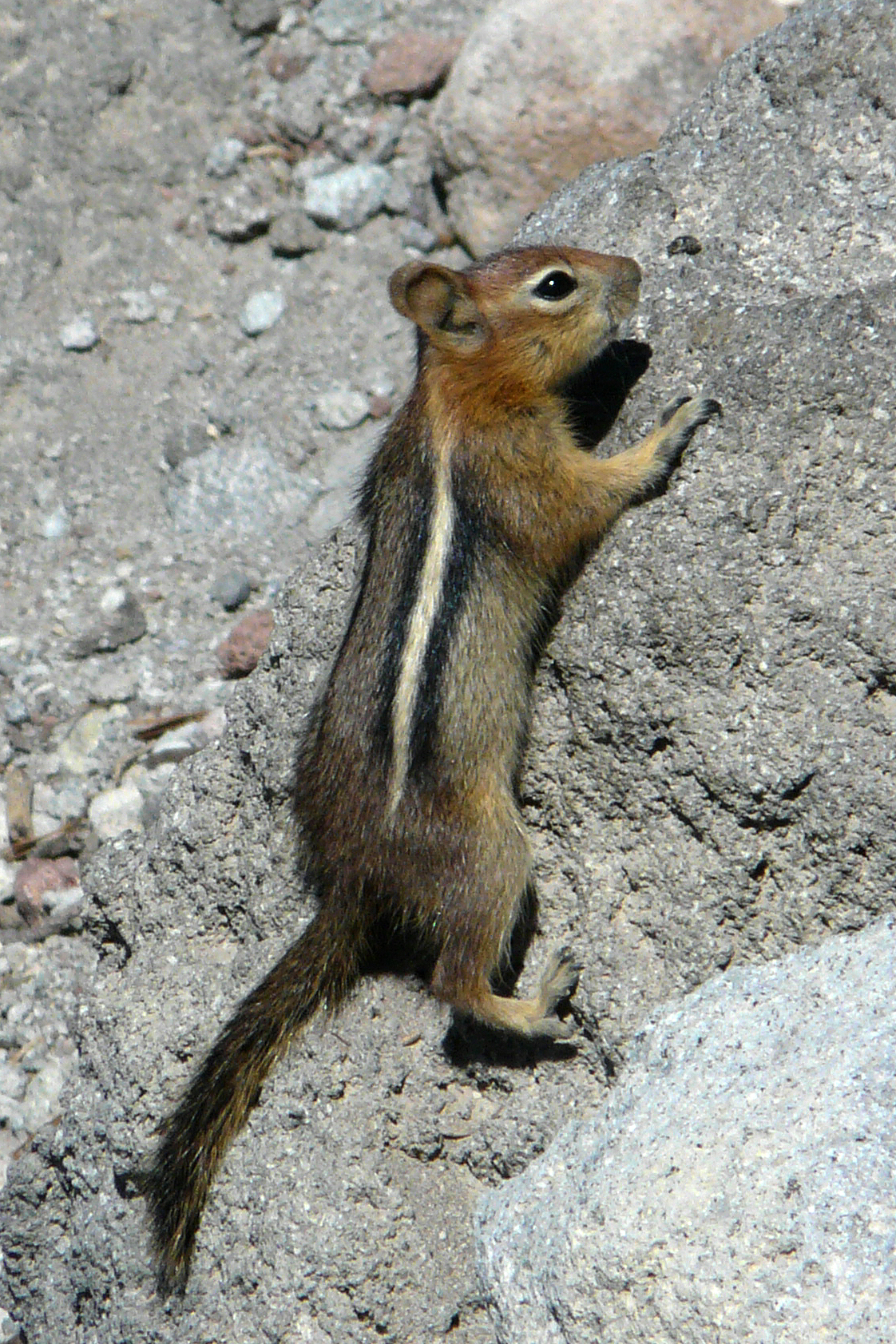
Golden-mantled Ground Squirrel


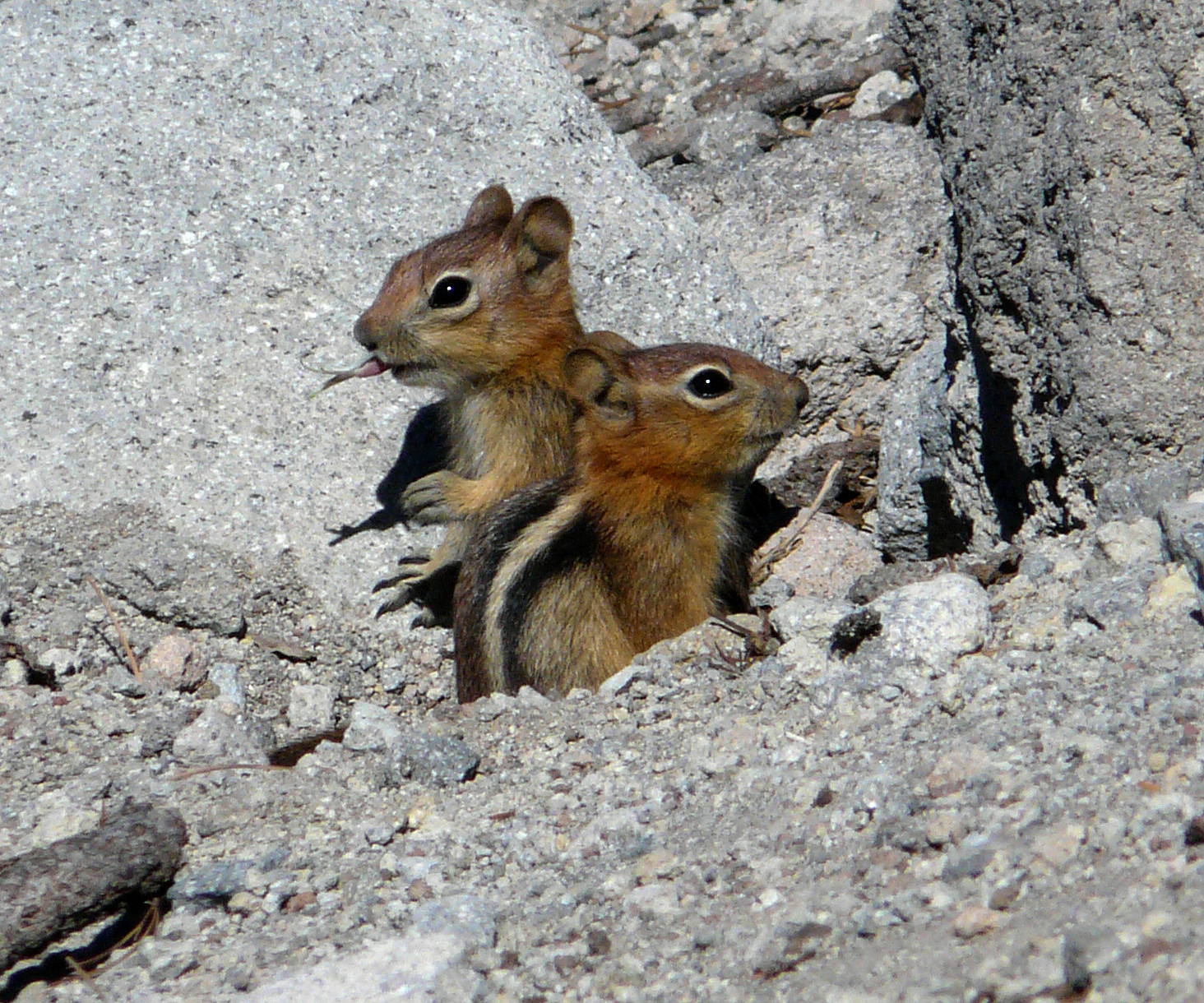
On a recent (almost birdless) trip to Timberline Lodge on Mount Hood (Birding Oregon p. 74) I enjoyed watching these Golden-mantled Ground Squirrels. While they might not qualify as “charismatic mega-fauna,” these little rodents are always a pleasure to see. Even a grizzled old birder can appreciate cuteness when it presents itself.

Sometimes confused with chipmunks, Golden-mantled Ground Squirrels lack stripes on the face and down the center of the back. They get their name from the buffy coloring around their neck and shoulders.


They feed on vegetation, seeds, insects, carrion, and pine nuts, building up fat reserves to carry them through hibernation. Habitats include rocky outcrops in coniferous forest and alpine tundra.