Arizona Hummingbirds

One big draw of southeastern Arizona is the diversity of hummingbird species. The greatest diversity is usually found during the monsoon season of late summer, but even in mid-April I found eleven species. Here are some photos of the more cooperative ones.

broad-billed hummingbird 1Broad-billed Hummingbirds were the most frequently encountered species. This male was at Patagonia.
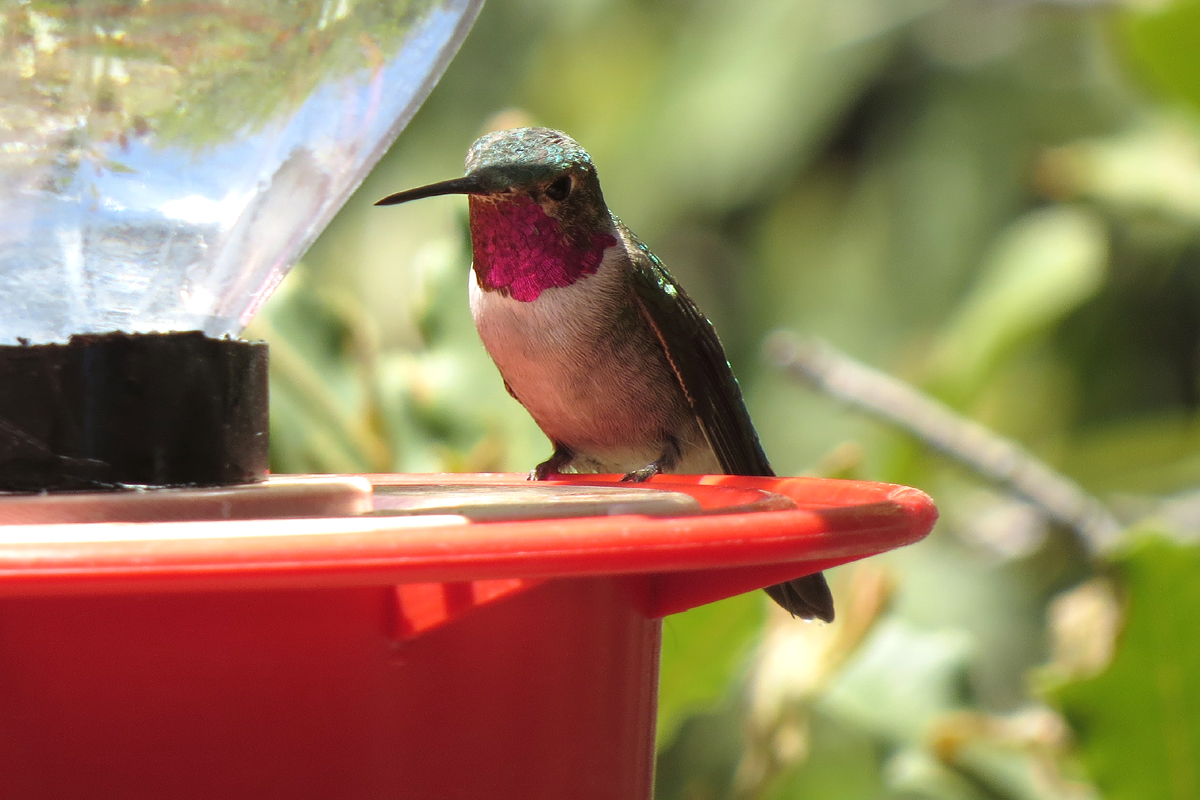
broad-tailed hummingbirdBroad-tailed Hummingbird, Madera Canyon

black-chinned hummingbirdBlack-chinned Hummingbirds actually have a lovely purple gorget, but the light has to hit them just right for it to show its colors.

magnificent hummingbirdMagnificent Hummingbirds look completely black most of the time. Like the Black-chinned, the light has to hit them just right to see their colors. This blurry shot was the only one from the trip that showed any color at all.

calliopeFrom one of the largest hummingbirds to one of the smallest; Calliope Hummingbird, Madera Canyon
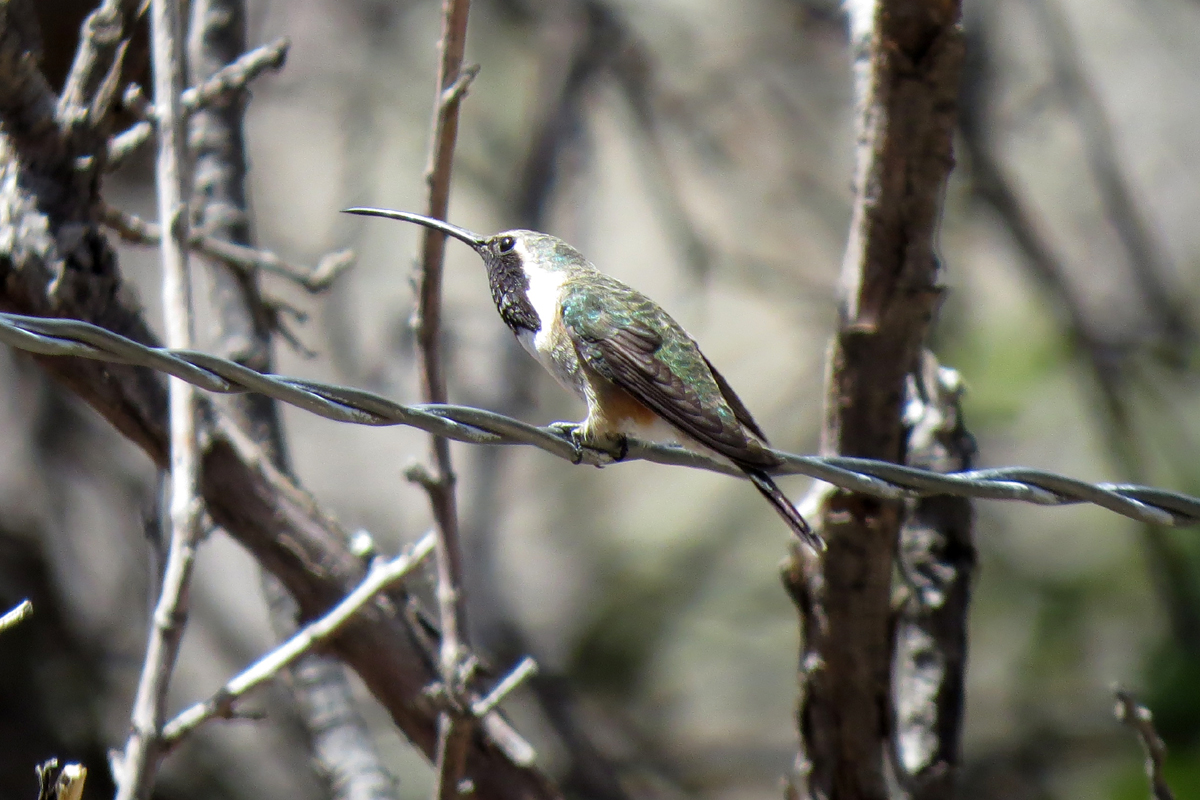
lucifer hummingbird 2The long tail and long curved bill are distinguishing marks of this Lucifer Hummingbird.
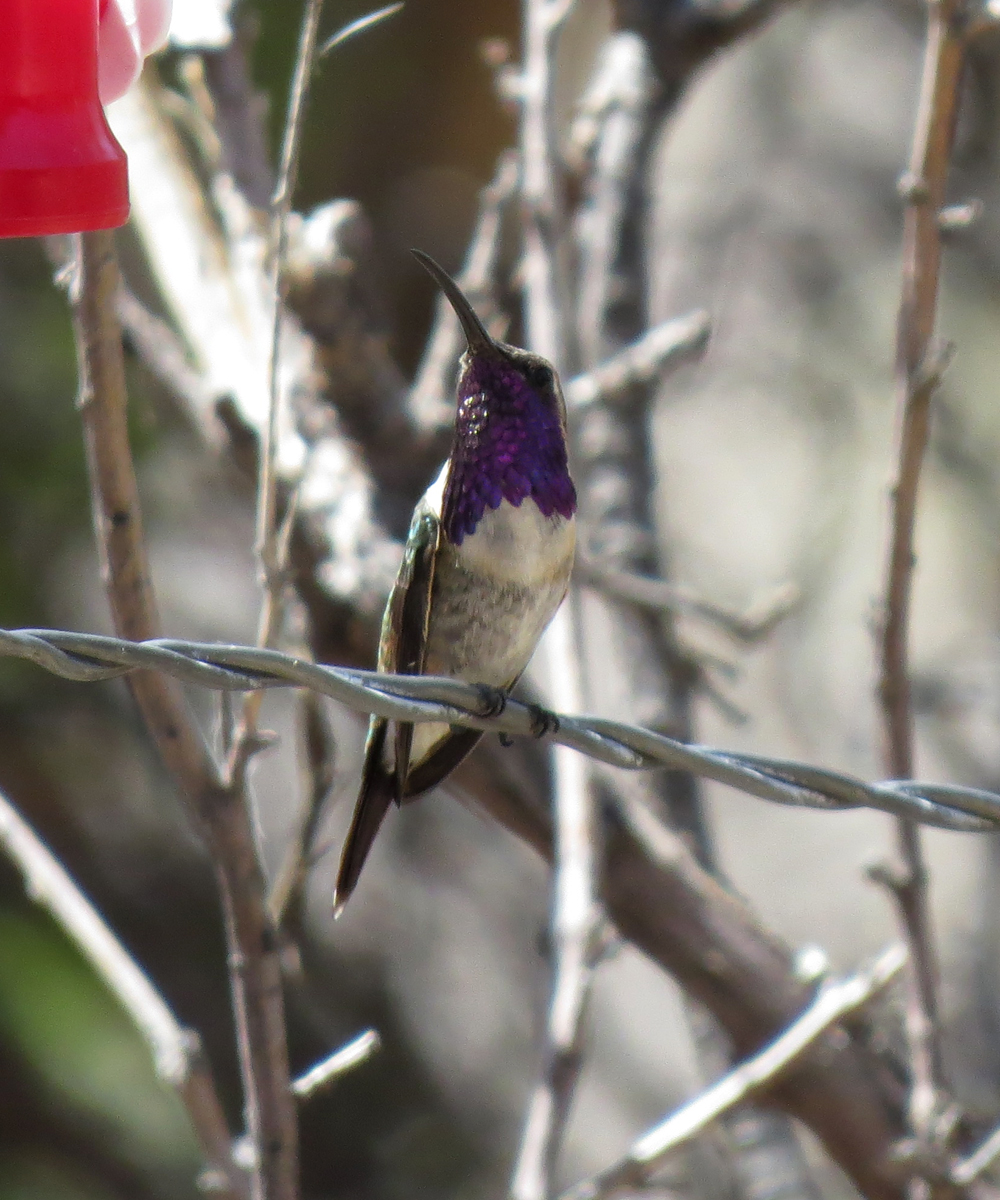
lucifer hummingbird 3Here’s a better look at the gorget on the Lucifer Hummingbird.

violet-crownedViolet-crowned Hummingbird, seen at the world-famous Patton yard in Patagonia

Mexican Spotted Owl

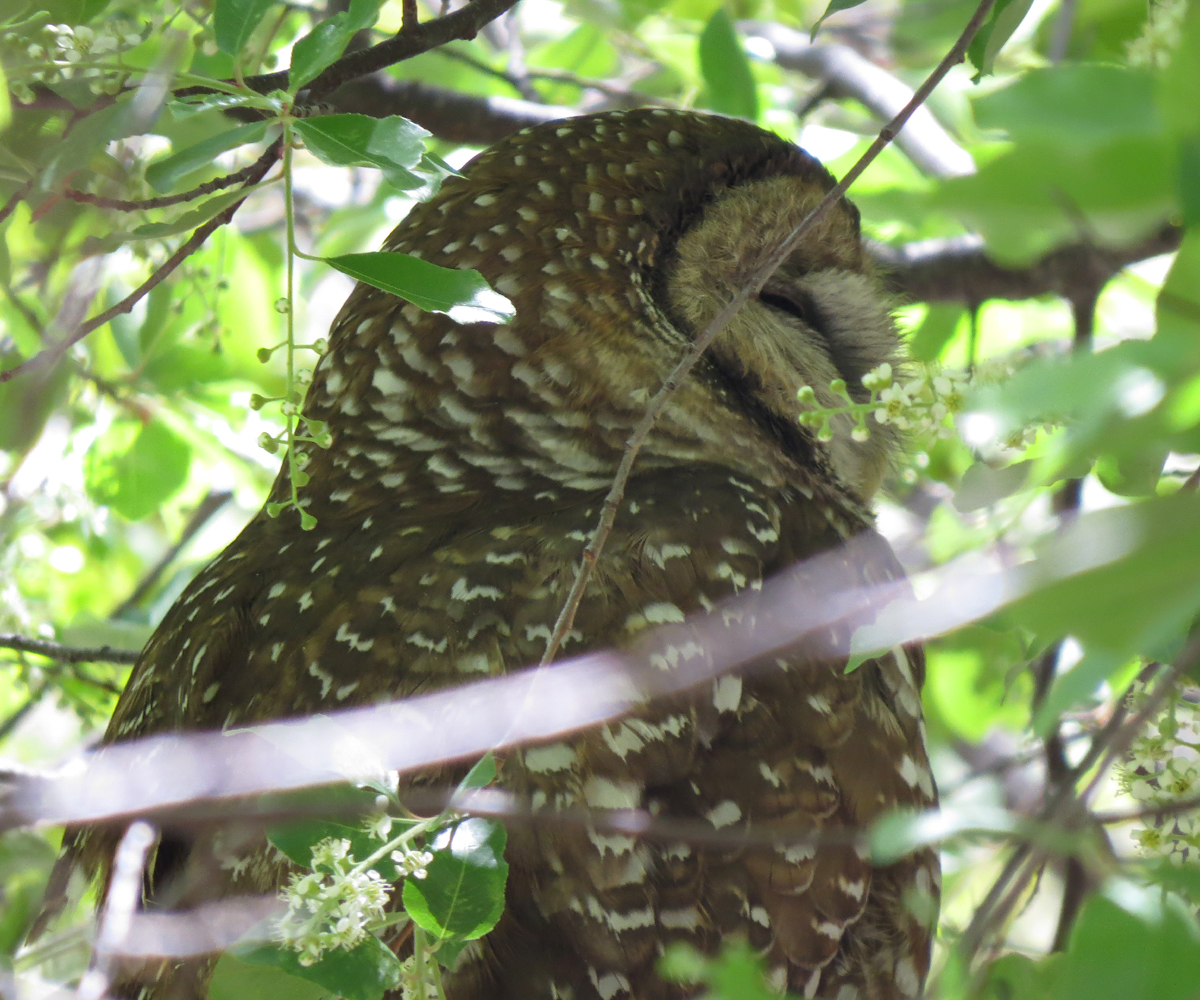
spotted owlOn my recent trip to Arizona, I had the pleasure of watching this Mexican Spotted Owl preening and snoozing near his nest cavity. Spotted Owl has been a nemesis species for me since moving to Oregon twelve years ago. The subspecies that breeds in Oregon, Northern Spotted Owl, has been in steady decline for decades, as its old-growth forest habitat continues to be harvested for lumber, and its close relatives, Barred Owls, continue to expand their range, eating or interbreeding with the Spotteds as they go. As a result, the locations of Northern Spotted Owls in Oregon tend to be kept secret, to protect the birds from unemployed lumberjacks with shotguns or overzealous birders.

spotted owl closeupThe culture surrounding Spotted Owls in Arizona is very different. Email lists describe the exact location of roosting owls, making it easy for birders from around the country, and around the world, to have a look. The habitat of the Mexican Spotted Owl is not as commercially valuable as the old-growth forests of the Pacific Northwest. The money brought in to southeast Arizona by visiting birders probably far exceeds the value of any timber harvest in this area. So the Mexican Spotted Owl, while still rare, seems to be doing OK while being admired by adoring throngs of birders.

Weekend at the Coast

I led trips for the Birding and Blues Festival in Pacific City, OR, last weekend. The weather was cool with scattered showers, so photo ops were not abundant.

california ground squirrelThe Three Capes Tour on Friday was actually very good for mammals, with charismatic mega-fauna such as Gray Whale, Steller’s Sea Lion and Roosevelt Elk. Only slightly less charismatic was this California Ground Squirrel.
peregrine falconThis Peregrine Falcon posed nicely on the cliff at Cape Meares. The rich colors of the rocks and plants, compared the overexposed image of the falcon show that I have obviously still not mastered my new camera.

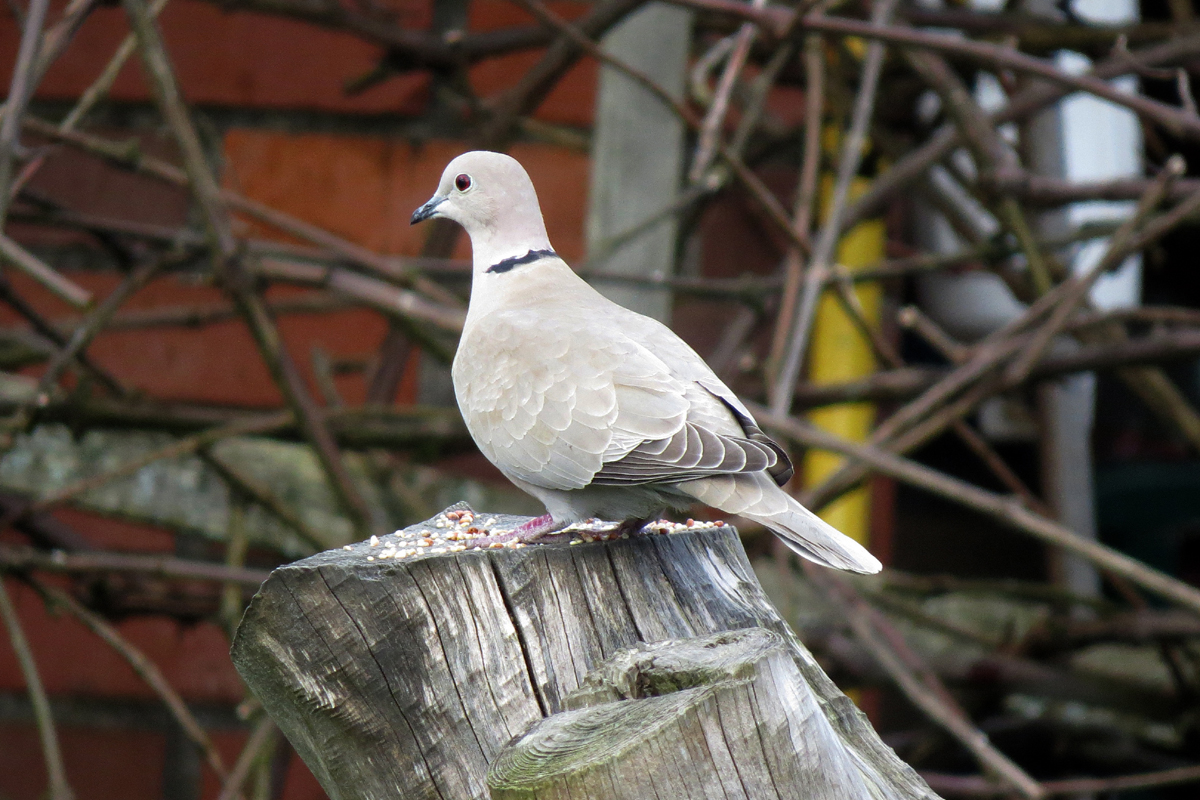
eurasian collared doveThere is a large flock of Eurasian Collared Doves in Pacific City. Ten years ago, this species would have been a huge deal, but they are very well established now. Despite their abundance, this flock was very shy.
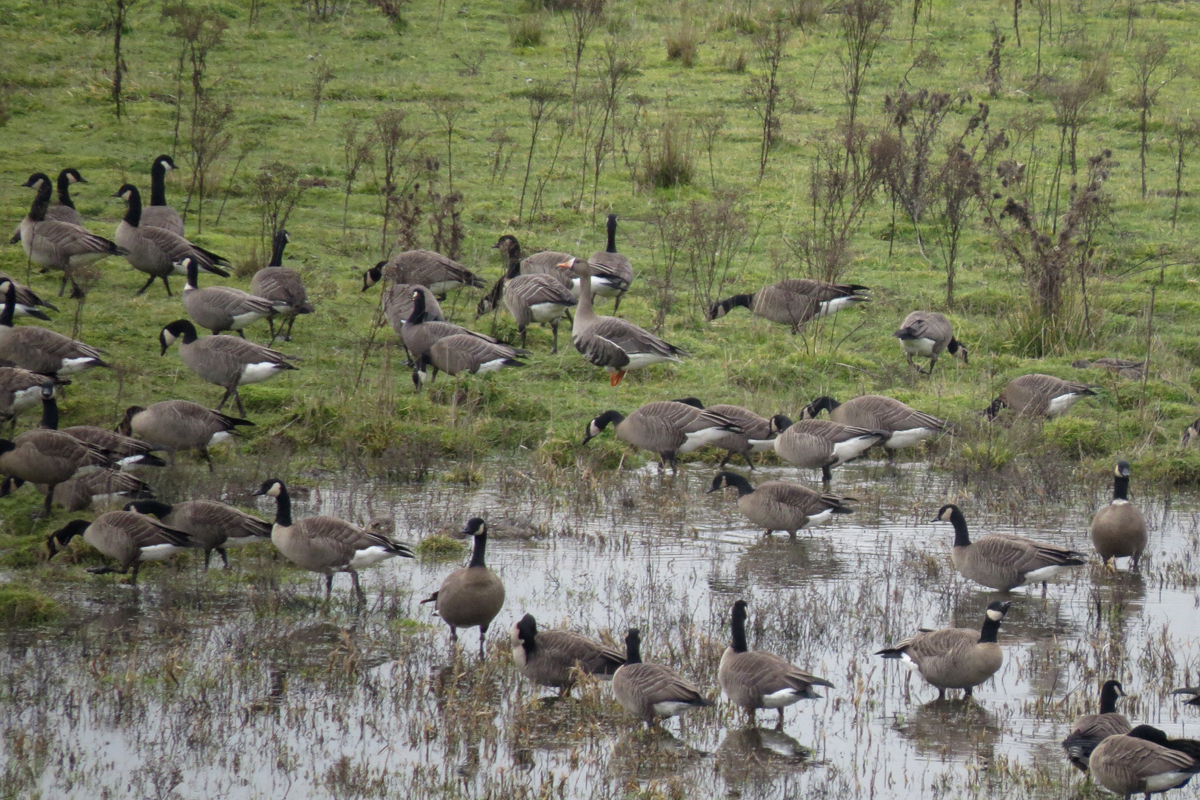
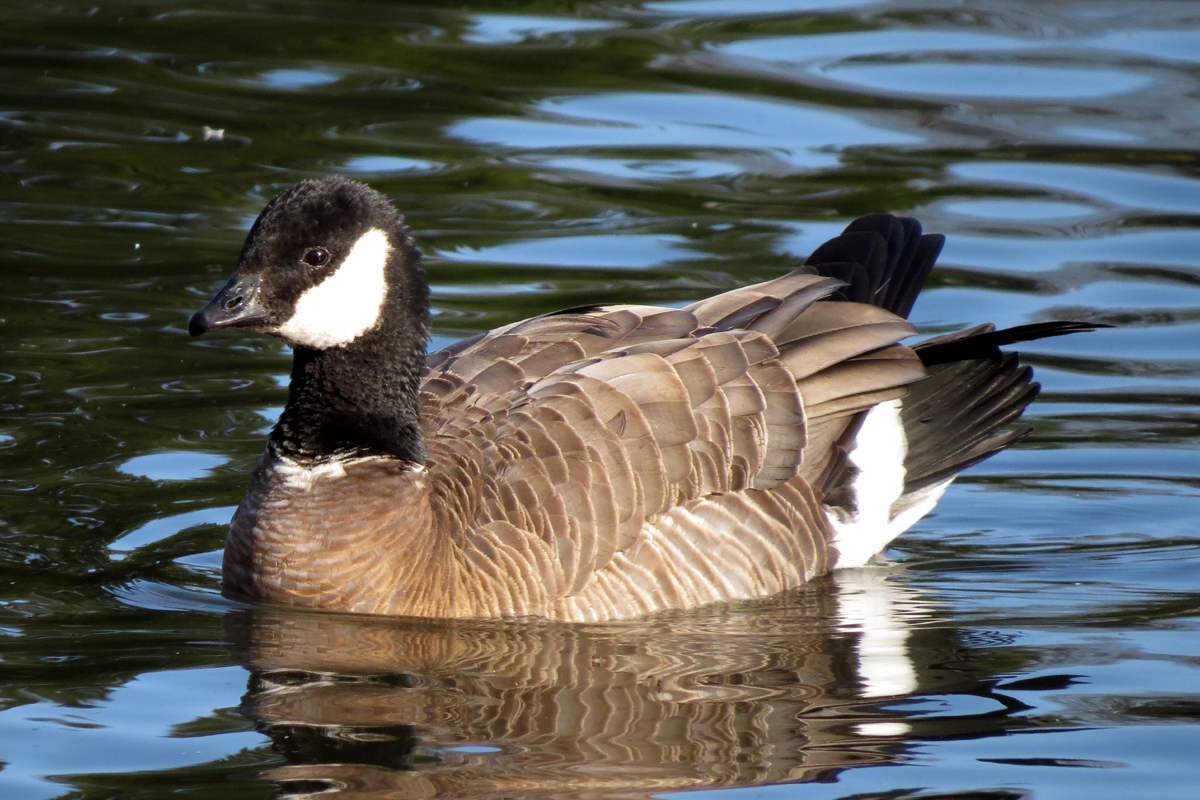
aleutian cackling geeseThe avian stars of Pacific City are these Aleutian Cackling Geese. This particular population breeds on the Semidi Islands and winters at Pacific City, spending the nights on Haystack Rock offshore and days in this cow pasture at the north end of town.

Ferruginous at the Beach

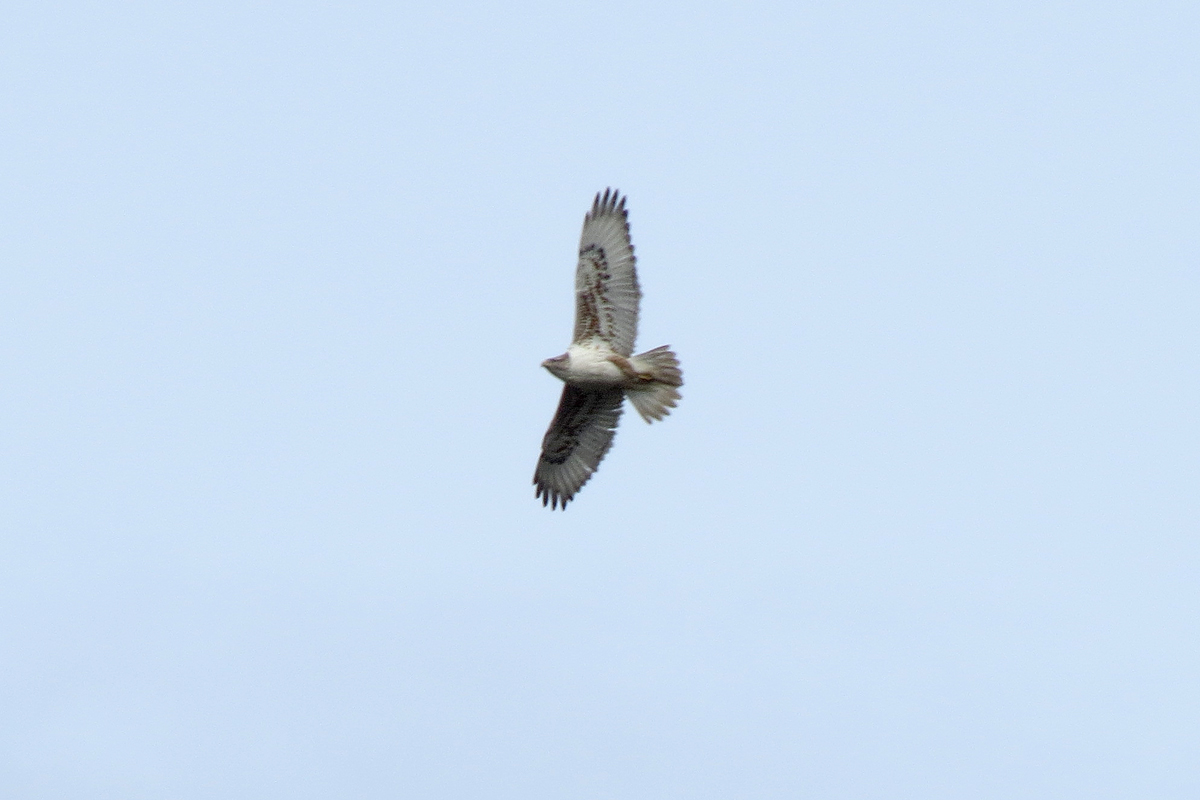
ferruginousWhile scouting for the upcoming Birding and Blues Festival, I found this Ferruginous Hawk soaring over the Clay Myers State Natural Area (aka Whalen Island). This appears to be the first record of the species in Tillamook County. Ferruginous Hawks are normally found in the sage steppe east of the Cascades, and are rare visitors to the Willamette Valley in winter.

The bird was loosely associated with a kettle of Turkey Vultures, and serves as a valuable reminder to check every bird in the flock for something different.

Little Brown Birds

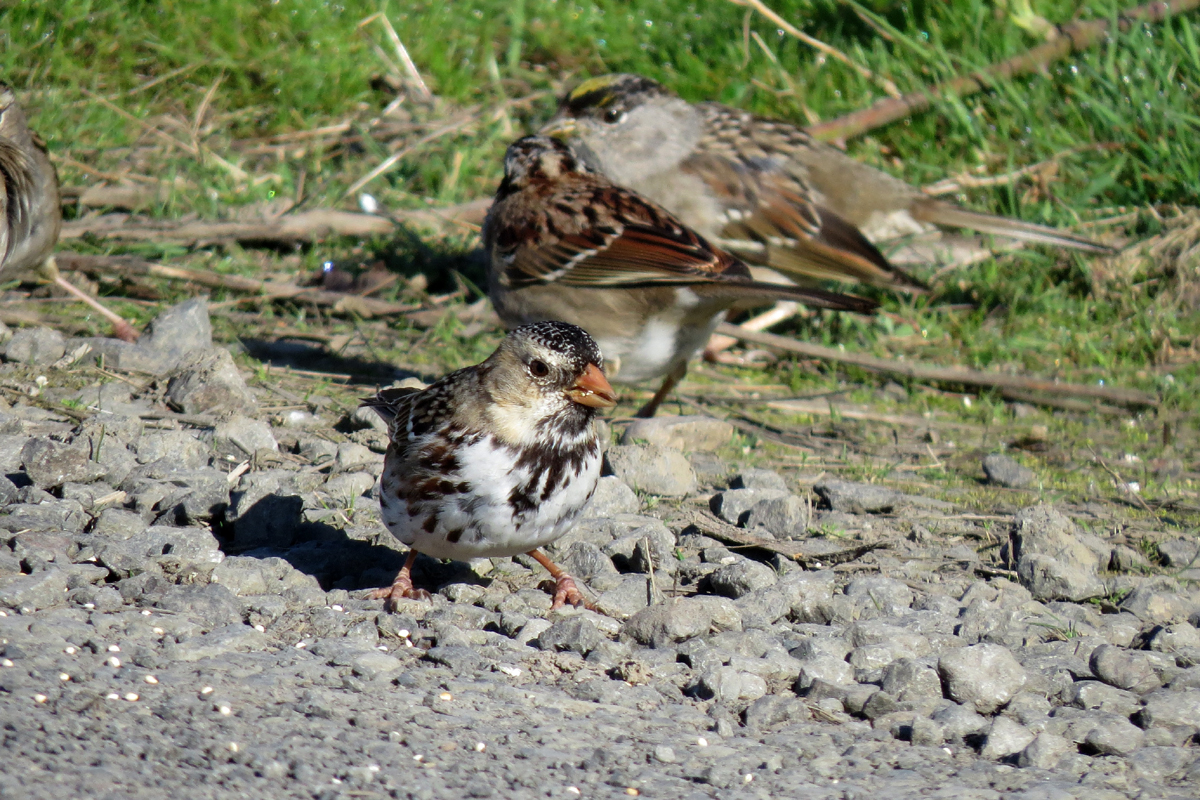
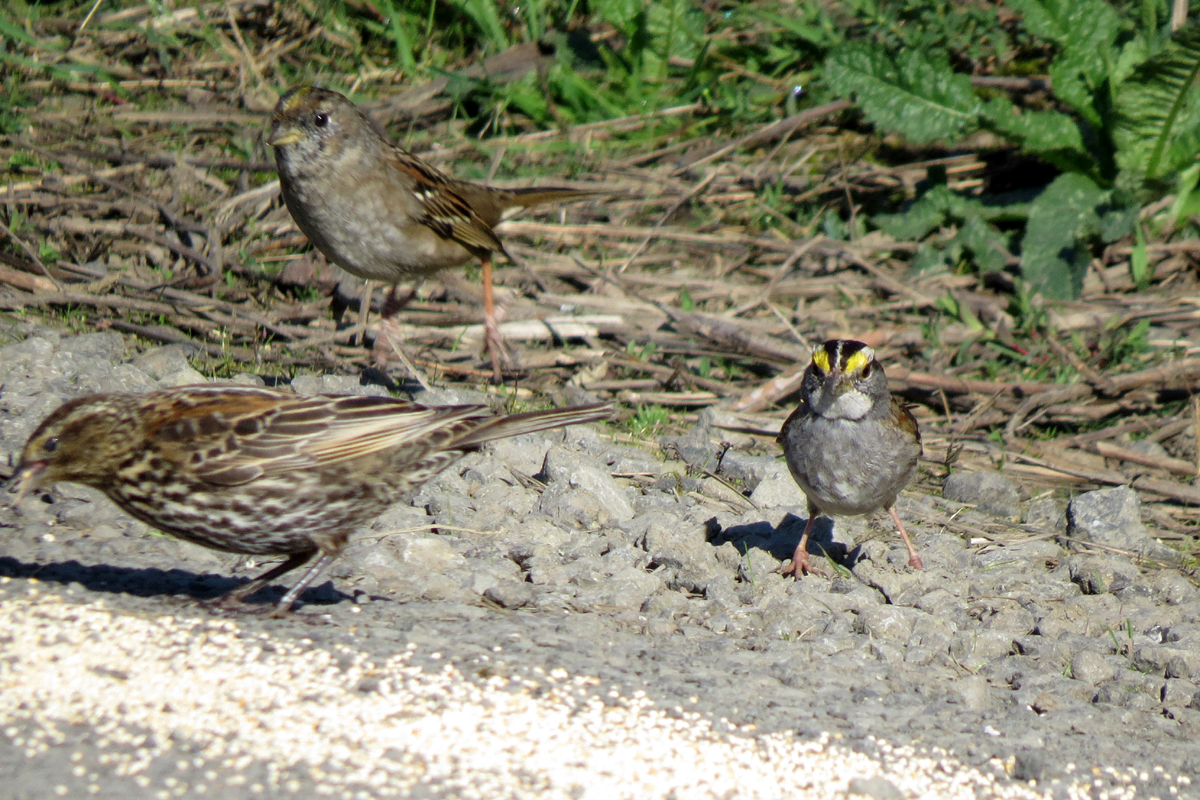
harris's sparrowI took my Little Brown Birds class to Sauvie Island. The sparrow flock along Rentenaar Road is thinning out, but all the expected species are still there. For the third year in a row, the star of the day was a Harris’s Sparrow. There is a White-throated and a Golden-crowned Sparrow in the background.

harris's and golden-crownedHarris’s Sparrow with Golden-crowned Sparrows

fox sparrowFox Sparrow

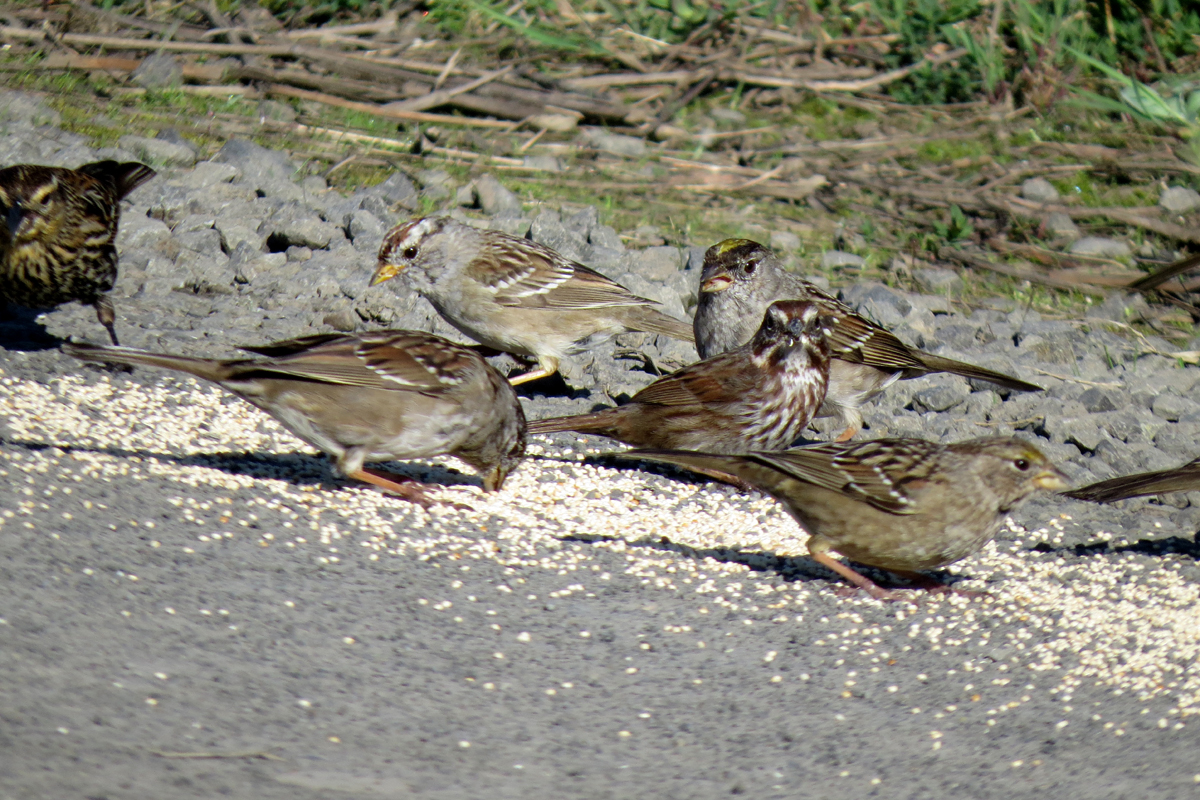
sparrow mixA sparrow mix of White-crowned, Golden-crowned, and Song Sparrow, along with a Red-winged Blackbird

red-wingRed-winged Blackbird, surrounded by Golden-crowned Sparrows and a White-crowned in the background

white-throatedOne of four White-throated Sparrows that came to our seed slick

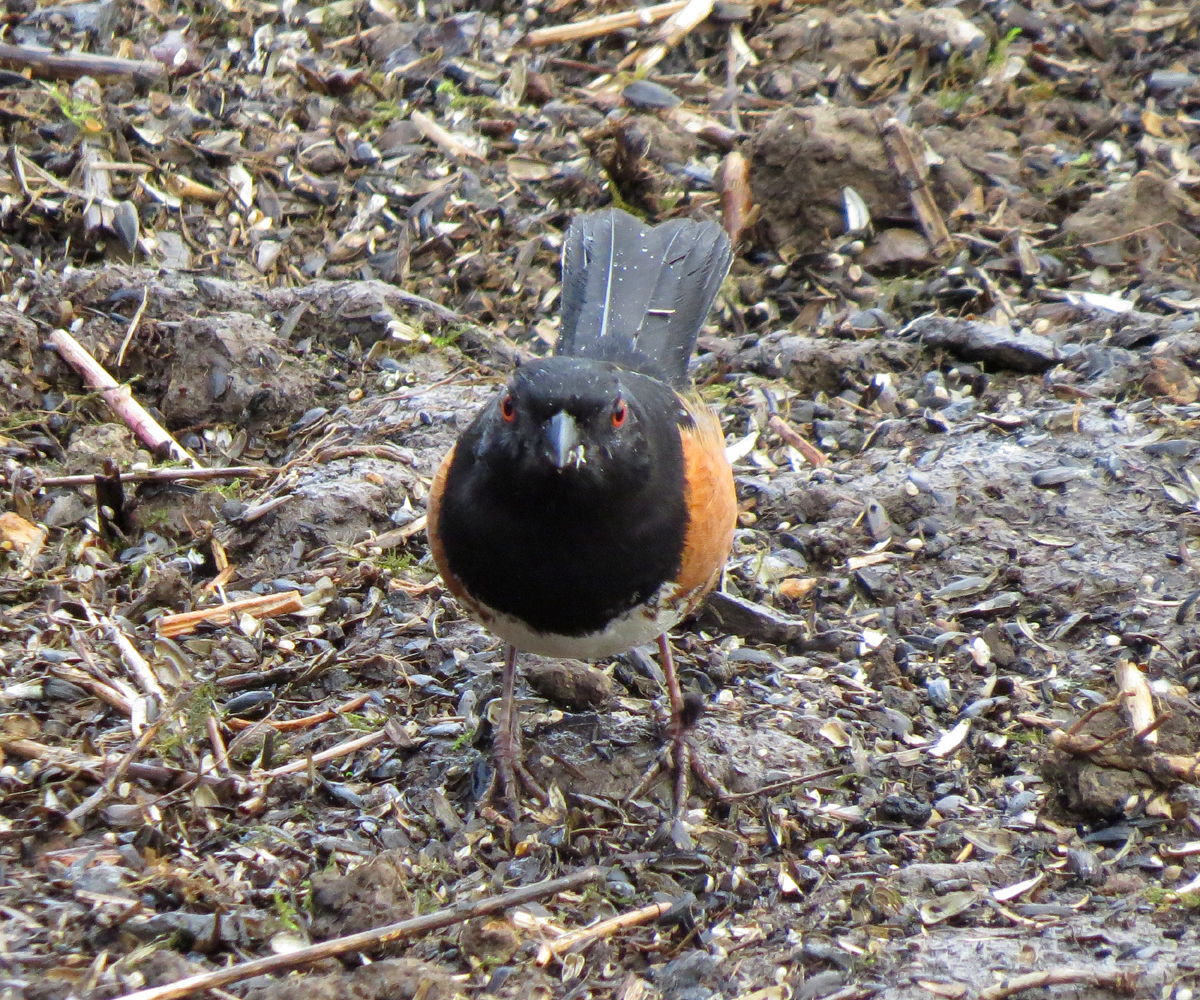
spotted towhee 2Spotted Towhee


Early Spring

This is that long awkward time of year between winter and spring. The big winter flocks have broken up, but the spring migrants haven’t returned yet. As I have said before, there is always something to see, but we have to find simple pleasures until the full decadence of spring migration commences in a month or so.

varied thrush frontOn a recent sunny day, this Varied Thrush perched outside the living room window. I don’t often see this species in sunlight. They are usually muted by the gloom of a rainy day or the shadows of the forest.
varied thrush profile

pine siskin sidePine Siskin at the nyjer feeder

pine siskin frontFor some reason, songbirds just look weird when viewed from the front.

lesser goldfinch backLesser Goldfinch

american goldfinchThe male American Goldfinches are starting to get their summer color.
american goldfinch clinging

golden-crowned 2Golden-crowned Sparrow, Vanport Wetlands

beaver chewThis fairly large tree has been felled by Beavers at Smith and Bybee Wetlands. None of the branches appear to have been eaten, so I don’t know why the Beavers felled it, perhaps because it was there.

northwestern garterNorthwestern Garter Snake, Tualatin Hills Nature Park. I am making the identification based on the small head, although I am not completely comfortable differentiating Northwestern Garter from Common Garter.

Westmoreland Park, 2/27

As spring approaches, the numbers and diversity at Portland’s Westmoreland Park are starting to wain. The winter gull flock is down to Glaucous-winged X Western hybrids and two Herring Gulls. While there is no shortage of white-cheeked geese, there were very few other species of waterfowl on this visit.

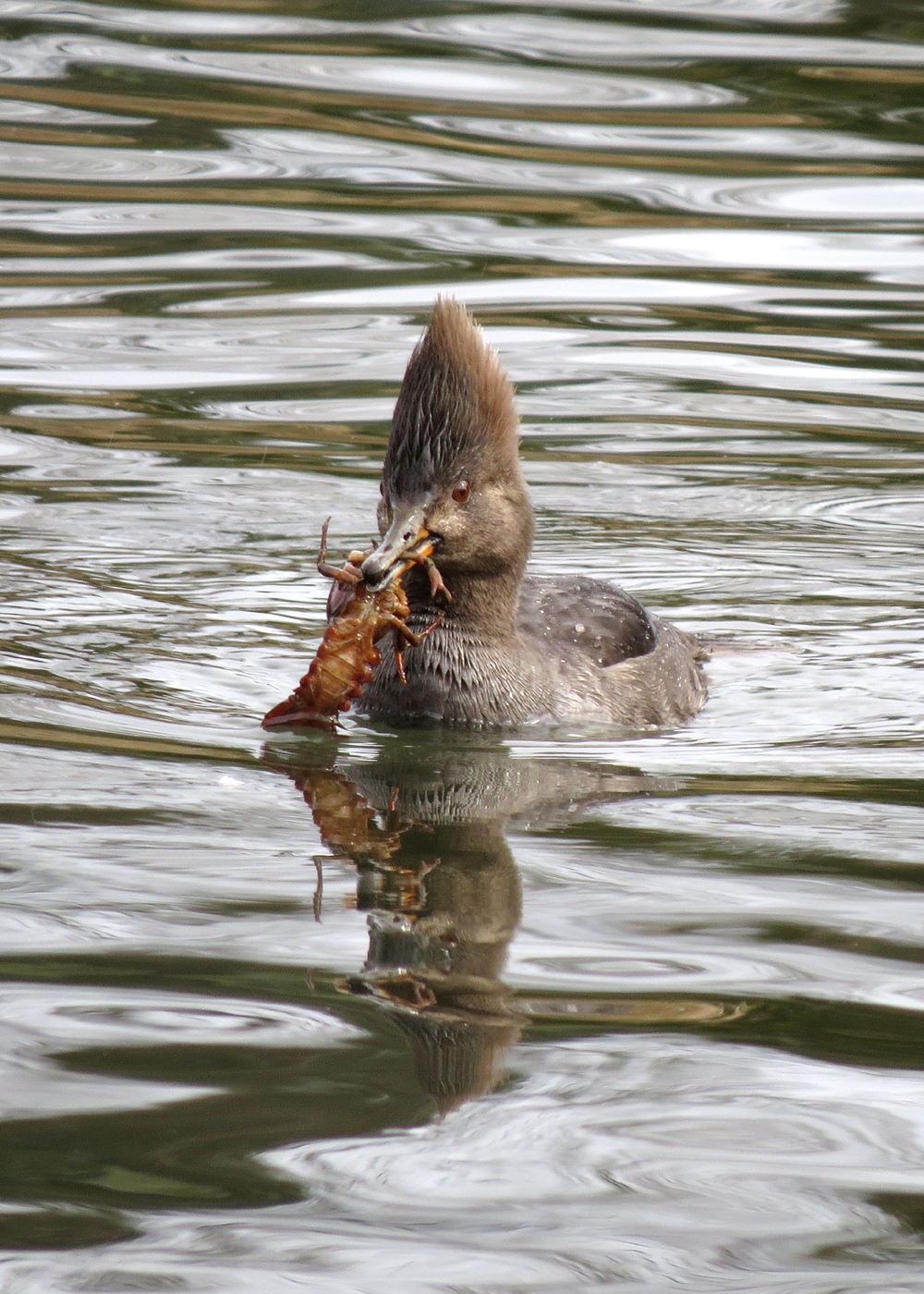
hooded merganserThe highlight of this trip was a pair of Hooded Mergansers squabbling over a large crayfish. The female finally won possession and, with a great deal of effort, swallowed the crustacean.

hooded merganser profileThere must be some powerful muscles in that little neck.

american and eurasian wigeonTwo Eurasian Wigeons, both females, remain with the local American Wigeon flock. Here is one of the Eurasians next to a male American.

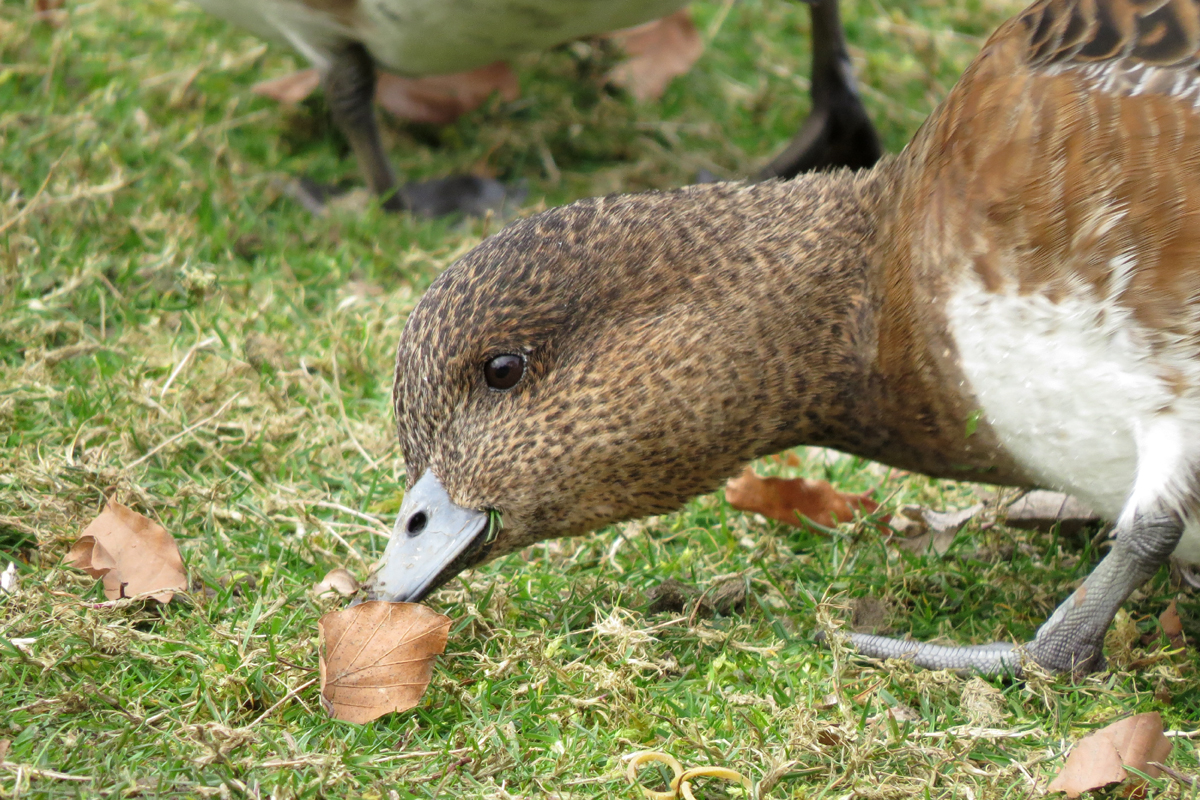
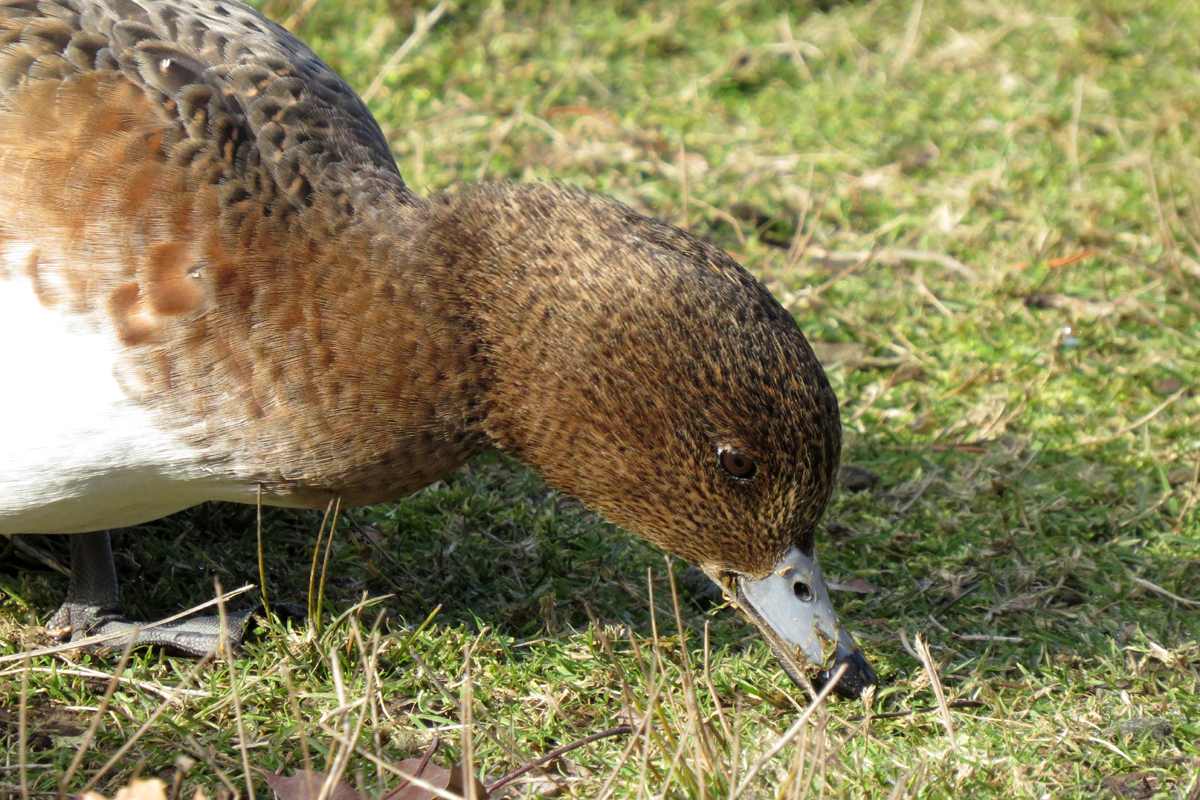
eurasian wigeon femaleHere is a close-up of the Eurasian Wigeon. Note the warm brown color and the lack of a black outline around the base of the bill.

taverner's cackling gooseTaverner’s Cackling Goose, with a partial white neck ring. It will be just a few weeks before these birds head back north, and we will have to console ourselves with warblers and flycatchers.

Winter in the Wetlands

We are in that late winter season when birding seems to slow. I don’t know whether there are actually fewer birds around this time of year or we have just already seen the local winter residents so they don’t hold our attention. In any case, the best birding is usually found in and around wetlands. Here are some recent shots from area wetlands from the past couple of weeks.

great blue heron 1Great Blue Herons are always around, and have started hanging out in their nesting colonies.

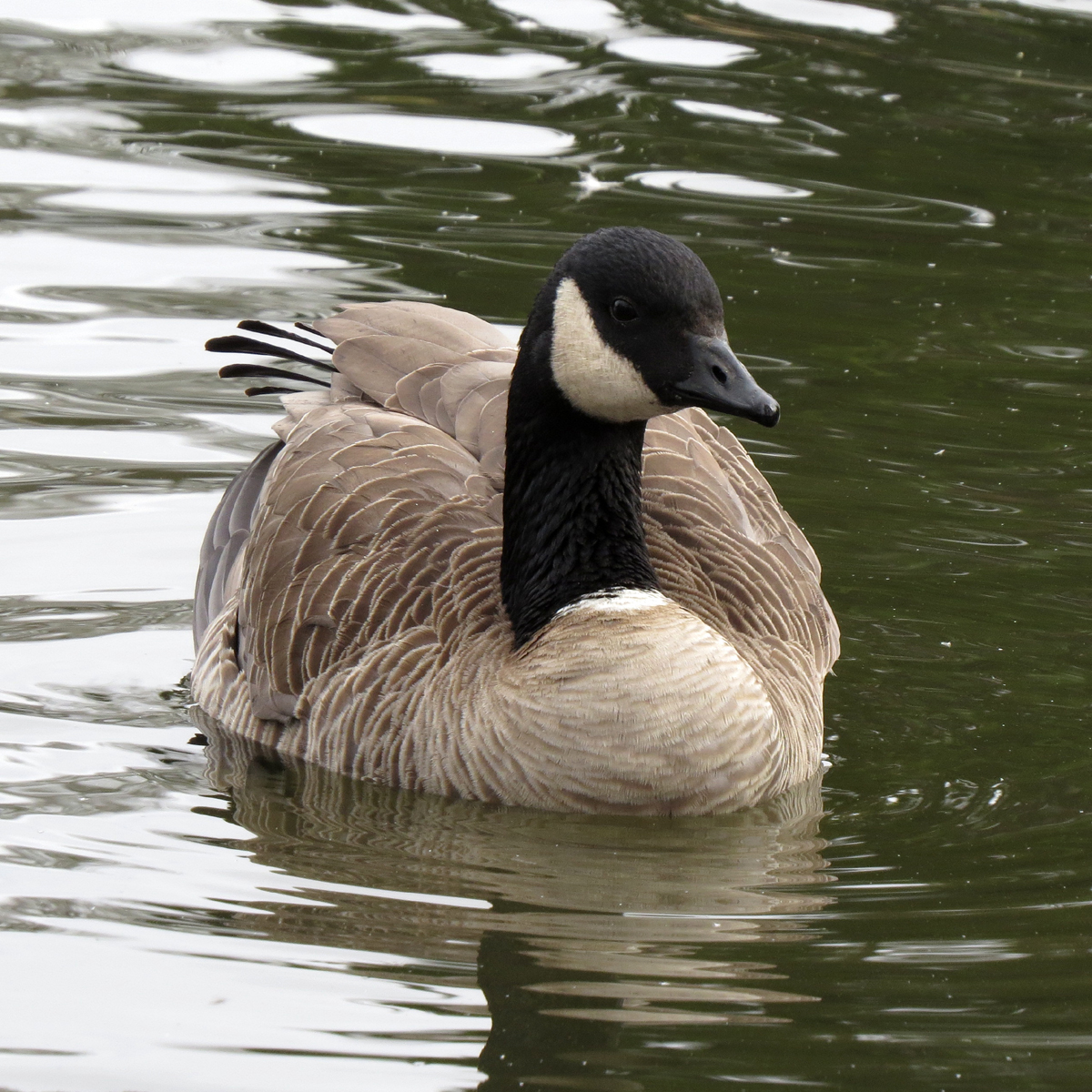
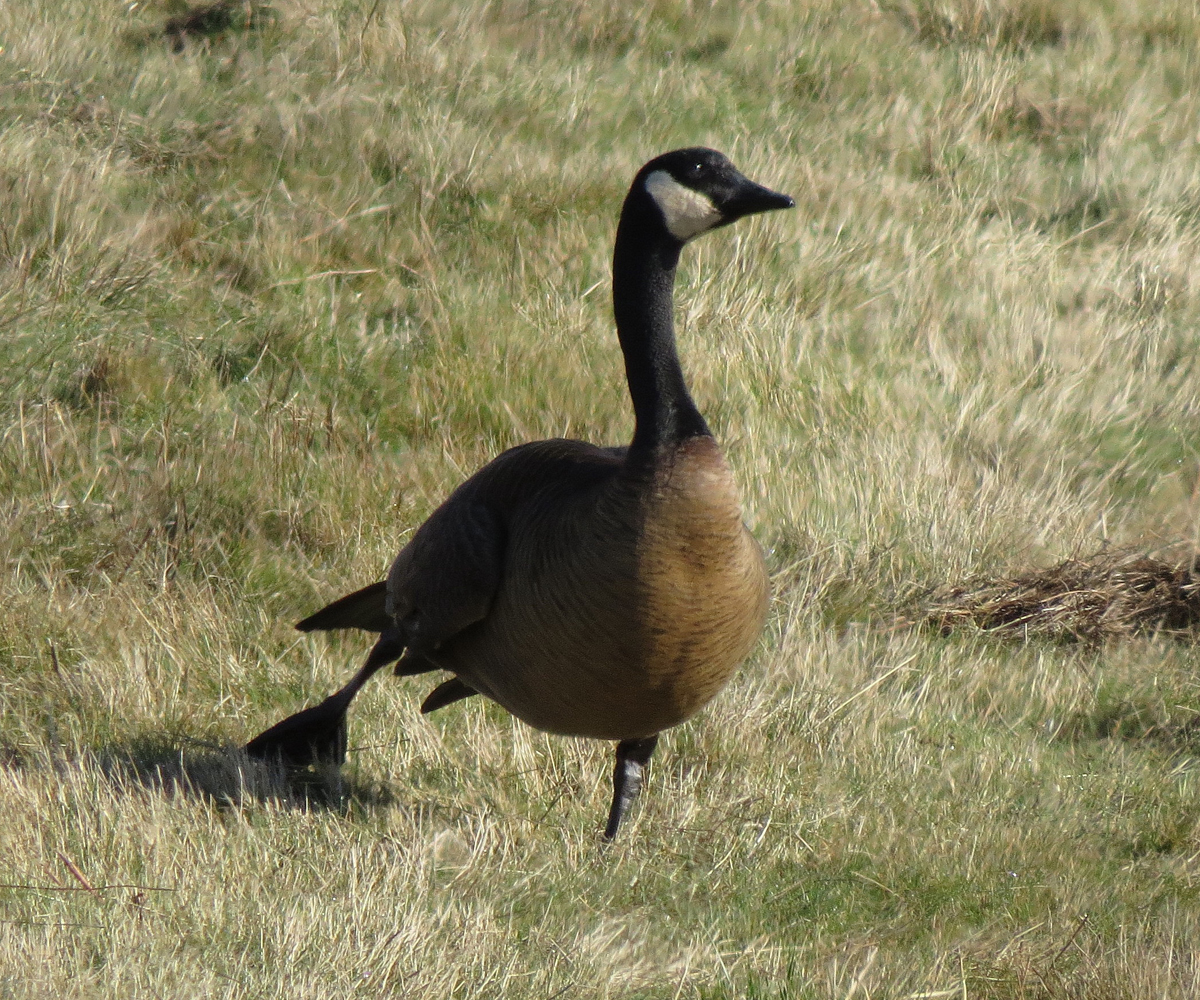
dusky canada stretchingThis Dusky Canada Goose was enjoying the sunshine at Ankeny NWR.

dusky canada feeding

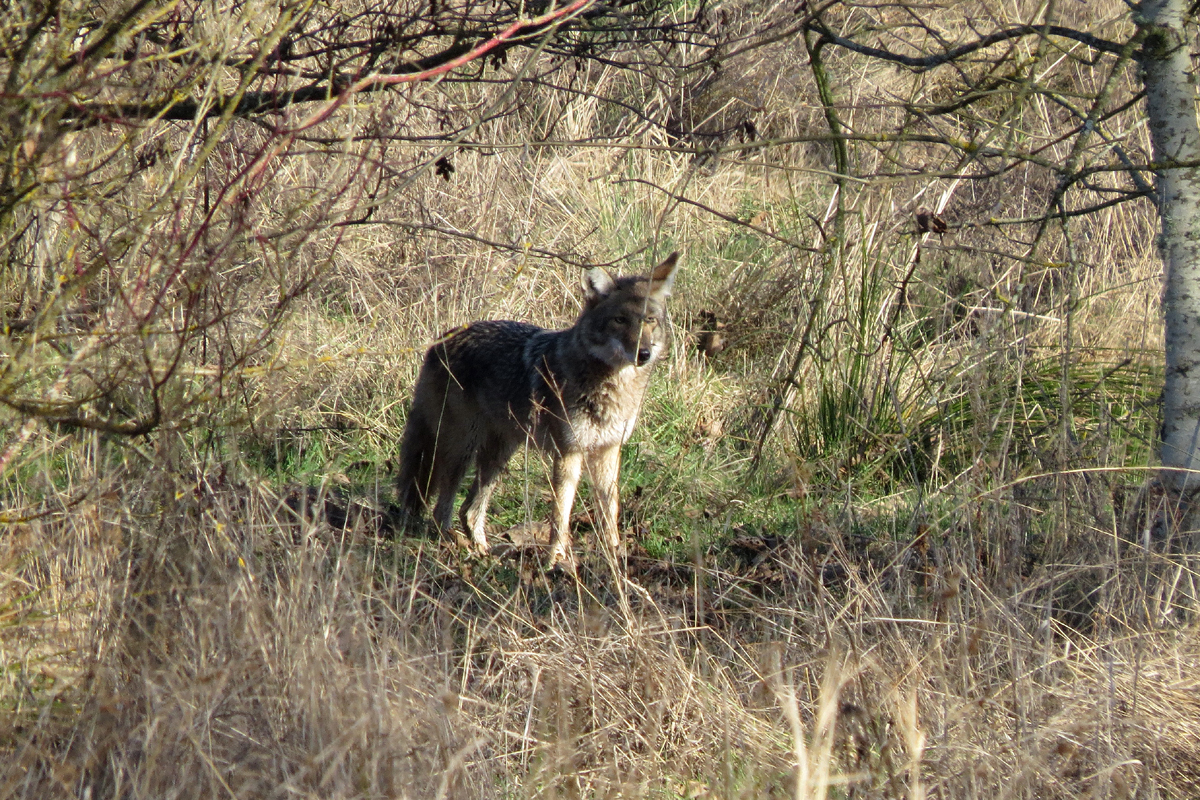
coyoteCoyote, Vanport Wetlands

coyote ankenyAnother Coyote, at Ankeny NWR

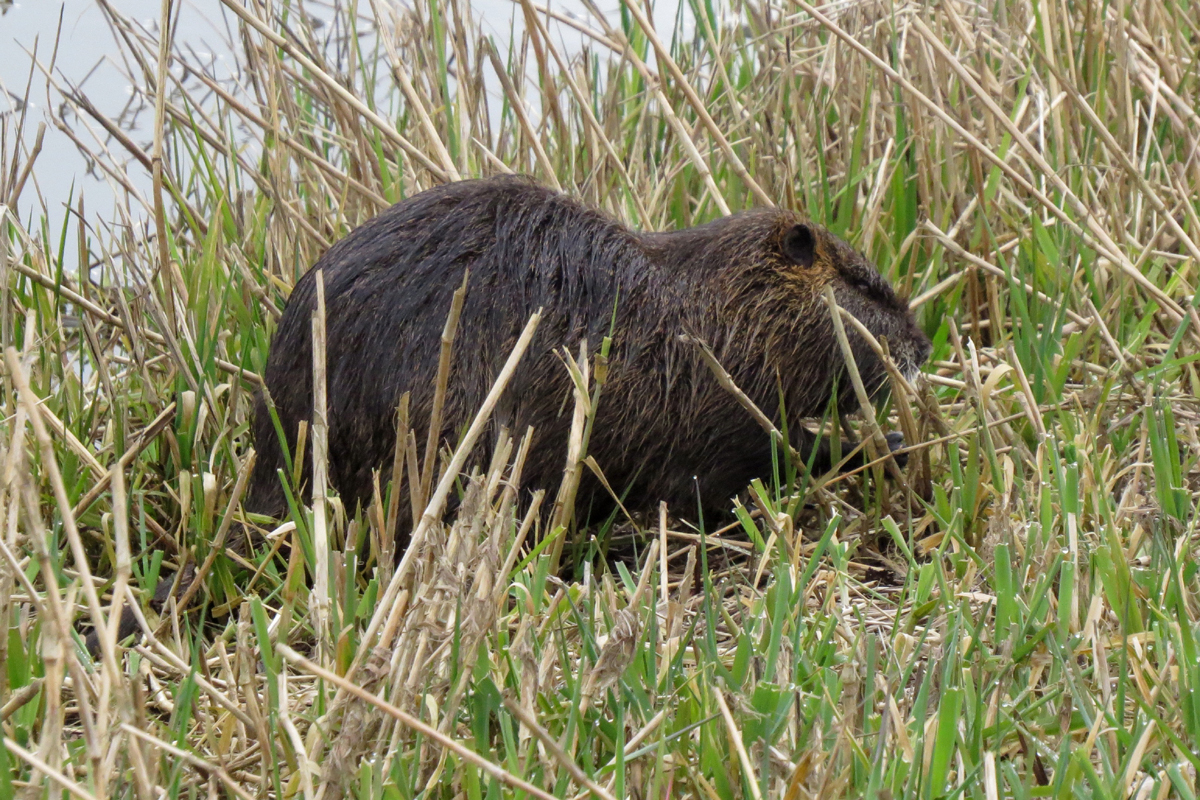
nutriaThis Nutia at Fernhill Wetlands seemed unconcerned with the group of birders walking by.

red-winged blackbird and lesser goldfinchHere is a Red-winged Blackbird sharing a nyjer feeder with a Lesser Goldfinch at Jackson Bottom. I don’t recall seeing blackbirds eating nyjer before.

spotted towheeSpotted Towhee, Jackson Bottom

Sauvie Island

I led a tour on Sauvie Island this week. This is a great time of year for birding Sauvie, as the hunting season is over and there are still large flocks of waterfowl and wintering sparrows.

duskies, snowsHere are some Snow Geese within a flock of Dusky Canada Geese. If you look closely you will find one Taverner’s Cackling Goose and a couple of Mallards.

greater white-fronted gooseOne Greater White-fronted Goose was hanging out with the Taverner’s Cackling Geese. Greater White-fronts are hard to come by in winter, so we were fortunate to find this individual.

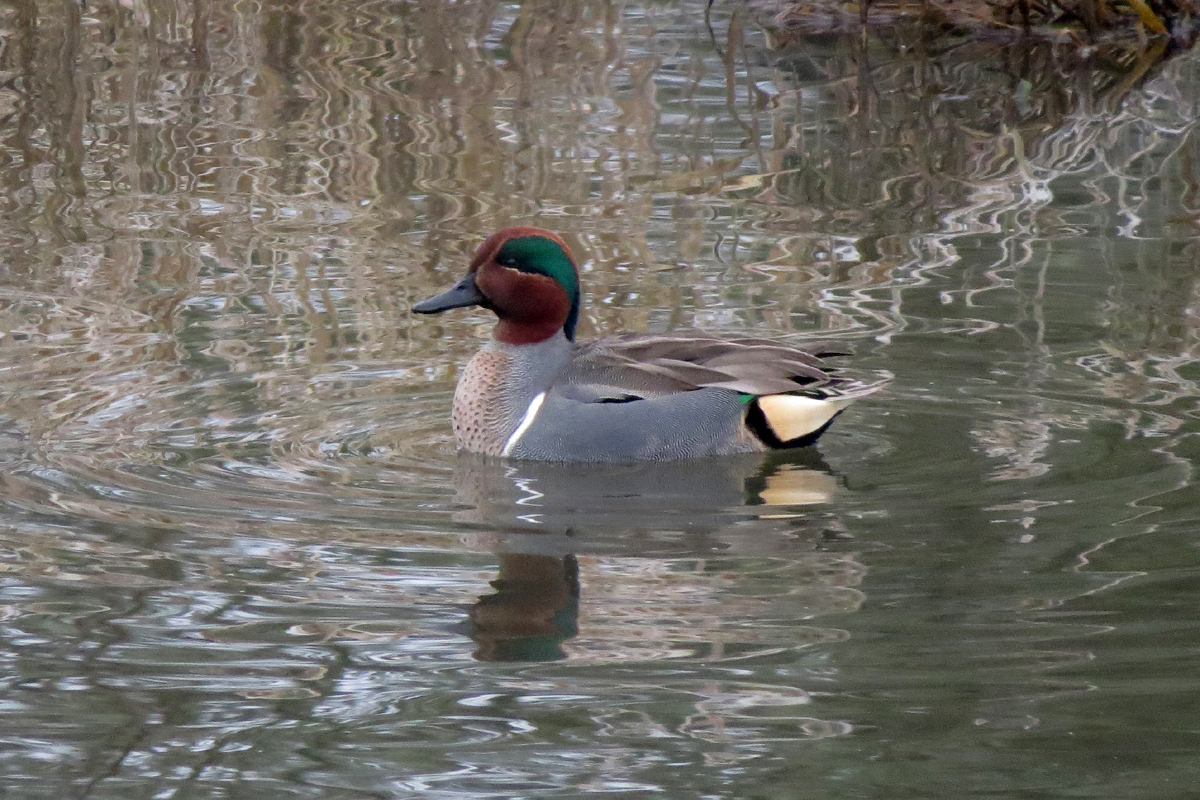
green-winged tealGreen-winged Teal, the smallest duck in North America, and one of the prettiest

rough-legged hawkA very distant view of a Rough-legged Hawk

Westmoreland Park

Westmoreland Park, in southeast Portland, is always worth a quick visit in winter.

canvasbackThis Canvasback has a mud on her face from rooting around in the bottom of the pond.

canvasback scratching

lesser scaupLesser Scaup

eurasian wigeon2At least two female Eurasian Wigeons have been spending the winter at Westmoreland. No males have been reported yet this year.

herring gullThis park is one of best gull sites in Portland, although by this time the gull flock is starting to thin out. This is a sleepy Herring Gull.

taverner's cackling gooseWestmoreland is also a good spot for studying the various subspecies of the white-cheeked goose complex. This is a Taverner’s Cackling Goose, identified by her medium bill (covered in down for some reason), blocky head, and pale breast.

ridgeway's cackling goose leftRidgeway’s Cacking Goose (stubby bill, round head, dark breast)

canada goose 1Western Canada Geese have long snakey necks, long bills, and pale breasts. While common in Cackling Geese, it is unusual to see such a distinct white neck ring on a Western Canada.

western canada goose bathingWestern Canada Goose bathing