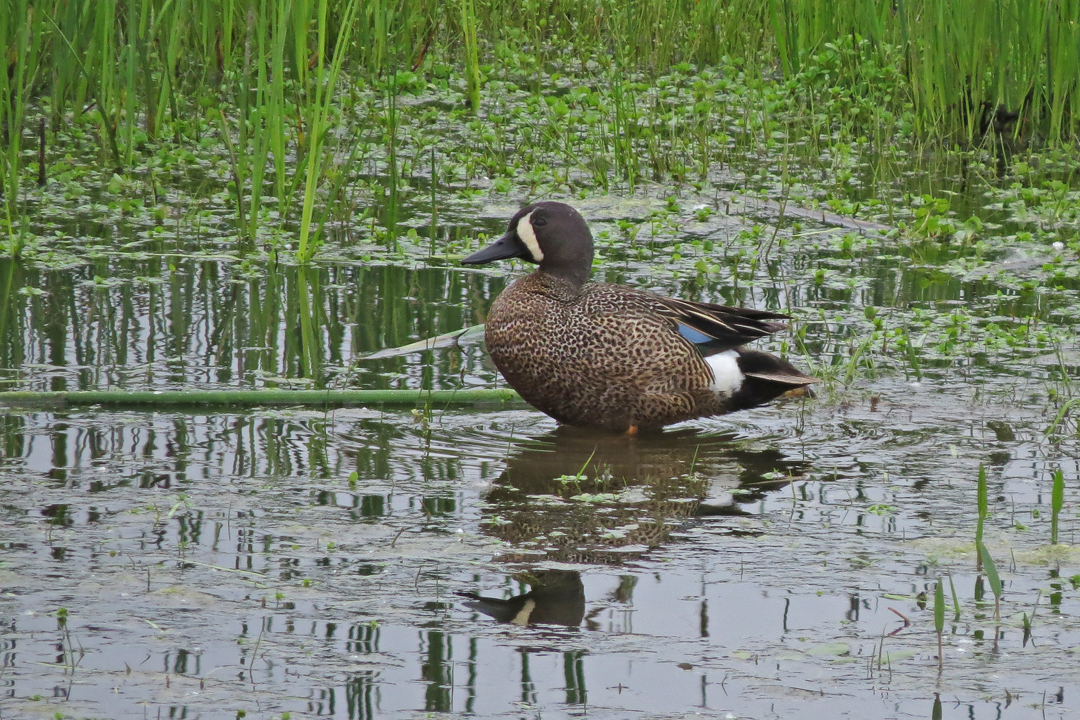
 Summer is settling in at Fernhill Wetlands. The birds that are here now are probably nesting. Always a treat this far west is this handsome Blue-winged Teal. I hope he has a mate sitting on eggs somewhere.
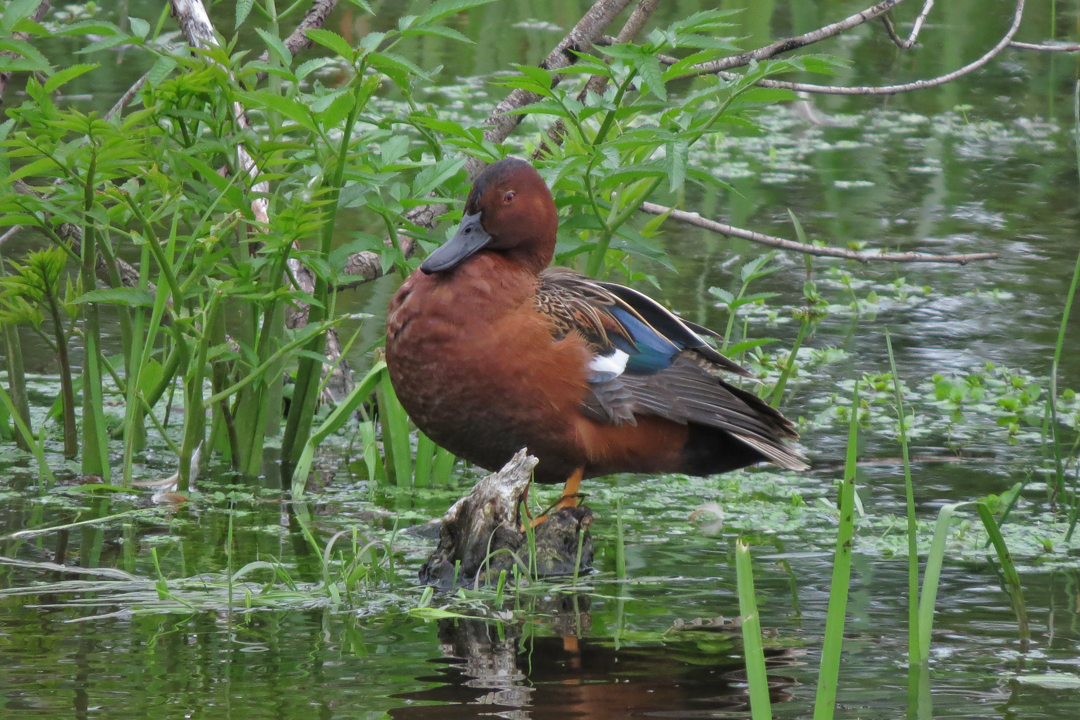 Just as lovely, and more expected here, is this Cinnamon Teal. A friend refers to them as “spicy.”
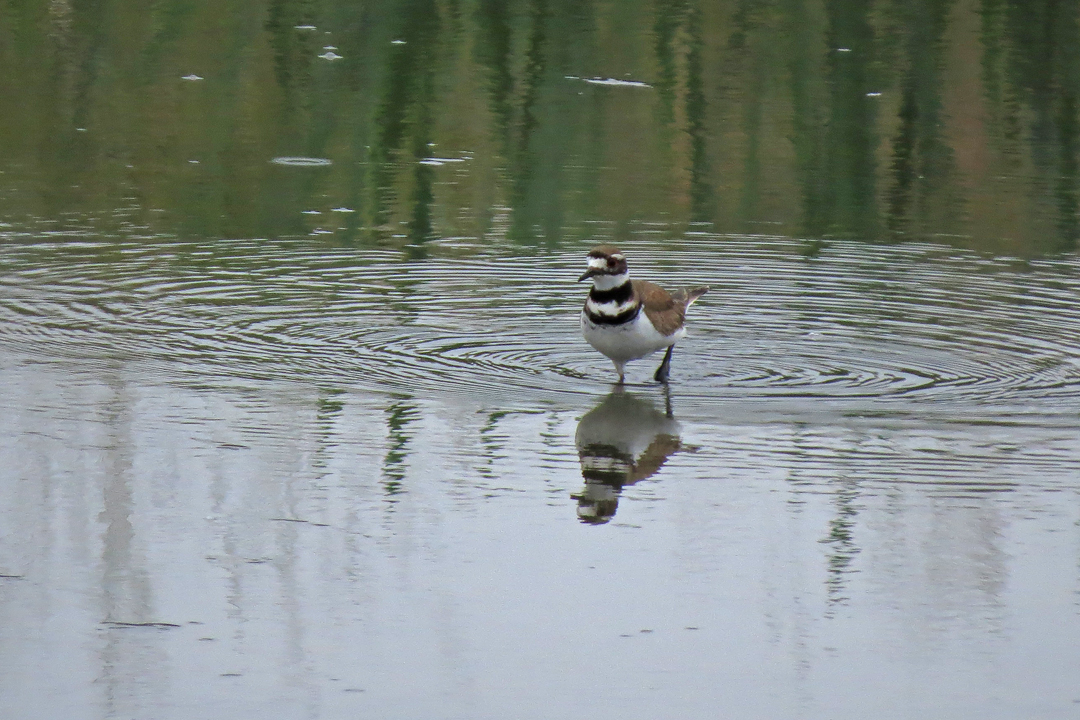 All the migrant shorebirds are gone, so we can stop to enjoy the resident Killdeer.
 I have been spending more time around the back side of Dabblers Marsh at Fernhill. The wooded habitat attracts more songbirds, like this Cedar Waxwing.
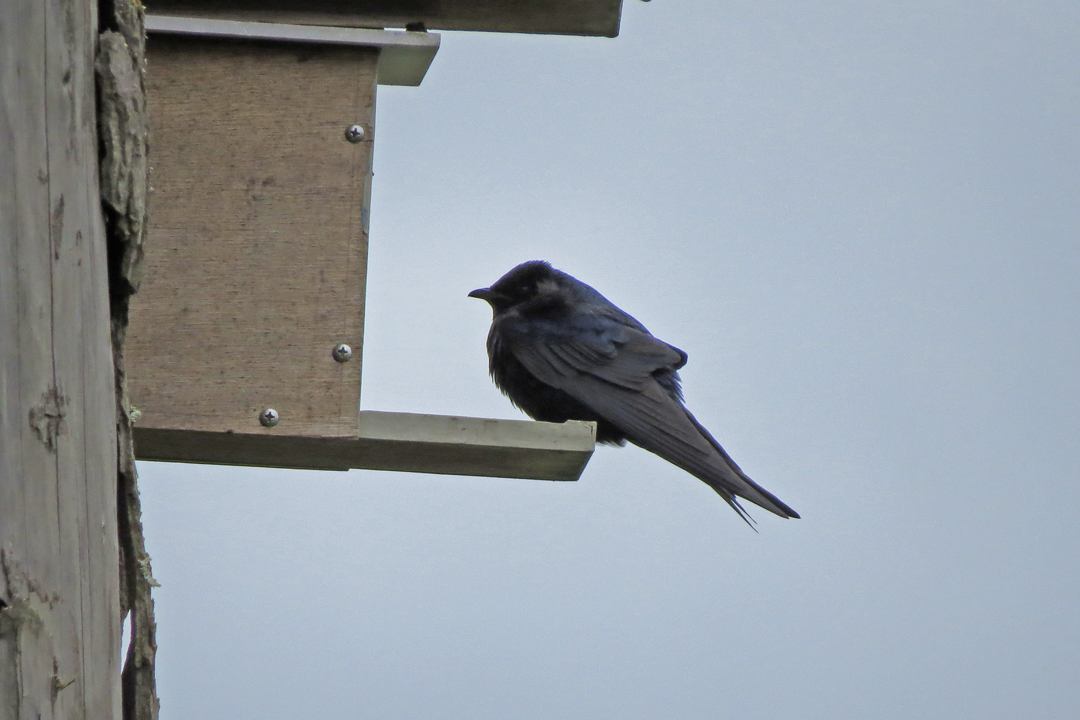 Purple Martins have reclaimed their nest boxes by the lake.
 This Great Egret was hanging out close to the main trail. They are often farther out in the marsh.
 I have seen California Ground Squirrels here in the past, but this is the first I have seen since the major renovations. I am glad to see this species is still using the site.
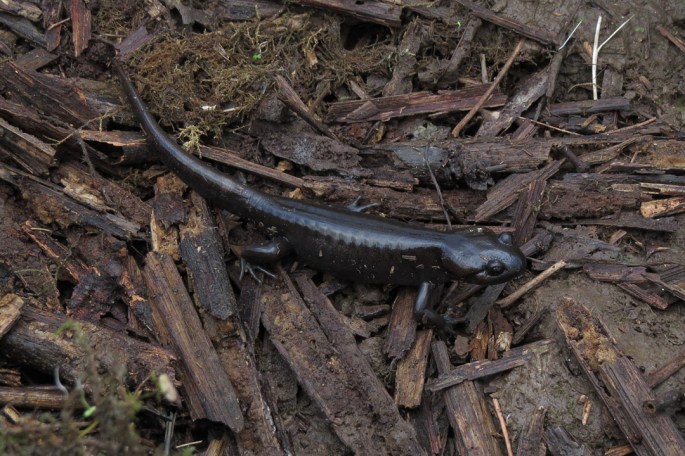
 This Long-toed Salamander was my only herp of the day. If you look at the back feet, you can see the extra long fourth toe that gives this species its name.
Happy Spring/Summer




 I visited Pittock Mansion in northwest Portland the other morning. The gate to the park is locked, but you can park in the neighborhood and walk up the hill. It is nice to be able to bird the entrance road without having to worry about cars.
 This Wilson’s Warbler was down in his normal level of undergrowth. Of course, it is a law of nature that every warbler must keep at least one branch between themselves and my camera lens.
 Two Golden-crowned Sparrows obliged by posing on the open ground. I do enjoy seeing them in their breeding plumage.
 This Spotted Towhee posed right at eye level, showing her red iris with a nice eye catch. Who needs a flashy warbler, anyway?









 Late winter is when I typically concentrate on sparrows. There isn’t much else going on this time of year, and the vegetation is worn down enough that visibility is pretty good. Rentenaar Road on Sauvie Island continues to be the best spot in the area for a variety of little brown birds. Some would say that the birding is too easy when you just throw down some seed and watch the birds swarm in, but I love the opportunity to see 10 sparrow species side-by-side at close range. Here is a Fox Sparrow.
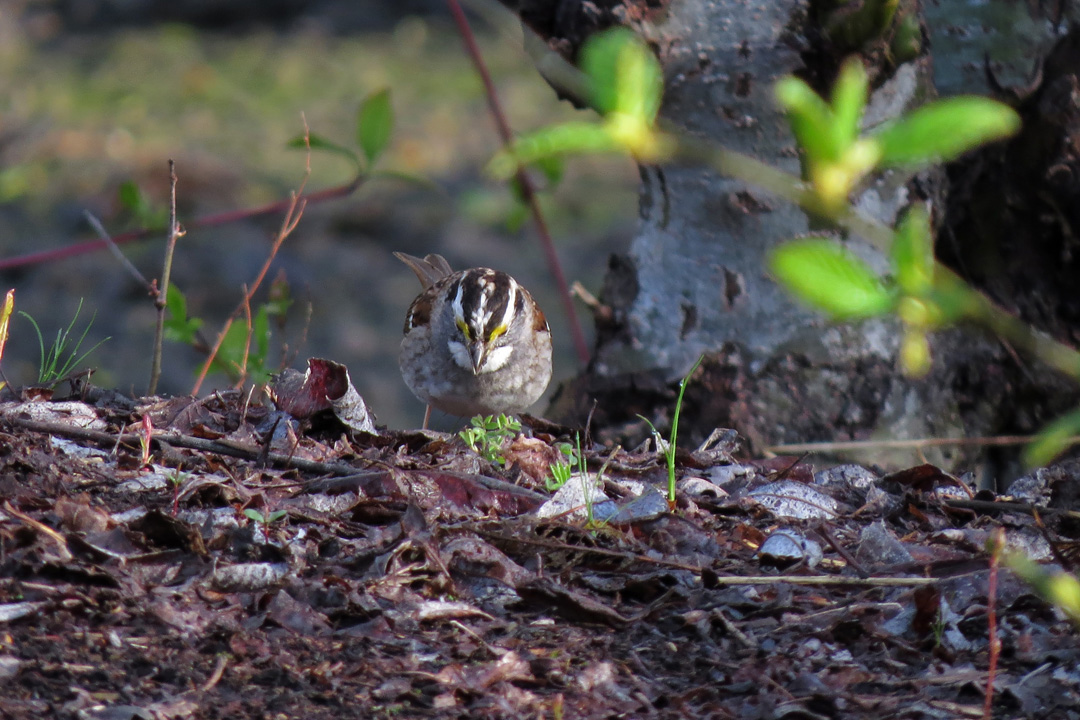
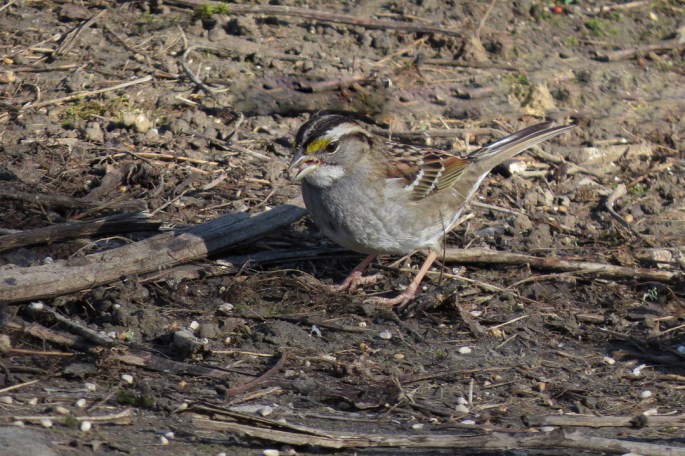 White-throated Sparrows were a rare treat around here 15 years ago, but they are an expected species now.
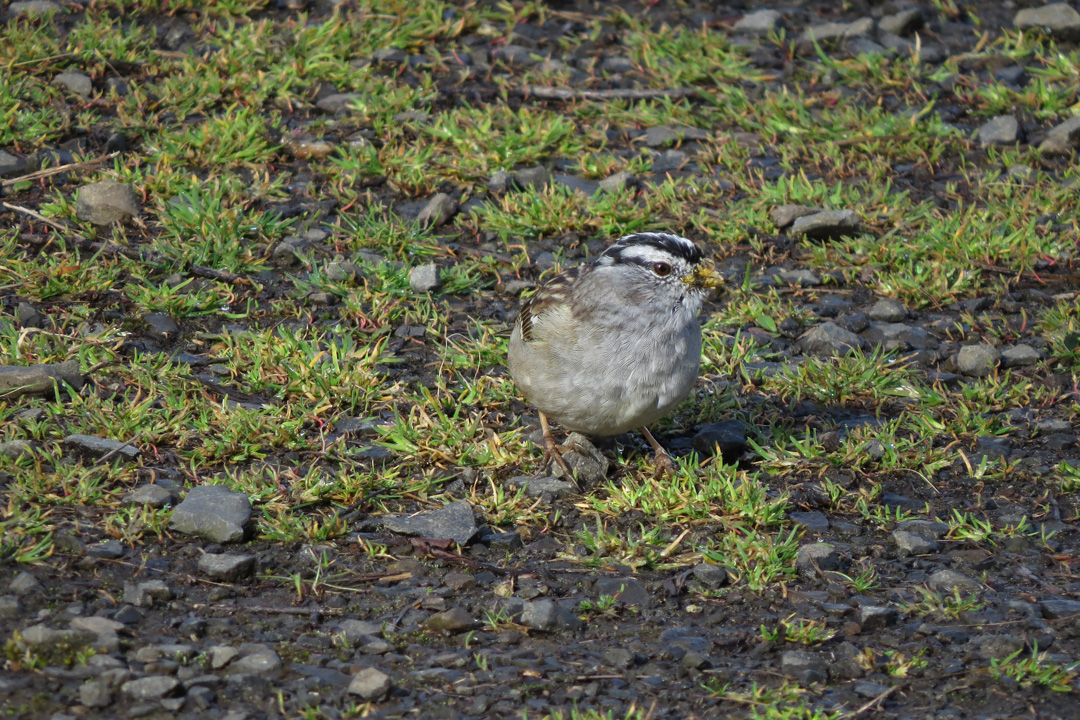
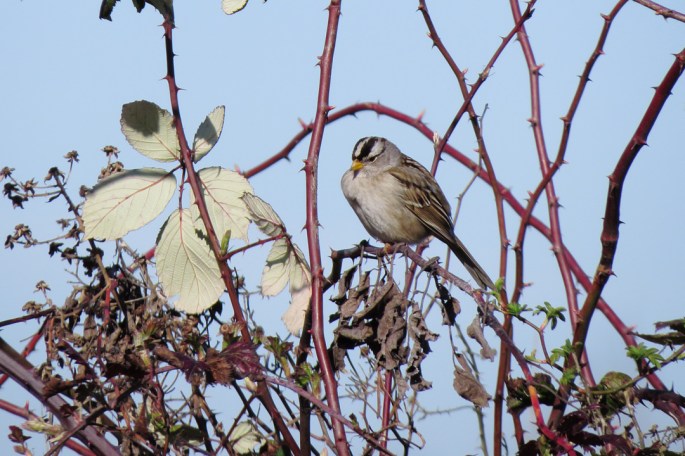 White-crowned Sparrow, always dapper
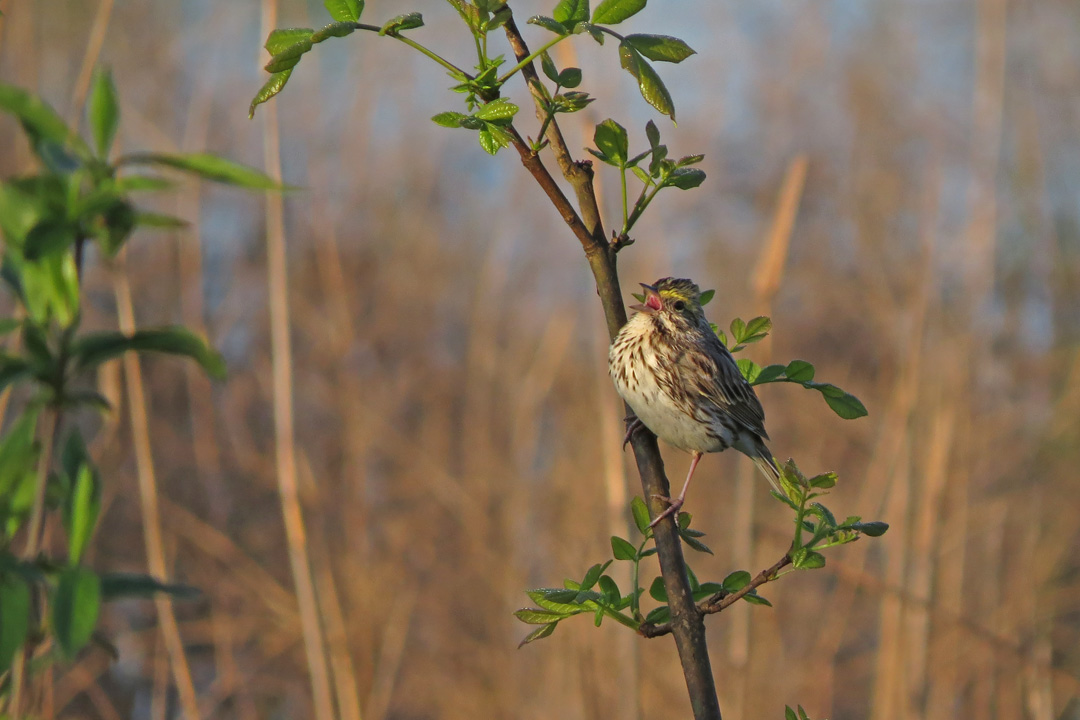
 There is usually a small flock of Savannah Sparrows along Rentenaar Road in winter. They tend to keep to themselves and don’t come in to feed at the chumming spots.
 The most noteworthy little brown bird in the area this winter has been the Siberian Accentor in Woodland, WA. I don’t keep a Washington list, but I did cross the river to see this bird. They are quite rare anywhere in North America, so this was probably my only chance to add this bird to my life list. It would have been much better for me if the bird had flown ten miles to the southwest and hung out in Oregon, but Asian vagrants don’t seem to care about my state list.
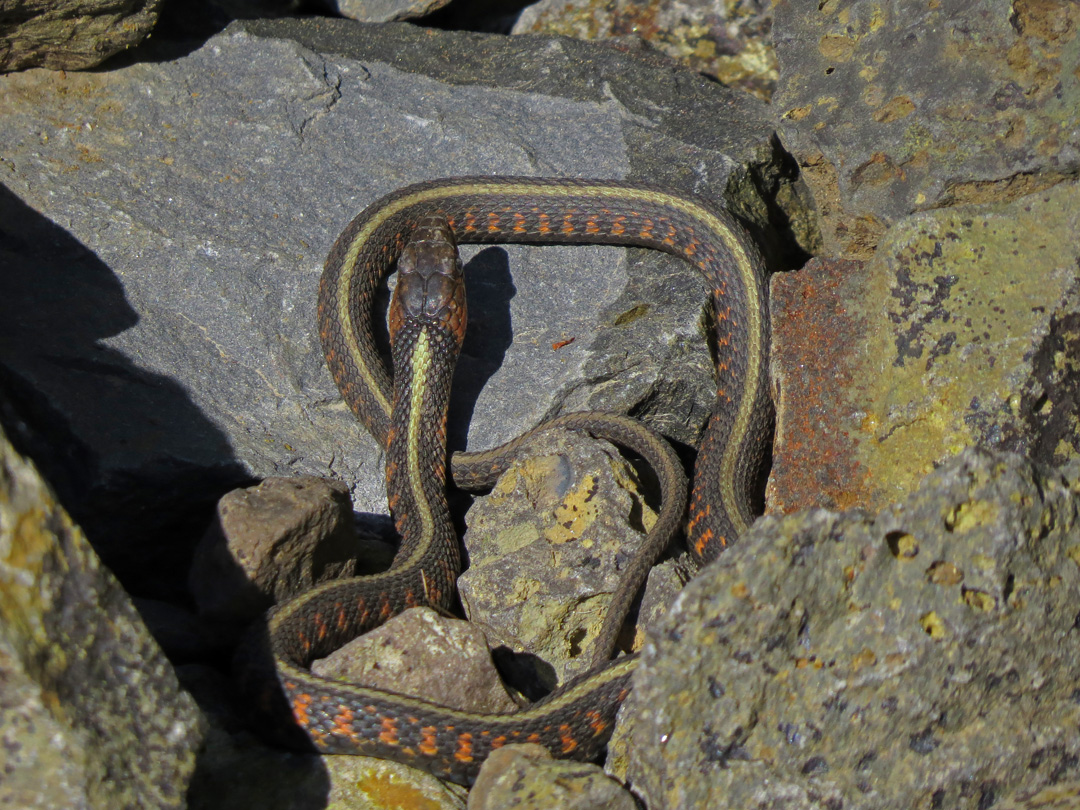
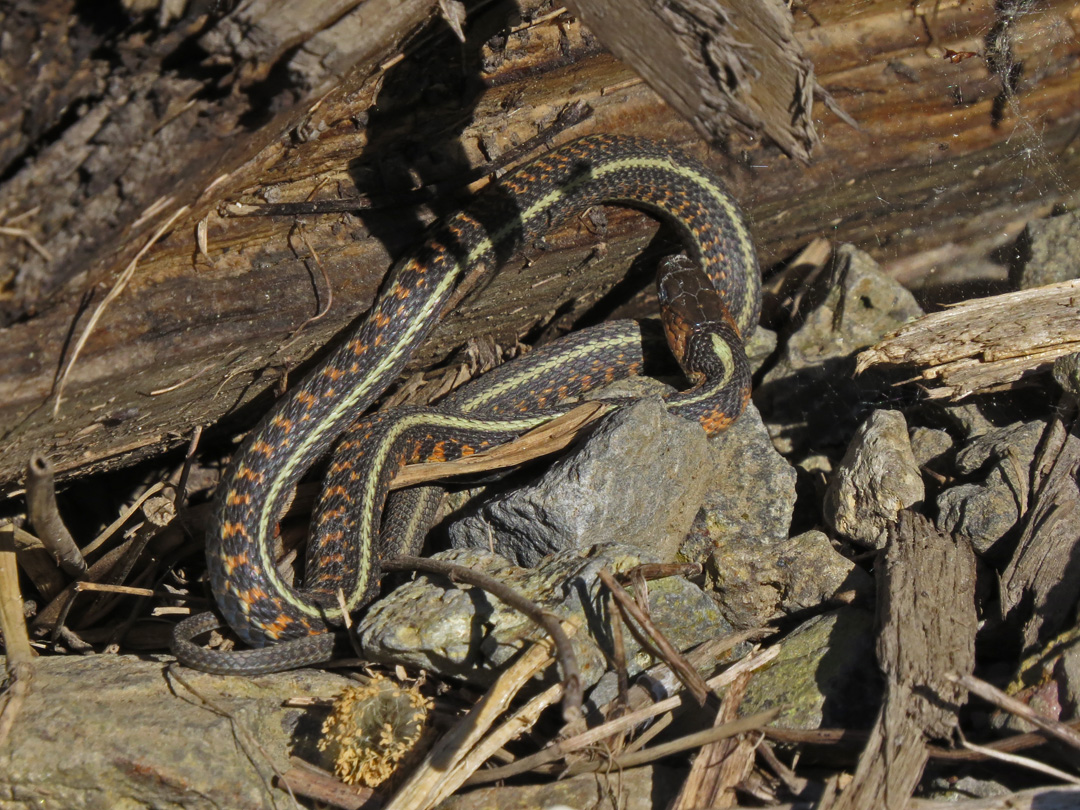
 This was my first snake of the season, found at Wapato Greenway State Park on Sauvie Island. I am not sure if this is a Common Garter or a Northwestern Garter. The body pattern most closely matches the local race of Common Garter, but they typically have red heads. Our local Northwestern Garters do not show red spots on the sides, but do have small dark heads. I did not apply one test that has often worked for me; If you pick them up and they bite you, they are Common Garters. If they don’t try to bite, they are Northwestern. I don’t know if other herpers have noticed this trend, but I have found it to be true of individual snakes of known identity.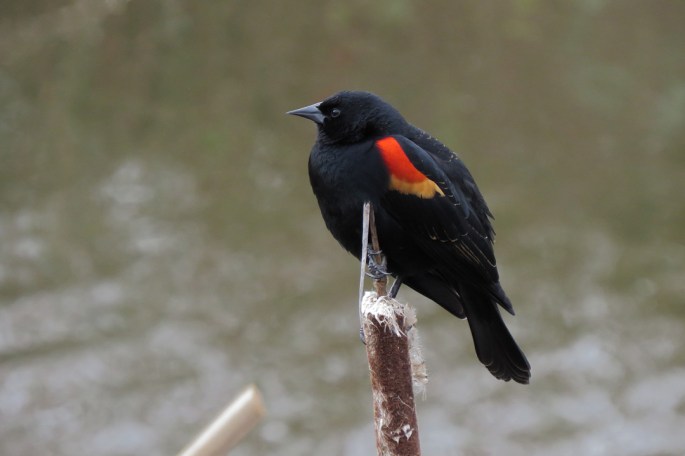



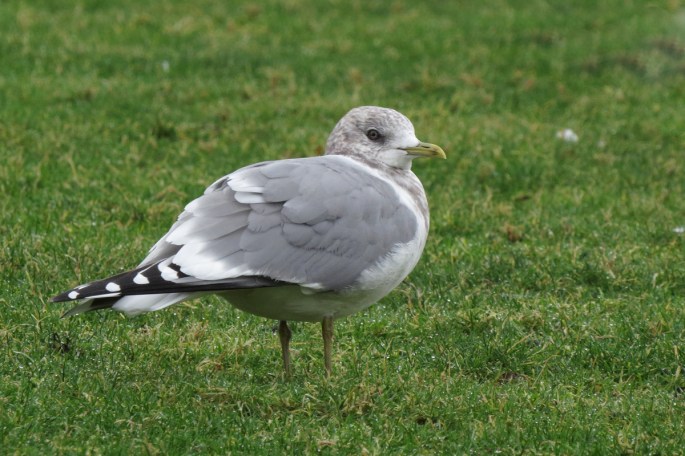 I made a quick trip to Amberglen Office Park in Hillsboro to check the lawn for gulls. Along with a small flock of Ring-billed Gulls were four Mew Gulls. Mews are one of my favorite gulls. They are easy to pick out of a mixed flock, they seldom if ever hybridize, and they possess a cuteness not found in most Larids.
 As gulls go, Mews are pretty petite with their short slender bills and round pigeon-like heads. Eye color variable, but tends toward the dark side. Like Ring-bills, Mews show very long wing projection beyond the tail.
 This individual is heavily marked on the head and breast compared to the bird above.
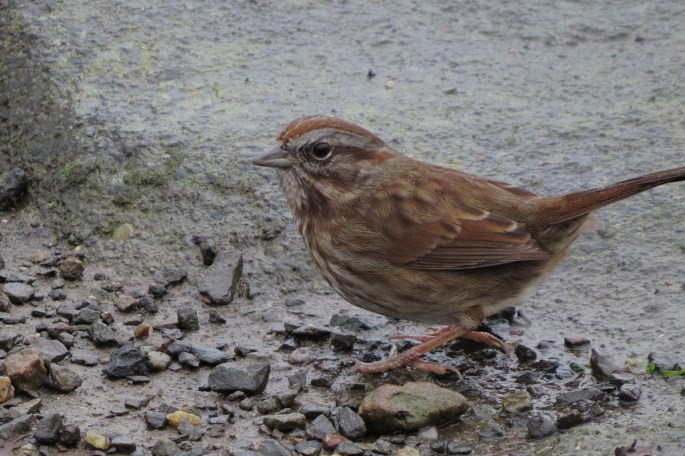 Amberglen is a good spot for waterfowl and attracts a few songbirds. Several sparrow species, including this Song Sparrow, were foraging around the main pond.
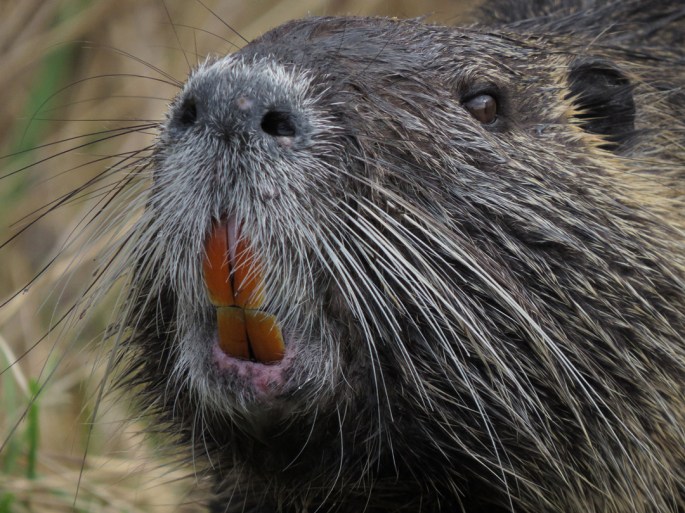
 Here is my obligatory photo of a Nutria. Cuteness transcends their invasive species status.
 Ethical Birder