AmberGlen Business Park

Several office parks in the Hillsboro area have nice open spaces that attract birds. AmberGlen has a pond next to a large lawn which attracts good numbers of gulls in winter.

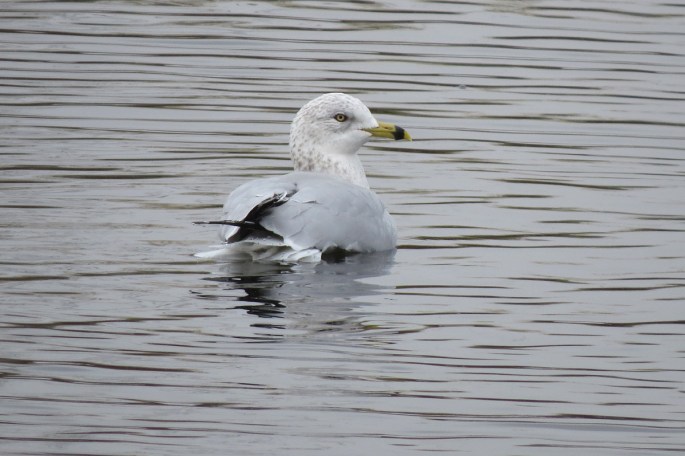
ring-billed and mewMost of the gulls on my recent visit were Ring-billed Gulls, but two Mew Gulls were in the mix. Here is a nice comparison of the two species.

ring-billed roustRing-billed Gull enjoying a roust

ring-billed gull swimmingand a swim

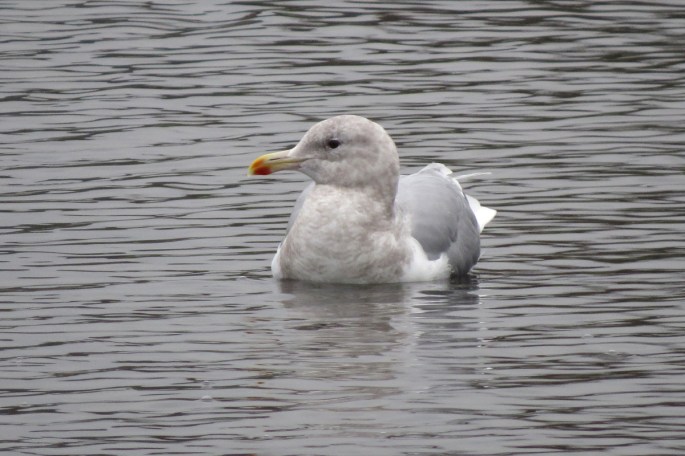
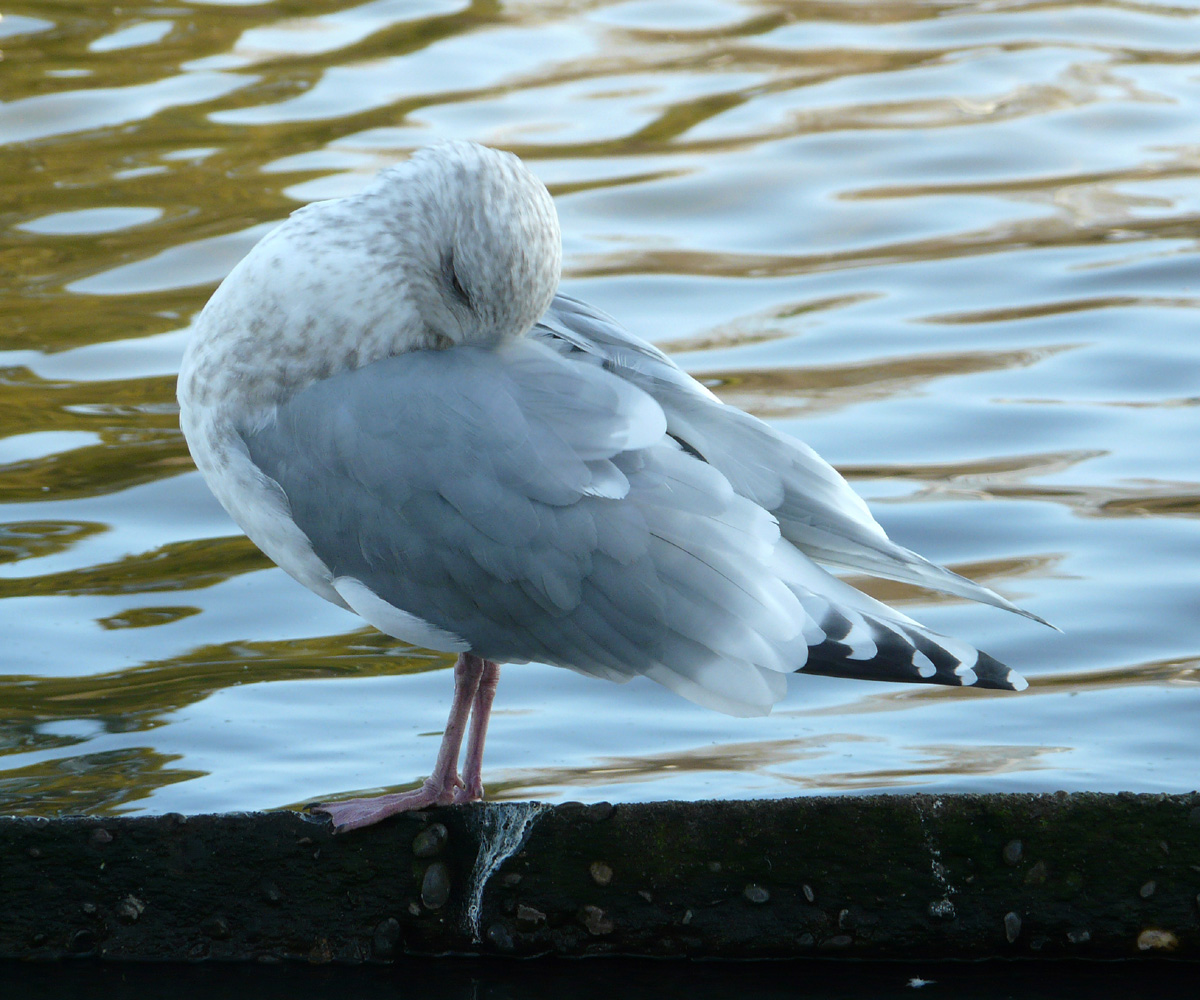
glaucous-winged 2This Glaucous-winged Gull was rocking the lipstick.

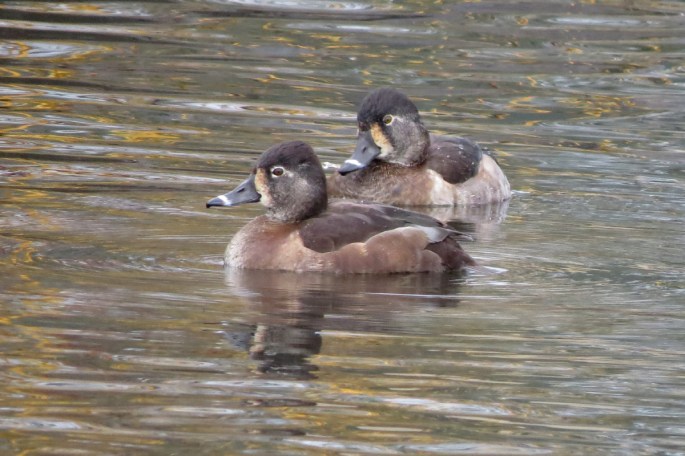
ring-necked 3Ring-necked Ducks

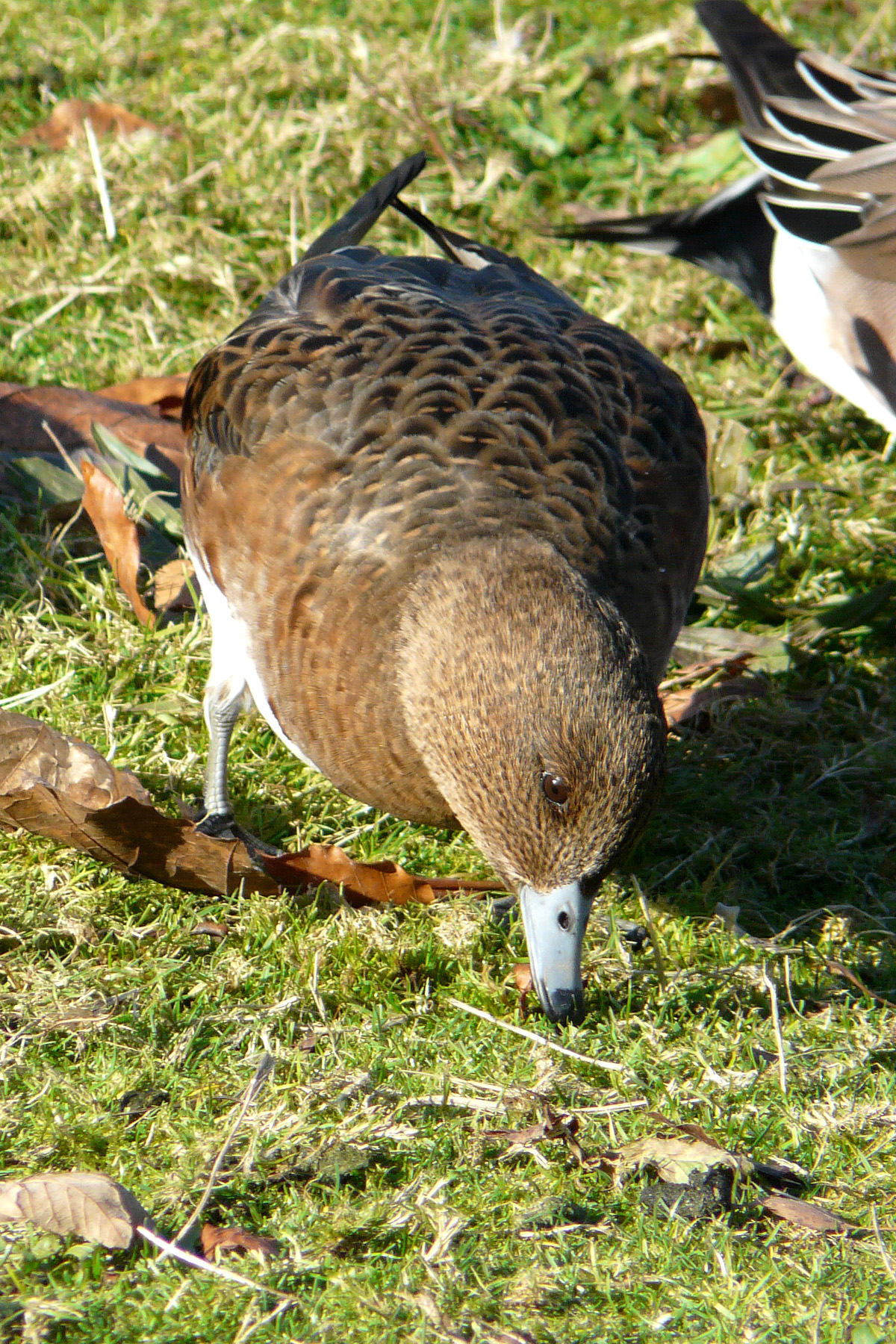
eurasian and american wigeonsHere is a male Eurasian Wigeon, with an American Wigeon in the background. I am guessing this is a young bird molting into his first adult plumage. It seems a little late in the season to me,  but I don’t know whether this Asian species has a different molt schedule from his North American counterpart.
eurasian wigeon

Tilley Jane Trail

trail 5I walked the Tilley Jane trail on the east side of Mt. Hood. This trail starts near the Cooper Spur Ski Area and goes about two and a half miles up to the Tilley Jane Campground.

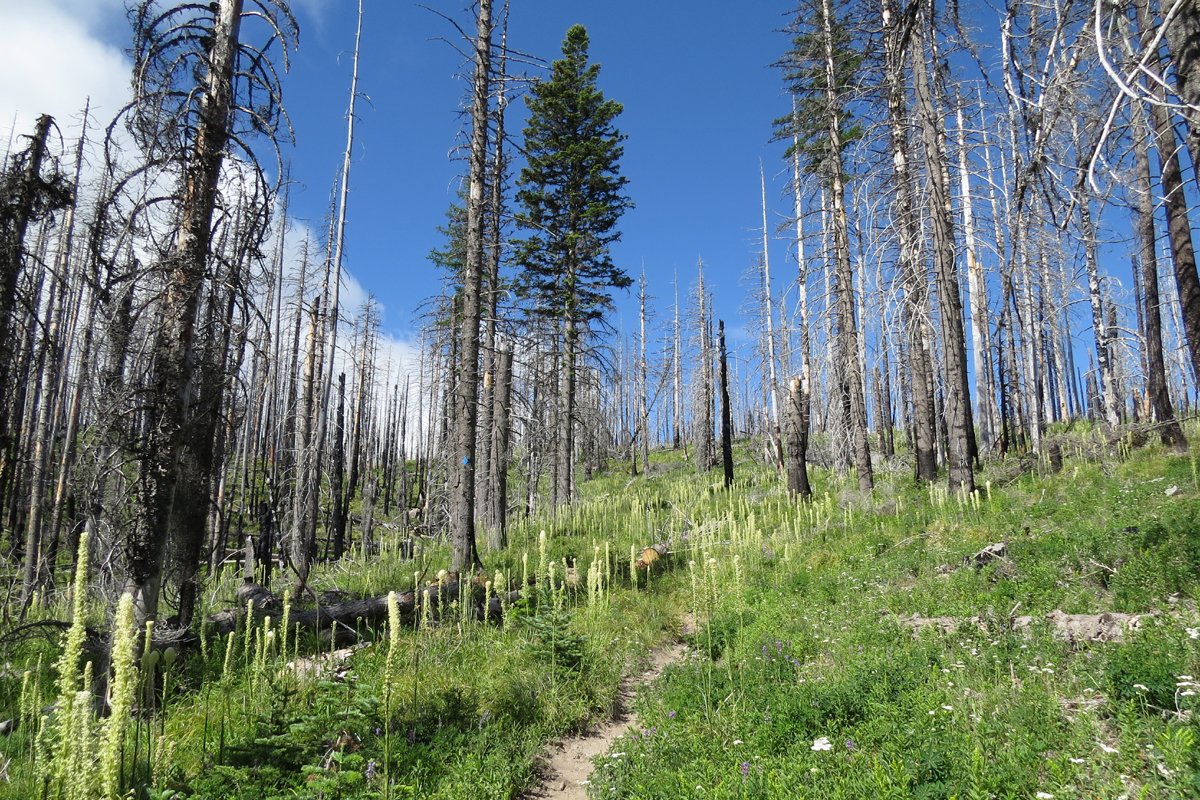
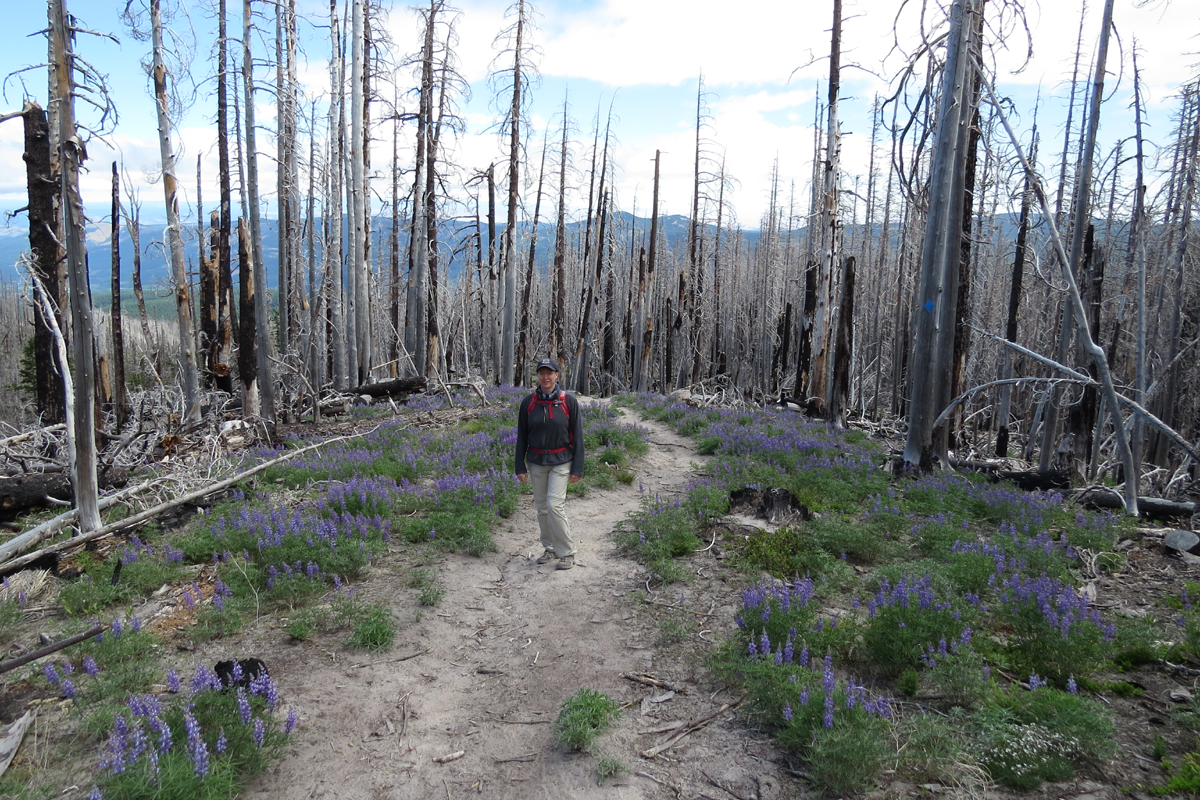
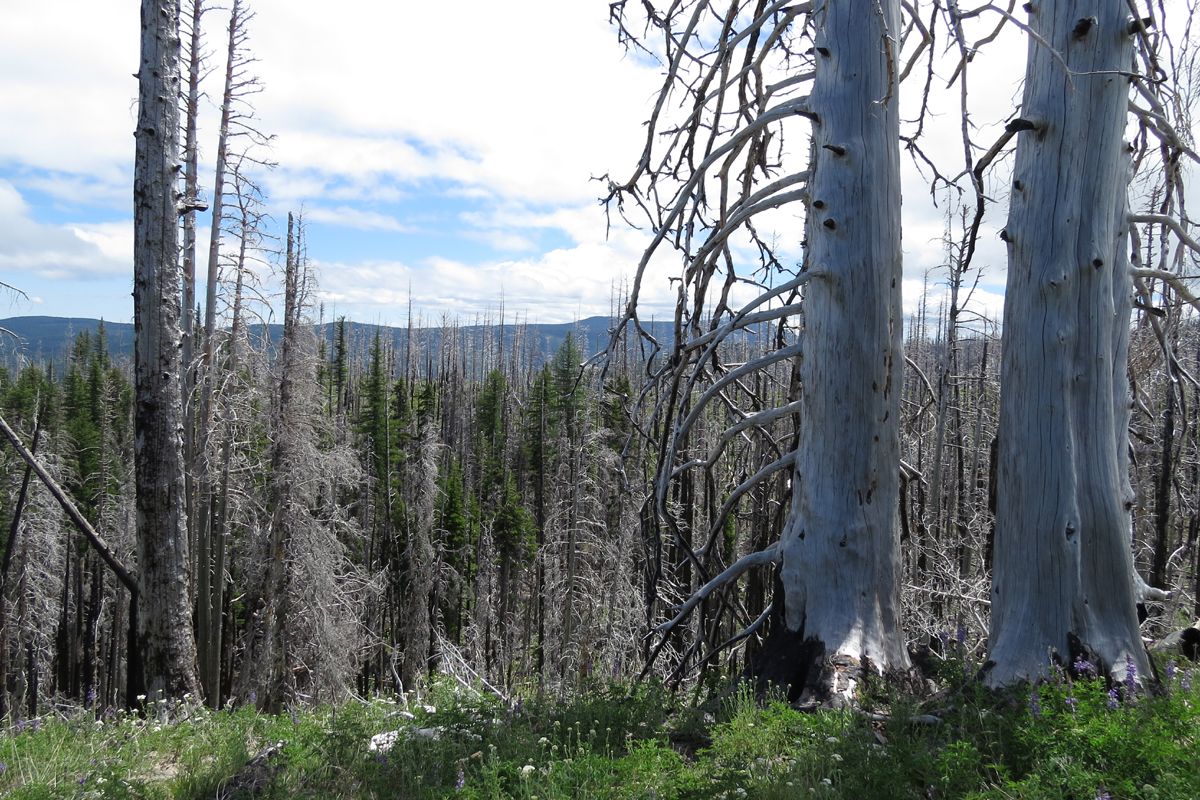
trail 1Much of the trail goes through an area that burned a few years ago, so there are lots of standing dead trees and wildflowers.

flickerBurned areas are great for woodpeckers and other cavity nesters. This is a young Northern Flicker that was peeking out of her nest hole.

olive-sided flycatcherOlive-sided Flycatcher

juncoDark-eyed Junco. Yes, I can see them out my living room window, but they look better on the mountain.

deer 2We came upon this Black-tailed Deer nursing her new fawn. If the fawn had been hidden, I think the doe would have taken off. But since the baby was exposed, they both just froze as we passed by.

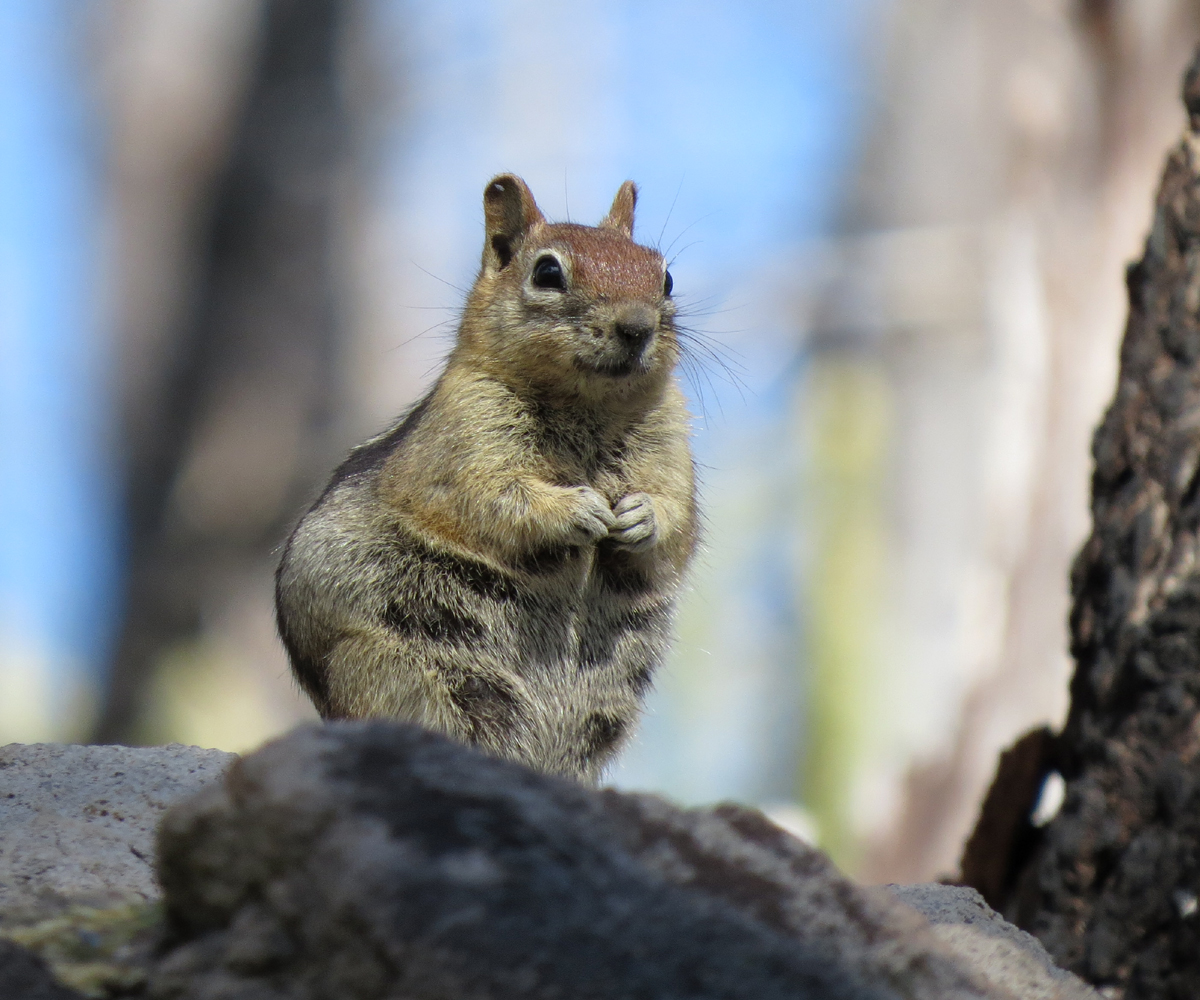
golden-mantled ground squirrel 1This Golden-mantled Ground Squirrel looks like she might be carrying a litter.
golden-mantled ground squirrel
m in lupinesCharismatic megafauna among the lupines

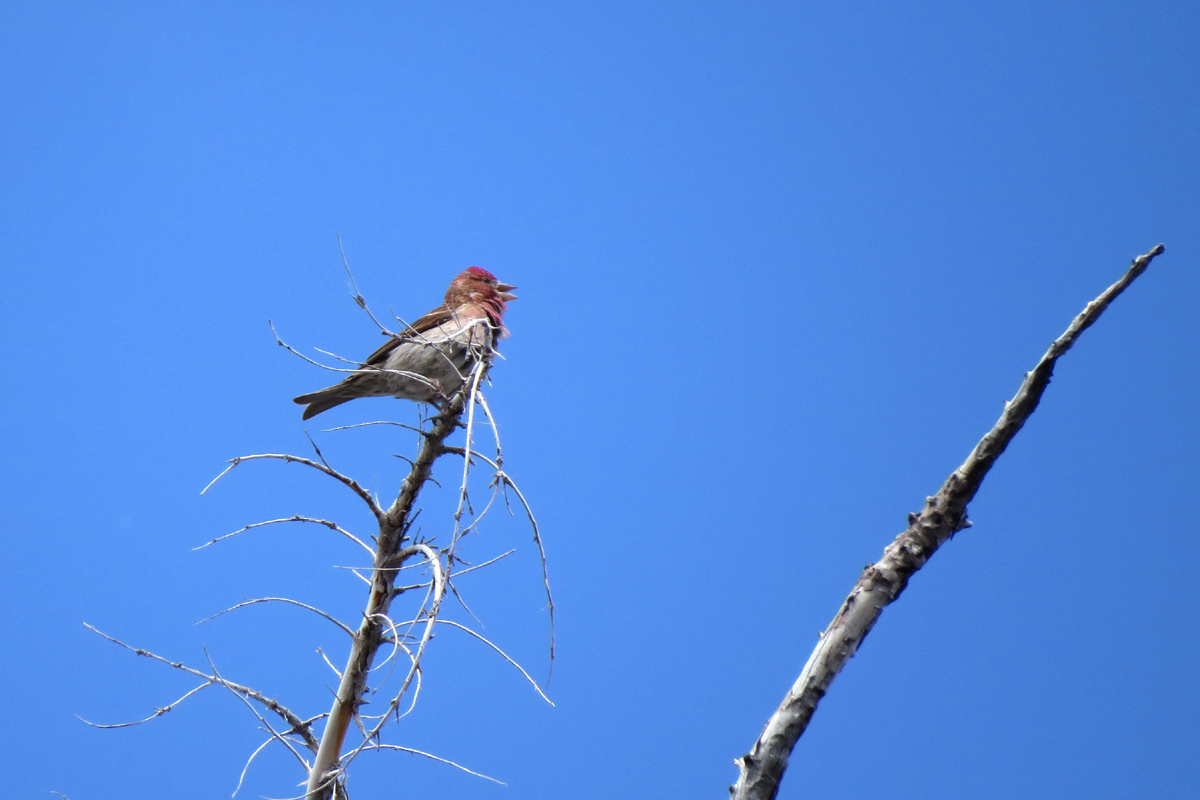
cassin's finchAt higher elevations, Cassin’s Finches became common, if not cooperative.

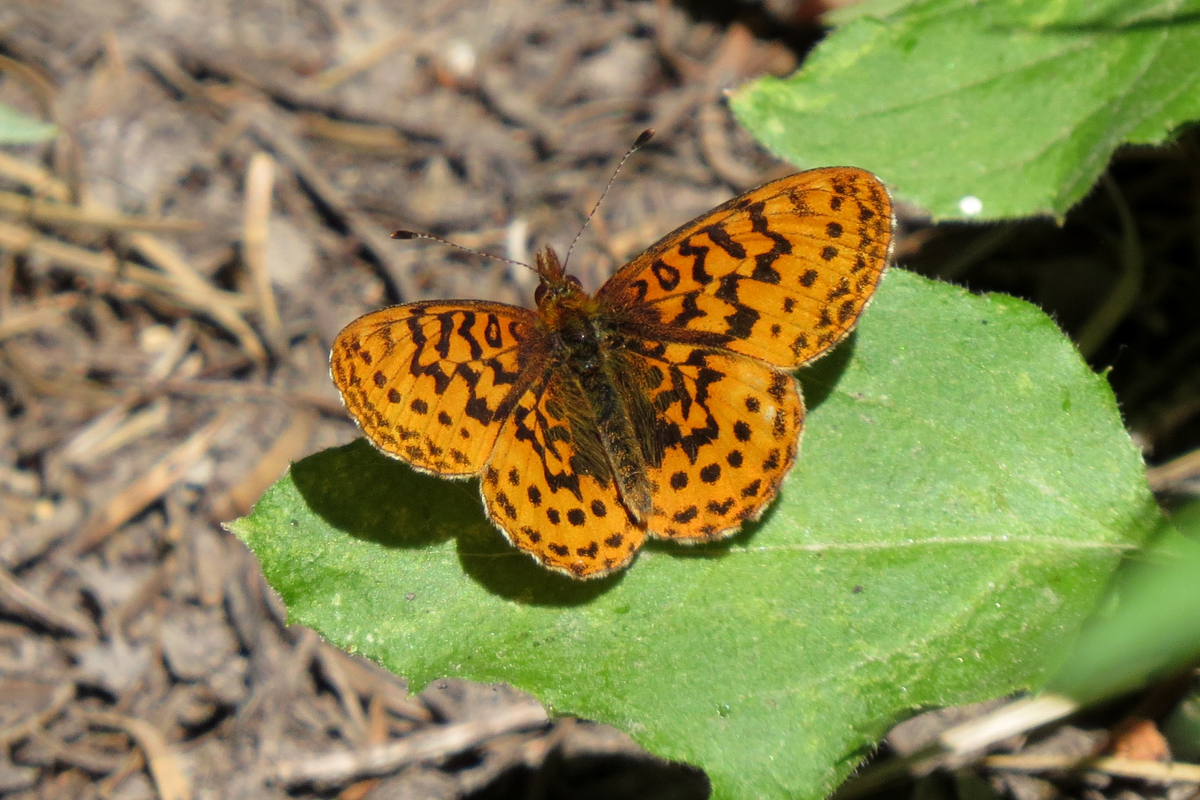
pacific fritillary 1Along with the wildflowers are butterflies. The flowers are interesting in person, but not so much in photos. A few butterflies, like this Pacific Fritillary, posed for good looks.

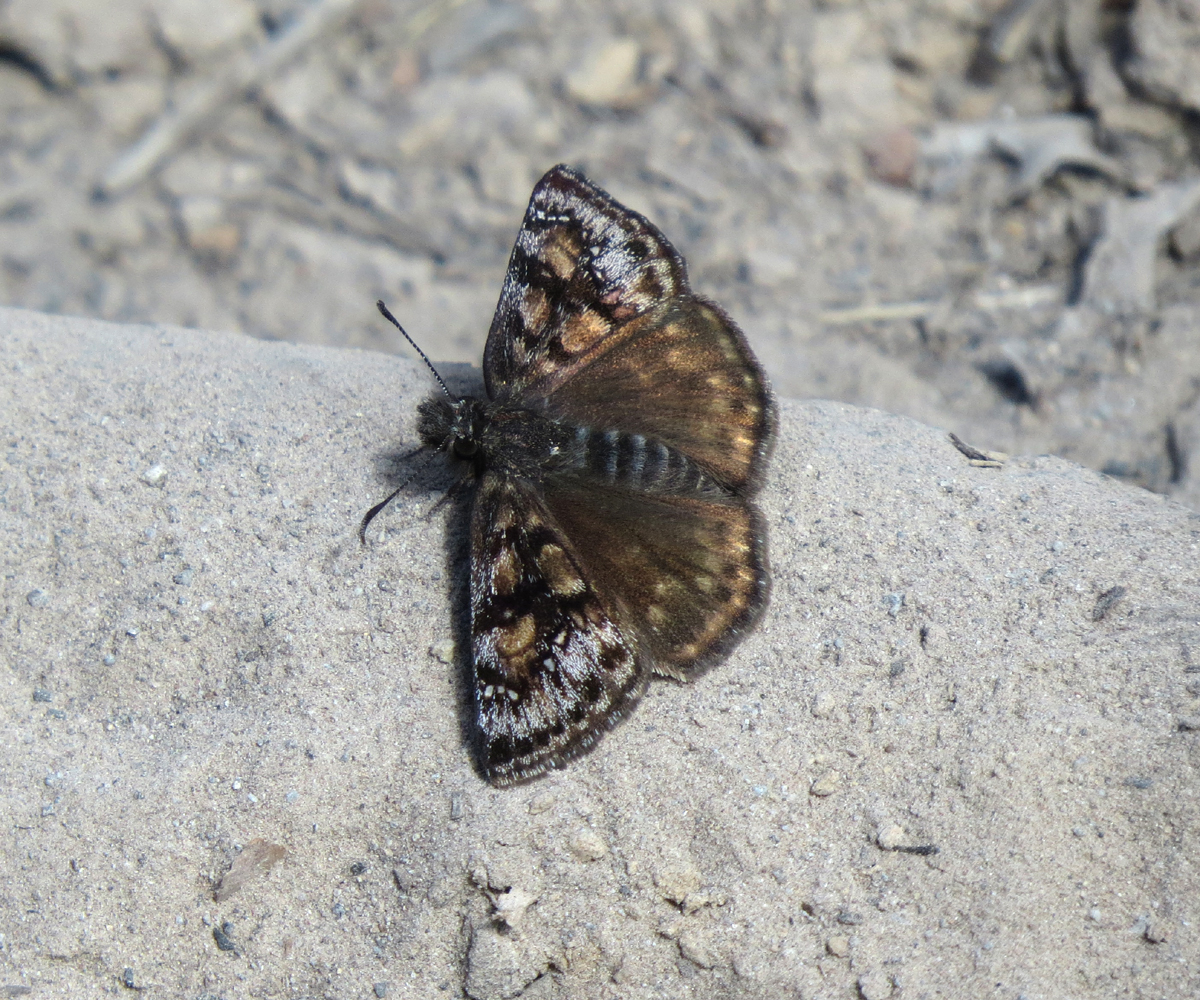
persius duskywing 1This is a Persius Duskywing, which I had never heard of before.

trail 4


Random Images

Home improvement projects are keeping me inside lately, so here are a few images from dog walks and the bird feeder.

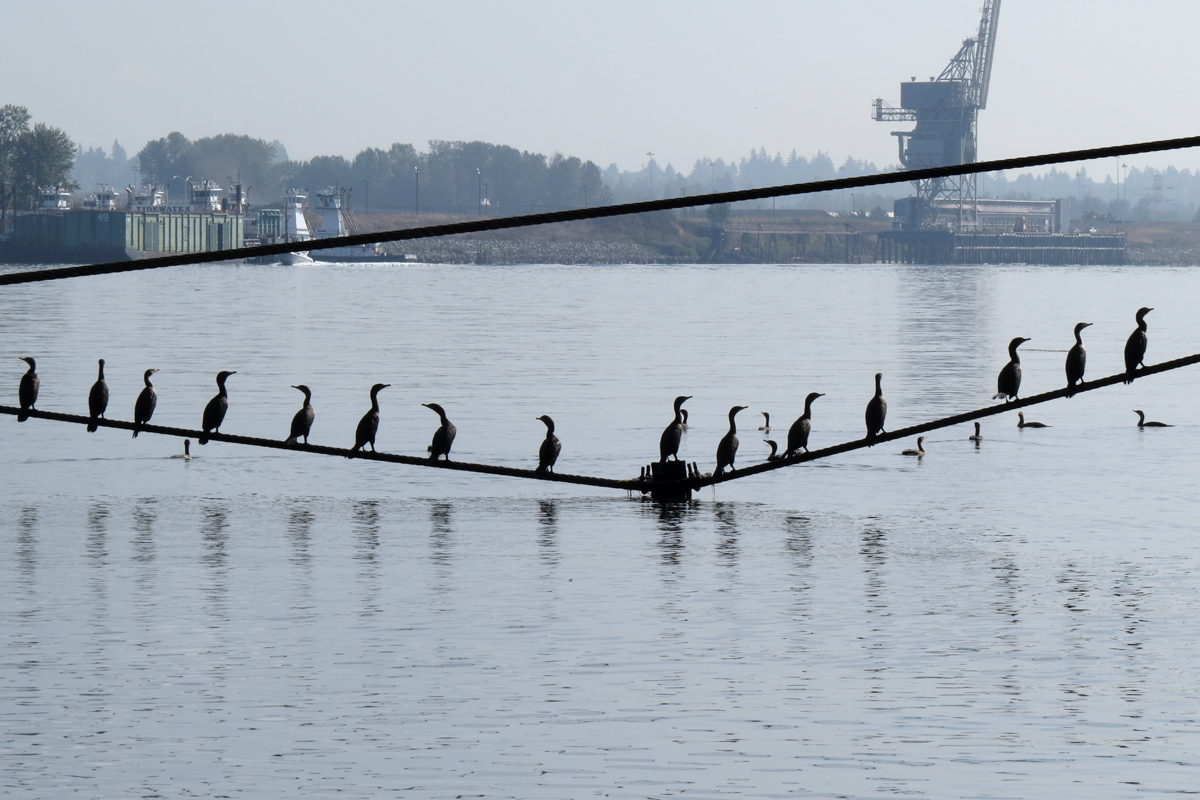
IMG_5742Double-crested Cormorants on the Columbia River
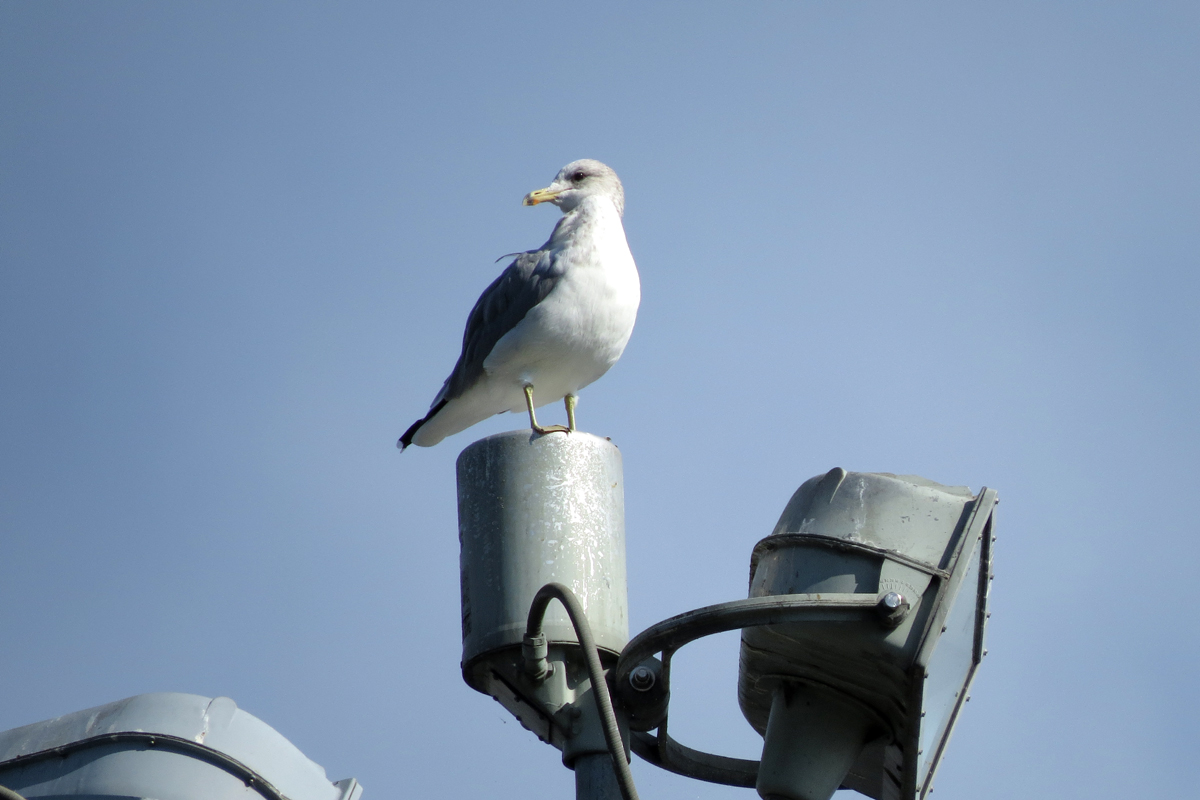
IMG_5748IMG_5749California Gull

IMG_5740former sturgeon, Columbia River

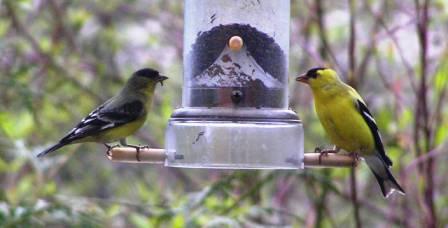
IMG_5727Lesser Goldfinch

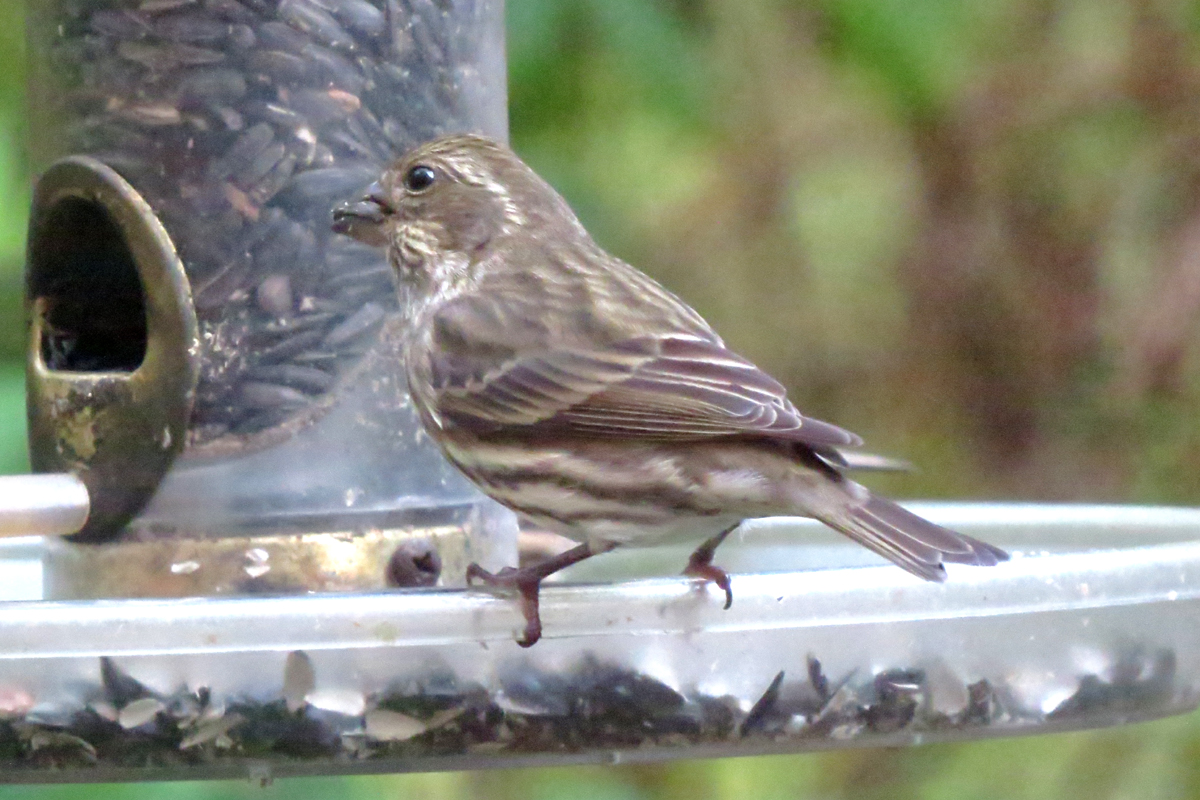
IMG_5736I only see Purple Finches once or twice a year at my feeder.

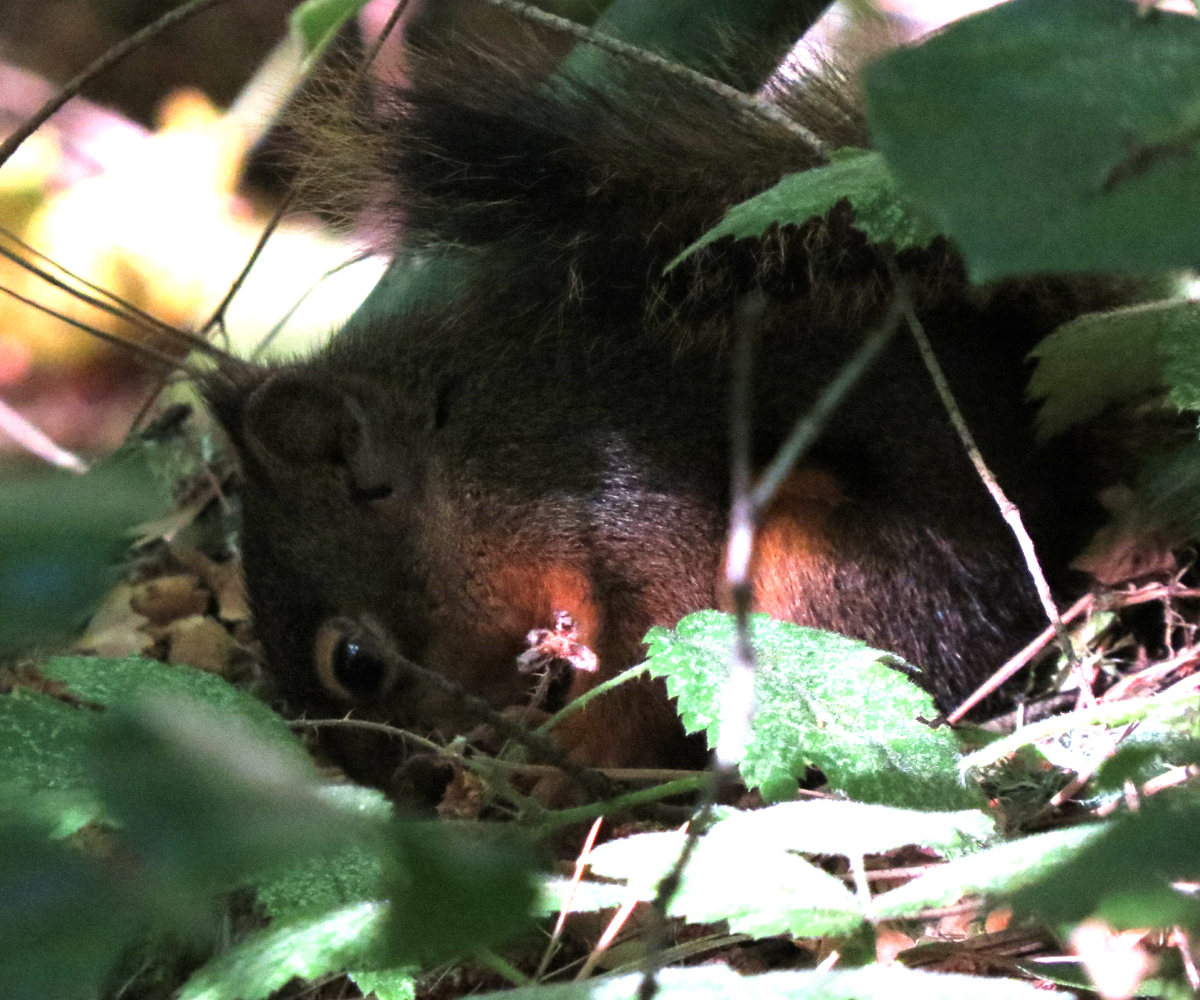
IMG_5678young Douglas’s Squirrel in the shadows, Tualatin Hills Nature Park

Sawhill Ponds, Boulder, CO

view 2I have been visiting family in Boulder, CO, for a few days. At the western edge of the Great Plains, the bird life isn’t that much different from the Willamette Valley in Oregon, with a few nice exceptions.

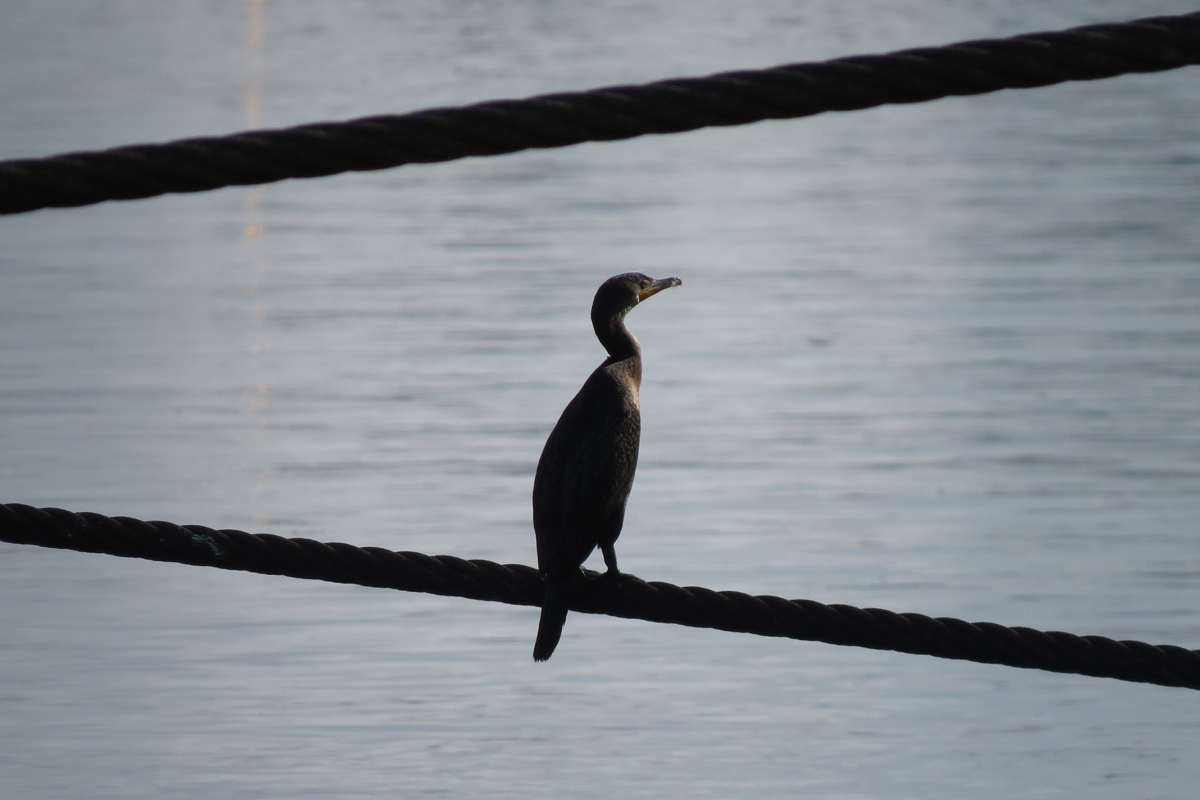
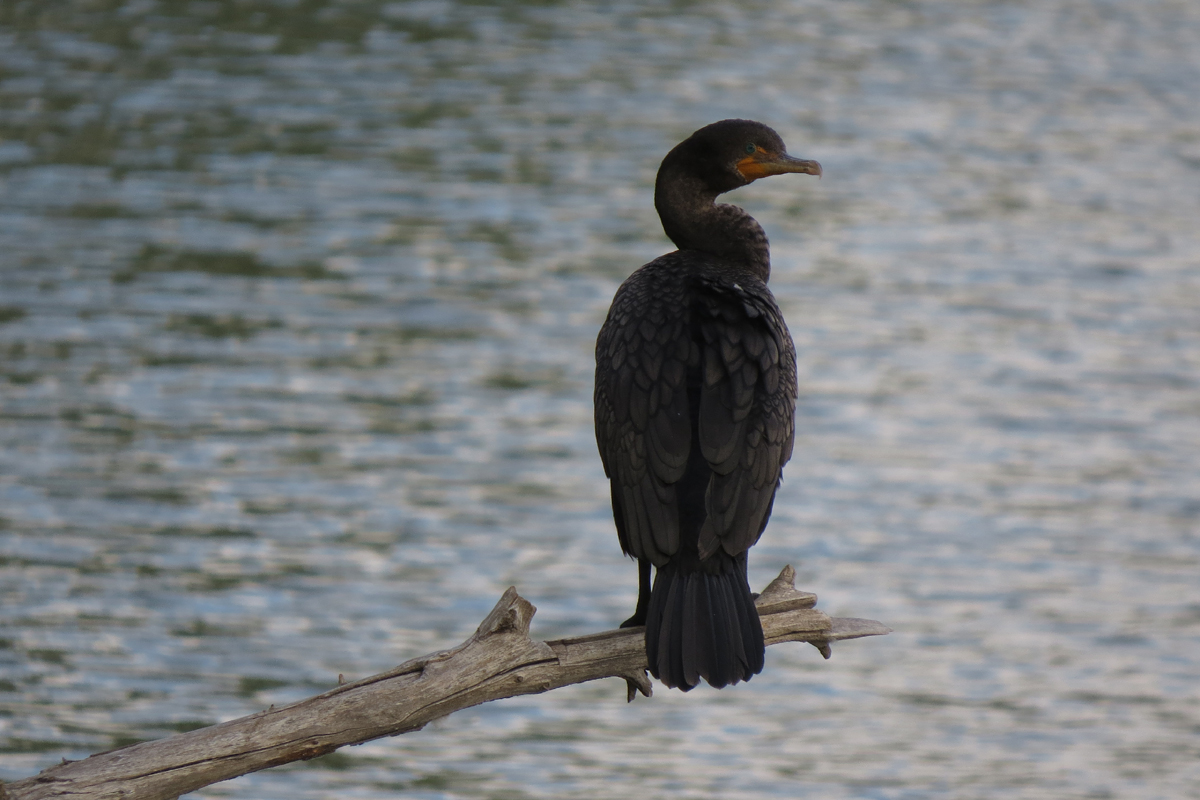
cormorant 1Double-crested Cormorant

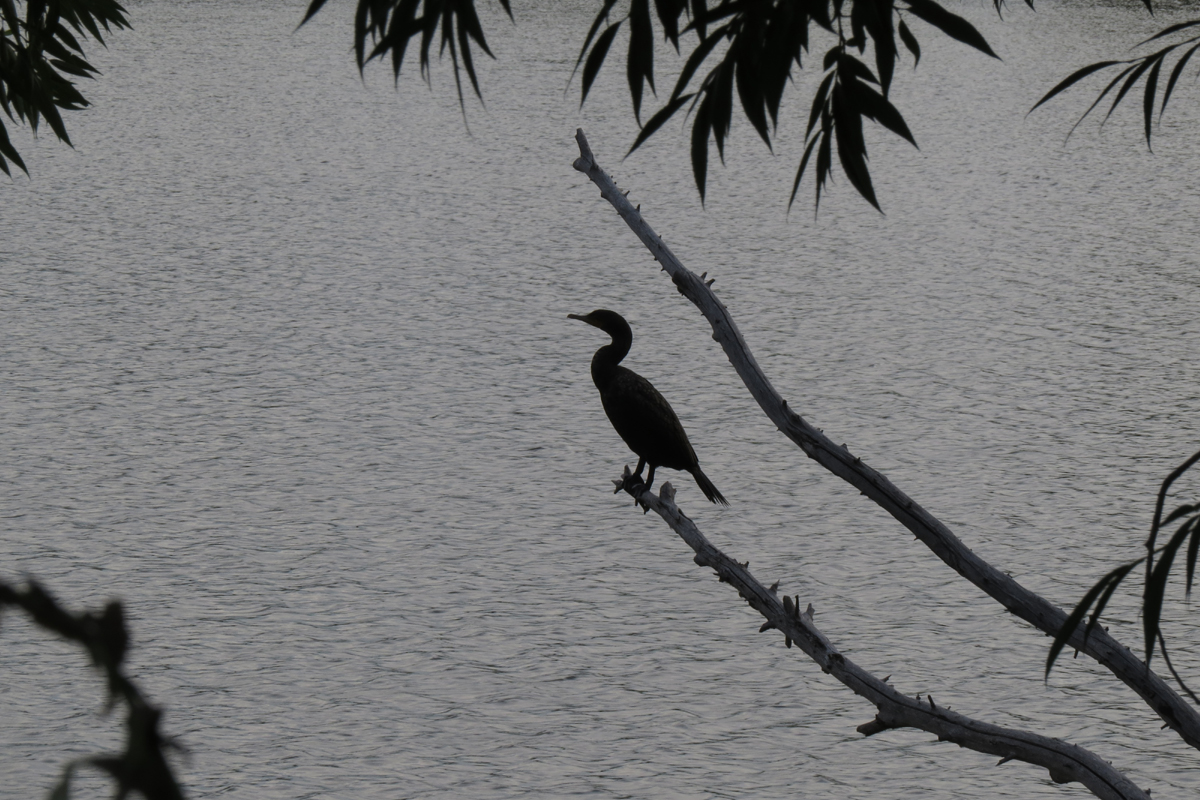
cormorant backlitan artsy image of the same Double-crested Cormorant

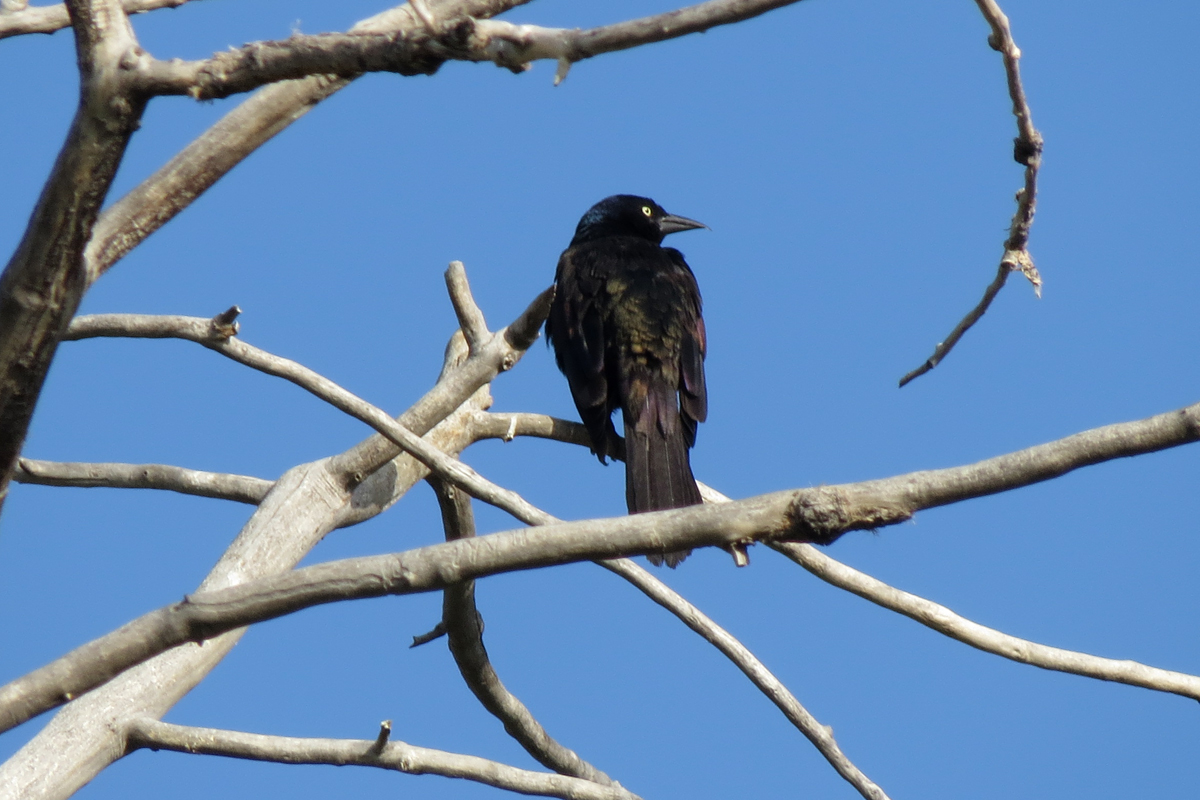
common grackleI am always happy to see Common Grackles, since they seldom make it to Oregon.

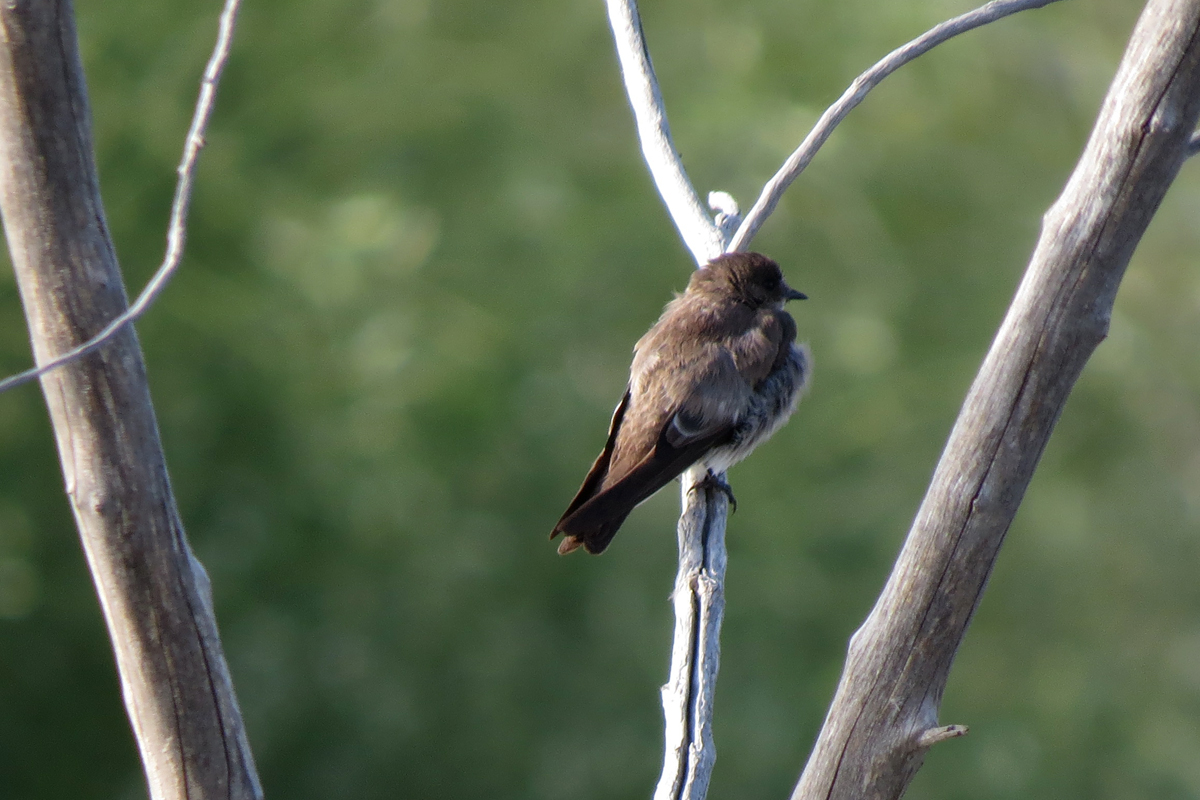
rough-winged swallowNorthern Rough-winged Swallow

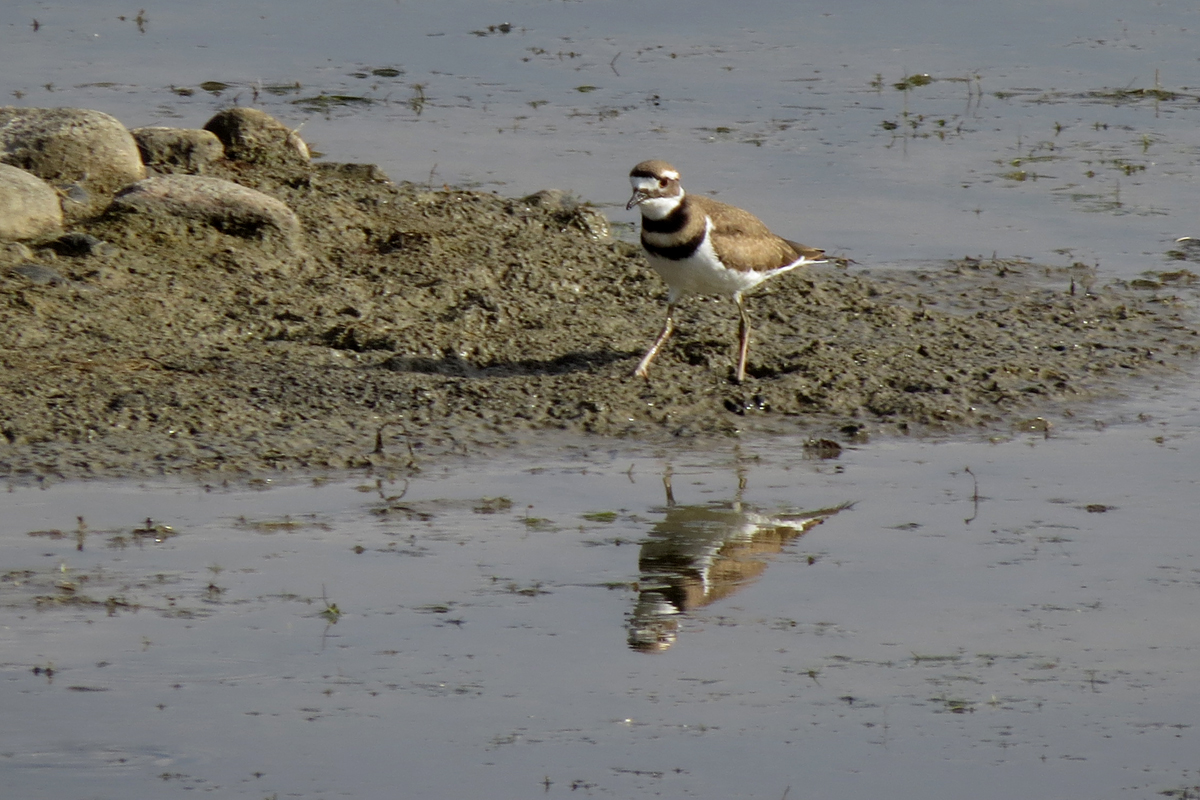
killdeerThis pond hosted several Killdeer (above), Spotted Sandpipers, American Avocets, and a Wilson’s Phalarope.

pelicansAmerican White Pelicans, with Canada Goose and Ring-billed Gulls

magpieBlack-billed Magpies are fairly common here, but they tend to be rather shy, never allowing a close approach.

eastern kingbirdI saw lots of Eastern Kingbirds at these ponds. I haven’t seen any Western Kingbirds around Boulder, which surprised me.

bullfrogAmerican Bullfrogs were the only amphibians I found. The only reptile was a Black-necked Garter Snake, a lifer for me.

cottontail Cottontails were very abundant at sunrise. I believe this is a Desert Cottontail, but please correct me if I am wrong.

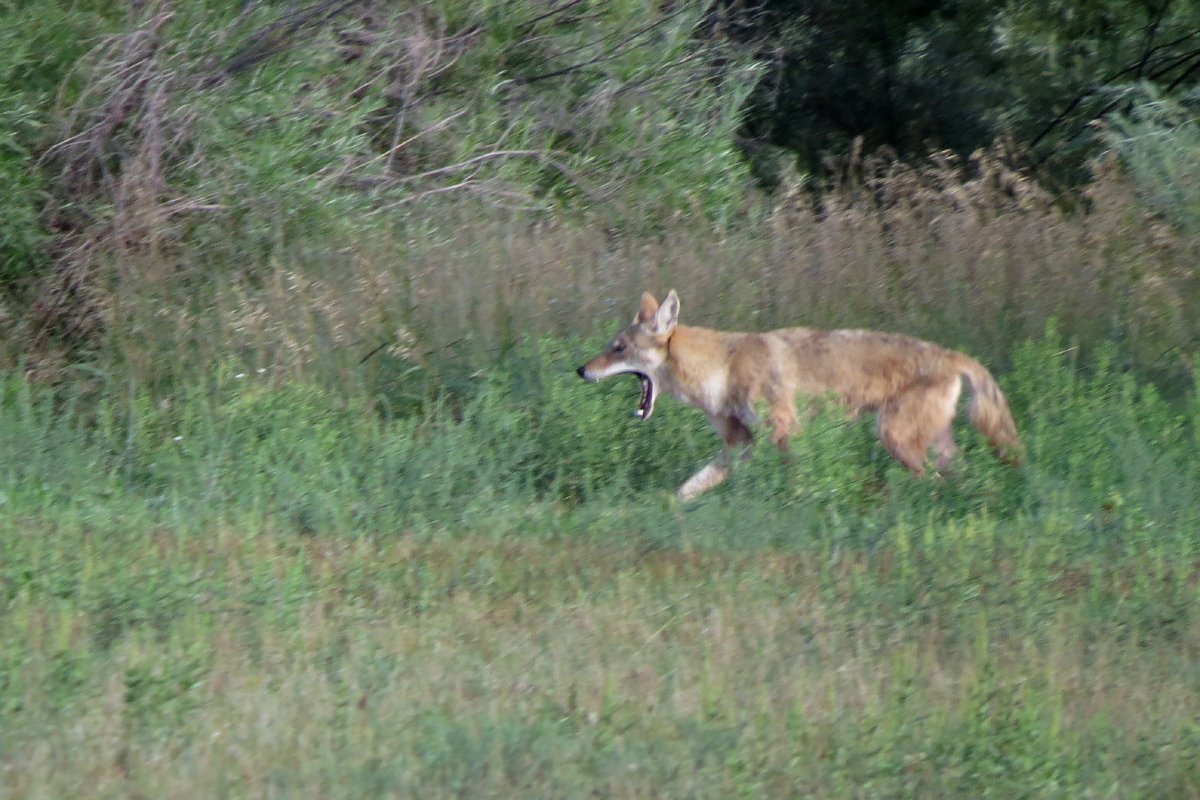
coyote yawninga sleepy Coyote

coyote

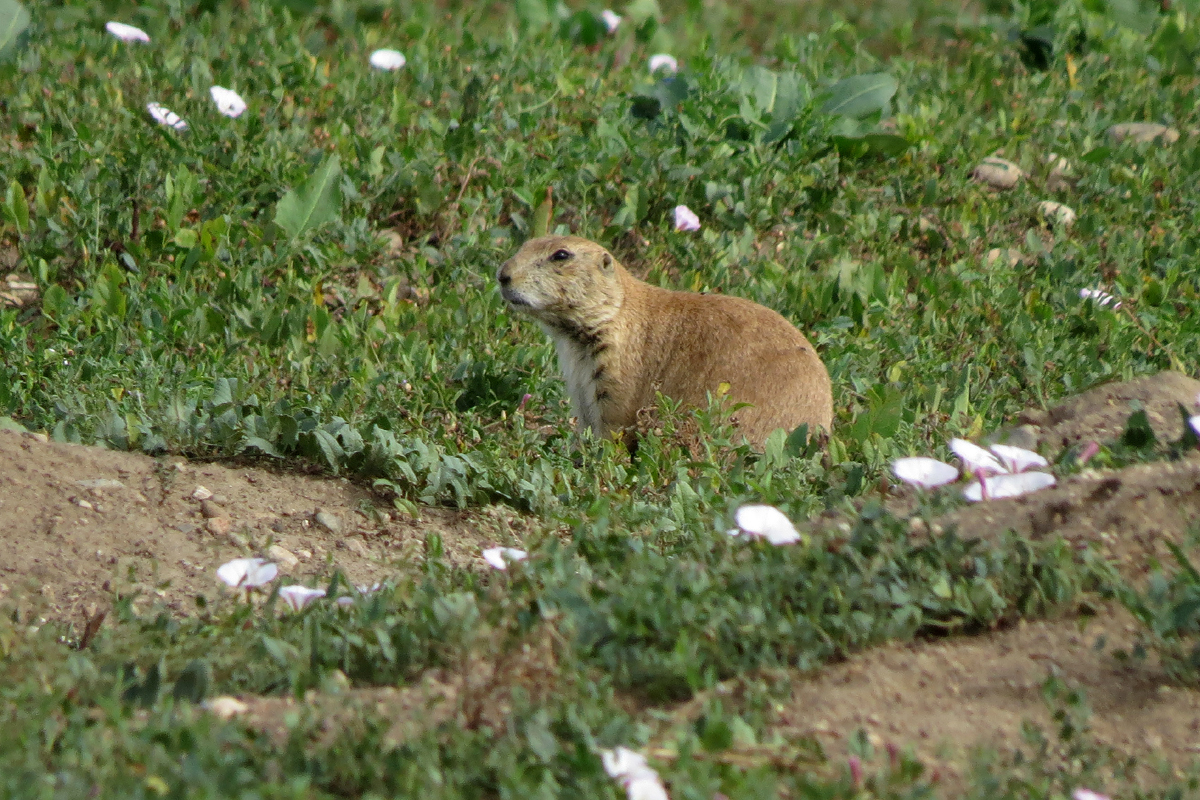
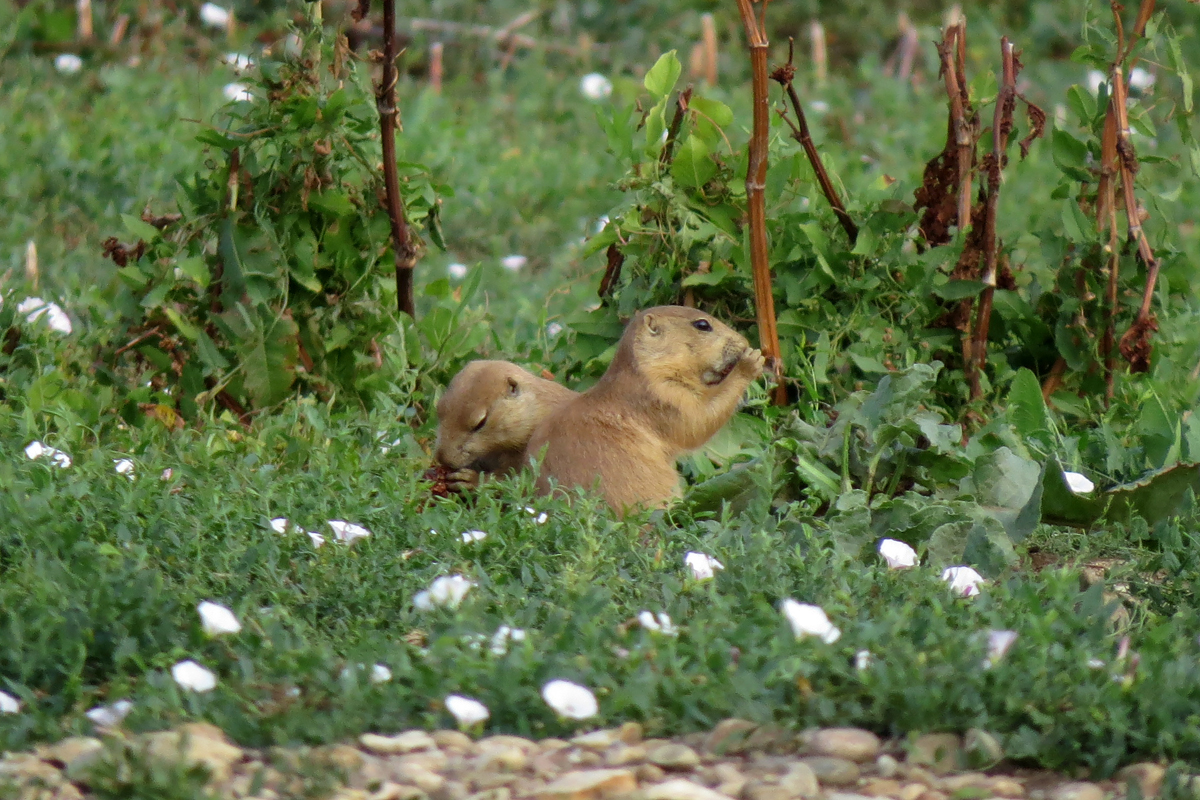
prairie dogIn the “adorable rodents” department, I bring you Black-tailed Prairie Dogs.

prairie dog duo 2
prairie dog peeking

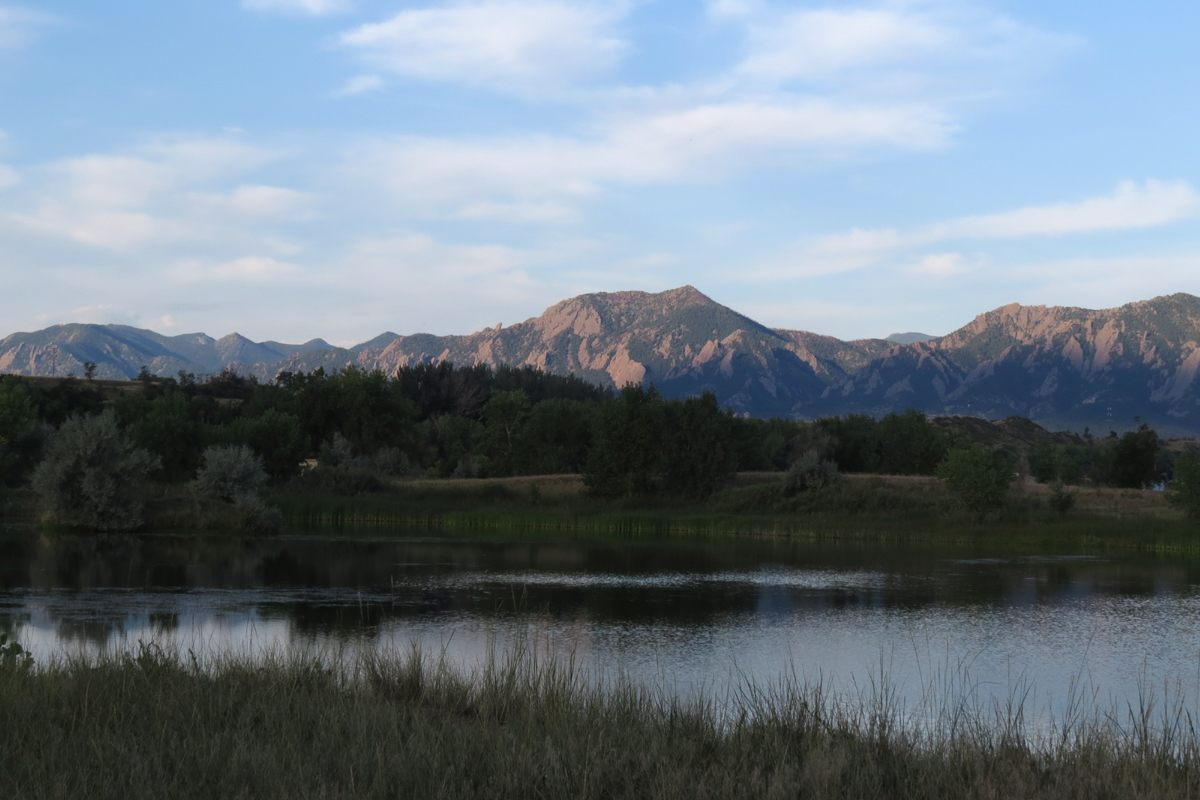
viewAnother view of the Front Range of the Rockies.

To Bird or to Twitch?

I finally had a few hours to get out birding, and had planned to visit some of the Washington County wetlands. But a Brambling visiting a feeder in Woodburn presented me with a dilemma. Should I spend my birding time standing around in someone’s back yard hoping to see a particular bird, or should I explore large areas of habitat and find birds on my own?

The Brambling, an uncommon visitor from Asia, was only a 30 minute drive from home, well within my “chase radius.” (I will drive up to an hour and a half to chase a rarity, although it had better be a darned good bird if it is over an hour away.) The species would be a lifer for me, a nice tick on my Oregon list, and this would perhaps be my only chance to see this species. Then again, if the bird didn’t show up, I would have spent my limited birding time not looking at birds. With some reluctance, I decided to go for the twitch.

When I arrived at the stake-out site, a small group of birders informed me that I had just missed the Brambling. How typical is that? So I began my wait, hoping that the bird would maintain her schedule of repeated visits to her favorite feeder. I had come this far, so I might as well stick it out.


As luck would have it, this yard was very birdy. A small flock of Evening Grosbeaks was a rare treat. Several species of finches and sparrows worked the feeders, interrupted occasionally by a hungry Cooper’s Hawk. After about an hour of waiting, three things happened; my cell phone rang, the owner of the home came out to offer me a cup of coffee, and the Brambling appeared.
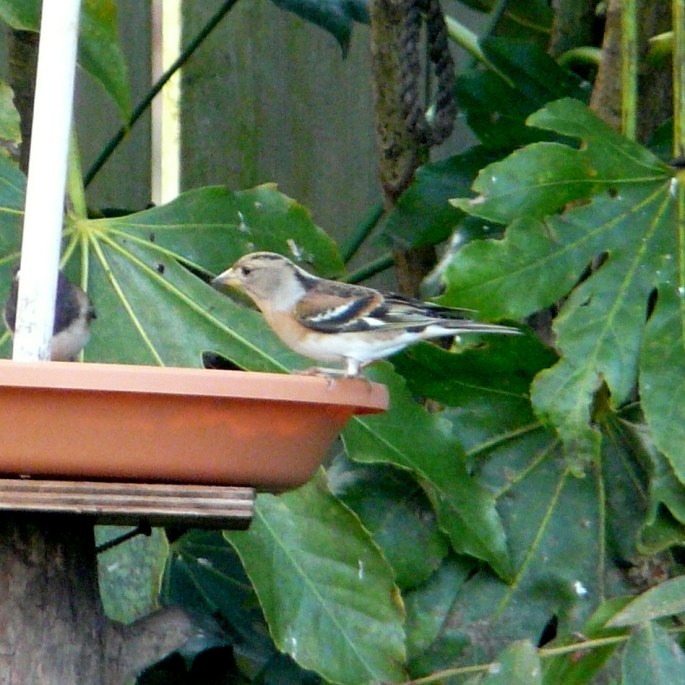

So with one hand holding my phone (it was an important call), I used the other hand to hold my binocular to get a brief look at the bird, then snap a few photos, all while thanking my host for the coffee (he didn’t realize that I was on the phone, and didn’t know that I don’t drink coffee). Then the Brambling flew away.

So now what? I had gotten a brief glimpse of the Brambling, although not a very satisfying view of a lifer, and had no idea if any of my photos would be usable or not. The bird had established a pattern of visiting the yard about once an hour for less than a minute. Do I hang out for another hour (did I mention it was really cold?), or do I cut my losses and go do some real birding? I was leaning toward the latter when an acquaintance of mine arrived to look for the bird. The prospect of visiting with him, along with the general birdiness of the this yard, convinced me to stay and try for another look at the Brambling.


This Downy Woodpecker worked on the suet feeder.


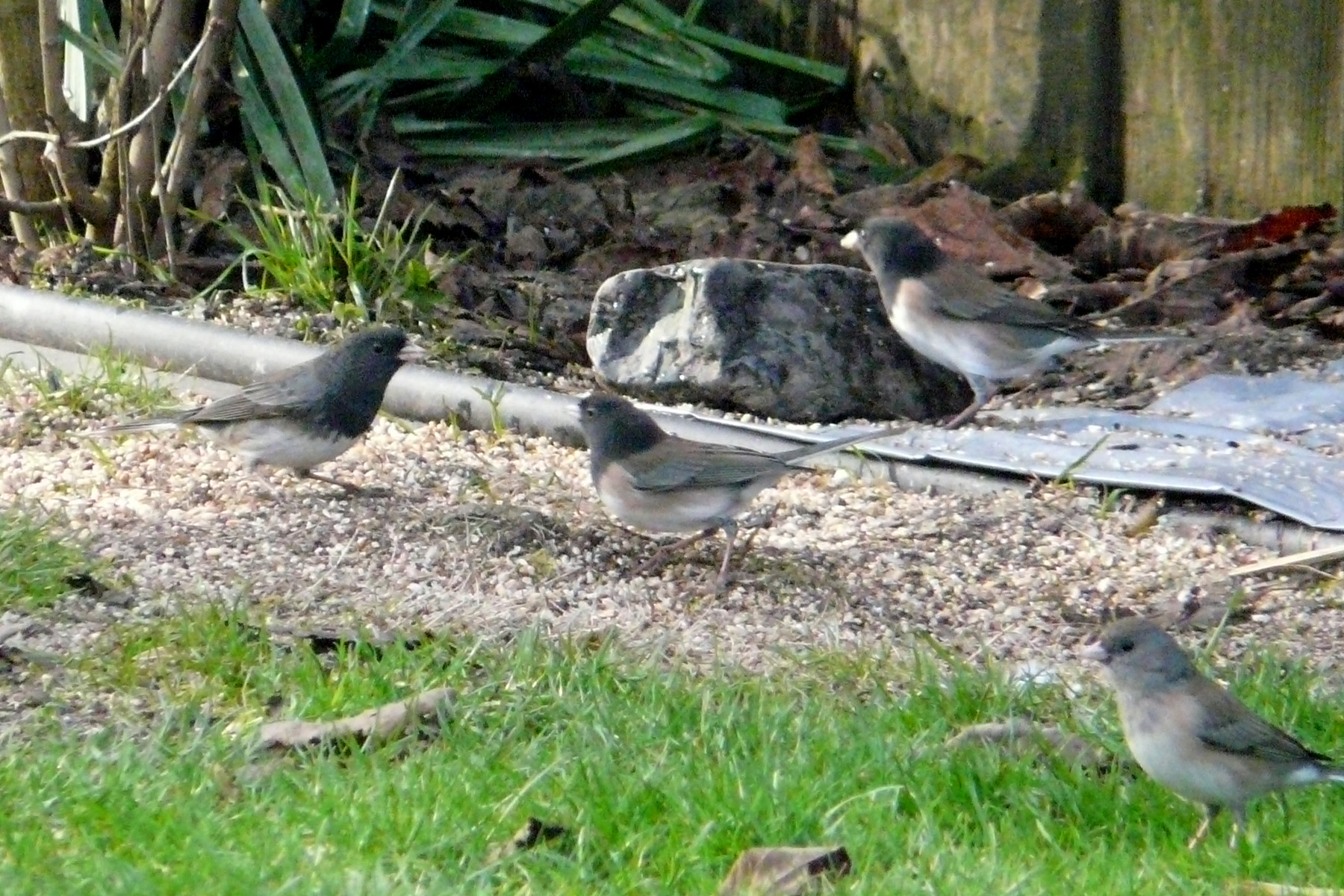
Notice that the Dark-eyed Junco on the left has some dark gray on the sides and a darker back than the typical Oregon race birds.

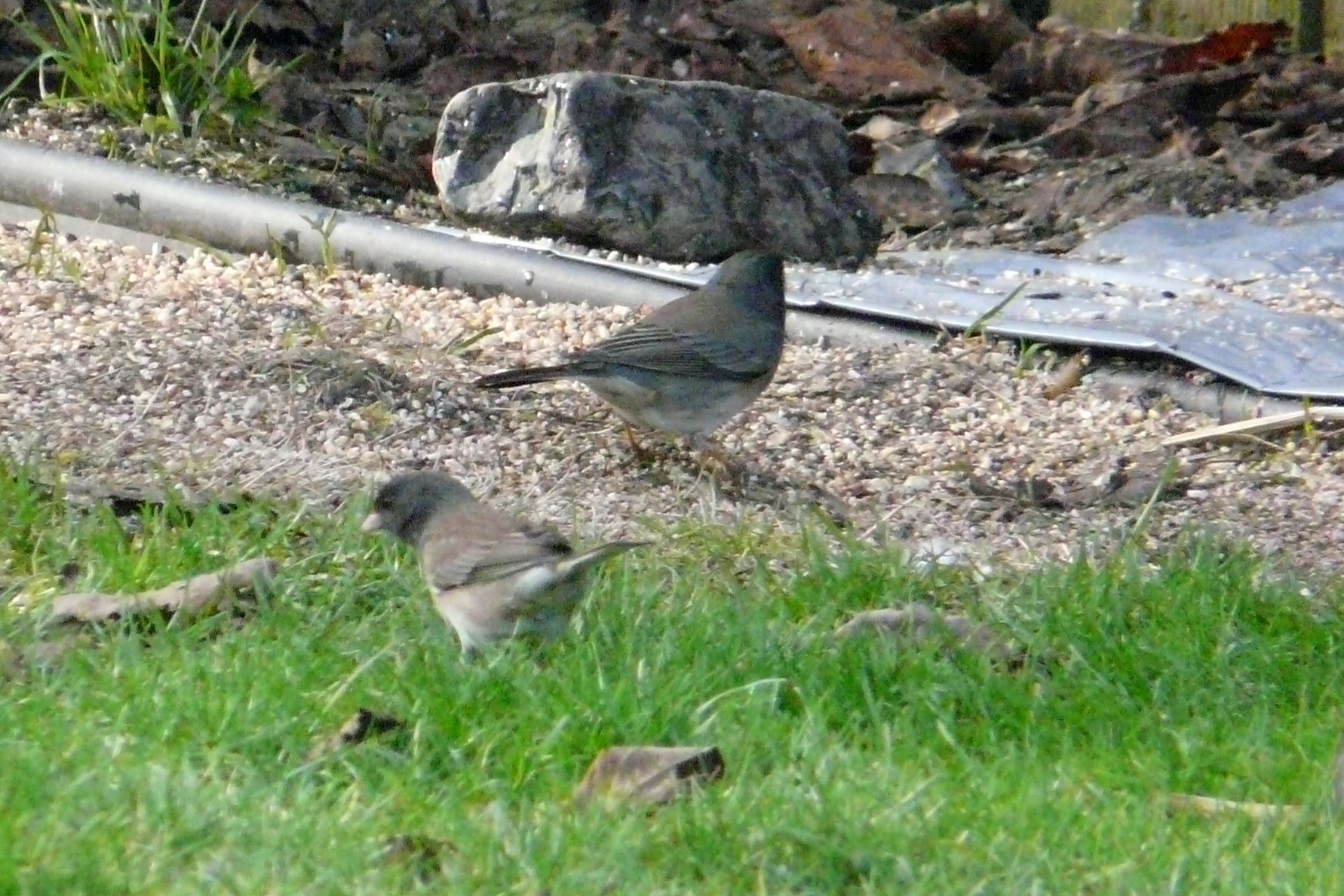
Here is the same bird from the back. The brownish cast on the bird’s back is not right for a pure Slate-colored Junco, so I think this bird is an intergrade Slate-colored/Oregon.
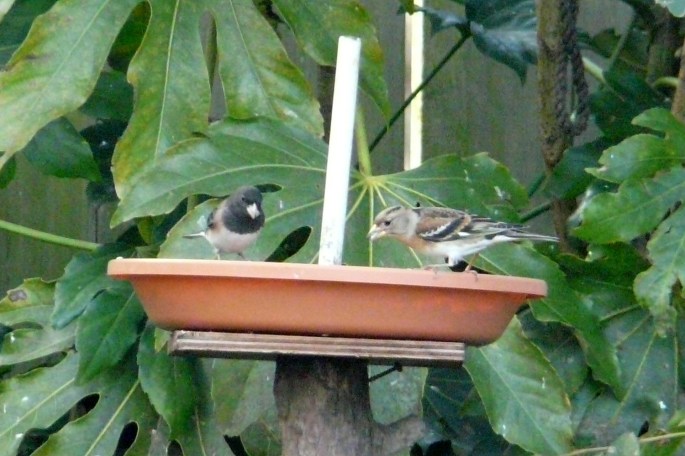

After about an hour, the Brambling returned for less than twenty seconds. I spent the entire time watching her with my binocular, making up for the fleeting view of the previous visit.

So I had gotten my lifer, adding my twitch to the checklist, but I had also gotten some actual birding in, as well. I had seen about 20 species in that little yard, and had a nice visit with some other birders. While I really enjoy getting out and finding large numbers of species, there is often birding to be had in confined situations such as this. I will still struggle with the choice of birding or twitching, but hopefully I will allow myself to find the joy in either.
Sunny Day at Westmoreland Park


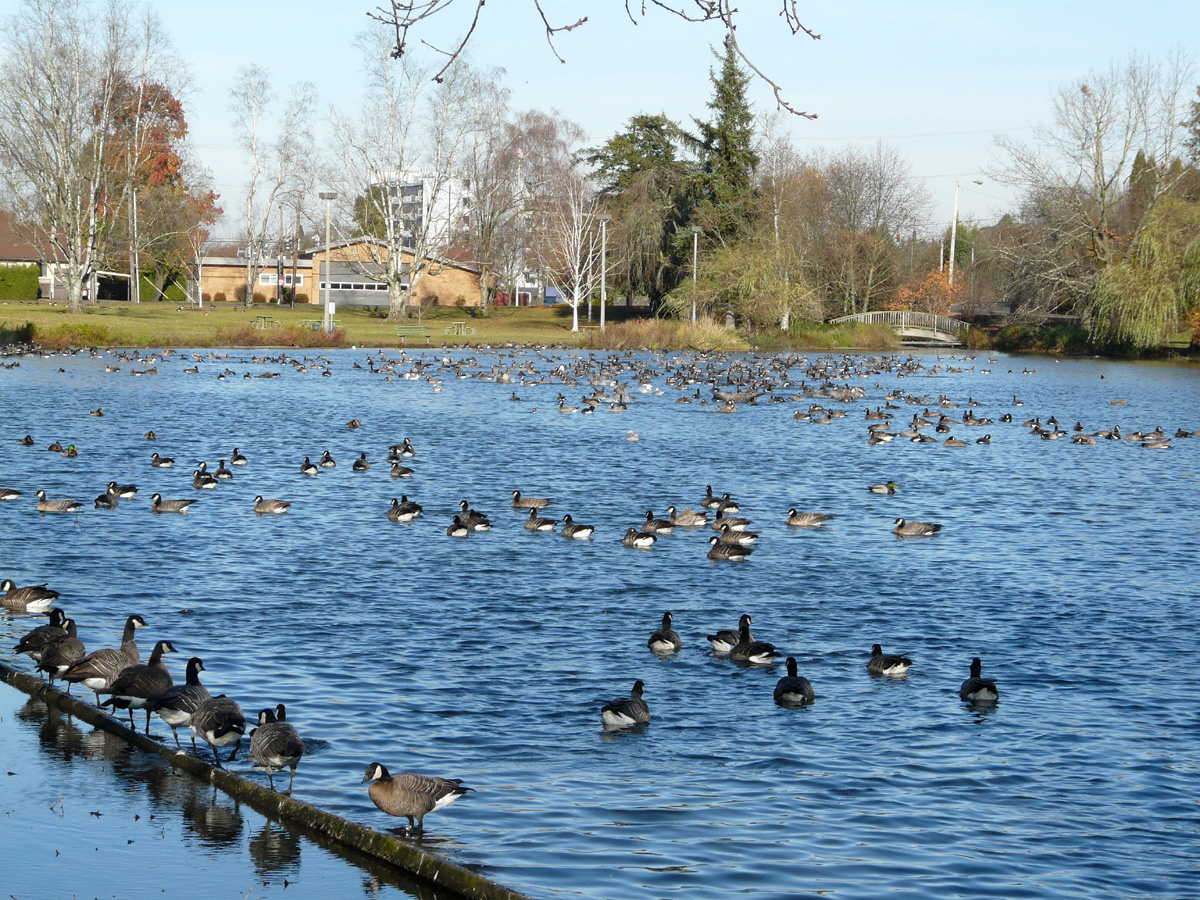
Best known as a local gull hotspot, Portland’s Westmoreland Park also hosts good numbers of Cackling Geese in winter. This December has been unusually dry and sunny, so instead of my photos being grainy and dark, they are now overexposed.


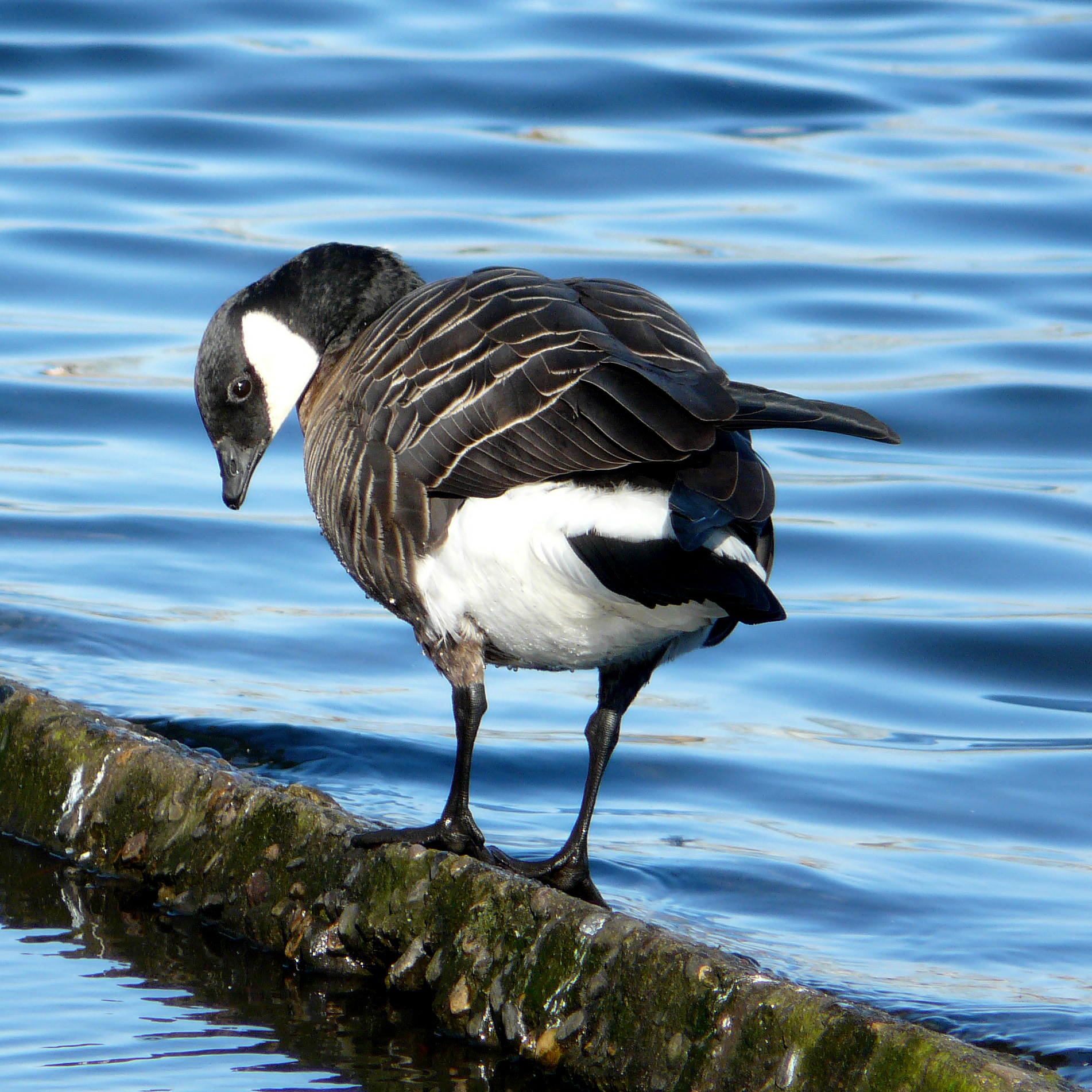
Ridgeway’s Cackling Goose (Branta hutchinsii minima) is the smallest race of Cackler, only slightly larger than a Mallard. Their stubby bills and purplish breasts are good field marks. Many individuals also display a prominent white collar.


cuteness


Of course, you can’t visit Westmoreland in winter without appreciating a Thayer’s Gull. This is such a hard bird to find throughout much of the country, I always stop to enjoy them, despite their local abundance. You can’t see this bird’s eye or bill, but the white underside of the far wing and the amount of white visible on the outermost primary (p10) on the near wing are both good clues to the bird’s ID. (yeah, I’m a bird nerd, and I’m proud.)


Eurasian Wigeon is another species that Portlanders enjoy on a regular basis, while birders elsewhere can only dream.

hummingbird tongue fungal infection

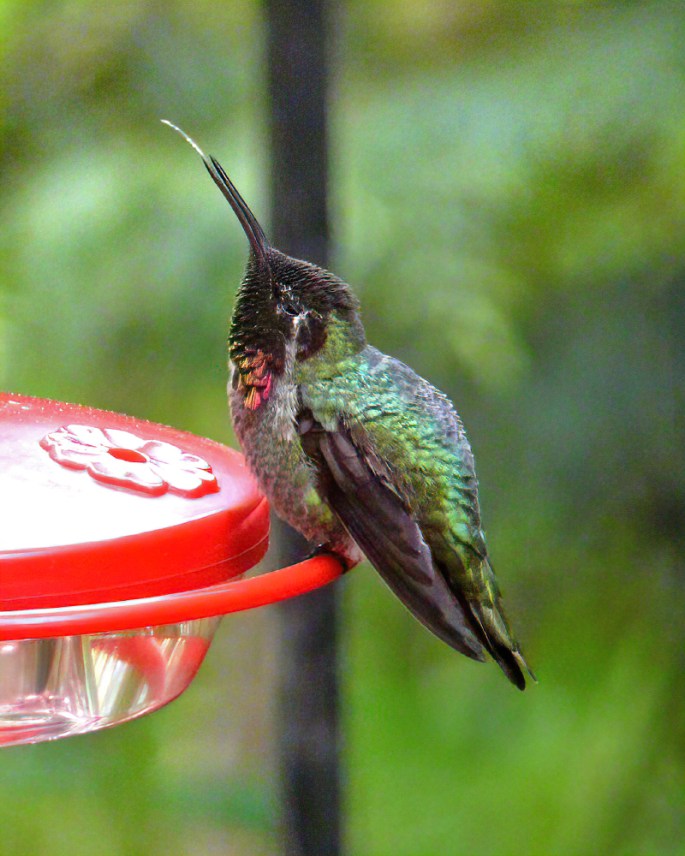
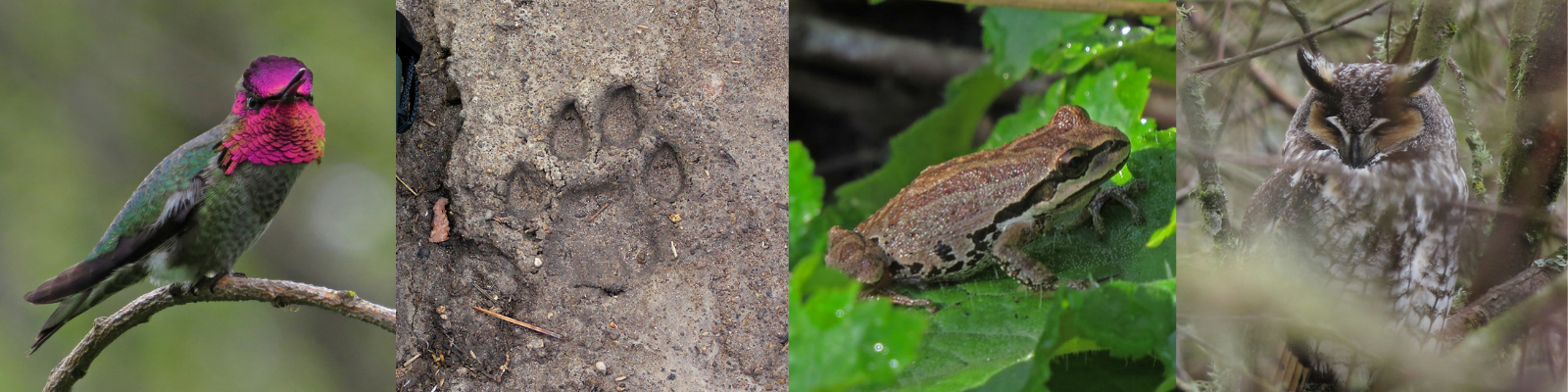
In case you need further motivation to keep your hummingbird feeders clean, here is a photo of a male Anna’s Hummingbird with a swollen tongue. The condition is caused by a fungal infection, usually acquired at hummingbird feeders. The condition is often, if not always, fatal.

sick hummer
If you feed hummingbirds, please use a mixture of one part WHITE sugar to four parts water, and clean the feeder at least once a week in cool weather, more often when temperatures are warmer. Using any other ingredients, or allowing the nectar to spoil, can be deadly.

This post has received a lot of comments over the years, mostly questions about veterinary care of individual birds and other topics that I am not qualified to answer. If you are a veterinarian or wildlife rehabber, and have insight or advice regarding this condition, please leave a comment. If you are seeking advice about this condition, please contact a vet or a wildlife rehabilitation center.

Updates

I have made several updates to the website you might want to check out.

On the Birding Oregon page, I added a new update clarifying the directions to Cold Springs NWR. Different maps list different road names, but hopefully this will make things clear. Thanks to reader, Jen, for pointing out the problem.

On the Classes page, I have listed three upcoming classes I’m teaching for Portland Audubon. These include gulls, waterfowl, and little brown birds.

On the Sample Clips page, I cleaned out some dead links, deleted a couple of  fuzzy scanned articles, and added two new pieces from recent issues of Bird Watcher’s Digest. These are nice clear digital versions from that magazine’s new online editions.

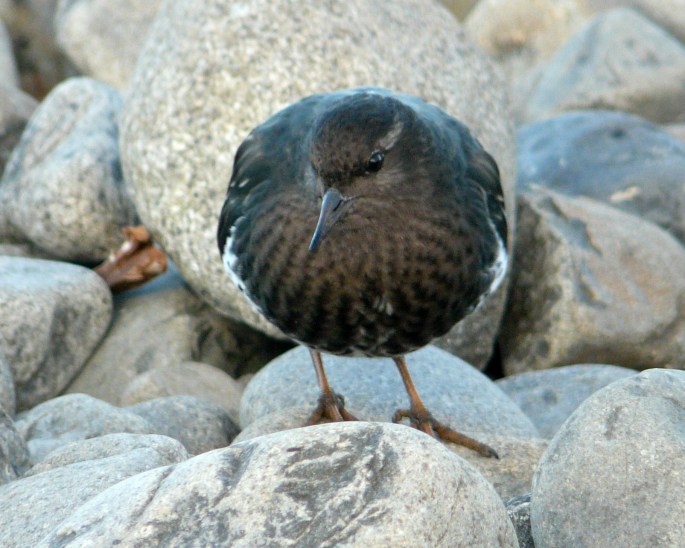
As a reward for looking at the updates, here is a picture of a cute Black Turnstone.

Always something to look at

My birding has been limited lately, and walks in heavy cover under cloudy skies don’t produce many photo opportunities, but there is always something to see.

beaver-chew
Final Score: Beaver: 1  Protective netting: 0

licorice-fern
Licorice Ferns

newt
Rough-skinned Newt, one of the most toxic animals in North America.
newt2
Eating one would be deadly to a human, but these animals are preyed upon by Common Garter Snakes.

Lesser Goldfinch

Five years ago, it would have been an unusual treat to find a Lesser Goldfinch at my feeders. But in recent years, this species has expanded its range in the Portland area and now nests on our property. A large flock of American Goldfinches and Pine Siskins still crowds the feeders, but the Lessers assert themselves quite well. Soon the Americans and siskins will leave and the Lessers will have the nyger feed to themselves.


Lesser and American Goldfinches