Random Songbirds

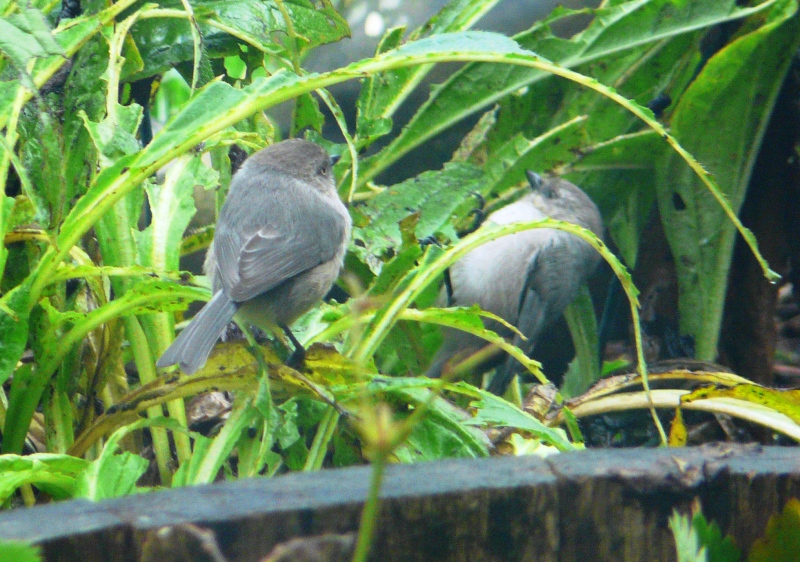
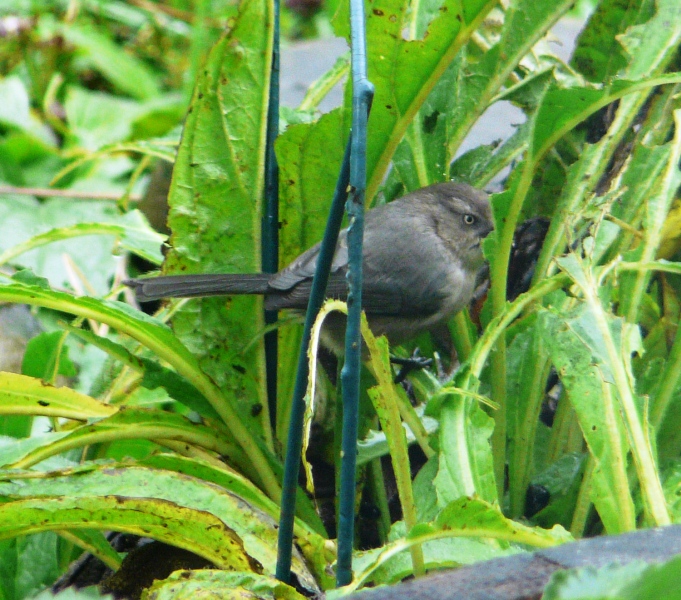
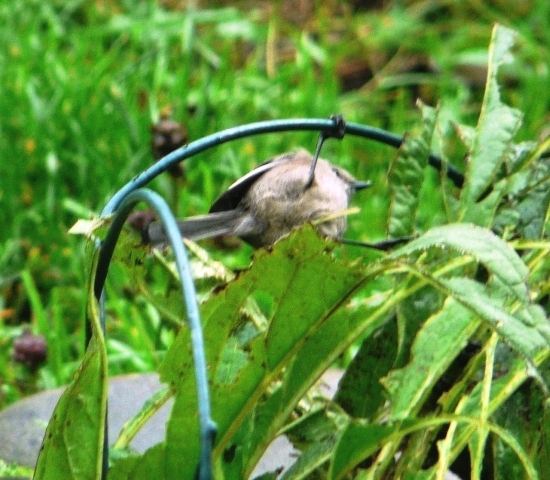
Here are a few images from Fernhill Wetlands (Birding Oregon p. 61) on July 30, 2010. Songbirds push the limits of a point-and-shoot camera, but occasionally a bird will be close enough and stationary enough to allow a decent portrait.


Cedar Waxwings were flycatching from the brushy edges of the ponds.


This Song Sparrow was going through an extensive molt. He lacked most of his tail, and his body plumage is very disheveled.


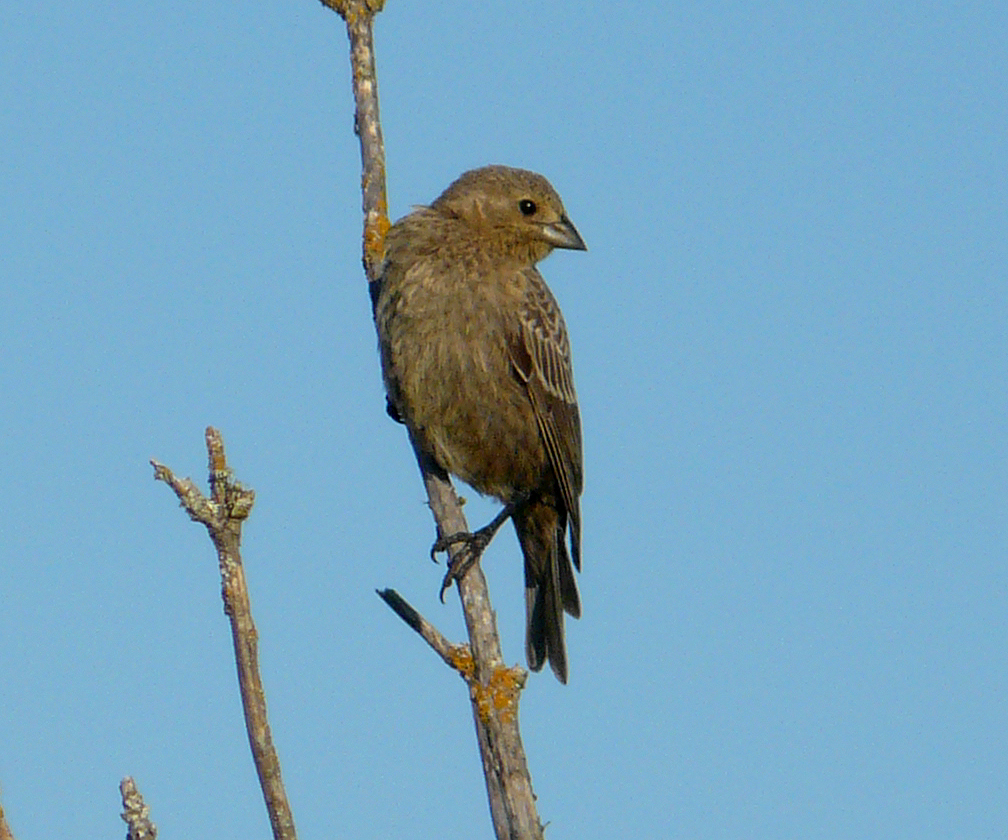
Brown-headed Cowbird. The scaly pattern on the scapulars and wing coverts identifies this bird as a juvenile.

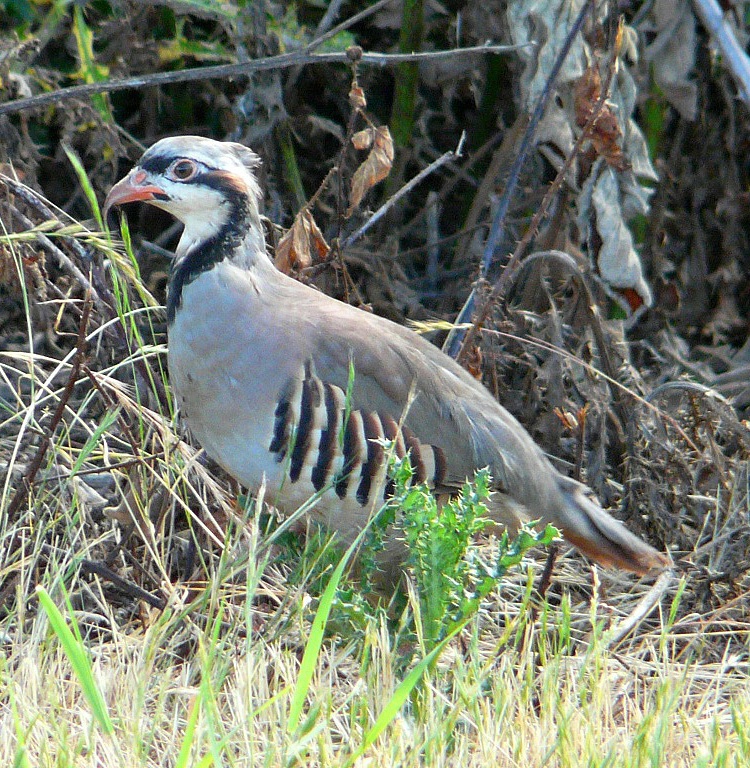
Chukar


Native to Eurasia, Chukars (Alectoris chukar) have been introduced throughout dry habitats of  the western United States and southern British Columbia. Chukars are well established in rocky and steppe habitats in eastern Oregon.

This individual was found on Sauvie Island (Birding Oregon p.55), where it was probably released for hunting or dog-training purposes.  Since Chukars are game birds, and in fact were introduced to North America specifically for hunting, it is legal to raise them in captivity and sell the birds and their eggs. Of course, being legal and being ethical are not necessarily the same thing.


Even if we didn’t know the range of “wild” Chukars in Oregon, there are two clues that suggest that this bird was raised in captivity. First of all, the legs are very pale pink. The legs on a wild Chukar should be a dark red. The color of birds is often affected by diet. Second, if you look closely, you will notice that the bill has a long hook on the upper mandible. Birds held in captivity are often susceptible to bill abnormalities.  The bills on wild birds are naturally worn down as the birds forage.

Whatever this bird’s origins, it is always nice to see this attractive partridge in the wild.
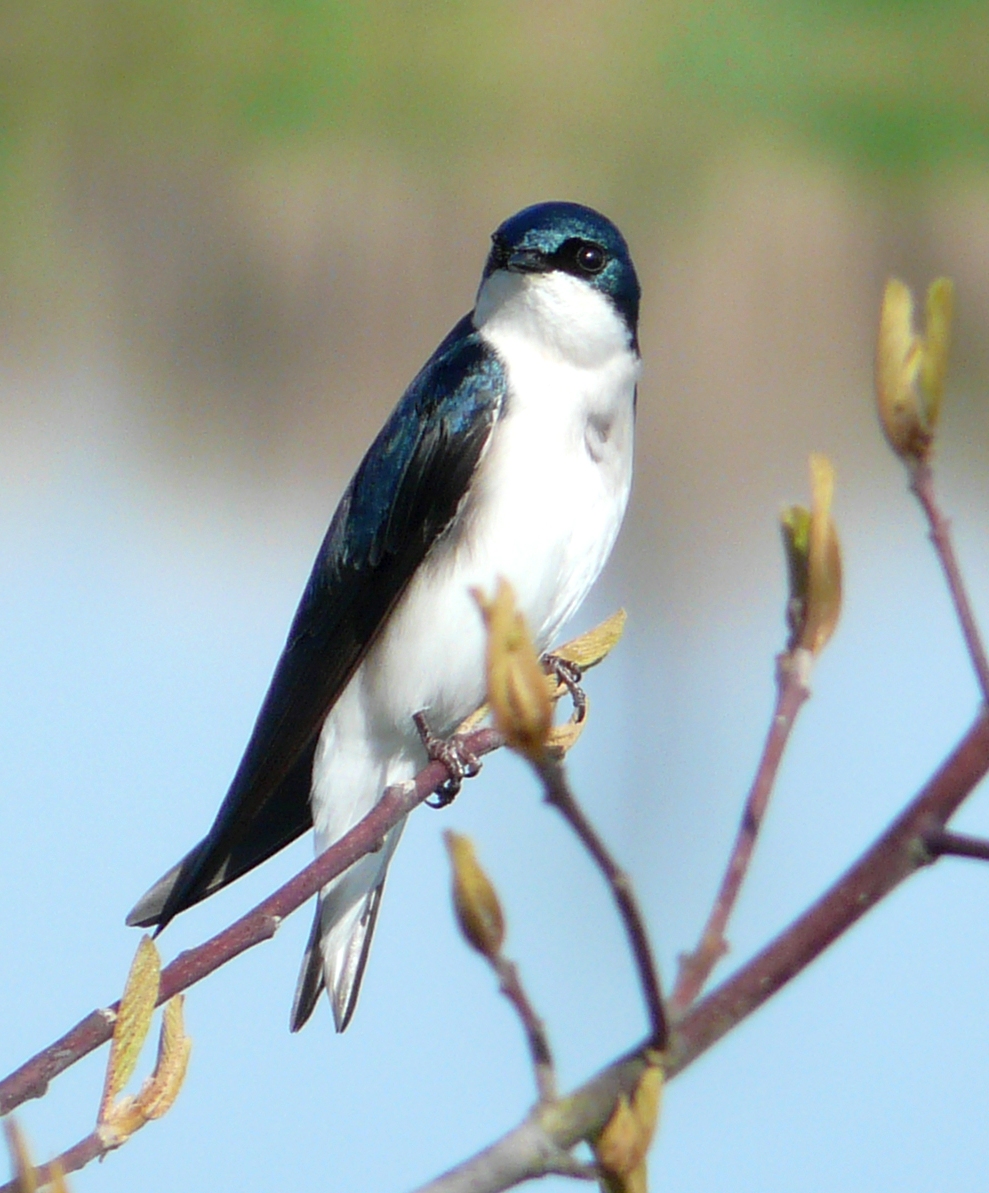
Tree Swallow


Tree Swallows are common summer residents throughout Oregon, wherever there are open spaces, water, and cavities for nesting. They are the first of the swallows to arrive in spring, usually in February in the Willamette Valley. They are also the only swallow to include fruit and seeds in their diet, a strategy which enhances their ability to survive wintry weather when insects are hard to find.


Nesting occurs in cavities, natural or man-made. This pair is using one of the many nest boxes at Fernhill Wetlands.


This female is using an old woodpecker cavity for nesting. When nest boxes are not available, Tree Swallow nesting success is directly tied to the availability of woodpecker cavities.

Mew Gull

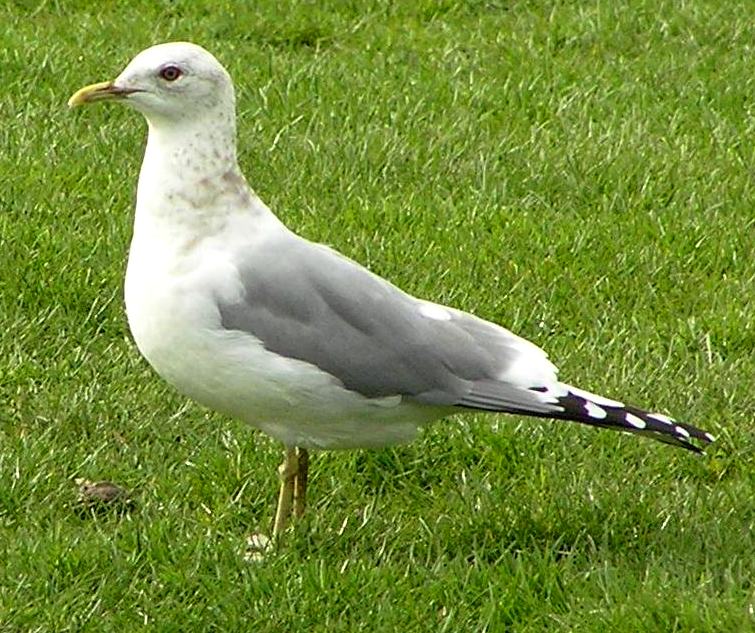
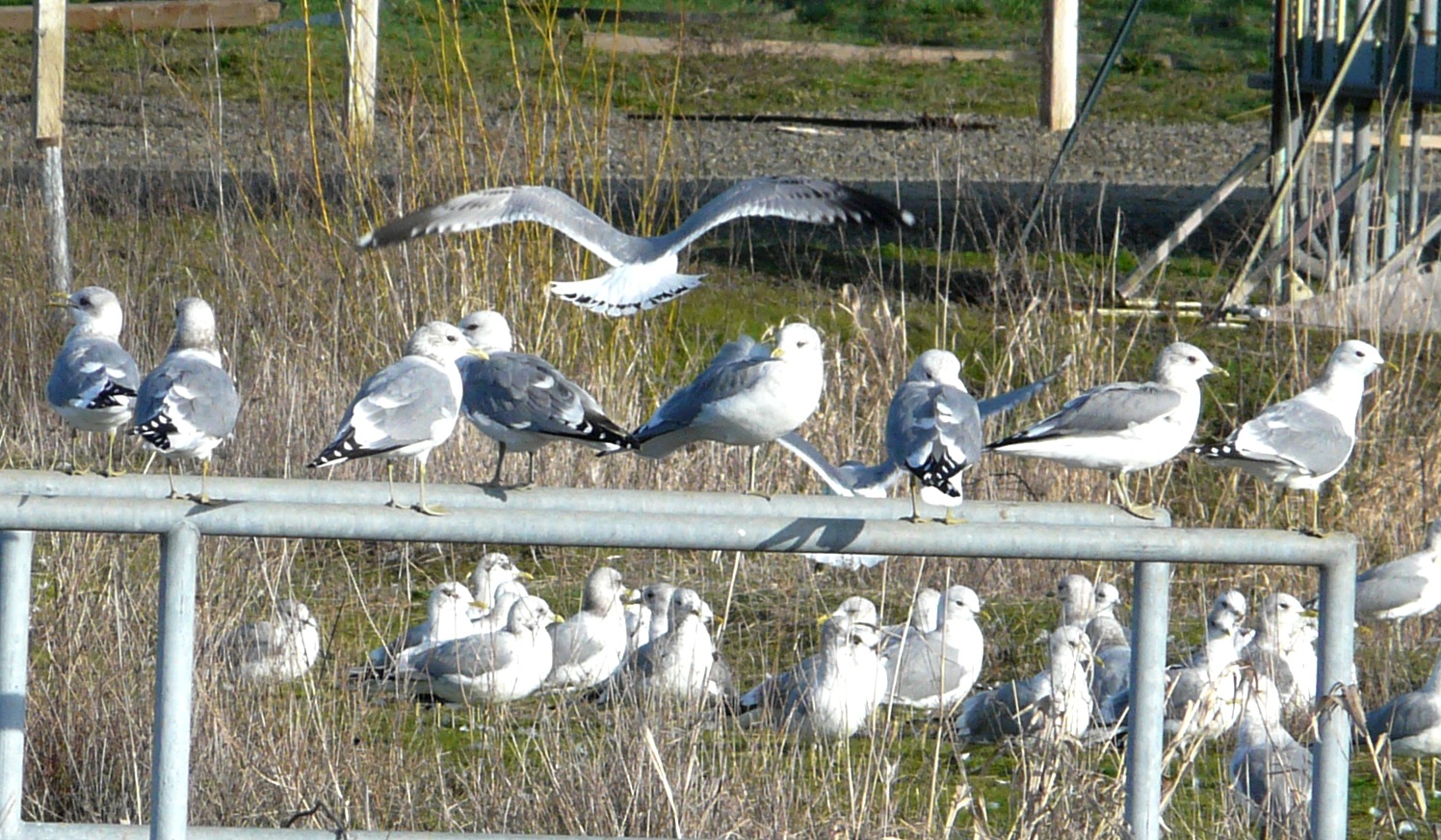
A large flock of Mew Gulls (Larus canus) spends the winter at the waste water treatment plant in Forest Grove and at adjacent Fernhill Wetlands (Birding Oregon p. 61).


Mew Gulls look like a petite version of Ring-billed Gulls, with a round head, big eyes, and fine yellow bill.


Adult Mew Gulls are easily recognized in flight by the large white mirrors on the outer two primaries. Ring-billed Gulls have a smaller white mirror on the outermost primary (P10) and a tiny one on P9. You wouldn’t think the size of the white spots on two feathers would make much of a difference in identifying a flying bird, but it really does.


The bird in flight is a second-cycle Mew. He/she has lost the brown plumage of a first-cycle bird, but the tail still shows a broken blackish band, and the primaries (and primary coverts) have more black than those of an adult. Notice the small white mirror on P10 and little or no white on P9.

Ring-billed Gull

Ring-billed Gulls (Larus delawarensis) are common winter visitors throughout western Oregon. They prefer fresh water environments, so you find them more often at inland sites and in estuaries than you do on the beach. They breed in eastern Oregon and along the Columbia River.


This is a first cycle Ring-billed. Unlike the larger species that take four years to reach maturity, Ring-billed Gulls are a three-year gull, so first cycle birds already show gray on the mantle. Note how far the wing-tips extend beyond the tail.


First cycle Ring-billed Gull


This is a typical adult Ring-billed Gull showing the clear dark band on the bill, which gives the  species its name. Note the yellow legs, pale iris, and the fine streaking on the head in winter.


This individual has unusually heavy markings on the face and crown.


At close range you can see the red orbital ring and some red at the gape.

Greater White-fronted Goose

A trip to the local duck/gull hang-out revealed four Greater White-fronted Geese (Anser albifrons). While this species migrates over Portland in large numbers, it is always a rare treat to see them here in winter.


These birds are examples of the smaller subspecies (A.a. frontalis). The larger, rarer “Tule” White-fronted Goose (A.a. elegasi) also passes through Oregon, with some spending the winter in the Klamath Basin.


These birds were all immature, lacking the black speckles on the belly seen on adults,  and showing a blackish nail on the bill.

Great Horned Owl

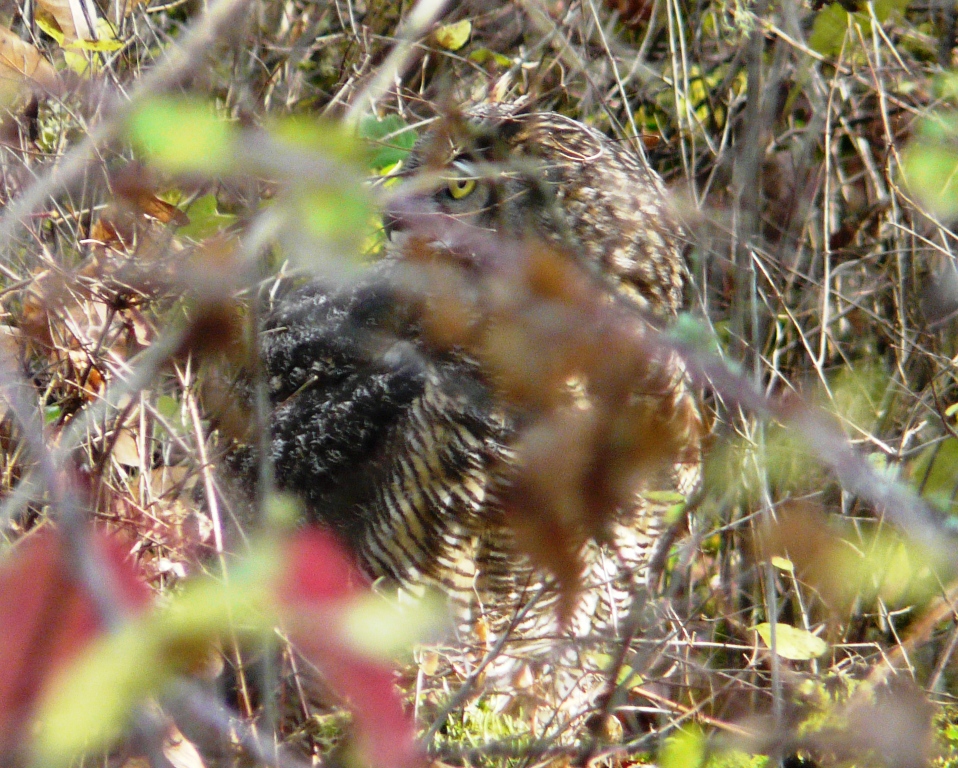
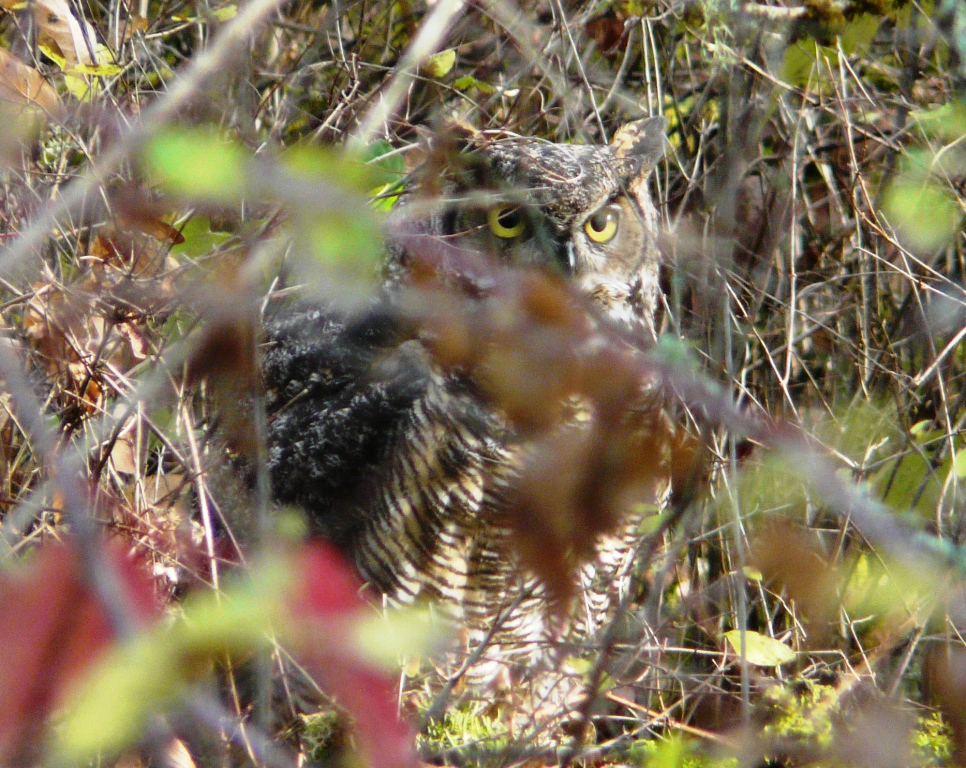
While doing a point count at the Oak Island unit on Sauvie Island (Birding Oregon p. 56), I heard something large rustling in the brush and saw this beasty.

She blended in with her surroundings very well, but those big yellow eyes stand out.


I have seen Great Horned Owls hunting on foot before, but after watching this bird for a while I guessed that she was injured. I considered trying to take her in for medical attention, but the idea of capturing a large predator bare-handed is seldom a good one. She watched me watching her for several minutes before trotting nimbly down a little path through the brush.


Photographing a bird within brushy cover is challenging with my little auto-focus camera. The camera wants to focus on the closest objects, the leaves and sticks, leaving the bird blurry in the background. I had to find a tree trunk that was about the same distance away as the owl, focus on that, and then aim at the owl. This works well with a big stationary target like a Great Horned Owl, but is more challenging with warblers.