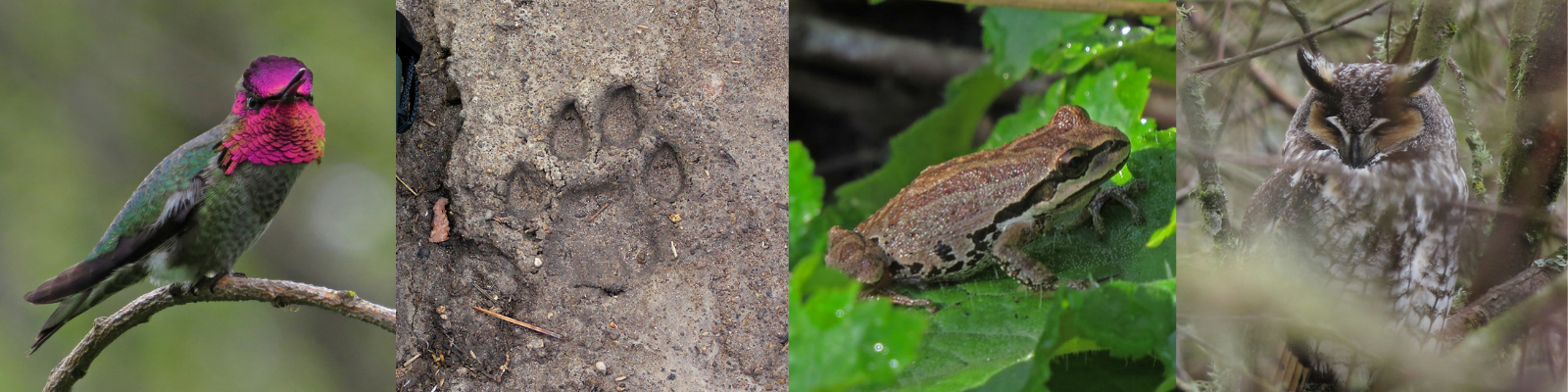
Castaways

While the winter weather pattern along the Oregon Coast, a seemingly endless string of storm systems coming in off the Pacific, is not the most comfortable for birders, it does bring some interesting birds into view. Species that normally spend the winter many miles out at sea are sometimes blown in to shore. This is not always good news for the birds, since it takes them away from their normal food sources and into the range of land-based predators, but it does provide birders an opportunity to see these species that are usually out of reach.
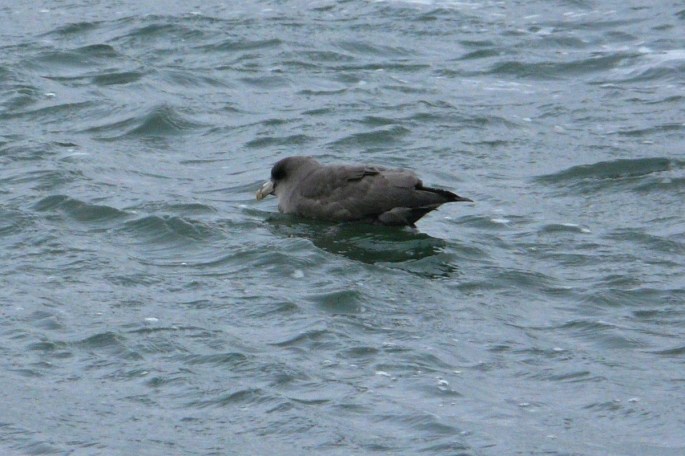
northern fulmarThis Northern Fulmar was swimming right along the shore at The Cove in Seaside (Birding Oregon p. 121). He didn’t seem too perky, so he may have been ill. Fulmars are fairly common sights on pelagic trips, but are not visible from shore too often.
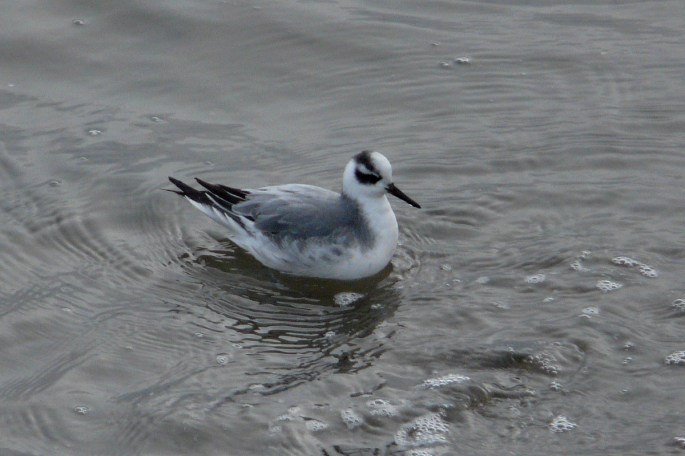
red phalarope rightRed Phalaropes are more commonly blown in during early winter storms. These little shorebirds spend most of the year on the open ocean. It amazes me that such a small bird can survive in such a harsh environment. But when they do occur in the calm waters of tidal ponds and inlets close to shore, they often fall victim to predators, and sometimes cars. This individual was found near the Hammond Boat Basin.

red phalarope front

Westmoreland Park

A quick visit to Westmoreland Park in southeast Portland revealed good numbers of waterfowl and gulls typical of this little urban duck pond in the winter.

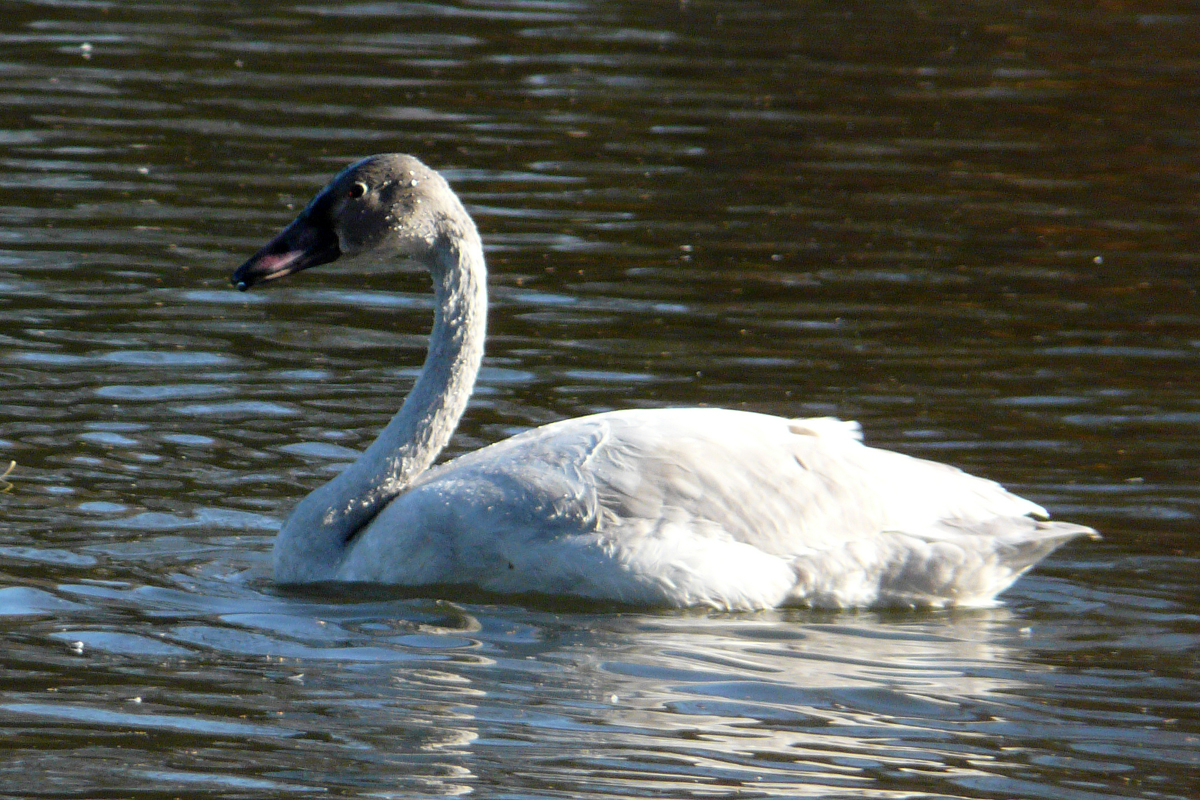
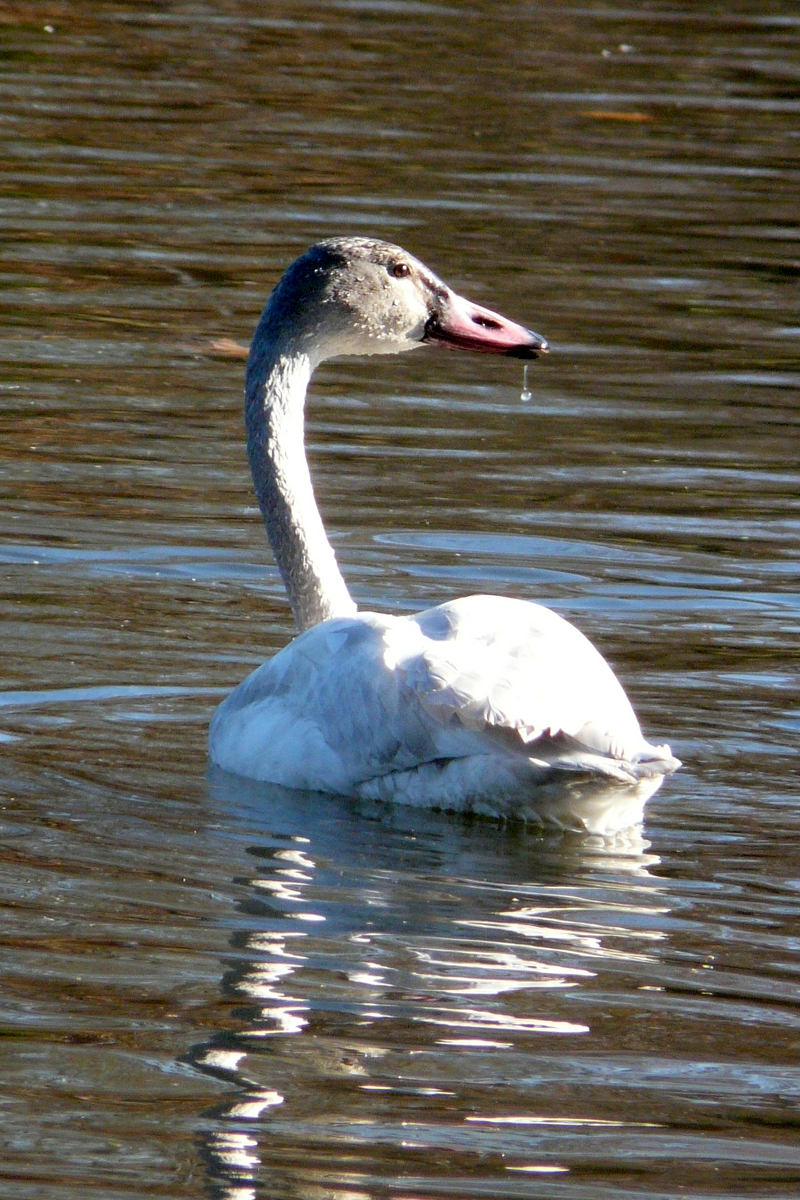
Two duck butts in the middle of the pond stood out because of their large size. They turned out to be Tundra Swans, the first I have seen at this park.

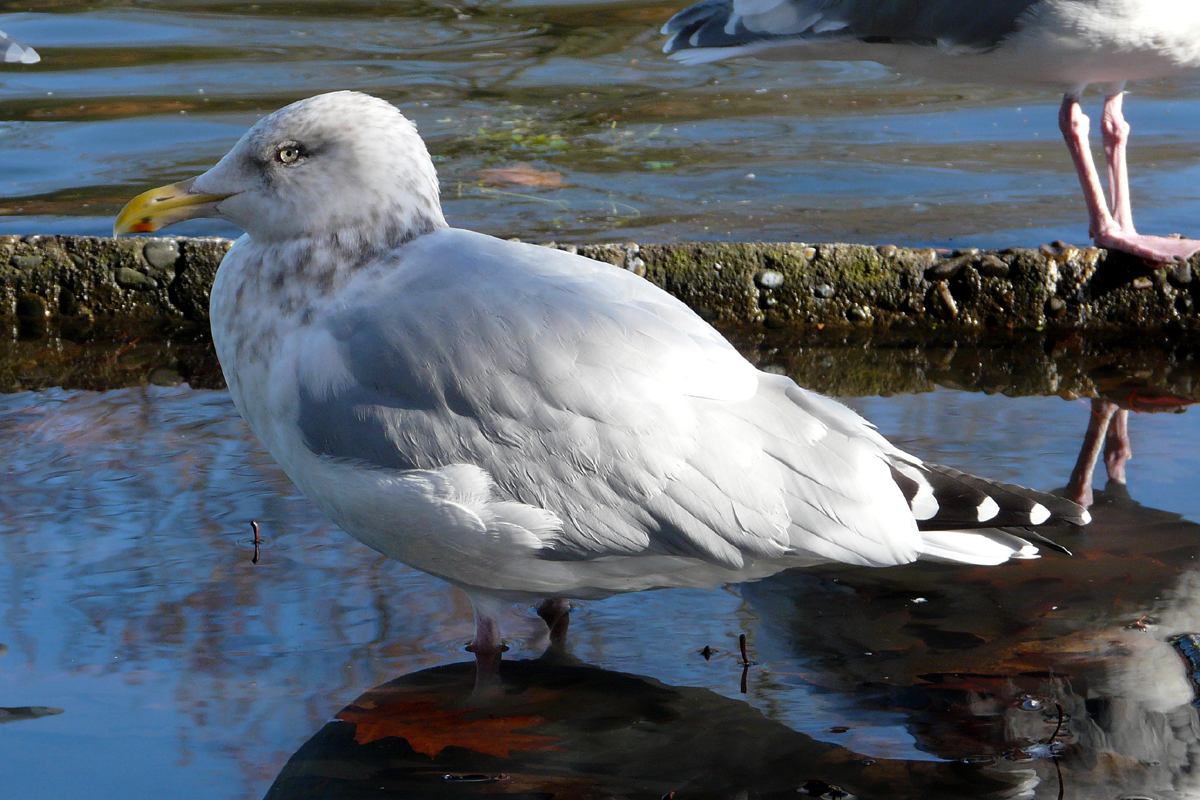
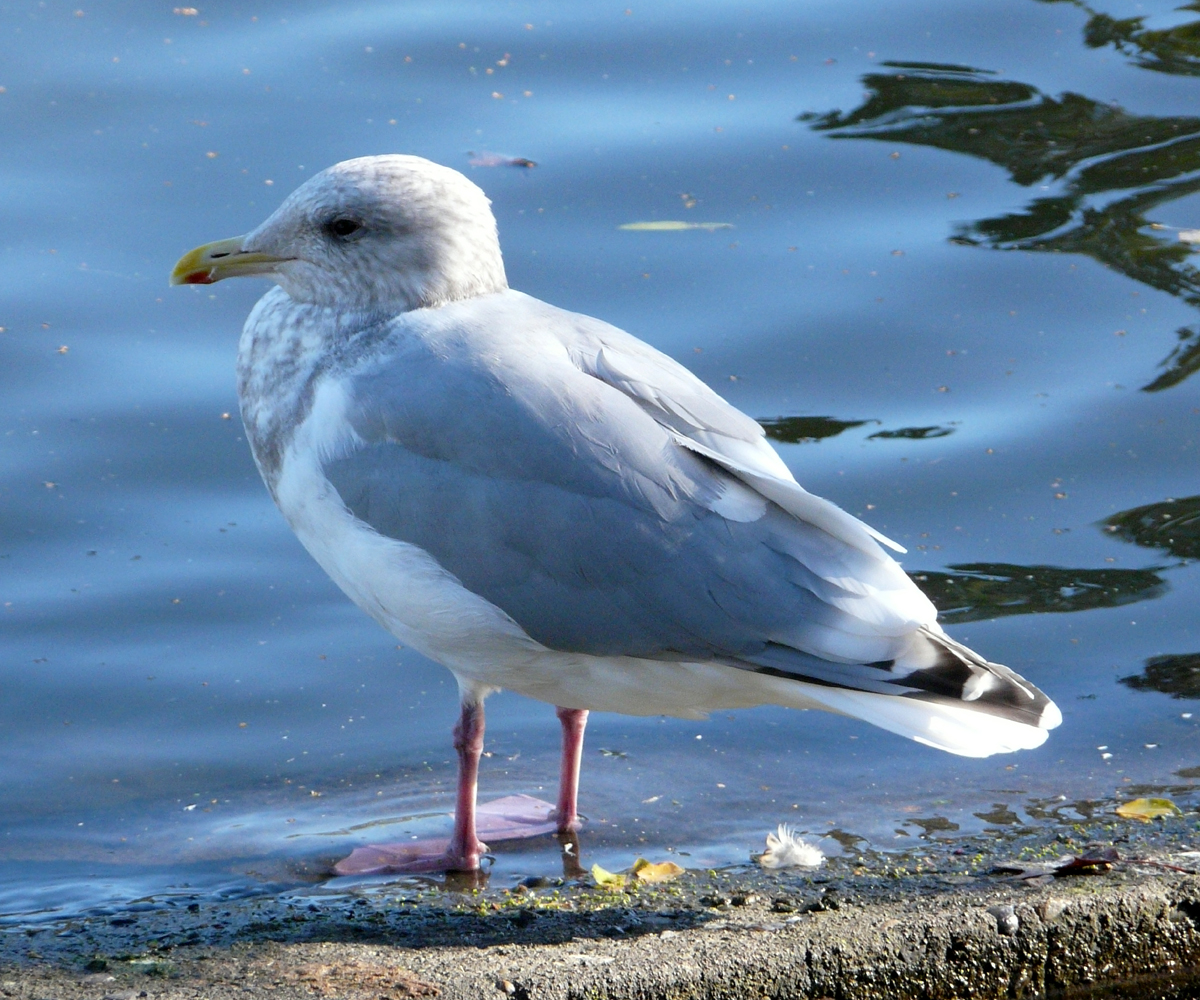
Of course, every visit to Westmoreland requires a quick scan of the gull flock.

Ring-billed Gull

Herring Gull

Thayer’s Gull

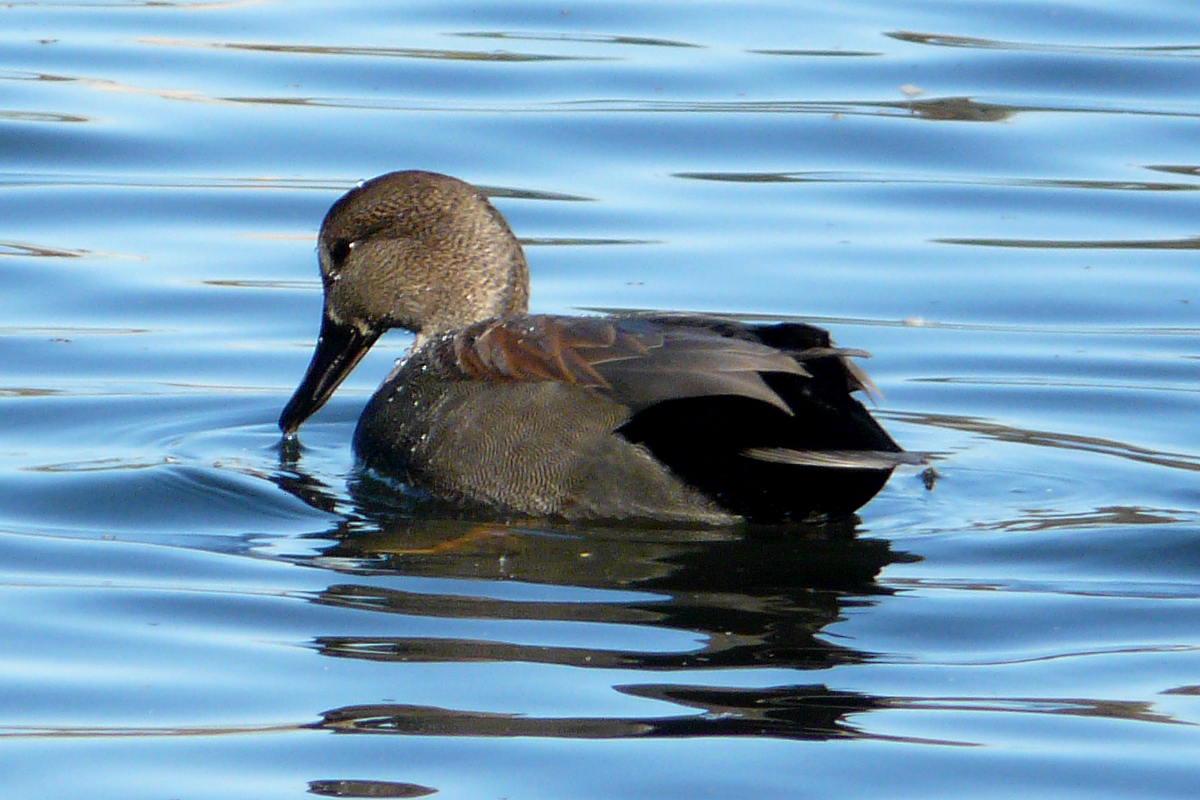
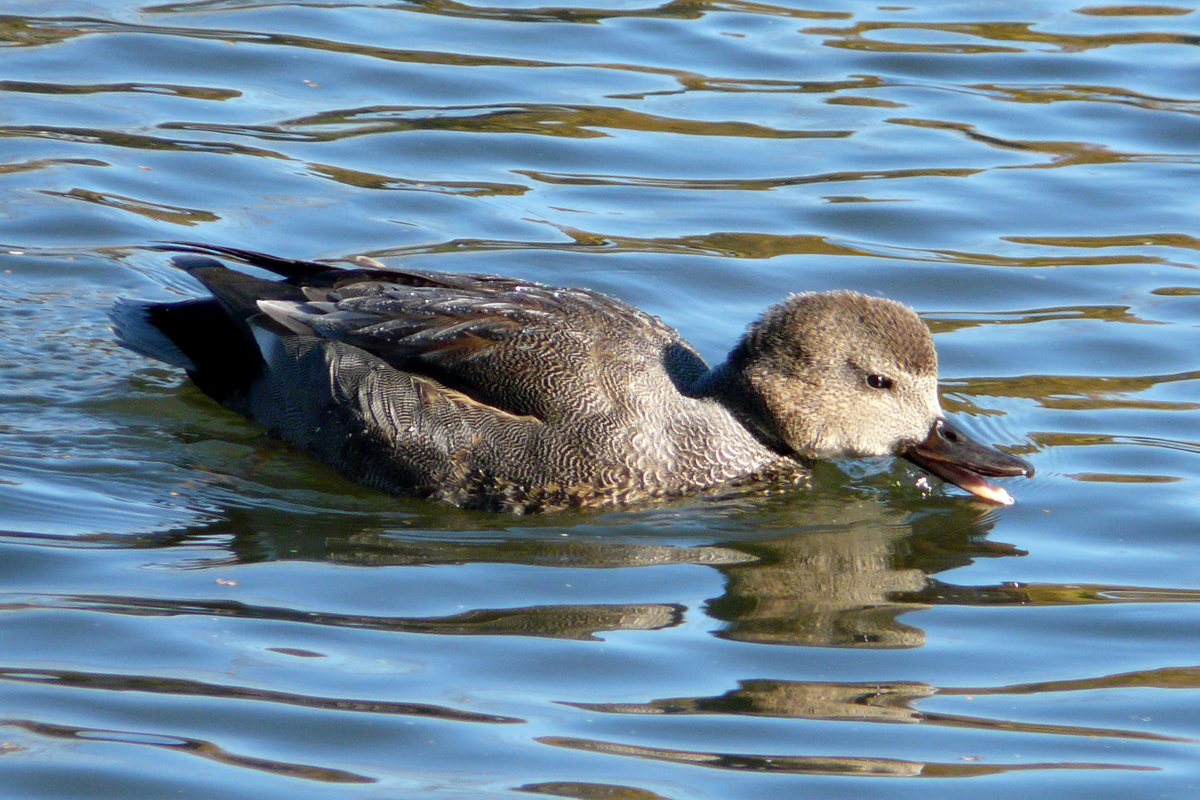
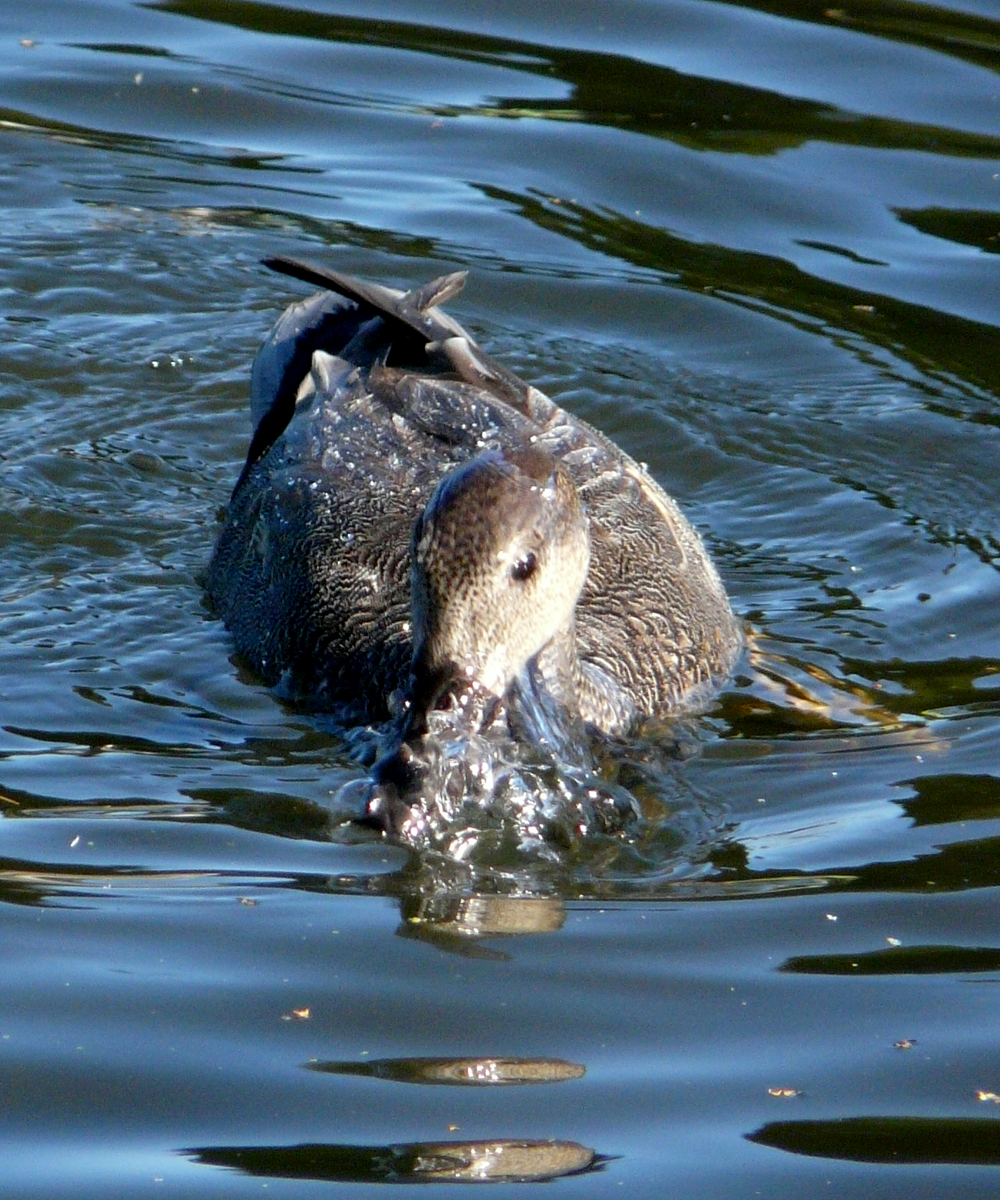
Gadwalls don’t sport a lot of color, but are lovely little ducks.

Fernhill Wetlands 11/1/12

Things are hopping at Fernhill Wetlands, with rising water levels, an influx of several thousand geese and other waterfowl, and a few other goodies.

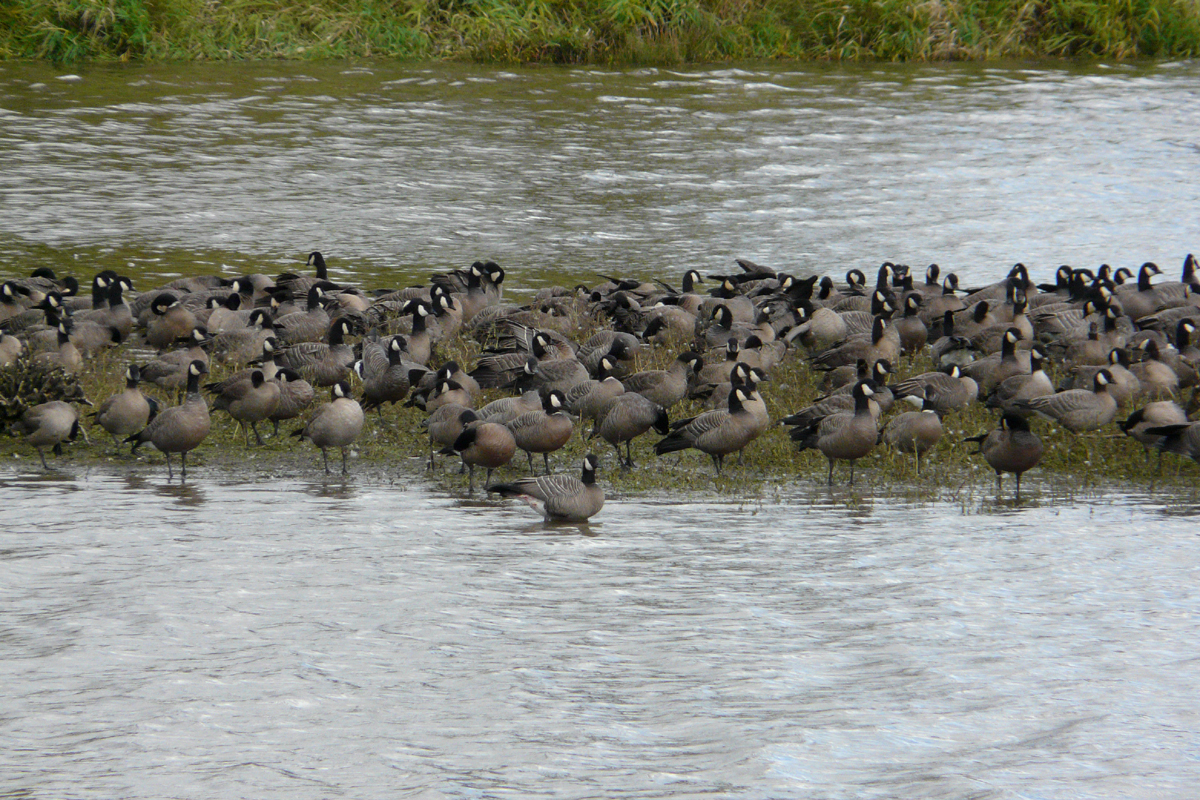
Cackling Geese have been arriving for weeks now, and the skies and fields around Fernhill are covered with these little guys.

A small flock of Greater White-fronted Geese were hanging out with the Mallards in Dabblers Marsh.

This interesting beast is a hybrid, a product of one of the local Canada Geese and a domestic Greylag Goose.

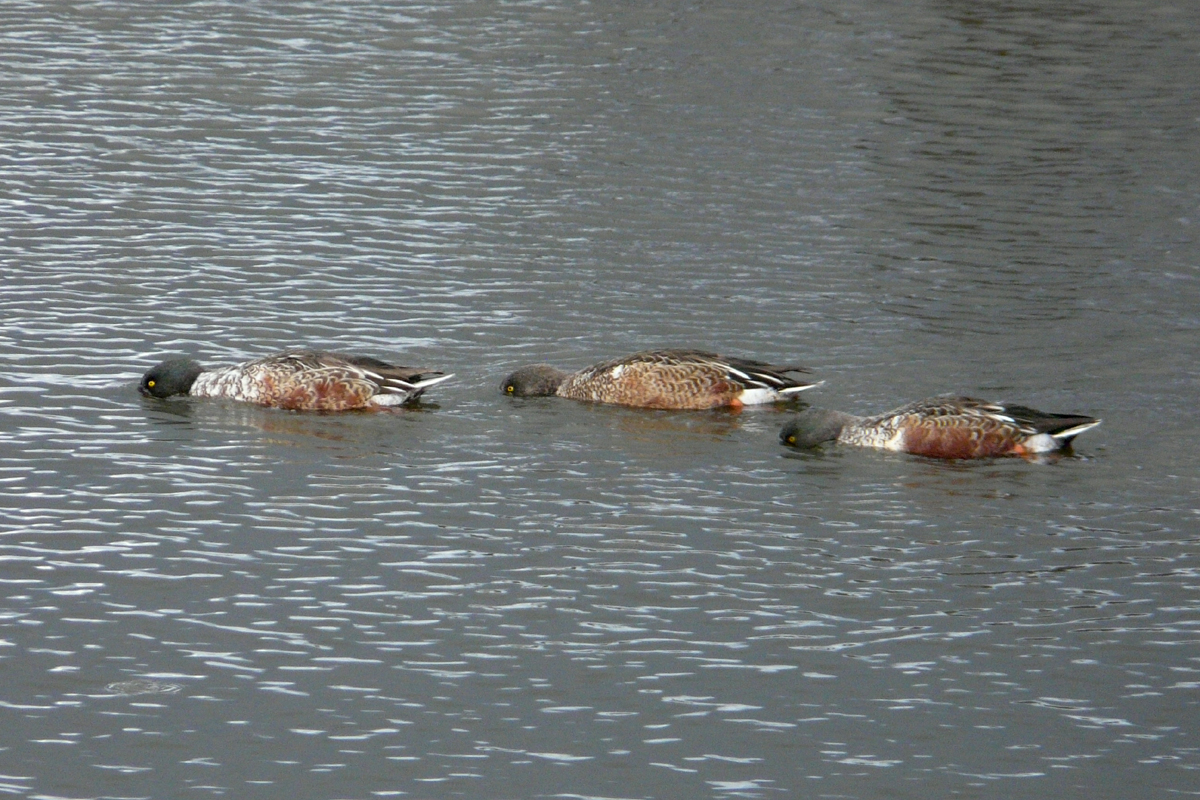
Here are some of the many Northern Shovelers feeding in their typical manner, swimming along with their faces in the water, as if their enormous bills are too heavy to hold up.

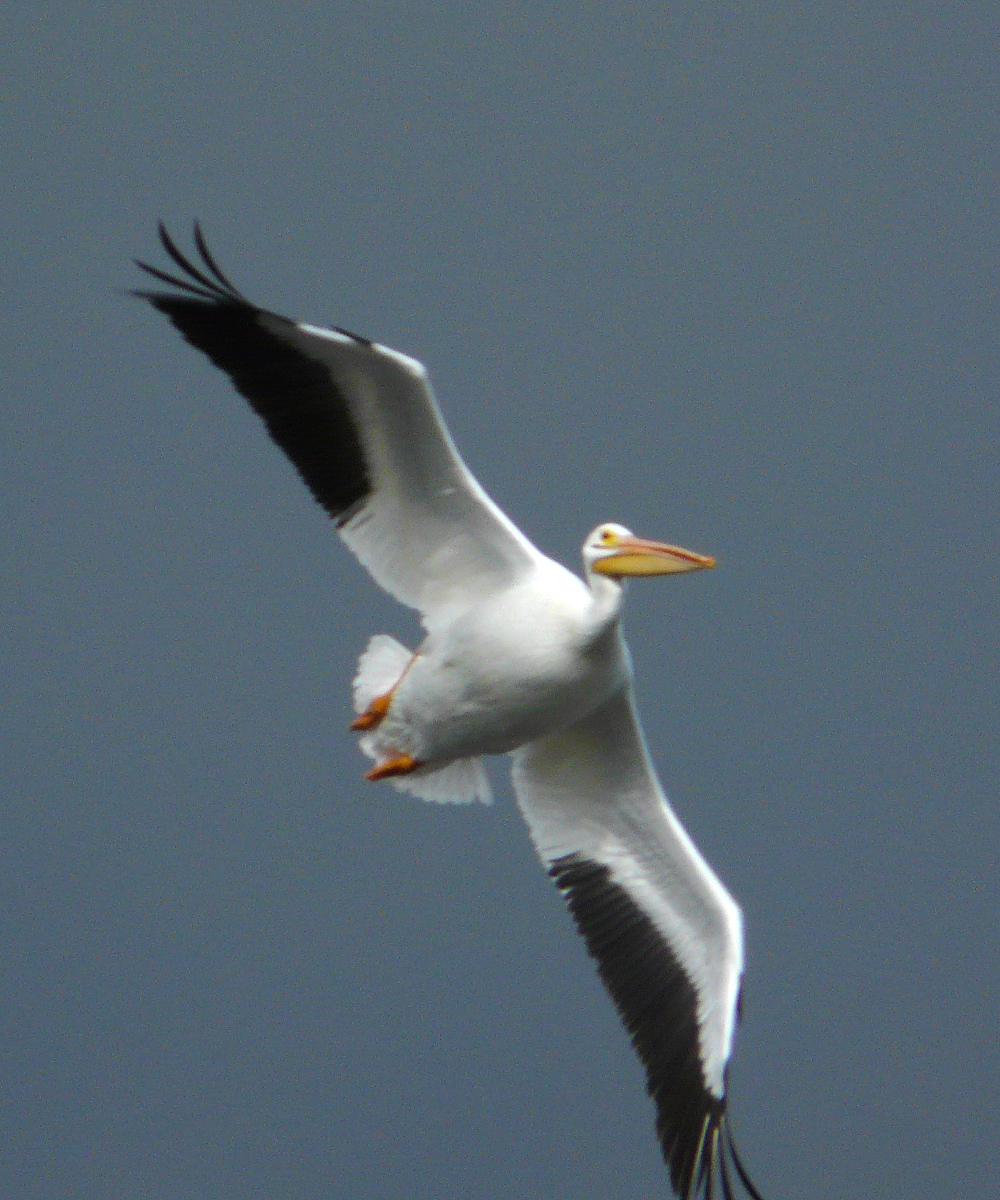
Two American White Pelicans have been hanging out at Fernhill for a couple of months now.
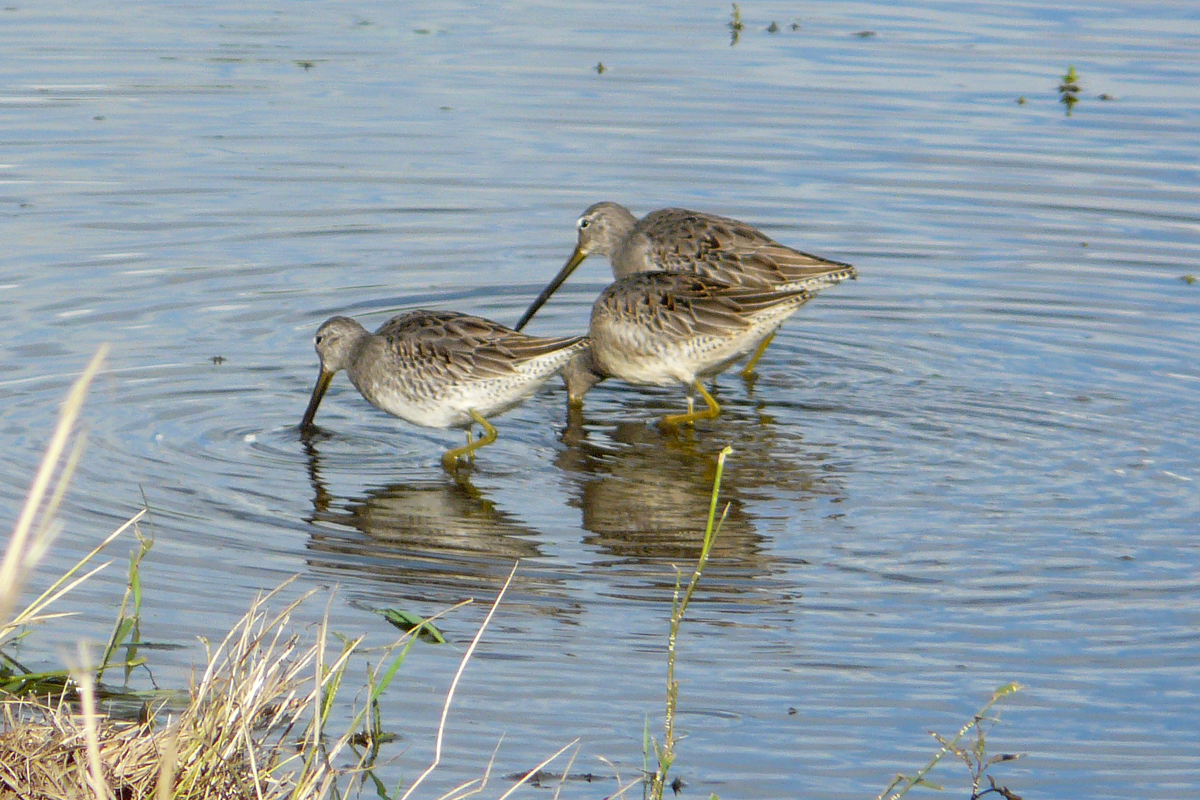
Shorebird numbers and diversity have dwindled. Here are a few Long-billed Dowitchers.

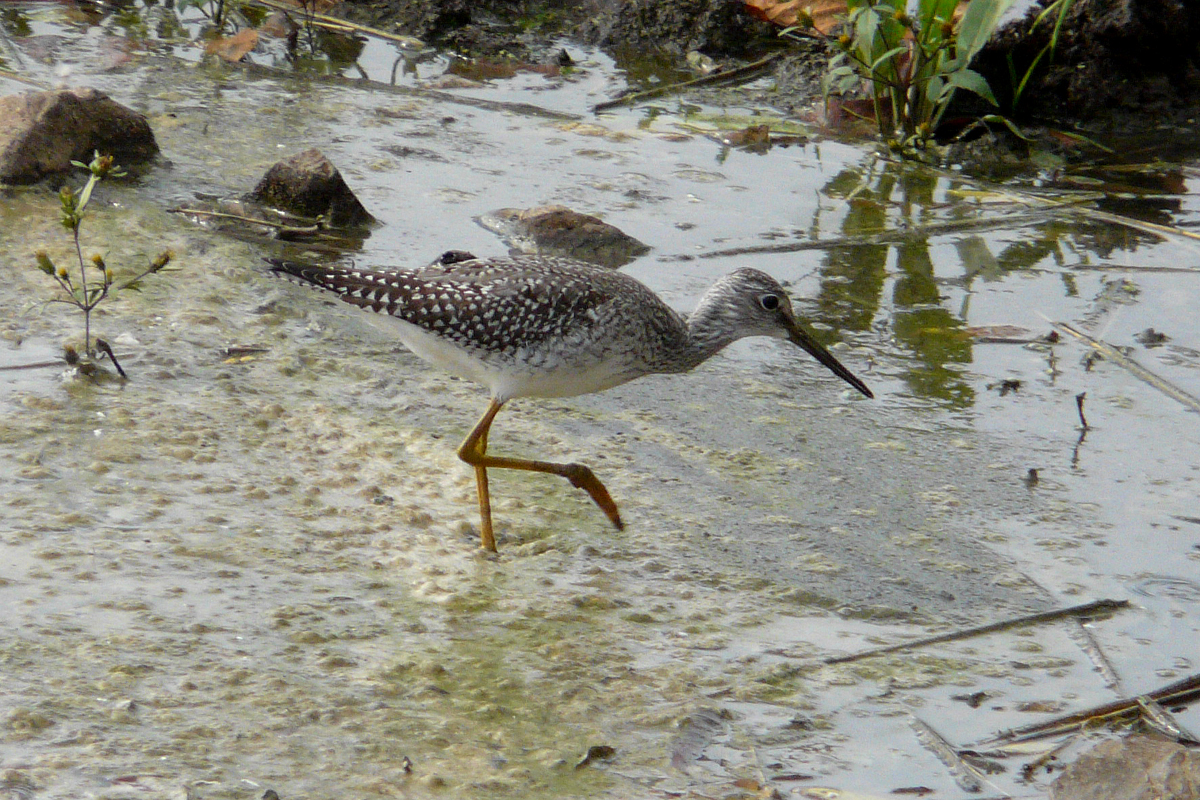
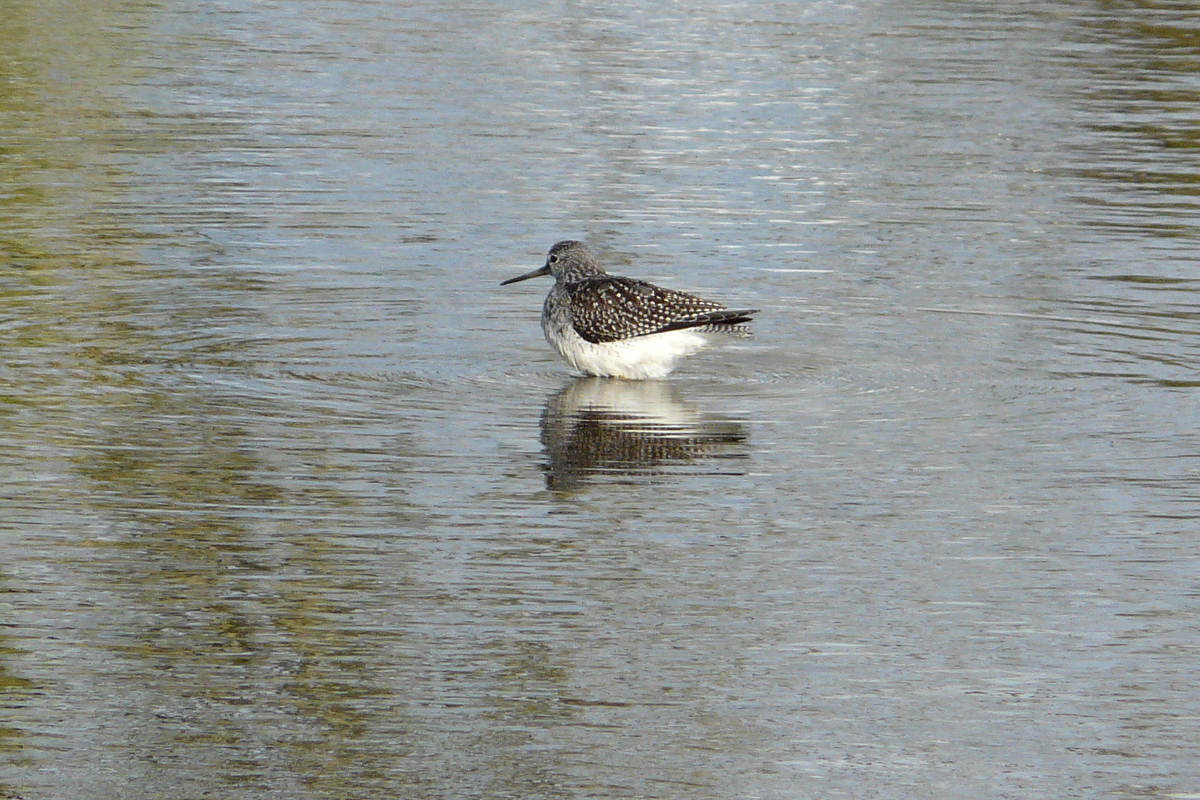
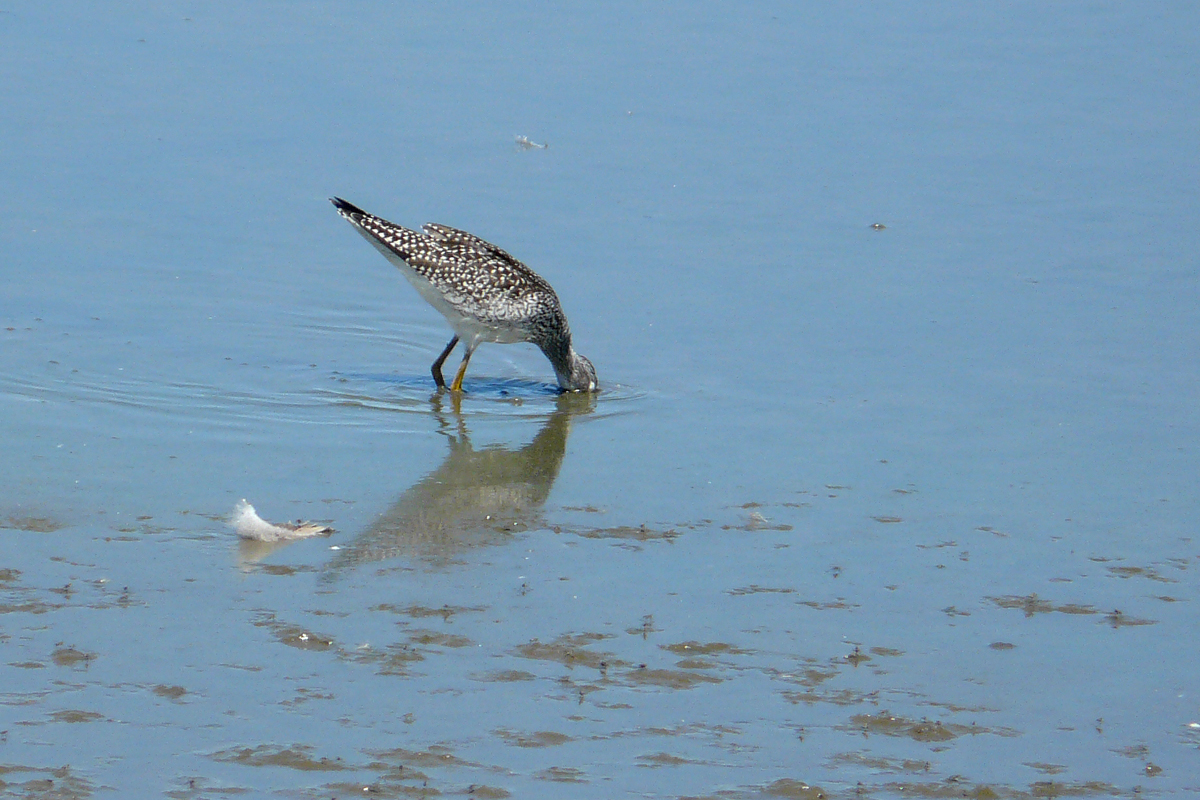
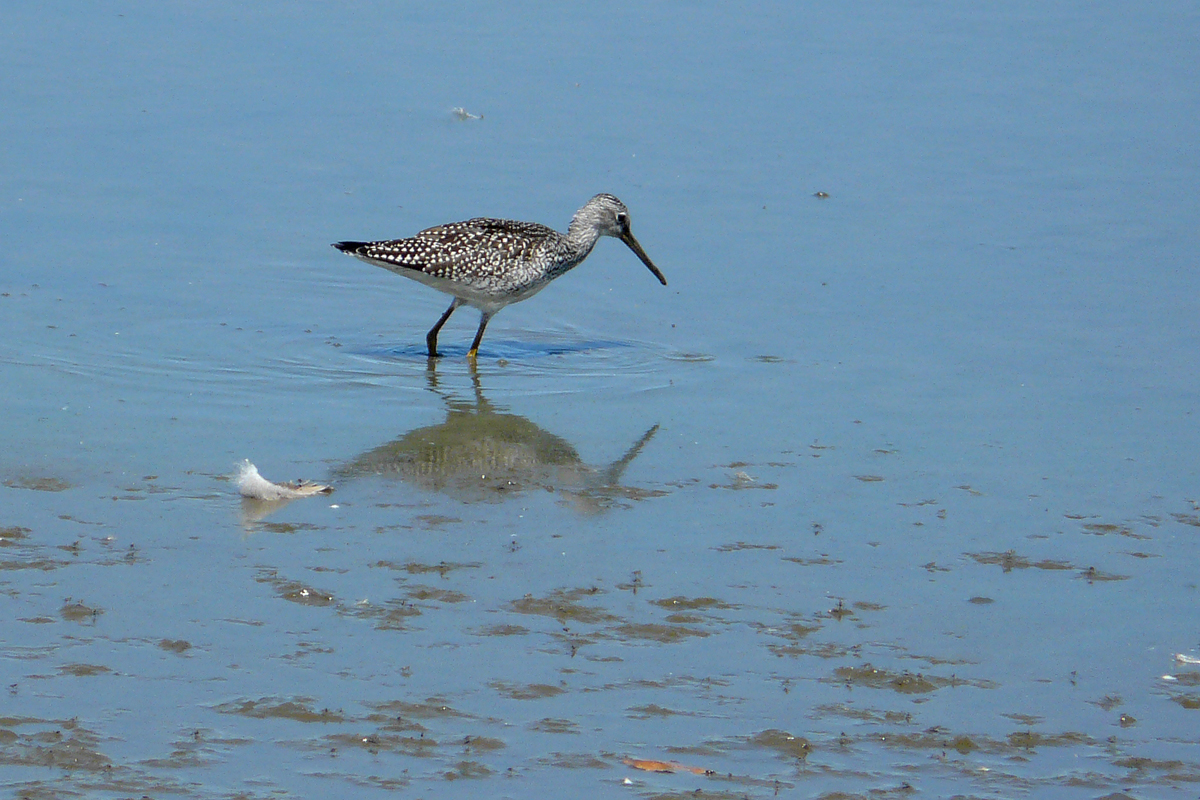
Greater Yellowlegs

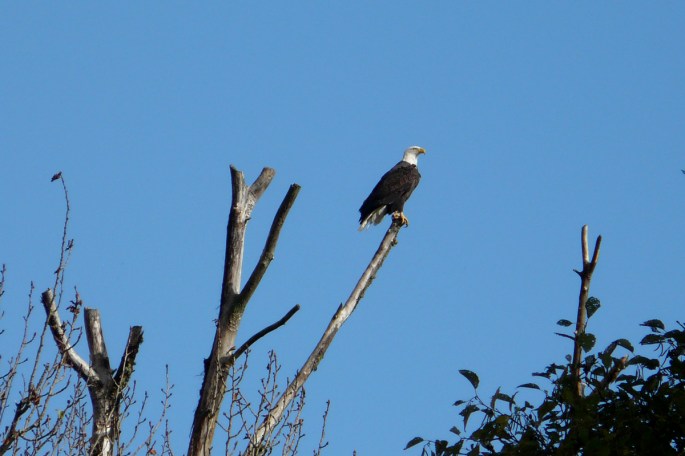
The resident Bald Eagles were sitting around looking majestic. I watched one carrying a stick to add to their nest.

Great Egret

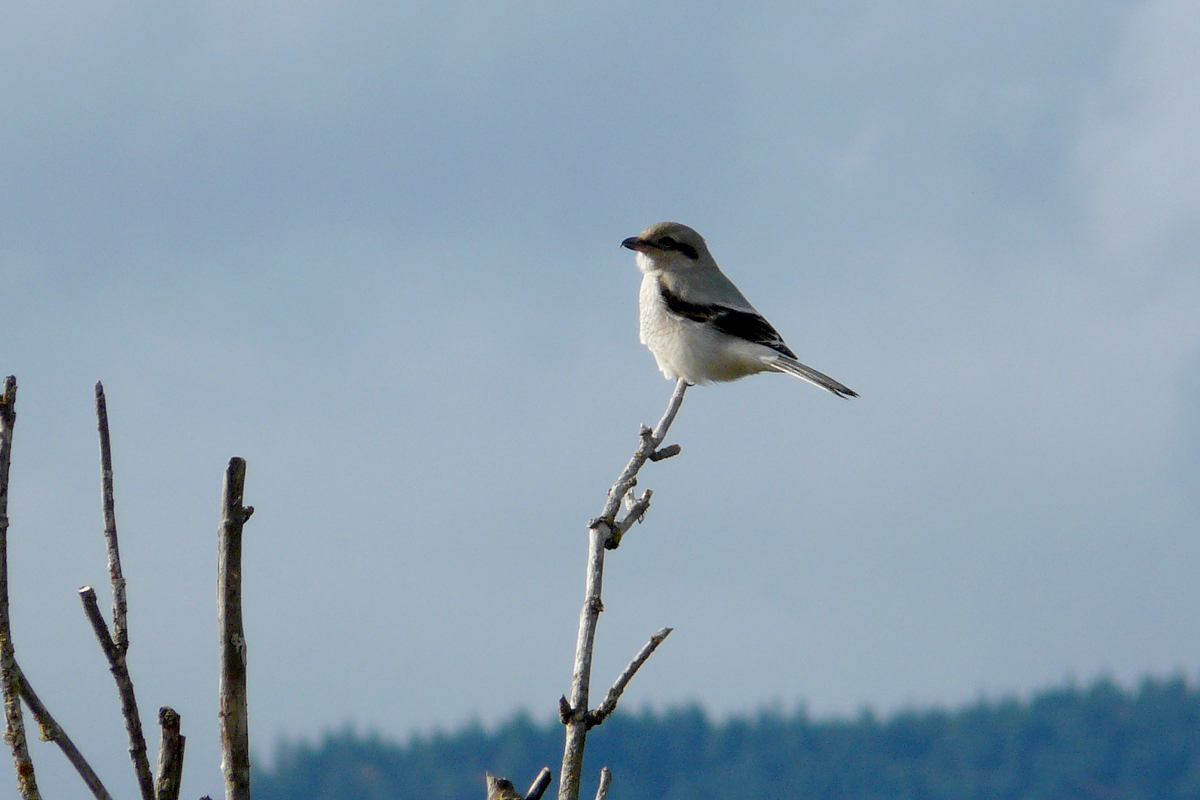
Several Northern Shrikes have been reported around the Portland area in recent days. This one is snacking on a large insect.

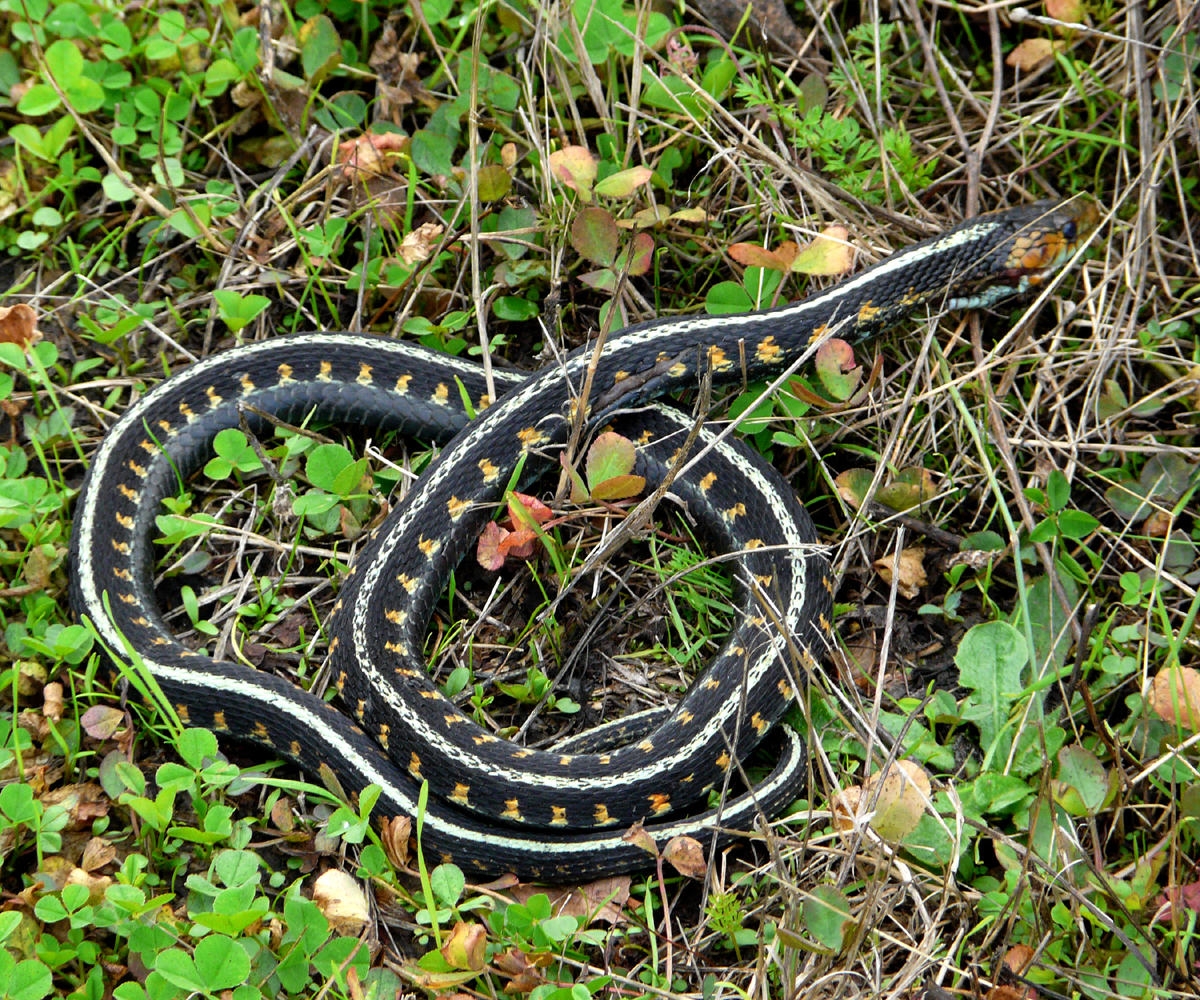
I saw three Common Garter Snakes on this trip, including one very young newborn about the width of a linguine. The colorful individual in this photo was about 20 inches long. Note the large laceration on his neck, presumably from a predator. Despite the severity of the wound, the snake was not bleeding and he crawled away after this photo was taken, so I am hopeful he will recover.

Chickadee Trifecta

I had three species of chickadees attending my feeder recently. The Black-capped Chickadees are year-round residents and visit every day.
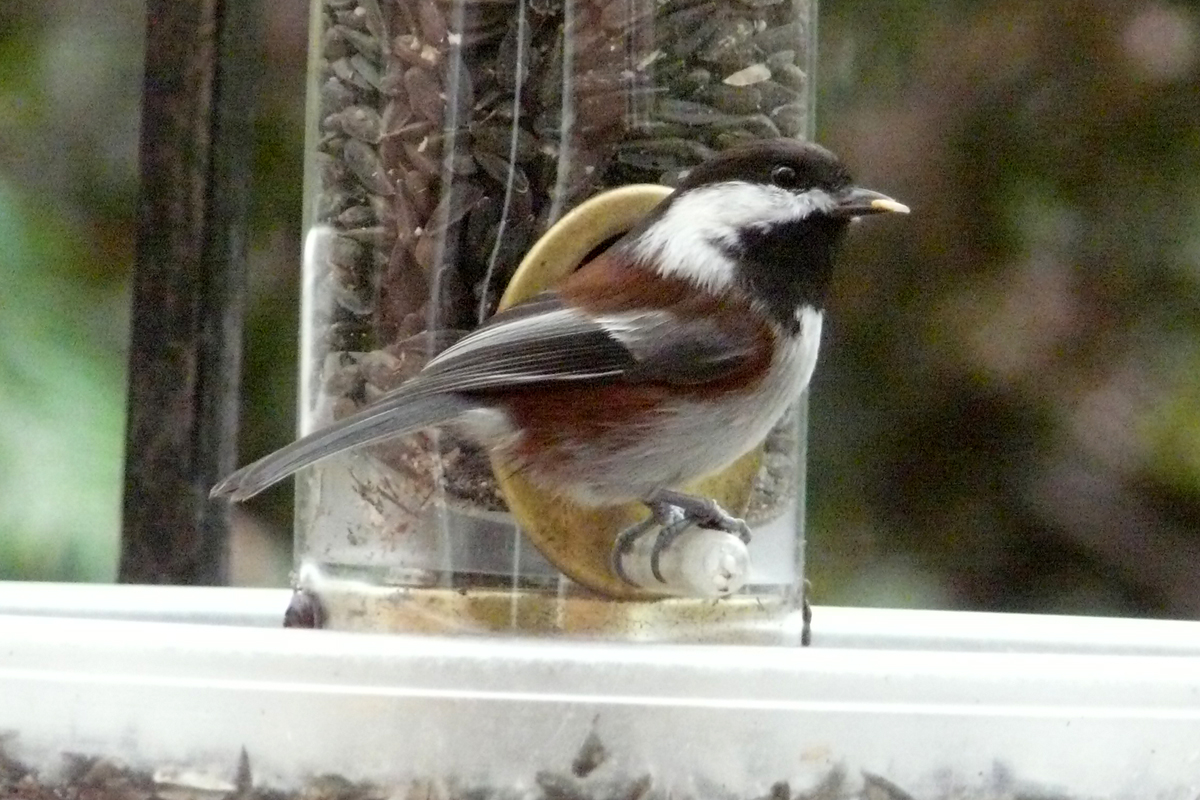
Chestnut-backed Chickadees appear occasionally, most often in winter, although I have been seeing them more often in recent months.

The star attraction on this day was a Mountain Chickadee. While common along the crest of the Cascades and points east, they are a rare treat in the Willamette Valley. This bird is the seventh record for Washington County.

I believe the Pacific Northwest is the only place where you might find three species of chickadees in one flock. Range maps indicate that in southeastern Alaska, you might be able to find four species in the same area. That sounds like a worthy birding challenge.

Autumn Arrivals

The weather is cooling and rain is in the forecast, as our long dry summer is finally letting go.

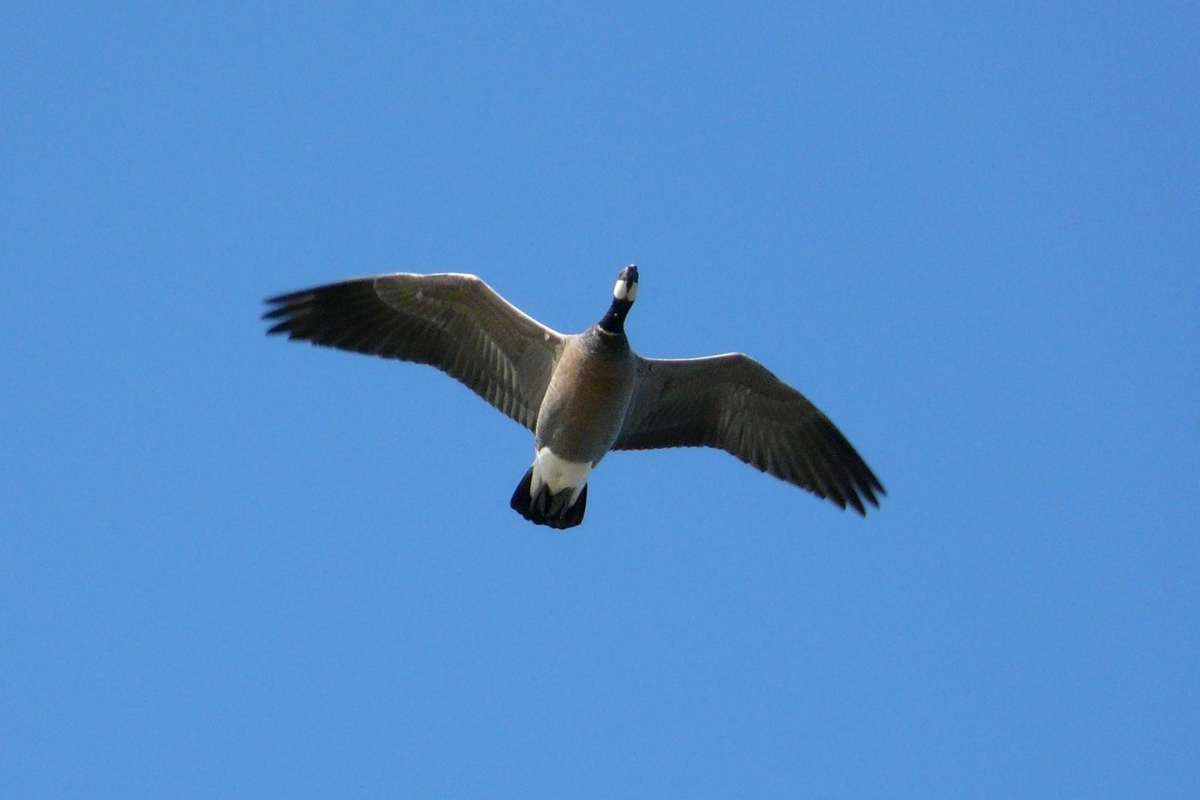
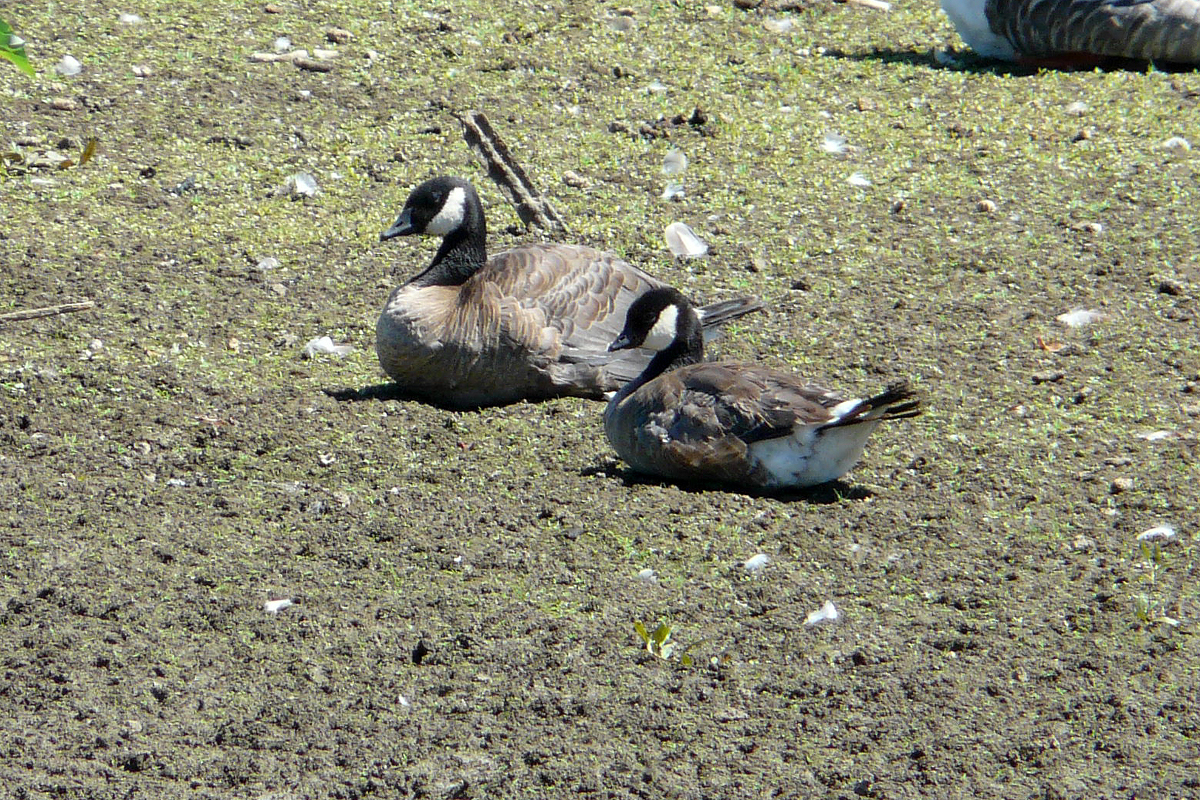
Cackling Geese have arrived by the thousands in recent days. This Ridgeway’s Cackling Goose is sporting a black chin stripe and a white collar.

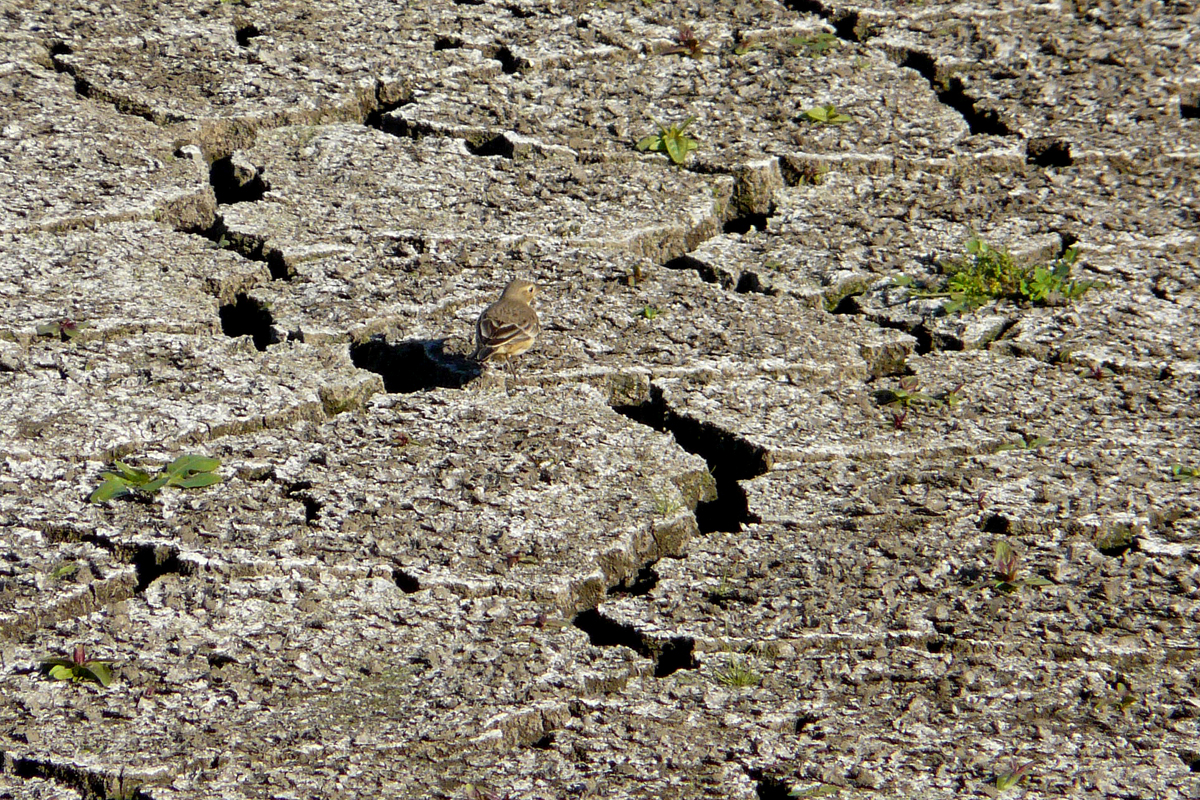
An American Pipit, blending in with the dry cracked lake bed at Fernhill Wetlands

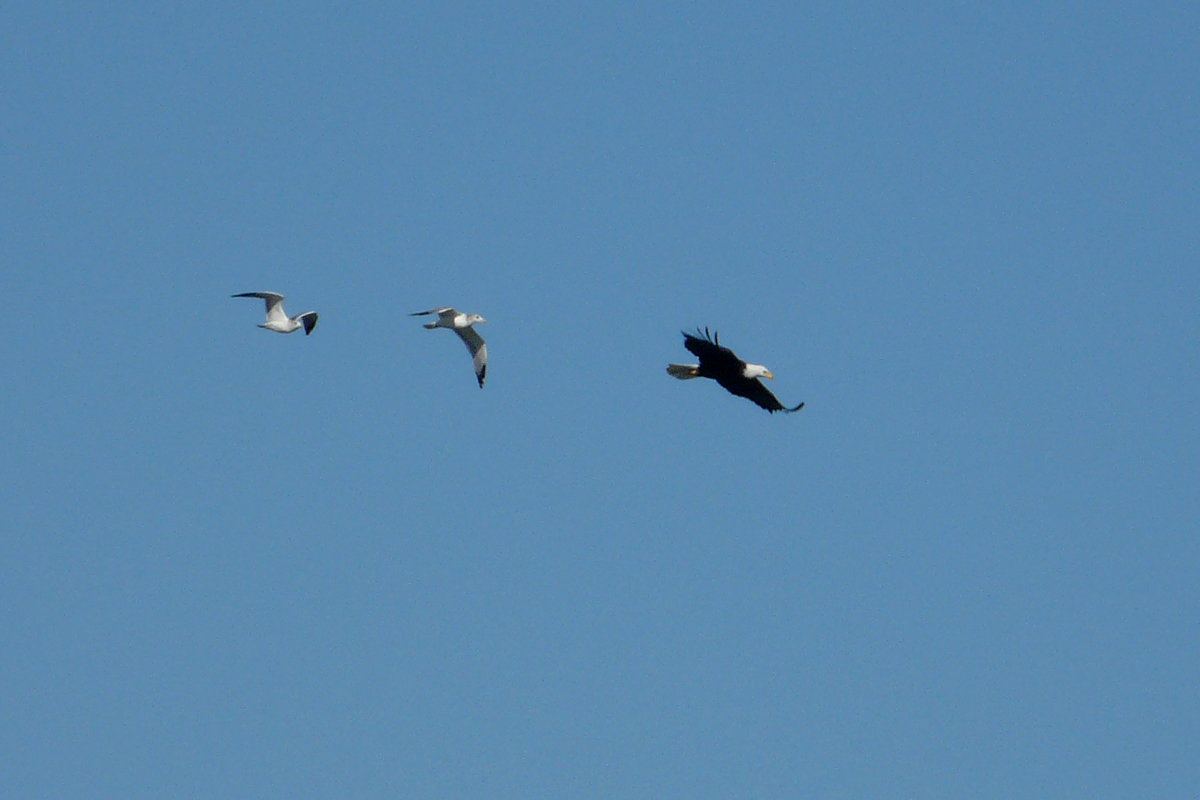
Two California Gulls harassing a Bald Eagle. It is probably much safer being behind the eagle than in front.

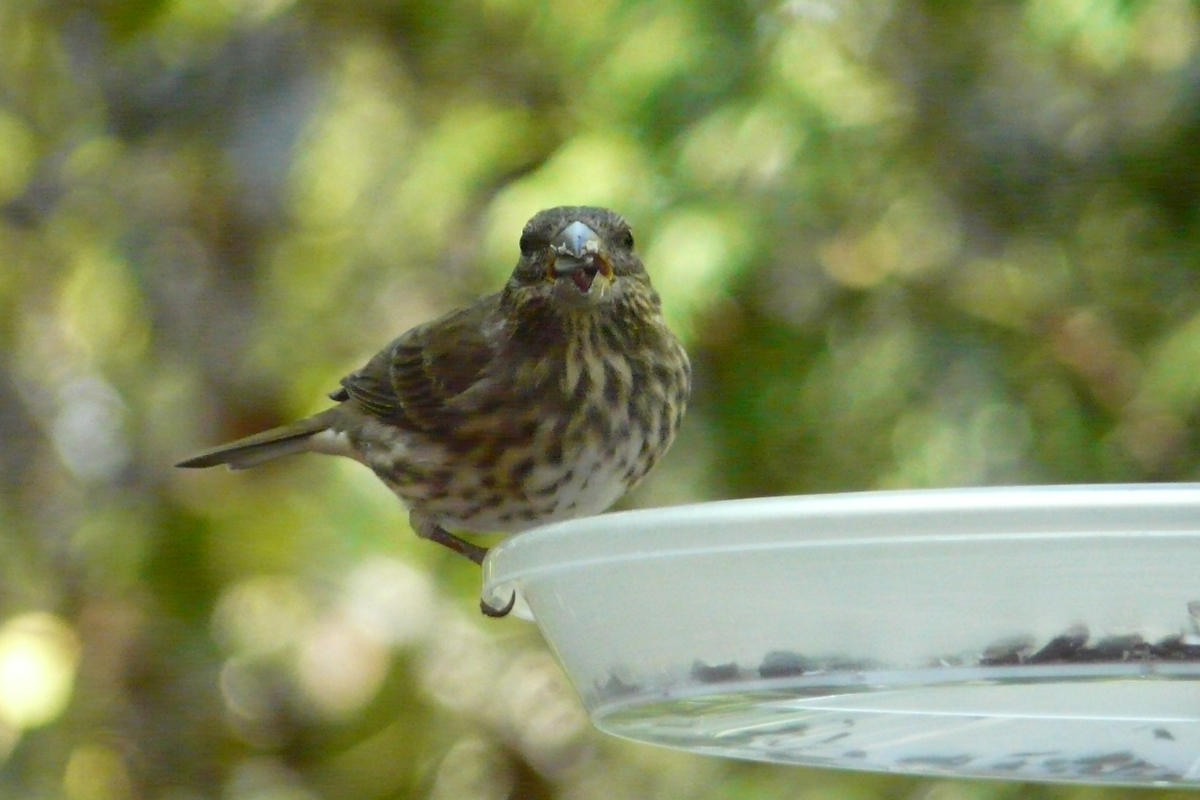
Closer to home, this Purple Finch visited the feeder. If you look closely you can see her tongue positioning the sunflower seed.

Mimi, one of my neighbor cats, is enjoying the birdbath and keeping those pesky hummingbirds out of my garden. I have two words for you, Mimi; Urban Coyotes.

Changes Continue at Fernhill Wetlands

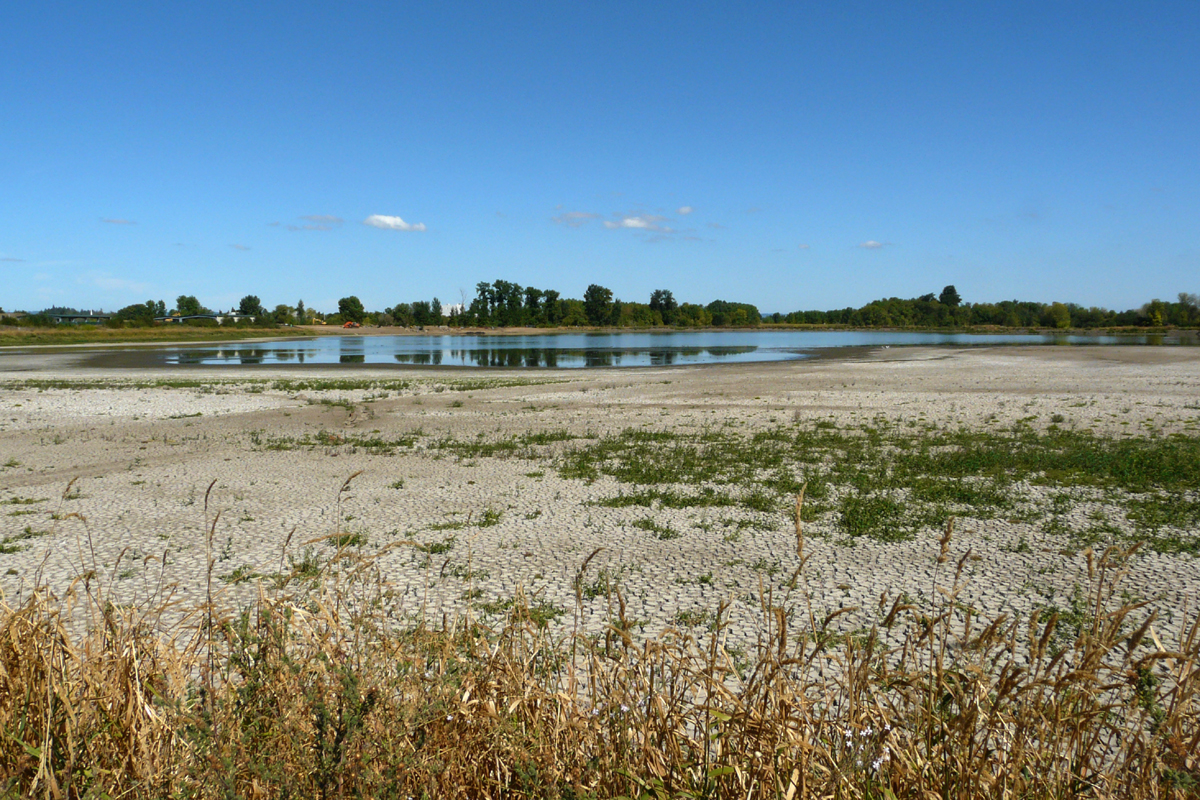
Exciting changes continue at Fernhill Wetlands (Birding Oregon p. 61). This photo is from the drying lake bed of Fernhill Lake. Low water levels this summer have created some great shorebird habitat. Notice the clump of cottonwood trees that have sprung up already. The construction (note the equipment in the background) will create rocky waterfalls that will cool and aerate the water that flows into the lake. I will be leading a free tour of the site on Saturday, October 6, at 10:00 AM as part of the Birds and Beer at Fernhill Wetlands event. Click on the Classes page for more details.

In addition to creating shorebird flats this summer, the low water levels are also helping to purge the lake of carp, which compete with birds for aquatic prey and muddy the waters with their feeding habits.

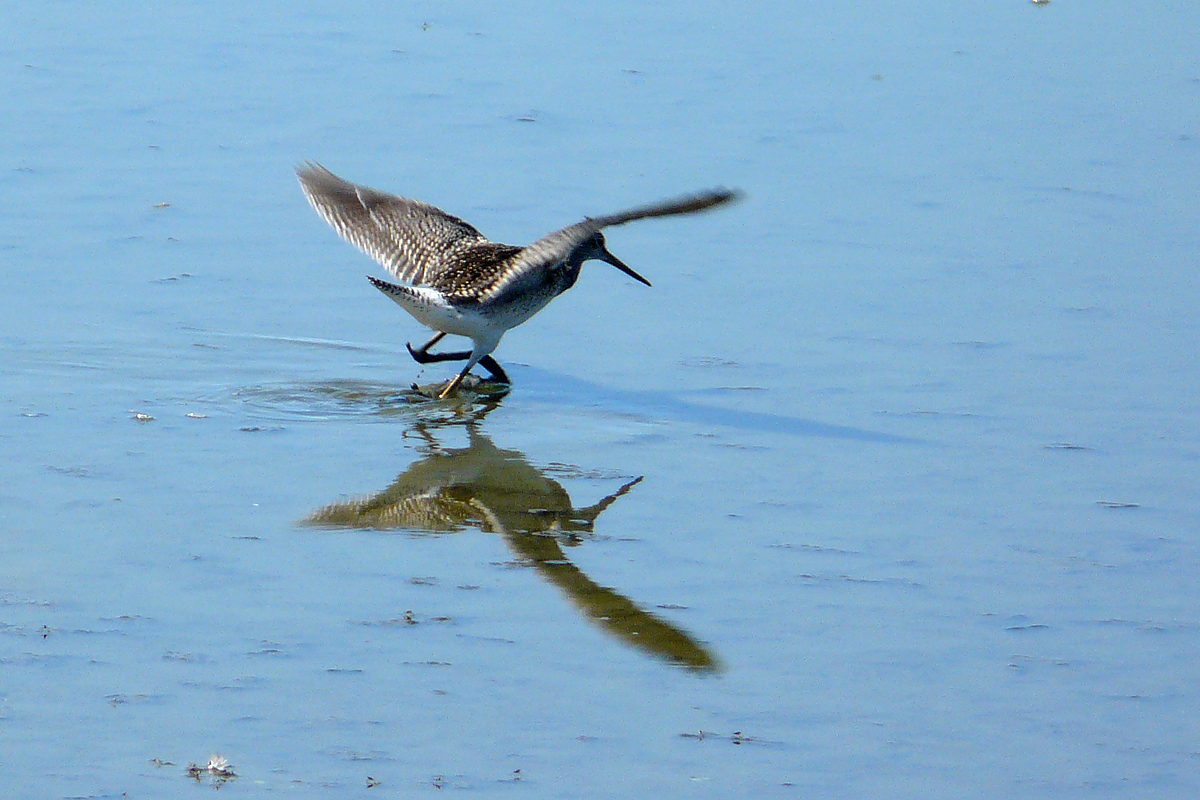
Greater Yellowlegs, sinking into the soft mud

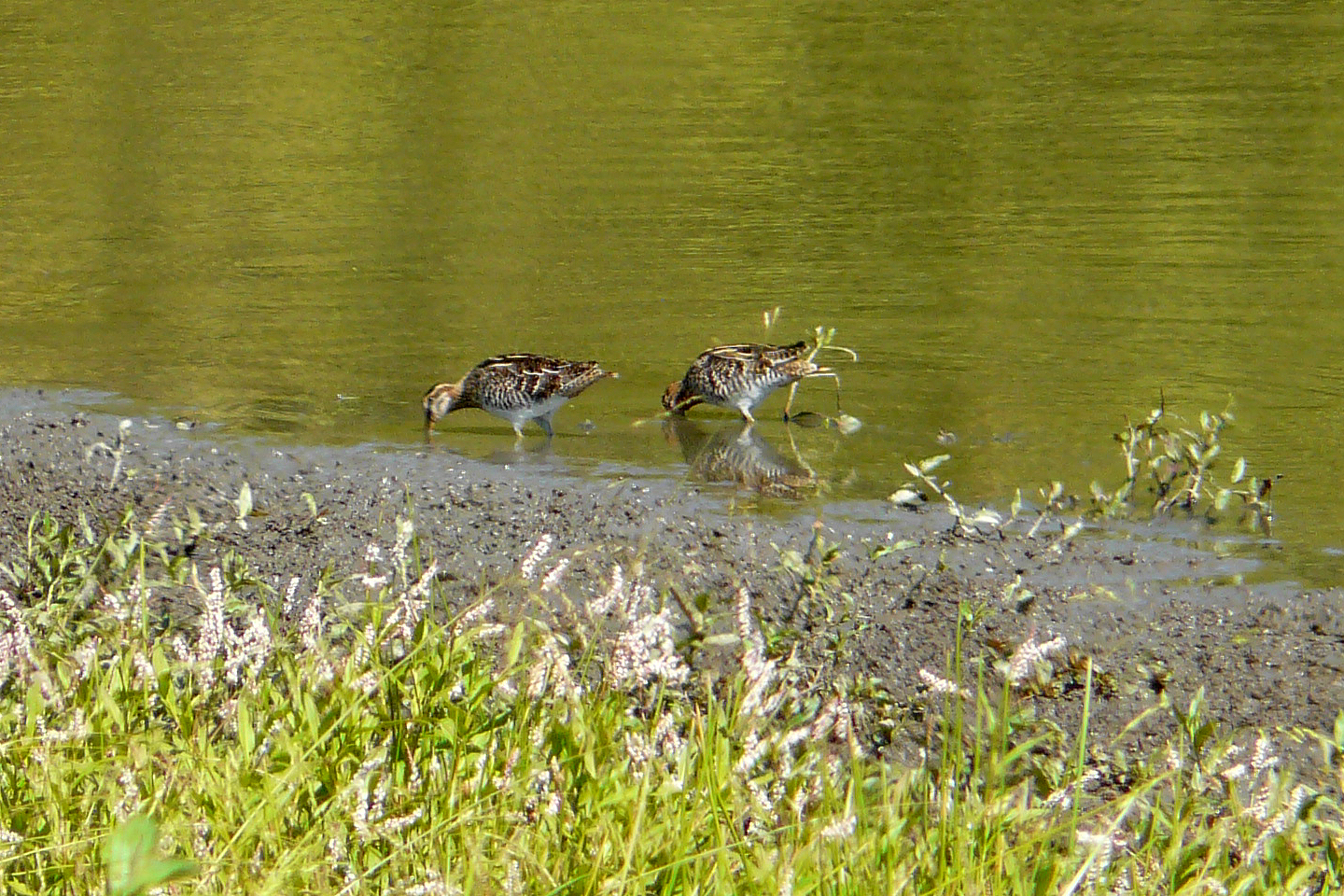
In the Mitigation Marsh, two Wilson’s Snipe were feeding out in the open, which is rather uncharacteristic of this species.

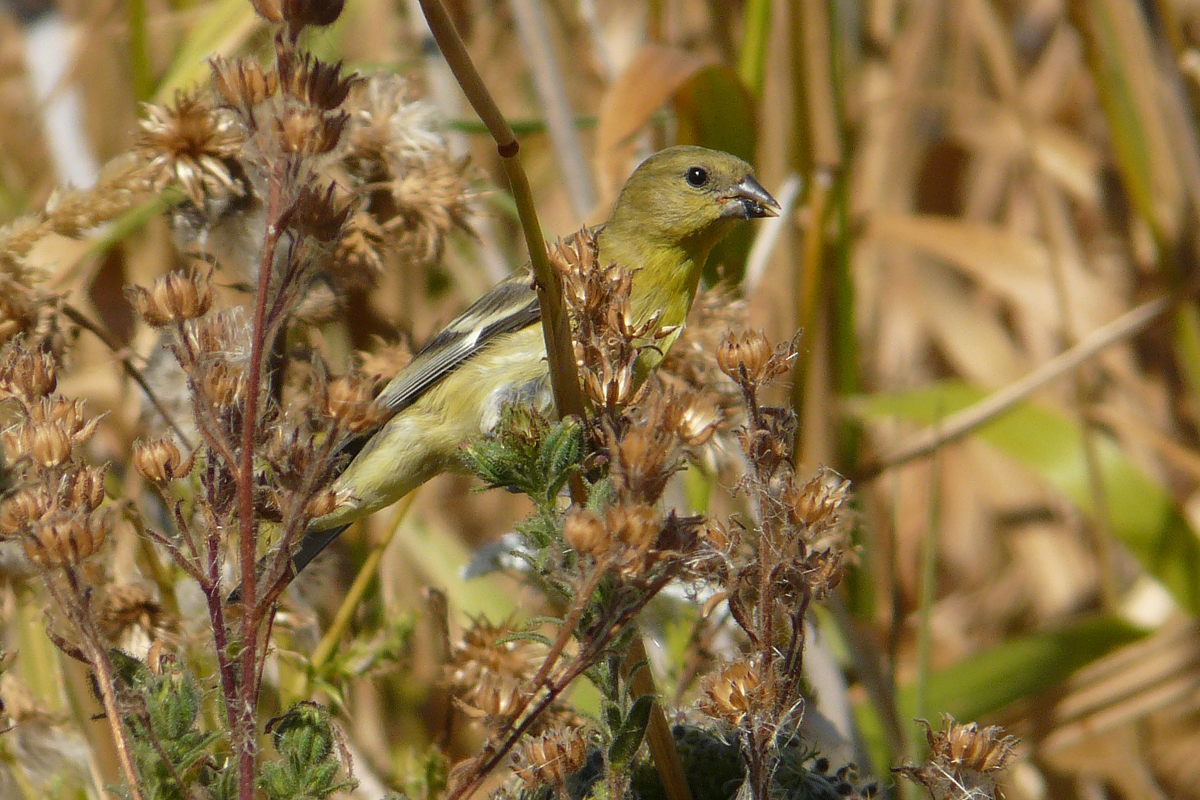
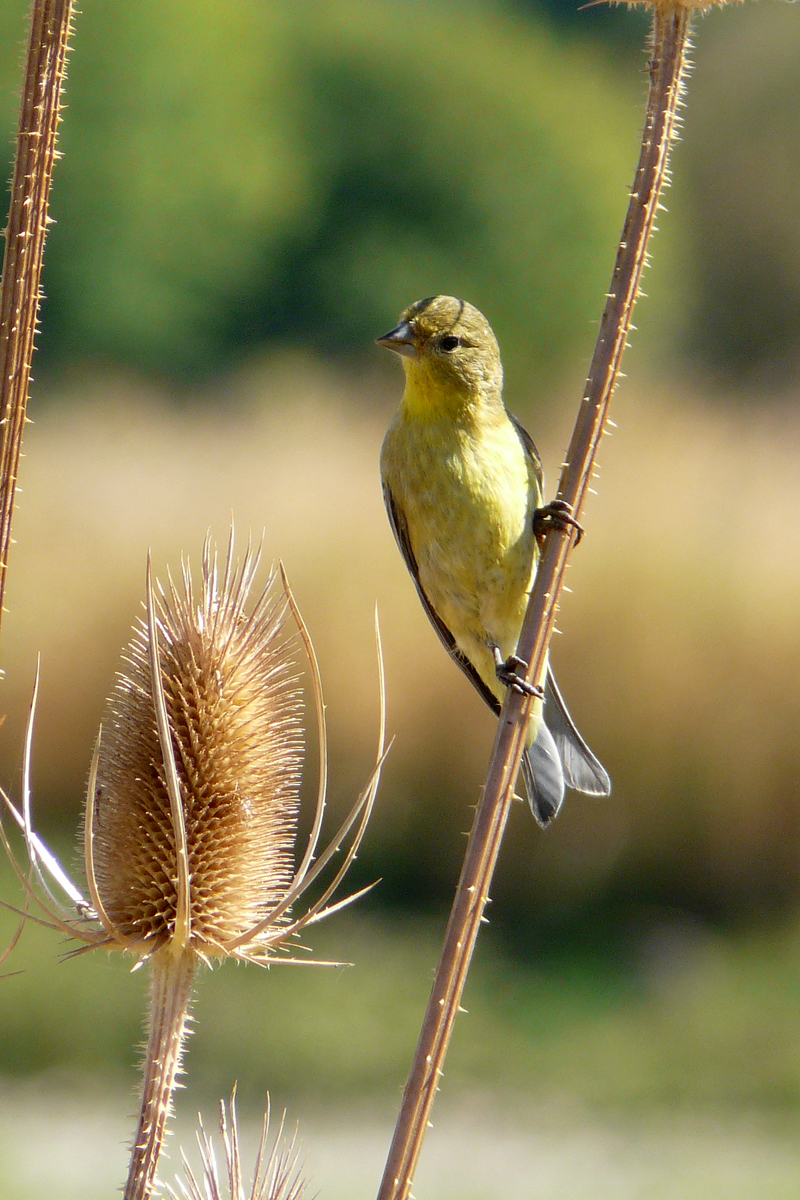
On this visit, a flock of Lesser Goldfinches was working the weedy patches. It is always a treat to get close looks at these birds.

The coming weeks should see increases in sparrows, shorebirds, waterfowl and raptors.

Random Images

I haven’t been out much lately, a situation I hope to remedy this week. In the meantime, here are a few images from around home.

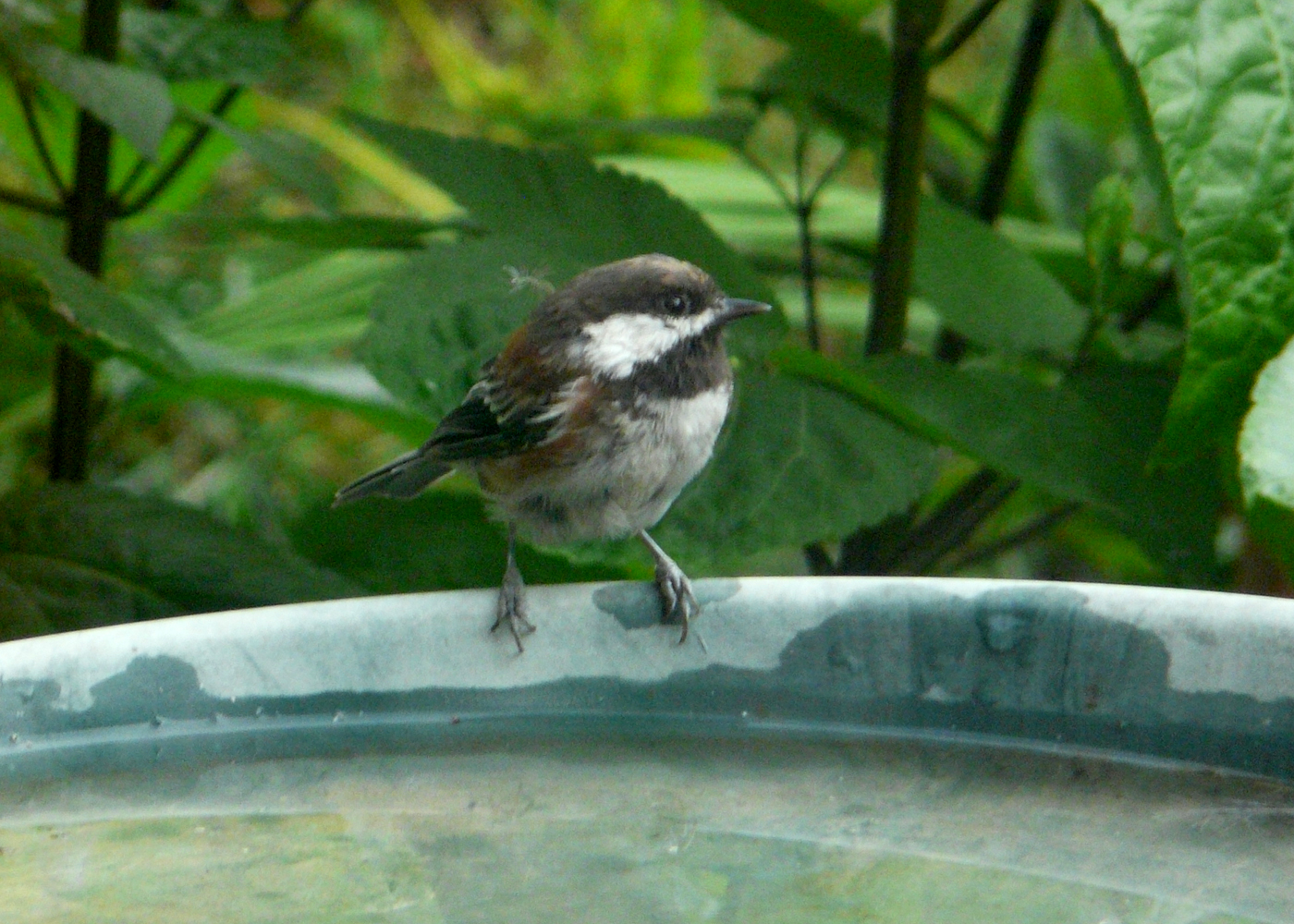
Many of the local songbirds are undergoing an extensive molt, leaving them looking very bedraggled. This Chestnut-backed Chickadee is a prime example.

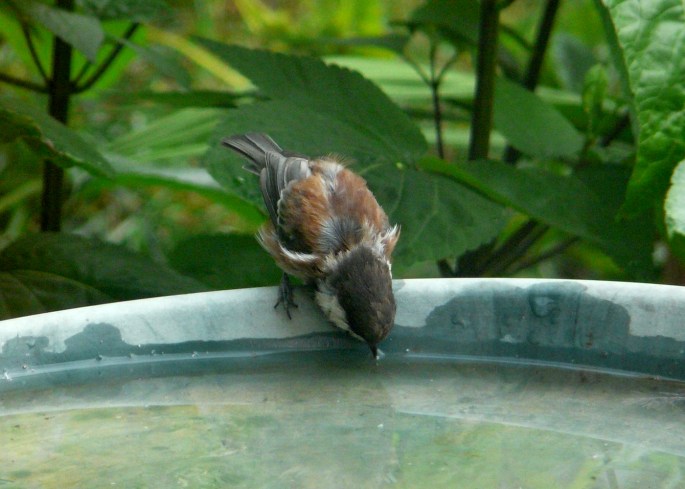
We have had no measurable rain in the past month or so, so the birdbath has been a little more popular than usual.
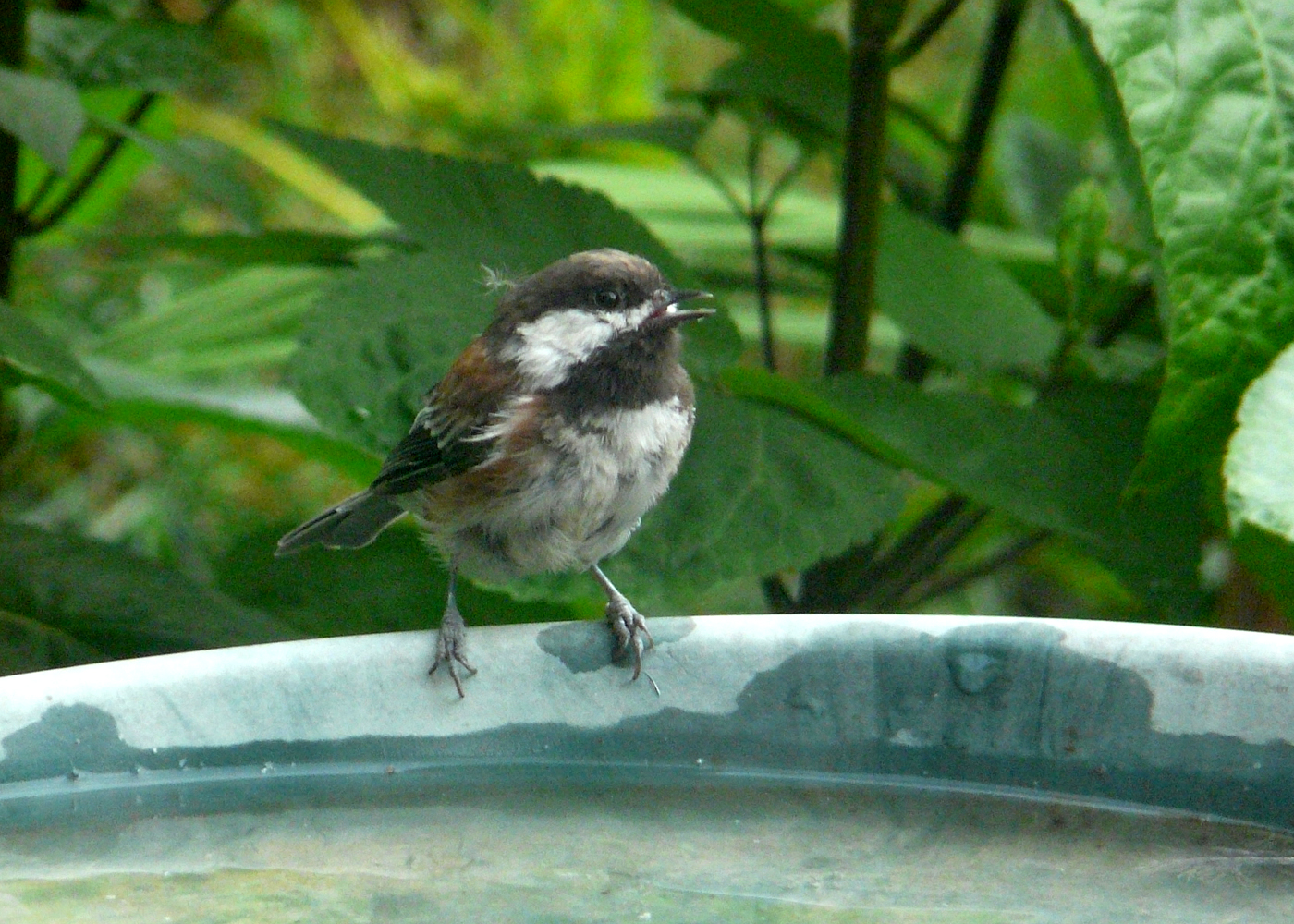
It is unusual for me to see Chestnut-backs at my house during summer, as we don’t have the larger conifers that they prefer for nesting. This bird might just be a product of post-breeding dispersal, or might be ranging farther to find water.

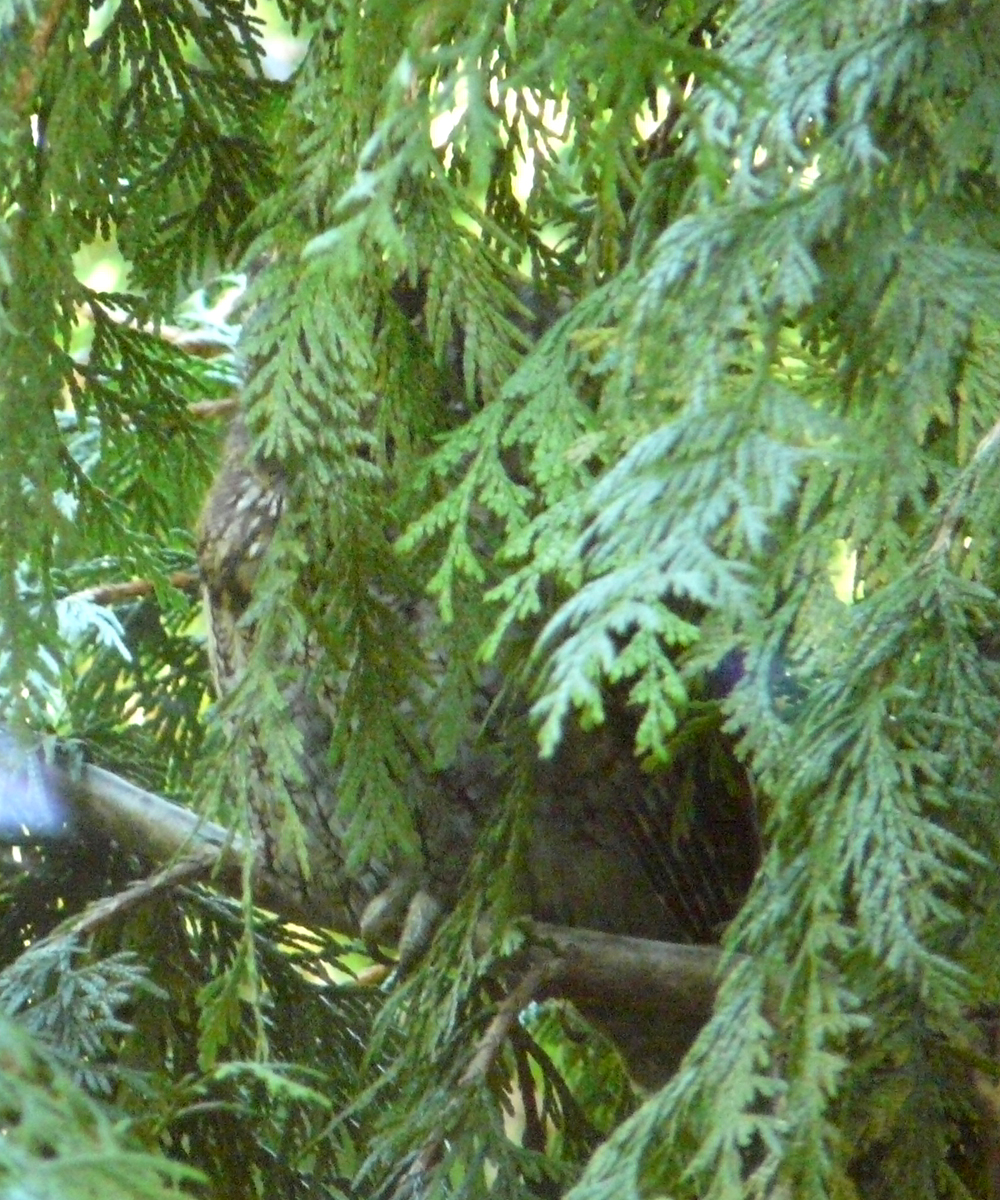
I noticed an Anna’s Hummingbird checking out the cedar tree near the bird feeder. A closer look revealed this brown lump near the trunk.

  The hummingbird was joined by chickadees, Red-breasted Nuthatches, Western Scrub-Jays, and a Swainson’s Thrush, all harassing this Western Screech-Owl throughout the day.

Perhaps ten feet from the bird feeder is not the best place for an owl to try to get any rest.

Fernhill Wetlands 8/3/12

I scouted Fernhill Wetlands for the Willamette Valley portion of my shorebird class. After a cool summer, we have finally gotten some triple-digit temperatures, making birding a little challenging. But there is a lot of mud and the shorebirds are moving in, joining the typical and not-so-typical summer residents.

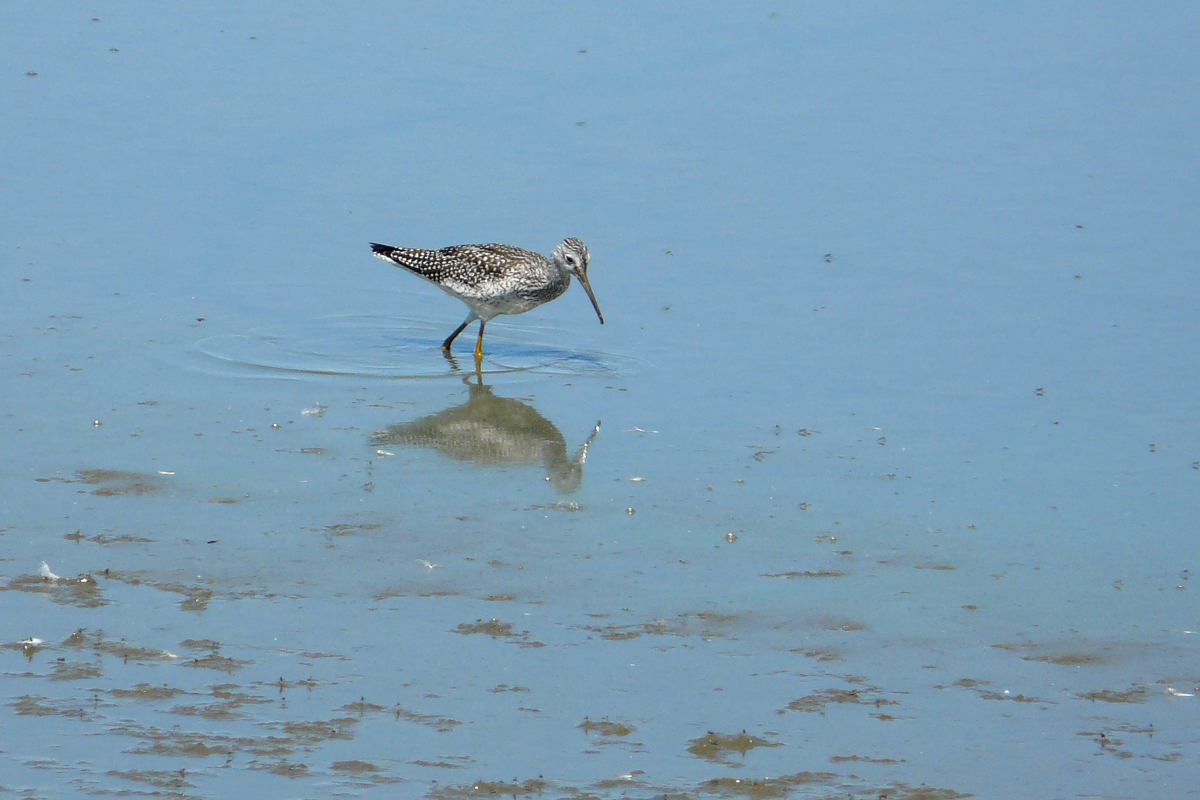
Greater Yellowlegs are common right now, taking advantage of the shallow water in most of the area’s wetlands.

Lunchtime

I don’t think he caught anything on that dive.

Least Sandpiper

another Least

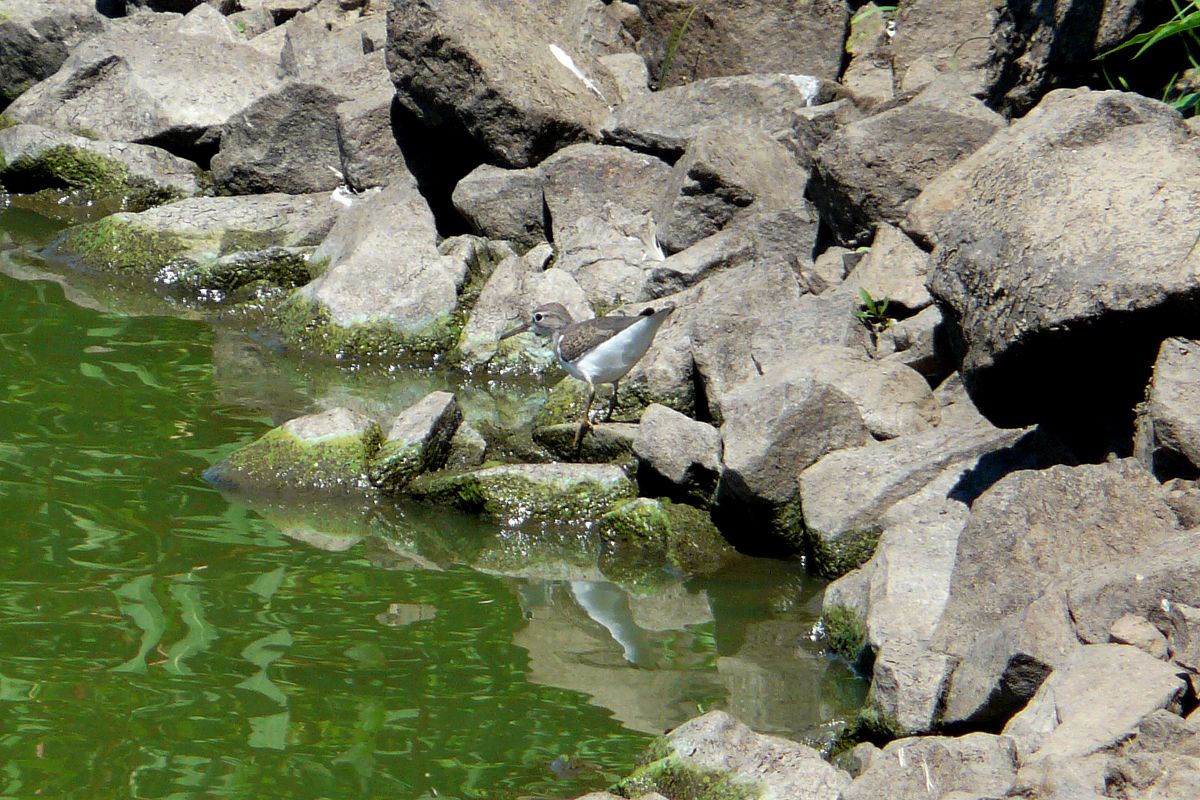
Spotted Sandpipers are often found along the rocky shoreline of Fernhill Lake.

This is a young Spotted Sandpiper, distinguished by the barring on the wing coverts (and the lack of spots).

Cackling Geese, which winter here in the tens of thousands, are a rare sight in summer. The exposed white rumps on these birds are an indication that the birds are molting their primaries, so they have obviously spent the summer here.

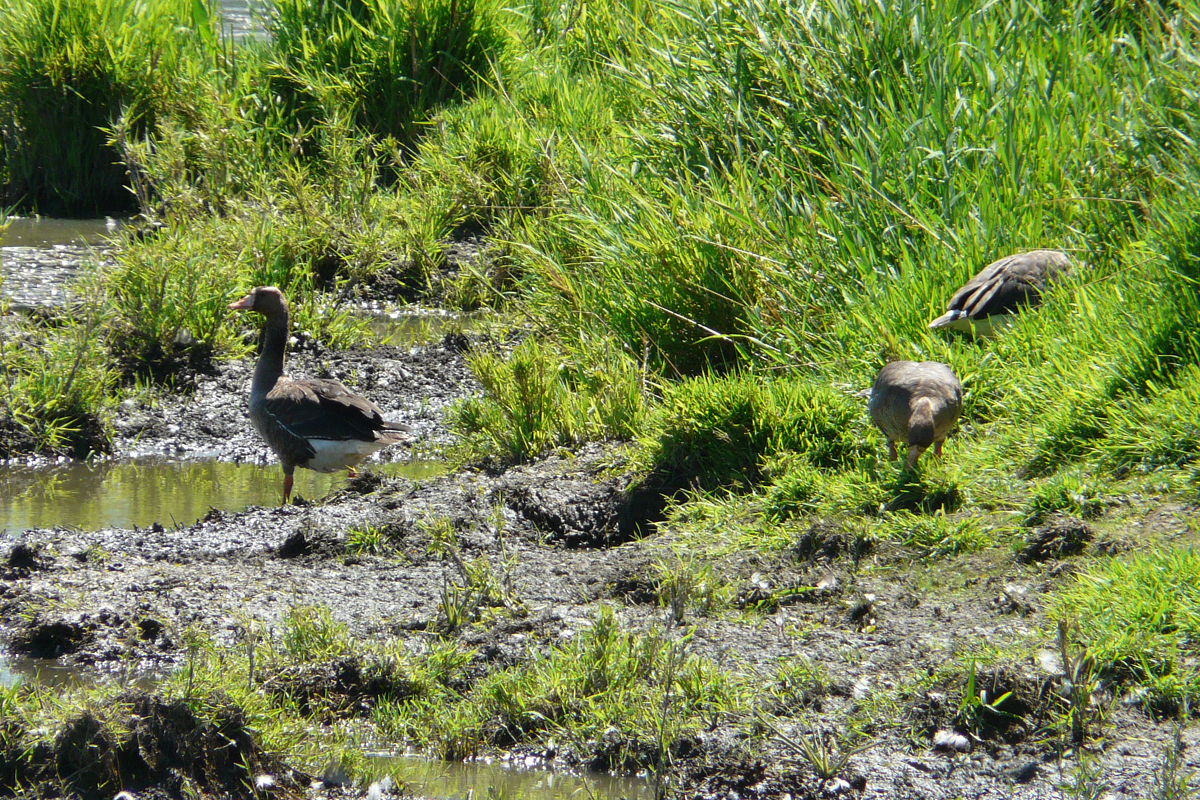
These three Greater White-fronted Geese are also several months too early.

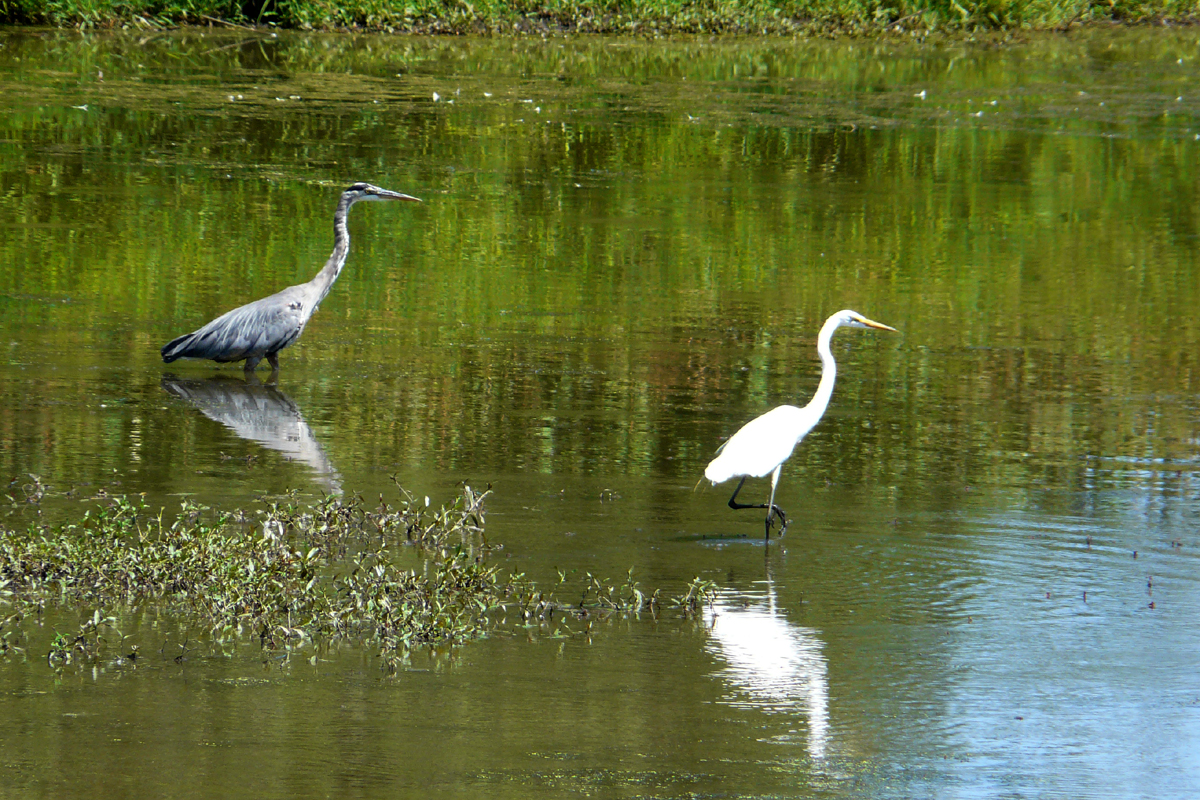
Great Blue Heron and Great Egret

Green Heron

August is the time for baby Bullheads. Several schools were visible in the murky water.

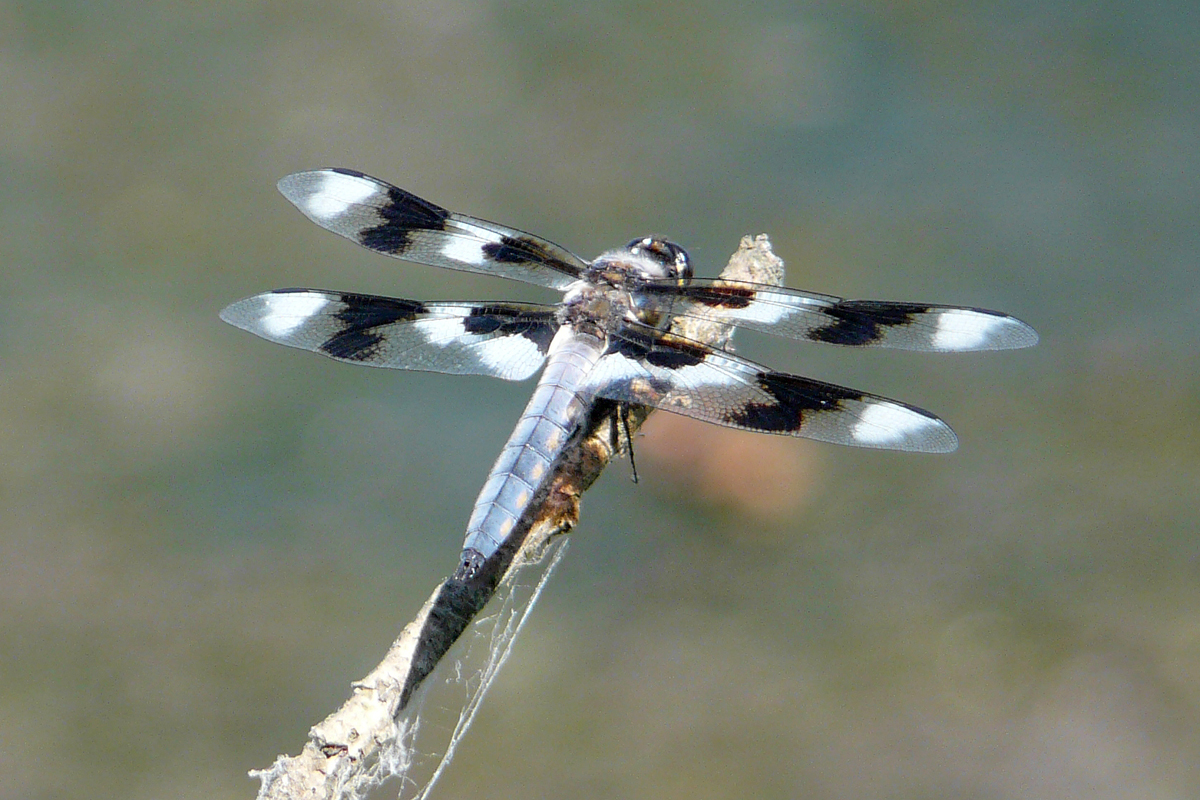
Eight-spotted Skimmer, one of the few dragonflies that I can identify

The North Coast

I made two trips to the northern Oregon Coast for my recent shorebird class. The “autumn” migration is well underway.

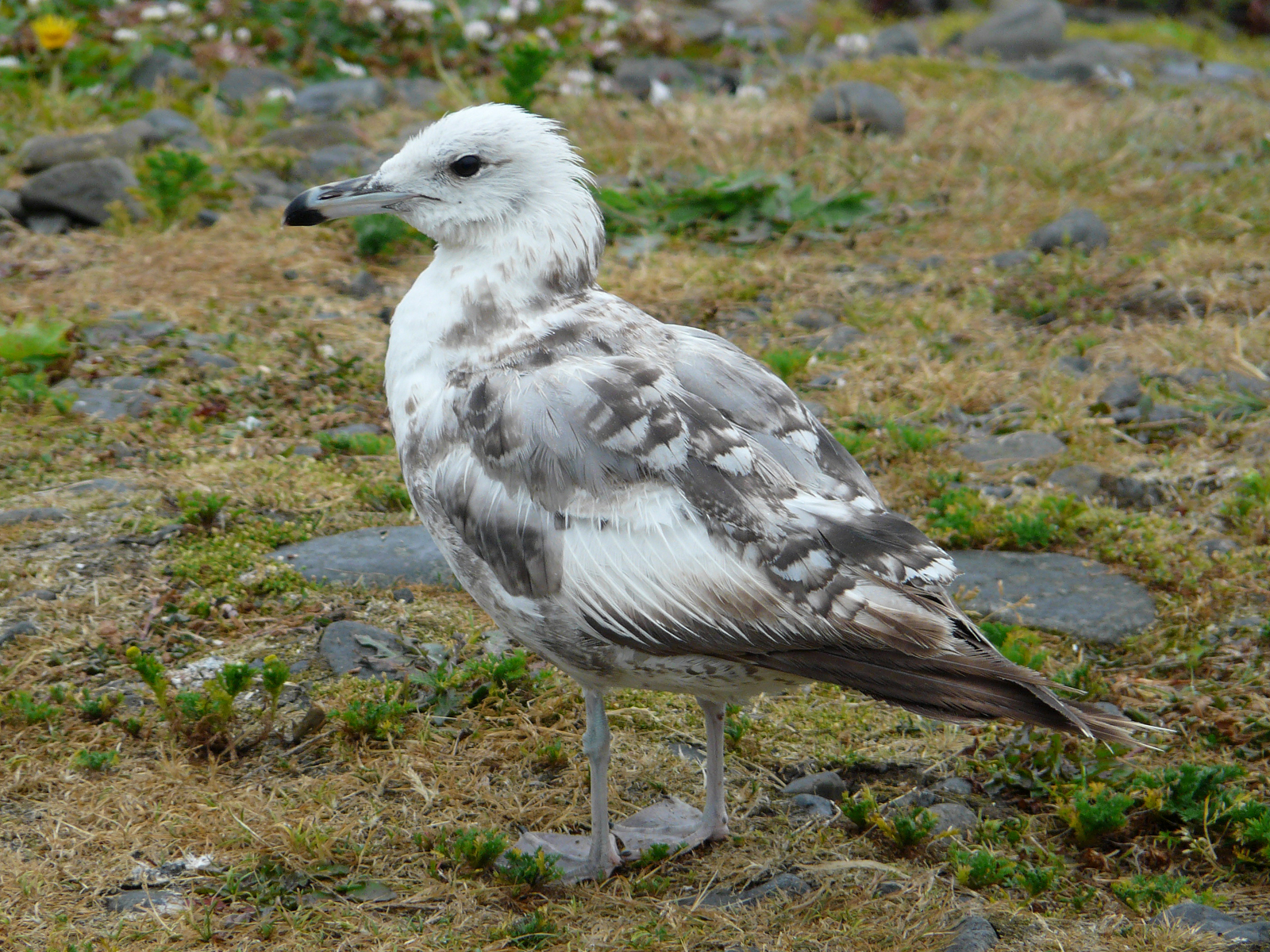
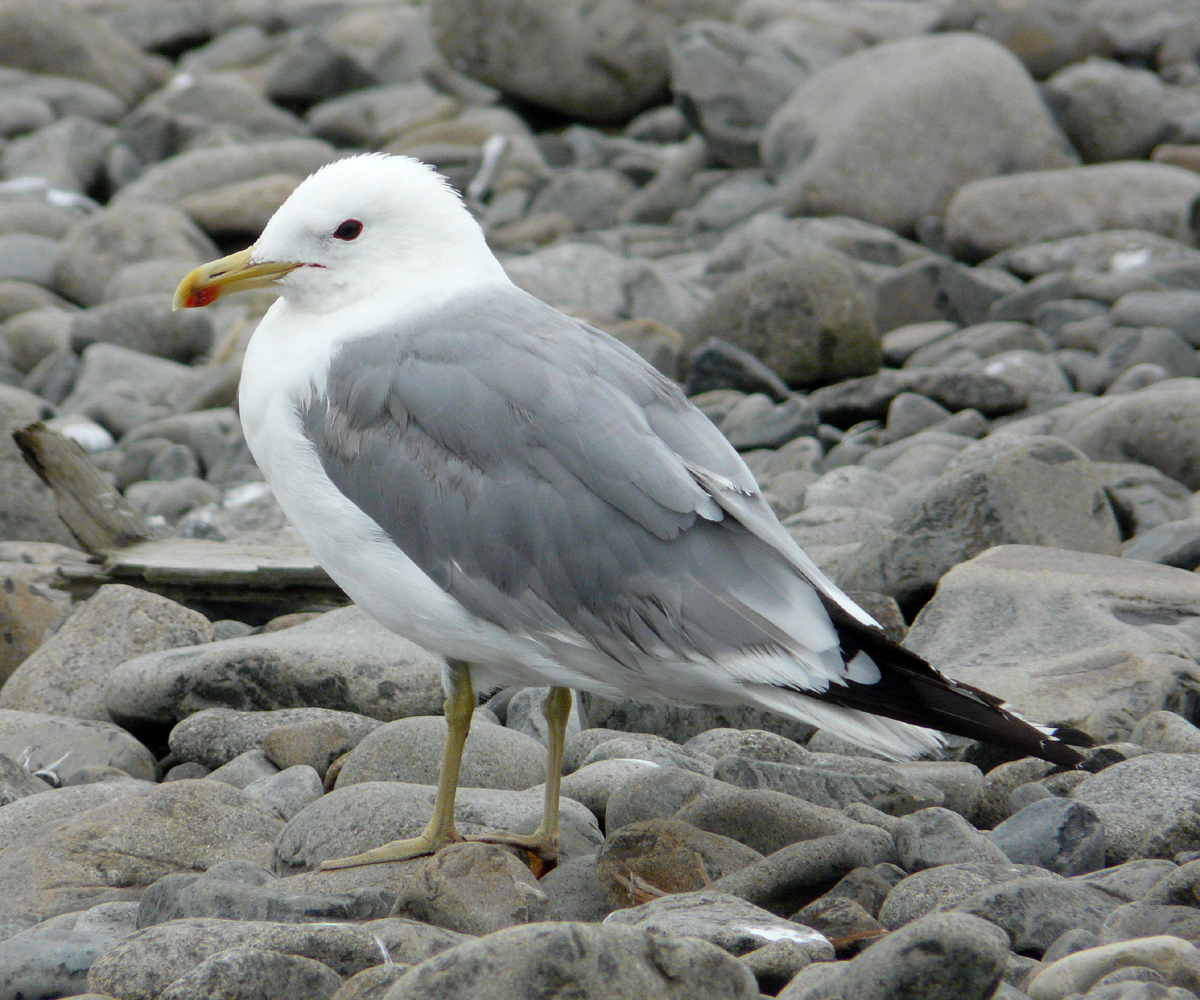
The Seaside Cove has a nice gathering of gulls. This California Gull is undergoing a rather extensive molt, I believe from second cycle to third. The severity of feather loss has actually created some interesting patterns.

This adult California Gull is showing a little wear, but nothing like the previous individual.

The Cove is a favorite hang-out for Heerman’s Gulls.

Young Heerman’s Gulls are a rich chocolate brown. I believe this is a second-cycle bird, given the smattering of gray feathers coming in.

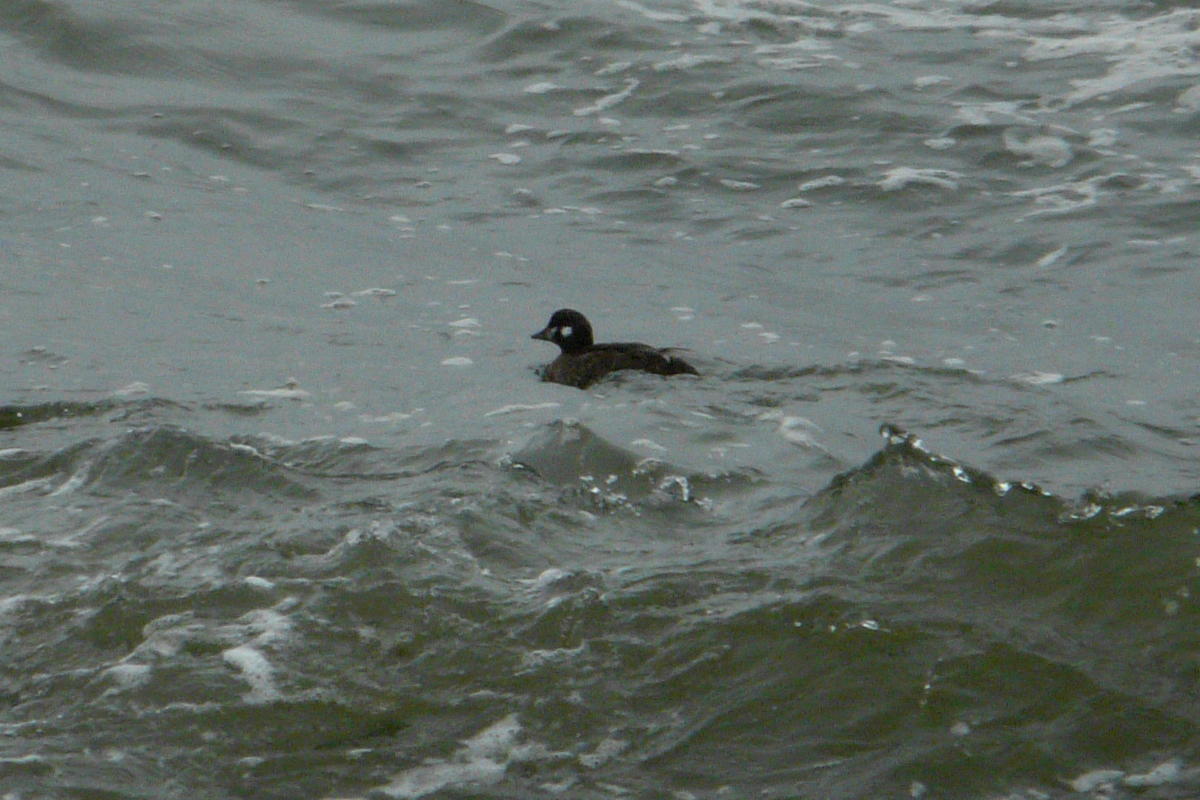
This female Harlequin Duck was near the southern end of The Cove both days.

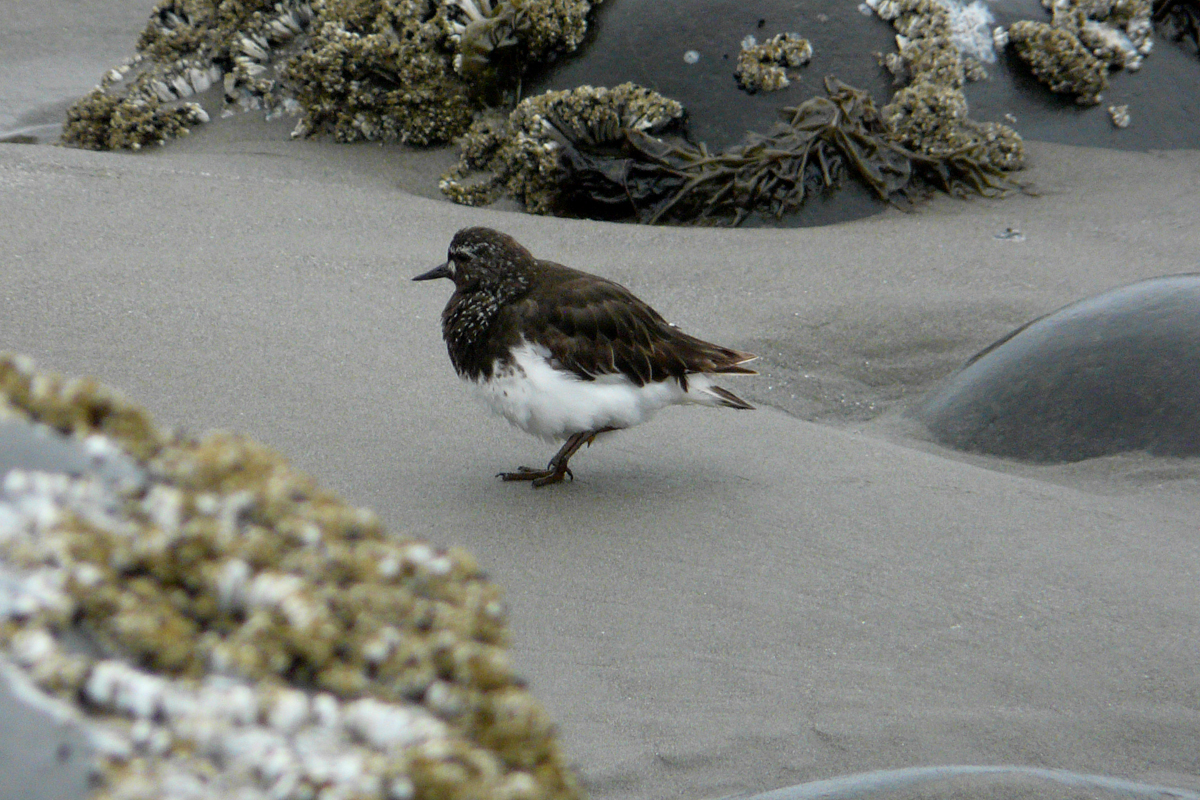
Black Turnstones, which spend the winter here, are back.

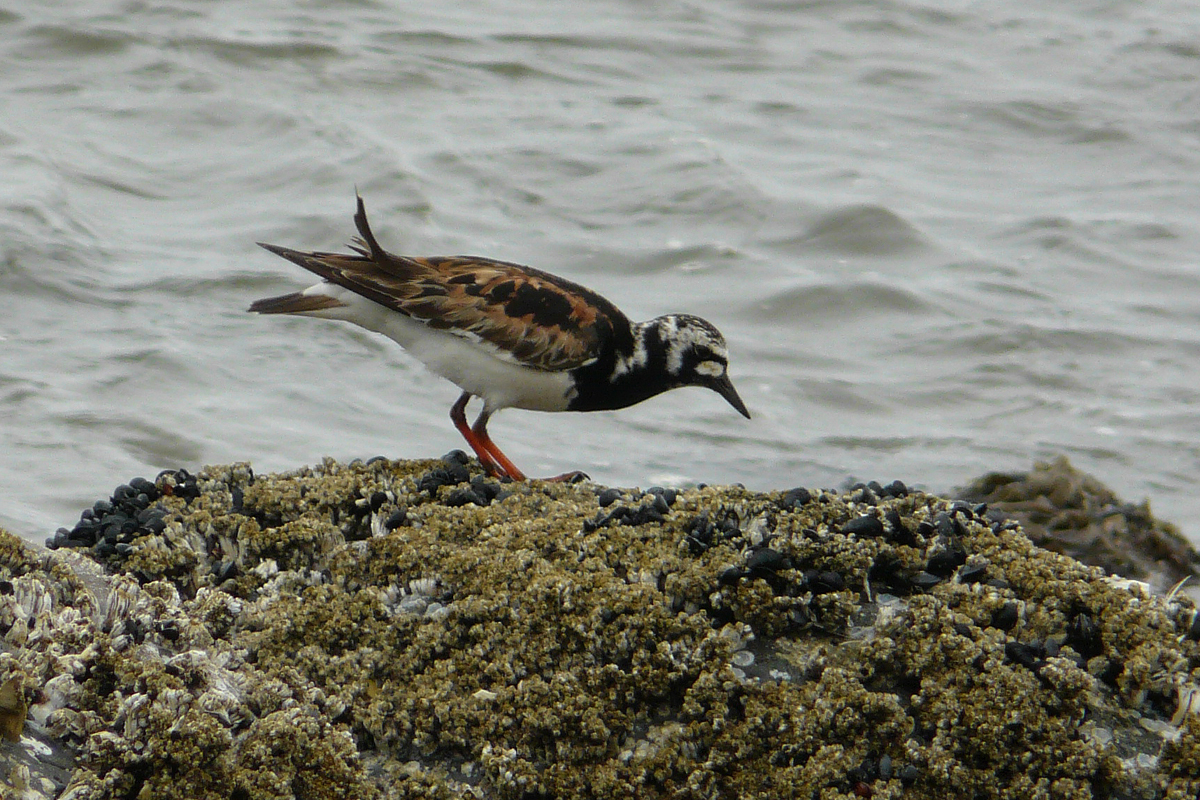
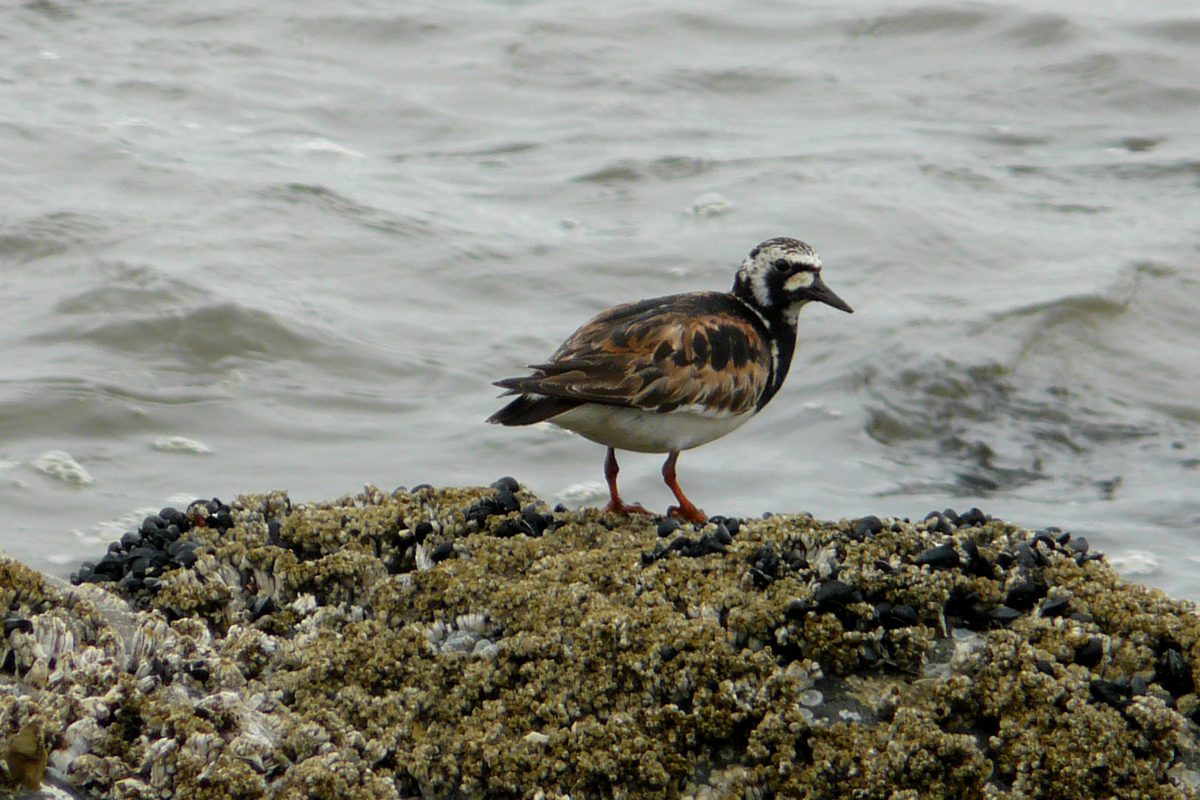
The best bird of the day Thursday was this Ruddy Turnstone, an uncommon migrant along the coast. Unfortunately, he did not stick around for my shorebird class field trip on Saturday.

Caspian Terns, seen here with California Gulls, were common on the beaches. Note the young tern in the center of the photo.

More Caspian Terns with Brown Pelicans and a Western Gull

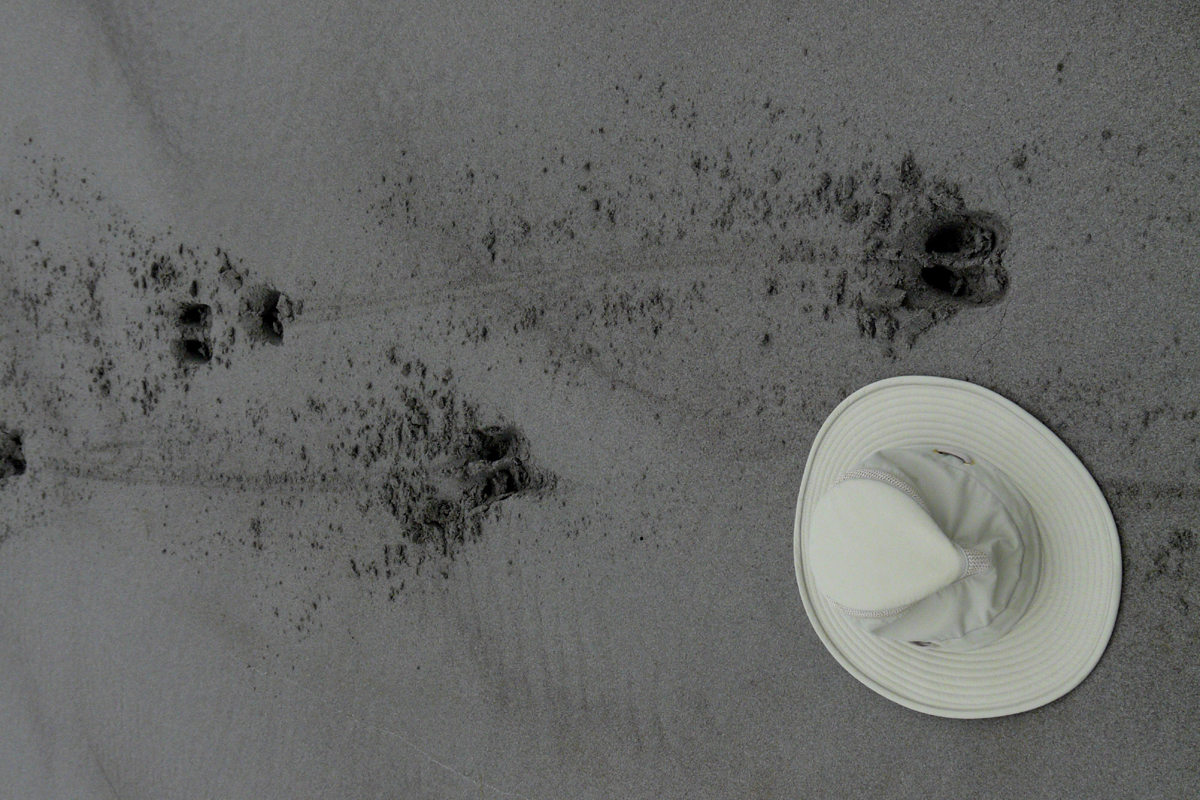
These Elk tracks were on the beach near the south jetty of the Columbia River at Fort Stevens State Park.

At high tide, the Hammond Boat Basin has been hosting large flocks of Marbled Godwits and Whimbrels (and an unidentified dowitcher species in the middle of this image). Similar roosts in Washington attract rare migrants every year. I hope the same is true for the Oregon side of the river.

Sandy River Delta 7/20/12

While late July is normally pretty slow birding in the Willamette Valley, the Sandy River Delta continues to be active. The regular nesting species that are local specialties at this site (Yellow-breasted Chat, Lazuli Bunting, Willow Flycatcher, Eastern Kingbird, etc.) are still easy to find. A very vocal Indigo Bunting has been a rare treat the past week or so, and an even rarer Yellow-billed Cuckoo has been reported. On my recent visit, I enjoyed brief views of the bunting, but the cuckoo has not been relocated.

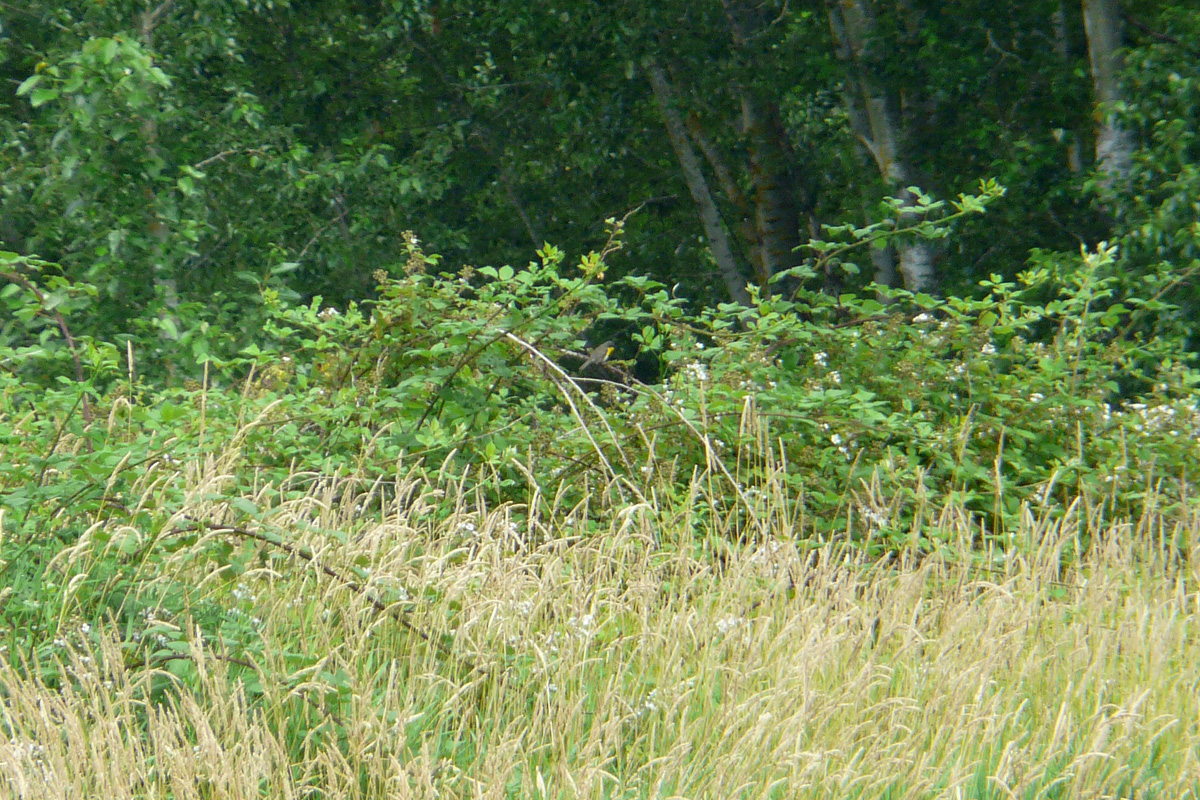
This Yellow-breasted Chat was singing away in the blackberry thickets. He stayed out of sight most of the time, but popped up briefly for a distant photo.

American Goldfinches were common in both the grassy and brushy habitats.

An Eastern Kingbird was using this pipeline marker as a hunting perch in the middle of a large grassy area.

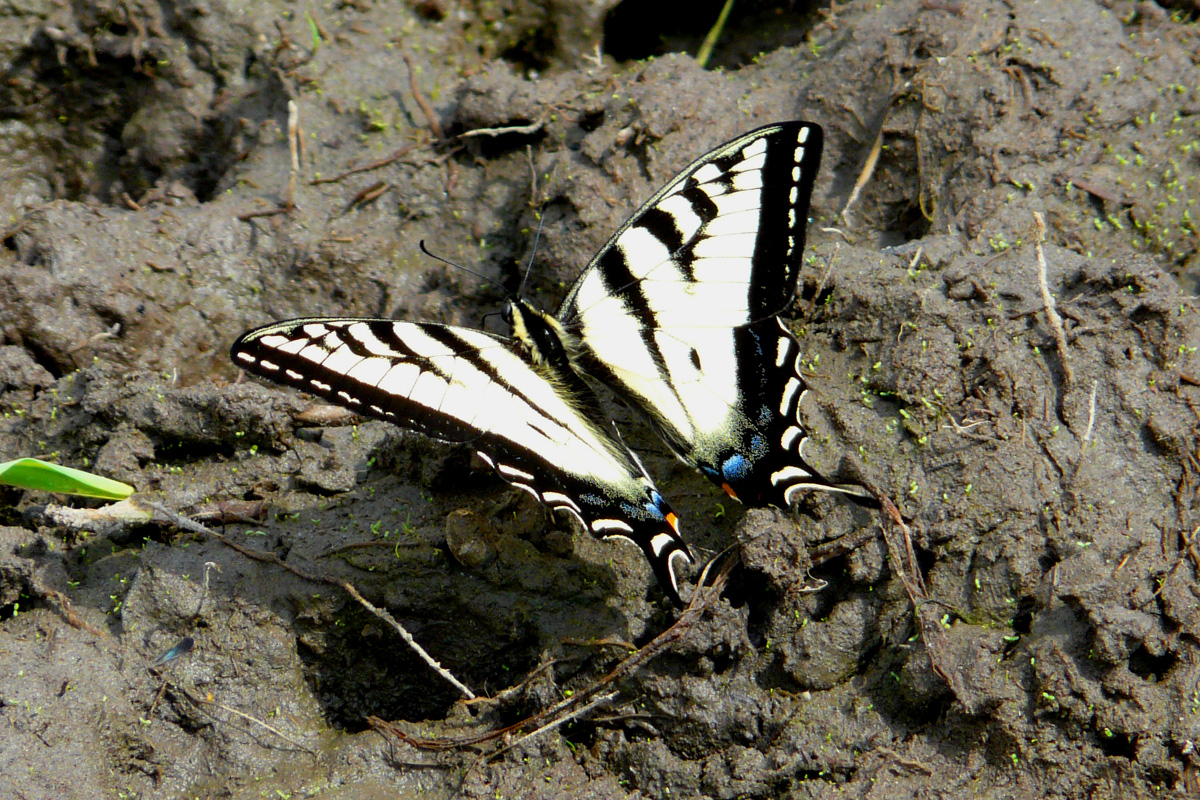
Western Tiger Swallowtail at the mud near the edge of Nala’s favorite swimming pond

Water levels are dropping, so Nala’s pond will soon be too shallow for swimming. But the the Sandy River has dropped enough to be accessible now, and the water in the river is a lot cleaner than the brown pond water.