While we still have a lot of summer to go, the southbound shorebird migration has begun. This adult Least Sandpiper was working the Columbia River shoreline at Broughton Beach.
Most of the birds that migrate early in the season are adults, but I found one juvenile Least Sandpiper mixed in with the flock. Note the brighter colors typical of young birds.
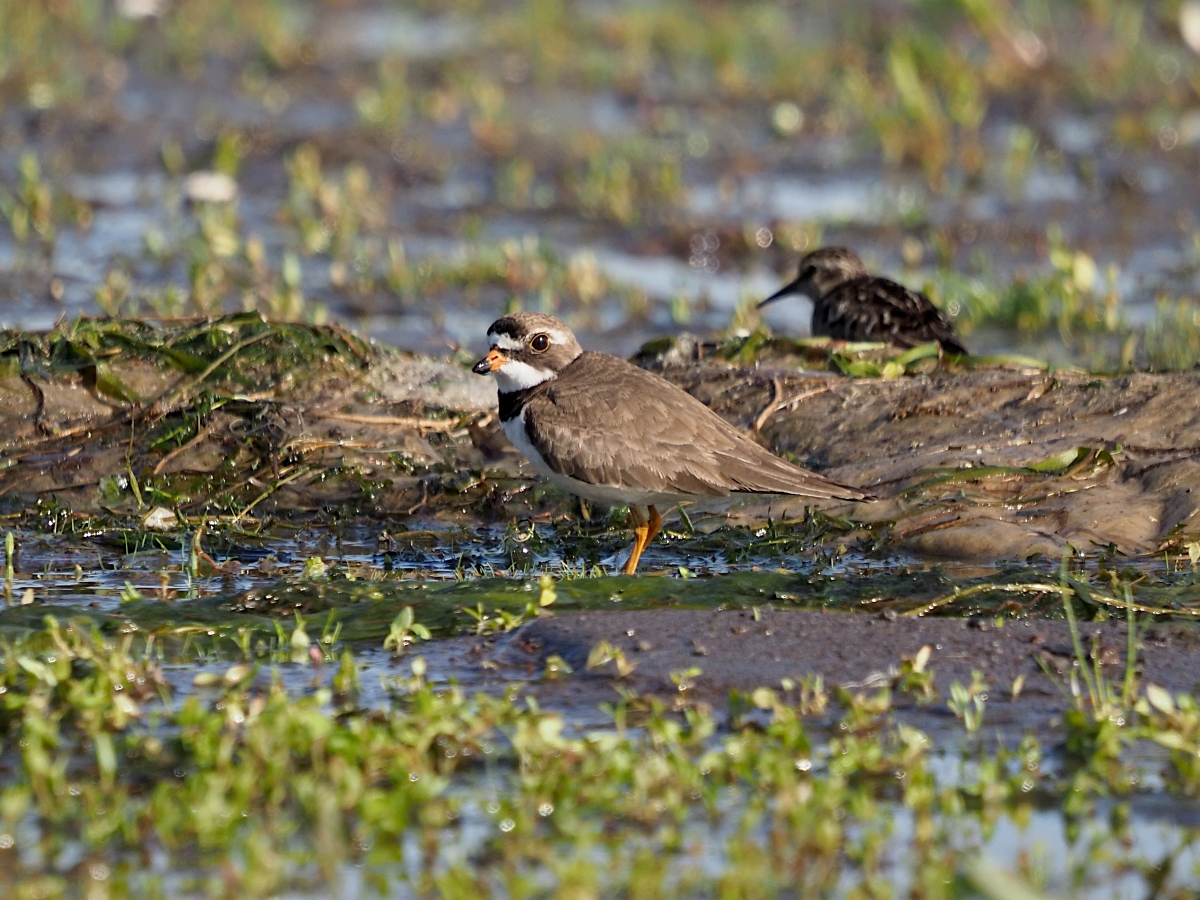
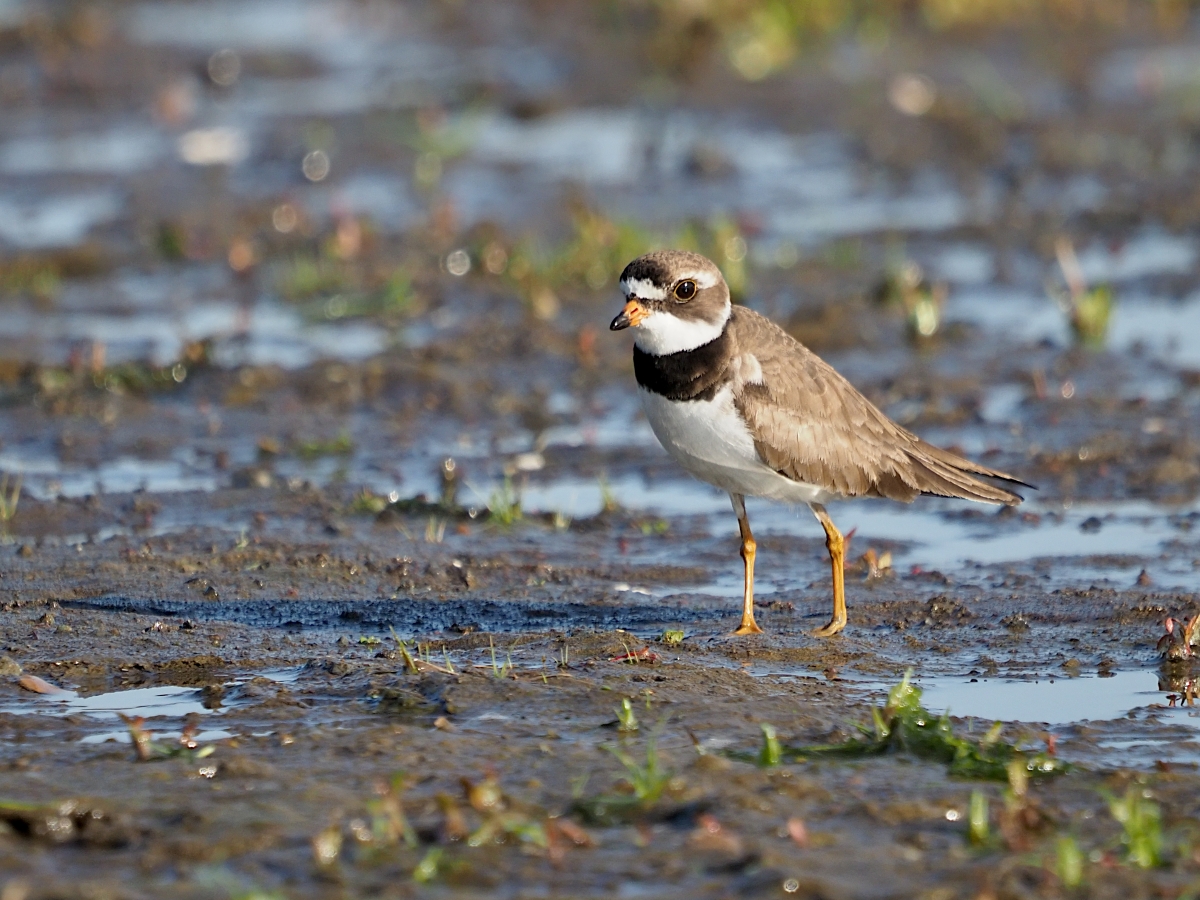
A small flock of Semipalmated Plovers shared the river beach with the Least Sandpipers. It is always a treat to see the Semipalms still in breeding plumage.
So handsome
I don’t really count Killdeer as migrants, since you can usually find some around all year, but they are lovely birds.
Numbers and species diversity should pick up a lot in the next few weeks.
I had the chance to visit Clatsop Spit at Fort Stevens State Park. Parking Lots C and D, the usual access points, are still compromised due to continued work on the south jetty of the Columbia. So the best place to access the beach along the Columbia River is the little road halfway in between the two parking lots. This road takes you to the access locally known as Social Security Beach.
One of the highlights of this trip was seeing many Snowy Plovers. This species just wasn’t found on the northern Oregon coast until a few years ago. It is great to see them making a comeback.
This Snowy Plover is sitting in a tire track from a large pickup that had just gone by. I really dislike that vehicles are allowed on so many beaches. Even if they are not directly squashing wildlife, they certainly disrupt and deface things. Baby Snowy Plovers have been known to get stuck in deep tire tracks.
While not threatened like the Snowy Plover, Black-bellied Plovers are always nice to see.
The Black-bellied Plovers were more wary and harder to approach than the Snowy Plovers.
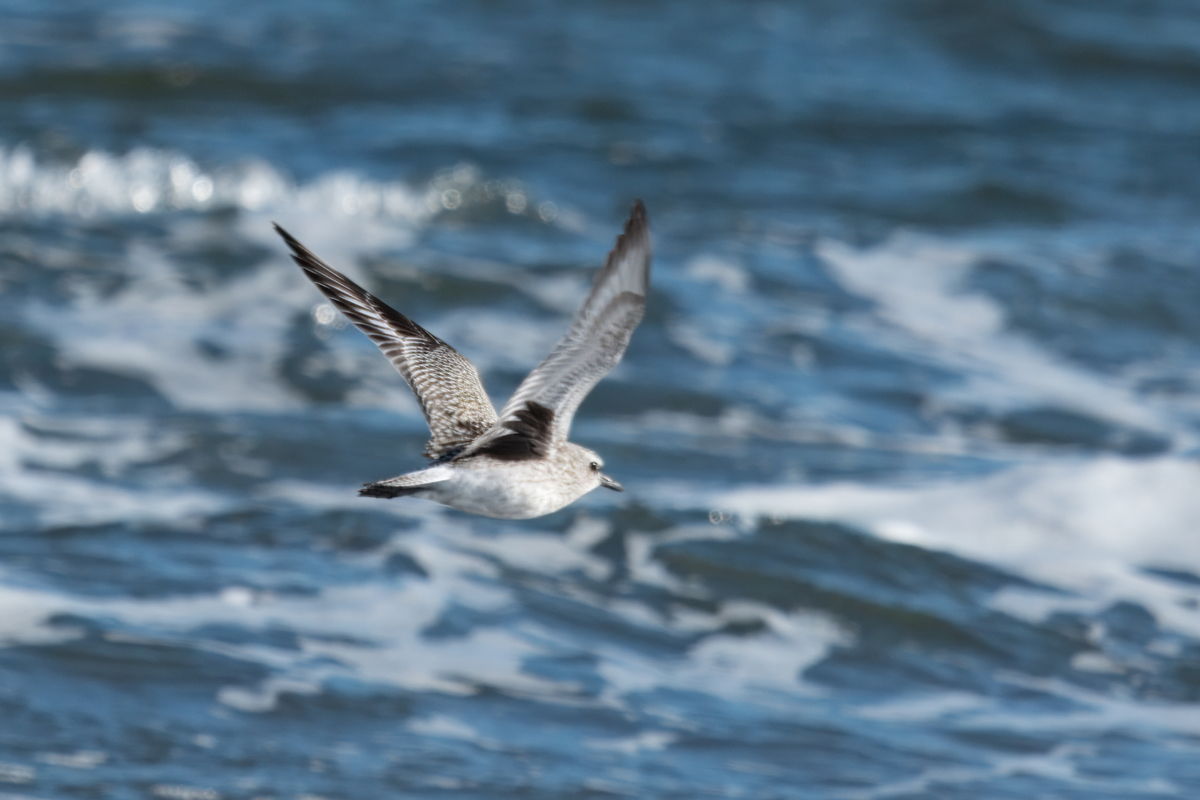
This blurry photo shows the black axillaries (wing pits) of a Black-bellied Plover. This mark makes the species identifiable from a great distance.
The most common shorebird of the day was Dunlin. While they don’t sport their bold markings this time of year, the dull brownish upperparts and bright white underparts are distinctive.
A lone Dunlin following a group of Sanderlings
More Sanderlings
Of course you have to stop and appreciate the gulls this time of year. Here is a dapper pair of Herring Gulls.
Short-billed Gull, until recently called Mew Gull. Some feel that Mew Gull is a better name.
A lone California Gull stands in front of a group of Short-billed Gulls.
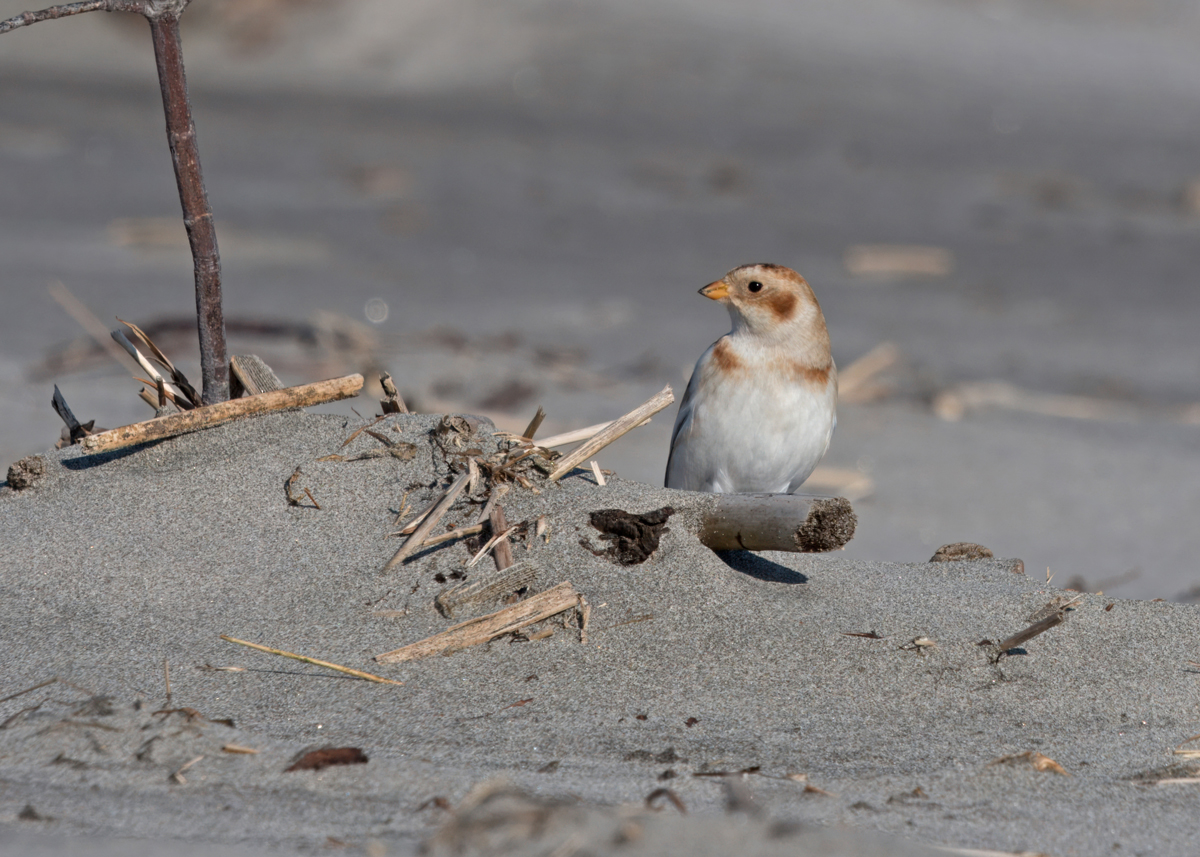
Probably the best bird of the trip was Snow Bunting. It is not unusual to find a few of these birds on the coast in winter, but it is hard to get them to sit still long enough for a photo.
Work on the jetty is scheduled to be completed by the fall of 2025. It will be nice to have easy access to all of Clatsop Spit again.
Trees may get all the credit for creating pretty colors in autumn, but I think the birds do their part.
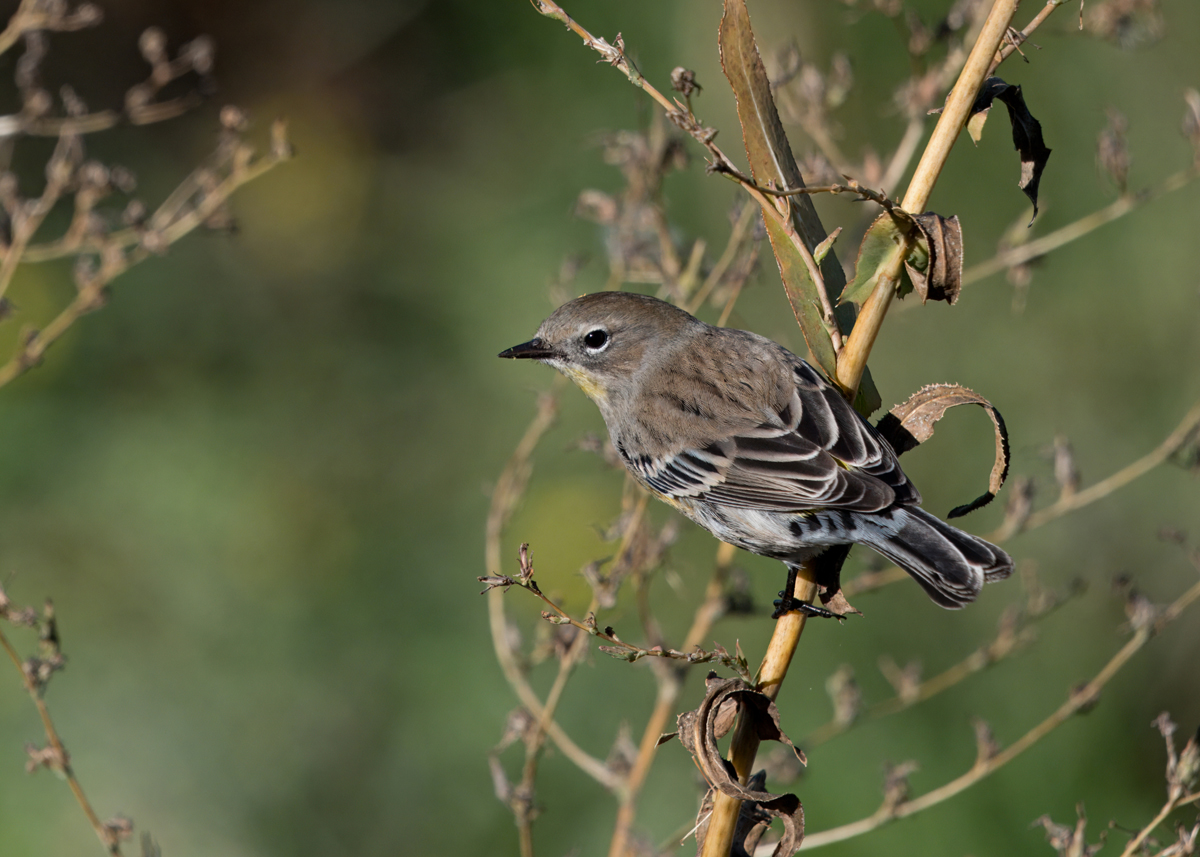
Spotted Towhee flashing his rusty sides and red eyeAmerican Pipit on the rocks along the Columbia RiverIt is seldom that a Lincoln’s Sparrow will pose out in the open.Yellow-rumped Warblers are not nearly as colorful in autumn as they are in spring, but they are still quite striking. This Downy Woodpecker added some bold black and white and a little pop of red to a murky green thicket. American Kestrel is our most colorful raptor. Merlins are not really colorful at all, but they are much harder to find and should be celebrated whenever they appear. The male ducks, like this Northern Pintail, are finally molting out of their drab summer plumage.Common MerganserI got to do very little herping this past spring and summer, thanks to the incessant needs of a certain puppy, so I was delighted to find this Western Skink out and about. The blue tail indicates a young individual.
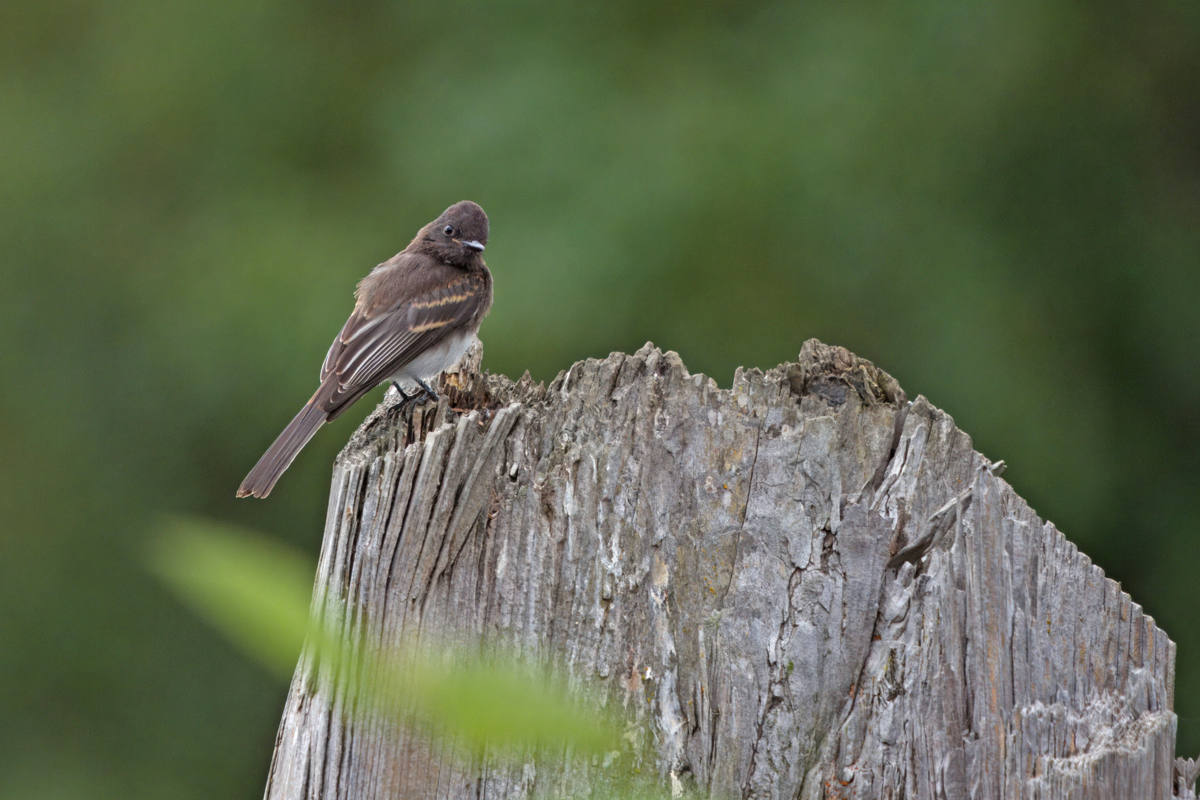
I enjoyed a walk around Fernhill Wetlands recently. We are in that in-between time when the seasons haven’t decided exactly who is in charge, so you never know what or who you will find out and about this time of year. This Black Phoebe still shows the pale gape and buffy wingbars of a juvenile.
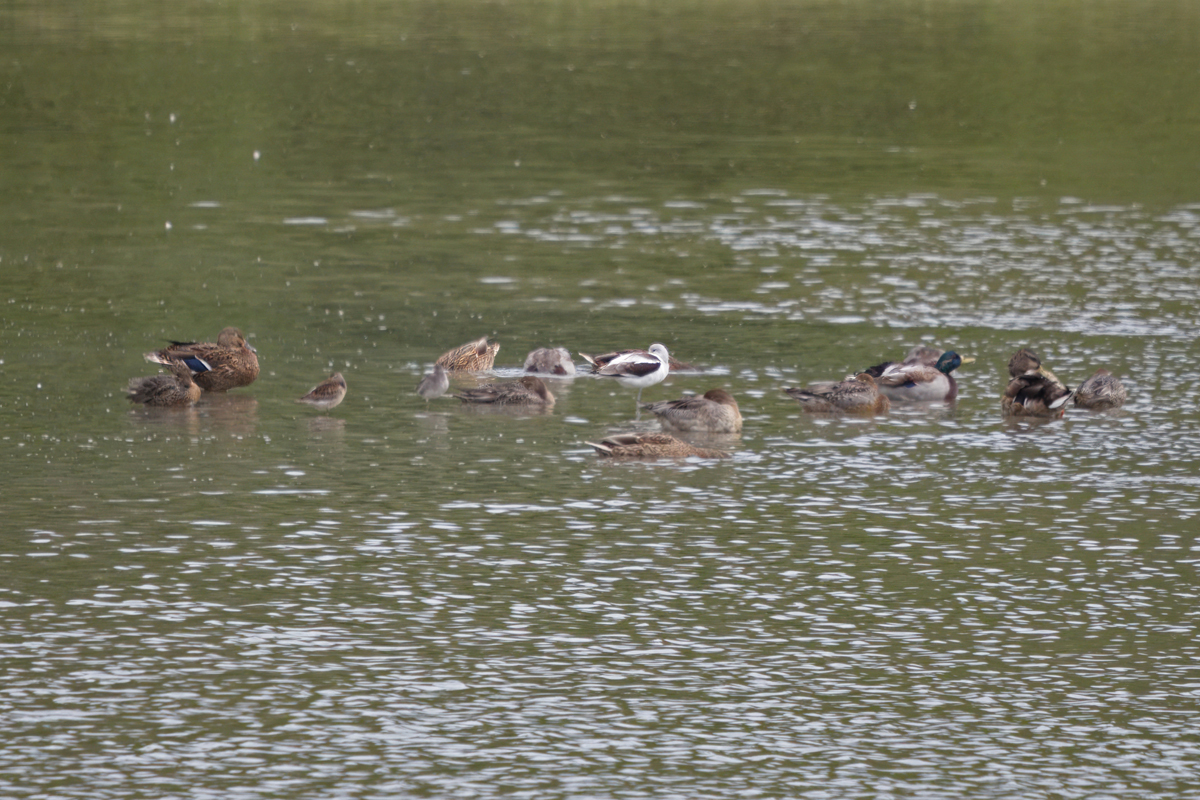
Most of the migrant shorebirds have moved on, but this wayward American Avocet was hanging out with the local waterfowl.
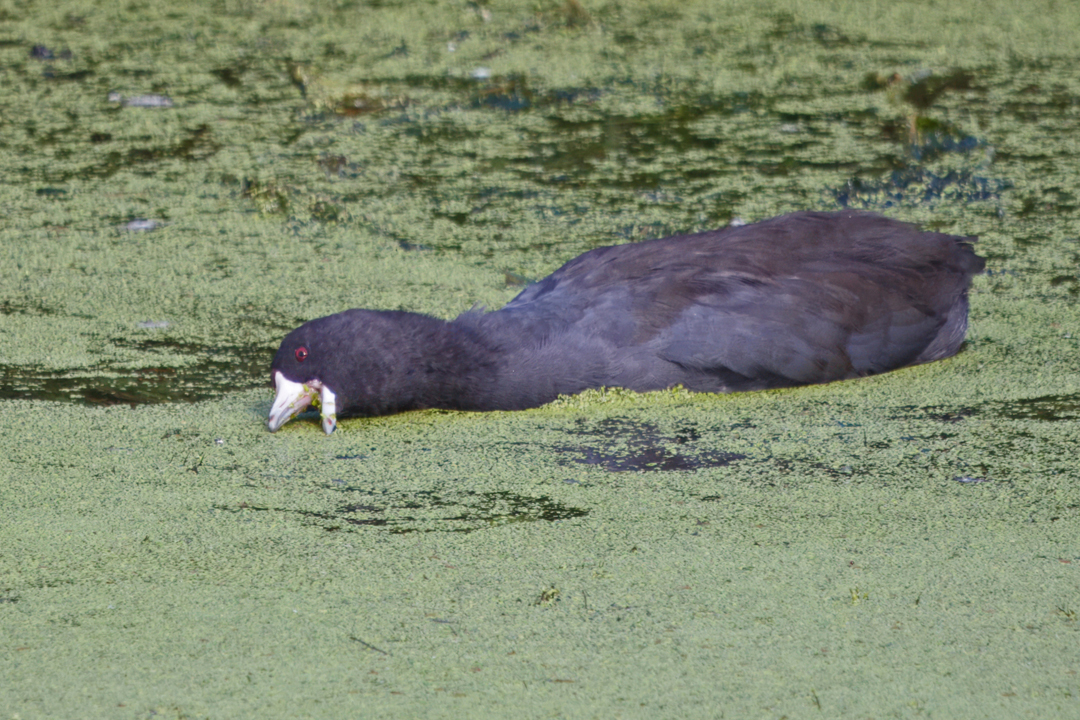
American Coot, enjoying their greens
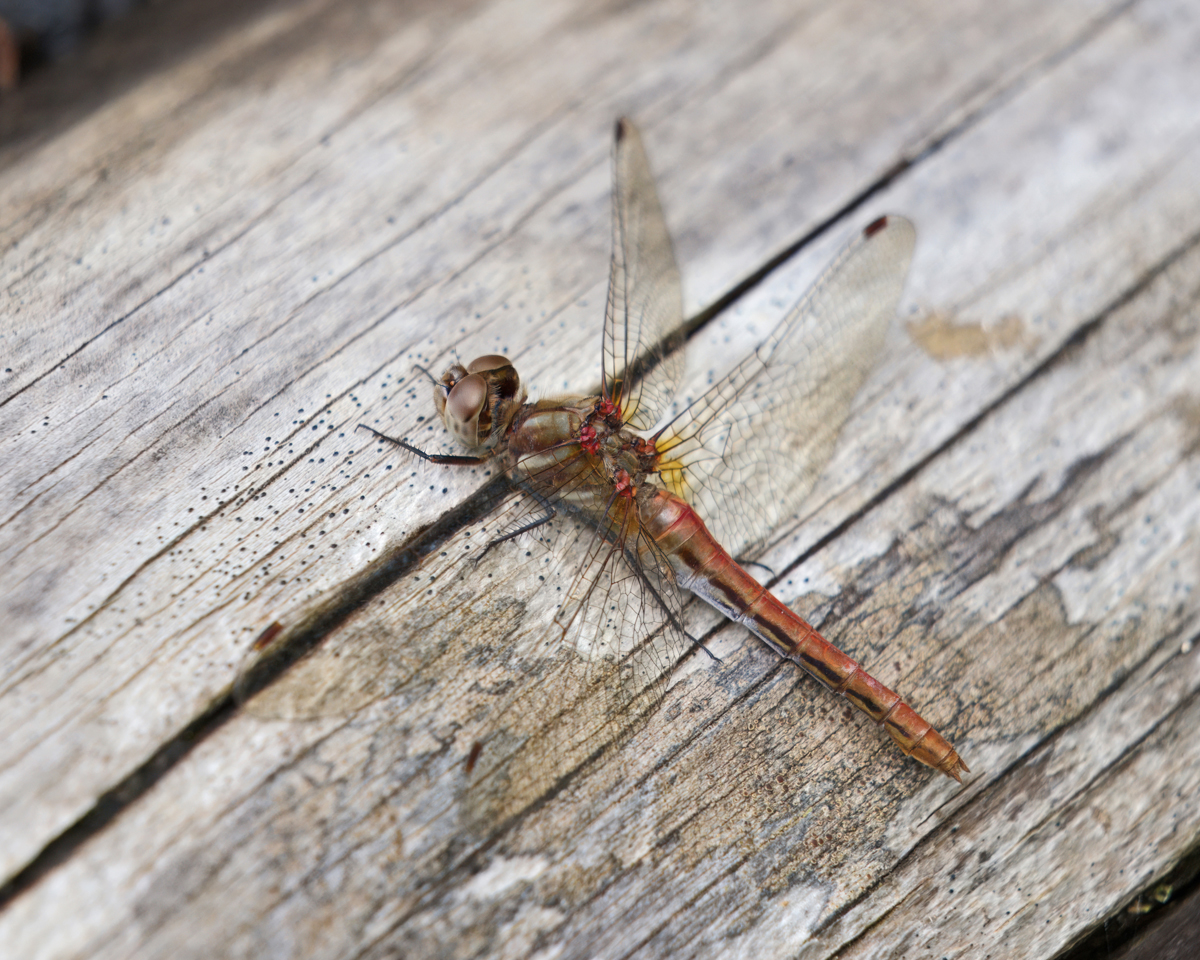
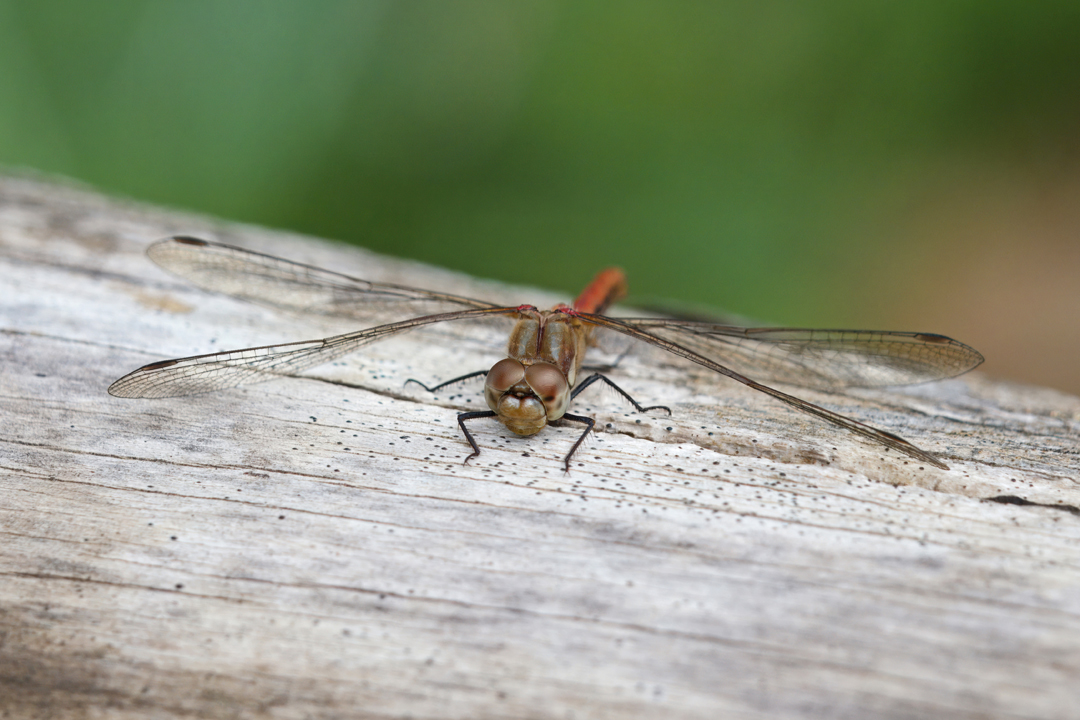
I still haven’t taken the leap into studying dragonflies, but I am noticing them more and more. I believe this is a female Cardinal Meadowhawk, but please correct me if I am wrong.
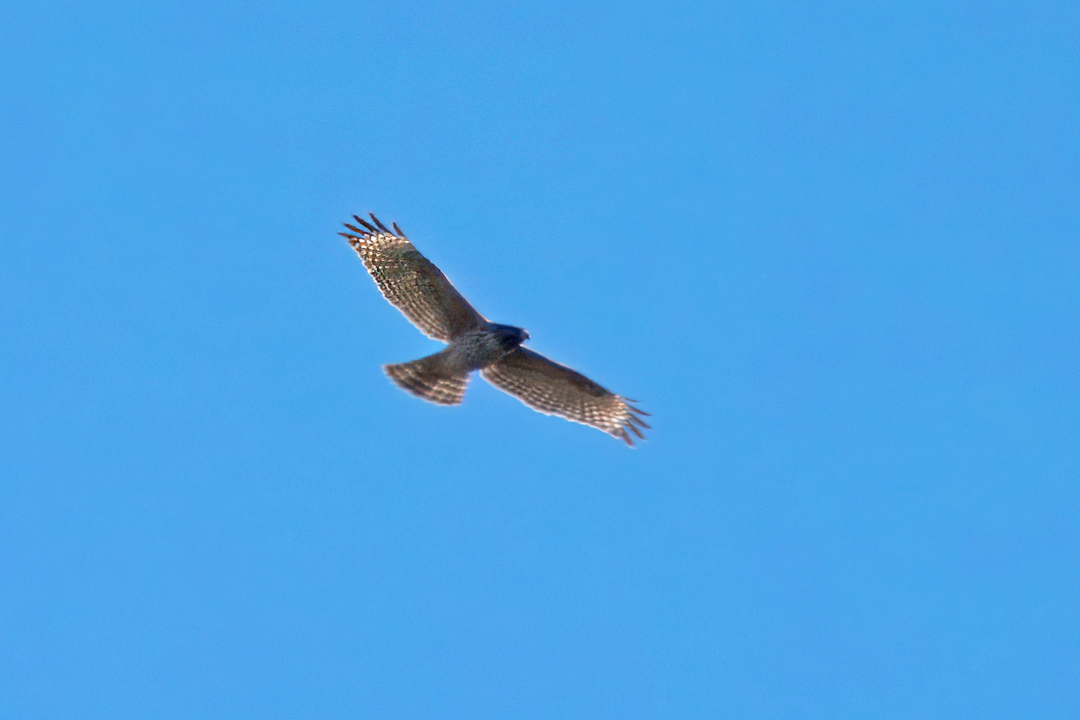
Southbound raptor migration is pretty hit and miss in the Portland area. You have to be out at the right time when a flock is passing over. I missed the big flights this year, but did get to see a little flock that included a couple of Red-shouldered Hawks.
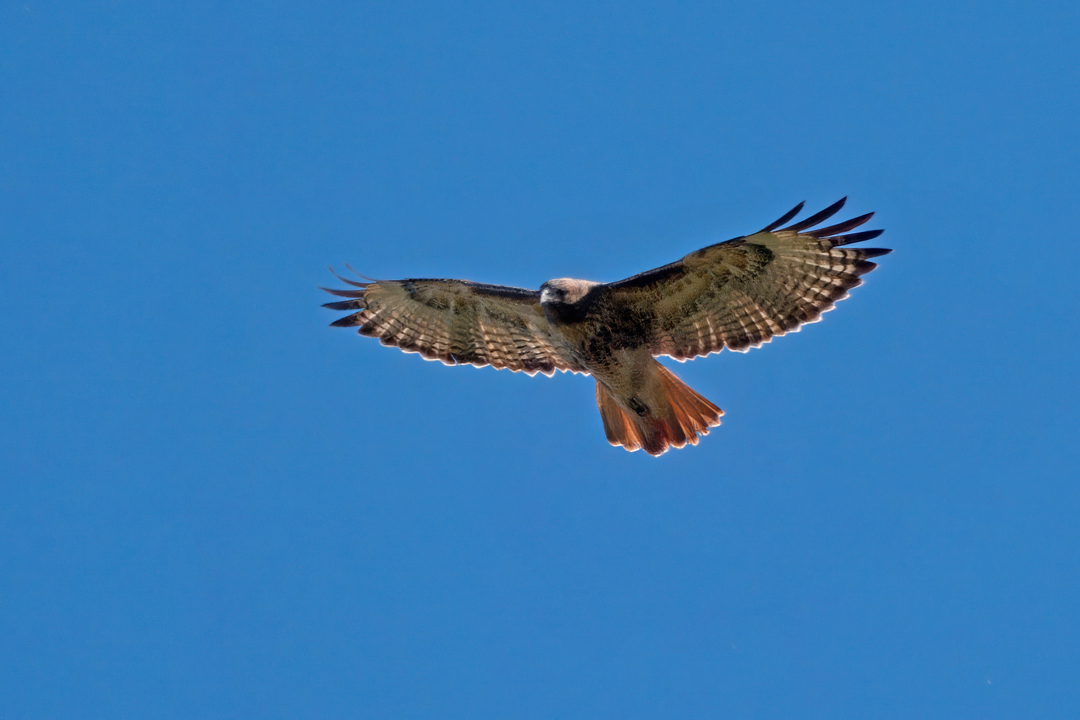
I don’t know if this Red-tailed Hawk is a migrant or a resident.
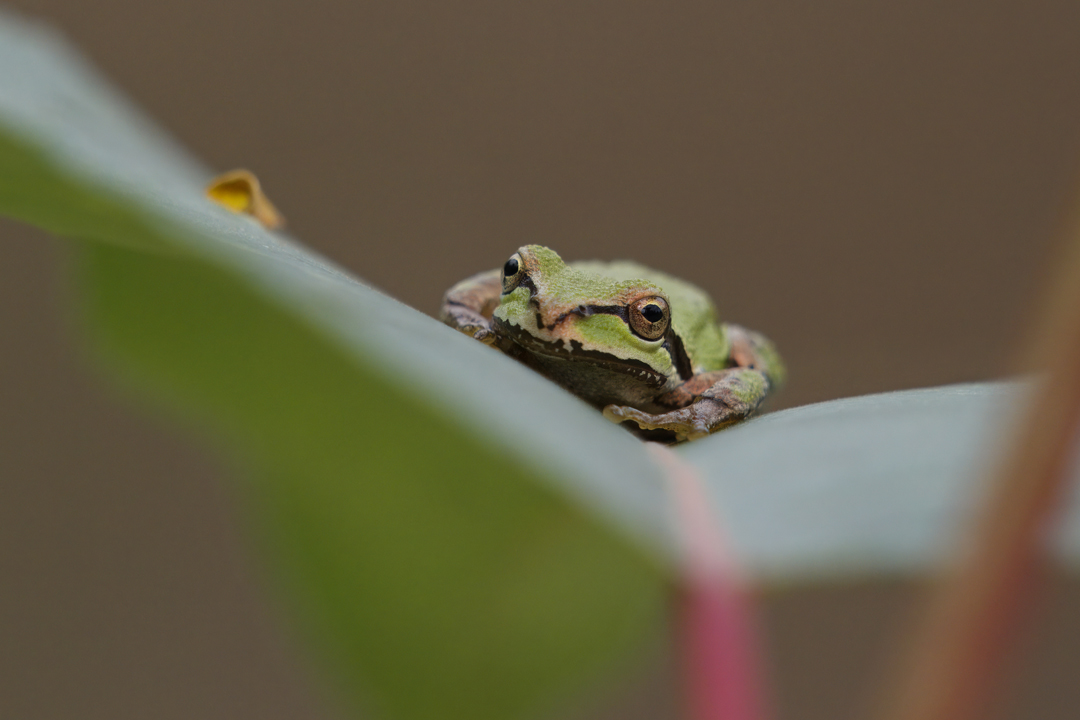
Now that the rains have begun, the Pacific Treefrogs have become more vocal and more visible. This youngster was sitting in the middle of a leaf on a cottonwood sapling. I missed most of the spring herp activity this year due to the demands of a certain puppy, so it has been great to see a few herps this fall.
The equinox has passed and the rains have begun, so we are officially in autumn.
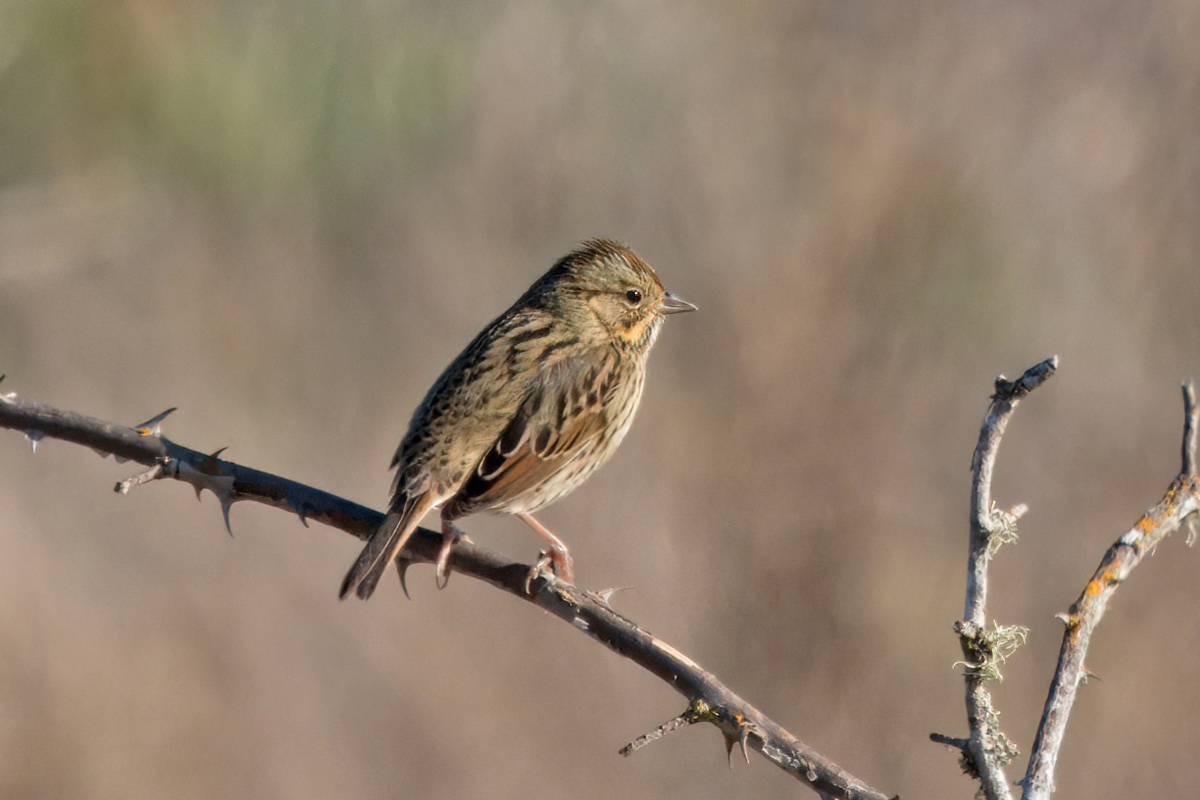
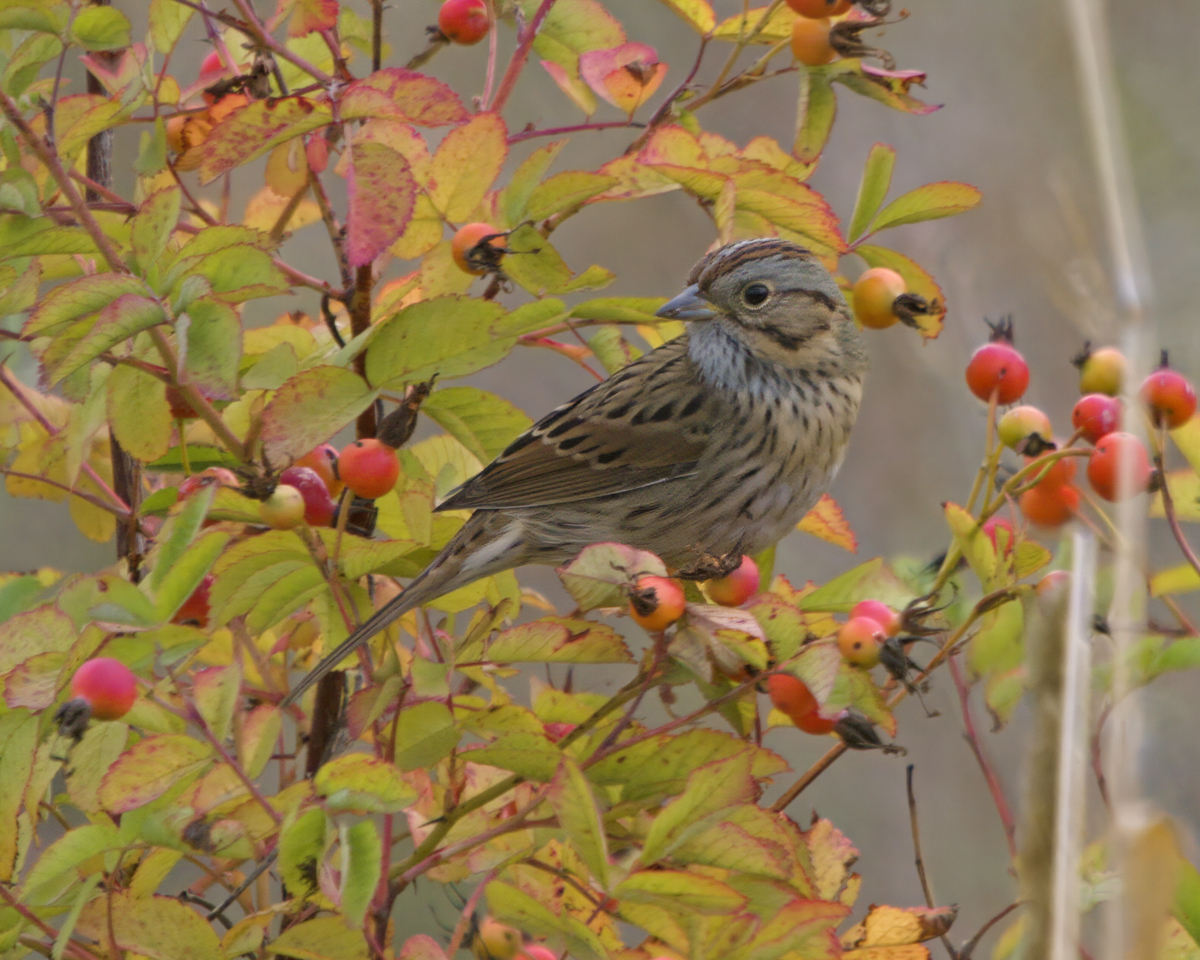
The winter sparrows have returned. This Lincoln’s Sparrow was posing with rose hips.
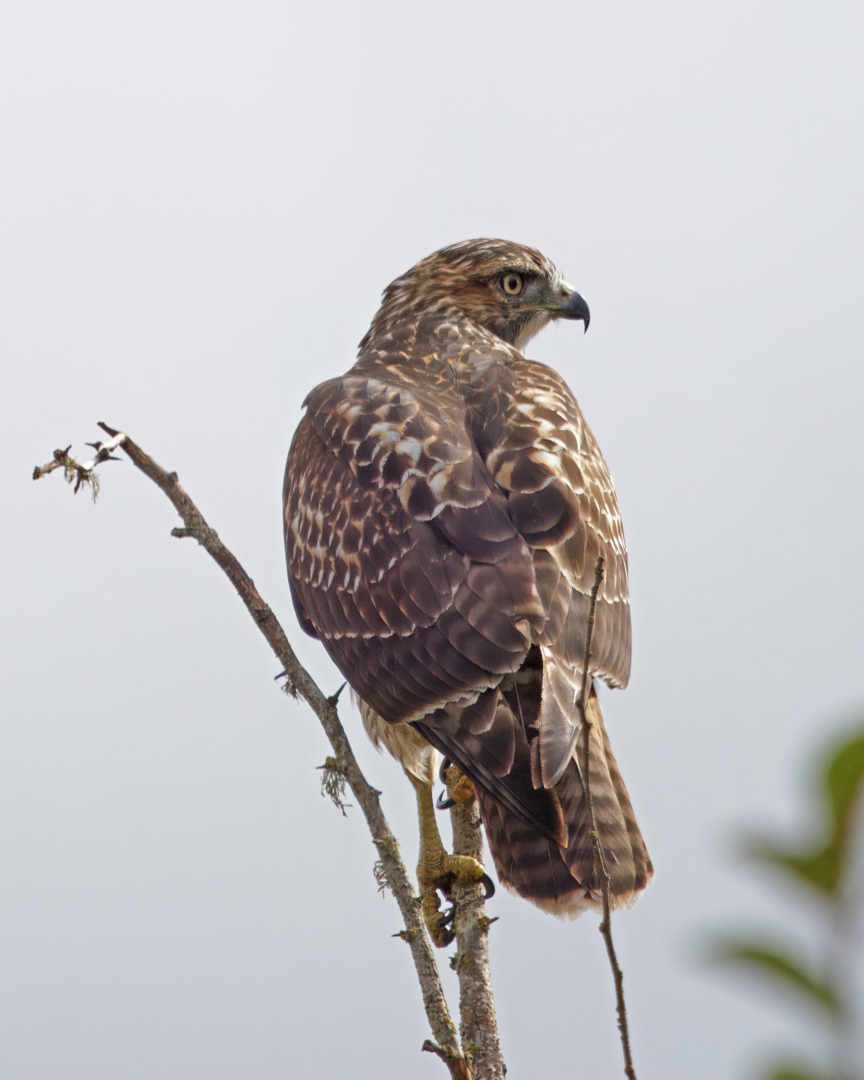
juvenile Red-tailed Hawk
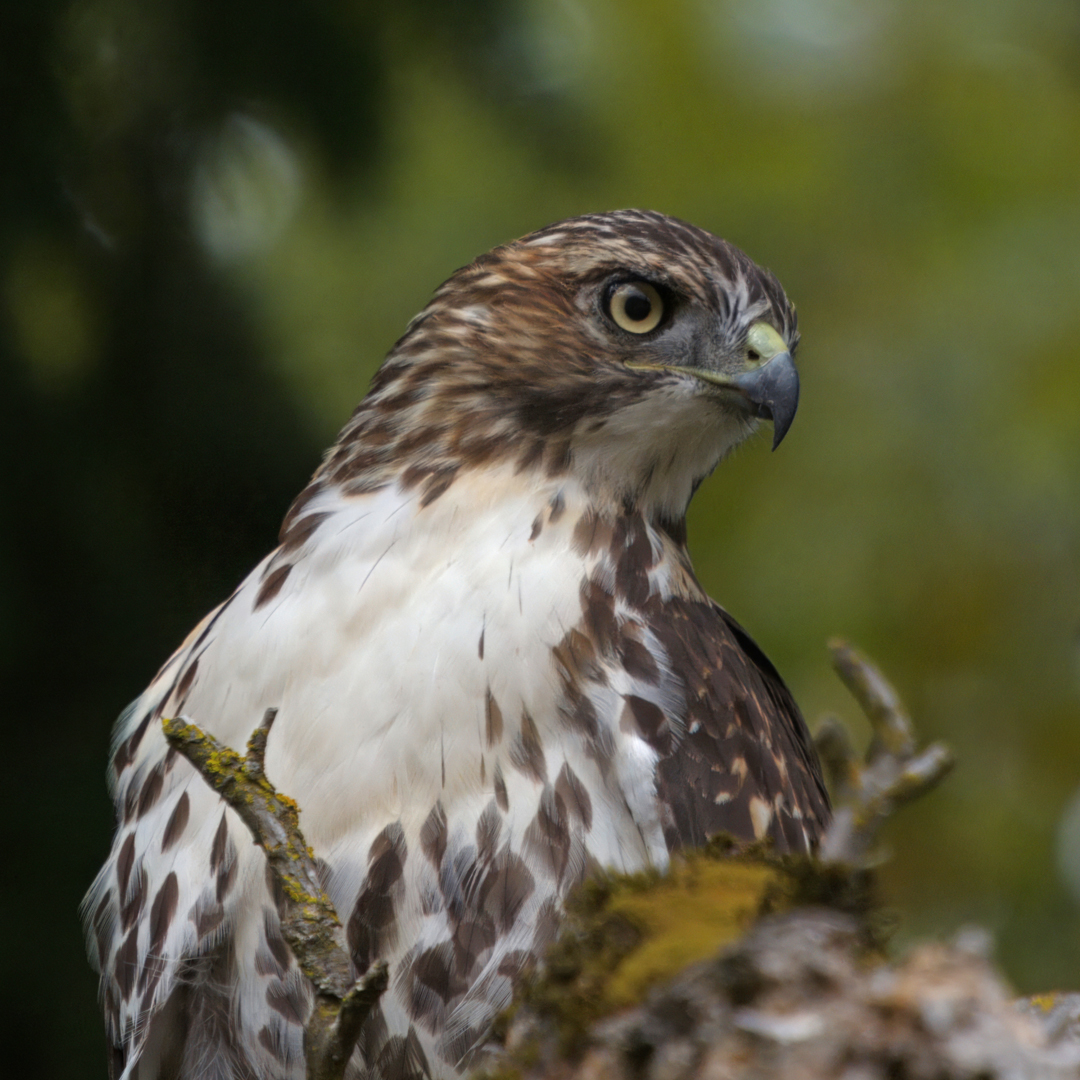
Here is another view of the same individual.
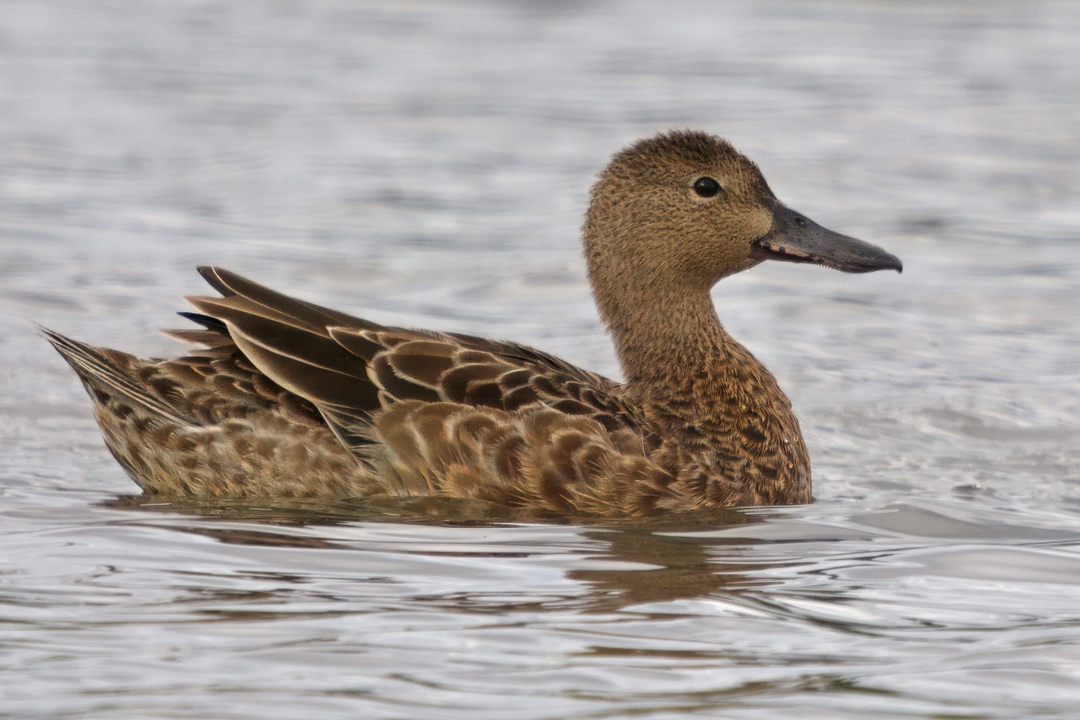
We are still in what I call Ugly Duck Season, when most birds are still in their dull summer patterns. I have heard it referred to as Brown Duck Season, which sounds a little more respectful. This brown duck is a Cinnamon Teal.
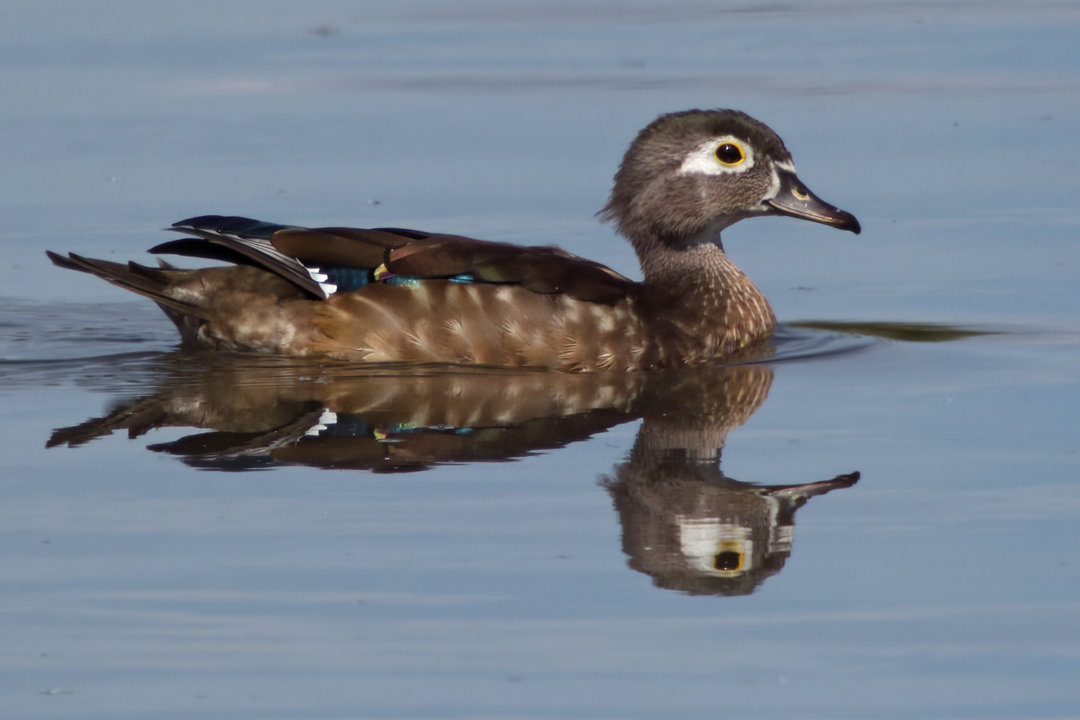
This female Wood Duck is slightly more fancy.
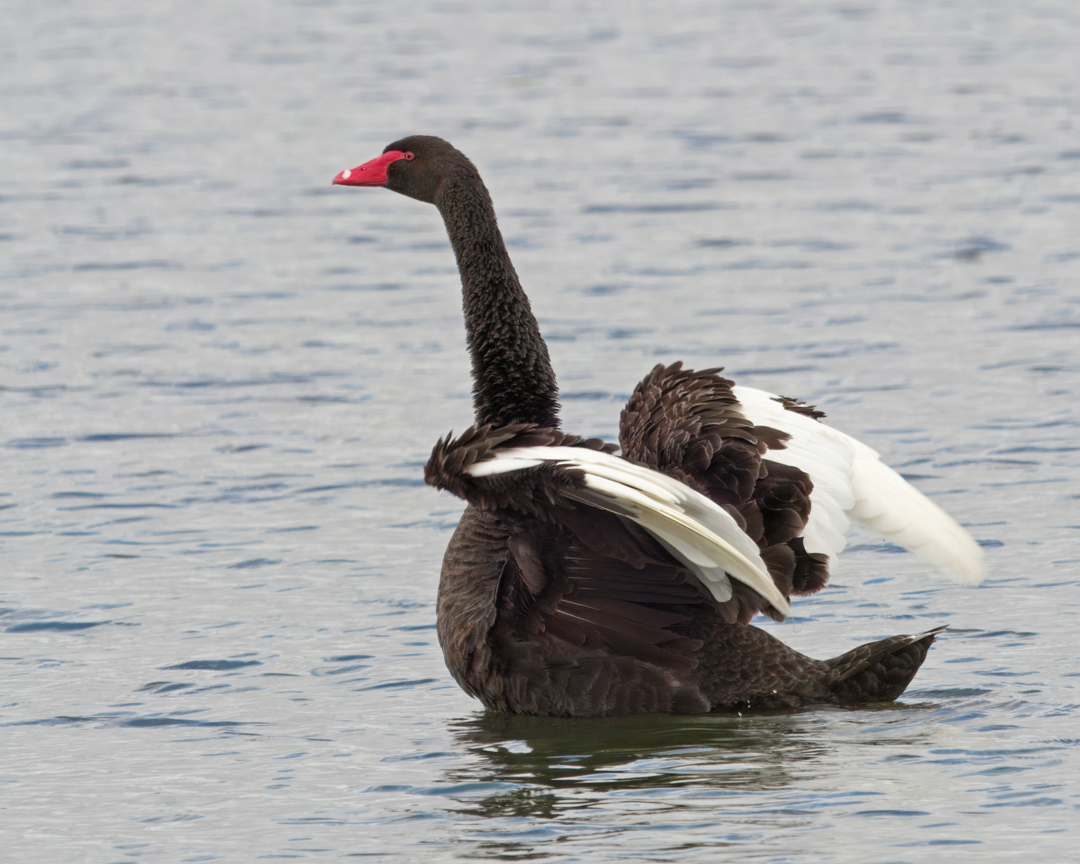
Speaking of fancy, this Black Swan escaped from captivity and is living the high life at Tualatin River NWR.
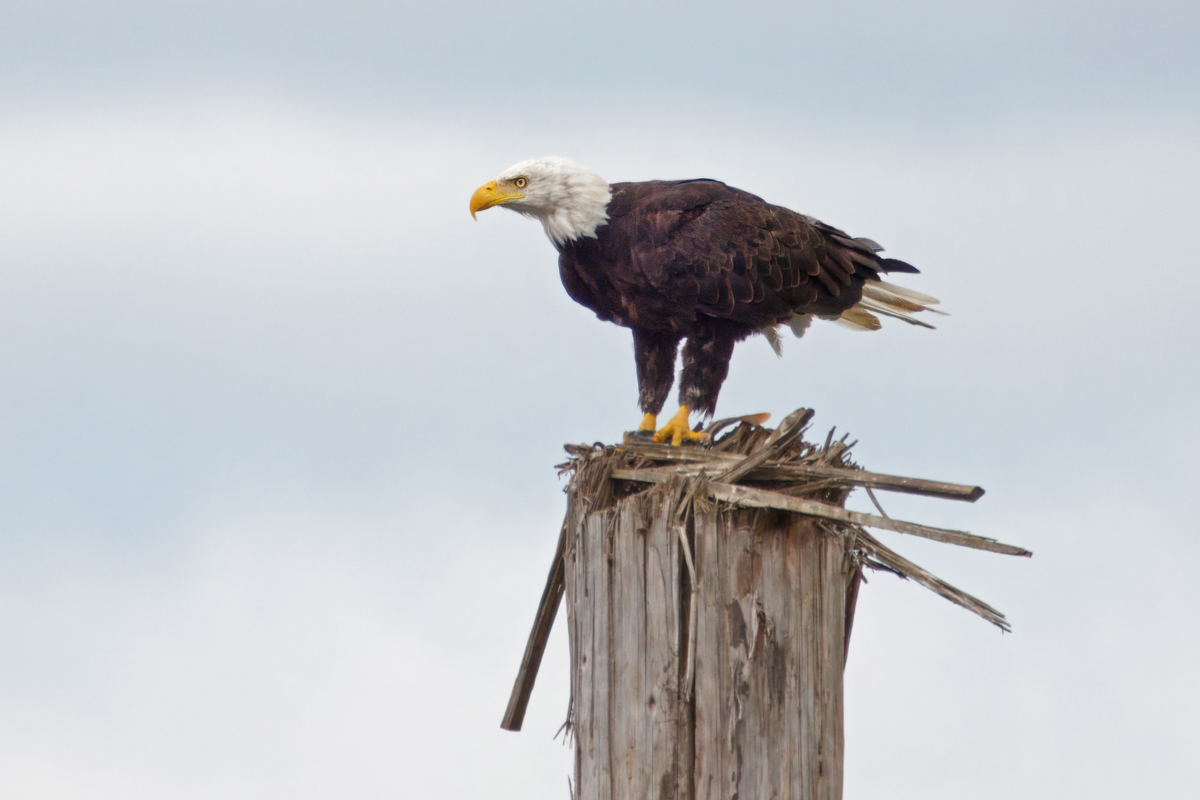
Bald Eagle with a fish
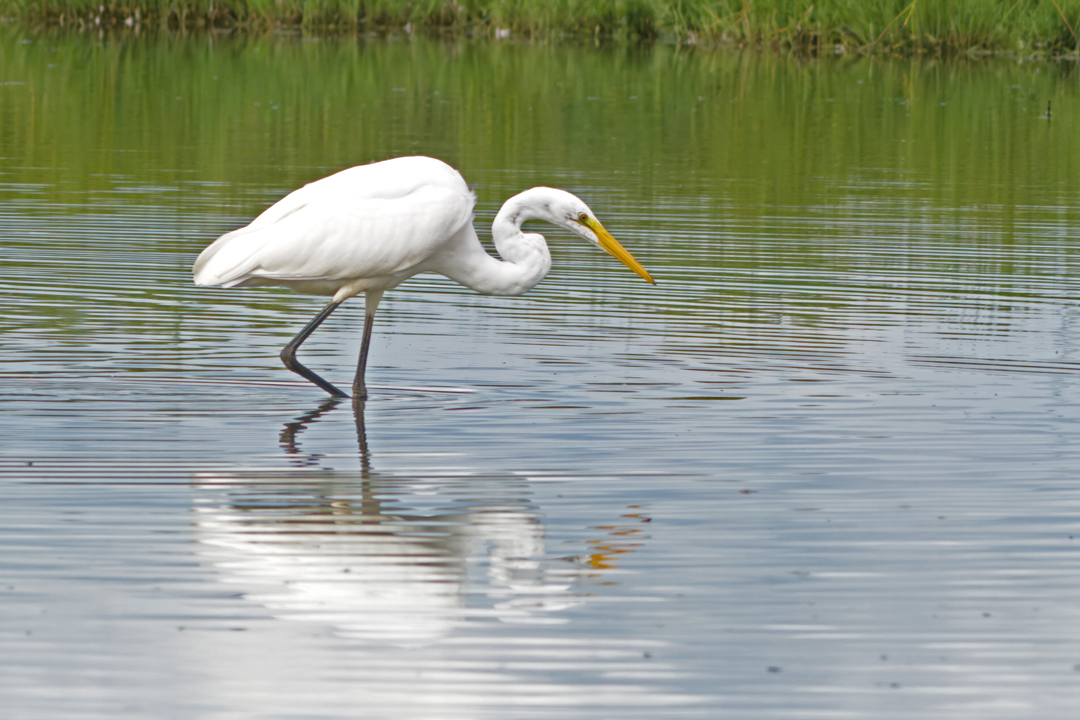
I have never gotten a good photo of a Great Egret, so here is a mediocre one.
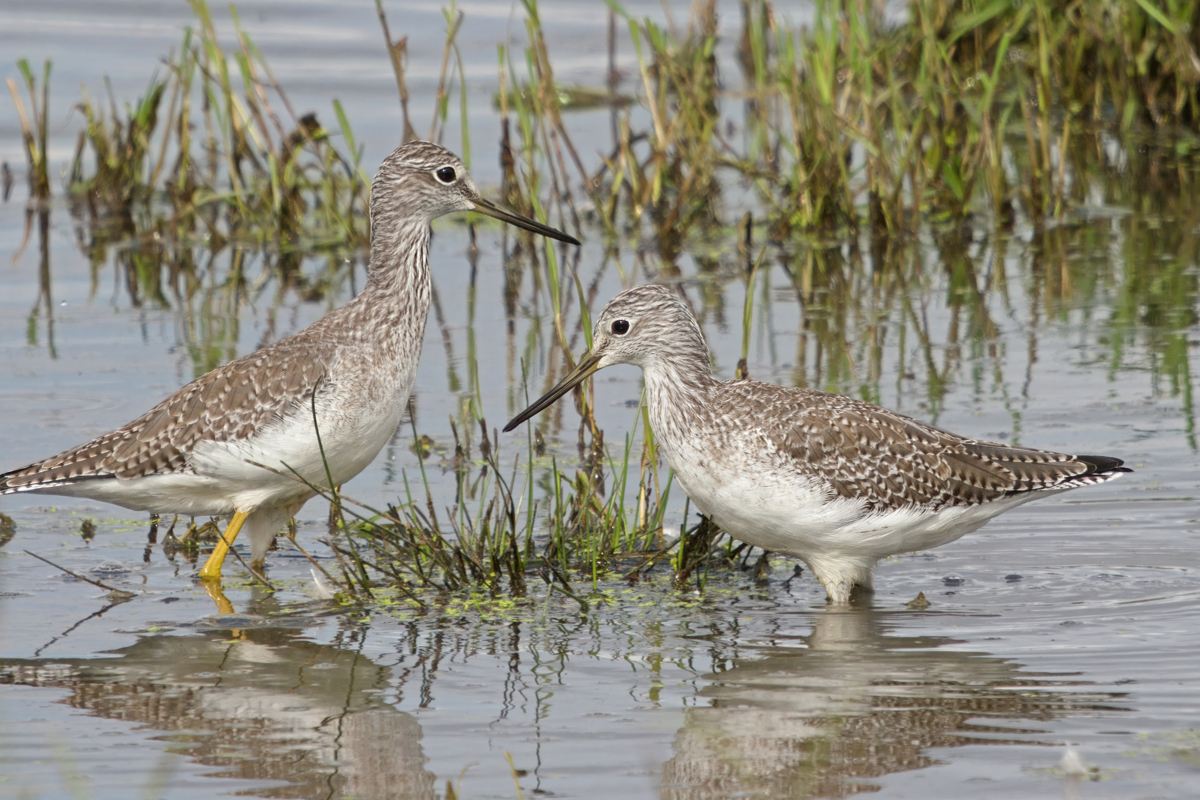
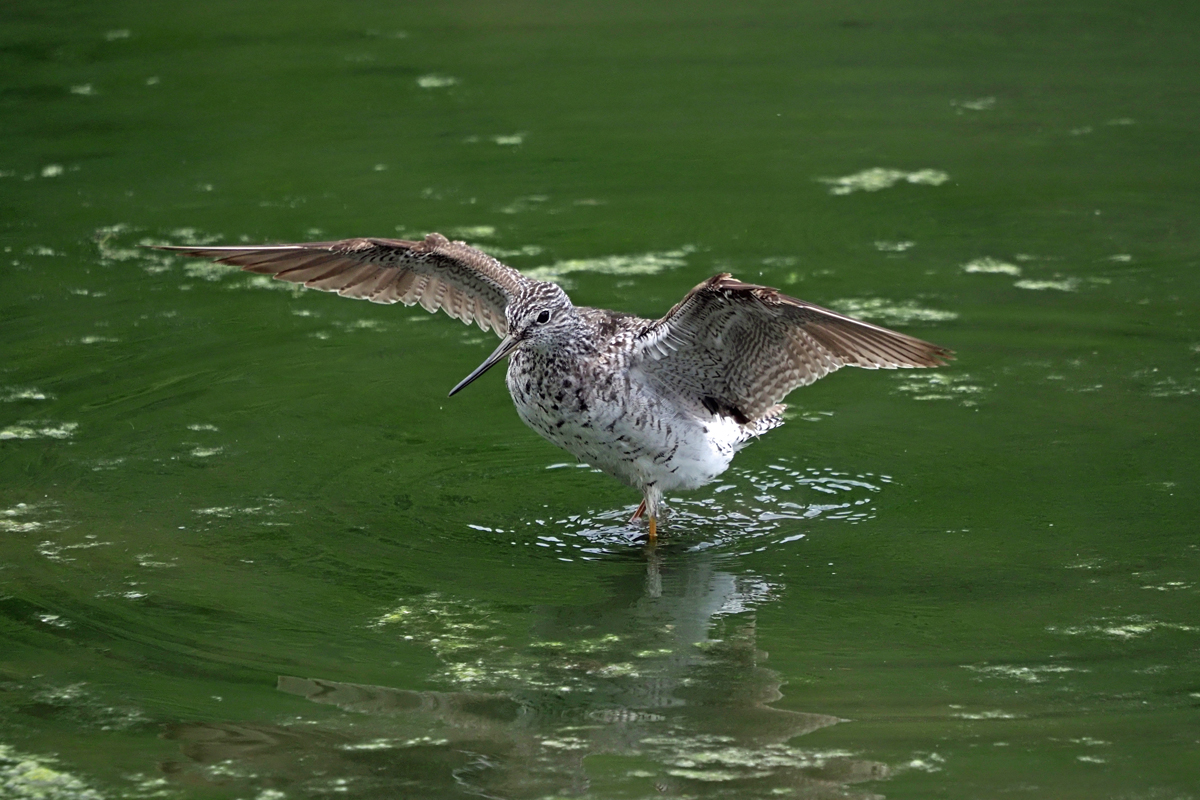
There are still decent numbers of shorebirds around, including these Greater Yellowlegs, but their numbers should be thinning out pretty quickly.
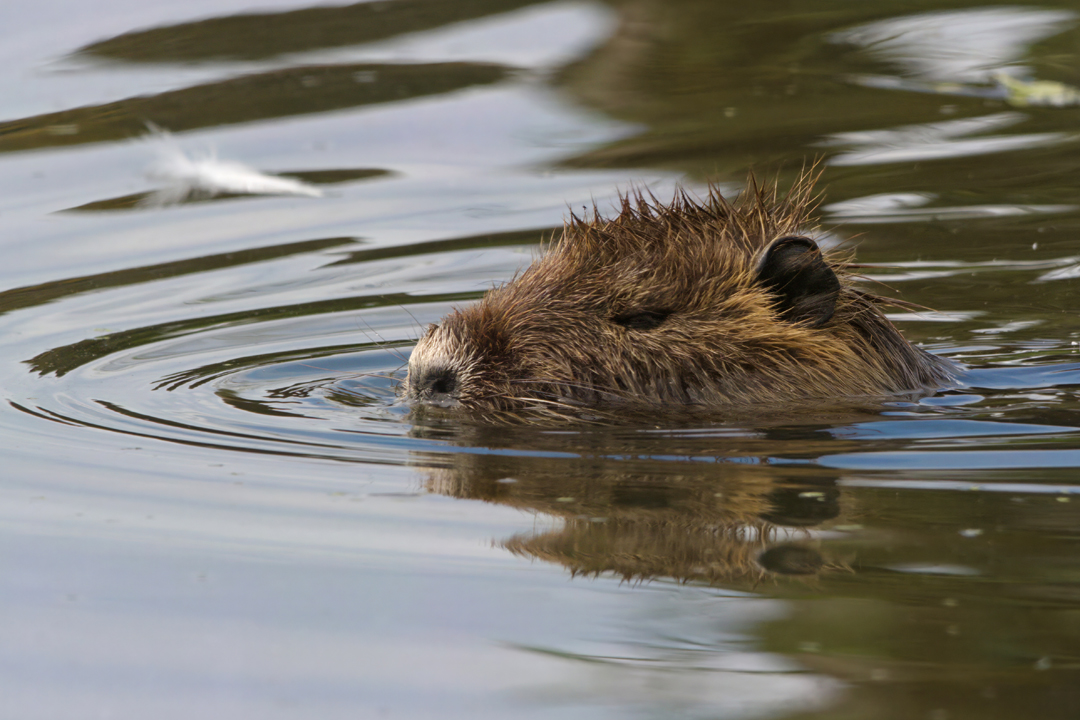
I’ll leave you with this Nutria with a spiky punk hairdo.
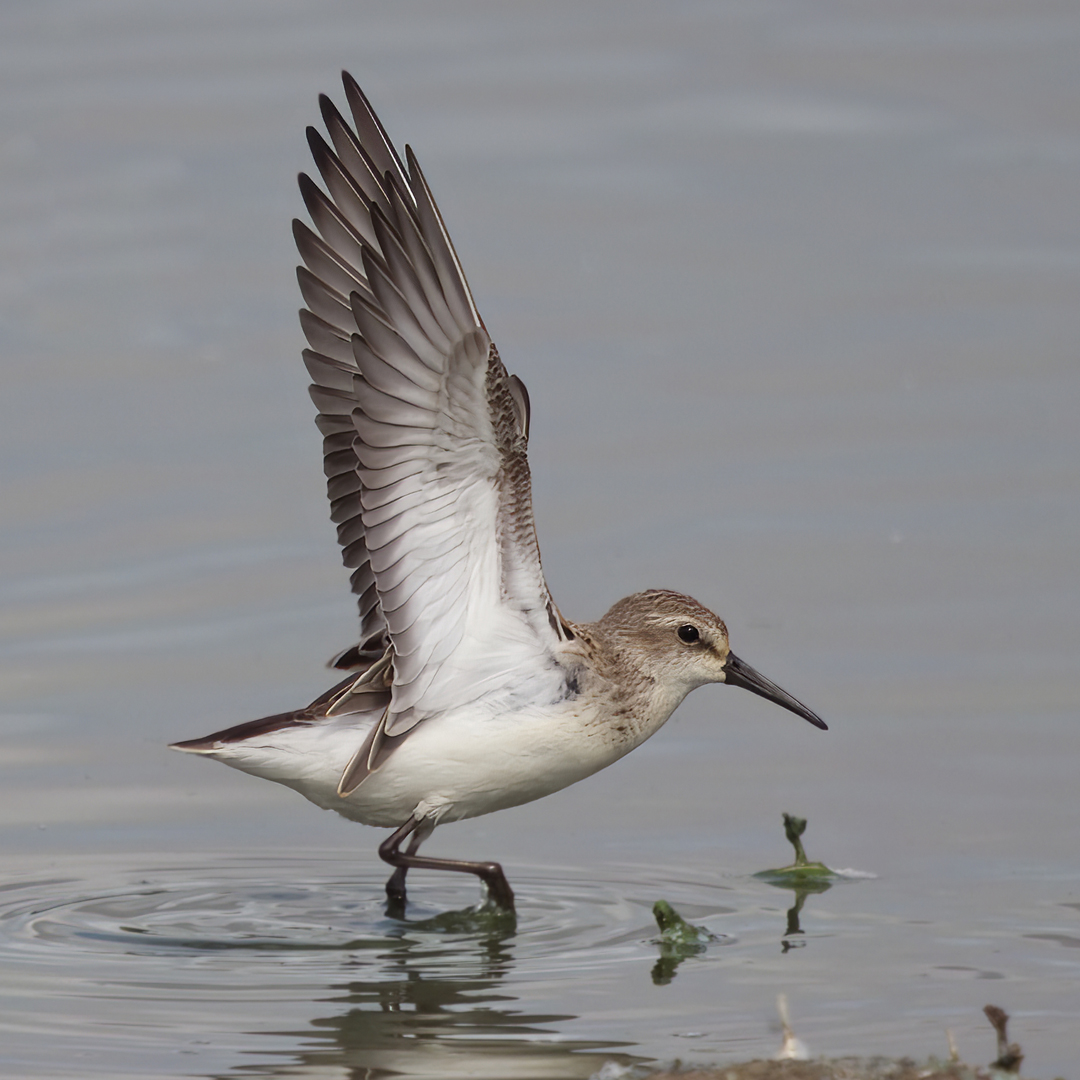
Late summer is shorebird season. There isn’t a lot else going on, bird-wise, so now is the time to study these long-distance migrants and hope for something unusual to show up. Western Sandpipers are among the most common species.
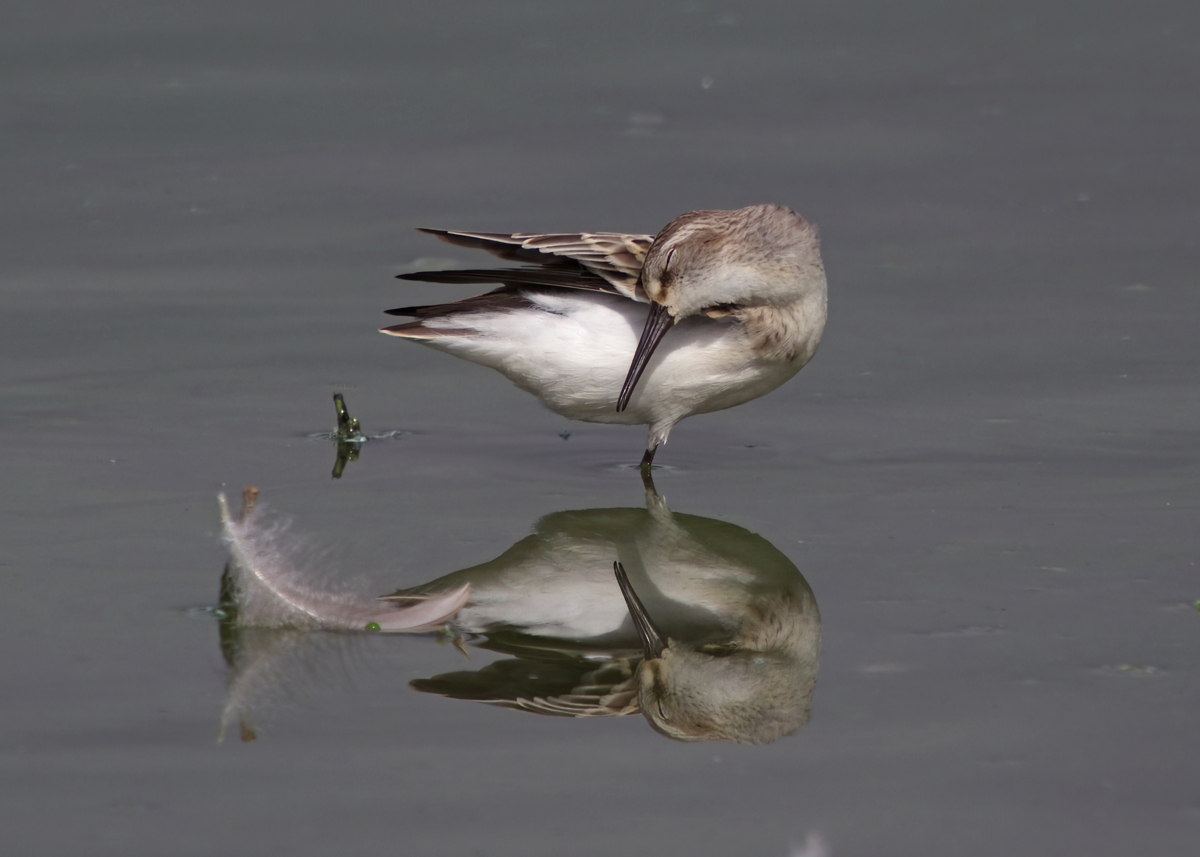
This juvenile Western Sandpiper is already molting into their first winter plumage. Some gray feathers are appearing on the wings and the rusty “suspenders” that young Westerns are known for are fading.
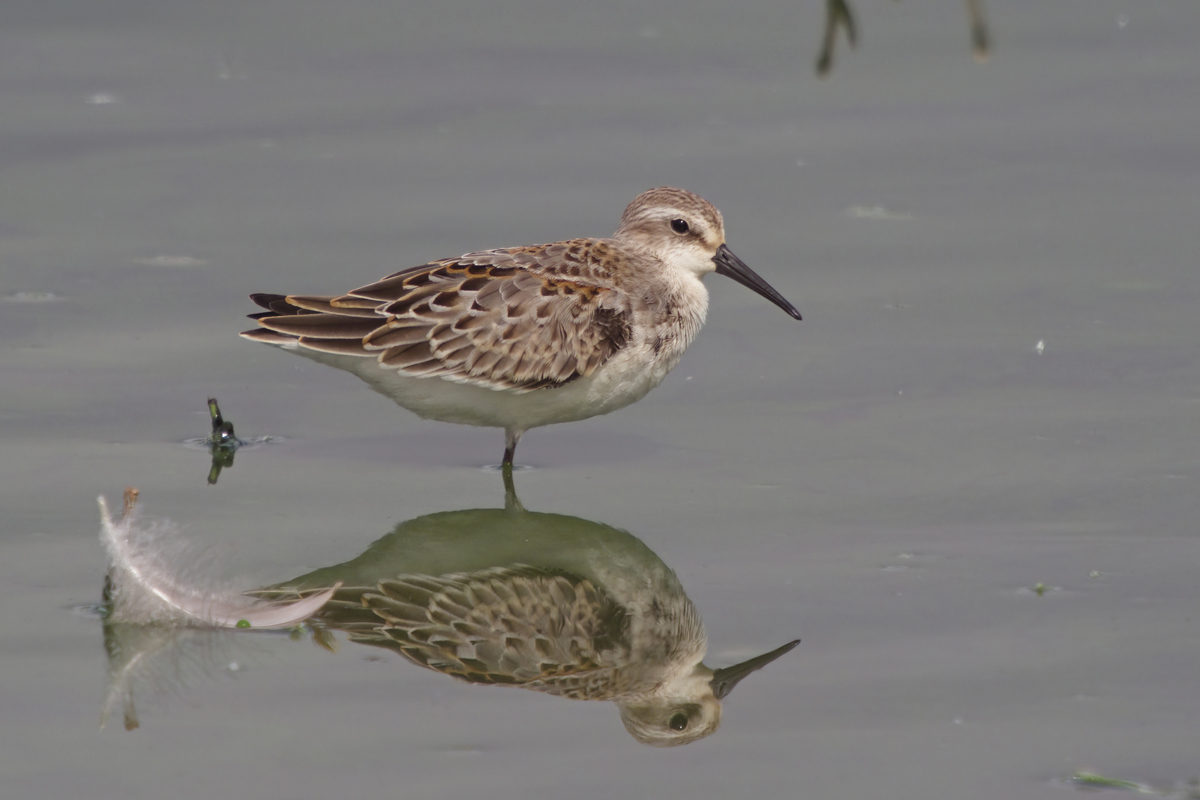
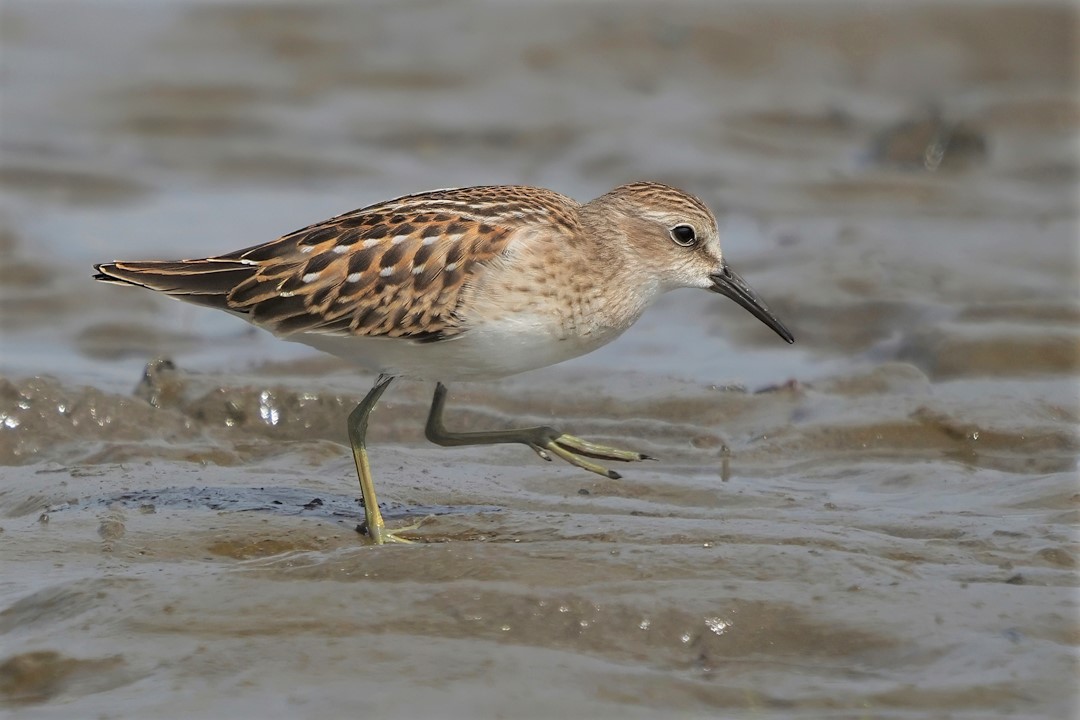
Here is a Least Sandpiper in fresh juvenile plumage.
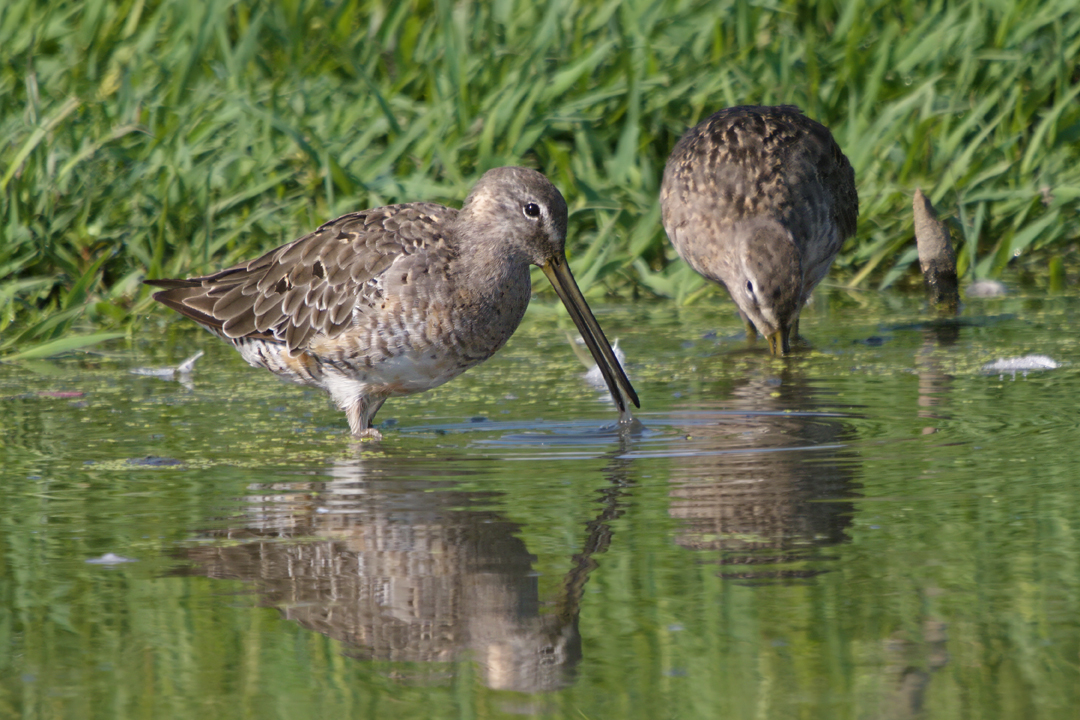
Long-billed Dowitchers
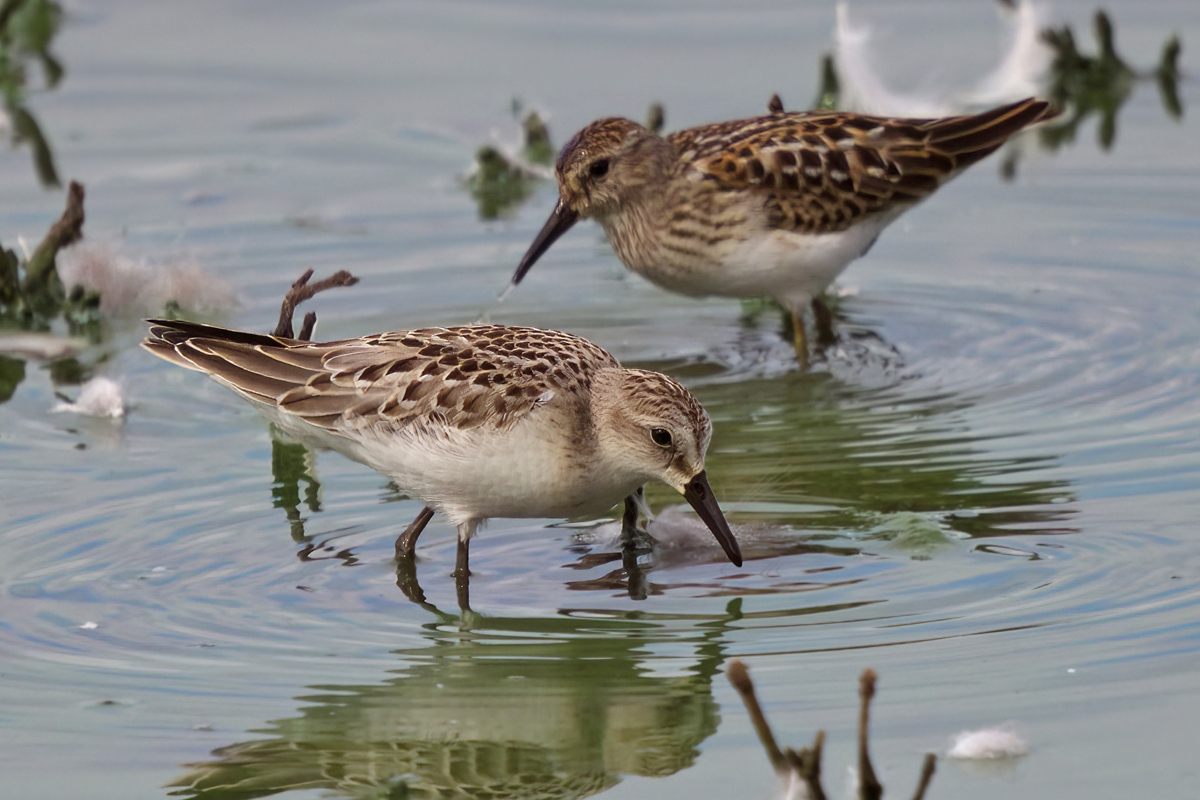
This is a juvenile Semipalmated Sandpiper with a Least in the background. Semipalmateds were a really big deal anywhere in Oregon 20 years ago, but I think birders are just getting better at recognizing them now.
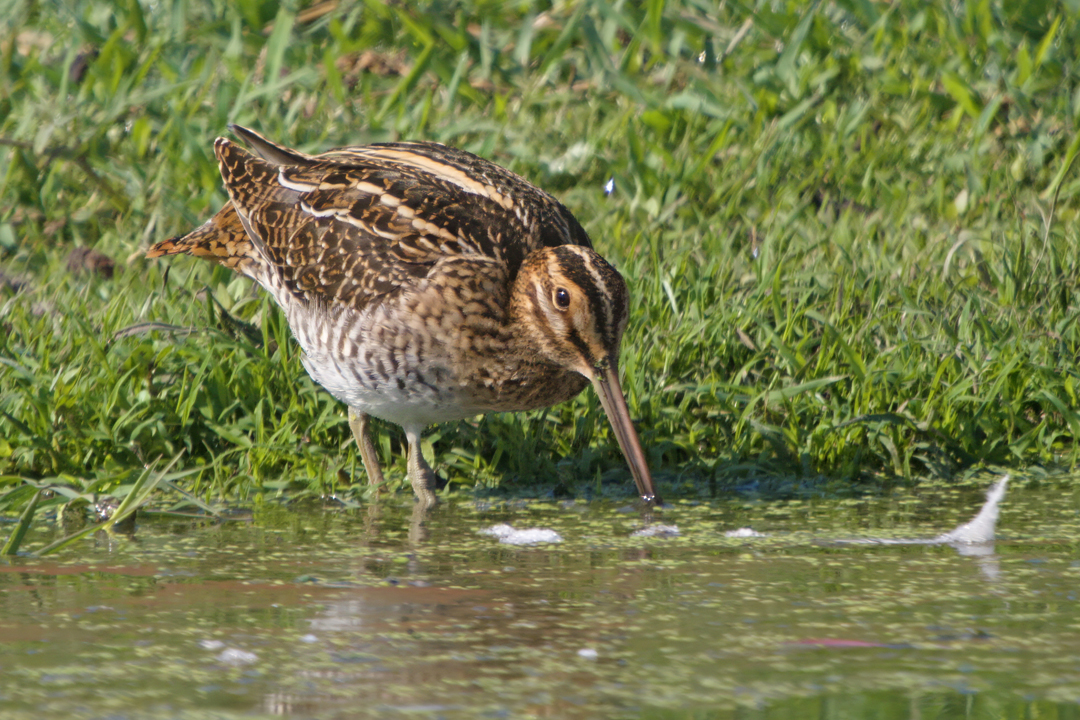
It is always nice when a Wilson’s Snipe comes out into the open.
Summer birding can be tough. Songbird activity has slowed way down. Shorebirds are starting to come through on their southward migrations, but hot and bright conditions limit one’s birding to the early morning hours. Unfortunately for me, our young dog also demands attention in the early morning hours, so my outings have been limited. Here are a few photos from recent weeks.
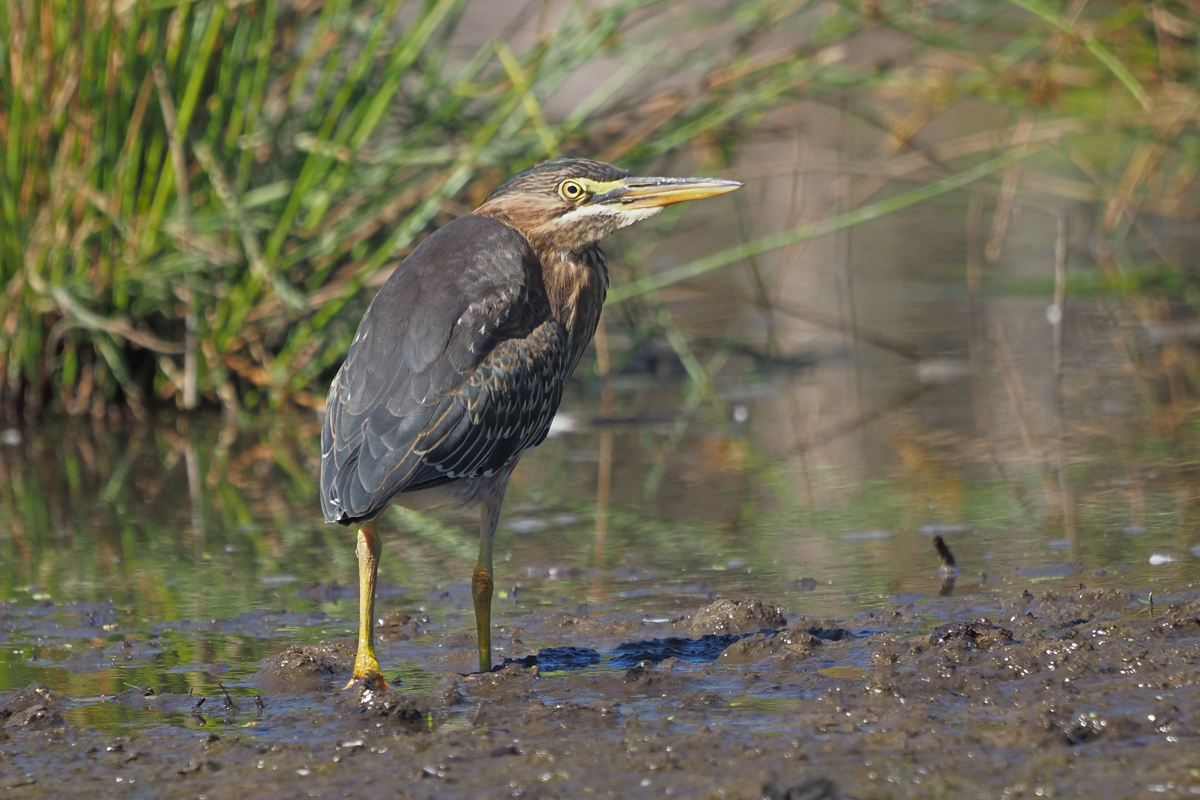
Green Herons are fickle. They often stay hidden in thick vegetation along the shore, but sometimes they will just strut out into the open sunshine.
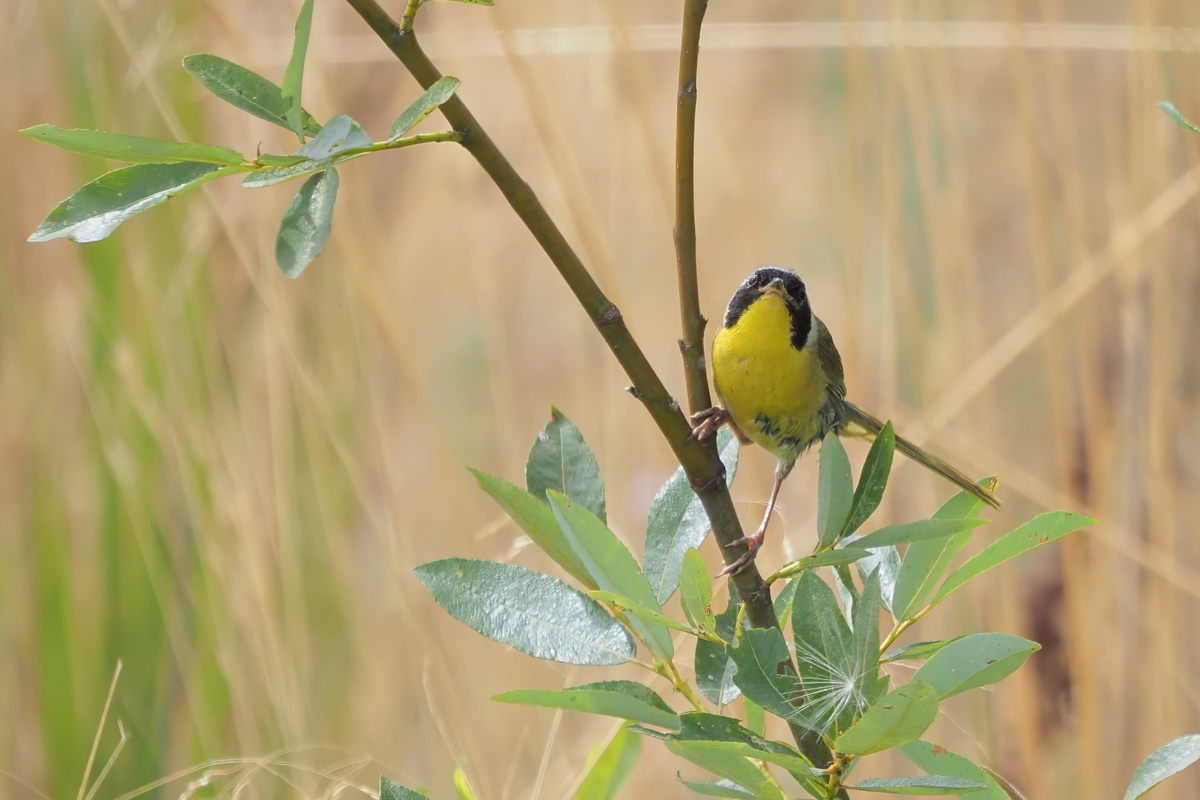
Common Yellowthroat, showing off his namesake
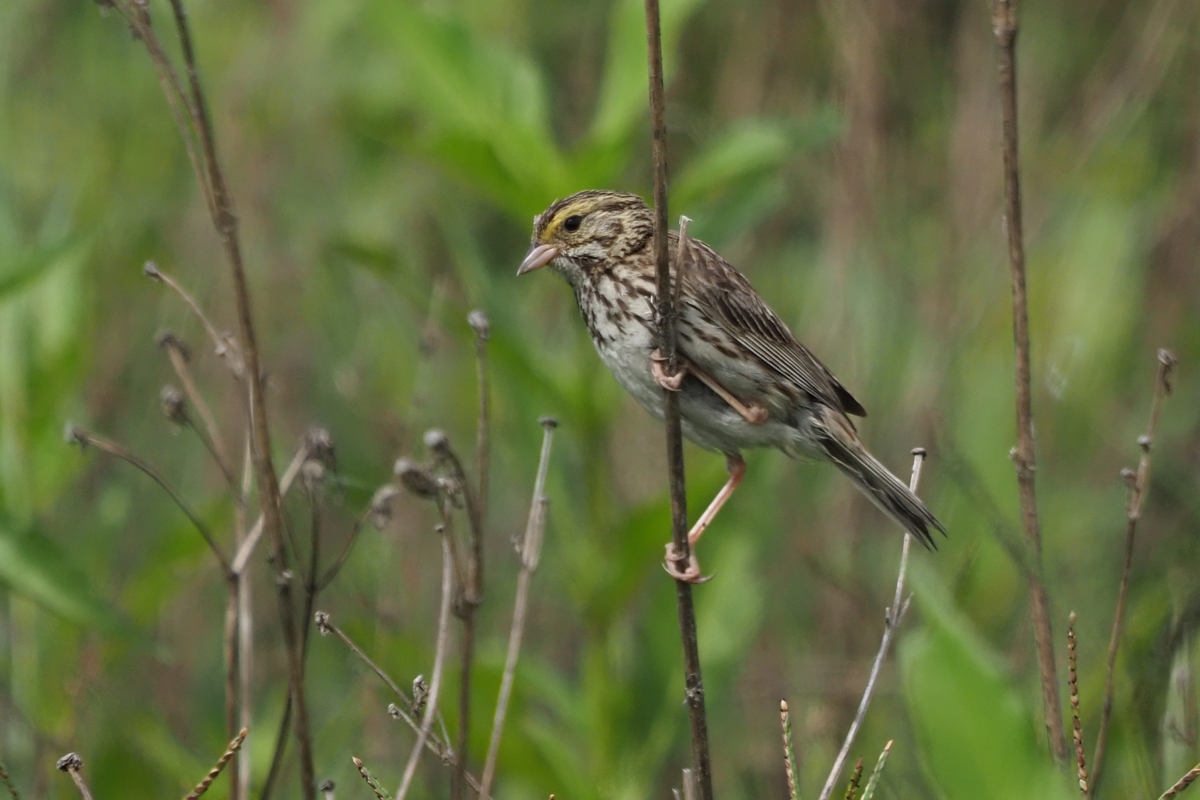
Savannah Sparrow
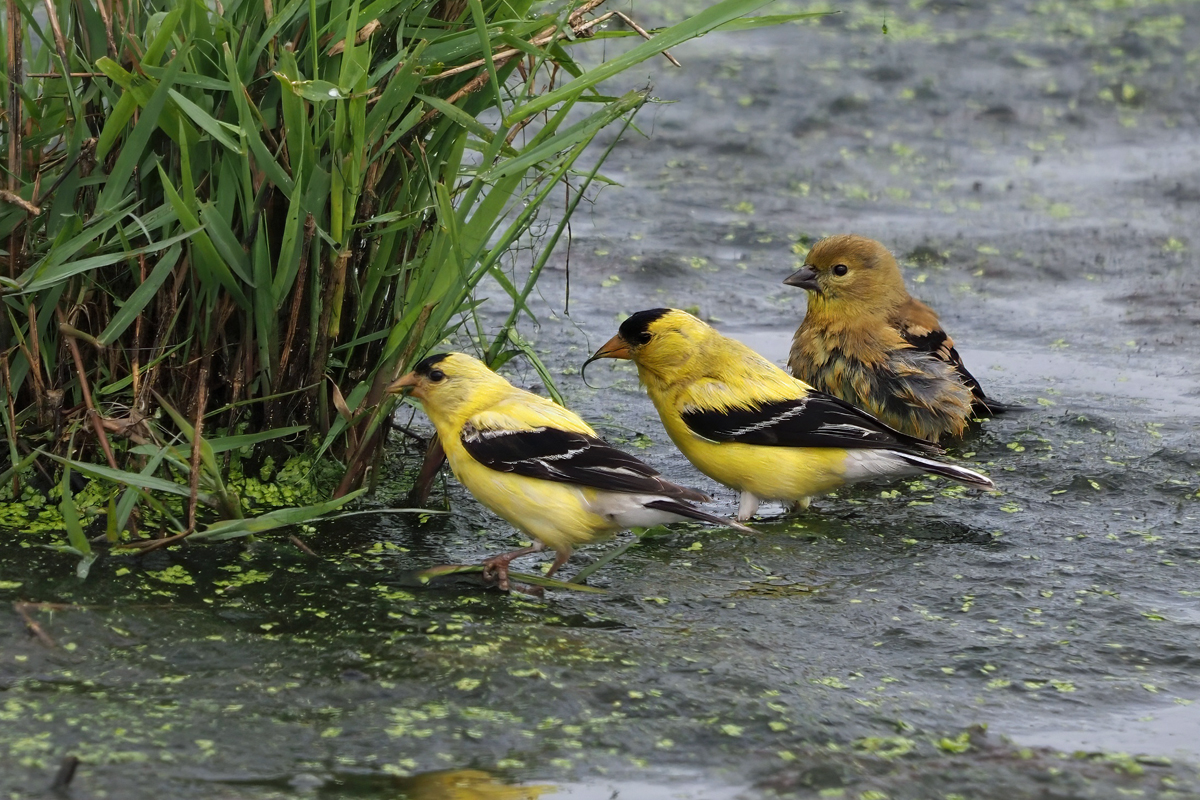
These American Goldfinches were wading into the wetland at Tualatin River NWR to find food.
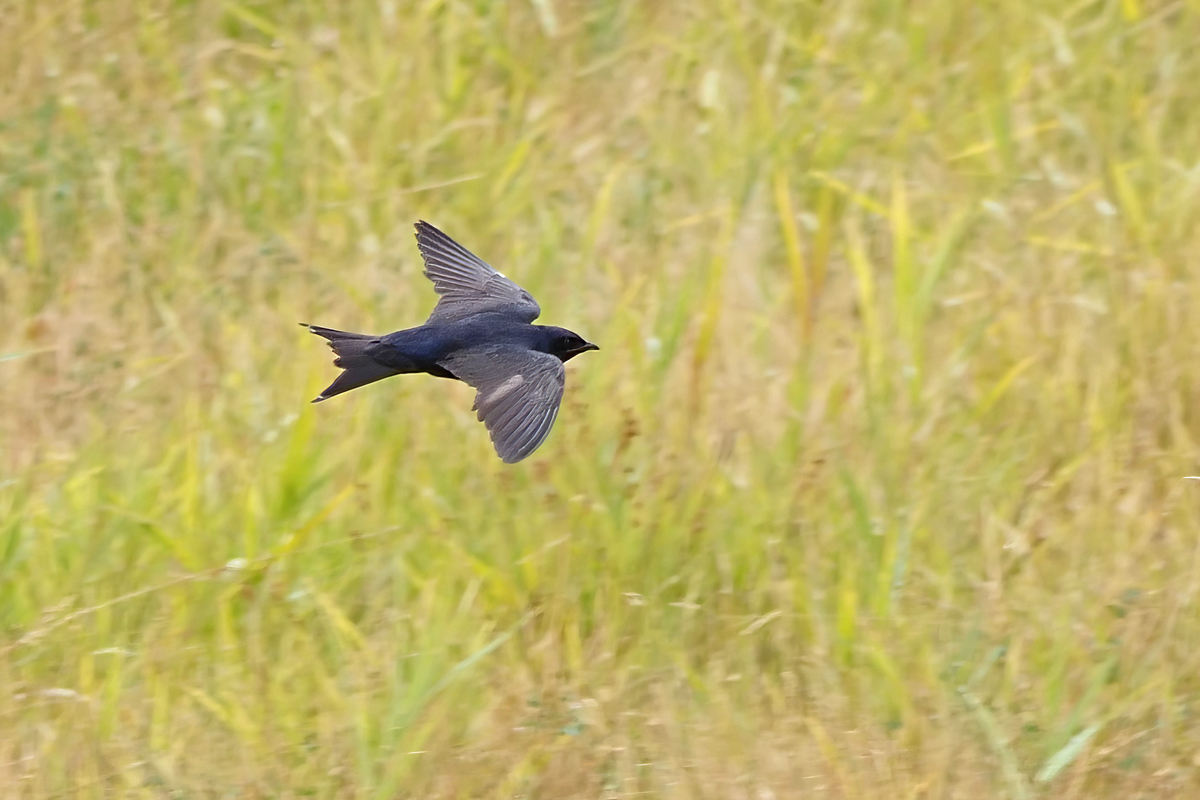
A male Purple Martin from the colony at Tualatin River NWR
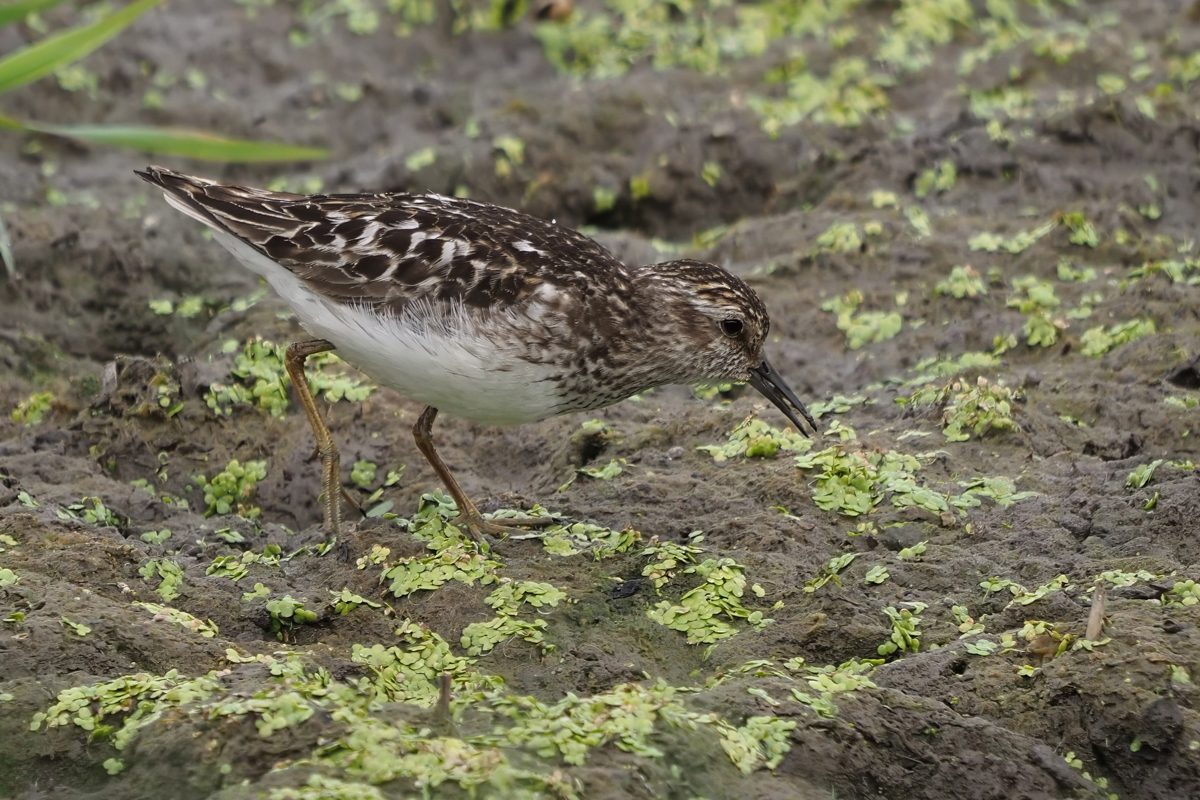
As I mentioned, shorebirds are starting to come through. This is a Least Sandpiper.
Greater Yellowlegs
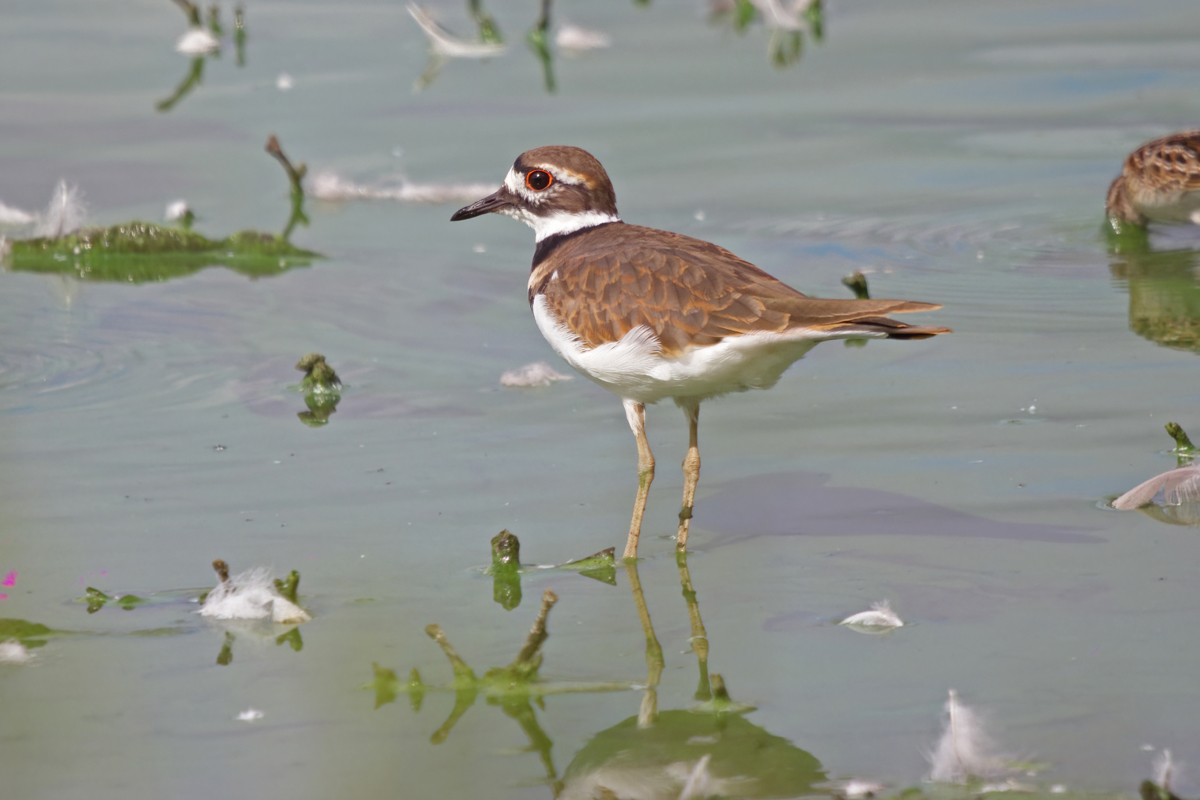
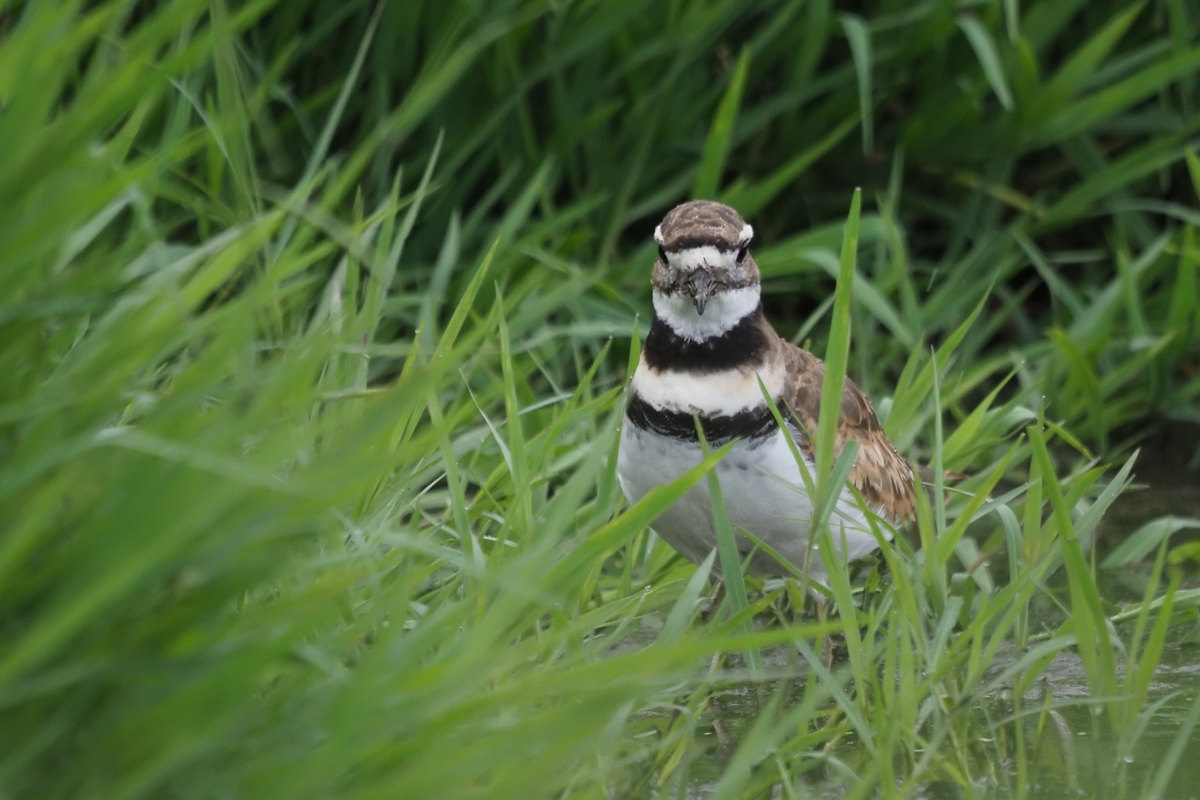
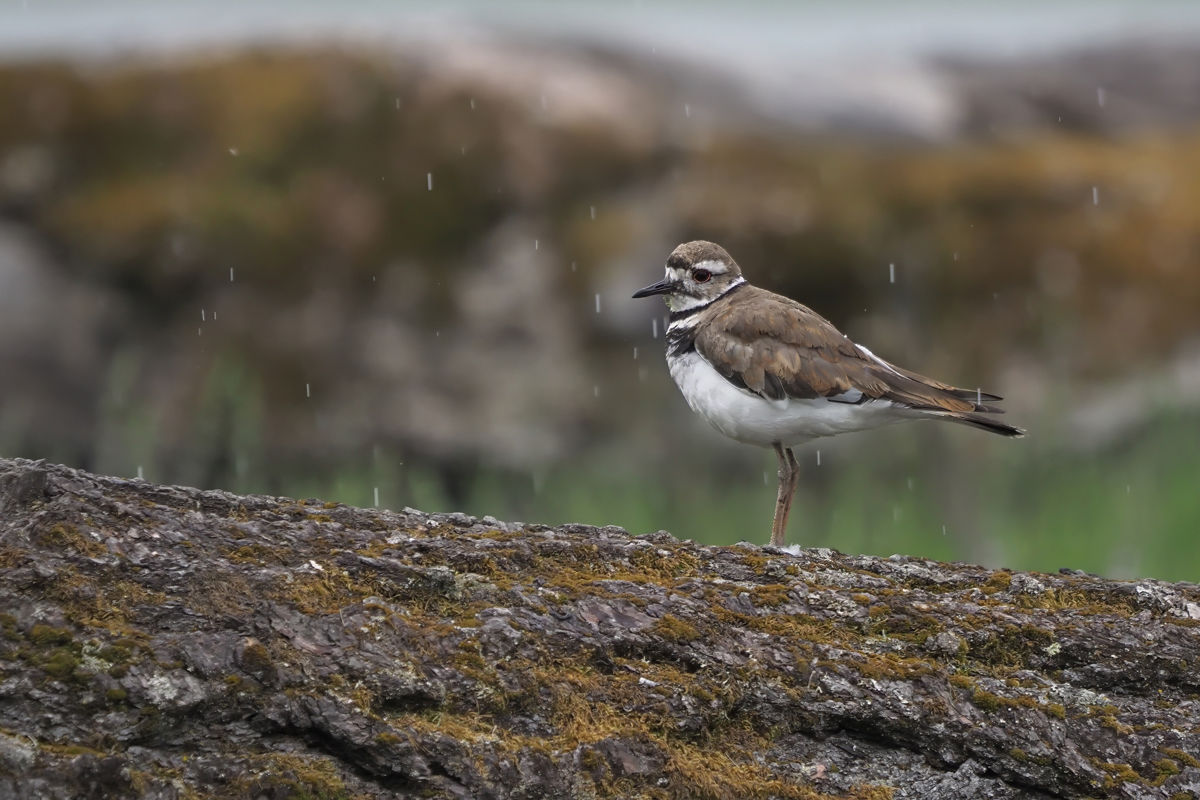
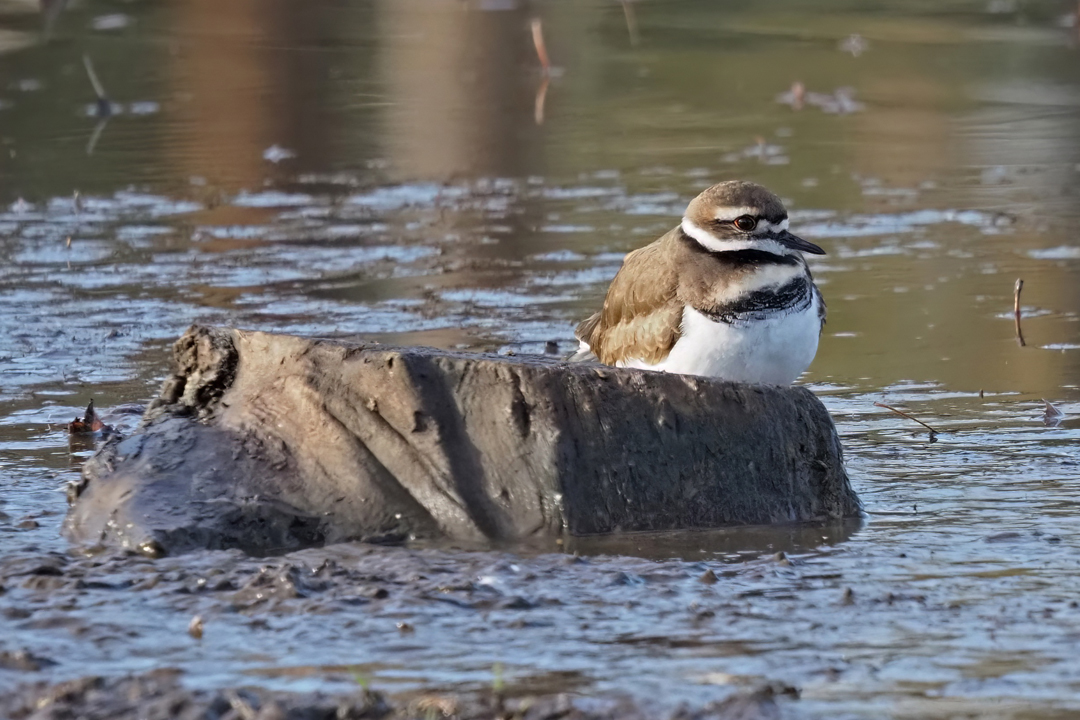
Killdeer are common and noisy, and can be found here most of the year, but they are really lovely shorebirds.
We actually had a few minutes of rain in late July.
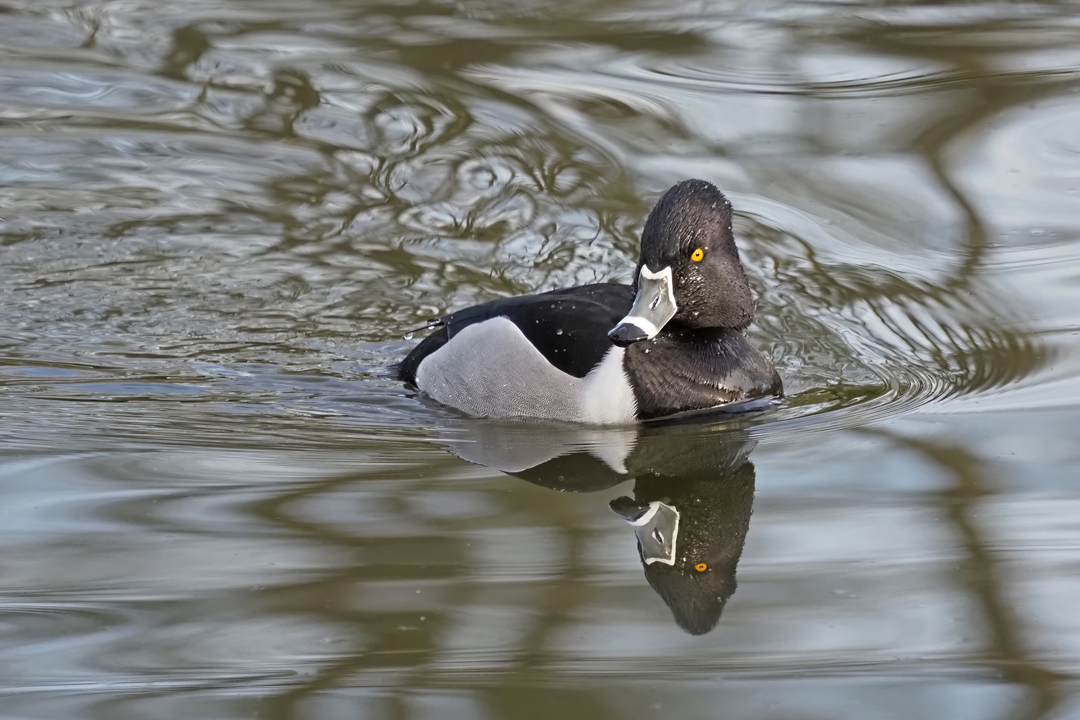
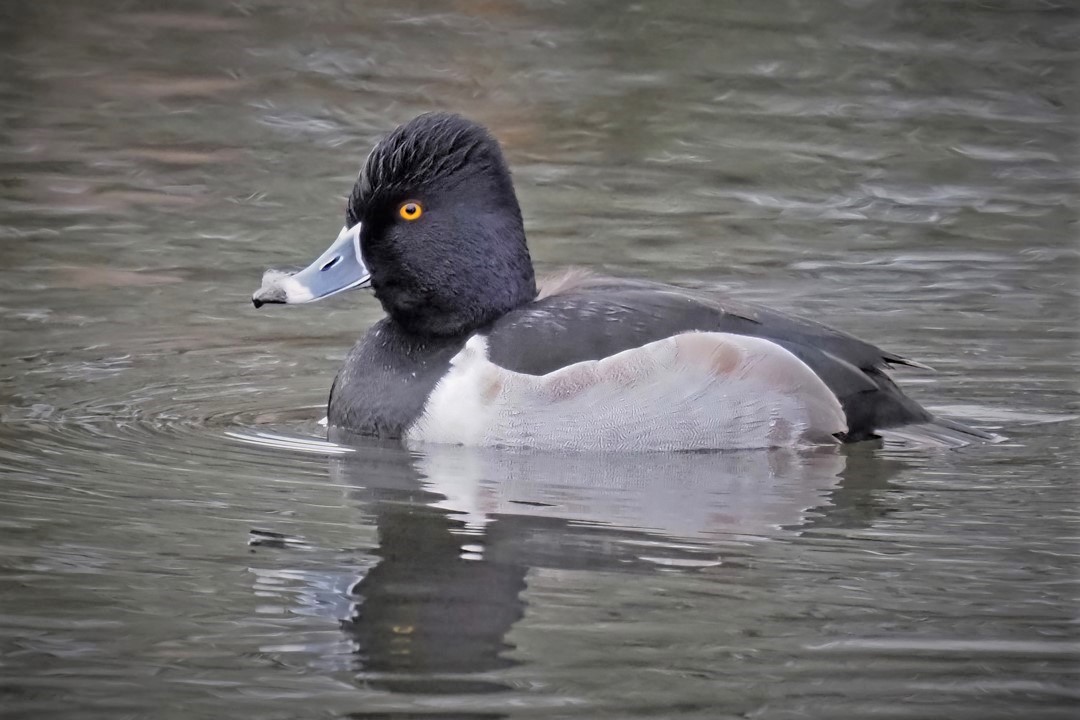
February is generally regarded as one of the slowest months for birding in the Portland area, at least in regard to finding rarities. But there are a lot of birds around to brighten up this dreary month. This Ring-necked Duck was making quite a wake in a pond at Dawson Creek Park.
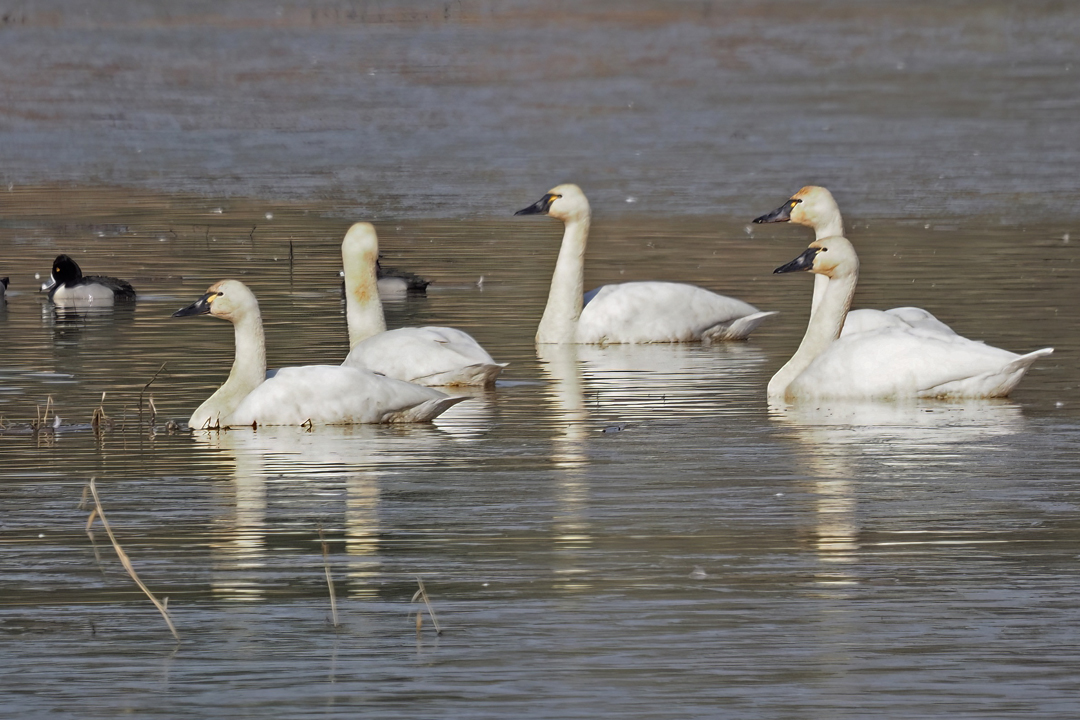
Tundra Swans are common on Sauvie Island.
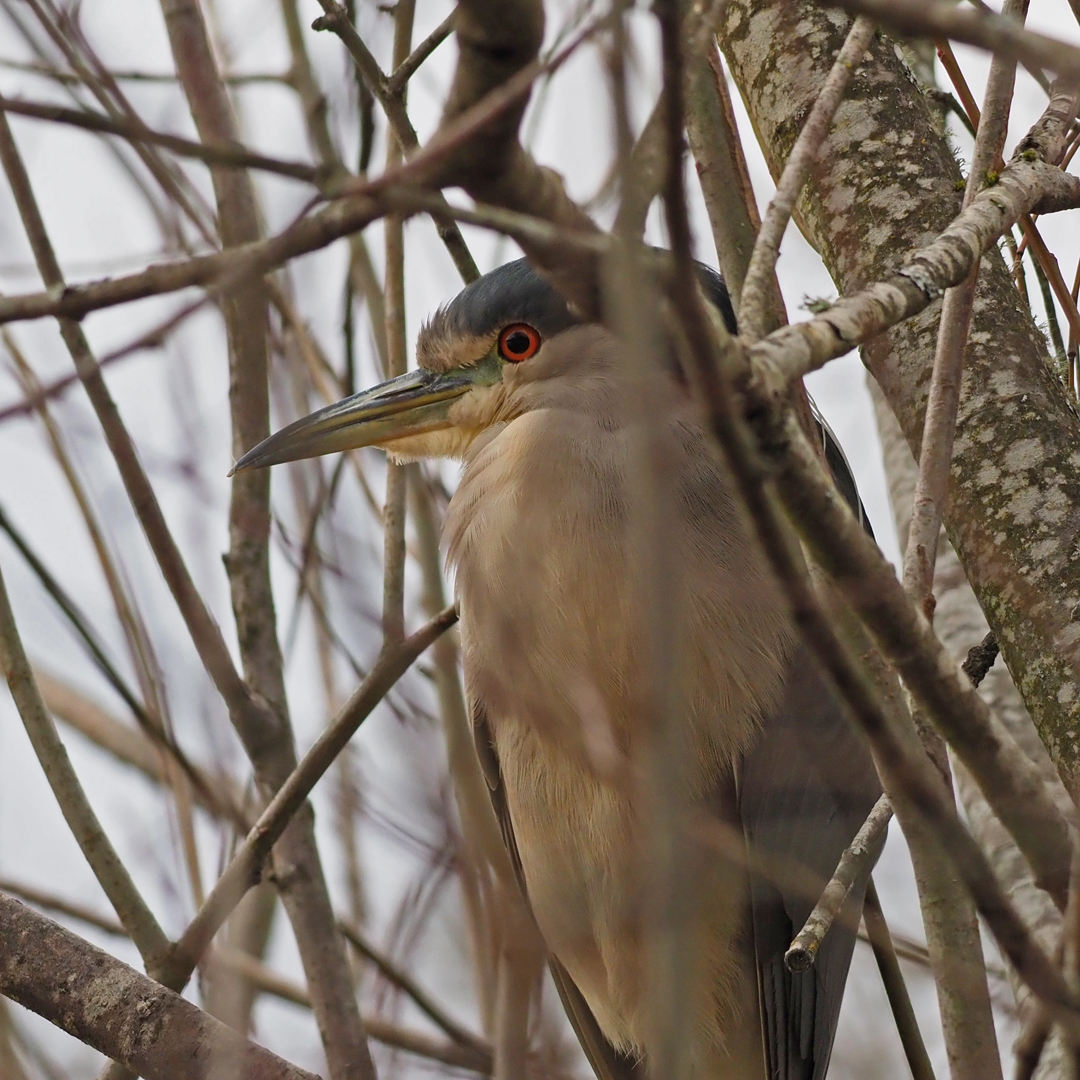
Black-crowned Night-Heron lurking in the brush at Koll Center Wetlands
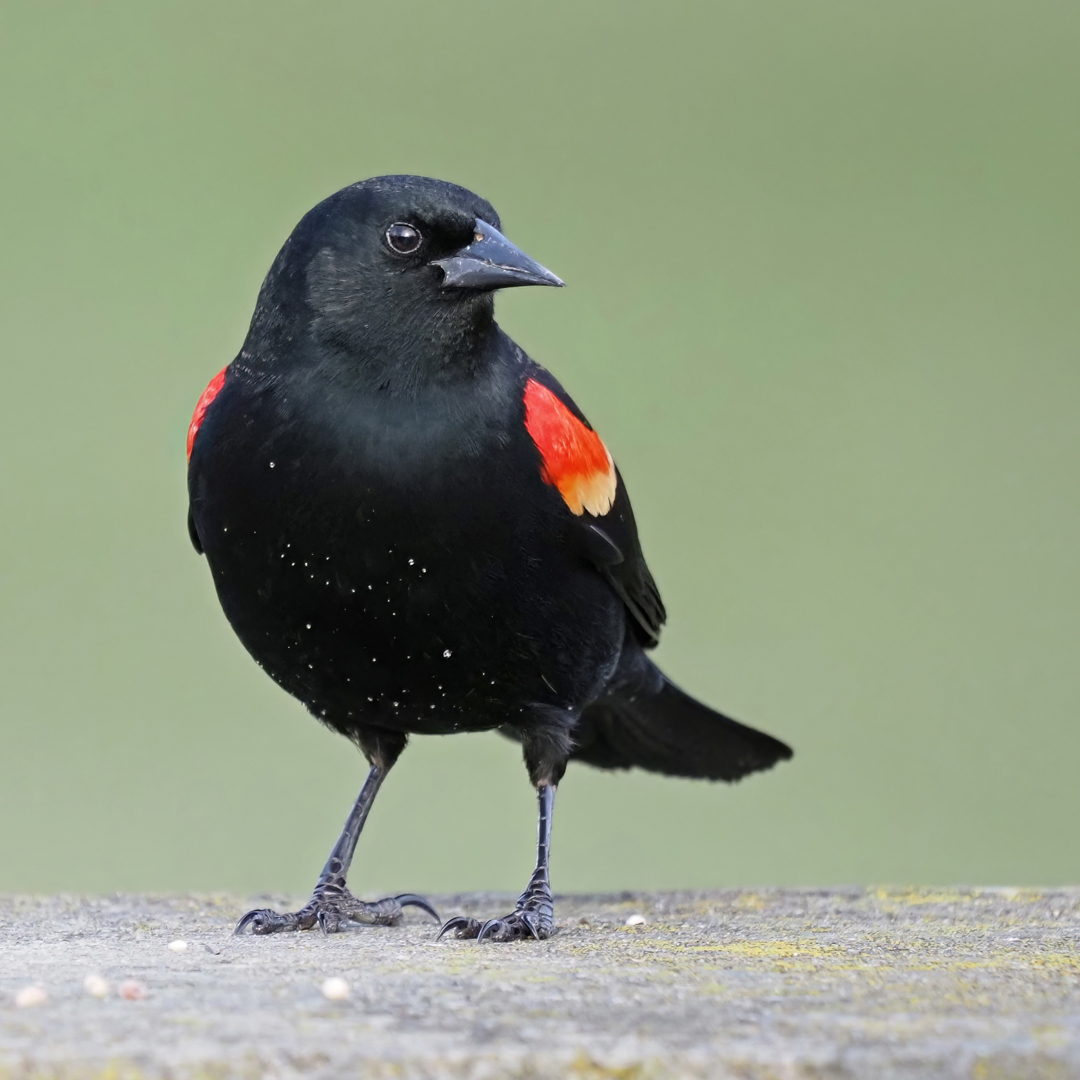
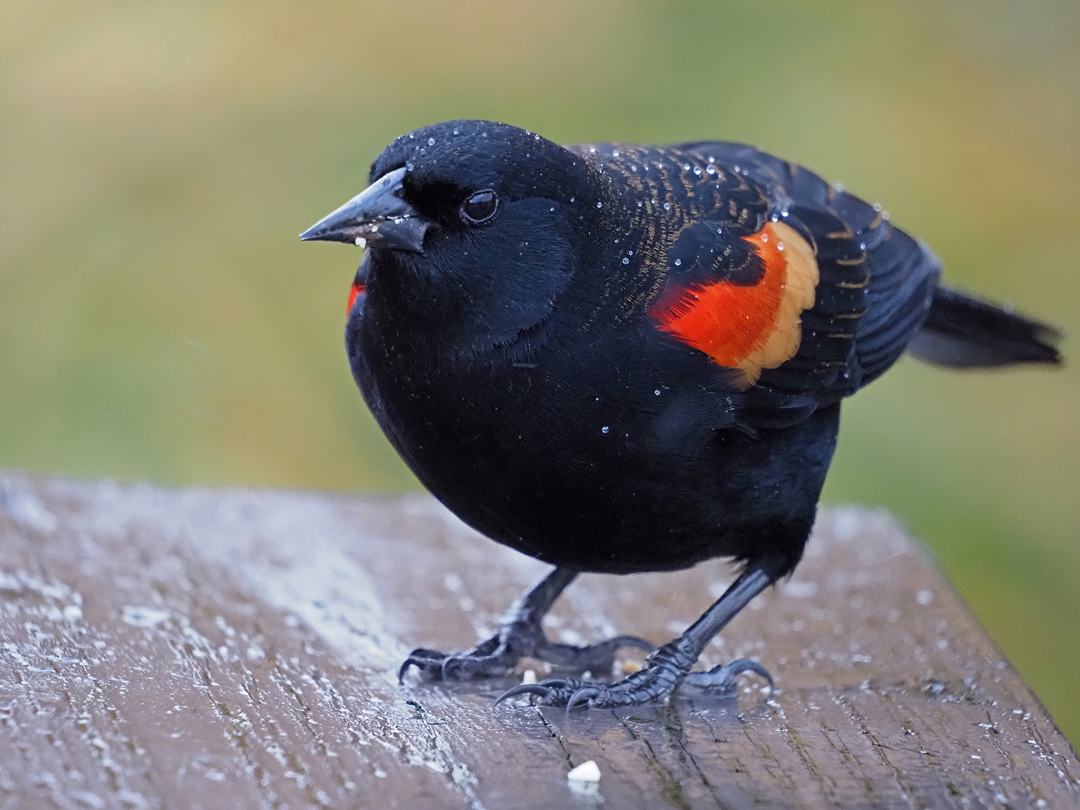
Red-winged Blackbirds are ubiquitous around any wetland in the area, but they are a striking bird.
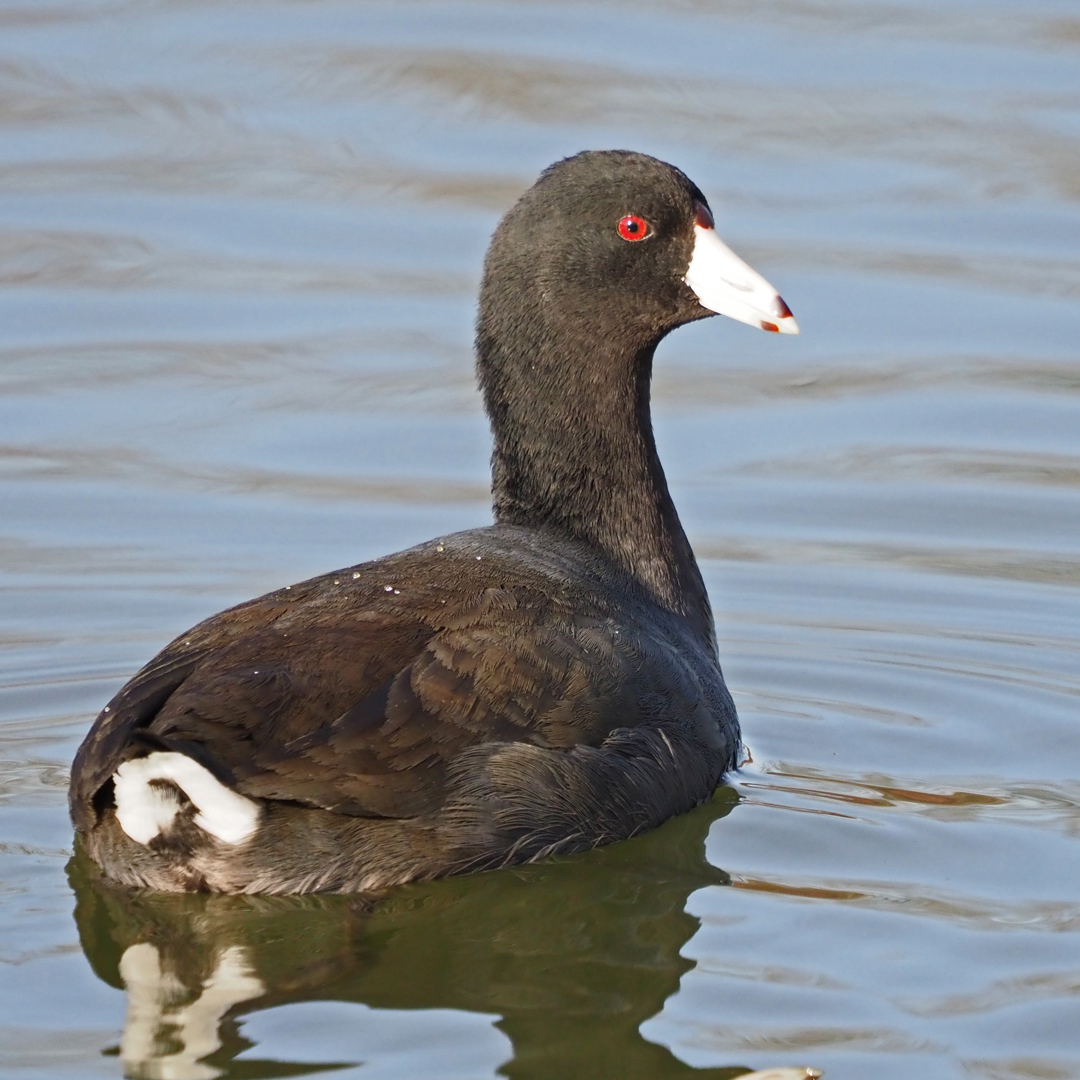
Another species that tends to be overlooked is American Coot.
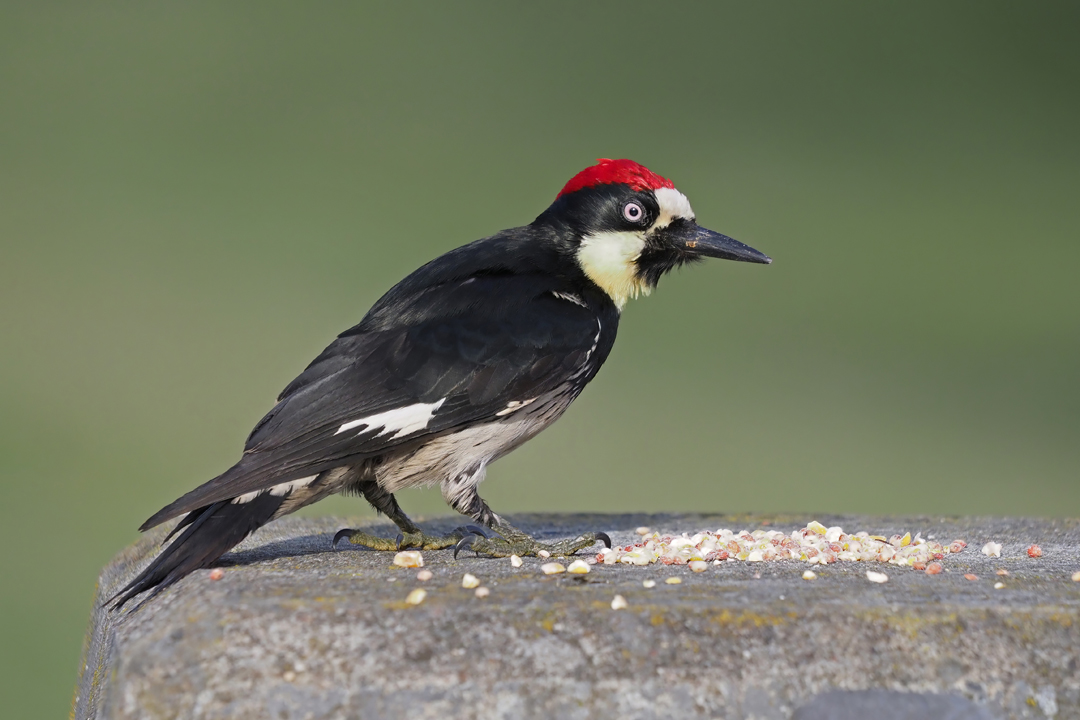
The Acorn Woodpeckers at Dawson Creek tend to be perched high and backlit, but this individual came down low for some cracked corn that someone had put out.
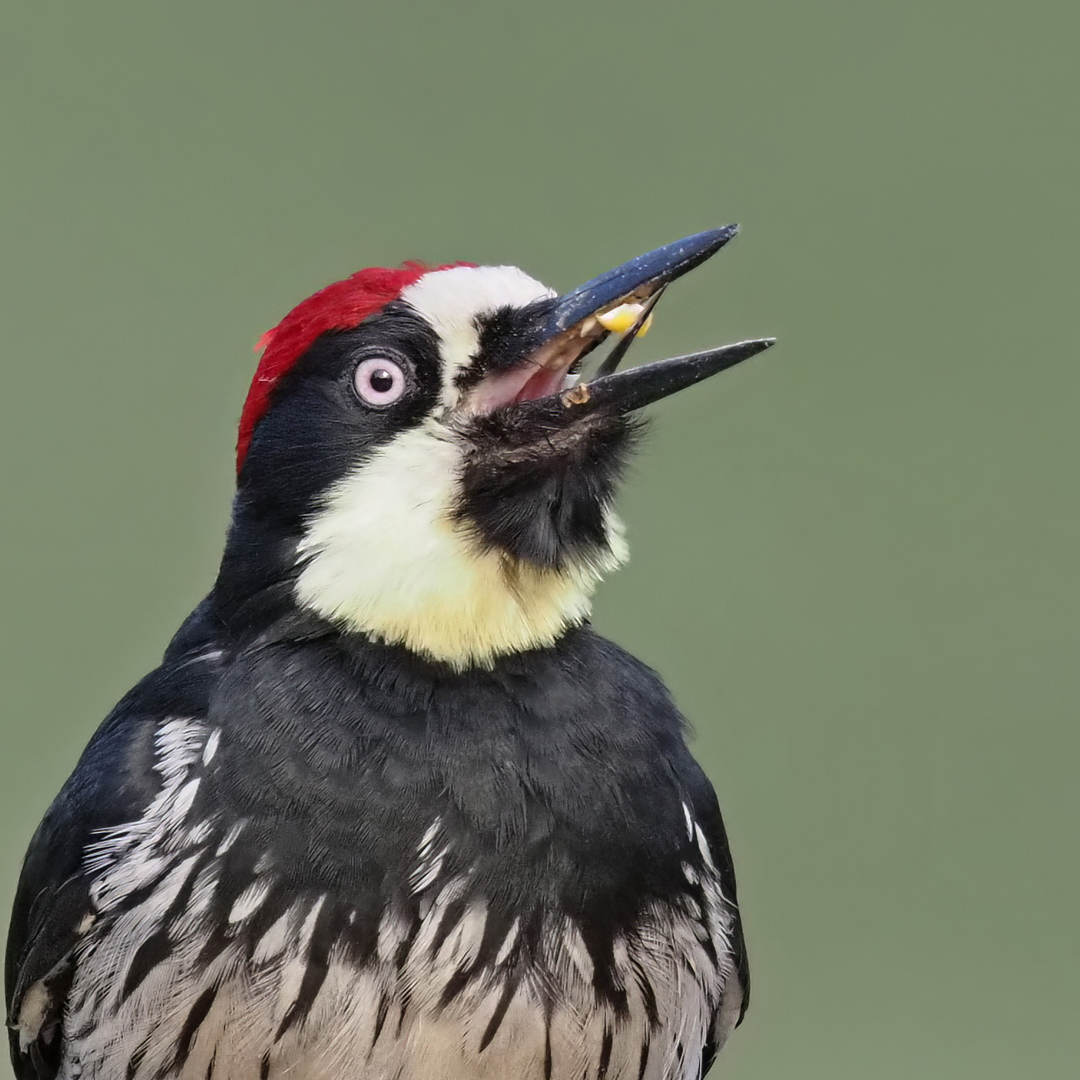
Check out the tongue holding the corn kernel.
Despite the recent winter weather, migration should be kicking in at any moment.
While birding for some species can be hit-or-miss this time of year, winter in the Willamette Valley always provides great numbers and diversity of waterfowl. Here are just a few I have seen recently.
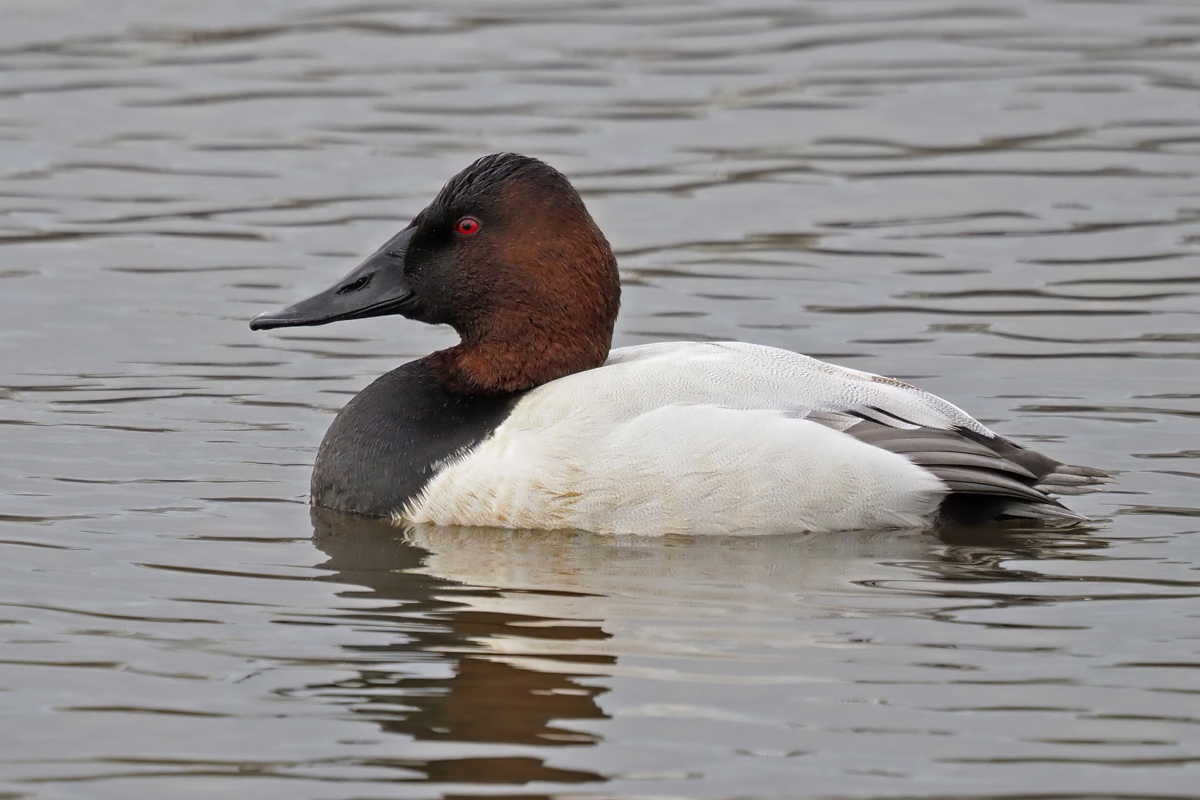
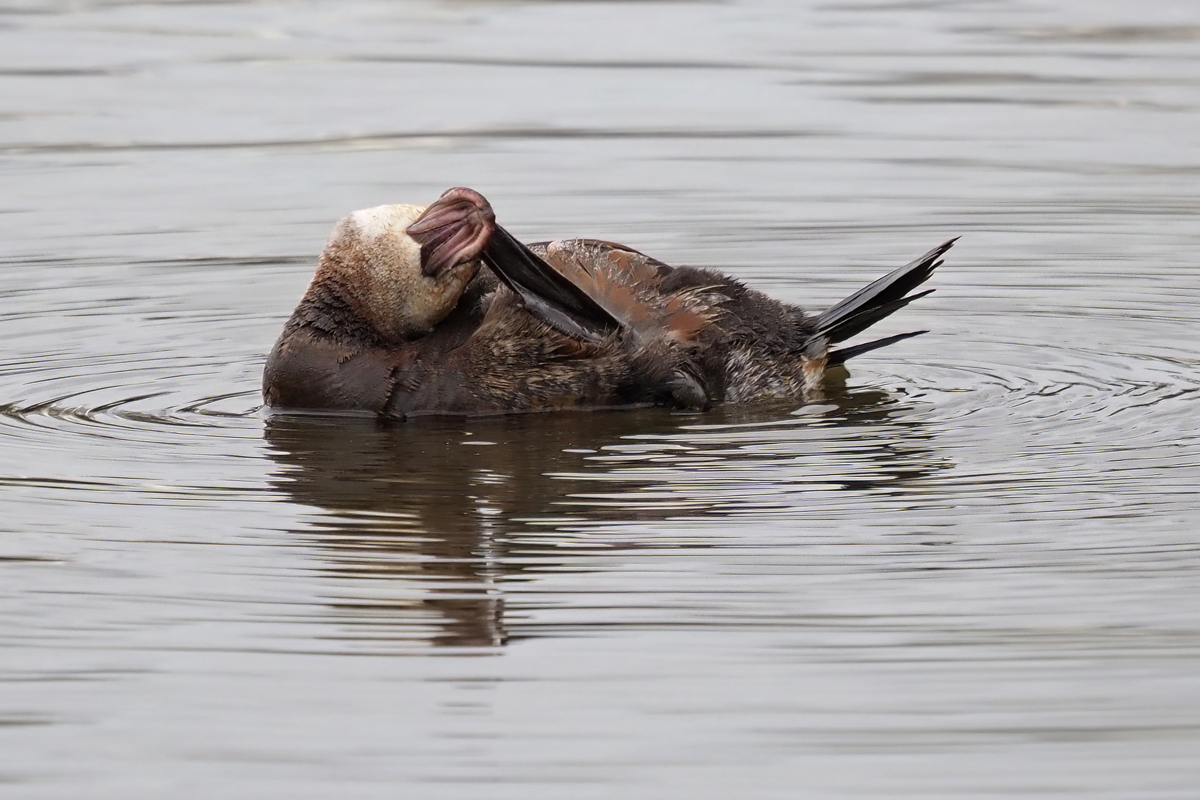
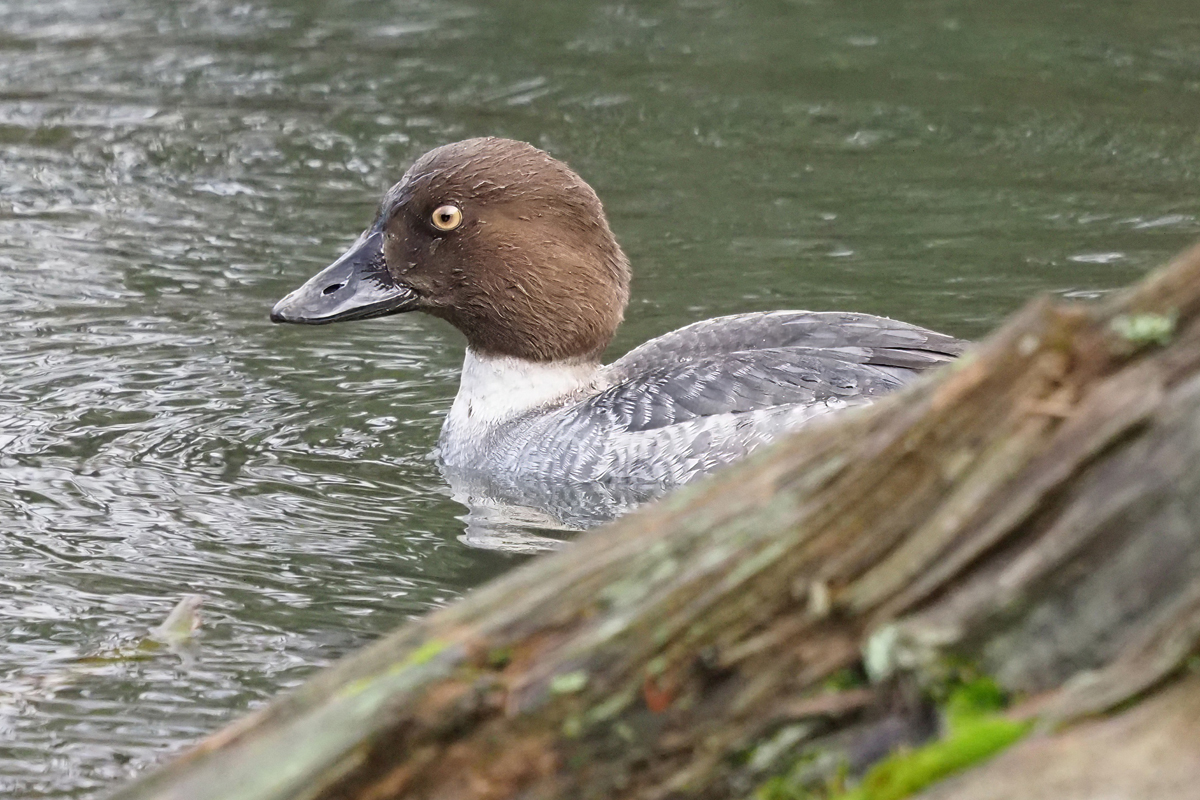
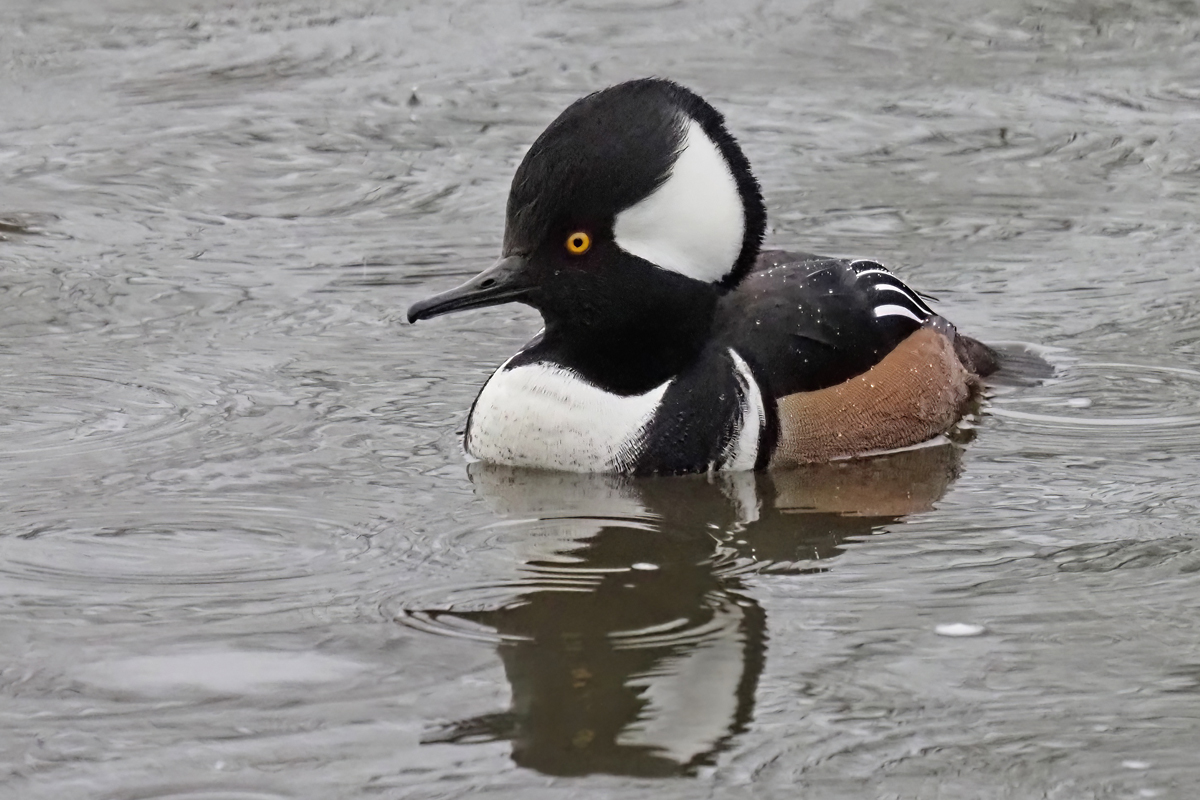
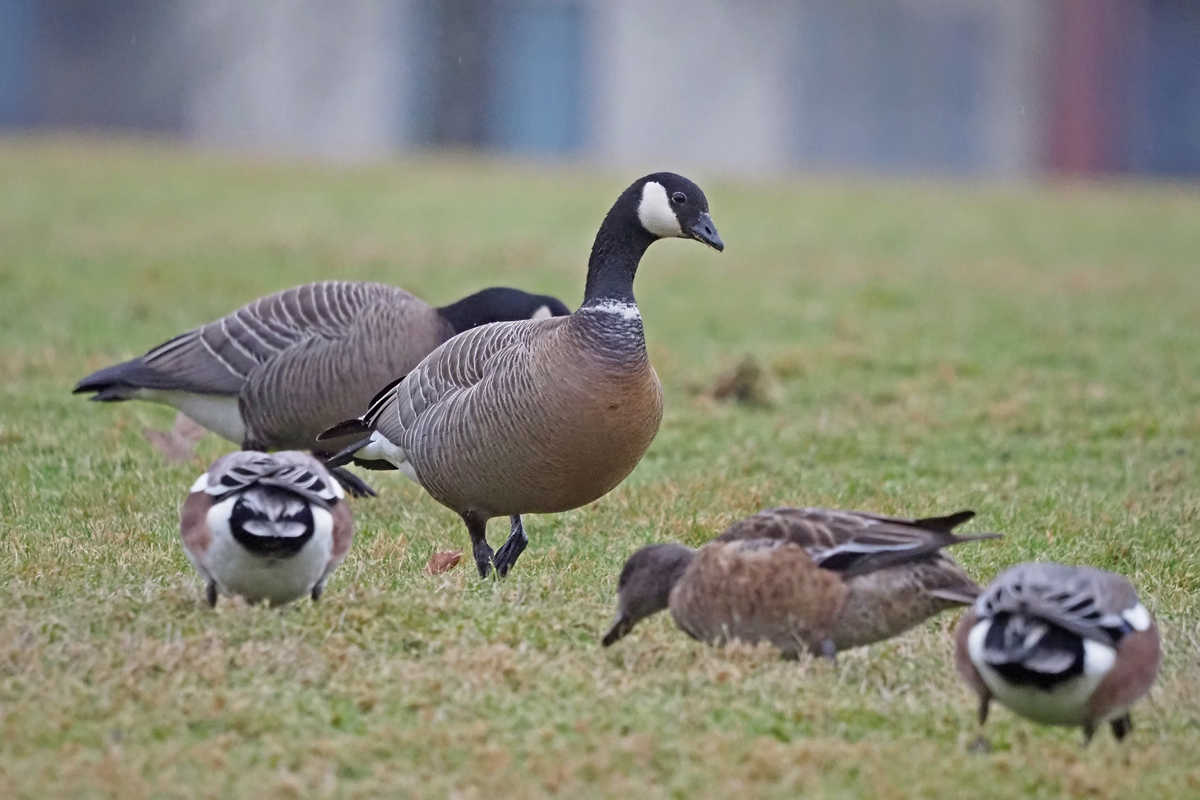
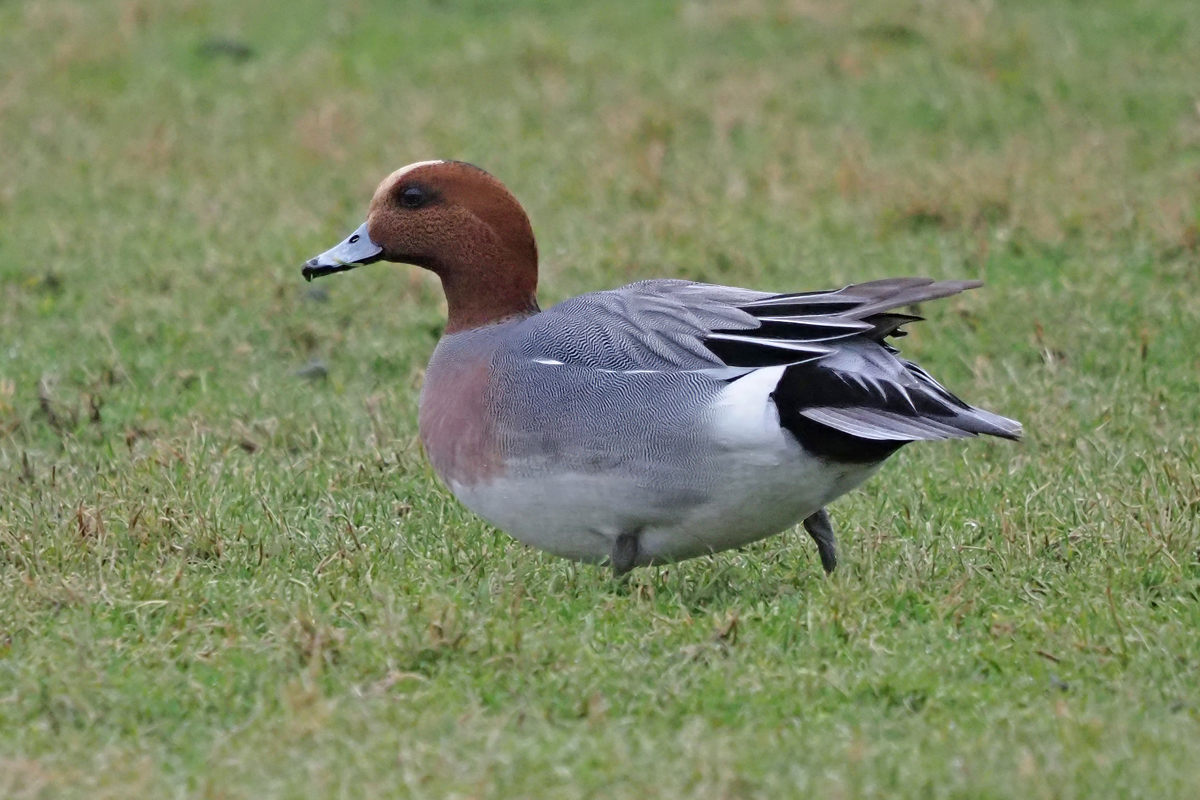
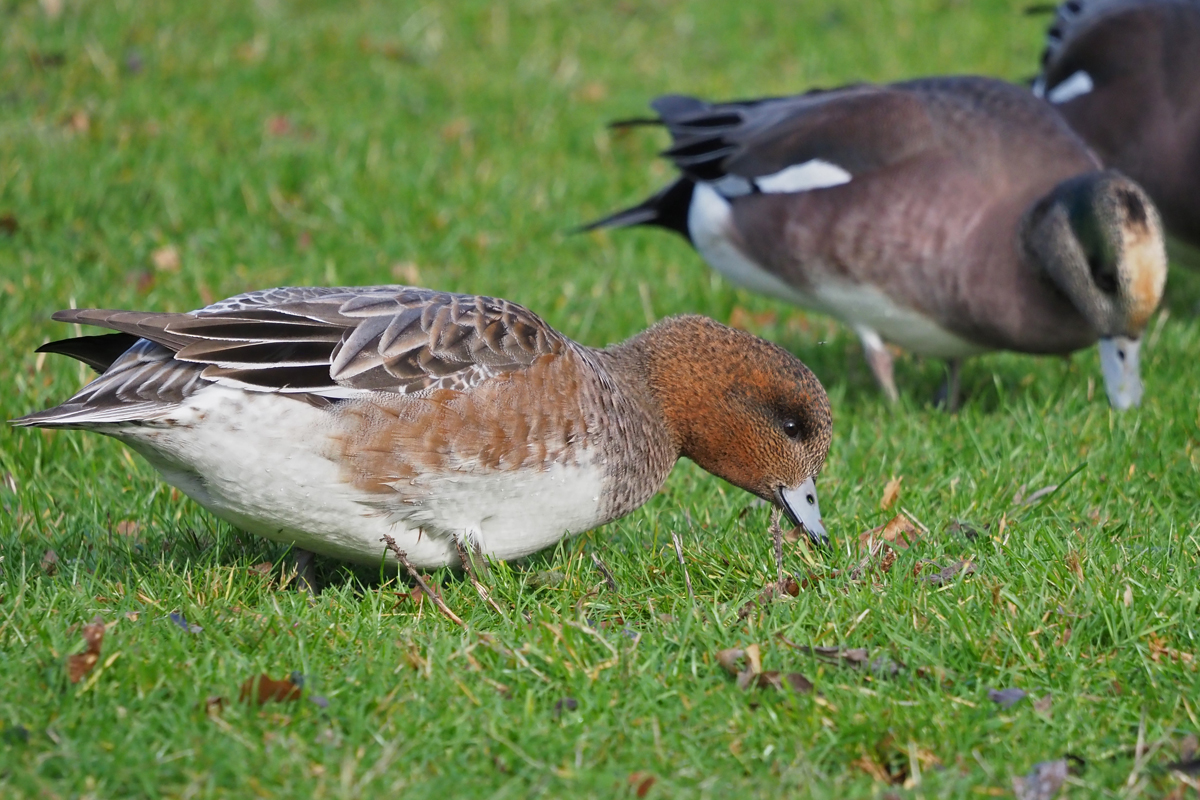
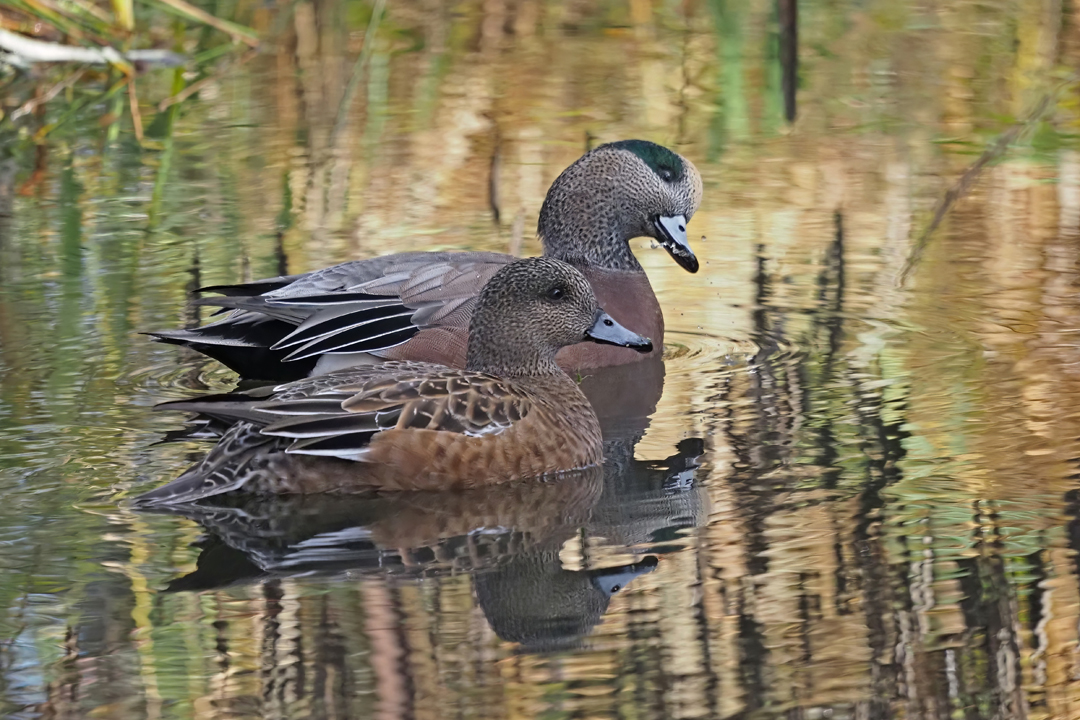
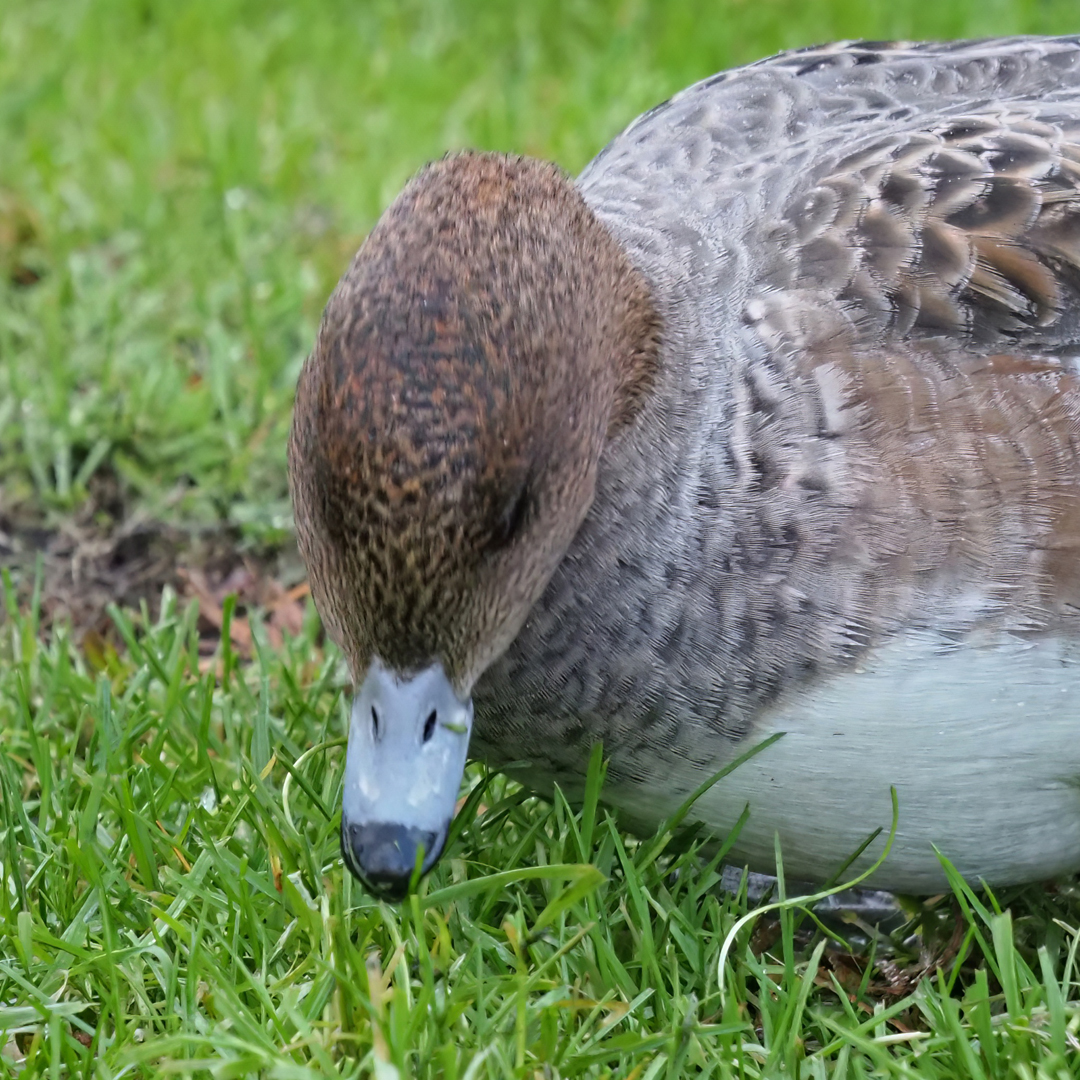
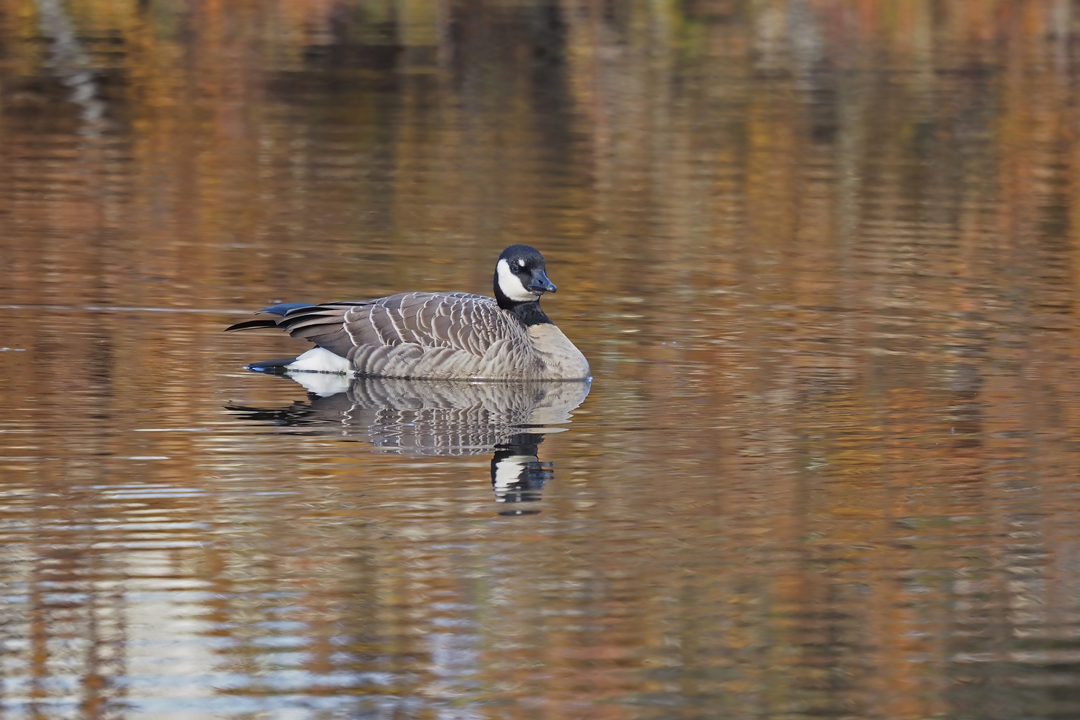
Canvasback at Force Lake. This little pond always hosts a few of this distinctive species. Ruddy Duck is another diving duck often found at Force Lake.This Common Goldeneye was in the creek at Westmoreland Park. Westmoreland used to be the place to see gulls in Portland. But since the duck pond was replaced with a more natural creek channel and wetland, gulls don’t hang out there anymore. The creek is always good for a few ducks, though. Ring-necked Duck at Westmoreland ParkHooded Merganser at Amberglen ParkRidgeway’s Cackling Geese grazing with some American Wigeons at AmberglenOne of two Eurasian Wigeons at AmberglenIt has been a good winter for Eurasian Wigeon in the Portland area. This bird, grazing at Commonwealth Lake, appears to be a young male just starting to molt into breeding plumage. The head color is a little too intense for a female, and there is a hint of blond coming in on the forehead. American Wigeon at Commonwealth
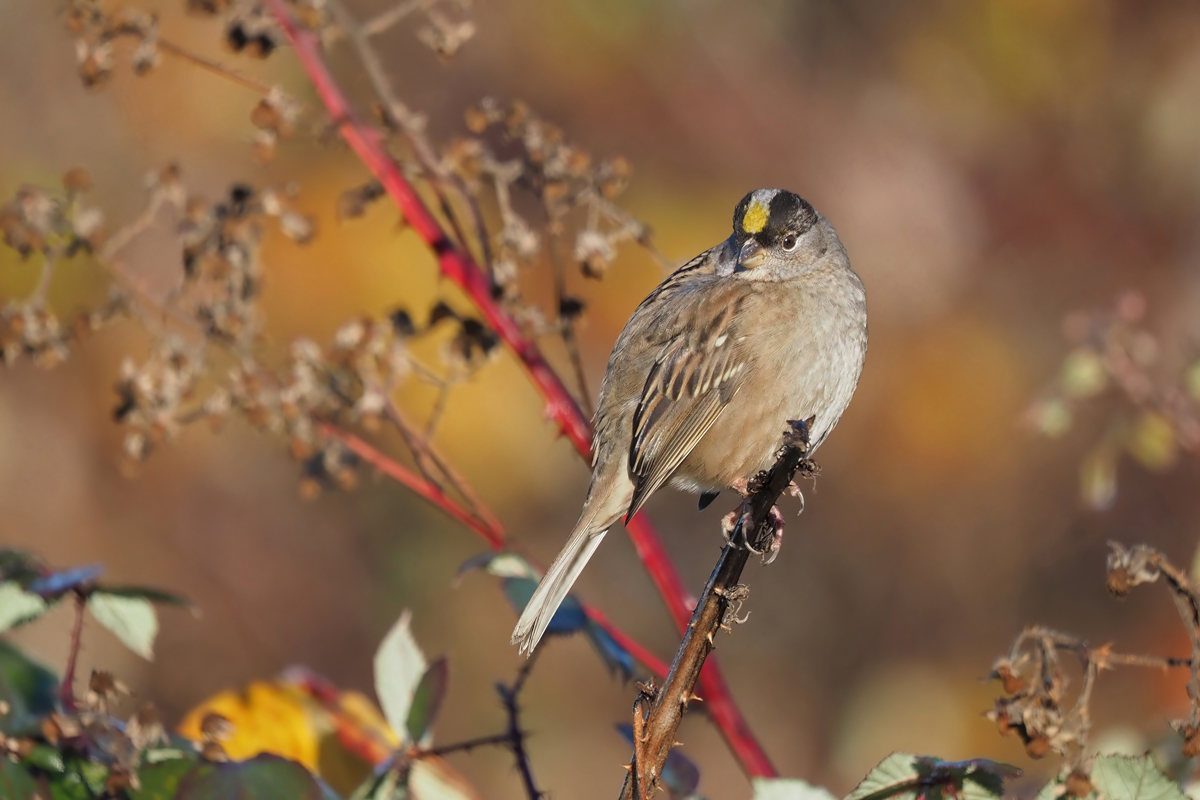
As winter finally locks in, here is a last look at some autumn colors, starting with this Golden-crowned Sparrow.
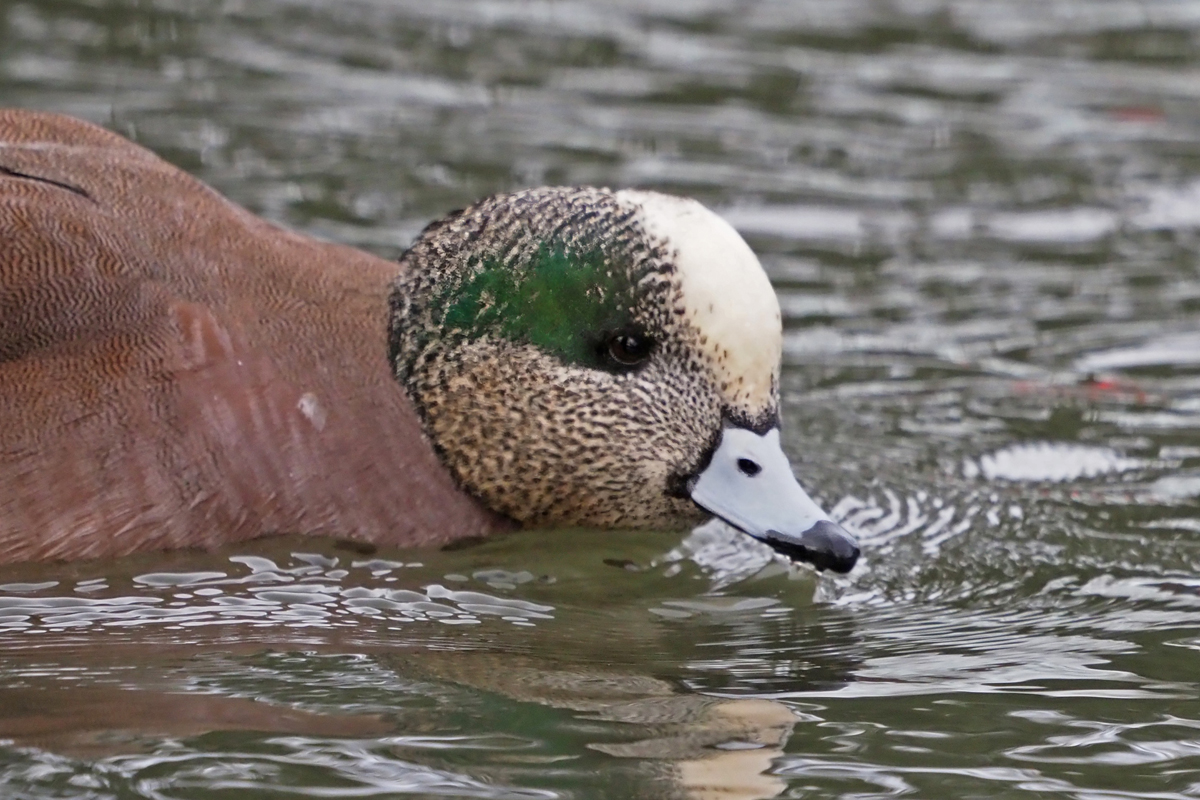
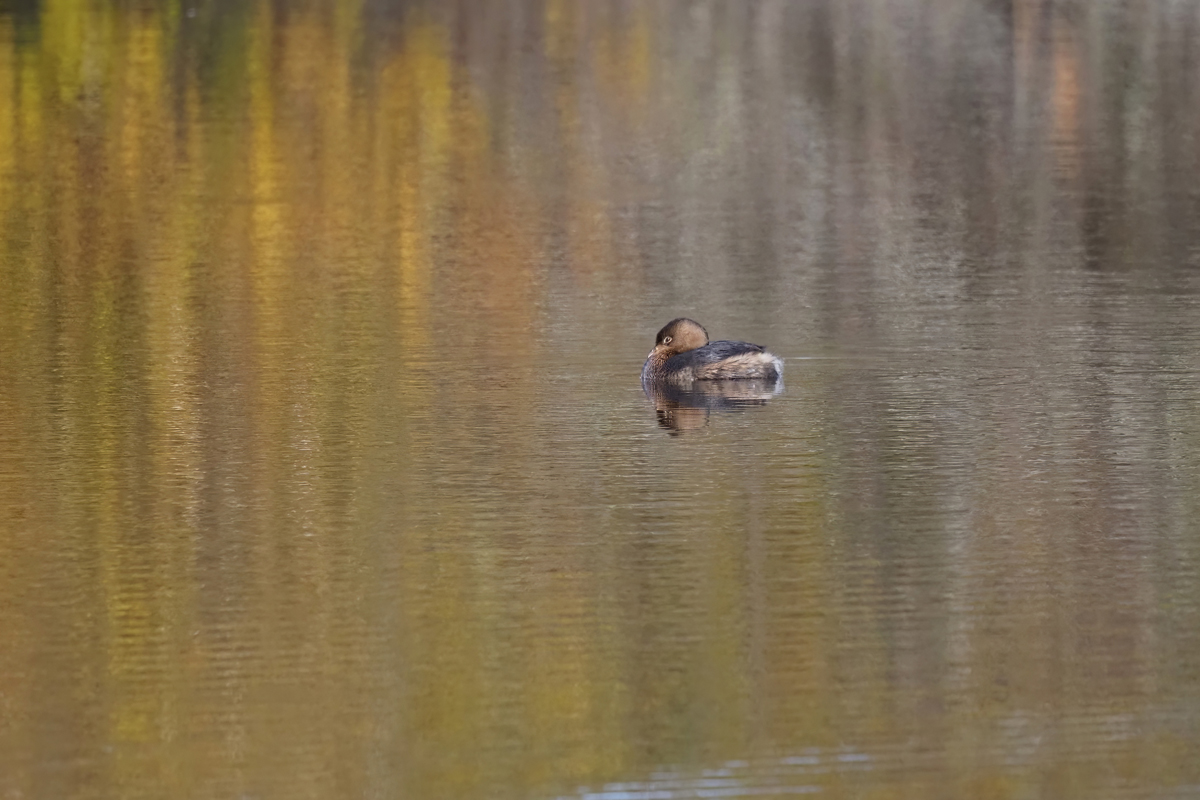
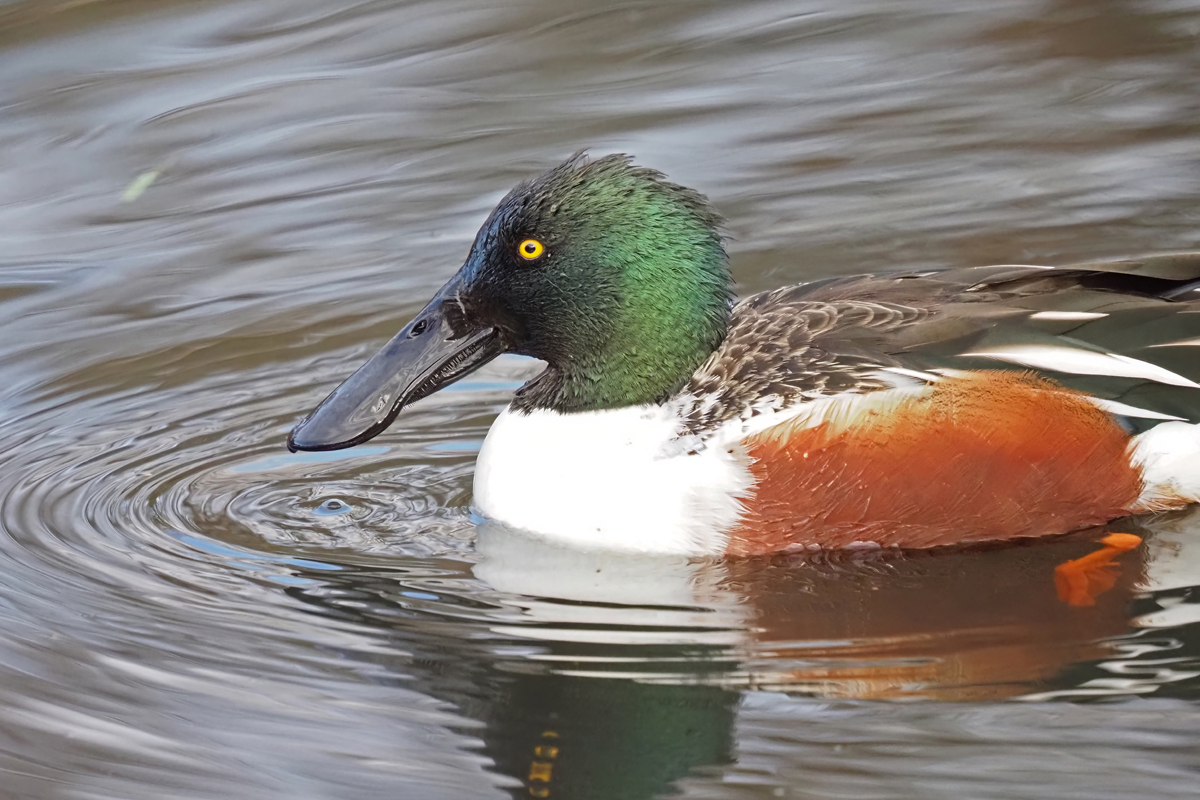
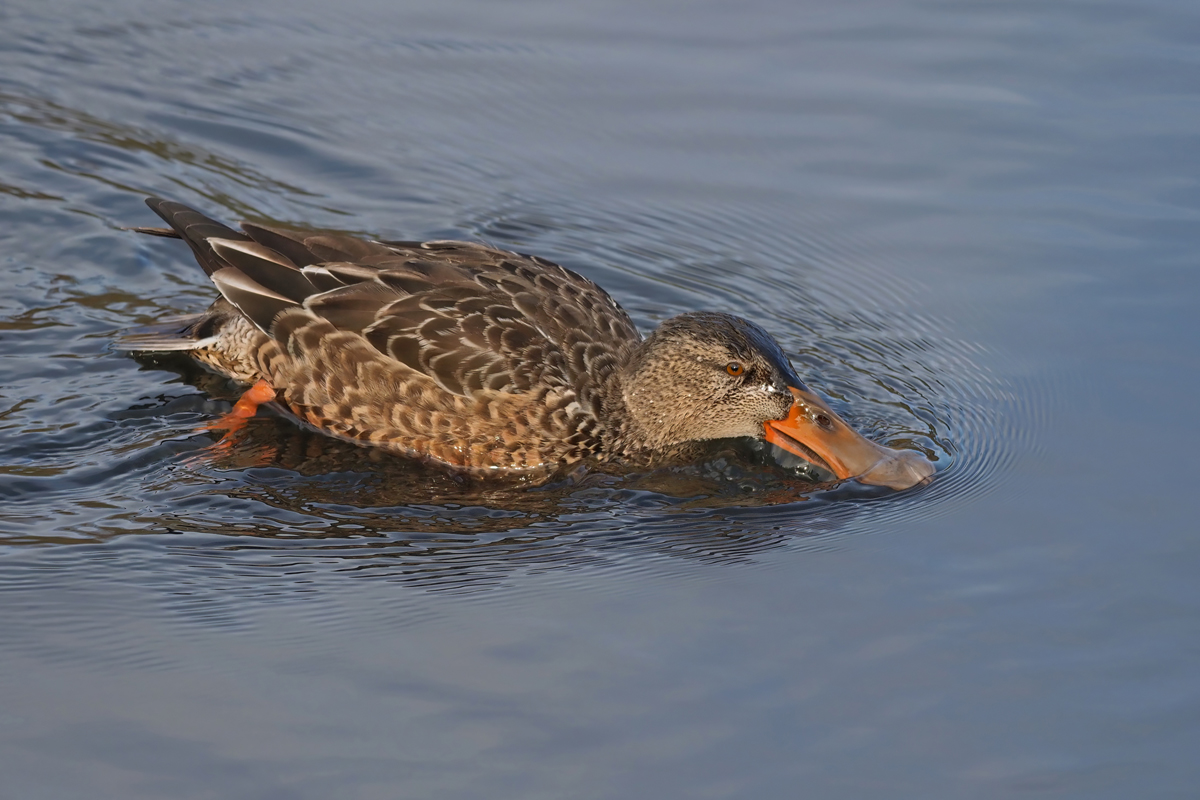
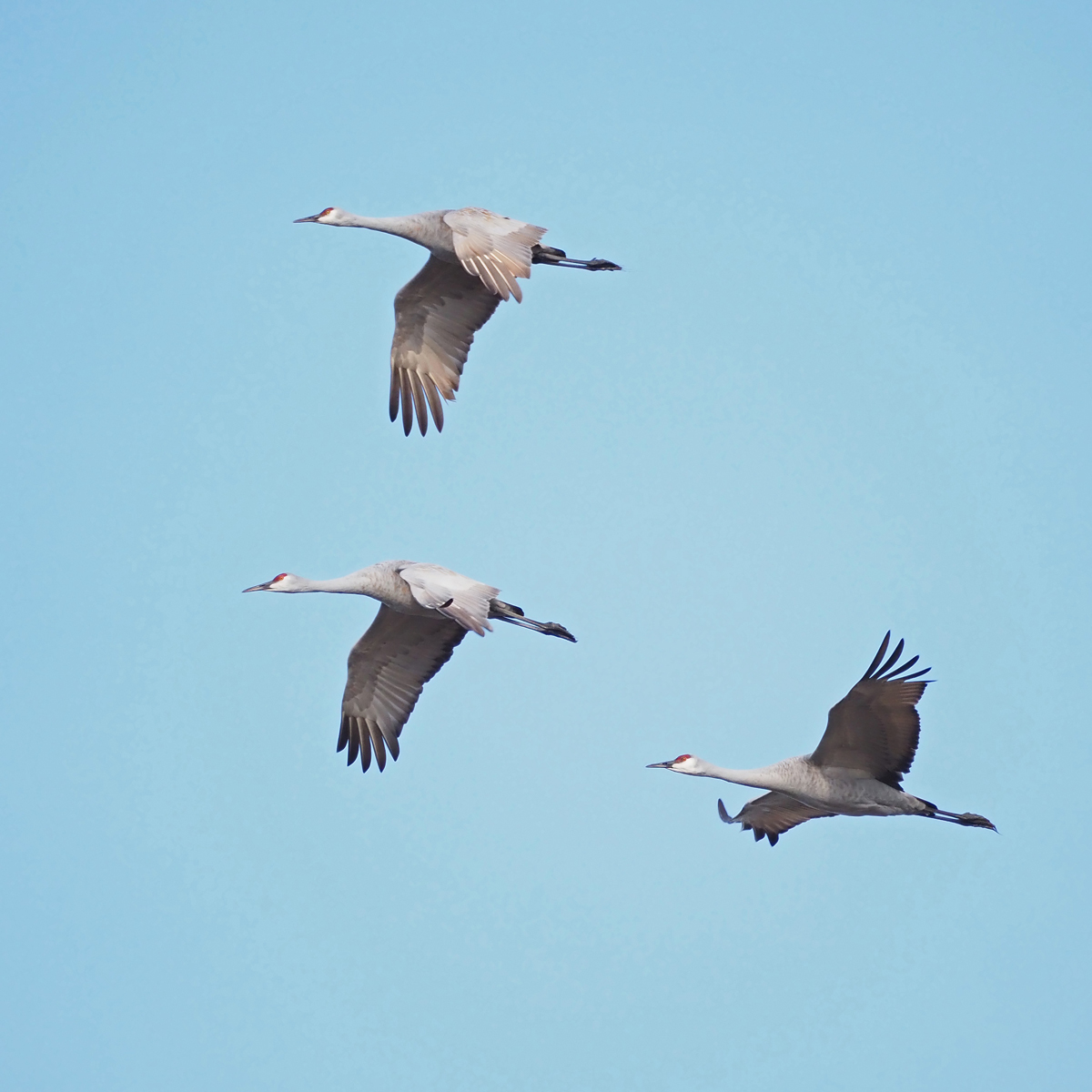
Pied-billed GrebeNorthern Shoveler, providing a splash of white, green, and copperNorthern Shovelers often swim with their faces in the water. I know they are filter-feeding along the surface, but it is easy to imagine that those enormous bills are just too heavy to hold up. Sandhill Cranes flying over Sauvie IslandAmerican Wigeon reflected in a sheltered backwater poolEurasian Wigeon feeding in the lawn at Commonwealth Lake. Note the lack of a black outline around the base of the bill, which would be present on an American Wigeon.Killdeer, contemplating whether to head farther south before the weather turns really bad. We have had a hard freeze since this photo was taken. I wonder what they decided. Taverner’s Cackling Goose. I like the little white eyebrow on this individual.This Red-winged Blackbird has some fresh rusty edges to his back feathers. Those will wear off with time.
As we approach two to three months of dark and dreary weather, remind yourself to get outdoors anyway.












 Ethical Birder