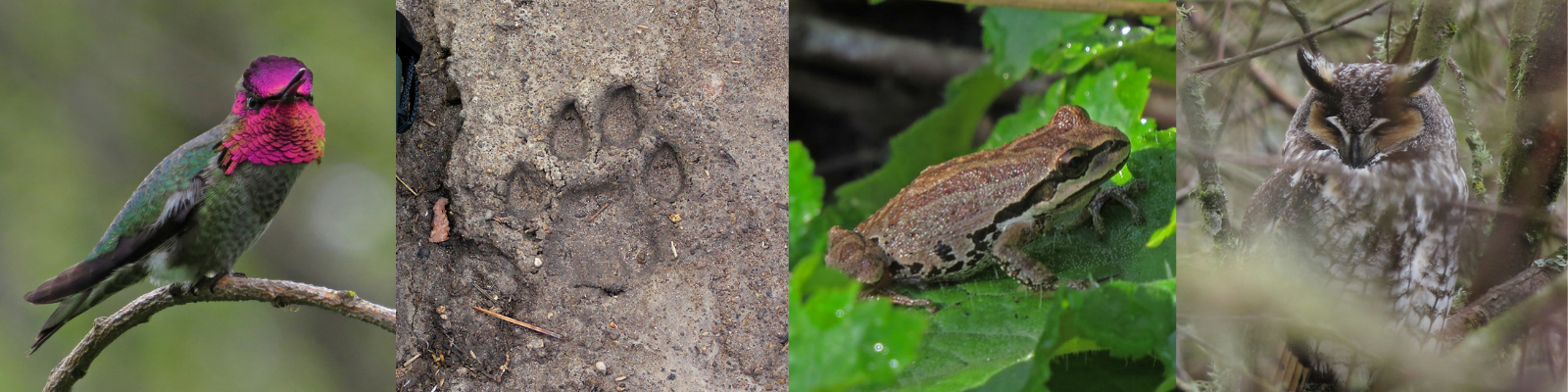
I haven’t seen any great rarities lately, but here are a few species that are encountered rarely enough to make them interesting.

Western Meadowlarks are sadly hard to find in the Portland area. This is one of three that were hanging out at Broughton Beach.

I know of three Eurasian Wigeons currently wintering on the west side of the Portland area, one each in three different parks. This one was at Amberglen.

The rarest bird I’ve seen lately is this Northern Mockingbird that has been hanging out at Koll Center Wetlands for the past month or so.
There have been some great birds found around Portland lately that I haven’t been able to chase. Winter is a great time for tracking down rarities, as they tend to stay put for long periods. Hopefully my schedule will open up enough that I can do some chasing soon.
Happy winter.

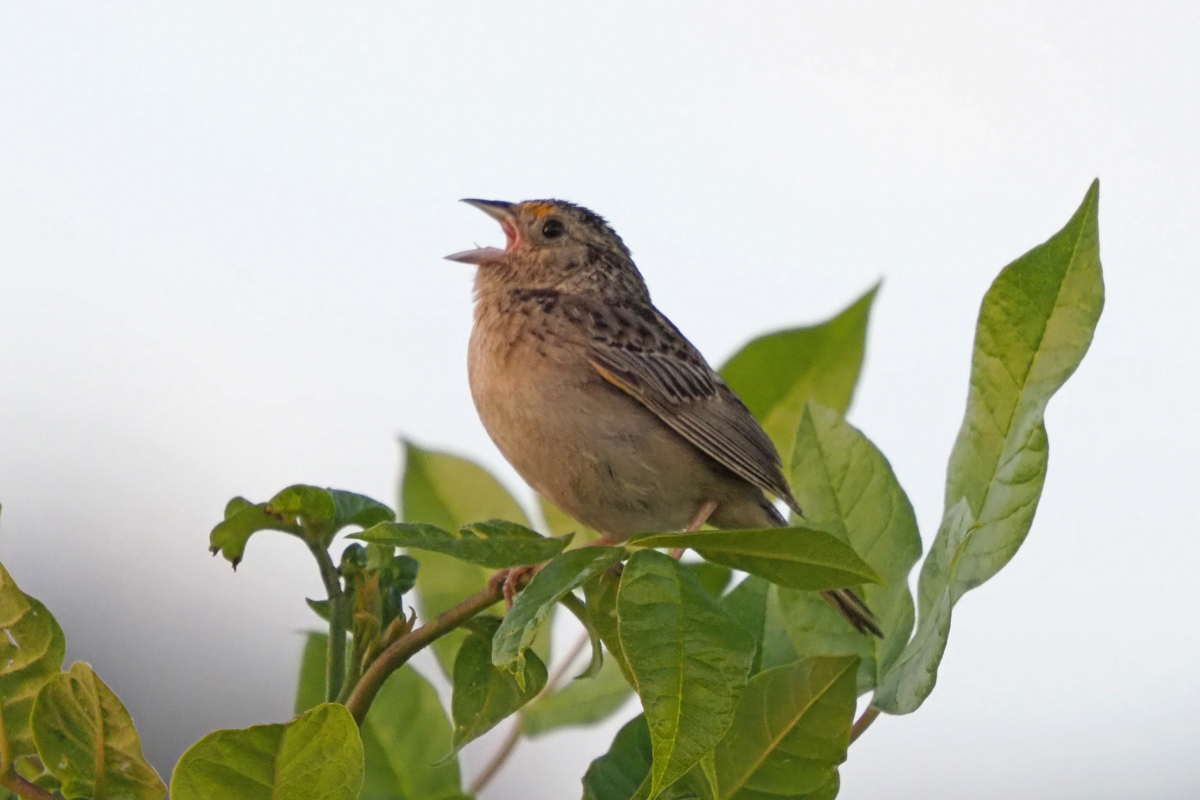


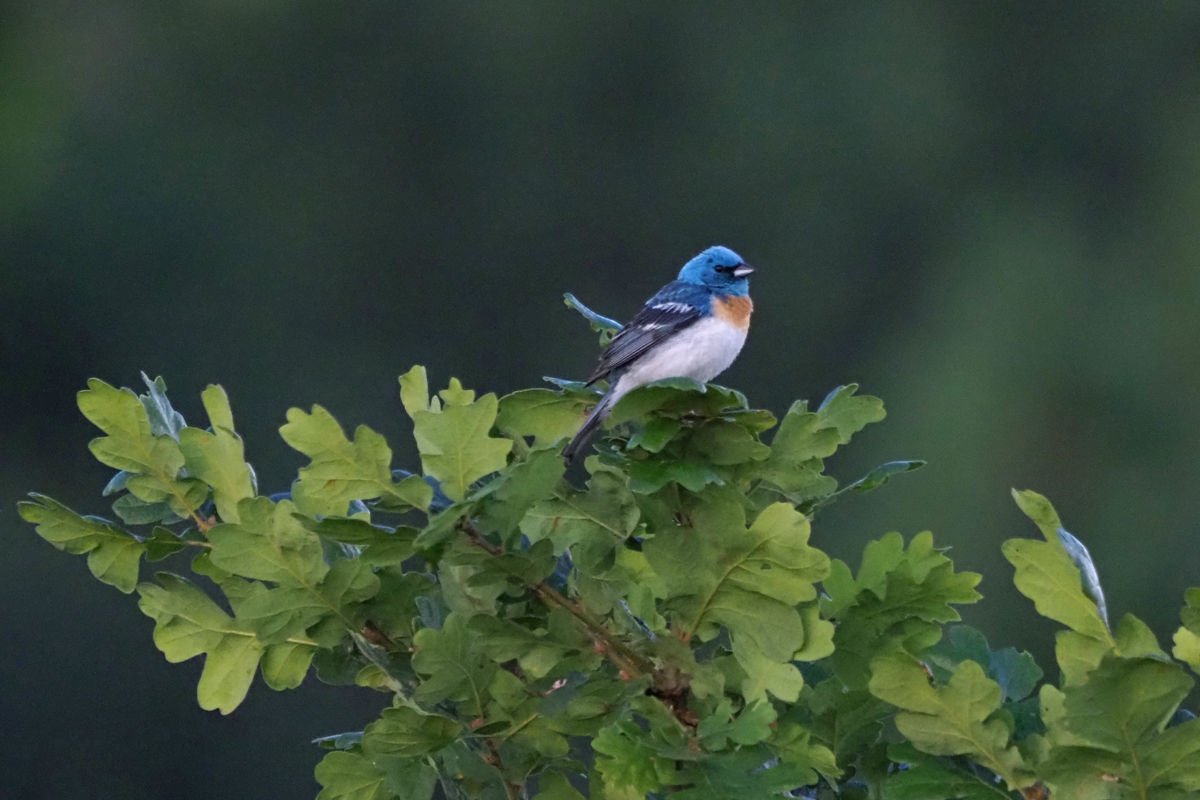


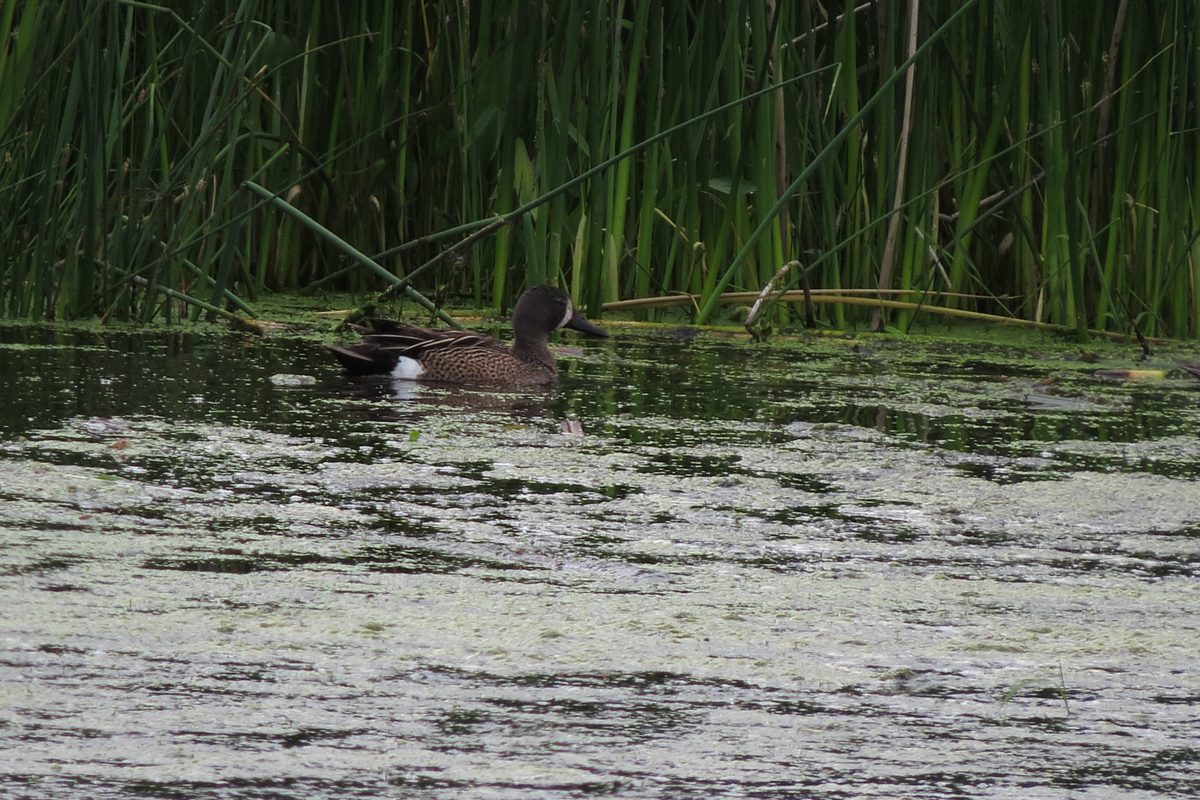
 The long hiking trail at Tualatin River NWR is open, and this refuge always offers some good birding in the spring and early summer. A pair of Blue-winged Teal was in the southwest pond.
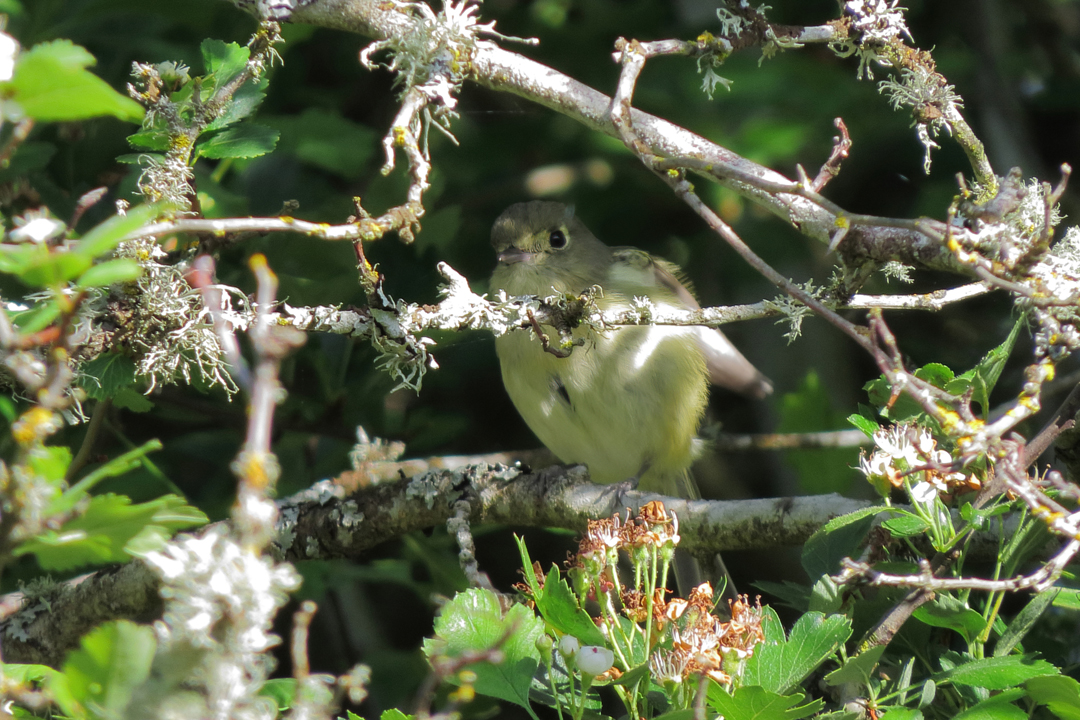 As is typical for this species, this Hutton’s Vireo stayed back in heavy cover.
 It is really hard to shoot a Brewer’s Blackbird against the sky without ending up with just a silhouette, but I keep trying.
 Long-billed Dowitcher was the most common shorebird on this visit. It is nice to see them in full breeding plumage.
 The best bird of the trip was this Pectoral Sandpiper. Pectorals are regular autumn migrants in this area, but are very rare in spring.




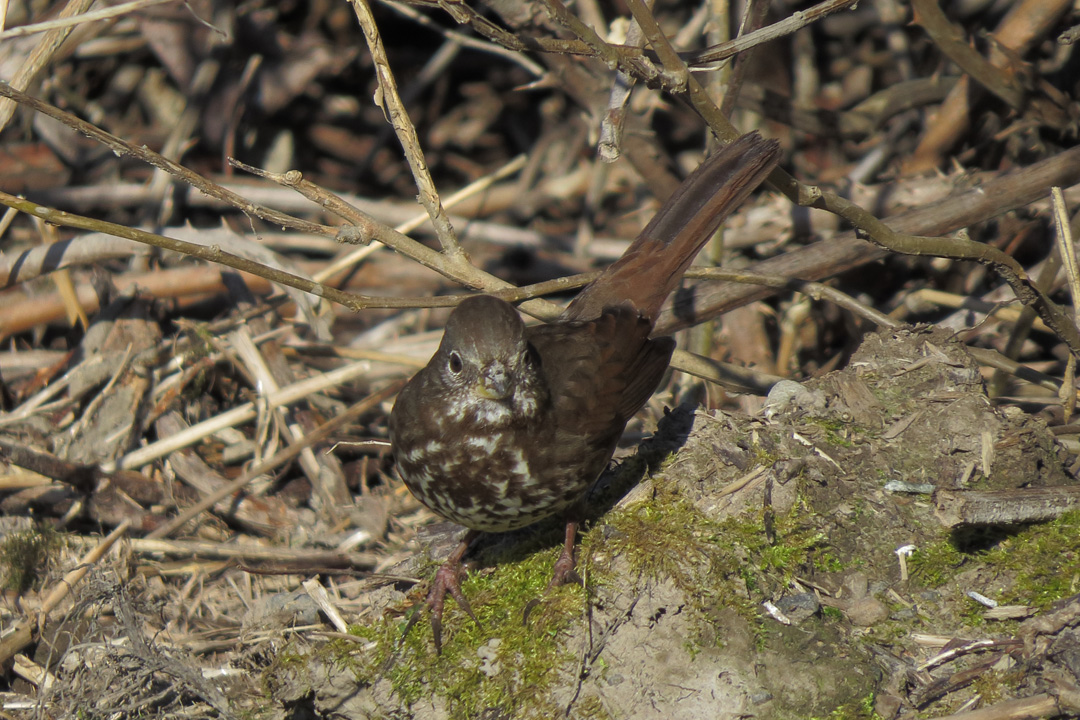 Late winter is when I typically concentrate on sparrows. There isn’t much else going on this time of year, and the vegetation is worn down enough that visibility is pretty good. Rentenaar Road on Sauvie Island continues to be the best spot in the area for a variety of little brown birds. Some would say that the birding is too easy when you just throw down some seed and watch the birds swarm in, but I love the opportunity to see 10 sparrow species side-by-side at close range. Here is a Fox Sparrow.
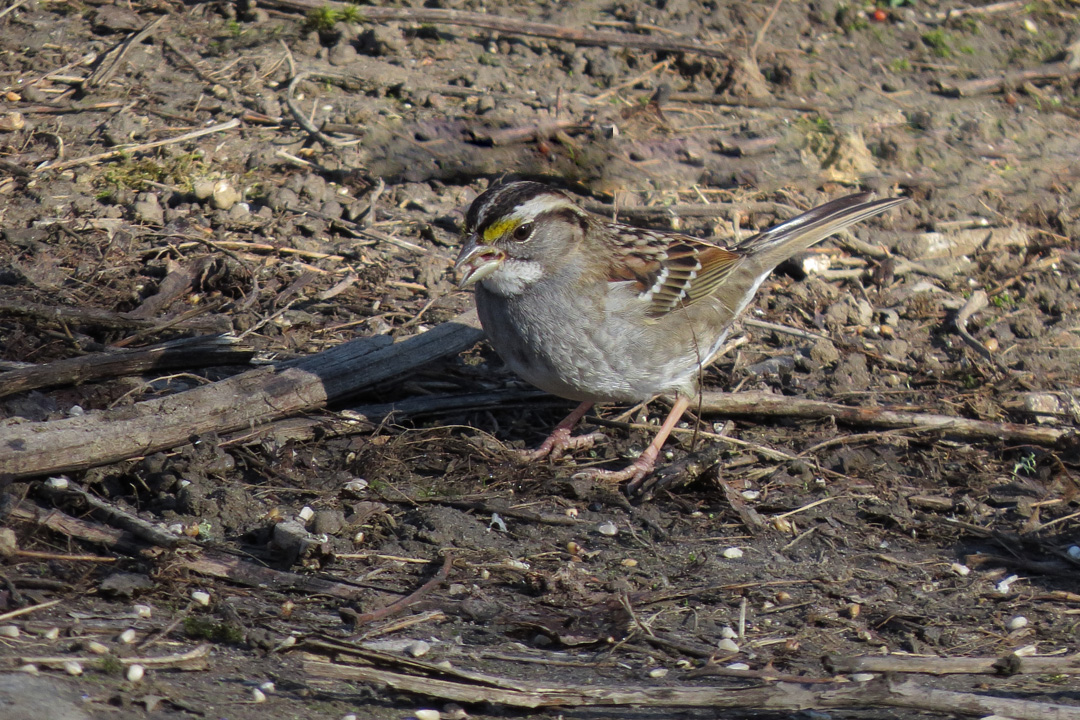 White-throated Sparrows were a rare treat around here 15 years ago, but they are an expected species now.
 White-crowned Sparrow, always dapper
 There is usually a small flock of Savannah Sparrows along Rentenaar Road in winter. They tend to keep to themselves and don’t come in to feed at the chumming spots.
 The most noteworthy little brown bird in the area this winter has been the Siberian Accentor in Woodland, WA. I don’t keep a Washington list, but I did cross the river to see this bird. They are quite rare anywhere in North America, so this was probably my only chance to add this bird to my life list. It would have been much better for me if the bird had flown ten miles to the southwest and hung out in Oregon, but Asian vagrants don’t seem to care about my state list.
 This was my first snake of the season, found at Wapato Greenway State Park on Sauvie Island. I am not sure if this is a Common Garter or a Northwestern Garter. The body pattern most closely matches the local race of Common Garter, but they typically have red heads. Our local Northwestern Garters do not show red spots on the sides, but do have small dark heads. I did not apply one test that has often worked for me; If you pick them up and they bite you, they are Common Garters. If they don’t try to bite, they are Northwestern. I don’t know if other herpers have noticed this trend, but I have found it to be true of individual snakes of known identity.






 Ethical Birder