Fernhill Wetlands

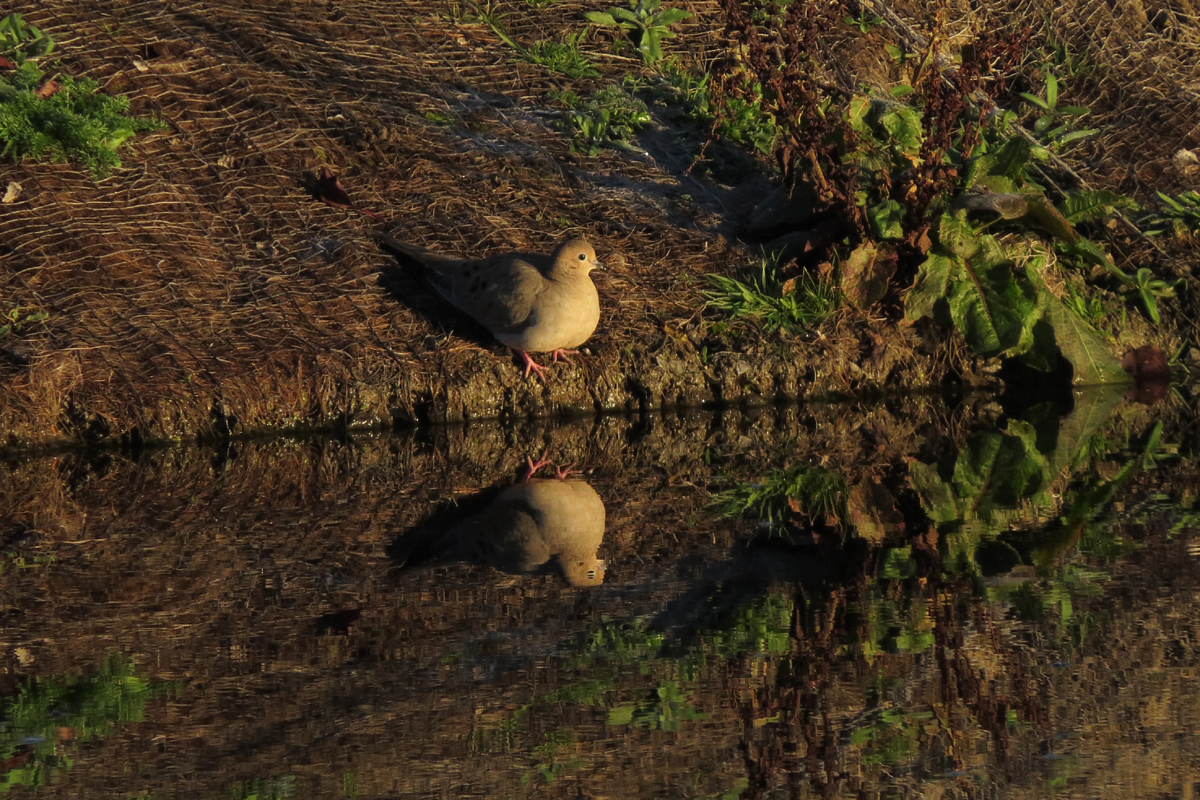
I visited Fernhill Wetlands in Forest Grove on a rare sunny December day. The sun is so low at this time of year that if there is no cloud cover the sun is either at your back or directly in your eyes. The latter makes birding very challenging, but the former can produce some lovely light, as seen on this Mourning Dove.
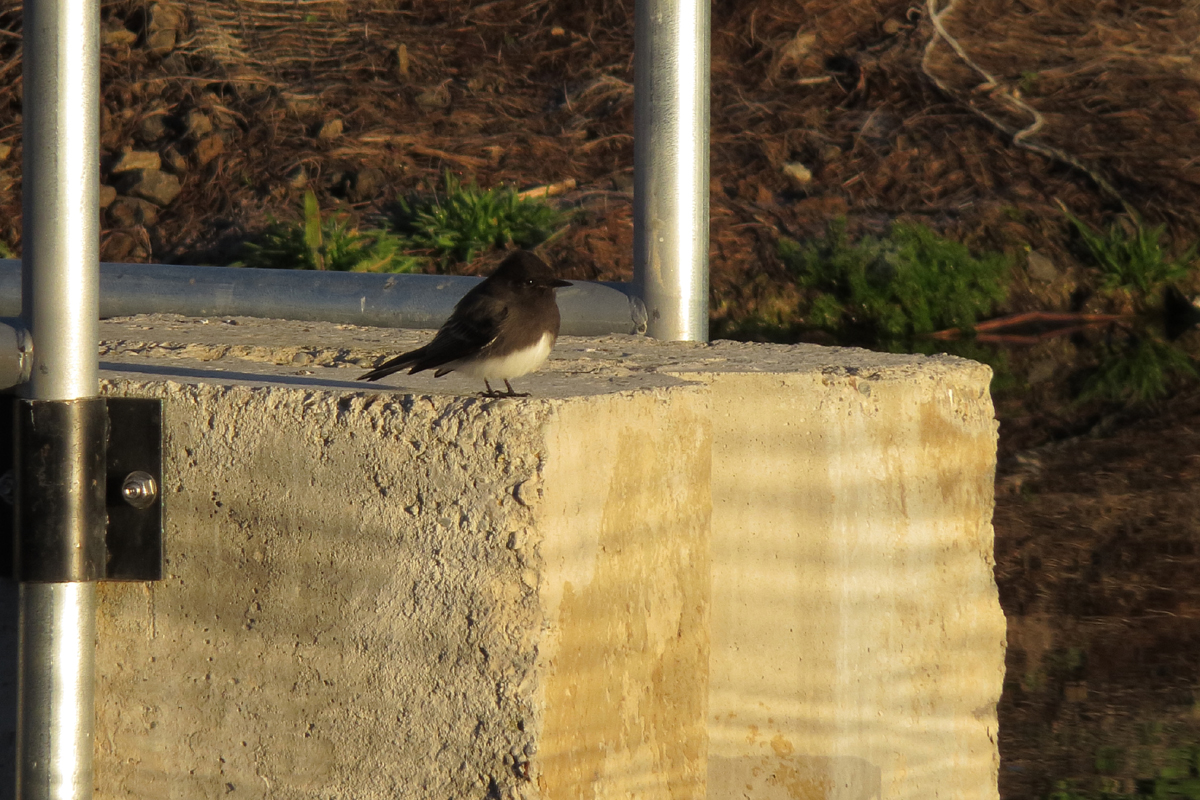
At least one Black Phoebe has been hanging out near the ponds behind the picnic shelter this fall. Black Phoebes were unheard of in Washington County a few year ago.
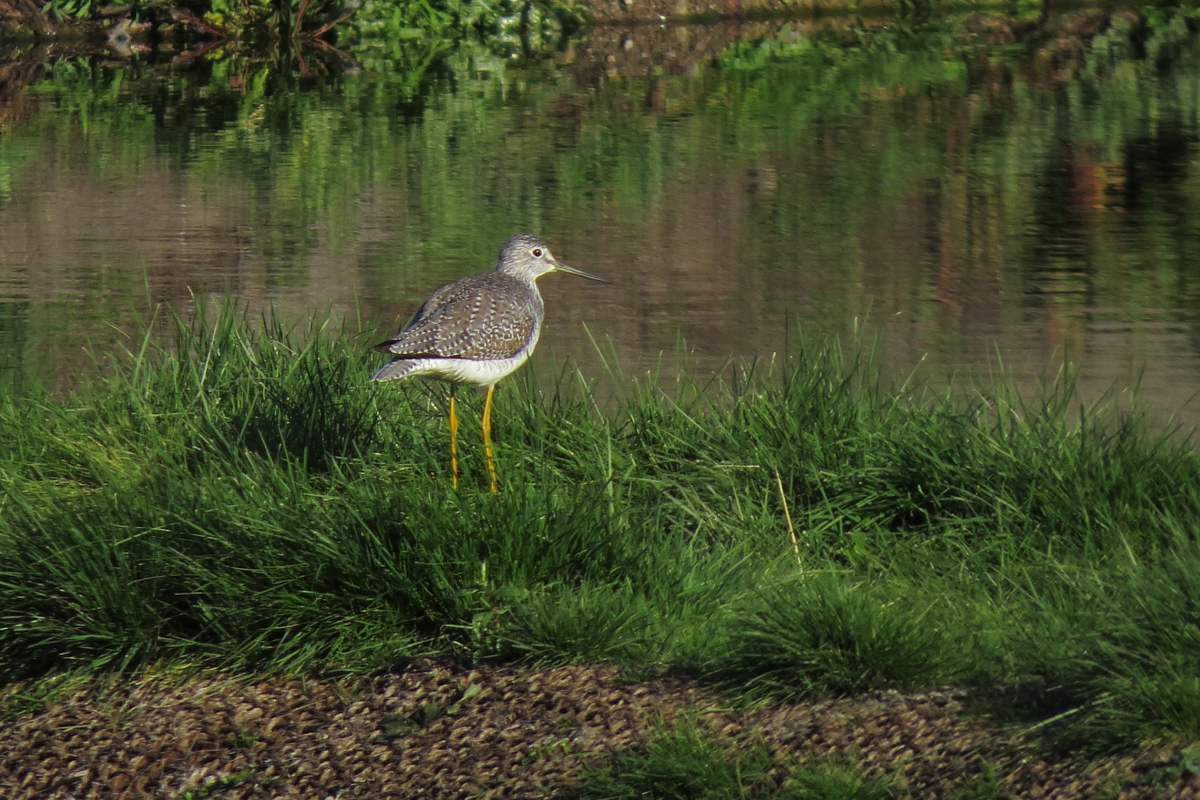
Any shorebird seen at this time of year is a treat. This lone Greater Yellowlegs was one of four shorebird species found on this trip. (Long-billed Dowitchers and Wilson’s Snipe were flybys.)
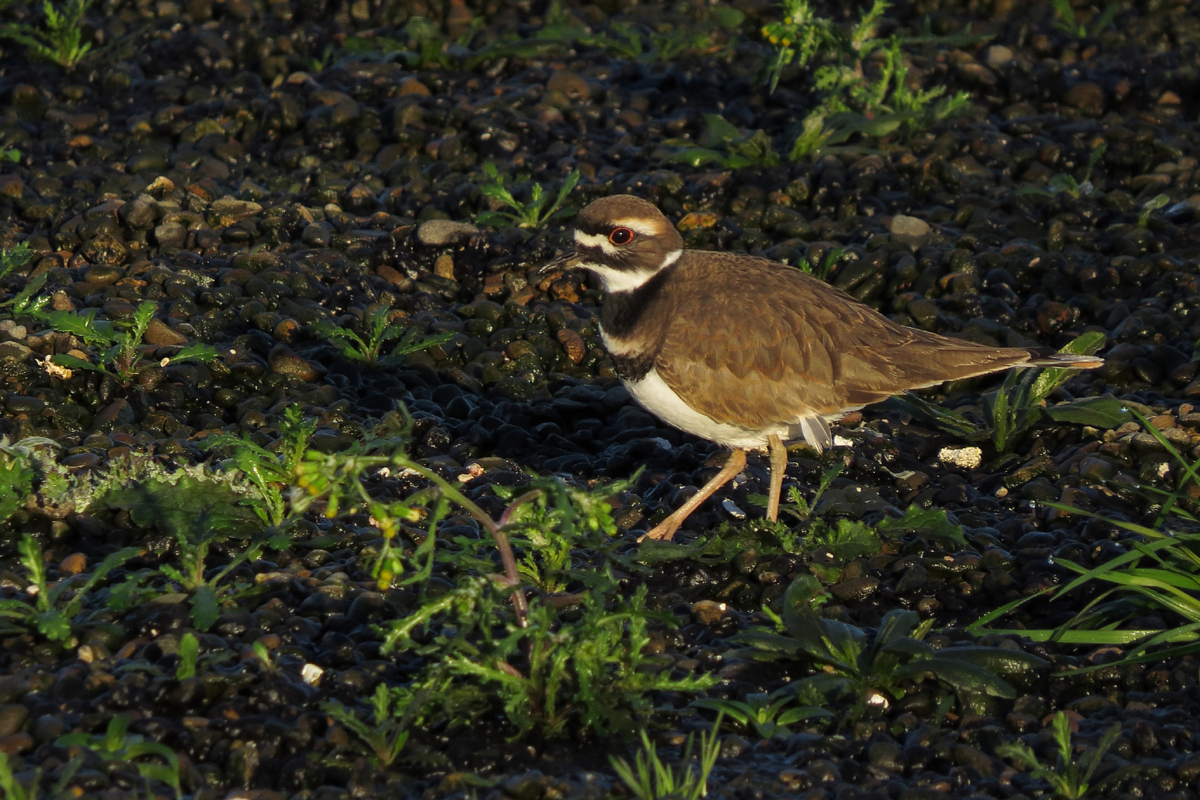
This Killdeer was probing with her foot to try to stir up food in one of the new gravel filtration tanks.

The main lake at Fernhill is hosting a nice variety of waterfowl, but most were distant or in the harsh sunlight. A  Swamp Sparrow was a nice find, but stayed in the cattails to avoid being photographed.

Happy Autumn.
Commonwealth Lake

When time is limited or weather is sketchy, I appreciate having Commonwealth Lake close to home for a quick birding fix.

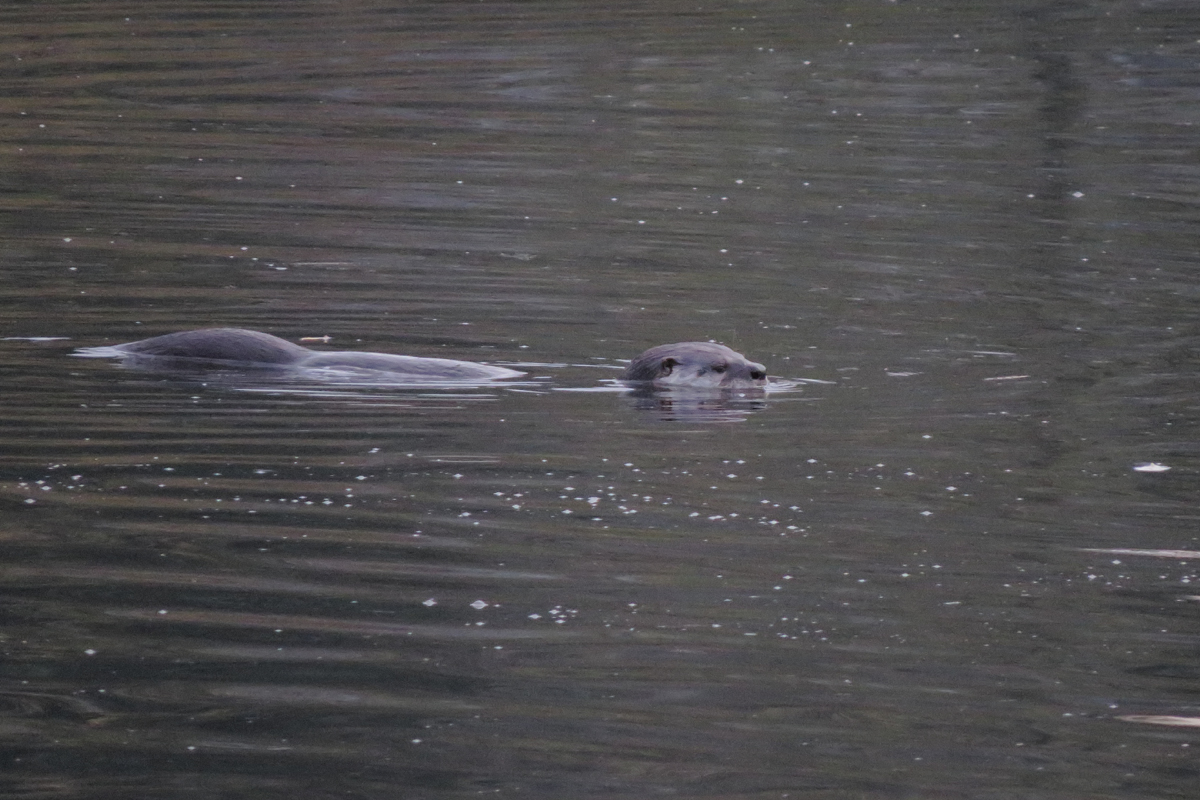
Early in the morning, River Otters will often visit the lake to fill up on fish. There were three otters present on this visit, but they stayed out in the middle of the lake most of the time.

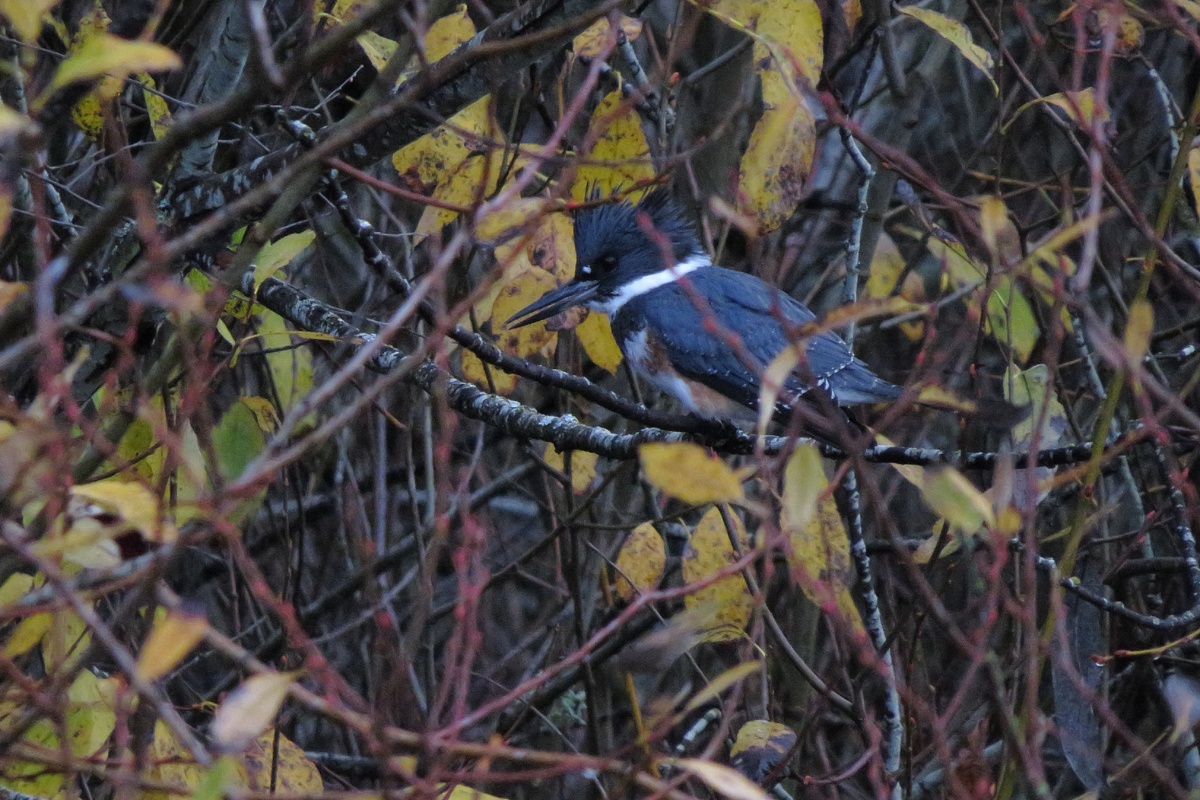
This Belted Kingfisher called from the tangled branches that overhang the water.

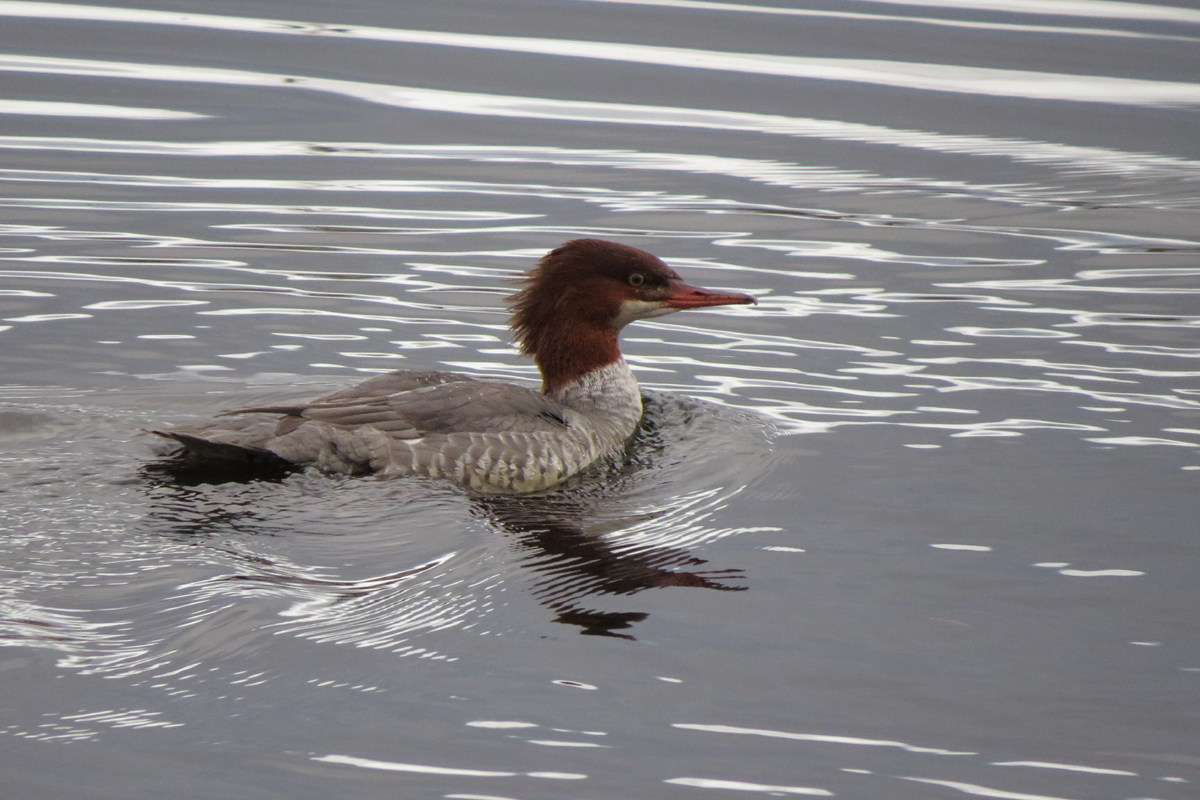
Male Common Mergansers lent a splash of color with their red bills.

This female Hooded Merganser kept to the far shore.

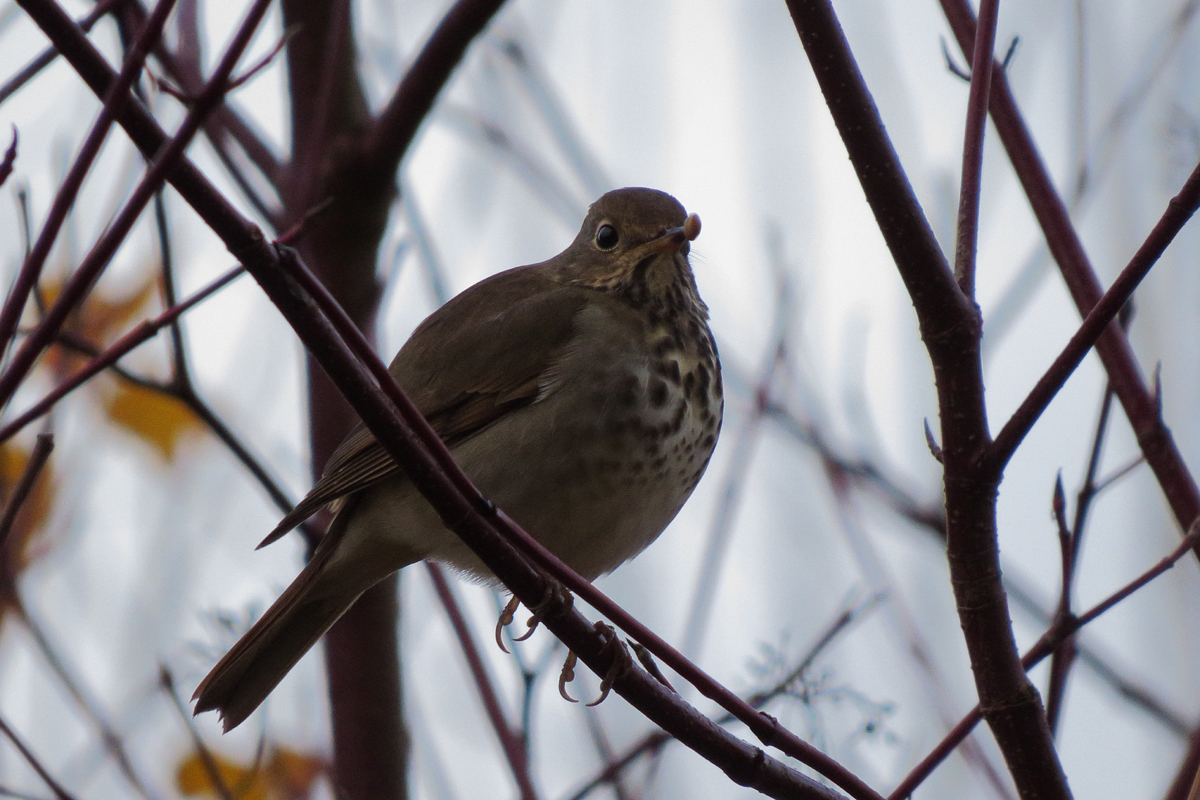
Some of the dogwoods still had a few berries, and this Hermit Thrush was taking advantage of this seasonal food.
It was a treat to see this species sitting out in the open, rather than skulking in the undergrowth.

So nothing too exciting this trip, but it is enough to ward off insanity/crankiness until the next outing.

Happy Autumn

Fernhill Wetlands

We have had a long stretch of sunny warm weather lately. On one hand, it is lovely to be warm and dry on an outing. On the other hand, water levels continue drop and the harsh lighting makes for lousy photos. Nevertheless, here are some images from a recent trip to Fernhill Wetlands.

The Cackling Geese have returned for the winter.

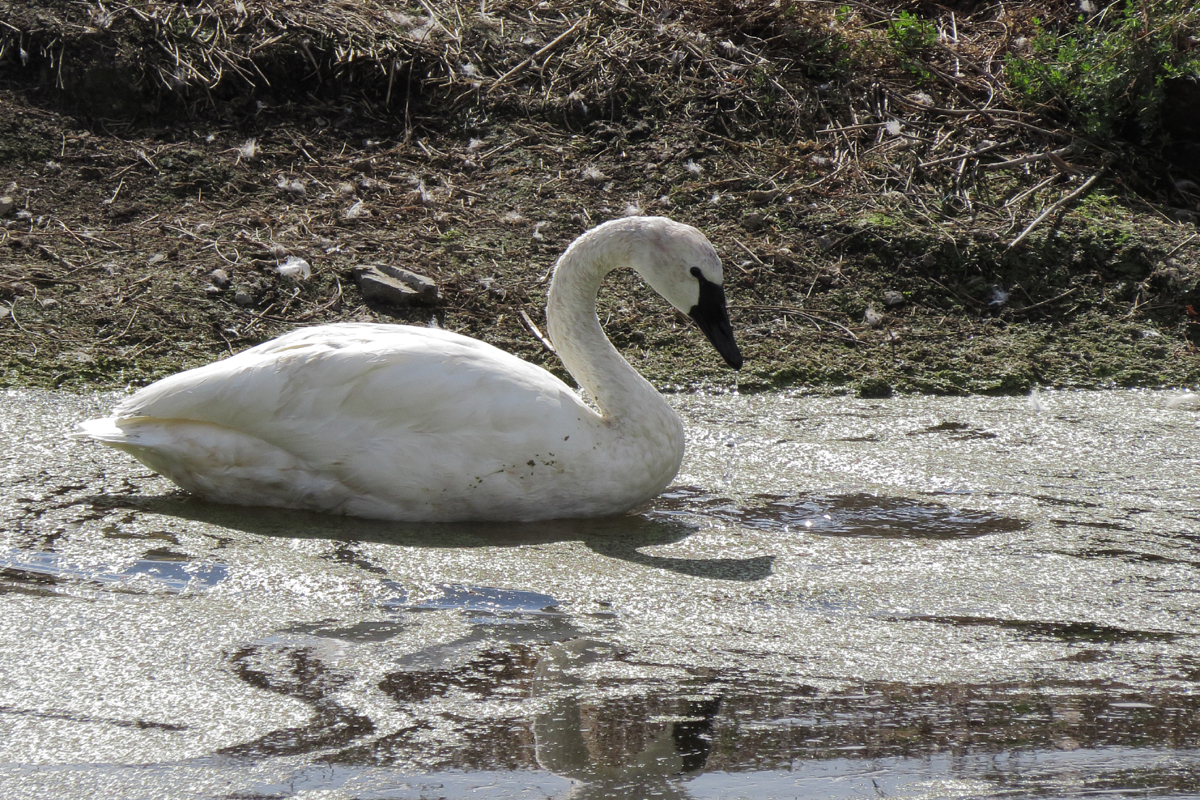
The Tundra Swan that has spent the entire summer at Fernhill is still around. Hopefully, some more swans will arrive soon to keep him company. It must feel odd to be the only one of your kind. It’s like being a vegan in Kansas (been there).
Here is a more traditional view of the Tundra Swan.

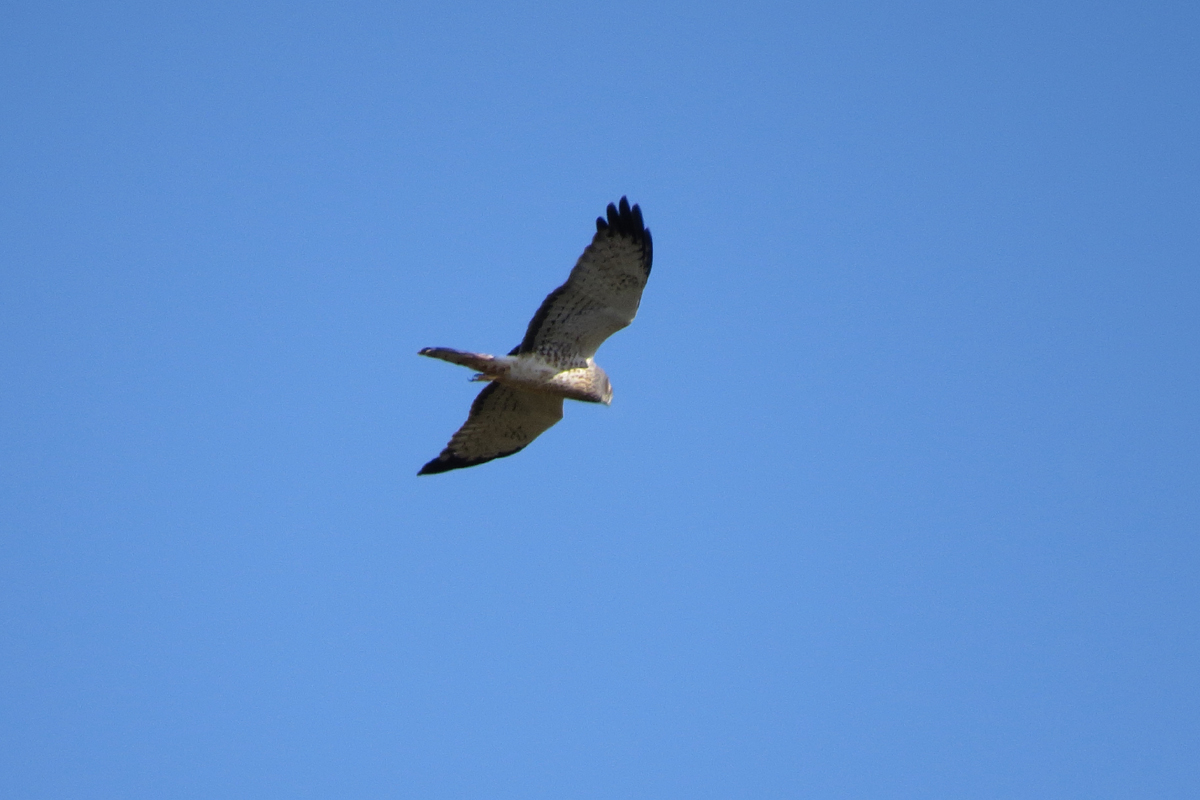
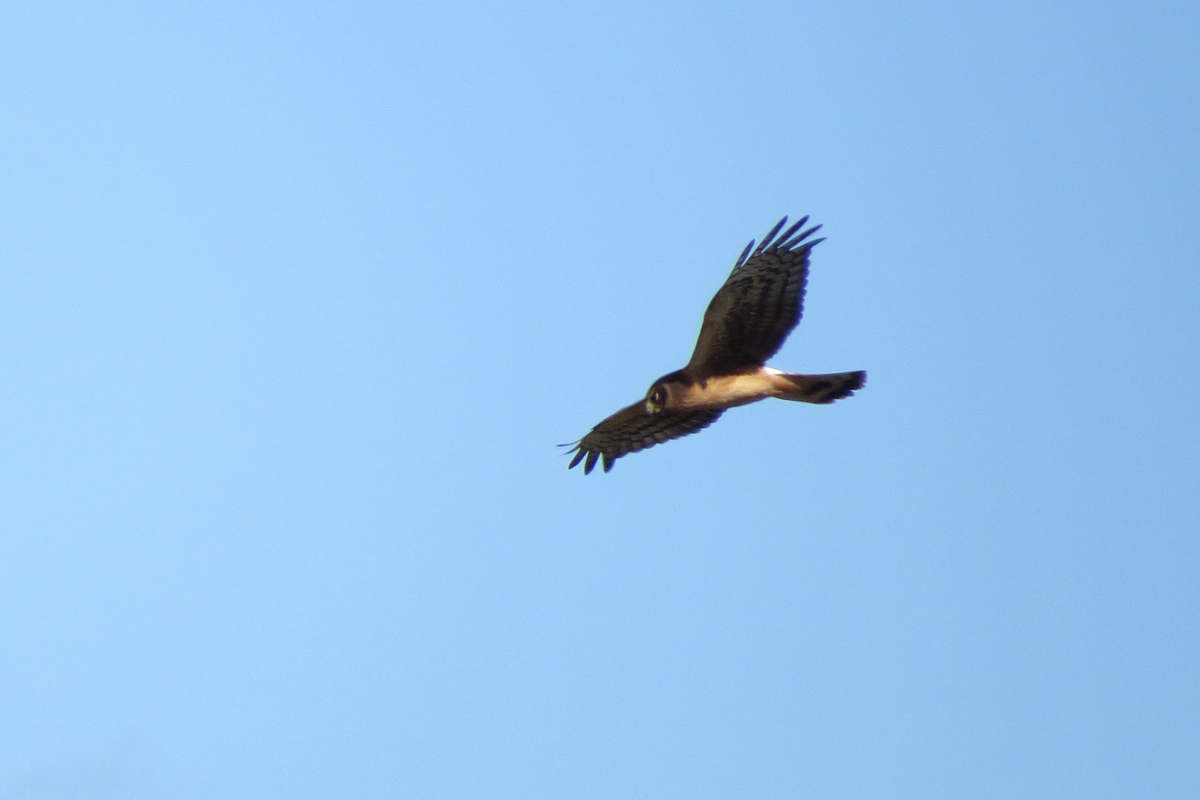
A small group of Northern Harriers flew over the wetlands while I was there.

Shorebird migration is quickly winding down, so it was nice to see this Pectoral Sandpiper.

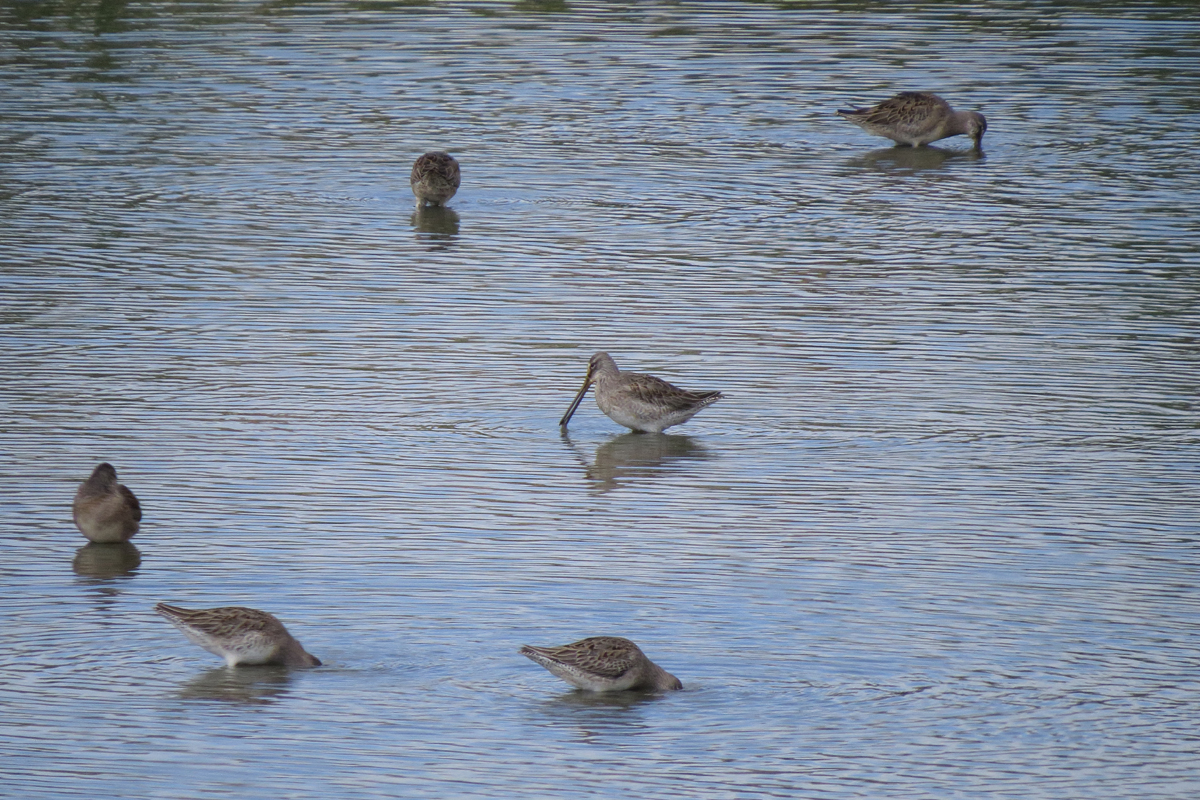
Long-billed Dowitchers in one of the little ponds by the picnic shelter

A Nutria swimming through the duckweed

This is the first turtle I have seen at Fernhill. Unfortunately, I think he is a non-native Slider, a species common in the pet trade and frequently released into areas where they don’t belong.

Happy Autumn

Nifty Shades of Gray

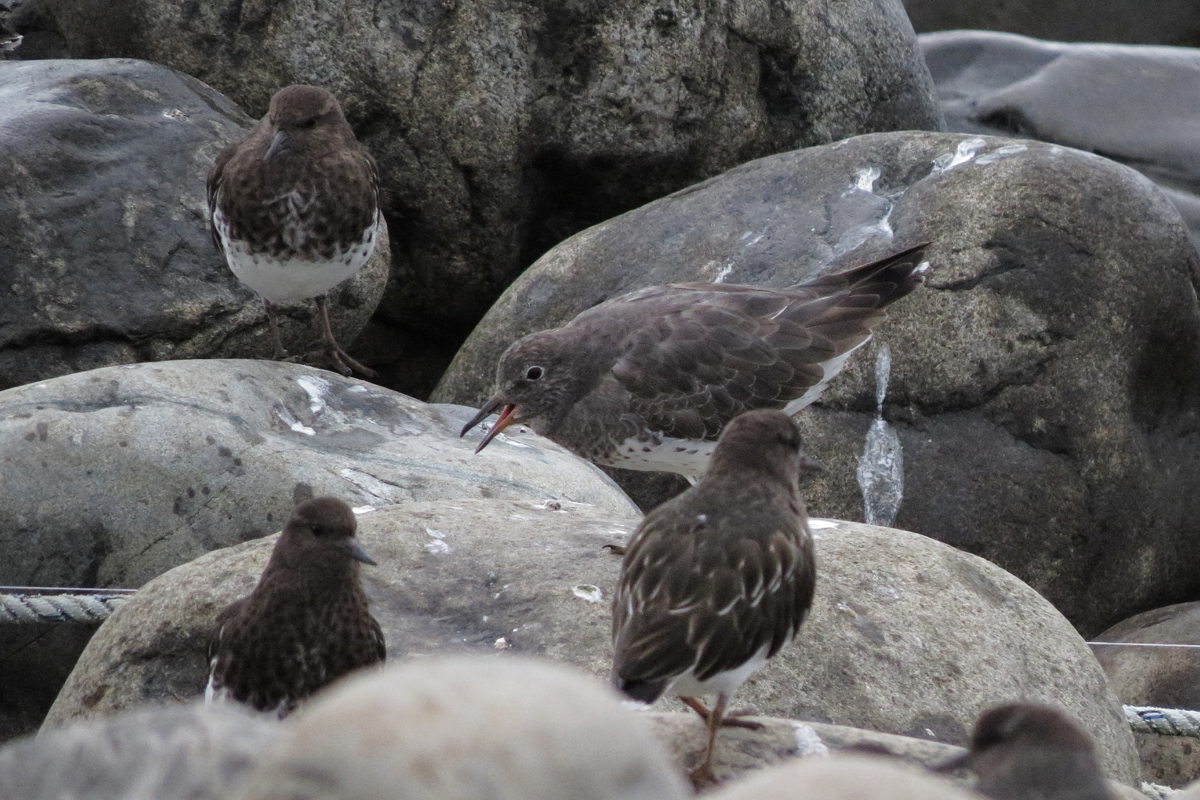
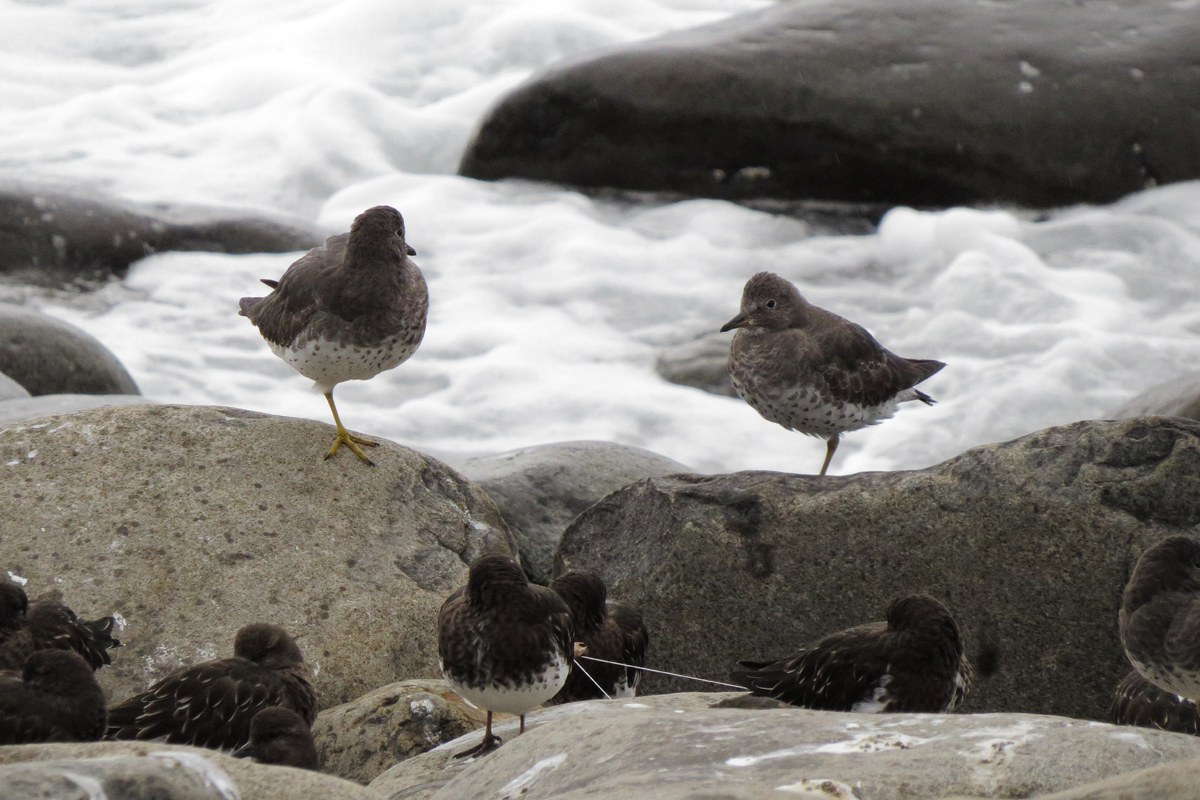
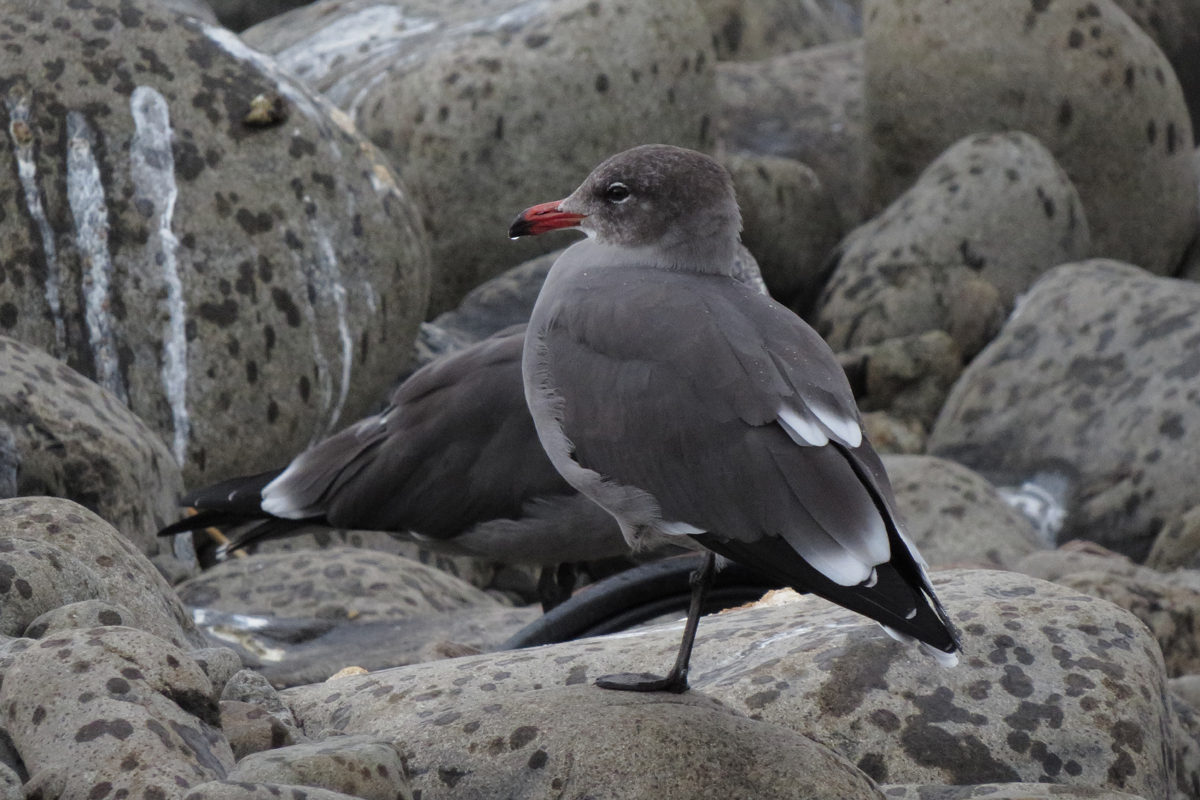
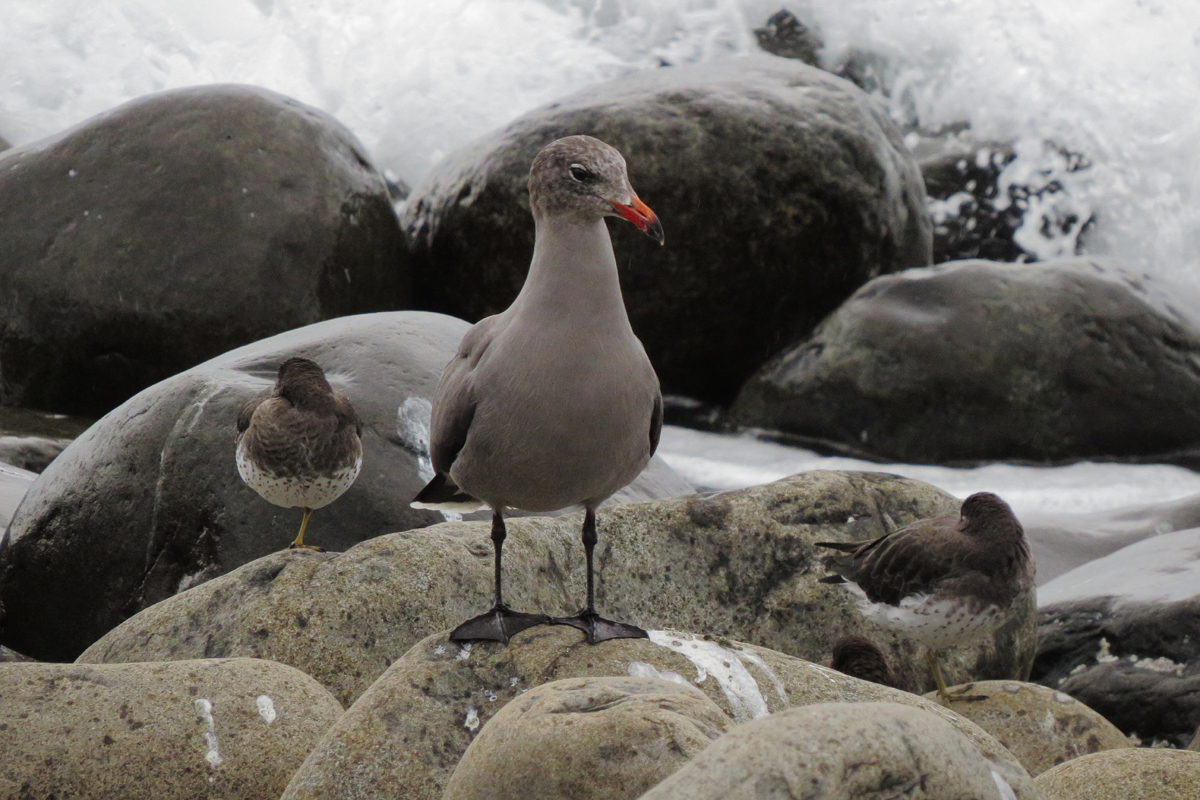
The Cove, in Seaside, is unique on the northern Oregon coast for the cobbles and boulders that make up its beach. These gray stones regularly attract three species that are more difficult to find elsewhere; Heermann’s Gull, Surfbird, and Black Turnstone. The color of the stone, light gray when dry, dark gray when wet, match these birds so well that individuals can be hard to see if they are sitting still. Add some cloud cover and you have a nearly monochromatic scene of birds, stone, sea, and sky.

This Surfbird was calling loudly, perhaps uncomfortable being surrounded by Black Turnstones.

More Surfbirds and Black Turnstones

Heermann’s Gulls would be harder to see if they didn’t have that blood-red bill.

Heermann’s Gull with two Surfbirds

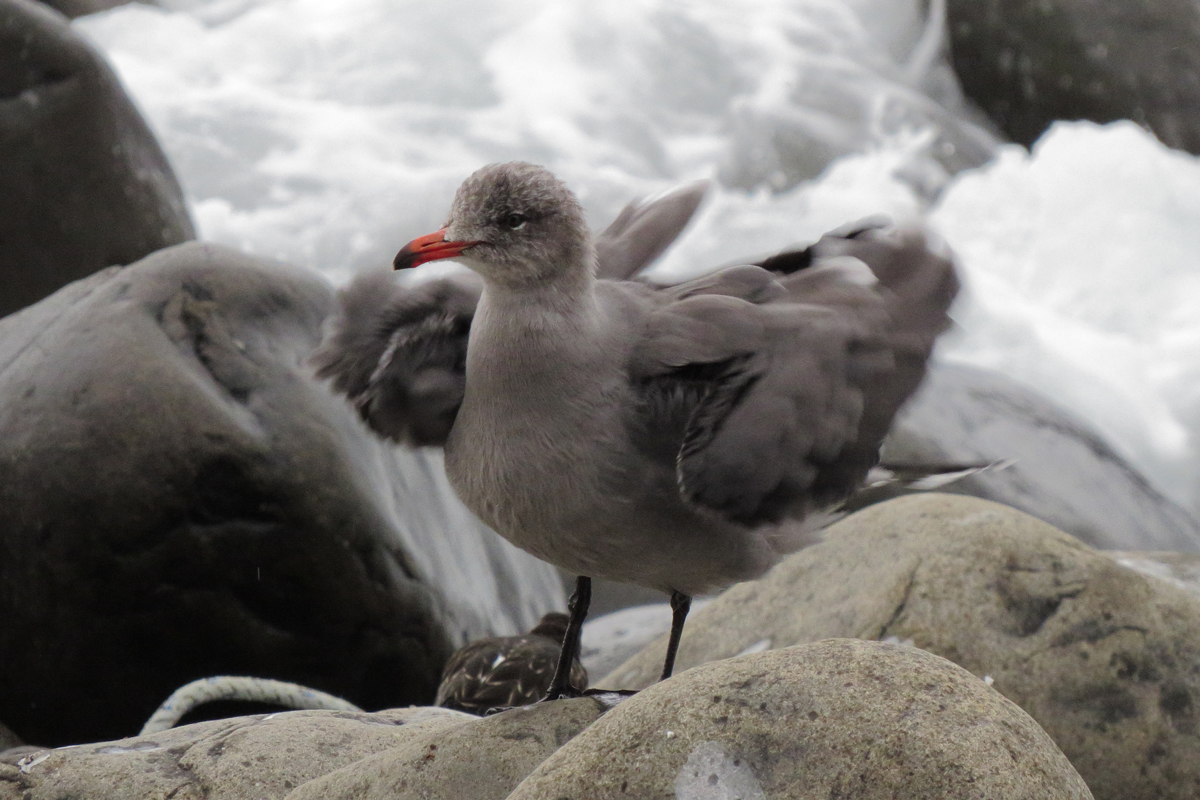
In breeding season, Heermann’s Gulls have white heads, but most birds acquire gray plumage on the head before they arrive in Oregon after breeding much farther south.

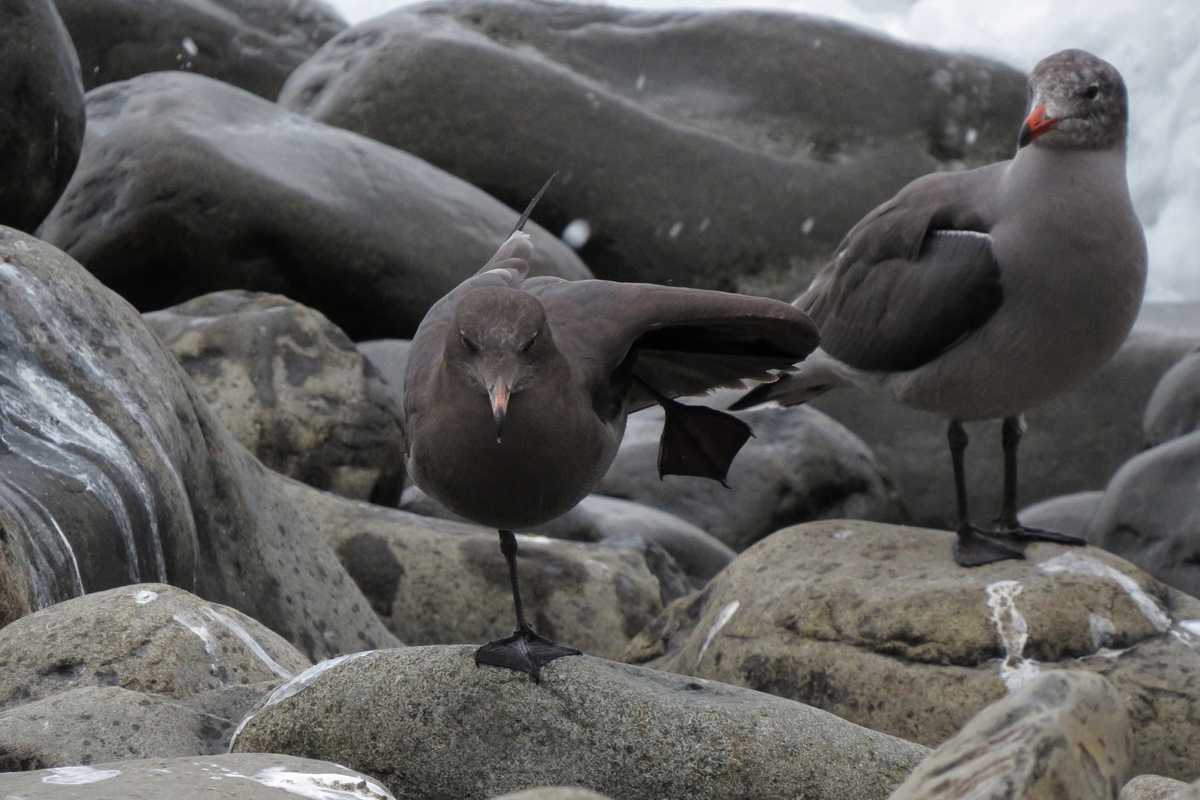
While I think adult Heermann’s are among the most beautiful gulls in North America, the first cycle birds are equally stunning in their smooth chocolate brown plumage. This is the first time in three years that I have seen a young Heermann’s Gull. The two years previous saw a near-total nesting failure for this species. Warmer ocean temperatures reduce the amount of food available to feed nesting seabirds.

young Heermann’s Gull stretching

adult Heermann’s enjoying a good roust

Sticking out like a sore thumb with his white head and breast is this Western Gull. Note the massive bill on this bird. Gull diversity will be increasing on the coast in the next few weeks, much to the delight of gull fans like me.

Happy autumn!

Deep Water Pelagic

I went on the deep water trip organized by Oregon Pelagic Tours. The goal of this trip was to get 50 miles offshore to explore some deeper water (6000 feet). There are a few species of birds our there that are not often seen closer in, so I had hopes of picking up a new bird or two. We struck out on the deep water specialties, but we saw so many great birds on this trip that it was hard to be disappointed.

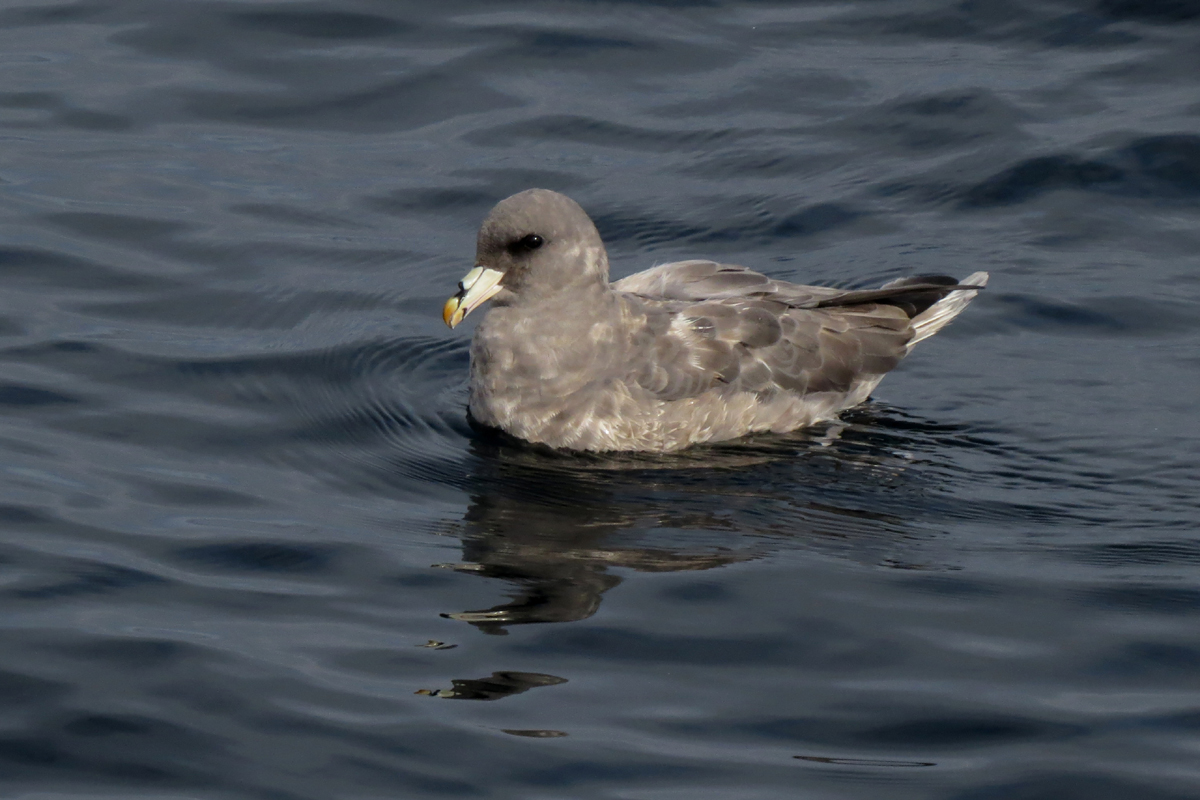
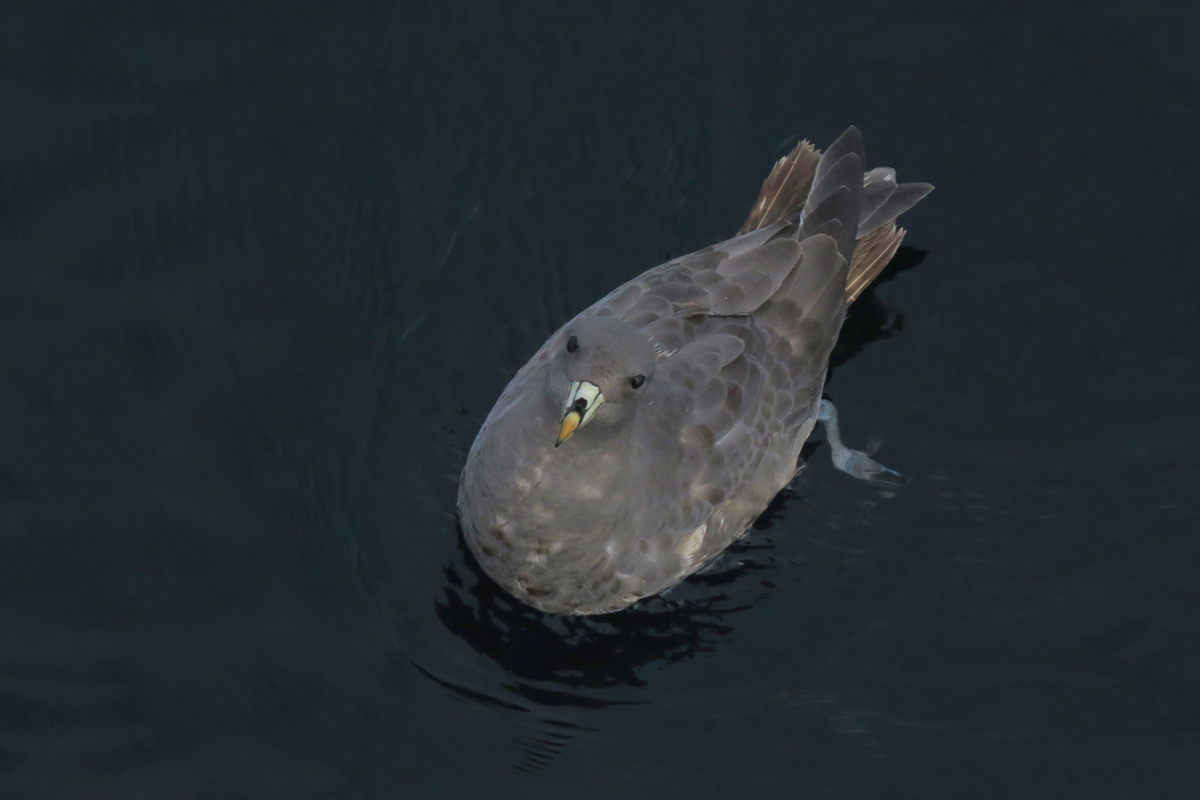
Northern Fulmars were one of the more common species seen on the trip. They come right up to the boat to beg for food.
Most of the Northern Fulmars seen off the Oregon Coast are darker birds like this one.

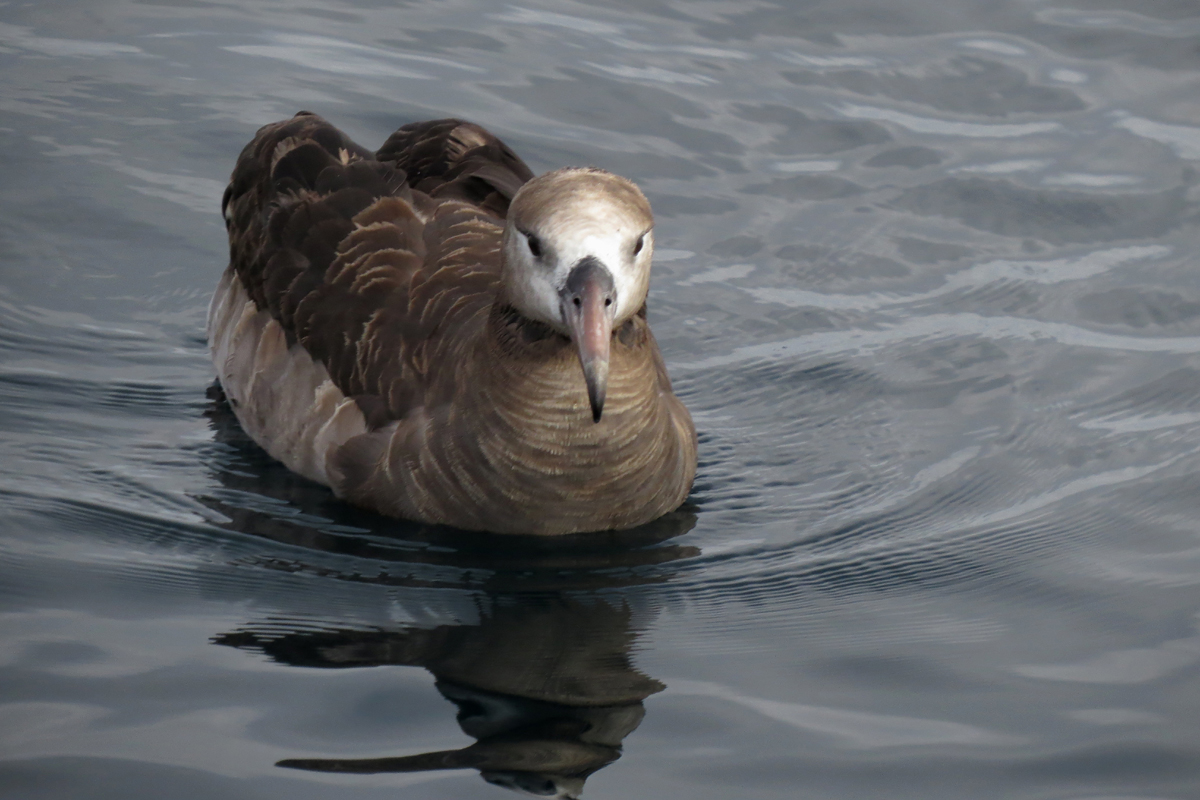
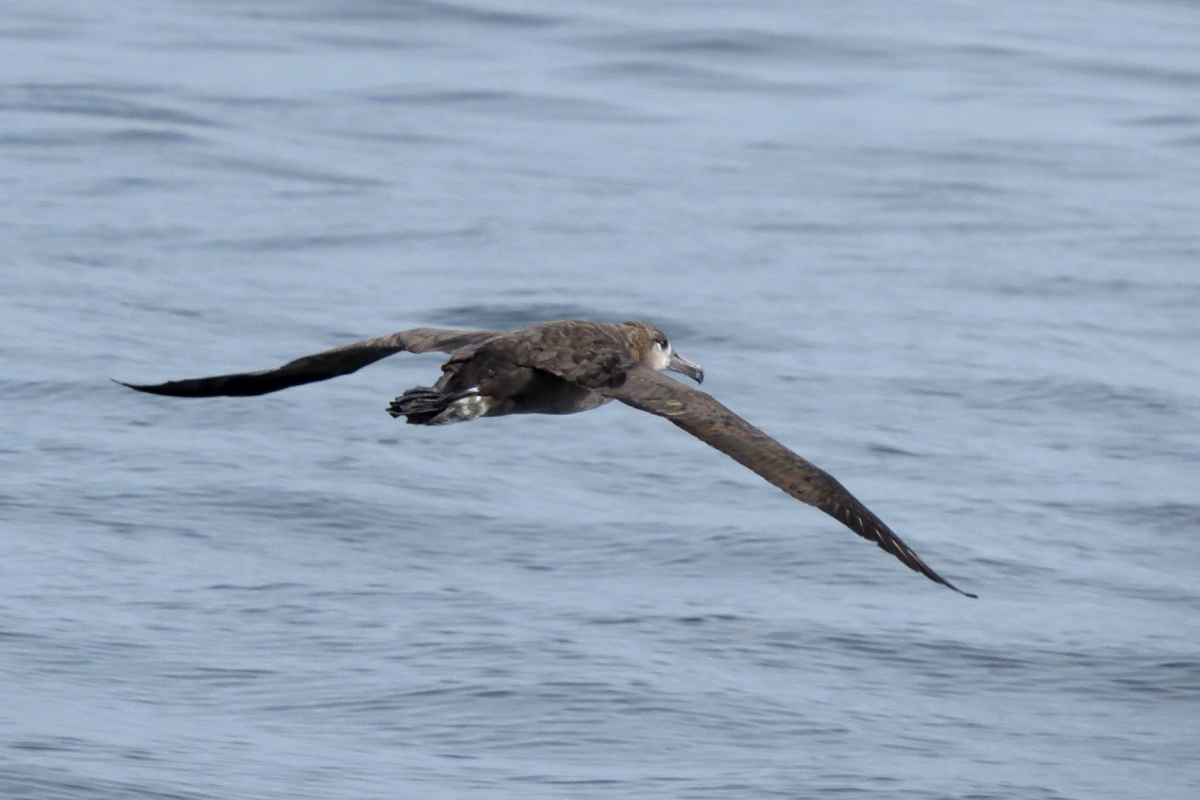
Black-footed Albatrosses are also extremely common once you get about 30 miles offshore.

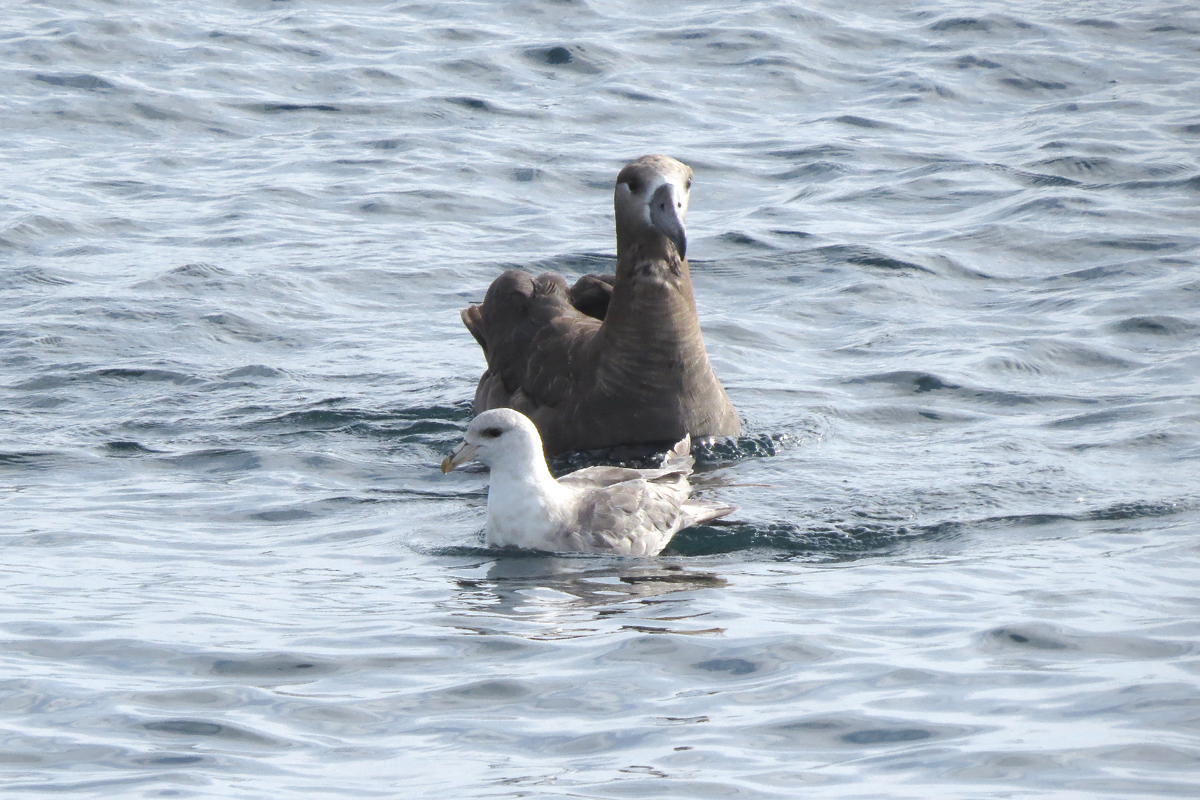
Black-footed Albatross with a very pale Northern Fulmar

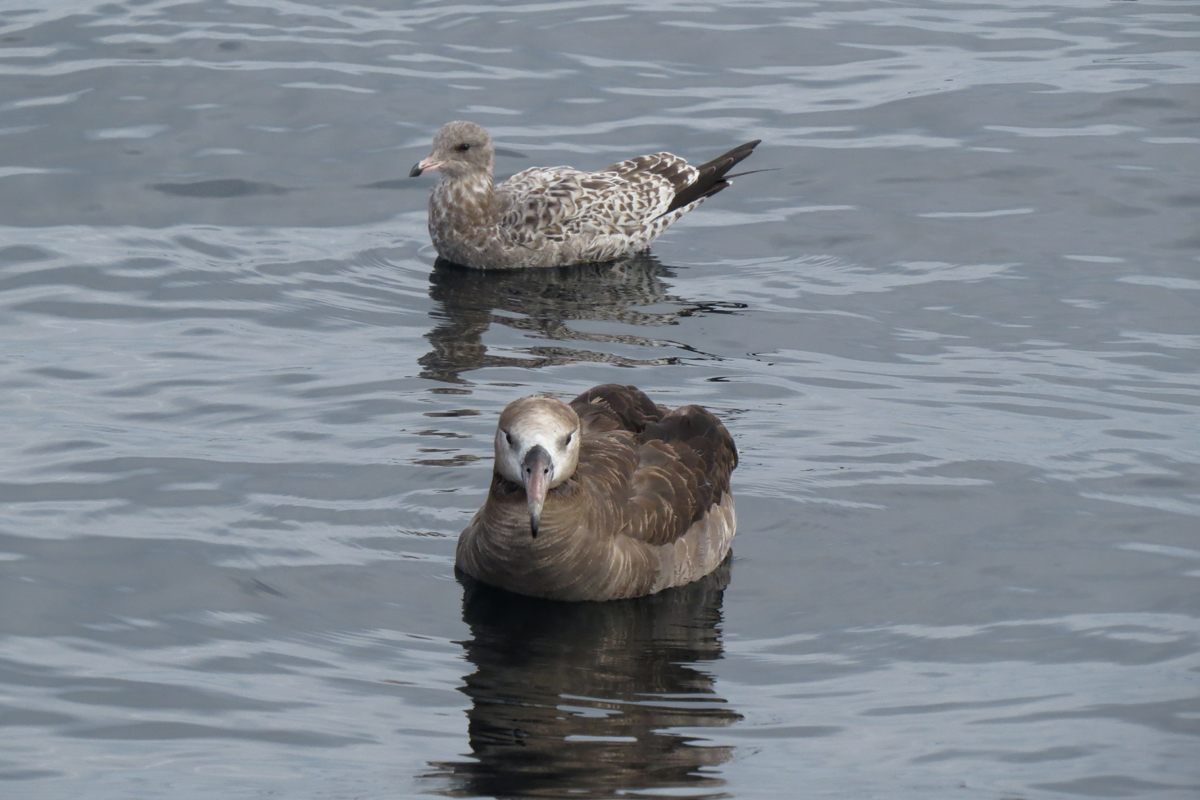
Black-footed Albatross with a California Gull

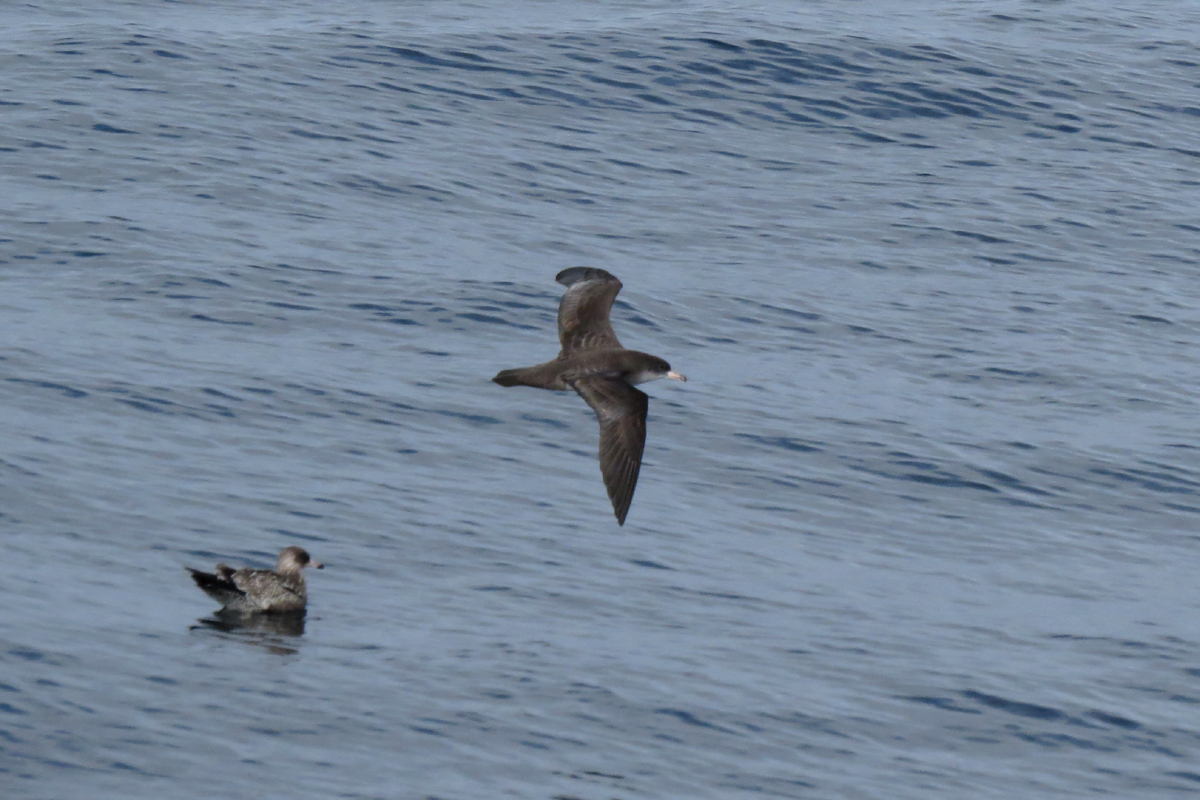
Pink-footed Shearwaters are another common species on many trips. They fly by the boat but tend to not rest on the water too close.

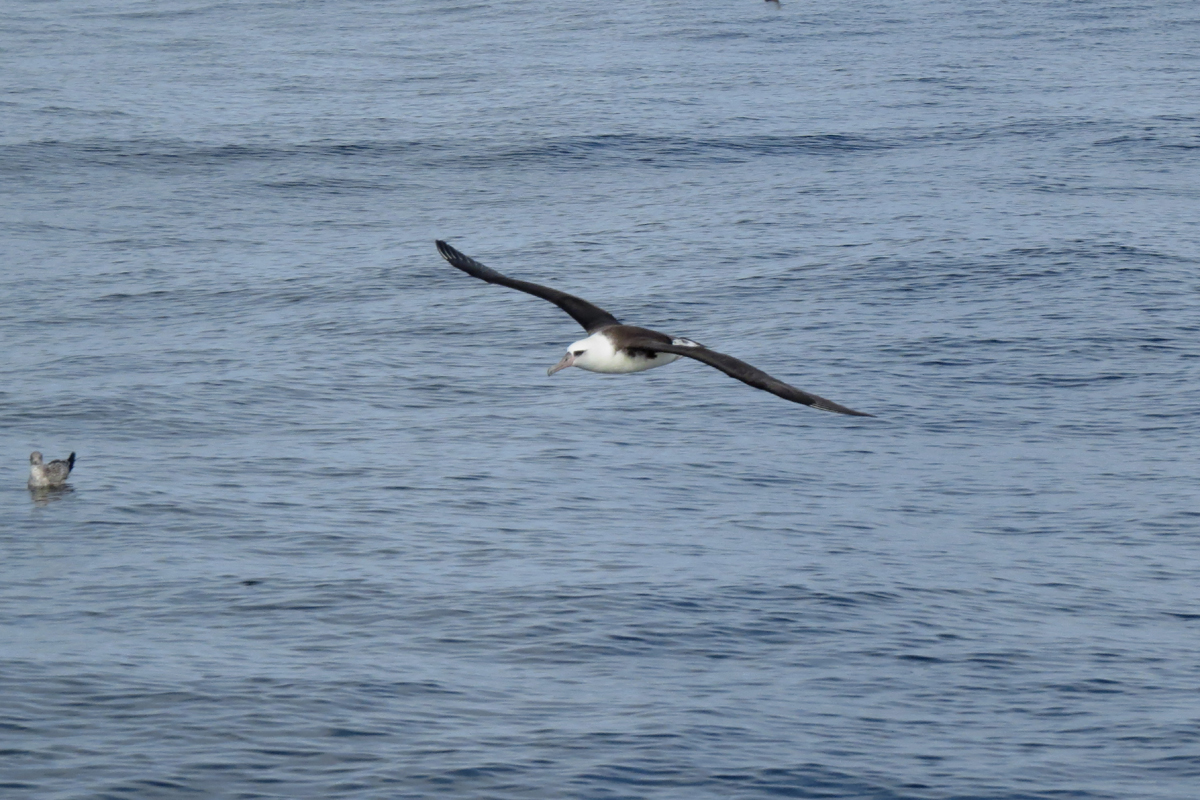
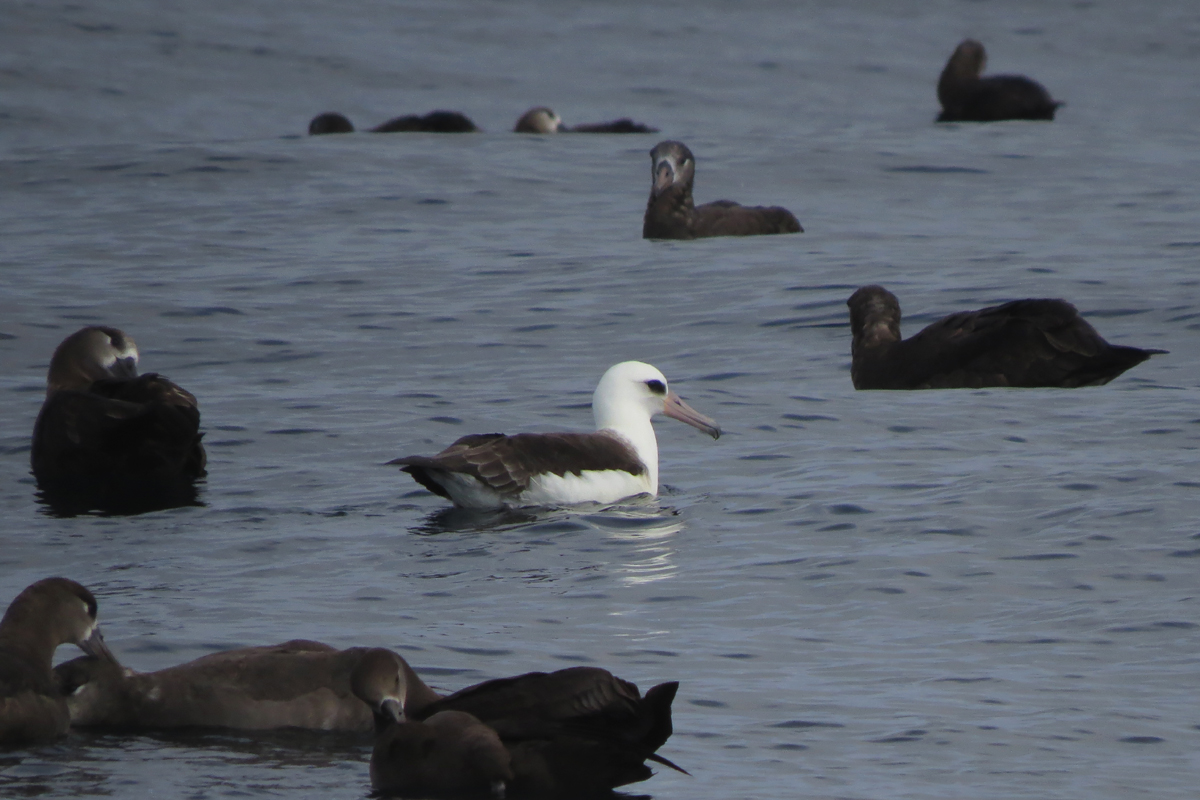
Among the 700 or so Black-footed Albatrosses we saw on this trip were three Laysan Albatrosses.
Laysan Albatross with its smokey eye, and a Northern Fulmar in the background

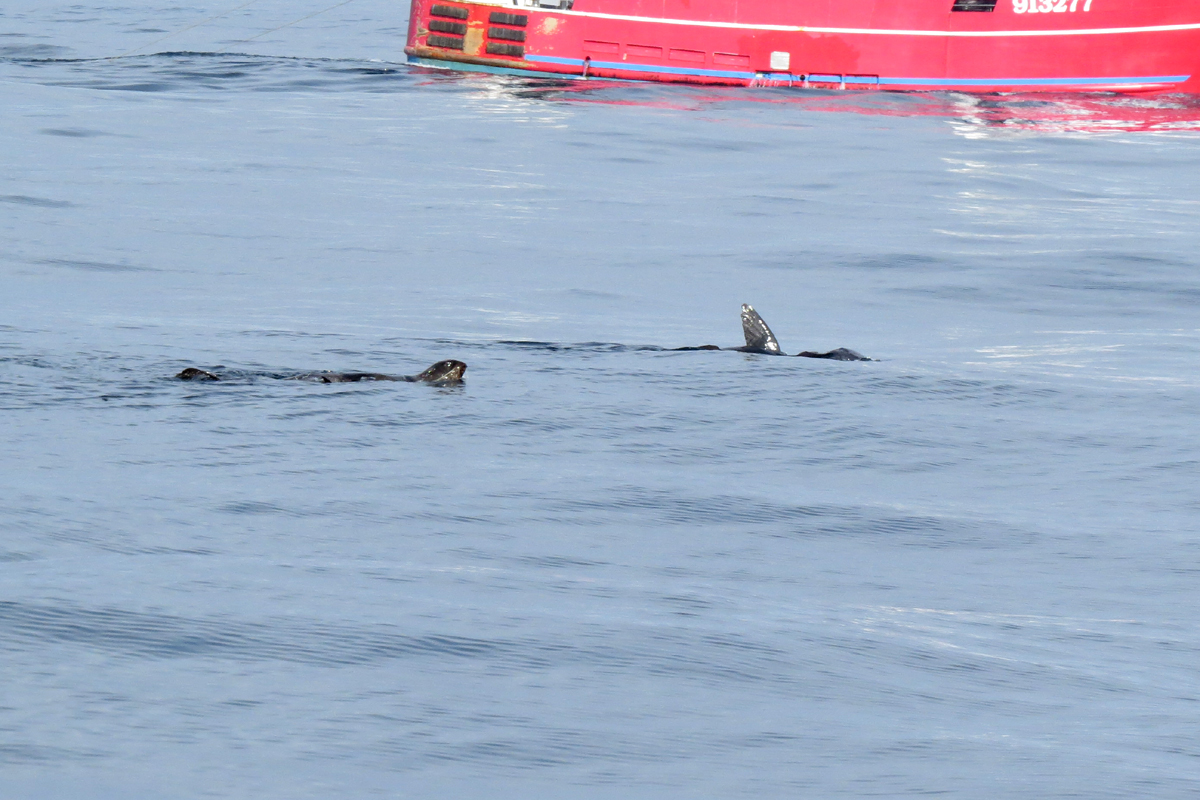
The calm waters allowed us to see many Northern Fur Seals, recognizable by their habit of sticking their large pectoral fins out of the water.

Twelve hours on the water made for a long day. I spent the entire trip along the front rail looking for birds, because if I let my guard down at any time, that is when the mega-rarity will show up. Even if you don’t get a new bird, the common species, along with other marine wildlife, always make a day on the water worth the effort.

Tualatin River NWR

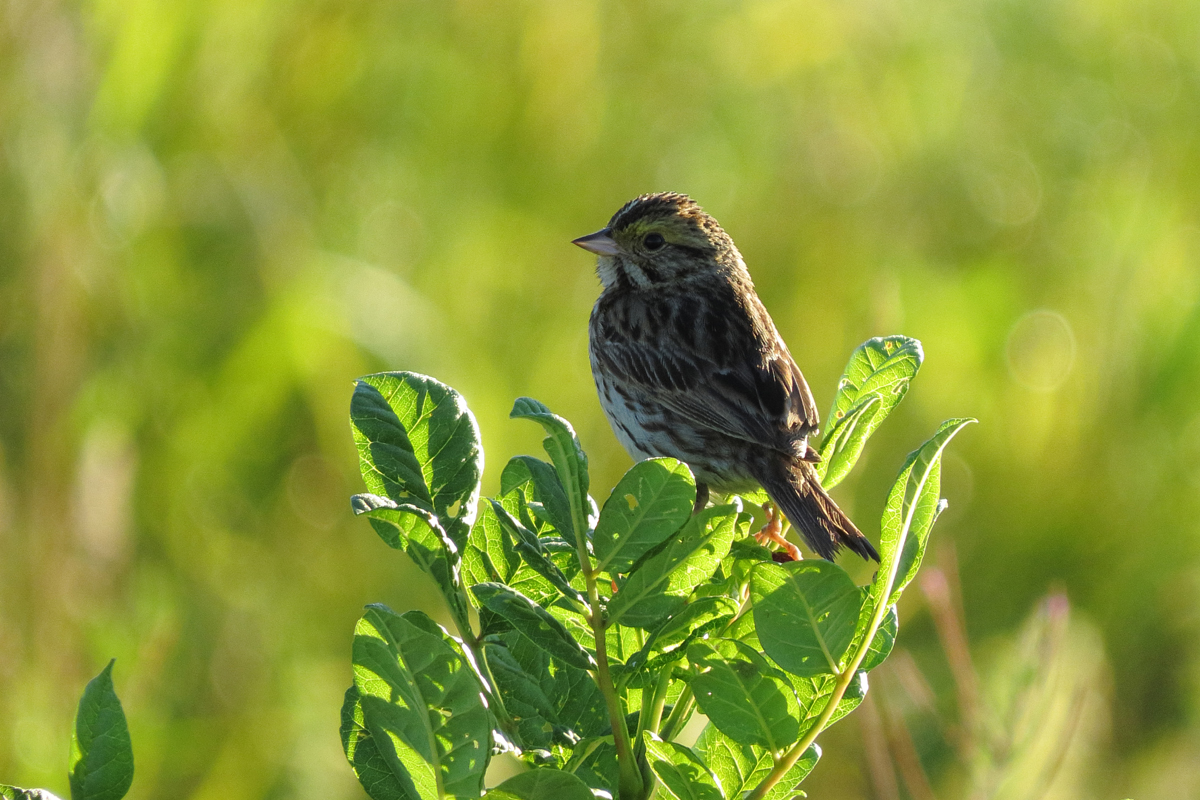
I visited Tualatin River NWR last week. The weather has been very hot and dry, so I started early in the morning. There was a surprisingly large diversity of species for mid-summer. I ended the trip with 55 species. I didn’t pay too much attention to waterfowl, so there may have been more. This Savannah Sparrow was backlit by rising sun.

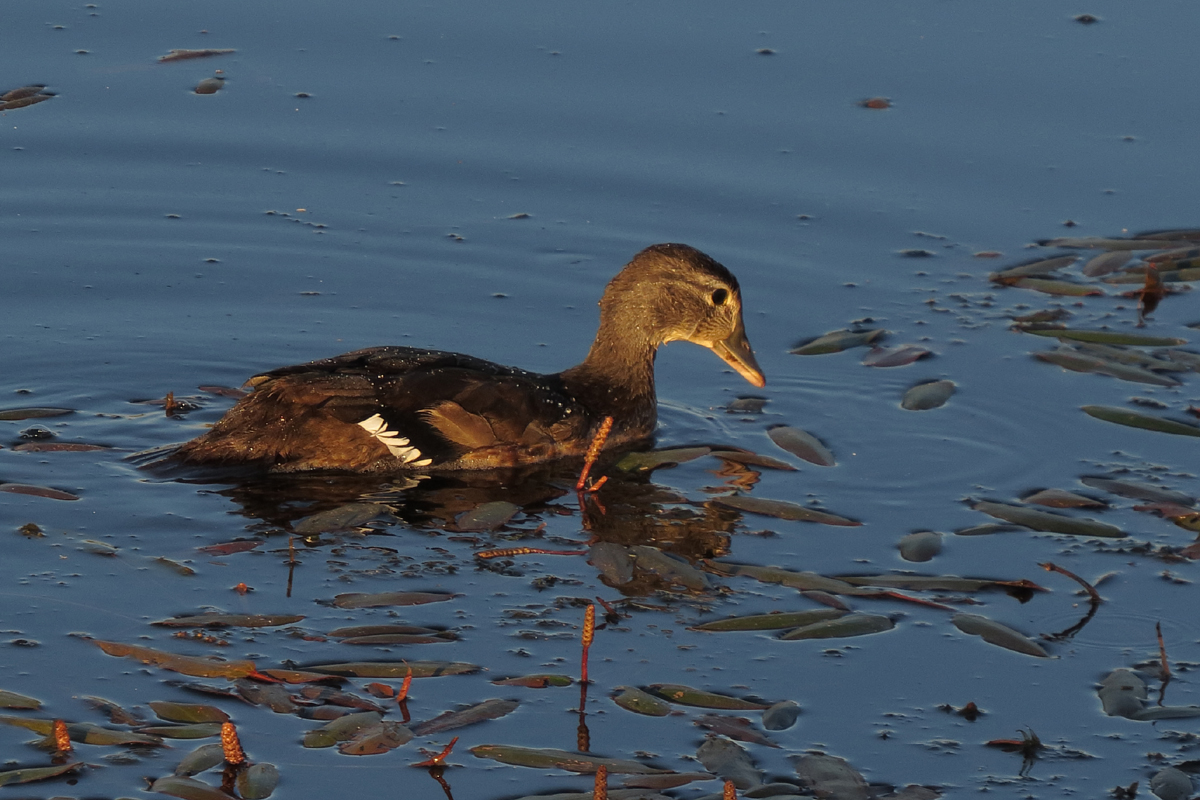
Here is one reason I don’t pay too much attention to waterfowl this time of year. There are a lot of young birds and molting adults around in Ugly Duck Season. Some birders love the challenge of studying these birds, but since ducks are not migrating during their summer molt, the likelihood of finding anything other than the local breeders is slim to none. I’m calling this an immature Wood Duck, but I could be wrong.

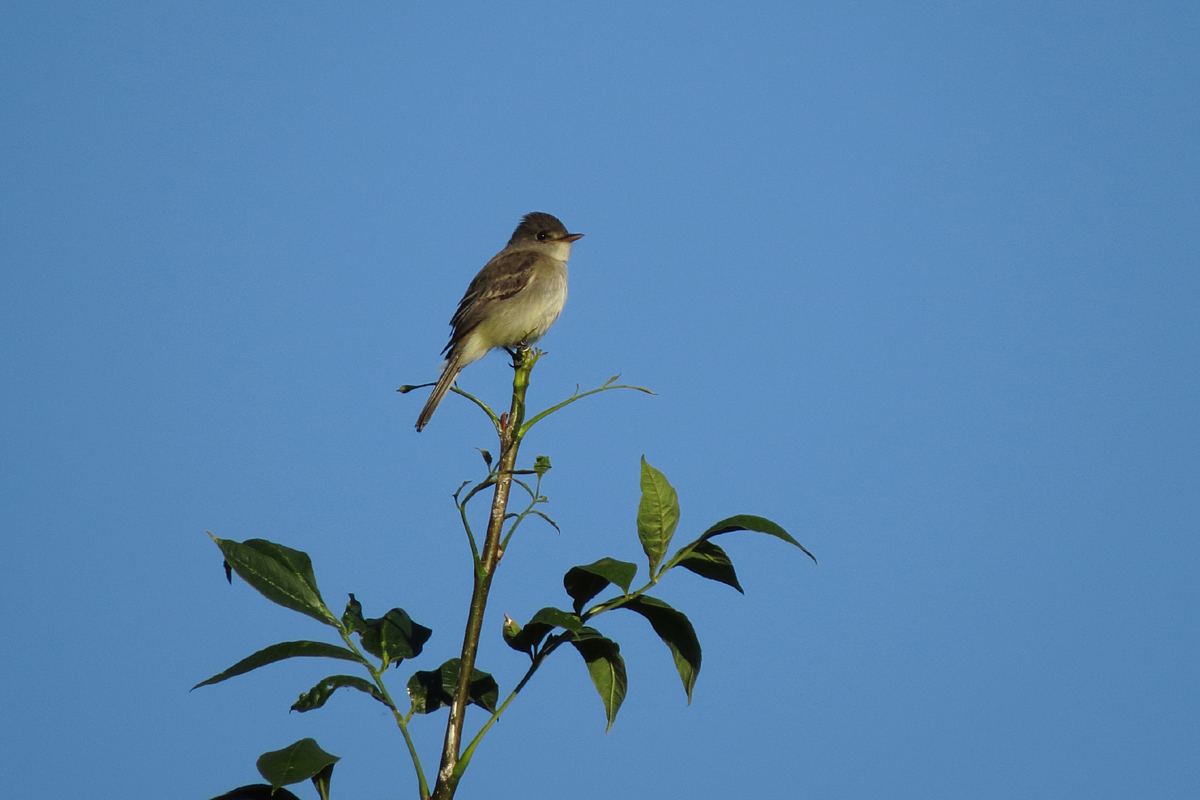
Willow Flycatchers were still singing from prominent perches.

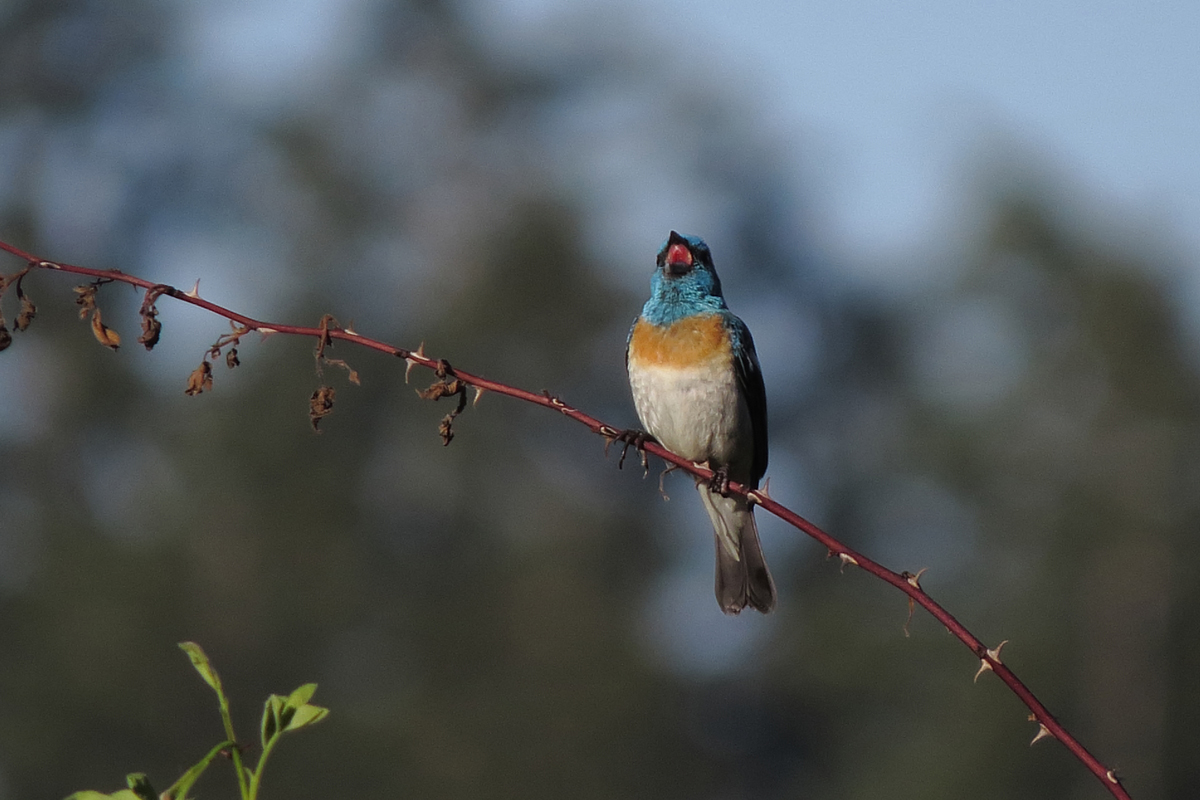
This Lazuli Bunting was singing from a little thicket.

There is not a lot of shorebird habitat at the refuge right now, but Greater Yellowlegs, Least Sandpipers, and Western Sandpipers were present in small numbers along with hundreds of Killdeer. As water levels drop, shorebird numbers should increase.

Happy Summer!

Timberline Lodge

IMG_0717

I spent a few hours birding above Timberline Lodge on Mount Hood. It was cold and very windy when I arrived, but conditions gradually improved. 

This is not a site to wrack up a long bird list. After three and a half hours of birding, I ended this trip with 12 species. The top eBirder for this site has only accumulated 33 species (I have 31). But I still try to visit at least once a year. The site is unique in that you can drive to the treeline on a paved road, and find high elevation species that you won’t find anywhere else so close to Portland.

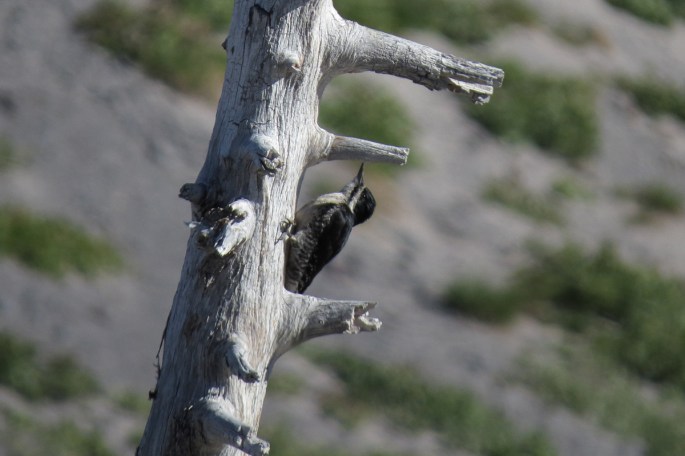
Black-backed Woodpecker
The best bird of the day was this Black-backed Woodpecker, who made a brief appearance on this isolated snag before flying back down slope to the forest. 

IMG_0714
This Townsend’s Solitaire was near the woodpecker. I got two photos before the bird flew off, one blurry and one with the bird looking away.

IMG_0712
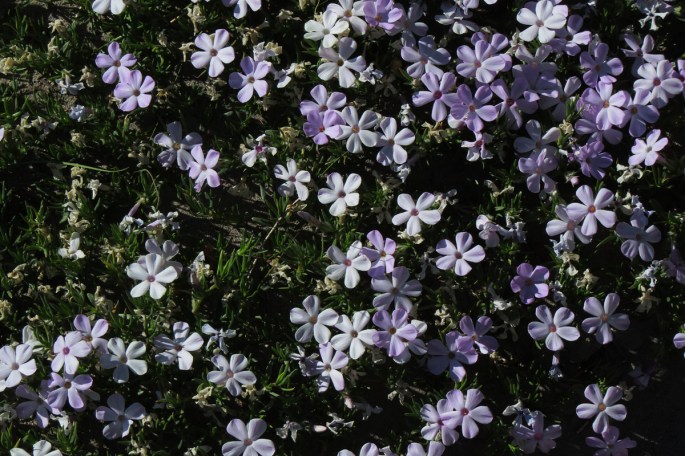
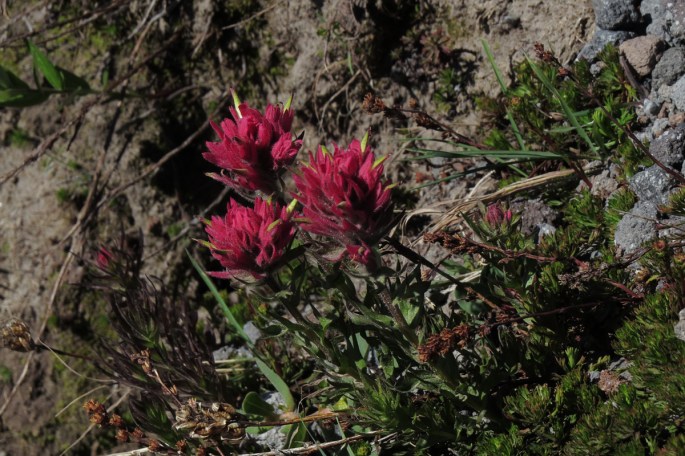
With its gravel and fine volcanic ash, Mount Hood above the treeline would look much like the surface of the moon were it not for the abundant wildflowers and the occasional Golden-mantled Ground Squirrel.

IMG_0721
still not on the moon

IMG_0730
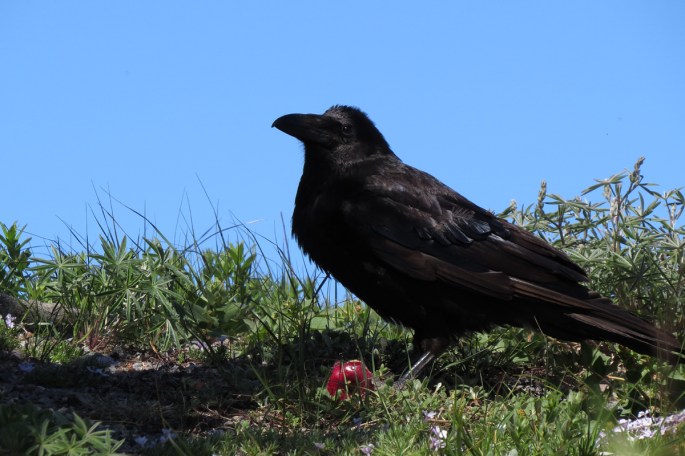
There are usually a couple of Common Ravens hanging out near the parking lot. This one was feeding on an apple core.

raven small
While photographers generally try to avoid harsh midday sunlight, the intense light brought out some nice highlights on this Common Raven.

It was another tough day above Timberline Lodge, but there is always something to see.

Birdathon

Our team for the Audubon Society of Portland’s Birdathon made a 360-mile loop through the Willamette Valley, across the Cascades, and east to the high desert. We tallied 110 species for the day. Here are a few.

Acorn Woodpeckers are reliable near Ankeny NWR. This one was hanging out in a nest hole.

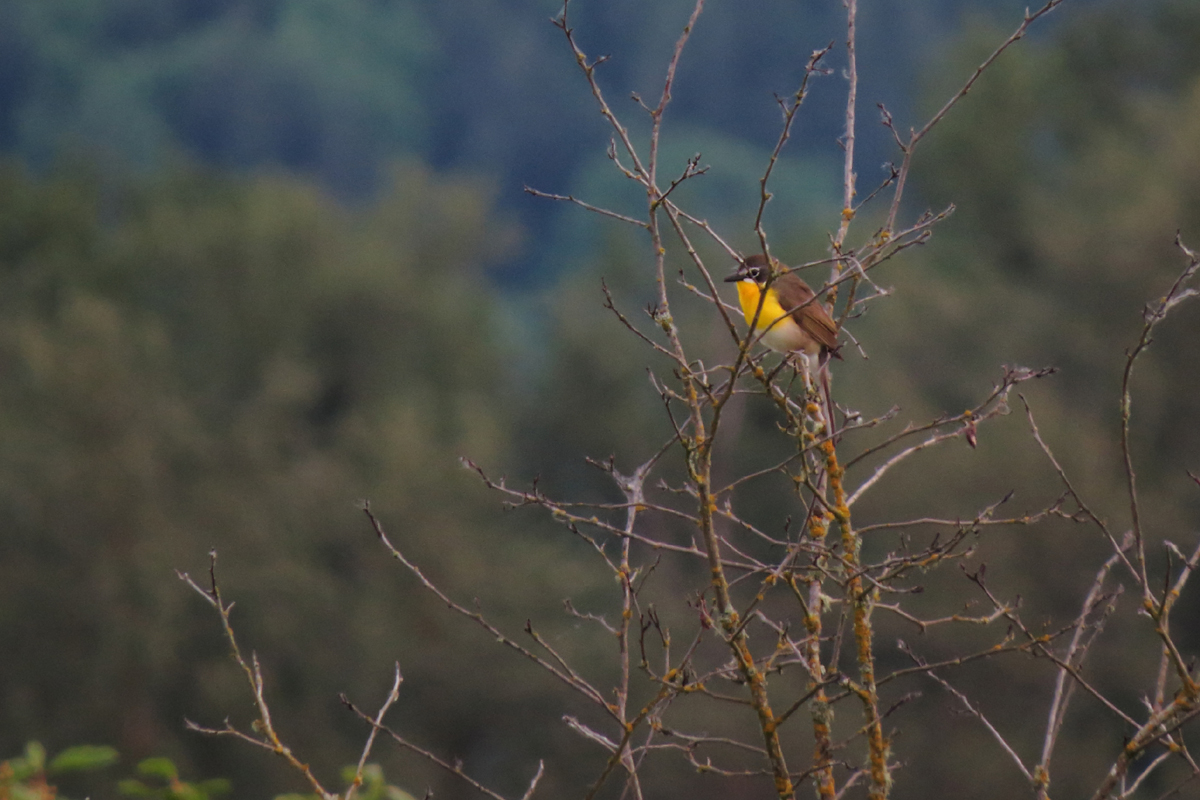
Also at Ankeny, this Yellow-breasted Chat posed and sang for us.

This Pygmy Nuthatch was nesting at Black Butte Ranch, just east of Sisters.

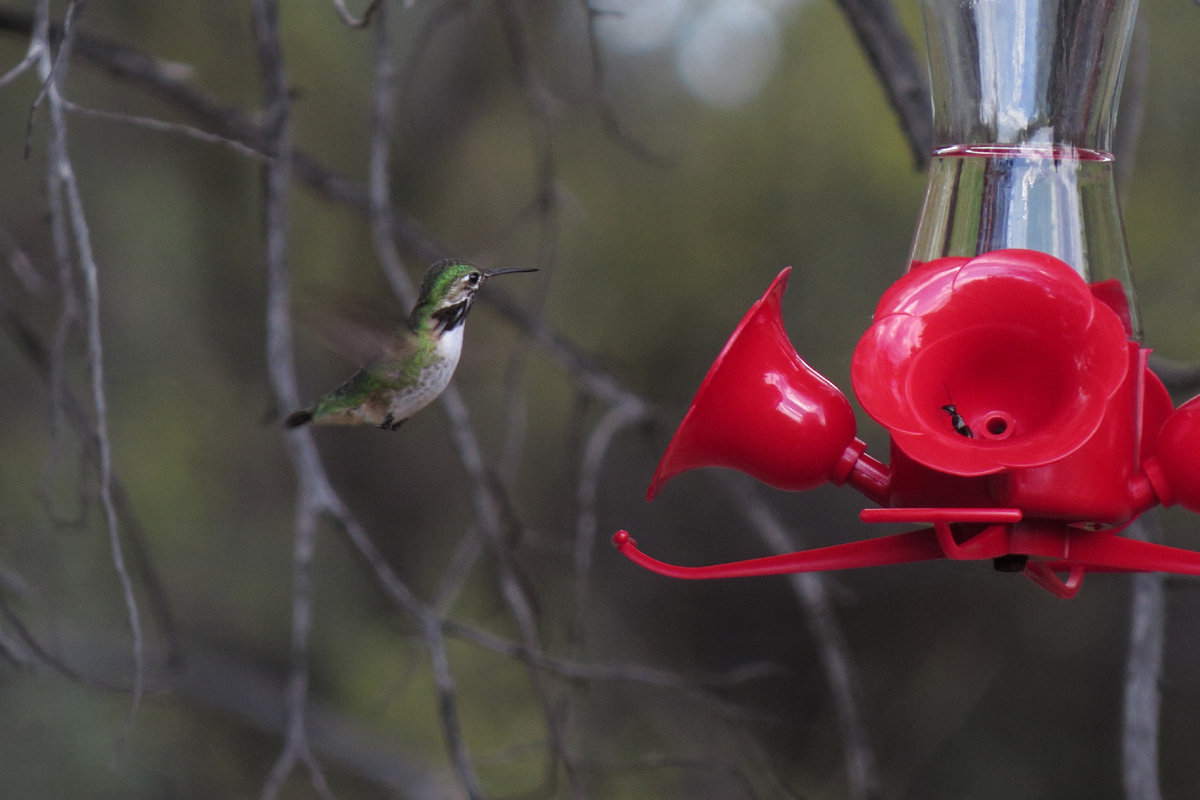
Calliope Crossing, north of Sisters, came through with several examples of its namesake hummingbird. The feeder, placed by one of my teammates on a scouting trip, made watching these little guys easier.

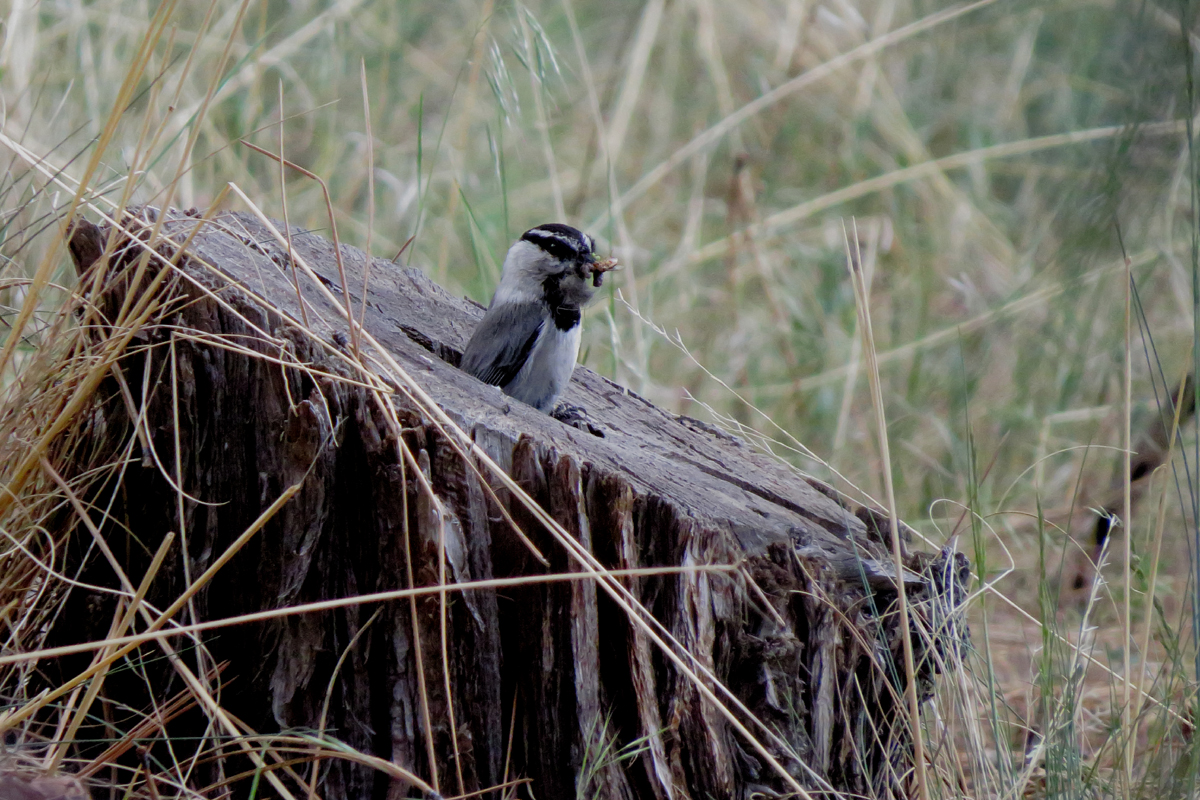
Mountain Chickadees were nesting in a hollow stump just inches from the ground.

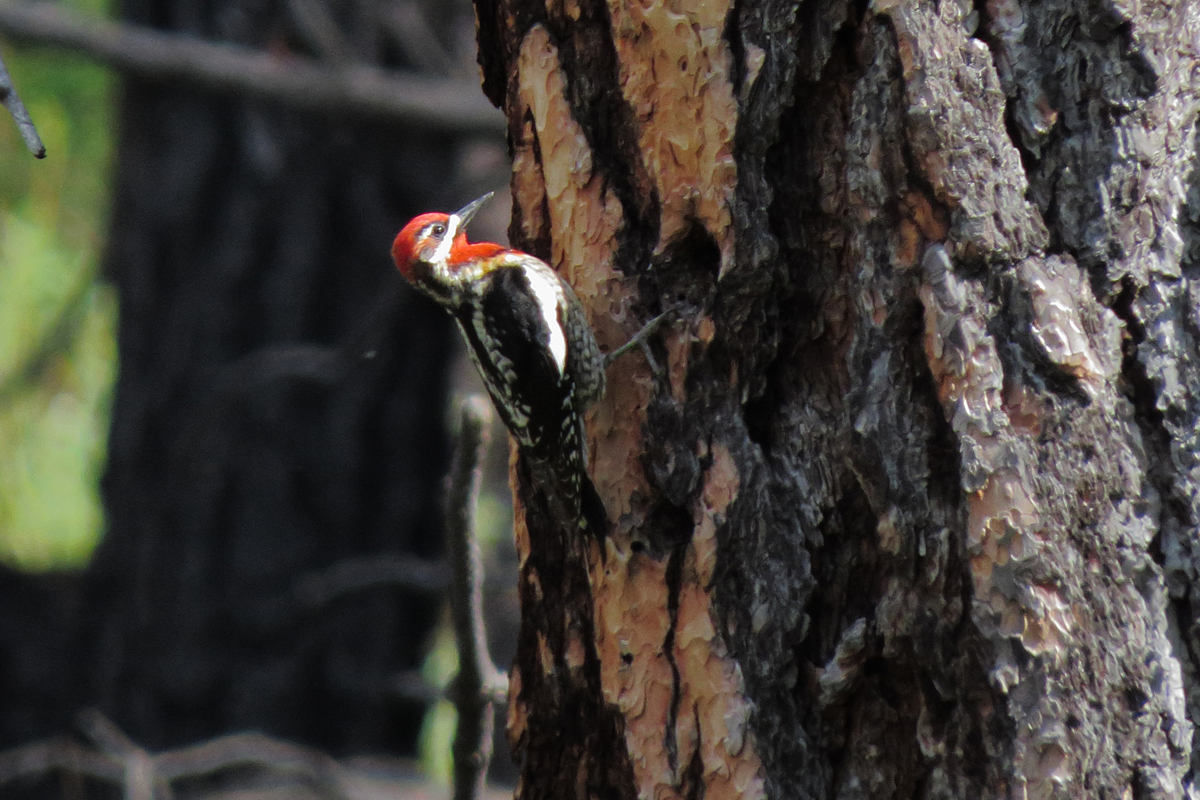
Calliope Crossing is also famous for hosting a great variety of woodpeckers. This is a hybrid Red-naped X Red-breasted Sapsucker.

At Smith Rock, we watched this Golden Eagle nest with one downy chick.

Bald Eagles were also nesting at Smith Rock.

Ogden Wayside hosted a colony of ground Squirrels. I believe these are Merriam’s Ground Squirrels, although I have trouble distinguishing Merriam’s from Belding’s Ground Squirrel. I need to do some rodent research.

It was a fun, albeit exhausting, day. There is still time to contribute to Portland Audubon’s fundraiser. Click here for more information.


Koll Center Wetlands

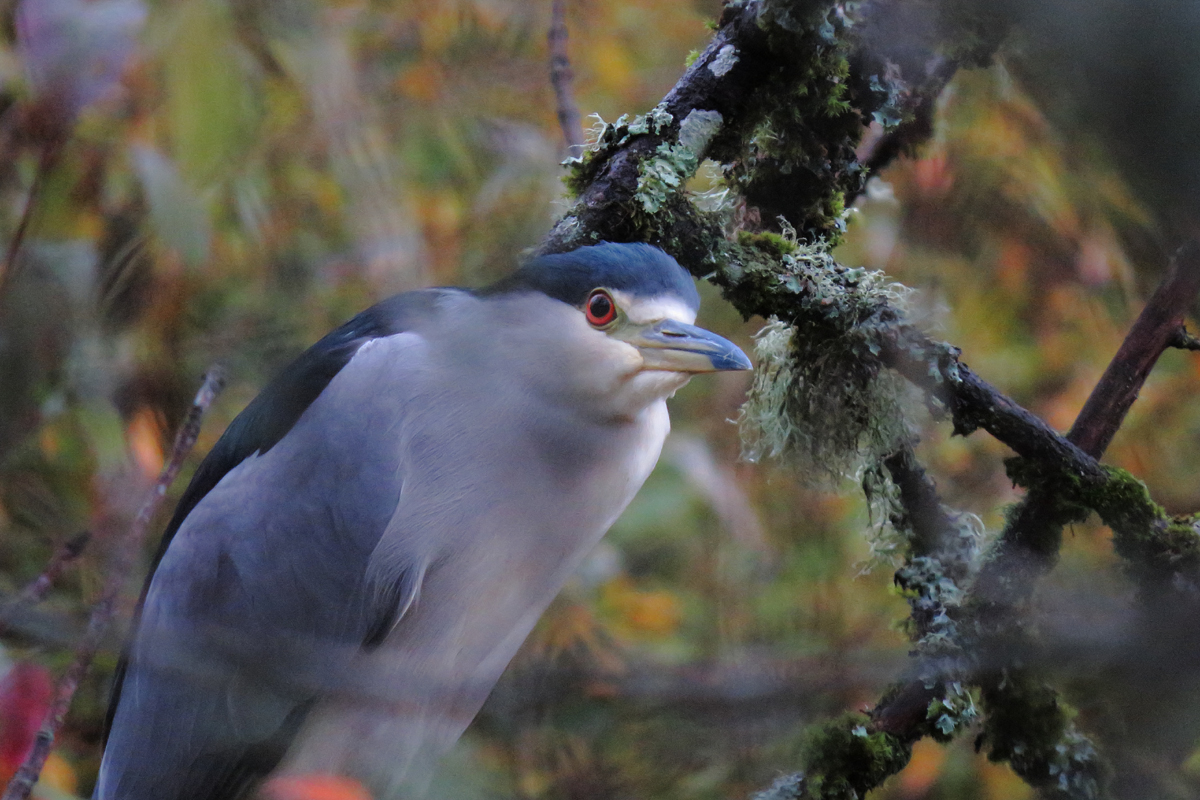
A couple of Black-crowned Night-Herons has been hanging out at Koll Center Wetlands recently. This spot is strictly parking lot birding (pull up, get out of the car, and scan the pond), but it has attracted more than it’s share of interesting sightings – like Black-crowned Night-Herons.
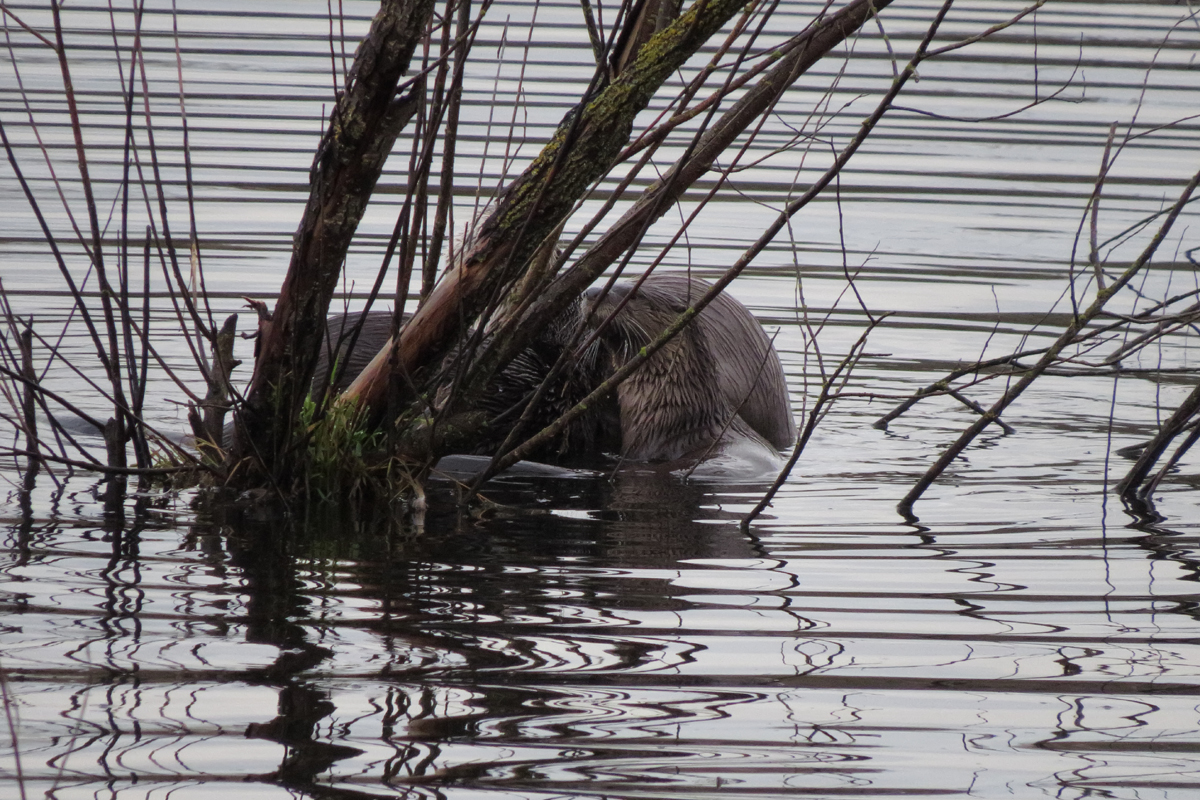
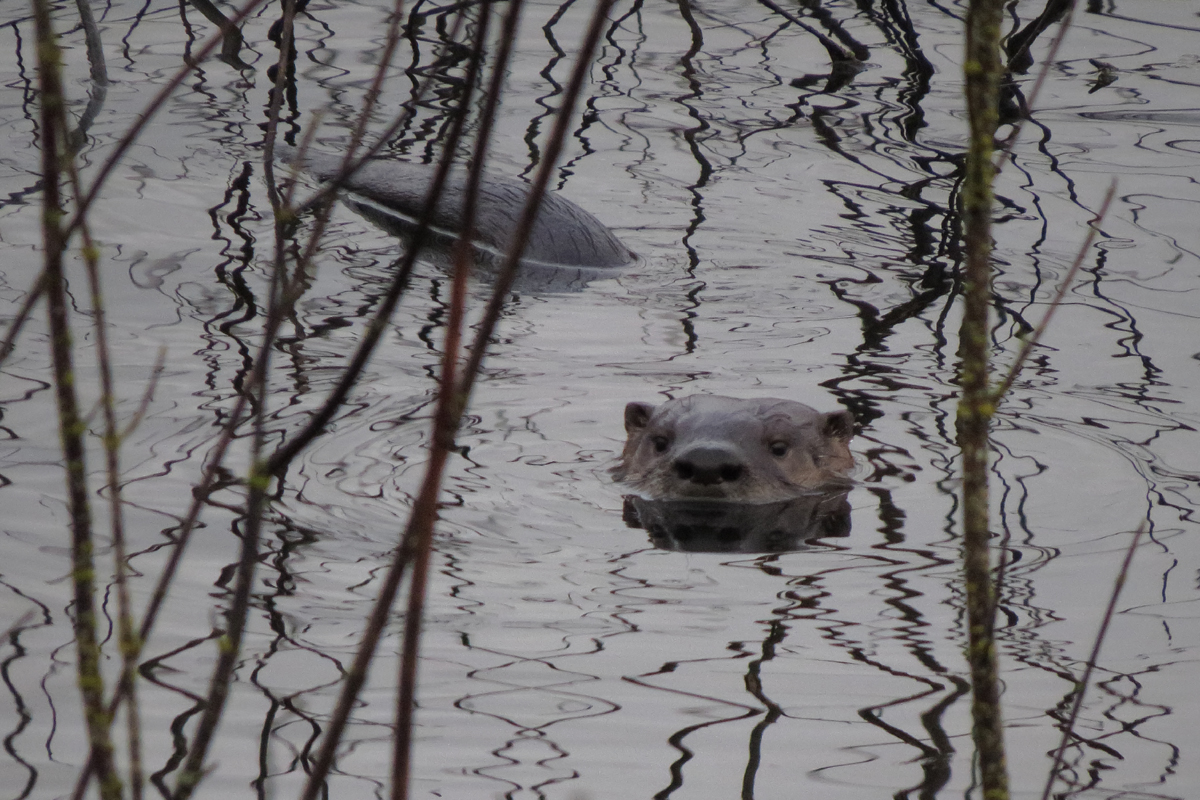
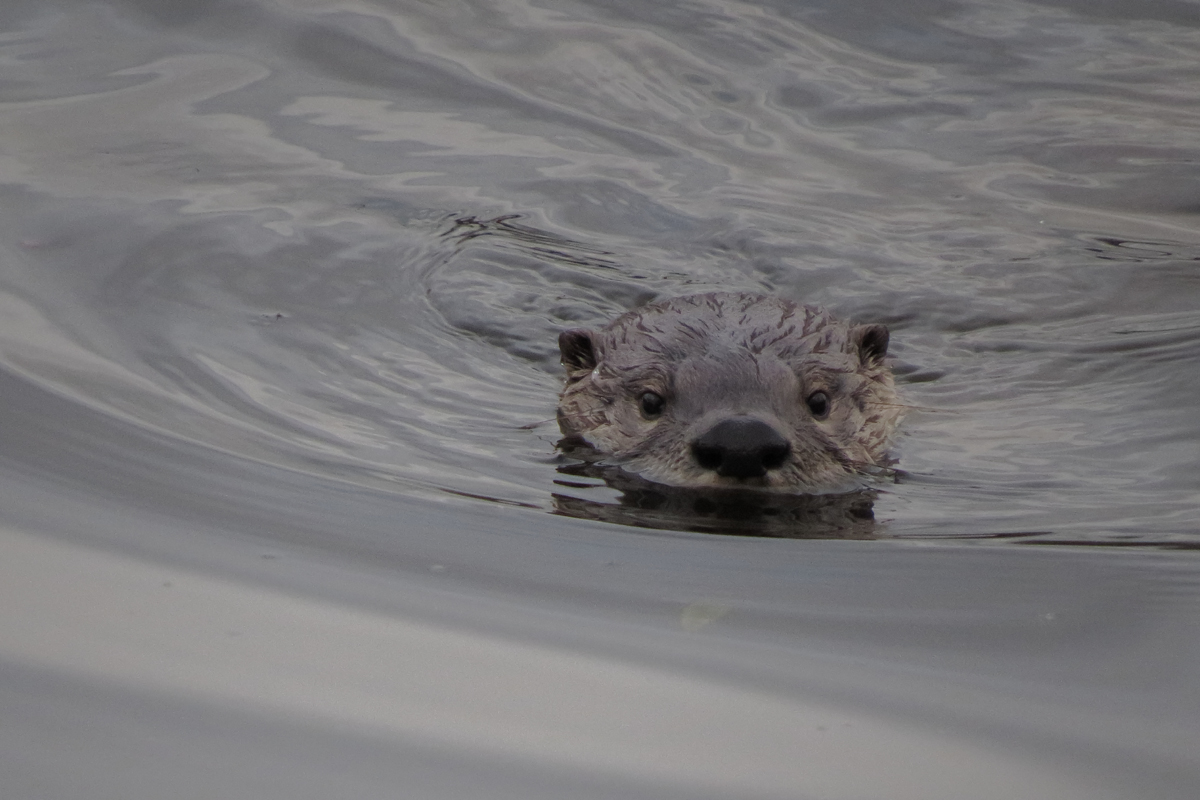
Other recent celebrities at this site include a group of up to six River Otters. These are such neat animals. It is a treat to find them in such an urban setting.
Common Mergansers, like these two males, are some of the many species of waterfowl currently using the wetlands.
female Common Merganser

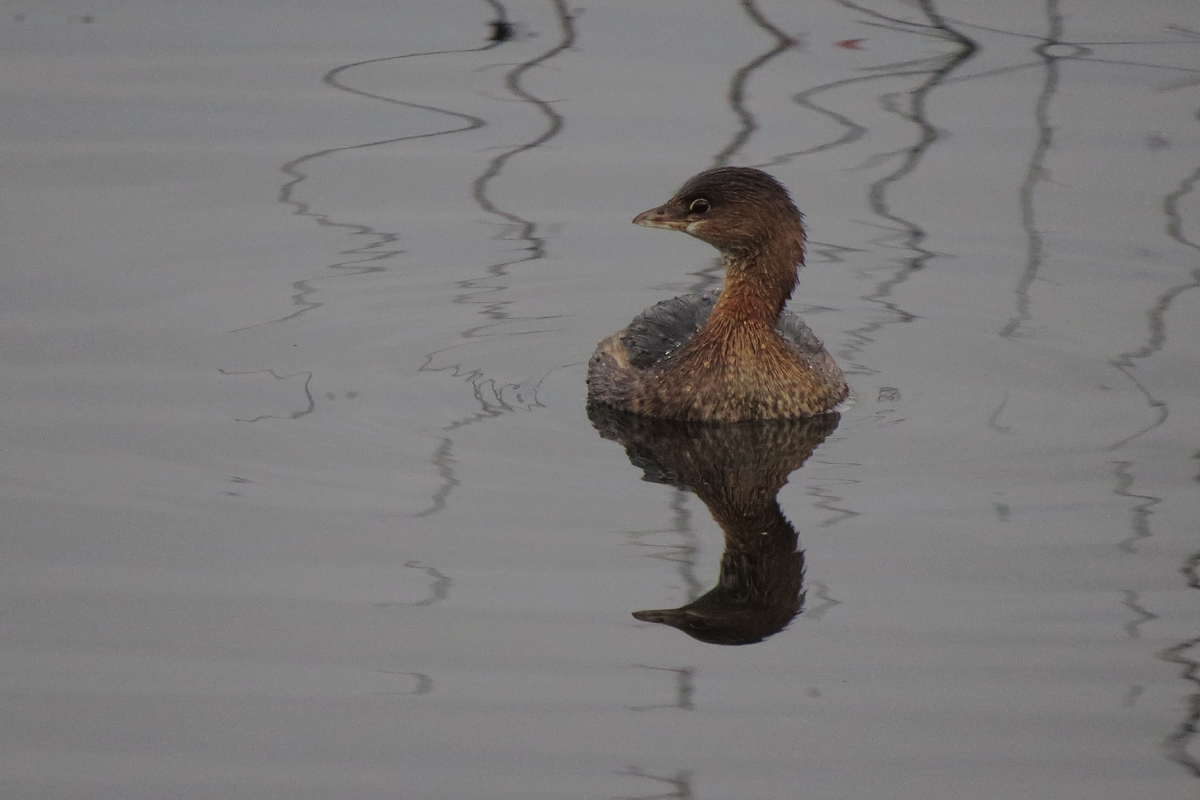
Pied-billed Grebe
Nothing too rare or exotic, but we are lucky to have this little urban wetland to spice up an otherwise dreary autumn day.

Mount Hood

At least once a year I like to visit the moonscape that is Mount Hood above Timberline Lodge. The birding there is hit or miss, sometimes yielding great spectacles like a flock of 200 Gray-crowned Rosy-Finches, and sometimes offering little besides a distant Common Raven. This trip was somewhere in between.

Every trip to the mountain results in at least one photo of a Golden-mantled Ground Squirrel. Yes, we see them every time, but their cuteness knows no bounds.

Mountain Bluebirds are expected here in the warmer months.

Townsend’s Solitaires are a little harder to come by, but are usually around in small numbers.

The sun at this elevation is pretty intense, making even this Common Raven glisten.

Another bird on a stick; Red-tailed Hawk. I hope to see migrating raptors when I visit Timberline in autumn. There wasn’t much movement on this day, but I did see several Red-tails, a Prairie Falcon, and at least one Sharp-shinned Hawk.
California Tortoiseshells were present in good numbers. I don’t know what they were eating, as all the blossoms had long since dried up.

So ends another visit to Timberline. While the birding varies, it is always fun to explore this part of the mountain.