Larch Mountain Clearcut

Larch Mountain (Birding Oregon p.71) is a great spot close to Portland to find birds of the forested west side of the Cascades. Mature forest covers the area near the summit and throughout much of the crater. Farther down the mountain are areas that have been logged.
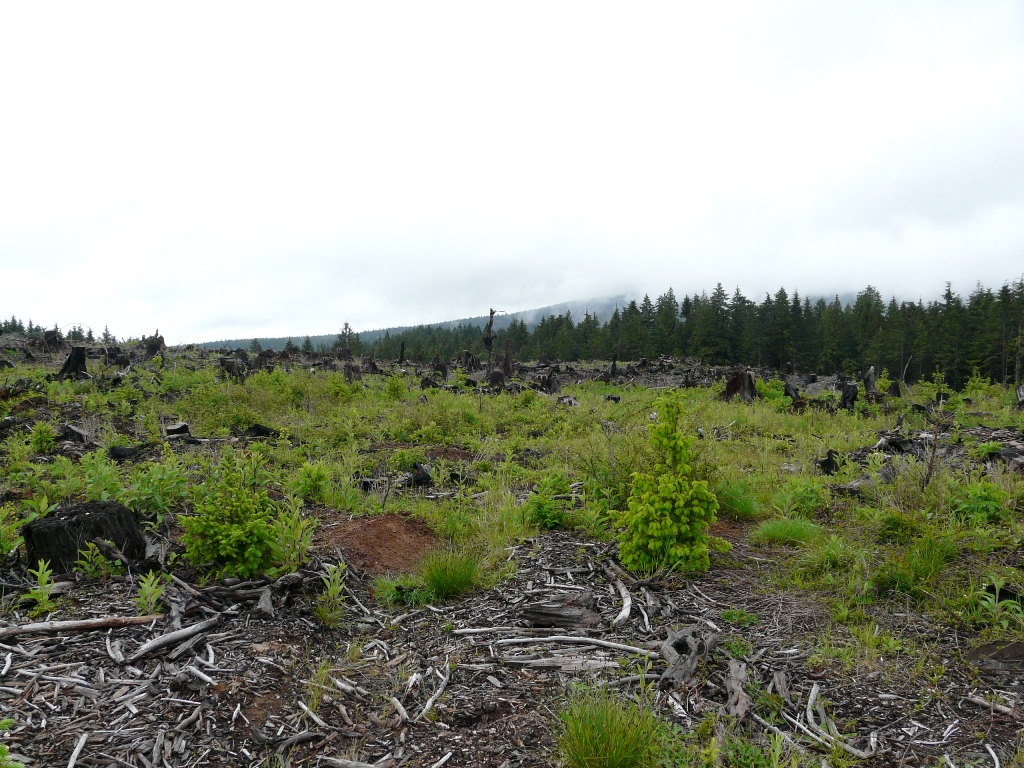

At first glance, a recent clearcut seems a desolate place. While it is sad to think of the great trees that used to stand there, you may actually see more birds in a clearcut than you will in a mature forest. The two clearcuts described in Birding Oregon have grown up to the point where you can’t walk into them any more. Young trees, shrubs, old stumps, rocks, and uneven ground make walking impossible. An easily accessible recent clearcut is found just downhill of milepost 8. Walk past the blue gate through a thin buffer of trees to get to the open habitat. In the past week I have seen Western Tanager, Red Crossbill, Gray Jay,  Band-tailed Pigeon, Western Bluebird, MacGillivray’s Warbler, Townsend’s Solitaire, Rufous Hummingbird, Violet-green Swallow, and White-crowned Sparrow in or along the edges of this clearcut.
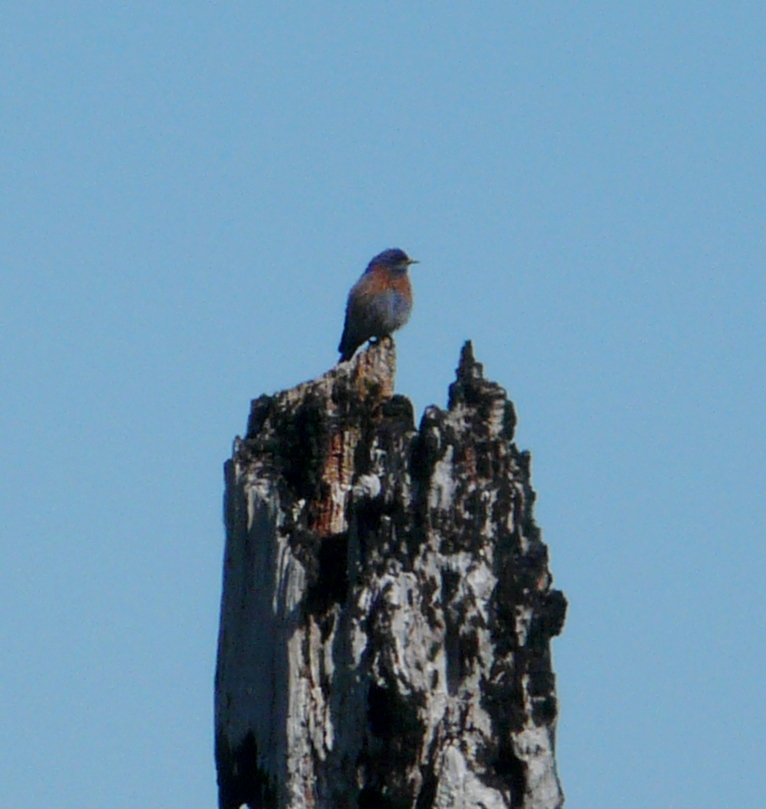

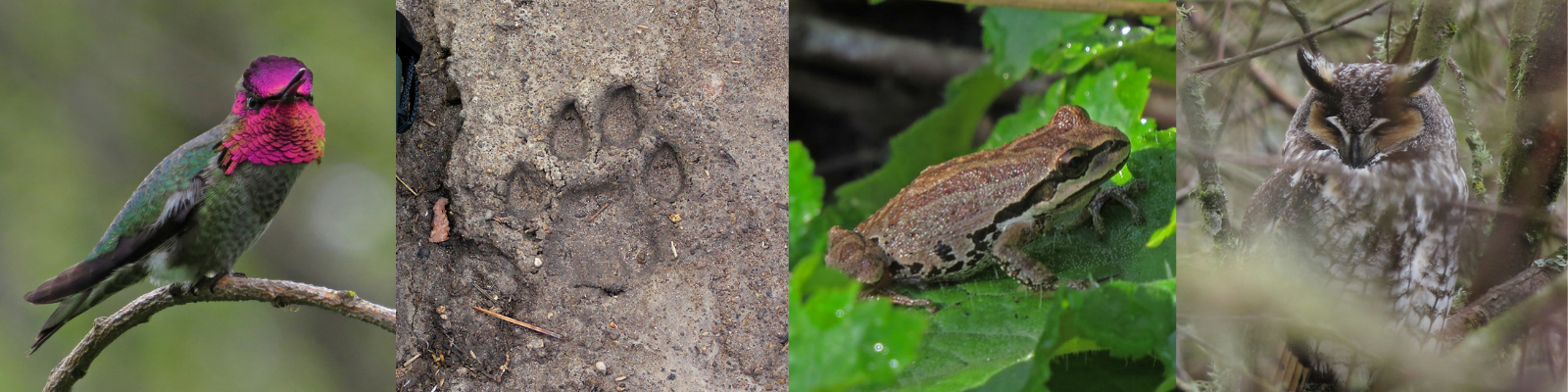
Western Bluebird
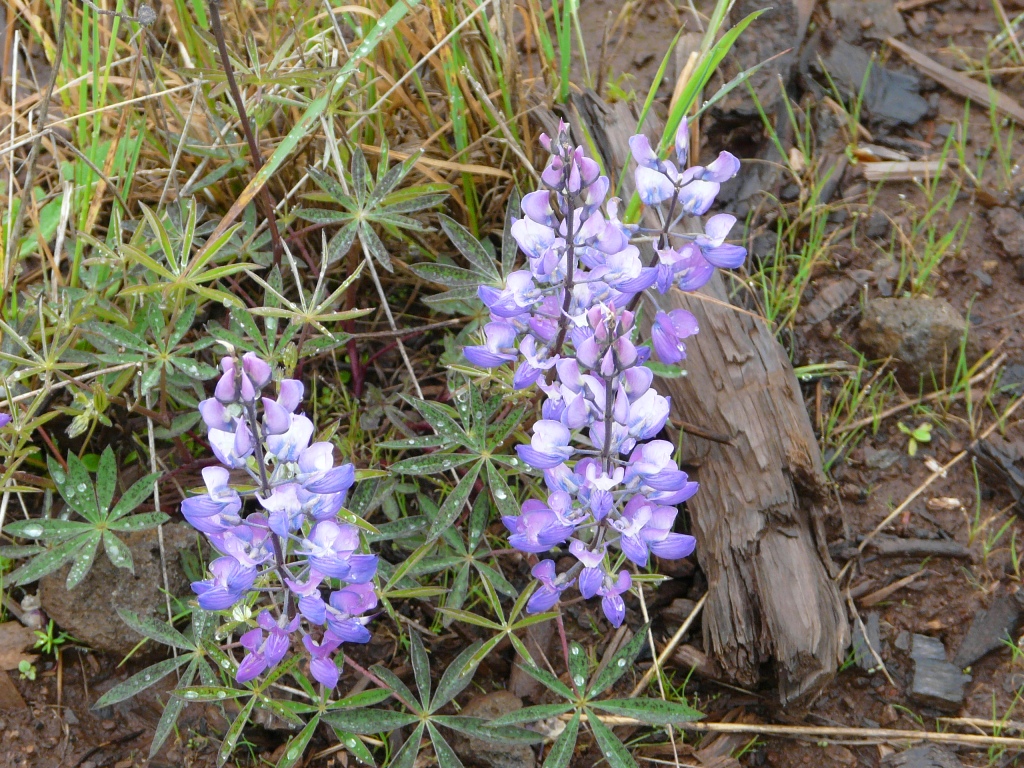

Lupines, along with Foxglove and other flowers, are common in clearcuts.
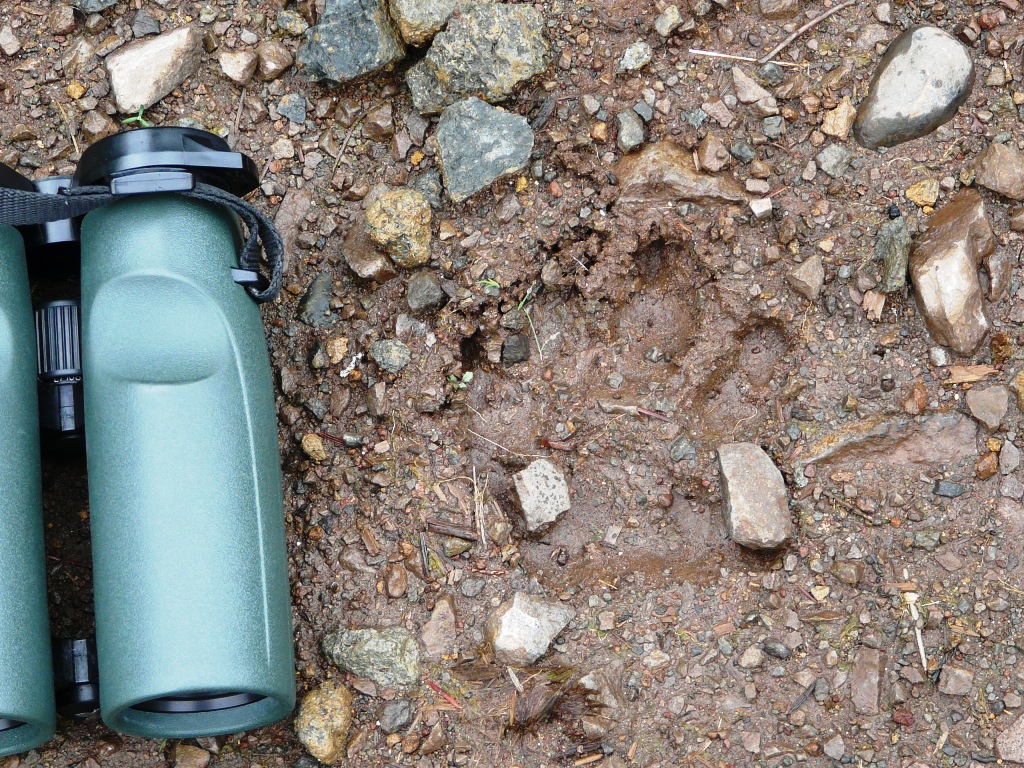

Clearcuts attract Black-tailed Deer and Roosevelt Elk, which in turn attract Mountain Lions. This set of tracks was leading from the clearcut to the woods.
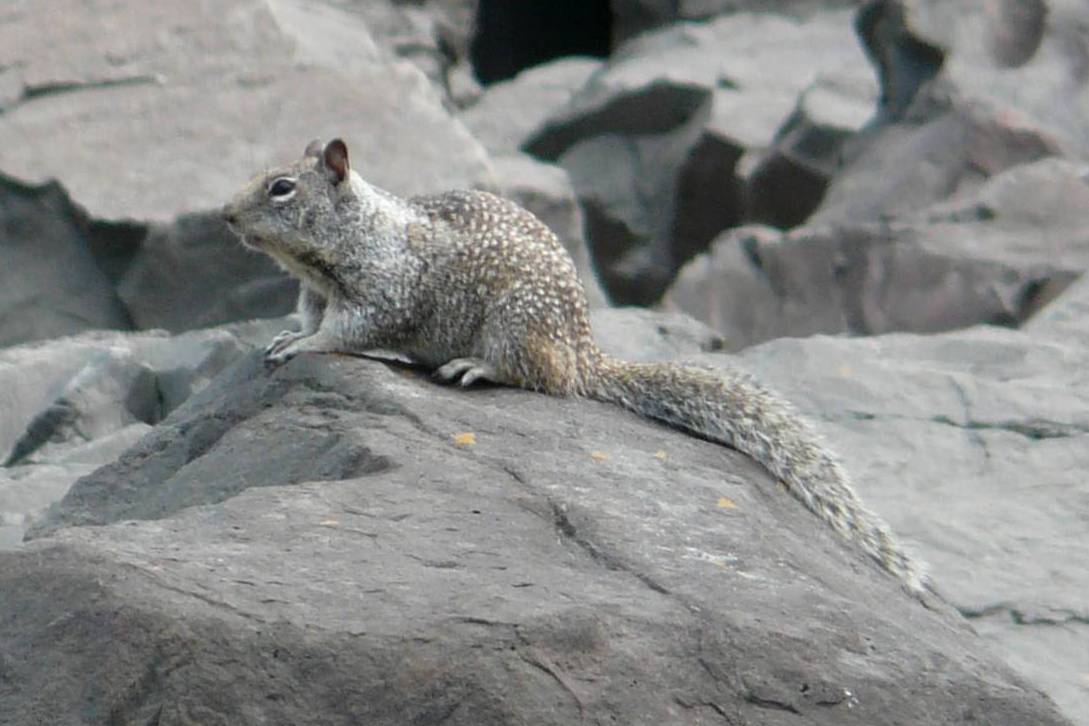
California Ground Squirrel

Ranging throughout the western third of Oregon, California Ground Squirrels (Spermophilus beecheyi) are much larger and bushier-tailed than other ground squirrels. They are found in open grasslands (including large lawns) and on rocky outcrops. Unlike other ground squirrels, they will also climb trees to obtain food.  A colloquial name for this  species is Gray Digger.


This individual was on Barview Jetty on the north shore of Tillamook Bay (Birding Oregon p.125). Rocky coastlines are an unusual habitat for ground squirrels.  Note the white dapples on the back.


This individual also shows the white speckles on the back. Note the bushy tail edged in white, similar to that of a Eastern Gray Squirrel.


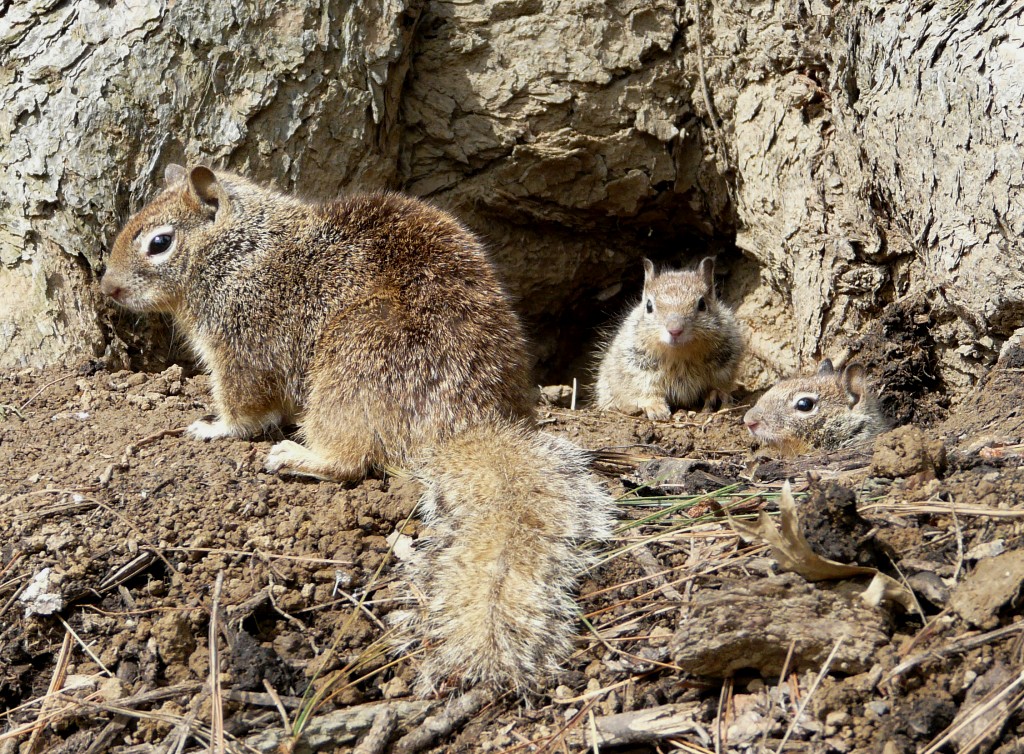
This female with her two young had a burrow at the base of a large tree at the Portland Rose Garden. Notice that when the fur is ruffed up, as on this individual, the white spots are much harder to see, making it harder to differentiate this species from one of the tree squirrels. California Grounds Squirrels can be solitary or live in loose colonies. When living in a colony, each individual has their own private burrow entrance.


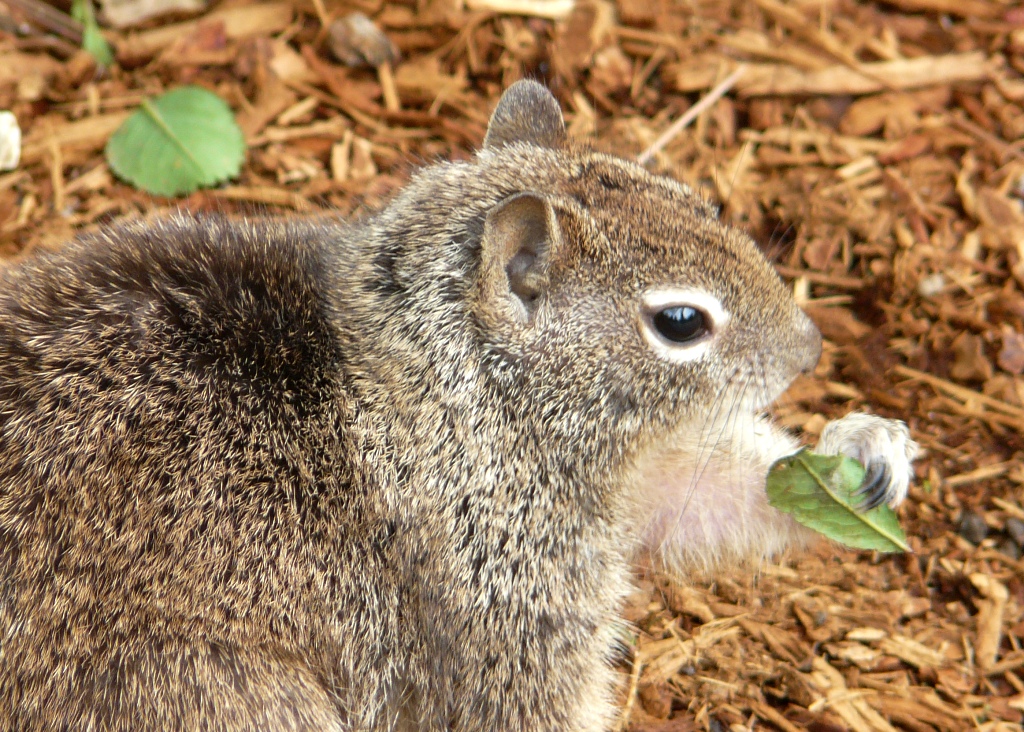
Here is the same female eating a leaf. California Ground Squirrels eat a wide variety of plant matter to build fat reserves for their winter  hibernation.

Klamath Basin

Here are some photos from a recent trip to the Klamath Basin.


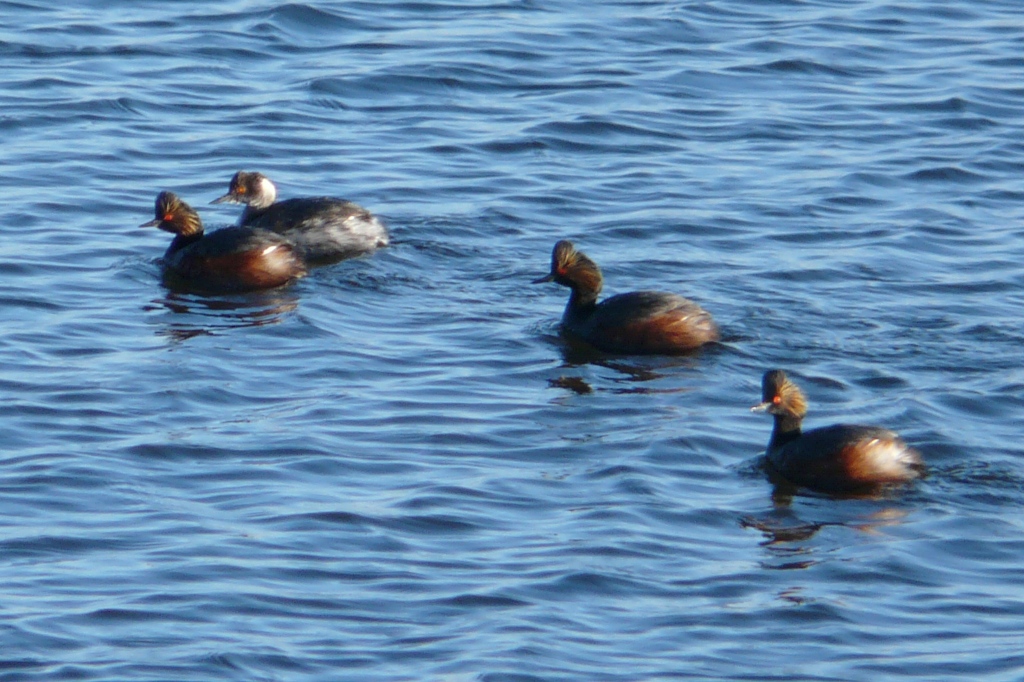
Eared Grebes are common  in the wetlands along State Line Road (Birding Oregon p. 116). The second bird from the left is still in basic plumage, while all the other birds seen that day had already molted into alternate plumage.


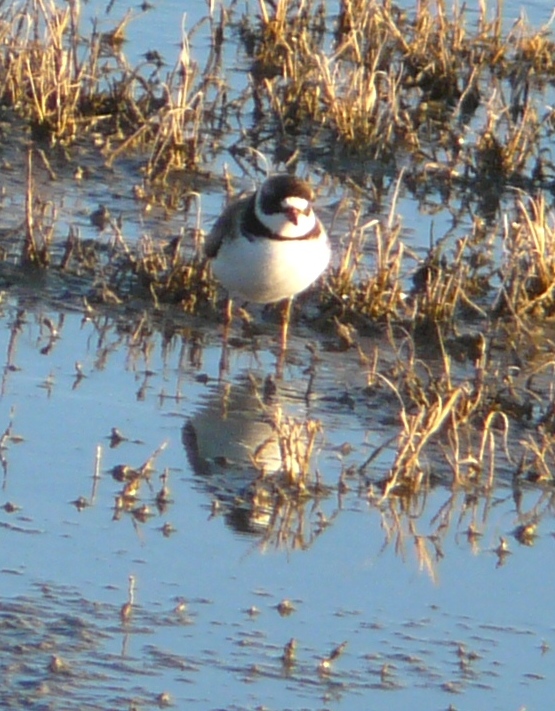
Shorebirds, such as this Semipalmated Plover, can be found on the mudflats along State Line Road.


This Pied-billed Grebe was nesting at Wood River Wetlands (Birding Oregon p.111).

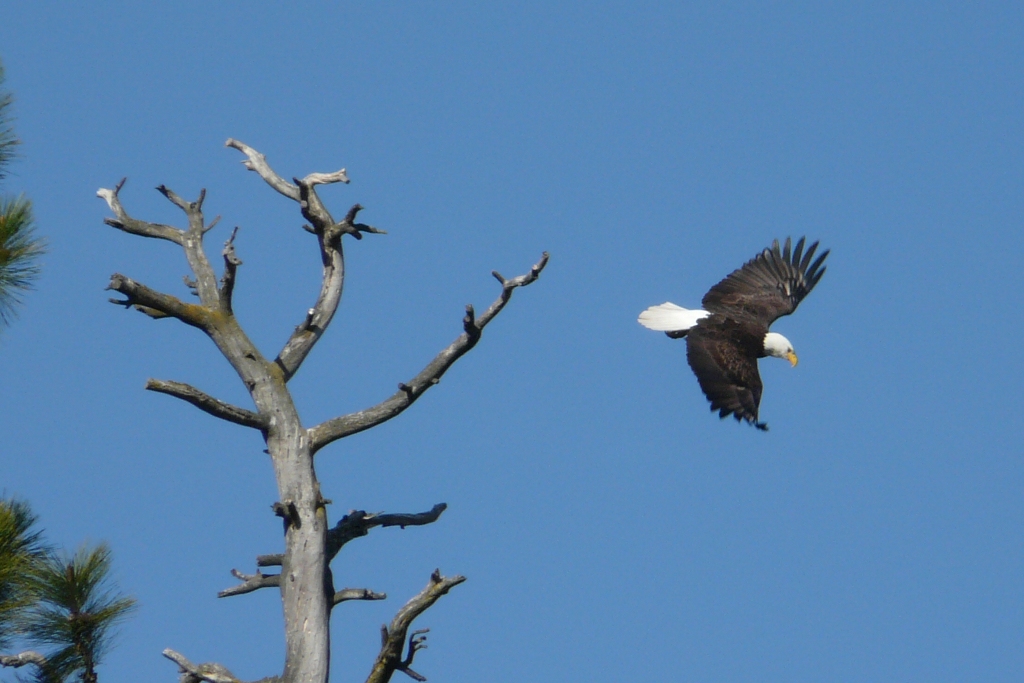
The Klamath Basin is famous for its large wintering population of Bald Eagles, but a few pairs  stay to nest. This bird was found in Moore Park in Klamath Falls.


Moore Park is also home to Mule Deer. Note the fuzzy antlers starting to grow on the deer in the center of the photo.

Autumn

Autumn officially started just over a week ago. Here are a few shots of the season.

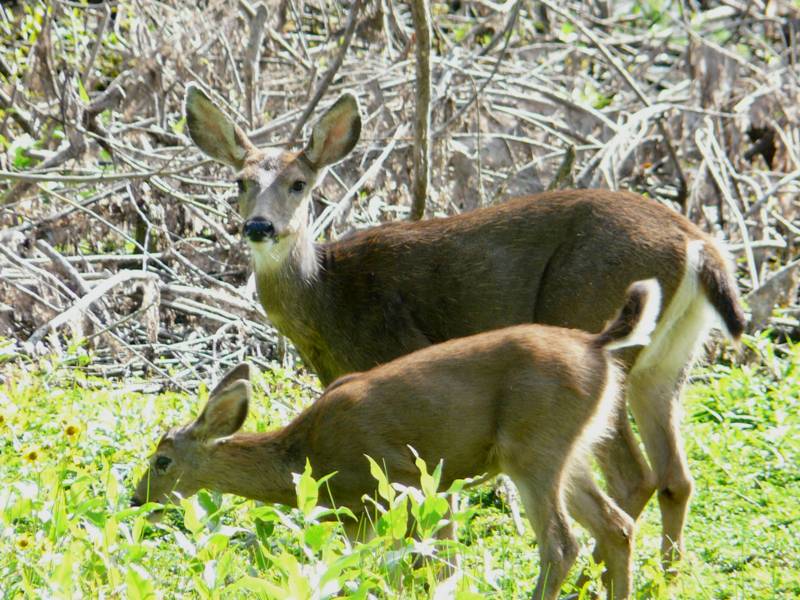
black-tailed doe and fawn
The Black-tailed Deer fawns have lost their spots, but are still smaller than the does.

black-tailed doe

cackling geese
The first flocks of Cackling Geese have arrived, soon to be followed by about 200,000 of their cohorts.

fungus
The cool nights and wetter weather bring out various fungi.

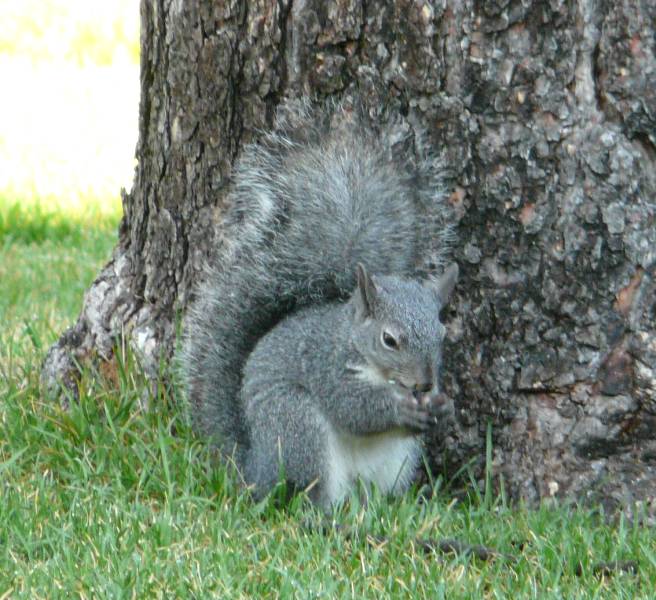
western gray squirrel
Squirrels, like this Western Gray Squirrel, are taking advantage of the acorn crop.

Cimarron National Grassland, Kansas

In the very southwest corner of Kansas lies the Cimarron National Grassland. This area, along with the nearby town of Elkhart,  is a favorite birding destination for Kansas birders. Several western species reach the eastern edge of their ranges here, and lost eastern migrants are attracted to the patches of trees in a sea of sand-sage prairie and cropland.

cimmaron river
Cottonwoods along the usually dry Cimarron River provide a wooded migration corridor from eastern Colorado through southwestern Kansas.

clay-colored sparrow
Middle Springs is one of several oases on the grassland that provide trees and water to migrants like this Clay-colored Sparrow.

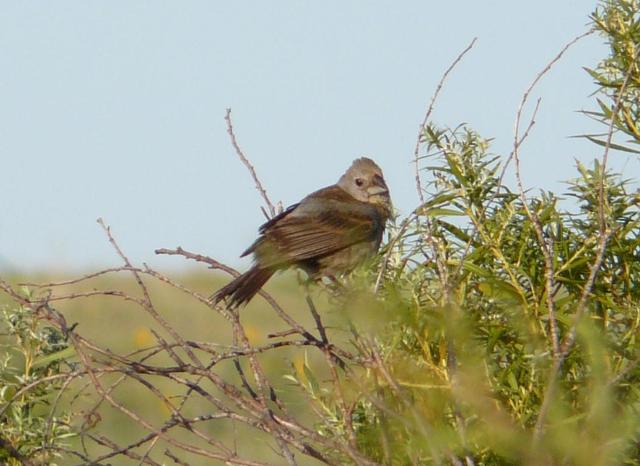
blue grosbeak female
female Blue Grosbeak

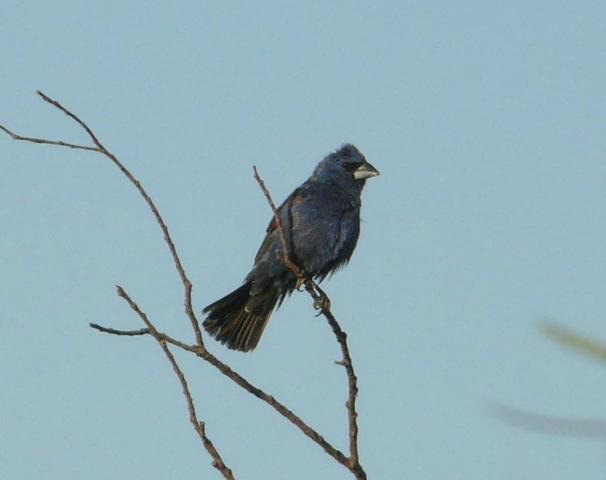
blue grosbeak male
male Blue Grosbeak

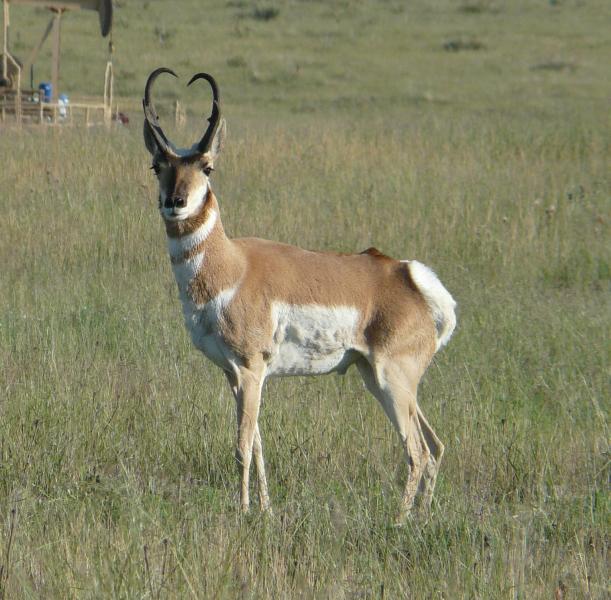
pronghorn
The fastest land animal in North America, Pronghorn evolved to outrun American Cheetahs, which became extinct somewhere between 10,000 and 20,000 years ago.

pronghorn back
The white backsides of Pronghorn are visible from great distances.

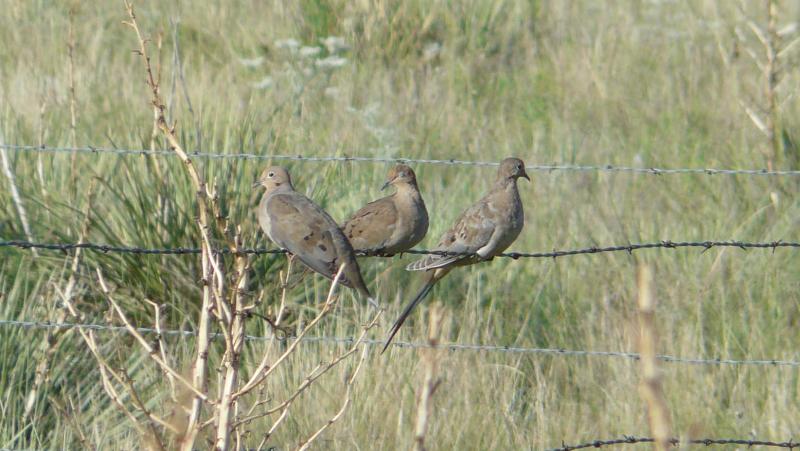
mourning doves
Mourning Doves were by far the most common species seen on this day, with Eurasian Collared-Doves coming in a close second.

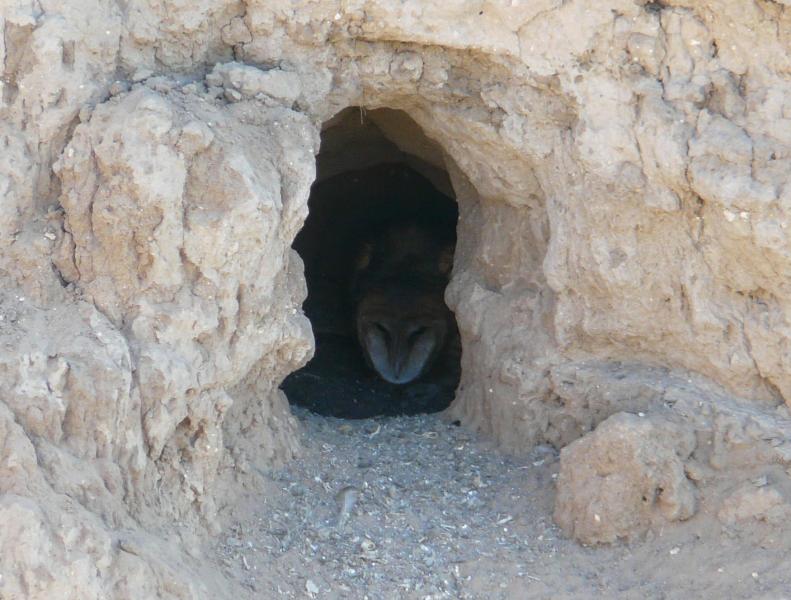
barn owl
This Barn Owl was in a little cavern in a bluff overlooking the Cimarron River corridor. Note the little bones and other debris in front of the entrance.

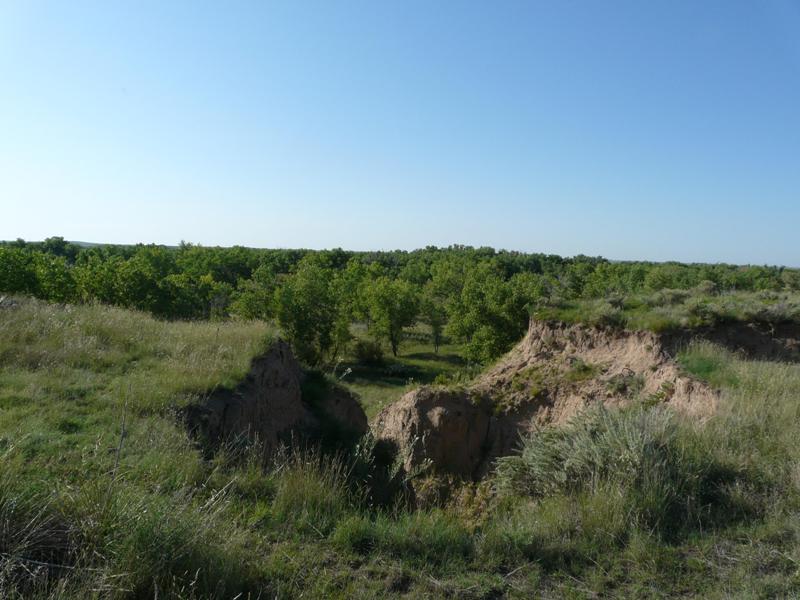
bluff
This is the bluff where the Barn Owl had her cavity.

curve-billed thrasher
Curve-billed Thrasher

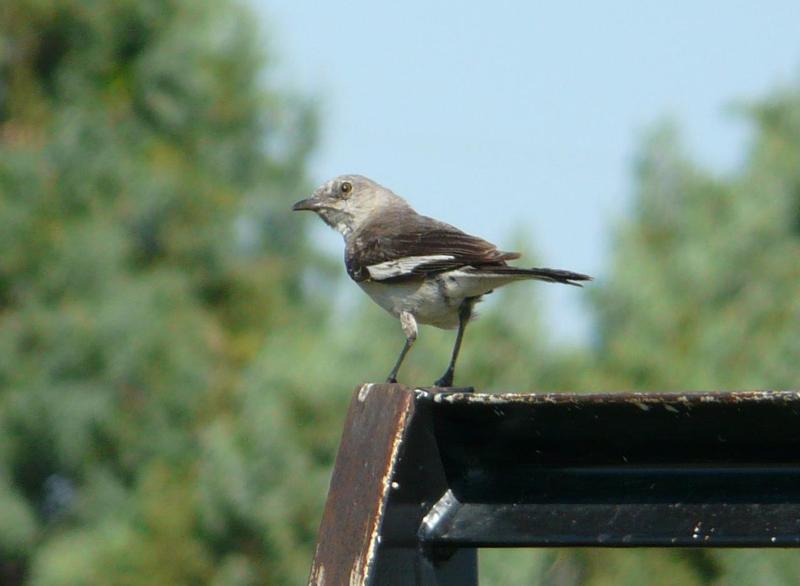
northern mockingbird
Northern Mockingbird

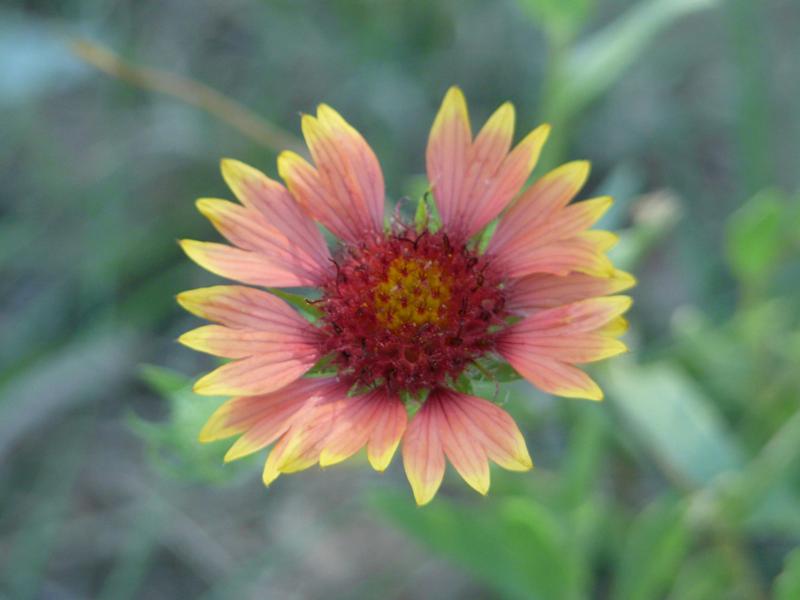
indian blanket
Gaillardia pulchella

sunflower
As one would expect in the Sunflower State, these were everywhere.

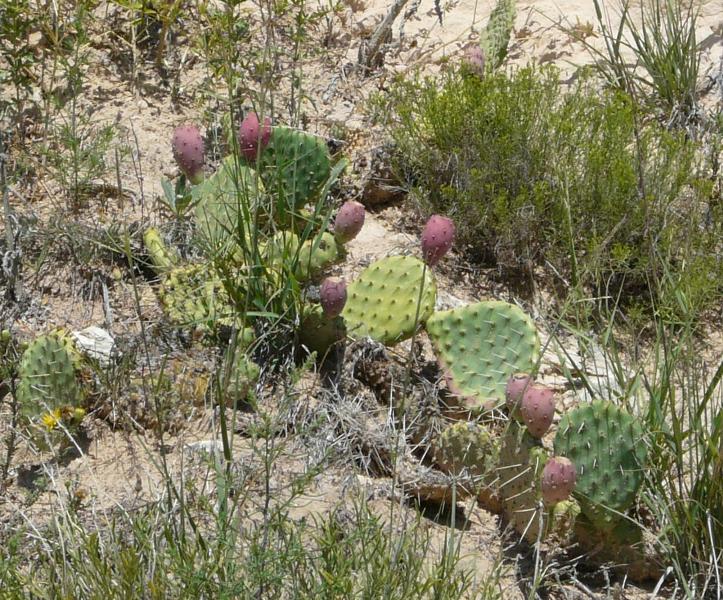
prickly pear
The abundant Prickly Pear cactus makes walking a challenge in many areas.

american avocet
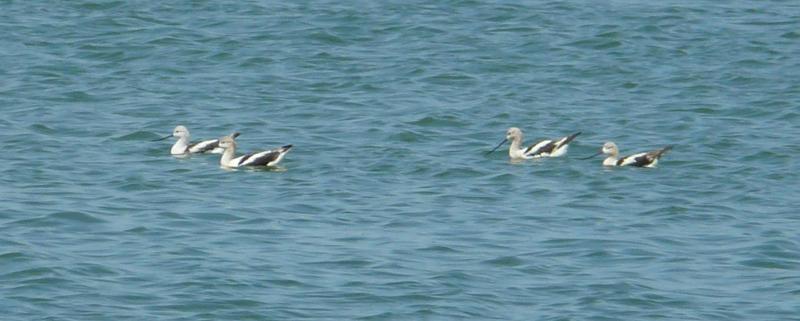
The Elkhart sewage ponds are the only permanent bodies of water for many miles around, so they attract good numbers of migrant shorebirds and waterfowl. These American Avocets were swimming in the middle of one of the pools.

spotted sandpiper
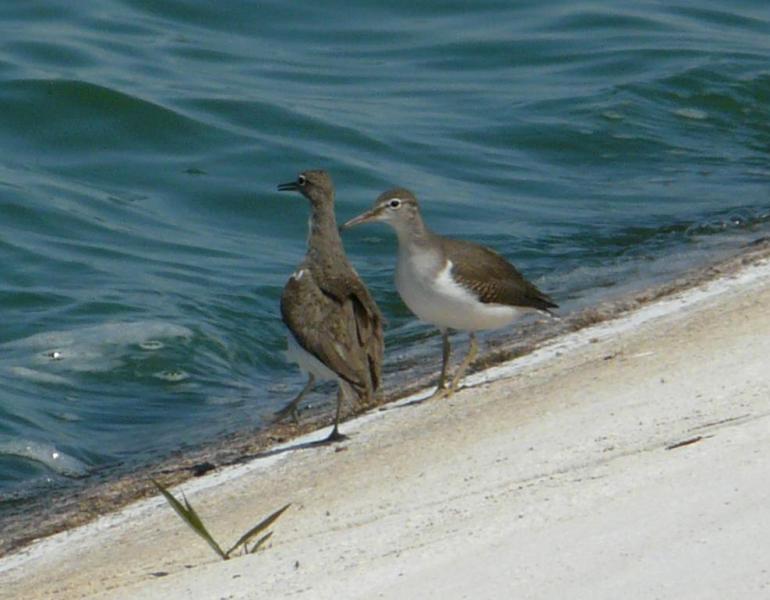
Spotted Sandpipers

semipalmated sandpiper
Semipalmated Sandpiper

burrowing owl
Burrowing Owls are one of many species that rely on prairie dog towns for shelter or food. I found several Black-tailed Prairie Dog towns on this day, each containing an owl or two, but the dogs kept out of camera range.

Sapsucker Woods

cornell sign
I recently had the opportunity to visit Sapsucker Woods, the headquarters of the Cornell Lab of Ornithology near Ithaca, NY. They have a great visitors’ center with various displays, artwork, a store, and windows overlooking multiple bird feeders and a large pond.

american goldfinch
The feeders attract a nice variety of birds, including this American Goldfinch. The large windows are covered with netting to prevent window strikes. That is great for the birds, but not so great for auto-focus cameras, which can’t ignore the netting in front of the intended target.

northern cardinal
Northern Cardinal

sapsucker wells
The sanctuary takes its name from the Yellow-bellied Sapsucker, a common resident here. Many of the trees bear rows of small holes drilled by these woodpeckers.

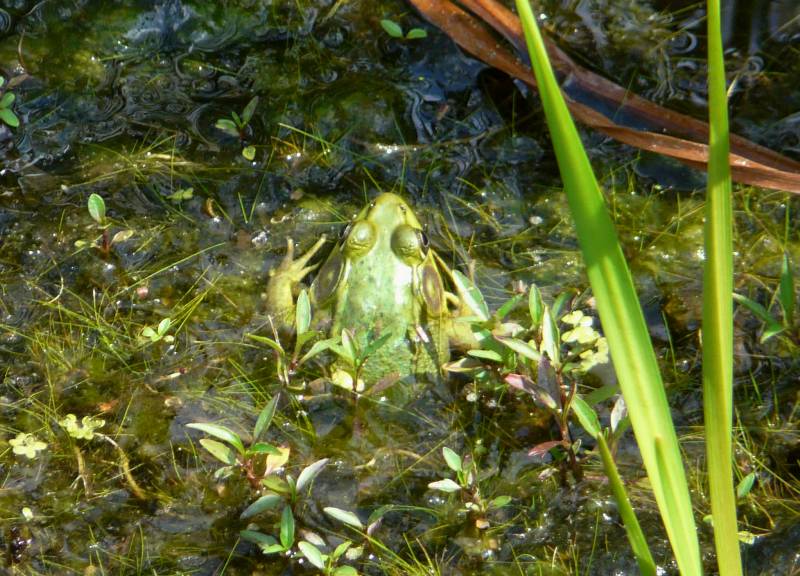
green frog
The marshy area near the building’s entrance attracted its share of wildlife, including this Green Frog (Rana clamitans)

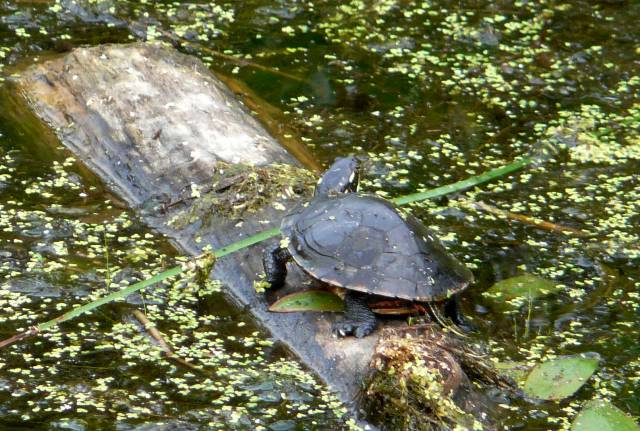
eastern painted turtle
and this Eastern Painted Turtle.

eastern cottontail
This Eastern Cottontail was enjoying a snack on the lawn.

eastern chipmunk
Eastern Chipmunks are common under the bird feeders.

gb heron nest
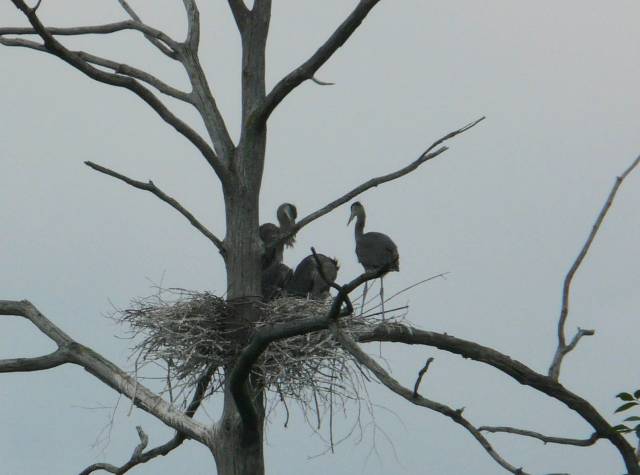
The large pond behind the building attracts waterfowl and waders, including these Great Blue Herons nesting in a dead tree.

canada goose
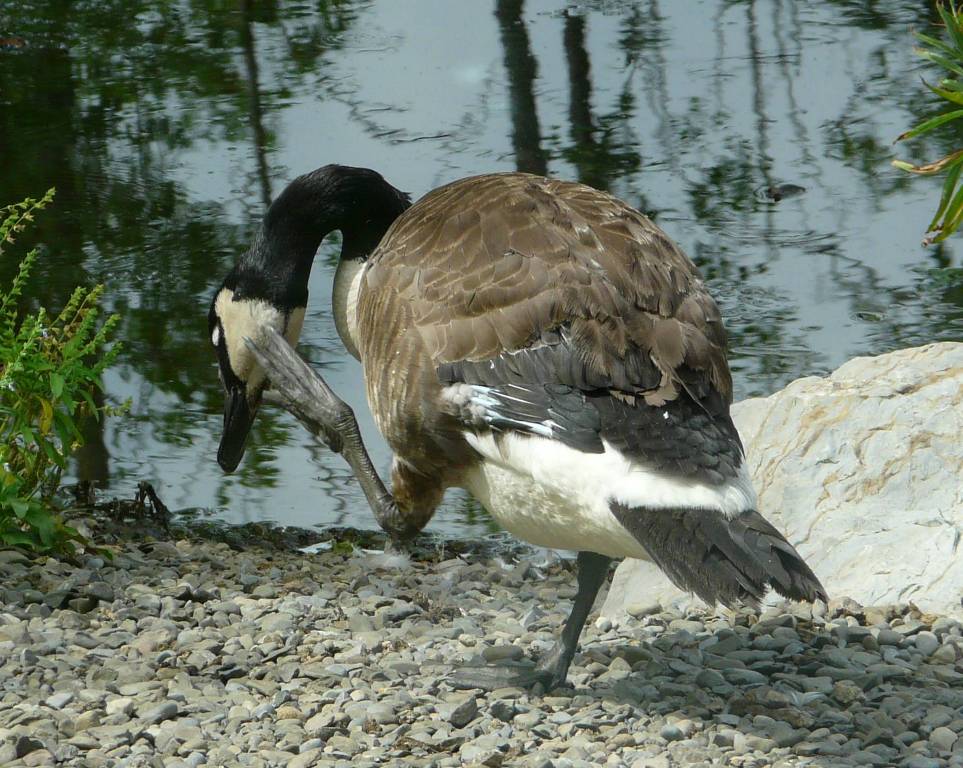
The only waterfowl around the pond on this July day were Mallards and Canada Geese. Like other species of waterfowl, this Canada Goose molts all his flight feathers at once during the summer. This makes it impossible for the bird to fly, but it does give us a chance to see the birds blackish rump and the white band across the uppertail coverts.

Columbia River Gorge

The Columbia River Gorge is not a terribly birdy place. You can hear some of the common species, and see a bird or two on any given hike, but there are better places to see the birds of the western Cascades.  Occasionally, however, I remind myself that there is more to life than birds. Recently I left my binocular at home and took a couple of hikes in the gorge. Here are some highlights, minus the shortness of breath and sore calves.
angel's rest
This is a view from the rocky outcrop known as Angel’s Rest. From here you can see the Columbia River, forests in various stages of regrowth, and rimrock.

ocean spray
A view of the river with blooming Ocean Spray.

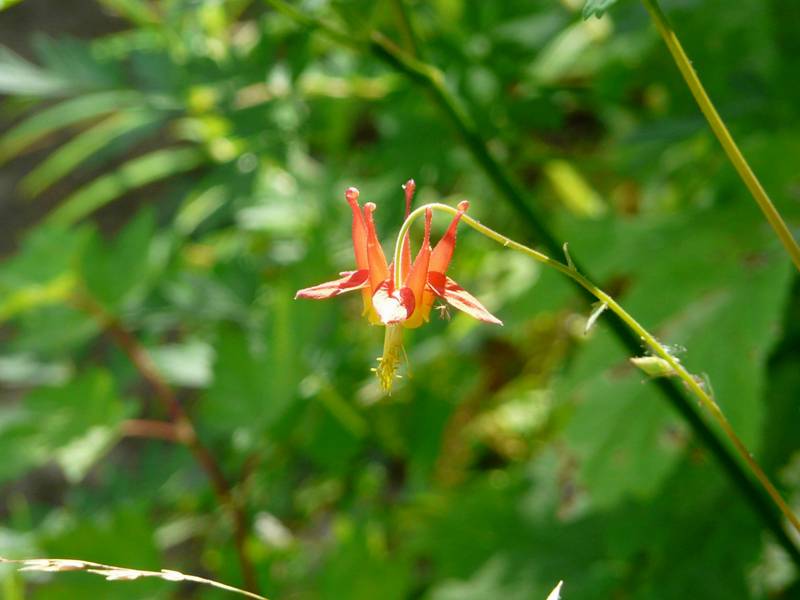
columbine
Red Columbine

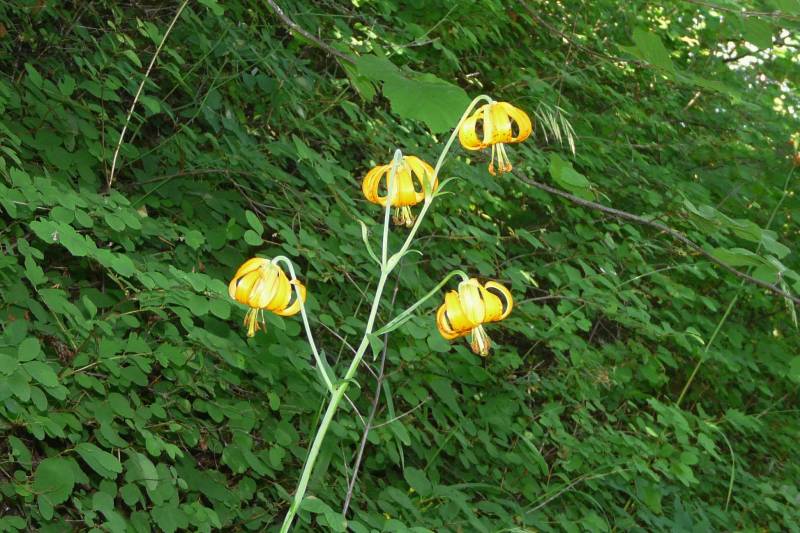
tiger lily
Tiger Lily

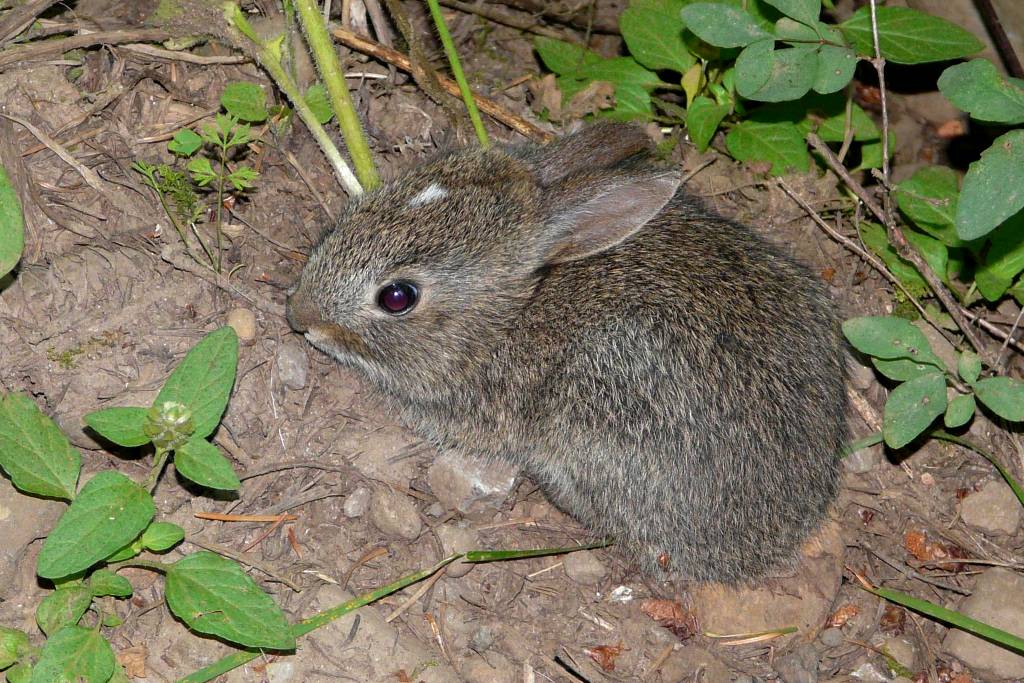
brush rabbit
This young Brush Rabbit was sitting right by the trail. So cute.

thimbleberries
Thimbleberry

admiral
Lorquin’s Admiral drinking near a stream

steam
We passed this stream in the Wahkeena Falls area.

western tanager
Western Tanager. I have to include at least one bird per post.

William L. Finley NWR

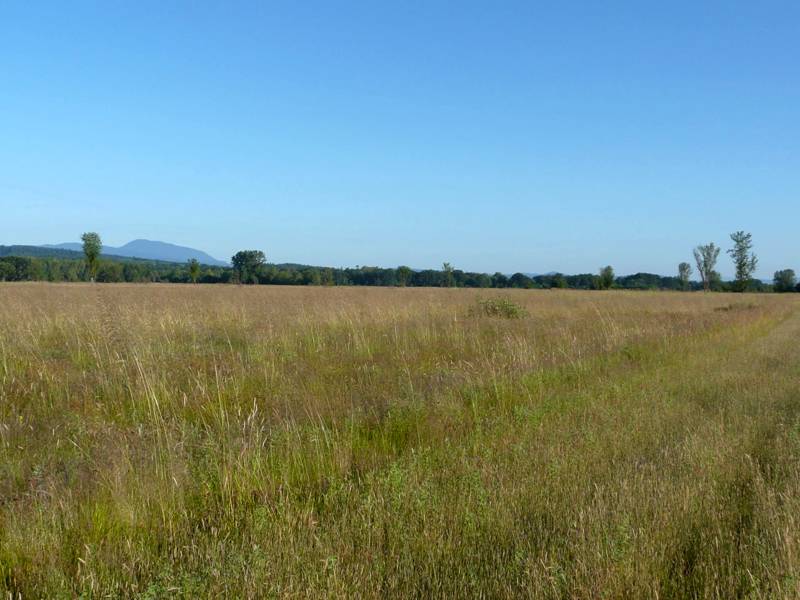
prairie

This is the prairie at the northeast corner of Finley National Wildlife Refuge (Birding Oregon p. 84).  The bird diversity in prairies is often pretty low, and you get rather damp walking through shoulder-high grass on a dewy morning, but I always enjoy exploring grassland habitats.

savannah at finley
Savannah Sparrow was the most numerous species by far. This distant grainy photo is typical of my efforts to capture this species. They either flush right at your feet, or perch on an exposed twig so they can see you coming a mile away. Western Meadowlarks and Western Kingbirds were also present, but equally un-photogenic.

harrier3
This male Northern Harrier hovered over me for a while. I was apparently too close to his nest. I kept moving.

bull elk
This bull Roosevelt Elk was completely hidden by the grass until he stood up. It seems odd to me that this large beast, who could trample me into the prairie sod without so much as breaking a sweat, would be intimidated by this little vegan biped. But I guess some of the bipeds this guy encounters are packing rifles or bows, so it is probably a good thing to be wary.

elk herd 2
Here are a few more of the herd. See the two babies? The female in the middle has her tongue out, but I don’t think that was directed toward me.

Always something to look at

My birding has been limited lately, and walks in heavy cover under cloudy skies don’t produce many photo opportunities, but there is always something to see.

beaver-chew
Final Score: Beaver: 1  Protective netting: 0

licorice-fern
Licorice Ferns

newt
Rough-skinned Newt, one of the most toxic animals in North America.
newt2
Eating one would be deadly to a human, but these animals are preyed upon by Common Garter Snakes.

Great weather, if you’re a duck

I forced myself to go birding Saturday morning. It was one of those rainy November days when you want to hole up until May, so I forced myself out. (Can’t get tired of the rain this early in the season.) So I went to Smith and Bybee Wetlands in NW Portland. The rough weather kept most of the songbirds under heavy cover, but the ducks were out and about.

shovelers
While distant and poorly lit in the rainy weather, these ducks are clearly Northern Shovelers. The first clue is the fact that they are all swimming along with their faces in the water, typical shoveler feeding behavior. On the first and last ducks in line, you see a dark head, white breast, rusty sides, and white bottom, classic Northern Shoveler.

distant-ducks
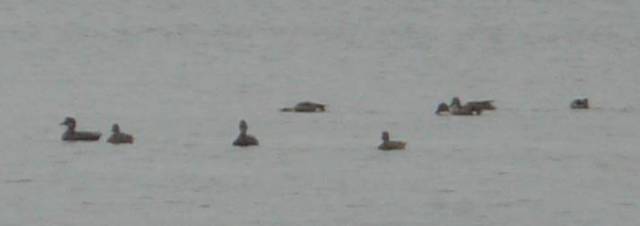
These birds were clear across the lake, but several are clearly identifyable. The line of four ducks in the upper right of the photo are Northern Shovelers, for the same reasons as in the photo above. The duck on the far left, and probably the bird next to him, is a Gadwall. The bird is slightly smaller than the shovelers, lacks any blatant pattern, seems to be dark on the backside, and has a blocky head shape.

The ability to ID ducks, or any other birds, at great distances is not so much a matter of skill, as it is familiarity. The more familiar you become with a species, the greater the distance you can recognize that species.

nutria
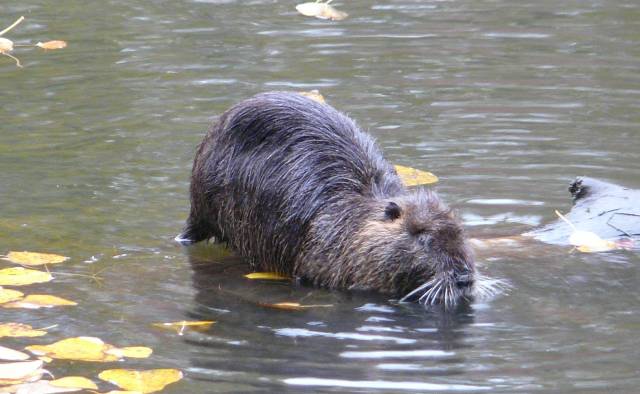
This Nutria was enjoying the day, munching away on something. Nutria are native to South America, but have been introduced in many areas by the fur trade. (and why would you want to dress yourself to look like a large aquatic rodent?) When raising Nutria failed to be profitable, many were released into the Pacific Northwest, where they flourish at the expense of some native mammals and wetland plants.