Winter in the Wetlands

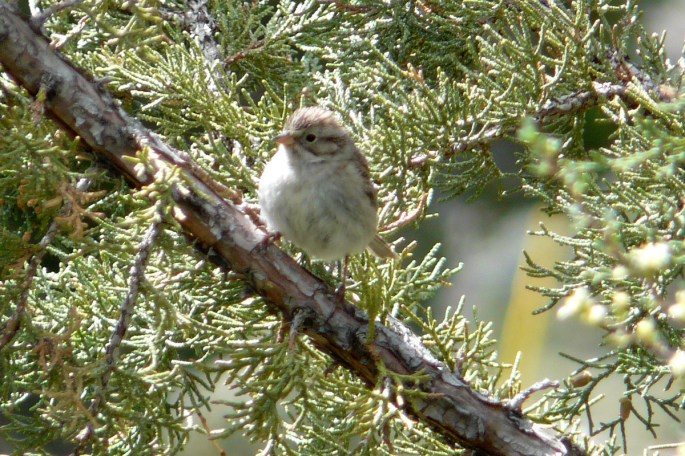
We are in that late winter season when birding seems to slow. I don’t know whether there are actually fewer birds around this time of year or we have just already seen the local winter residents so they don’t hold our attention. In any case, the best birding is usually found in and around wetlands. Here are some recent shots from area wetlands from the past couple of weeks.

great blue heron 1Great Blue Herons are always around, and have started hanging out in their nesting colonies.

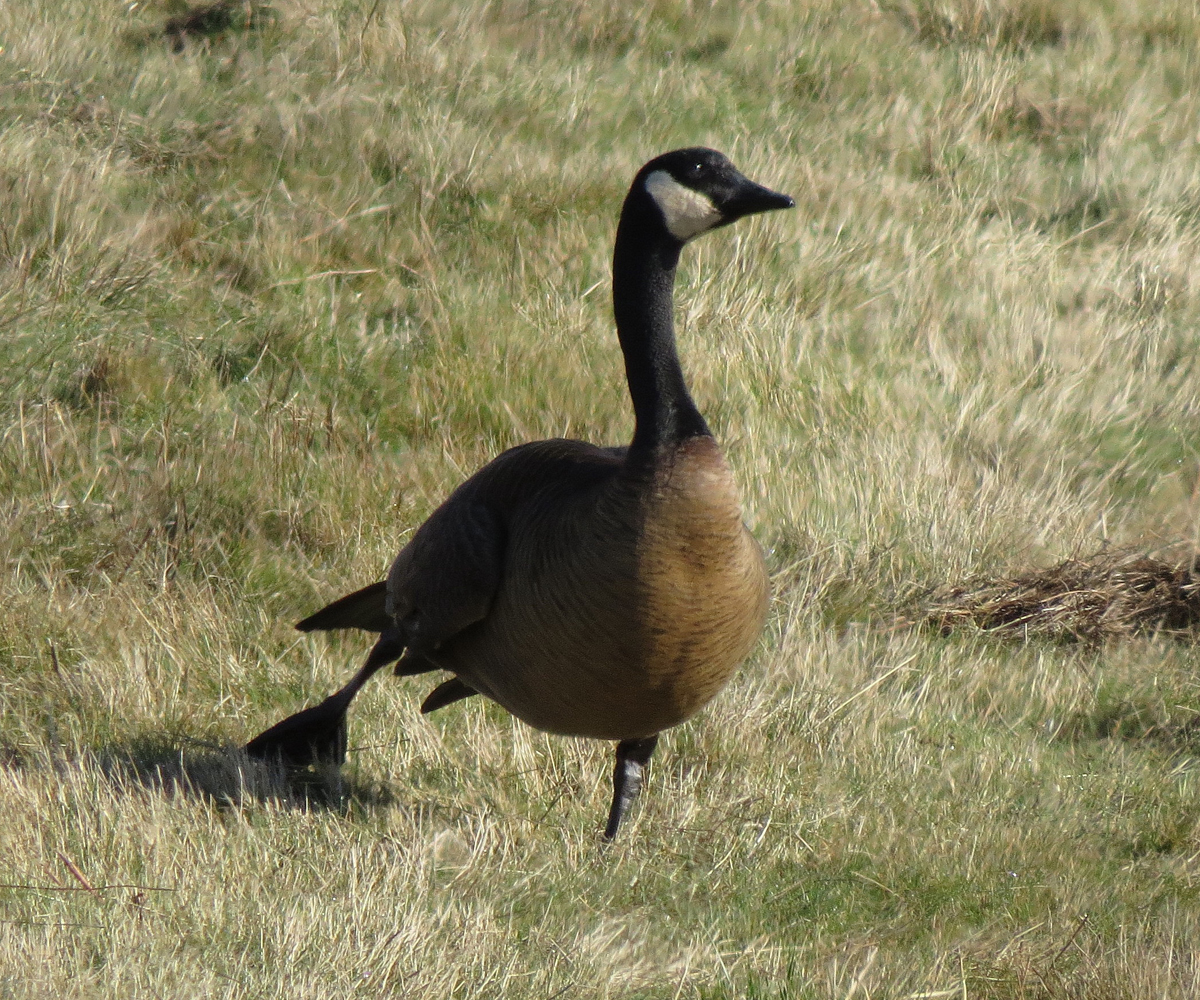
dusky canada stretchingThis Dusky Canada Goose was enjoying the sunshine at Ankeny NWR.

dusky canada feeding

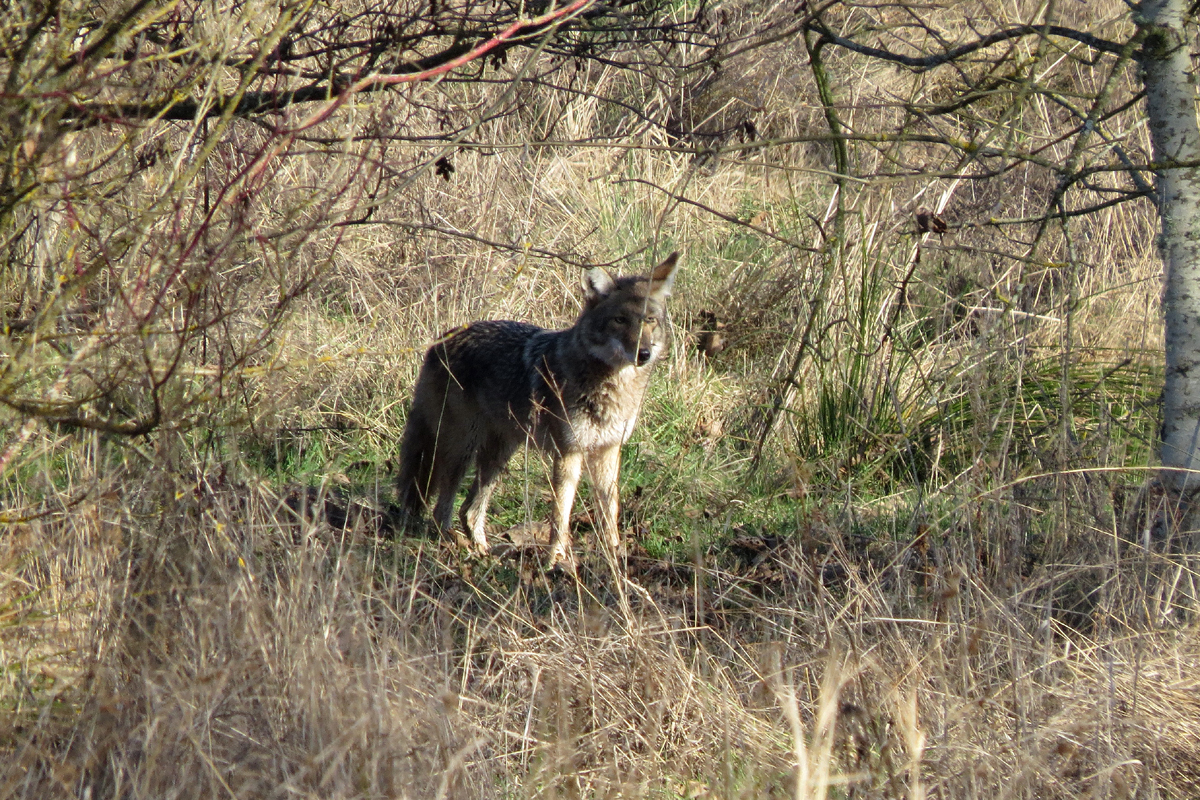
coyoteCoyote, Vanport Wetlands

coyote ankenyAnother Coyote, at Ankeny NWR

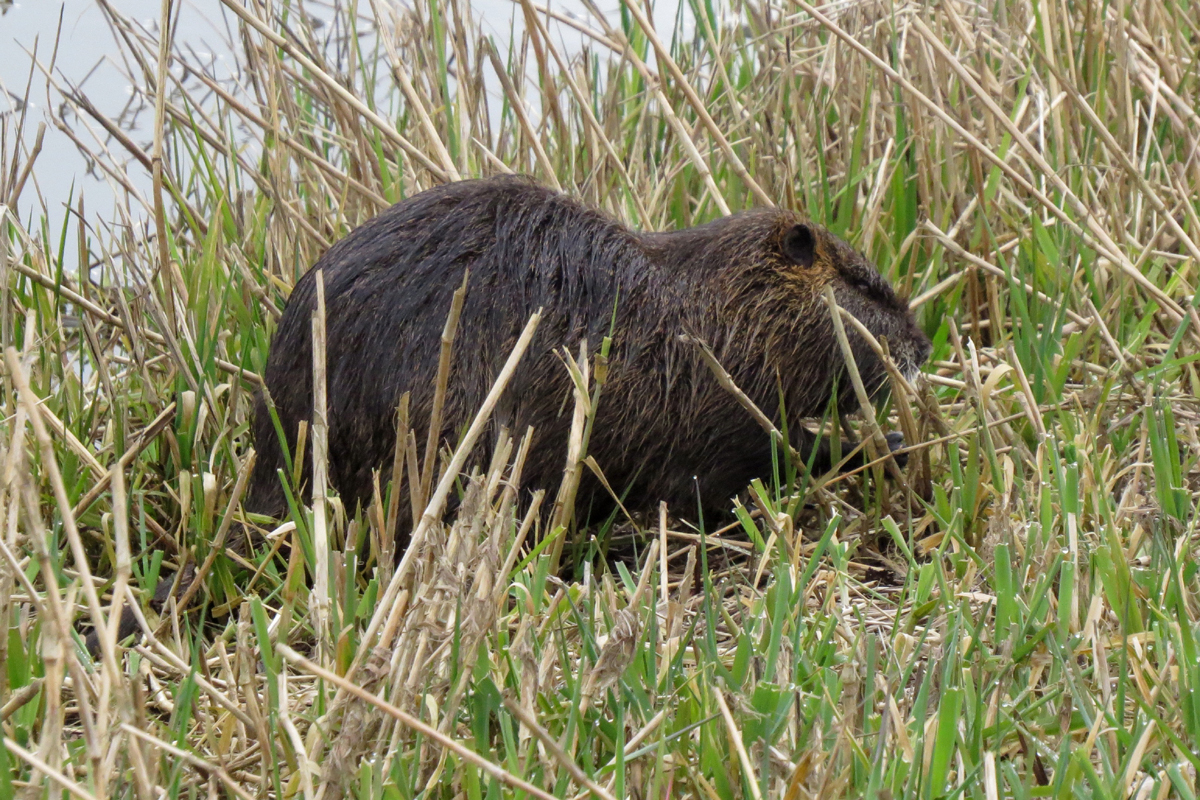
nutriaThis Nutia at Fernhill Wetlands seemed unconcerned with the group of birders walking by.

red-winged blackbird and lesser goldfinchHere is a Red-winged Blackbird sharing a nyjer feeder with a Lesser Goldfinch at Jackson Bottom. I don’t recall seeing blackbirds eating nyjer before.

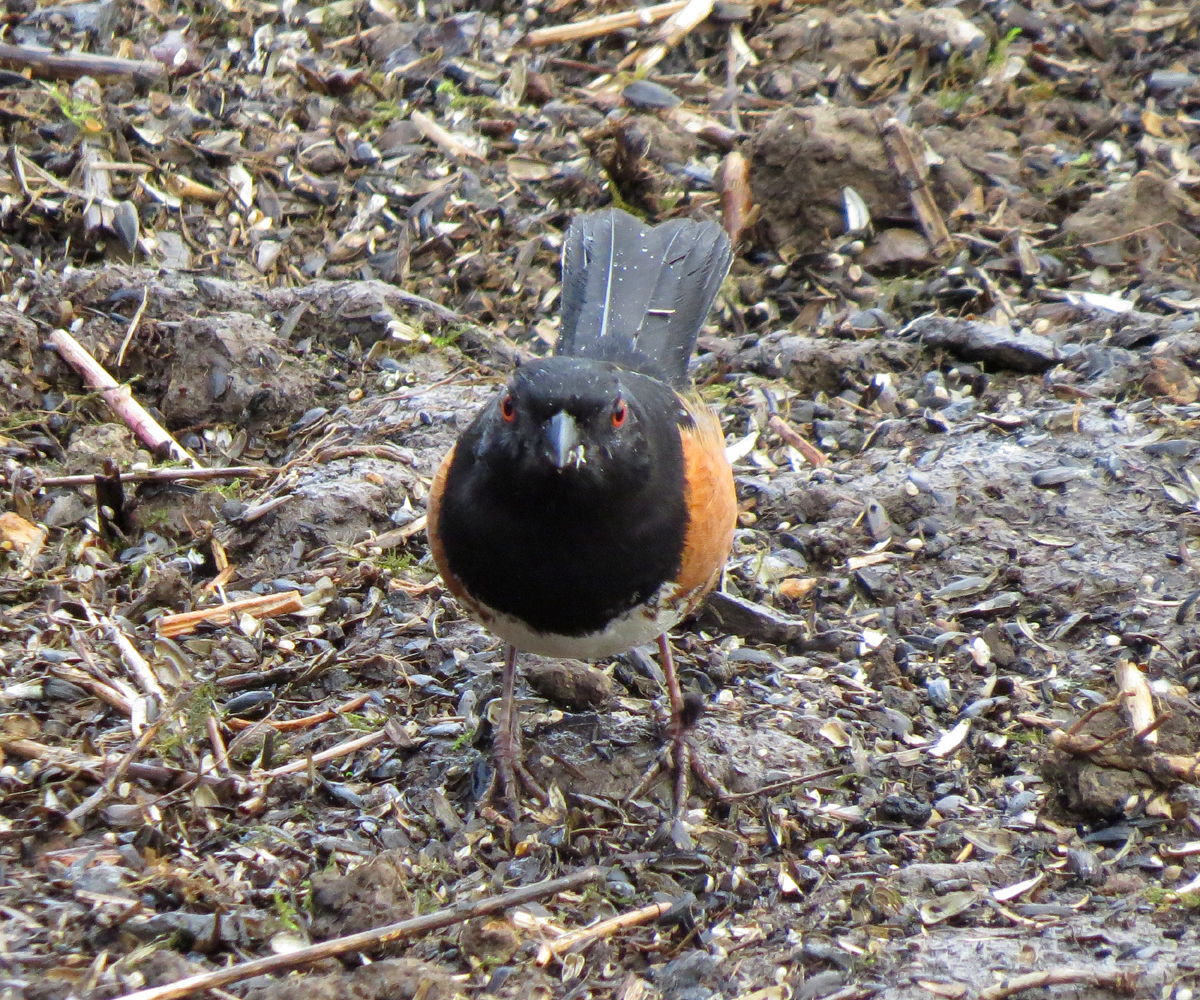
spotted towheeSpotted Towhee, Jackson Bottom

The North Coast

I made two trips to the northern Oregon Coast for my recent shorebird class. The “autumn” migration is well underway.

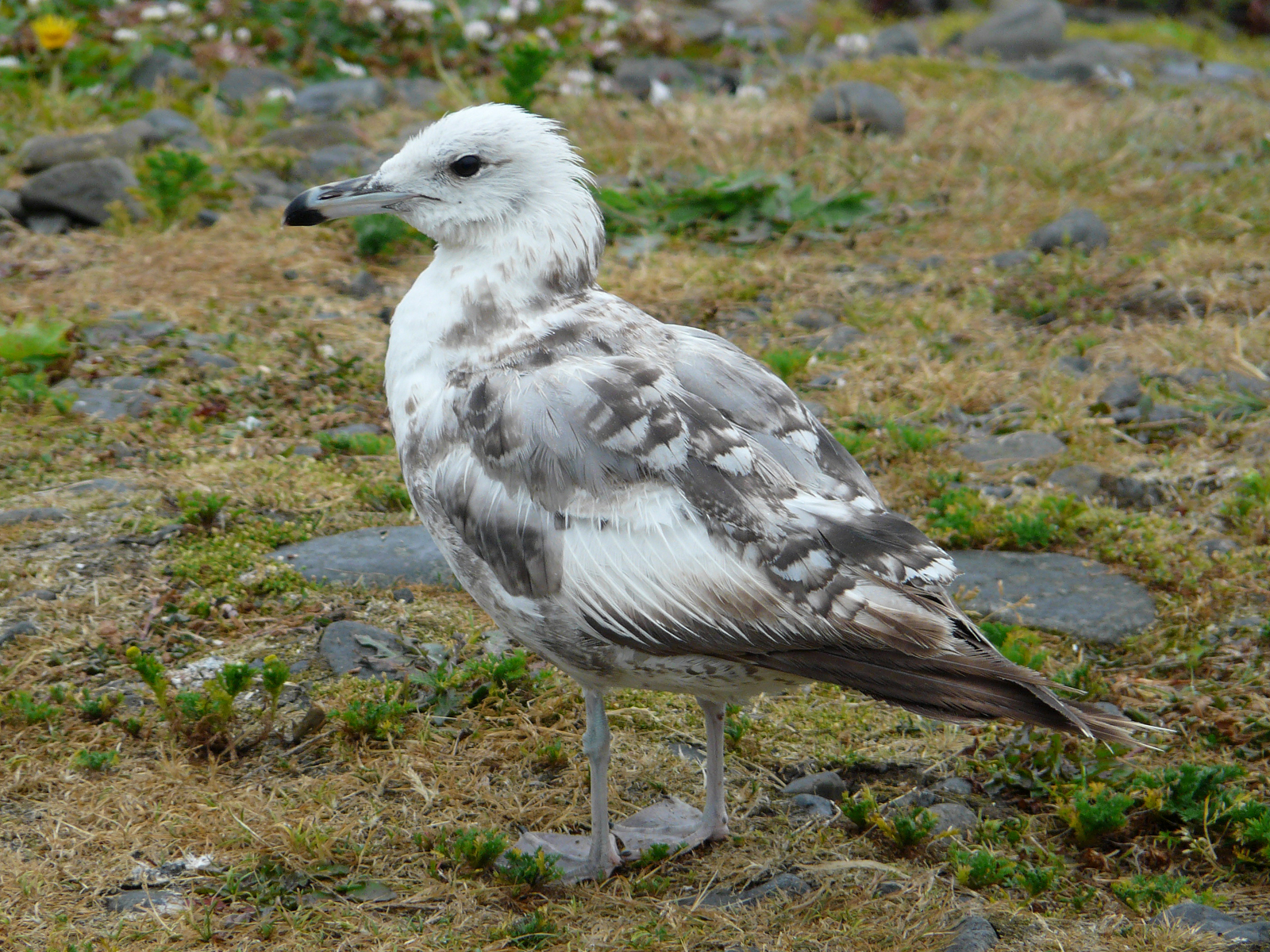
The Seaside Cove has a nice gathering of gulls. This California Gull is undergoing a rather extensive molt, I believe from second cycle to third. The severity of feather loss has actually created some interesting patterns.

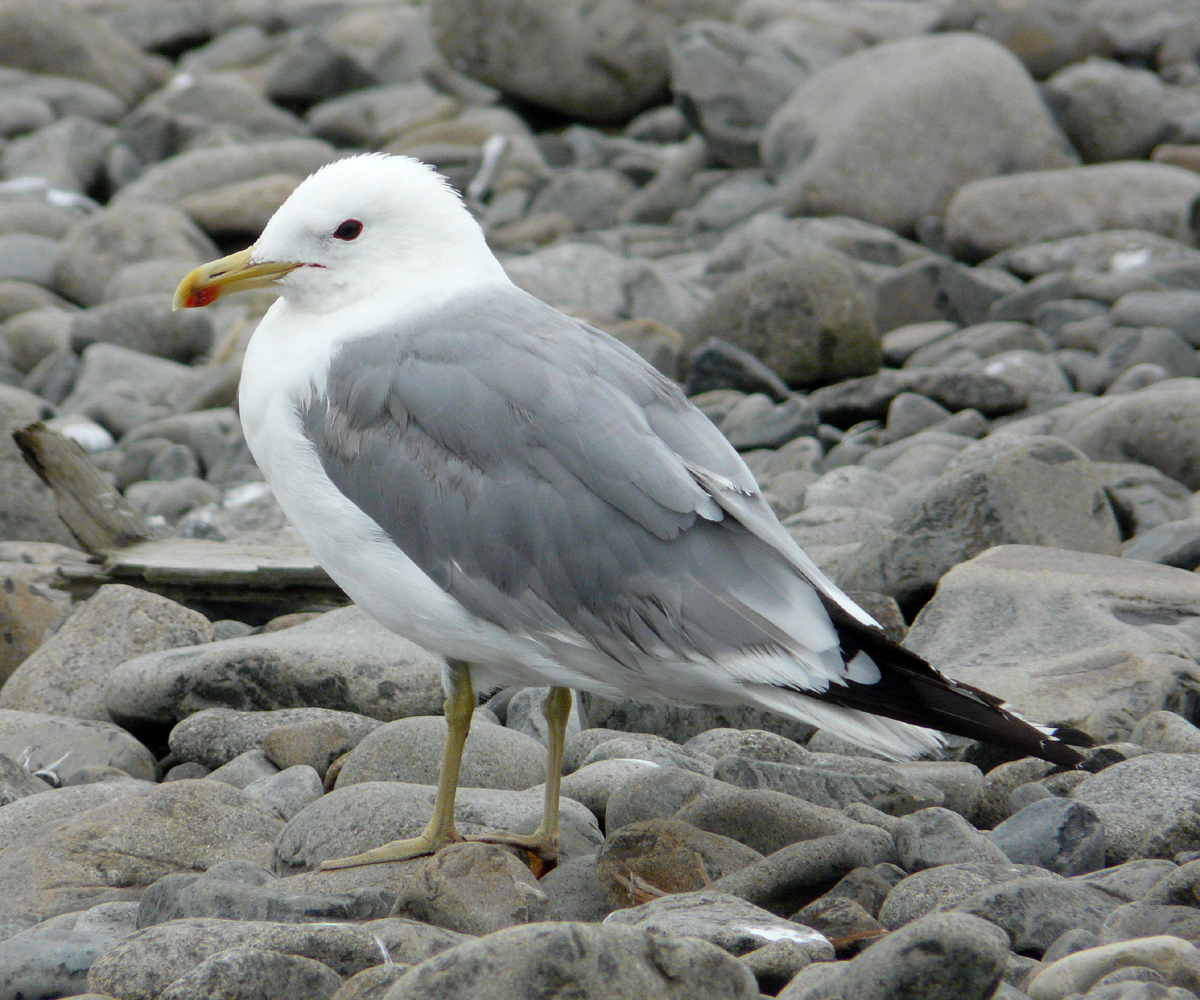
This adult California Gull is showing a little wear, but nothing like the previous individual.

The Cove is a favorite hang-out for Heerman’s Gulls.

Young Heerman’s Gulls are a rich chocolate brown. I believe this is a second-cycle bird, given the smattering of gray feathers coming in.

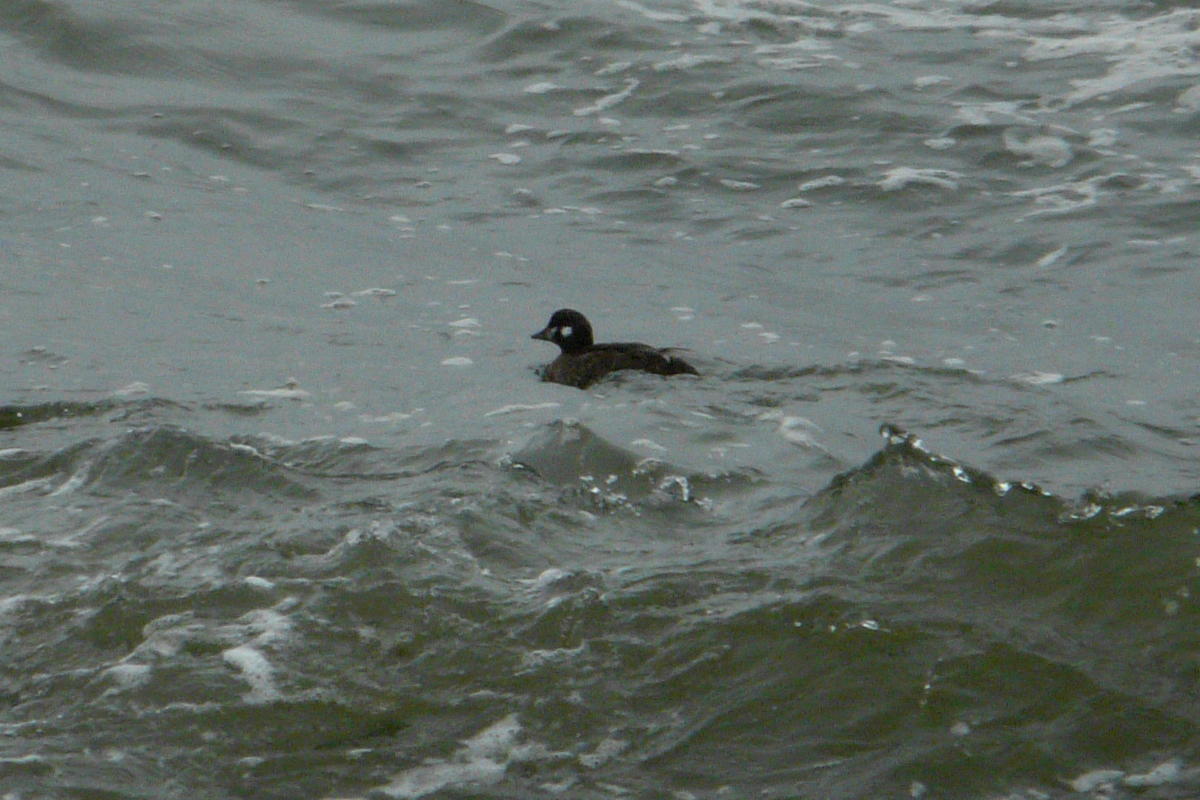
This female Harlequin Duck was near the southern end of The Cove both days.

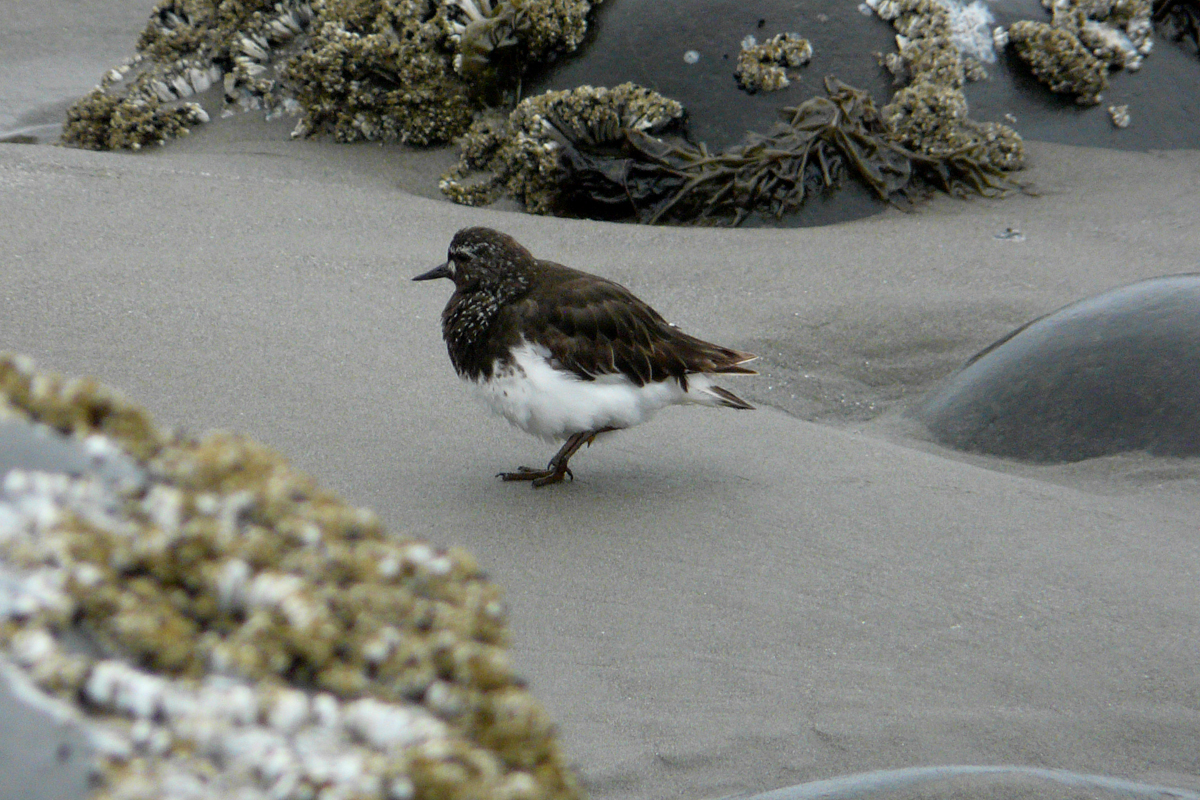
Black Turnstones, which spend the winter here, are back.

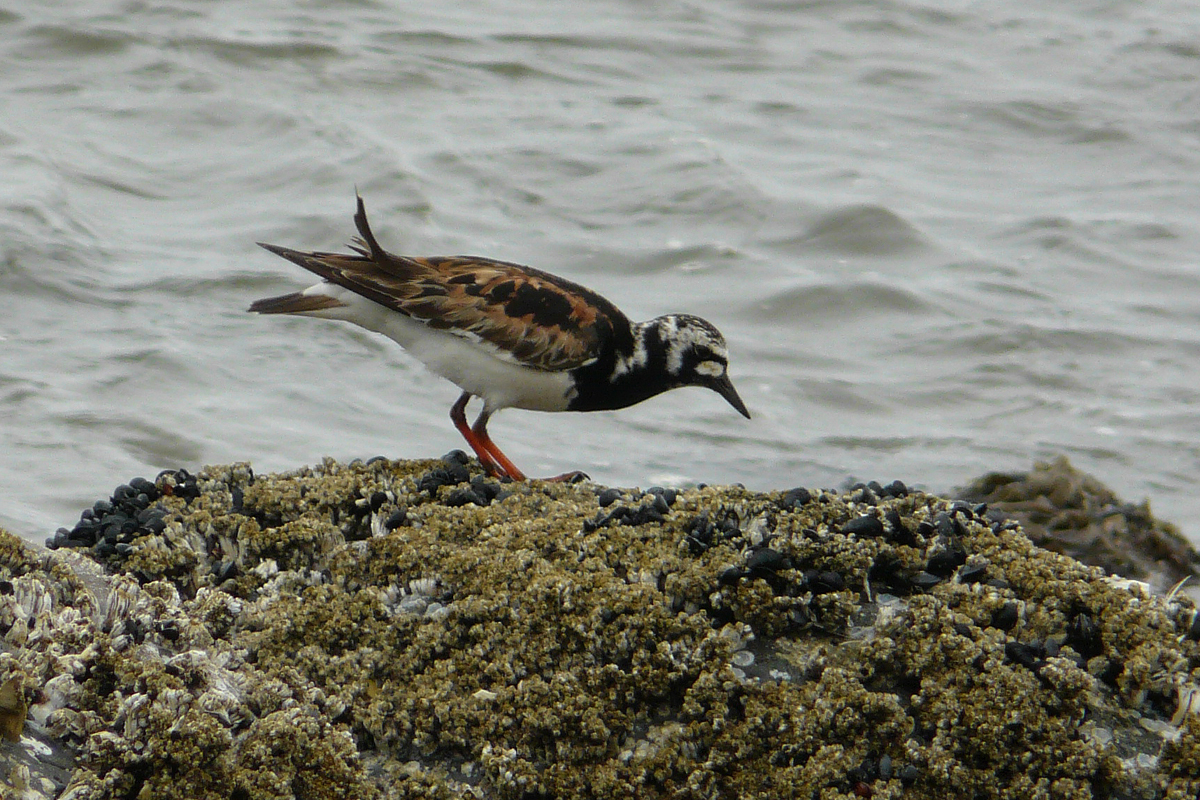
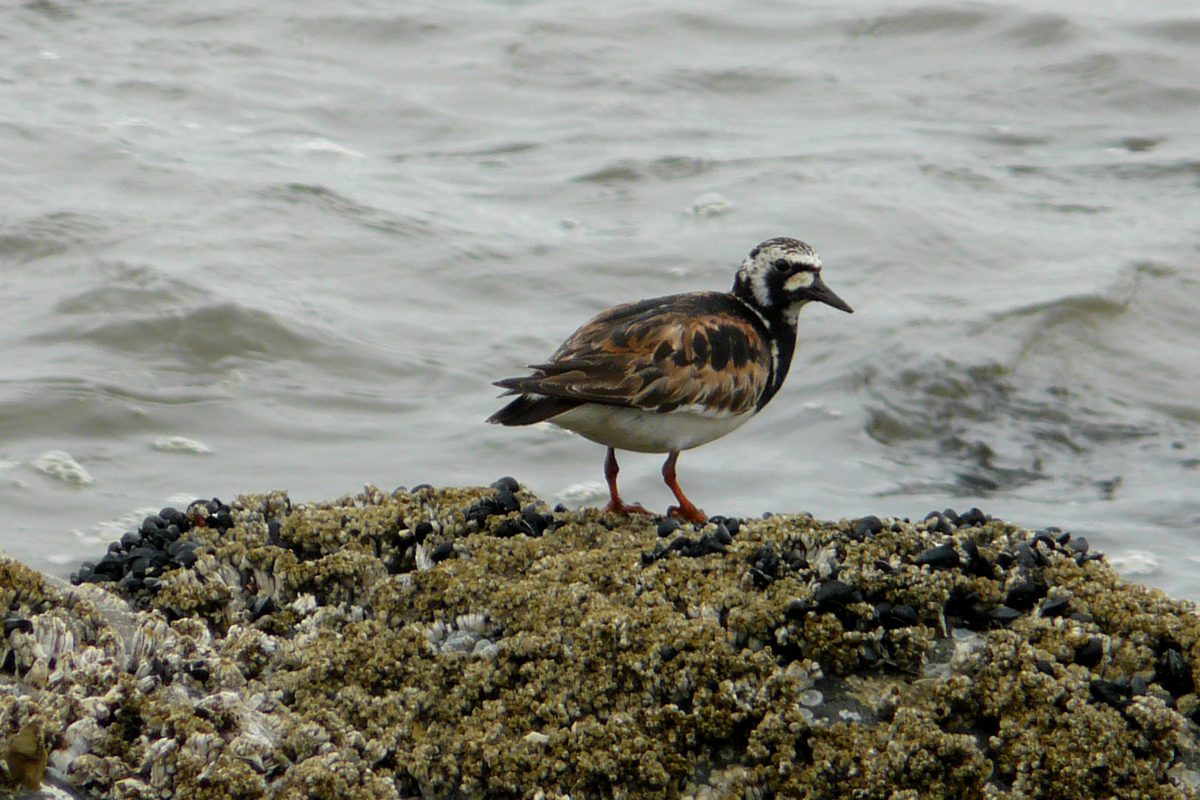
The best bird of the day Thursday was this Ruddy Turnstone, an uncommon migrant along the coast. Unfortunately, he did not stick around for my shorebird class field trip on Saturday.

Caspian Terns, seen here with California Gulls, were common on the beaches. Note the young tern in the center of the photo.

More Caspian Terns with Brown Pelicans and a Western Gull

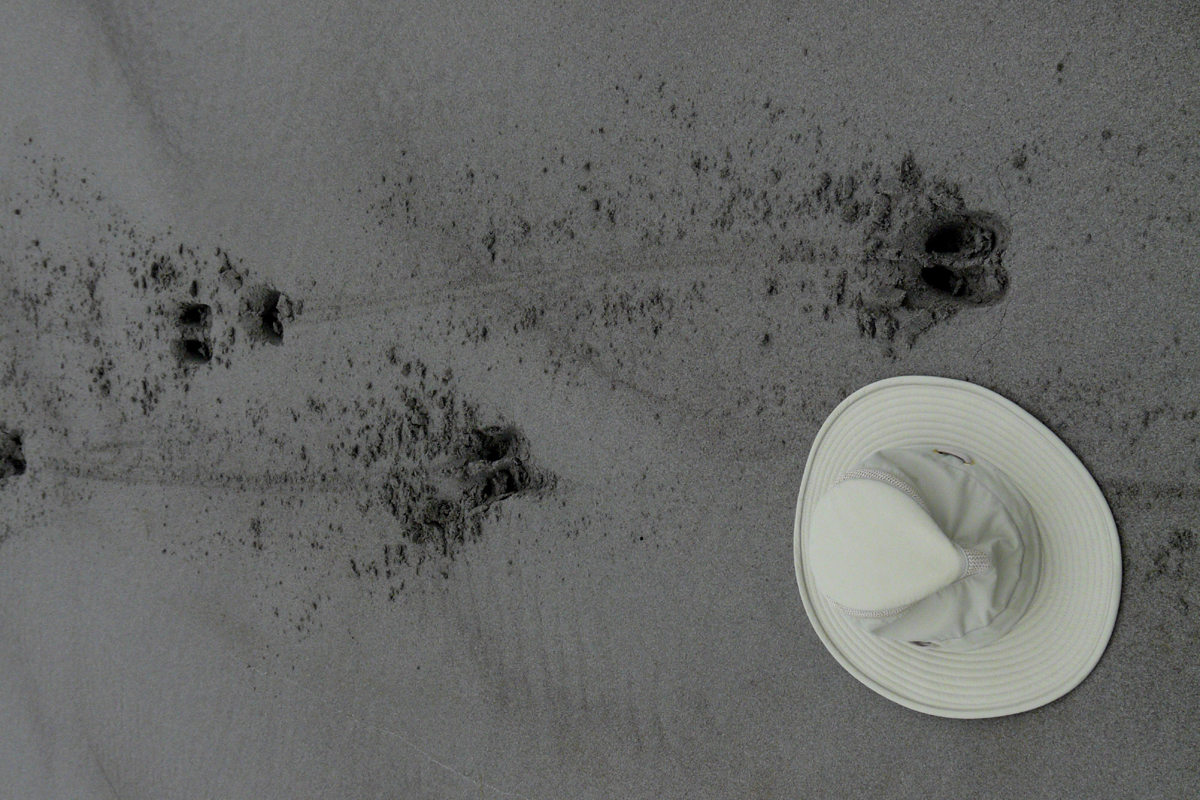
These Elk tracks were on the beach near the south jetty of the Columbia River at Fort Stevens State Park.

At high tide, the Hammond Boat Basin has been hosting large flocks of Marbled Godwits and Whimbrels (and an unidentified dowitcher species in the middle of this image). Similar roosts in Washington attract rare migrants every year. I hope the same is true for the Oregon side of the river.

Great Wass Island, Maine

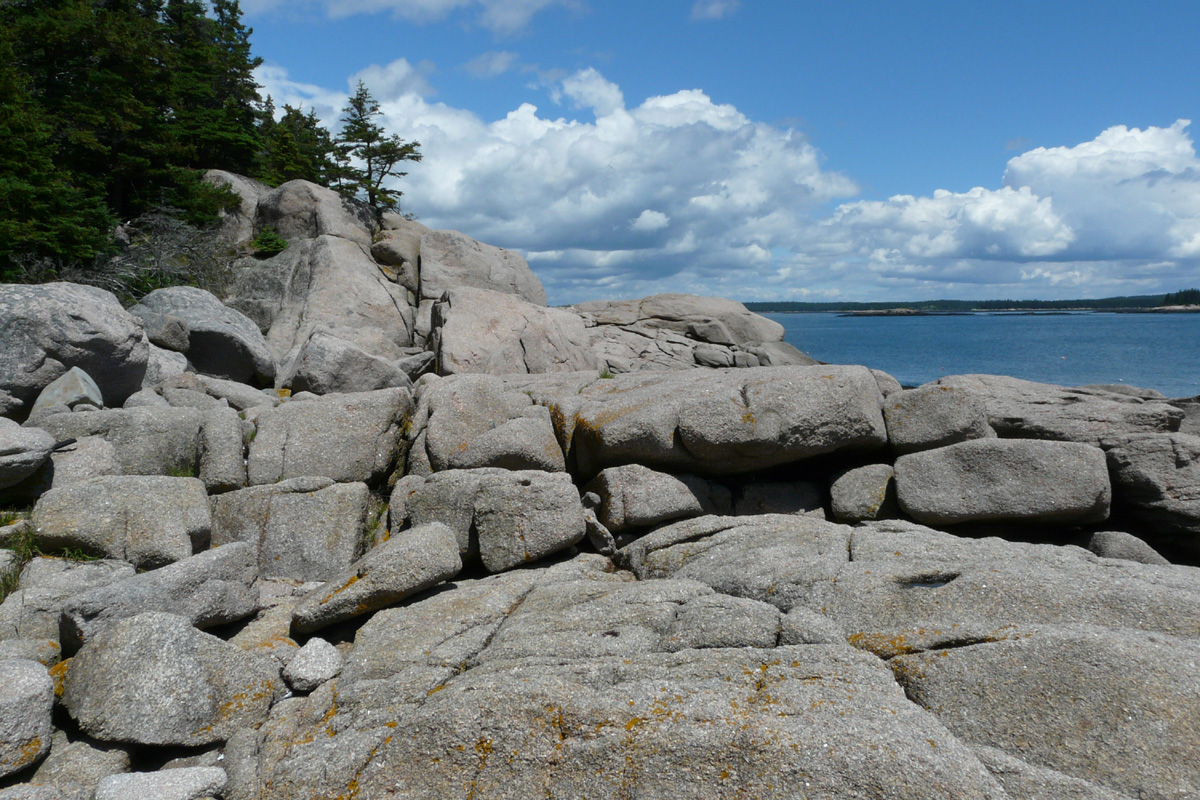
The Nature Conservancy has a preserve on Great Wass Island, just south of Jonesport on the Maine coast. The property has a nice variety of habitats, including spruce forest, cedar bog, and rocky coast.

Wild Blueberries grow in the open areas at the top of the hills.

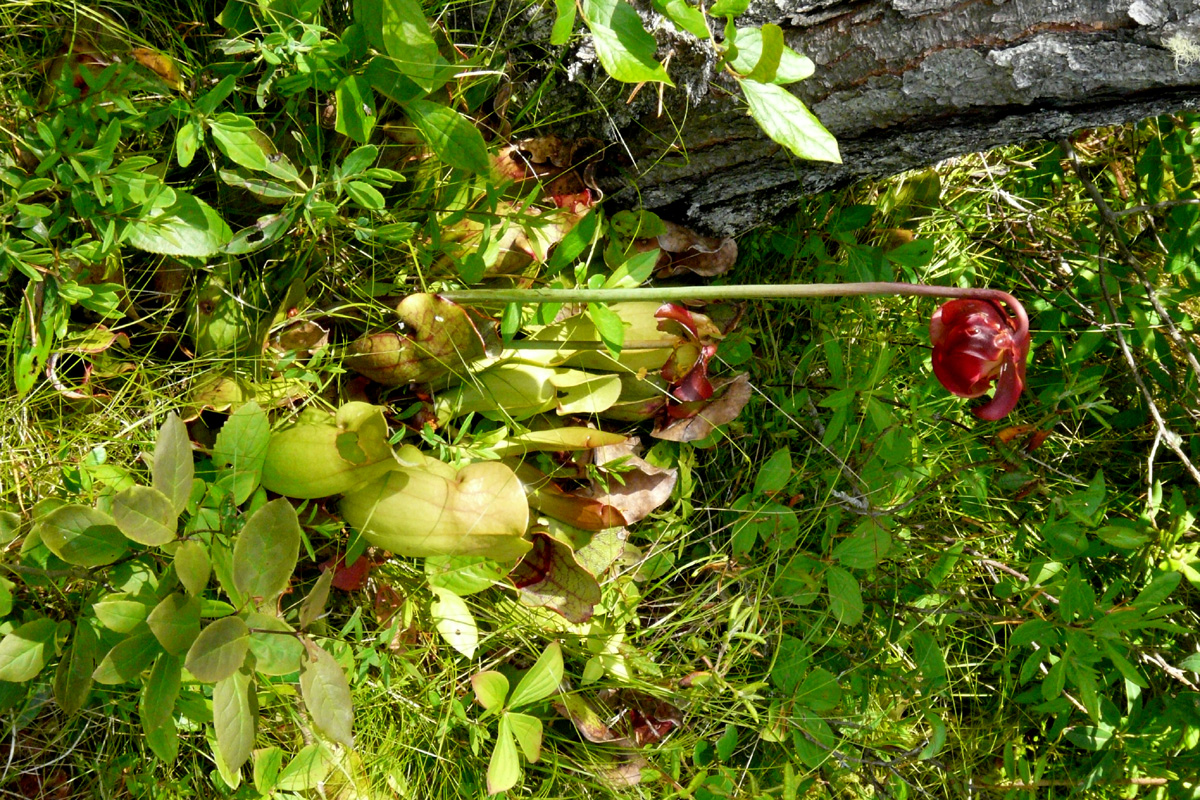
The cedar bogs are home to carnivorous plants, like this pitcher plant.

Runoff from the bogs is the color of tea.

The shore offers some good tidepooling at low tide.

This is the “trail” along the shoreline. The occasional dab of blue paint lets you know you are not completely lost.

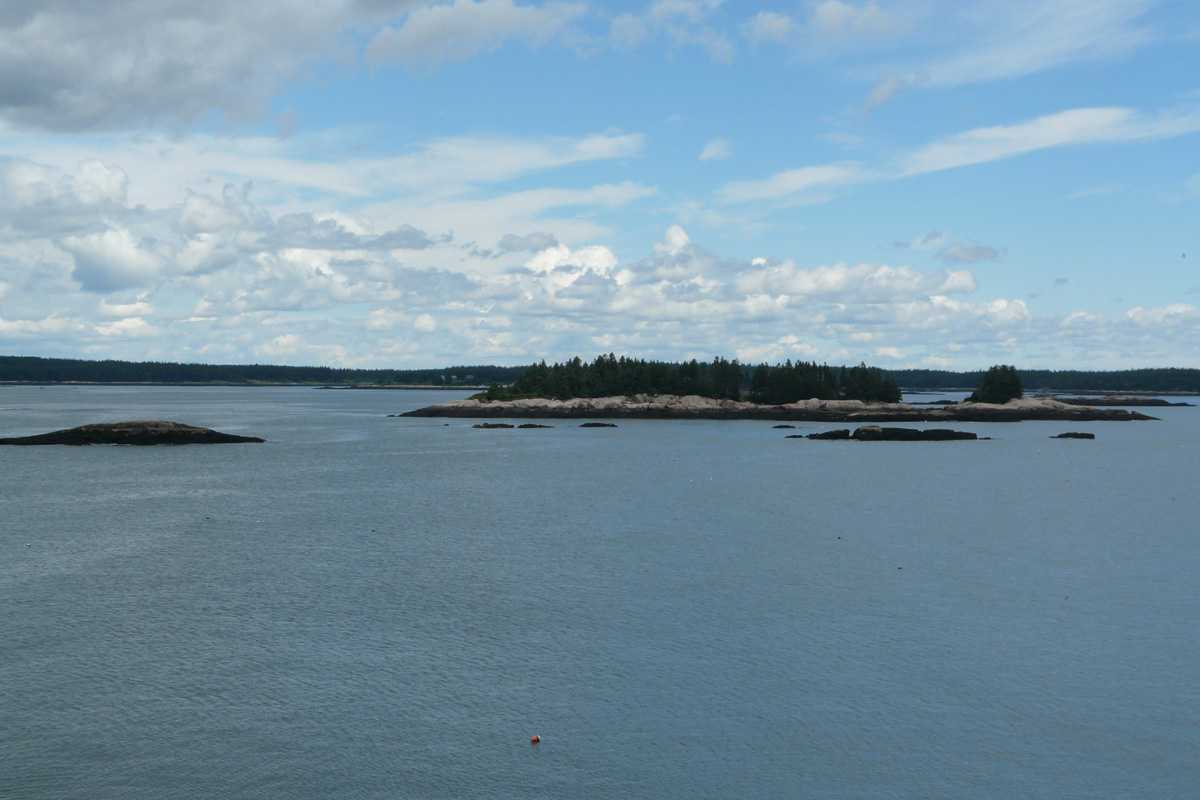
Lots of little islands lie just offshore.

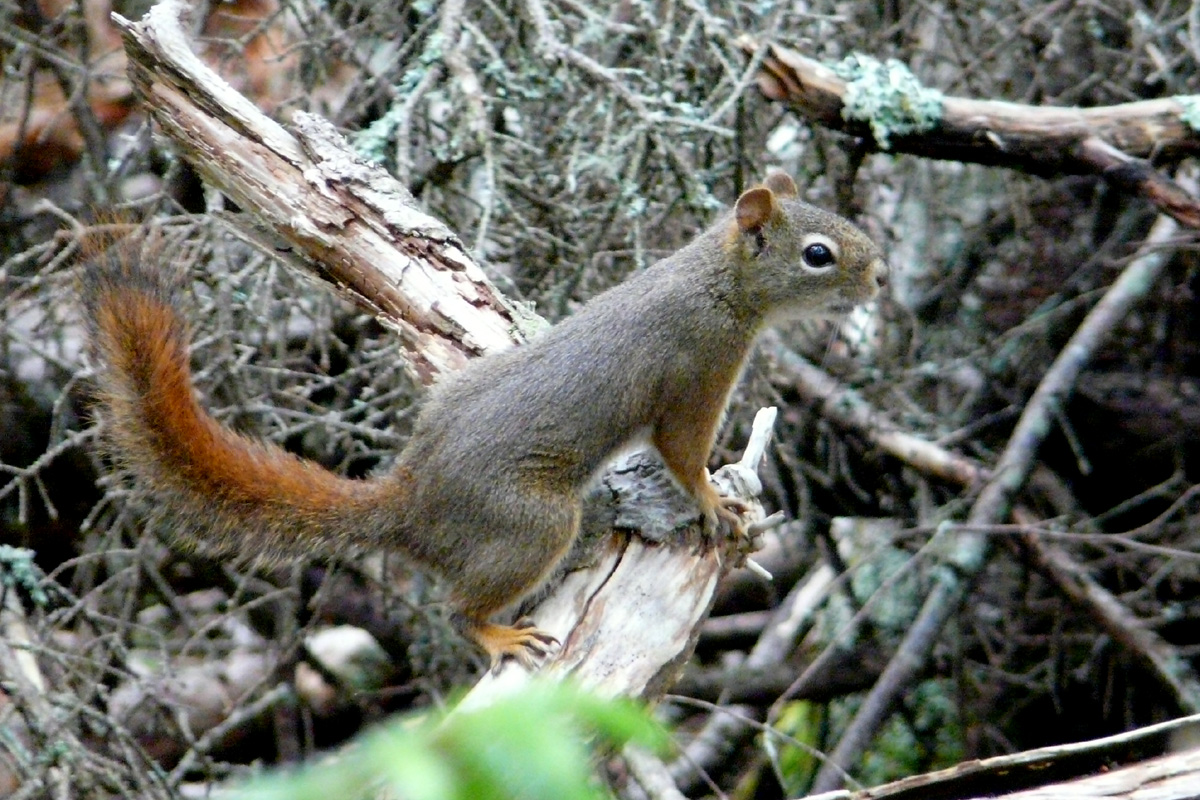
Red Squirrels are common in the woods.

And that is the last of the photos from my Maine trip. Now back to Oregon.

The Ball Park, Gulf of Maine

The Ball Park is an area off the coast of Bar Harbor, Maine where cold-water upwellings bring nutrients close to the surface. This cold food-rich environment attracts whales and other marine mammals, which in turn attract lots of tourists on whale watching trips. But this is also one of the best spots along the east coast for pelagic birding. Pelagic trips off the coast of Oregon have spoiled me a little, as the numbers and diversity of birds are so much greater than in the east, but it was still nice to see a few species that I don’t get to see in the west.

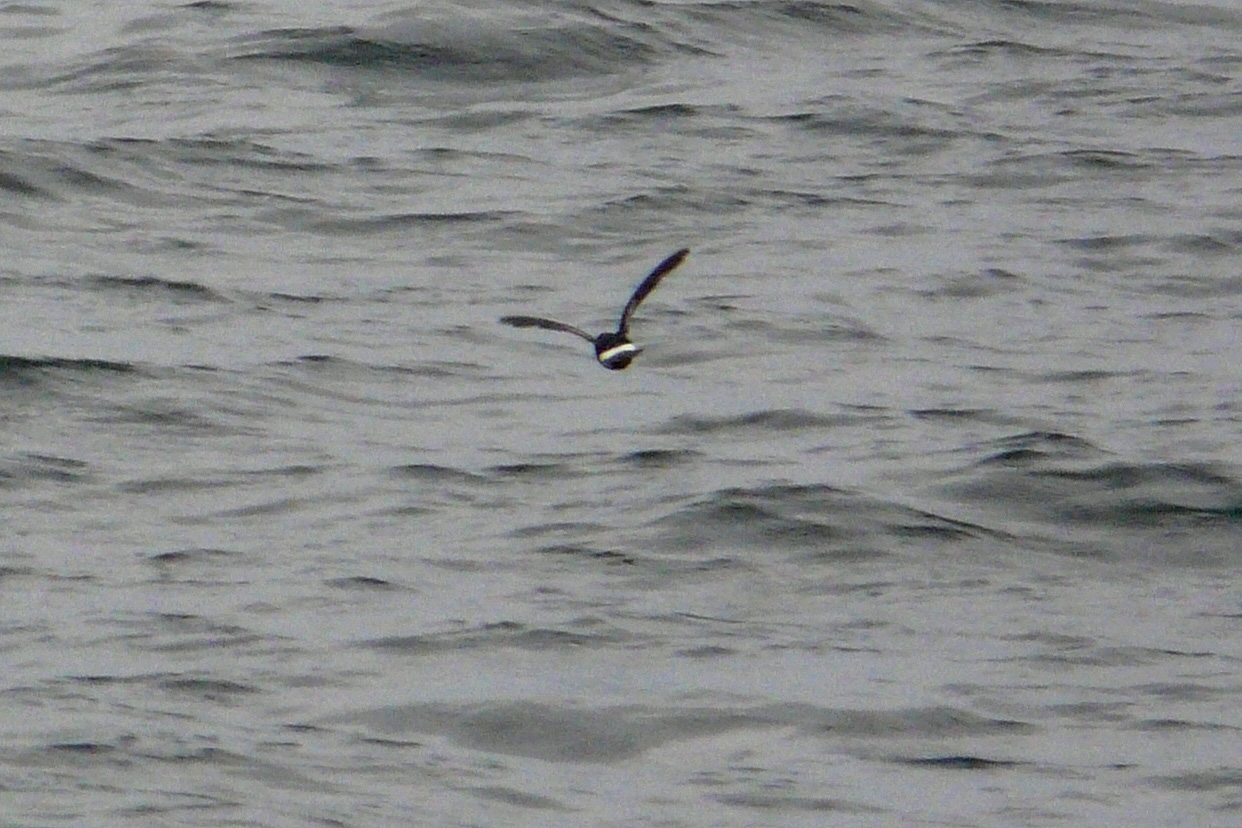
Wilson’s Storm-Petrels are the most common seabirds on these trips.

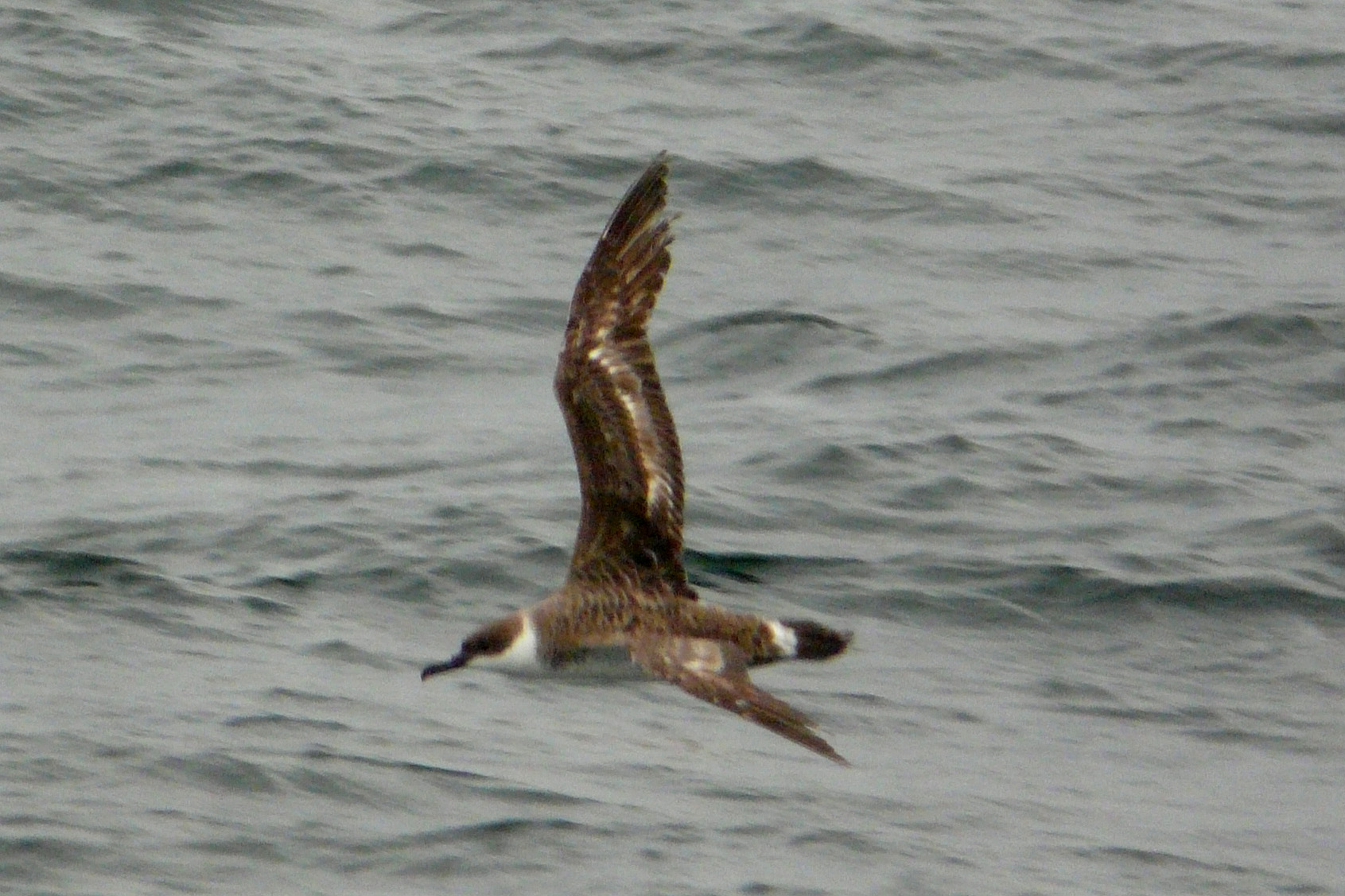
Great Shearwaters often fly along the boat, or rest on the water is large groups.

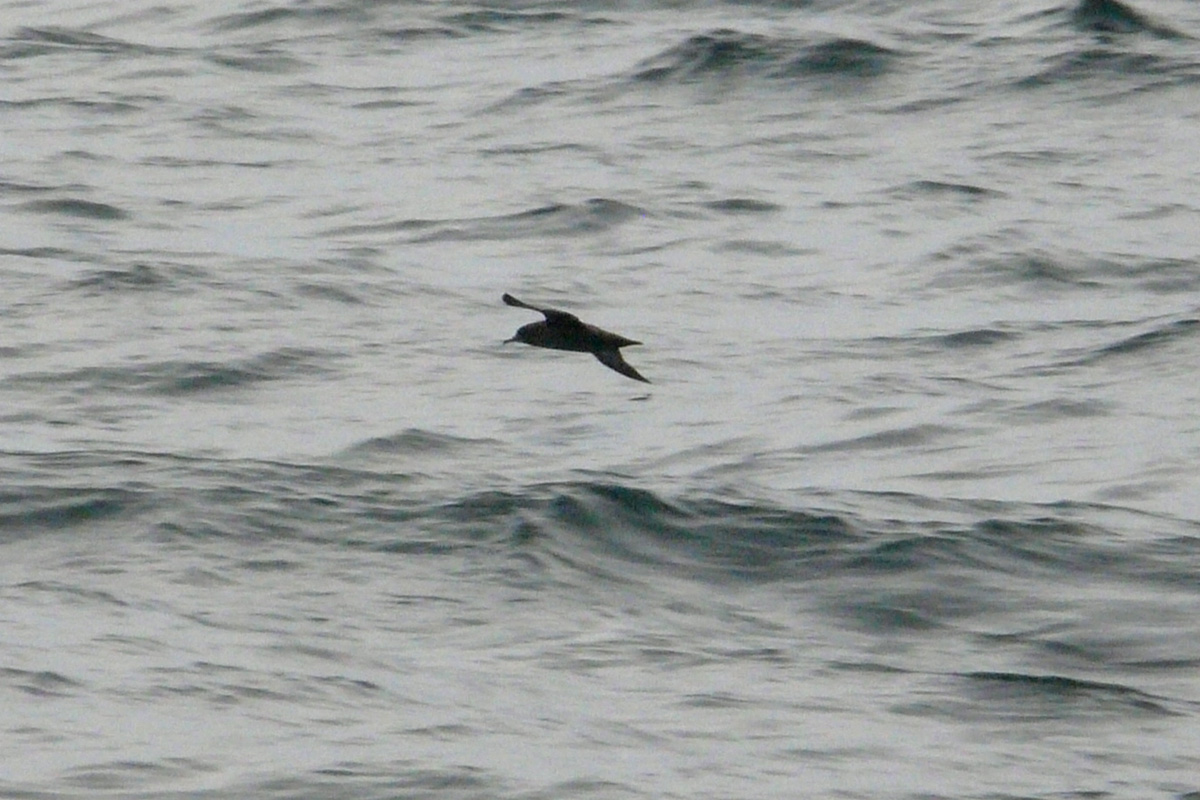
A few Sooty Shearwaters flew by.

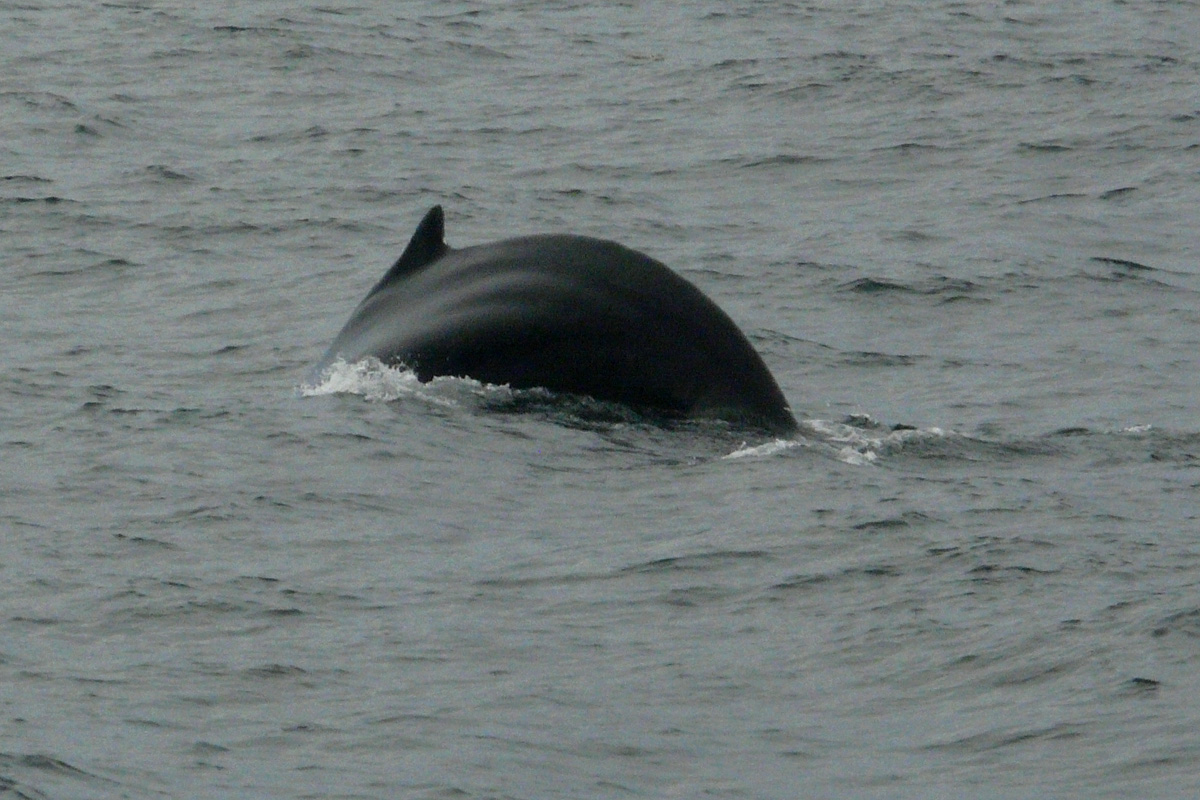
Of course, most people on the boat were looking for whales. A Minke Whale made a brief appearance to give me a life mammal, but this Humpback was much more cooperative. Researchers identify individual Humpbacks by the markings on their flukes. This is Gavel, who was first recorded in 2006.

We got to smell Gavel’s breath at one point, an awesome, if rather gross, experience.

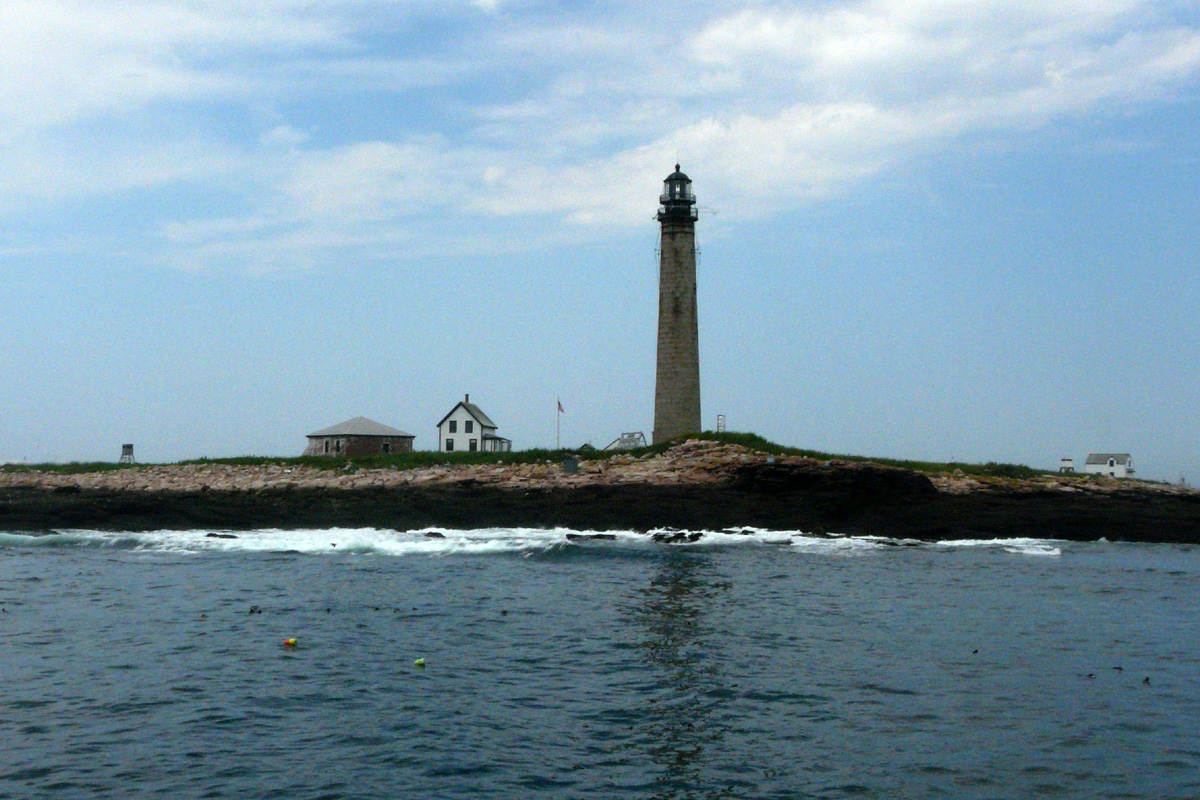
After chasing Gavel around for a while, the boat headed for Petit Manan Lighthouse, part of Petit Manan NWR. This island serves as a nesting colony for gulls, terns, and alcids. Only researchers are allowed on the island, and the boat does not get close enough to see the nesting areas, but the waters surrounding the island held a lot of birds.

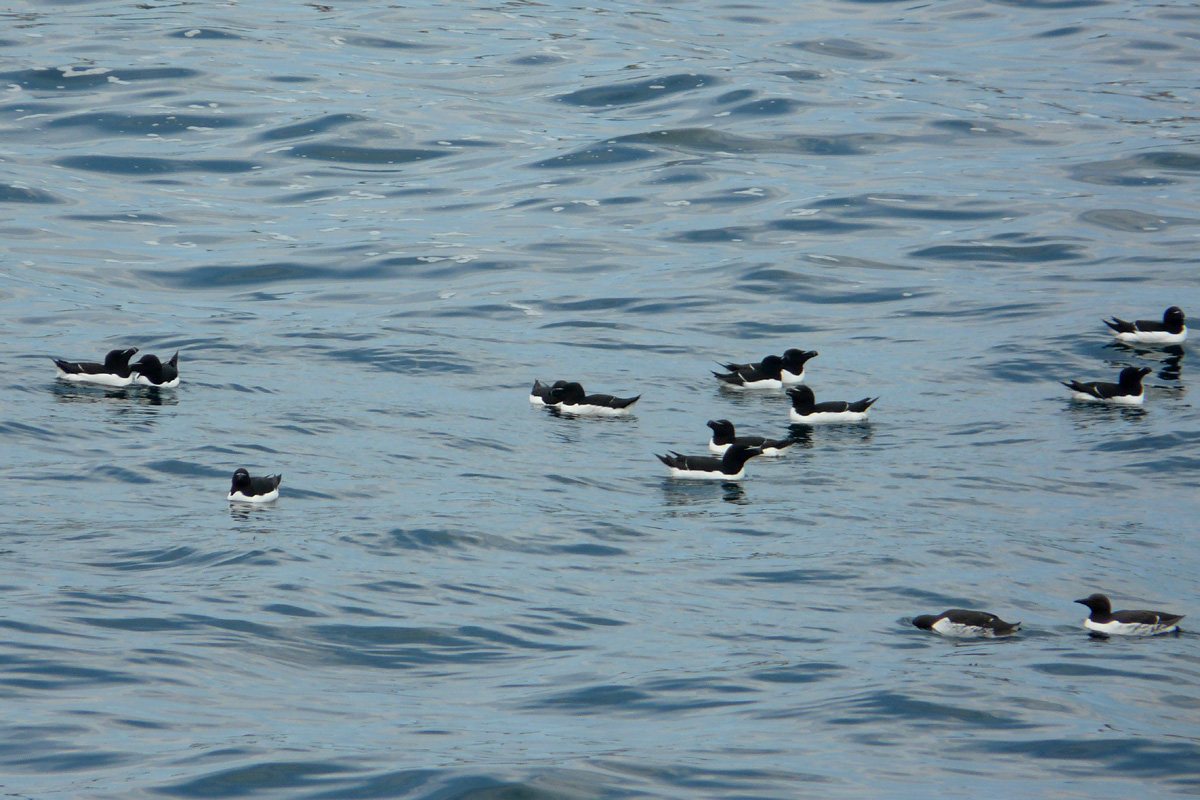
Here is a flock of Razorbills, with two Common Murres on the lower right.

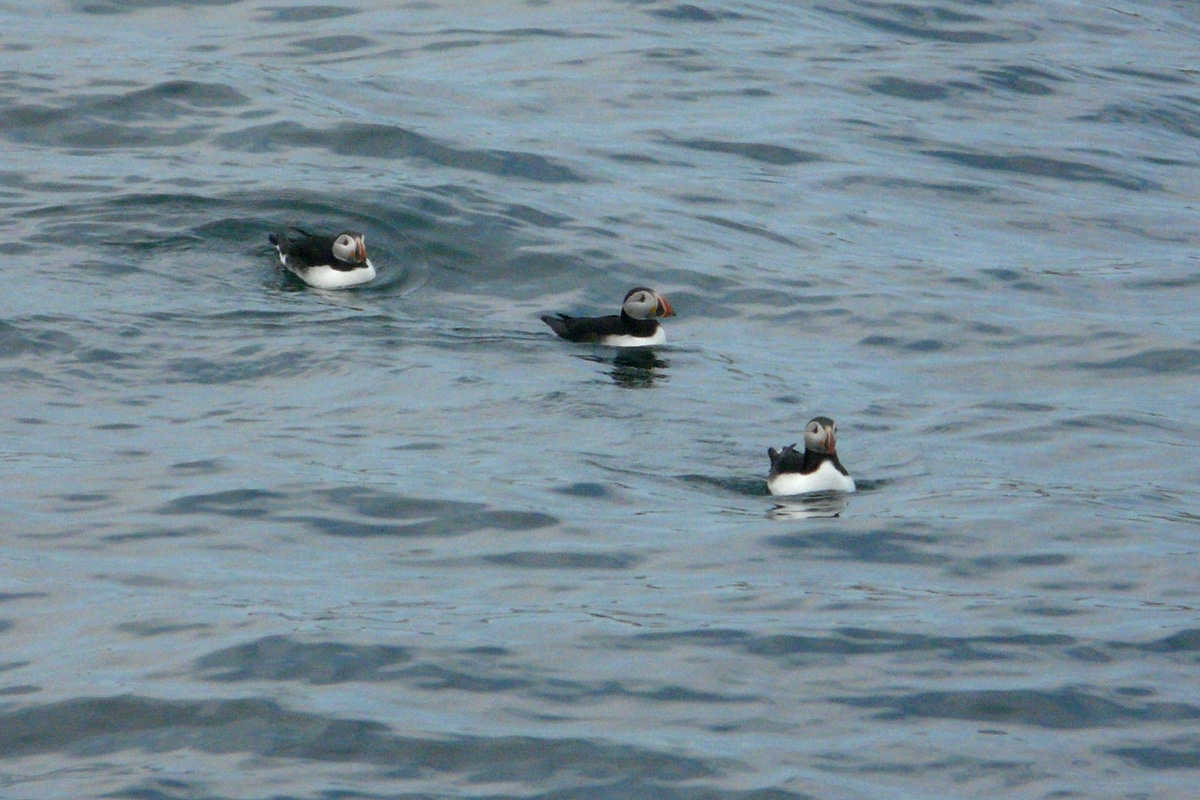
Atlantic Puffins win the prize for cutest seabird on the trip.

Schoodic Point, Maine

Schoodic Point is the mainland section of Acadia National Park. It is not as well known as the main portions of the park on Mt. Desert Island, but the Schoodic section is free to get into and less crowded. The wooded section offers great hiking, and the point itself is a good place to seawatch.

This Snowshoe Hare was eating a mushroom. Love those big feet!

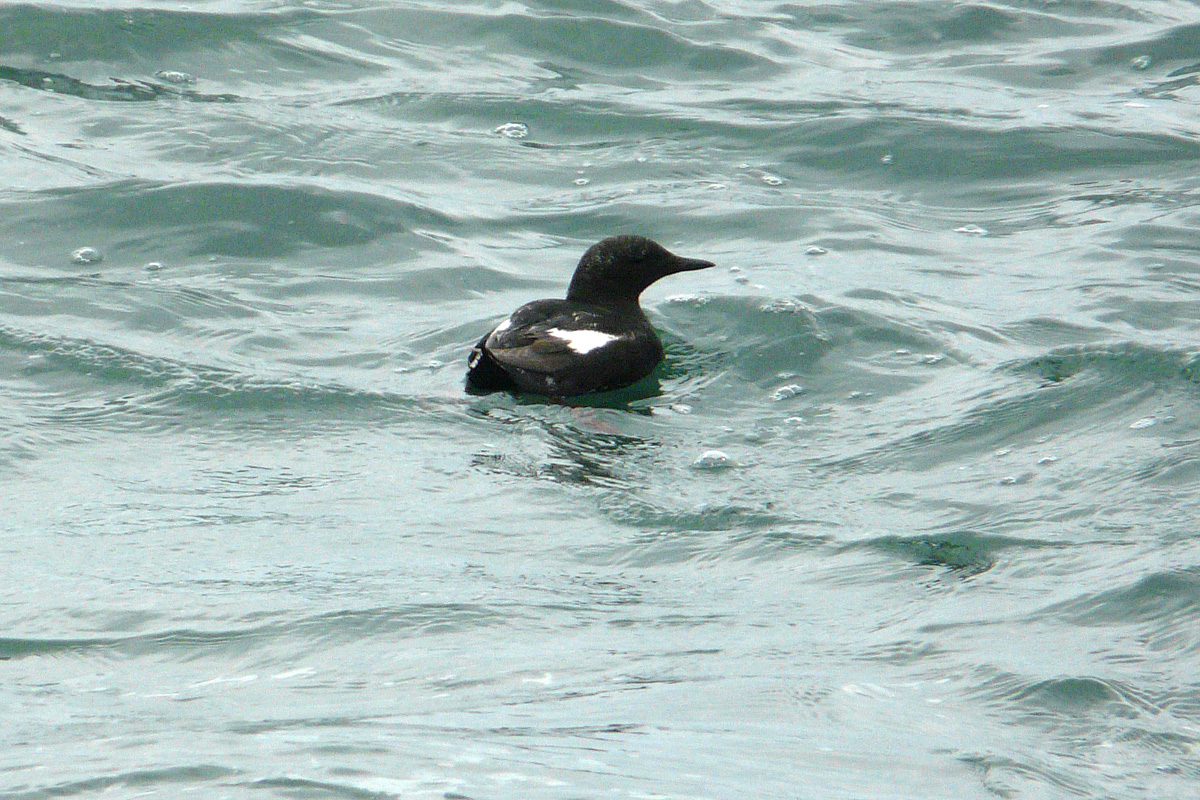
Black Guillemots are common in the waters off the point.

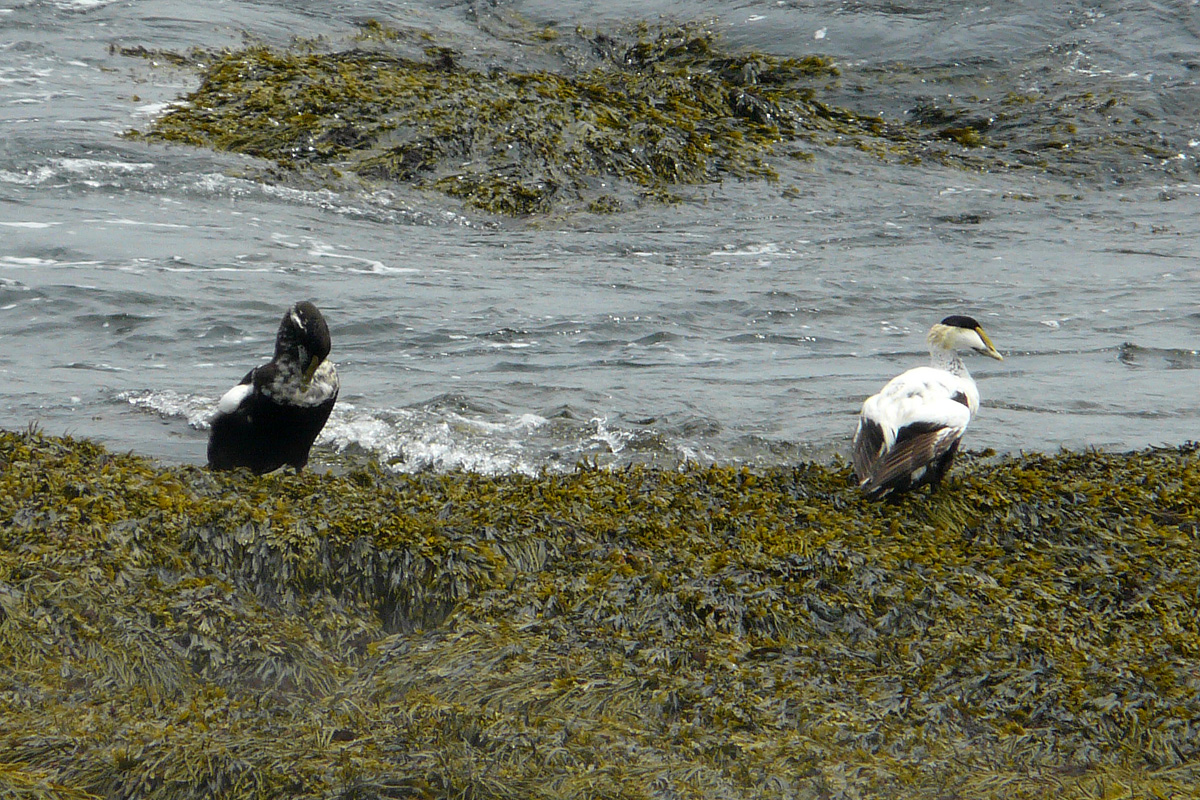
Common Eiders

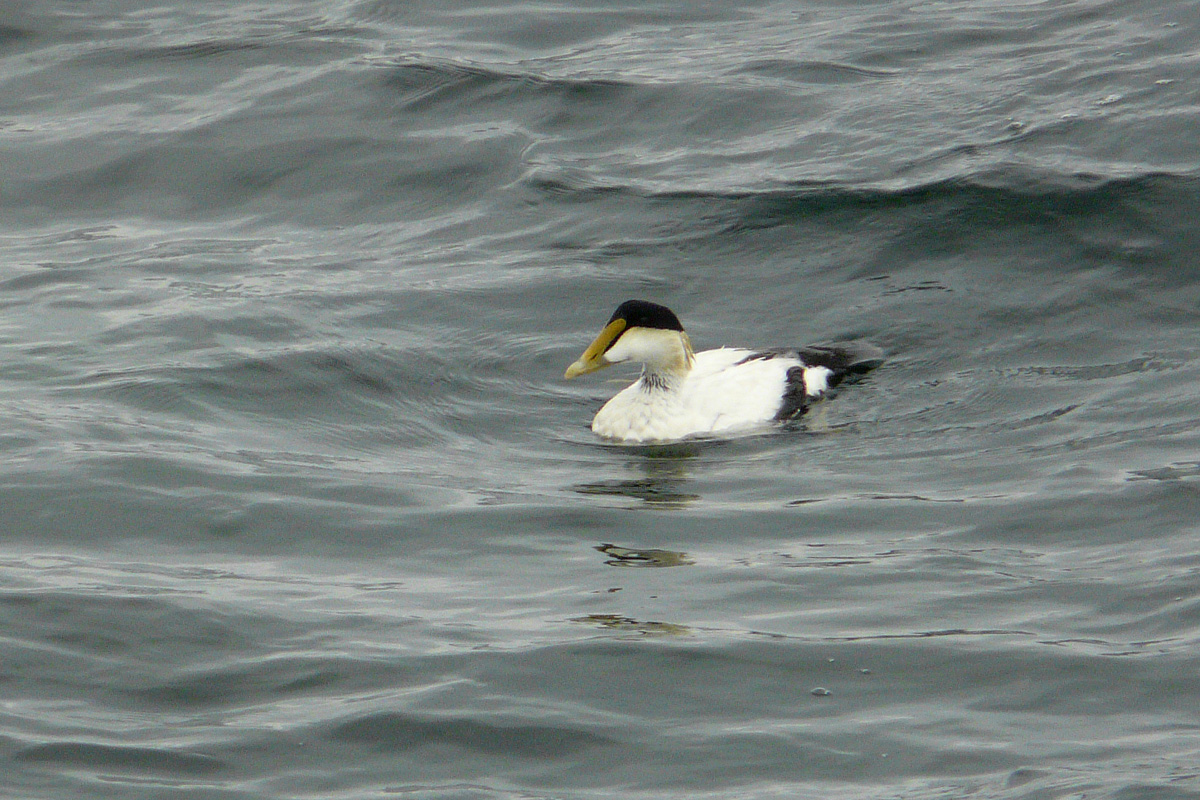
A Common Eider drake showing the strange bill structure.

Common Eider hens

Two Great Black-backed Gulls hanging out with Herring Gulls. Laughing Gulls are present in small numbers, too, but they tend to keep farther away from the mainland.

These irises were blooming in many areas along the rocky shore. Anyone know the species?

Fort Rock State Park

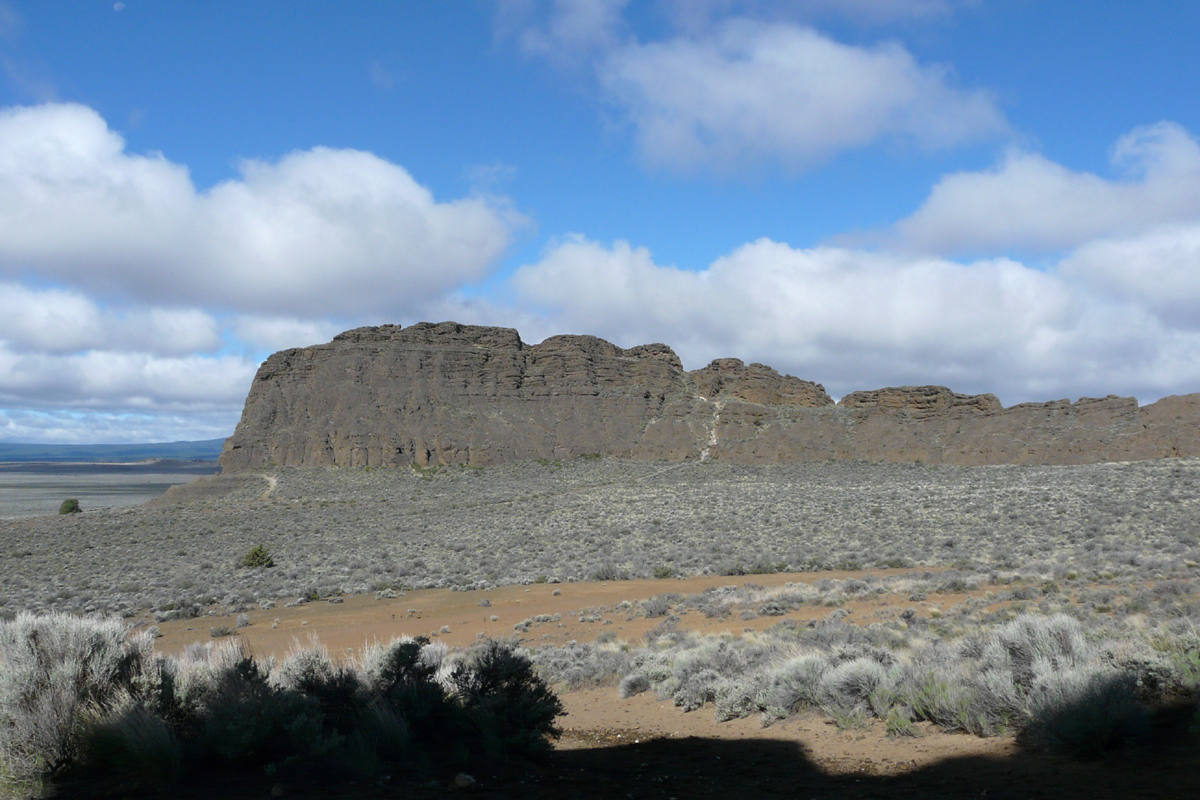
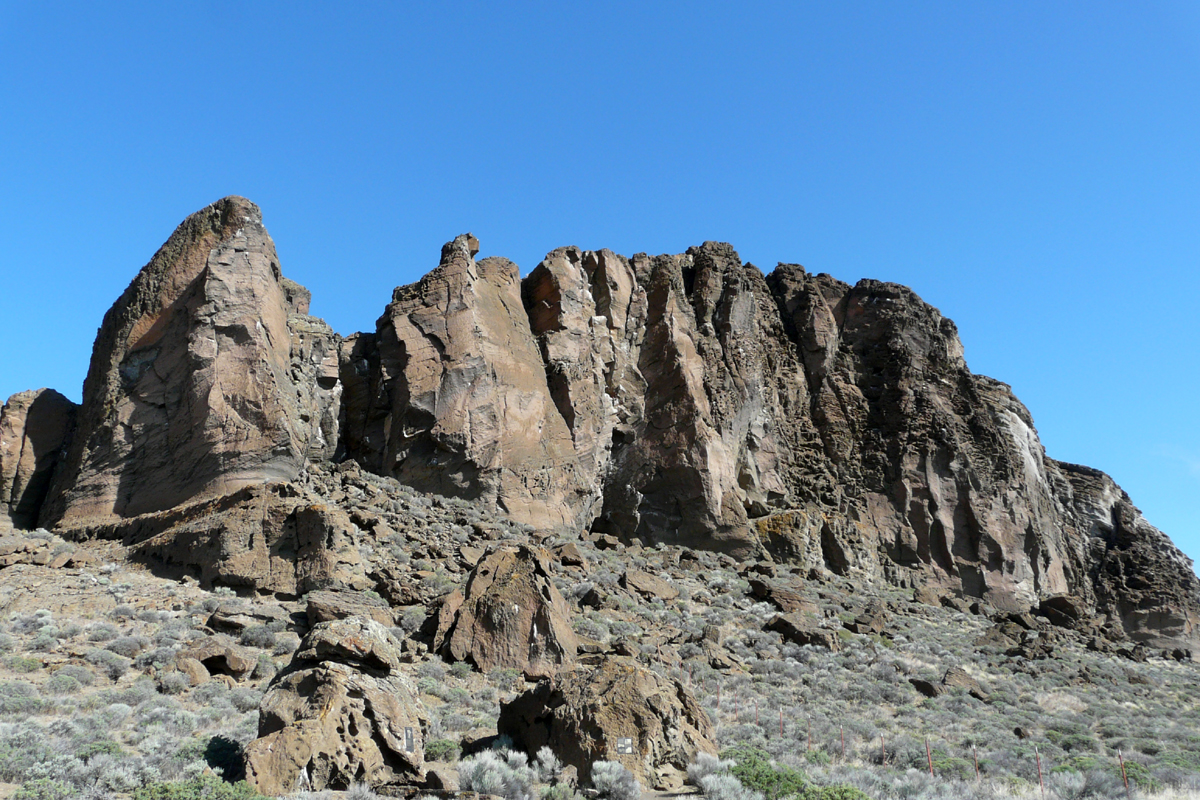
Fort Rock (Birding Oregon p. 27) is a wonderful open ring of rock rising out of the flat sage steppe of Lake County. The remnant of a lava eruption, worn down by the waves of an immense lake, the high rock walls are home to White-throated Swifts, Rock and Canyon Wrens, and various raptors. The sage flats inside and surrounding the structure attract Sage Sparrows and Green-tailed Towhees.

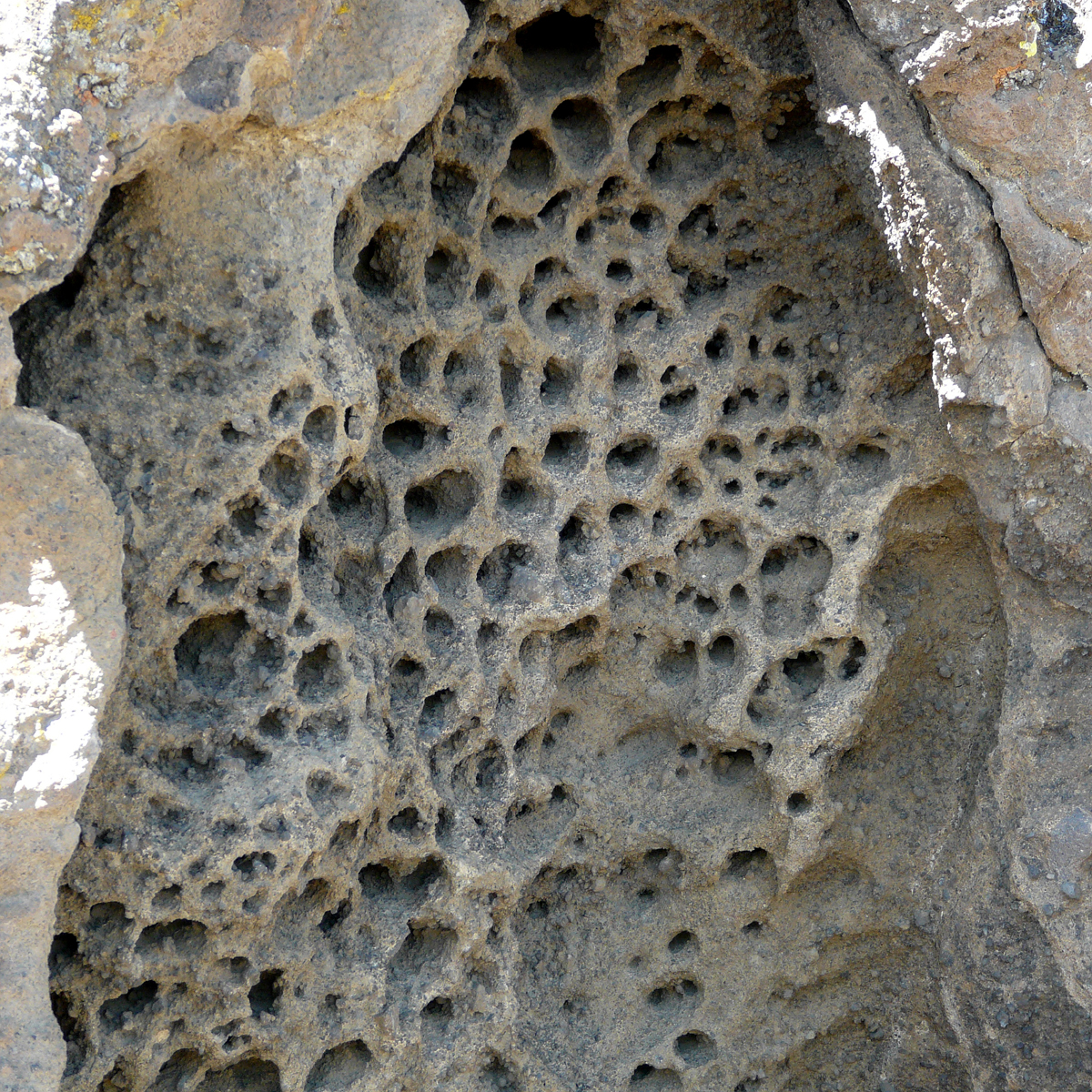
The rock is filled with bubbles, the result of lava erupting into a lake.

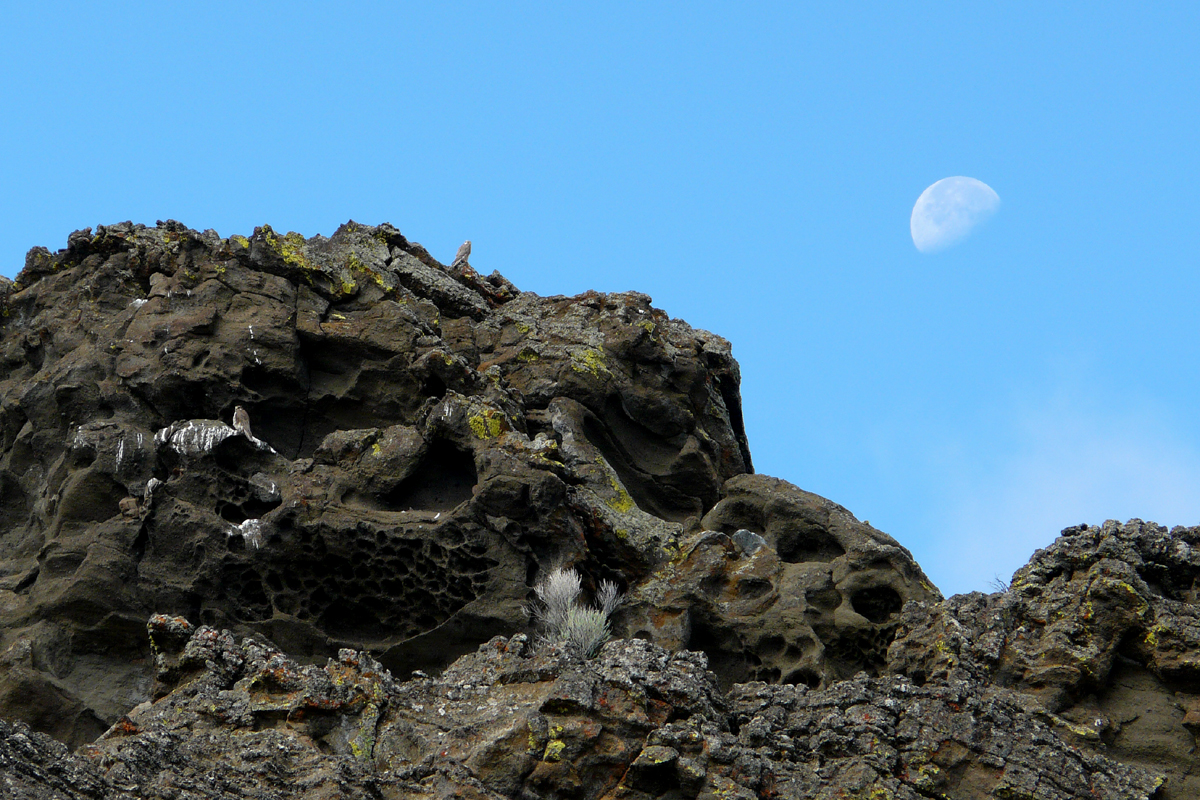
The moon over the western wall. There is a pair of Prairie Falcons in this photo, the male is on top of the ridge and the female is down and to the left near the whitewash.

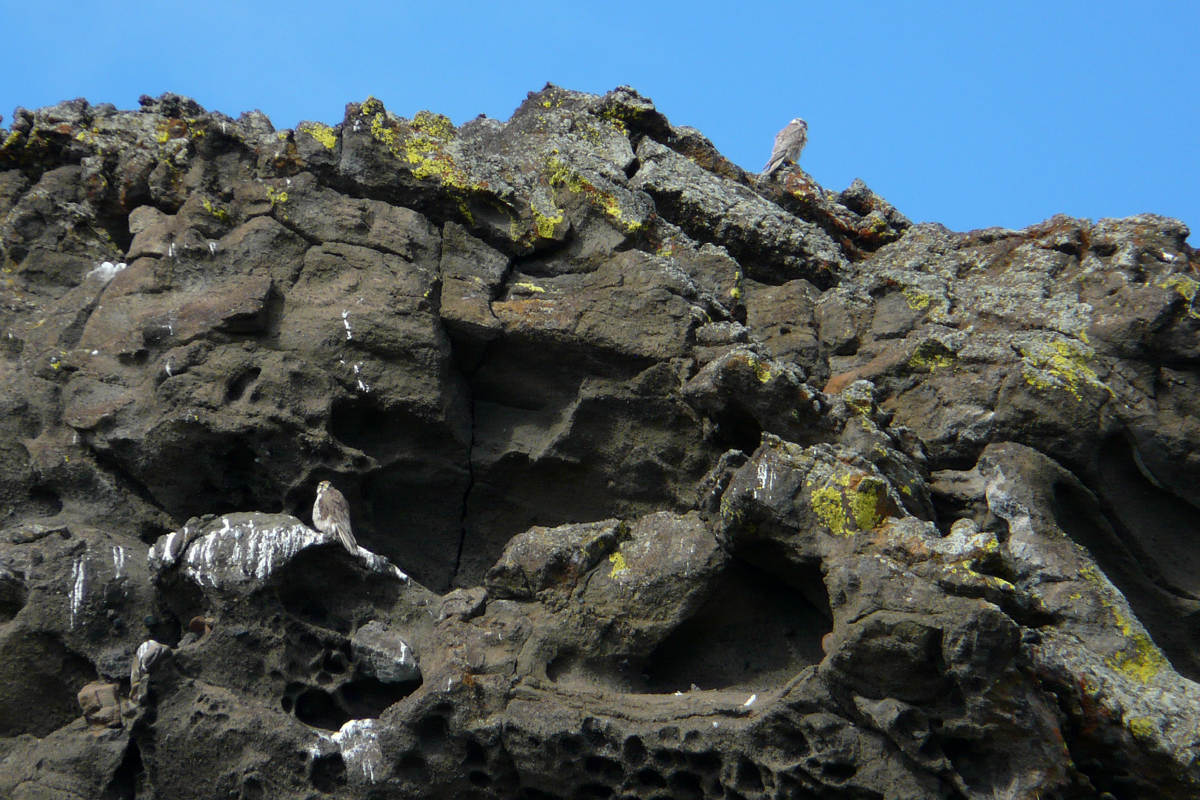
Here’s a closer look at the Prairie Falcons.

A view of the west wall from inside the crater.

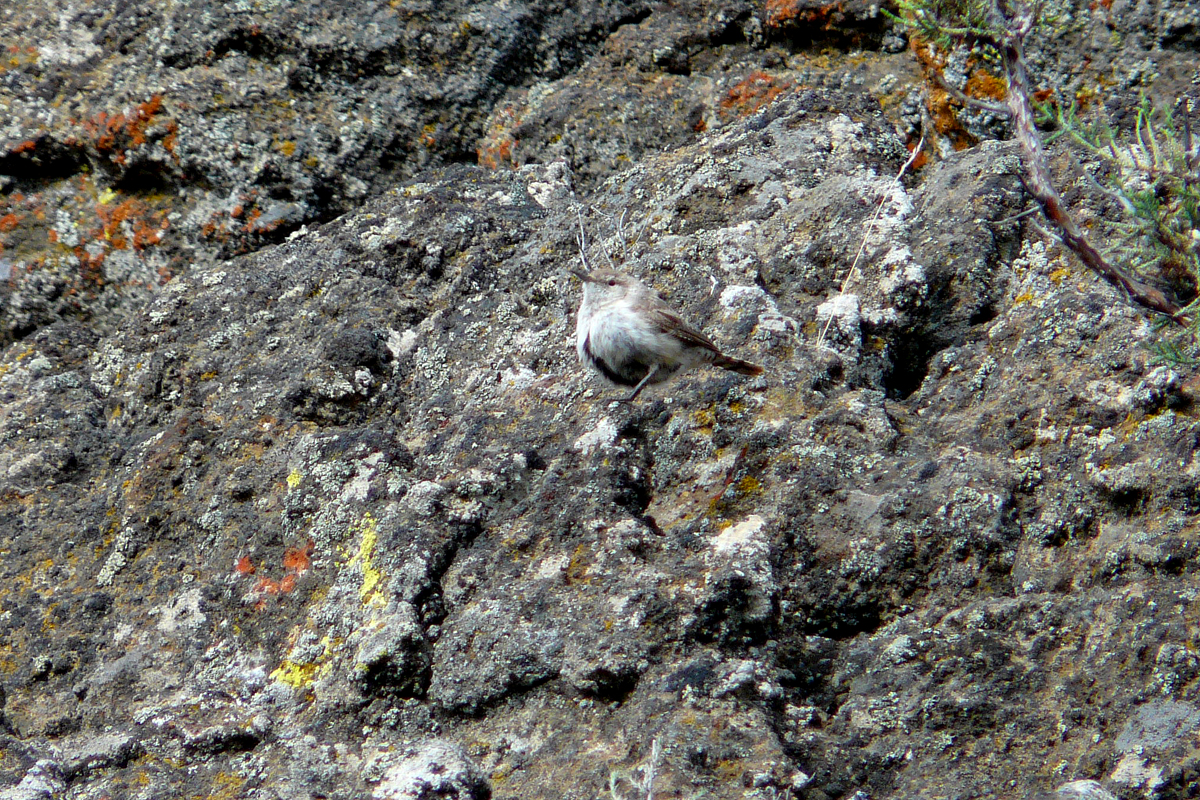
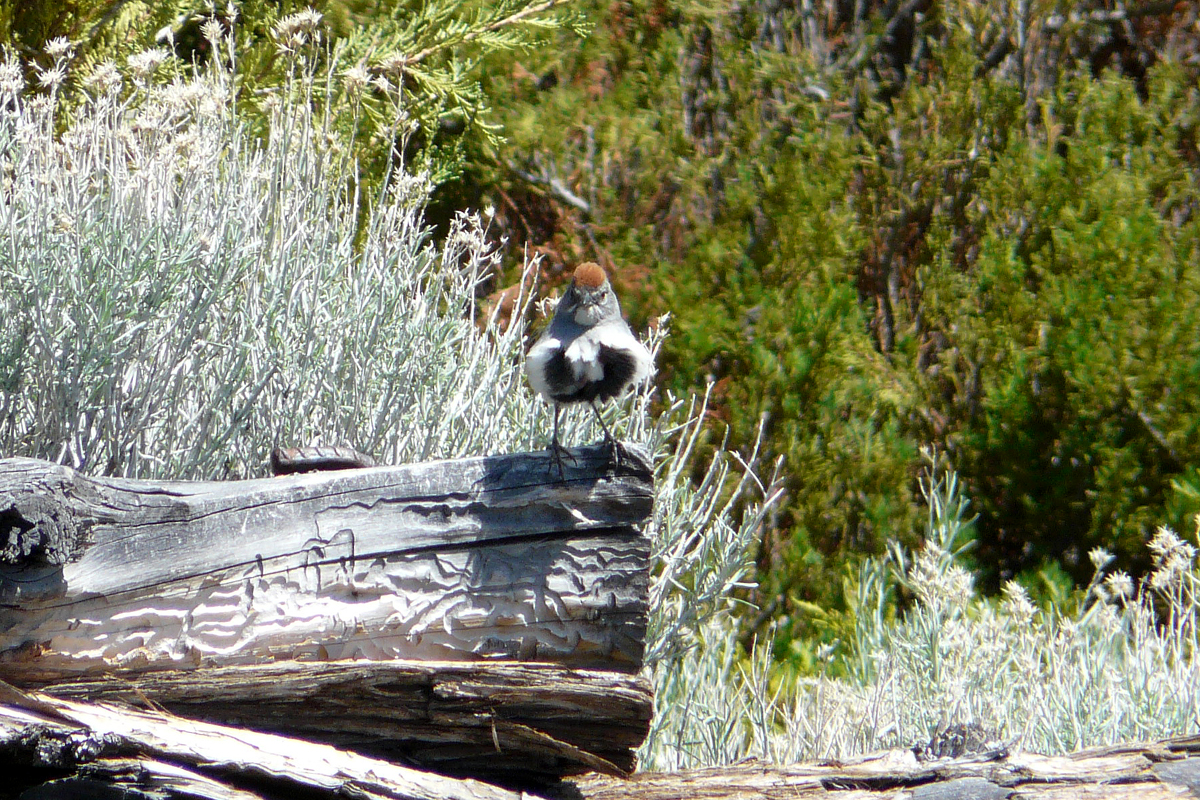
Rock Wren, blending in well with his surroundings

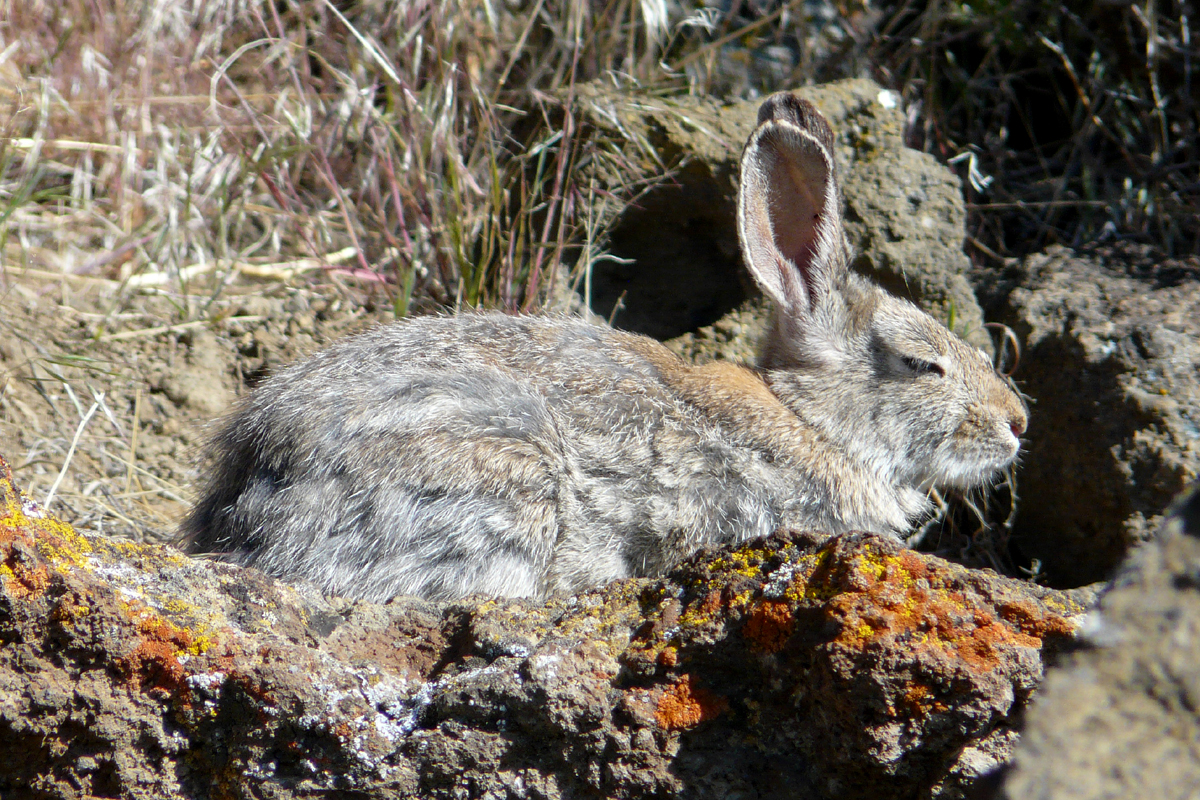
This Mountain Cottontail was soaking up a little sun on this cold windy morning.

The outside of the eastern wall near the parking area. This area seems to be best for White-throated Swifts and Canyon Wrens.

The vegetation near the parking lot attracts both migrant and resident birds. Brewer’s Blackbirds are common here.

Green-tailed Towhee being buffeted by the wind

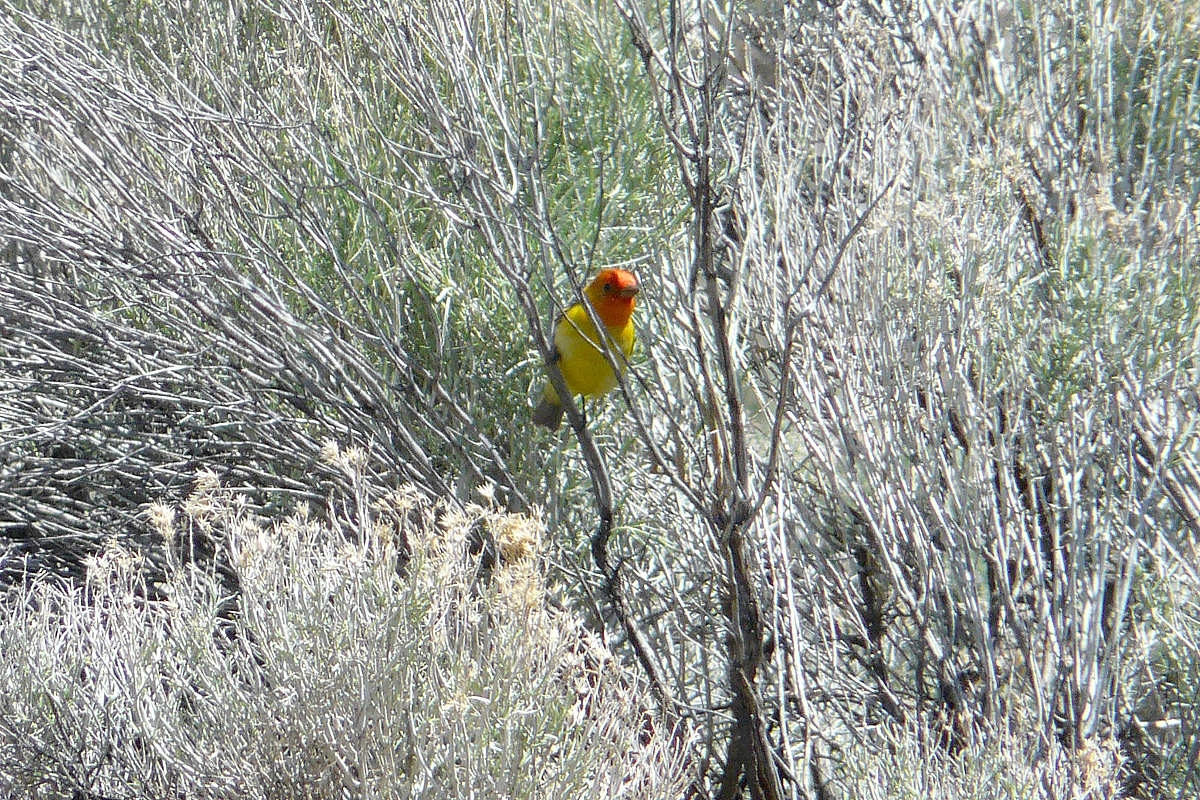
Western Tanager

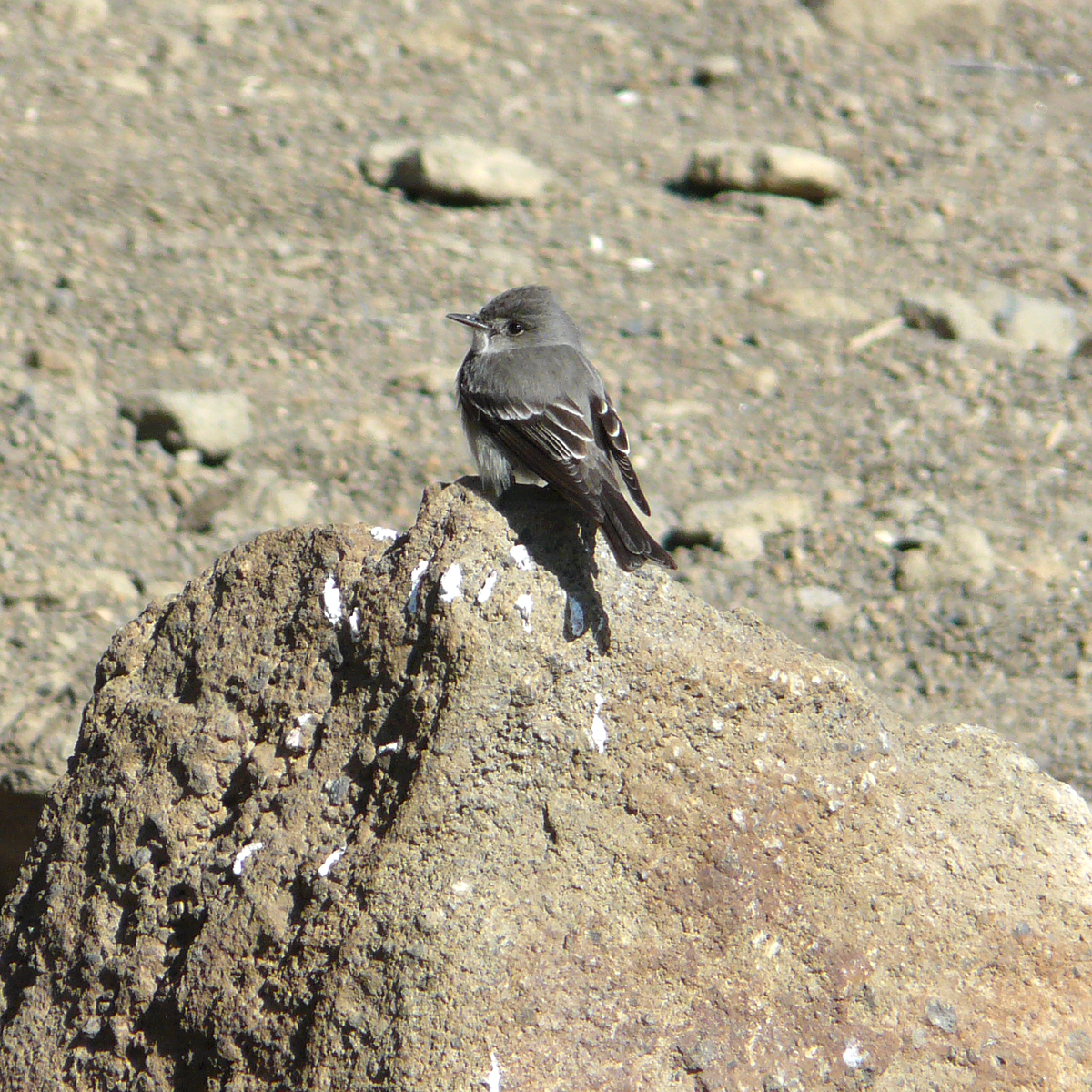
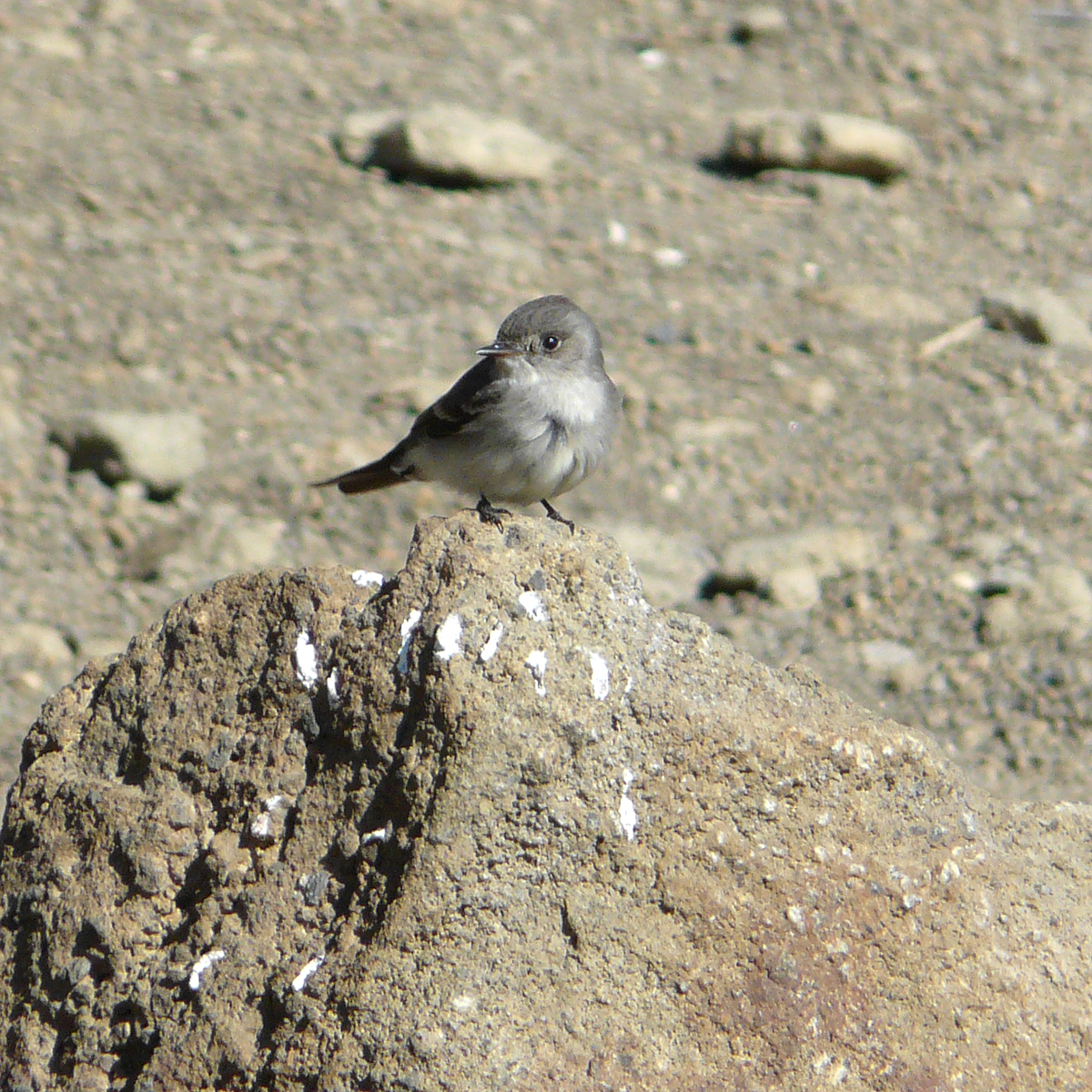
Cold temperature and high winds forced this Western Wood-Pewee to hunt from  the ground.

Where the Deer and the Antelope (and the Birders) Play

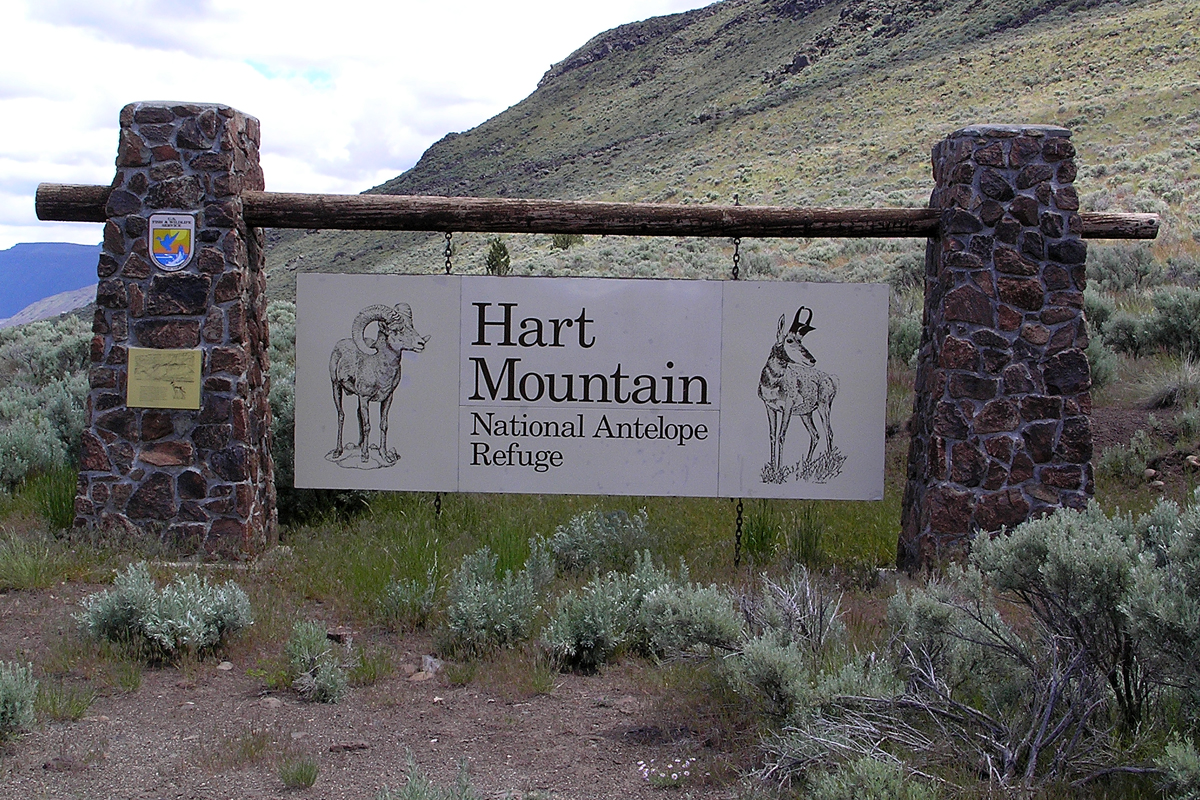
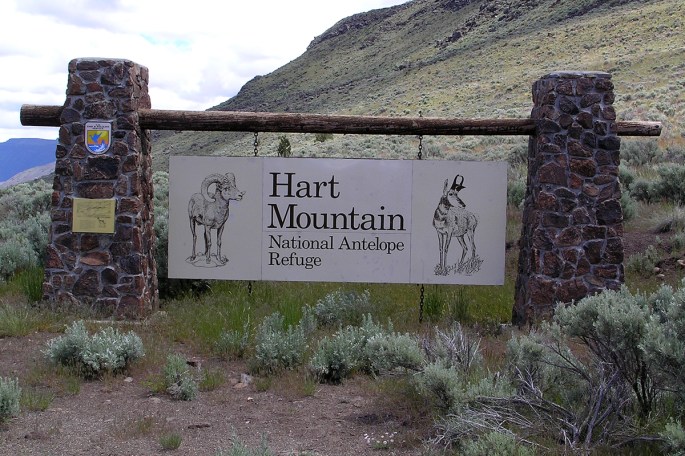
Hart Mountain National Antelope Refuge includes about a quarter million acres in Lake County, OR. It is not close to anything, but is definitely worth the trip. The weather here in early June tends to be cool and breezy, and my recent visit was true to form.
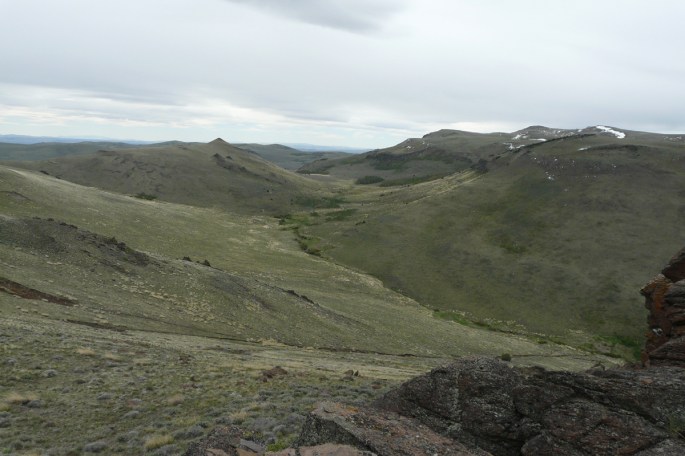
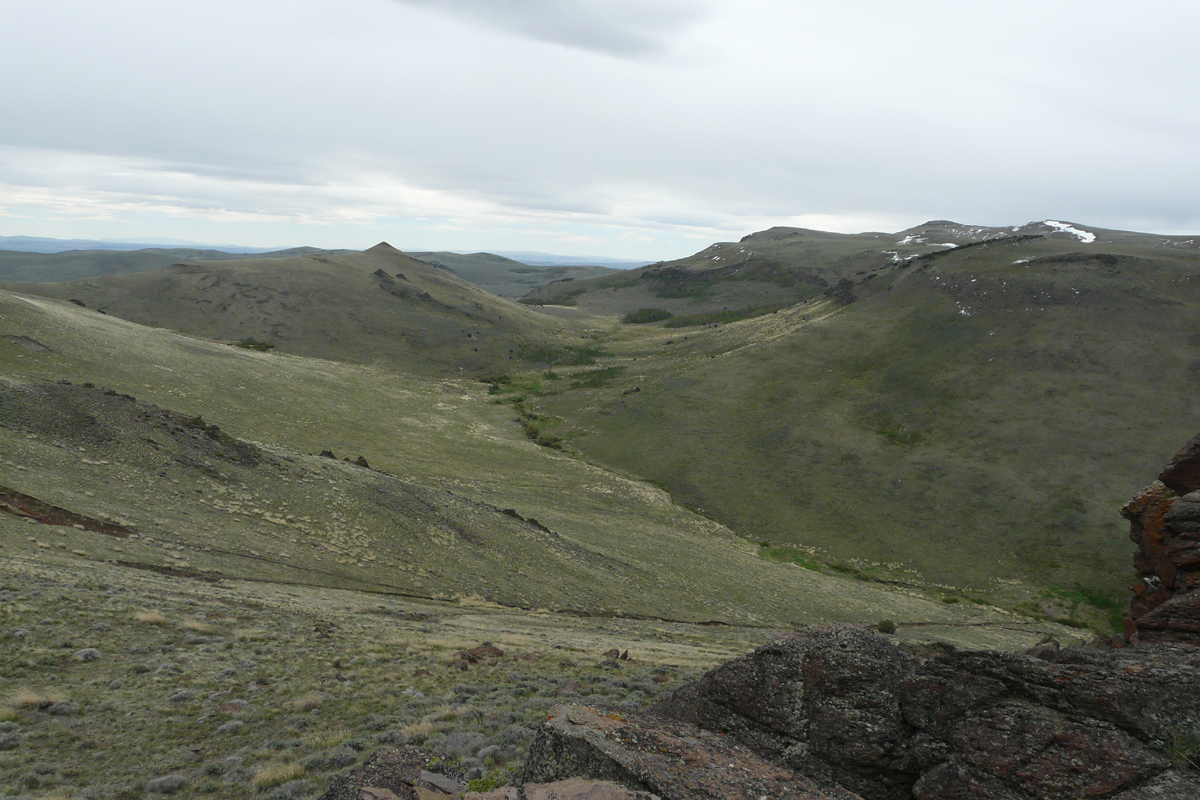
In the morning, I parked at the campground and walked up toward the top of the large fault block that is Hart Mountain. It was a four-hour round trip through low sage steppe with aspen groves along the creeks. The riparian areas held MacGillivray’s and Yellow Warblers, Dusky Flycatchers, Bullock’s Orioles, and lots of Robins. In the more open habitats, the most common birds were Brewer’s and Vesper Sparrows, Rock Wrens, and Horned Larks.

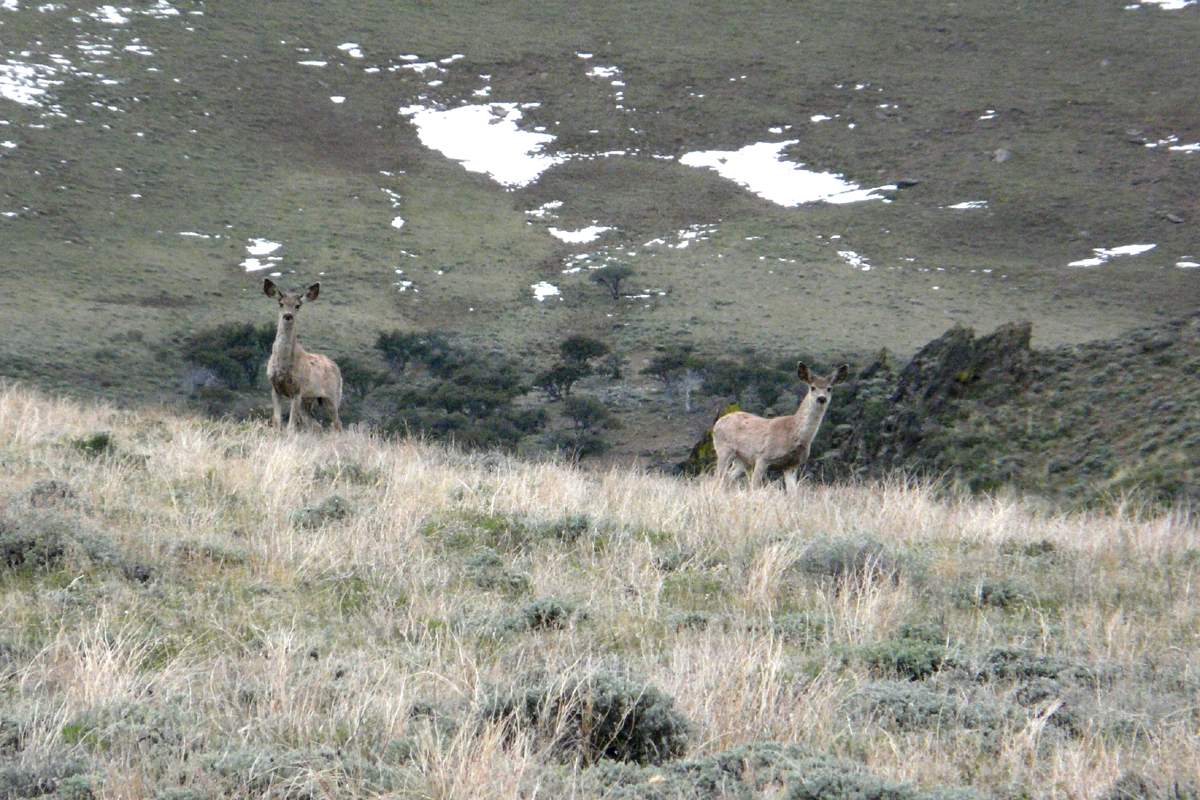
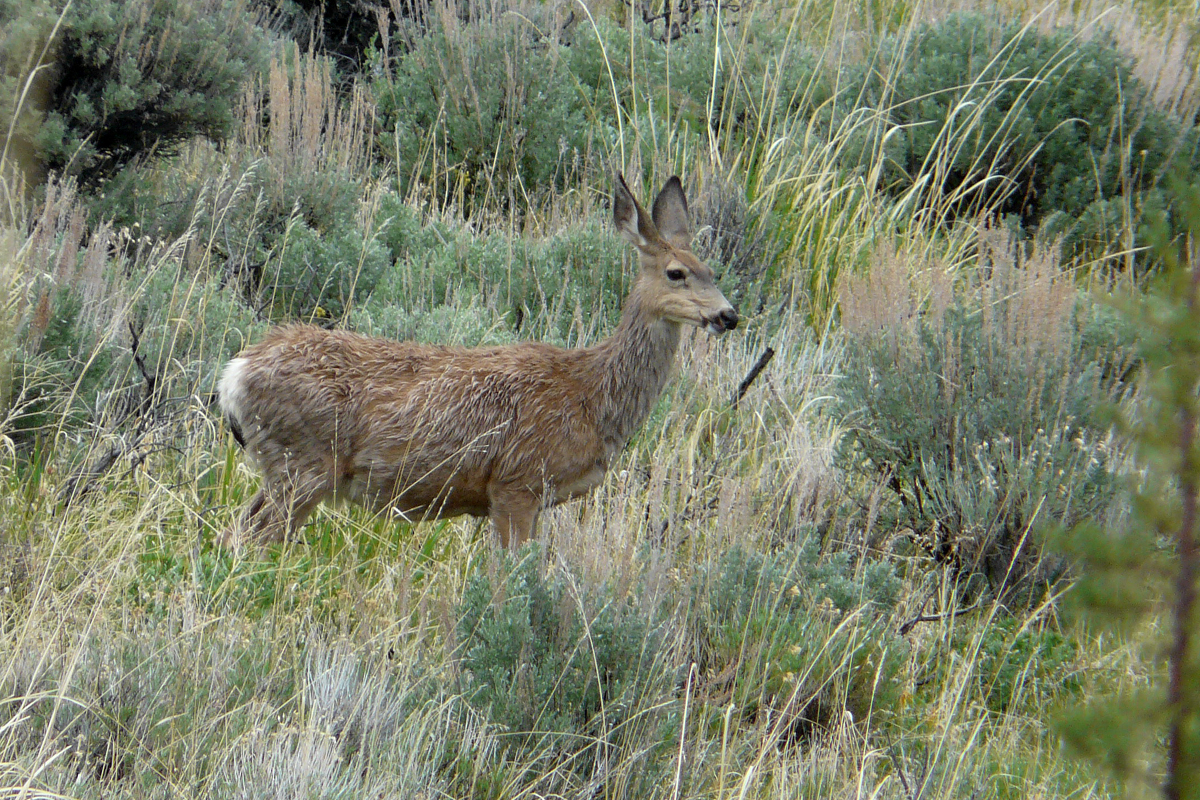
These two Mule Deer kept a close eye on me as a walked up the jeep trail.

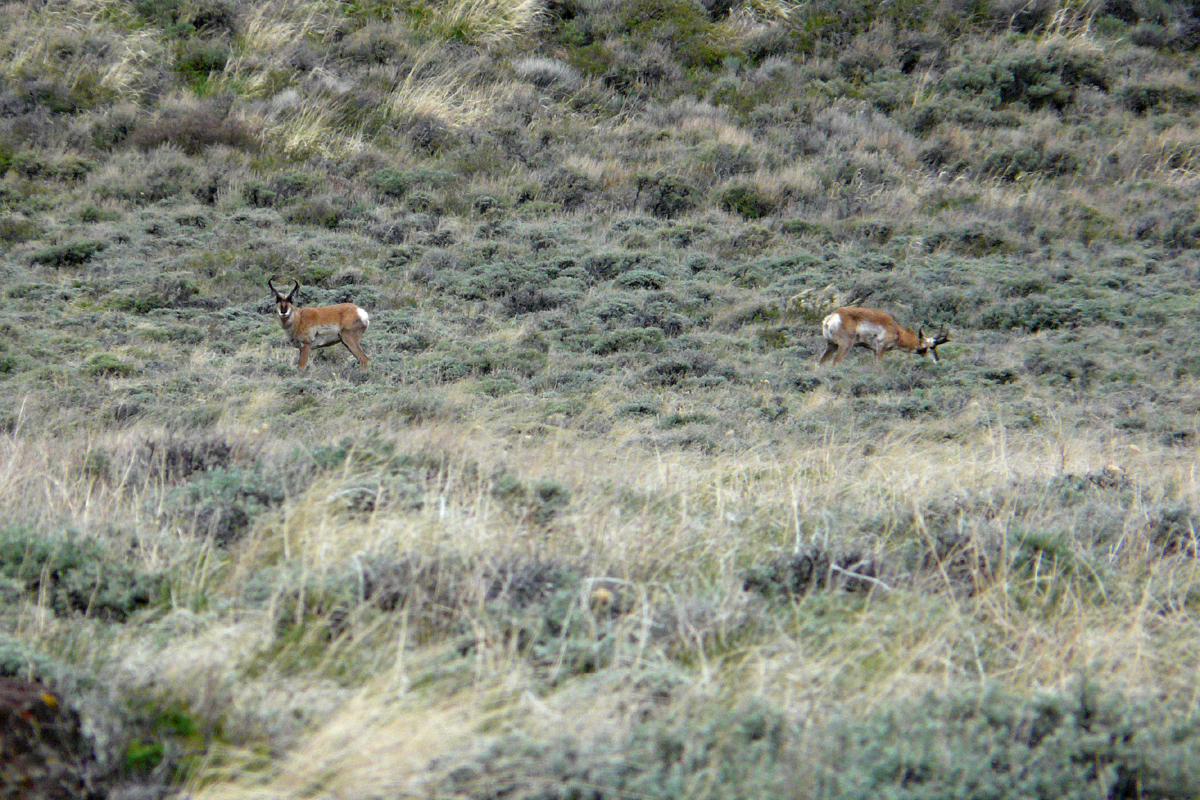
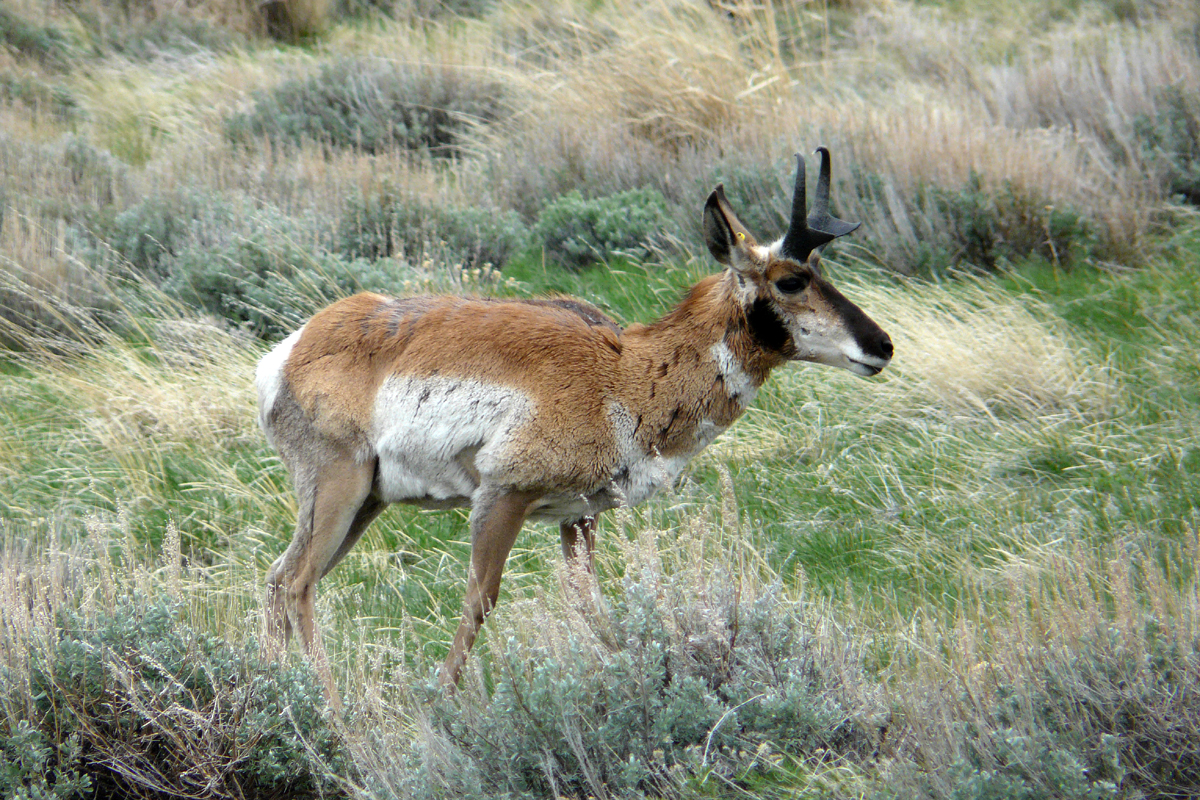
Pronghorns are the main reason this refuge came into being. Not actually antelope, Pronghorns are the fastest land animals in North America, having evolved alongside the now-extinct American Cheetah. Most of the Pronghorns I saw that day were rather skittish, keeping a good distance from me.
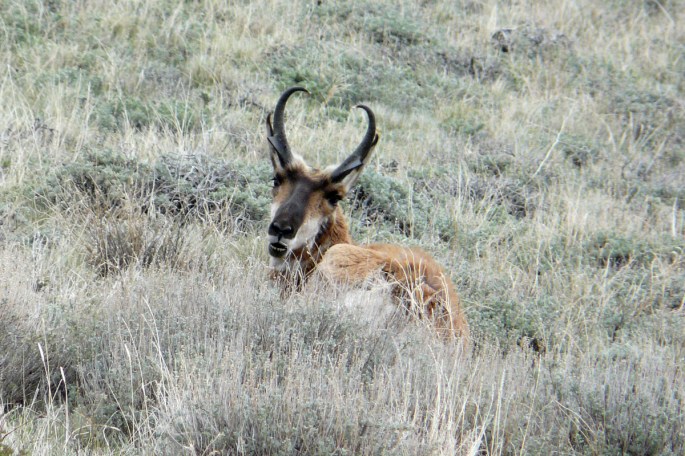
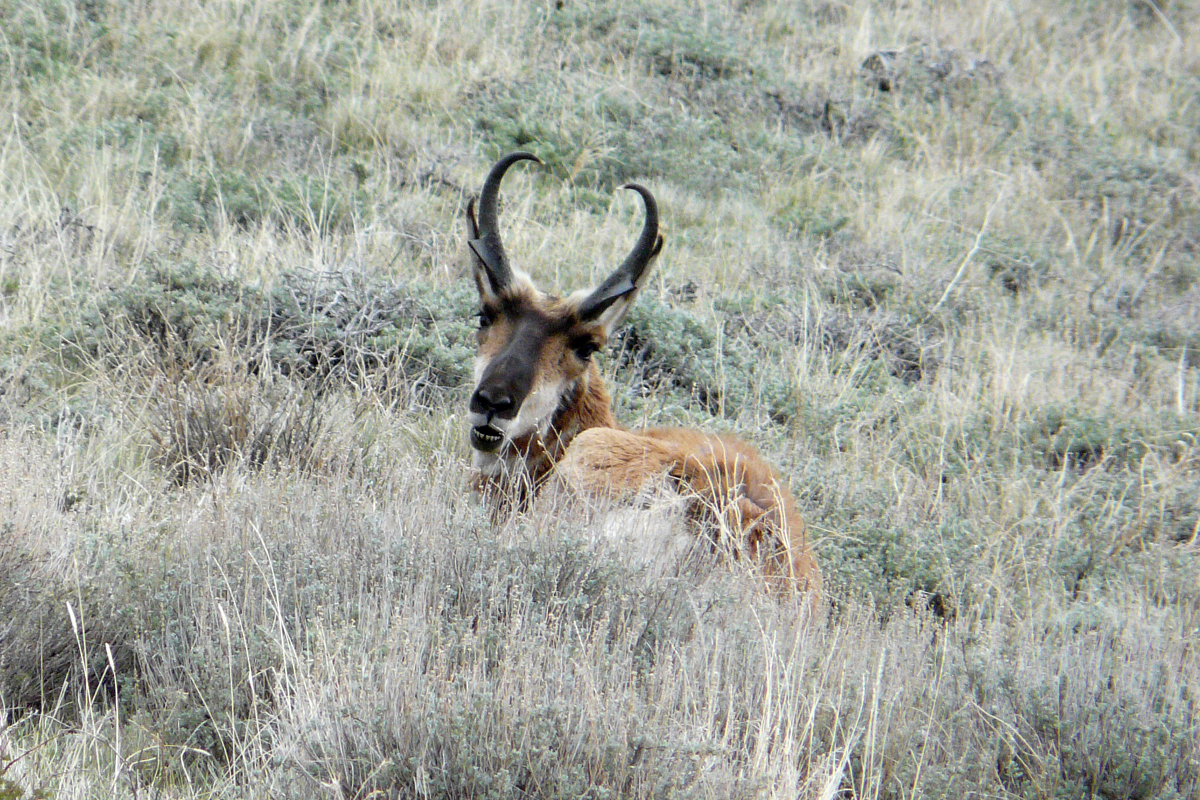
This individual was apparently not too concerned. On my way up the mountain, he lay fairly close to the road and watched me go by.

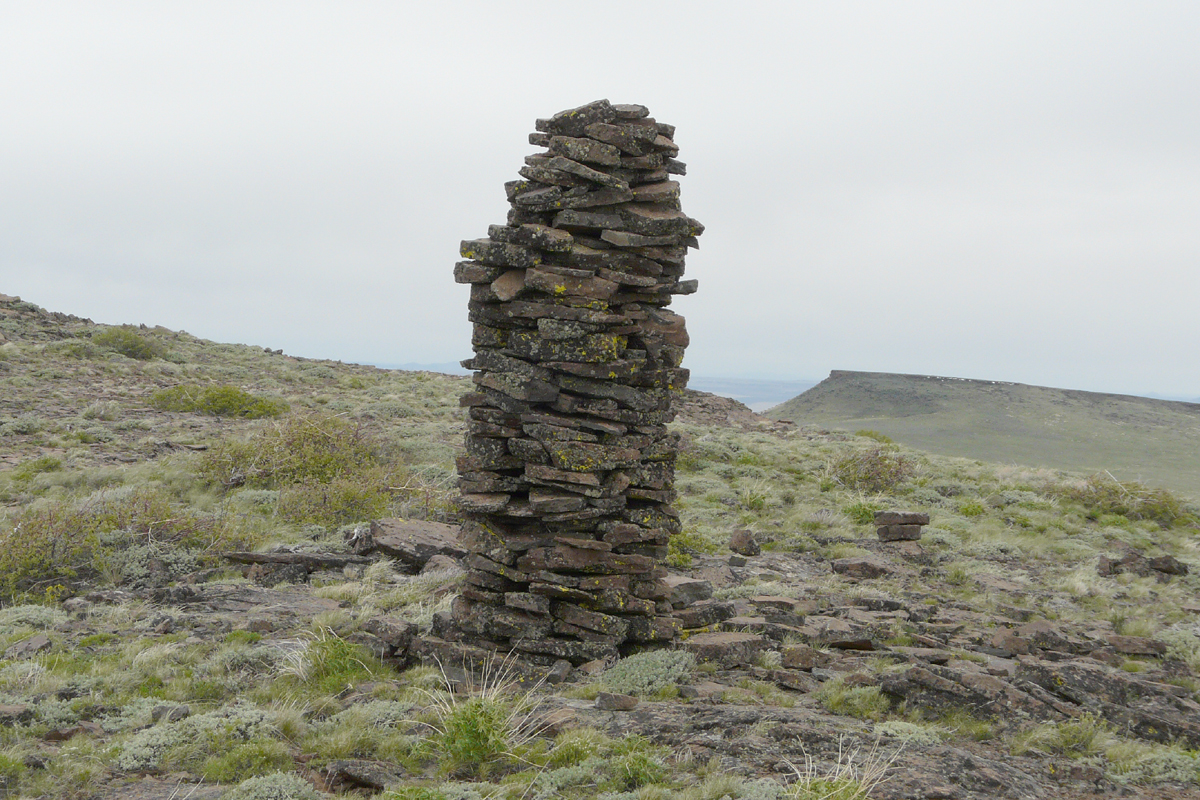
Near the top of the ridge is this large cairn, which stands almost eight feet tall. I’m not sure why some people are compelled to stack things. Monty Python addressed  this issue with their Royal Society for Putting Things On Top of Other Things.
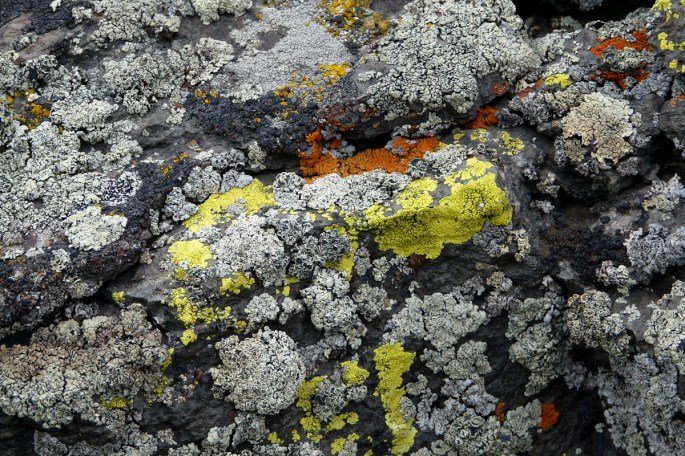
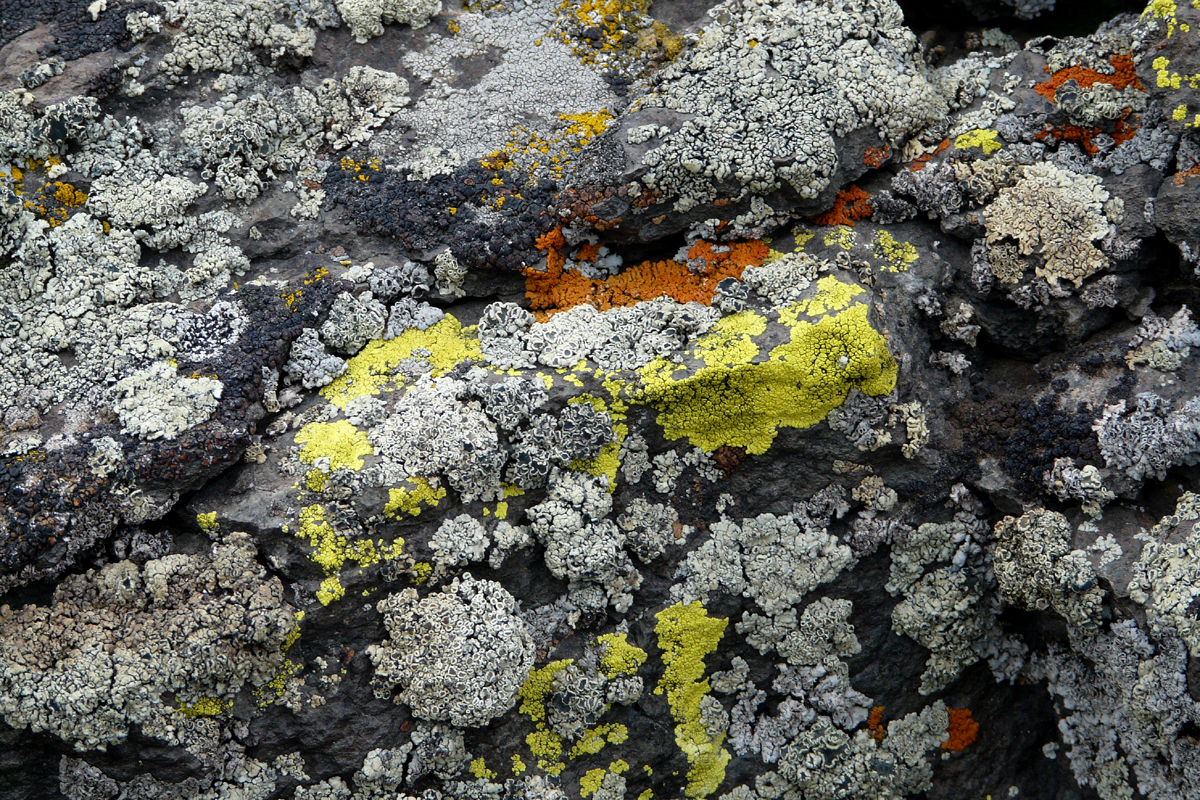
Exposure to cold and wind limits plant growth near the top of Hart Mountain, but many of the rocks host colorful lichens.

On my way back down the mountain, I again passed the unconcerned Pronghorn.
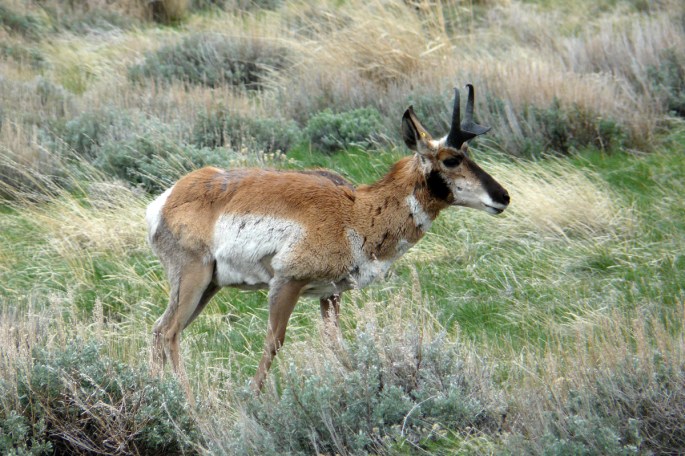
Despite the cold, he has already started to shed his winter coat. If you look closely, you can see just a bit of a yellow tag in his left ear. This identifies this animal as part of a study tracking Pronghorn migration between Hart Mountain and Sheldon NWR in Nevada.

Farther south on the refuge lies a little patch of Ponderosa Pine forest known as Blue Sky. Since the habitat is so different from the surrounding sage steppe, it is worth exploring for different bird species, especially in migration. On this cold blustery day, I found Lazuli Bunting, Green-tailed Towhee, Warbling Vireo, and White-crowned Sparrows. The large trees are attractive to various owls, I am told.

Another Mule Deer

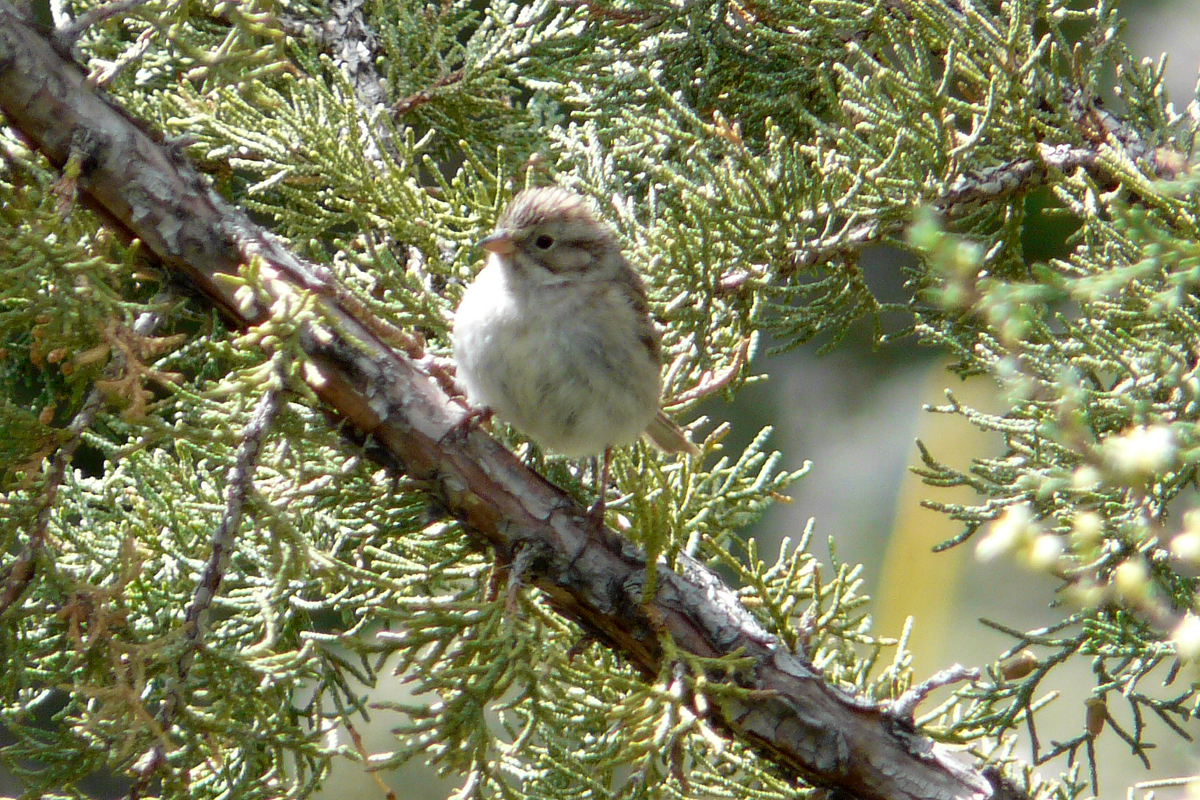
Brewer’s Sparrow. Like most small songbirds, they live their lives in defiance of auto-focus point-and-shoot cameras.
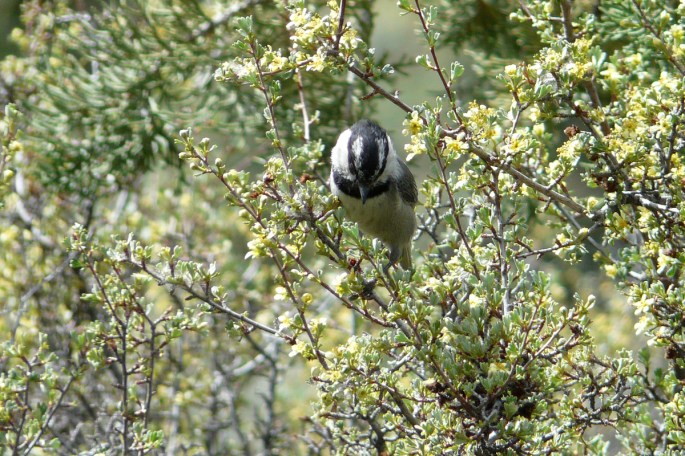
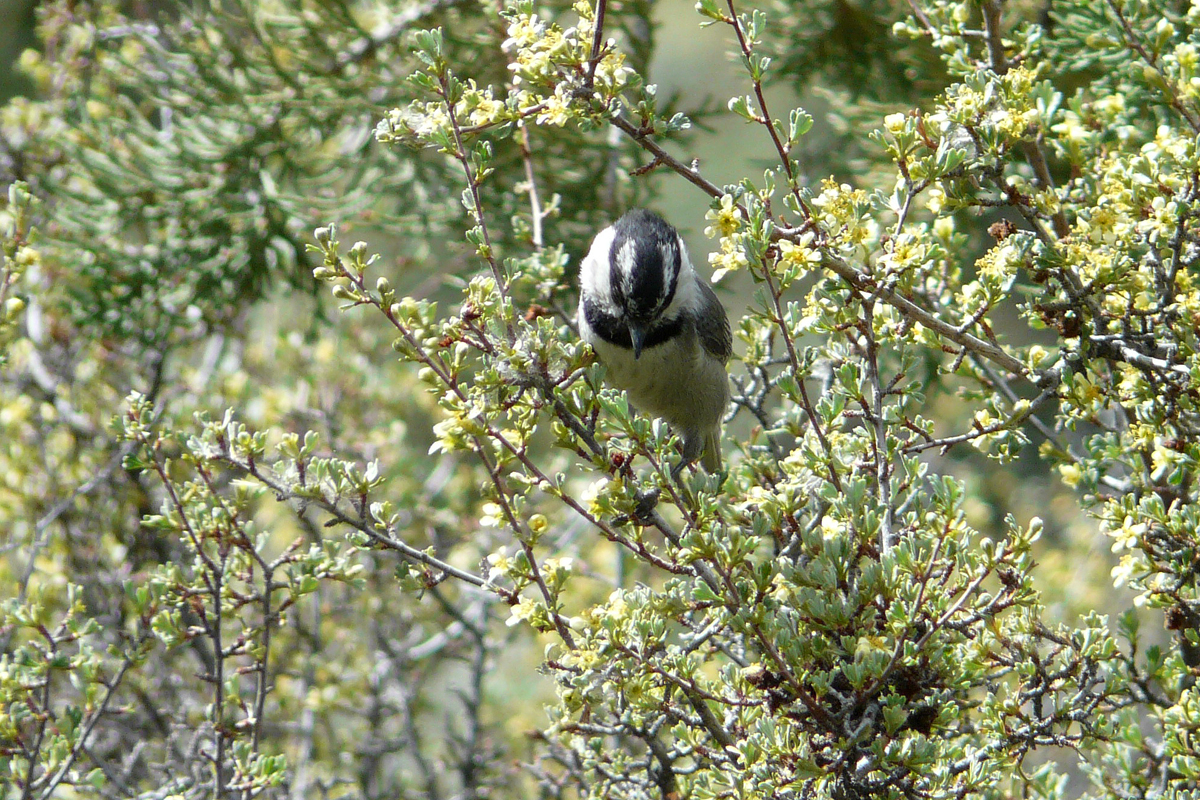
Mountain Chickadee, in slightly better focus.
 

Random Images

Early May is always a good time for seeing returning migrants and other signs of spring. Despite our cool damp weather, spring continues to slowly make inroads. Here are some random images from the past week.


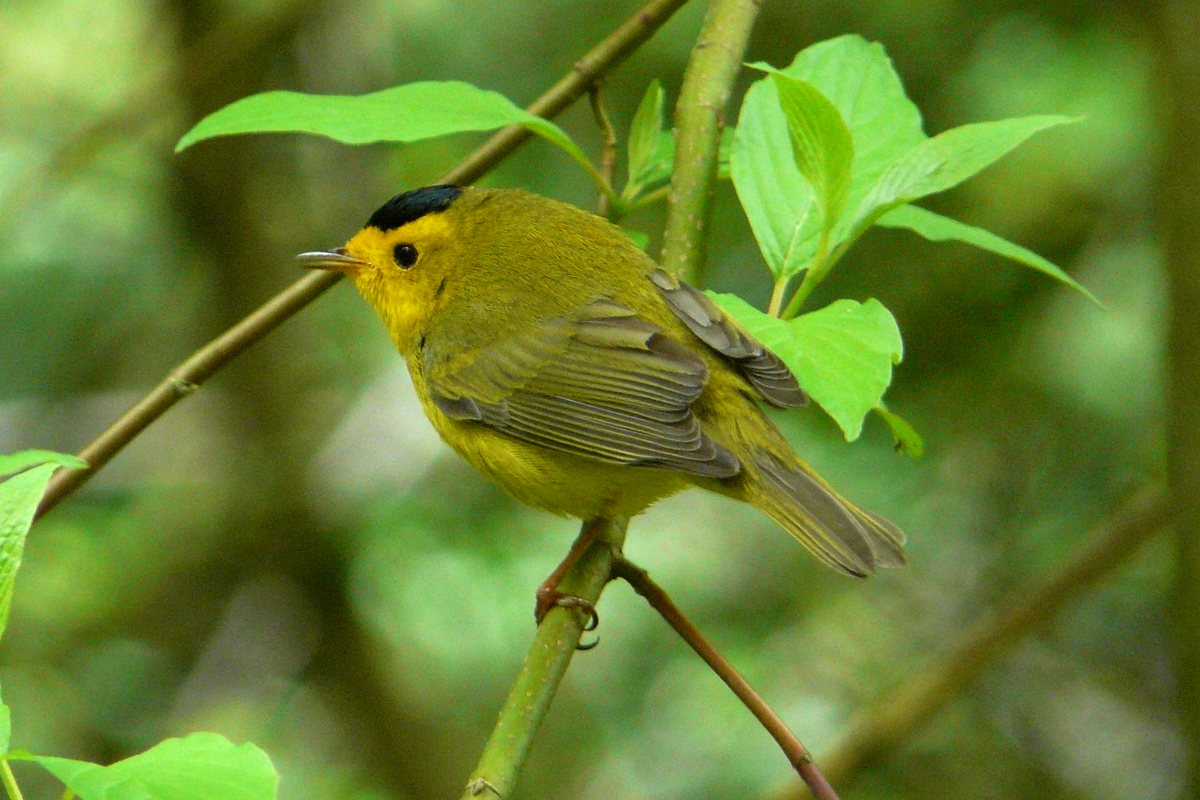
May is warbler month across most of North America. This Wilson’s Warbler was feeding just outside our living room window.


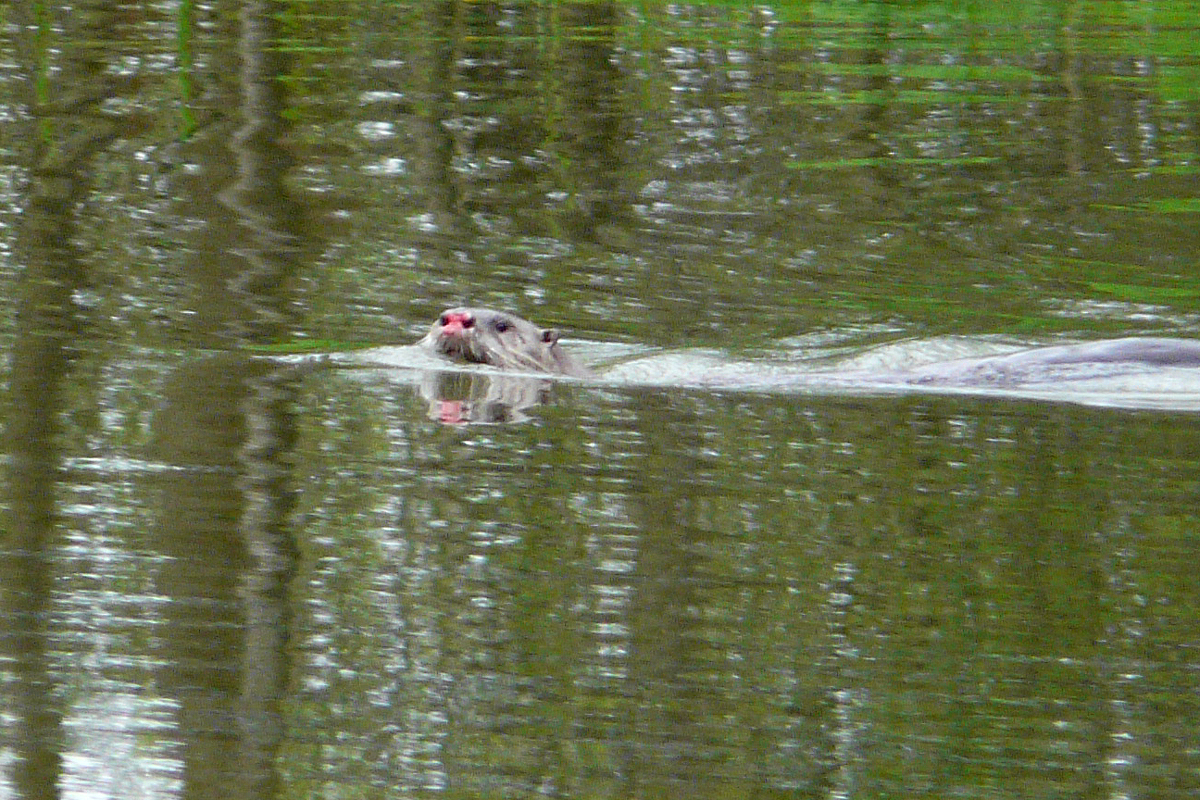
Two River Otters were swimming in the wastewater ponds at Cannon Beach.

This otter had a pink nose, perhaps from an injury.


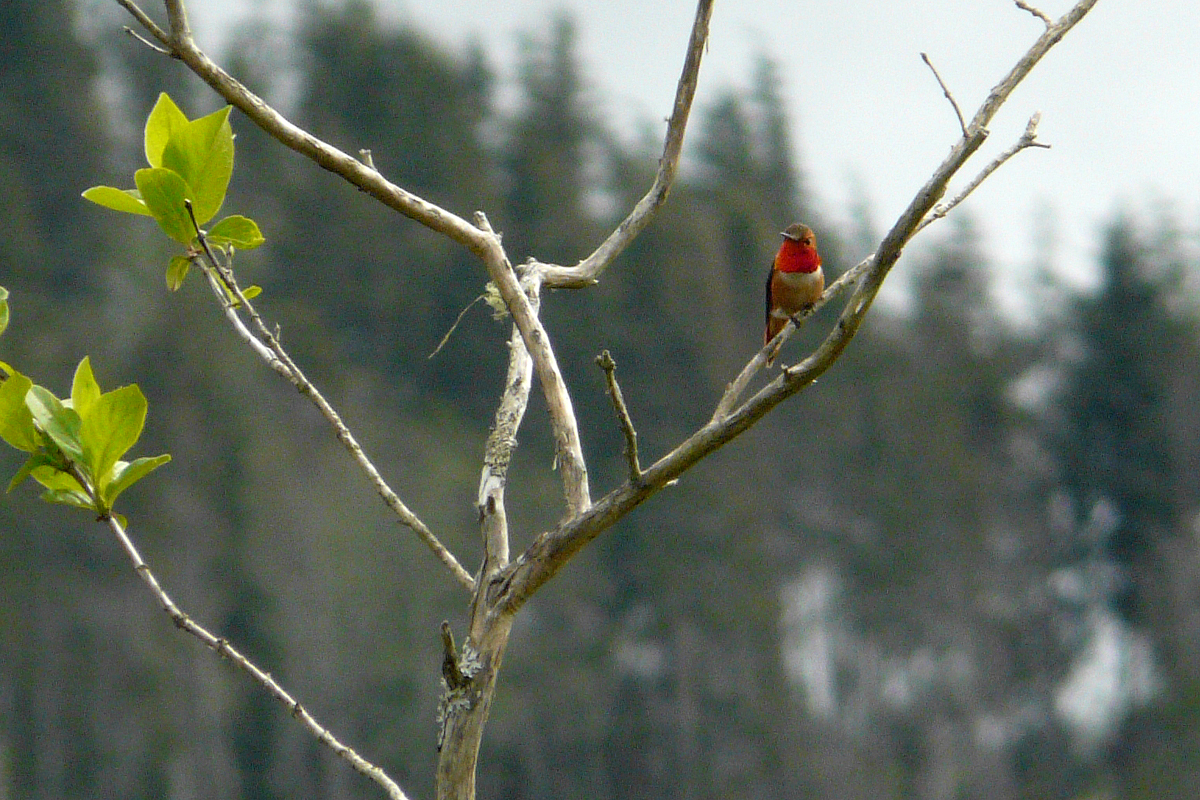
This male Rufous Hummingbird was flashing his colors at Stanley Lake in Seaside.


Surf Scoters at Fort Stevens


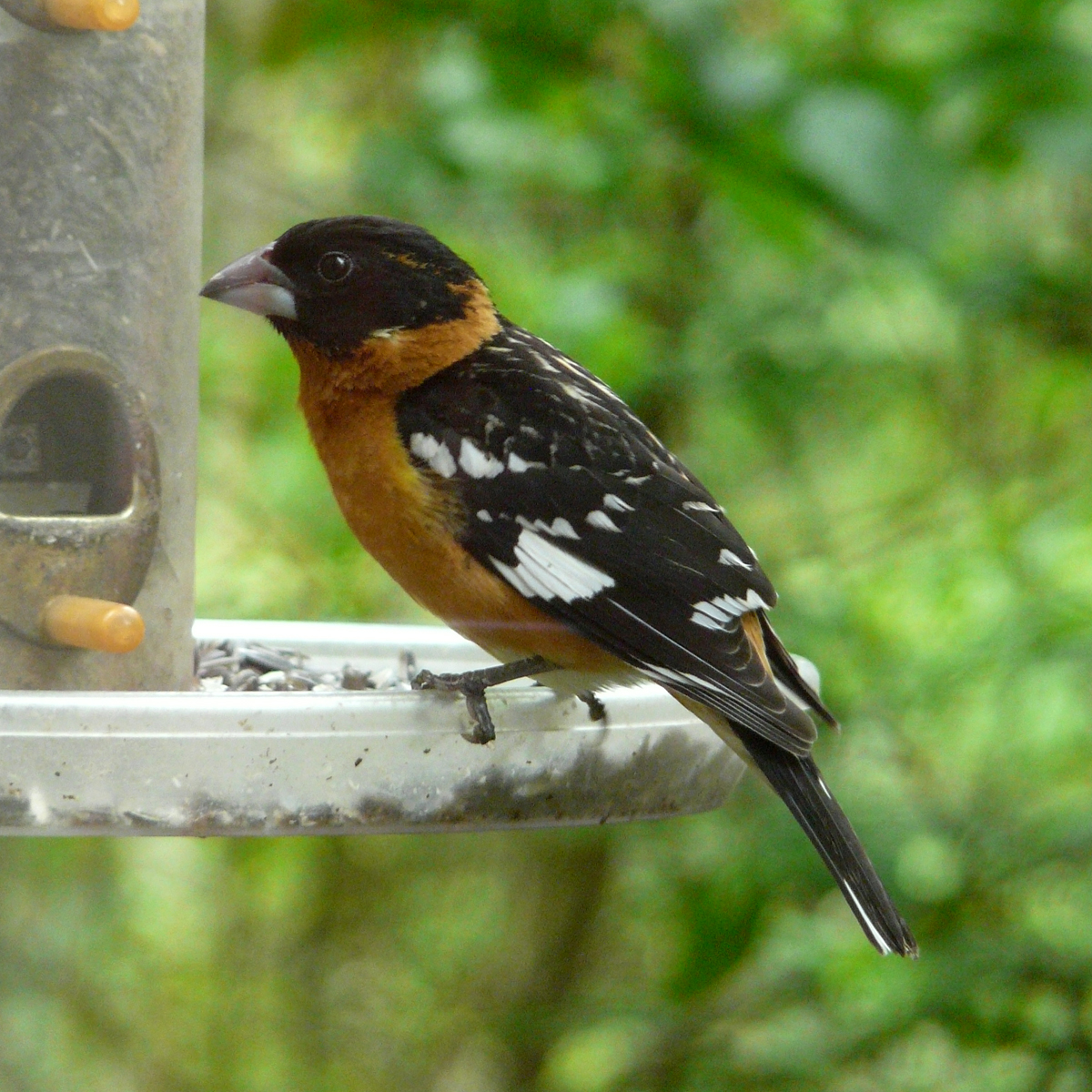
Black-headed Grosbeaks returned this week. After a winter of little finches, these birds make a bold impression when they appear at the feeder.

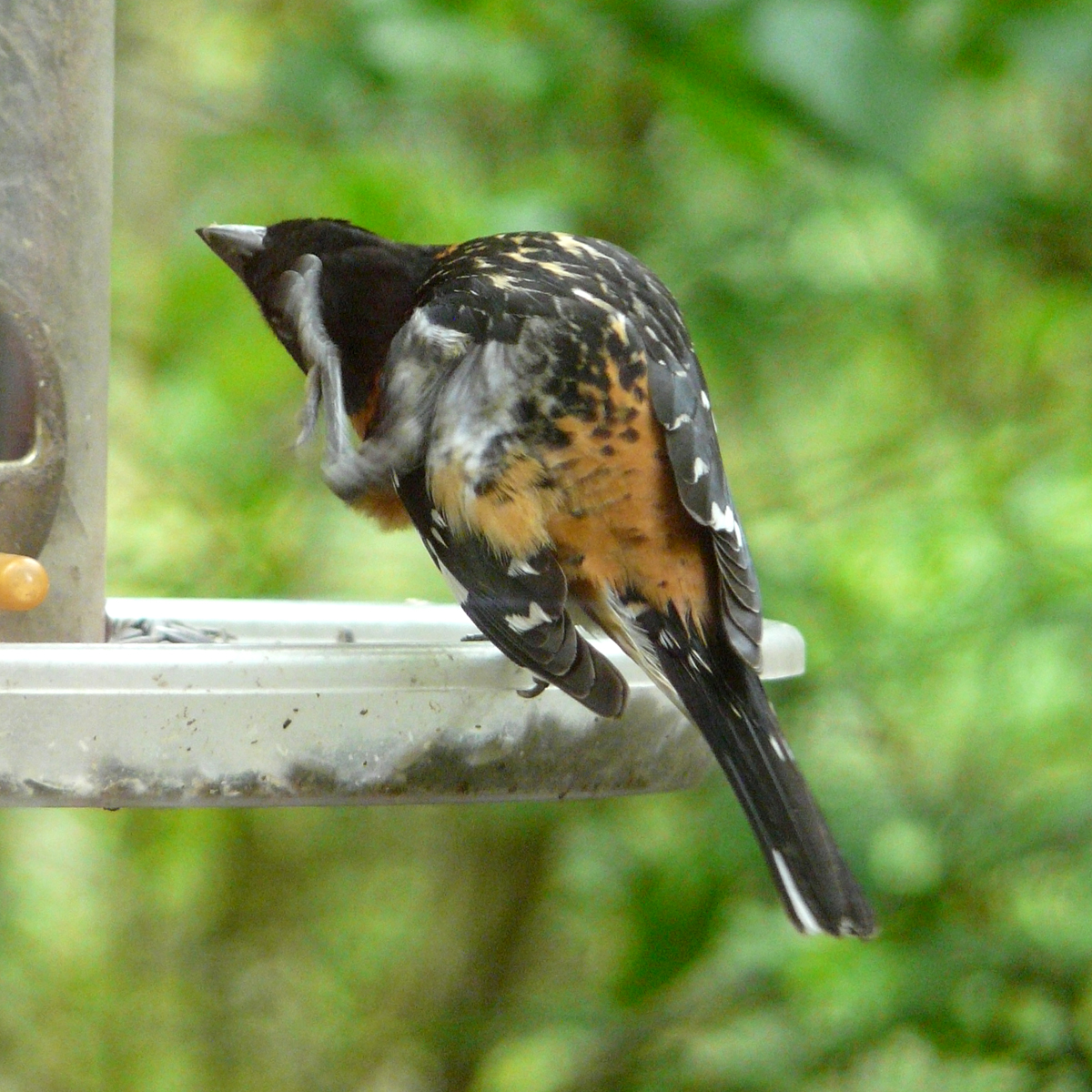
Like most birds, this grosbeak brings his leg up over his wing to scratch his head. I would think it would be easier to go under, but it seems to be working for him.


This Raccoon was soaking up a bit of sun at the Sandy River Delta.


This large aquatic mammal was also seen at the Sandy River Delta engaging in an activity known as “fetching.” Scientists still have not determined the purpose of this obsessive behavior.

Siletz Bay area

I spent a day birding around Siletz Bay (Birding Oregon chapter 37). This part of the coast is not one of the more scenic areas, but there are a couple spots tucked away that are worth a look.


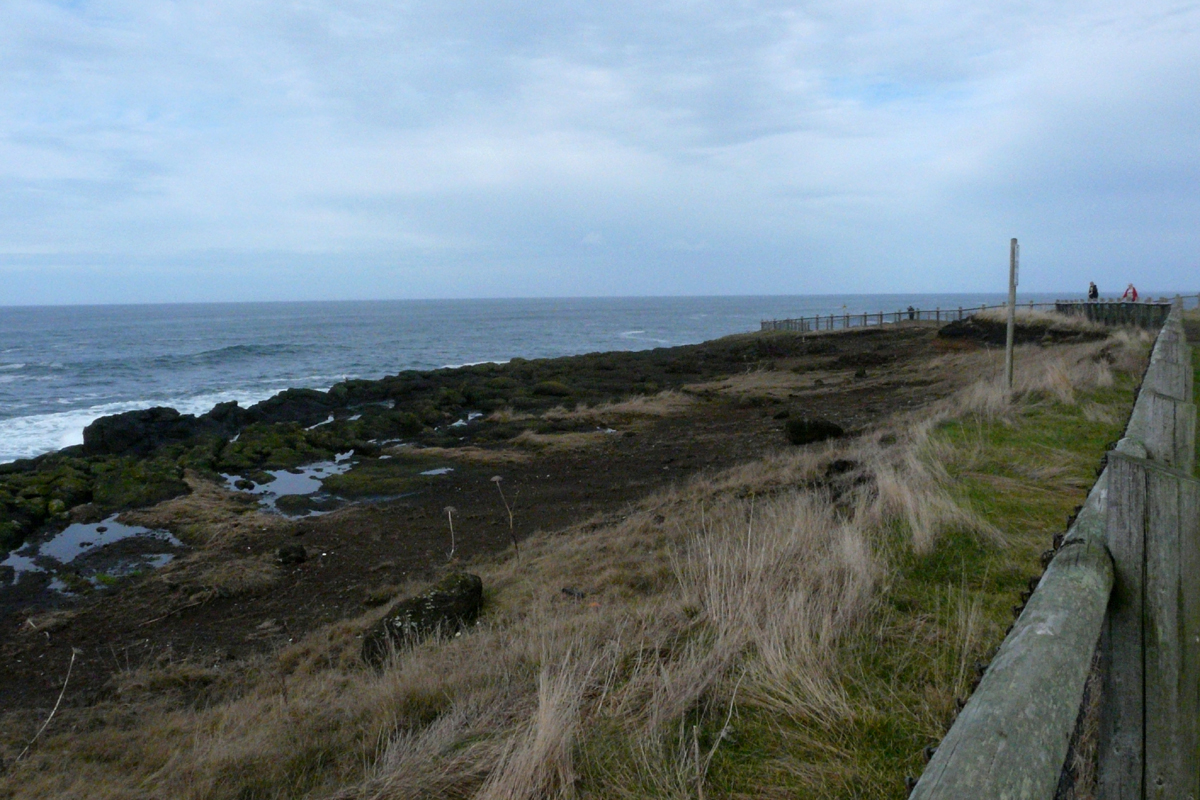
The main stop for the day was Boiler Bay State Wayside. This spot gets a lot of press as one of the best birding sites on the Oregon coast. While it is true that Boiler Bay is the most likely spot to find a lot of seabird species from shore, the birding here is not easy. On many days, you must patiently scan the ocean with a scope, hoping to find a robin-sized seabird from several hundred yards away. While bird numbers were low overall, two hours of scanning produced a nice variety of birds, including Ancient Murrelets (a nemesis bird for me), Marbled Murrelet, Horned and Western Grebes, and a Rhinoceros Auklet.


Several Harbor Seals were snoozing near the mouth of Siletz Bay. You can often see seals hauled out on the beach near the entrance to the bay.


Cutler City Wetlands is a nice patch of woods worthy of exploration, especially during migration. From US 101, turn west onto SW 63rd Street. About one block from the highway, there is a small parking area on the right side of the road, just across from this sign.


The property has a nice network of trails through a variety of habitats.


This Pacific Wren put on a good show, singing and perching out in the open for a few minutes. This species is seldom so visible.

Ft. Stevens, 11-10-2011


I spent a warm sunny November day at Ft. Stevens (Birding Oregon p. 119). The tide and winds were both high, so the sea was too rough to find any birds on the water near the south jetty at parking lot C.


The best birds of the trip were a flock of five Snow Buntings, a species that has eluded me in Oregon until now. They appeared on the beach near the jetty, then quickly moved on.


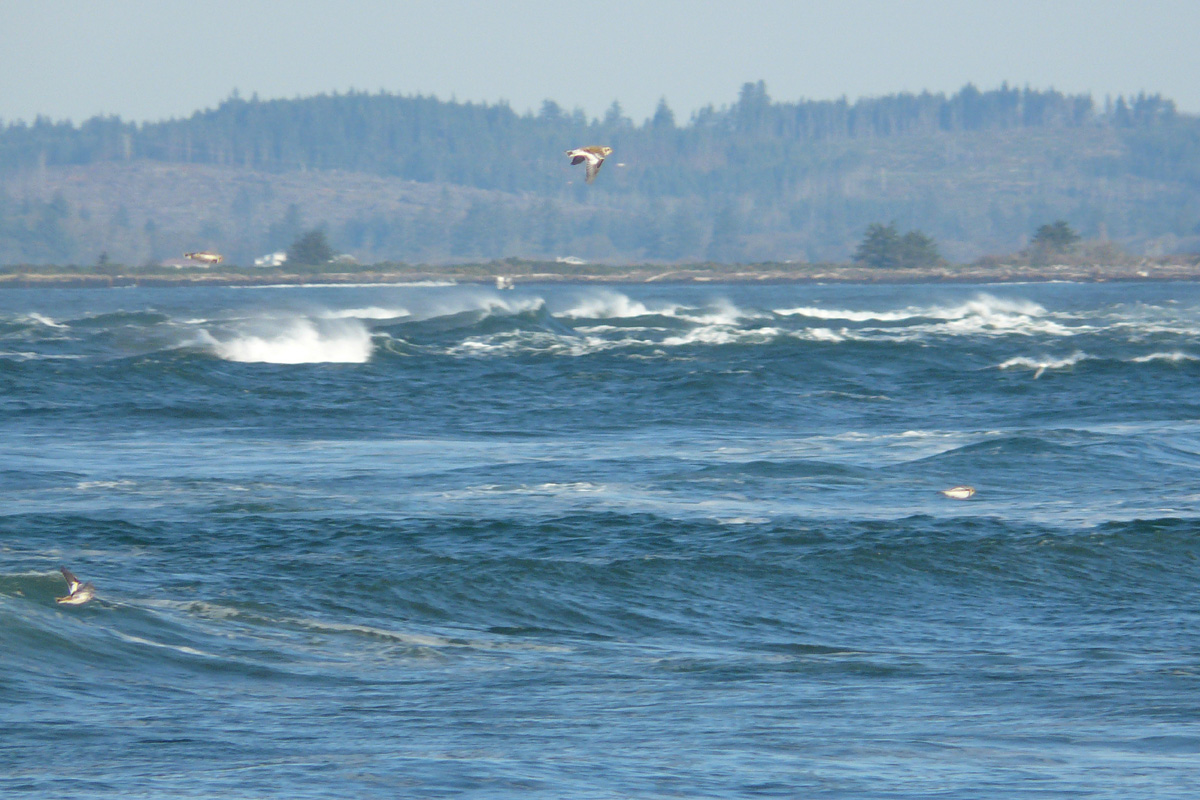
This image shows three Snow Buntings in flight. No, really.


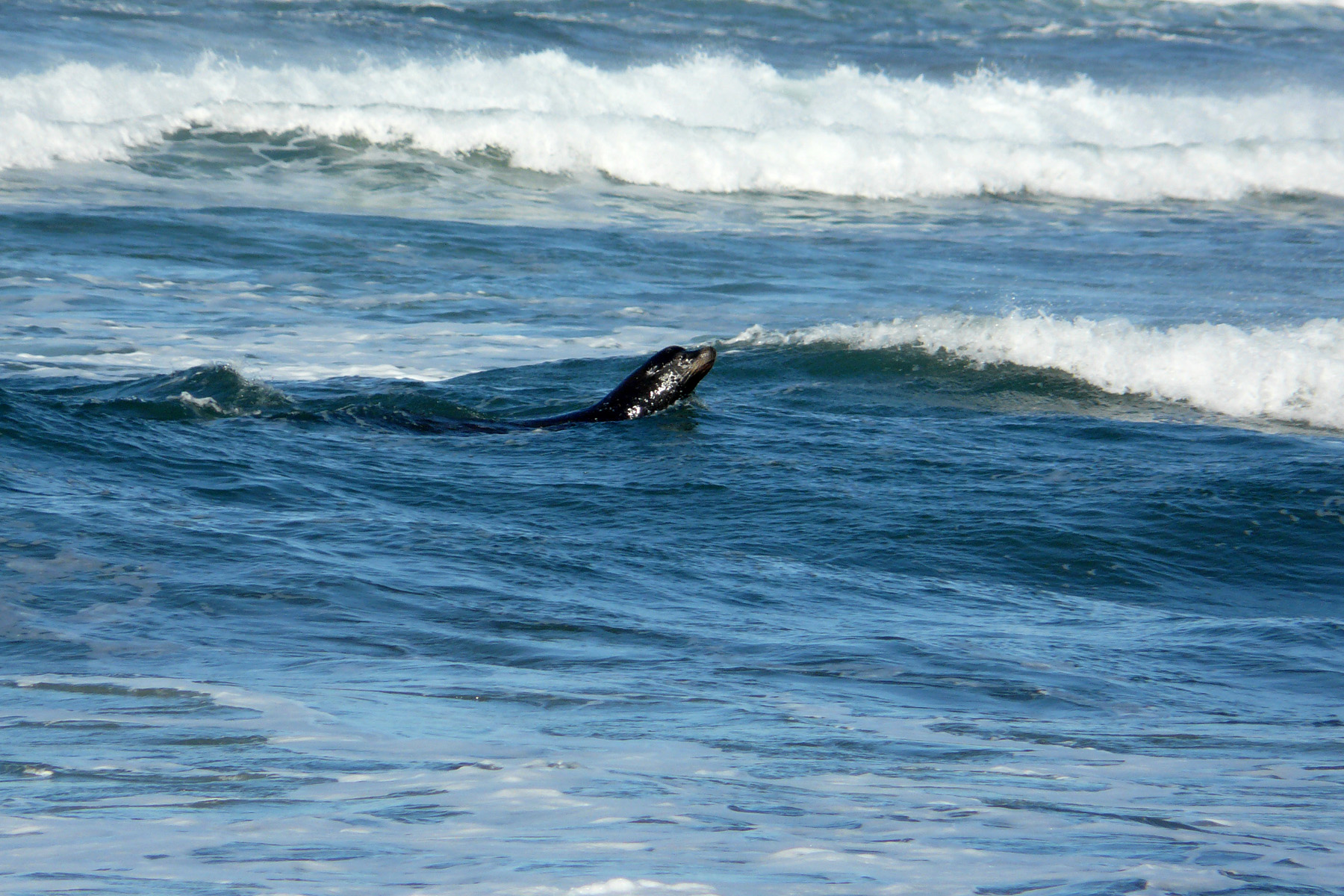
There were hundreds of California Sea Lions in the area, both on the jetty and in the surf.


A flock of at least 35 Semipalmated Plovers were working the wrack line. There are ten in this image. No, really.


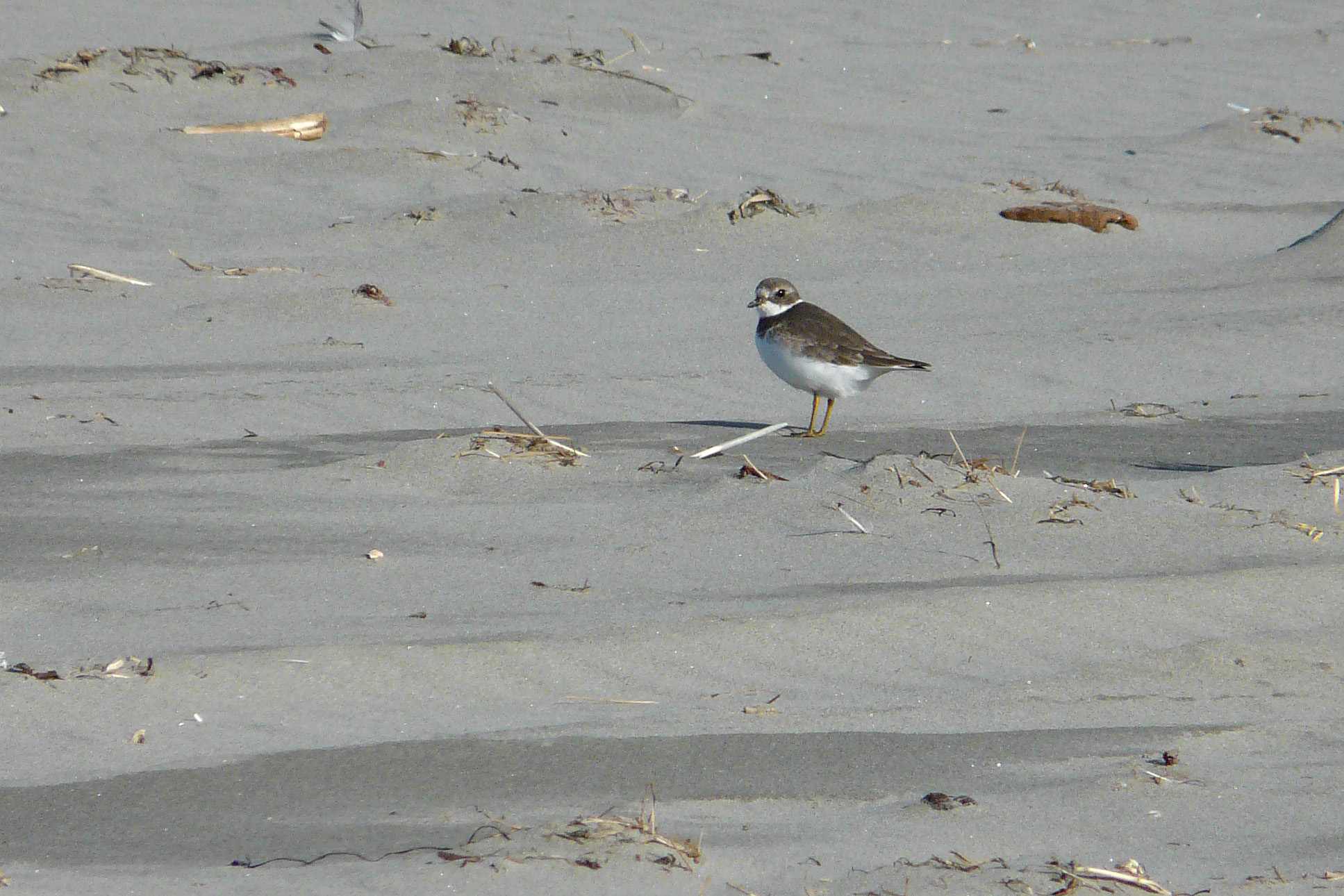
Here’s a better view of a Semipalmated Plover.


This Palm Warbler was a nice surprise. This species is rare along the coast in autumn.


Brown Pelicans were very common. The Heerman’s Gulls that harass them during the summer have already moved south for the winter, so the pelicans can feed in relative peace.


An adult (left) and juvenile Brown Pelican


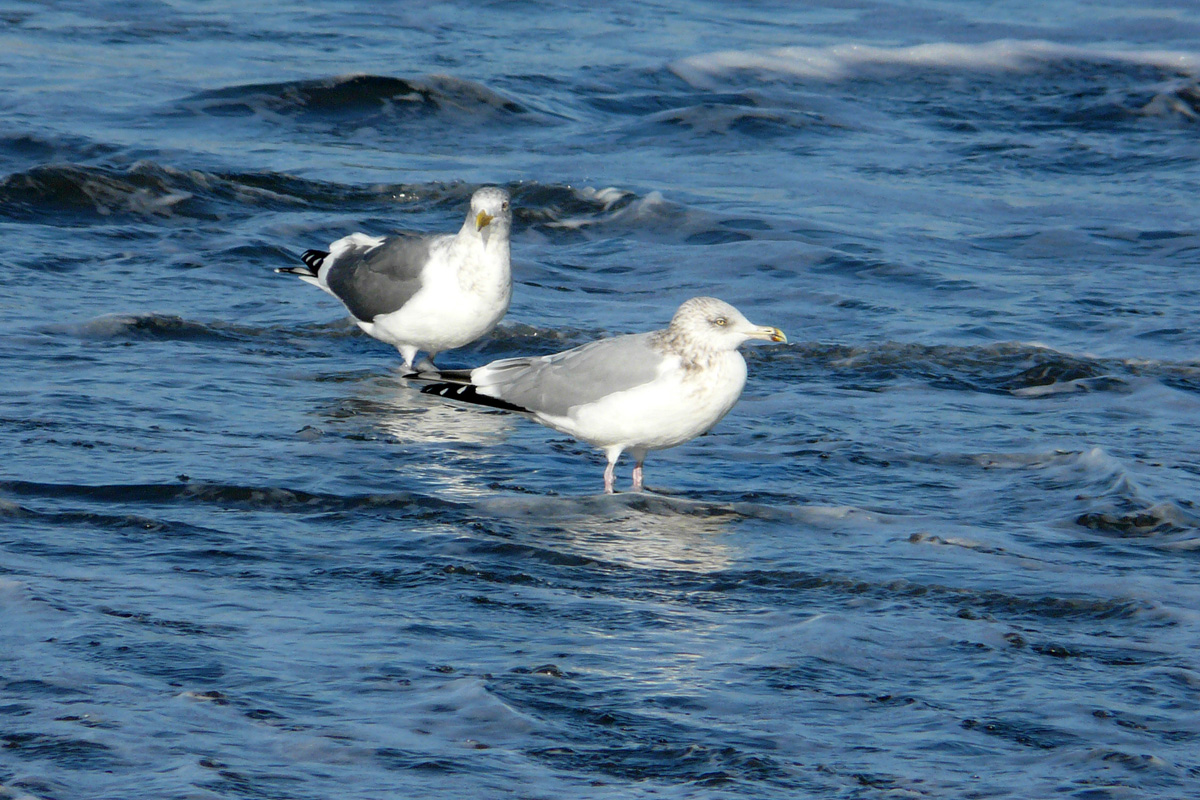
Western Gull (left) and Herring Gull. The gulls on the beach are much more wary than those that spend the winter in Portland.


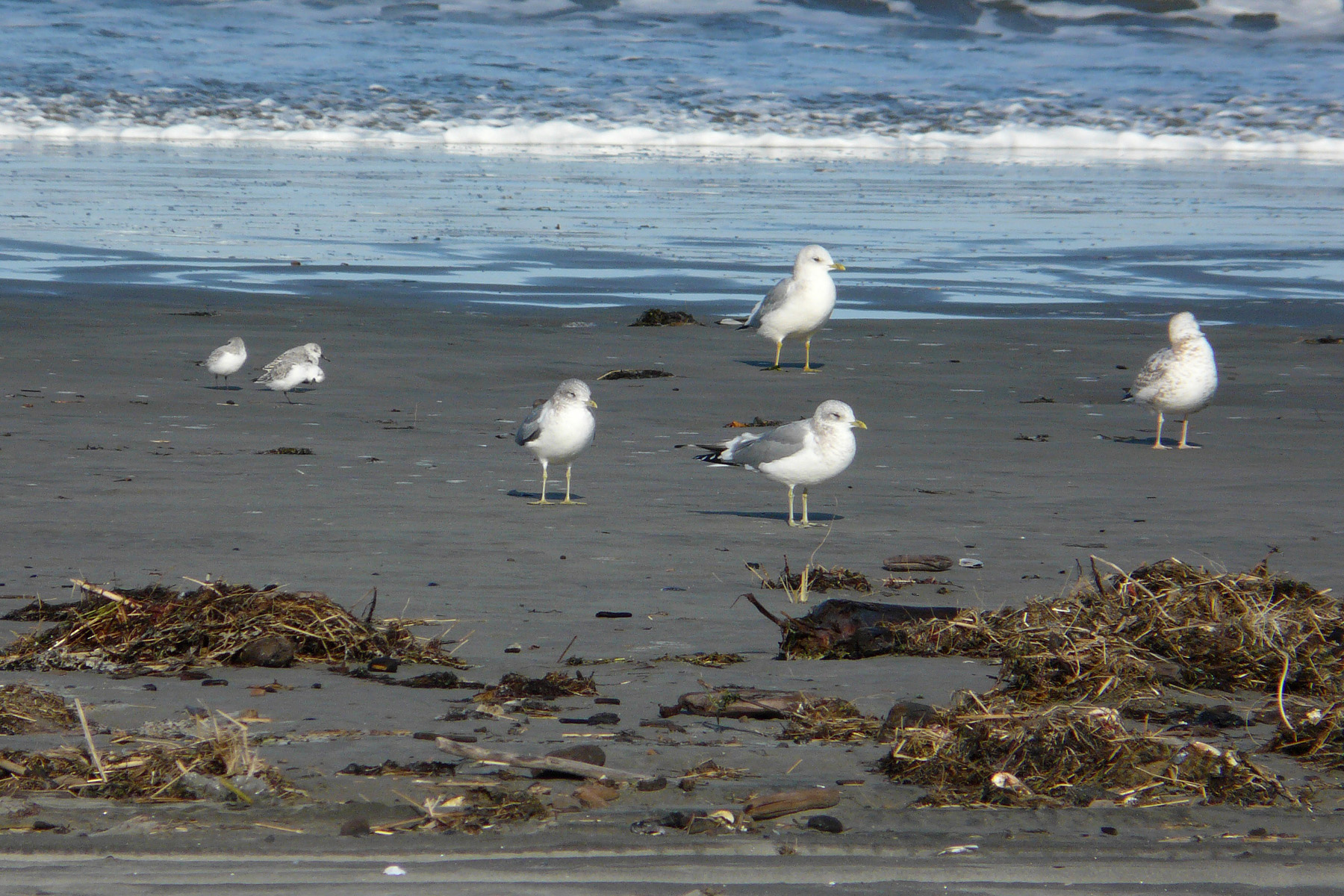
Sanderlings and Mew Gulls

Other goodies that escaped the camera were a Peregrine Falcon on the beach, a Northern Shrike, and three Western Meadowlarks. It was a great day to enjoy the sun before the cold wet weather settles in to stay.