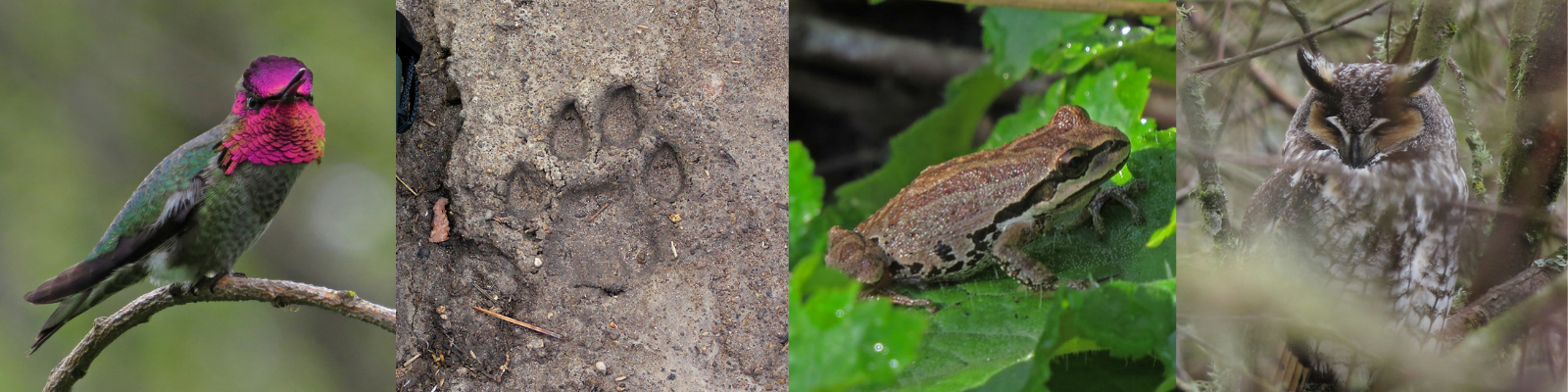
Fernhill Wetlands 10 April 2014

I took a quick tour of Fernhill Wetlands this week. Great changes are planned for this site. The main lake will be made smaller, and the other two impoundments will be replaced with emergent wetlands. I am looking forward seeing how things progress. Here are some birds and other critters from the trip.
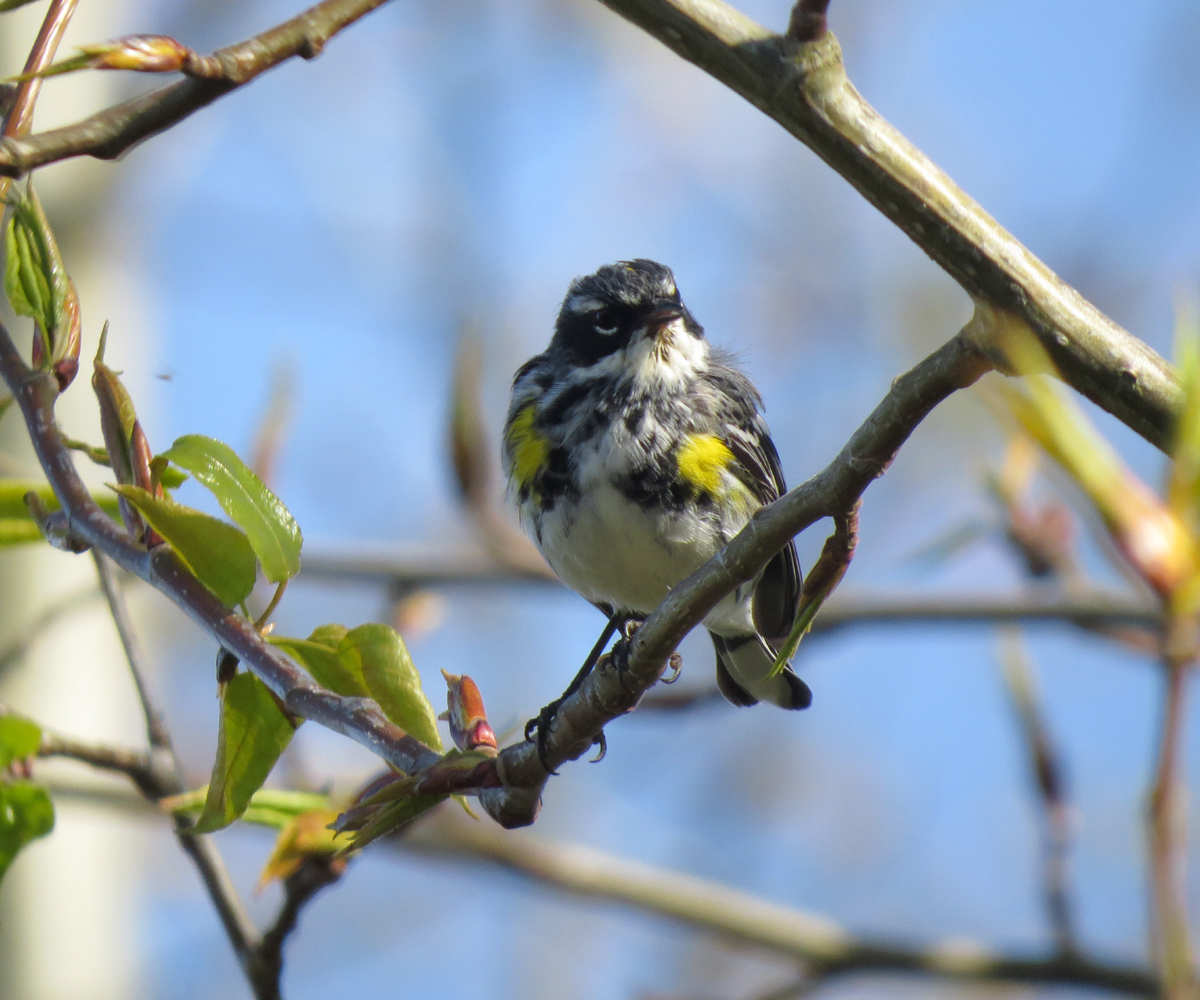
yellow-rumped warblerMany Yellow-rumped Warblers were passing through, mostly the Myrtle race, with only one Audubon’s.
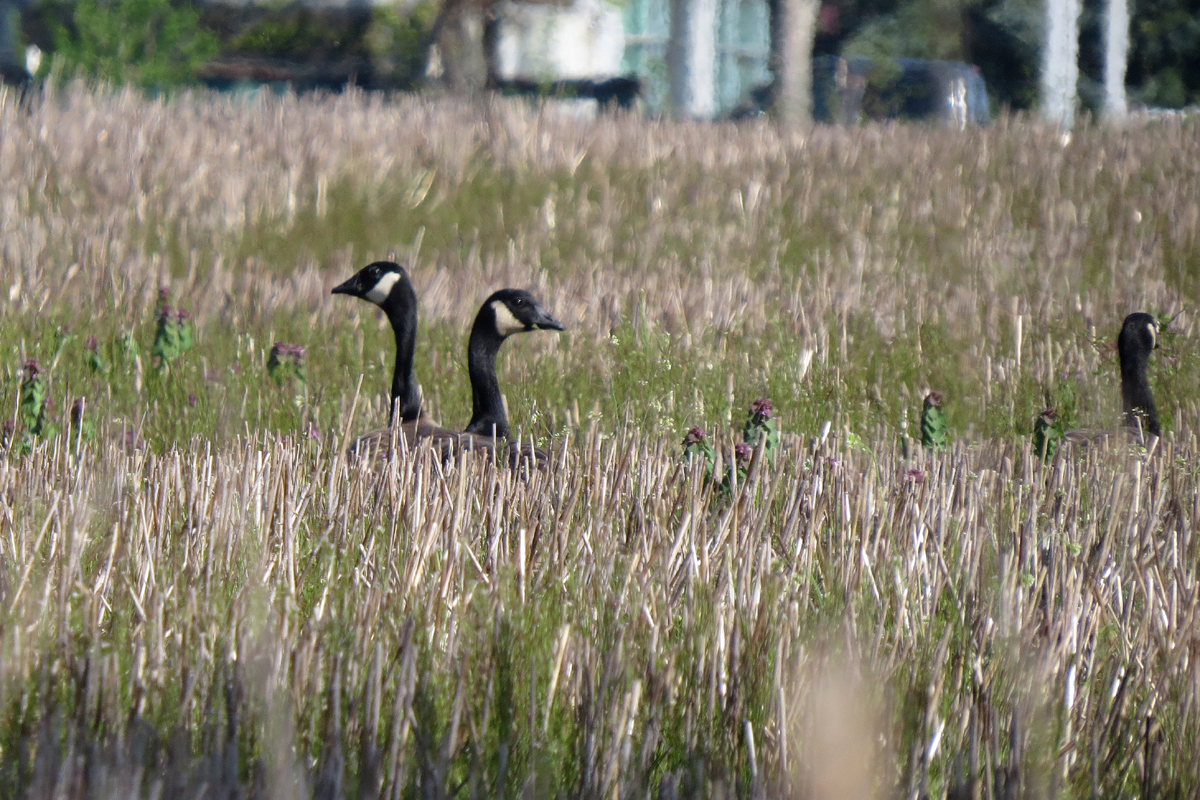
cackling geeseFlocks of Taverner’s Cackling Geese were feeding in the fields north of the main lake.
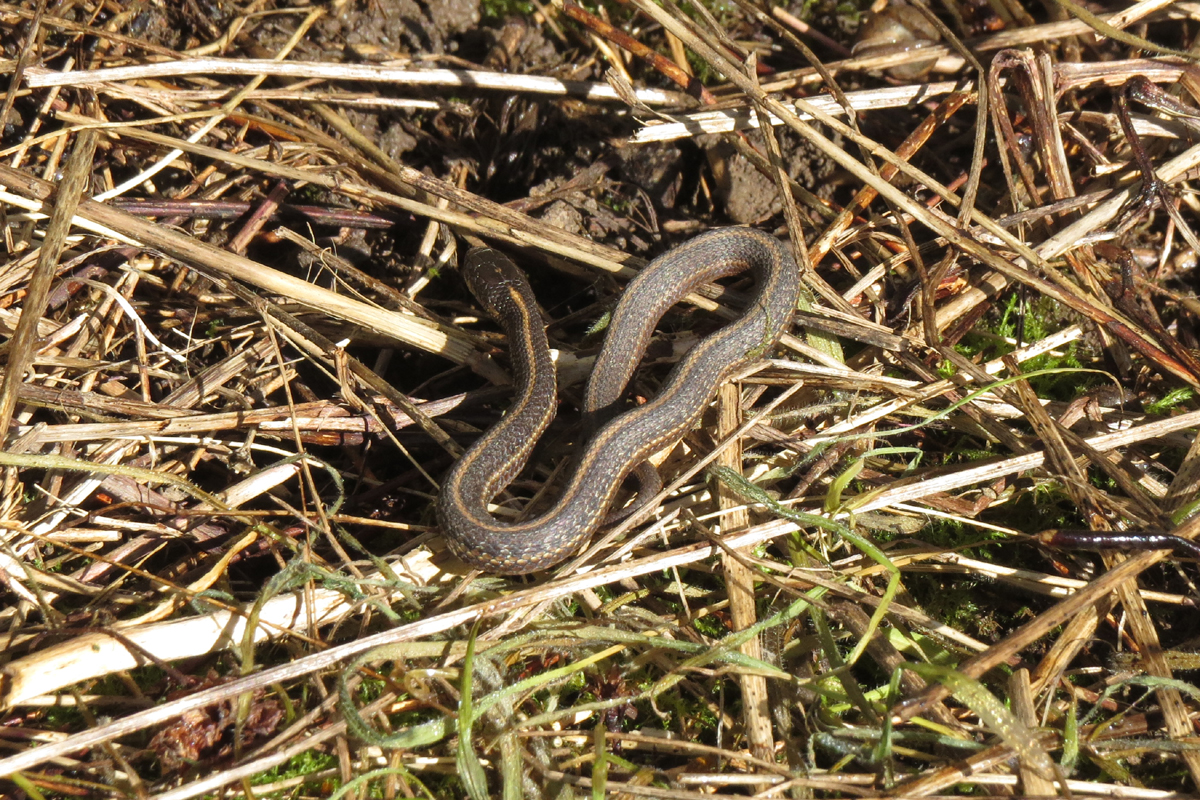
garter snakebaby Garter Snake. I’m not sure if this is a Common or Northwestern Garter.
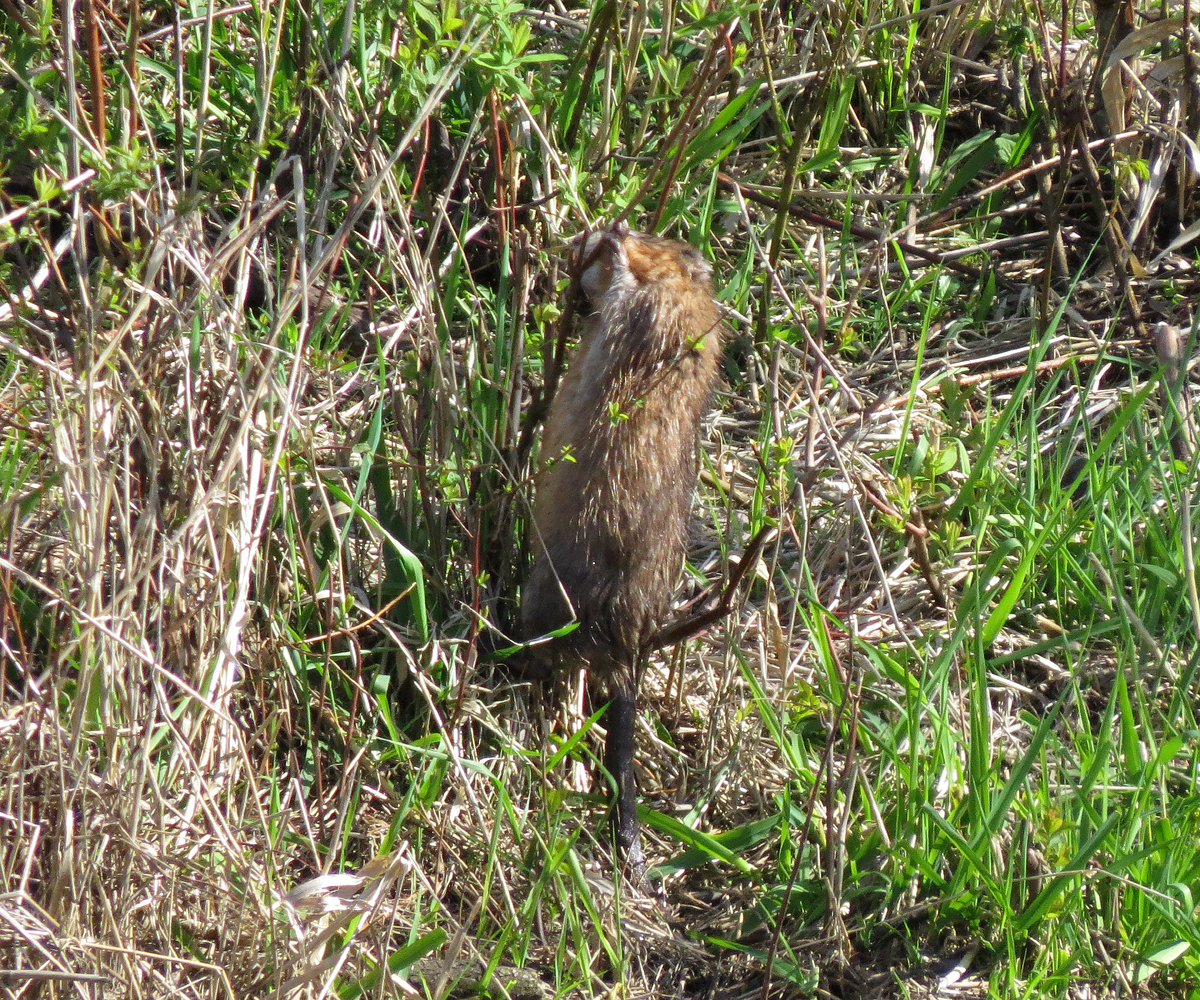
muskrat climbingI don’t think I’ve ever seen a Muskrat climbing a tree before. This one was gnawing off a branch to get to the leaves.
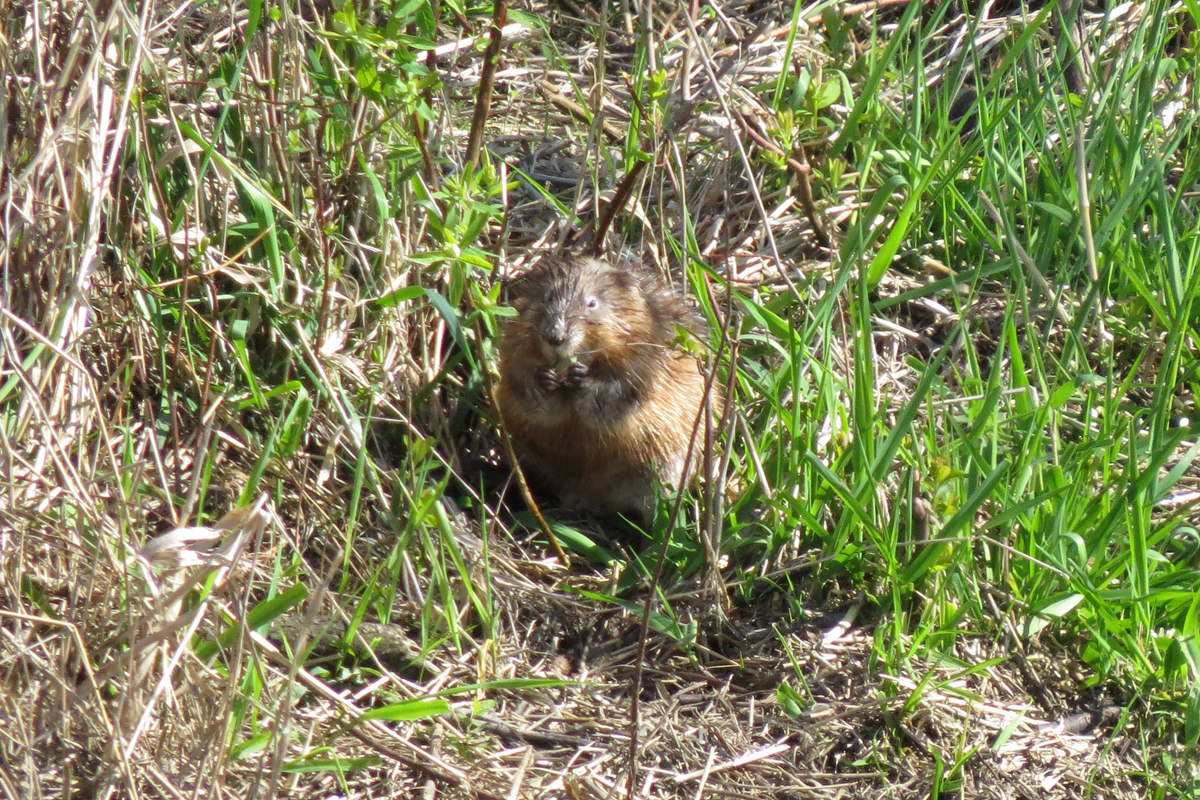
muskrat front

tree swallowTree Swallows are swarming around Fernhill Wetlands, no doubt encouraged by the many nesting boxes that have been installed at the site.
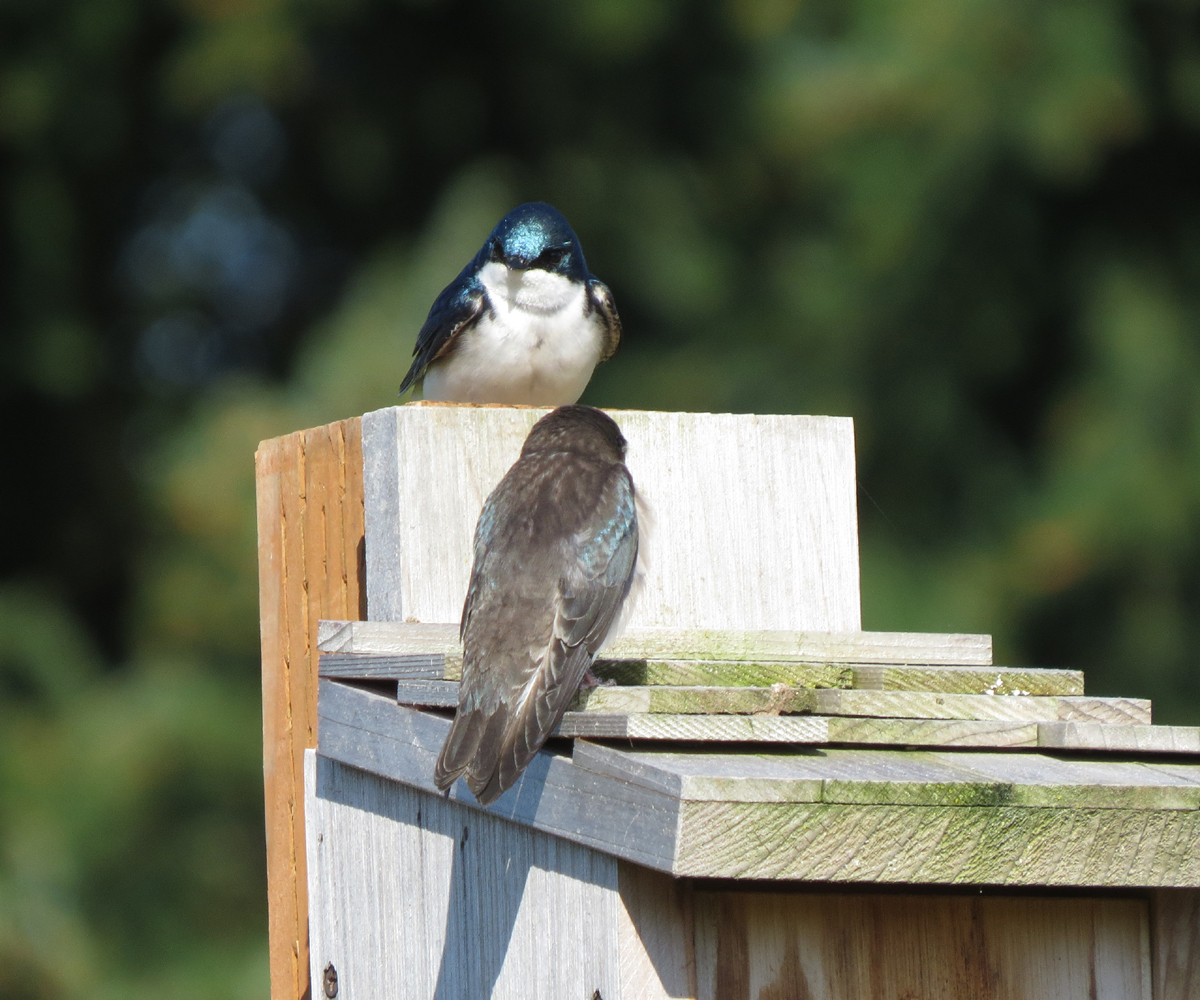
tree swallows

northern shovelersNorthern Shovelers were the most common duck species on the lake.
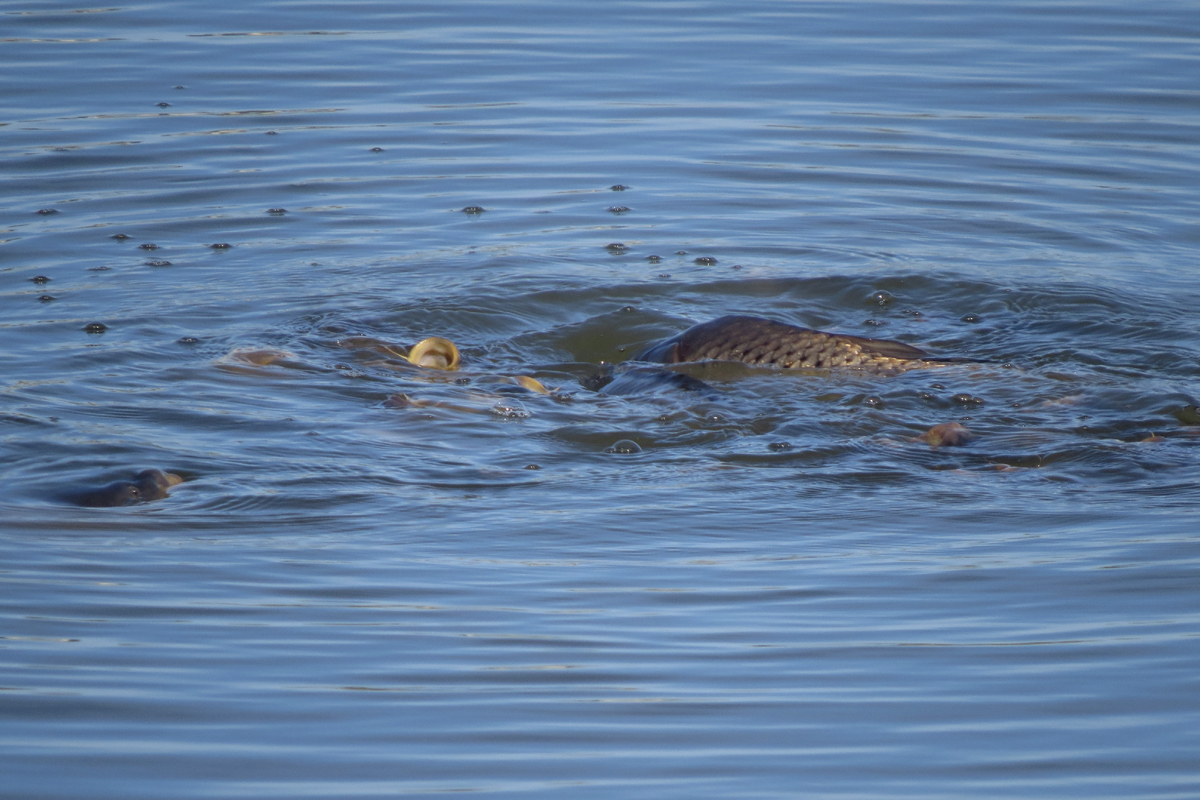
carpSeveral schools of Common Carp were active at the surface. I don’t know if they were feeding on aquatic insects or involved in spawning.
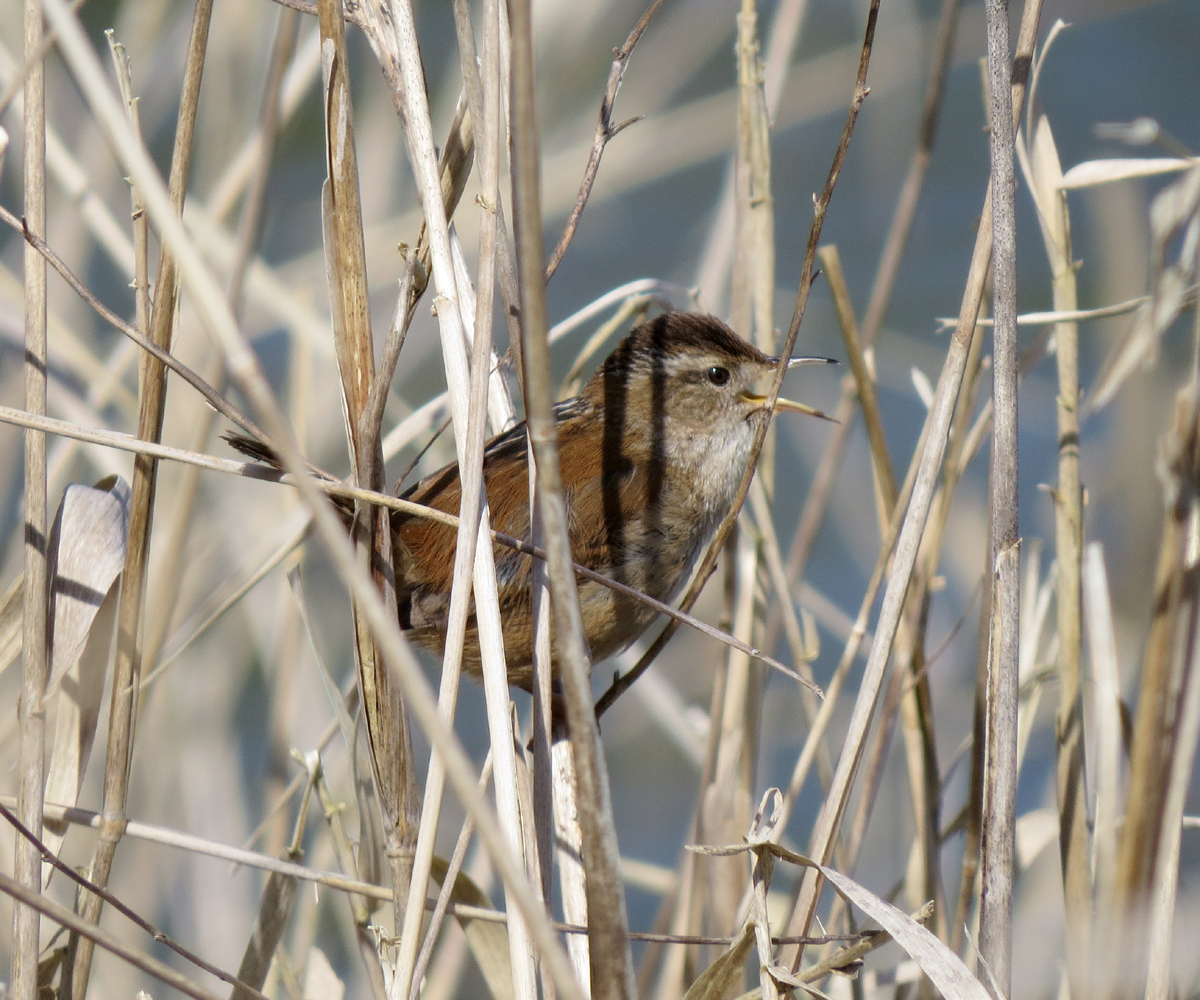
marsh wren singingMarsh Wrens are starting to sing.

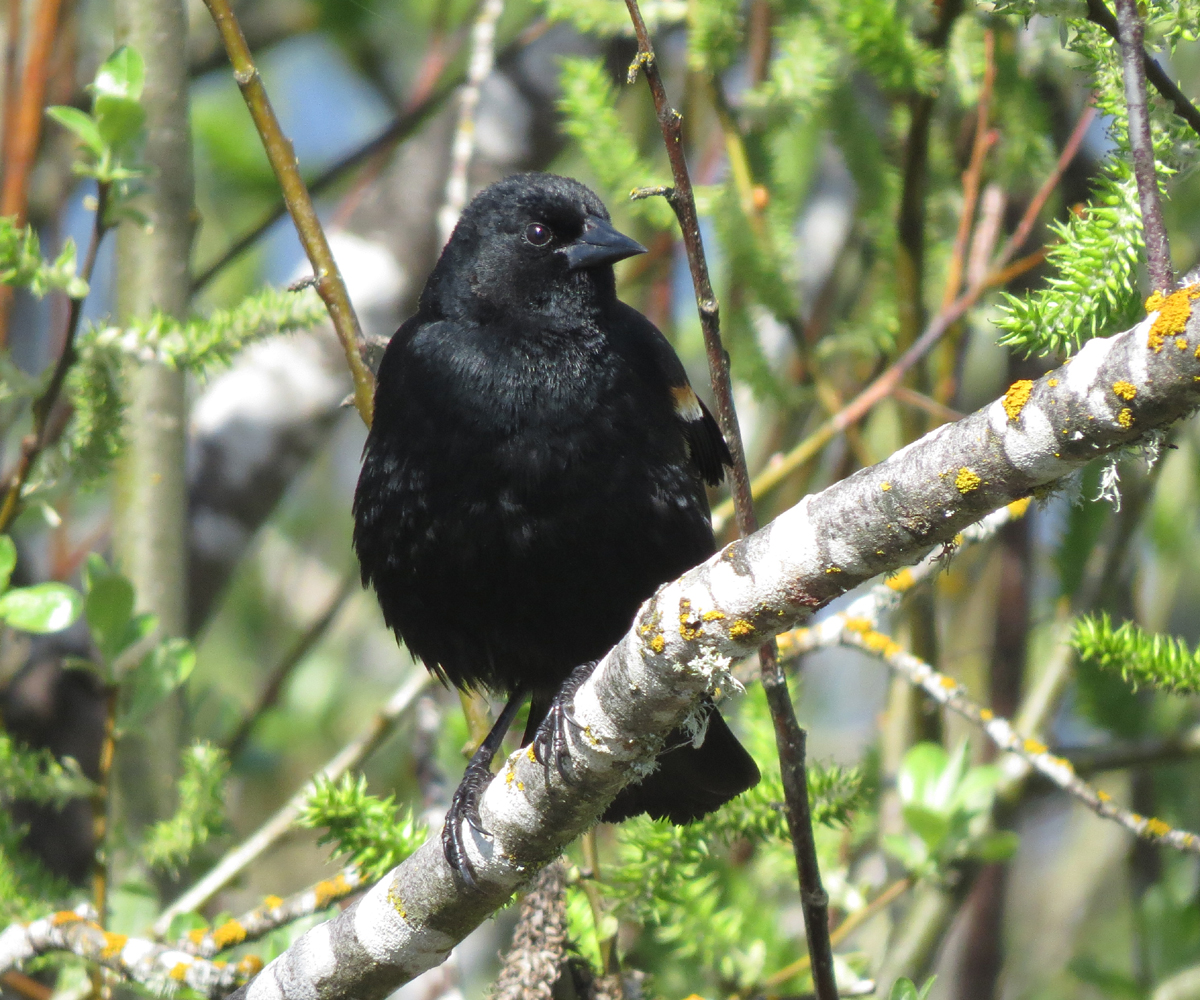
red-winged blackbirdA few Red-winged Blackbirds were displaying. There aren’t very many Red-wings at Fernhill since most of the cattails died off several years ago.

Slow Spring

The end of March and beginning of April have been cool and wet. Spring is progressing, but seemingly very slowly. Here are a few images from the past week.

pacific wren frontPacific Wrens are singing everywhere. This bird was at Powell Butte Nature Park in SE Portland.

savannah sparrow frontSavannah Sparrows are staking out their territories in the grassland at the top of Powell Butte.
savannah sparrow side

ruddy duckThis Ruddy Duck at Vanport Wetlands is sporting his spring colors.

pileated woodpecker 2This Pileated Woodpecker is excavating a cavity at Tualatin Hills Nature Park. Thanks to Michele for sharing the location of this nest.
pileated woodpecker 3

common garterThis tiny Common Garter was also at Tualatin Hills.

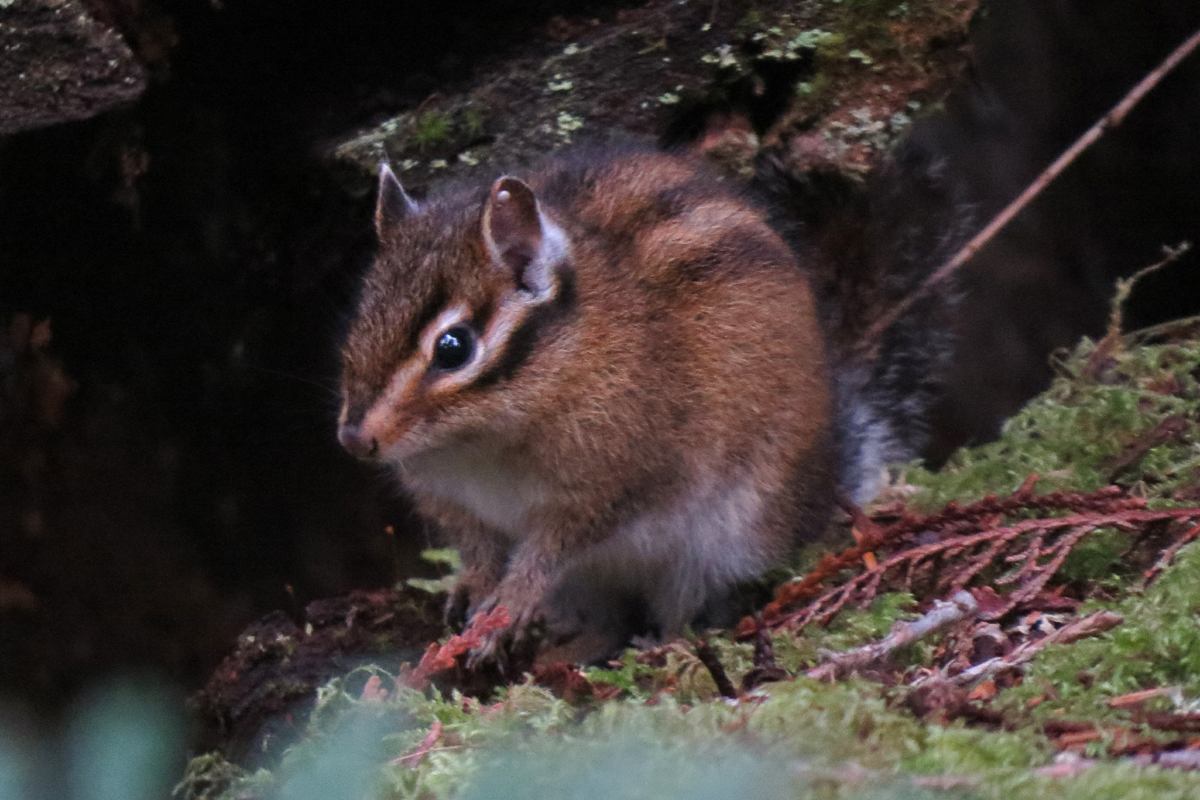
townsend's chipmunkAs was this Townsend’s Chipmunk.

nala frontNala is far more interested in fetching sticks from the river than looking at birds. This “stick” in the Columbia is probably her biggest to date.
nala back


Waterfowl Class

I led my waterfowl class on a field trip to Sauvie Island and Dawson Creek. We had a few big misses (Gadwall and Wood Duck) but the diversity was pretty good.

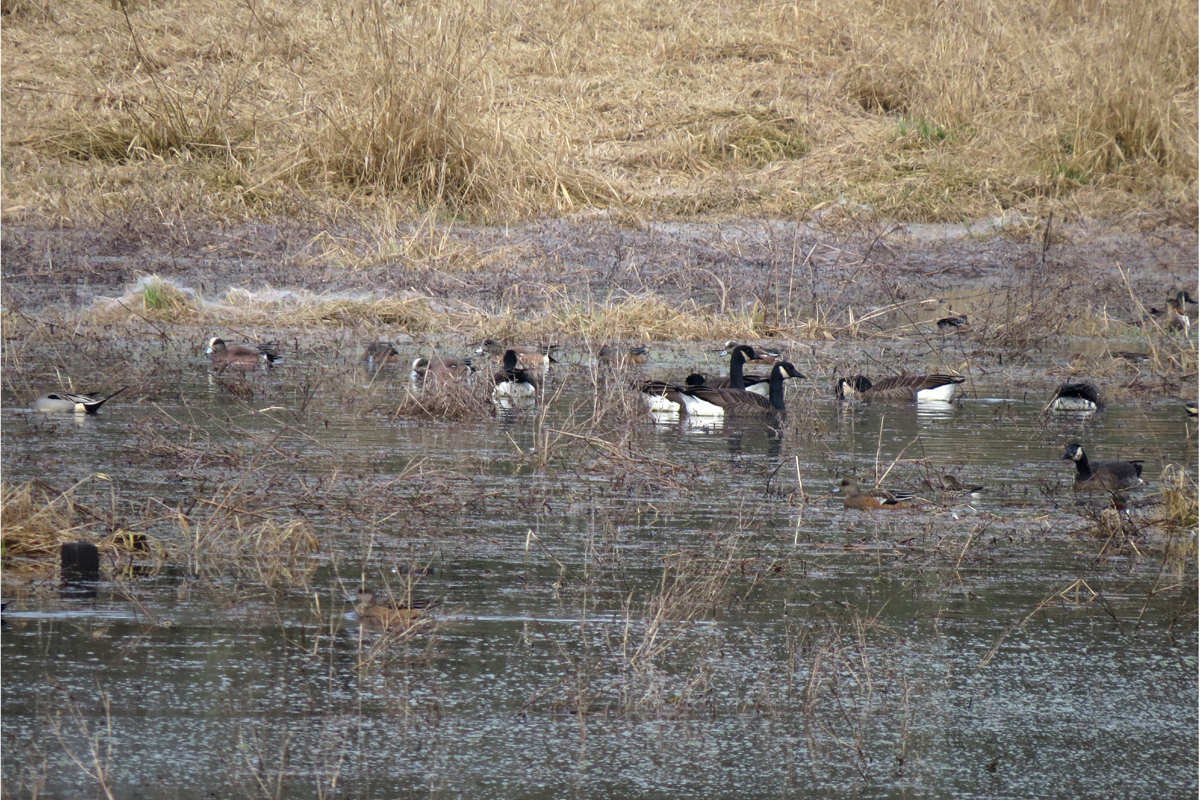
mixed flockAt Wapato Access Greenway we found some Dusky Canada Geese along with the American Wigeons and Northern Pintails.

coyoteThis Coyote was munching on a vole.

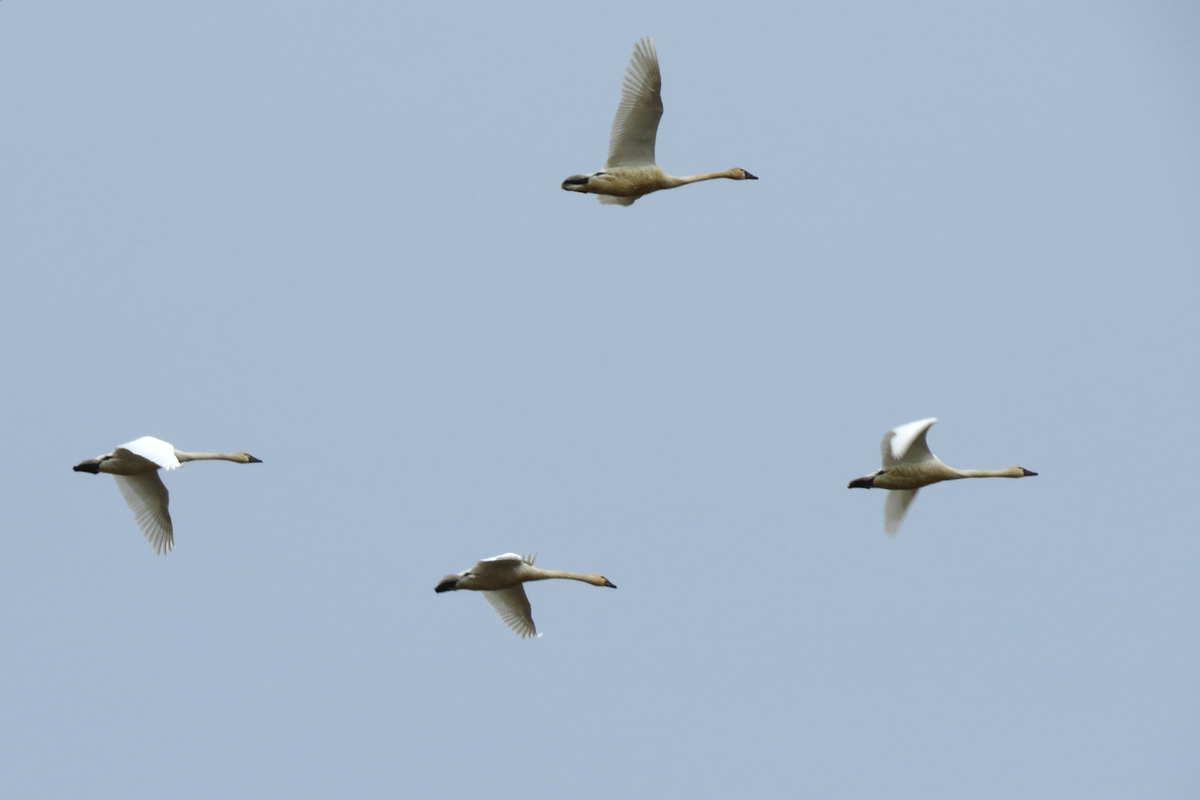
swansTundra Swan was one of the most common species of the day.

lincoln's sparrowThis Lincoln’s Sparrow was very cooperative, posing out in the open for great scope views. But even then he blended in amazingly well with his surroundings.

cootsYou don’t get to see American Coots in flight very often, as they tend to walk or swim wherever they go. They have even been reported to migrate on foot.

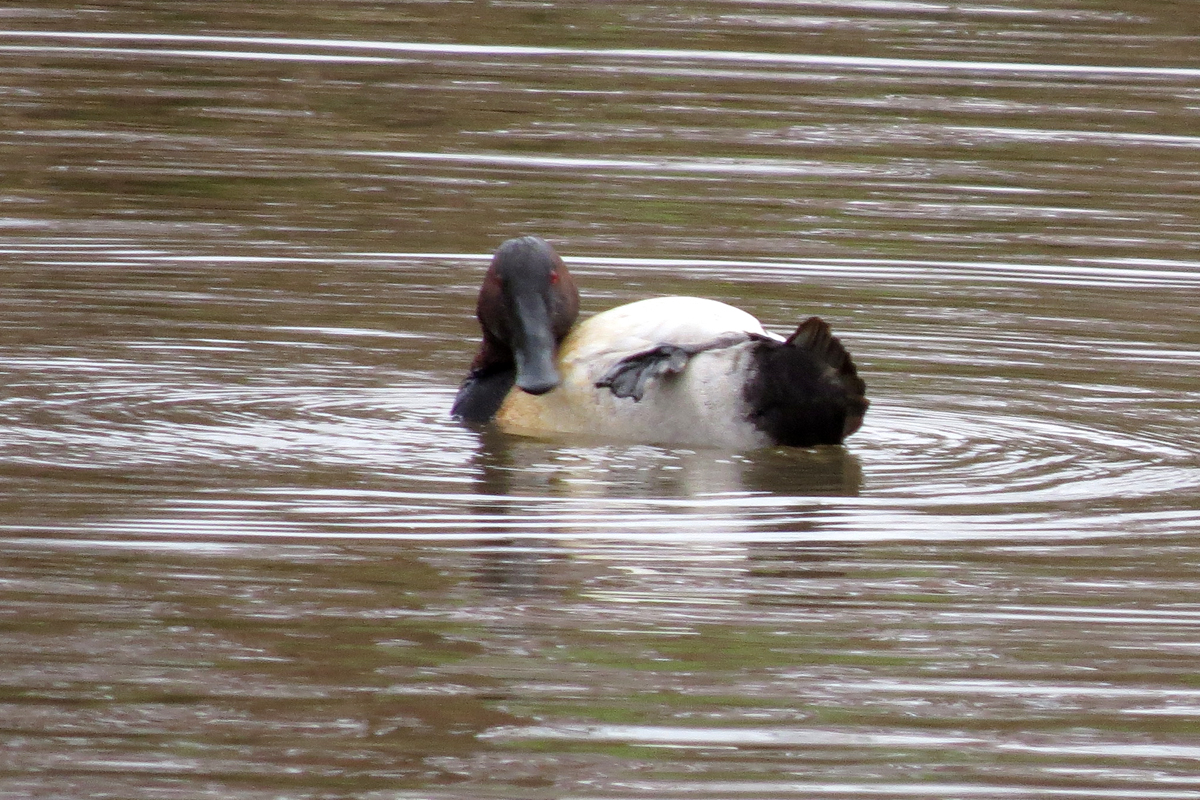
canvasbackCanvasback, looking very regal
canvasback bathSame bird, looking not quite so regal

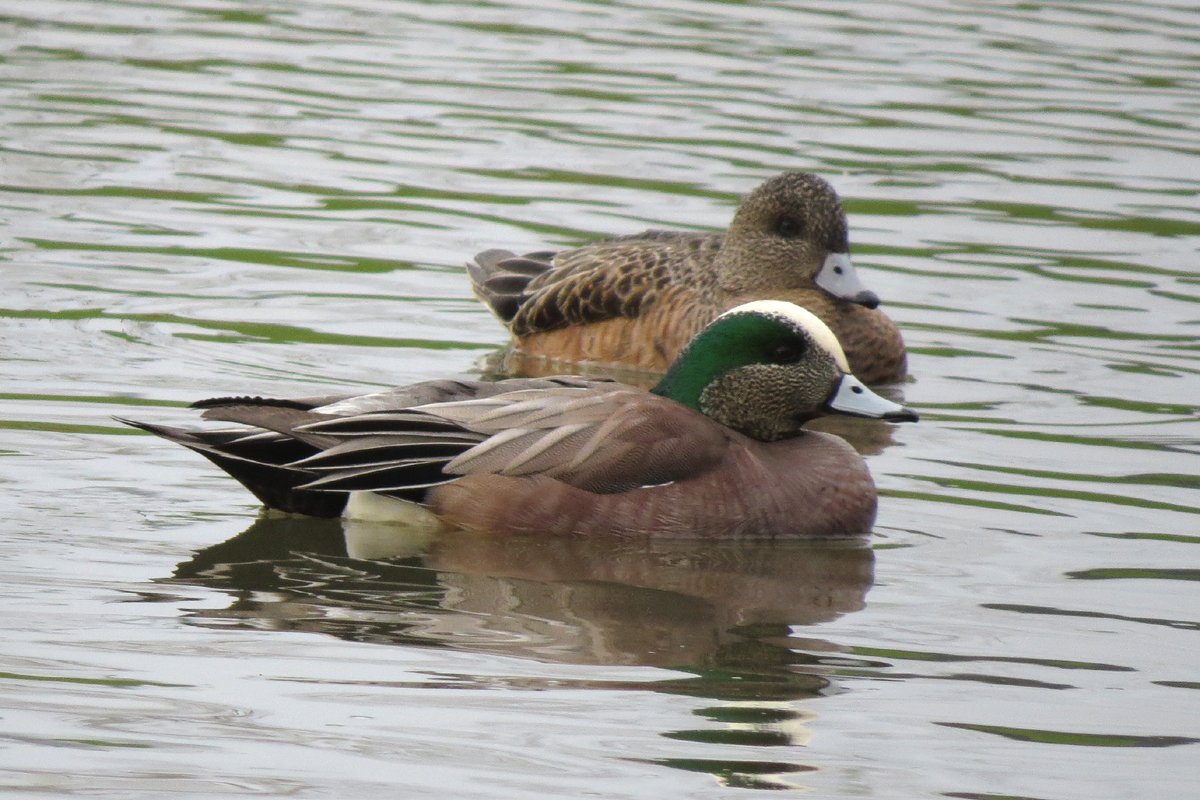
wigeon pair 1American Wigeon pair, Dawson Creek

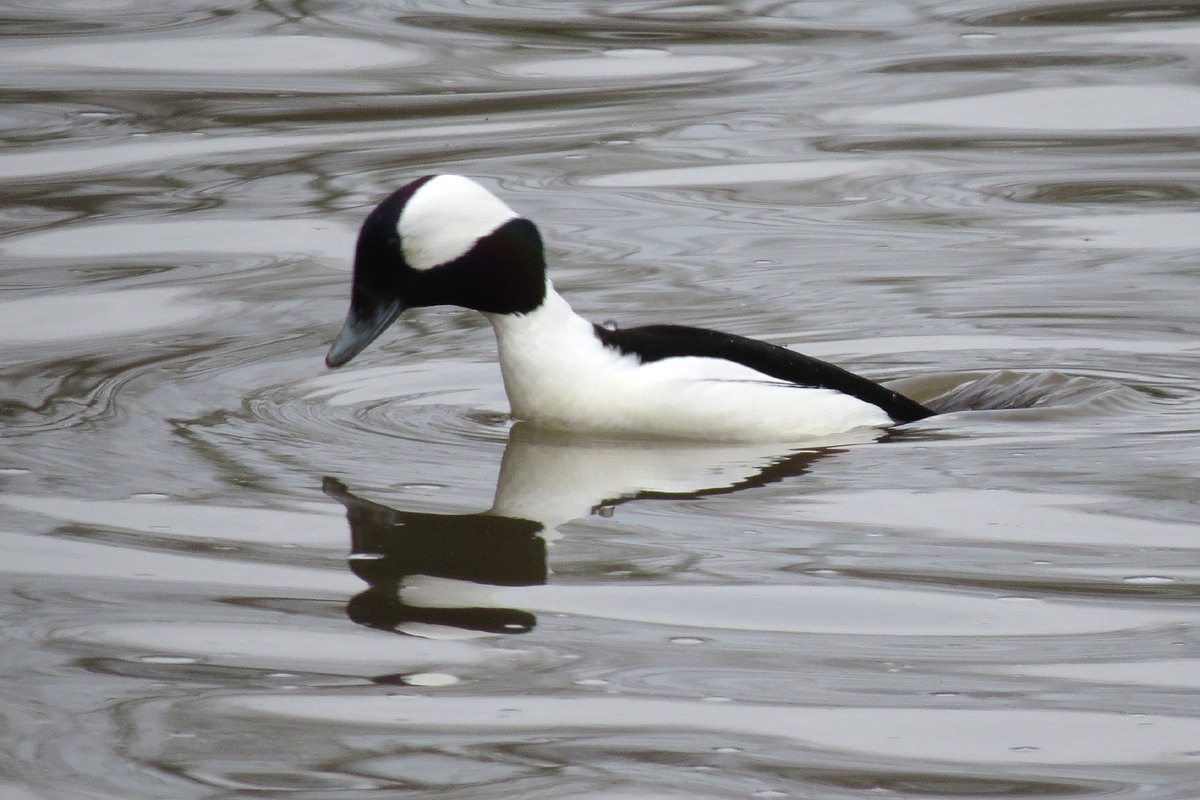
buffleheadBufflehead, preparing to dive

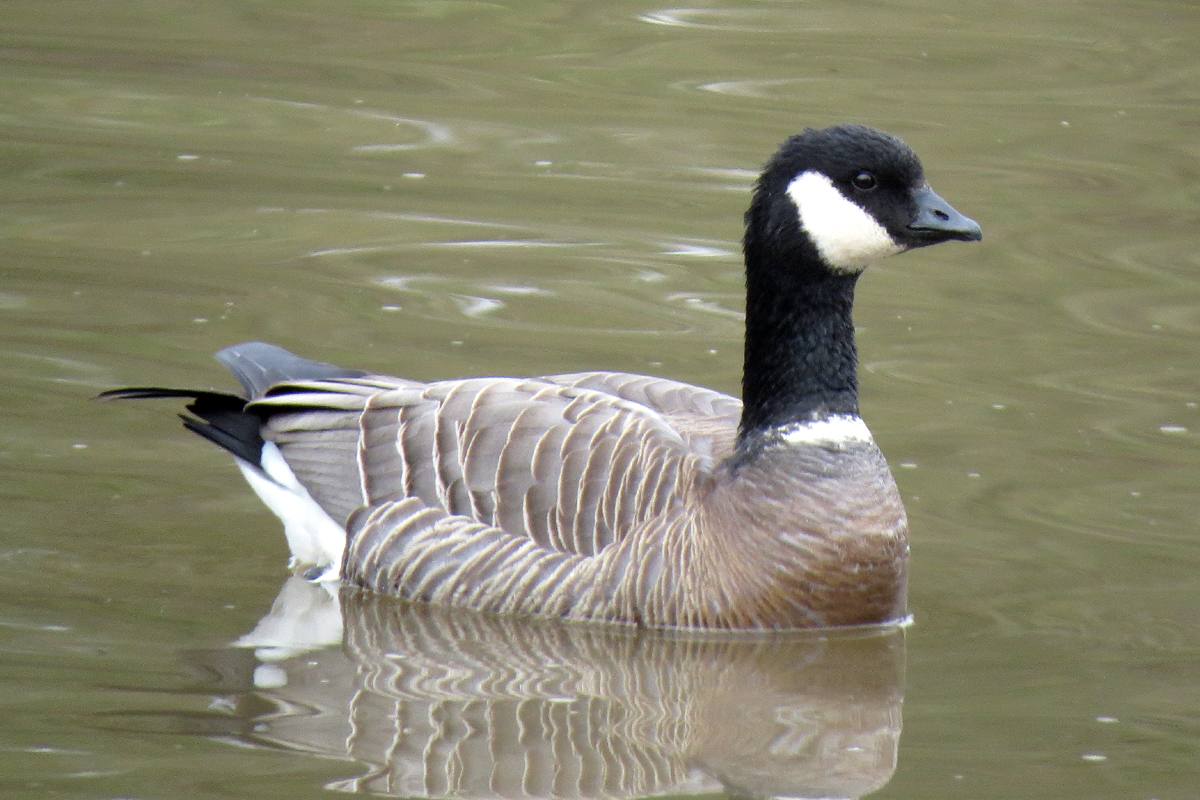
cackler 1Ridgeway’s Cackling Goose

Rocky Mountain National Park, Part 2, Mammals

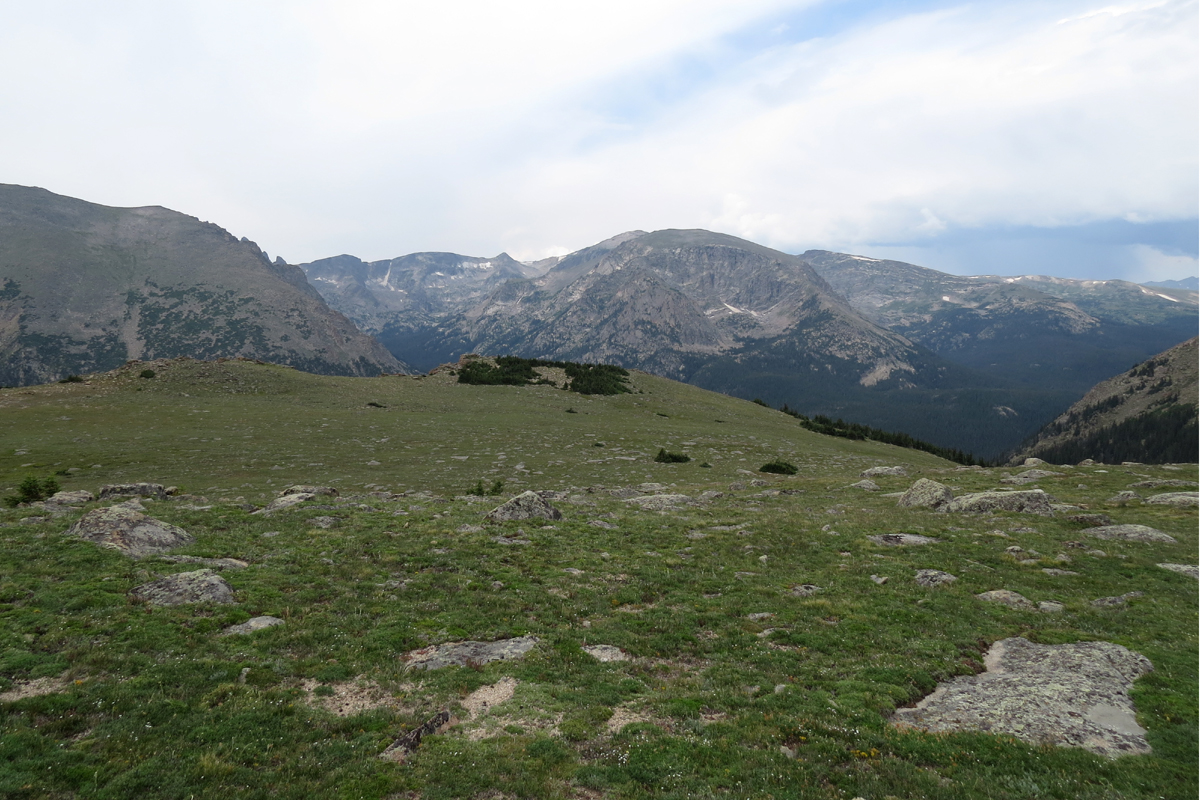
tundra 2A morning at Rocky Mountain National Park produced more mammals than birds, an unusual occurance in most areas. Despite the low numbers of birds, you always have to appreciate the charismatic megafauna.

single mule deerBehind this bush is a really large Mule Deer.

double mule deerHe was soon joined by a friend.

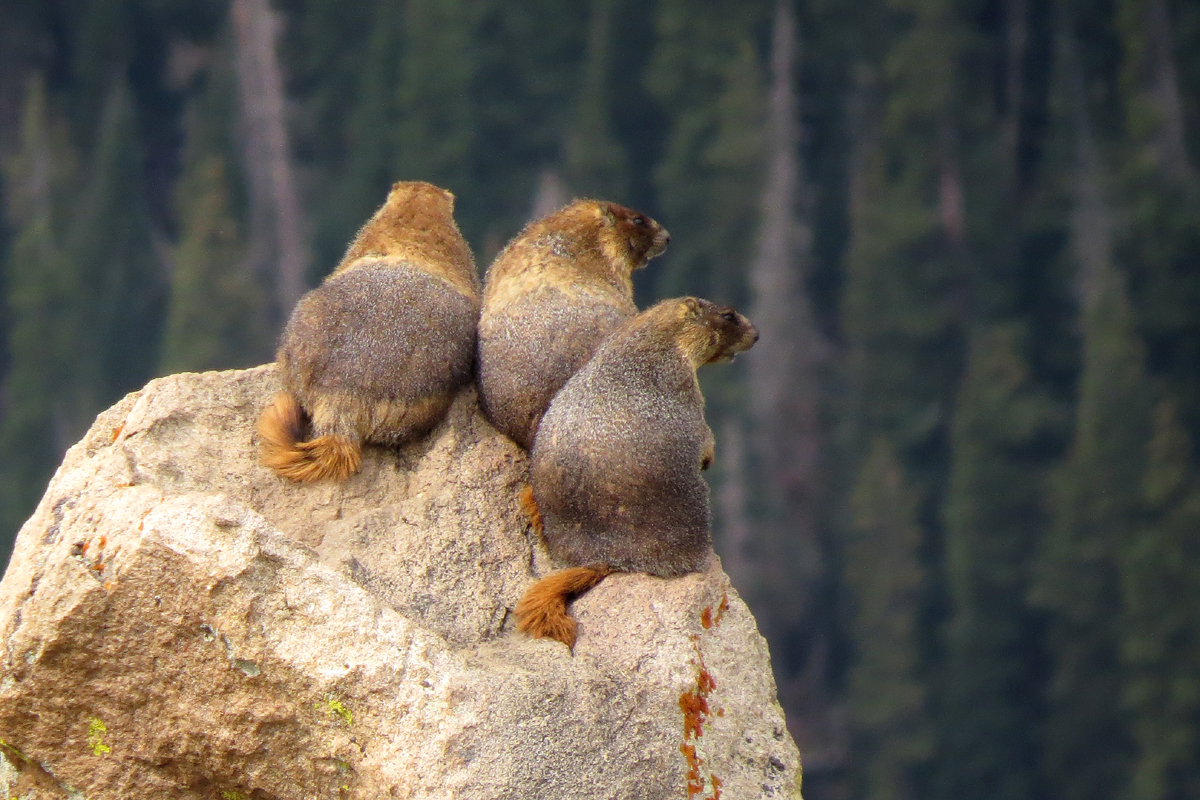
marmot 1Yellow-bellied Marmots have appeared on this blog before, and surely will again. In deference to those who are not as enamored with marmots as I am, I will limit this post to three photos.
marmot trio 2This marmot snuggle party was inspired by a Coyote that had just run through the area.
marmot 4You may ask, what could possibly be cuter than a baby Yellow-bellied Marmot? The answer. . .

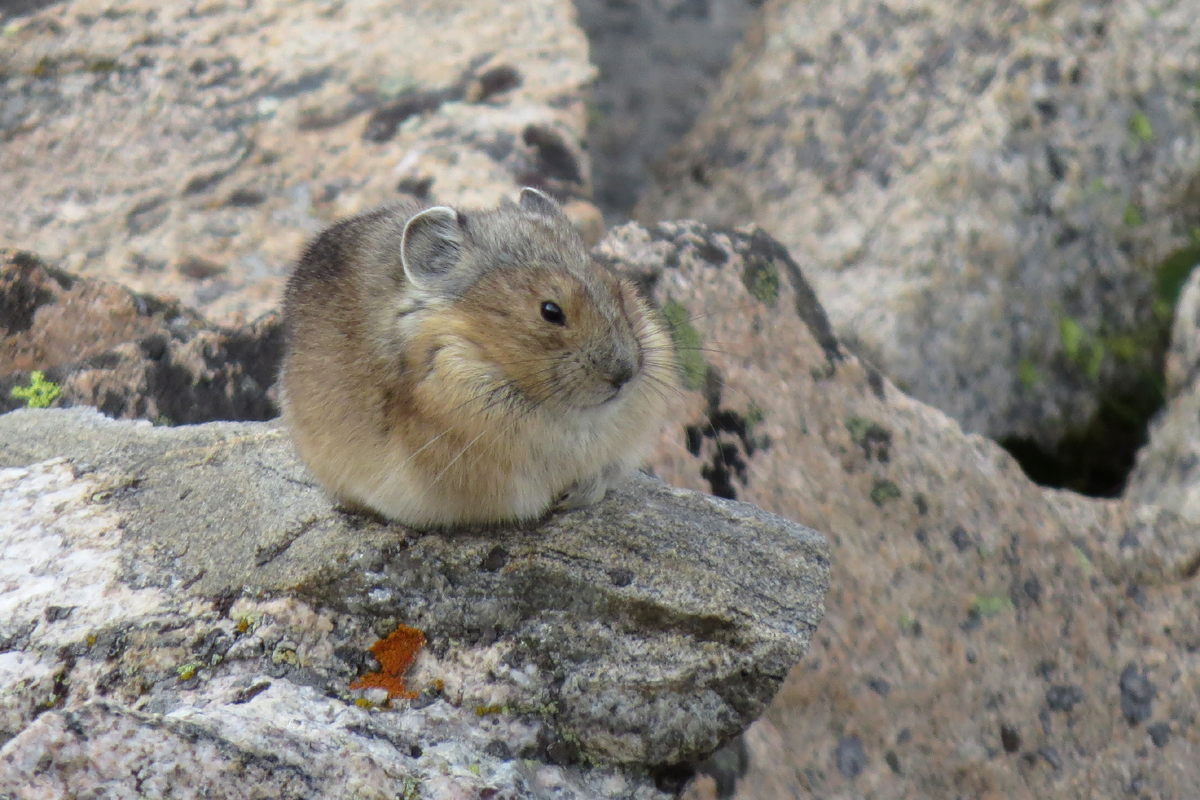
pika 1a baby Pika! Who needs Brown-capped Rosy Finches when you have these little fluffballs scampering across the tundra?

pika 3more Pika adorableness

Mammals seen but not photographed that morning included Coyote, Rocky Mountain Elk, Bighorn Sheep, Snowshoe Hare, and an unidentified chipmunk. It was Mammalpalooza.

Water Babies, Tualatin River NWR

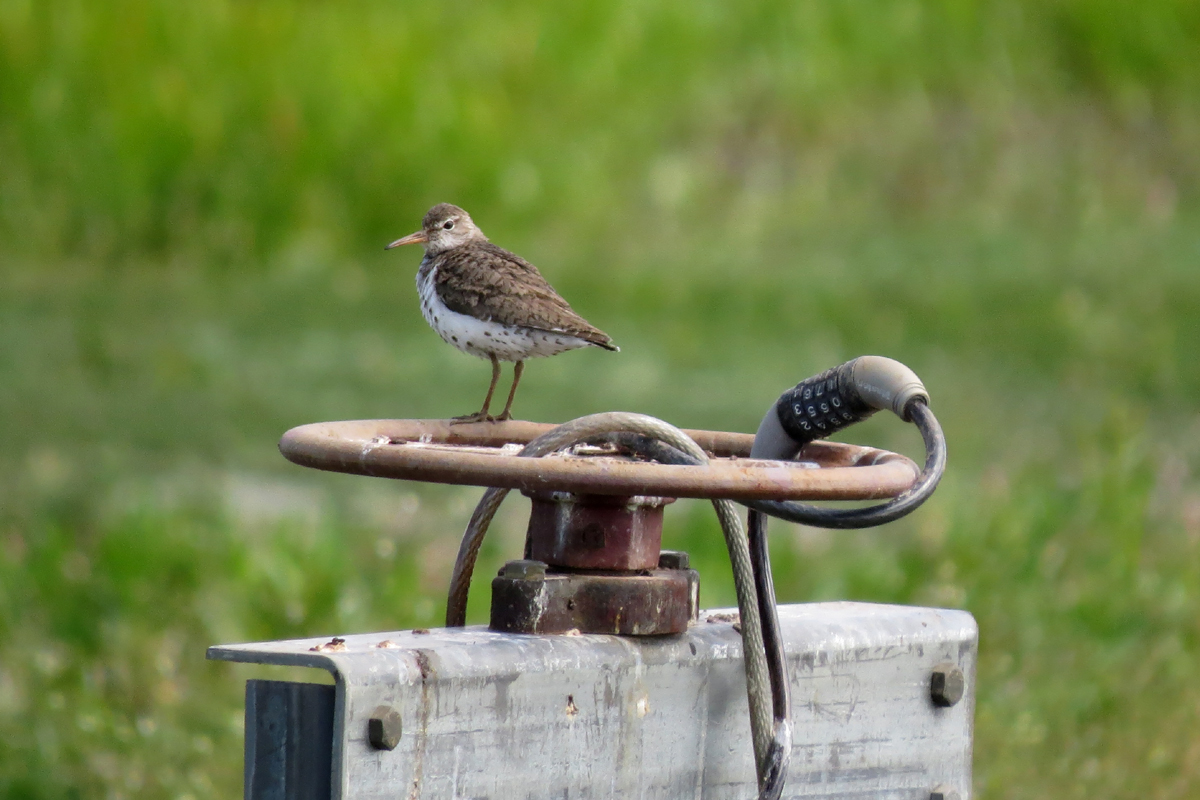
juvenile spotted walkingThere are lots of youngsters in the wetlands these days. We haven’t had any rain in July, so water levels are dropping, concentrating wetland animals into smaller areas. This is a Spotted Sandpiper in that awkward adolescent stage.

spotted in culvertThe same Spotted Sandpiper, peeking out of a culvert

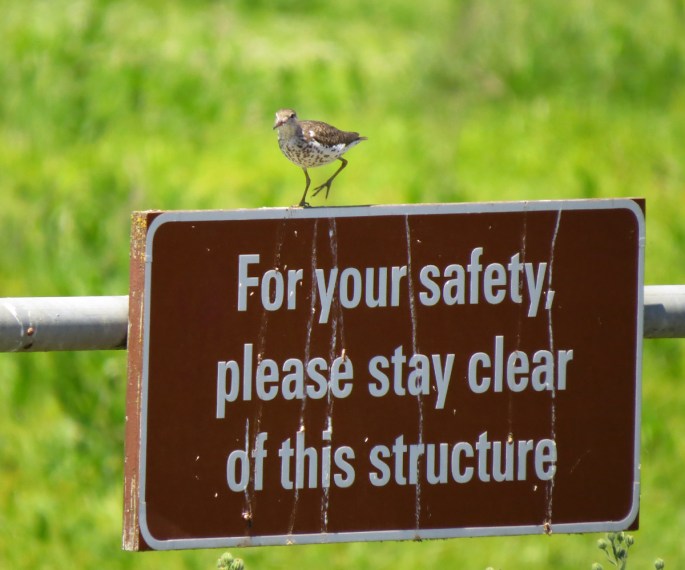
spotted 1This adult Spotted Sandpiper may be the parent of the juvenile pictured above. Like many birders, she assumes the sign does not apply to her.
spotted 2
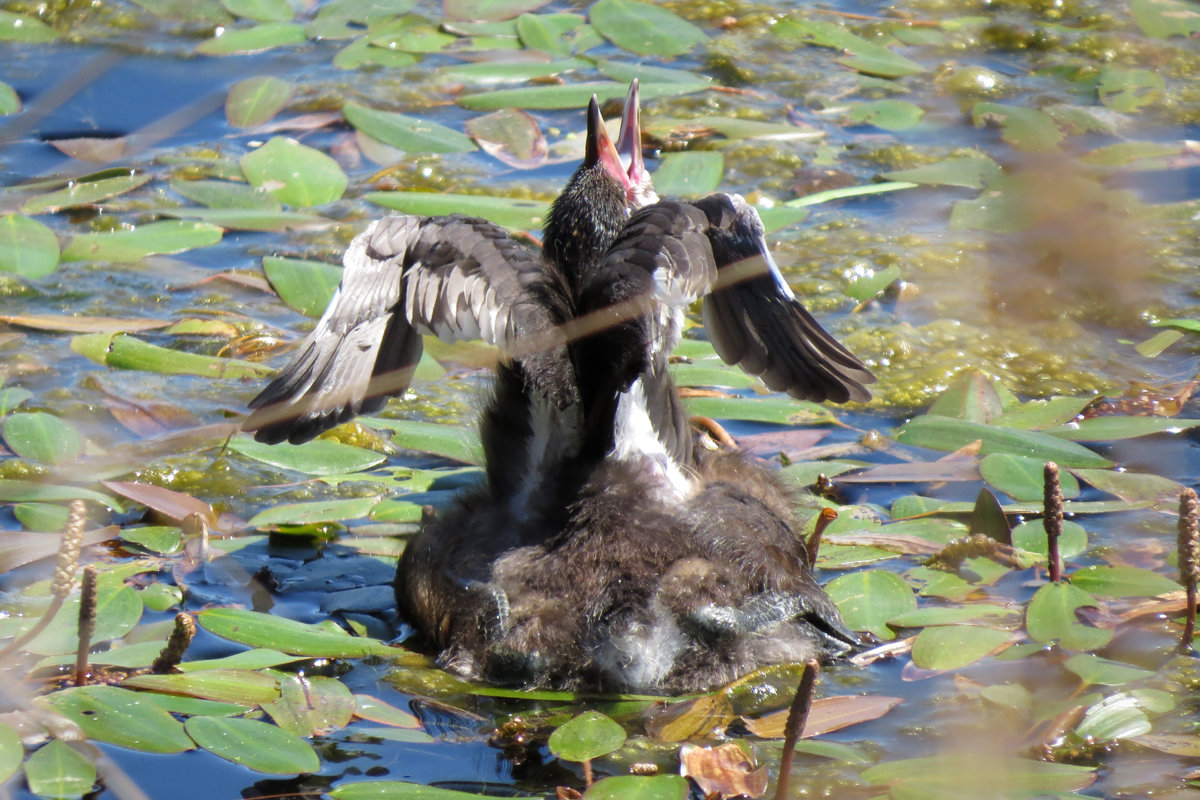
pb grebe scratchingThis young Pied-billed Grebe was grooming and stretching in the canal.
stretching pb grebe
pb grebe left

tadpolesThere are lots of tadpoles in the canal.
bullfrogUnfortunately, they belong to the invasive American Bullfrog.

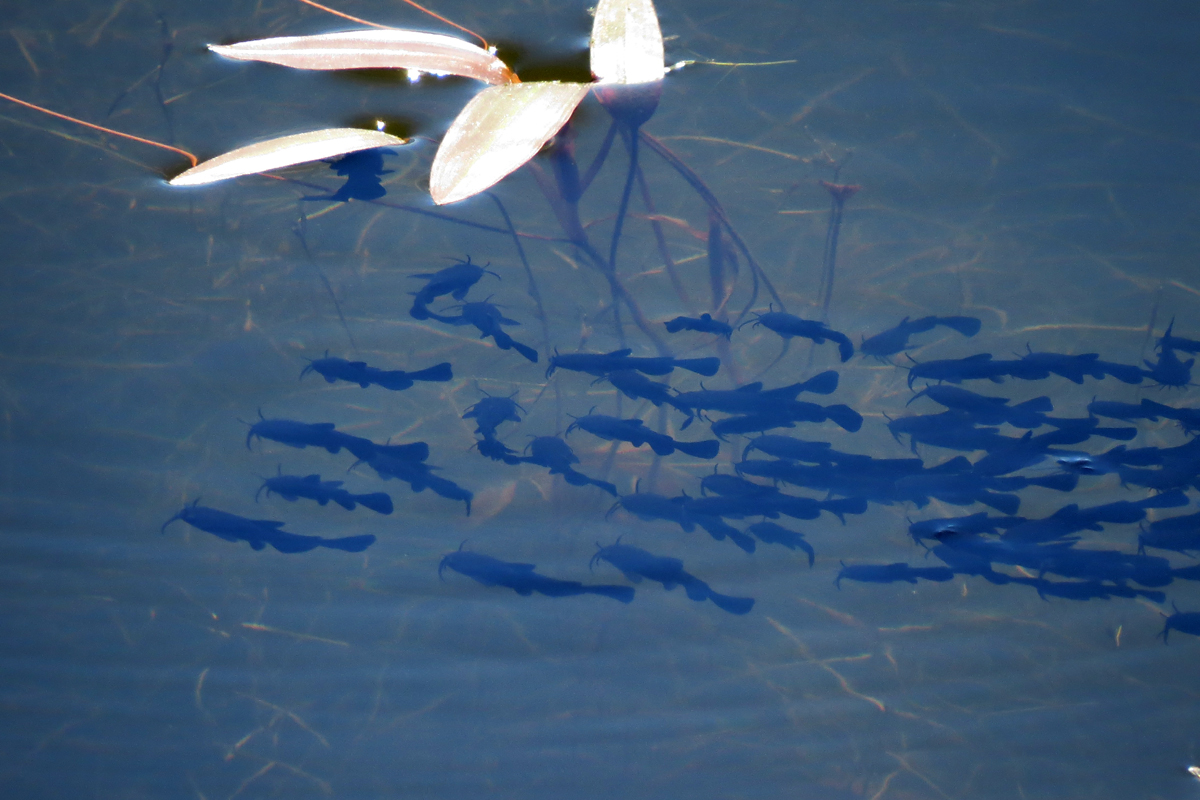
bullheadsEvery puddle has a school of baby bullheads this time of year.
bullheads 2

nutria eatingAnother invasive species, but darned cute, is this young Nutria nibbling on aquatic vegetation.
nutria eating 3

Jackson Bottom, 11 July 2013

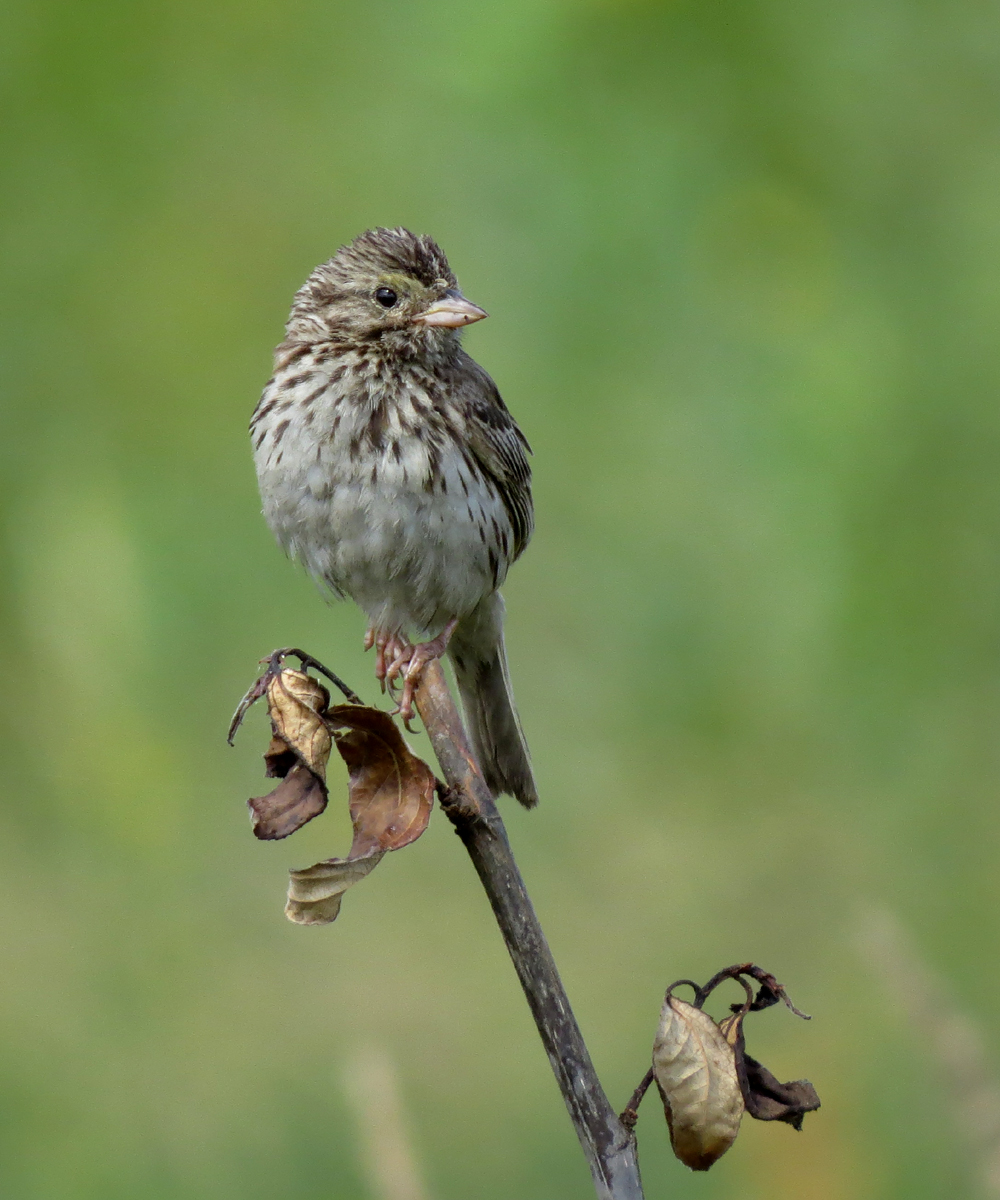
savannahI walked around Jackson Bottom in Hillsboro this morning. As you would expect at this time of year, there were lots of young birds around.  This young Savannah Sparrow posed nicely. His parents have not taught him to skulk in the weeds yet.

blue-winged and cinnamon tealThe best bird of the day was this male Blue-winged Teal (right foreground), always hard to find in the Willamette Valley. He flew in with a small flock of Cinnamon Teal.
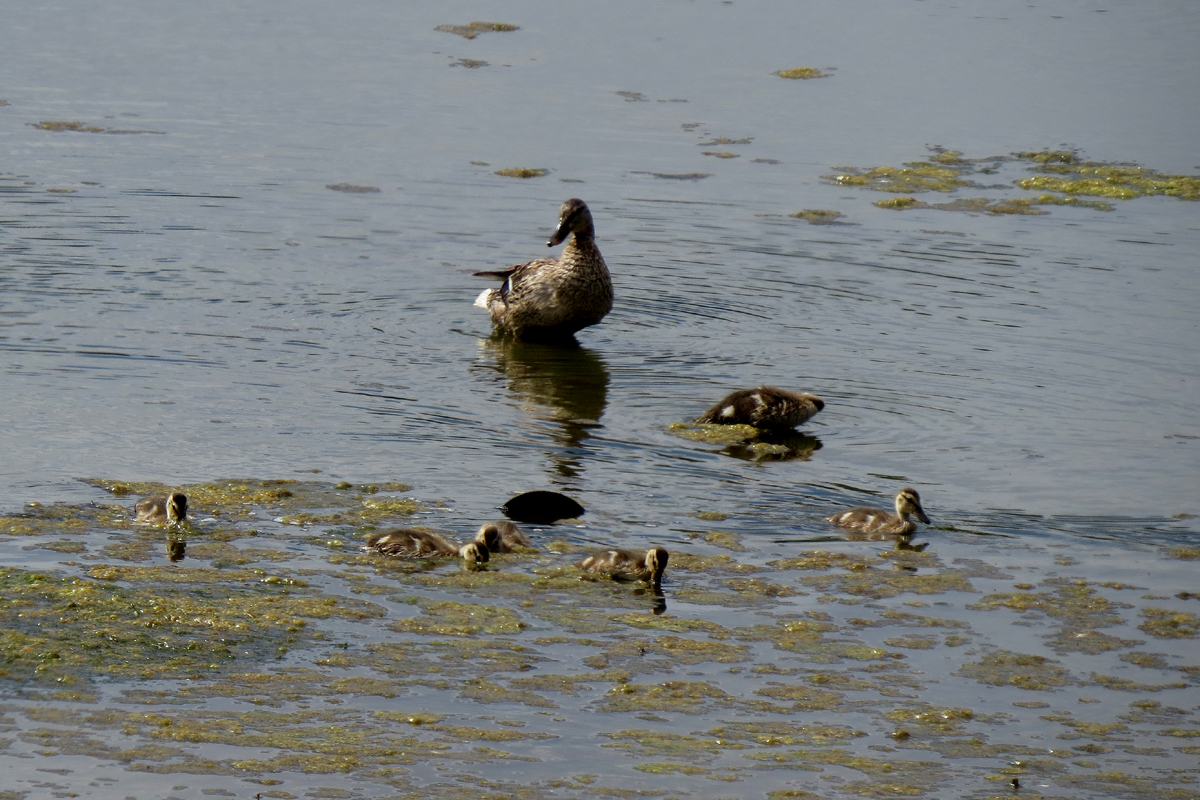
blue-winged teal

mallard familyFamilies of young Mallards were everywhere.

canada goose familyThese Canada Geese are mostly grown, but retain a bit of their cute fuzziness.

spotty left 1I was surprised by the lack of migrant shorebirds. The resident Spotted Sandpipers were well represented.

nutriaLots of Nutria were out this morning. Yes, introduced species often wreak havoc on native ecosystems, AND, Nutria look like adorable little bears.

Tualatin River NWR

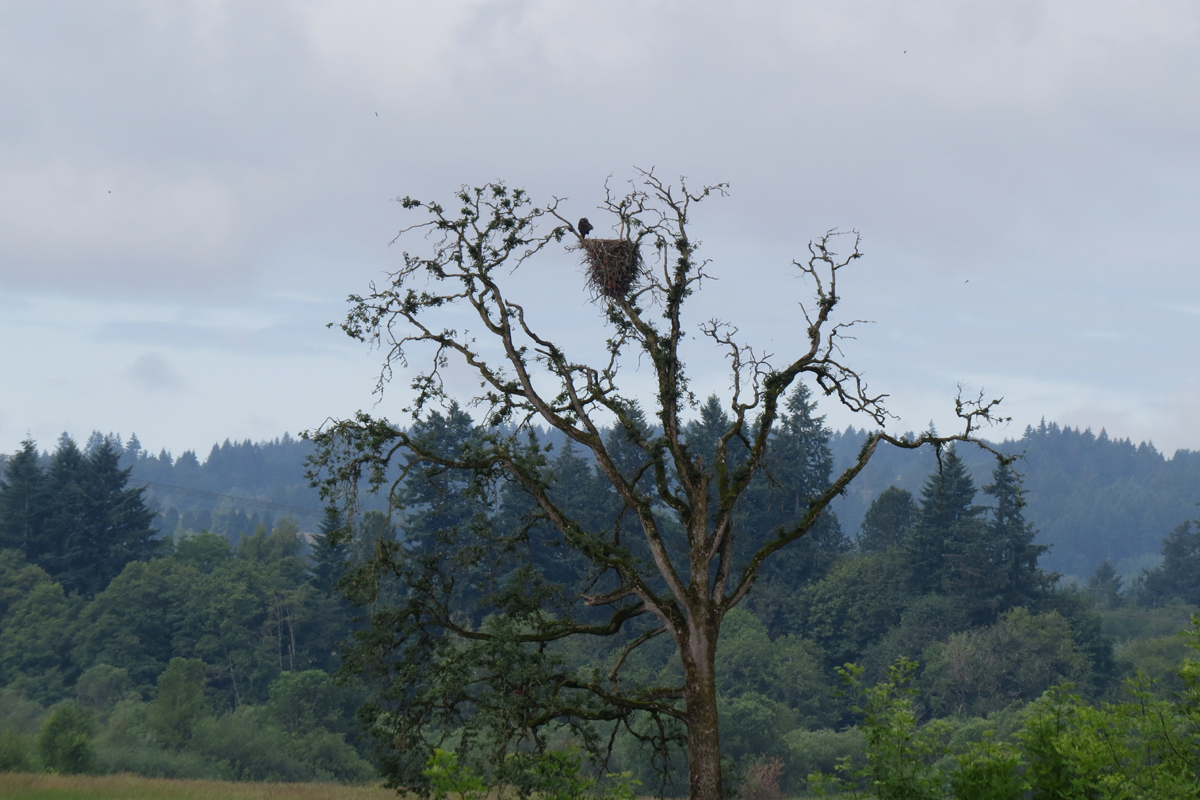
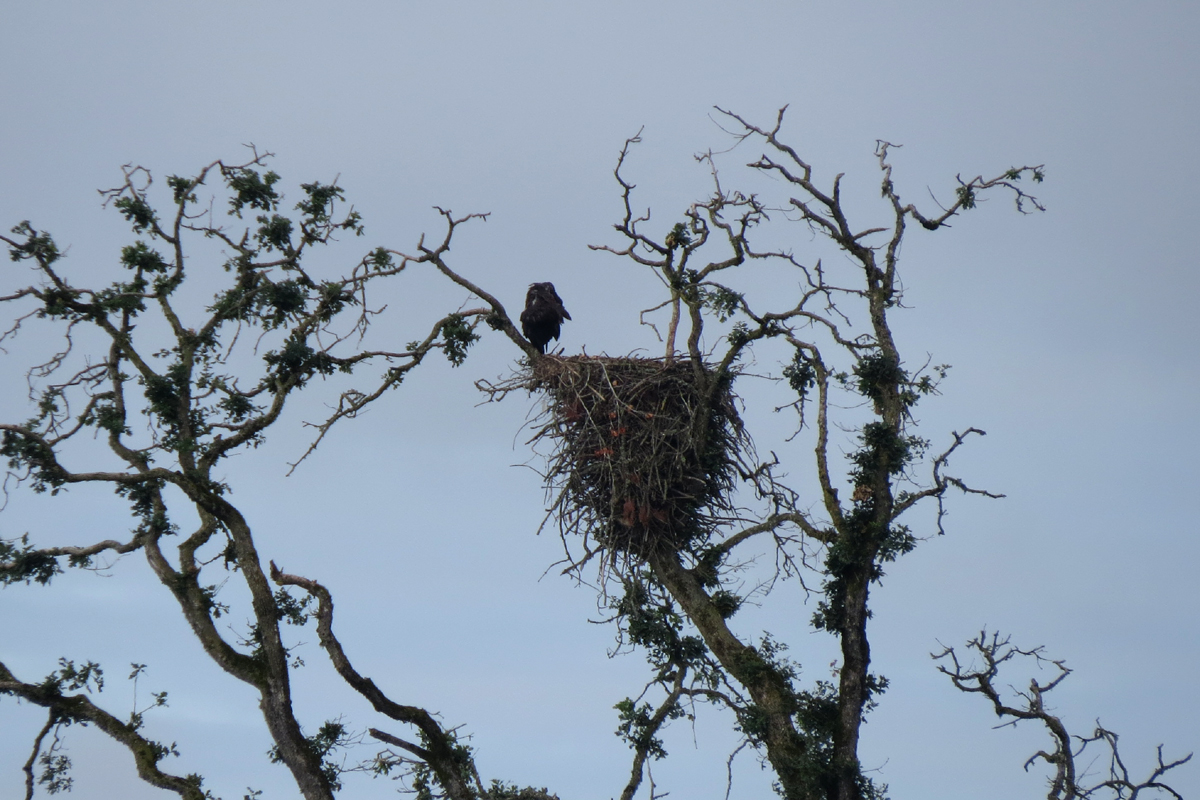
eagle nestWhile the bird diversity has thinned out considerably in the past couple of weeks, I had some nice views of the summer residents at Tualatin River NWR. The resident Bald Eagles still have one youngster in the nest. He is expected to fledge any day now.

eagle nest 2

bald eagleOne of the parents was hanging out near the refuge headquarters, looking all regal.

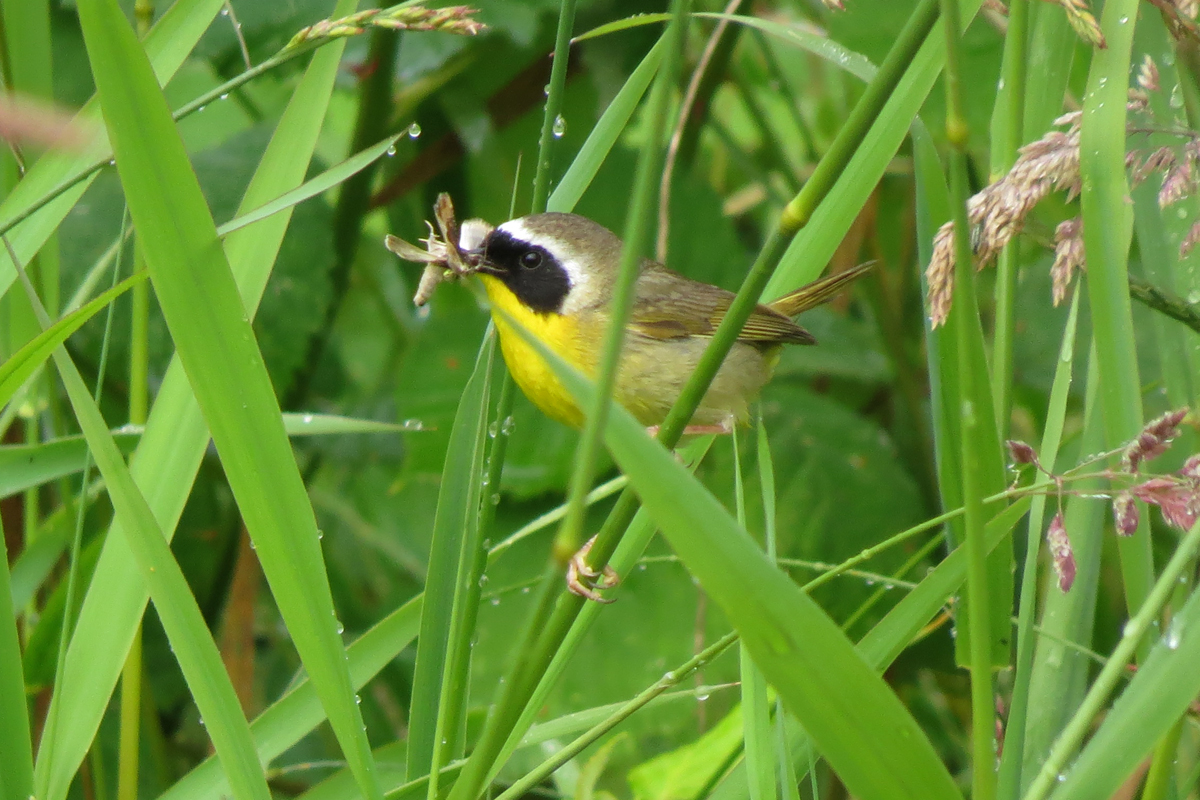
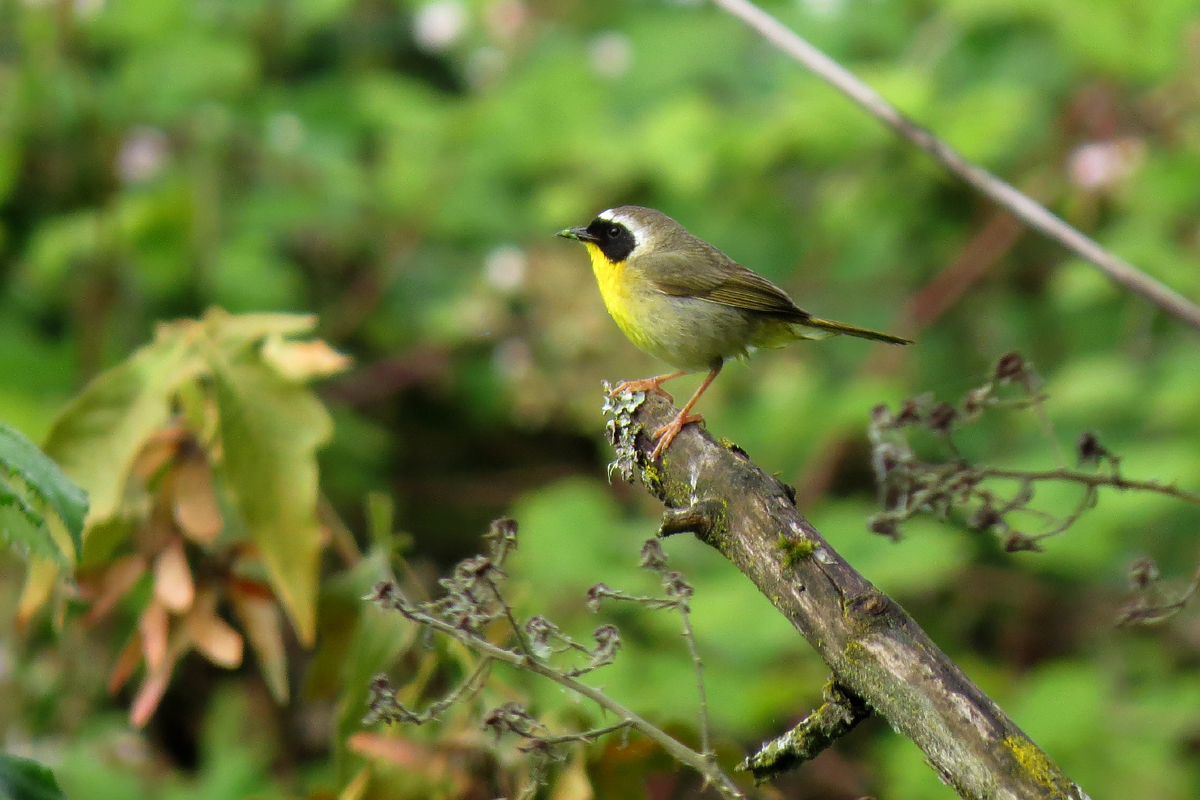
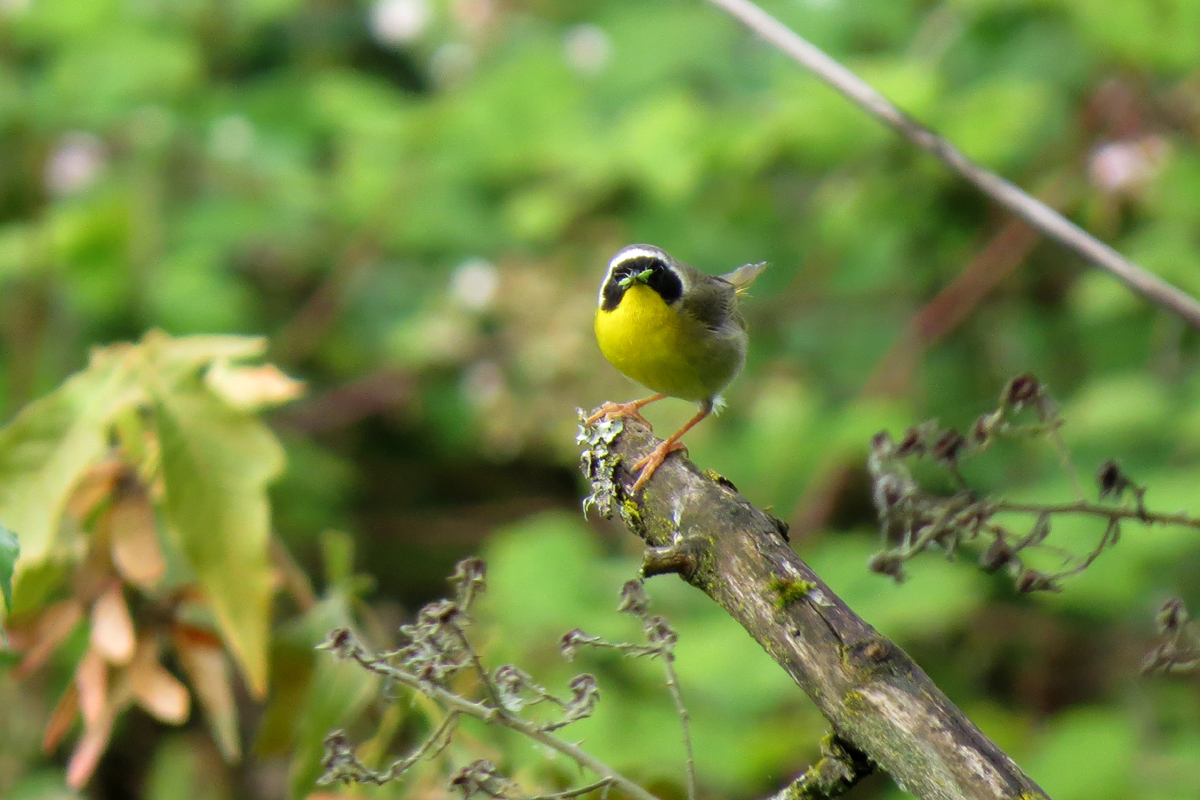
common yellowthroat 1This Common Yellowthroat was frequently seen carrying food, indicating he had a nest nearby.
common yellowthroat 2 common yellowthroat front

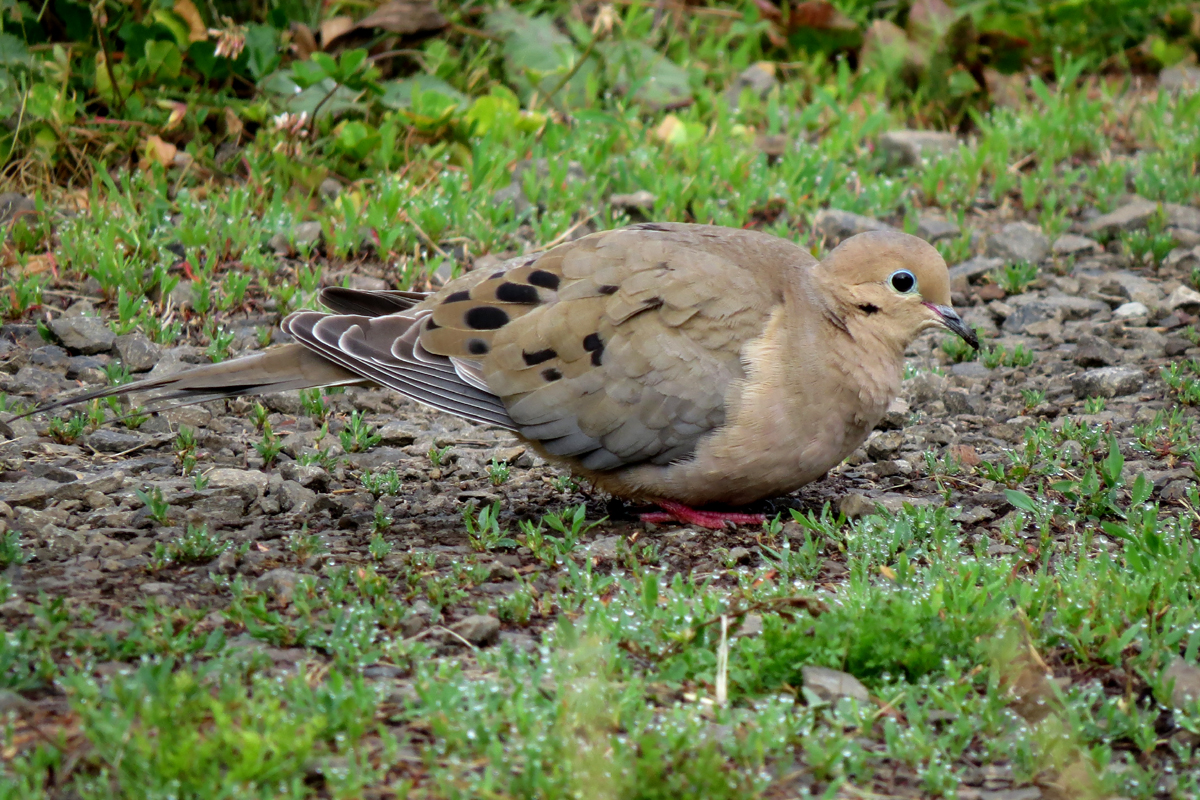
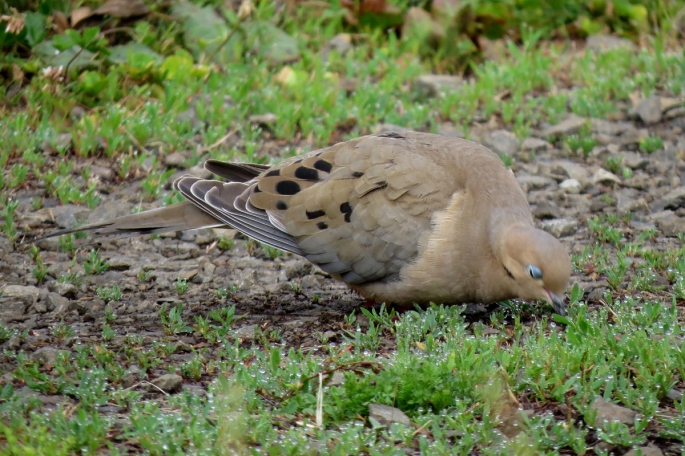
mourning dove3Mourning Dove, feeding on the gravel road.
mourning dove eyes closedI think the blue eye shadow makes her look a little trashy.
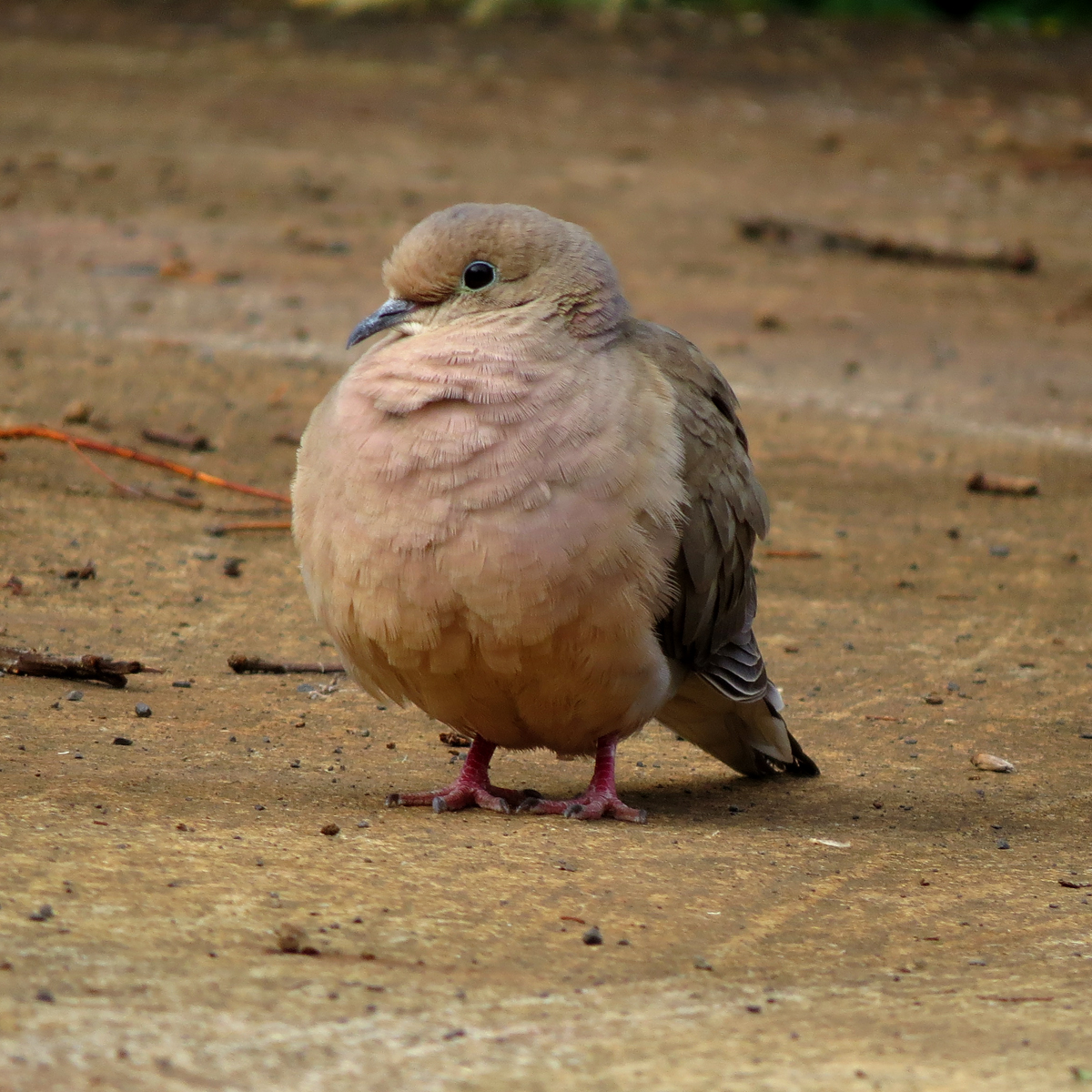
mourning dove front

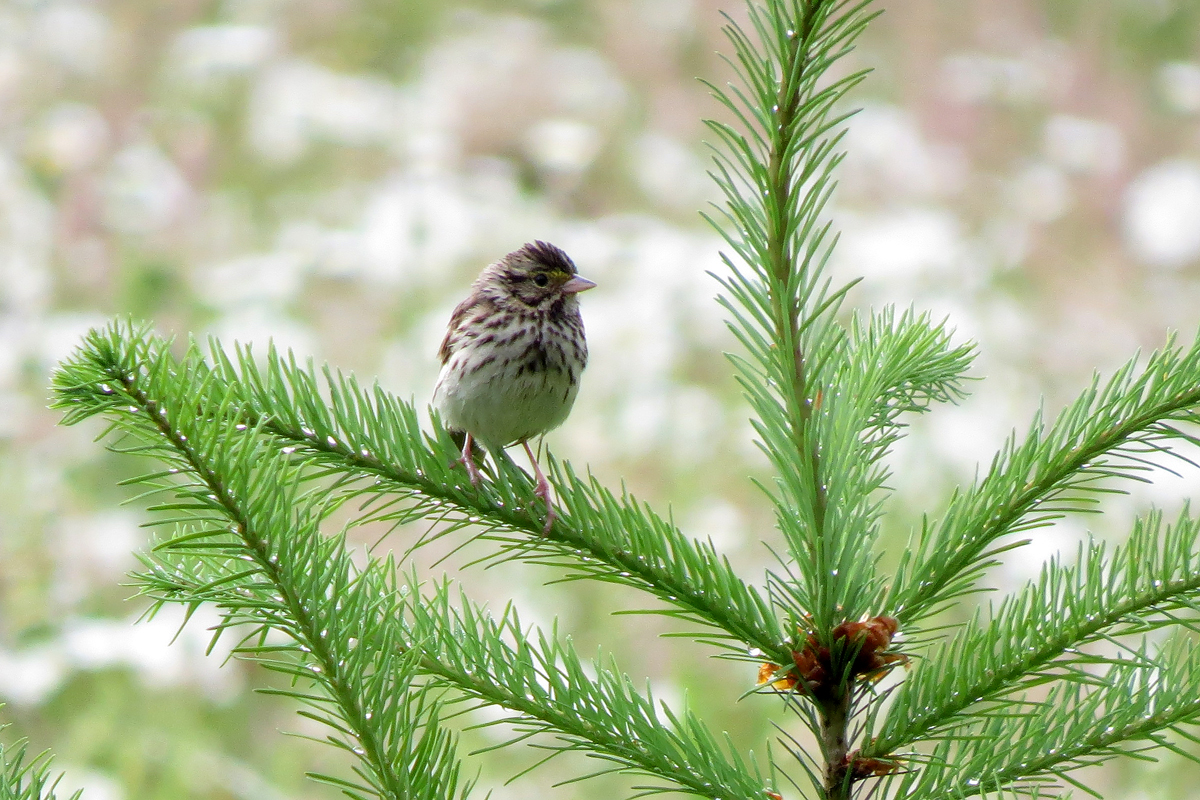
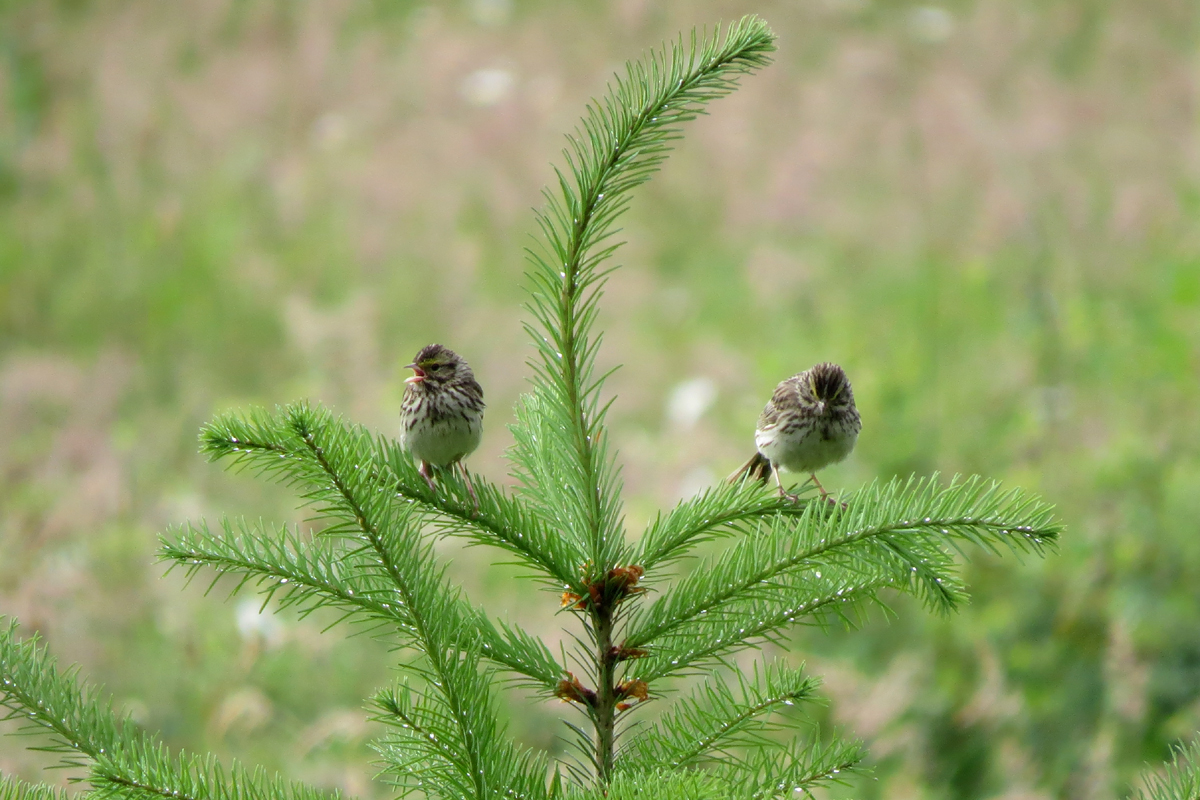
savannah sparrowsSavannah Sparrows are common in the open habitats here.
savannah sparrow

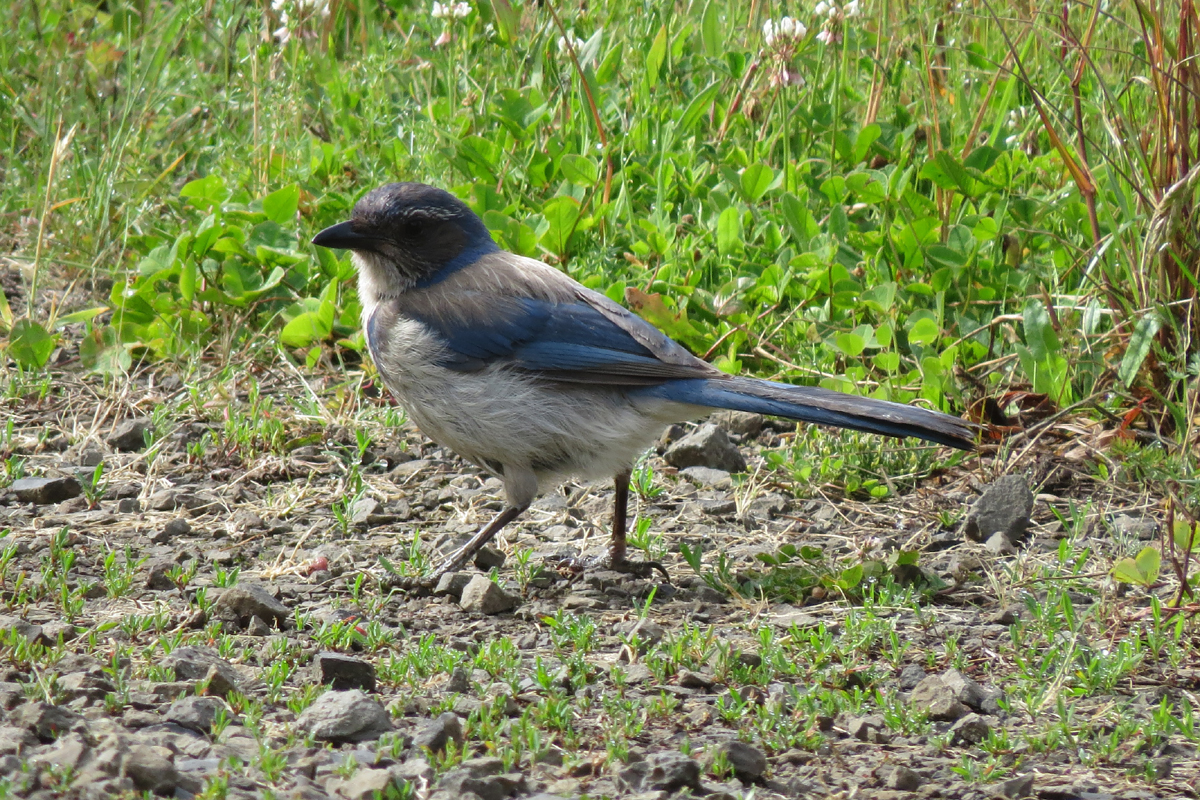
western scrub-jayWestern Scrub-Jay

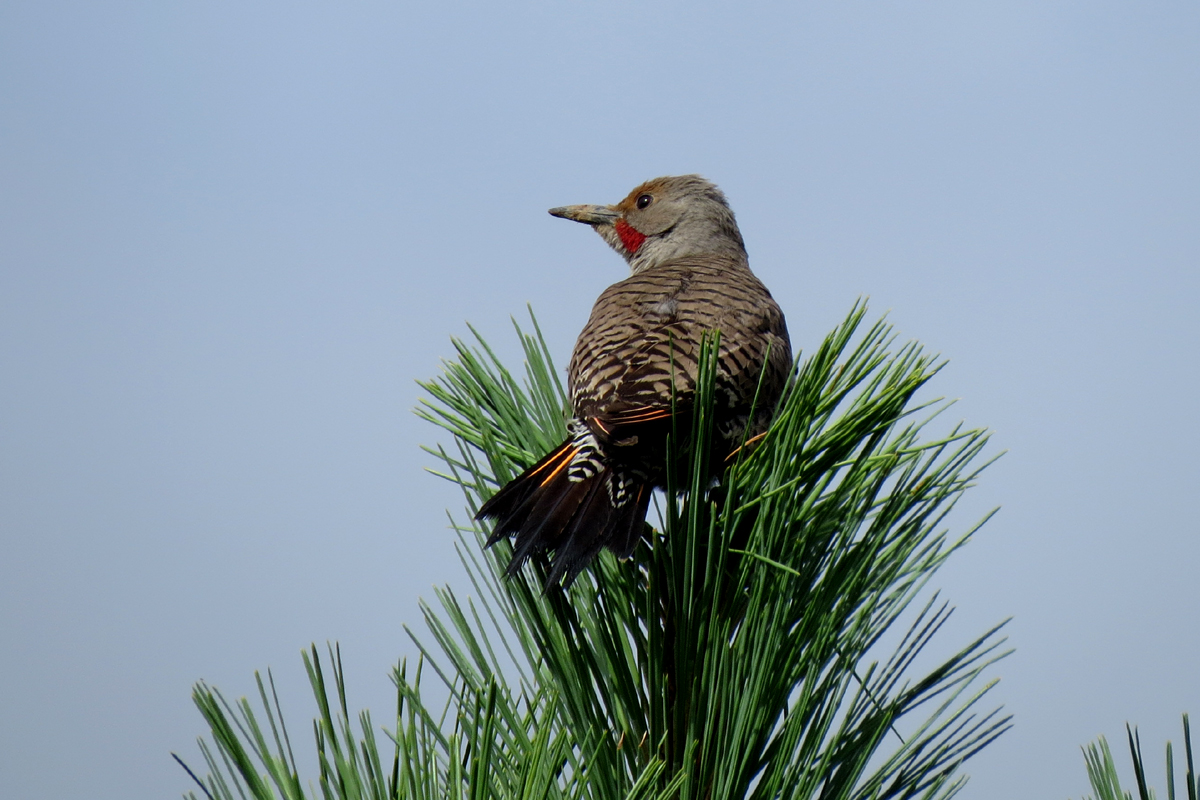
northern flickermale Northern Flicker

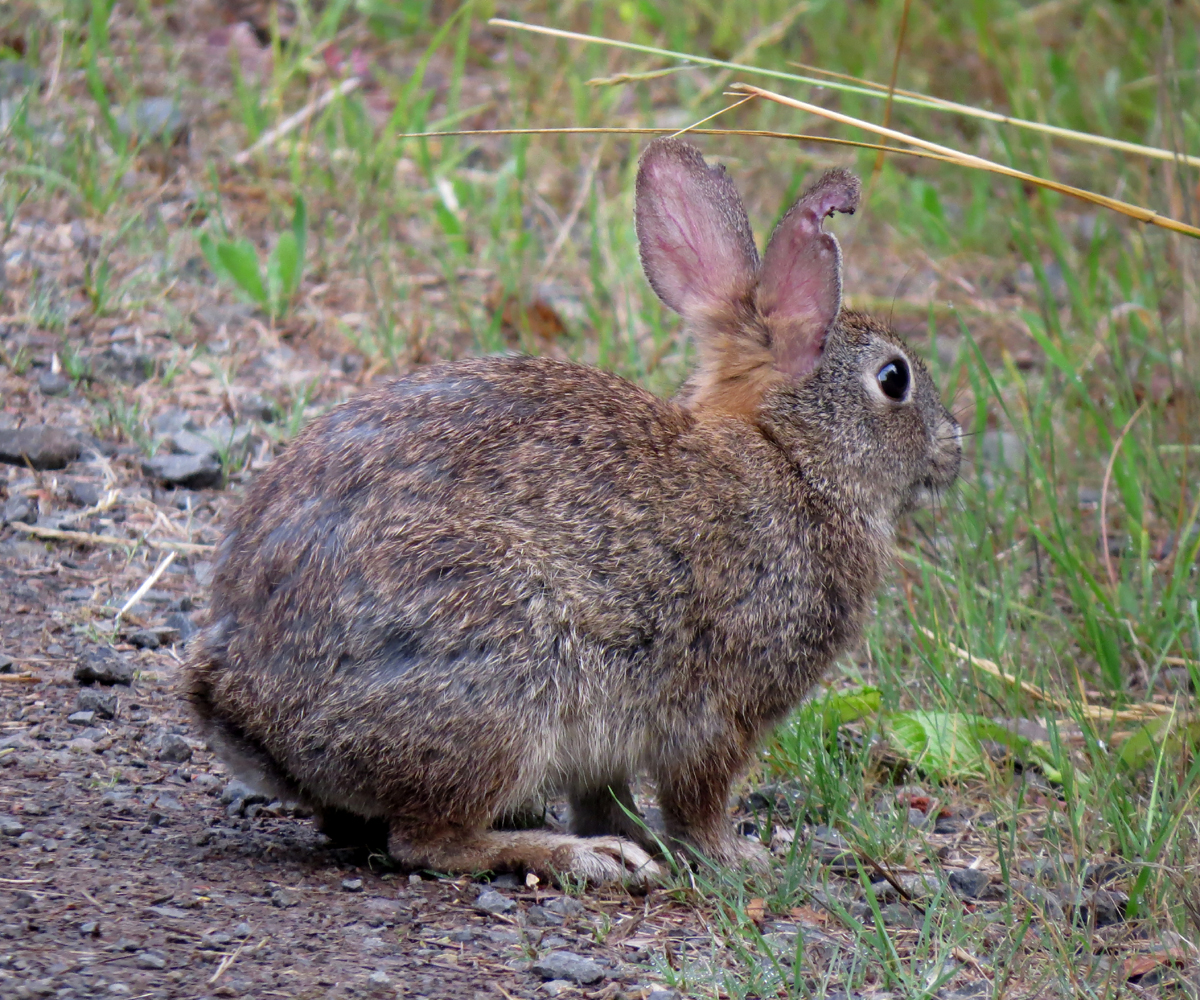
brush rabbit 1Brush Rabbit. The tattered ear suggests that he has had a close escape or two.

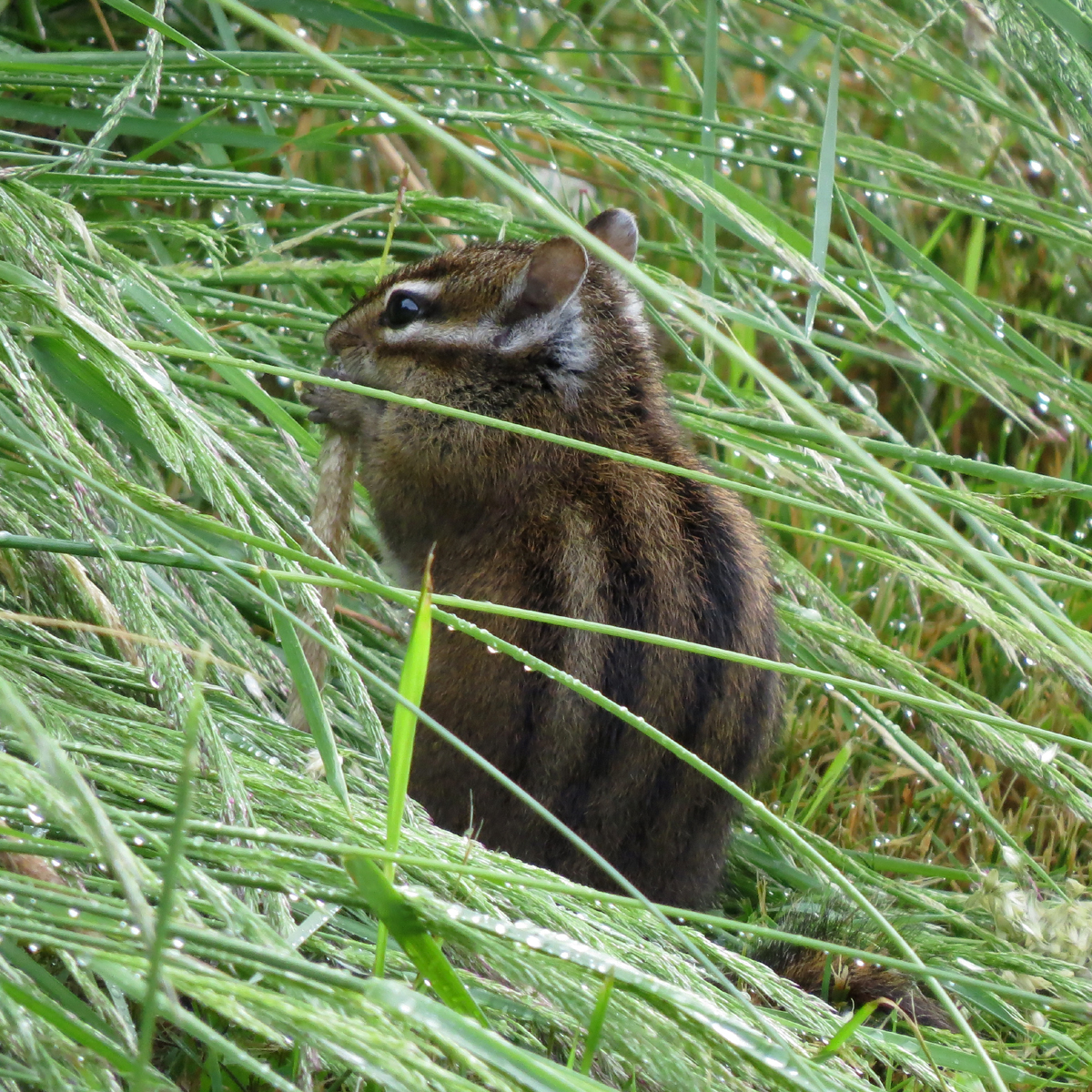
townsend's chipmunkThis Townsend’s Chipmunk was eating grass seeds.

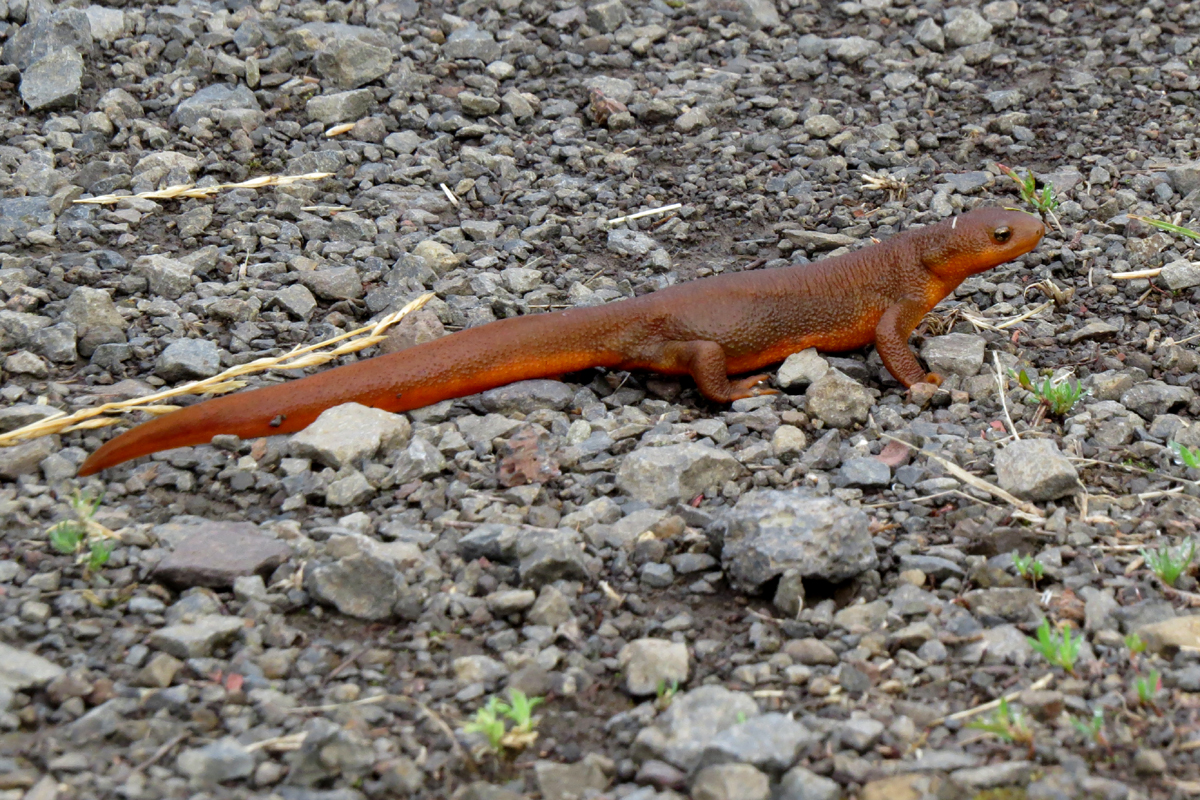
rough-skinned newt 2I saw two Rough-skinned Newts crossing the road. One of the most poisonous animals known to science, this species exudes equal amounts of toxins and cuteness.

Ash Canyon, AZ

The Ash Canyon Bed and Breakfast is one of the must-visit sites in southeastern Arizona. It is hardly hard-core birding, as you are sitting around in Mary Jo Ballator’s back yard watching the feeders, but the diversity of birds is great. I shared some of the hummingbird species in an earlier post. Here are a few other species seen in the yard.

white-winged doveOne White-winged Dove is gorgeous and wonderful. Dozens and dozens of White-winged Doves are loud and obnoxious.

scott's oriole1Scott’s Orioles were attracted to oranges and grape jelly.

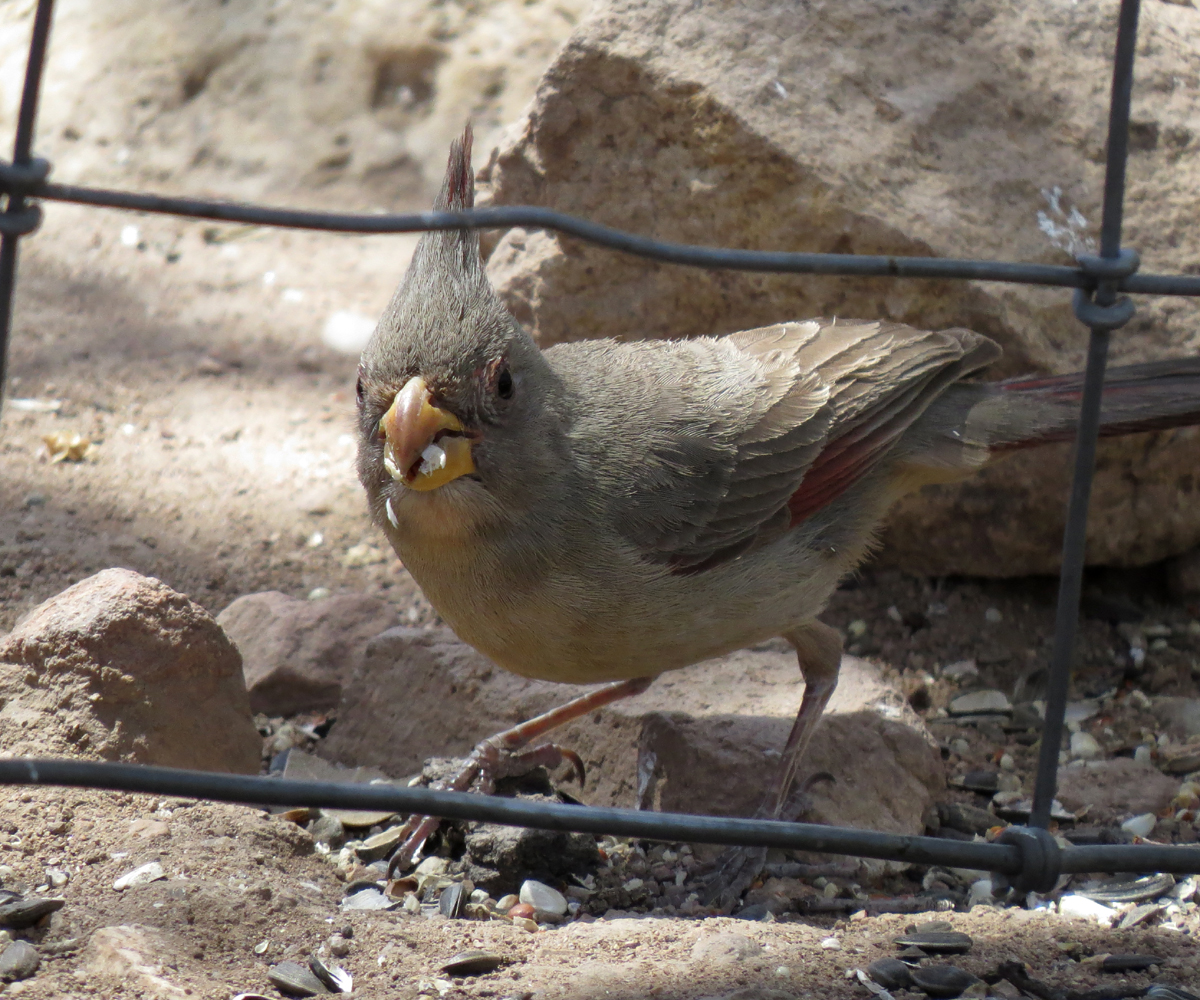
pyrrhuloxiaPyrrhuloxia

mexican jayMexican Jay

Lark SparrowLark Sparrow, with a Chipping Sparrow in the background

chipping sparrowChipping Sparrow

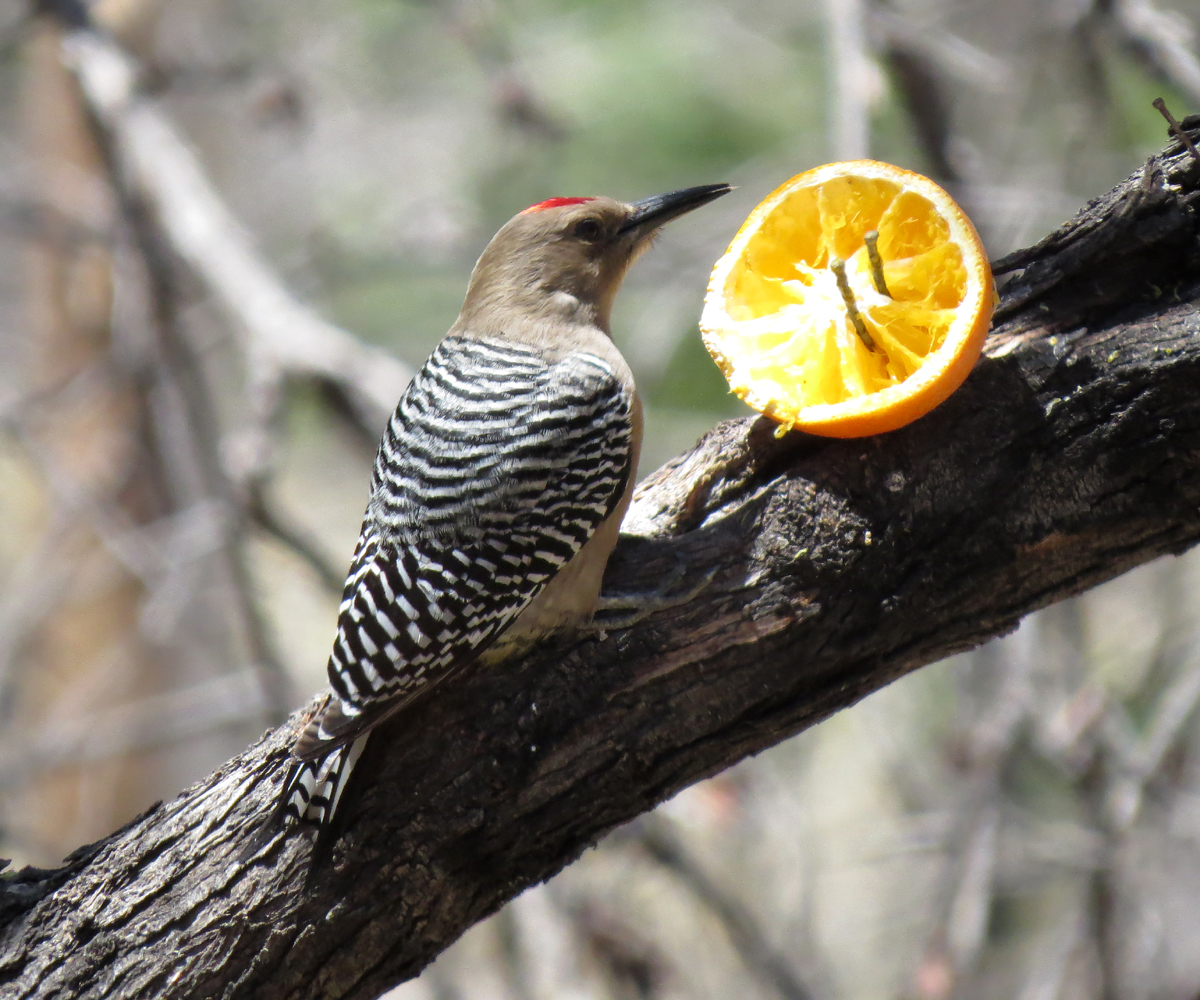
Gila WoodpeckerGila Woodpecker

acorn woodpeckerAcorn Woodpecker

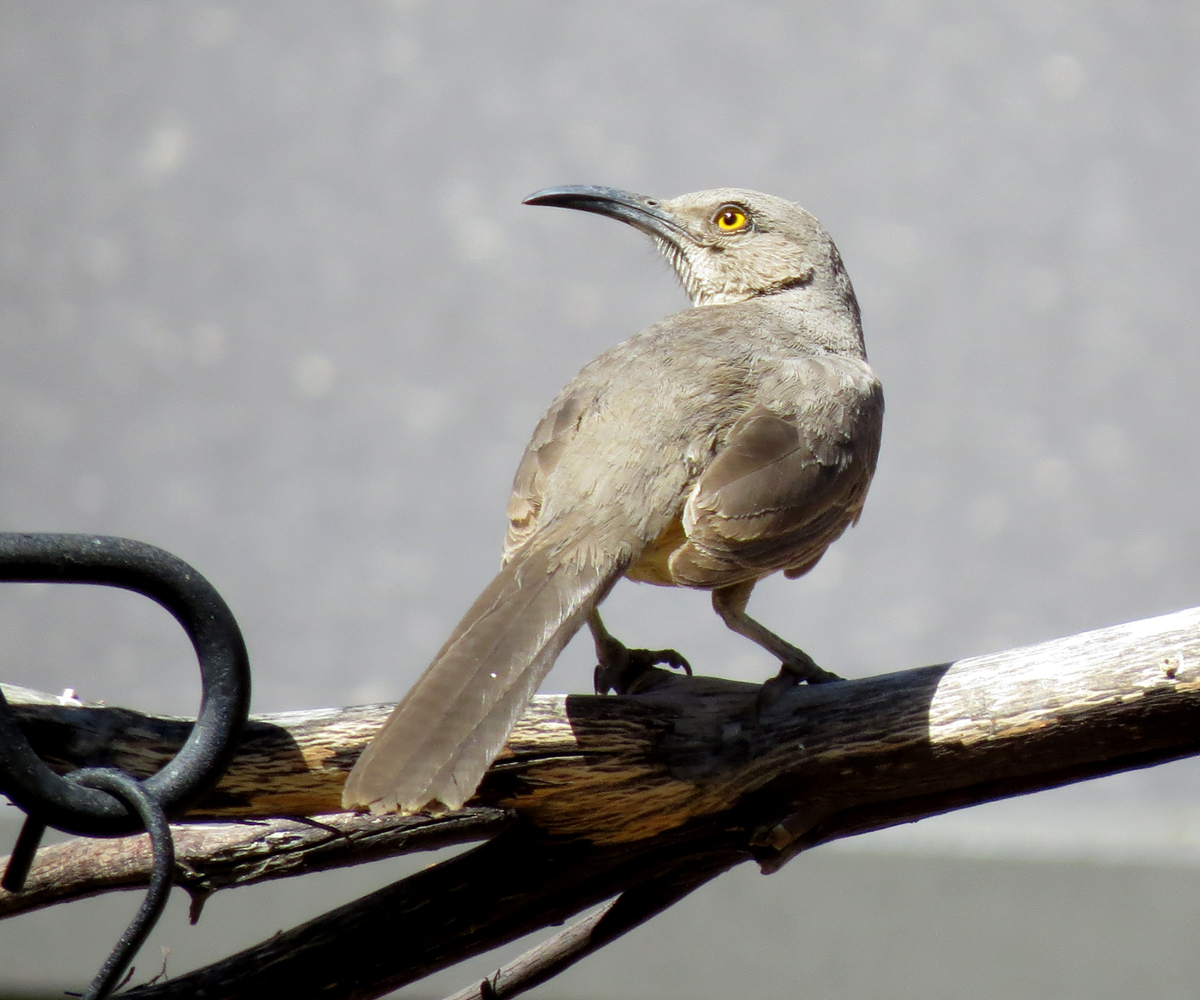
curve-billed thrasher 2Curve-billed Thrasher

rock squirrelSeveral rodents were enjoying the bounty along with the birds. This is a Rock Squirrel.

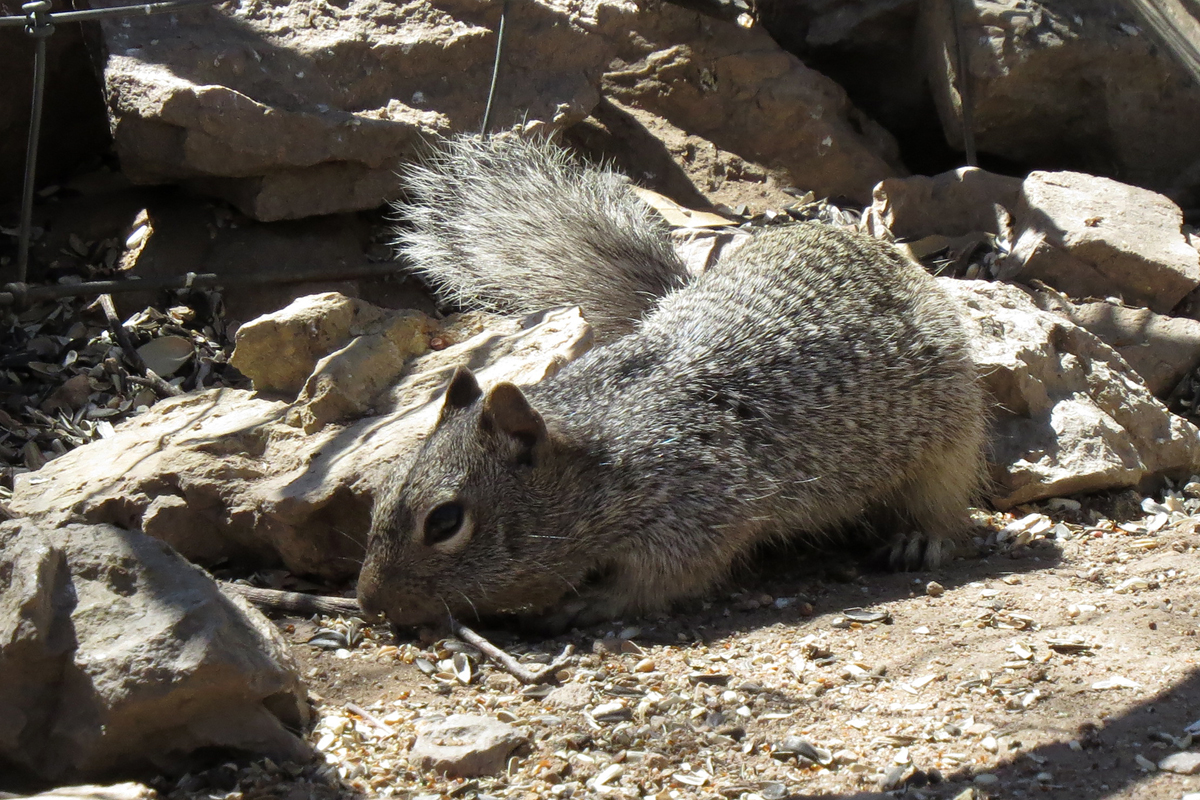
arizona gray squirrelArizona Gray Squirrels have huge tails, which they use as parasols in the hot sun.

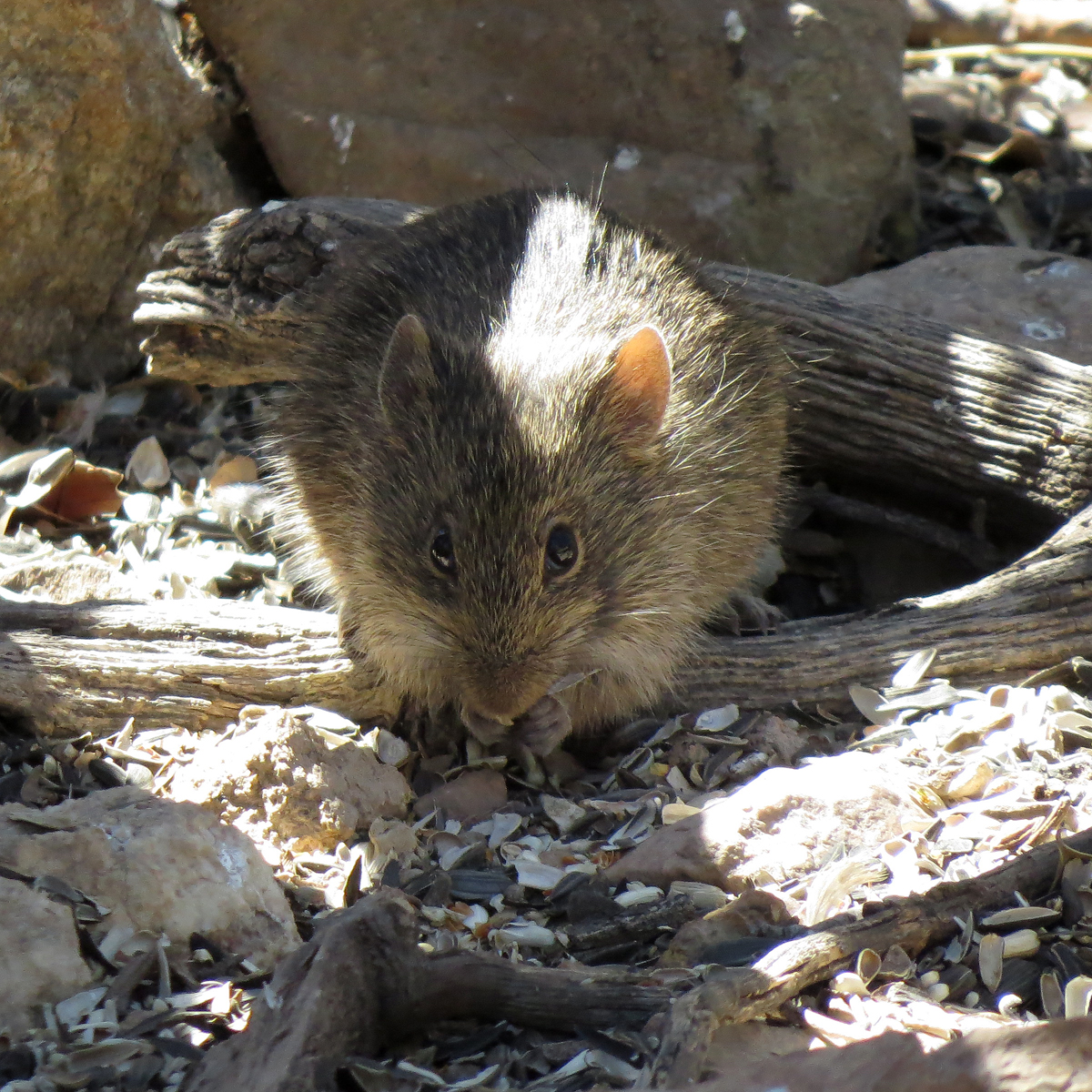
cotton ratThe cutest critter of the trip was this Cotton Rat.

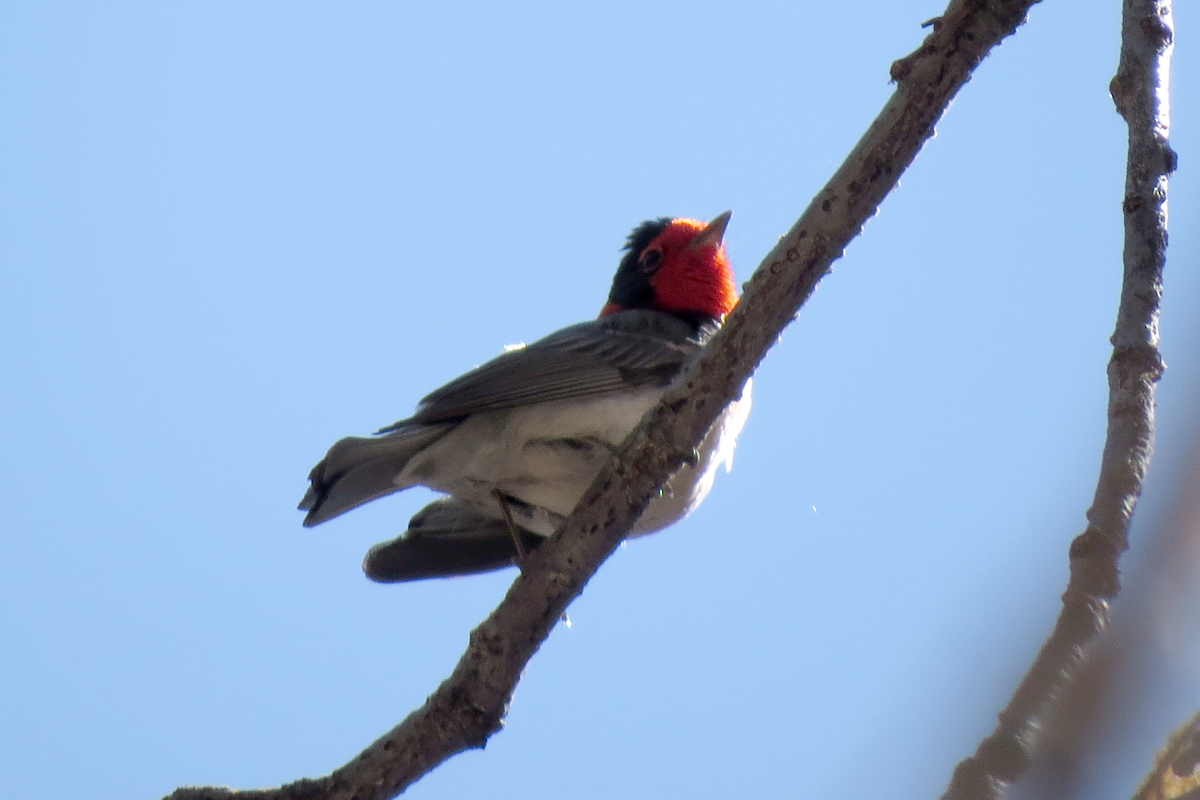
red-faced warblerThis Red-faced Warbler was seen in nearby Miller Canyon. Of course, before I got my camera out, he was on a low perch singing his little heart out. Once the camera came out, he felt the need to fly to this high back-lit perch.

Weekend at the Coast

I led trips for the Birding and Blues Festival in Pacific City, OR, last weekend. The weather was cool with scattered showers, so photo ops were not abundant.

california ground squirrelThe Three Capes Tour on Friday was actually very good for mammals, with charismatic mega-fauna such as Gray Whale, Steller’s Sea Lion and Roosevelt Elk. Only slightly less charismatic was this California Ground Squirrel.

peregrine falconThis Peregrine Falcon posed nicely on the cliff at Cape Meares. The rich colors of the rocks and plants, compared the overexposed image of the falcon show that I have obviously still not mastered my new camera.

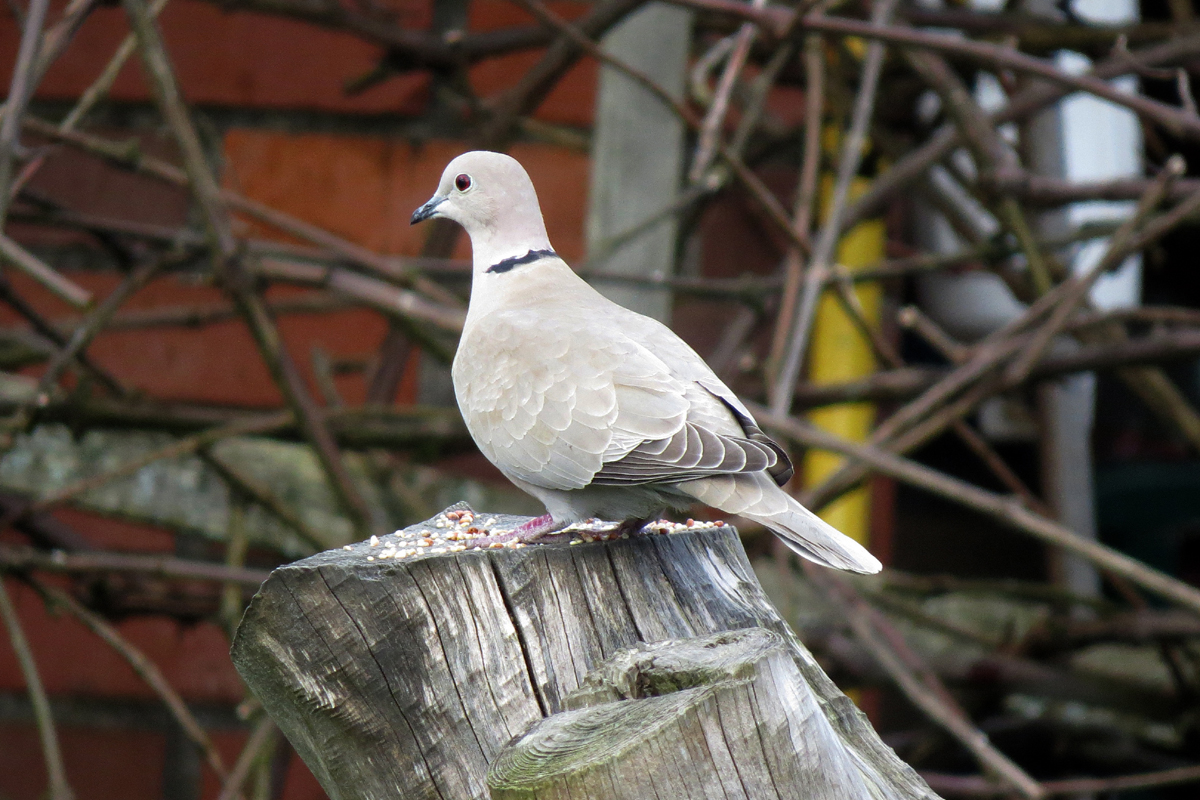
eurasian collared doveThere is a large flock of Eurasian Collared Doves in Pacific City. Ten years ago, this species would have been a huge deal, but they are very well established now. Despite their abundance, this flock was very shy.

aleutian cackling geeseThe avian stars of Pacific City are these Aleutian Cackling Geese. This particular population breeds on the Semidi Islands and winters at Pacific City, spending the nights on Haystack Rock offshore and days in this cow pasture at the north end of town.

Early Spring

This is that long awkward time of year between winter and spring. The big winter flocks have broken up, but the spring migrants haven’t returned yet. As I have said before, there is always something to see, but we have to find simple pleasures until the full decadence of spring migration commences in a month or so.

varied thrush frontOn a recent sunny day, this Varied Thrush perched outside the living room window. I don’t often see this species in sunlight. They are usually muted by the gloom of a rainy day or the shadows of the forest.
varied thrush profile

pine siskin sidePine Siskin at the nyjer feeder

pine siskin frontFor some reason, songbirds just look weird when viewed from the front.

lesser goldfinch backLesser Goldfinch

american goldfinchThe male American Goldfinches are starting to get their summer color.
american goldfinch clinging

golden-crowned 2Golden-crowned Sparrow, Vanport Wetlands

beaver chewThis fairly large tree has been felled by Beavers at Smith and Bybee Wetlands. None of the branches appear to have been eaten, so I don’t know why the Beavers felled it, perhaps because it was there.

northwestern garterNorthwestern Garter Snake, Tualatin Hills Nature Park. I am making the identification based on the small head, although I am not completely comfortable differentiating Northwestern Garter from Common Garter.