Fernhill Wetlands

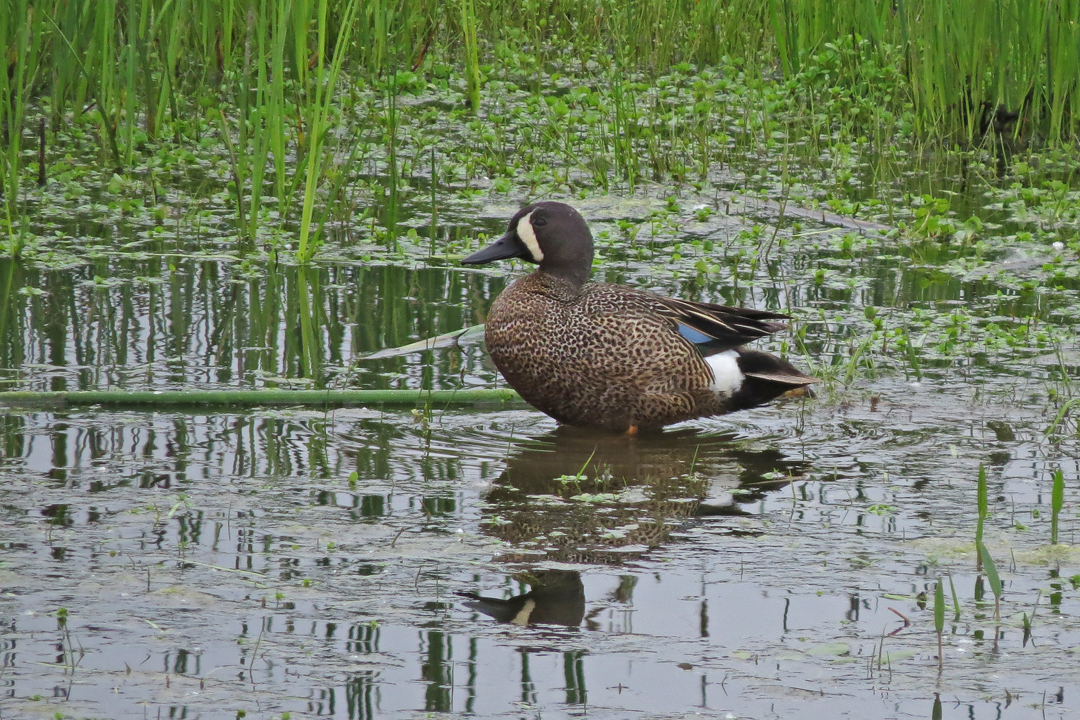
Summer is settling in at Fernhill Wetlands. The birds that are here now are probably nesting. Always a treat this far west is this handsome Blue-winged Teal. I hope he has a mate sitting on eggs somewhere.
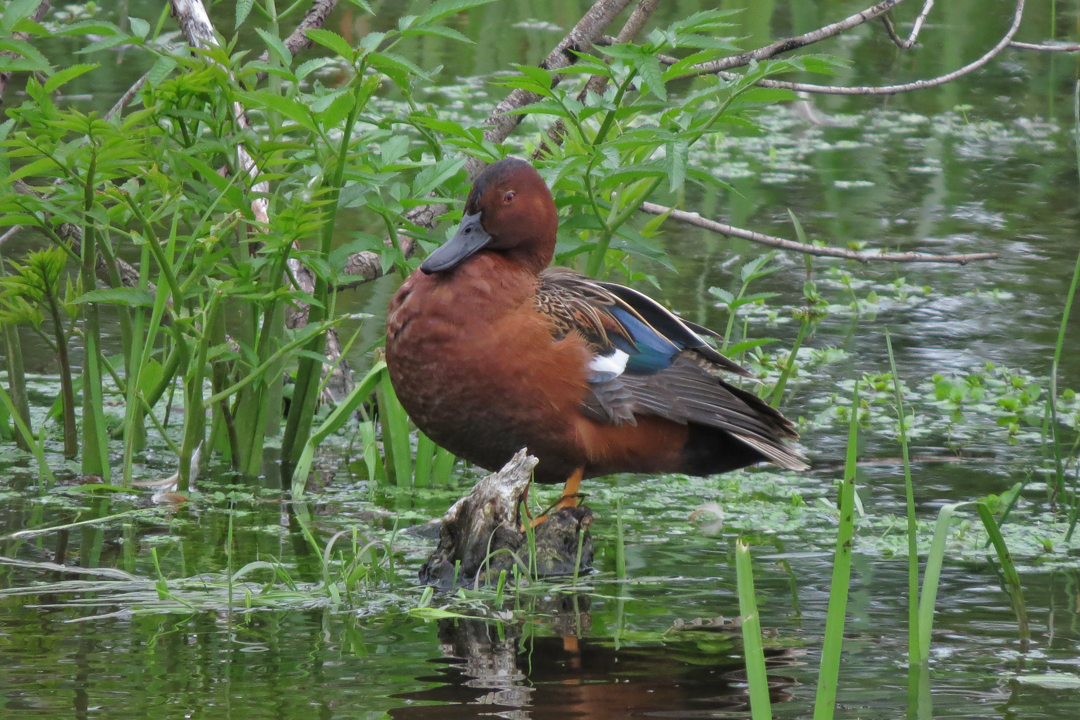
Just as lovely, and more expected here, is this Cinnamon Teal. A friend refers to them as “spicy.”
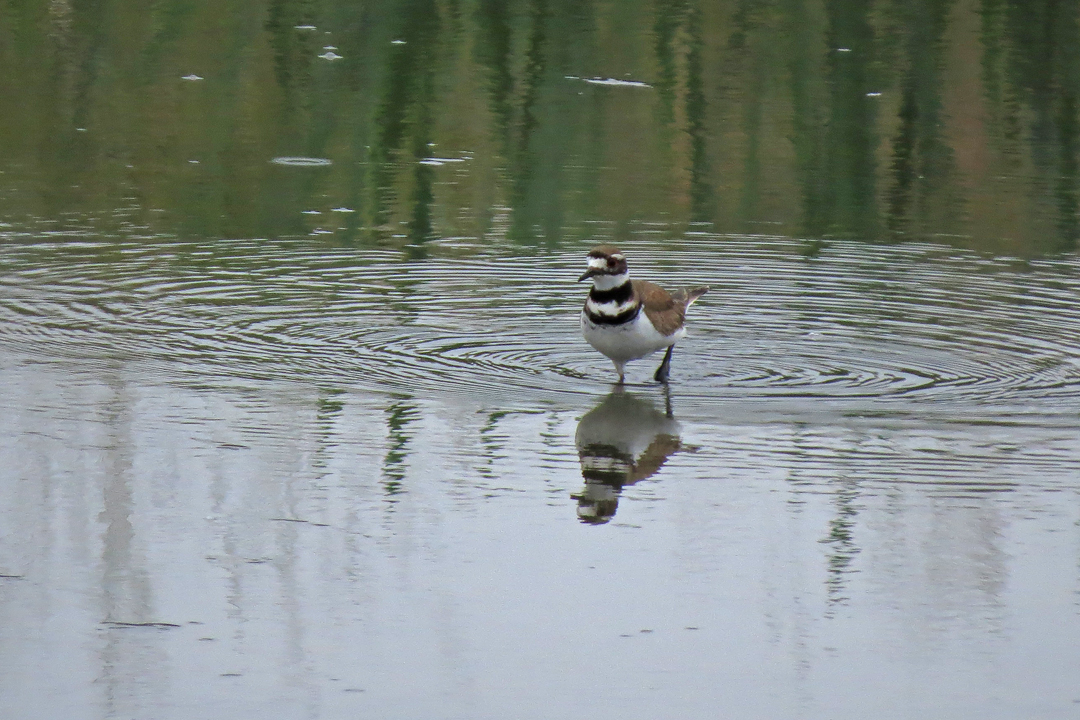
All the migrant shorebirds are gone, so we can stop to enjoy the resident Killdeer.

I have been spending more time around the back side of Dabblers Marsh at Fernhill. The wooded habitat attracts more songbirds, like this Cedar Waxwing.
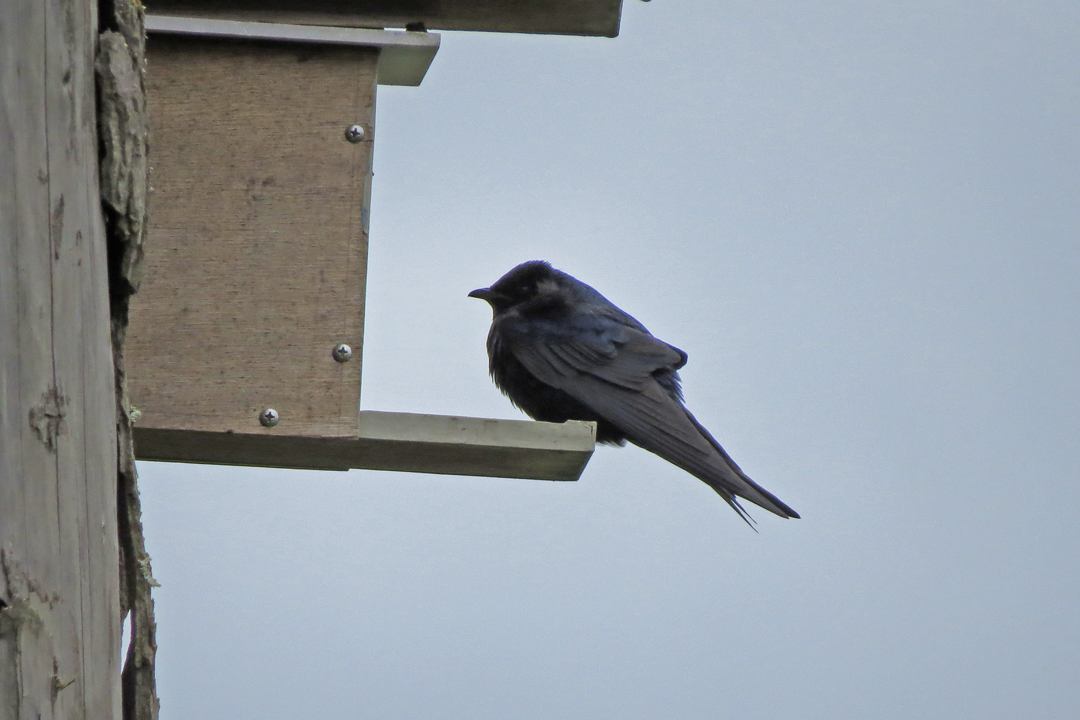
Purple Martins have reclaimed their nest boxes by the lake.

This Great Egret was hanging out close to the main trail. They are often farther out in the marsh.

I have seen California Ground Squirrels here in the past, but this is the first I have seen since the major renovations. I am glad to see this species is still using the site.

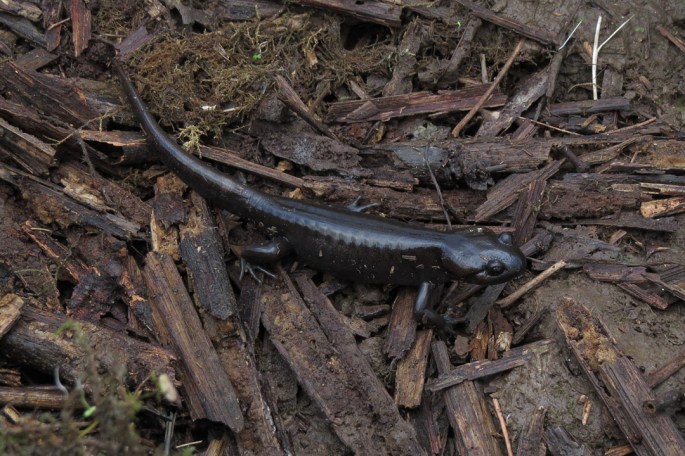
This Long-toed Salamander was my only herp of the day. If you look at the back feet, you can see the extra long fourth toe that gives this species its name.

Happy Spring/Summer

Still Waiting for Spring – Jackson Bottom

Jackson Bottom is another site that I can visit during the pandemic, assuming I get there early. The big push of spring migration has not hit, but you can tell it’s so close. Tree Swallows have been back for quite a while now. They are usually perched on the many bird houses at this site, so it was nice to catch a couple actually using a tree.
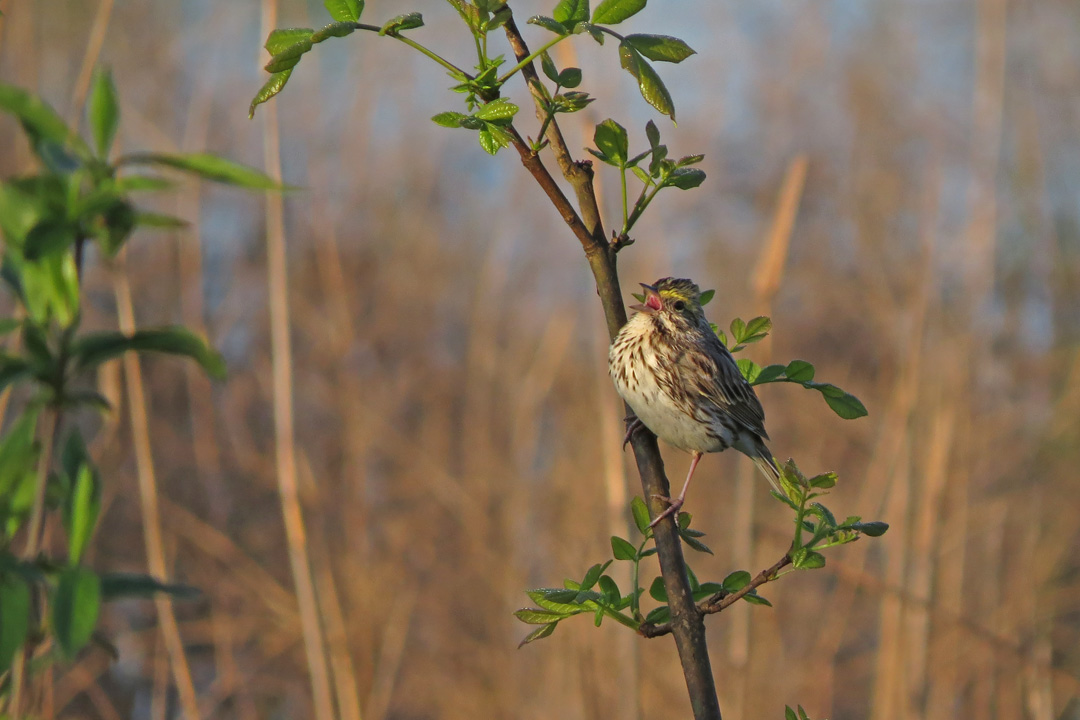
The Savannah Sparrows are setting up territory. This would have been a nice shot if I could have caught a reflection in the bird’s eye.

There we go.

This Osprey spent a lot of time preening while I was there. He still looks pretty disheveled.

Anna’s Hummingbird, just high enough that I can’t get a good flash from his gorget

Common Yellowthroat

witchity-witchity-witchity

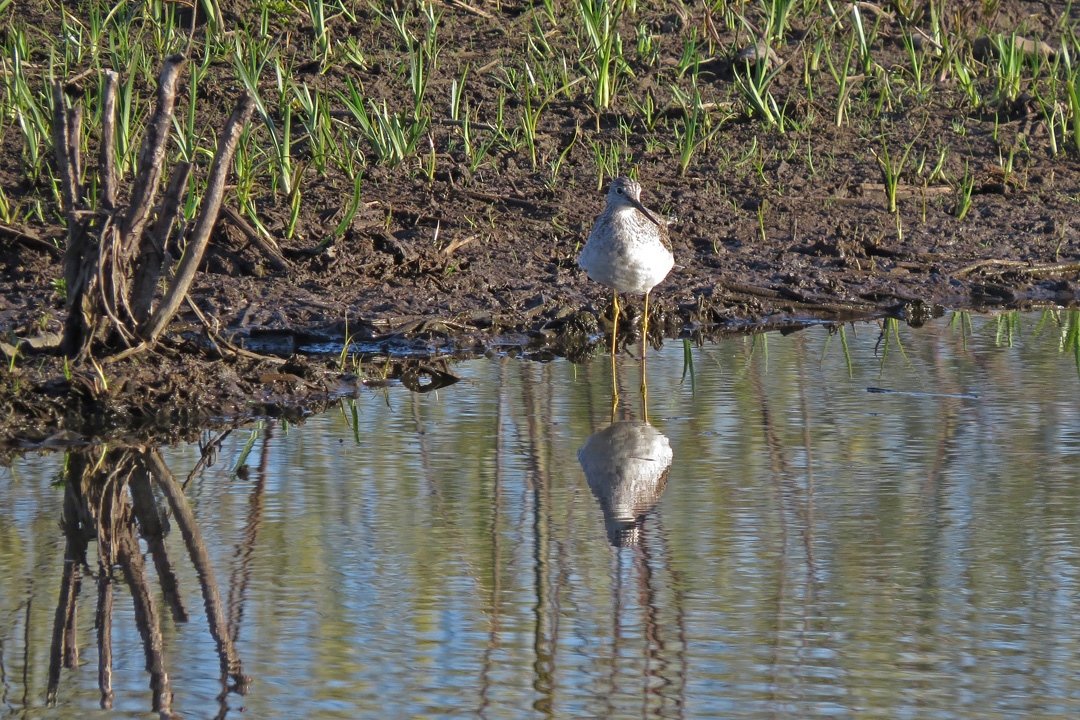
I’m still waiting for shorebirds to show up. Greater Yellowlegs have been the only arrivals so far.

Some Killdeer have started nesting already.

Brush Rabbit

Long-toed Salamander

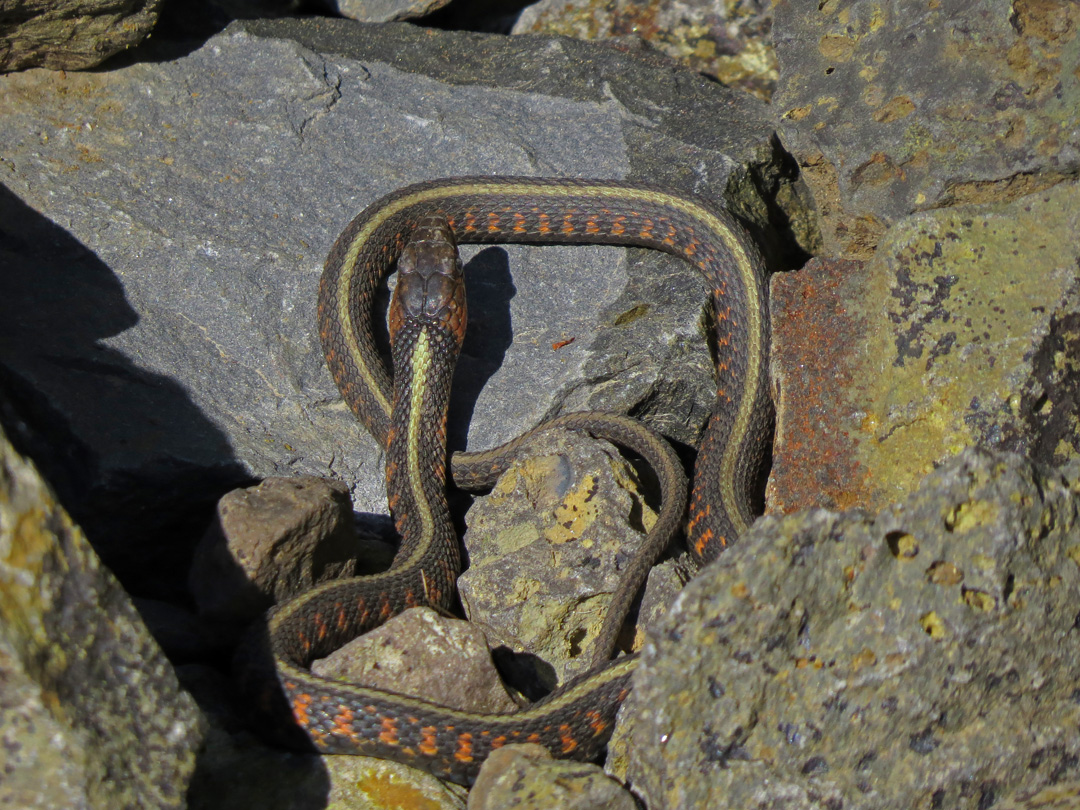
Several Common Garters (Red-spotted) were sunning themselves on this rock pile.

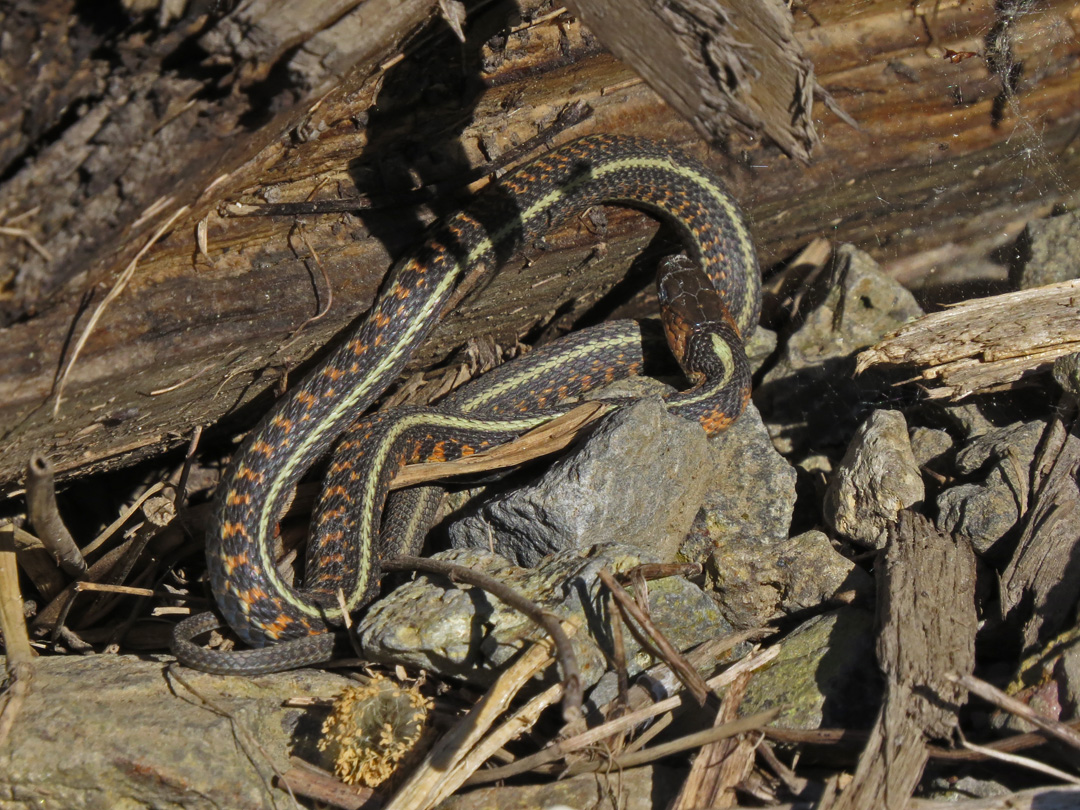
This garter had propped her body up against a log to better catch the morning sun.

I don’t remember seeing Camas at Jackson Bottom before, but they were in full bloom on this trip.

Happy spring

Fernhill Wetlands

During the current pandemic, it is not always easy to visit favorite birding sites. I have found that if I go very early, I can get some good birding in at Fernhill Wetlands without encountering too many folks. (Of course, this is my goal even without a pandemic.) This Marsh Wren put on a nice show.

Greater Yellowlegs is the only species of migrant shorebird I have seen so far this spring. We are still about two weeks away from the peak.

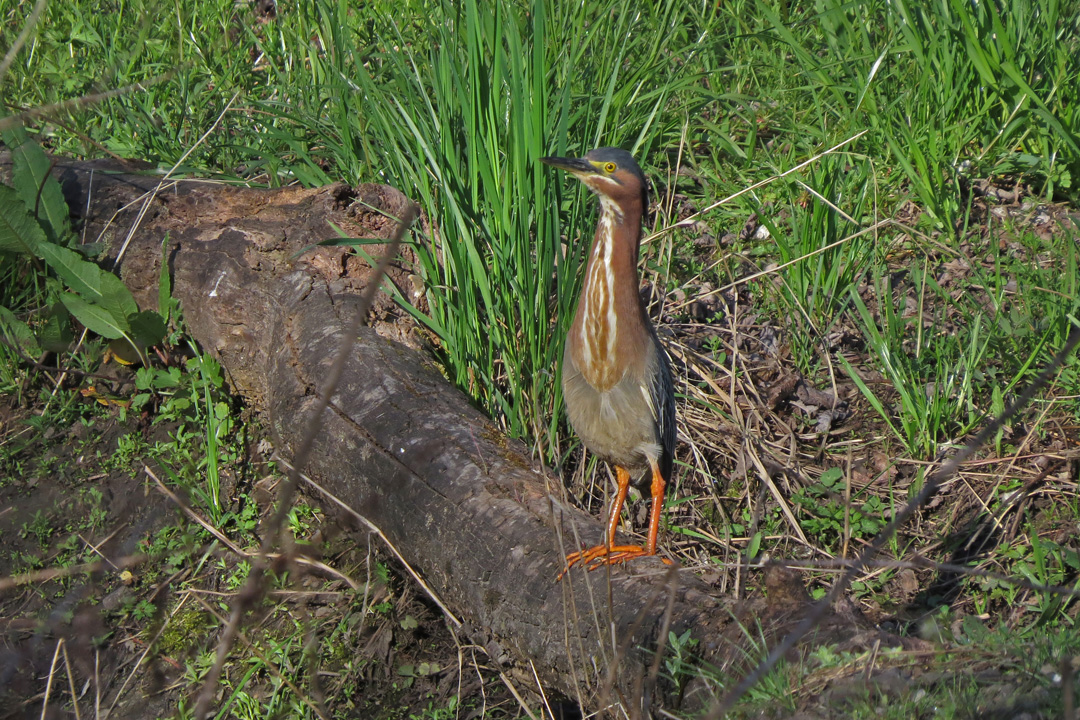
Green Heron, completely failing at camouflage. The auto-focus on my camera insists on focusing on the vegetation behind birds, rather than on the bird. (Yes, I am blaming the equipment.)

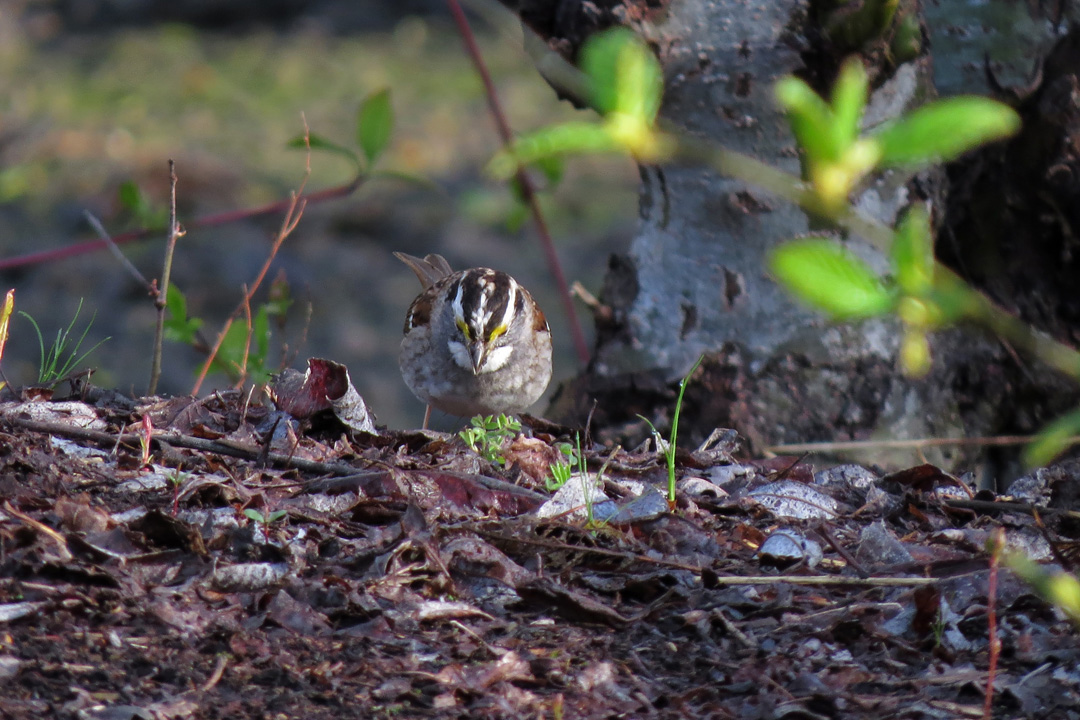
White-throated Sparrows have been regular at Fernhill lately.

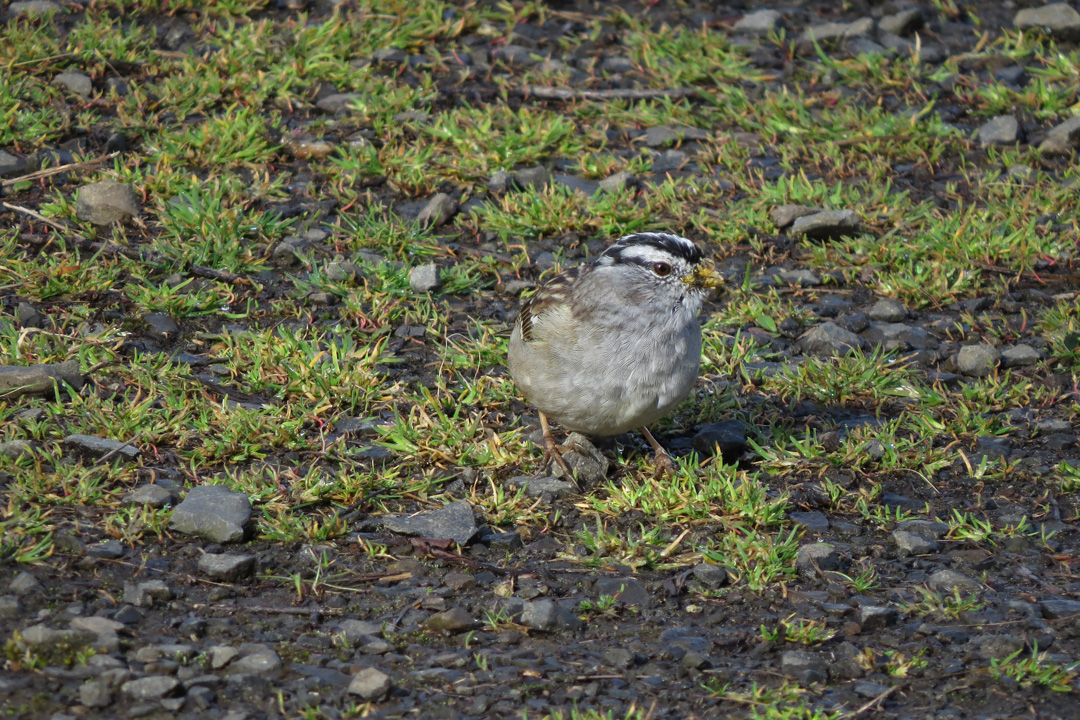
White-crowned Sparrow

Fox Sparrow

This Northern Flicker was hanging out on the gravel dike in the wetland, perfect woodpecker habitat.

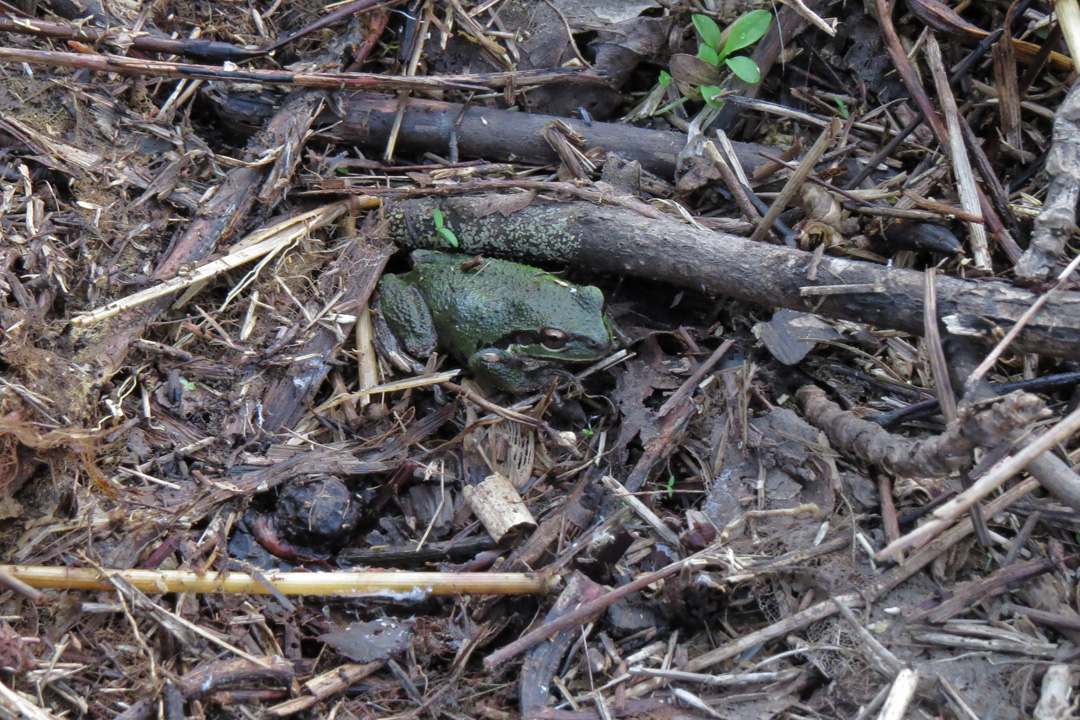
This Pacific Chorus Frog was hanging out under a log on a cold morning.

Long-toed Salamander is a lifer amphibian for me this year. As is typical when I see a new species of whatever, I now see them all the time.

More Long-toed Salamanders

This Muskrat would like to remind you to eat your greens.

Still waiting for spring migration to kick in.

Happy Spring

False Spring in the Wetlands

redwing small
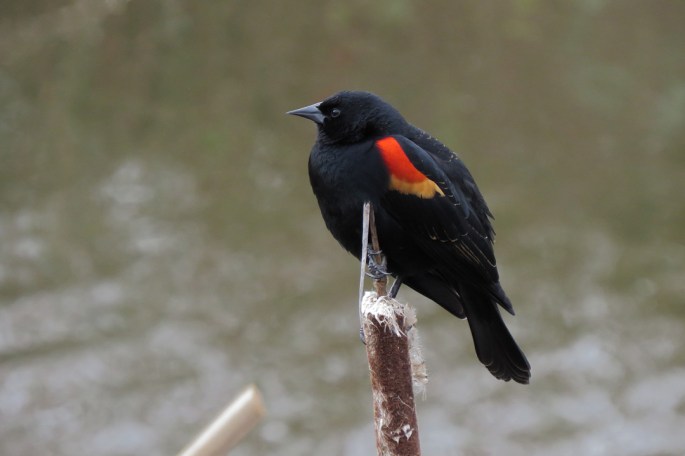
It is still very much winter in western Oregon, but February always brings stirrings of spring. Many birds, like this Red-winged Blackbird, are warming up their songs in preparation for setting up nesting territories.

anna's left
Male Anna’s Hummingbirds always seem to be on territory.

robin small
This American Robin was nestled in the middle of a pine. I don’t associate robins with conifers, so I was struck by how nicely the bird was framed within the needles.

IMG_2356
This Northwestern Salamander was my first herp of the year. He was hanging out under a board. The temperature was cold enough that he didn’t move at all when I found him. I could have gotten a better photo if I had repositioned him, but I decided to leave him in situ.

IMG_2352
This was one of four White-throated Sparrows moving around in a tight group at Fernhill Wetlands.

nutria teeth
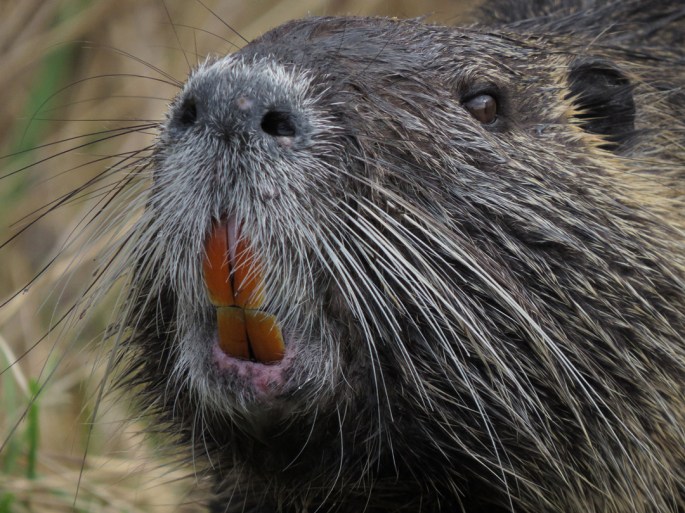
I have often noted how Nutria (Coypu) walk that fine line between adorable and hideous. Perhaps that line has finally been crossed.

Happy Winter

Mt. Hood National Forest

I had the opportunity to guide a lovely couple from Florida on a trip to Mt. Hood National Forest. The weather was not great, with dreary conditions at lower elevations and driving rain at Timberline Lodge. But we did manage to find some great birds.

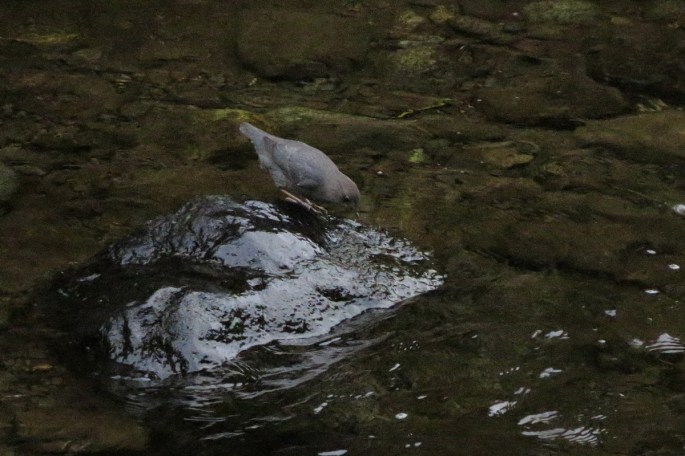
Our first stop was Wildwood Recreation Site for riparian and lower elevation species. The first bird of the day was a Bald Eagle flying over the river; a nice start. Our main target was American Dipper, and the footbridge over the Salmon River is a pretty reliable spot.

IMG_2075
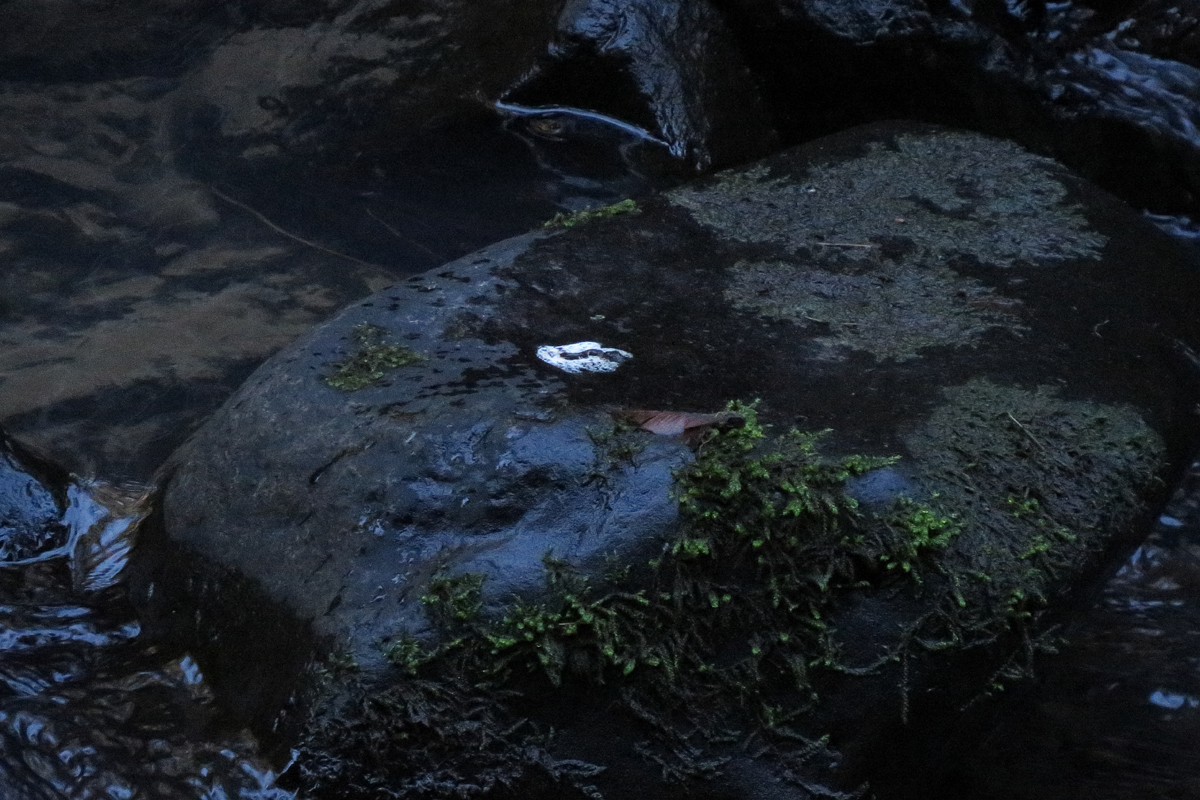
One of two American Dippers we spotted in the early morning gloom

We next tried to bird around Timberline Lodge for high-elevation species, but the rain and wind made birding impossible. So we headed down to Little Crater Lake.

IMG_2077Birding in the forests this time of year can be deadly slow, but we did encounter two groups of Canada Jays. Even when you don’t have food, these birds will come in close to check you out.

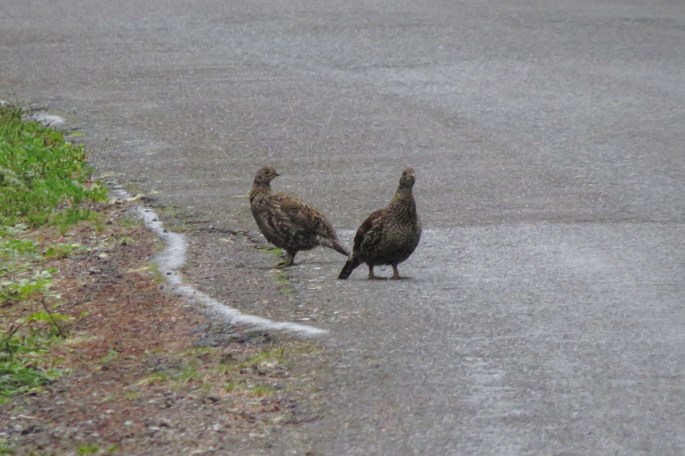
IMG_2079On the way back from Little Crater Lake, we came across a group of six Sooty Grouse. This was a lifer for my client, and the largest “flock” that I have seen.

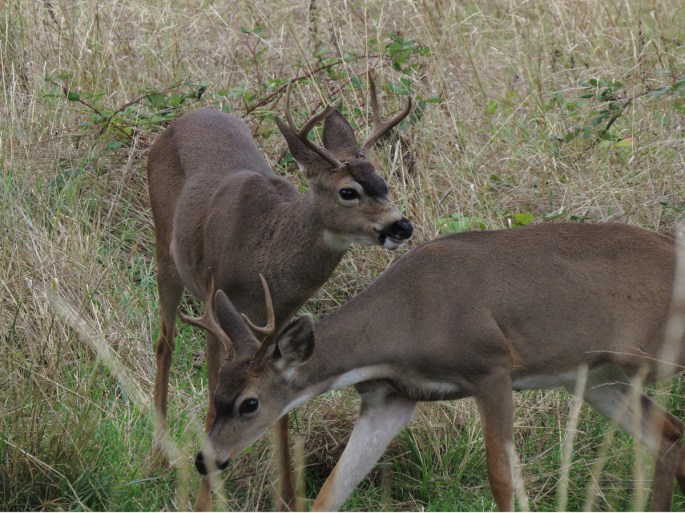
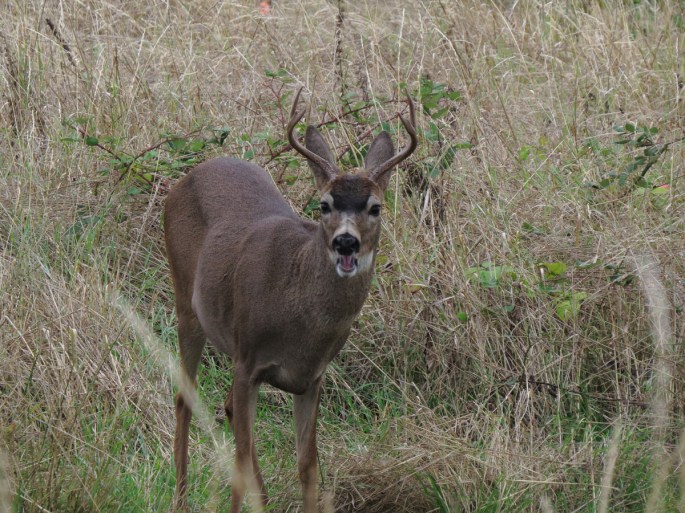
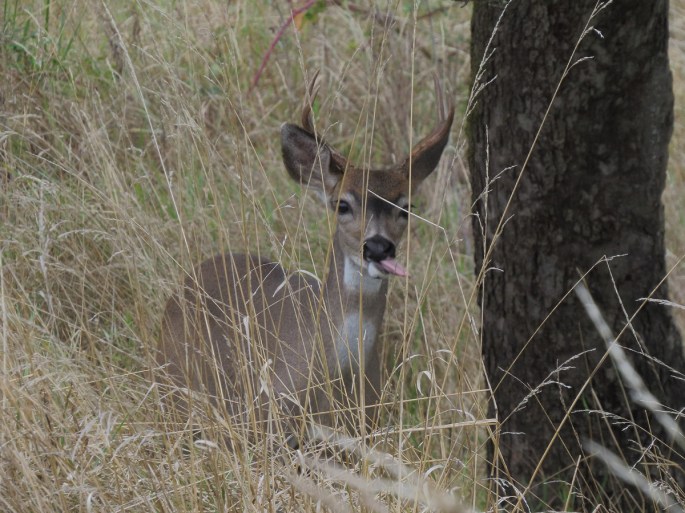
deer duoAfter a second trip up to Timberline proved equally unbirdable, we decided to head back toward Portland to look for sparrows and other grassland species at Powell Butte Nature Park. We found a few sparrows, but the highlight of this spot was the group of three Black-tailed Deer feeding on fallen apples.

IMG_2086

IMG_2088

IMG_2091One reason songbirds may have been so hard to come by at this site was the pair a American Kestrels (female shown here) that were actively hunting. A Sharp-shinned Hawk was also lurking about, so the sparrows may have been keeping a low profile.

Some nice birds and excellent company made for a good day, despite the dreary conditions.

Happy Autumn

Late Summer Wetlands

I made a quick trip to Fernhill Wetlands and Jackson Bottom to look for shorebirds. My first bird of the morning was this Killdeer standing on the sidewalk. I guess that counts.

There is a frustrating lack of mudflats in area wetlands this year. Areas are either dry with lots of vegetation or are full of water. I did manage to find this Wilson’s Snipe (front) feeding with a juvenile Short-billed Dowitcher.

Young Spotted Sandpiper on a log

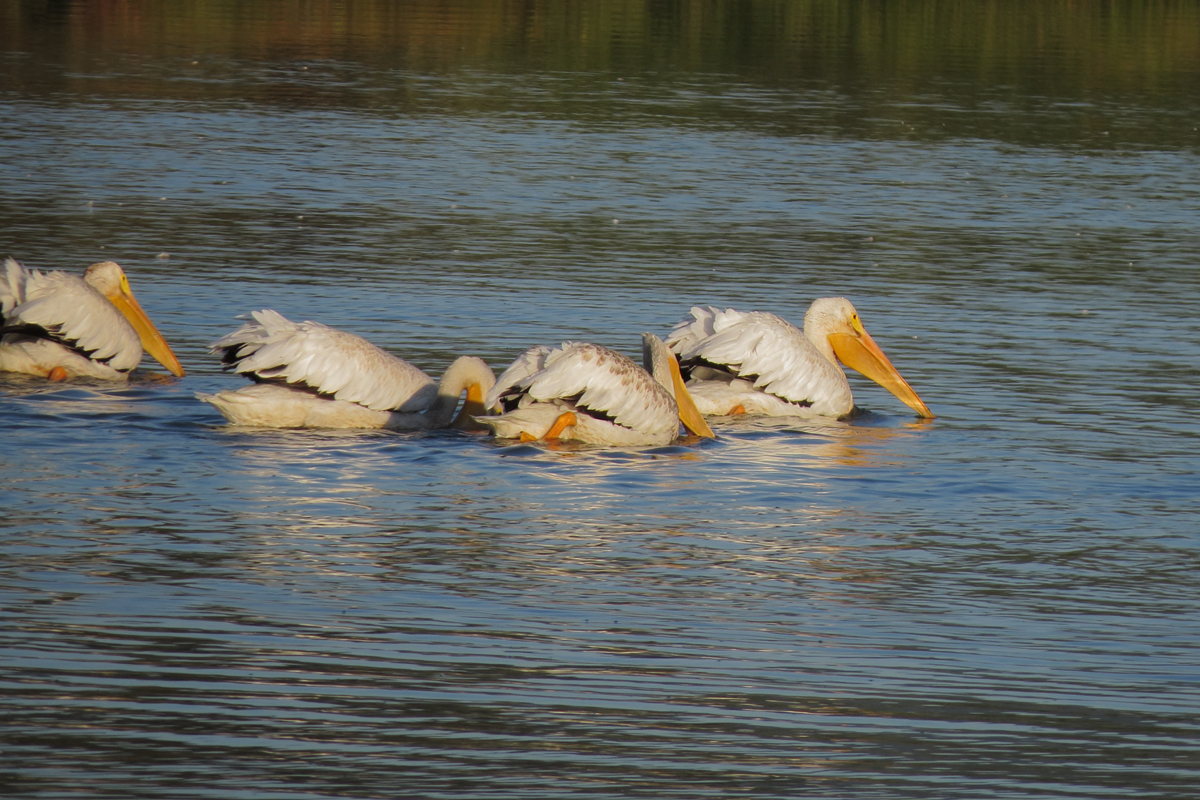
Lots of American White Pelicans are in the Willamette Valley right now.

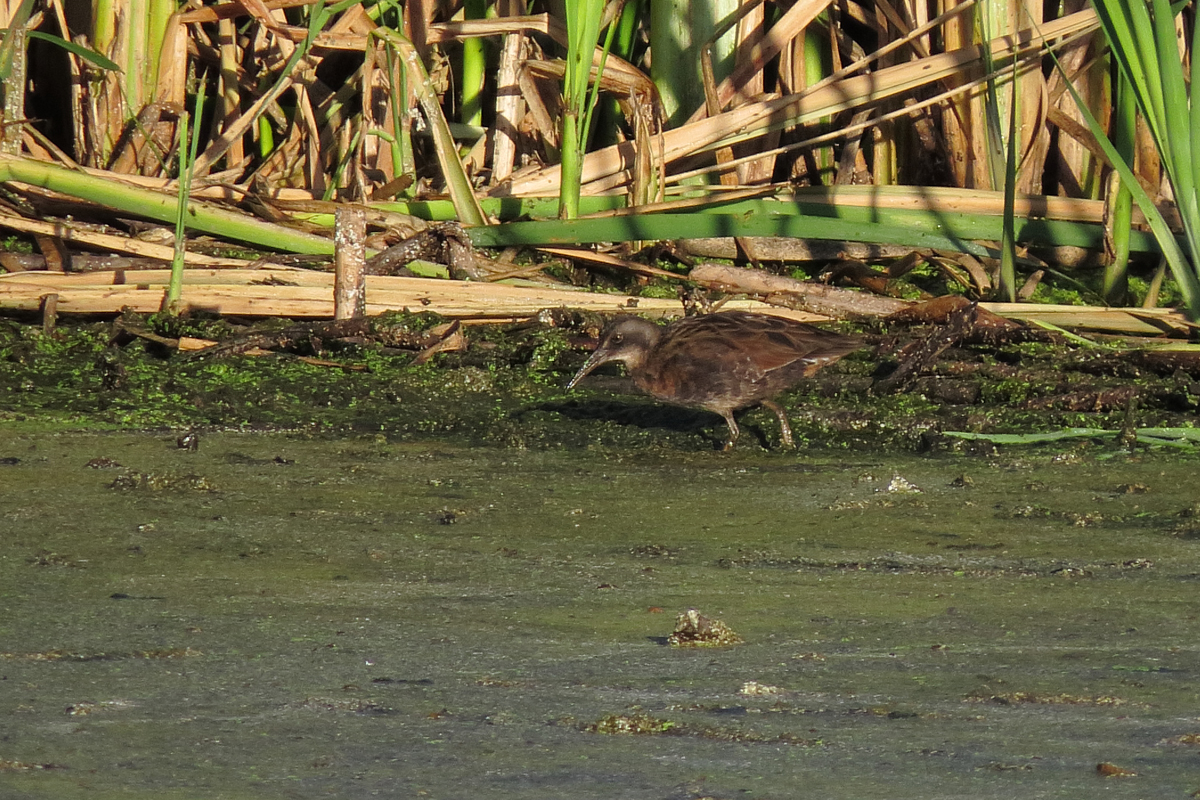
The wetland rehabilitation at Fernhill Wetlands has resulted in much less exposed mud, but the thick emergent vegetation is hog heaven to rails, like this Virginia Rail.

In the “invasive but adorable” category are this Nutria with her baby.

Brush Rabbits rule the “native AND adorable” category.
So cute

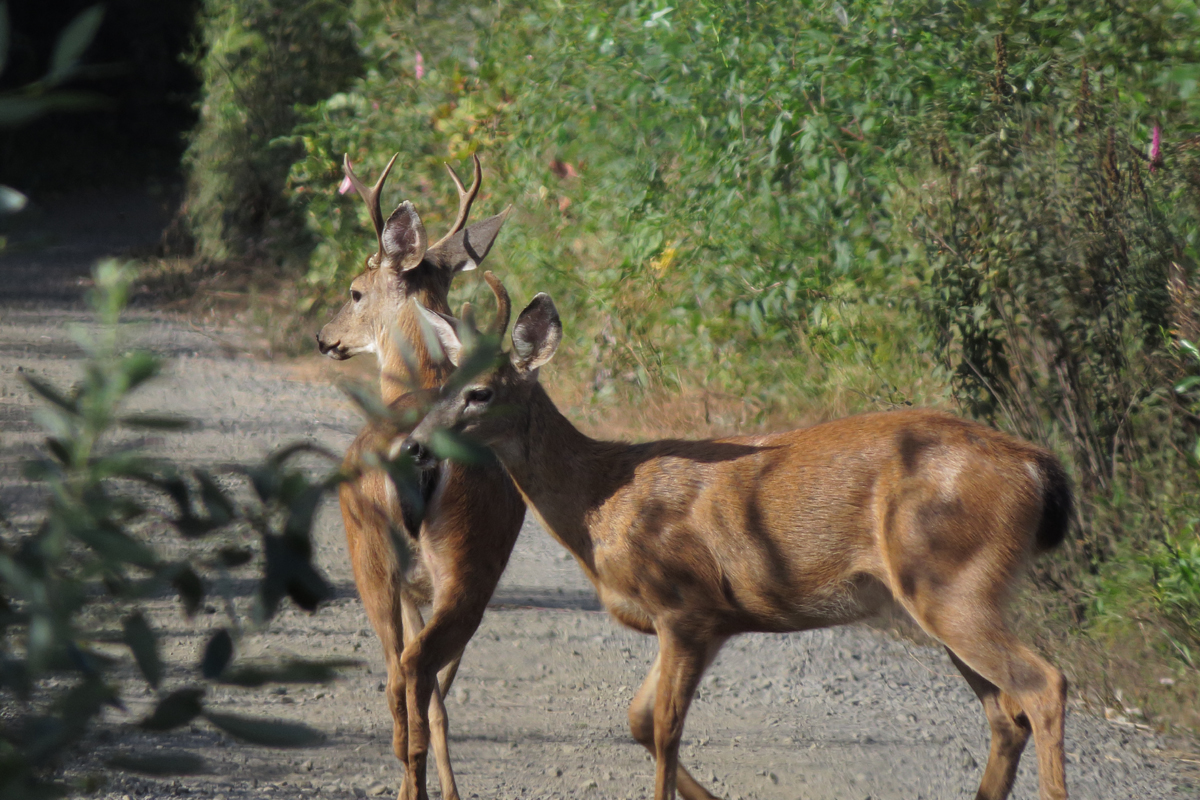
These two Black-tailed Deer were at Jackson Bottom. I found it interesting that the little spike buck in front still had his antlers completely encased in velvet while the fork buck in back has already shed his velvet to reveal polished antler.

There is still about a month of shorebird migration left. I hope we get some good mudflats to bring them in. Happy Summer.

Rocky Mountain National Park

We took a quick trip to Colorado for a family reunion. There wasn’t much time for hardcore birding, but we made a quick pass through Rocky Mountain National Park.

Moose are always a treat to see, provided you are a respectful distance away.

Elk are seemingly everywhere in the park. This young bull was rather shy, which I was grateful for since I needed to walk down the path where he was lounging.

This large bull didn’t even bother looking at people. He was quite comfortable where he was.

The main target of my visit to the park was White-tailed Ptarmigan. This species is notorious for walking right up to non-birders, but often proves a challenge for those actually trying to see it. I have searched for this species in Rocky Mountain NP on several previous occasions, as well as at Glacier NP and Mt. Rainier NP. I finally connected with this bird by hiking to a site where they had been reported consistently in recent days and then scanning the tundra for about half an hour. She was quite far away, and I couldn’t get closer without leaving the trail and damaging the fragile tundra, so I made do with a distant view of this female and her four babies. This is the first lifer I have seen since January of 2018, so I was thankful for any view at all.

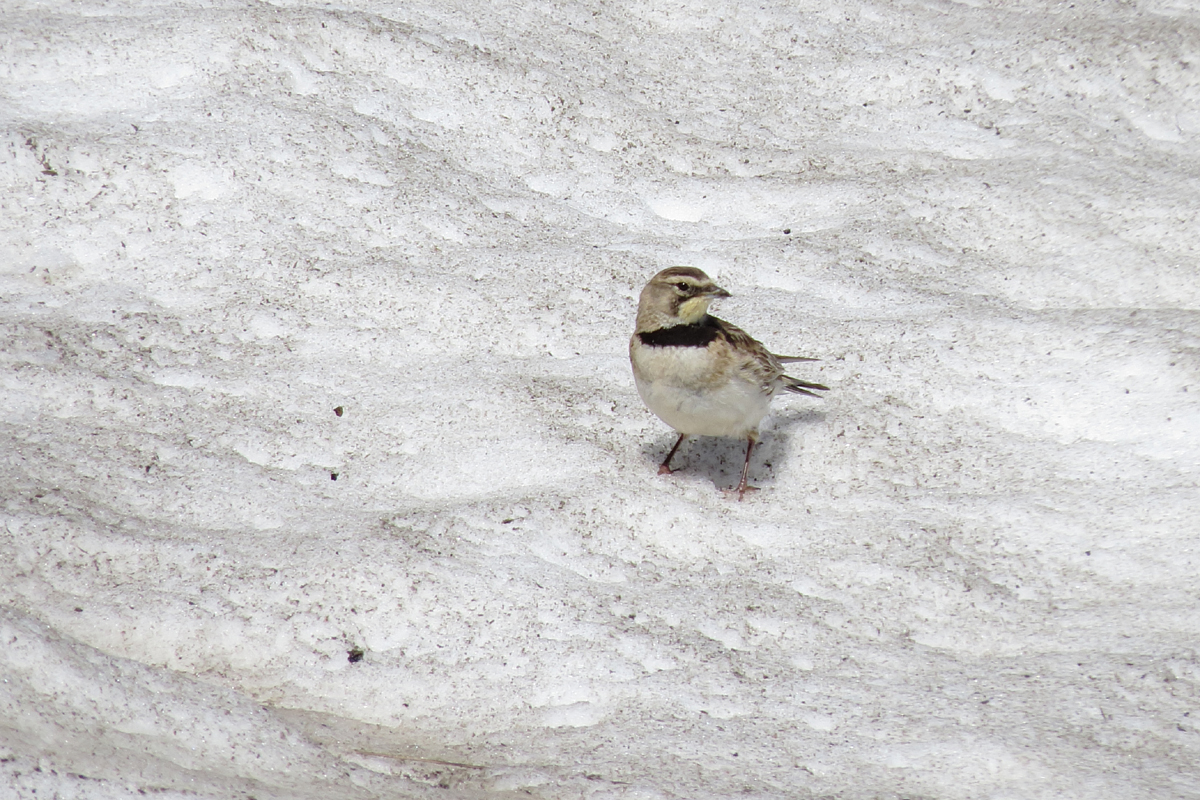
After finding the ptarmigan, I stopped at a large snow field to look for Brown-capped Rosy-Finches. Two lifers in one morning was a little too much to hope for, but I did find this Horned Lark, which is always a treat.
By late morning, the traffic and crowds were becoming unbearable, an unfortunate result of this park’s popularity. So I didn’t have a chance to study the small furry critters that often present themselves at close range here.

The lodge where we stayed hosted lots of Golden-mantled Ground Squirrels. This is the same species found in Oregon, but they seemed less colorful in Colorado.
Yellow-bellied Marmots were quite vocal, and too shy to allow a close approach.

While they didn’t provide any photo opportunities, it was great to see and hear Cordilleran Flycatchers. Broad-tailed Hummingbirds were everywhere. It is always nice to experience different bird communities when traveling, even if birding is not your main goal.  Now that I’m home, it’s time to start studying southbound shorebirds.

Happy summer.

Early Spring in the 5MR

The weather has gone from winter rain to spring rain, still rather gloomy but definitely more pleasant overall. Spring migration is slowly picking up with new species gradually accumulating in my 5-Mile Radius.

Most of the new sites that I have explored in my 5MR have been very underwhelming, but I was recently introduced to Cedar Mill Wetlands in Beaverton. This little site has produced 45 species in two short visits, as well as this encounter with a Coyote.

Sharp-shinned Hawk at Cedar Mill Wetlands

Great Egret, sporting their nuptial plumes

The little wetland associated with Commonwealth Lake Park continues to be a favorite site with local birders. The flock of Wilson’s Snipes has thinned out a bit.

This Greater Yellowlegs was a nice surprise at Commonwealth. Hopefully the habitat will attract other shorebirds as the spring progresses.

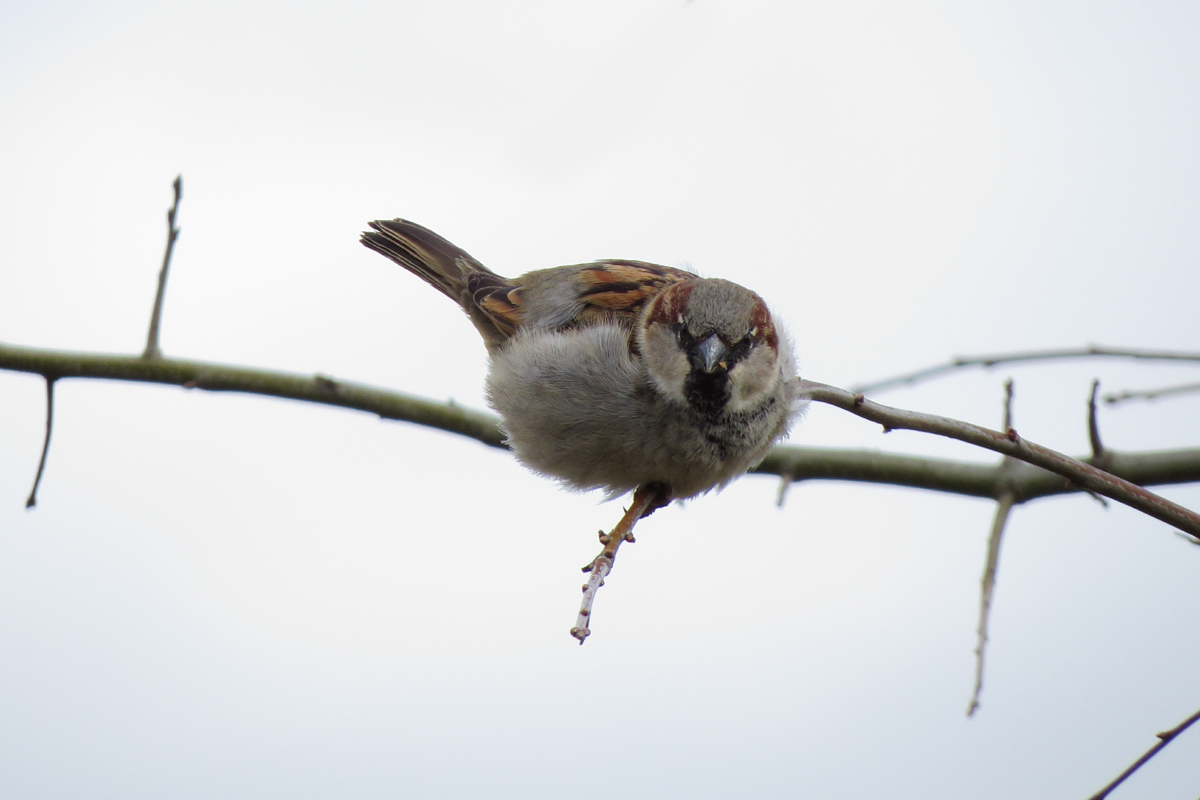
Commonwealth is the only reliable spot in my 5MR for House Sparrow.

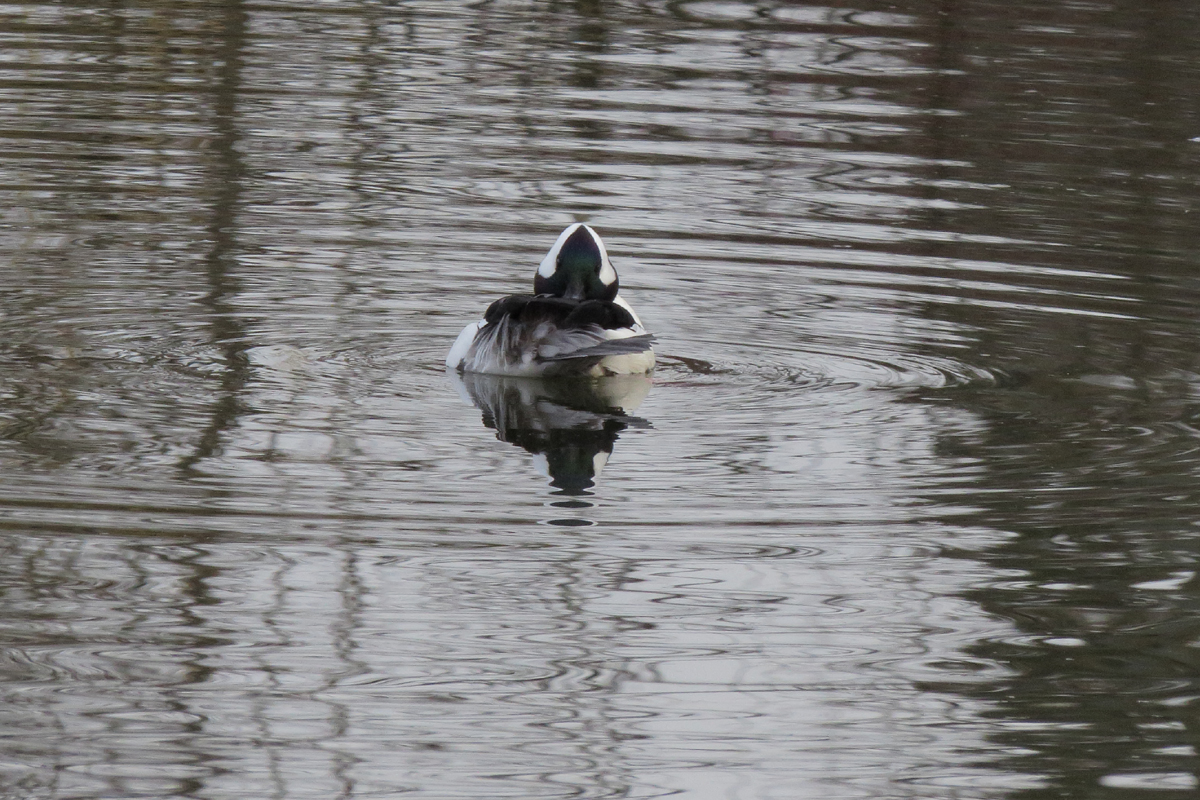
Bufflehead, Commonwealth Lake

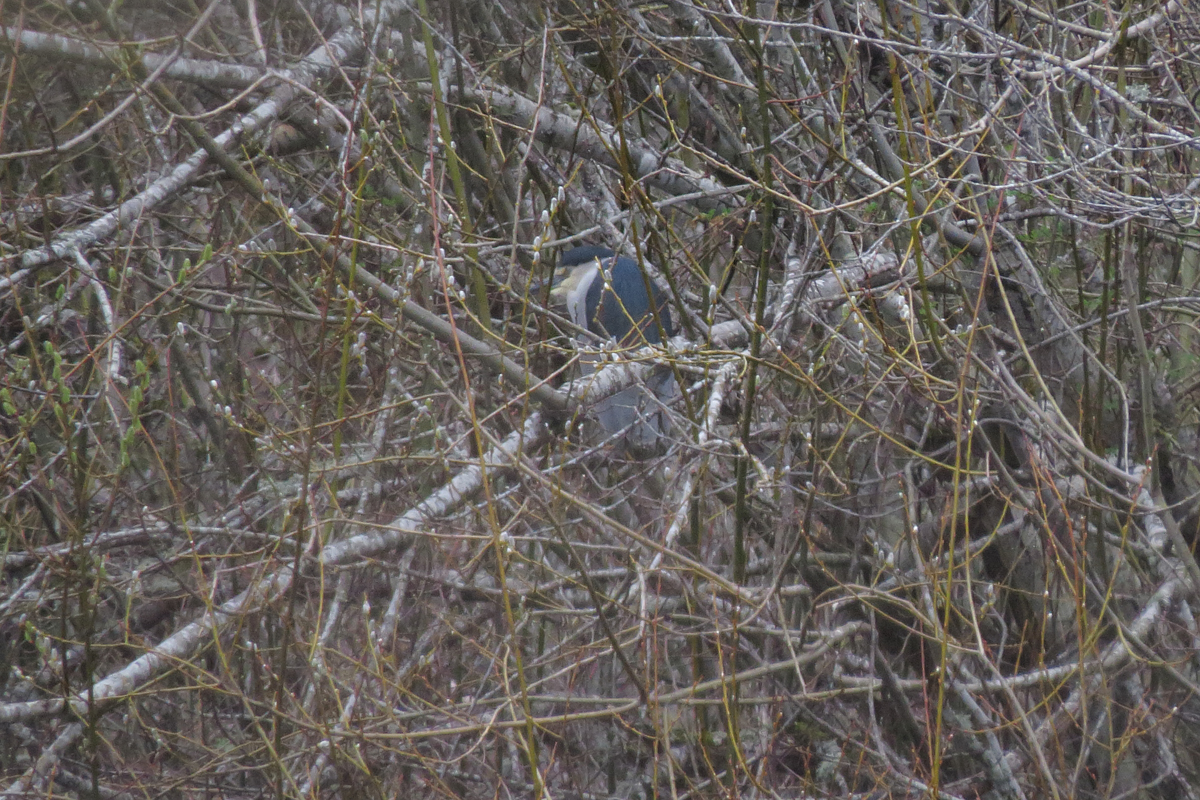
Koll Center Wetlands in Beaverton is not the most pleasant place to bird. You are basically peering into the wetlands from various parking lots. But there are a few species here that are hard to find elsewhere. This Black-crowned Night-Heron was barely visible through the brush.

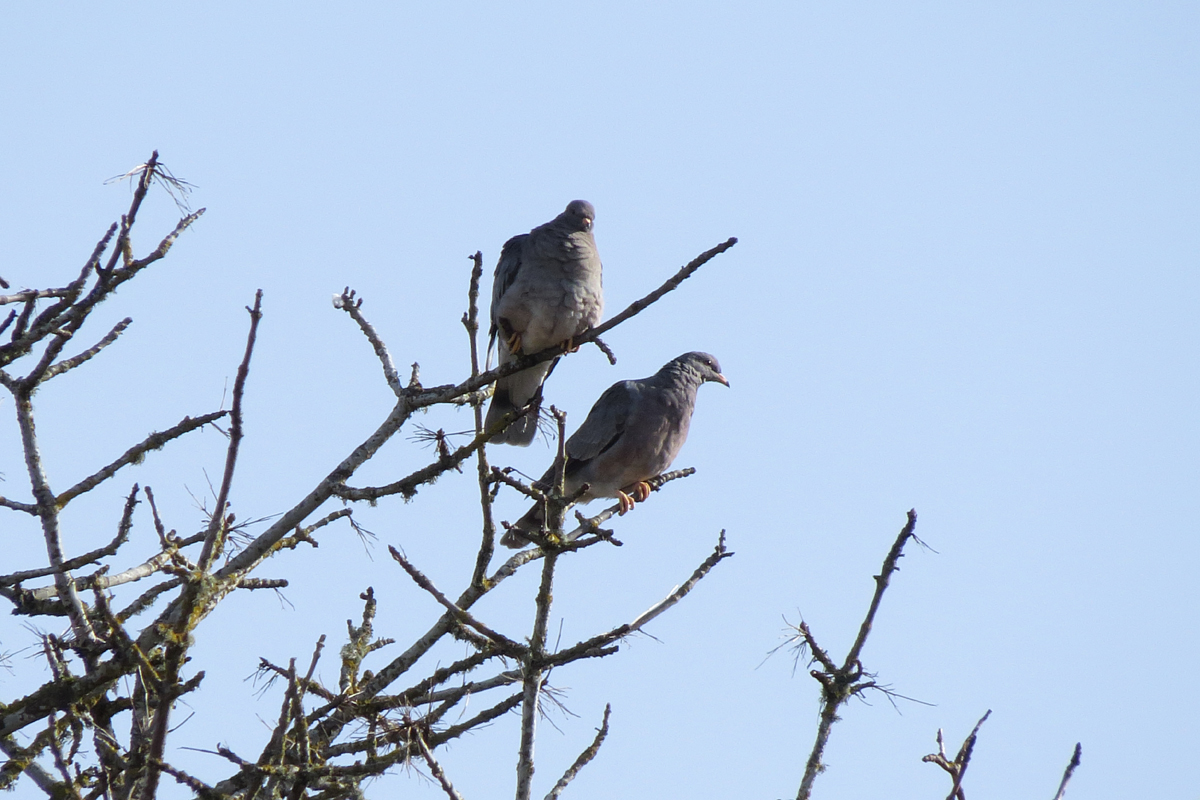
A small flock of Band-tailed Pigeons is reliable at Koll.

Yellow-rumped Warblers have been common all year at Koll, but some are just now molting into breeding plumage.

I have only birded outside my 5MR twice so far this year, both times while teaching Little Brown Bird Classes. This Rufous Hummingbird was at Jackson Bottom Wetlands in Hillsboro. I have yet to find this species in my 5MR, but it is one of many that I expect to see in the coming weeks.

Happy Spring

5MR: The First Month

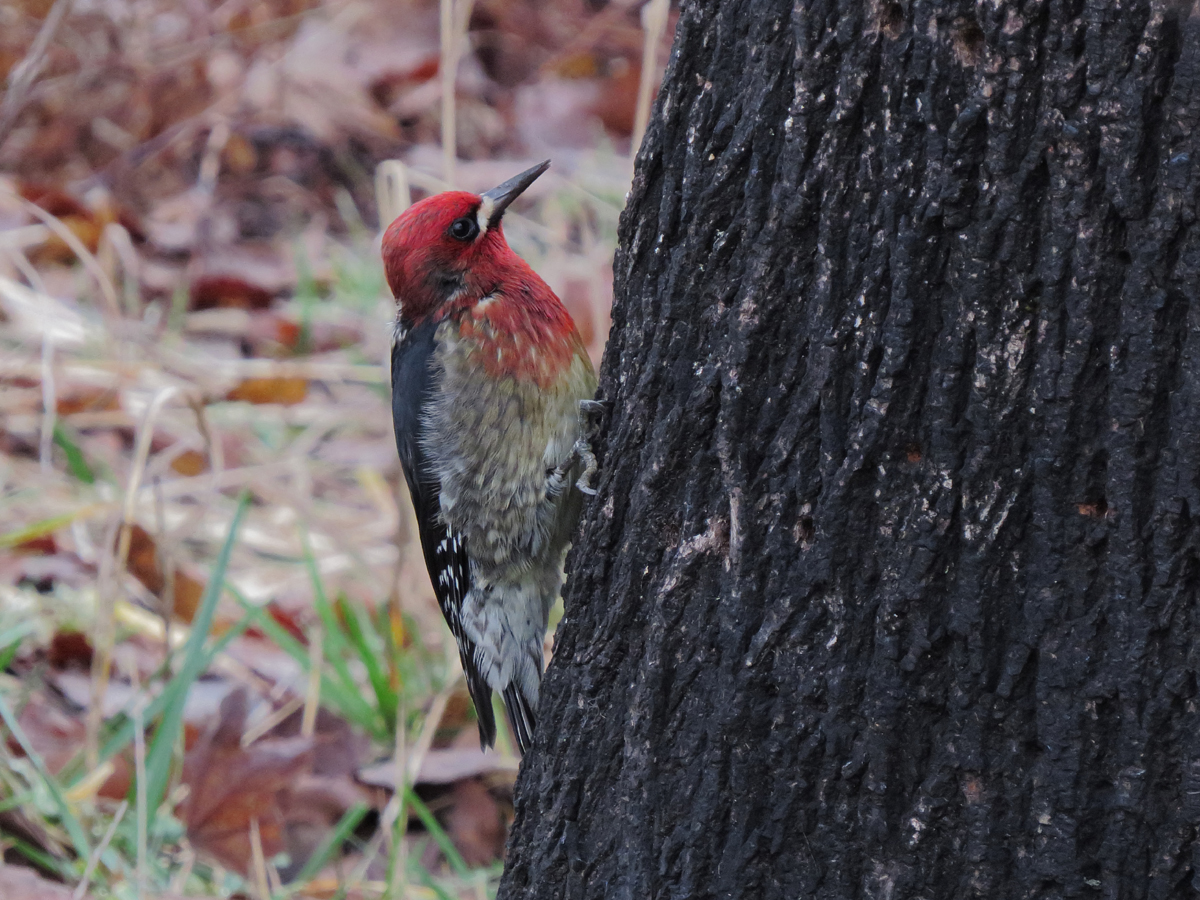
For the month of January, virtually all of my birding has been conducted within my 5 Mile Radius. This included dedicated birding trips and keeping track of birds while at the dog park and on family hikes.  (This Red-breasted Sapsucker was at Greenway Park.) Some birds came quite easily, like the Barred Owls that sang in my yard and at the dog park, while others were hard to find, like Rock Pigeon which I didn’t see until January 30.

The purpose of the 5 Mile Radius challenge, in addition to reducing your gas consumption, is to explore under-birded sites close to home. I visited several sites I had never birded before, and explored some familiar sites in greater detail.

The hope is that you will find previously unknown great birding spots, but this was not my experience. Of the new places I visited so far, all of which are eBird “Hotspots,” none of them are sites I am particularly motivated to visit again.

My circle has a few great birding sites that include wetlands, mixed forest, and hilltop migrant traps. If I concentrate my birding on five sites, I will have the opportunity to see the vast majority of species likely to occur within my circle. Yes, great birds can show up anywhere. If you are lucky enough to be able to go birding every day, then it makes a lot of sense to visit as many different sites as possible. But if your birding time is limited because you have a life (oops, did I say that out loud?), I think it makes more sense to spend your time in the best habitats. I also enjoy my birding more when the habitat is more pleasant. I have peeked into people’s back yards to see rare birds (Brambling, Black-throated Blue Warbler, Ovenbird, Costa’s Hummingbird), but I would much rather hike around a nice park.

Here are a few photos from the past month.

Brown Creeper, Greenway Park

Nutria at Koll Wetlands

Wilson’s Snipes at Commonwealth Lake

I dipped on the American Dipper that has been hanging out in my circle this winter, but I did see lots of dipper poop, so that should count, right?

Onward to February.

Summer Shorebirds

There isn’t much going on bird-wise in mid-summer besides shorebirds. It is nice to have an opportunity to really focus on a single group of birds. Here are a few images from recent weeks.

IMG_0796
This Long-billed Dowitcher, to the right of the Killdeer, really caught my eye since she was still in nearly pristine breeding plumage.
IMG_0808
The bright cinnamon color goes all the way down through the undertail coverts. This bird was at Jackson Bottom Wetlands.

IMG_0832
more Long-billed Dowitchers at Jackson Bottom. These birds are already fading into their duller winter plumage.

IMG_0813
Spotted Sandpiper, still in breeding plumage, perched on a spotted log

IMG_0826
From the cuteness department comes this fuzzy baby Killdeer. Seeing a young Killdeer with his single breast band this late in the summer might suggest a Semipalmated Plover. But the fluffy plumage and the long legs (not to mentions the tiny wings) let us know we are looking at a fledgling.

IMG_0839
Take the time to look at shorebird specimens whenever you have the chance. The first thing you will notice is just how small these birds are. Since we usually look at shorebirds through powerful optics, we tend to think they are actually larger than they are. (A Least Sandpiper is a little smaller than a House Sparrow.) Here we have a nice comparison of a Greater and a Lesser Yellowlegs. Note the differences in the proportions of the bills.

IMG_0814
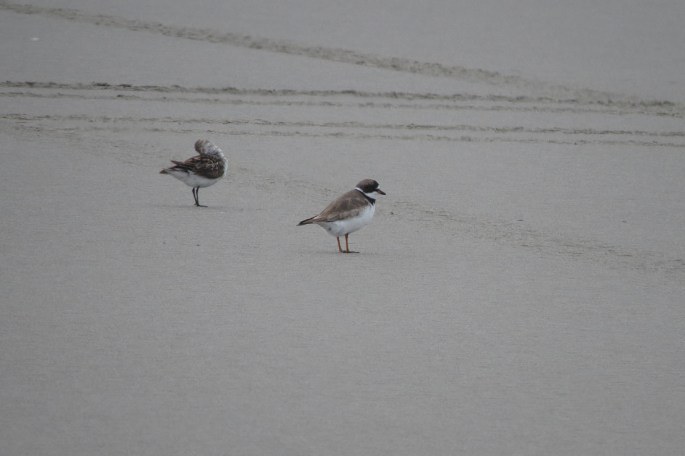
A trip to the coast provided good numbers of Semipalmated Plovers, seen here with a Western Sandpiper.

IMG_0819
Several hundred Marbled Godwits spent a couple of weeks at the beach in Fort Stevens State Park.

blue small
Dragonflies provide a nice burst of color in the summer. I believe this a Blue Dasher, but please correct me if I am wrong.

8 spot
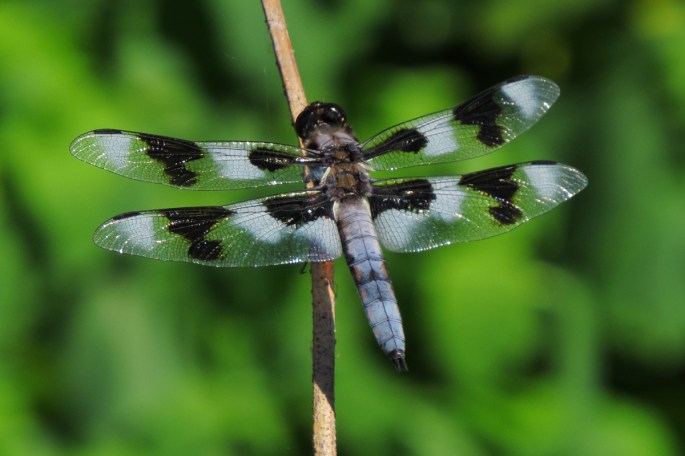
Eight-spotted Skimmer

black-tailed small
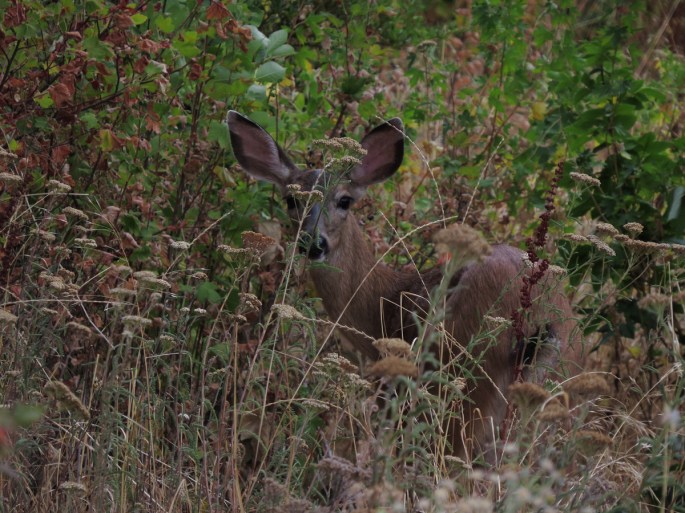
This Black-tailed Deer was behind the visitor center at Jackson Bottom.

Shorebird migration will be the big thing for another few weeks, but it will be gull season before you know it.