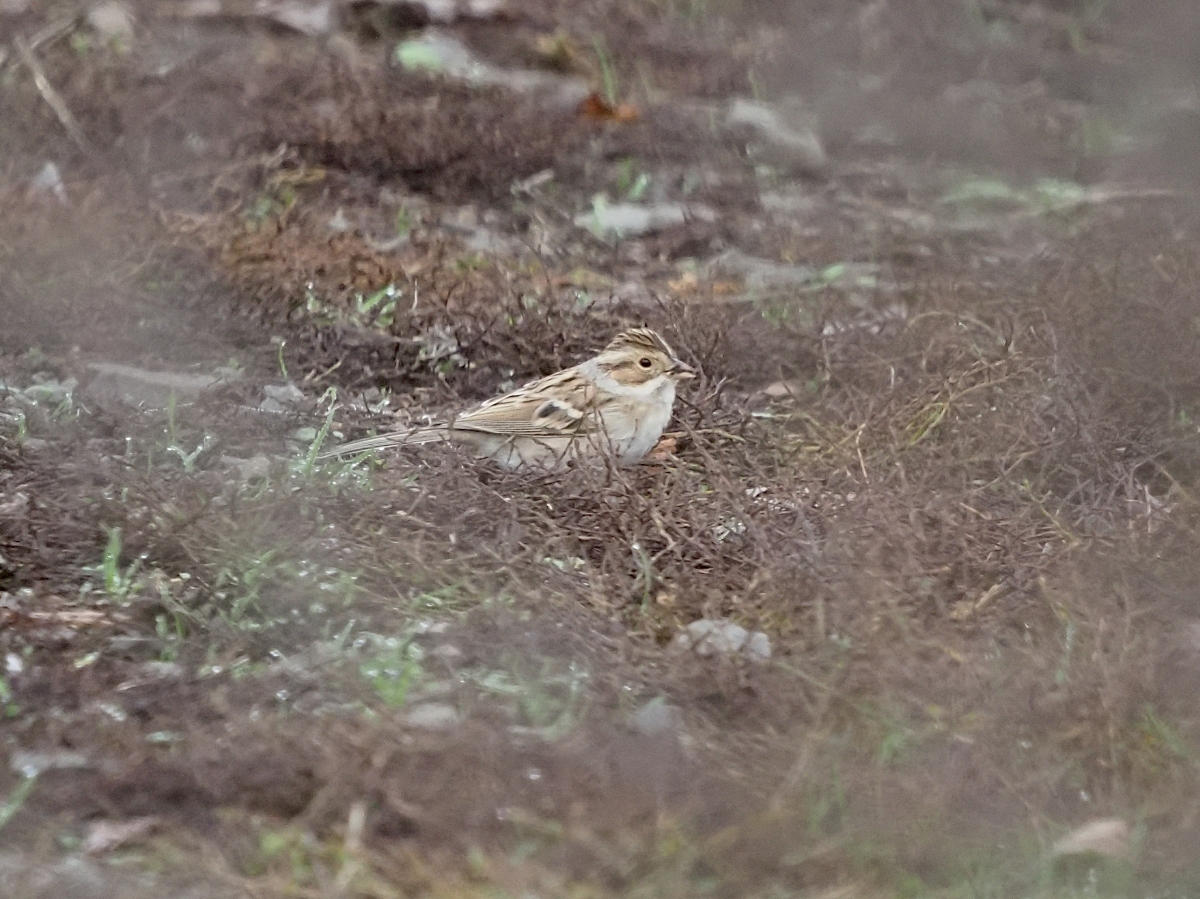
I ran out to Jackson Bottom Wetlands to see a Clay-colored Sparrow that has been hanging around. The bird was shy and didn’t allow a close approach, but the distinctive light coloring, gray nape, and strong face pattern made it easy to pick this bird out of the crowd. This species doesn’t make it to Oregon very often.
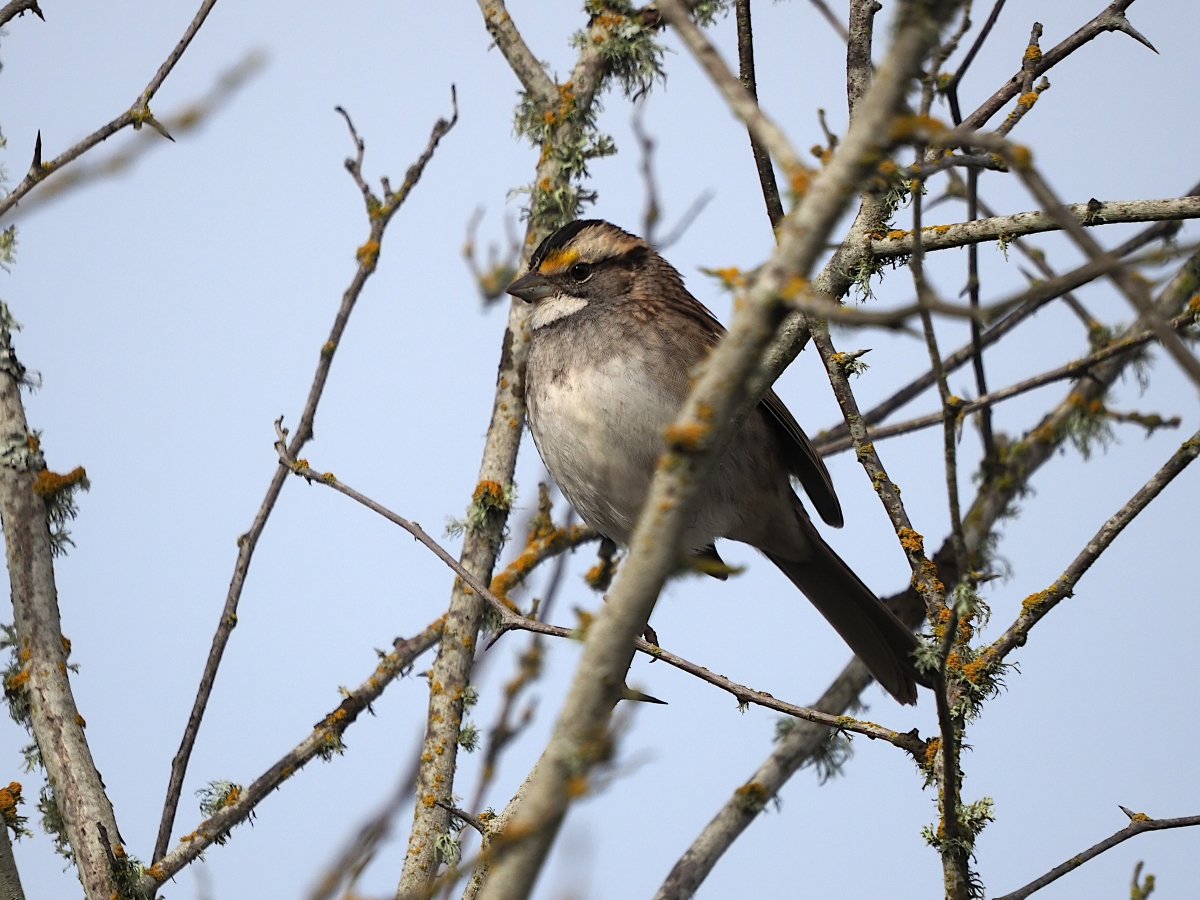
Formerly considered a rarity in Oregon, White-throated Sparrows are now expected among winter sparrow flocks in the state. I found at least three individuals on this trip.

Nutria, in all its mucky, invasive species cuteness.
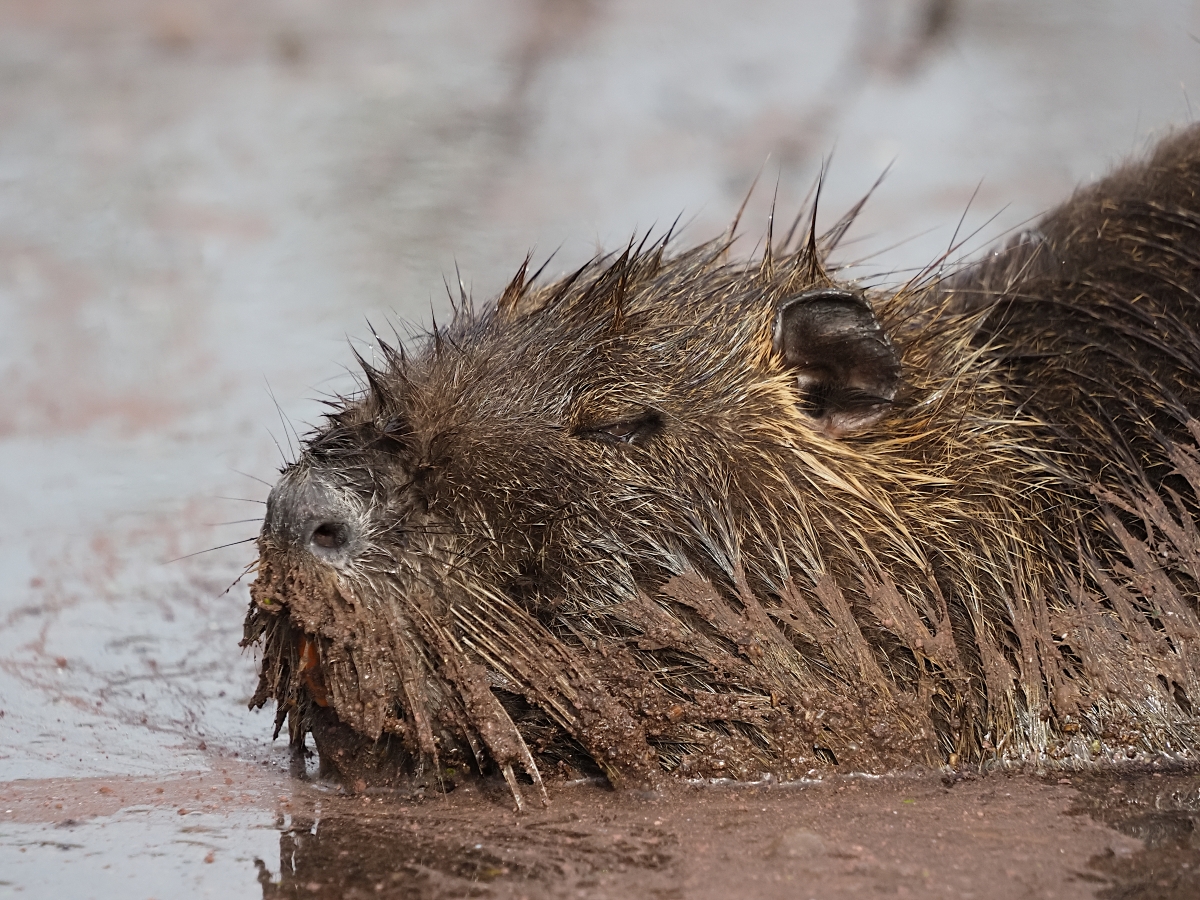
Sleepy rodent. I actually saw a native Muskrat on this trip, but he eluded my photographic efforts.
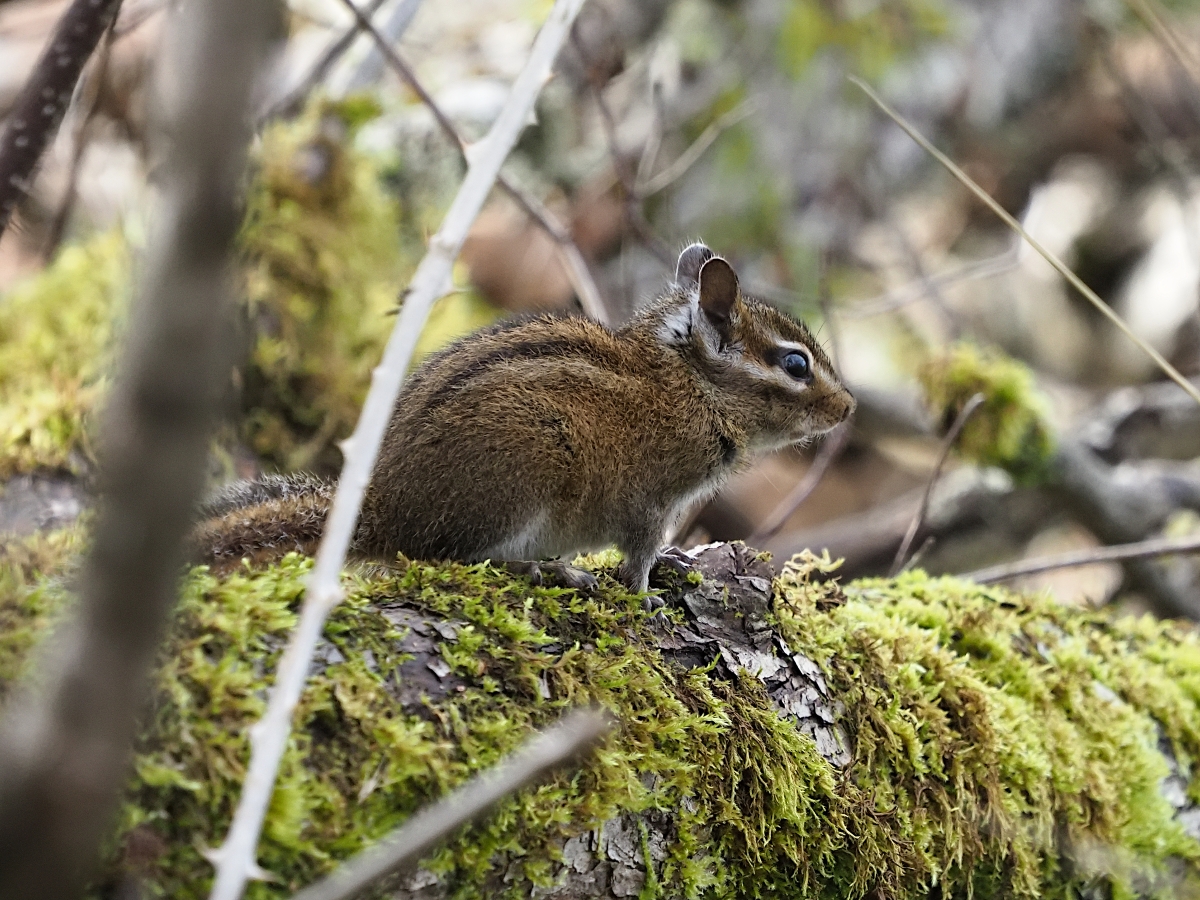
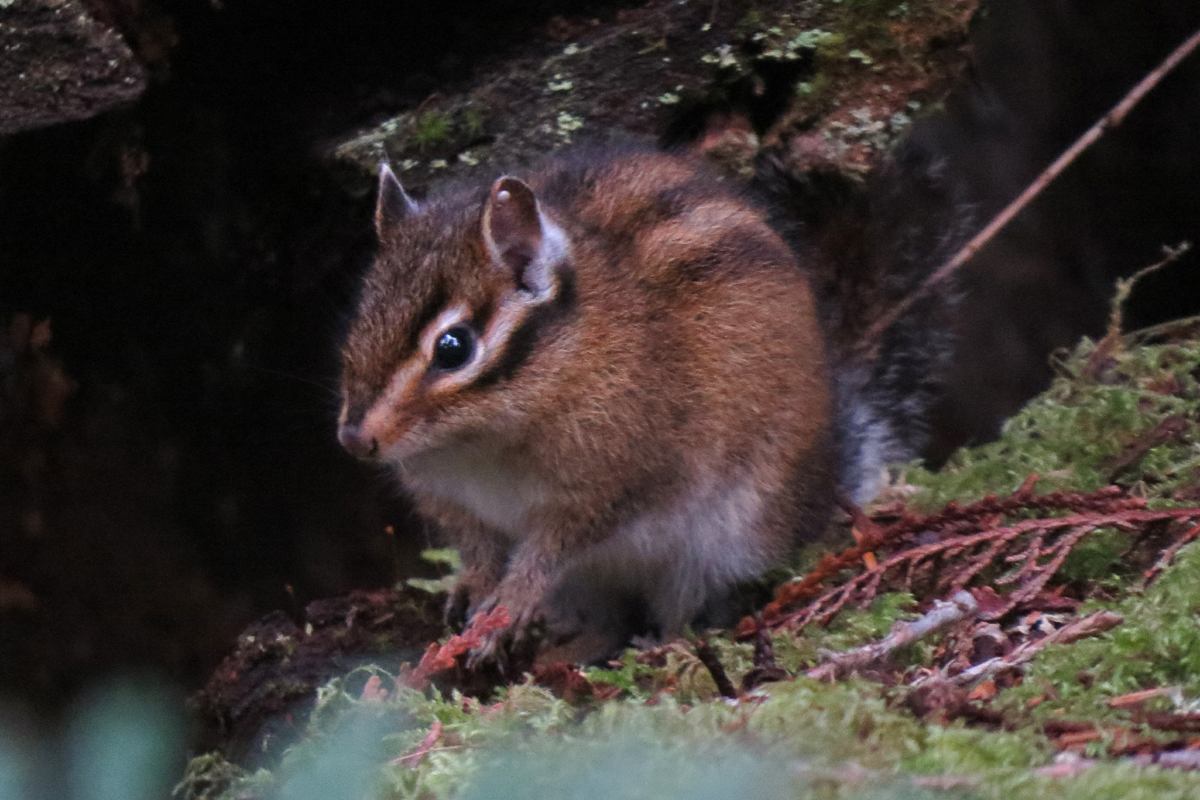
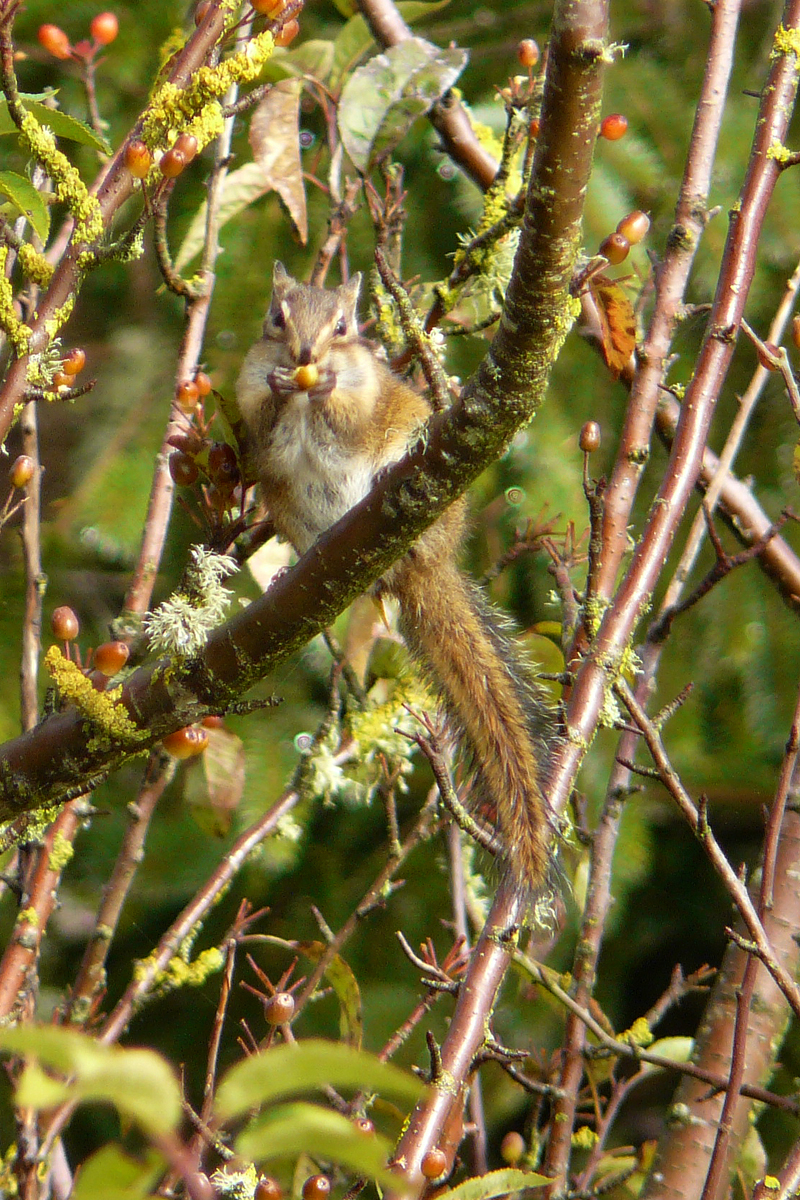
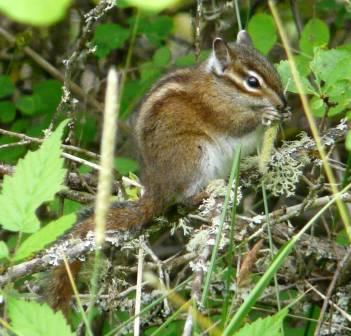
One native rodent I did manage to capture was this Townsend’s Chipmunk. At higher elevations with snow cover, this species will hibernate, but they are active all year in the Willamette Valley.
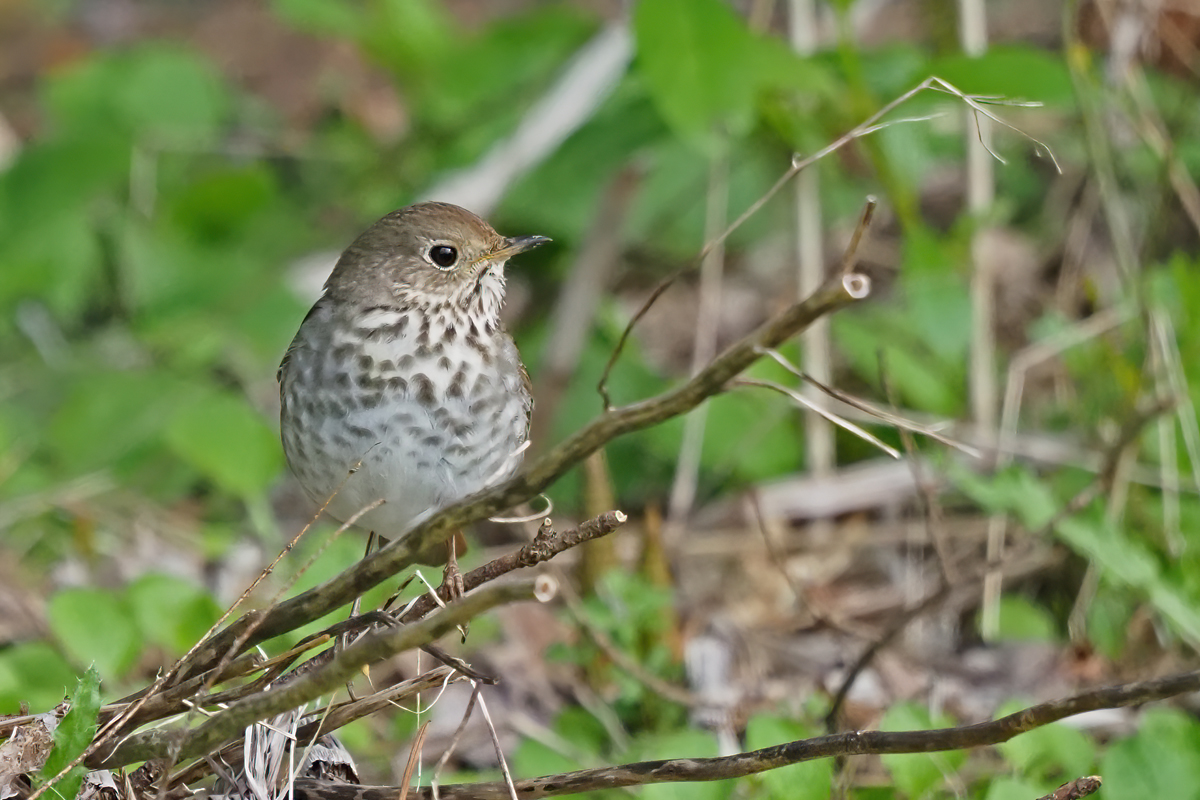
 I think we had more snow in April than we did in December. It has been cold and wet most of the month, and while I am very grateful for the rain and the added mountain snowpack, the weather has seemed to delay the onset of spring. Migrants have been few, and resident species a just starting to get revved up for the season. This Pacific Wren was trying out his song at Tualatin River NWR.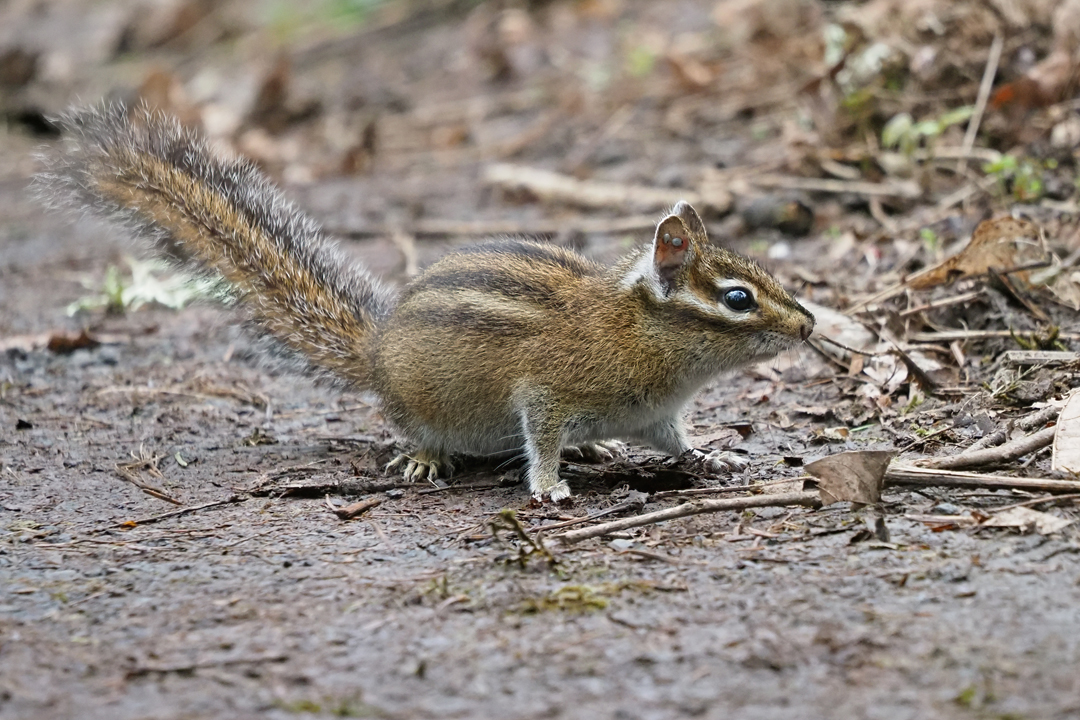




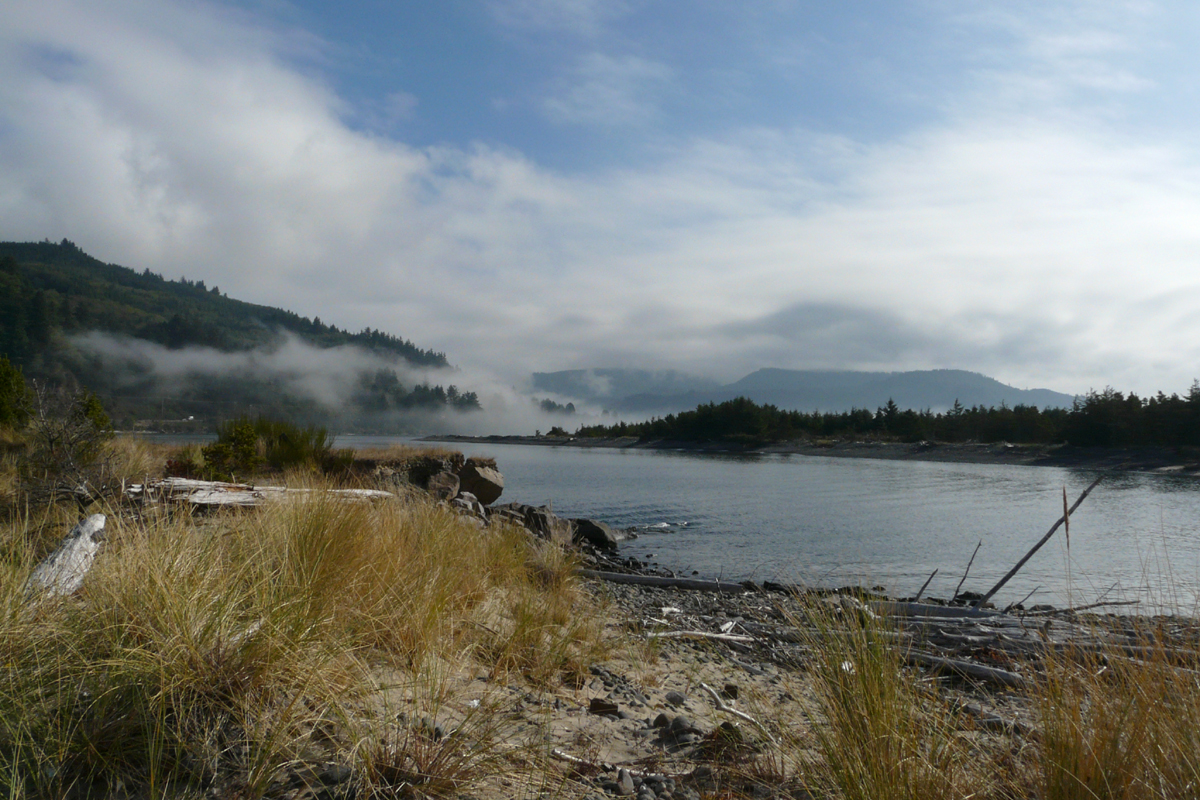
 Although the shorebird migration is winding down, there were still some birds on the bay side of the spit. Black-bellied Plovers were the most obvious and vocal, joined by Western Sandpipers, Short-billed Dowitchers, a Semipalmated Plover, and the first Dunlin of the season.
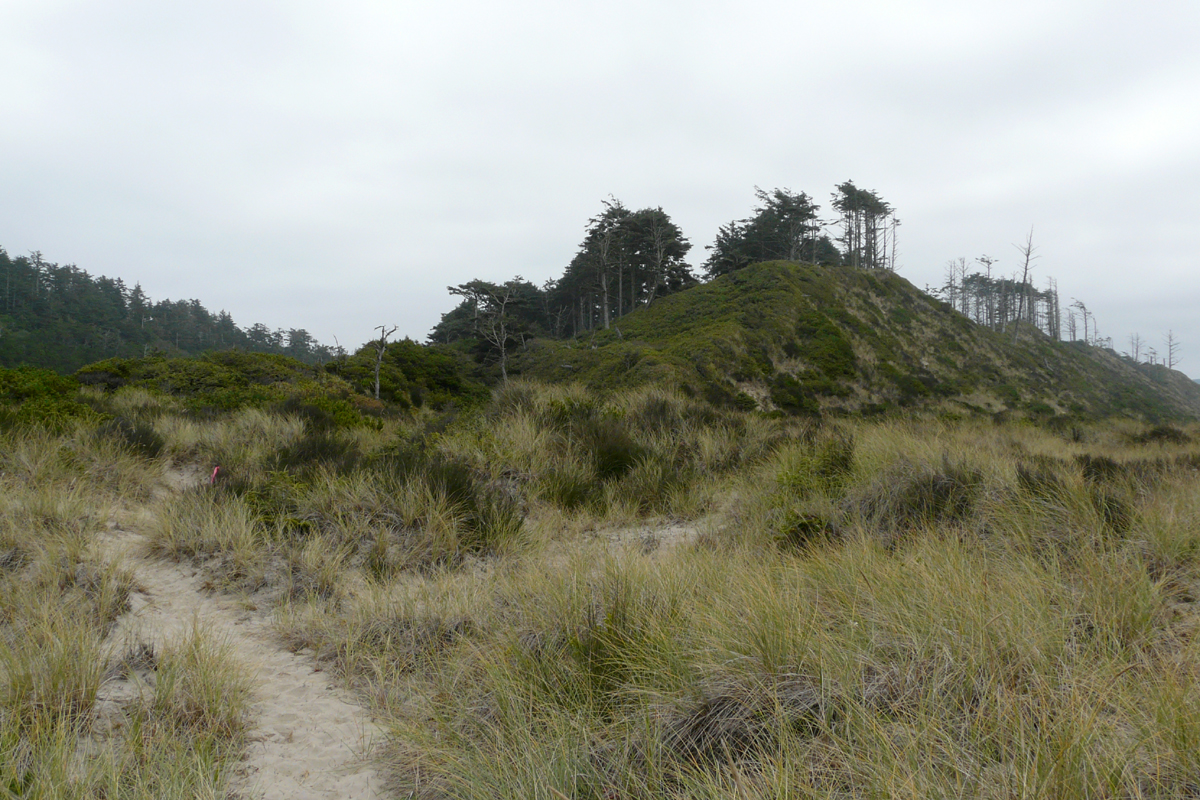
 The ocean side of Bayocean Spit usually has far fewer birds than the bay side, but it is a nice stretch of secluded beach.


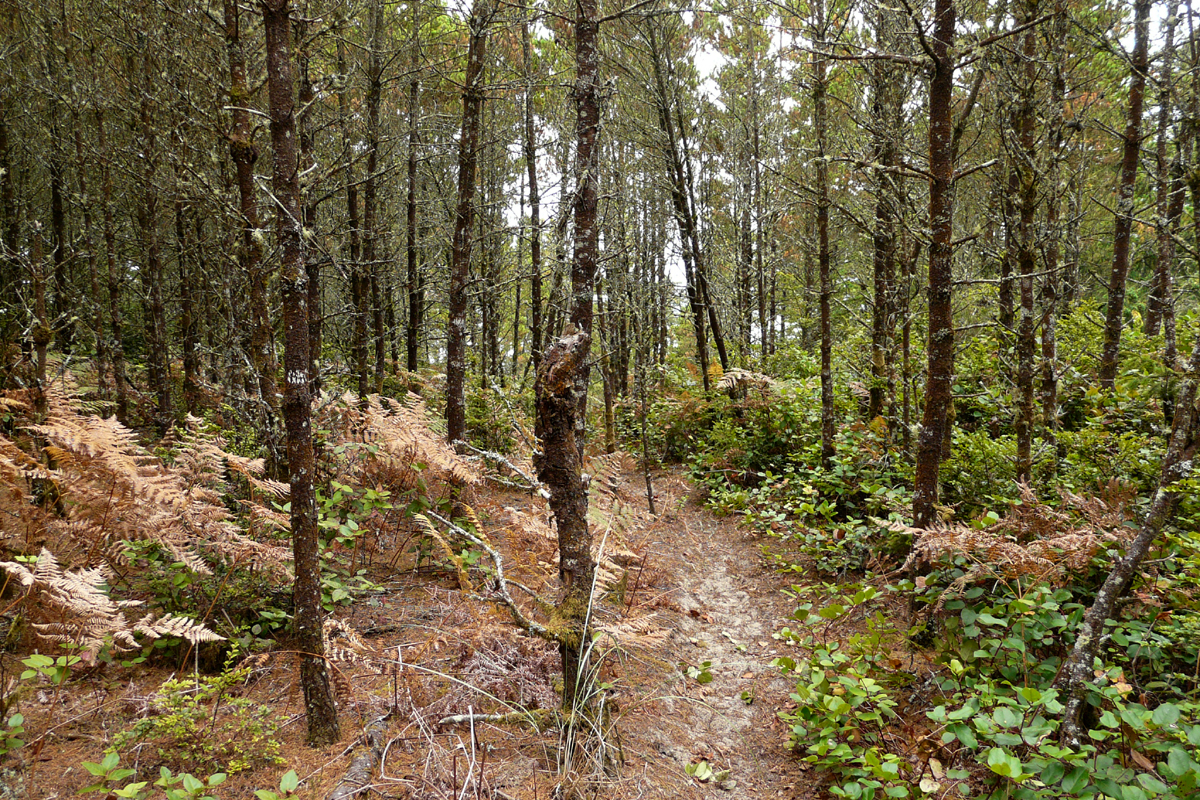

 I am helping with a series of point counts on the Oak Island section of Sauvie Island (Birding Oregon p.56). The goal is to gather baseline information on bird species using this area before habitat restoration work begins. The habitat consists of large oaks, grassy fields, and scattered thickets along the shore of Sturgeon Lake.


 Ethical Birder