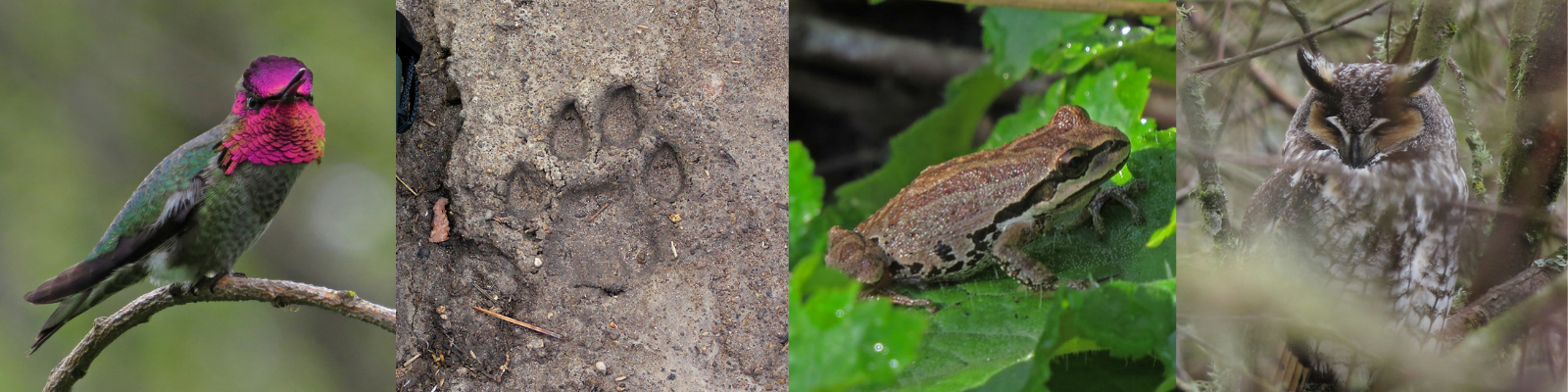
This March has been one of the coolest and wettest on record in the Portland area. Aside from keeping me indoors far more than I would like, the weather has created a bit of a stall in spring’s progress.
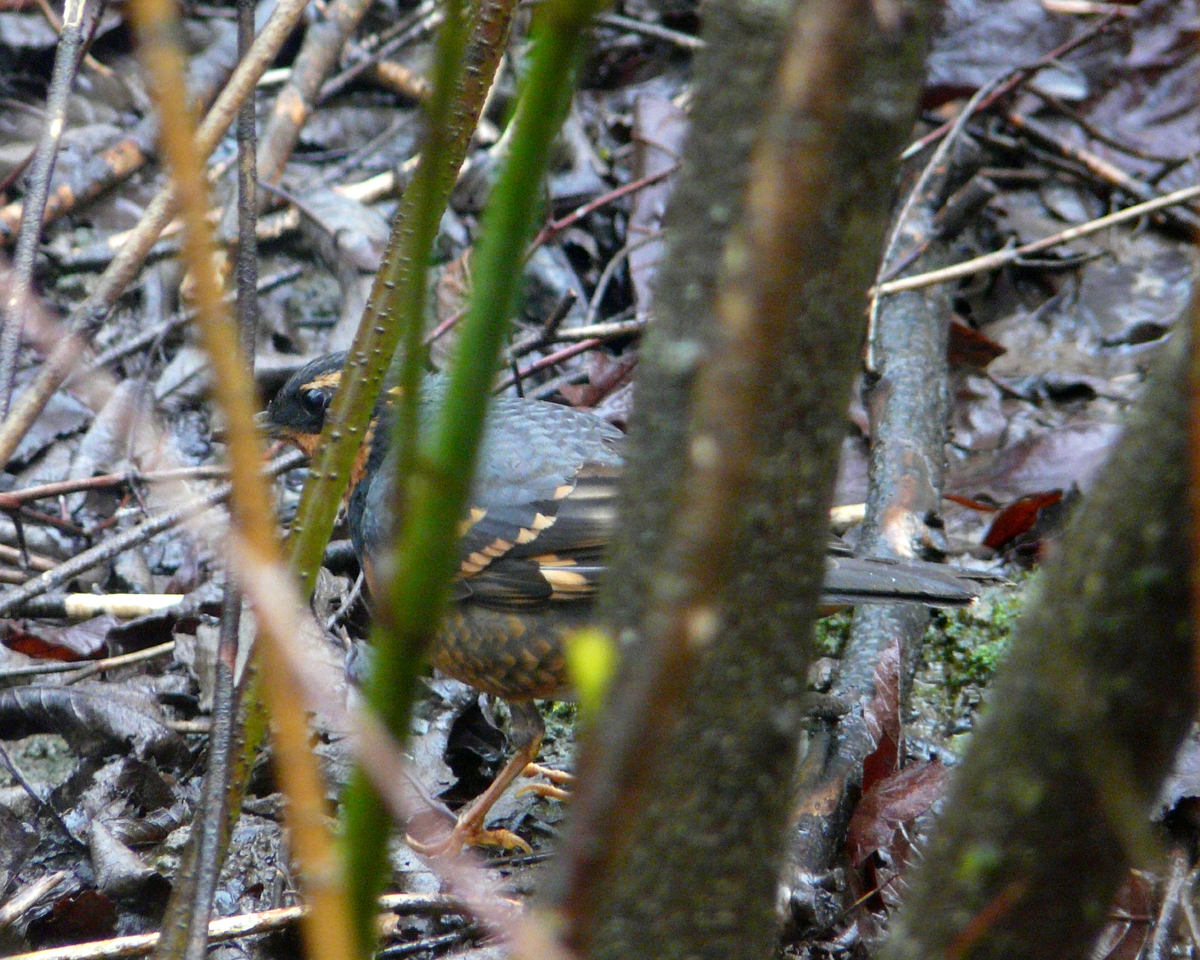
The winter residents, like this skulking Varied Thrush, have started to thin out. There are still a lot of waterfowl around, but gull numbers are greatly reduced.
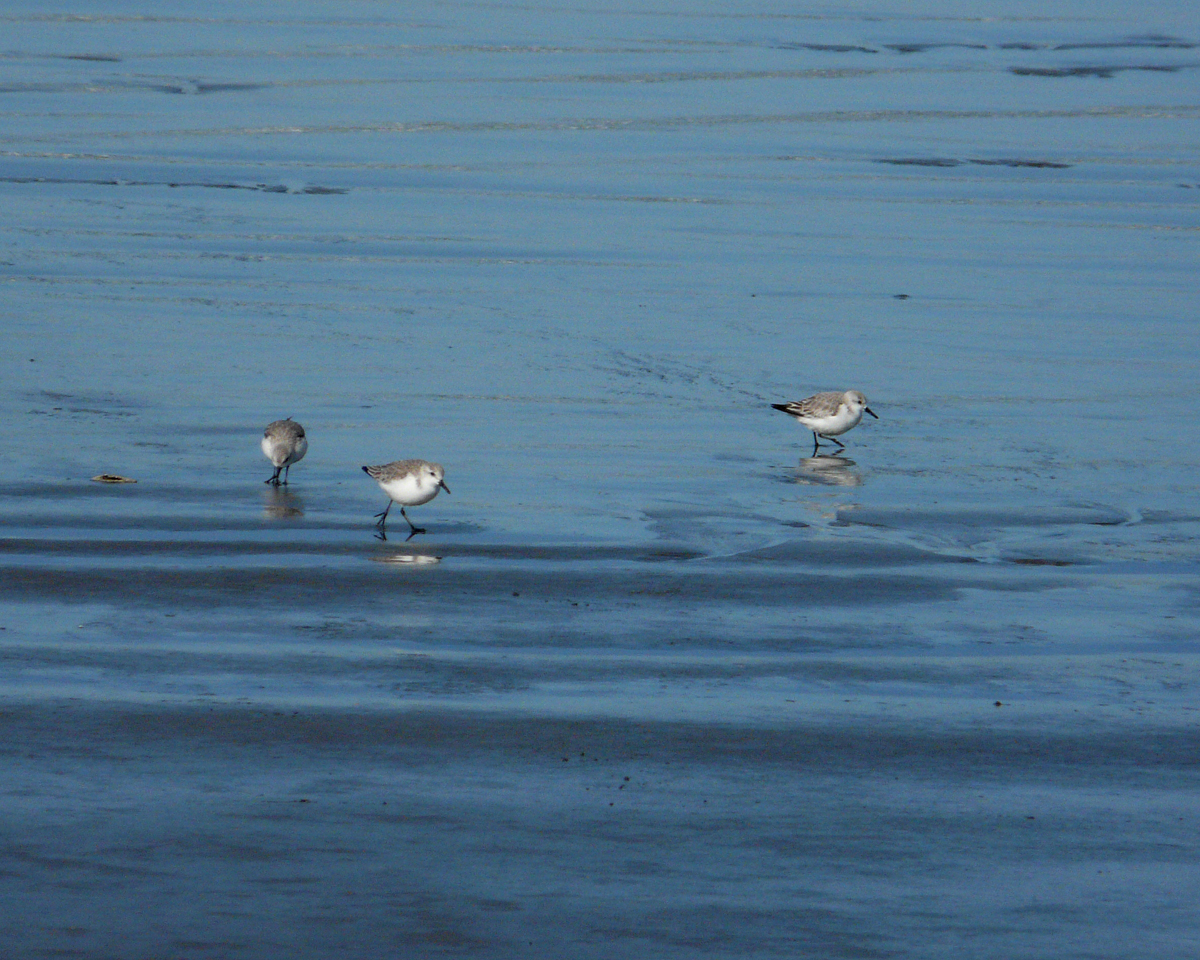
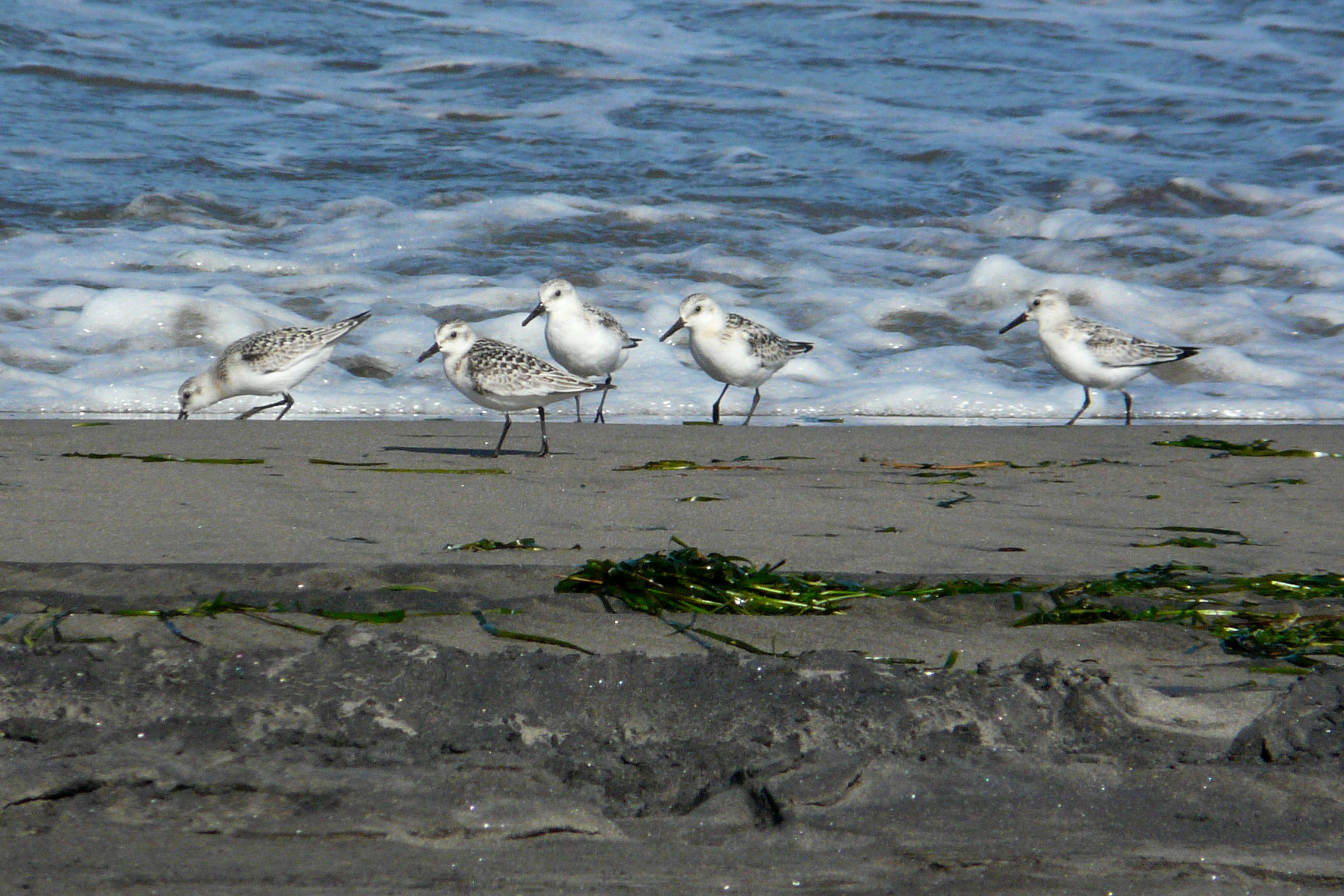
A long walk on the beach north of Gearhart produced a few Sanderlings, but the northbound shorebirds haven’t arrived yet.

Activity at the bird feeder has slowed down as the winter flocks are breaking up and the local birds start pairing up. Here is one of the resident Black-capped Chickadees.
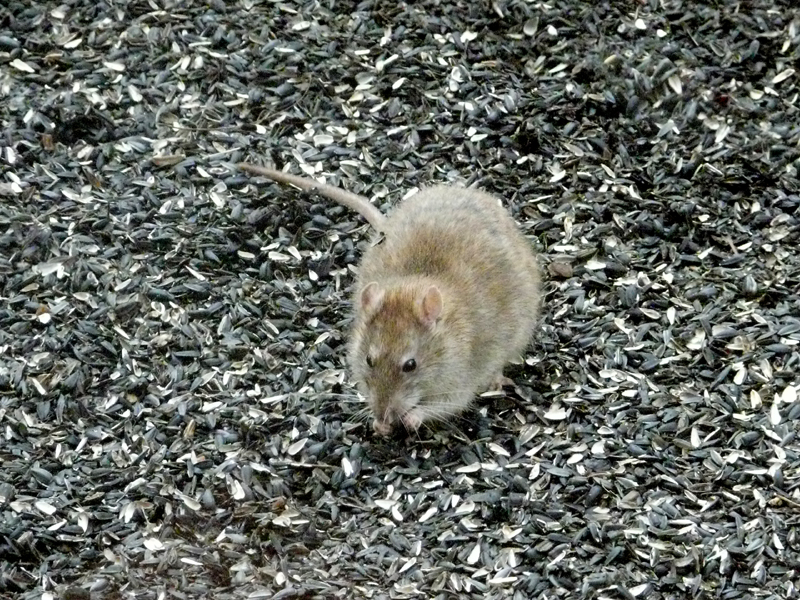
A Norway Rat has been taking advantage of the seeds the birds drop.
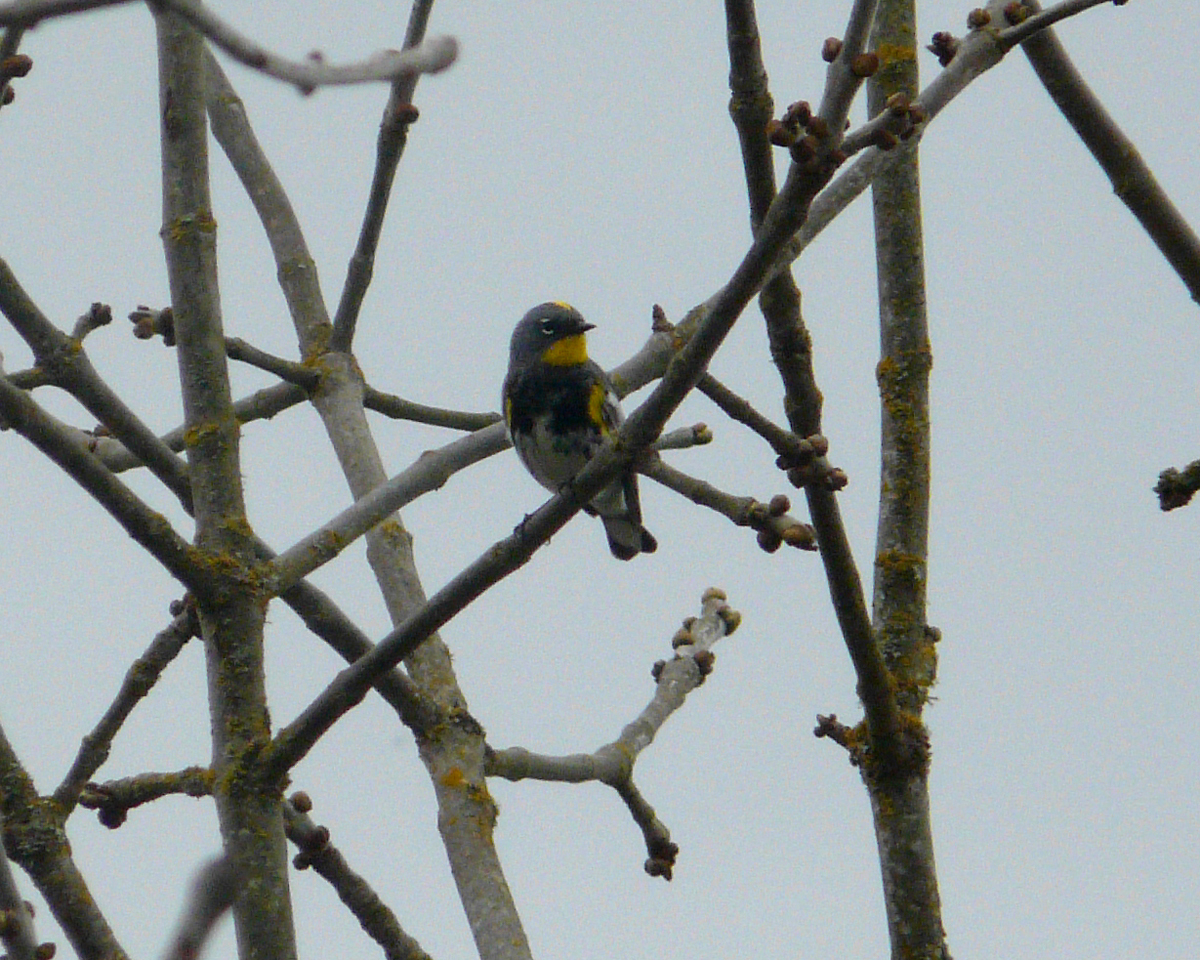
Despite the dreary weather, there are signs of the coming breeding season. This Yellow-rumped Warbler (Audubon’s race) is showing off his fresh breeding plumage.
When we experience long bouts of bad weather, and spending the month of March in Arizona sounds very appealing, we still need to get out into the field. Spring may be slow in coming, but there are still birds out there. Slow birding gives you the chance to study the common local species more carefully, and you never know what might turn up.




 Ethical Birder