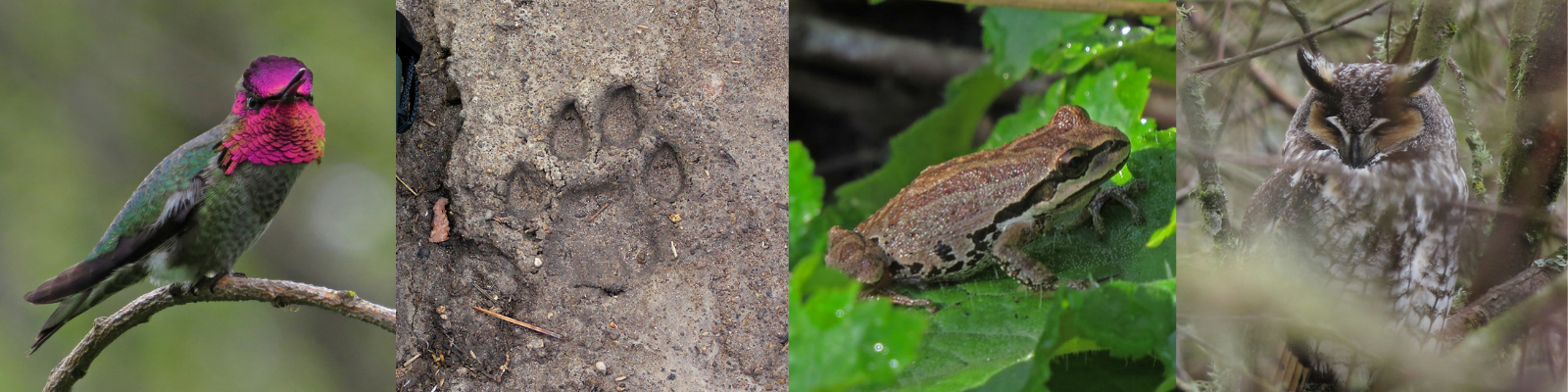

I enjoyed a walk around Fernhill Wetlands recently. We are in that in-between time when the seasons haven’t decided exactly who is in charge, so you never know what or who you will find out and about this time of year. This Black Phoebe still shows the pale gape and buffy wingbars of a juvenile.
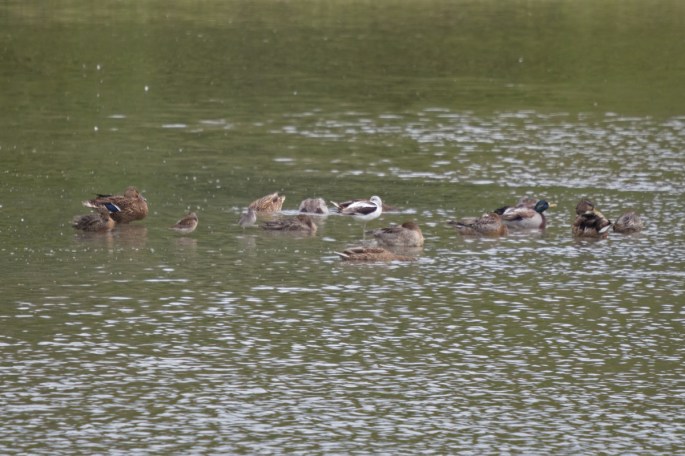
Most of the migrant shorebirds have moved on, but this wayward American Avocet was hanging out with the local waterfowl.

American Coot, enjoying their greens

I still haven’t taken the leap into studying dragonflies, but I am noticing them more and more. I believe this is a female Cardinal Meadowhawk, but please correct me if I am wrong.


Southbound raptor migration is pretty hit and miss in the Portland area. You have to be out at the right time when a flock is passing over. I missed the big flights this year, but did get to see a little flock that included a couple of Red-shouldered Hawks.
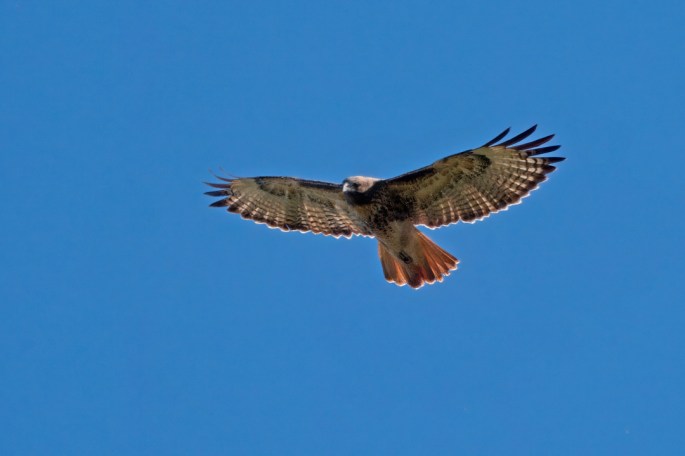
I don’t know if this Red-tailed Hawk is a migrant or a resident.

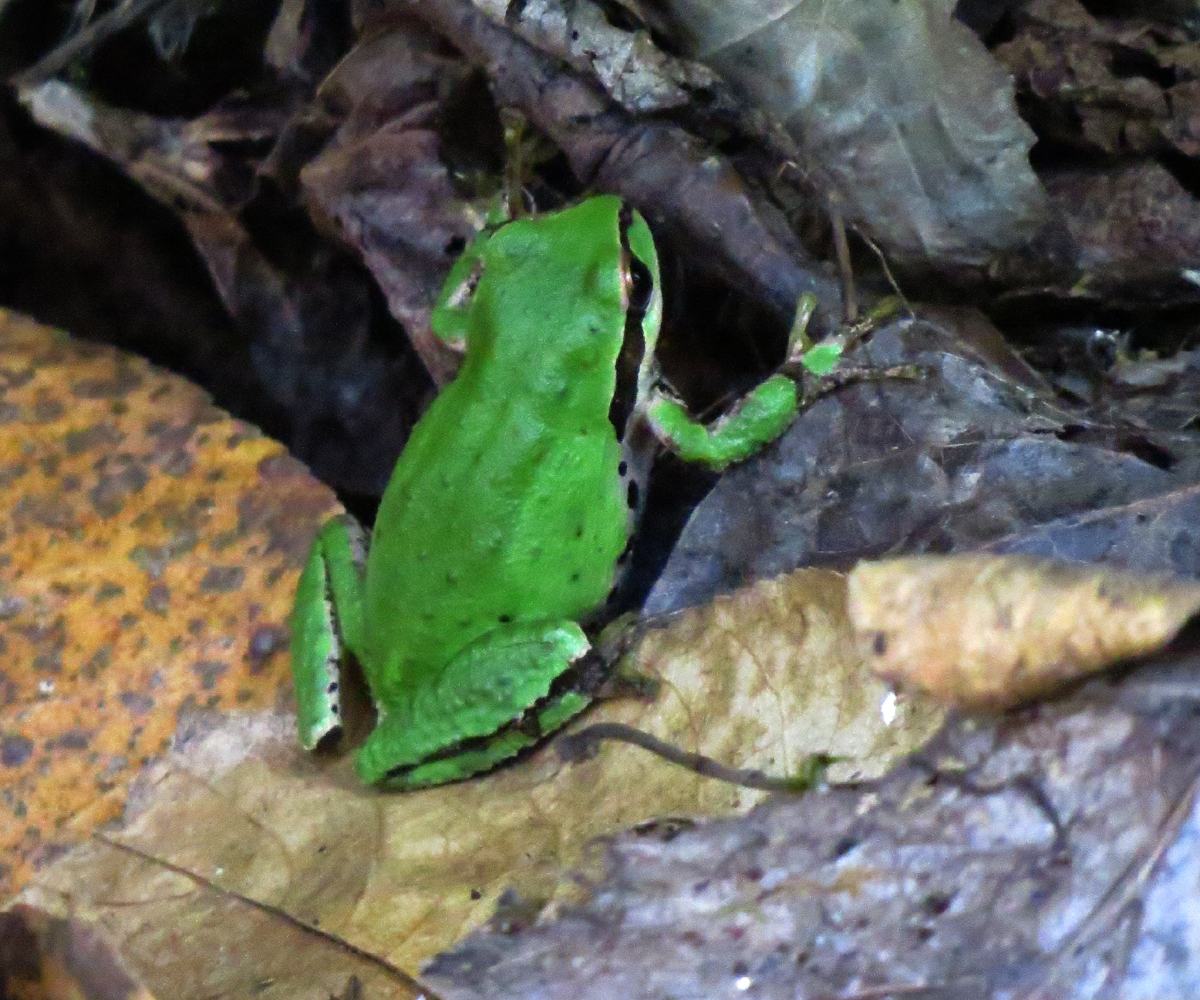
Now that the rains have begun, the Pacific Treefrogs have become more vocal and more visible. This youngster was sitting in the middle of a leaf on a cottonwood sapling. I missed most of the spring herp activity this year due to the demands of a certain puppy, so it has been great to see a few herps this fall.
Happy Autumn
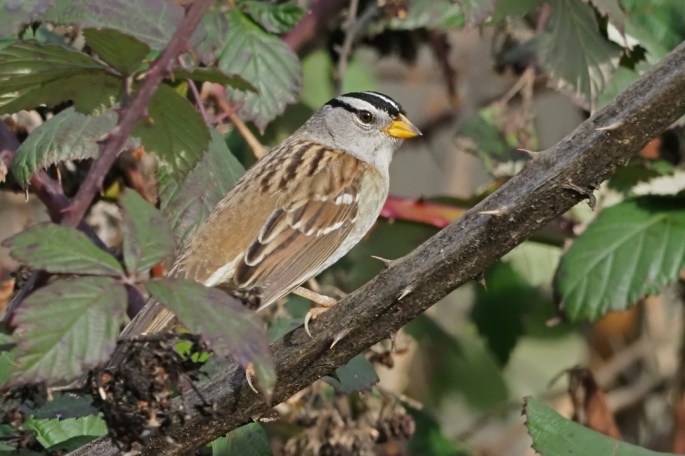 Rentenaar Road on Sauvie Island remains one of the better sites in the Portland area to find a nice diversity of winter sparrows, along with other songbirds and waterfowl. While this trip did not produce any rarities, there were plenty of birds and sunshine to make the trip worthwhile. White-crowned Sparrows, pictured above, are among the more common species.
 Golden-crowned Sparrows are usually the most common sparrow in the winter flocks.
 This Fox Sparrow kept close to the heavy cover.
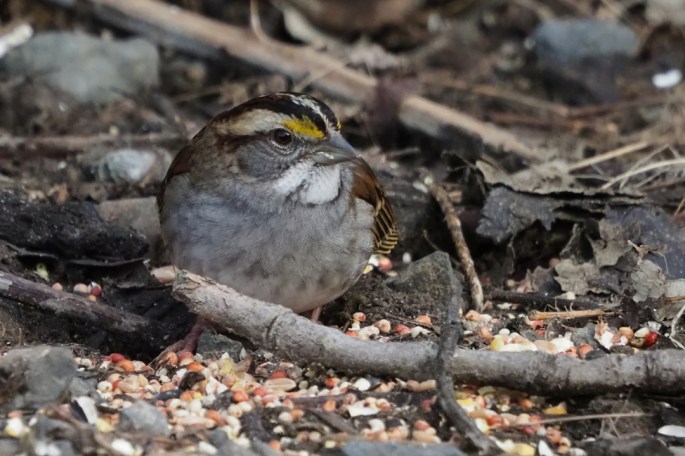 Once considered a rarity in this area, White-throated Sparrows are now reliable winter residents.
 Red-winged Blackbirds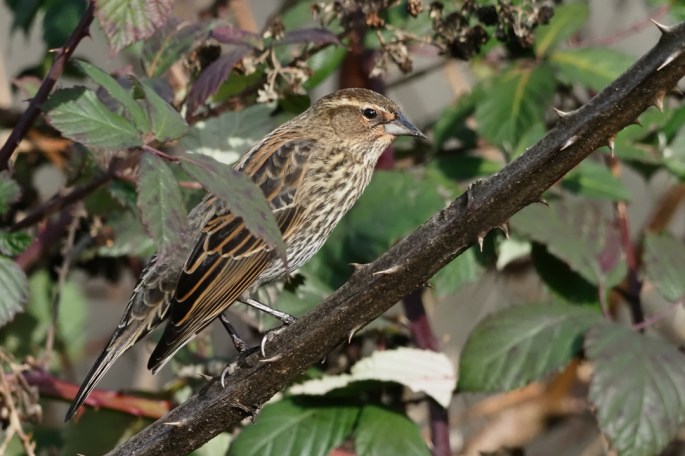
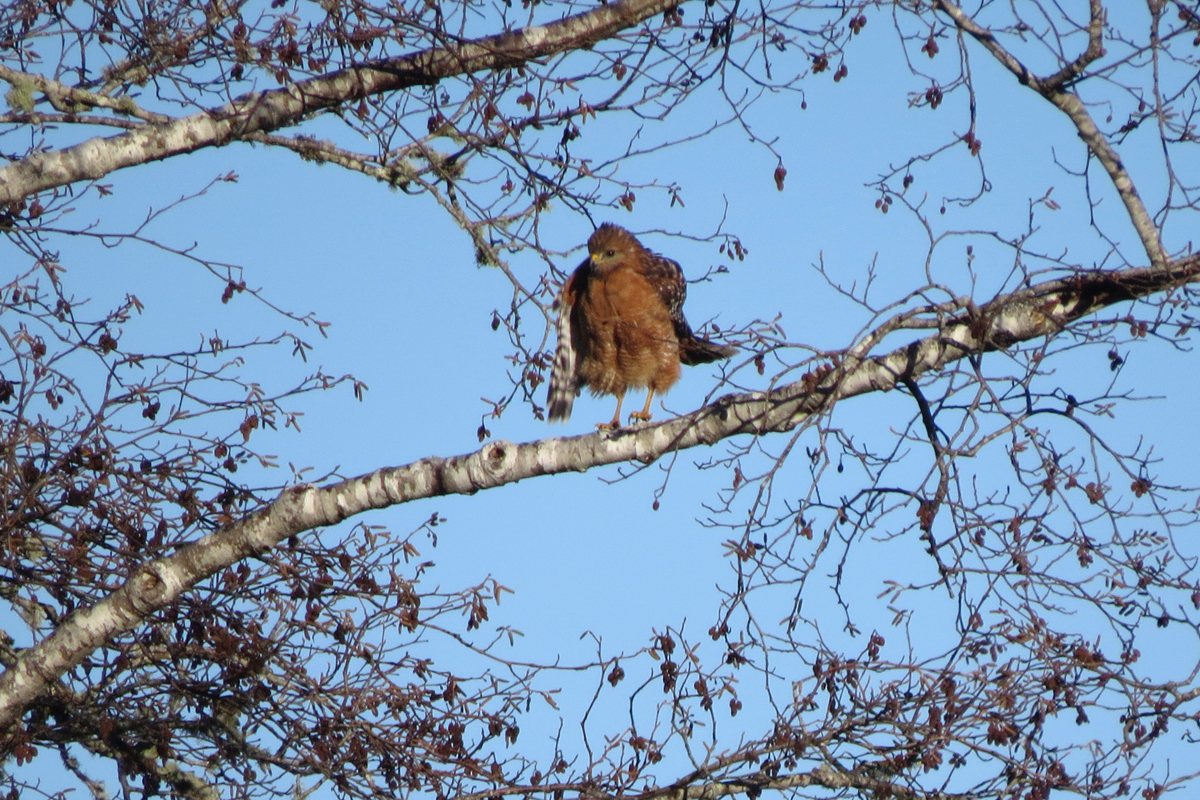
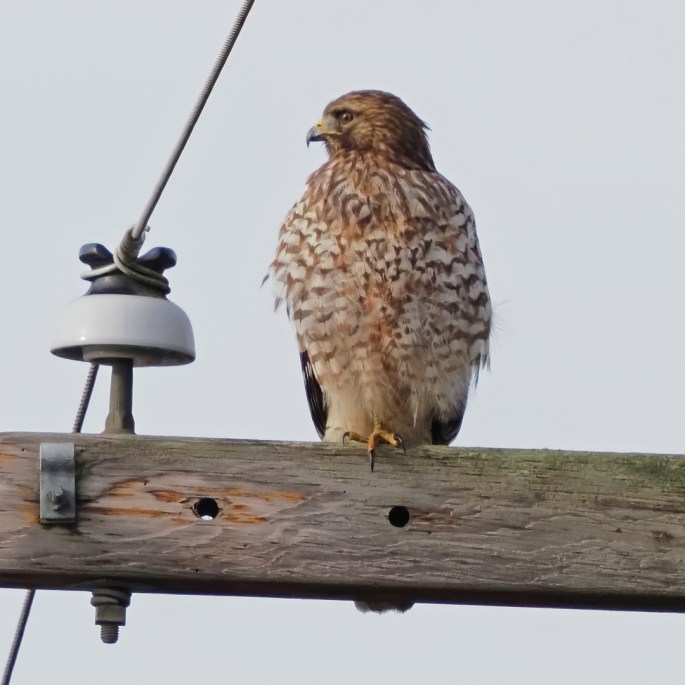 This Red-shouldered Hawk was the most unusual find of the day.
 Several birds were bathing in puddles in the road. Here a male Purple Finch cavorts with a female House Finch.
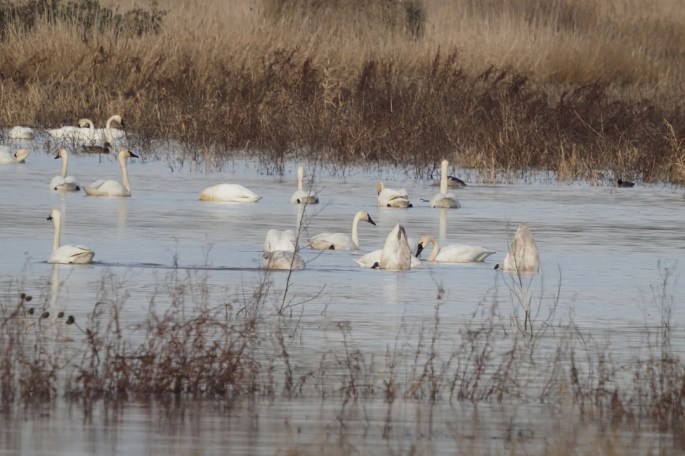 Waterfowl numbers were a little low on this trip. Ducks and geese face pretty heavy hunting pressure on Sauvie Island. Numbers should increase in the next month as hunting seasons expire and some birds start moving north. This flock of Tundra Swans kept their distance from the road.
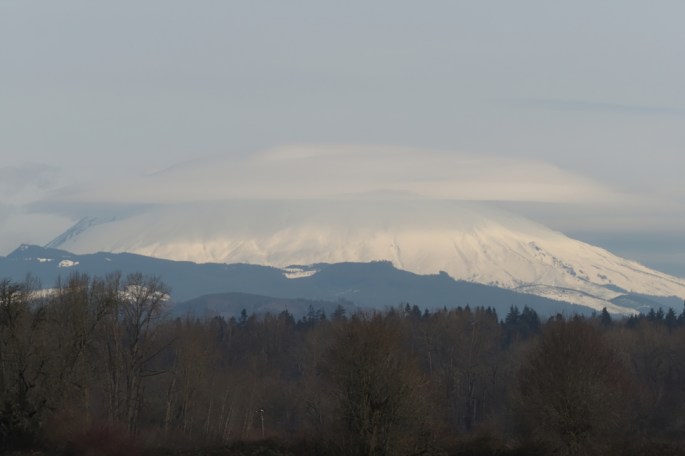 As the weather was clear on this day, there were nice views of Mount St. Helens, here with a lenticular cloud.







 Ethical Birder