When the birding is slow, take some time to study the local insects. While identifying some of these creatures makes immature gull ID look easy, some species are big and flashy enough to be accessible. Here are a few creatures from my recent outings, along with my best attempts at identification. Let me know if you find any errors.
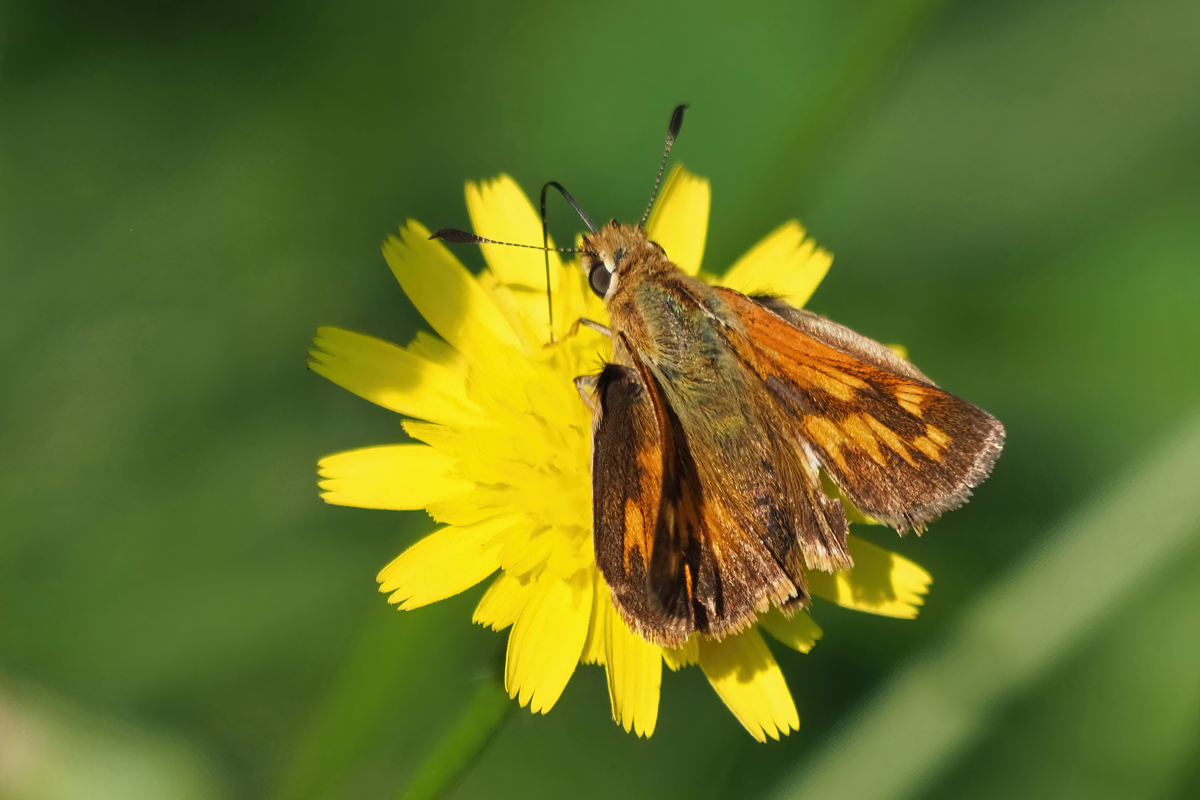
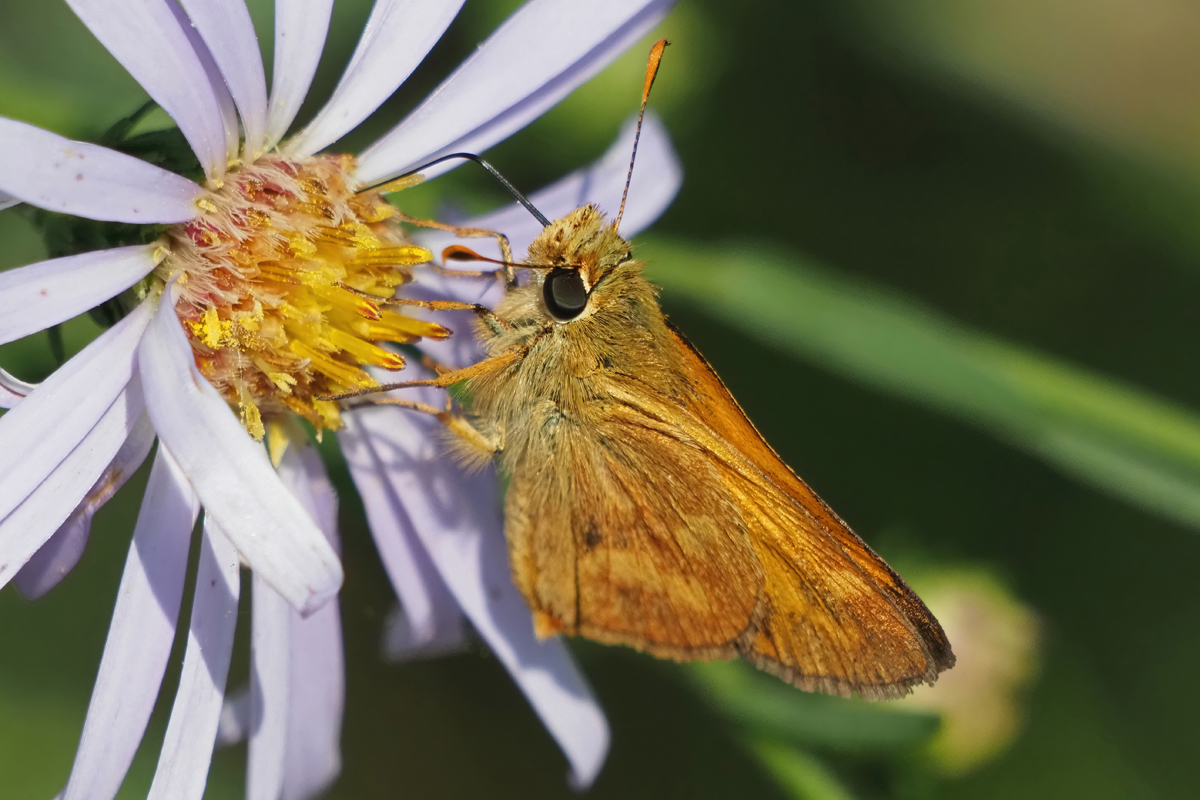
Woodland Skipper is one of the most abundant butterfly species in the Pacific NW this time of year.
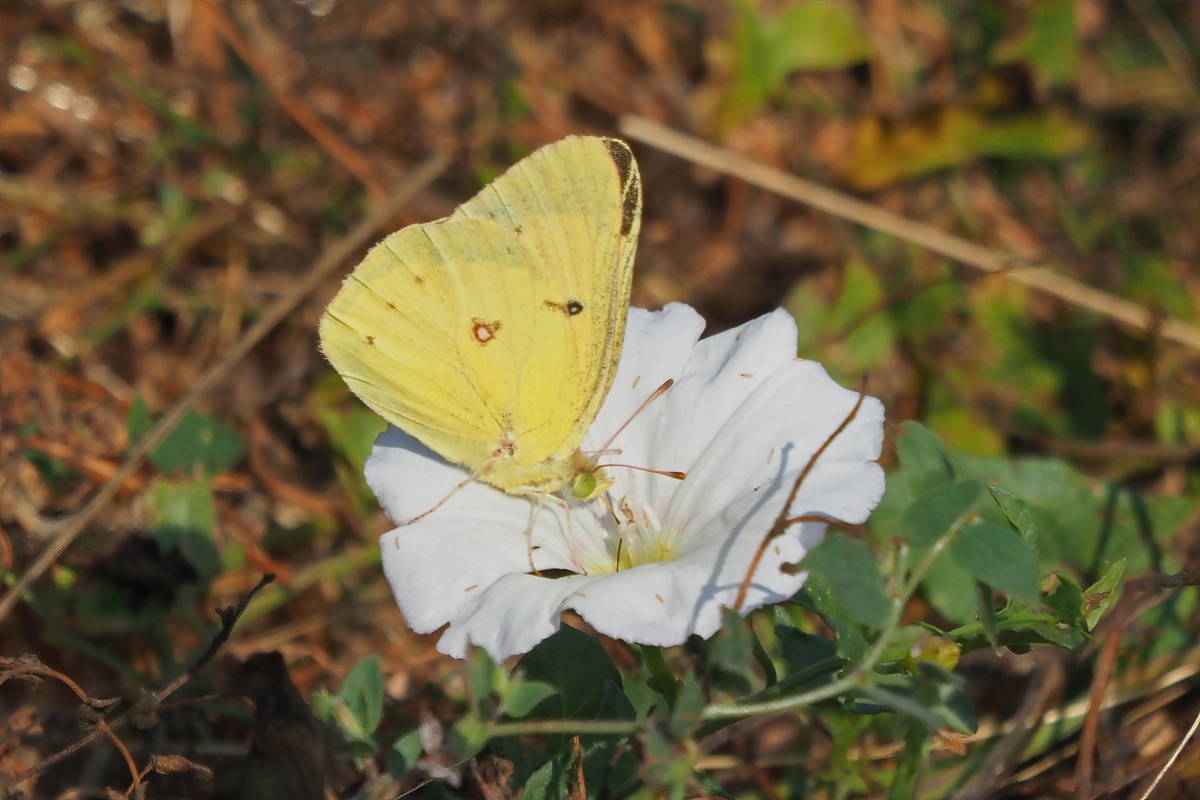
I believe this is an Orange Sulphur. Sulphurs are very active and seldom perch with their wings open, so getting a good look is extremely difficult.
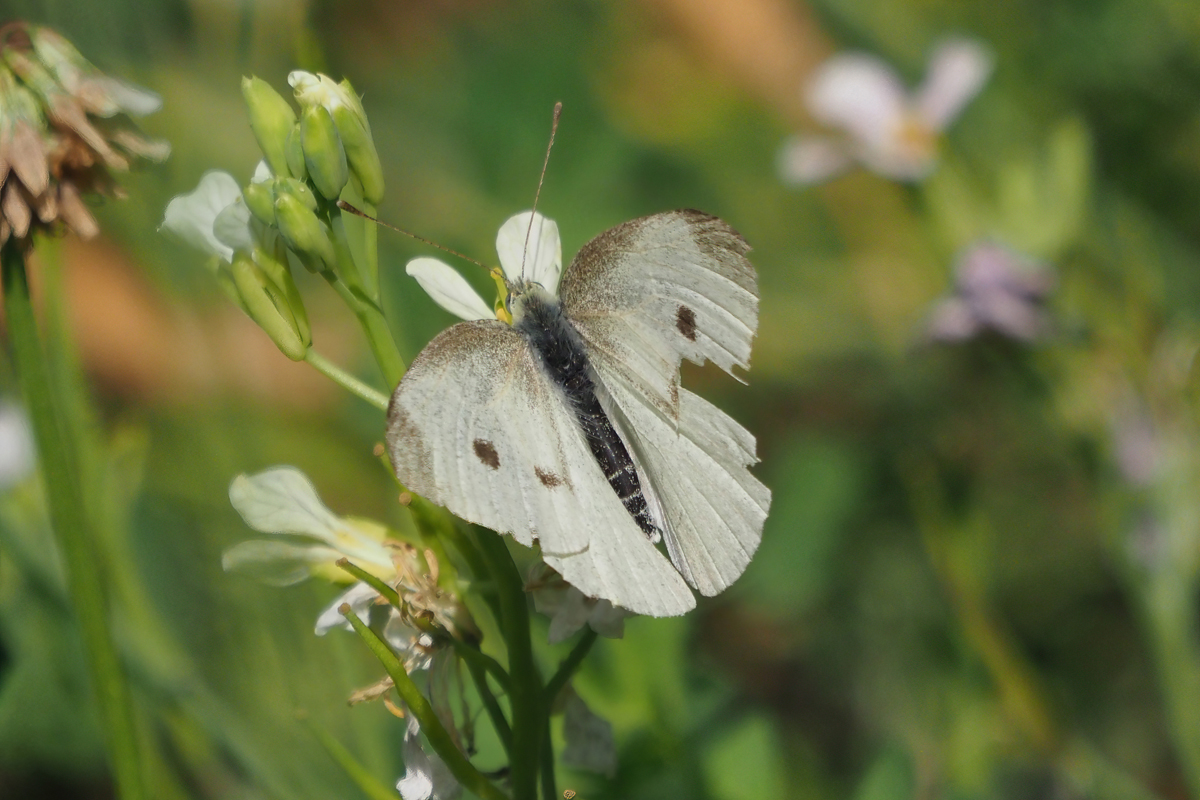
Cabbage White is another common species.
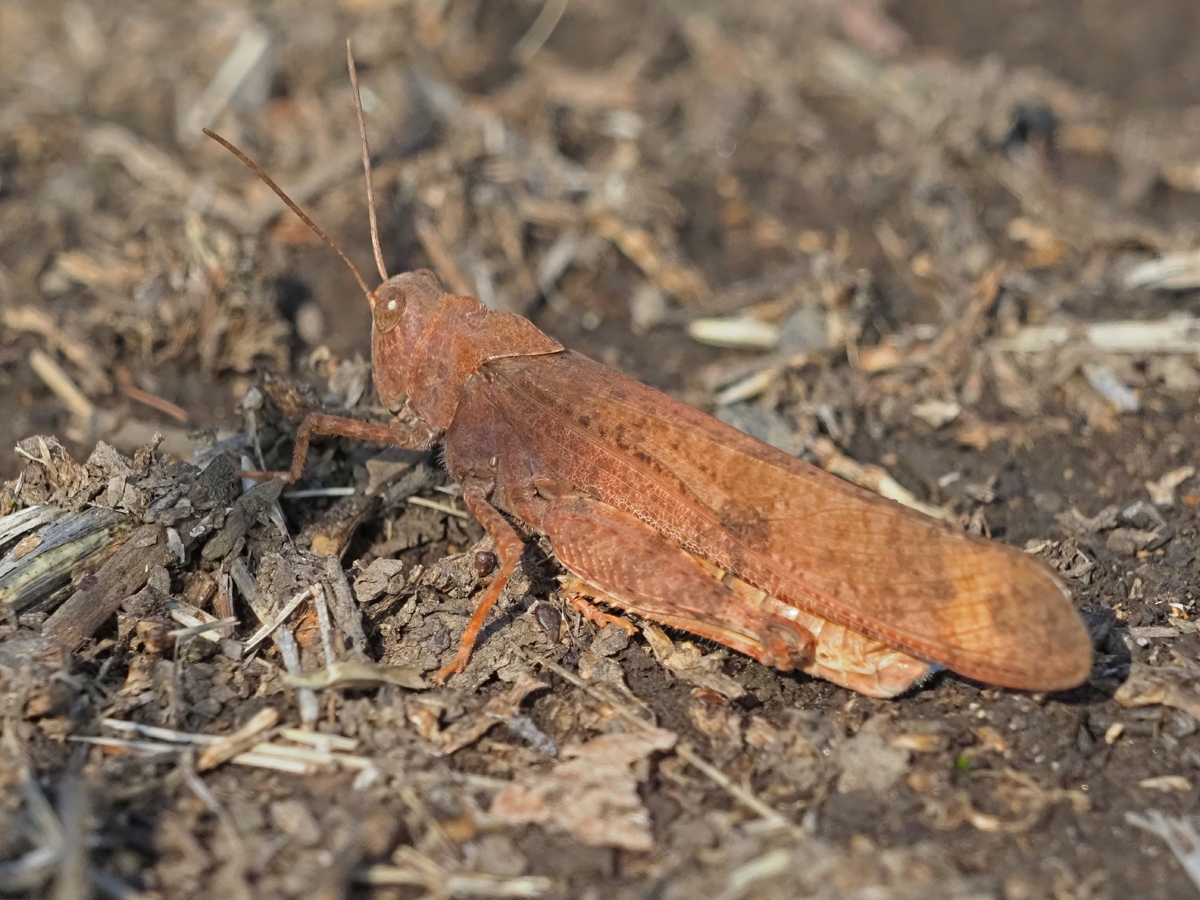
Carolina Grasshoppers are very plain when at rest, but have a bold black and yellow pattern on their wings when in flight.
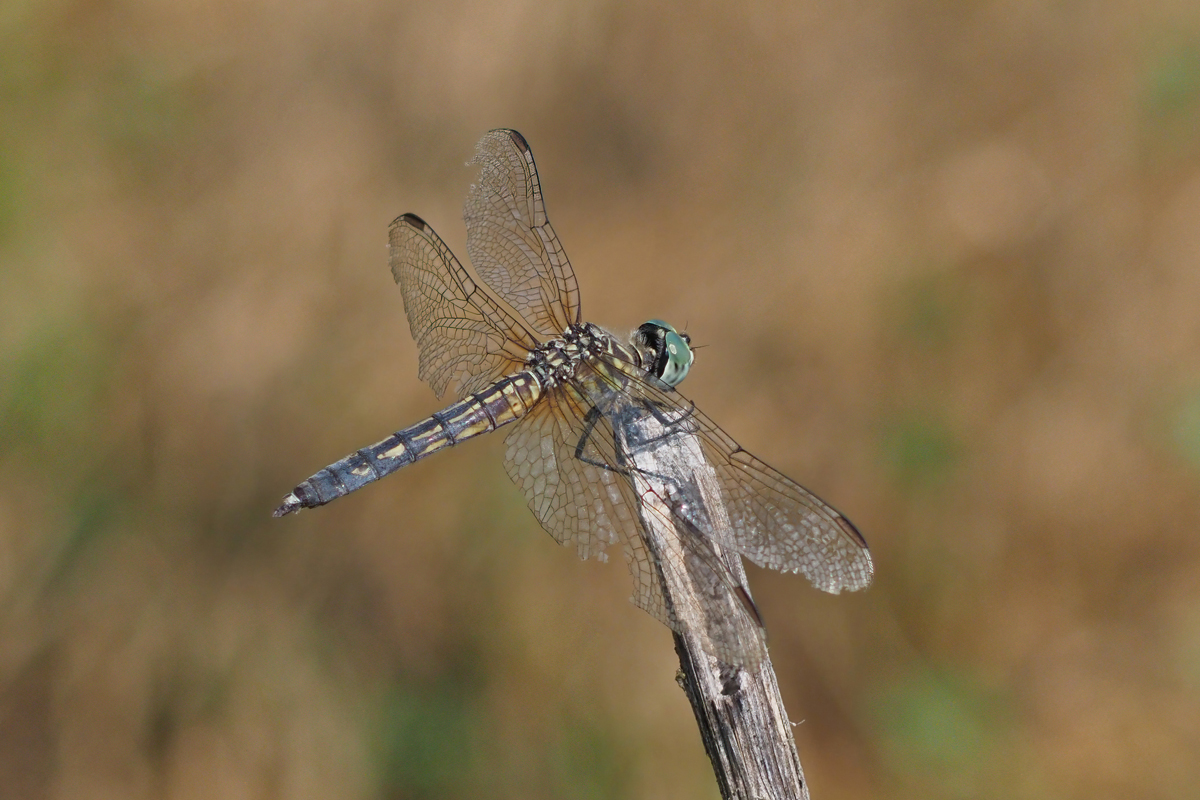
Dragonflies come in a great variety of colors and are an increasingly popular target among wildlife watchers. The challenge, of course, is finding one willing to sit still long enough to give you a good look. This is a female Blue Dasher.
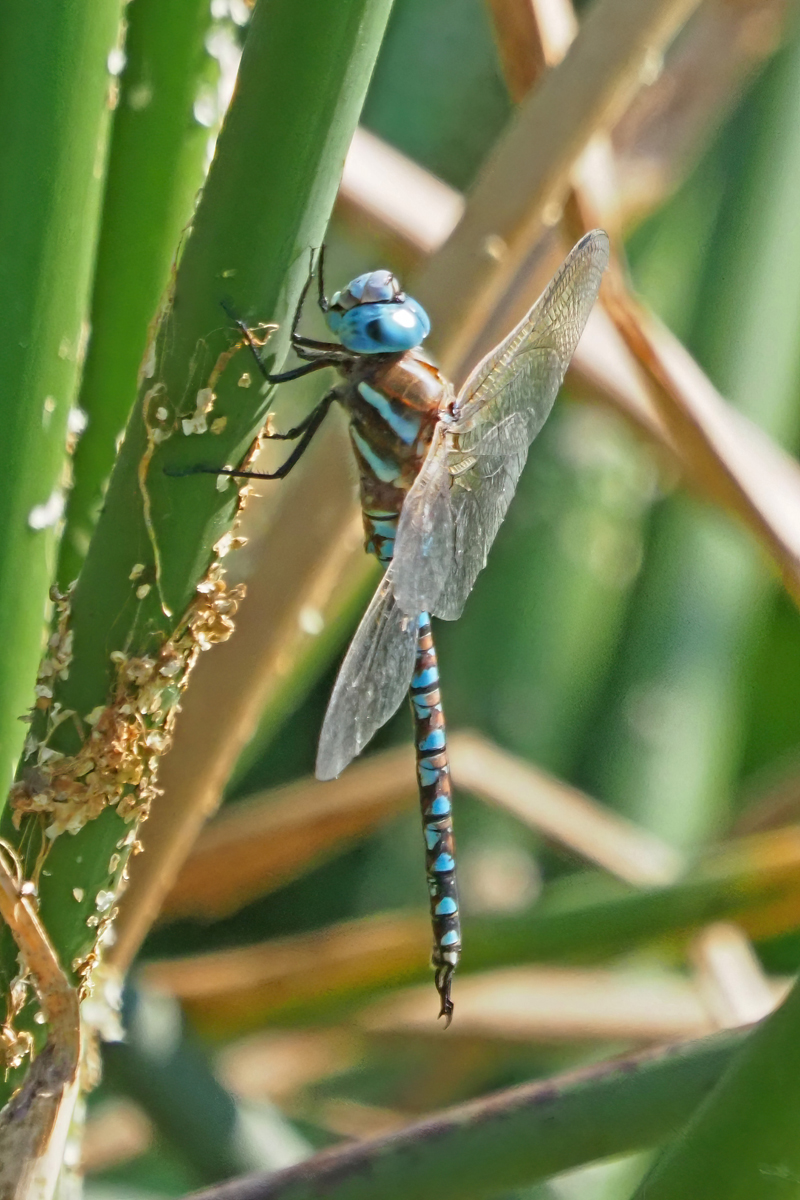
I love the turquoise and chestnut colors of this Blue-eyed Darner.
I still prefer birds and herps, but there are a lot of other beautiful creatures out there. As I often say, there is always something to see.
Happy Autumn
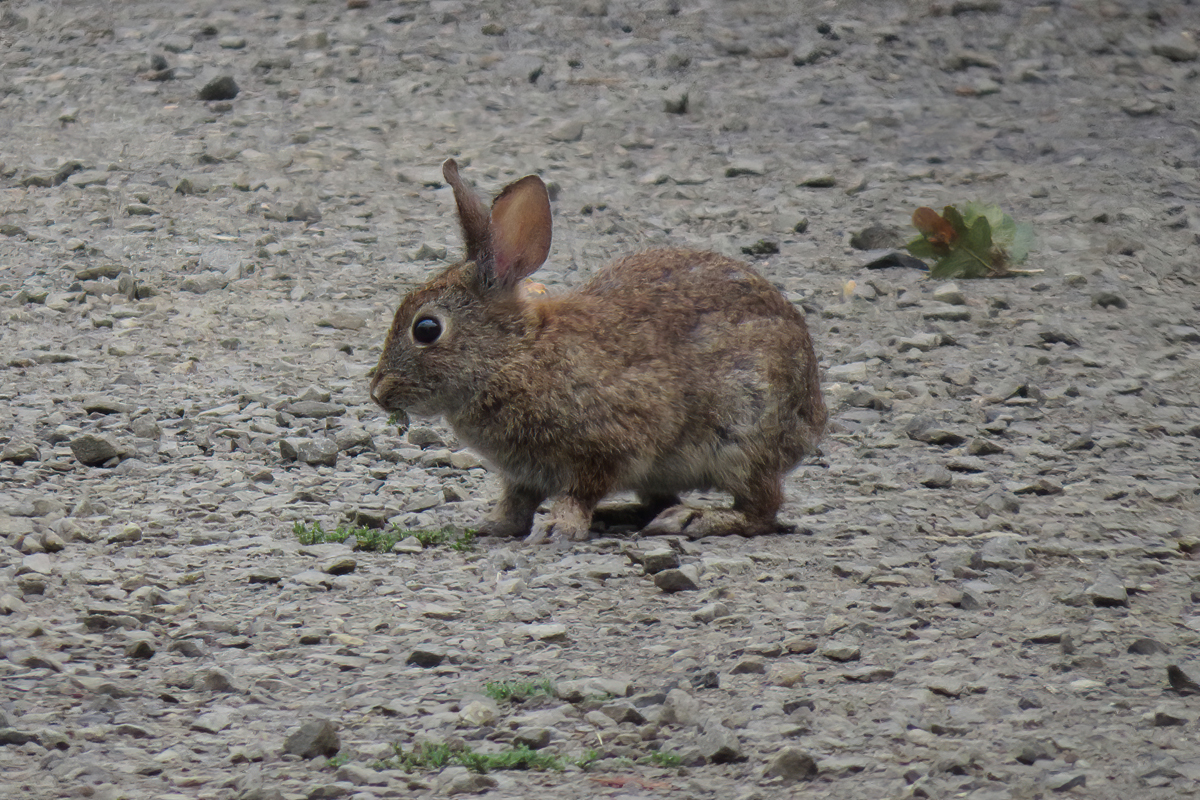 Brush Rabbit, Fernhill Wetlands
 The top image shows a massive male American Bullfrog found at Dober Reservoir. Note the injury around his right eye. The bottom image is of a newly emerged female. At this stage, she was about the size of the males head, but females typically grow larger than males of this species.
 Orange Sulphur, found at Jackson Bottom. Unfortunately, this species perches with their wings closed, so you can’t see the vibrant colors on the top.
 This Mylitta Crescent at Fernhill Wetlands was much more cooperative.
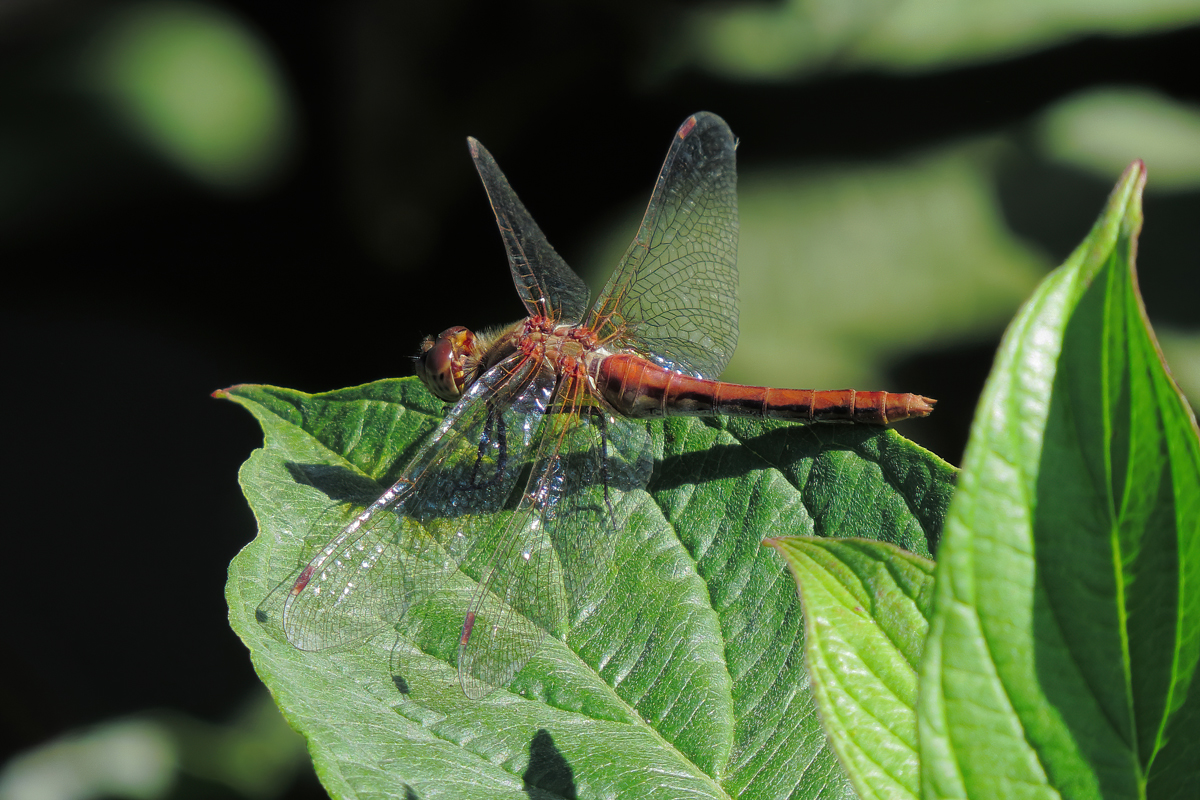 I don’t know the dragonflies, but I am told this individual from Fernhill Wetlands is a Striped Meadowhawk.
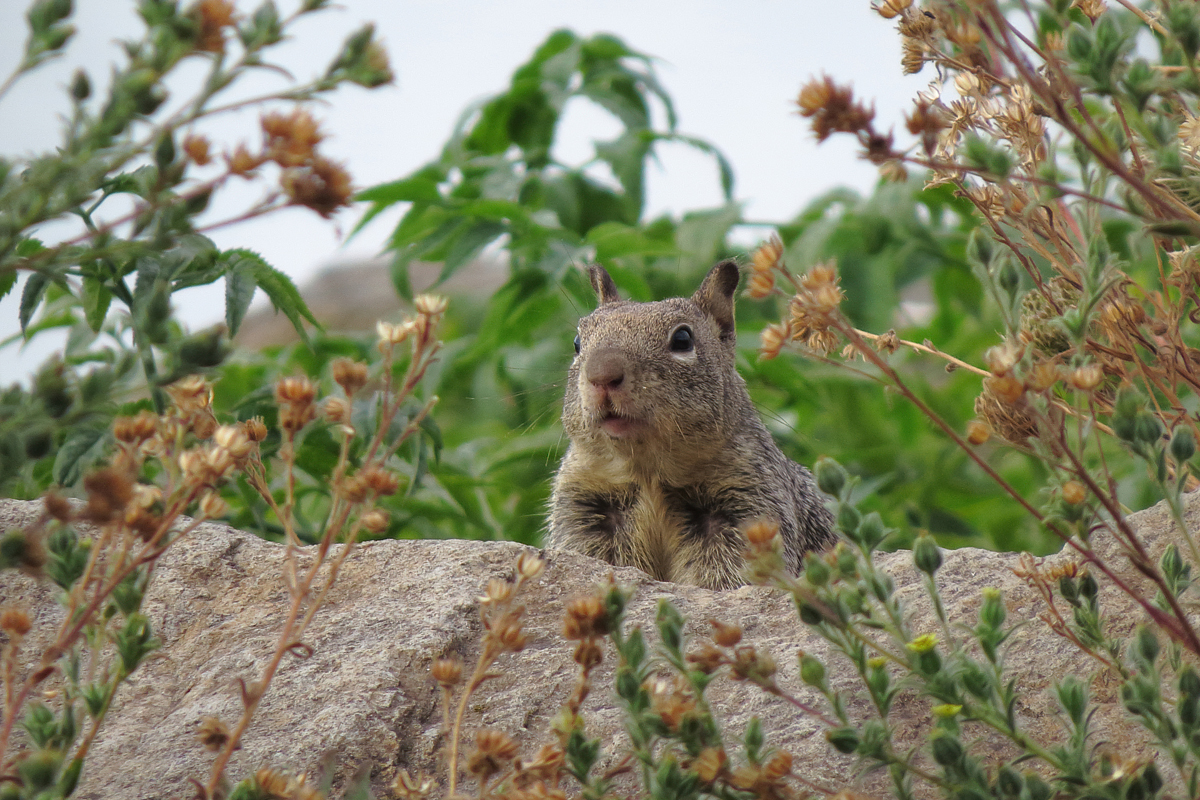 California Ground Squirrels, one of my favorite rodents, have become more common at Fernhill Wetlands since the reconstruction a few years ago.
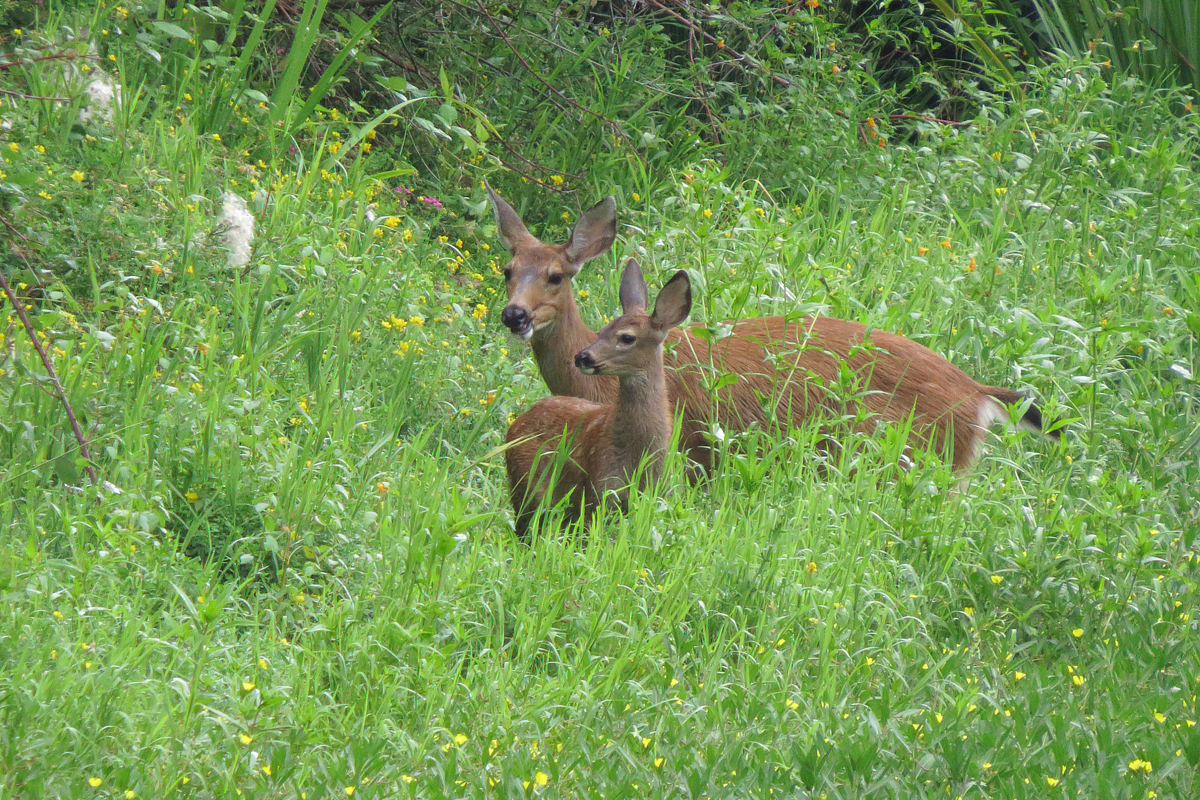 This Black-tailed Deer and her fawn were enjoying the lush vegetation at Smith and Bybee Wetlands.
 Ethical Birder