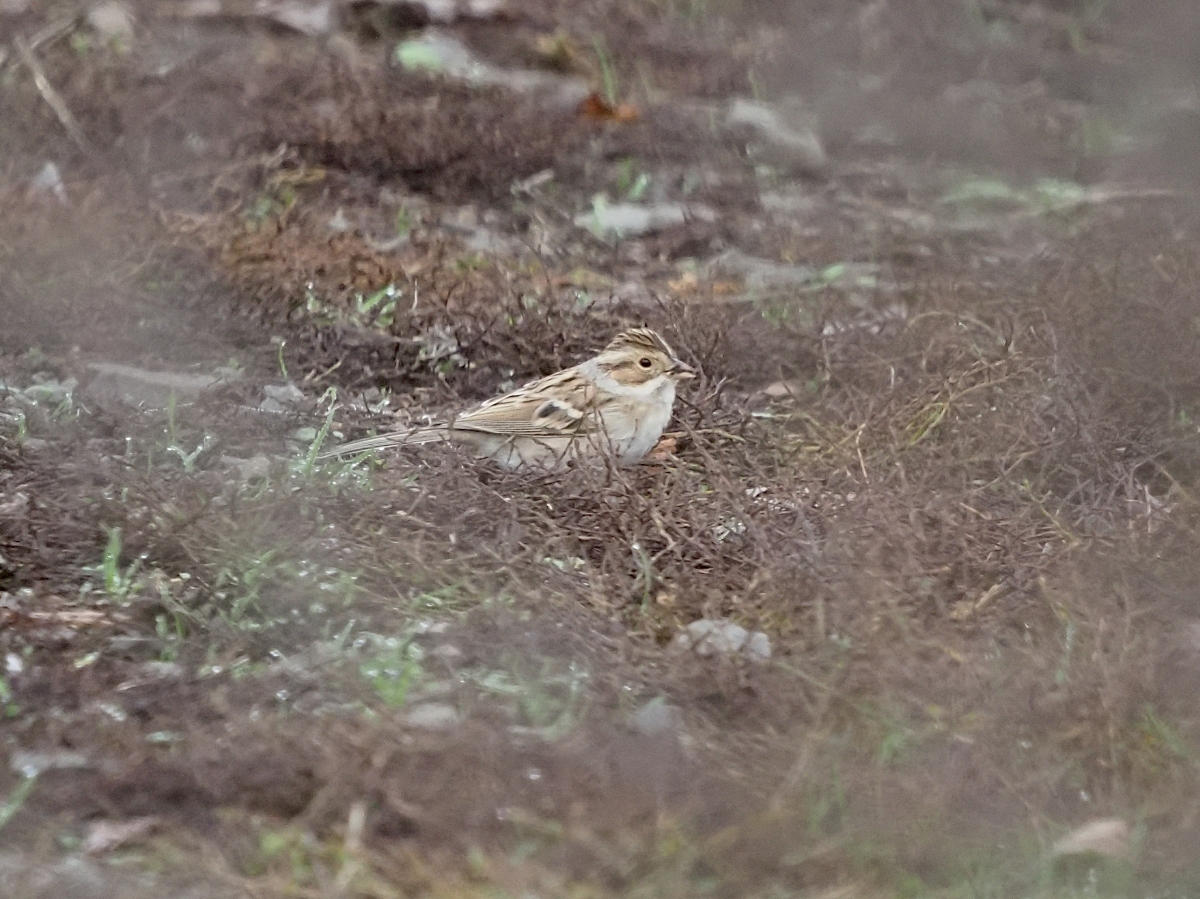
I ran out to Jackson Bottom Wetlands to see a Clay-colored Sparrow that has been hanging around. The bird was shy and didn’t allow a close approach, but the distinctive light coloring, gray nape, and strong face pattern made it easy to pick this bird out of the crowd. This species doesn’t make it to Oregon very often.
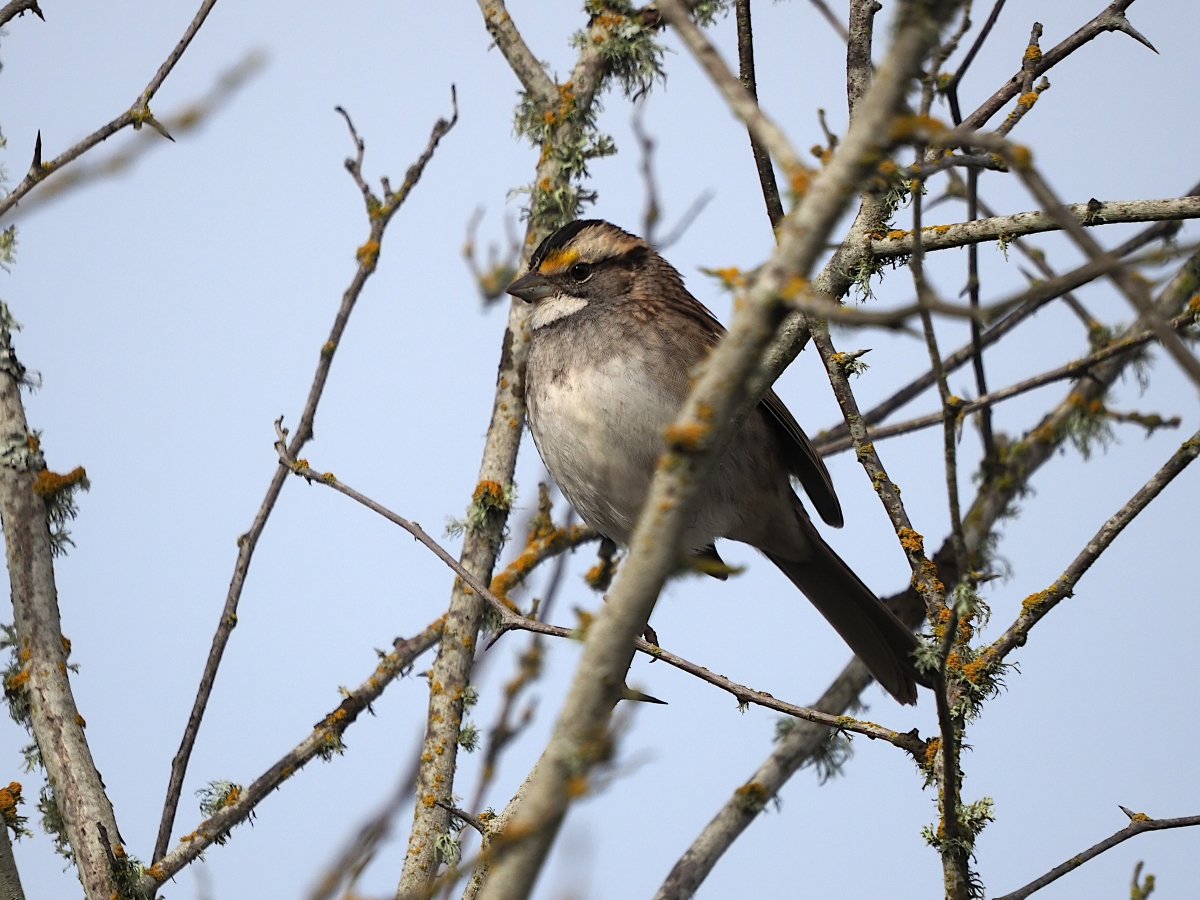
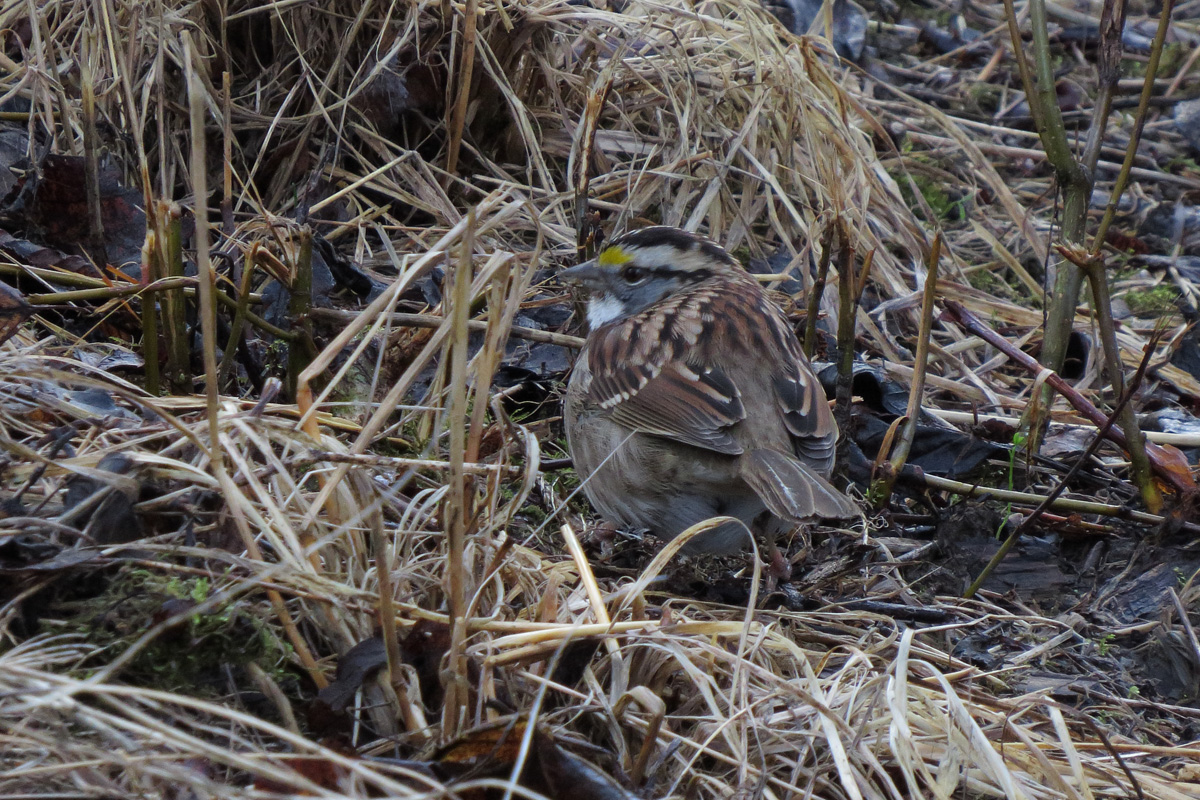
Formerly considered a rarity in Oregon, White-throated Sparrows are now expected among winter sparrow flocks in the state. I found at least three individuals on this trip.

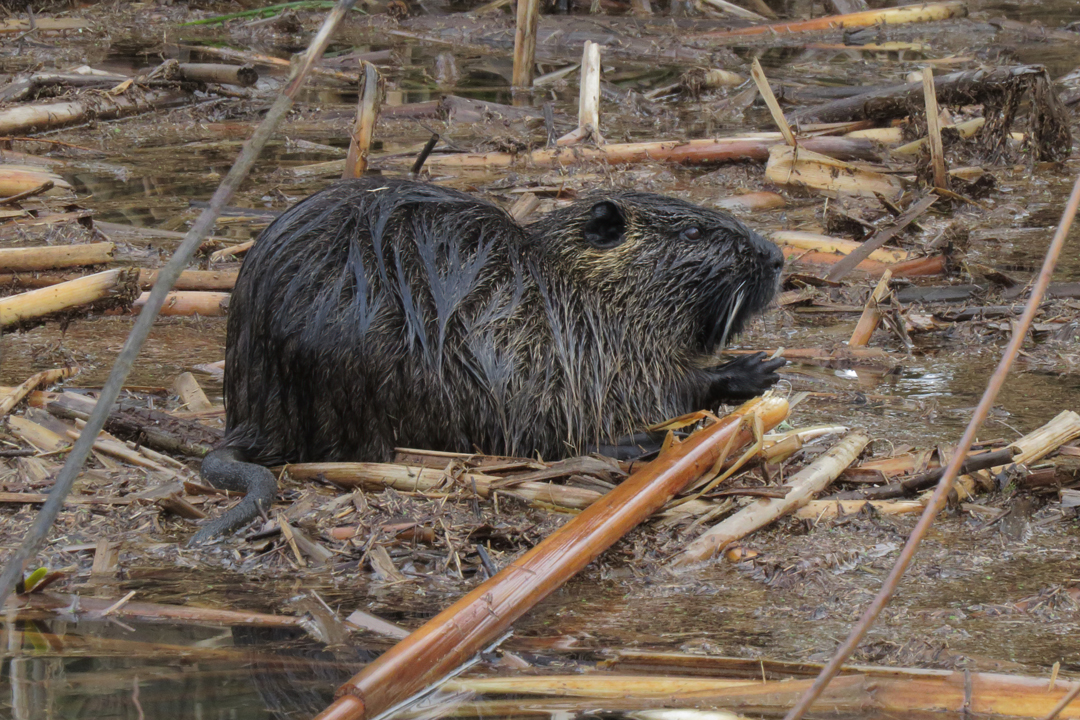
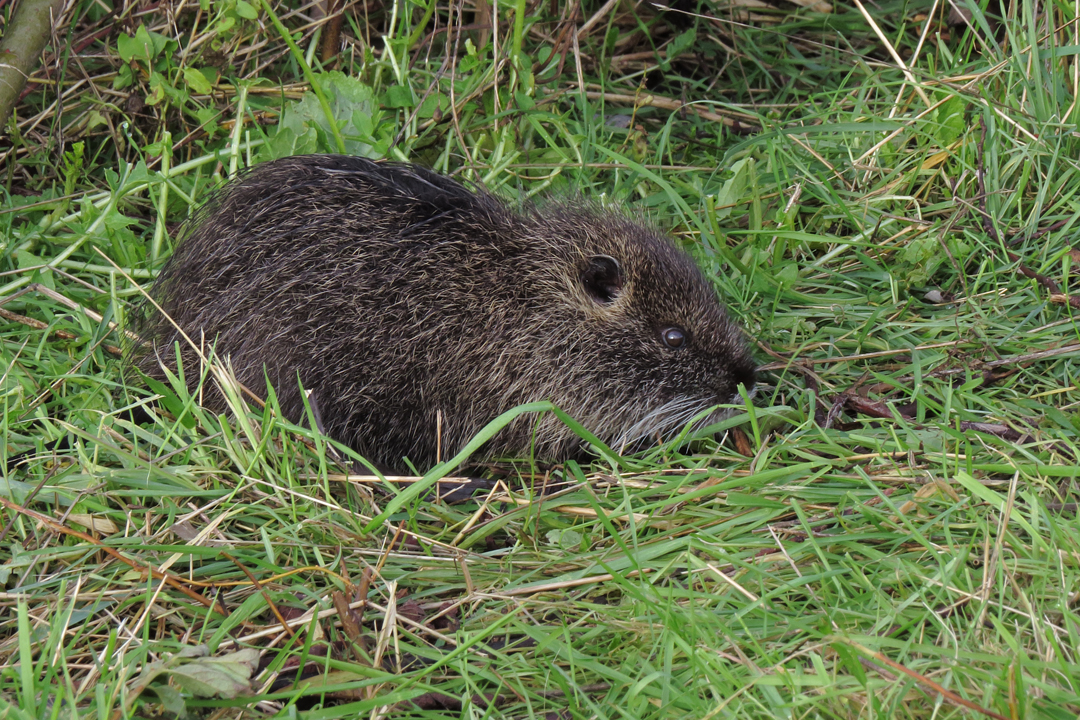
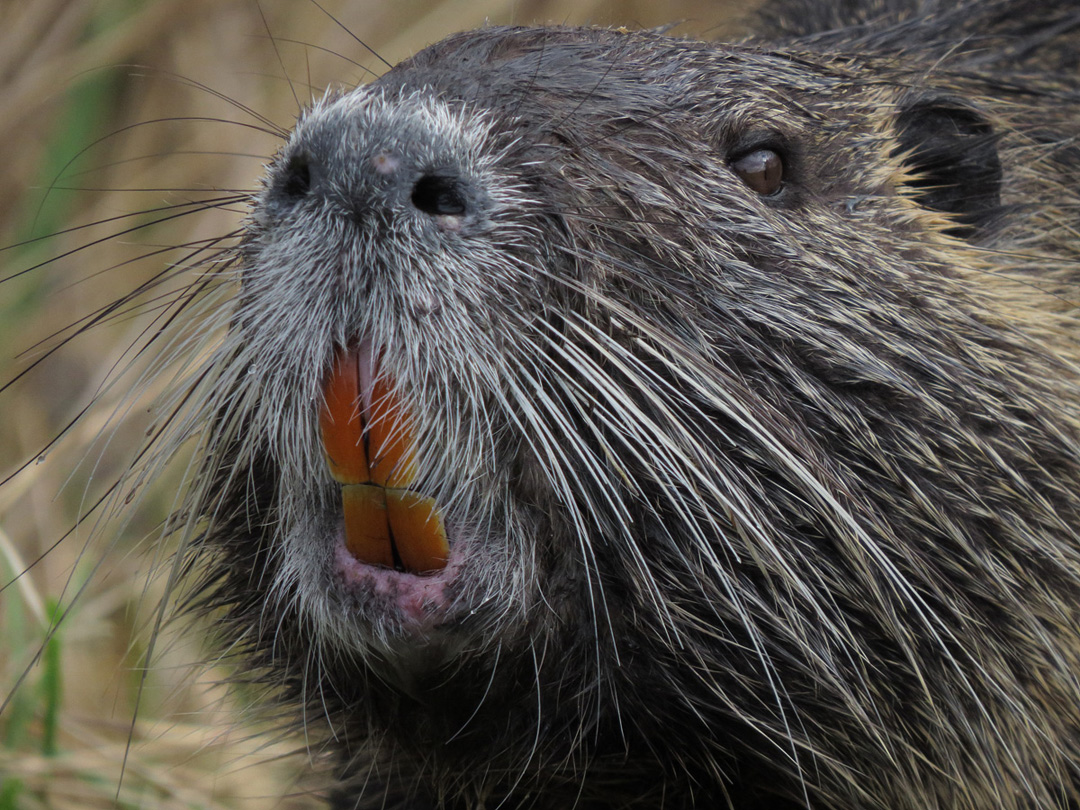
Nutria, in all its mucky, invasive species cuteness.
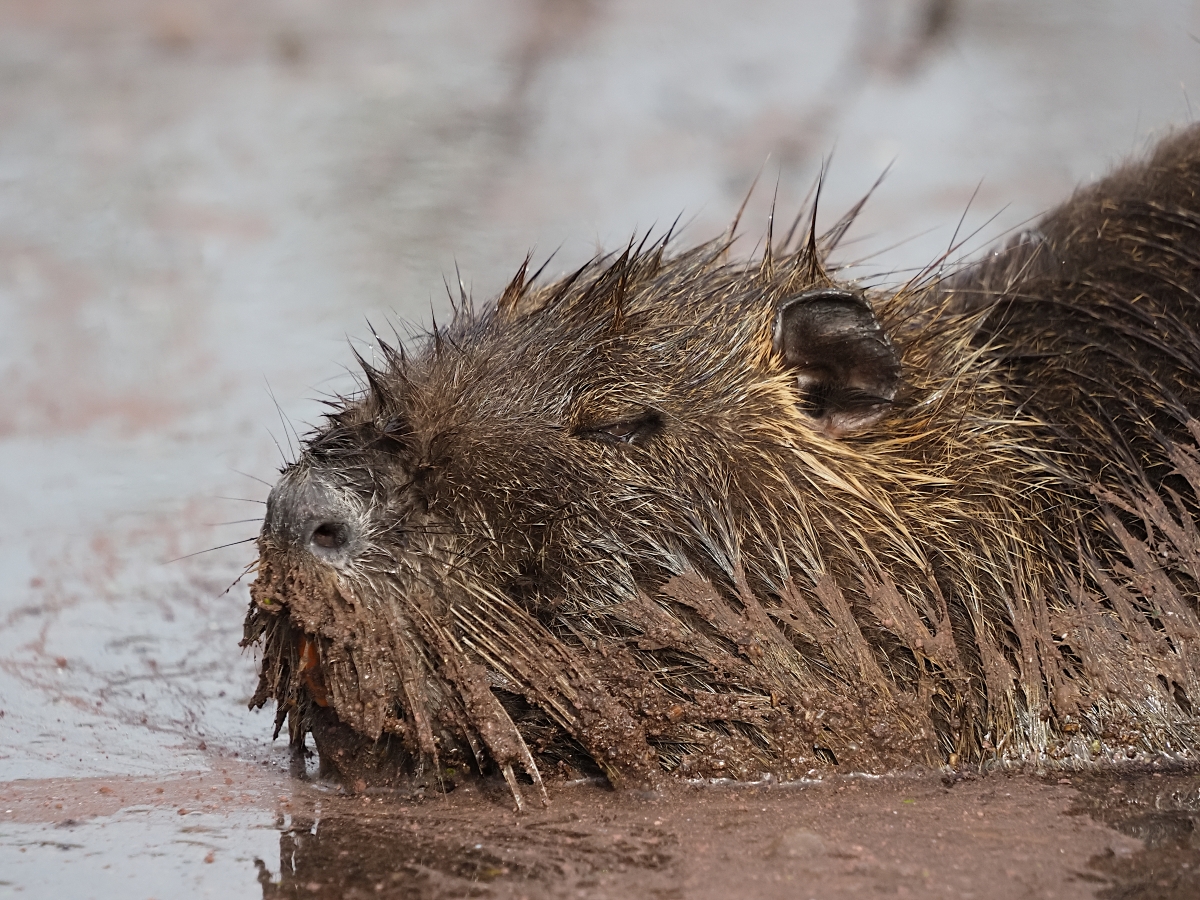
Sleepy rodent. I actually saw a native Muskrat on this trip, but he eluded my photographic efforts.
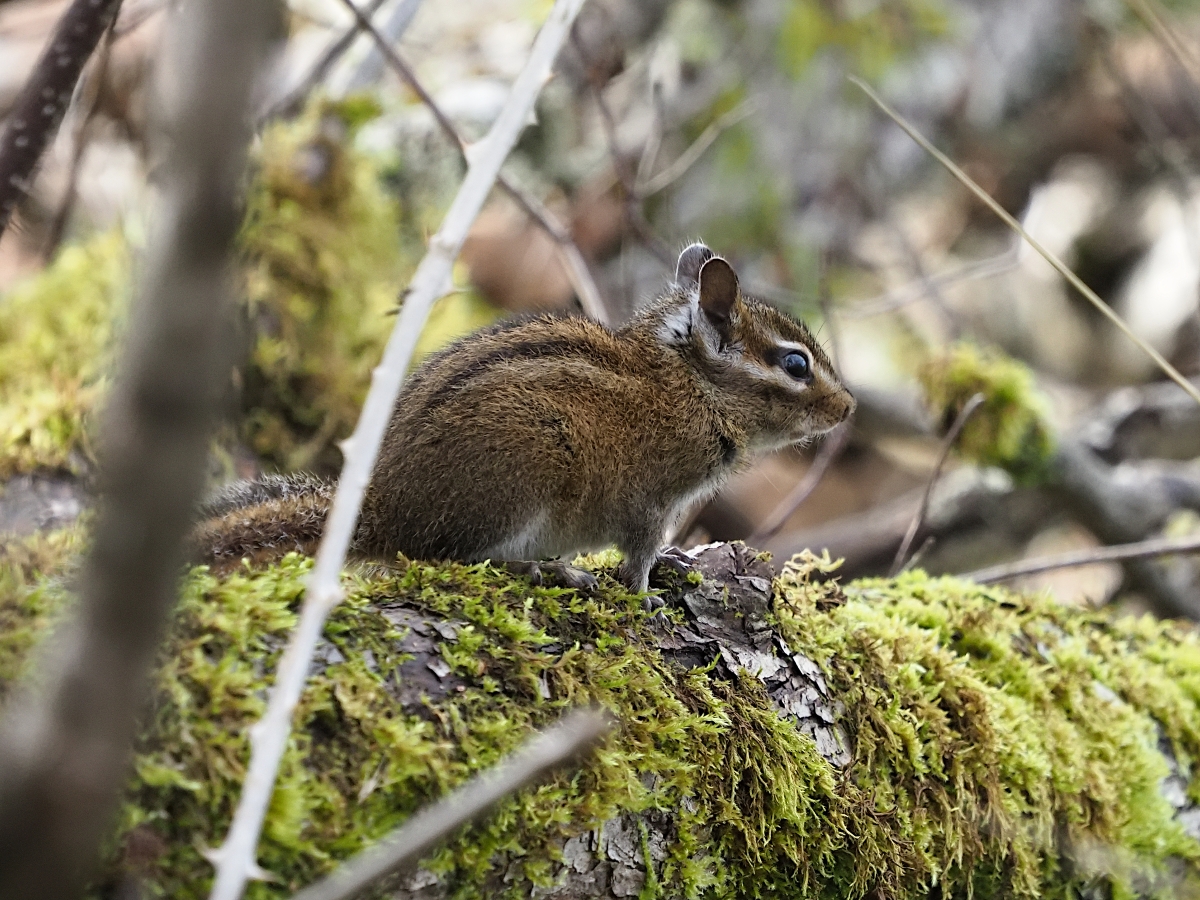
One native rodent I did manage to capture was this Townsend’s Chipmunk. At higher elevations with snow cover, this species will hibernate, but they are active all year in the Willamette Valley.
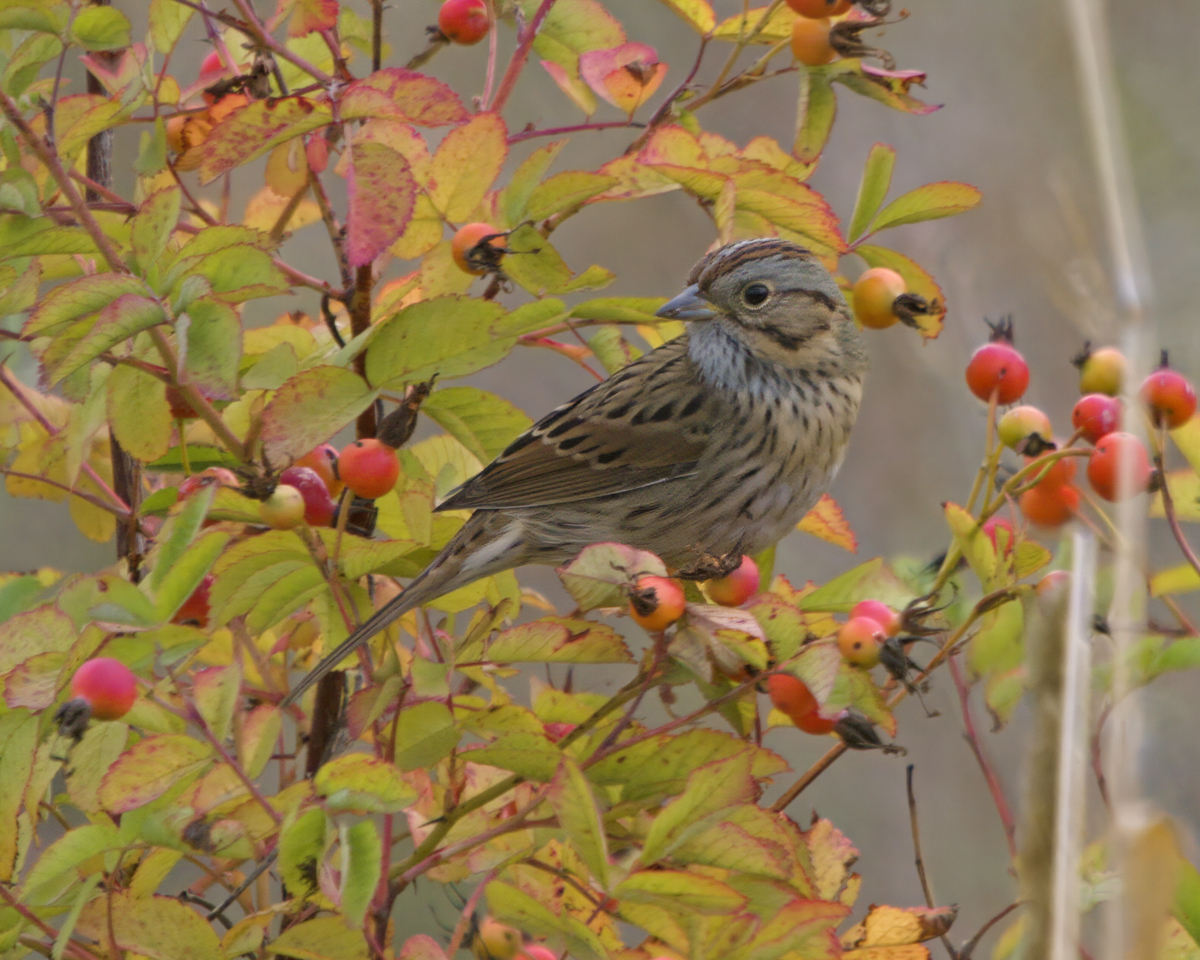
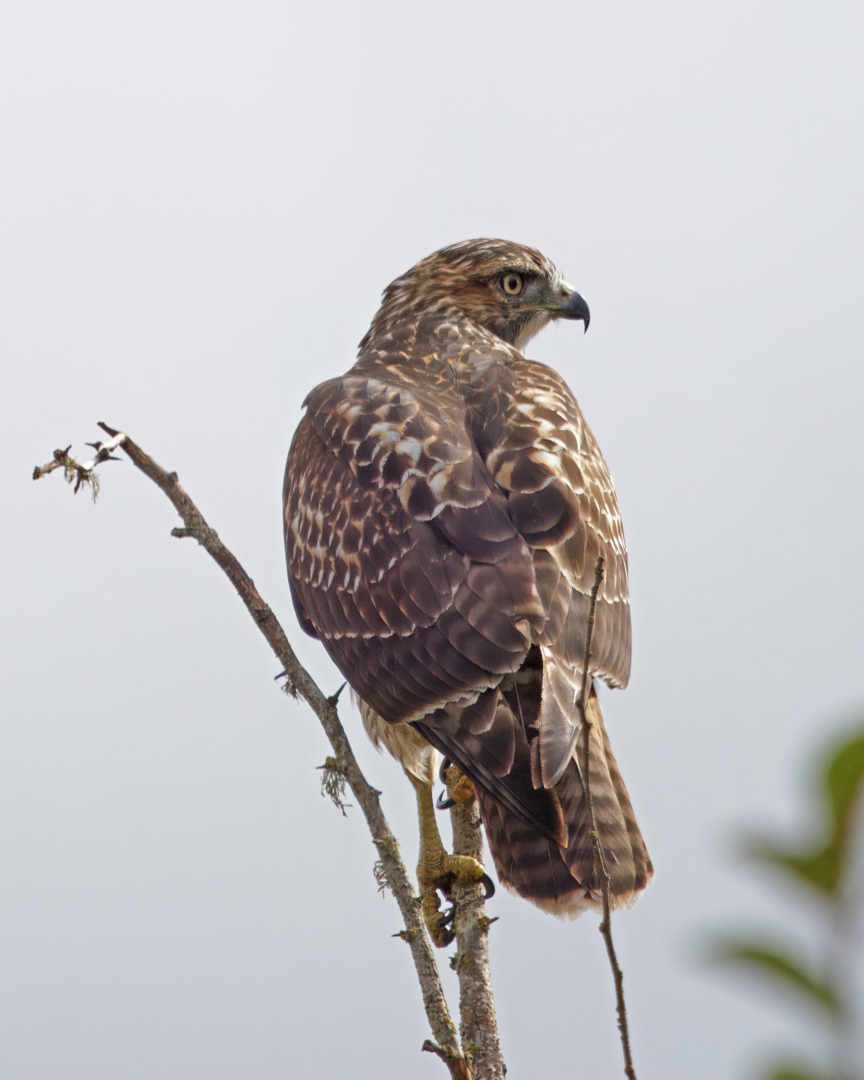
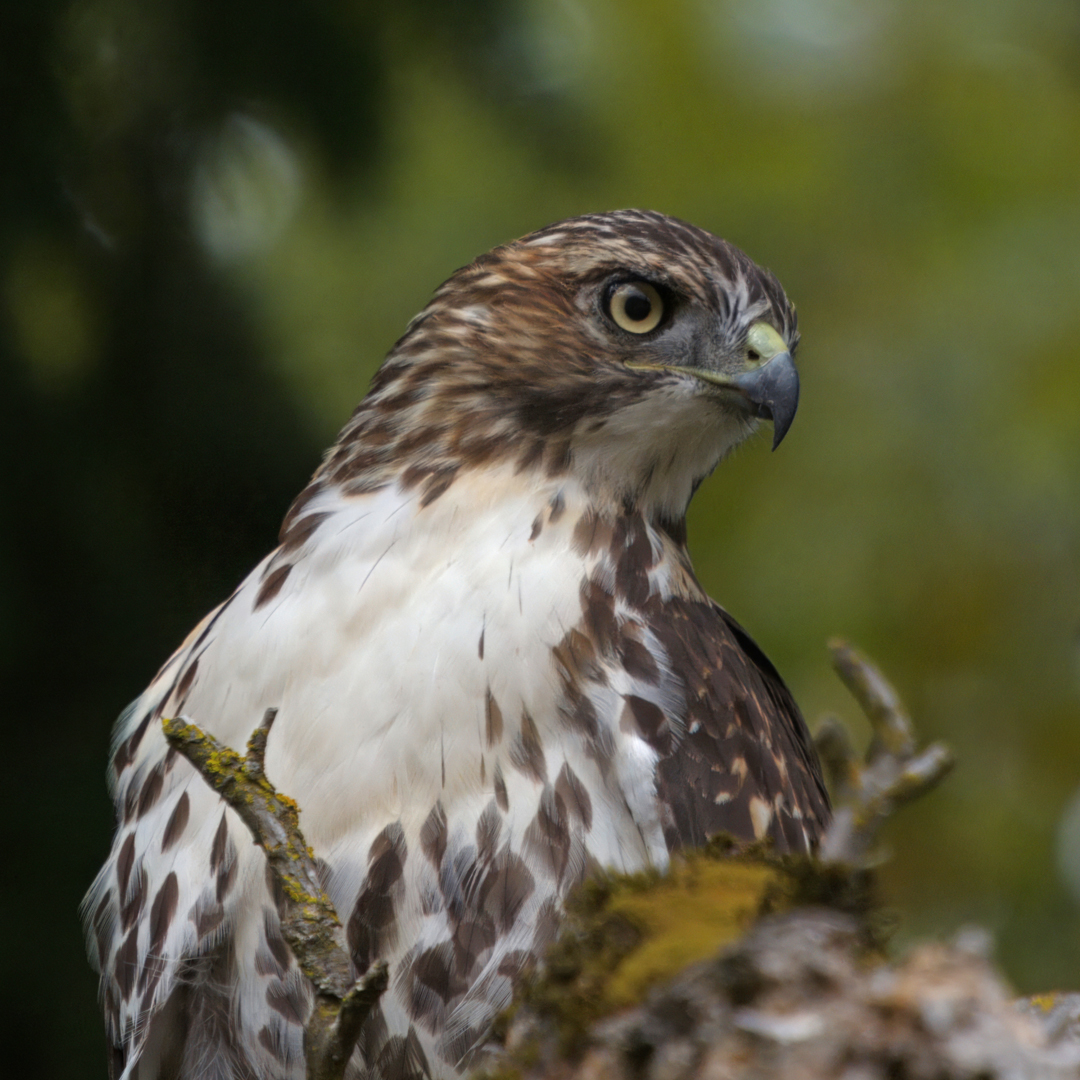
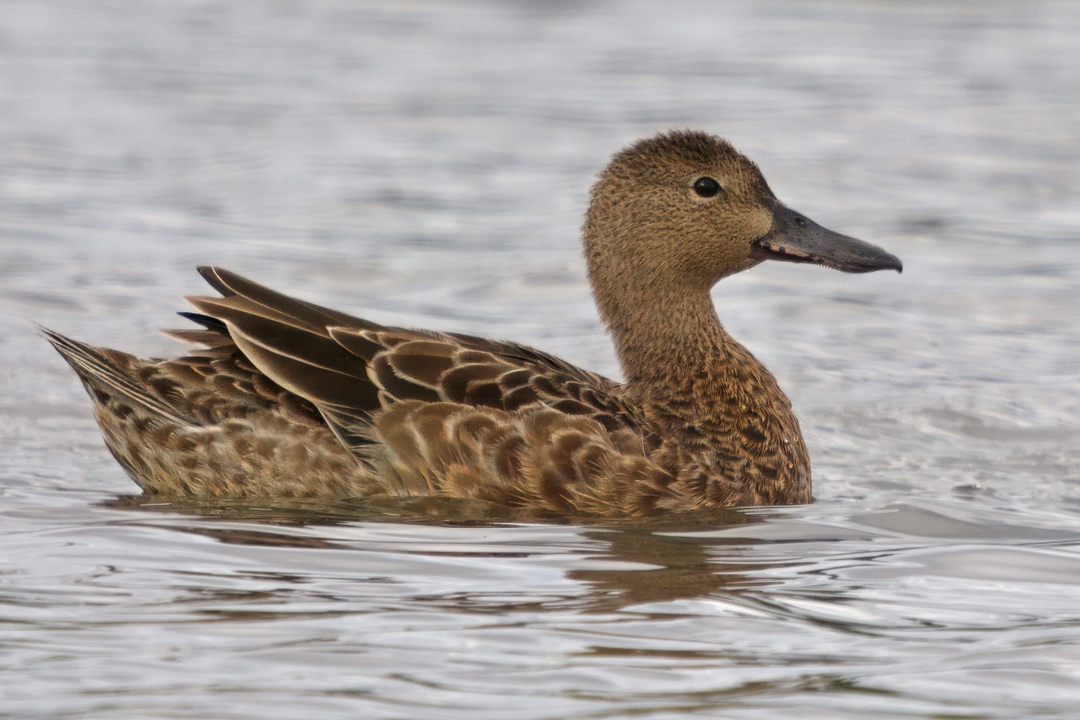
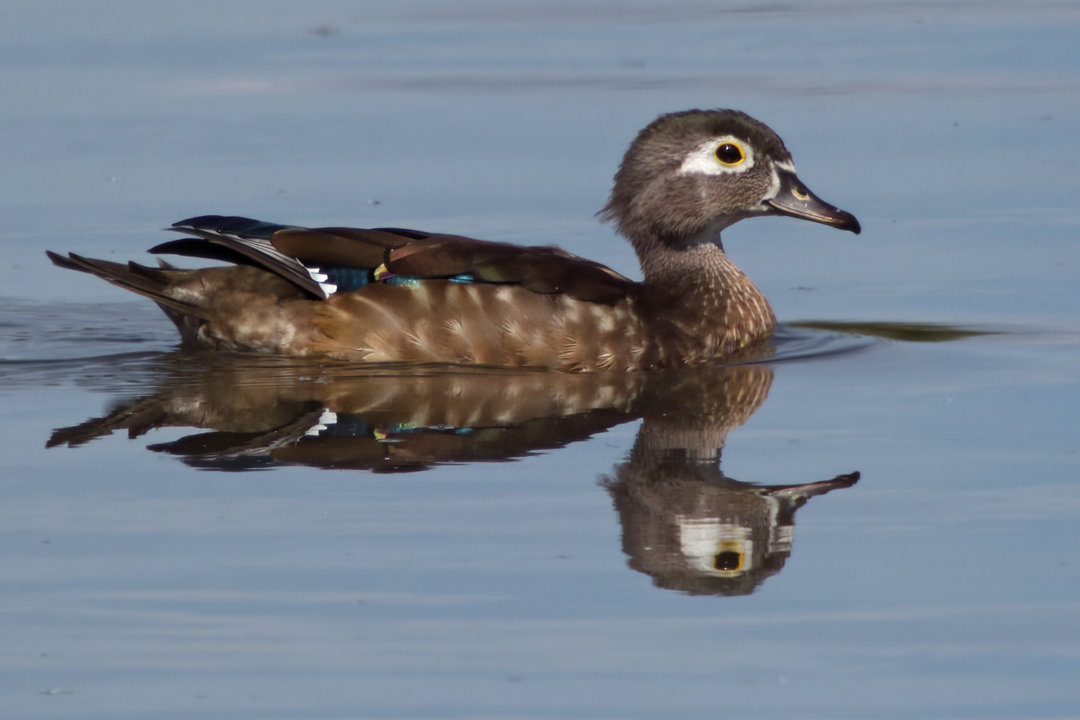
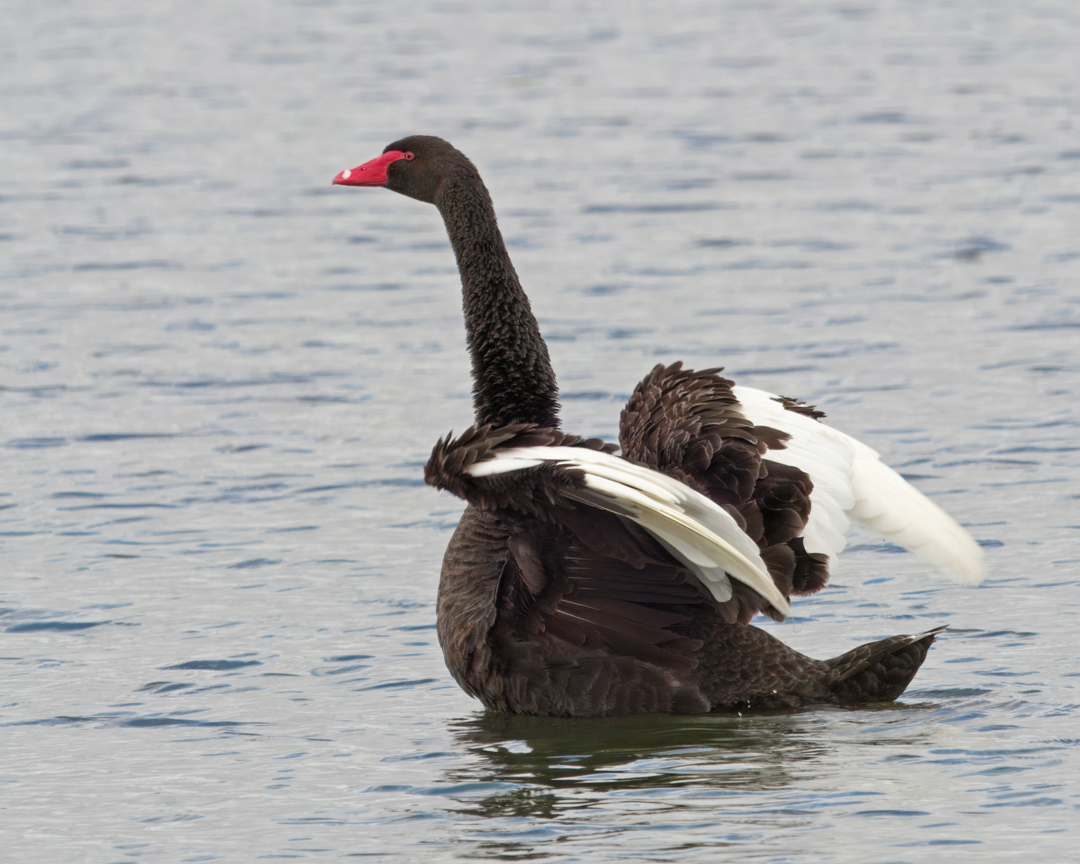
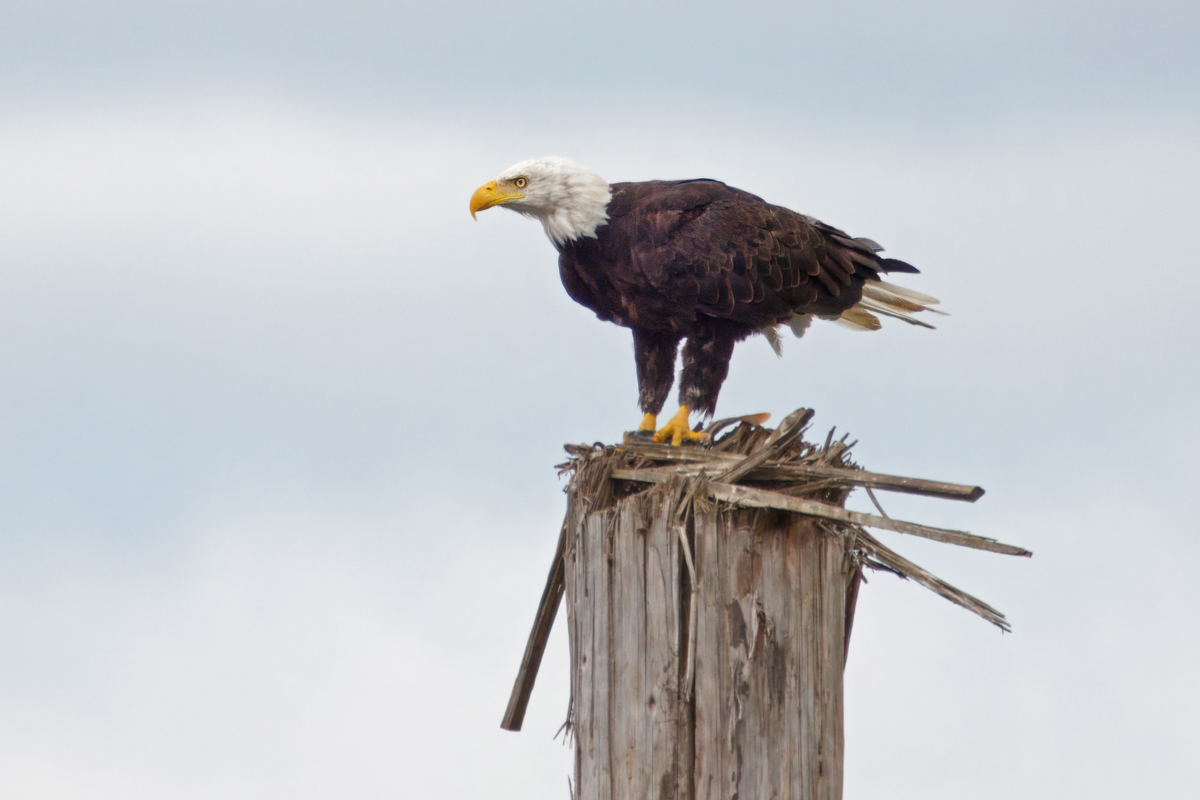
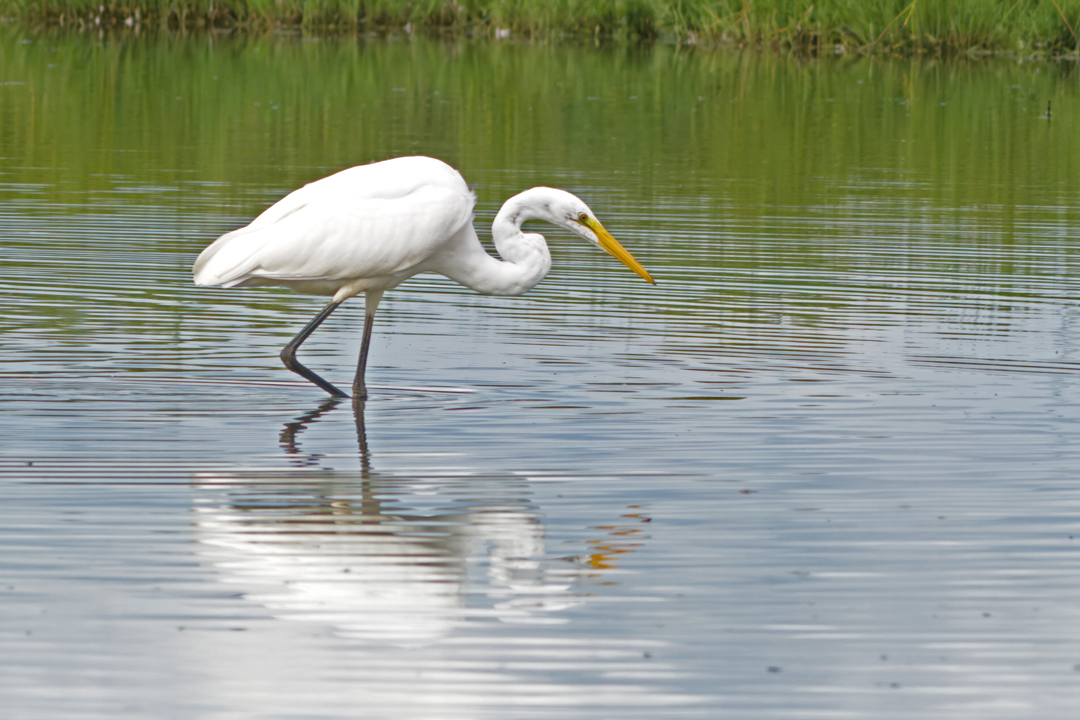
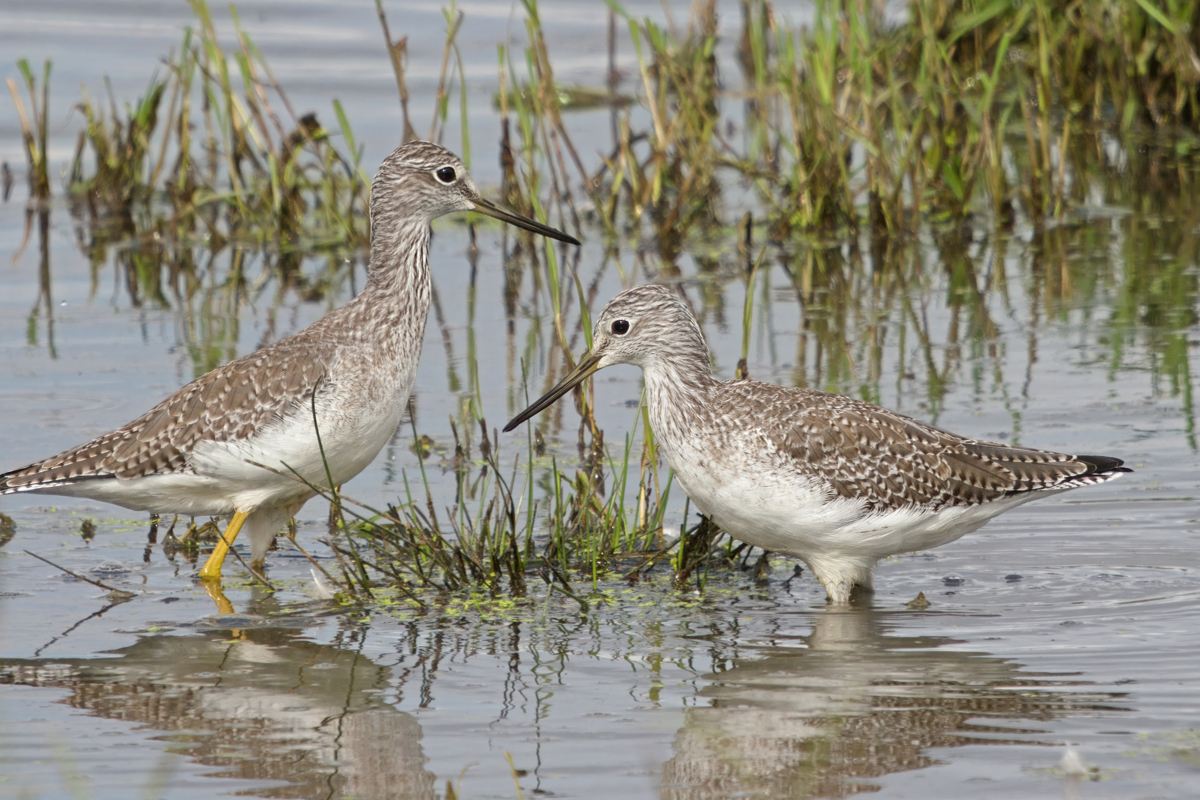
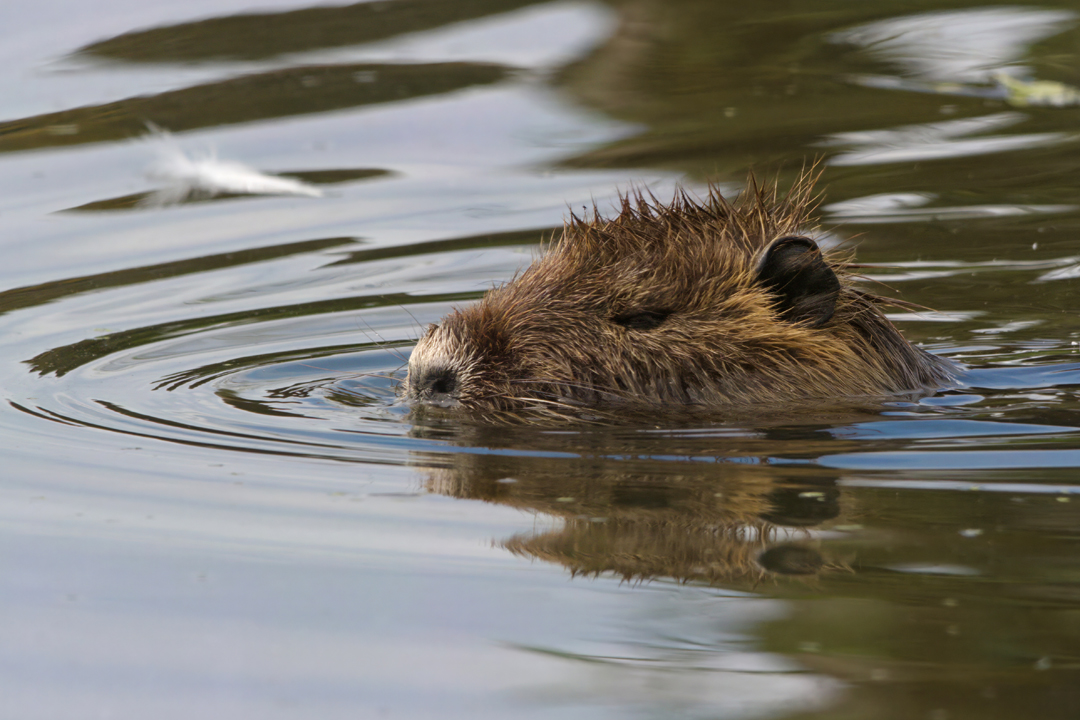
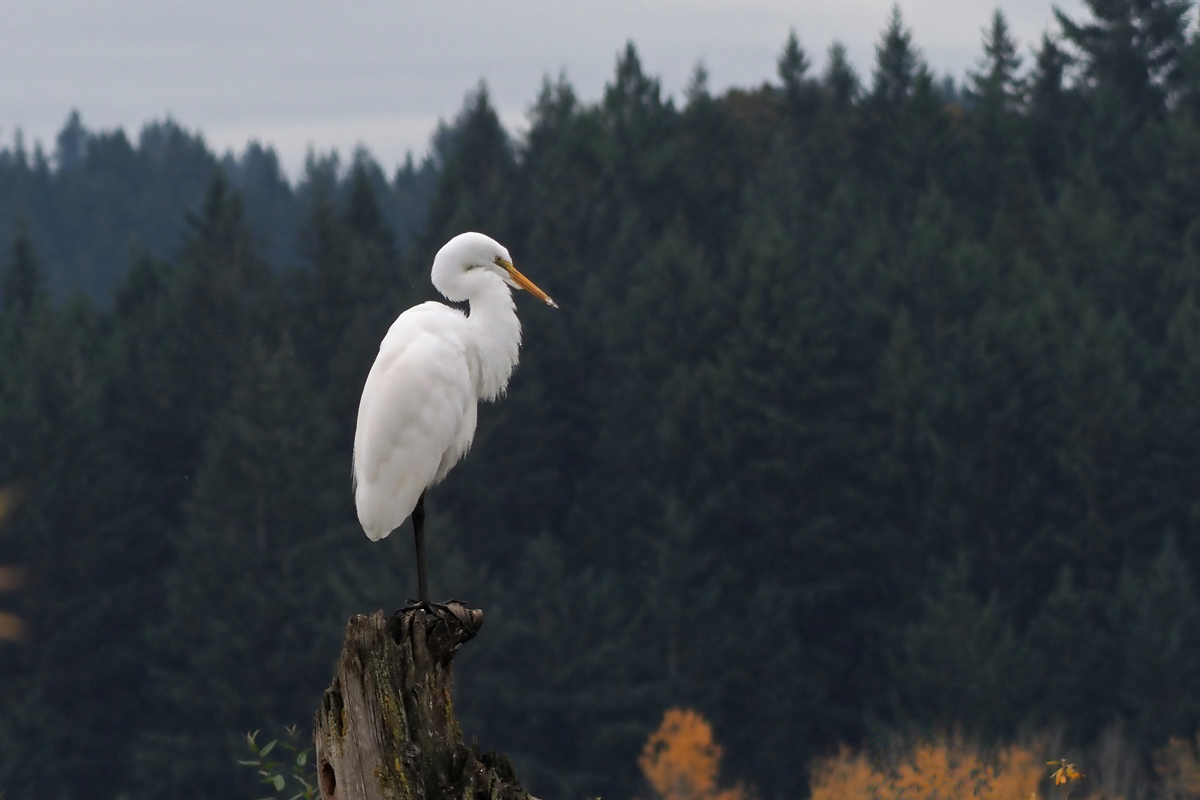




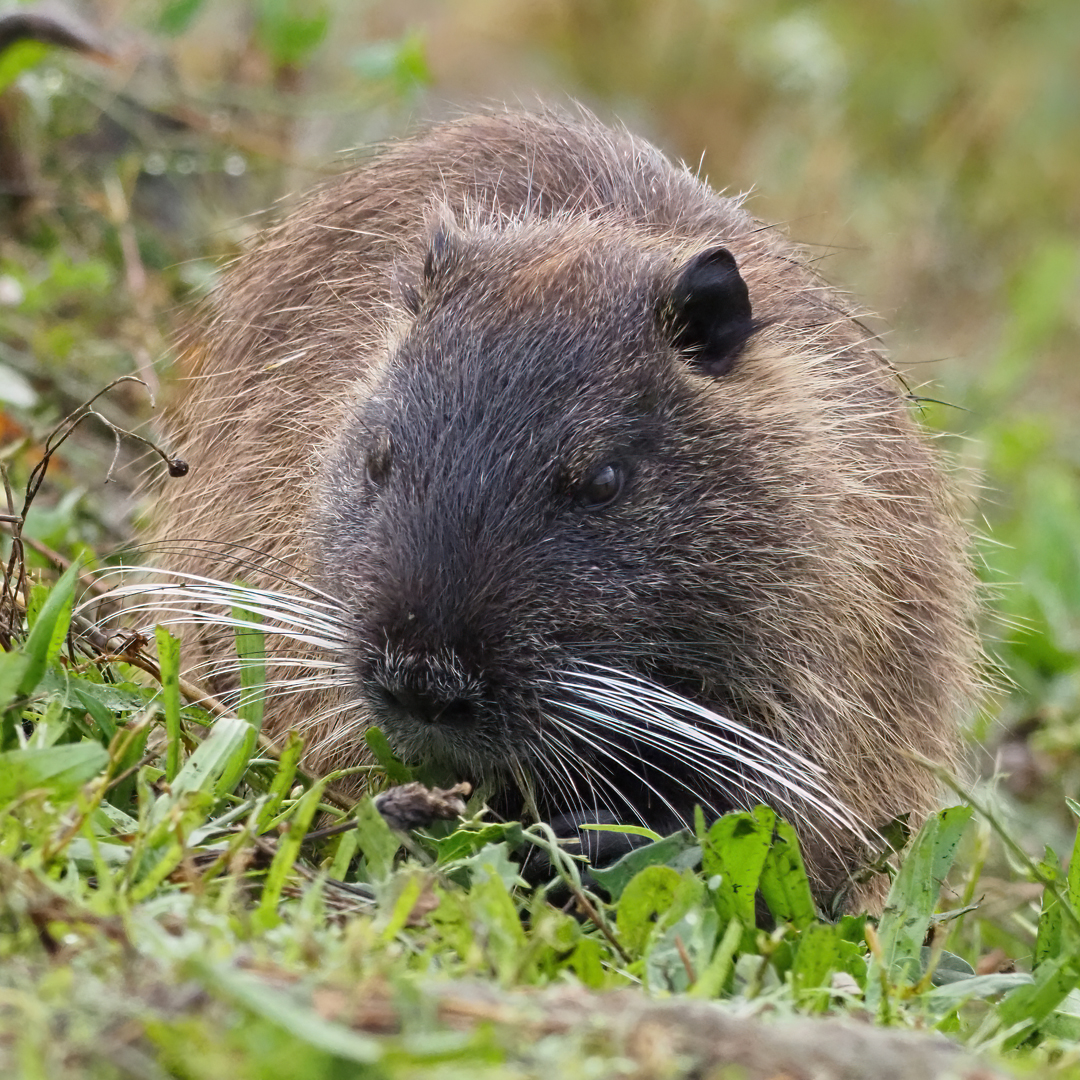

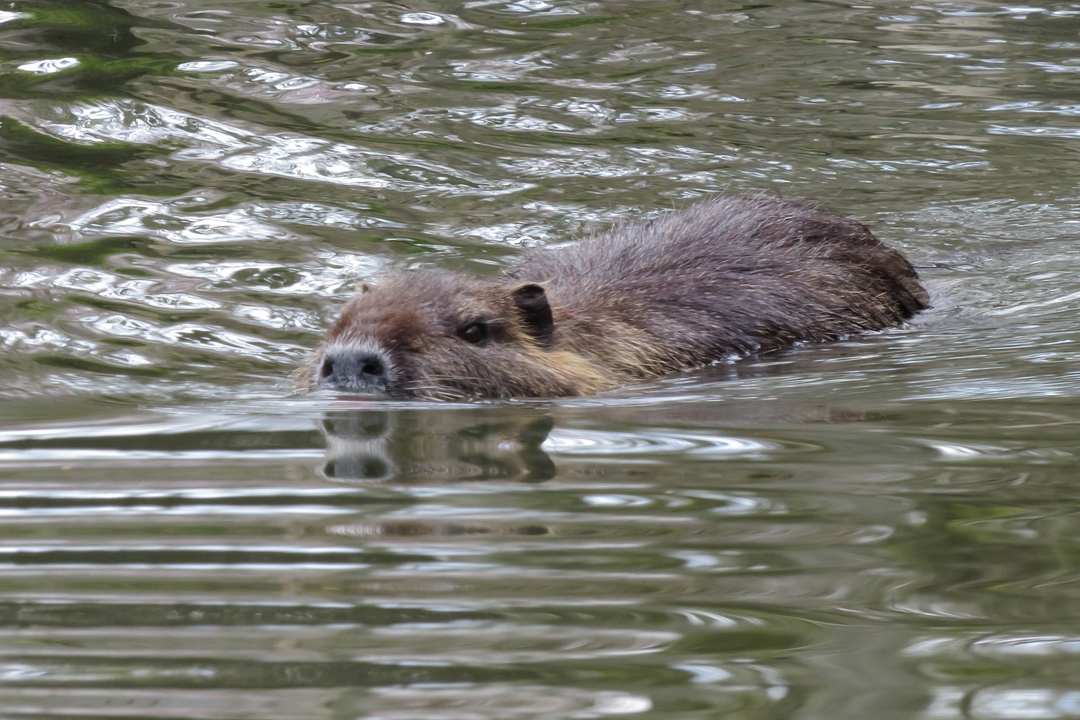 I very rarely get to see Beaver, but Nutria (pictured above) are everywhere, giving me my daily allowance of large aquatic rodents.
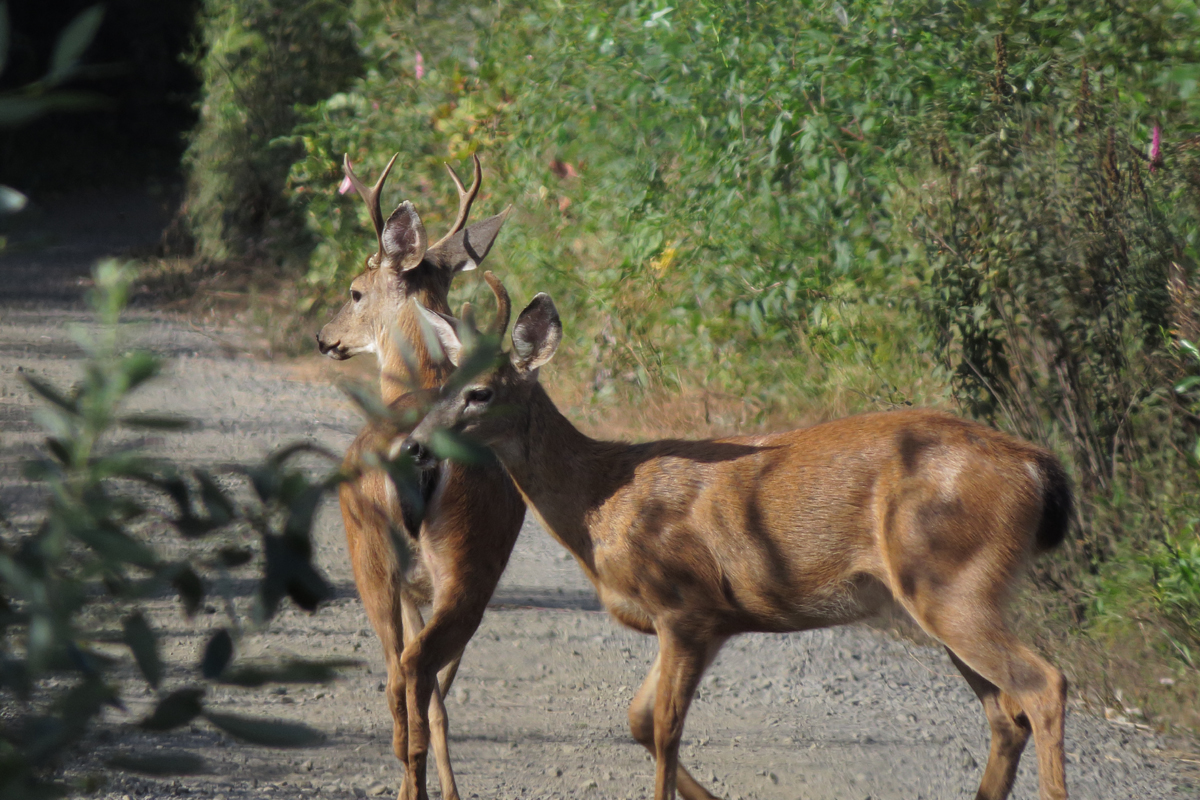
 It is always a treat to see Black-tailed Deer.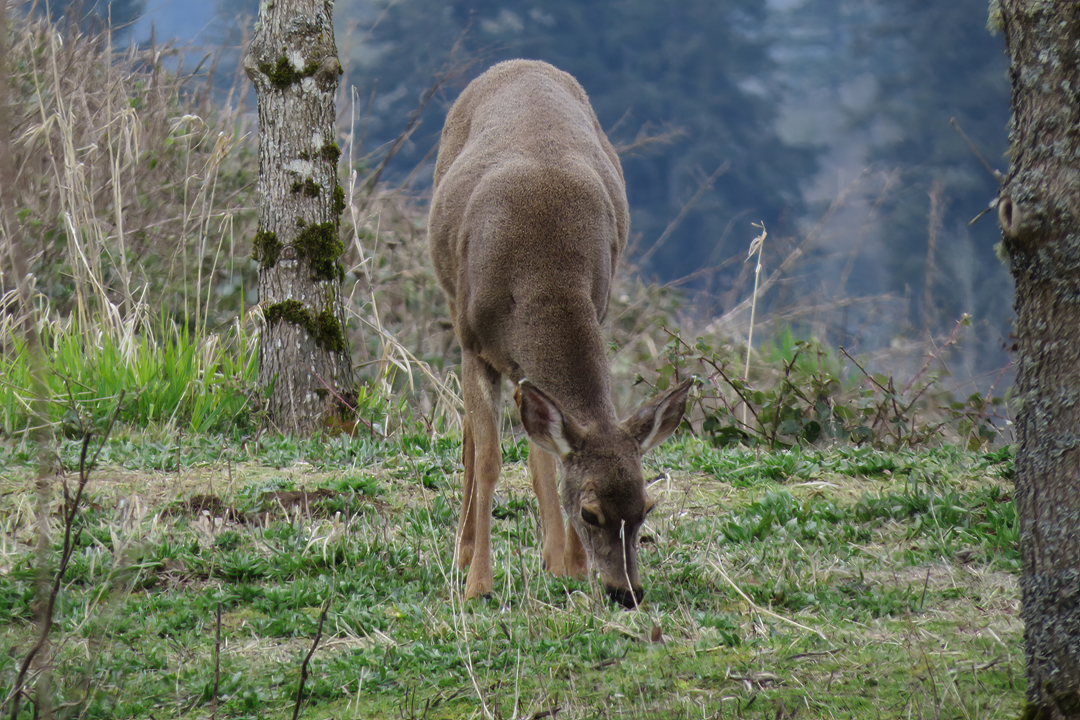

 Partially because birding has been slow, and partially because I am preparing for a herping class in May, I have been looking for amphibians and reptiles a lot this spring. This is an Oregon Ensatina, a very small specimen that was about two inches long. Ensatinas are recognized by their proportionally large head and eyes. The Oregon subspecies typically has the yellow coloring at the base of the legs.
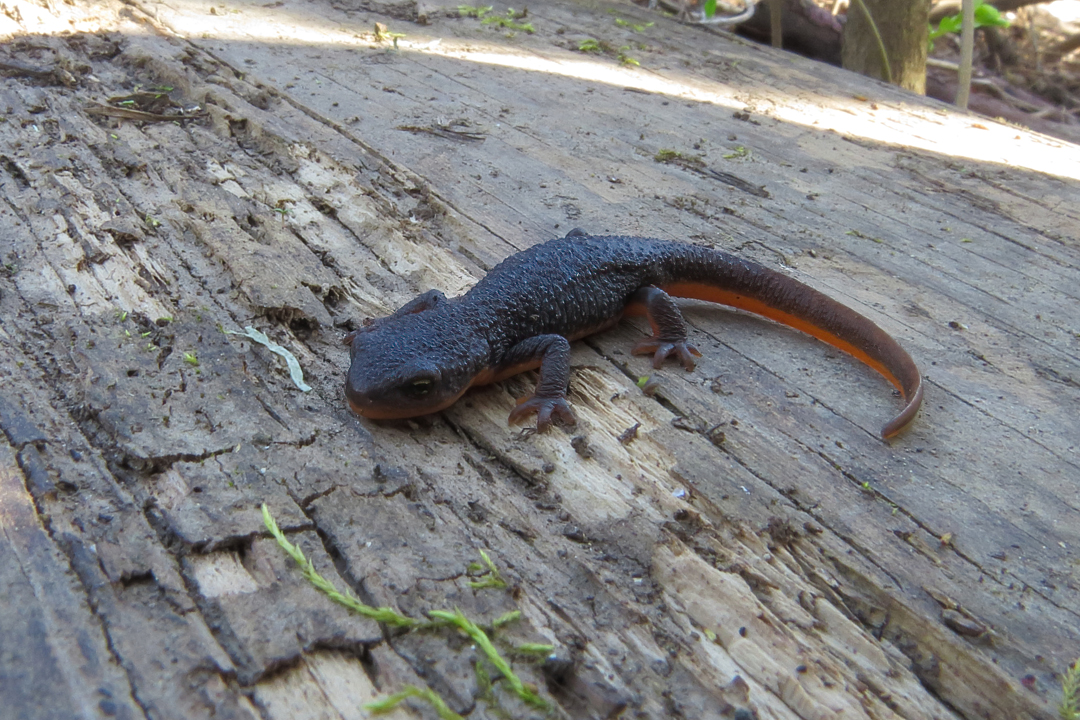 This is the smallest Rough-skinned Newt I have seen, about two inches long.
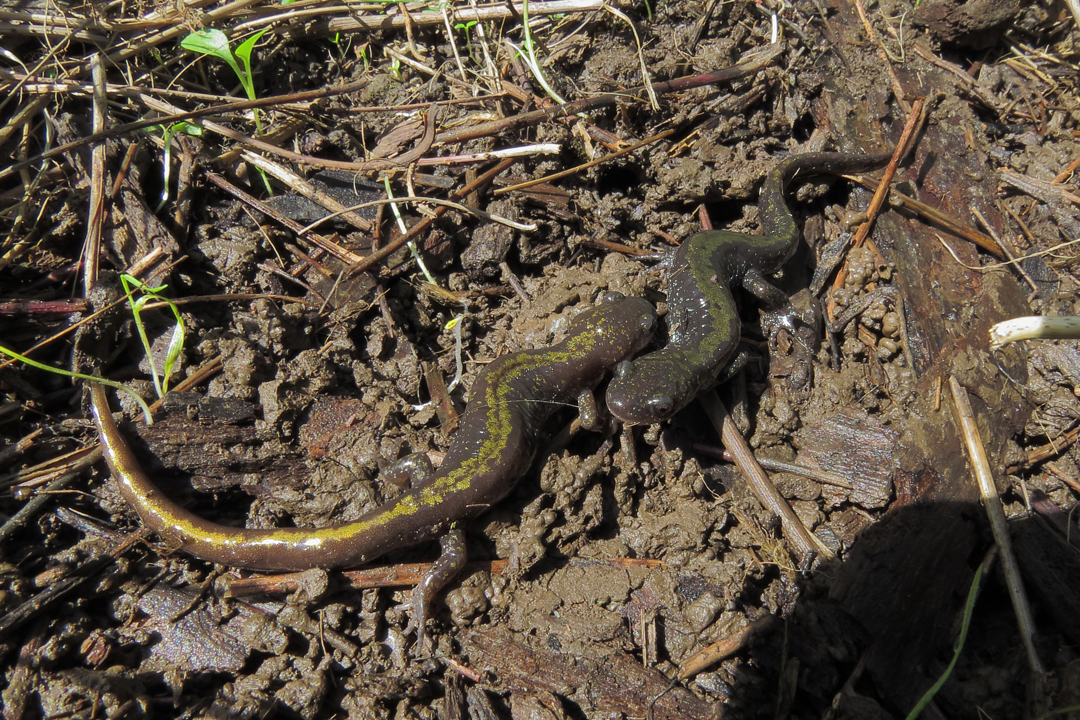 These Long-toed Salamanders were creating some neat shapes.
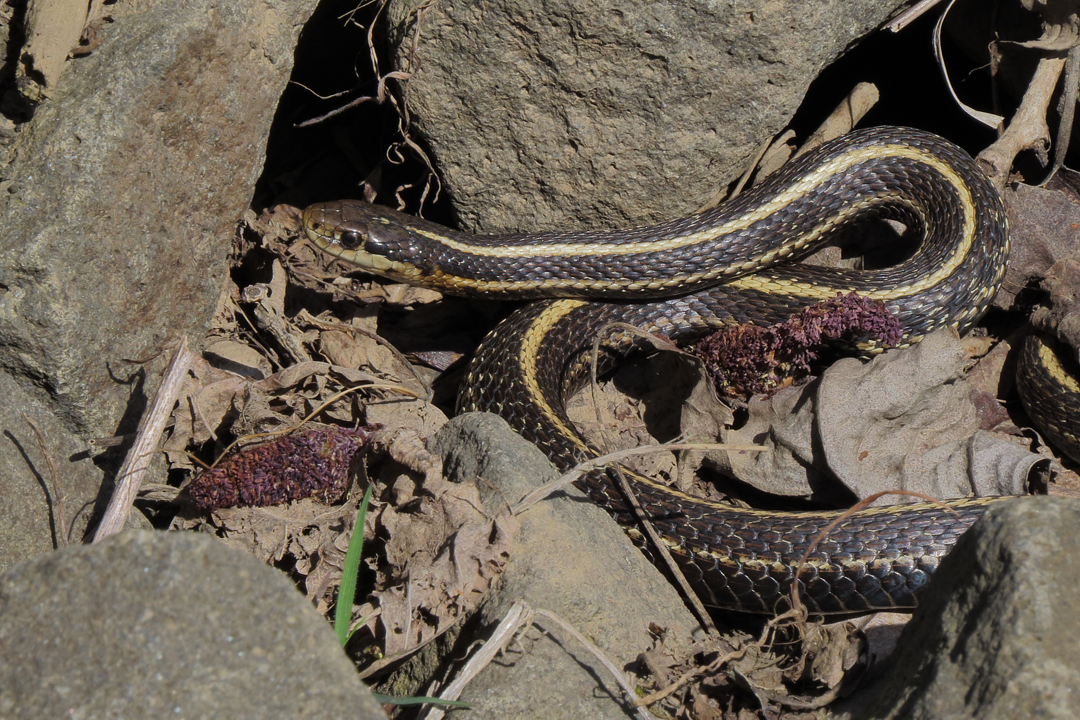 Northwestern Garter Snake
 Two courting Northwestern Garter Snakes. Notice the variation in color pattern, typical of this species.
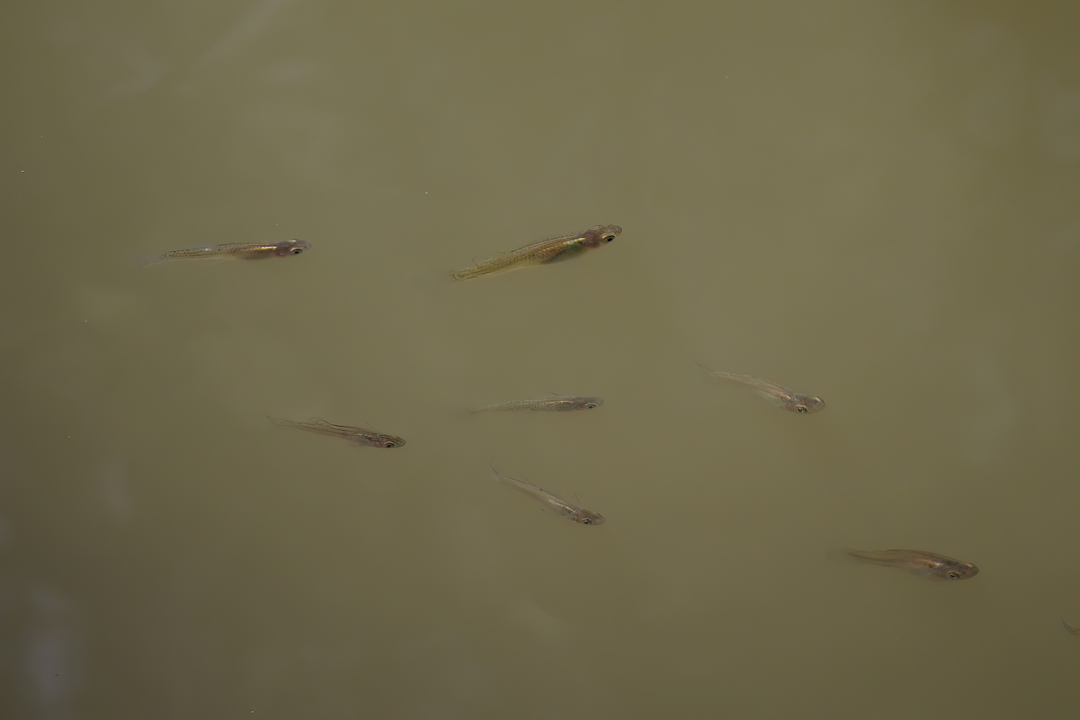 Western Mosquito Fish














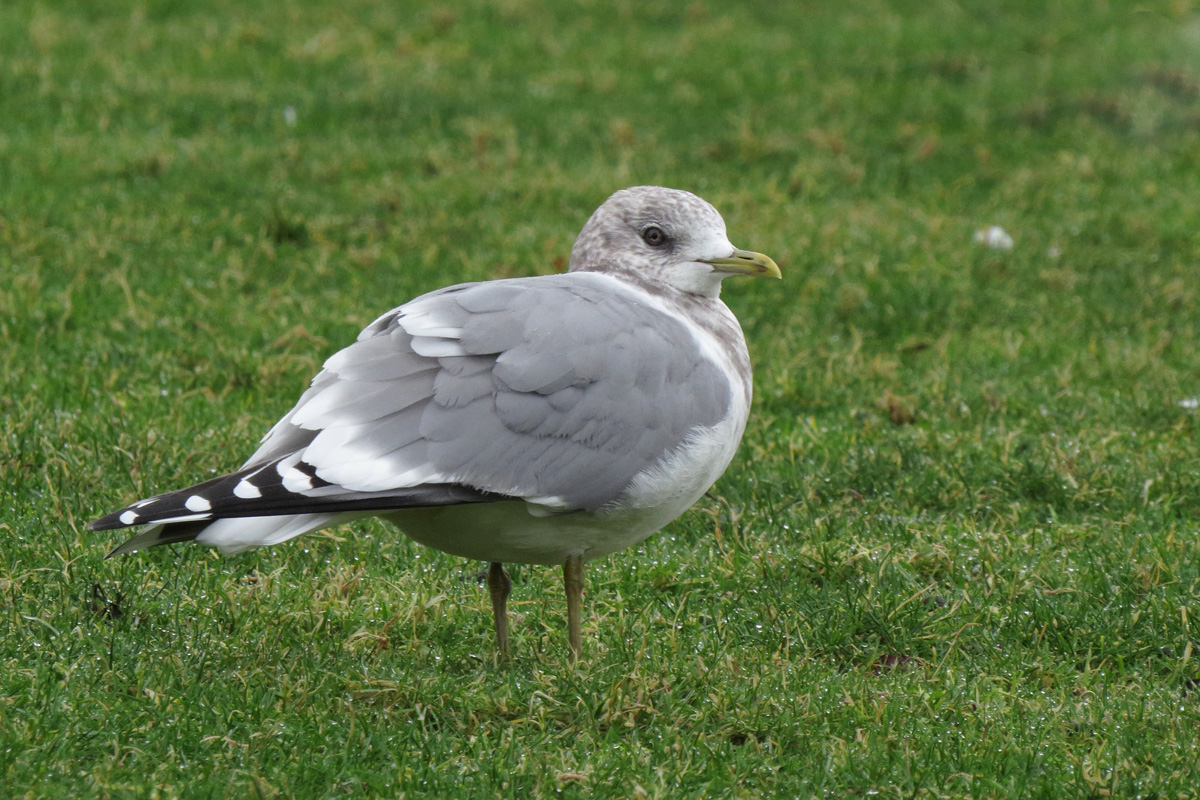 I made a quick trip to Amberglen Office Park in Hillsboro to check the lawn for gulls. Along with a small flock of Ring-billed Gulls were four Mew Gulls. Mews are one of my favorite gulls. They are easy to pick out of a mixed flock, they seldom if ever hybridize, and they possess a cuteness not found in most Larids.
 As gulls go, Mews are pretty petite with their short slender bills and round pigeon-like heads. Eye color variable, but tends toward the dark side. Like Ring-bills, Mews show very long wing projection beyond the tail.
 This individual is heavily marked on the head and breast compared to the bird above.
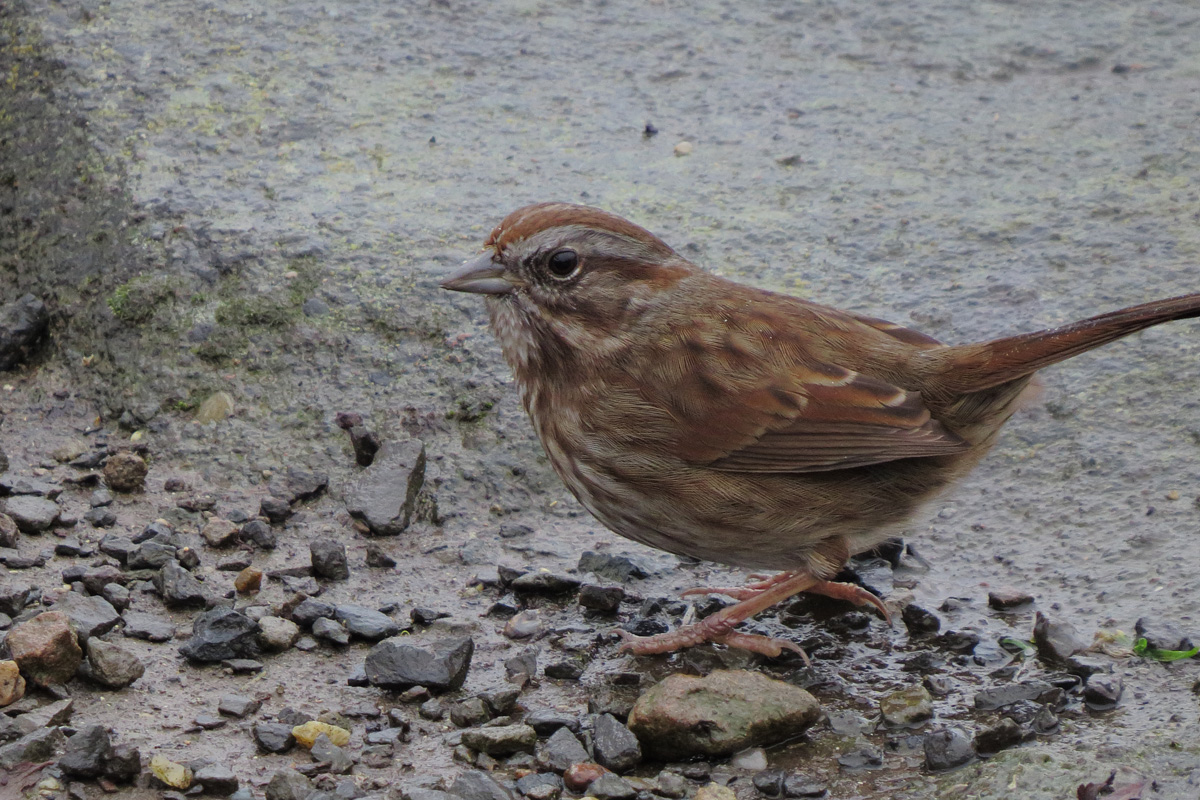 Amberglen is a good spot for waterfowl and attracts a few songbirds. Several sparrow species, including this Song Sparrow, were foraging around the main pond.
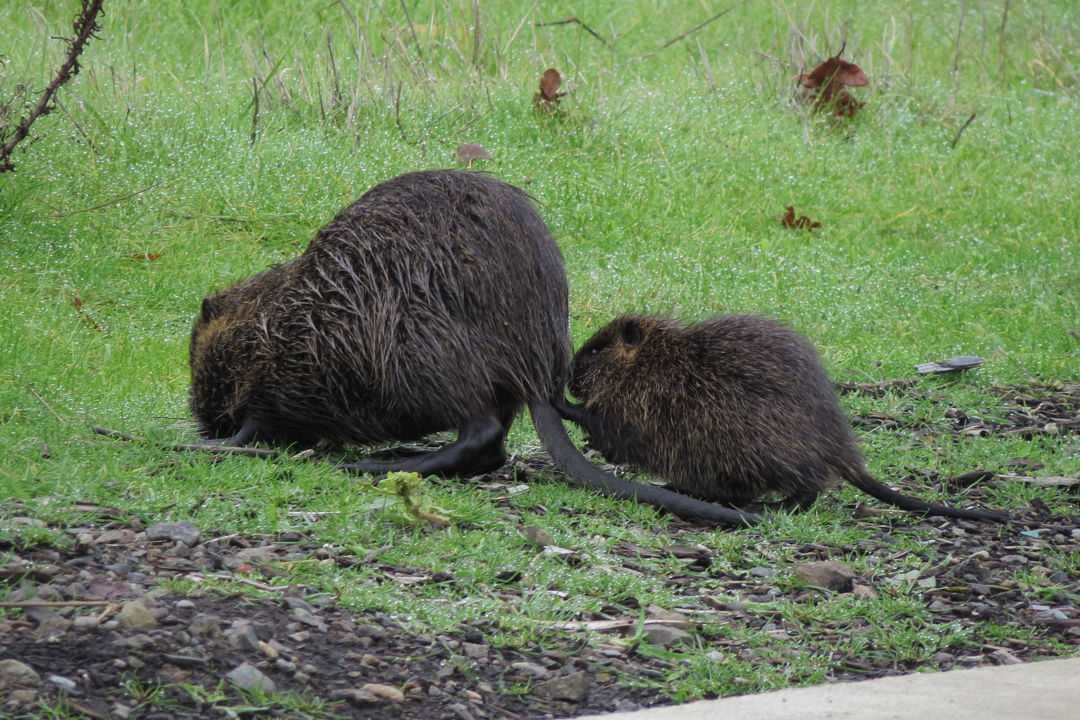
 Here is my obligatory photo of a Nutria. Cuteness transcends their invasive species status.




 Ethical Birder