Dreary February

February weather can be the most challenging, with cold temperatures and frequent rain. We desperately need the moisture so I am not complaining, but it is harder to get motivated to get out into the cold and damp. I continue to concentrate on my 5-mile radius, with my total currently sitting at 70 species for the year. I expect that to jump up a bit this week.

This lovely American Wigeon has been hanging out at Commonwealth Lake Park. Birds with this much white on the head are known as Storm Wigeon.

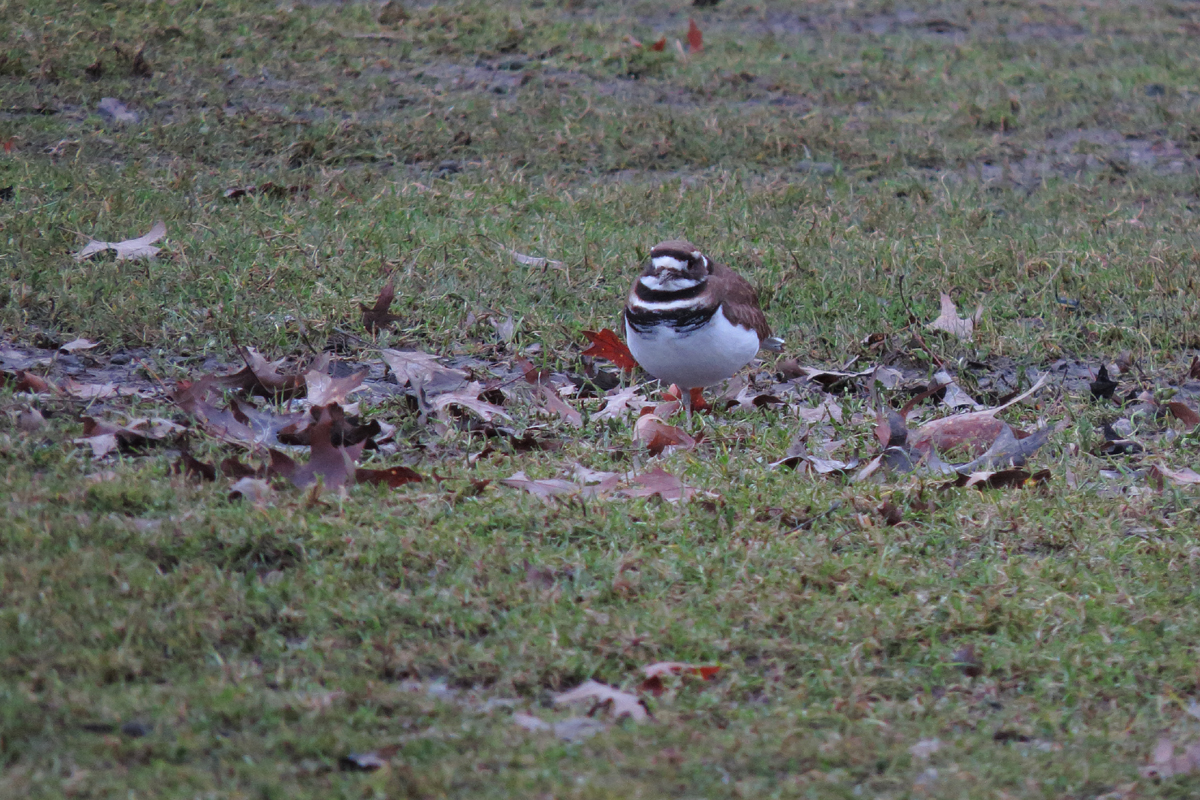
This Killdeer, along with two others, was doing a pretty good job hiding in a little clump of leaves.

Wilson’s Snipes continue to be common at Commonwealth. That long bill helps him blend in with the sticks.

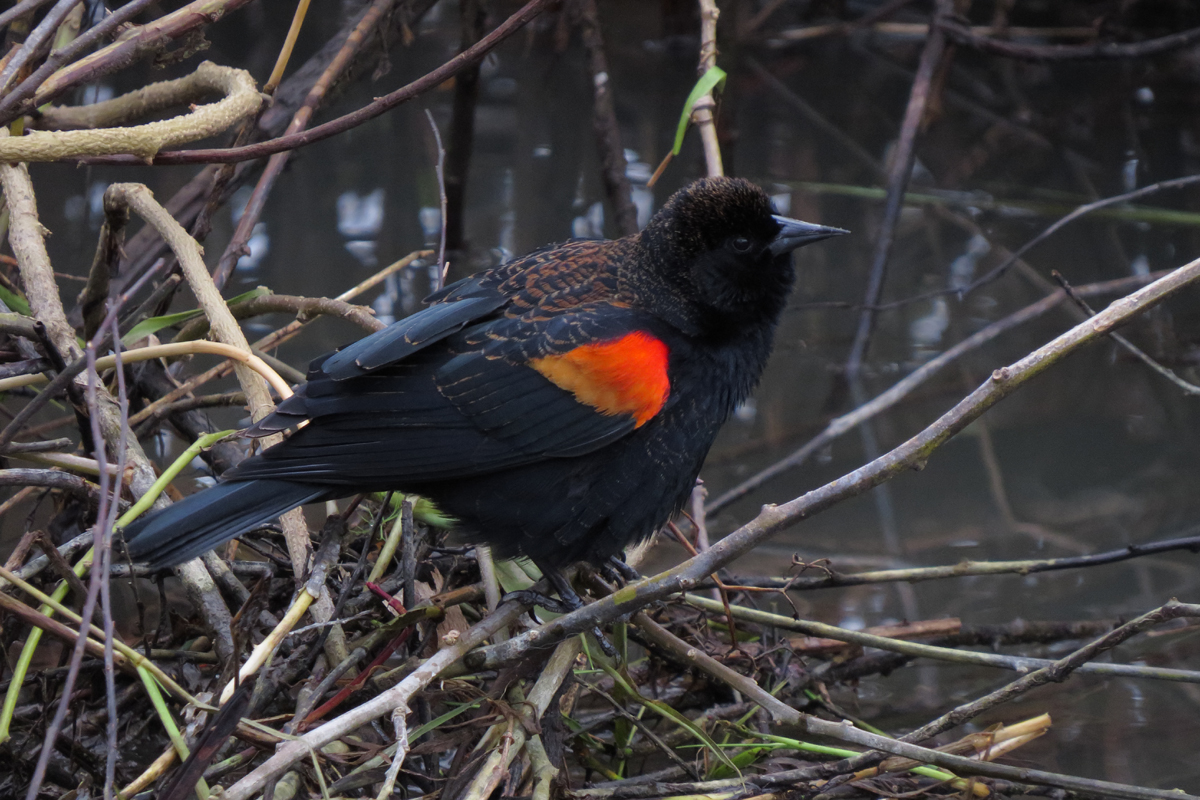
Red-winged Blackbird in fresh spring plumage. I imagine those rusty fringes will wear off to reveal a more uniform black outfit soon.

Happy winter

Fernhill Wetlands

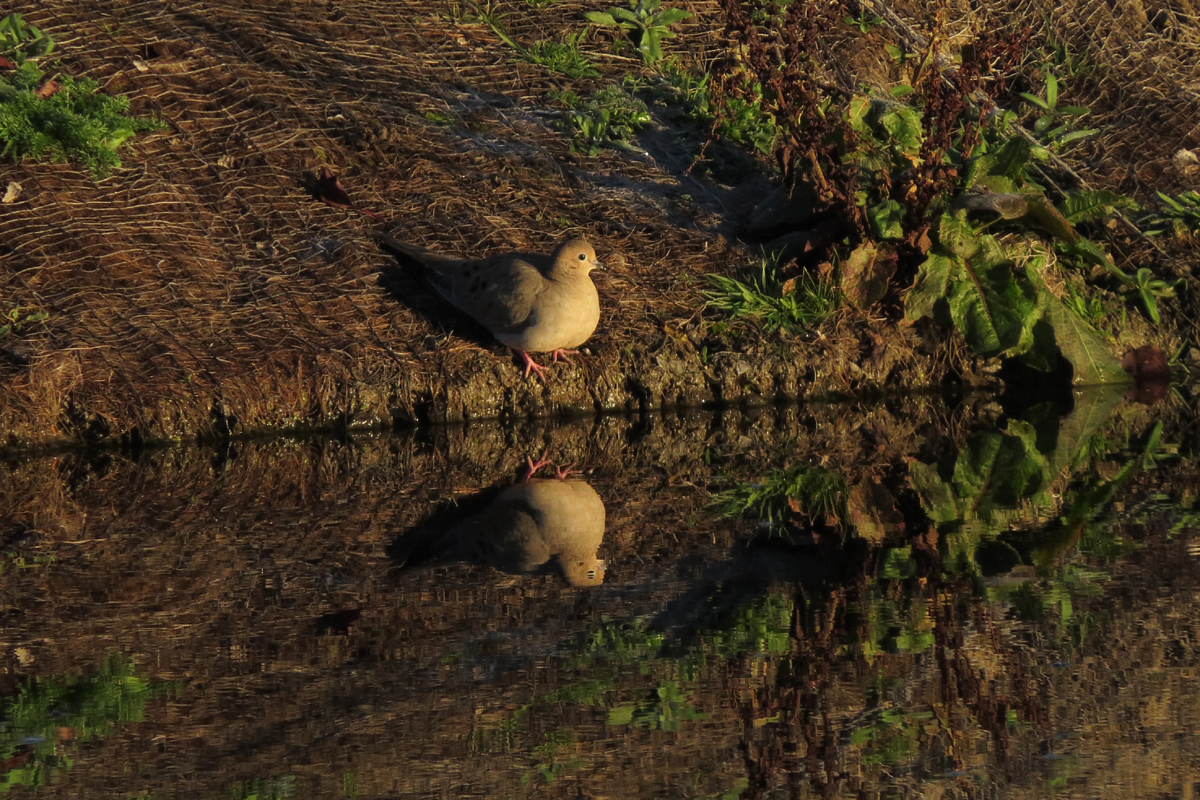
I visited Fernhill Wetlands in Forest Grove on a rare sunny December day. The sun is so low at this time of year that if there is no cloud cover the sun is either at your back or directly in your eyes. The latter makes birding very challenging, but the former can produce some lovely light, as seen on this Mourning Dove.

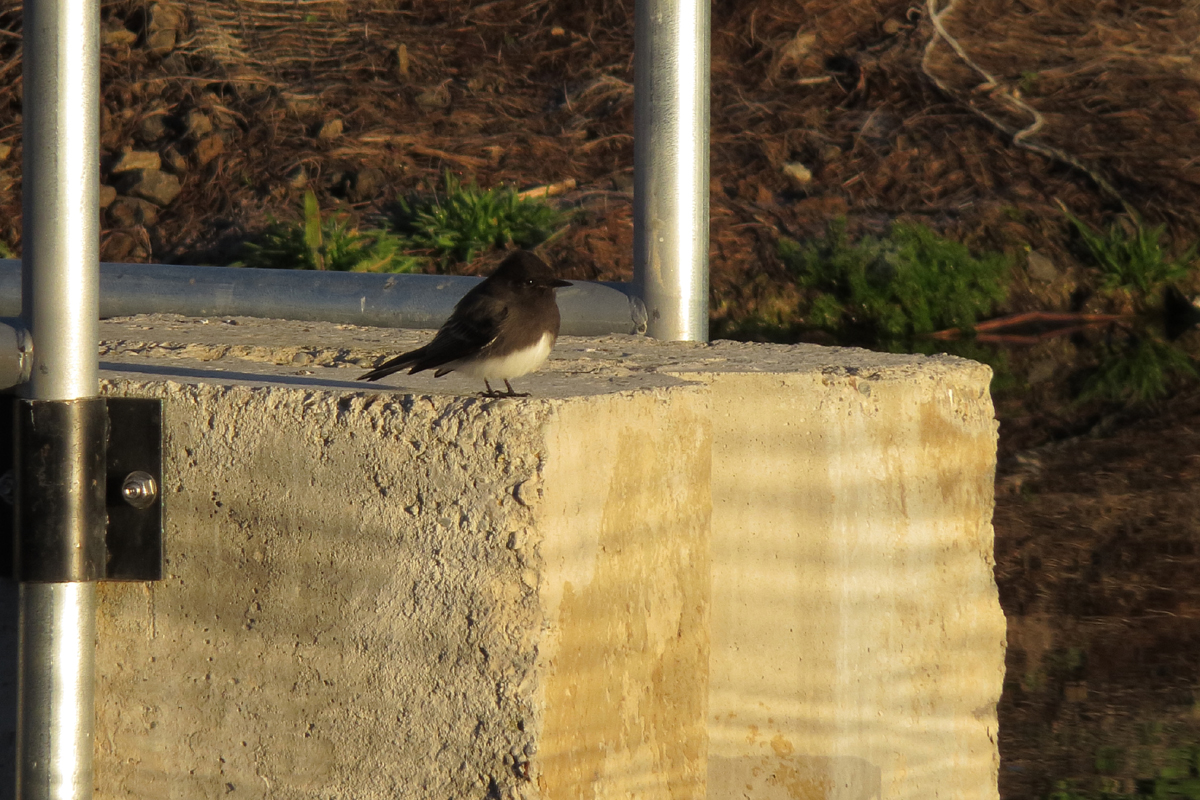
At least one Black Phoebe has been hanging out near the ponds behind the picnic shelter this fall. Black Phoebes were unheard of in Washington County a few year ago.

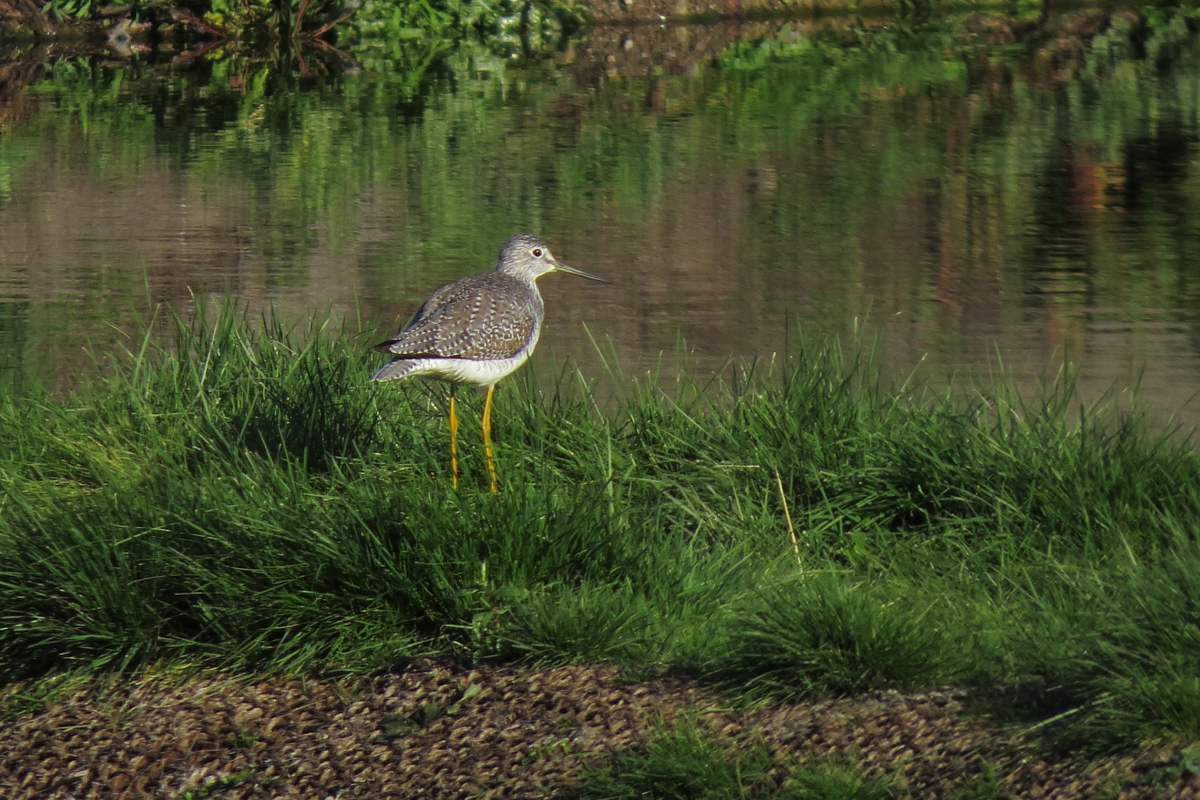
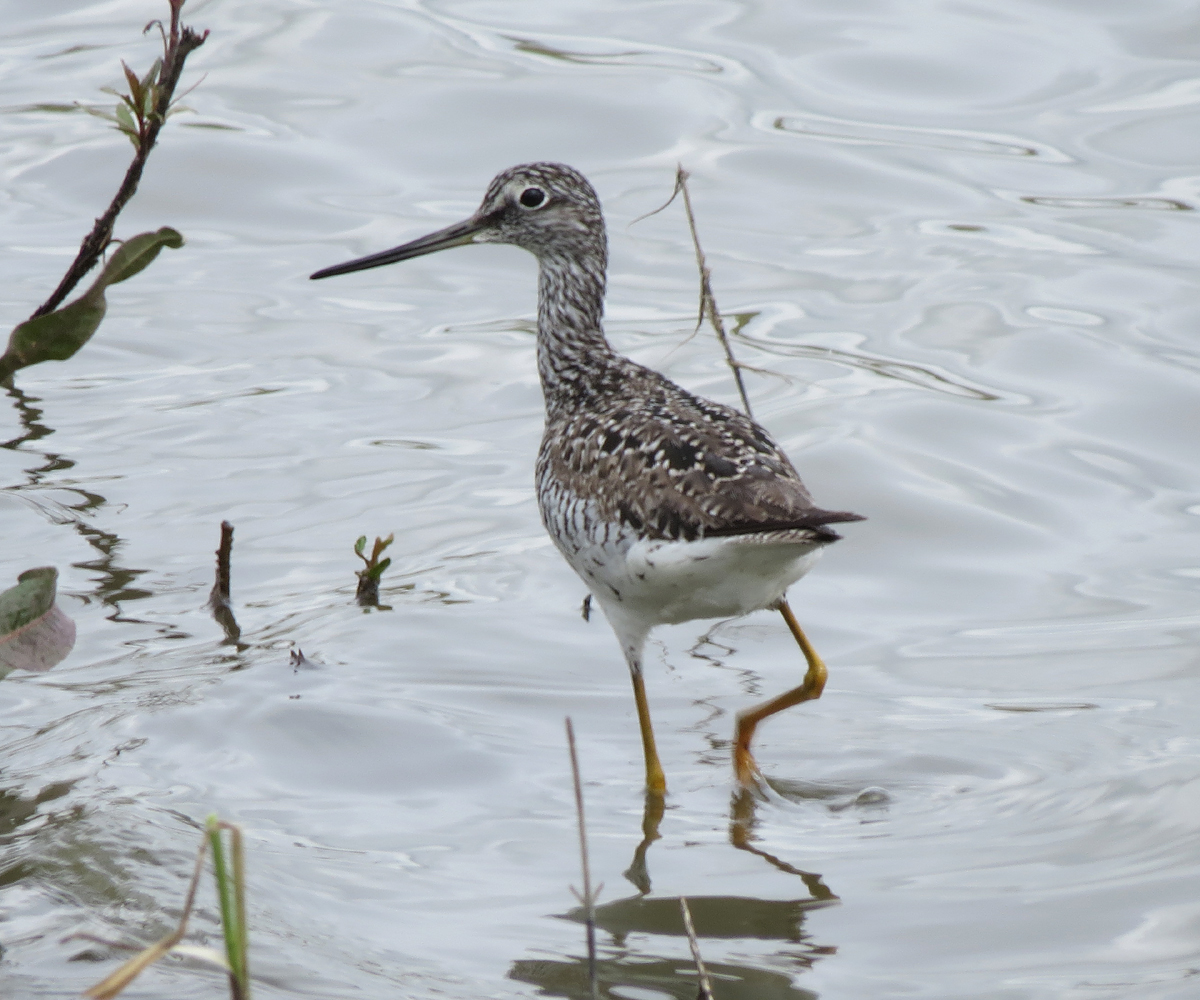
Any shorebird seen at this time of year is a treat. This lone Greater Yellowlegs was one of four shorebird species found on this trip. (Long-billed Dowitchers and Wilson’s Snipe were flybys.)

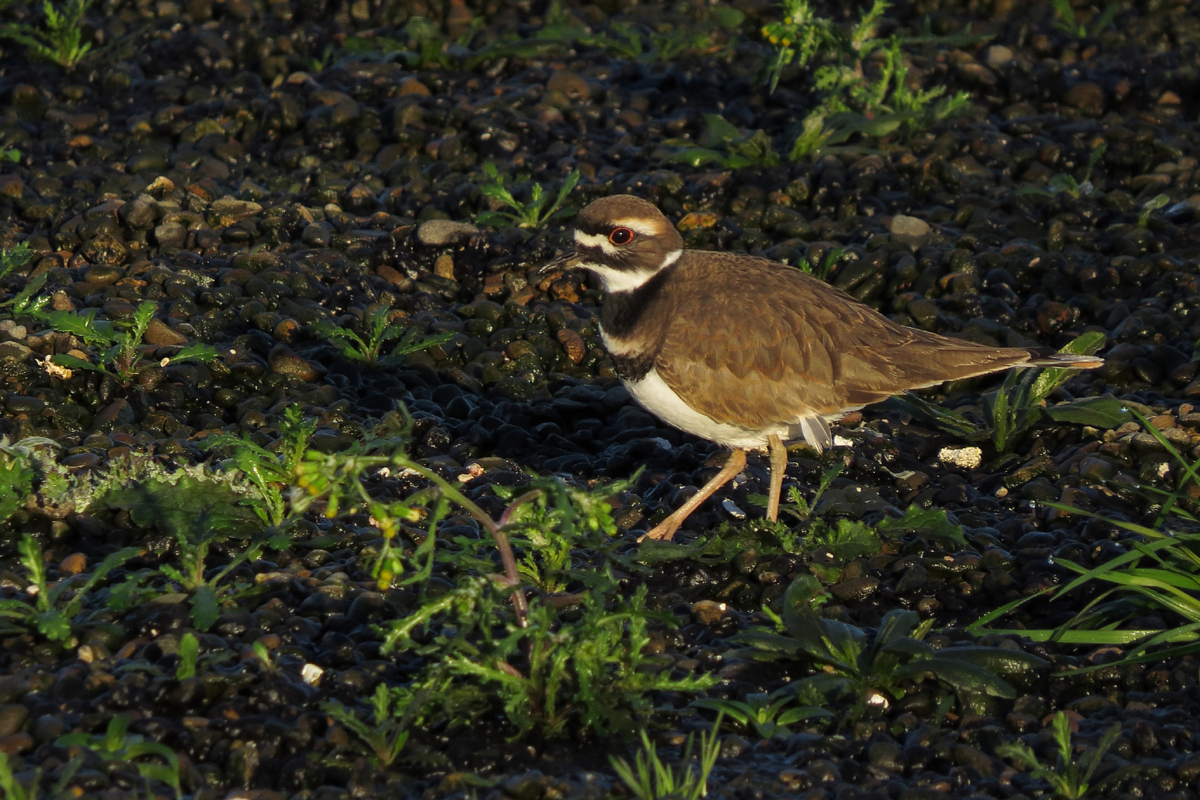
This Killdeer was probing with her foot to try to stir up food in one of the new gravel filtration tanks.

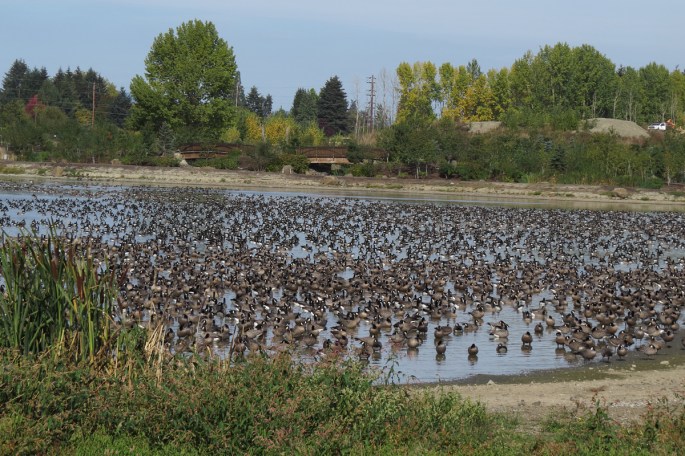
The main lake at Fernhill is hosting a nice variety of waterfowl, but most were distant or in the harsh sunlight. A  Swamp Sparrow was a nice find, but stayed in the cattails to avoid being photographed.

Happy Autumn.

Summer Shorebirds

There isn’t much going on bird-wise in mid-summer besides shorebirds. It is nice to have an opportunity to really focus on a single group of birds. Here are a few images from recent weeks.

IMG_0796
This Long-billed Dowitcher, to the right of the Killdeer, really caught my eye since she was still in nearly pristine breeding plumage.
IMG_0808
The bright cinnamon color goes all the way down through the undertail coverts. This bird was at Jackson Bottom Wetlands.

IMG_0832
more Long-billed Dowitchers at Jackson Bottom. These birds are already fading into their duller winter plumage.

IMG_0813
Spotted Sandpiper, still in breeding plumage, perched on a spotted log
IMG_0826
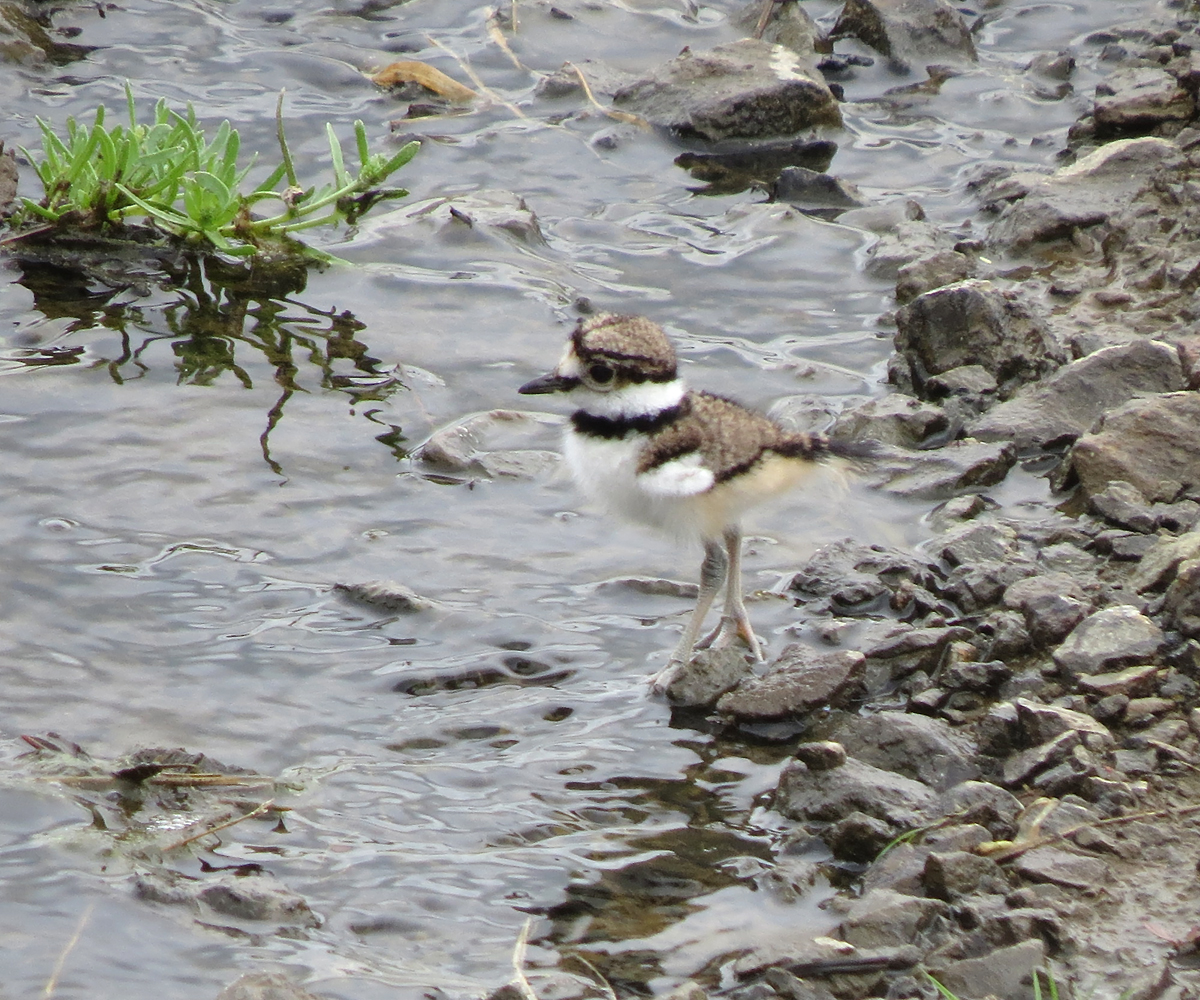
From the cuteness department comes this fuzzy baby Killdeer. Seeing a young Killdeer with his single breast band this late in the summer might suggest a Semipalmated Plover. But the fluffy plumage and the long legs (not to mentions the tiny wings) let us know we are looking at a fledgling.

IMG_0839
Take the time to look at shorebird specimens whenever you have the chance. The first thing you will notice is just how small these birds are. Since we usually look at shorebirds through powerful optics, we tend to think they are actually larger than they are. (A Least Sandpiper is a little smaller than a House Sparrow.) Here we have a nice comparison of a Greater and a Lesser Yellowlegs. Note the differences in the proportions of the bills.
IMG_0814
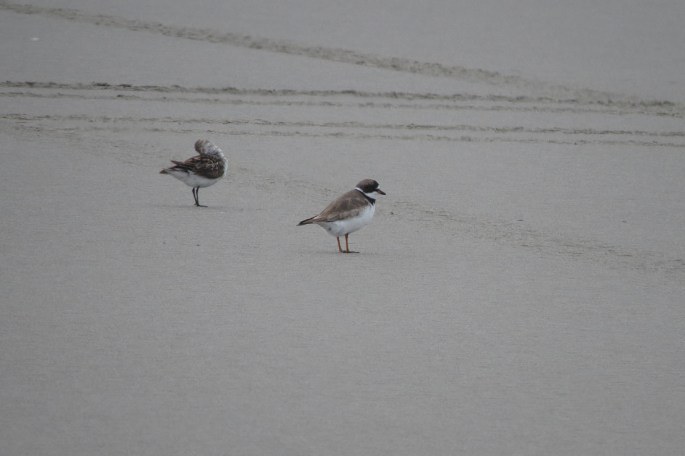
A trip to the coast provided good numbers of Semipalmated Plovers, seen here with a Western Sandpiper.

IMG_0819
Several hundred Marbled Godwits spent a couple of weeks at the beach in Fort Stevens State Park.

blue small
Dragonflies provide a nice burst of color in the summer. I believe this a Blue Dasher, but please correct me if I am wrong.
8 spot
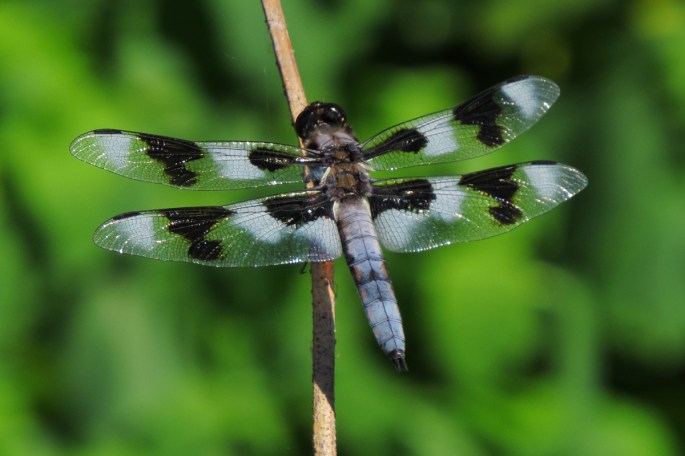
Eight-spotted Skimmer

black-tailed small
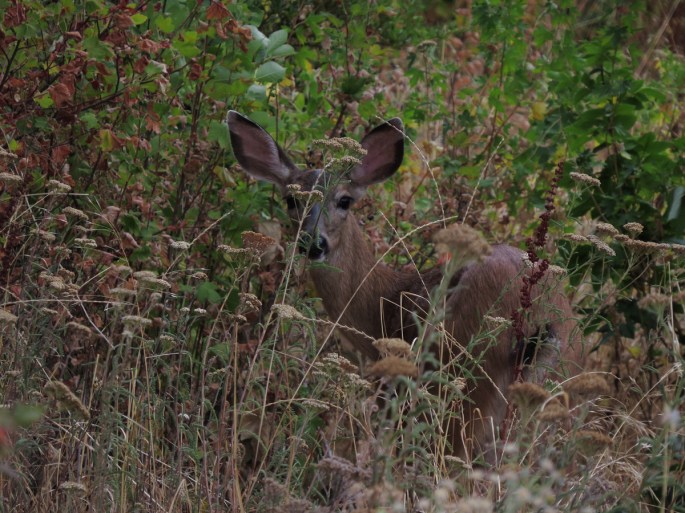
This Black-tailed Deer was behind the visitor center at Jackson Bottom.

Shorebird migration will be the big thing for another few weeks, but it will be gull season before you know it.
Autumn at Fernhill

cackling-geeseFernhill Wetlands is the place to be in autumn. Even after the extensive wetland renovations that have taken place, resulting in less open water, the Cackling Geese still congregate here by the thousands.

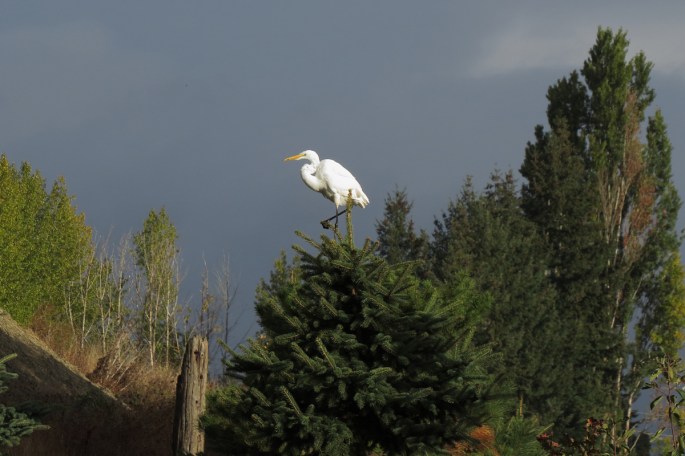
great-egretThis Great Egret was catching the sunshine on the top of a tree.

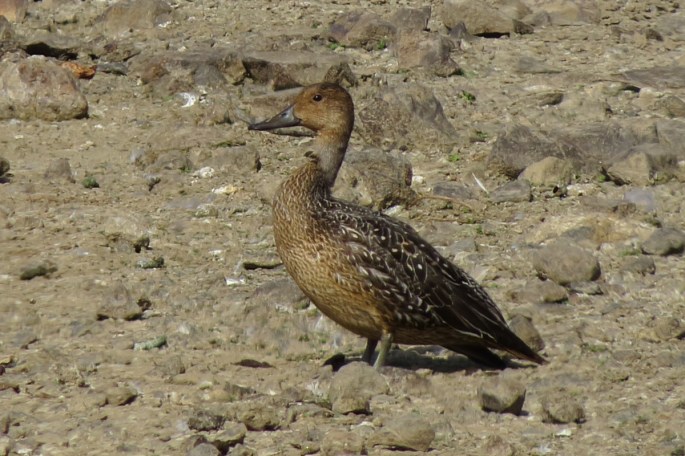
pintailNorthern Pintail. I don’t often see them hanging out on dry ground.

killdeer-green-wingedKilldeer and Green-winged Teal

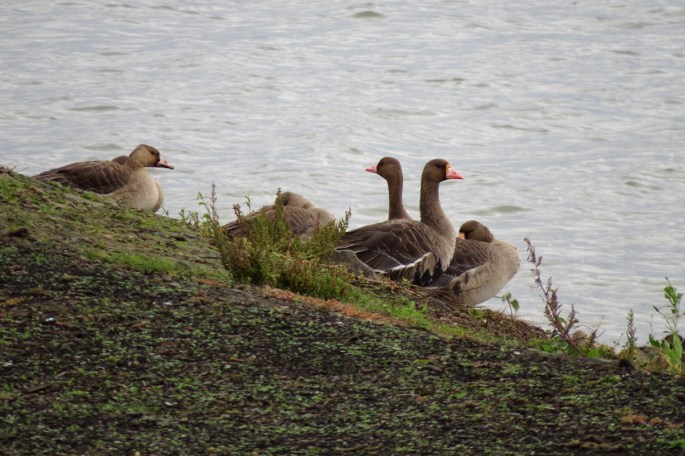
greater-white-frontsGreater White-fronted Geese migrate over the Willamette Valley in large numbers, but not many touch down, so it is always nice to see some on the ground.

horned-grebeFernhill Lake is about half of its original size, but it is still big enough to attract divers, like this Horned Grebe.

western-grebeWestern Grebe

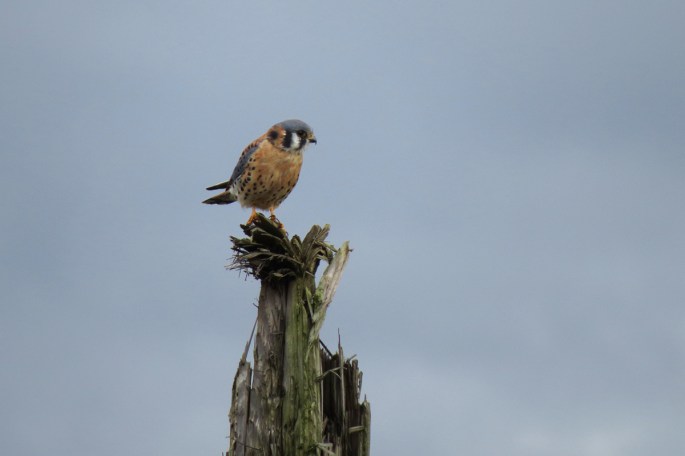
kestrel-5male American Kestrel

Waterfowl diversity continues to increase, and winter sparrow flocks should pick us soon. I’m looking forward to watching the show, assuming the Bundys don’t move in.

Broughton Beach Horned Larks

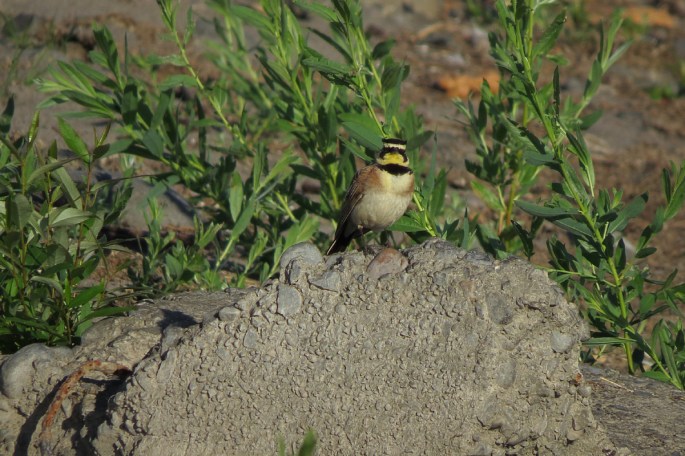
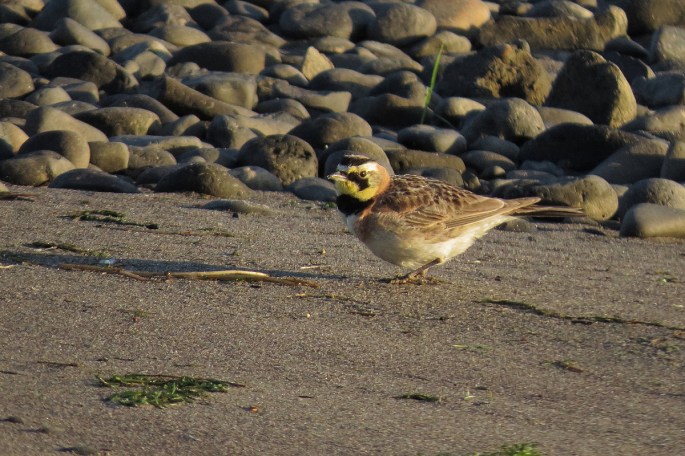
hornedBroughton Beach, along the Columbia River, has been a favorite spot in Portland to check for shorebirds, gulls, and waterfowl, depending on the season. On my recent visit I enjoyed watching a family of Horned Larks working the beach. There are many subspecies of Horned Lark, and I don’t have a reference that provides a good description of the possible subspecies in this area. These birds had much more yellow on their faces than did the birds I saw recently on Mount Hood.
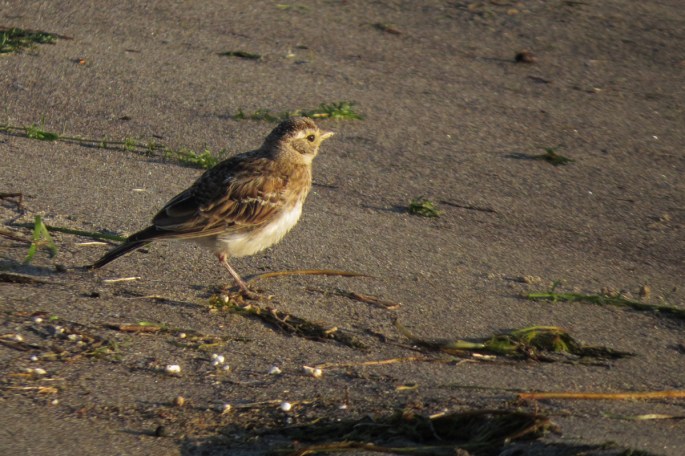
horned juvenileThis juvenile showed more muted colors and lacked the distinctive facial pattern of the adults.

horned juvI’m not sure if this bird is a juvenile or an adult female.

horned lark femaleadult female, I think

horned lark 3adult male, I think

horned lark 2adult male

brewer'sNot a Horned Lark, but Brewer’s Blackbirds are among my favorites. This is a female.
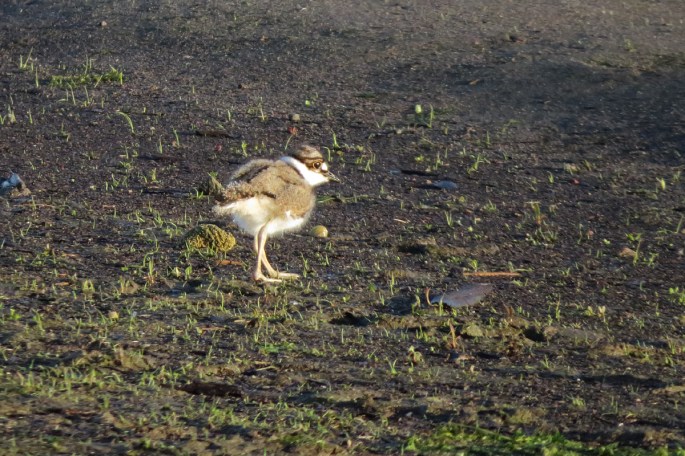
killdeer chickAnd we end with a ball of fluffy cuteness. I was surprised to find such a young Killdeer so late in the summer.
 

Fernhill Wetlands and Jackson Bottom

I made a quick trek around Washington County’s two prominent wetlands. There was nothing unusual to report, but there is plenty of bird activity at these sites this time of year.

green heronGreen Heron, lurking

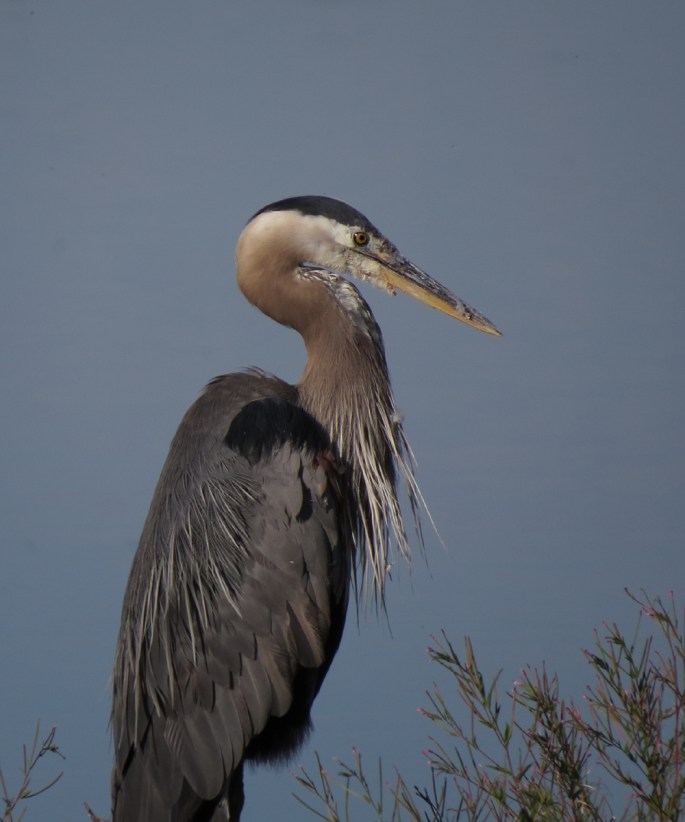
gb heronGreat Blue Heron, not lurking

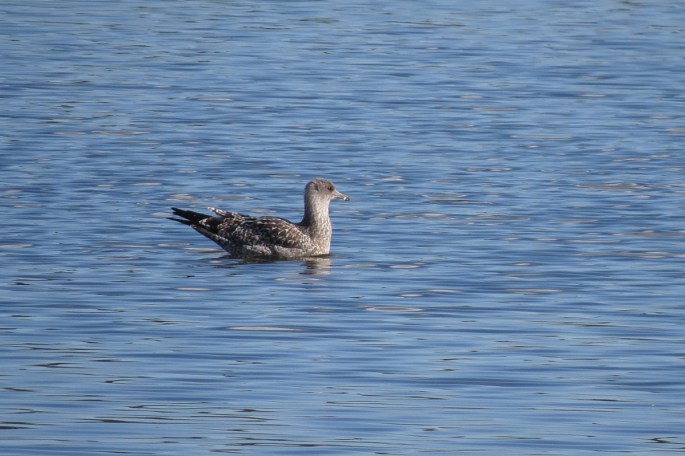
californiaJuvenile California Gulls are very common lately.

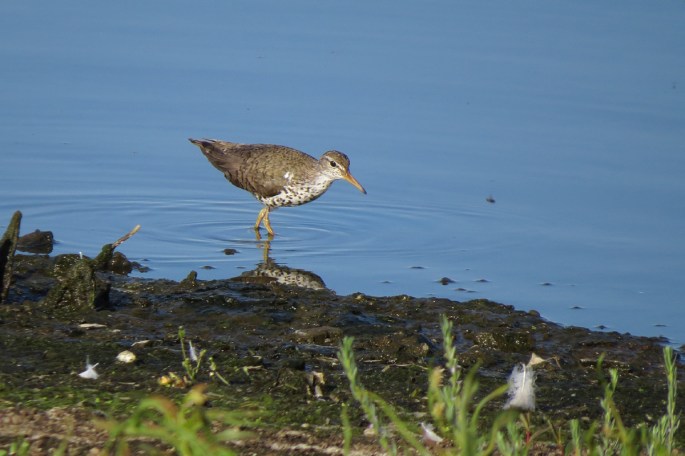
spotty 2I didn’t find many migrant shorebirds this trip, but the resident Spotted Sandpipers posed nicely.

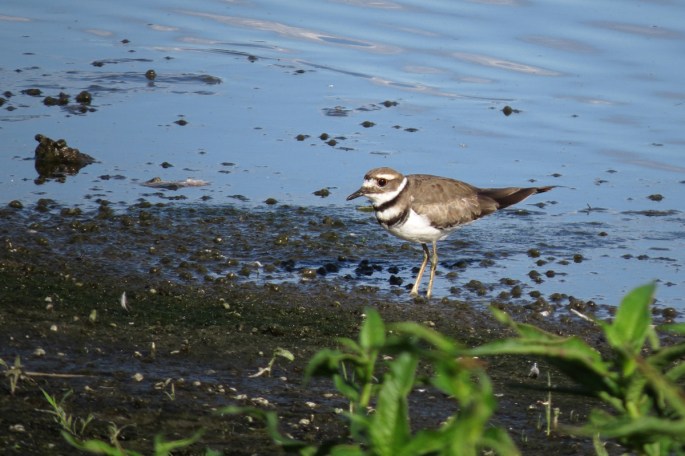
killdeerKilldeer

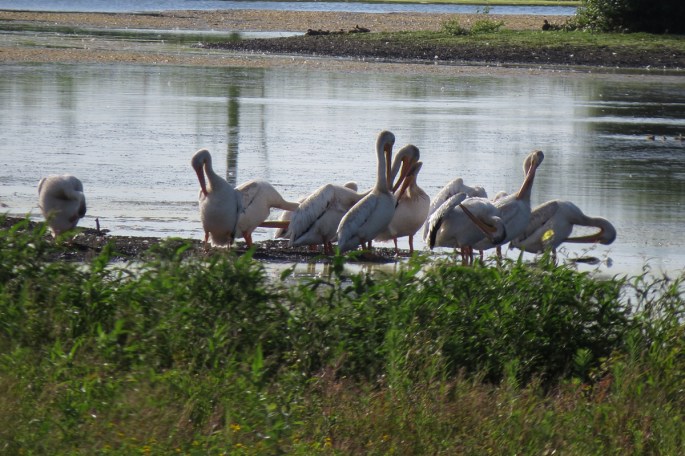
pelicansFifteen years ago, White Pelicans in the Portland area were a pretty big deal, but now they are expected in the larger wetlands in summer.
kingfisherBelted Kingfishers like the perches that have been installed at Fernhill.

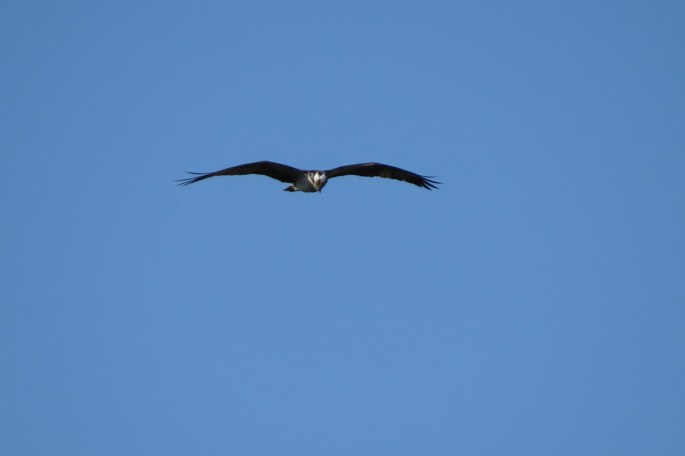
ospreyOsprey over the lake at Fernhill

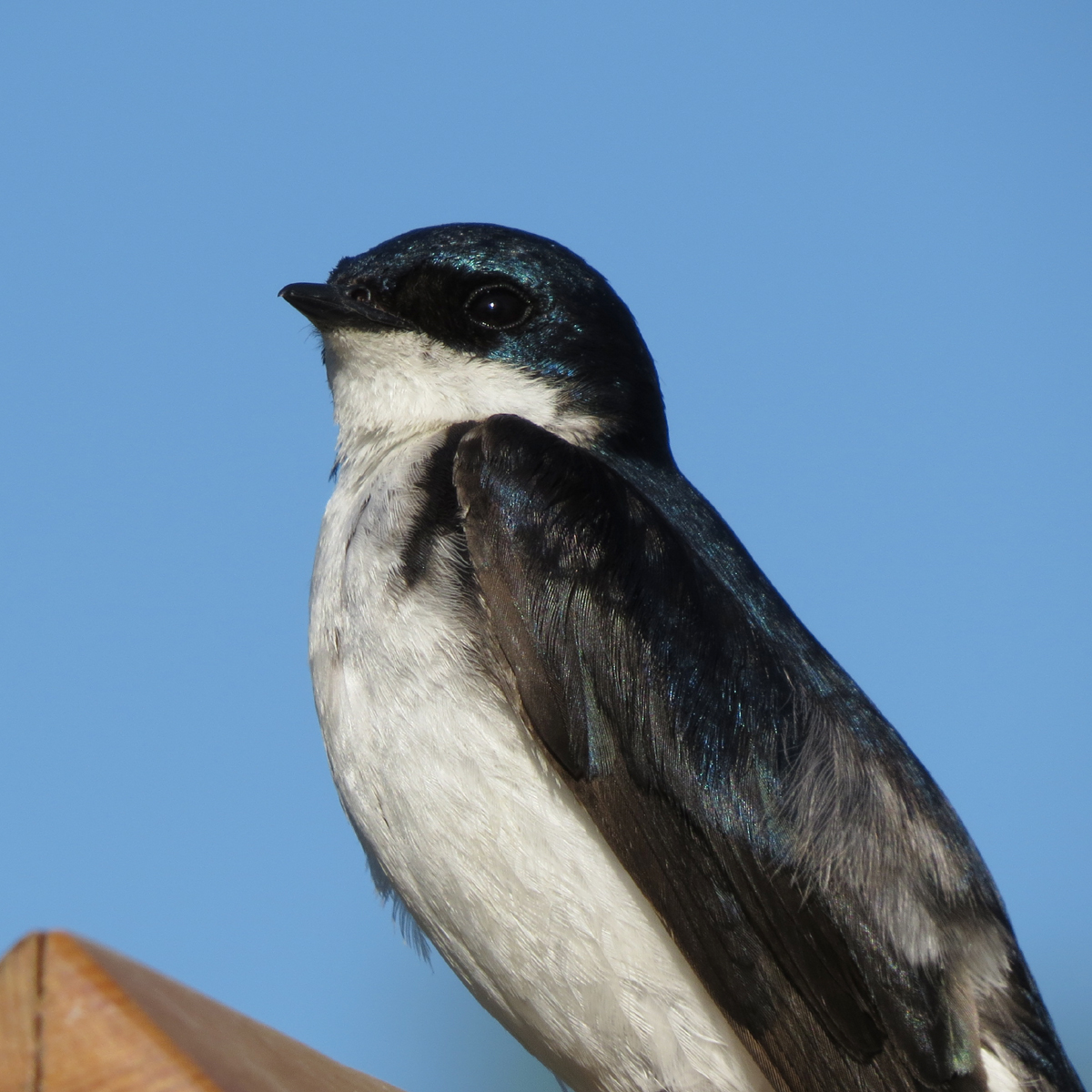
treeClouds of swallows are hanging out at Jackson Bottom. This Tree Swallow spent a long time just sitting in the opening of her nest box.

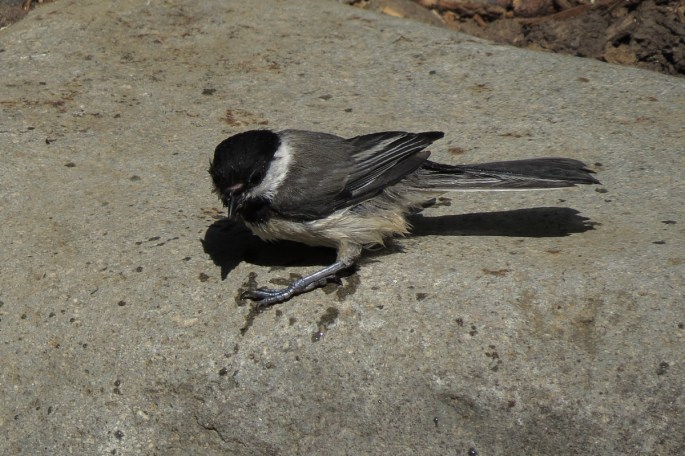
chickadeeThey have installed a water feature near the visitor center at Jackson Bottom. This soggy Black-capped Chickadee was enjoying a dip.

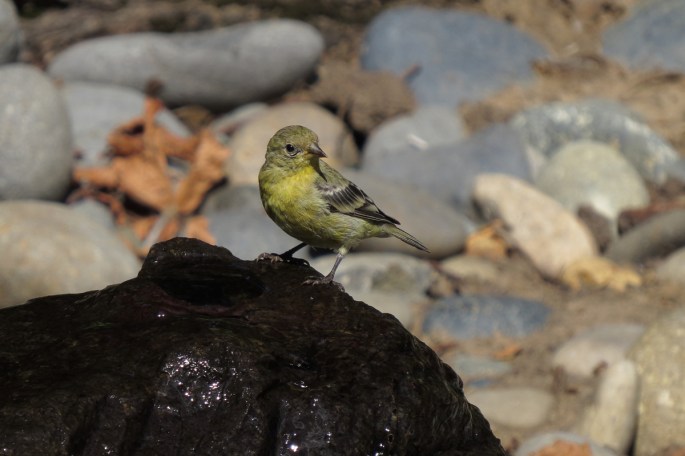
lesser goldLesser Goldfinch on the fountain

As nesting season wraps up and water levels drop, I can soon start obsessing on migrant shorebirds.

Fernhill Wetlands and Jackson Bottom

We are two weeks into a nasty heat wave in the Portland area. Sunrise is the only time of day when you can bird in any comfort and hope to find any birds active and singing. So I got up early and did a bird survey at Fernhill, then made a quick stop at Jackson Bottom on the way home.

am. goldfinchSome of the flowers have gone to seed, providing forage for both American (above) and Lesser (below) Goldfinches.

lesser goldfinch
great blueThe refurbished wetlands at Fernhill have lots of tree trunks installed vertically to provide perches for birds like this Great Blue Heron.

green heronGreen Heron

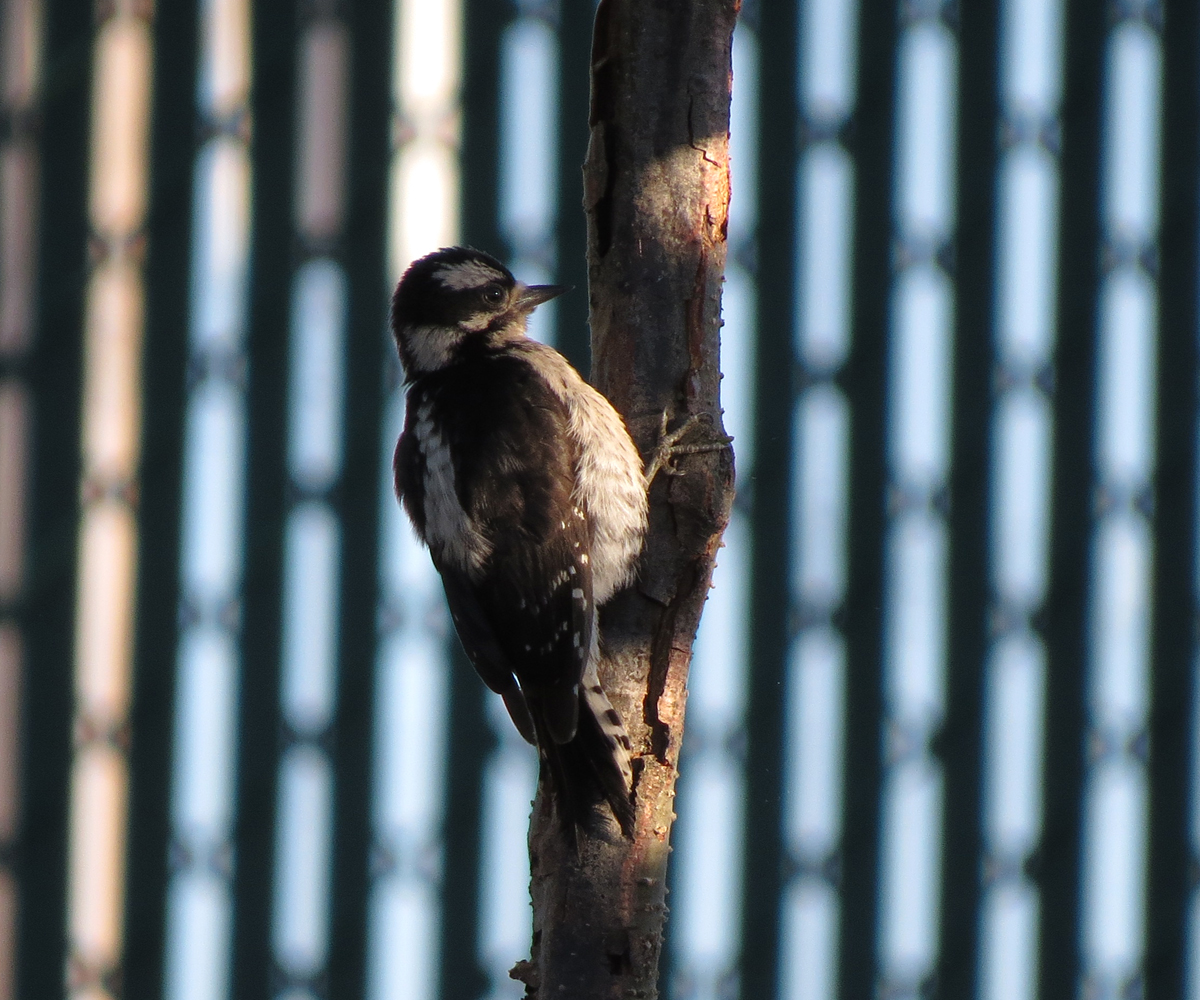
downyThis Downy Woodpecker was checking out some of the new plantings around the water garden at Fernhill.

killdeera young Killdeer, at that awkward teenager stage

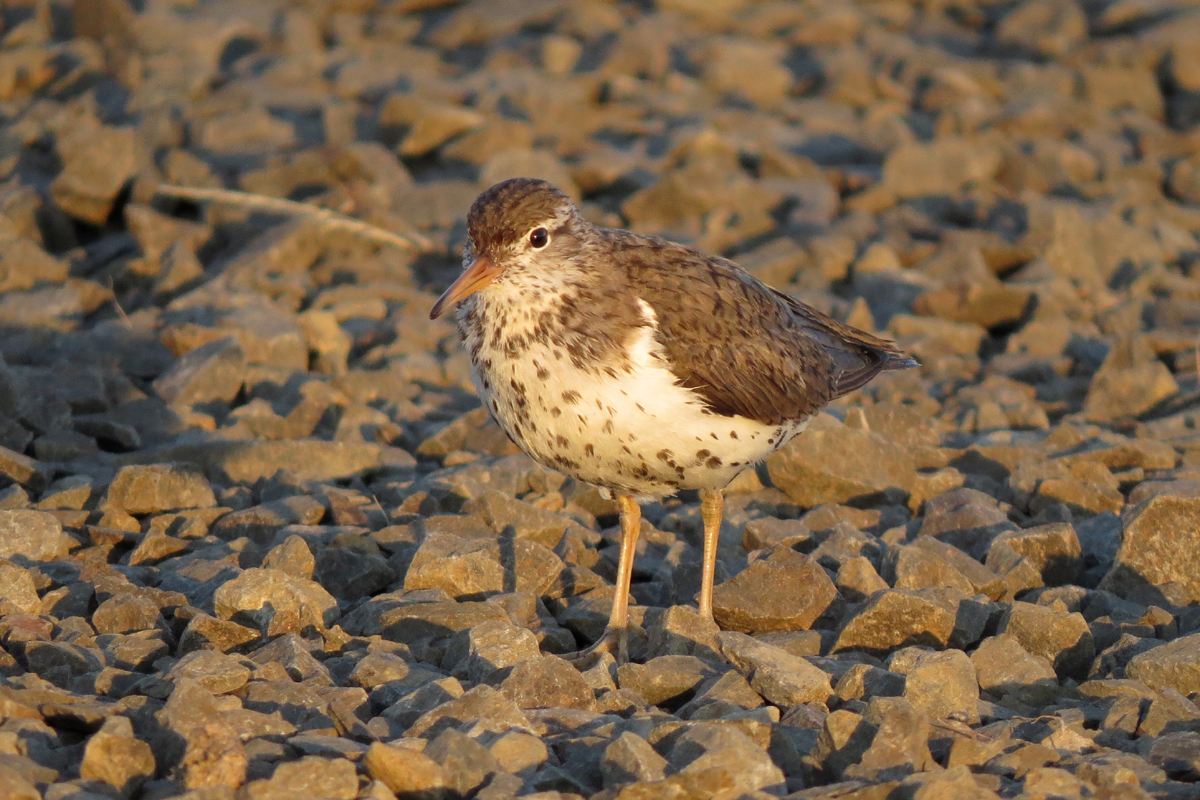
spotted sandpiper leftSpotted Sandpipers are the other shorebird that nests at Fernhill and Jackson.

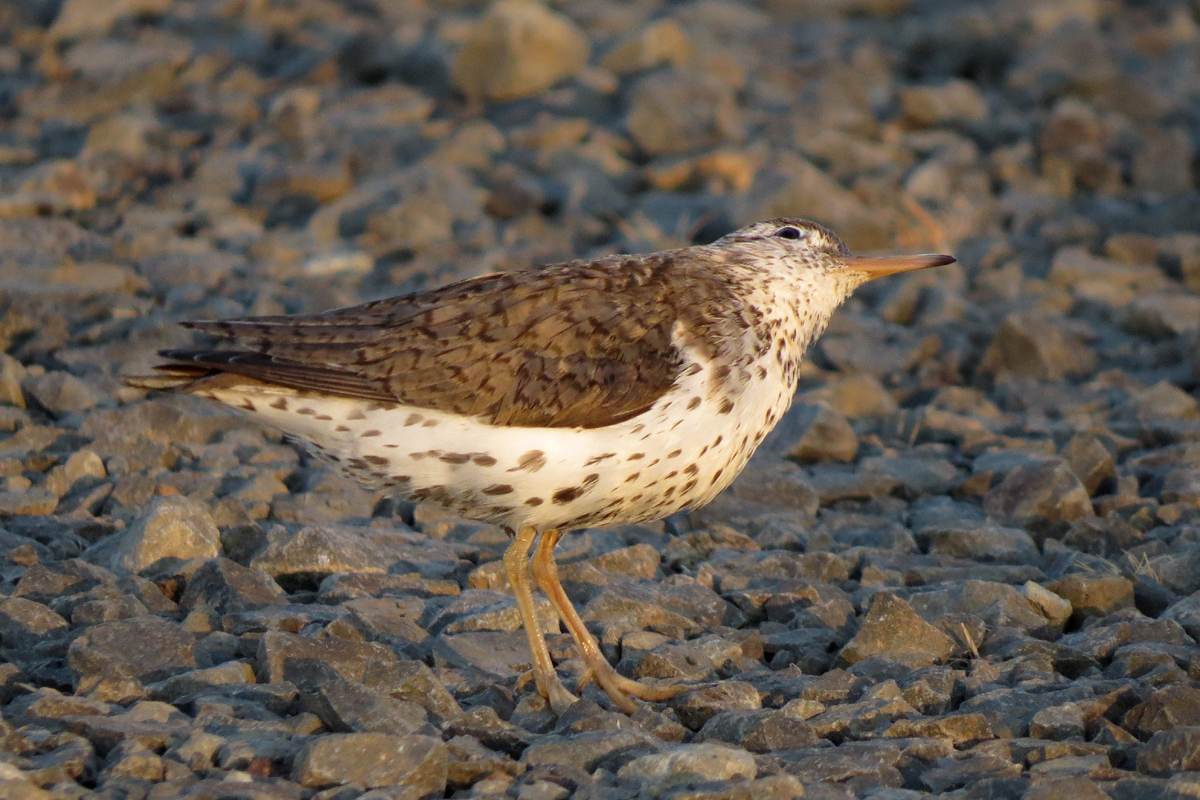
spotted sandpiper upChecking the sky for falcons

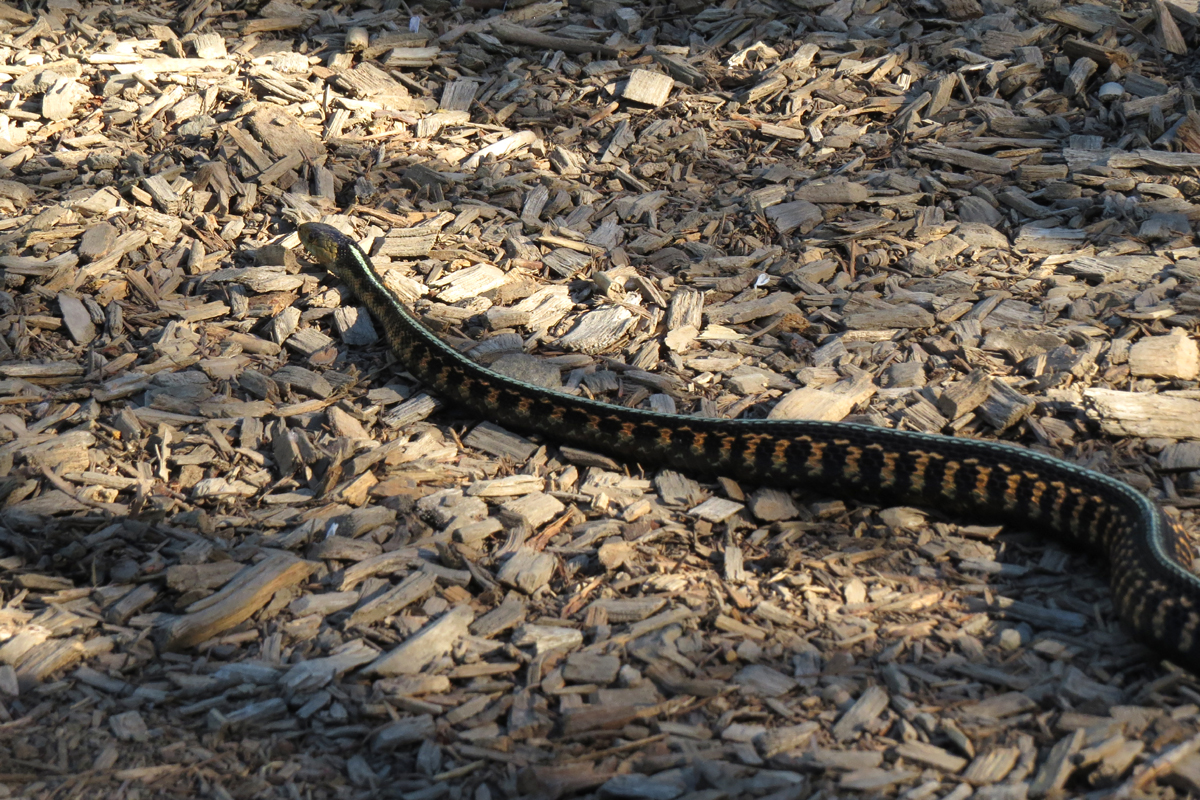
garterThis Common Garter Snake was very thick in the middle. I assume she is gravid. Garters give birth starting in late July. Broods are typically around a dozen, but broods of over 80 young have been reported.

tree swallowmale Tree Swallow, being all sparkly

Tualatin River NWR

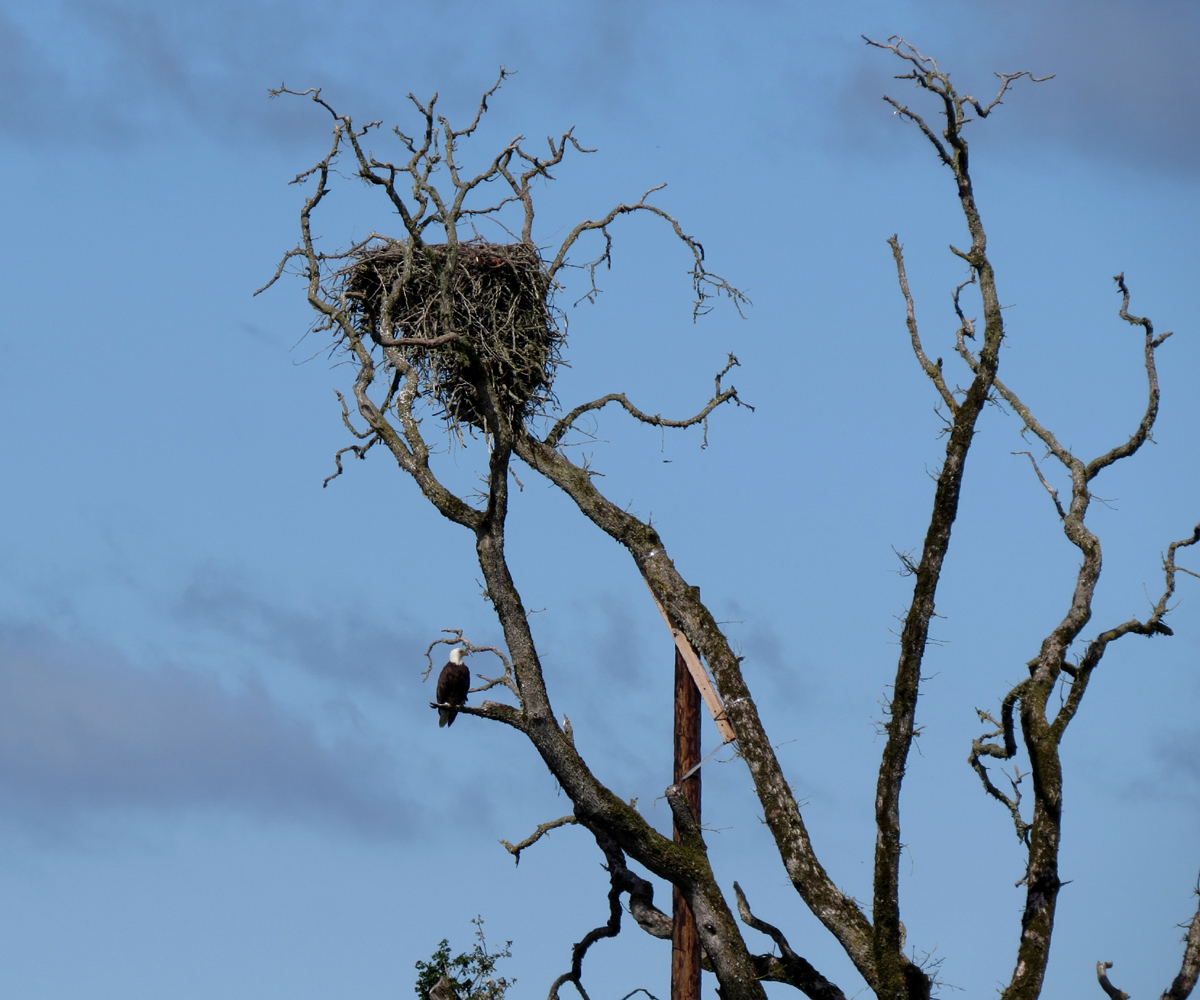
eagle nest Tualatin River National Wildlife Refuge is still a fairly new addition to the Willamette Valley refuge complex, but it offers a nice variety of habitats very close to Portland. I don’t know if the resident Bald Eagles had a successful nesting this year, but this individual was hanging out by the nest during my recent visit.

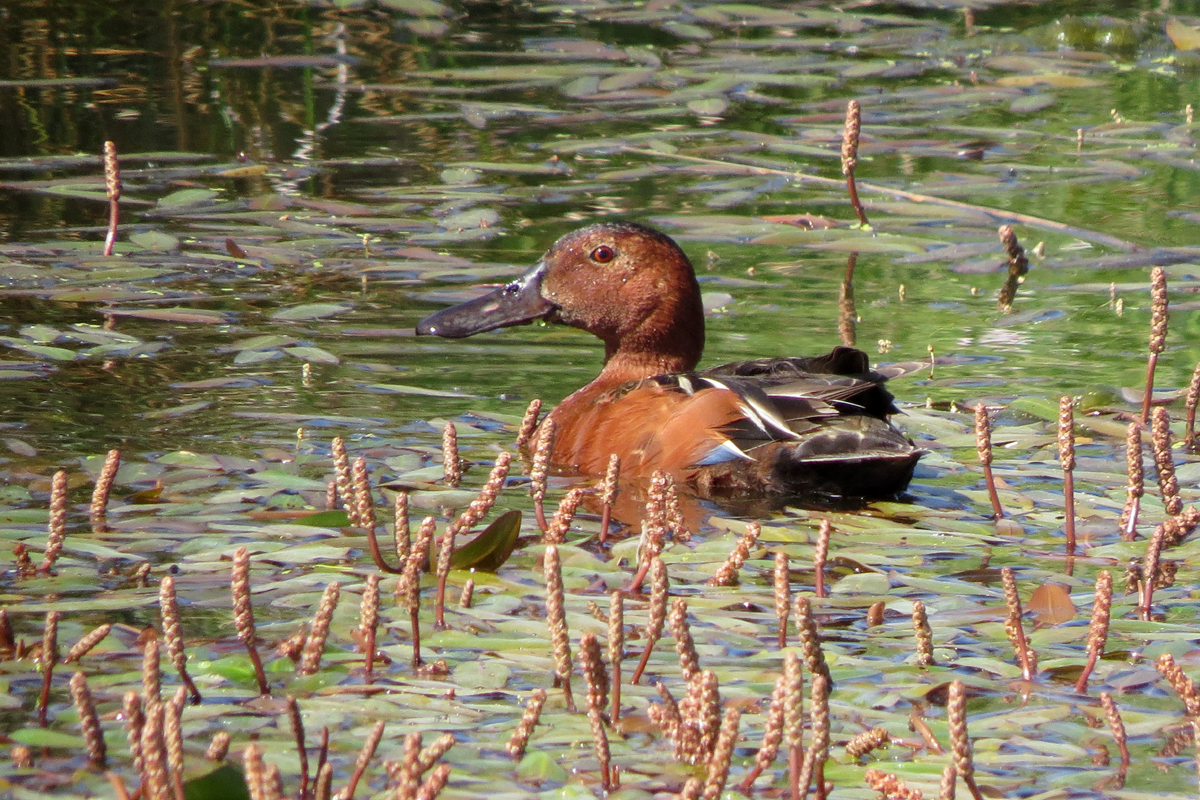
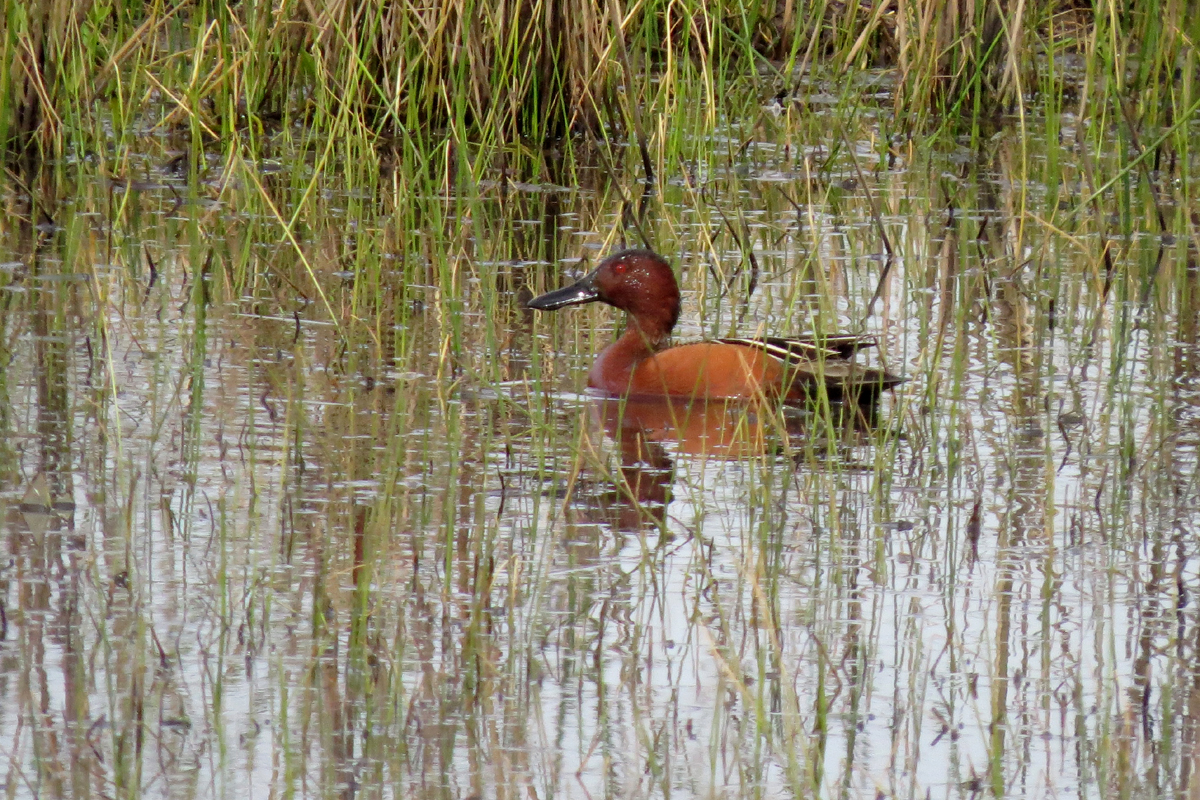
cinnamon teal 1Cinnamon Teal were conspicuous, but Blue-winged and Green-winged Teal were also present.

killdeer 1Killdeer and Spotted Sandpipers are both common nesters on the refuge.

n. rough-winged 1The air above the wetlands is filled with various species of swallows. This Northern Rough-winged Swallow was the only one that sat for a distant photo.

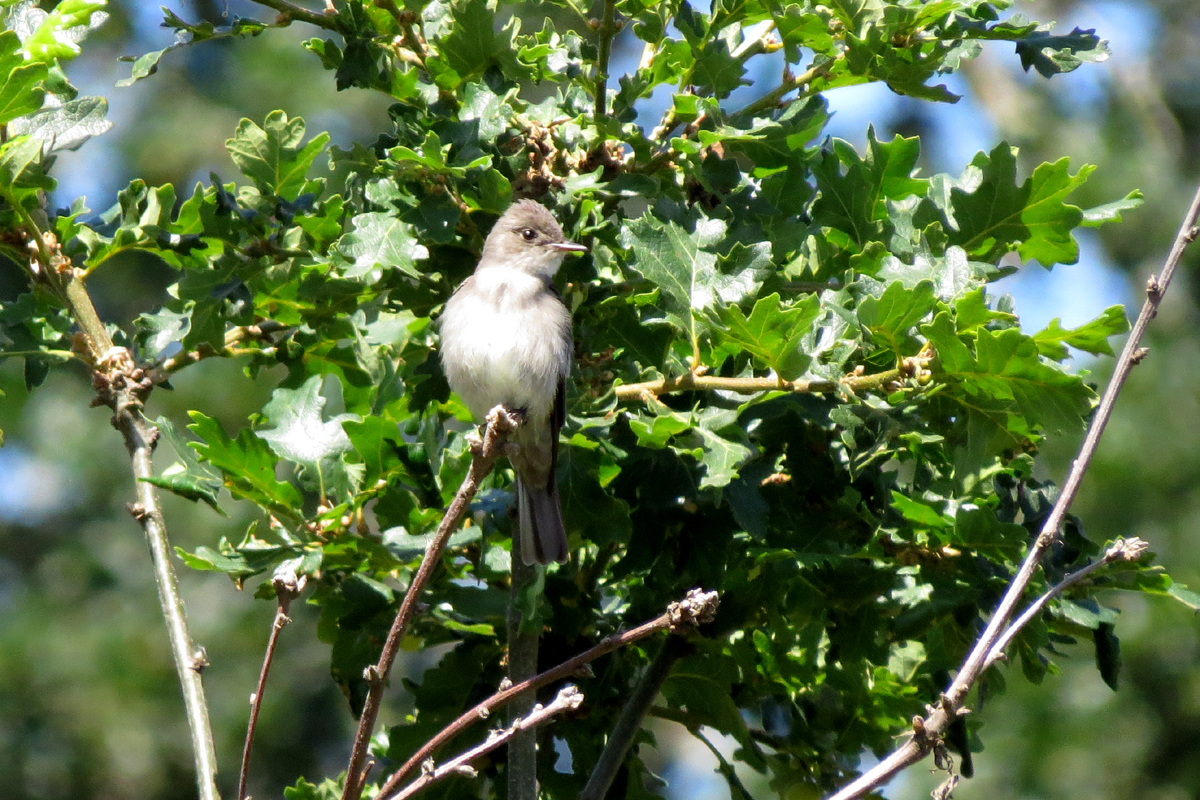
willow flycatcher 1This Willow Flycatcher was giving his distinctive “FITZ-bew” call.

w. wood-pewee 1Western Wood-Pewees were calling from the edges of the woods.

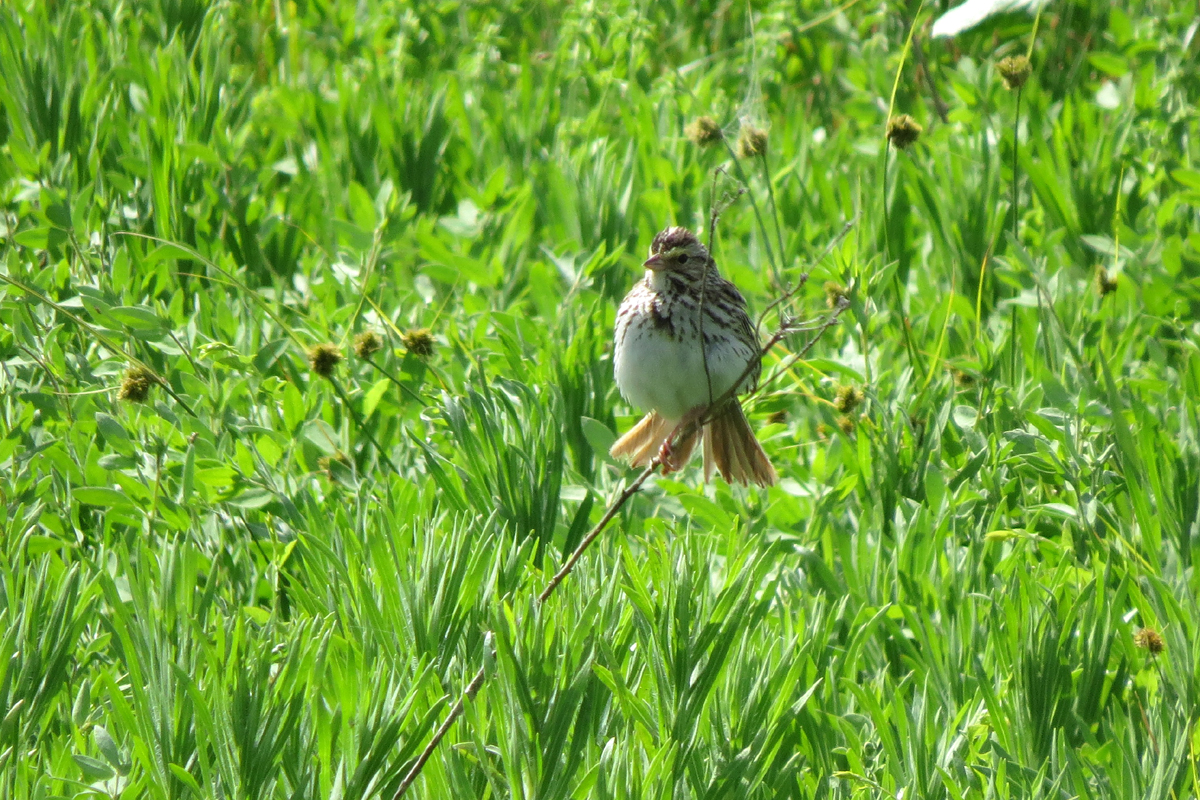
savannah sparrow 1The grassy areas are home to Savannah Sparrows.

white-crowned 1This White-crowned Sparrow was singing from the roof of the refuge office.

Wetland Birds

While spring migration has not really ramped up yet, locally nesting birds at Fernhill Wetlands and Jackson Bottoms are starting to pair up, and the winter flocks are breaking up.

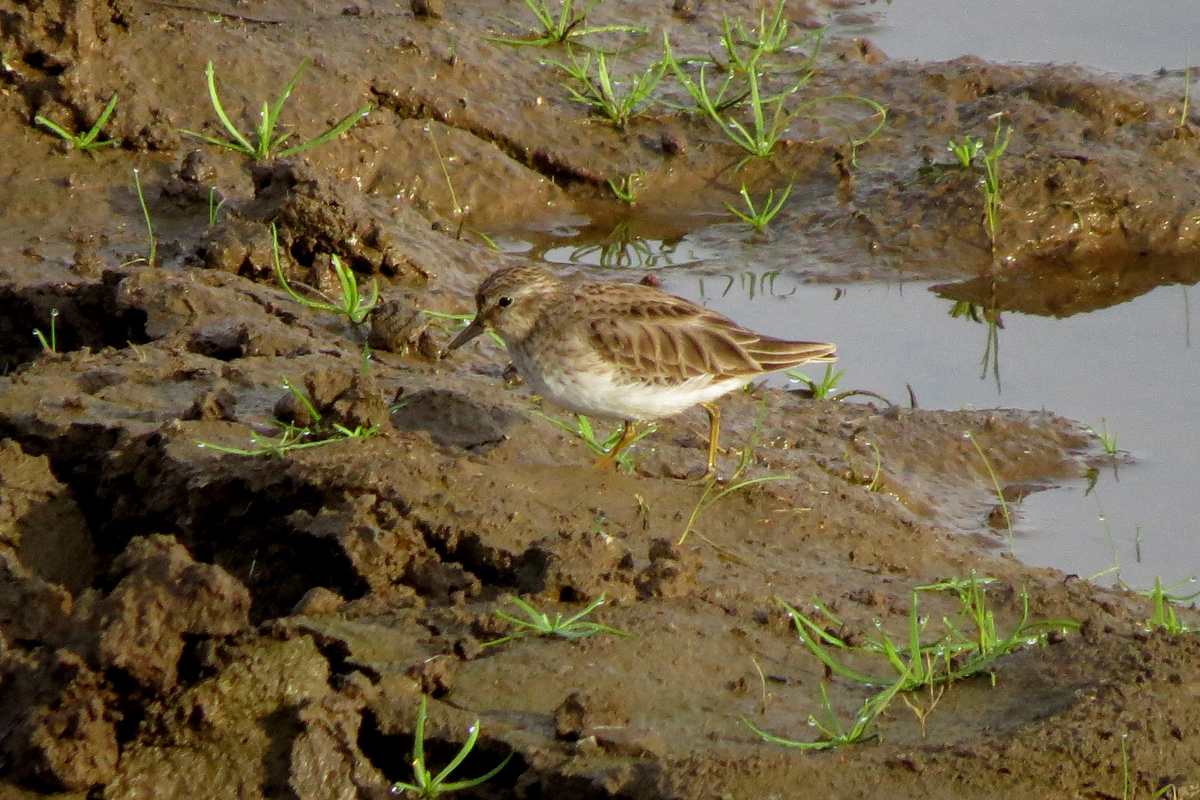
least sandpiperA few Least Sandpipers have arrived at Fernhill.

killdeer quartetThese Killdeer were vying for position. I think this species would be more highly regarded if their voices weren’t so grating. Their plumage and red eye ring are rather stunning, but they just don’t shut up.

bushtitI found a pair of Bushtits weaving a nest. The normally gray birds were stained bright yellow with pollen.

cinnamon tealCinnamon Teal, looking all dapper

golden-crowned frontGolden-crowned Sparrow

white cheeked golden-crownedThis Golden-crowned Sparrow had odd white patches on the cheeks, and a few white feathers on the nape.

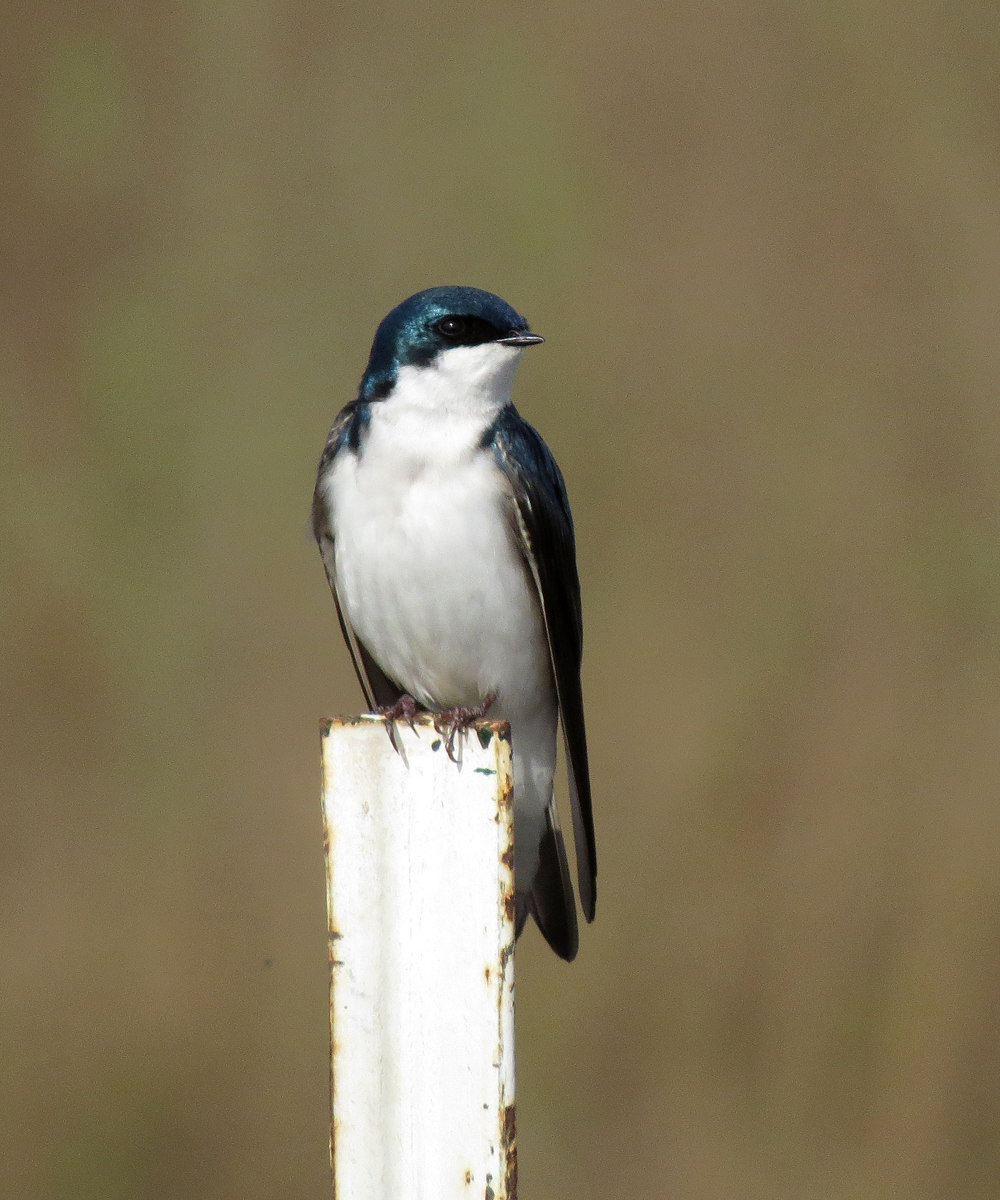
tree swallowTree Swallows are everywhere, pairing up and claiming nest boxes.

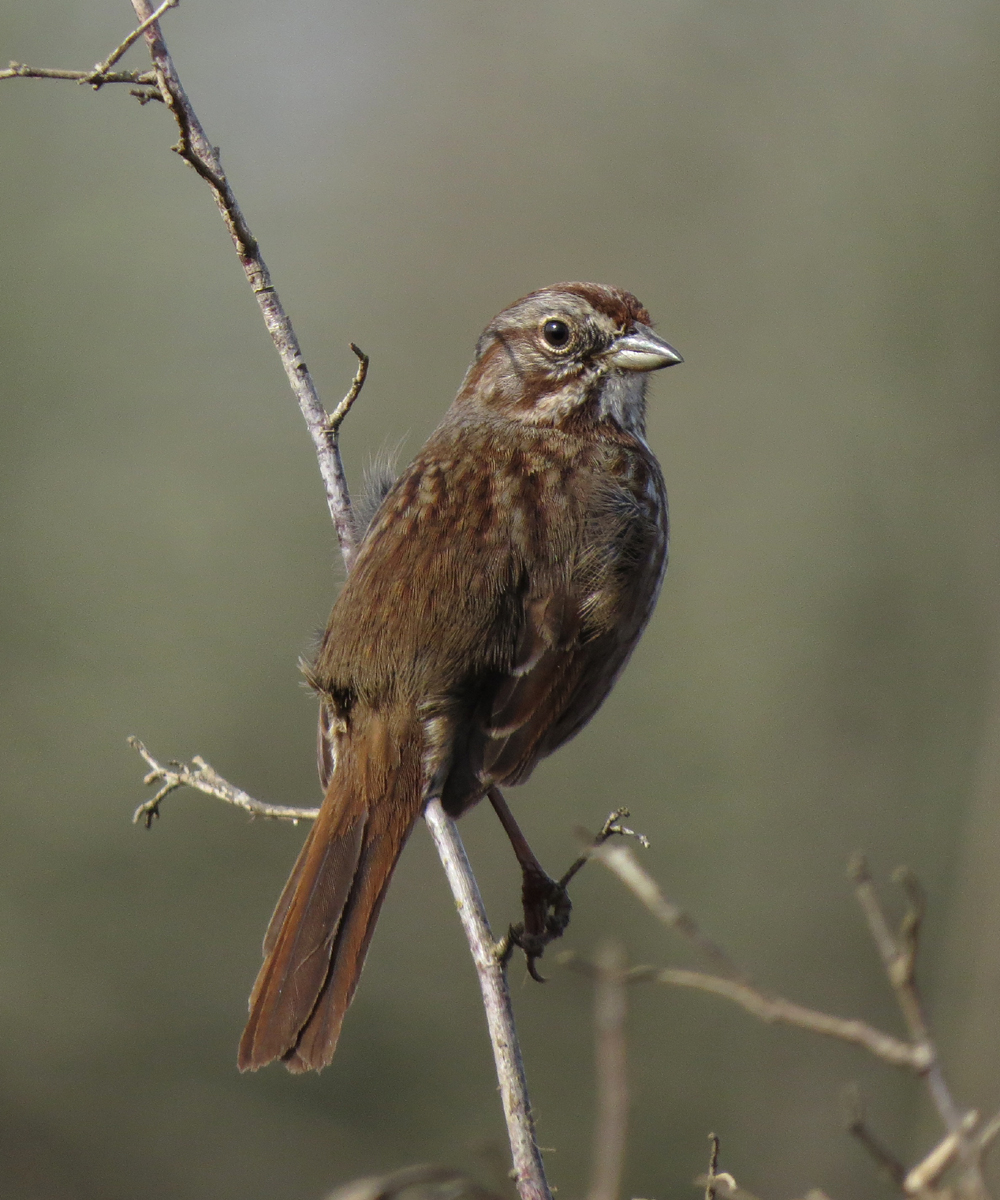
song sparrow 3Song Sparrow, not unusual, but unusually cooperative

red-winged blackbirdRed-winged Blackbird. Females and immature males have much more interesting plumage than that of the adult males.

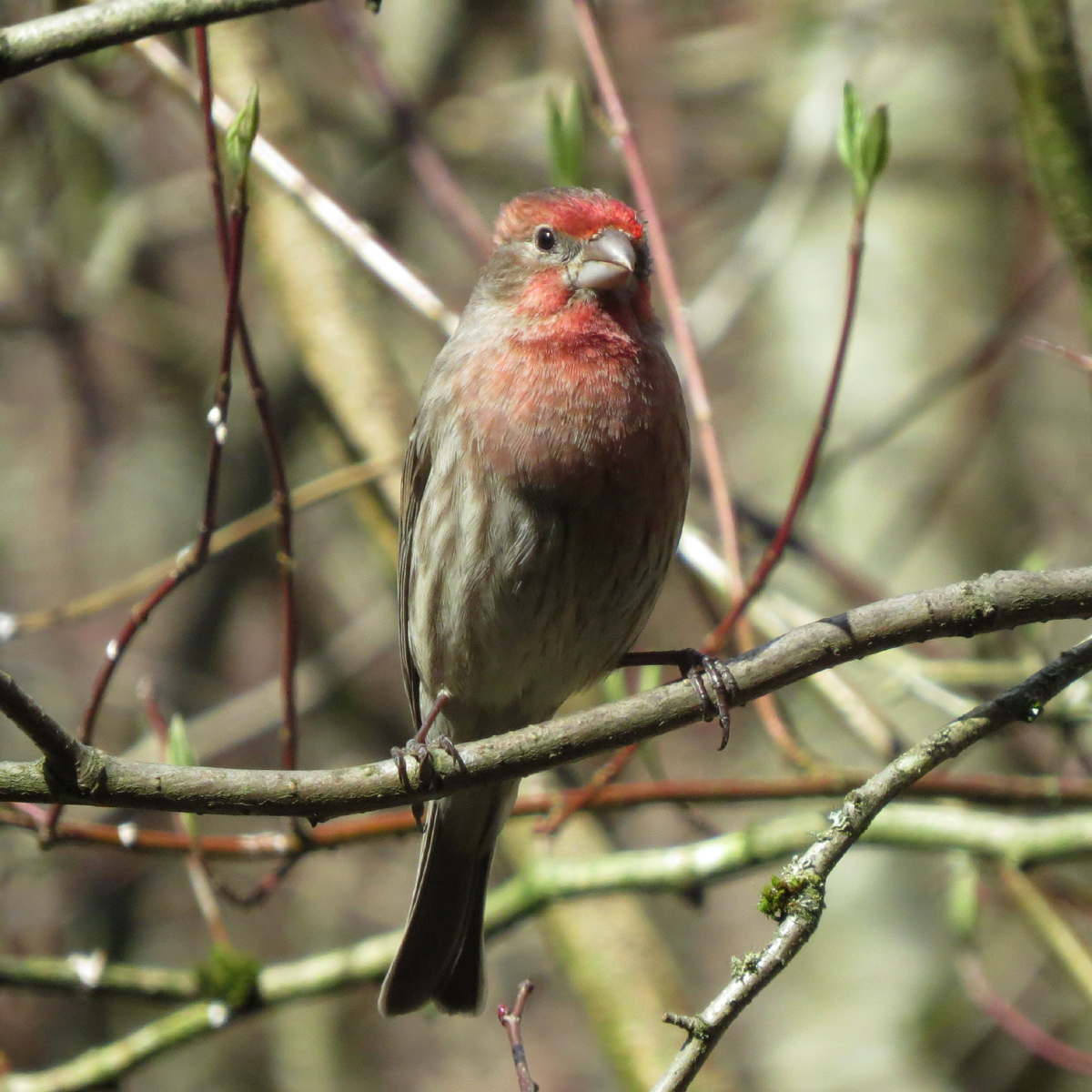
house finch 1House Finch, just because

Seasonal Mix

IMG_1929I did the Tillamook Death March this week, walking the six miles around Bayocean Spit (Birding Oregon p. 128). After two weeks of warm sunny weather, we have returned to a more normal gloomy, rainy pattern, so I only took out the camera for this Red-necked Grebe in nice breeding attire. There is currently an interesting mix of winter, migrant, and breeding species around. Tillamook Bay still held Common and Pacific Loons along with this grebe. All should be moving north very soon.

IMG_1937On the way home I stopped at Fernhill Wetlands and found this Greater Yellowlegs. Most migrant shorebirds have passed through already, but a few linger on.

baby killdeerAlso at Fernhill was a pair of Killdeer with three fuzzy babies. Too cute.