Fernhill Wetlands

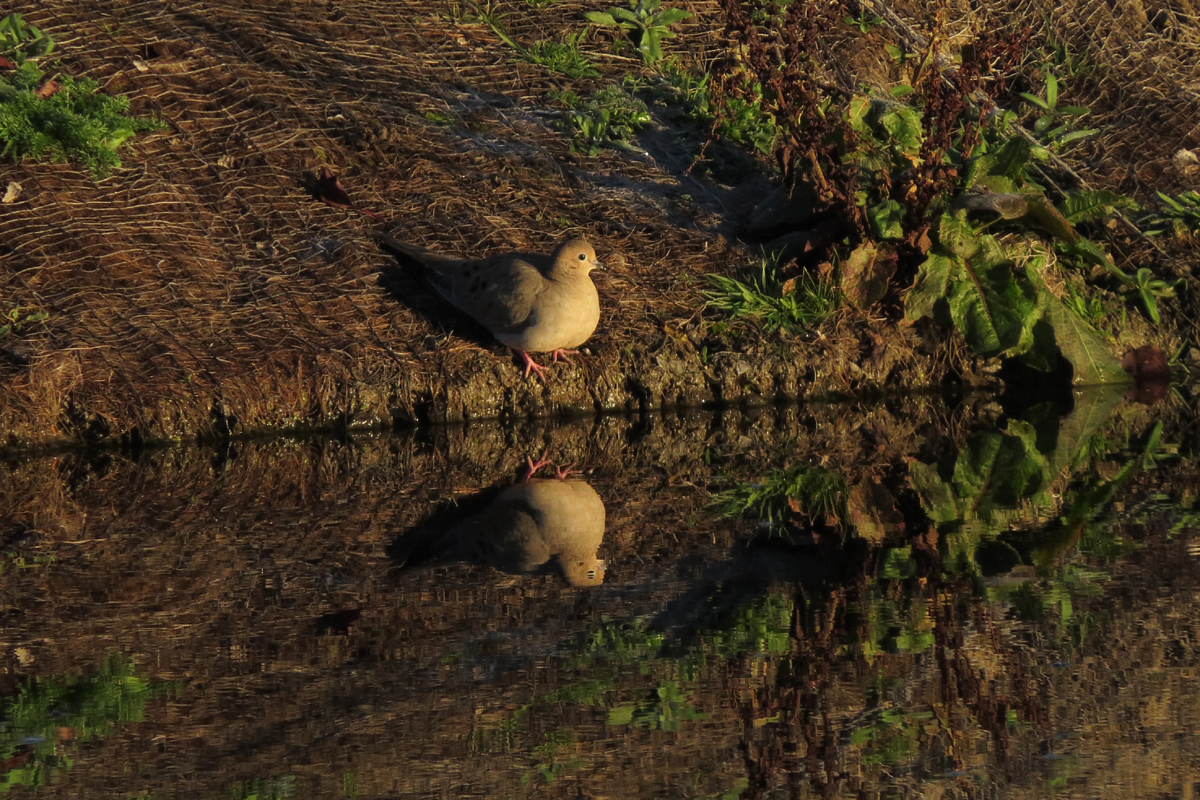
I visited Fernhill Wetlands in Forest Grove on a rare sunny December day. The sun is so low at this time of year that if there is no cloud cover the sun is either at your back or directly in your eyes. The latter makes birding very challenging, but the former can produce some lovely light, as seen on this Mourning Dove.
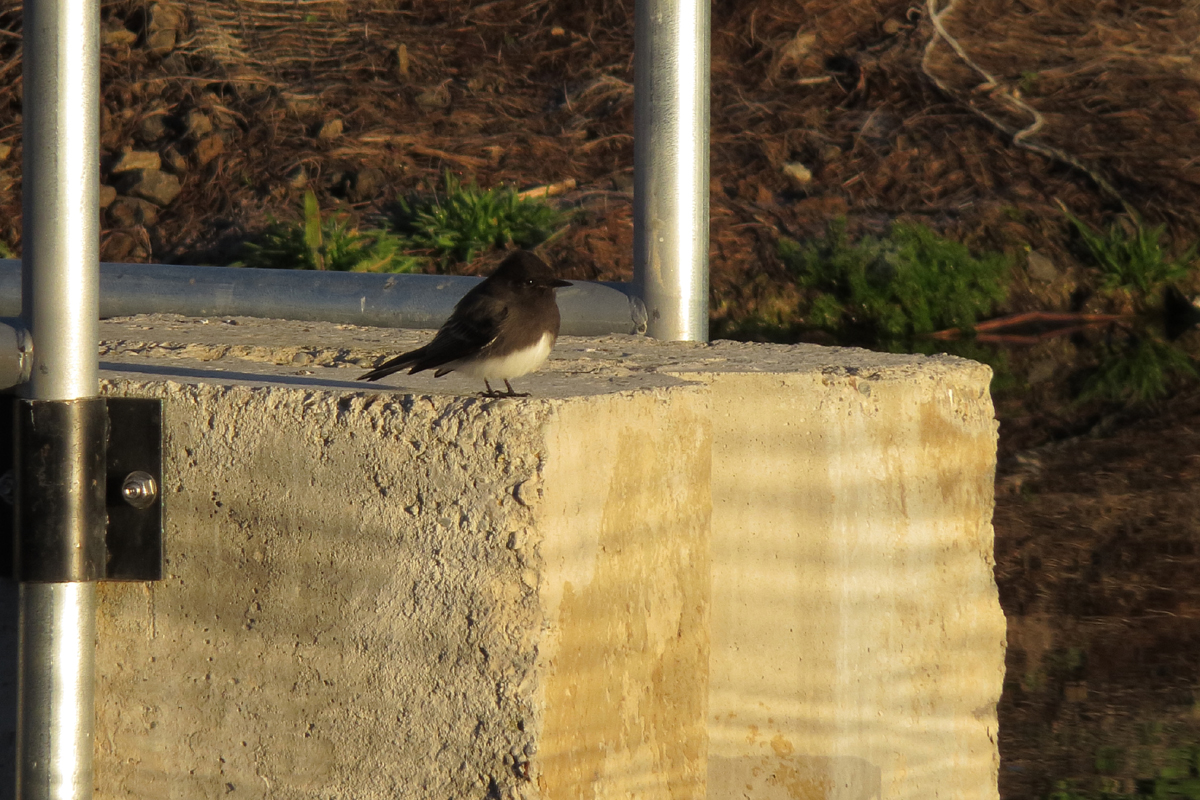
At least one Black Phoebe has been hanging out near the ponds behind the picnic shelter this fall. Black Phoebes were unheard of in Washington County a few year ago.
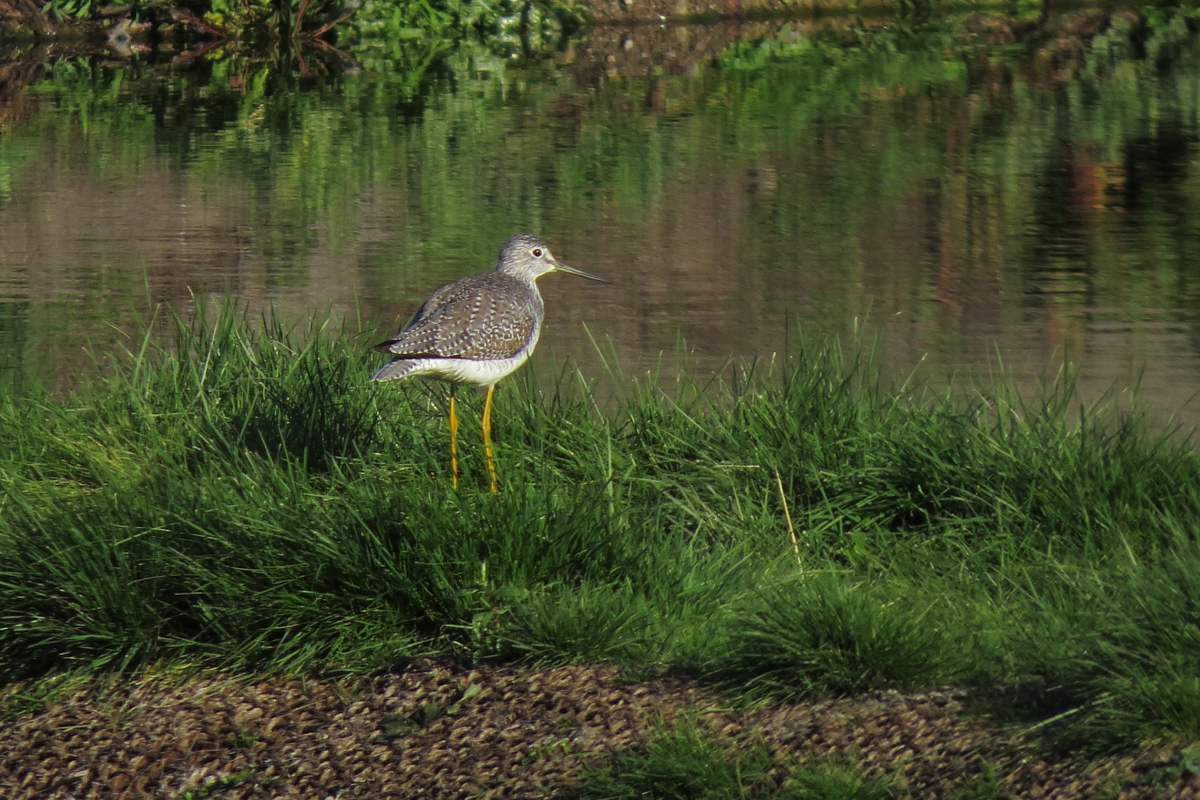
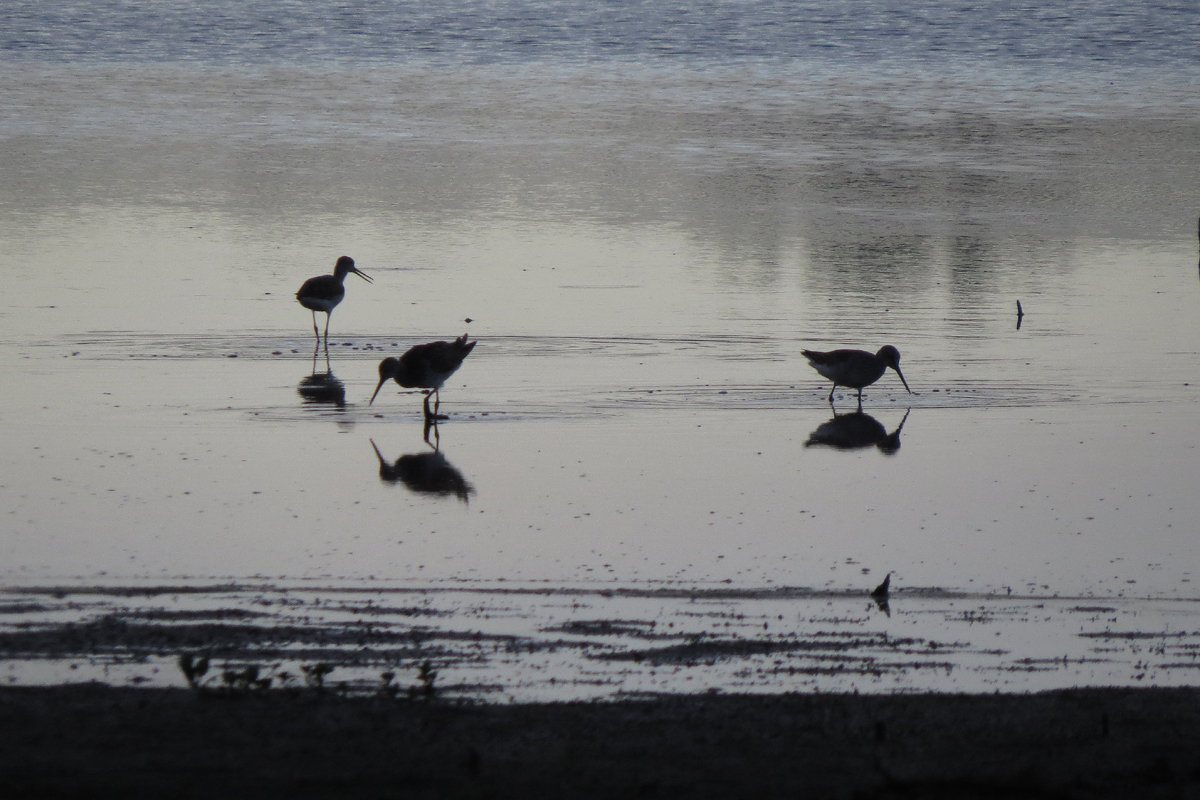
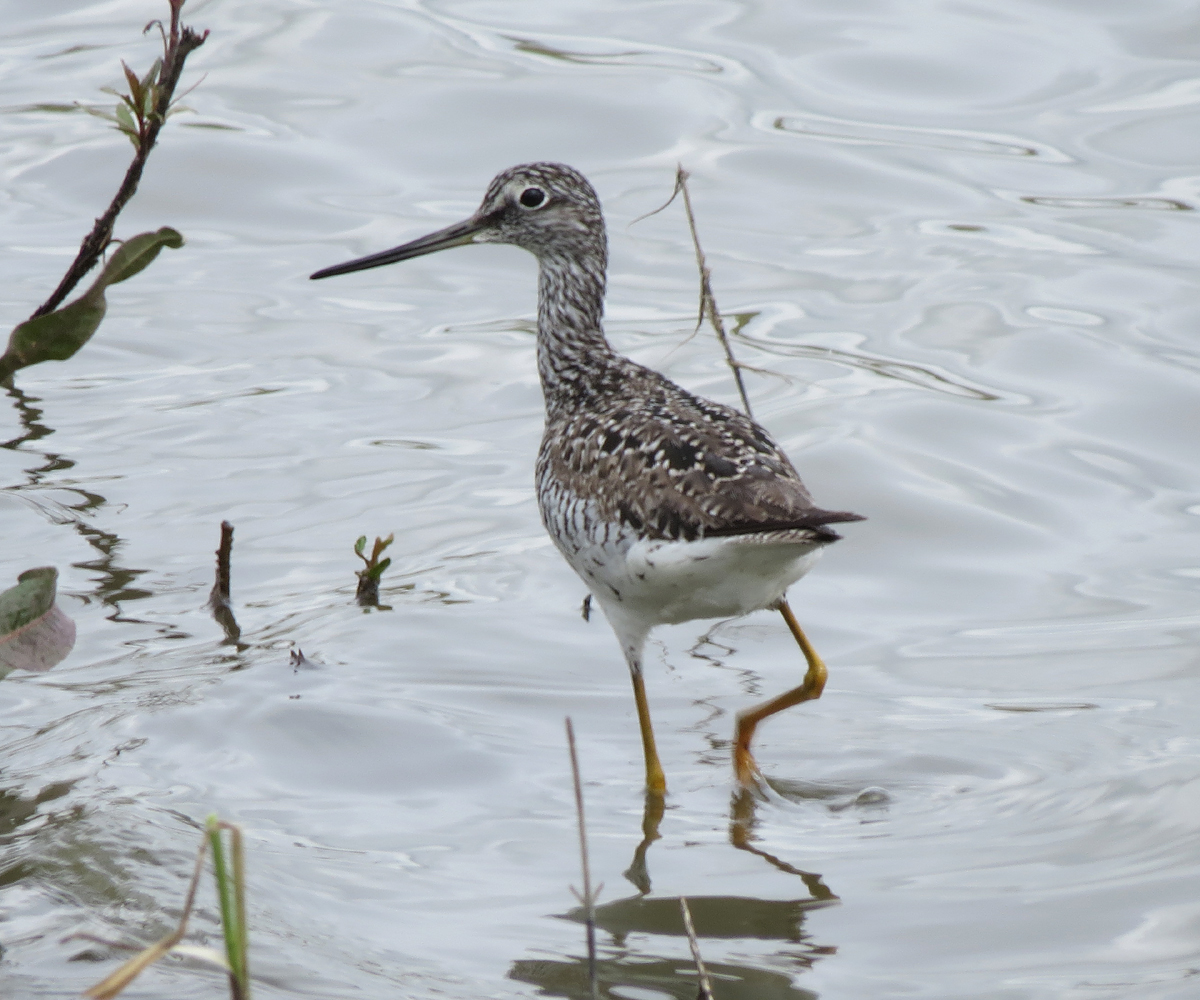
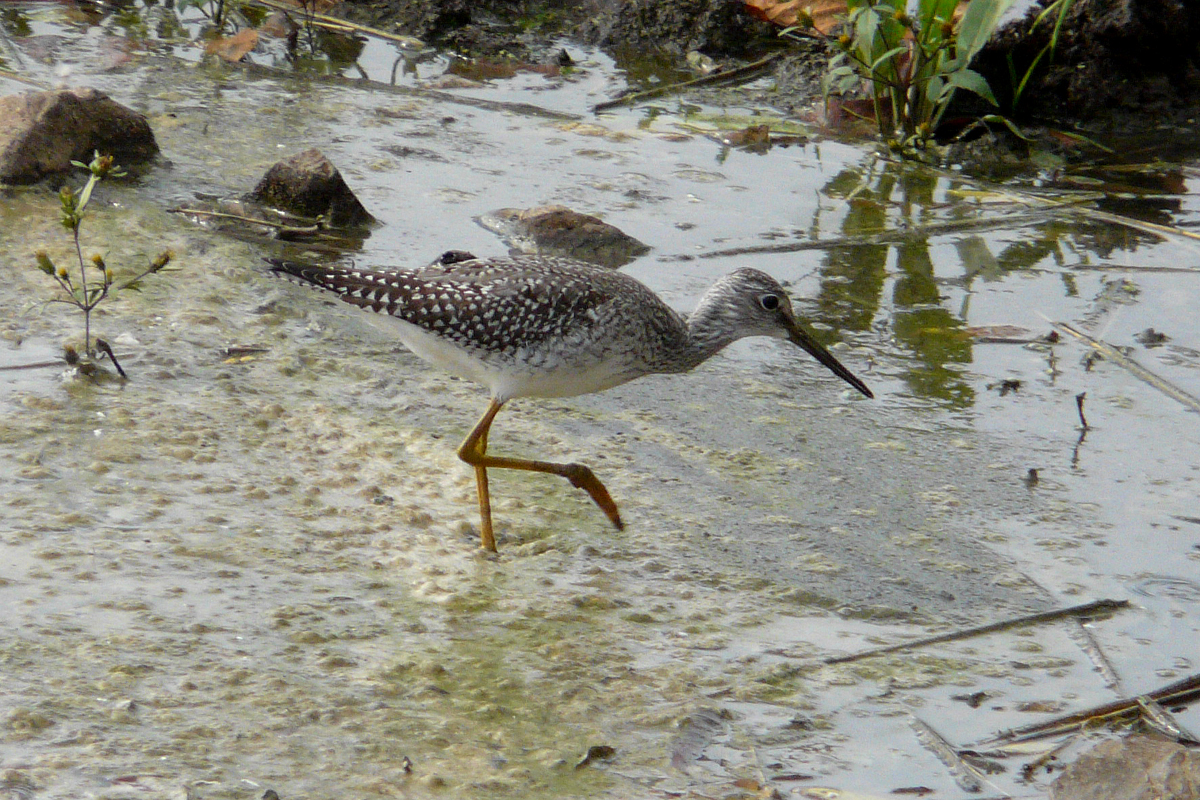
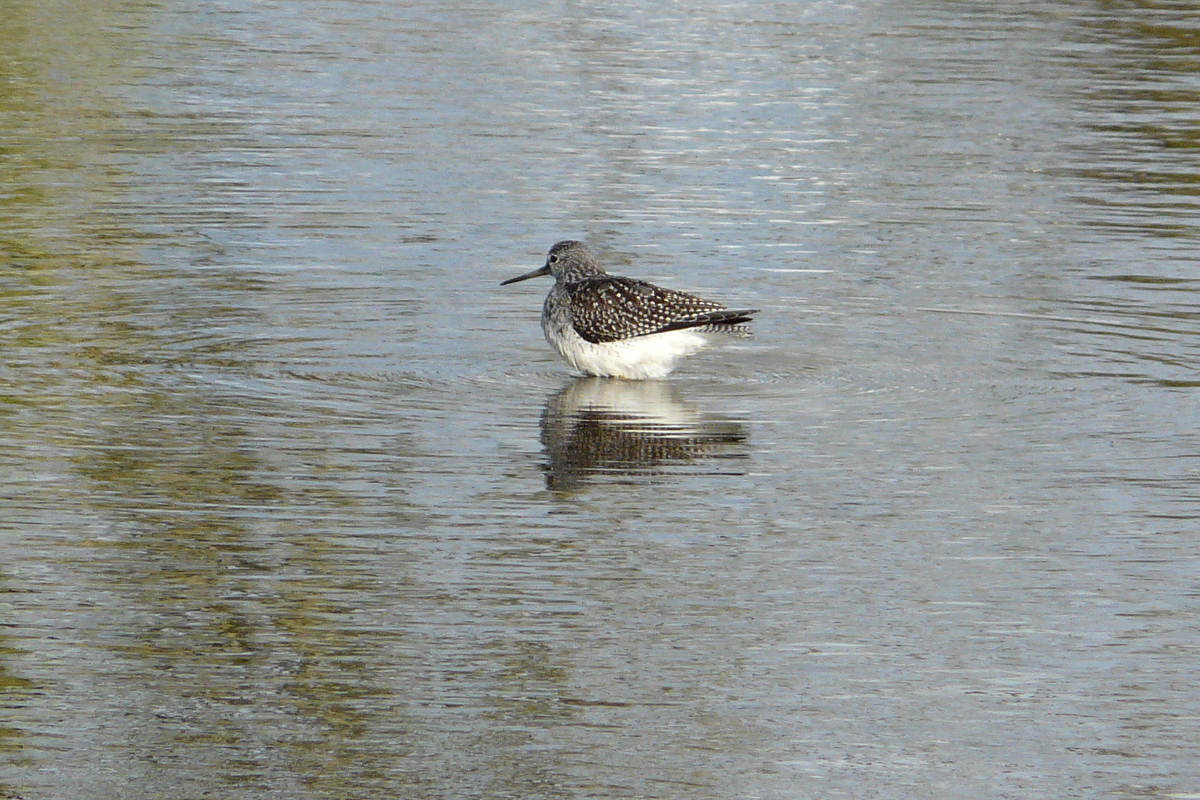
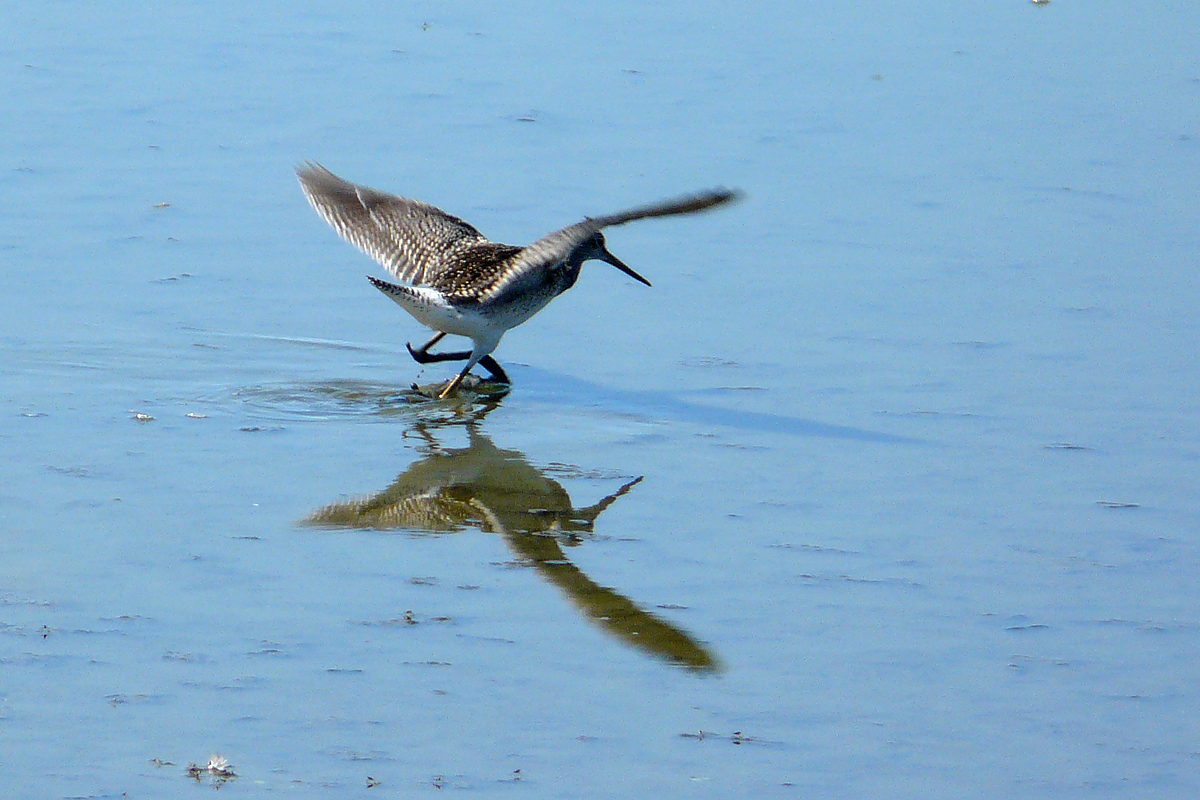
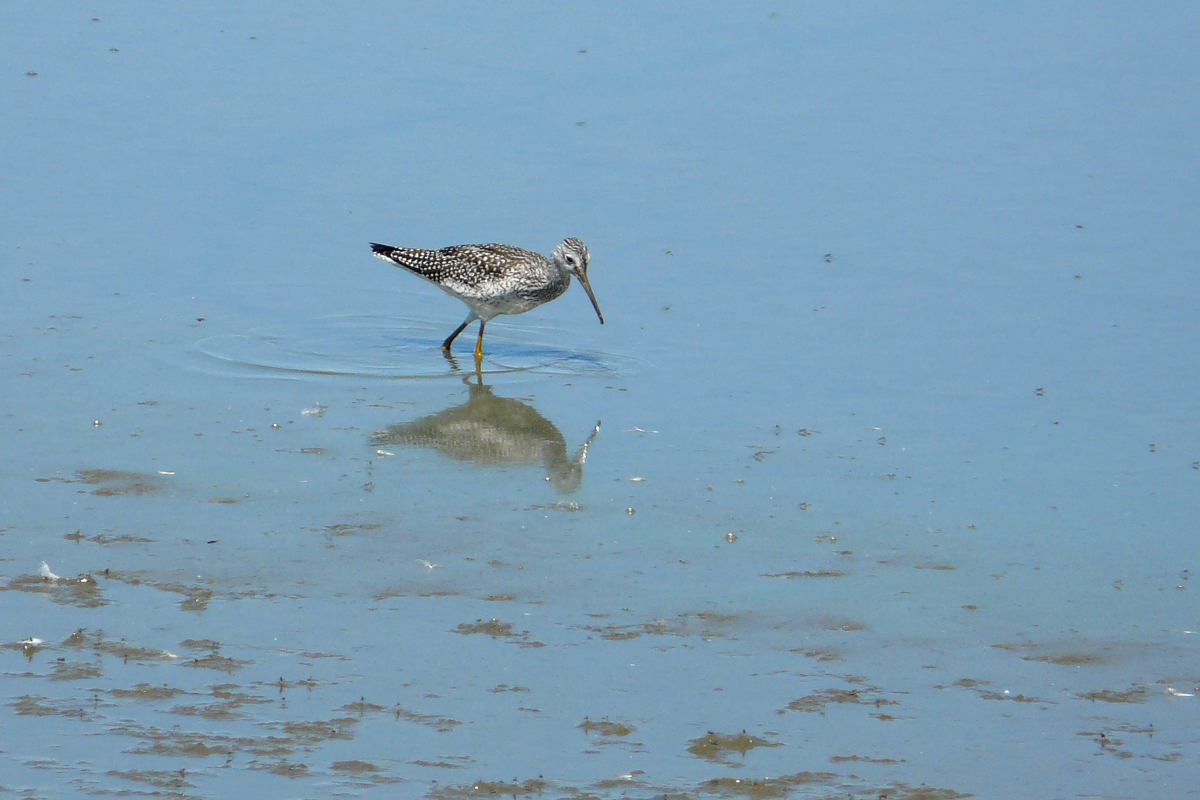
Any shorebird seen at this time of year is a treat. This lone Greater Yellowlegs was one of four shorebird species found on this trip. (Long-billed Dowitchers and Wilson’s Snipe were flybys.)
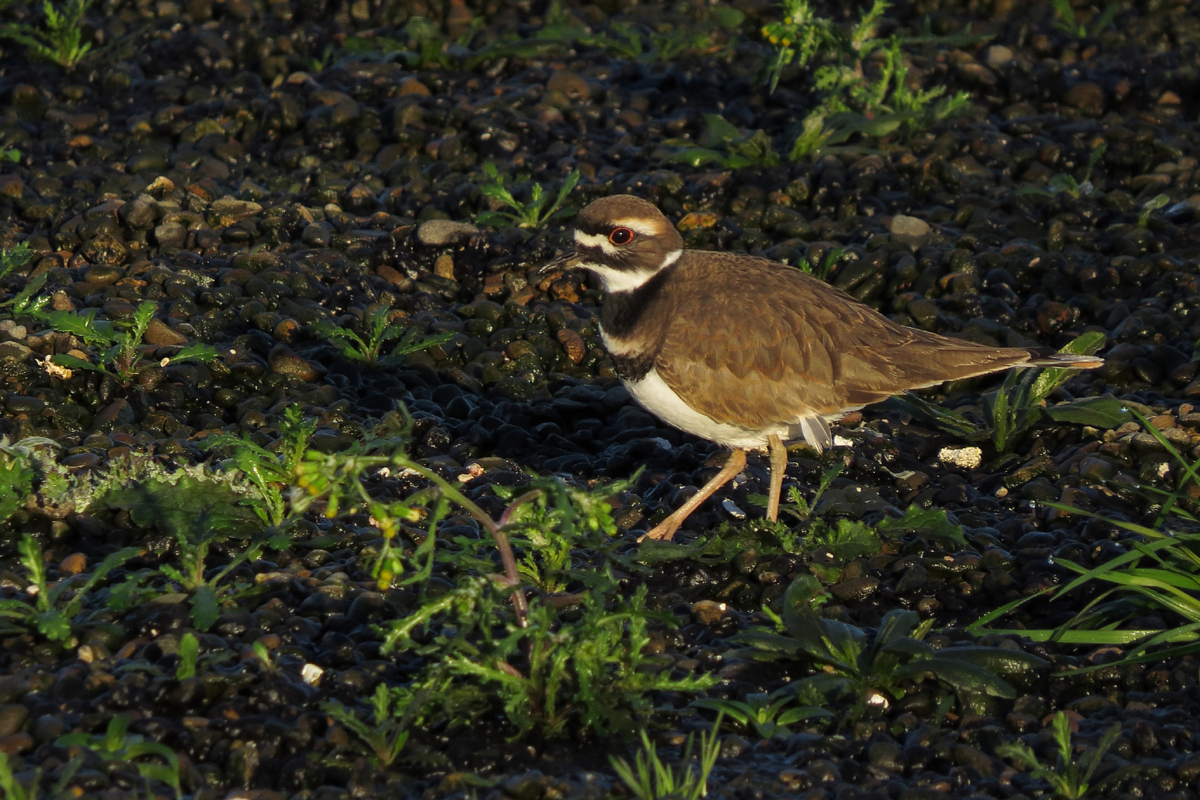
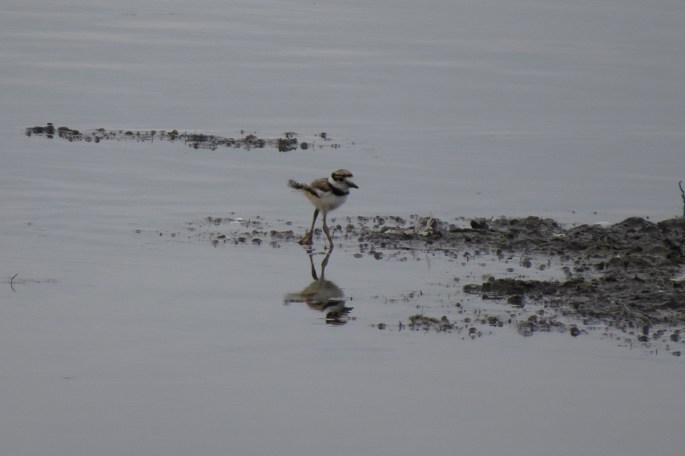
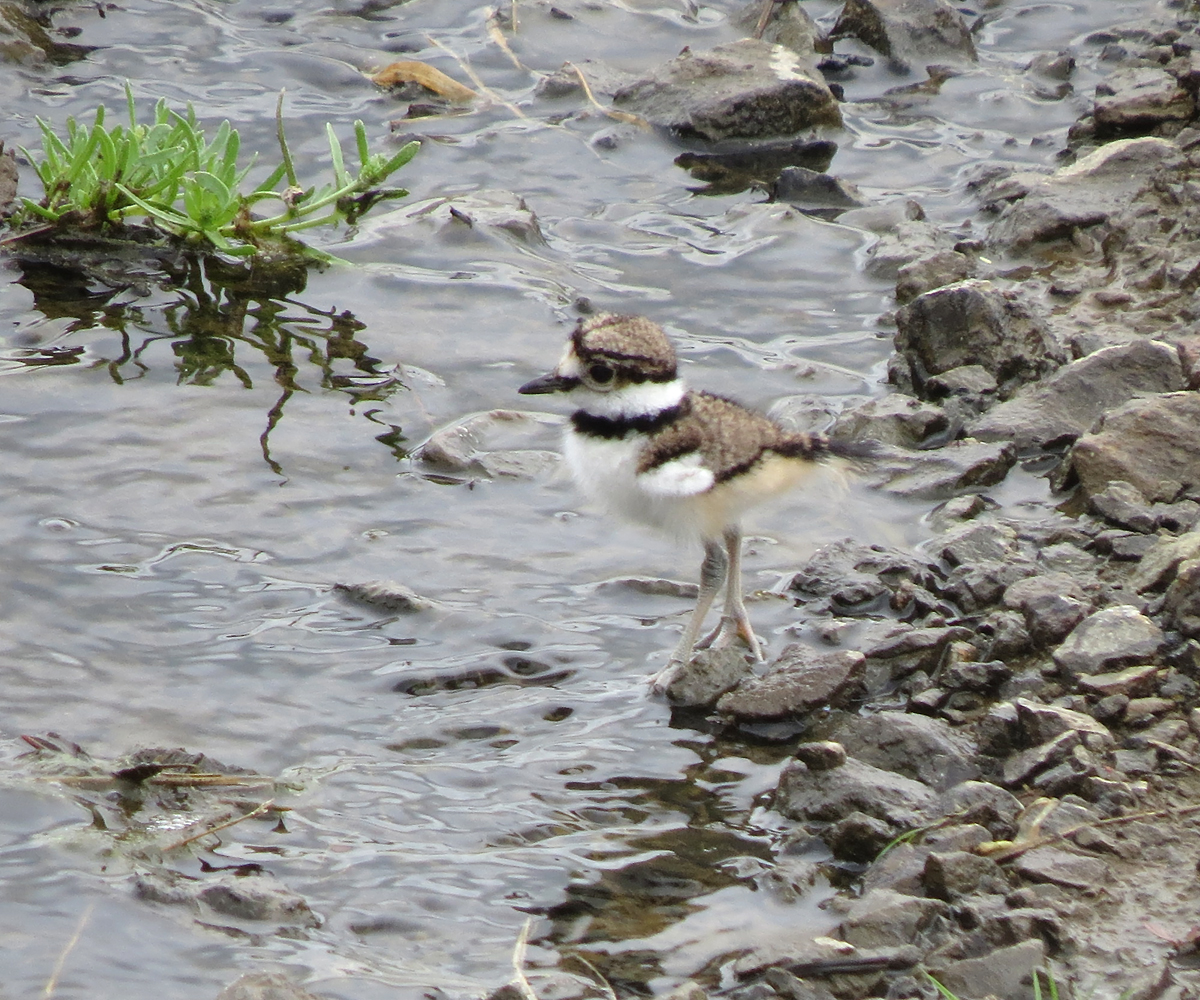
This Killdeer was probing with her foot to try to stir up food in one of the new gravel filtration tanks.

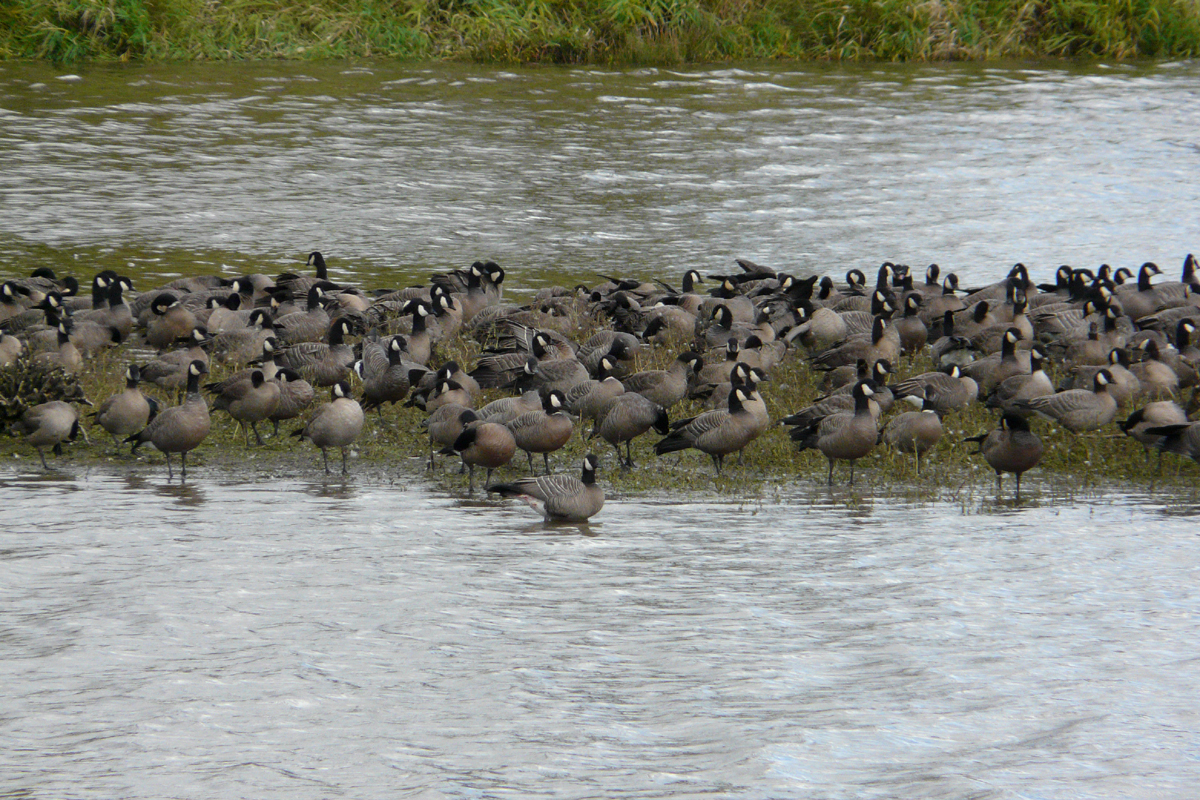
The main lake at Fernhill is hosting a nice variety of waterfowl, but most were distant or in the harsh sunlight. A  Swamp Sparrow was a nice find, but stayed in the cattails to avoid being photographed.

Happy Autumn.

Summer Shorebirds

There isn’t much going on bird-wise in mid-summer besides shorebirds. It is nice to have an opportunity to really focus on a single group of birds. Here are a few images from recent weeks.

IMG_0796
This Long-billed Dowitcher, to the right of the Killdeer, really caught my eye since she was still in nearly pristine breeding plumage.
IMG_0808
The bright cinnamon color goes all the way down through the undertail coverts. This bird was at Jackson Bottom Wetlands.

IMG_0832
more Long-billed Dowitchers at Jackson Bottom. These birds are already fading into their duller winter plumage.

IMG_0813
Spotted Sandpiper, still in breeding plumage, perched on a spotted log

IMG_0826
From the cuteness department comes this fuzzy baby Killdeer. Seeing a young Killdeer with his single breast band this late in the summer might suggest a Semipalmated Plover. But the fluffy plumage and the long legs (not to mentions the tiny wings) let us know we are looking at a fledgling.

IMG_0839
Take the time to look at shorebird specimens whenever you have the chance. The first thing you will notice is just how small these birds are. Since we usually look at shorebirds through powerful optics, we tend to think they are actually larger than they are. (A Least Sandpiper is a little smaller than a House Sparrow.) Here we have a nice comparison of a Greater and a Lesser Yellowlegs. Note the differences in the proportions of the bills.

IMG_0814
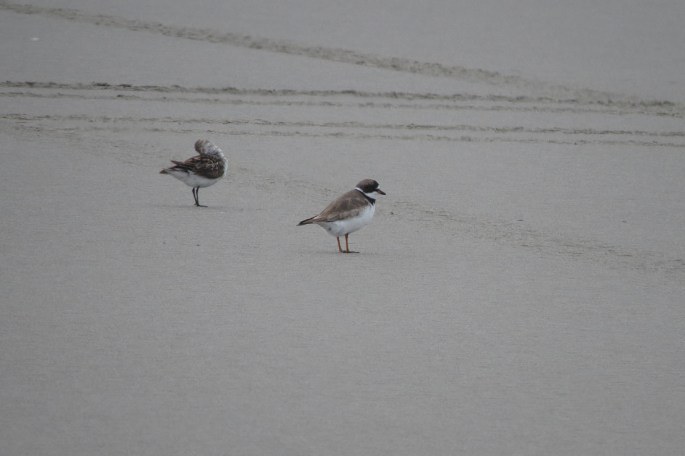
A trip to the coast provided good numbers of Semipalmated Plovers, seen here with a Western Sandpiper.

IMG_0819
Several hundred Marbled Godwits spent a couple of weeks at the beach in Fort Stevens State Park.

blue small
Dragonflies provide a nice burst of color in the summer. I believe this a Blue Dasher, but please correct me if I am wrong.

8 spot
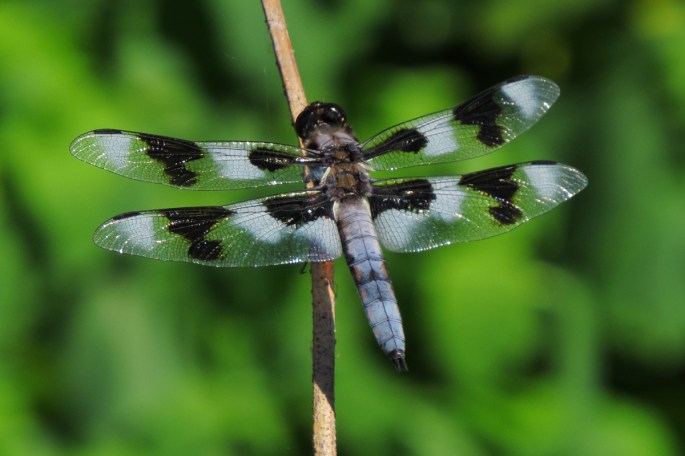
Eight-spotted Skimmer

black-tailed small
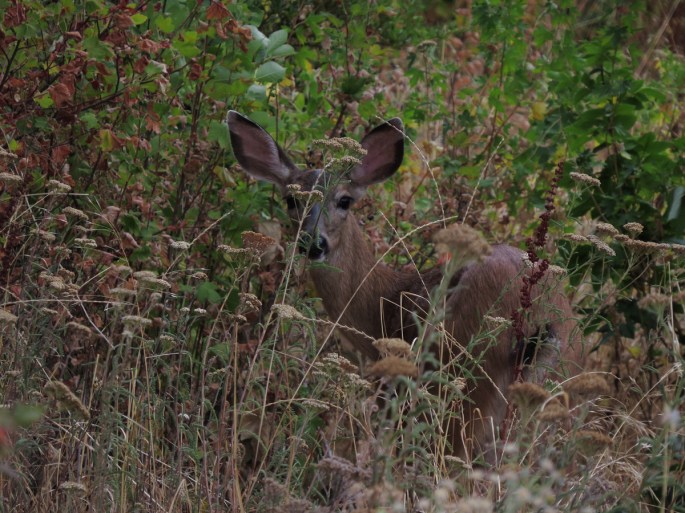
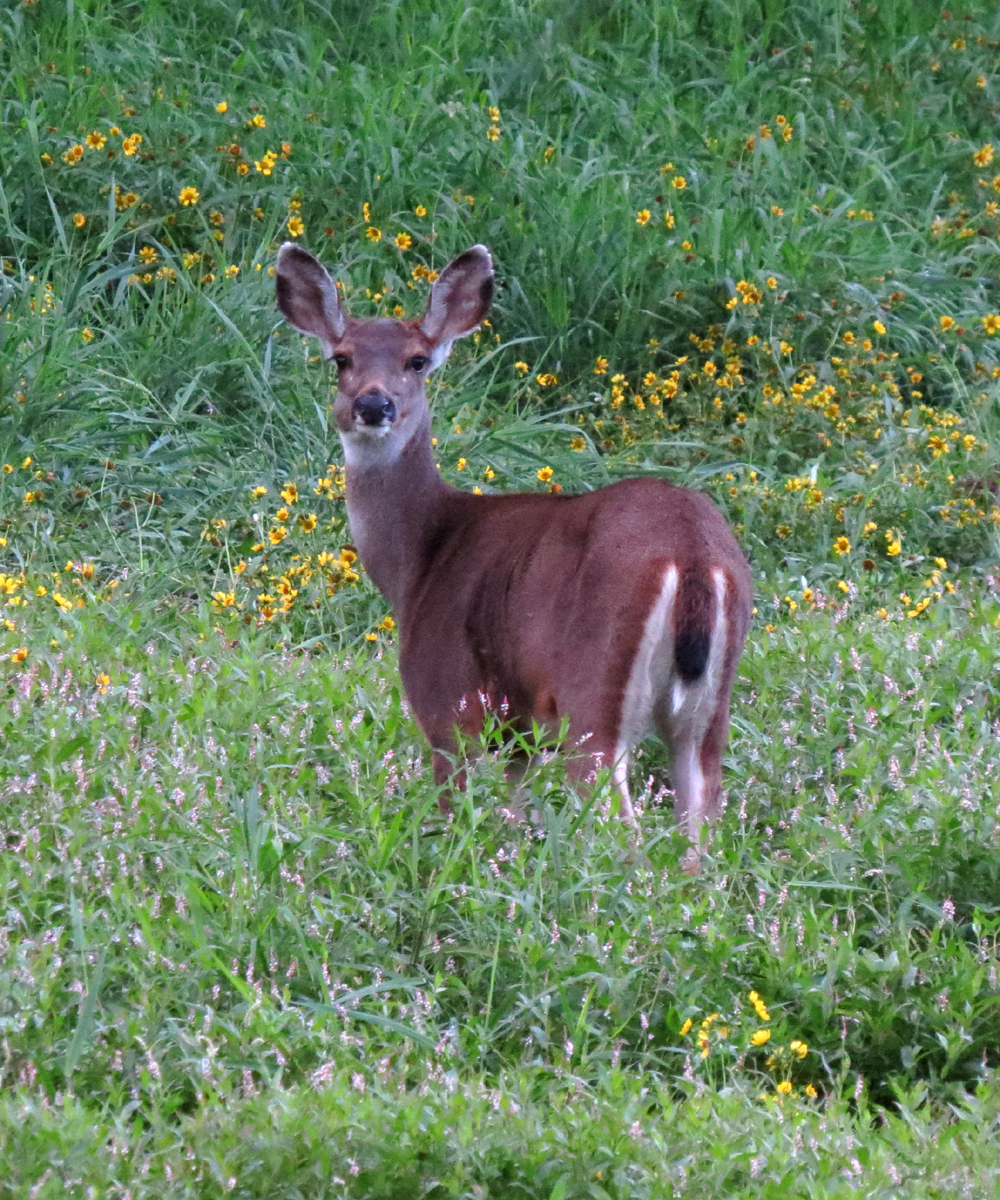
This Black-tailed Deer was behind the visitor center at Jackson Bottom.

Shorebird migration will be the big thing for another few weeks, but it will be gull season before you know it.

Jackson Bottom

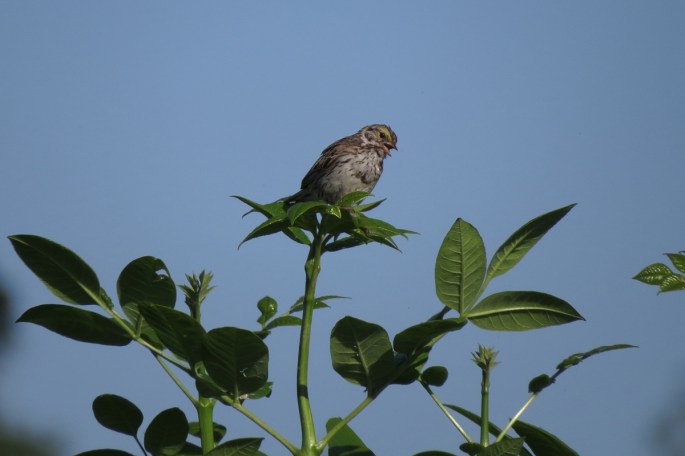
savannahI made a quick visit to Jackson Bottom in Hillsboro. This is a very busy spot in the summer. The Savannah Sparrows are still in full song.
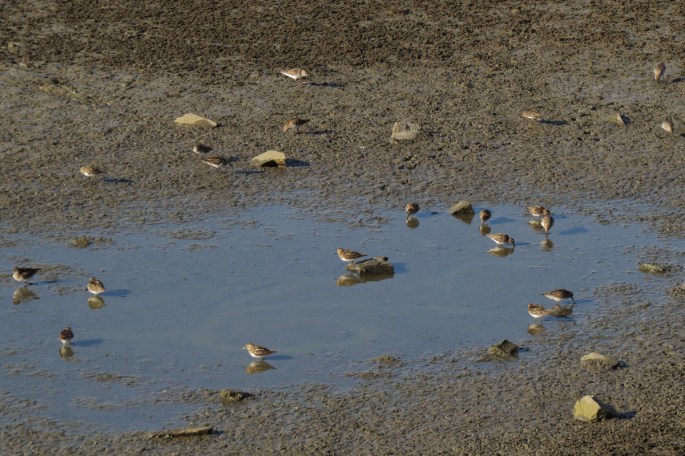
puddlePintail Pond has been drained to accommodate some restoration work on the site, so it has dried out about two months earlier than normal. This is normally one of the better shorebird sites in the Portland area during the summer, so we will have to find other spot this year.  There is only about three weeks between the end of northbound shorebird migration and the beginning of southbound migration. Western and Least Sandpipers have arrived in good numbers, and were feeding in the little puddle that remains of Pintail Pond.

western least
Western (l) and Least (r) Sandpipers

spotted adult
Spotted Sandpipers are common nesters in the area.

spotted chick
Spotted Sandpiper chick

greater yellowlegs
Four Greater Yellowlegs made a brief appearance.

swallow box
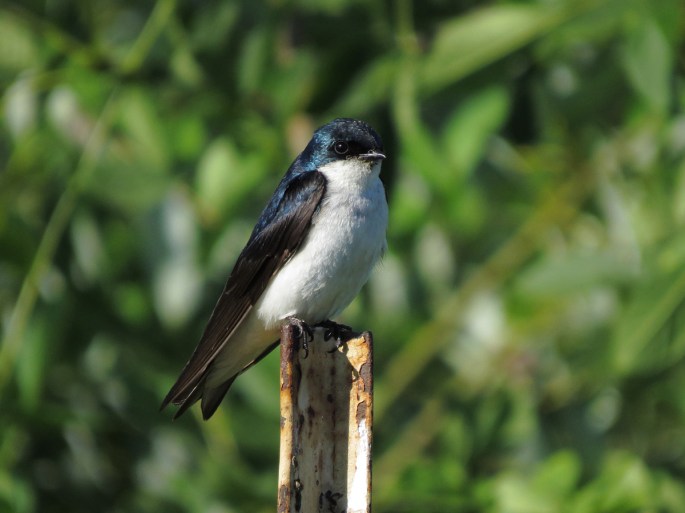
Tree Swallows are everywhere at Jackson Bottom, thanks in part to the many nesting boxes that have been installed here.

swallows 3
The first broods are grown up now, and it looks like second broods will be arriving shortly.

swallow 2
pretty boy

Sauvie Island

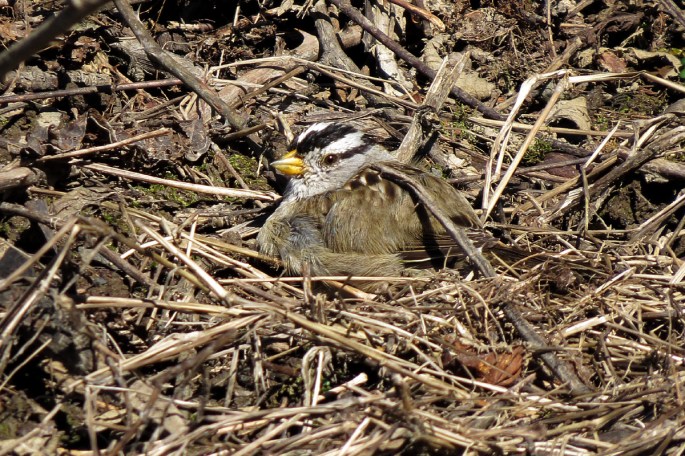
IMG_8515I went to Sauvie Island to scout areas for my Little Brown Birds class next week. The huge flocks of waterfowl that spend the winter there have dwindled, but there are still a lot of birds around. This White-crowned Sparrow was enjoying a dust bath on the first dry sunny day we have had in a long time.

IMG_8513Golden-crowned Sparrows are still the most common species in the sparrow patches.

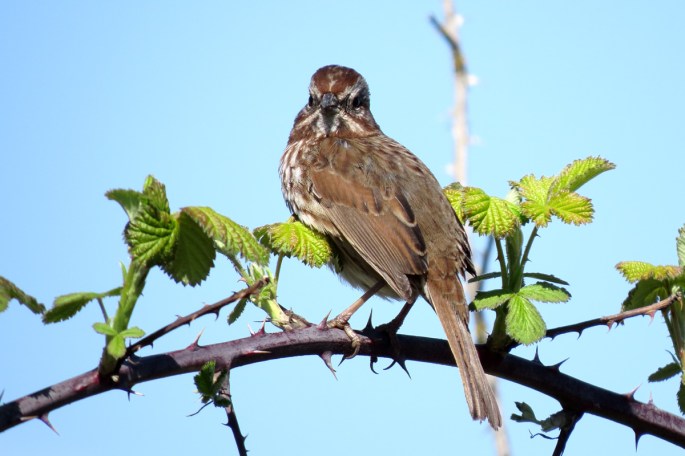
IMG_8520Song Sparrows are not as numerous, but are very vocal right now.

IMG_8505Raptors are still thick out at Sauvie. This Cooper’s Hawk did not make it any easier to find sparrows.

IMG_8507One of many Bald Eagles seen that day.

IMG_8530Red-tailed Hawk, scoping out the surrounding fields for rodents

IMG_8523A distant Greater Yellowlegs. It is a little early for shorebirds, but their migration should be picking up in the next few weeks.

IMG_8503There were Raccoon tracks all along Rentenaar Road.

Sandhill Cranes, Tundra Swans, and Cackling Geese are still present in good numbers, but spring migration should bring big changes soon.

Smith and Bybee Wetlands

Smith Lake, the larger body of water at Smith and Bybee Wetlands in NW Portland, currently has a lot of mudflat habitat, attracting good numbers of shorebirds and gulls.
greater yellowlegsGreater Yellowlegs at sunrise

mixed flockLong-billed Dowitchers and Pectoral Sandpipers

black-tailed deerBlack-tailed Deer

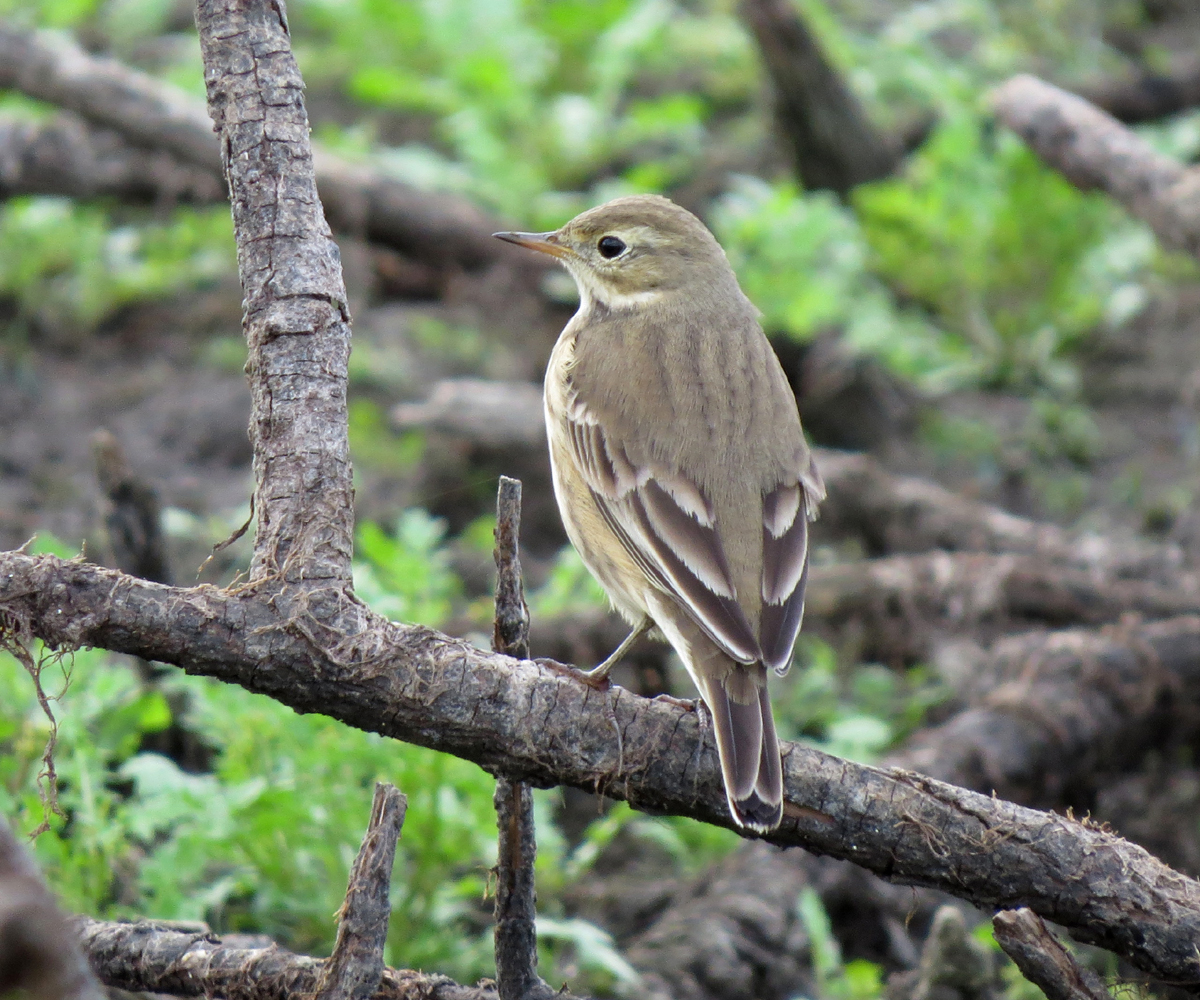
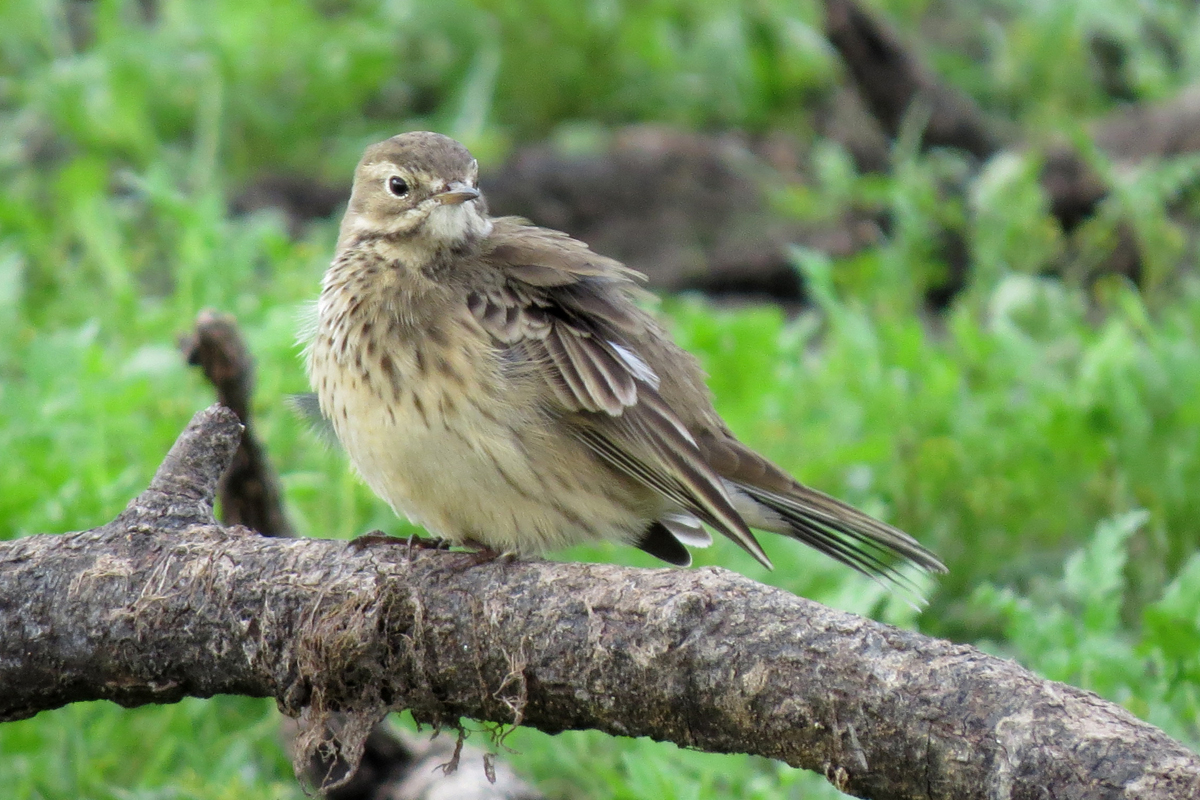
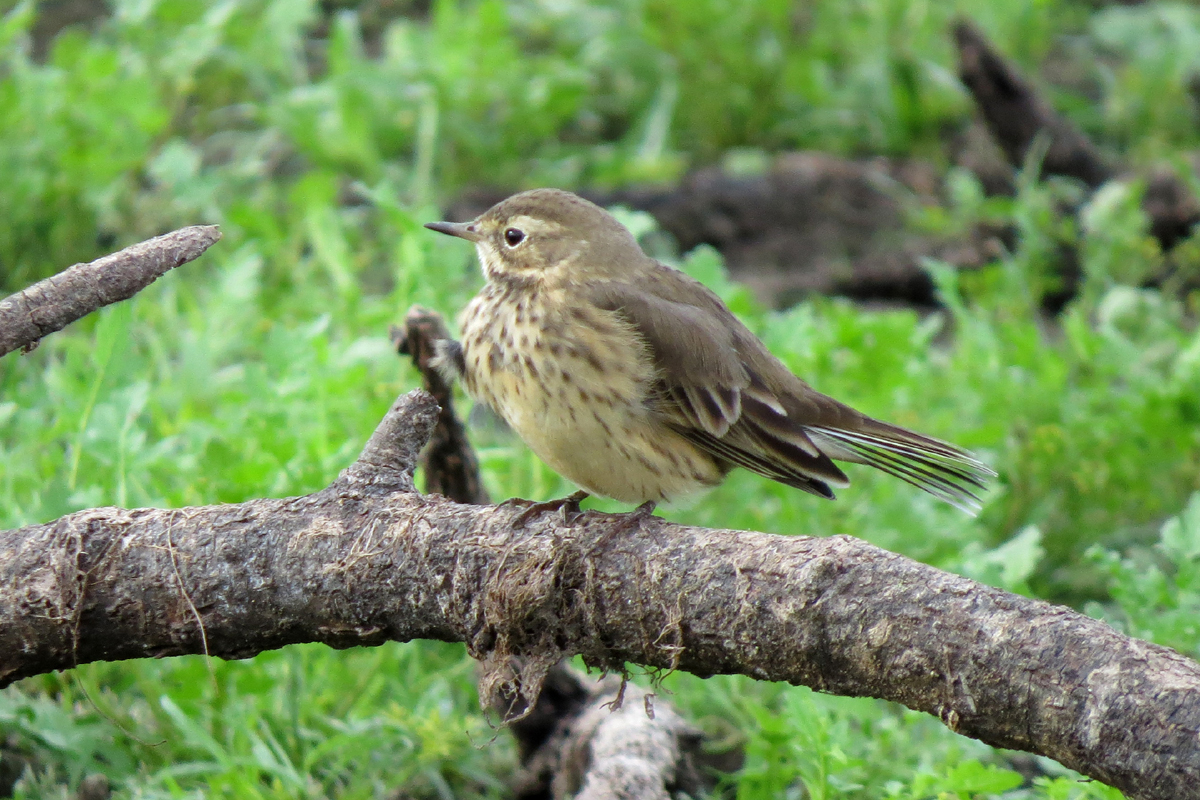
While the shorebirds and gulls kept their distance on the mudflats, thus no good photos, American Pipits were working the shoreline at close range.
pipit back pipit front pipit side

Jackson Bottom

There was a recent flurry of shorebird activity at Jackson Bottom, south of Hillsboro. I missed out on seeing some of the less common species, but a brief visit one morning provided lots of both Greater and Lesser Yellowlegs, among others.

IMG_5576Greater Yellowlegs were wading in the deeper water, chasing small fish.
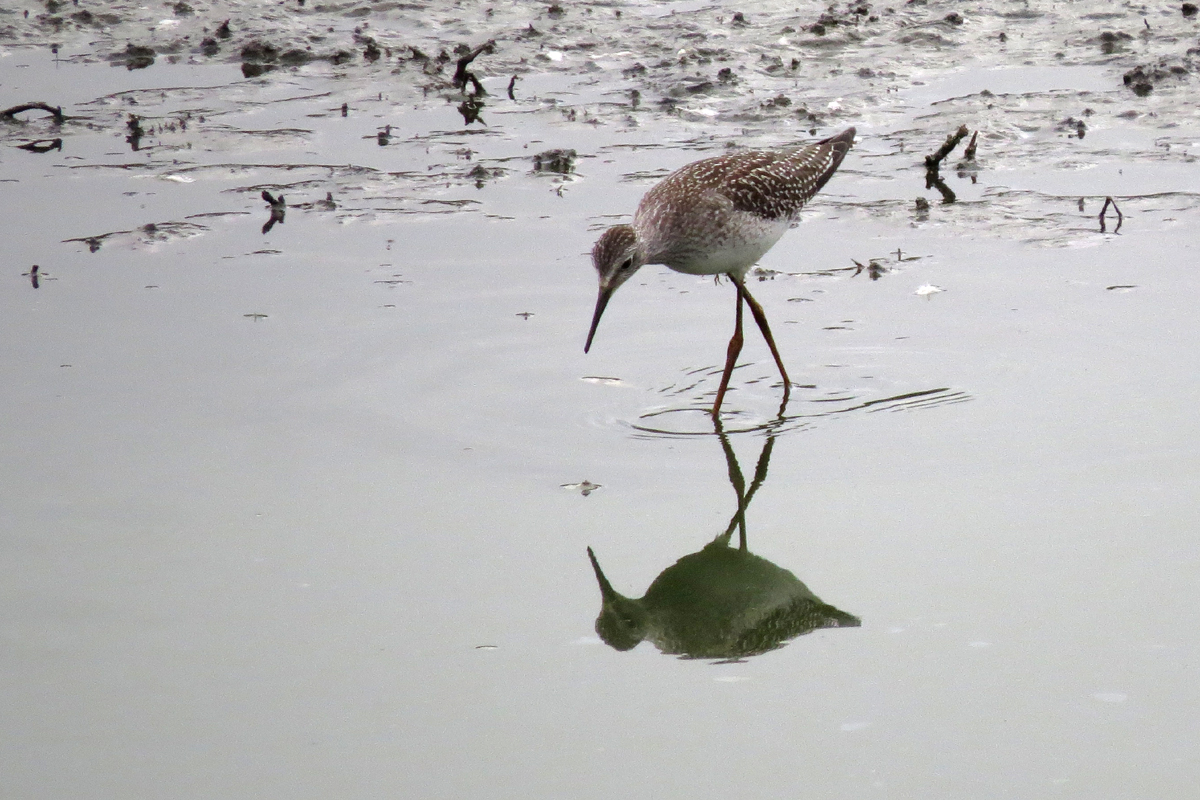
IMG_5579IMG_5589Lesser Yellowlegs tended to stay in shallower water, and feed in a more delicate manner.
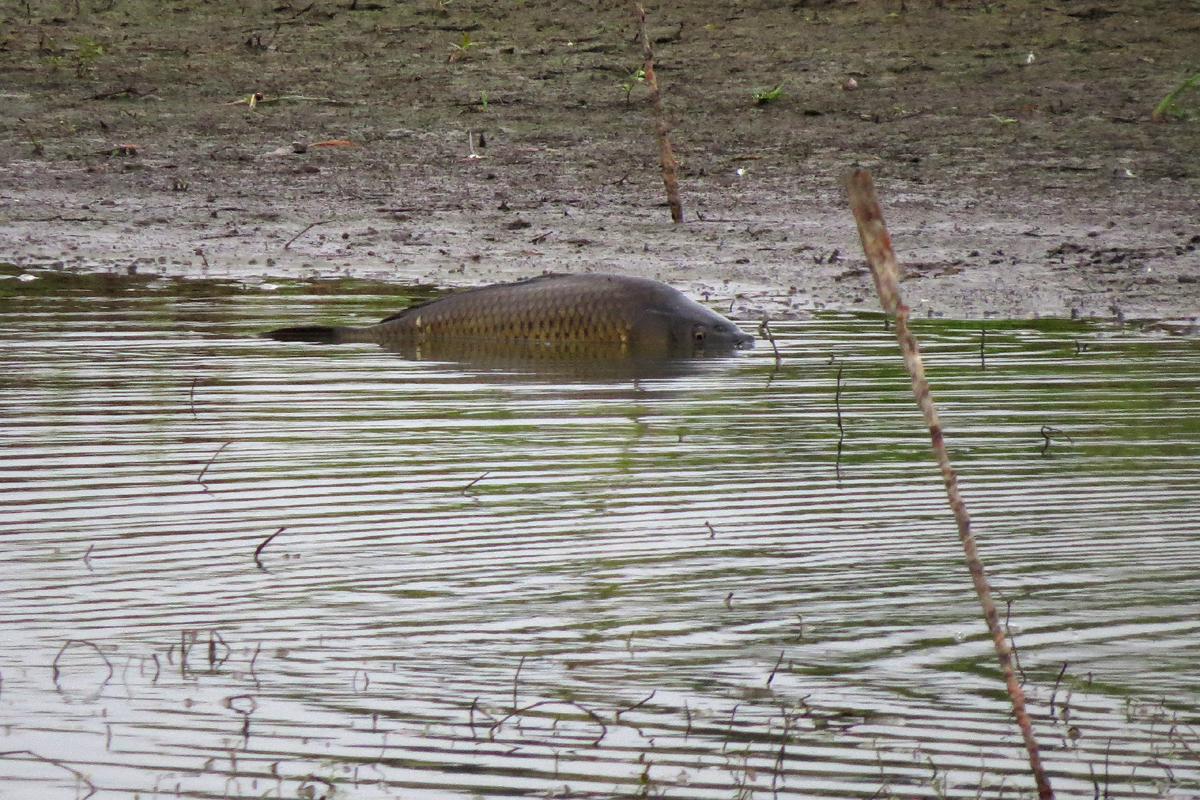
IMG_5591IMG_5595Common Carp, hoping the rainy season starts soon.

Seasonal Mix

IMG_1929I did the Tillamook Death March this week, walking the six miles around Bayocean Spit (Birding Oregon p. 128). After two weeks of warm sunny weather, we have returned to a more normal gloomy, rainy pattern, so I only took out the camera for this Red-necked Grebe in nice breeding attire. There is currently an interesting mix of winter, migrant, and breeding species around. Tillamook Bay still held Common and Pacific Loons along with this grebe. All should be moving north very soon.

IMG_1937On the way home I stopped at Fernhill Wetlands and found this Greater Yellowlegs. Most migrant shorebirds have passed through already, but a few linger on.

baby killdeerAlso at Fernhill was a pair of Killdeer with three fuzzy babies. Too cute.

Fernhill Wetlands 11/1/12

Things are hopping at Fernhill Wetlands, with rising water levels, an influx of several thousand geese and other waterfowl, and a few other goodies.

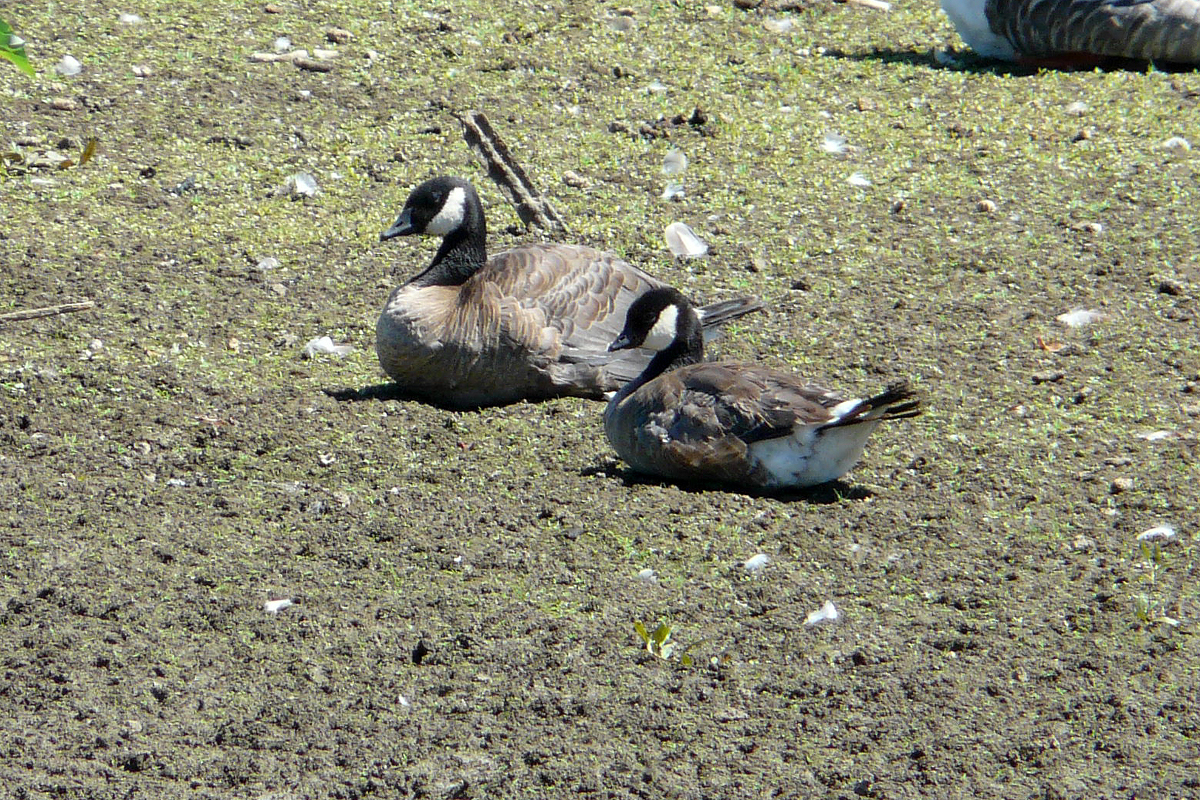
Cackling Geese have been arriving for weeks now, and the skies and fields around Fernhill are covered with these little guys.

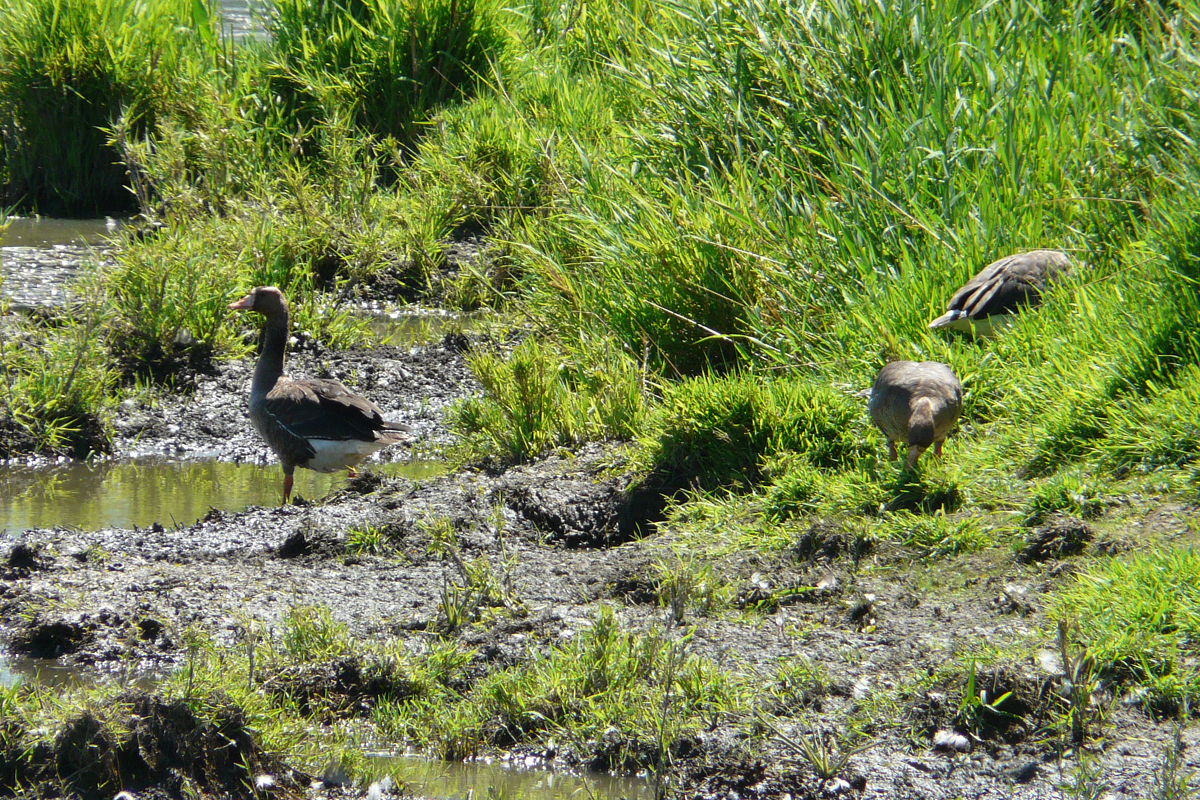
A small flock of Greater White-fronted Geese were hanging out with the Mallards in Dabblers Marsh.

This interesting beast is a hybrid, a product of one of the local Canada Geese and a domestic Greylag Goose.

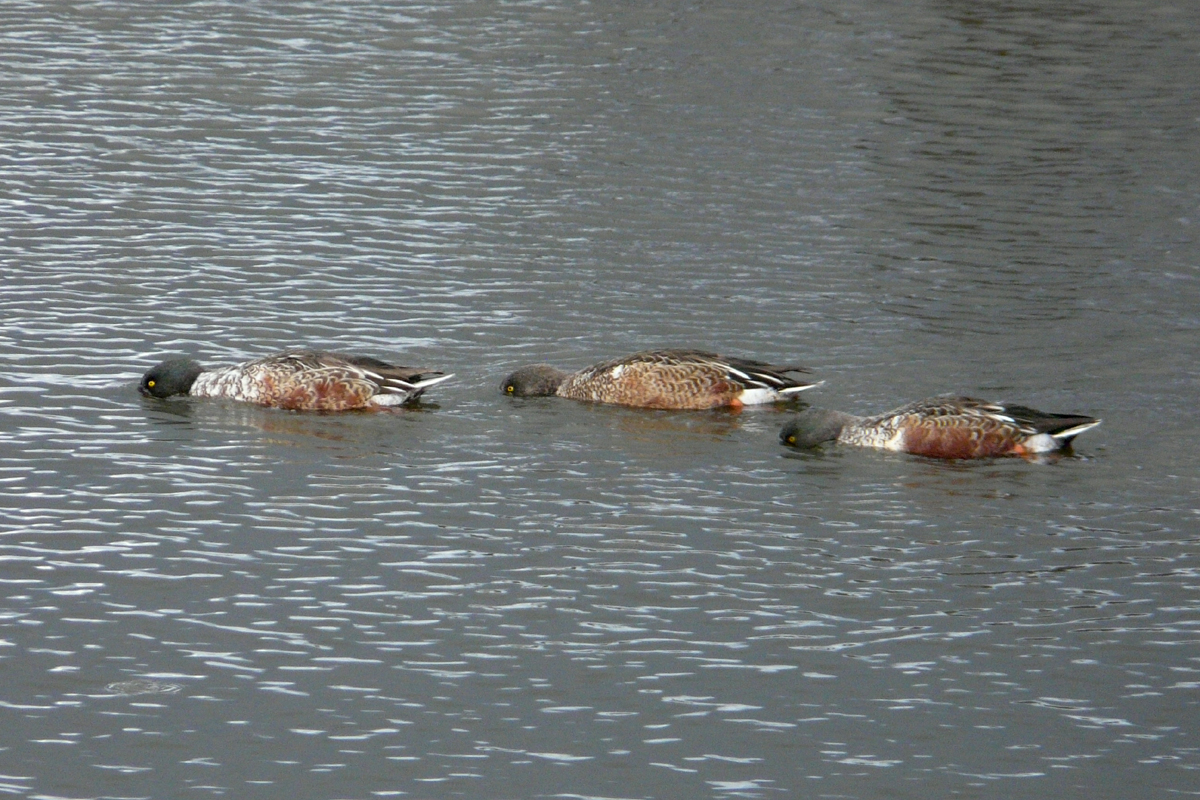
Here are some of the many Northern Shovelers feeding in their typical manner, swimming along with their faces in the water, as if their enormous bills are too heavy to hold up.

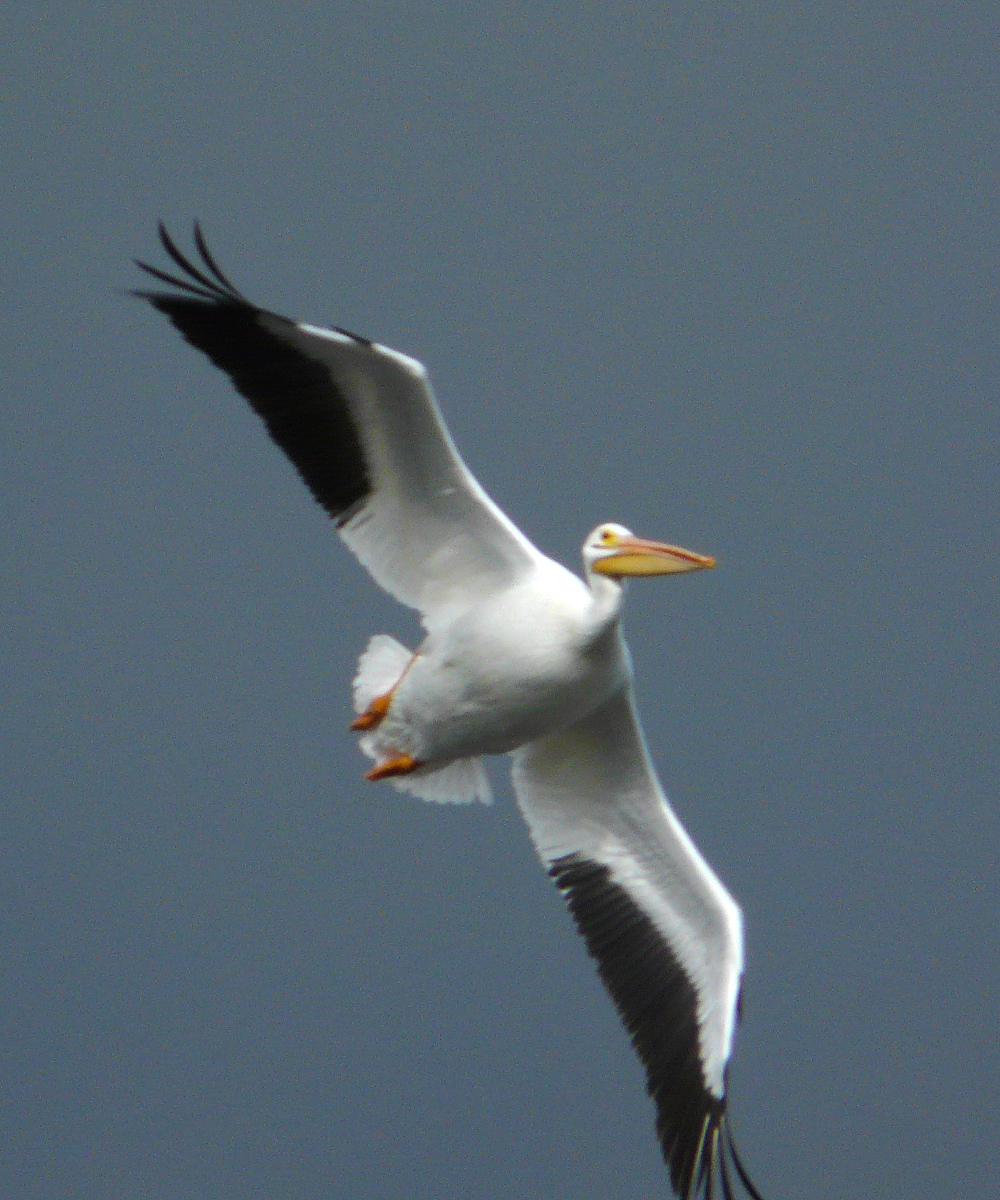
Two American White Pelicans have been hanging out at Fernhill for a couple of months now.
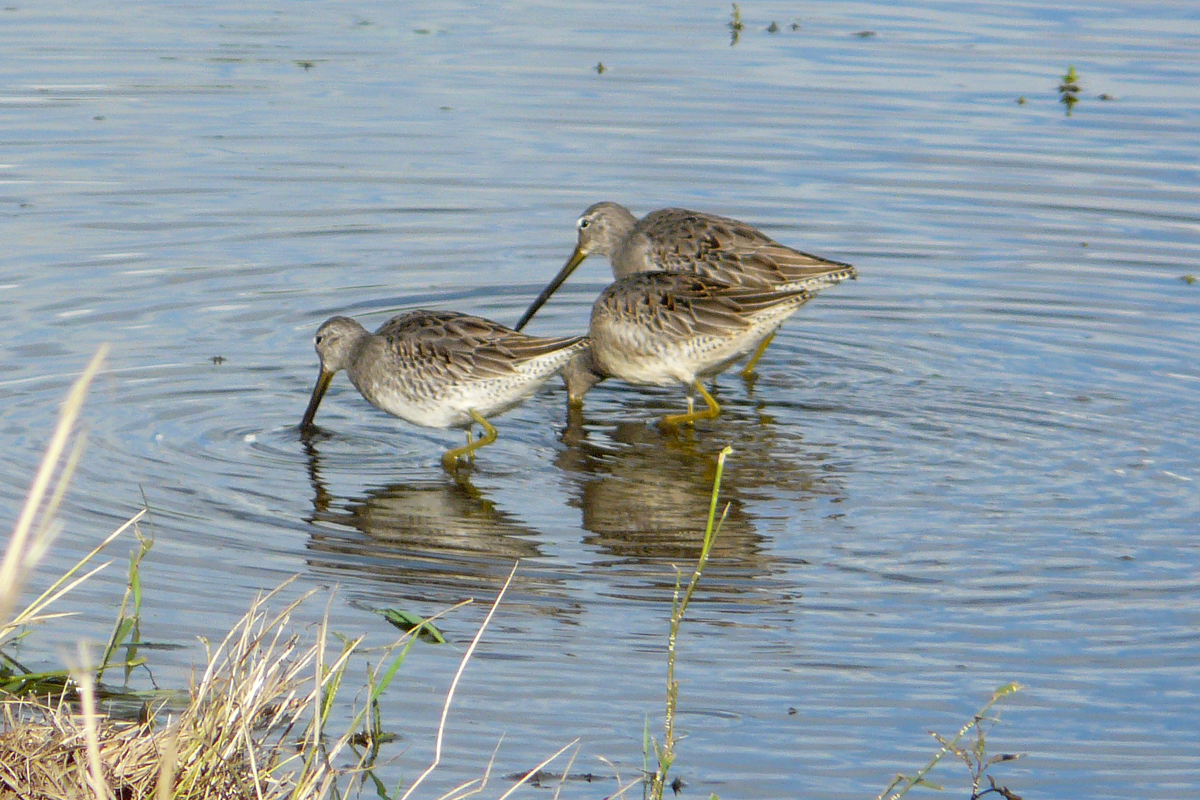
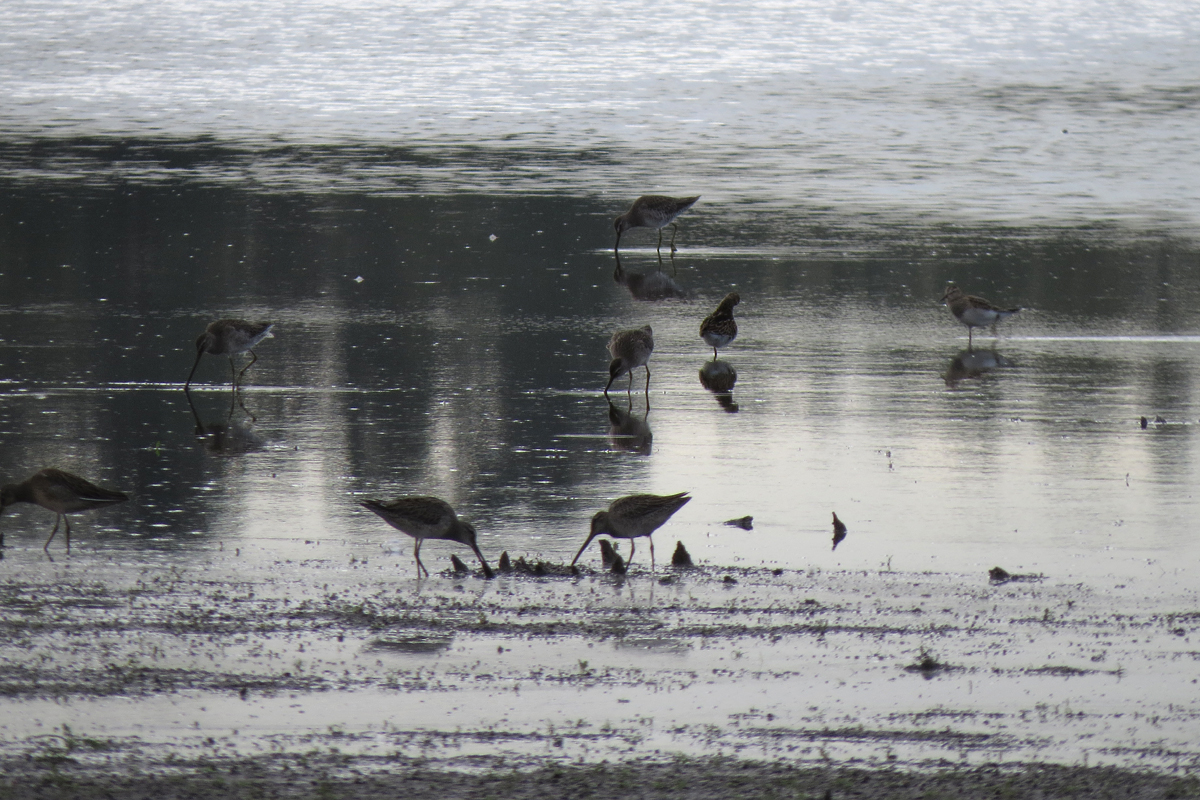
Shorebird numbers and diversity have dwindled. Here are a few Long-billed Dowitchers.

Greater Yellowlegs

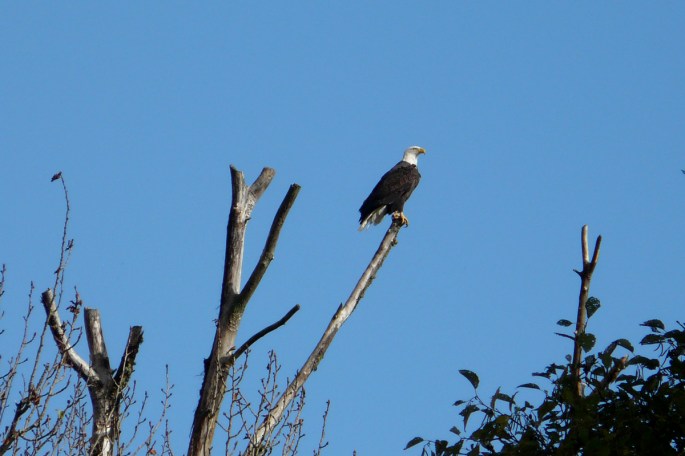
The resident Bald Eagles were sitting around looking majestic. I watched one carrying a stick to add to their nest.

Great Egret

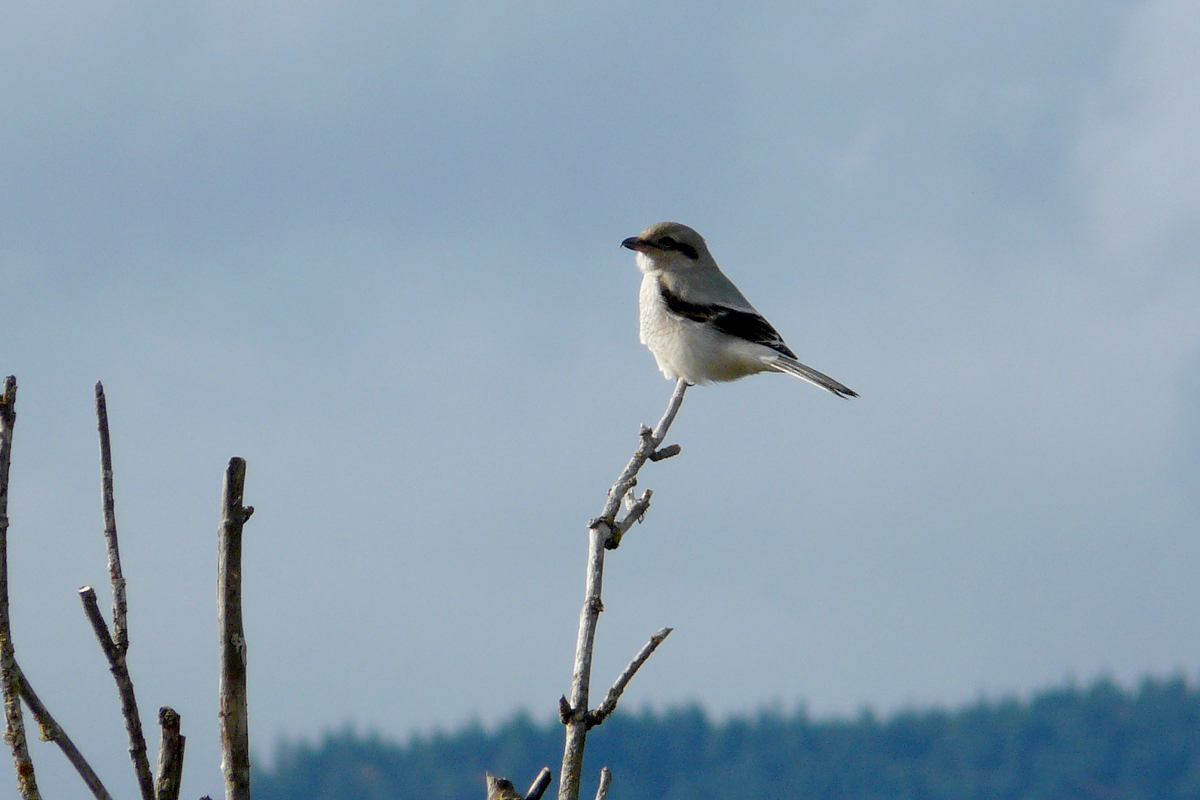
Several Northern Shrikes have been reported around the Portland area in recent days. This one is snacking on a large insect.

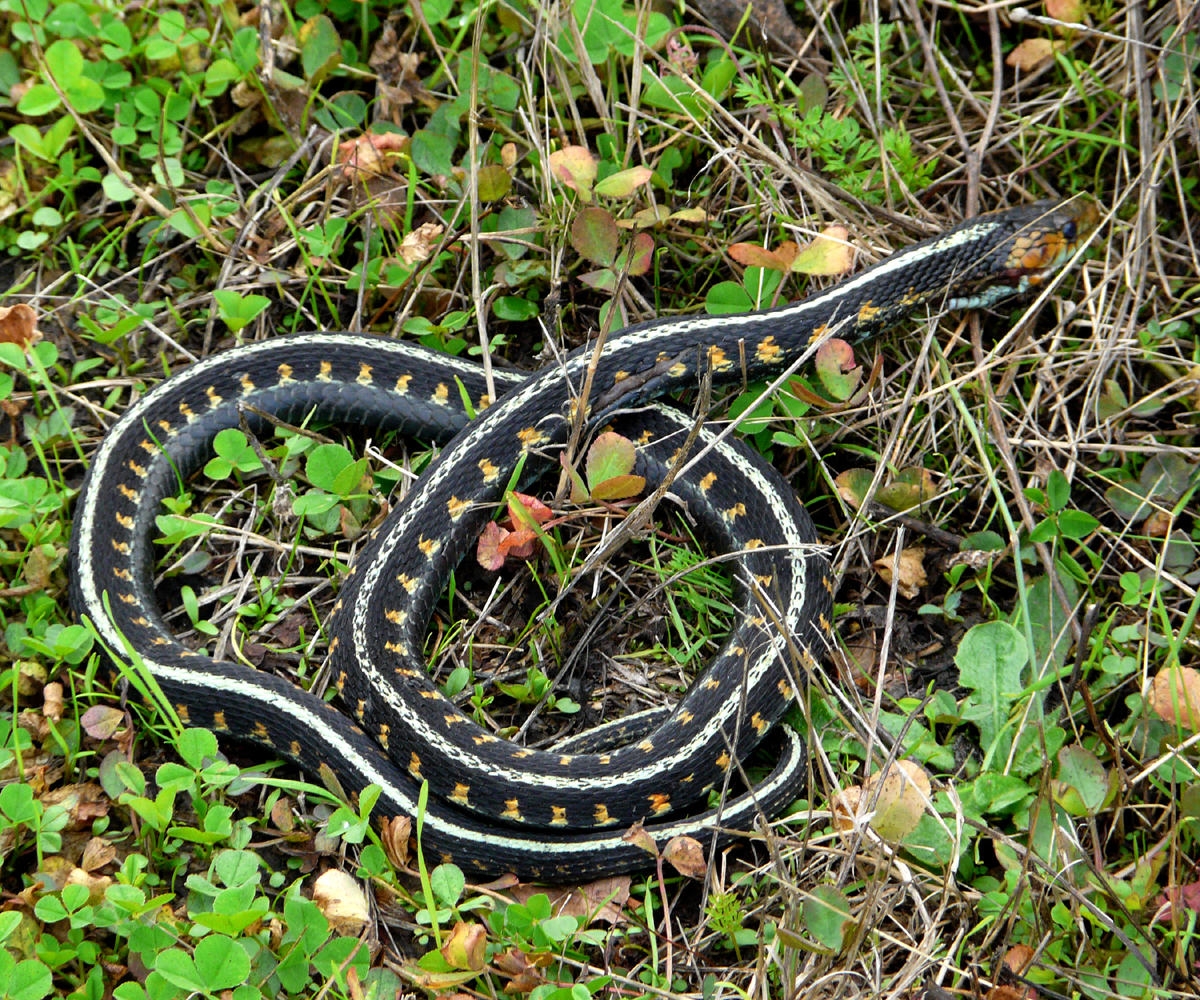
I saw three Common Garter Snakes on this trip, including one very young newborn about the width of a linguine. The colorful individual in this photo was about 20 inches long. Note the large laceration on his neck, presumably from a predator. Despite the severity of the wound, the snake was not bleeding and he crawled away after this photo was taken, so I am hopeful he will recover.

Changes Continue at Fernhill Wetlands

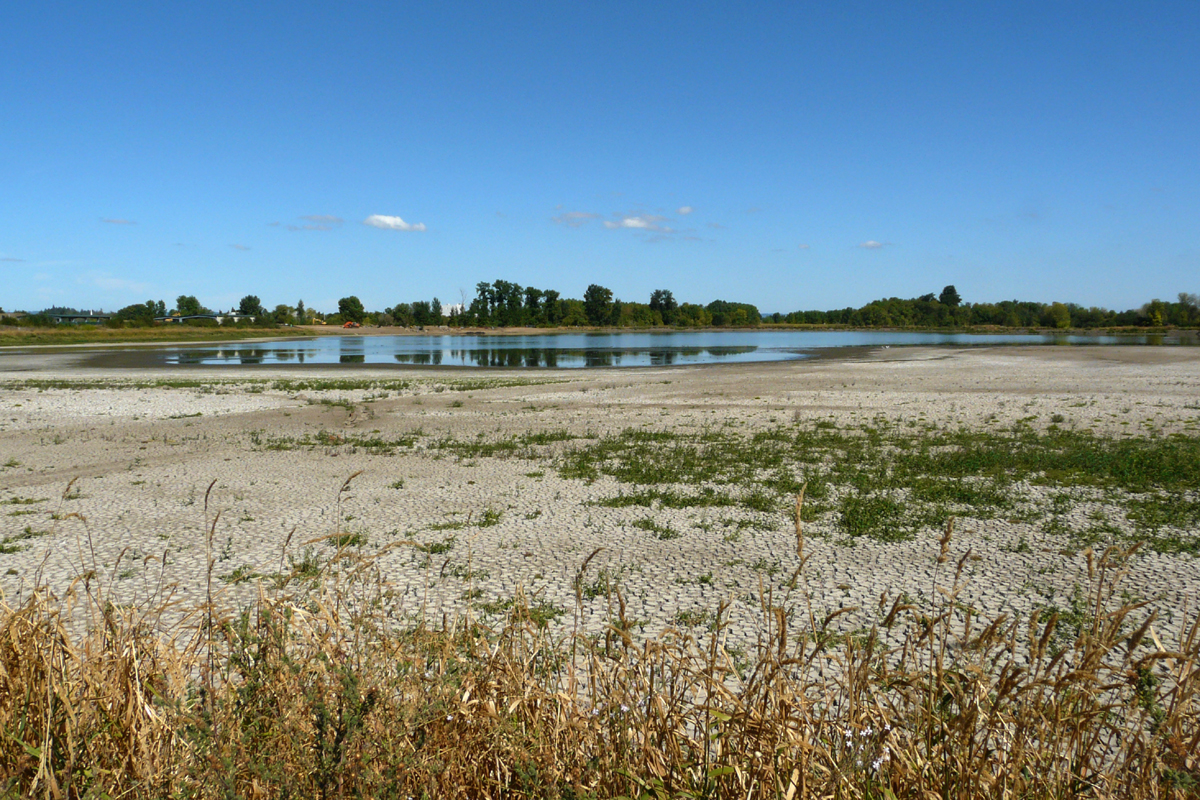
Exciting changes continue at Fernhill Wetlands (Birding Oregon p. 61). This photo is from the drying lake bed of Fernhill Lake. Low water levels this summer have created some great shorebird habitat. Notice the clump of cottonwood trees that have sprung up already. The construction (note the equipment in the background) will create rocky waterfalls that will cool and aerate the water that flows into the lake. I will be leading a free tour of the site on Saturday, October 6, at 10:00 AM as part of the Birds and Beer at Fernhill Wetlands event. Click on the Classes page for more details.

In addition to creating shorebird flats this summer, the low water levels are also helping to purge the lake of carp, which compete with birds for aquatic prey and muddy the waters with their feeding habits.

Greater Yellowlegs, sinking into the soft mud

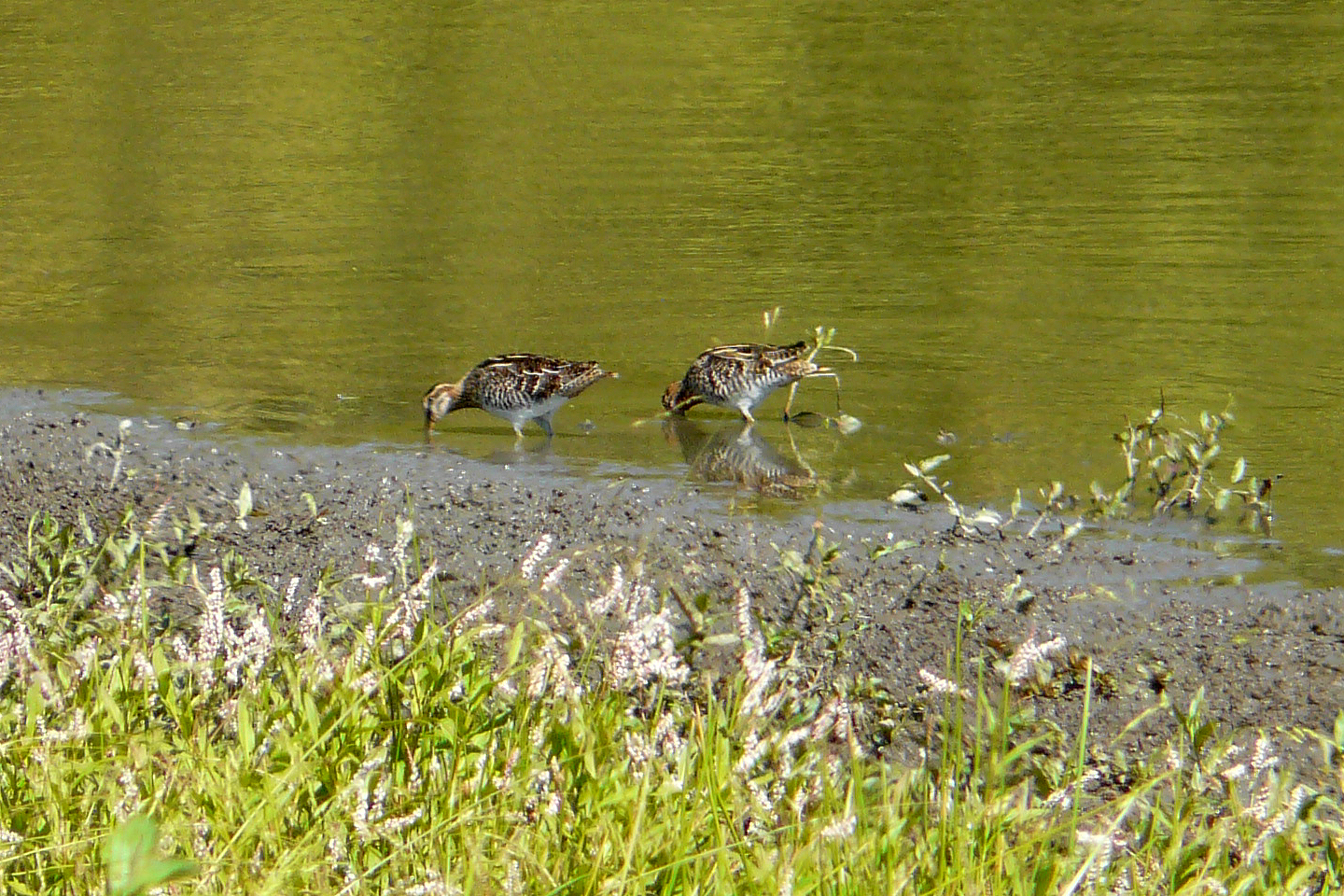
In the Mitigation Marsh, two Wilson’s Snipe were feeding out in the open, which is rather uncharacteristic of this species.

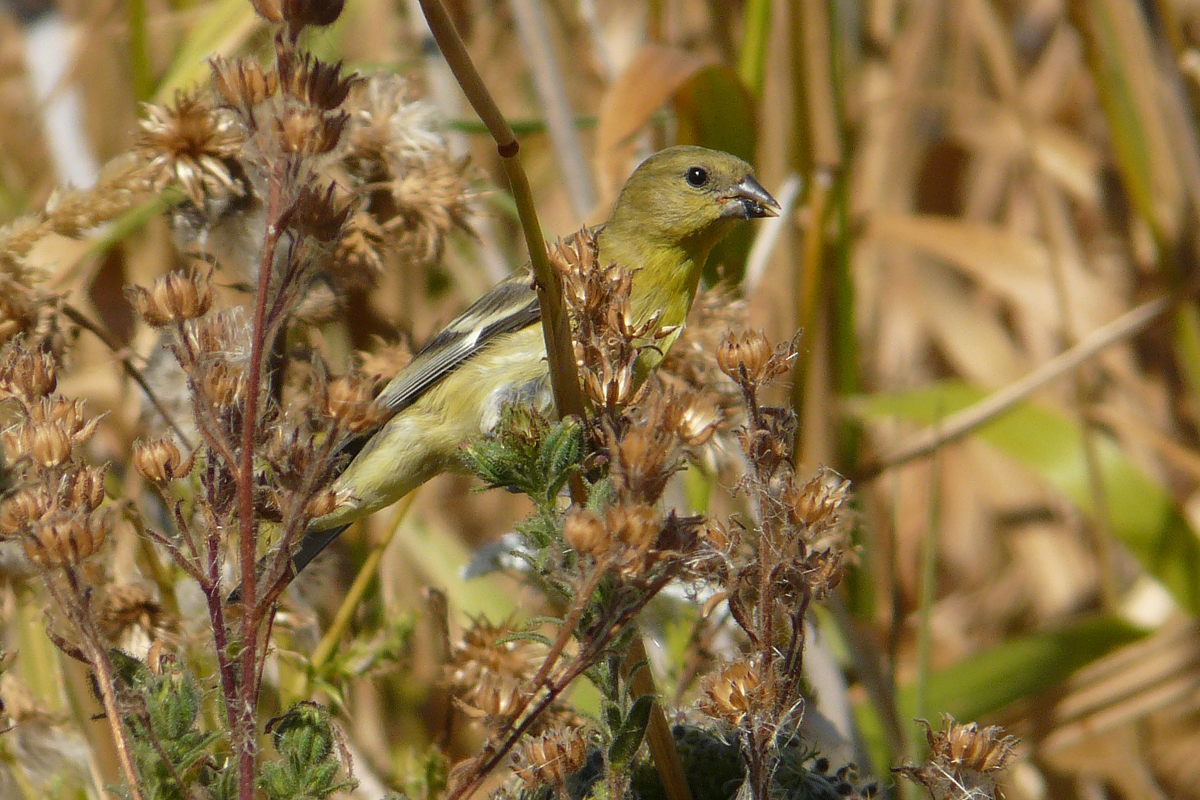
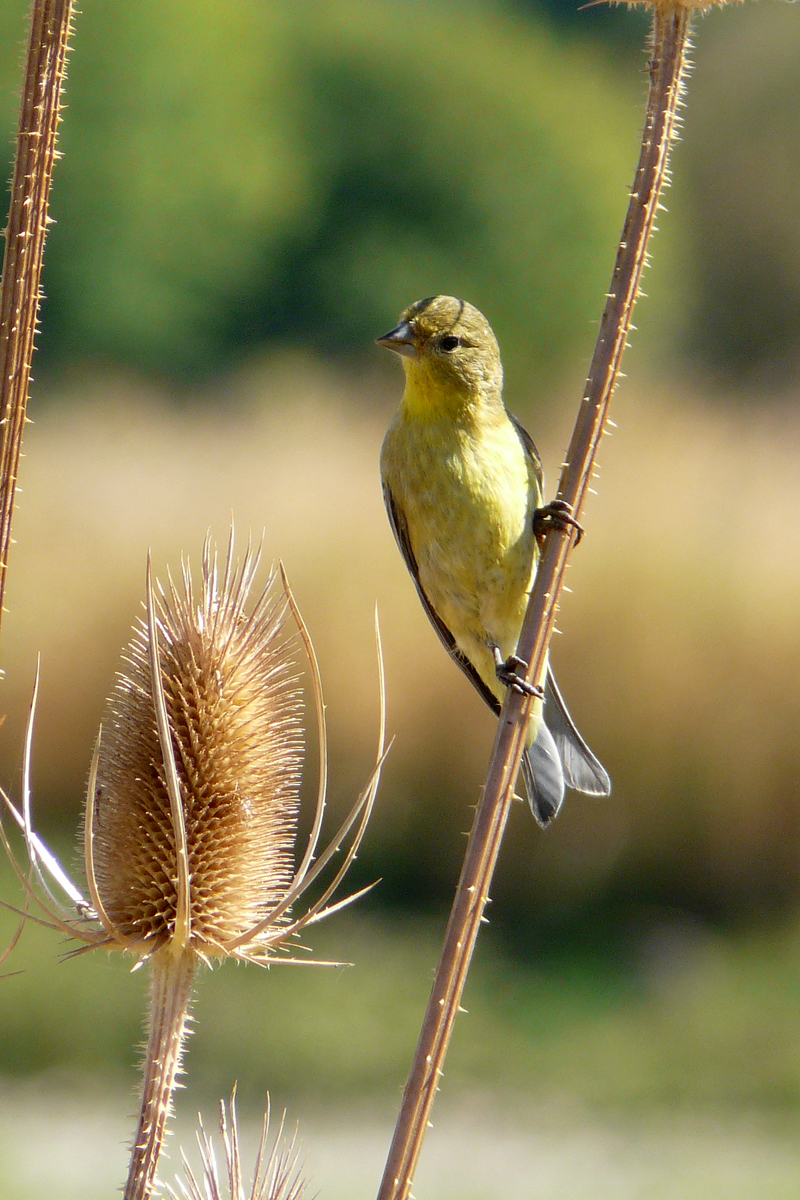
On this visit, a flock of Lesser Goldfinches was working the weedy patches. It is always a treat to get close looks at these birds.

The coming weeks should see increases in sparrows, shorebirds, waterfowl and raptors.

Fernhill Wetlands 8/3/12

I scouted Fernhill Wetlands for the Willamette Valley portion of my shorebird class. After a cool summer, we have finally gotten some triple-digit temperatures, making birding a little challenging. But there is a lot of mud and the shorebirds are moving in, joining the typical and not-so-typical summer residents.

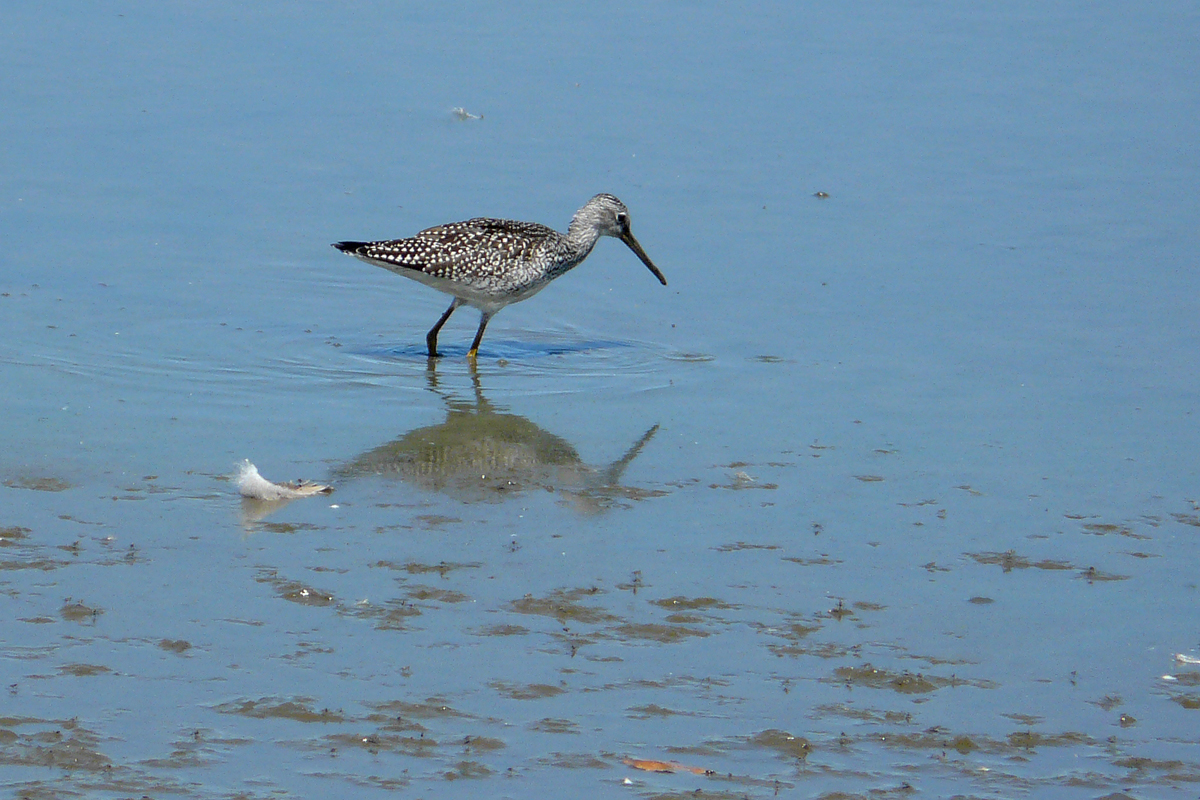
Greater Yellowlegs are common right now, taking advantage of the shallow water in most of the area’s wetlands.

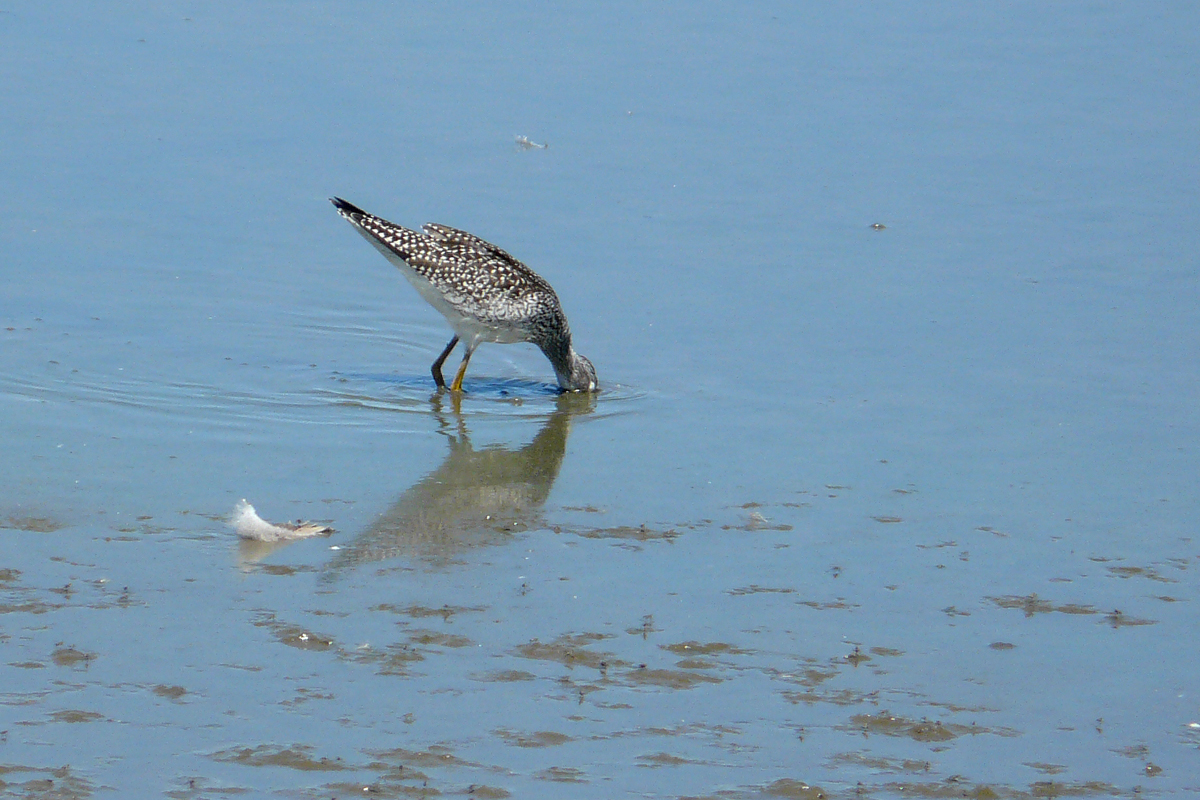
Lunchtime

I don’t think he caught anything on that dive.

Least Sandpiper

another Least

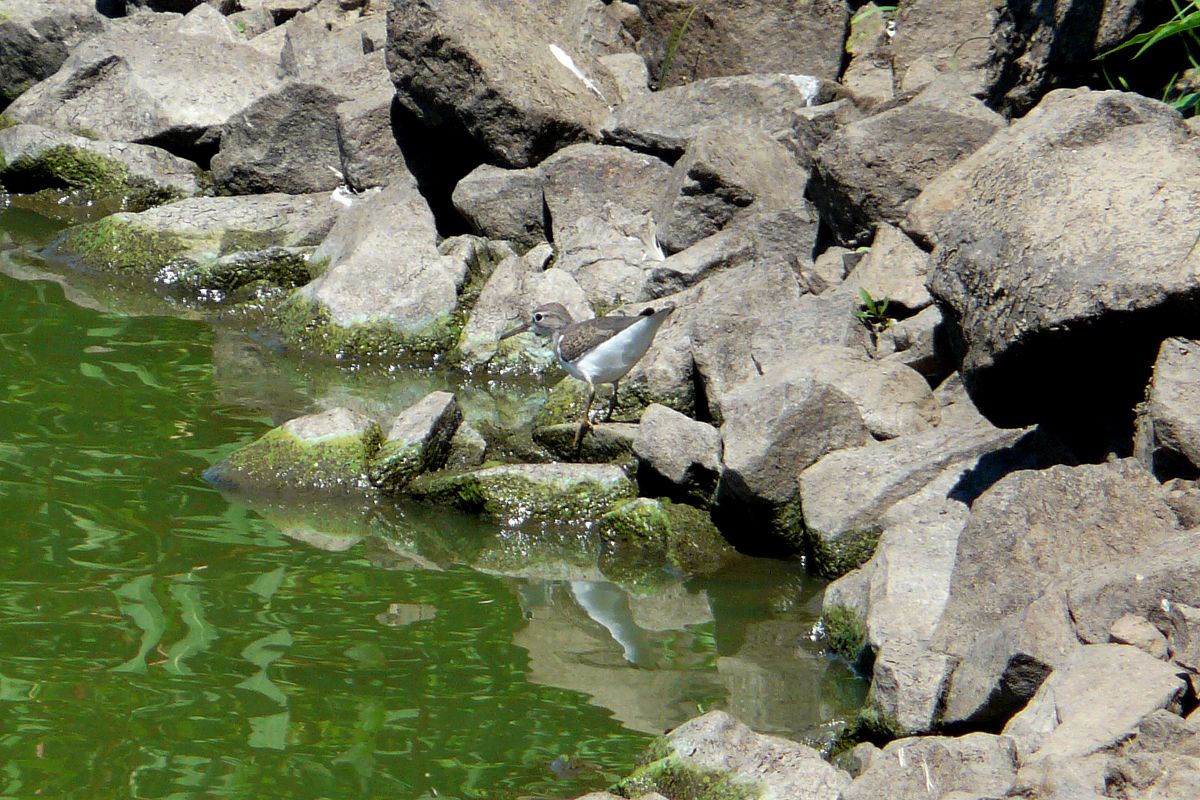
Spotted Sandpipers are often found along the rocky shoreline of Fernhill Lake.

This is a young Spotted Sandpiper, distinguished by the barring on the wing coverts (and the lack of spots).

Cackling Geese, which winter here in the tens of thousands, are a rare sight in summer. The exposed white rumps on these birds are an indication that the birds are molting their primaries, so they have obviously spent the summer here.

These three Greater White-fronted Geese are also several months too early.

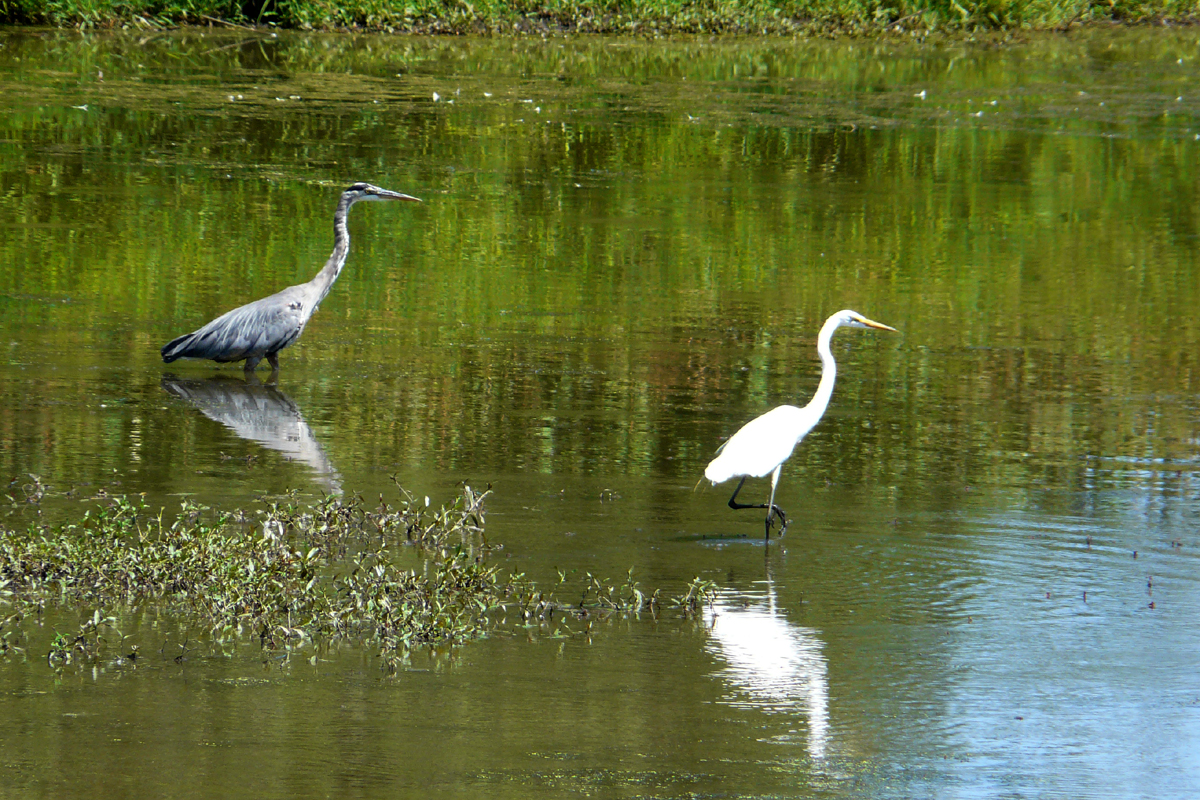
Great Blue Heron and Great Egret

Green Heron

August is the time for baby Bullheads. Several schools were visible in the murky water.

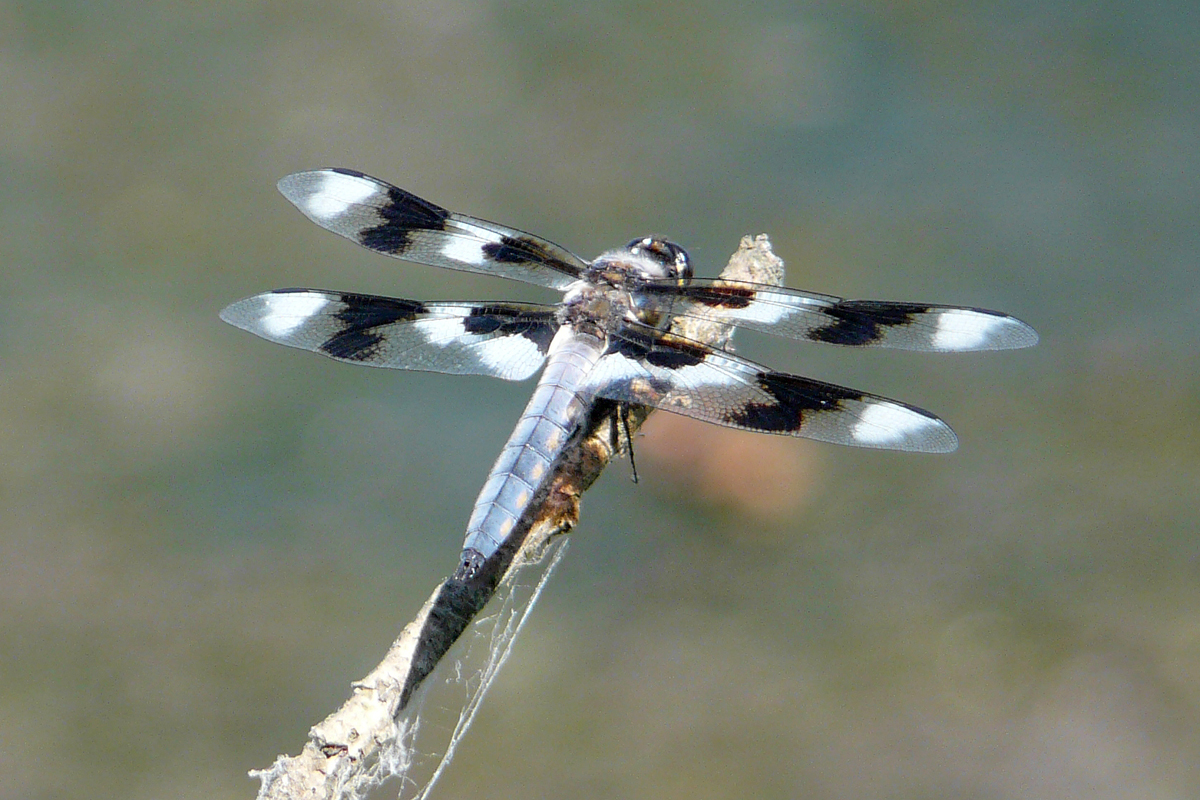
Eight-spotted Skimmer, one of the few dragonflies that I can identify