Fernhill Wetlands 8/3/12

I scouted Fernhill Wetlands for the Willamette Valley portion of my shorebird class. After a cool summer, we have finally gotten some triple-digit temperatures, making birding a little challenging. But there is a lot of mud and the shorebirds are moving in, joining the typical and not-so-typical summer residents.
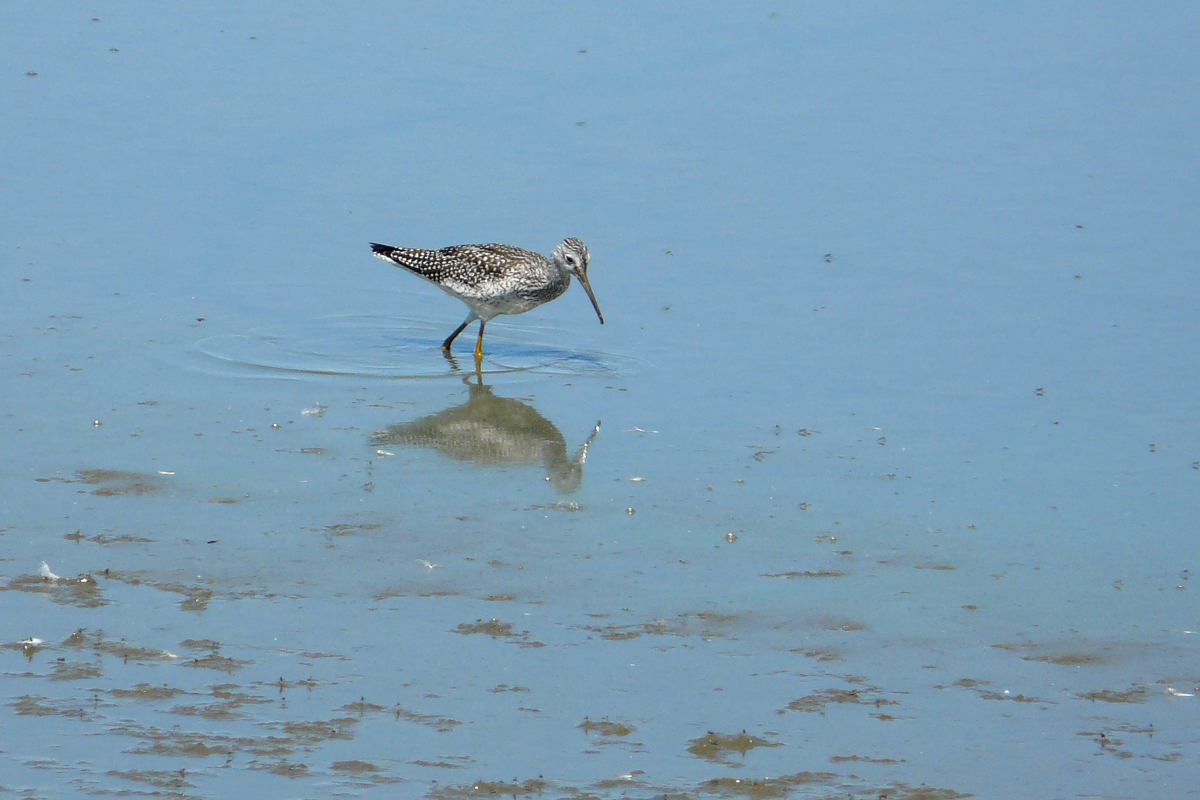
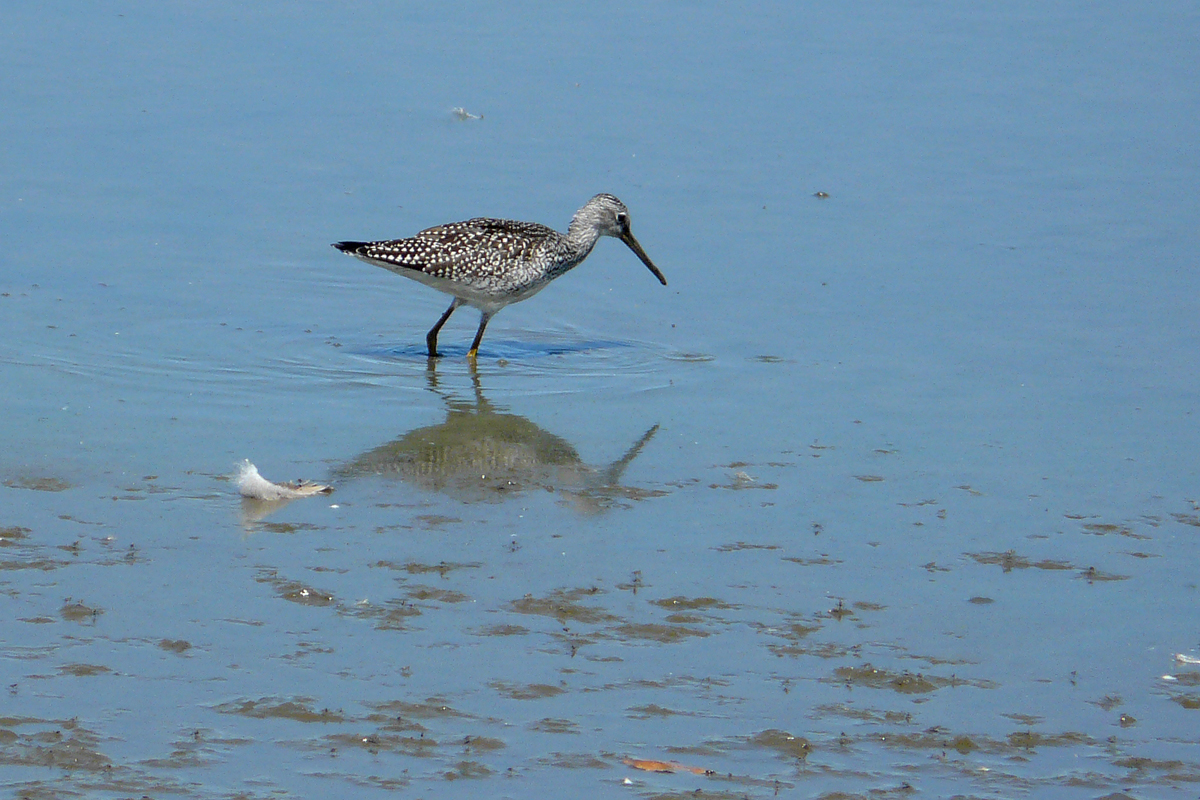
Greater Yellowlegs are common right now, taking advantage of the shallow water in most of the area’s wetlands.
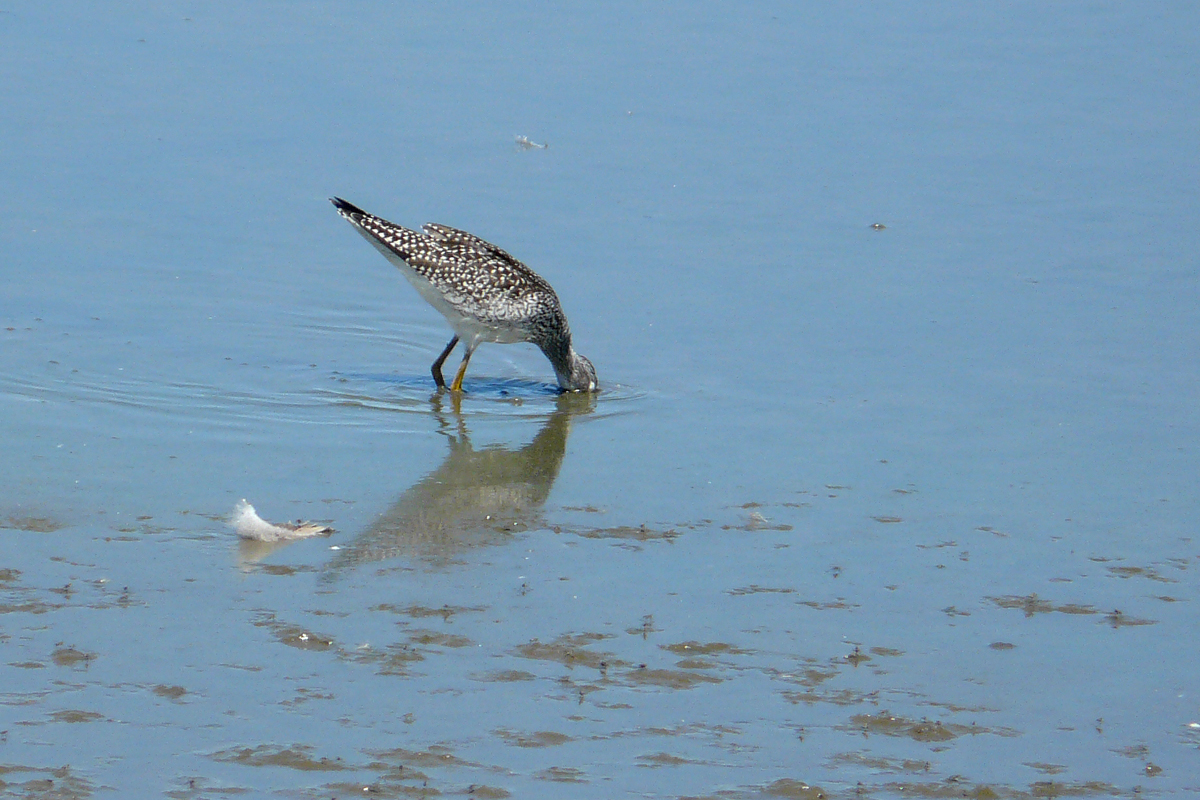
Lunchtime

I don’t think he caught anything on that dive.

Least Sandpiper

another Least

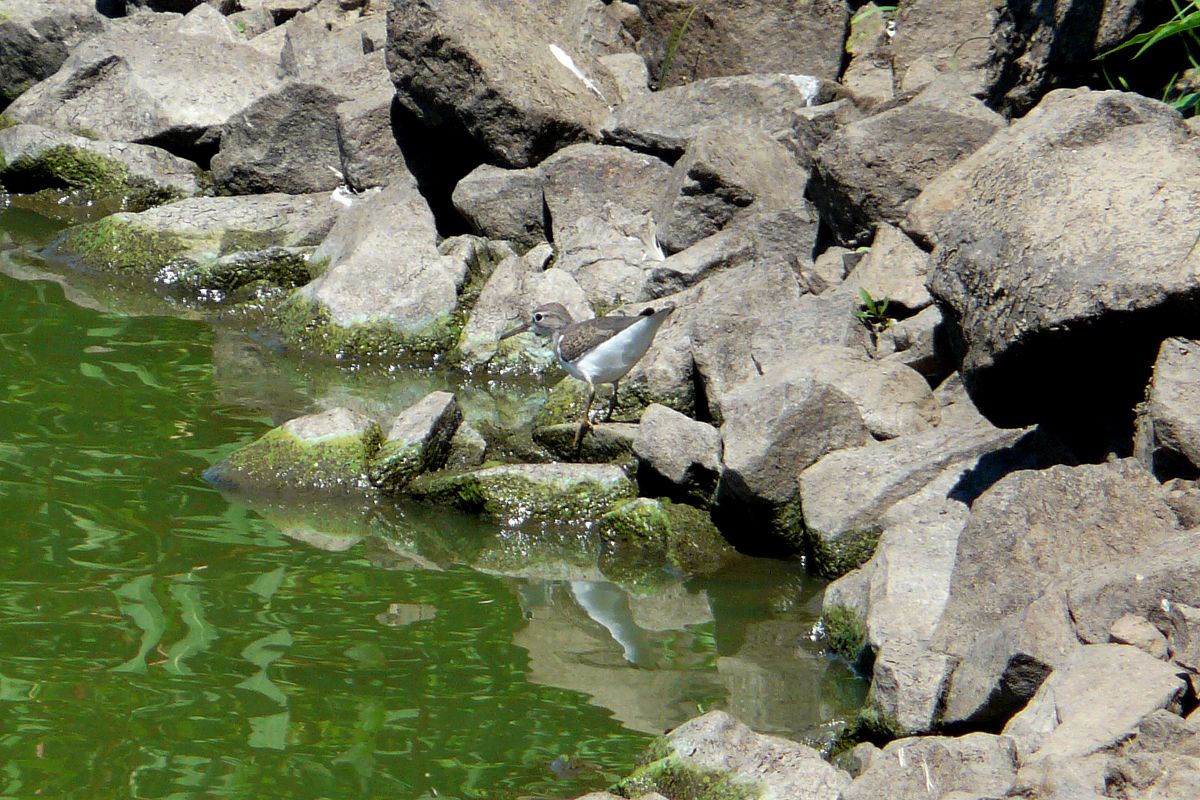
Spotted Sandpipers are often found along the rocky shoreline of Fernhill Lake.

This is a young Spotted Sandpiper, distinguished by the barring on the wing coverts (and the lack of spots).
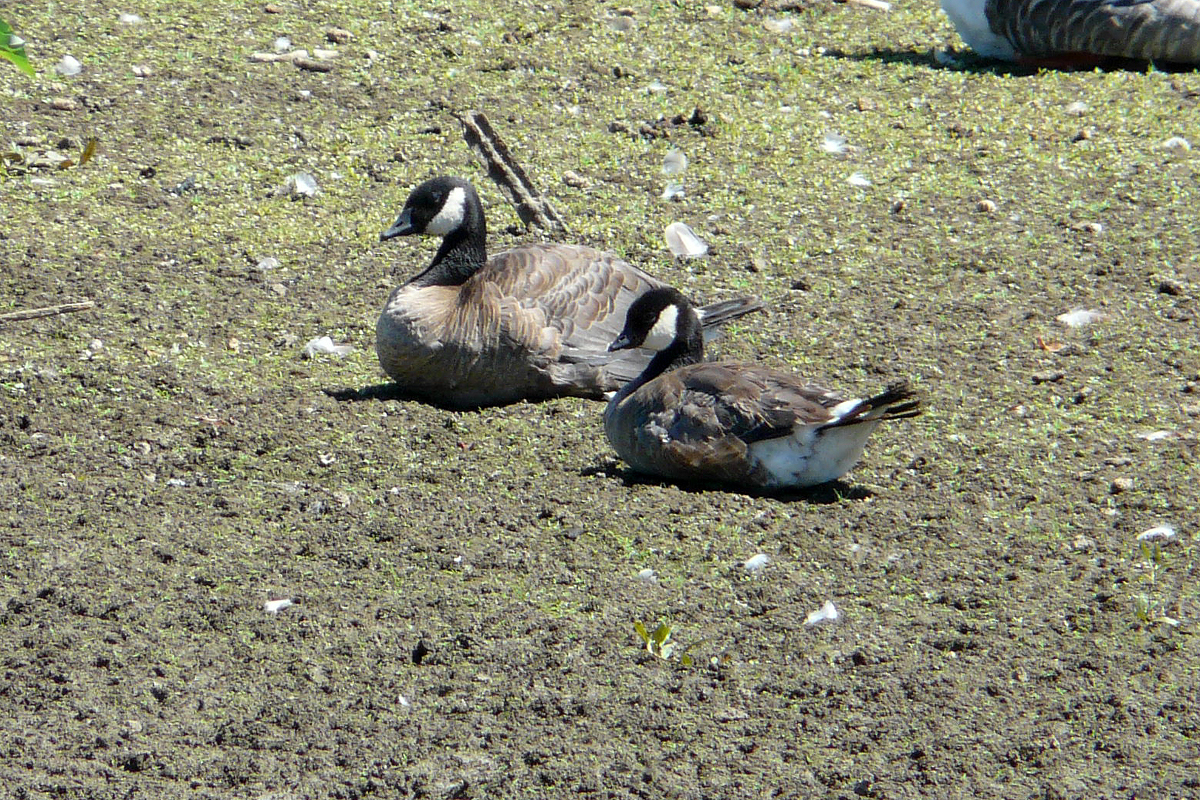
Cackling Geese, which winter here in the tens of thousands, are a rare sight in summer. The exposed white rumps on these birds are an indication that the birds are molting their primaries, so they have obviously spent the summer here.
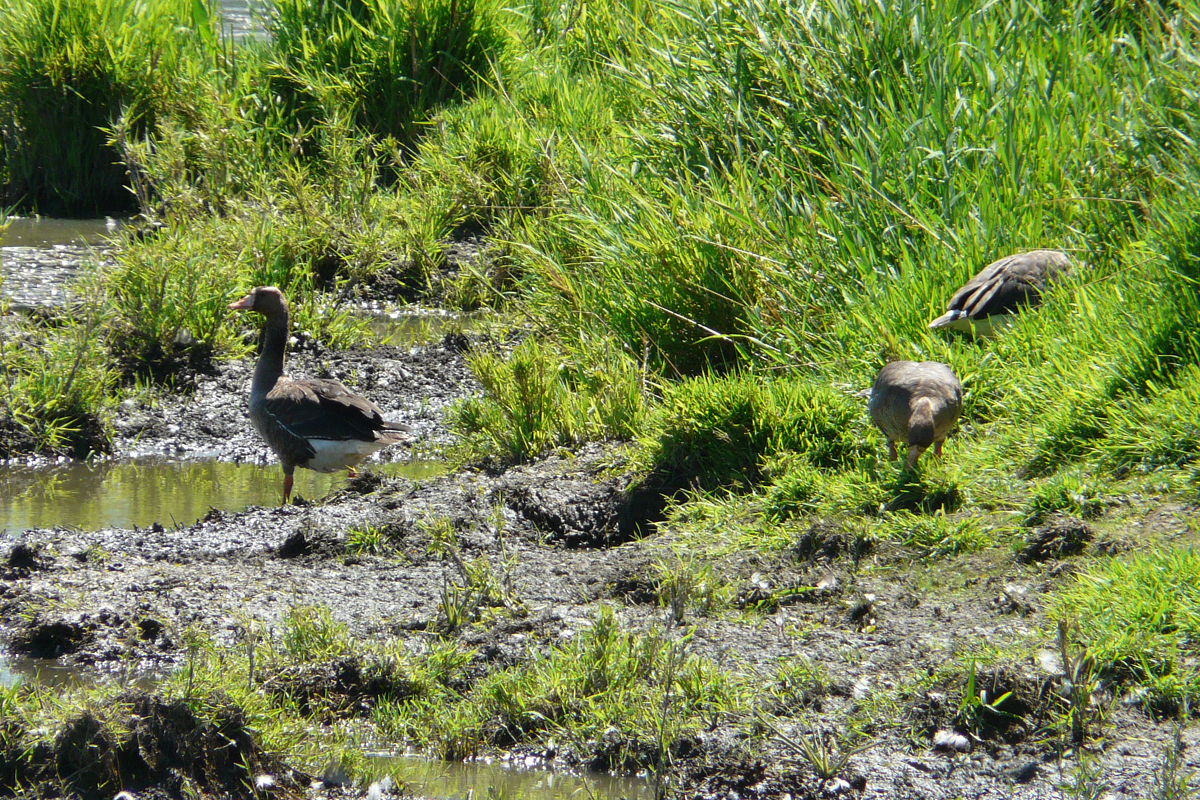
These three Greater White-fronted Geese are also several months too early.
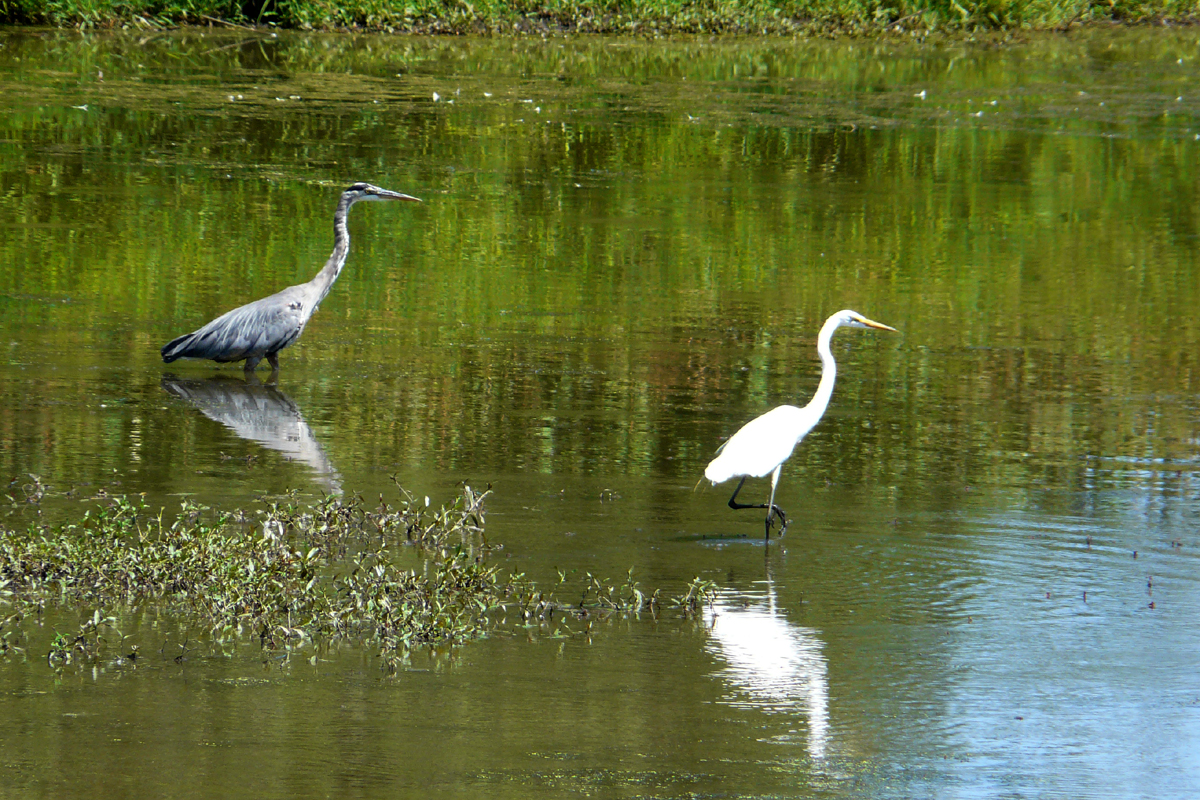
Great Blue Heron and Great Egret

Green Heron

August is the time for baby Bullheads. Several schools were visible in the murky water.
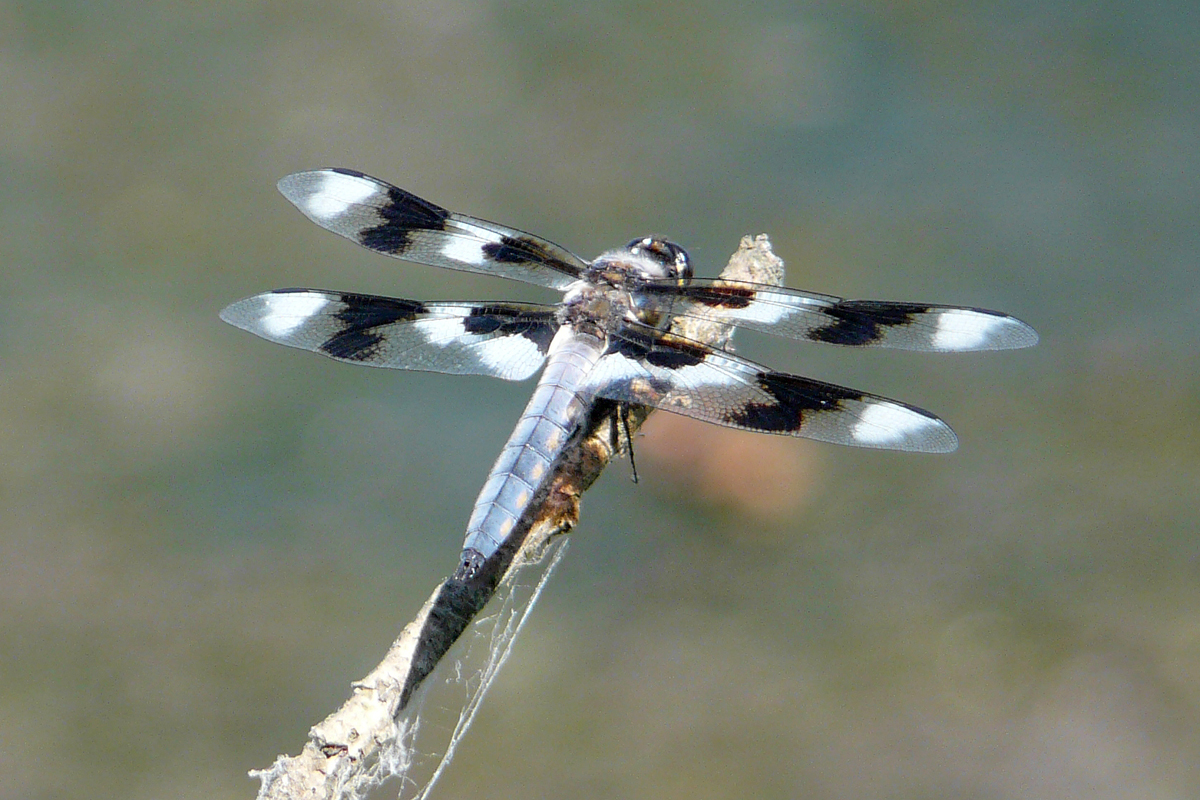
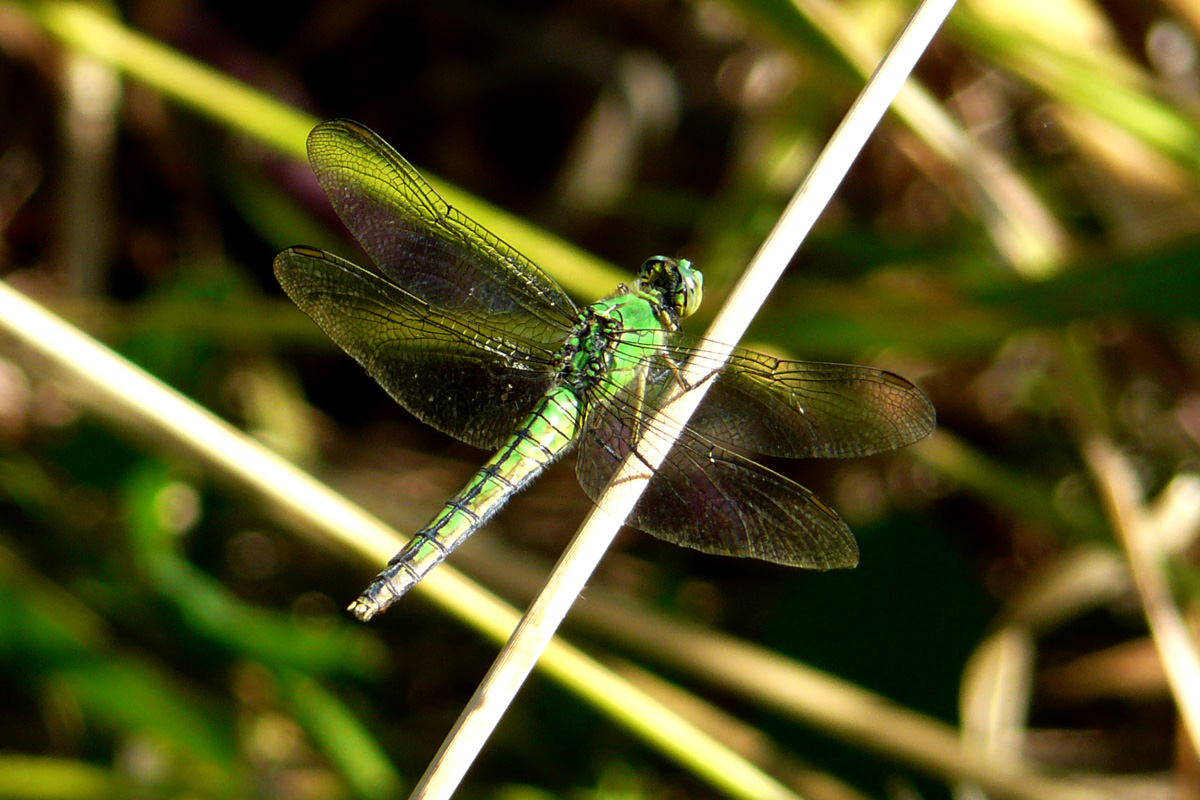
Eight-spotted Skimmer, one of the few dragonflies that I can identify

Washington County Wetlands

I visited several sites in Washington County to check for migrant shorebirds, inspired by the recent appearance of a Spotted Redshank at Fern Ridge Reservoir (Birding Oregon p 89) . I didn’t find anything so rare, but a few birds are moving through and there is promising mudflat habitat available.

A lot of work is being done at Fernhill Wetlands (Birding Oregon p. 61), resulting in the closure of a small section of the trail around Fernhill Lake.

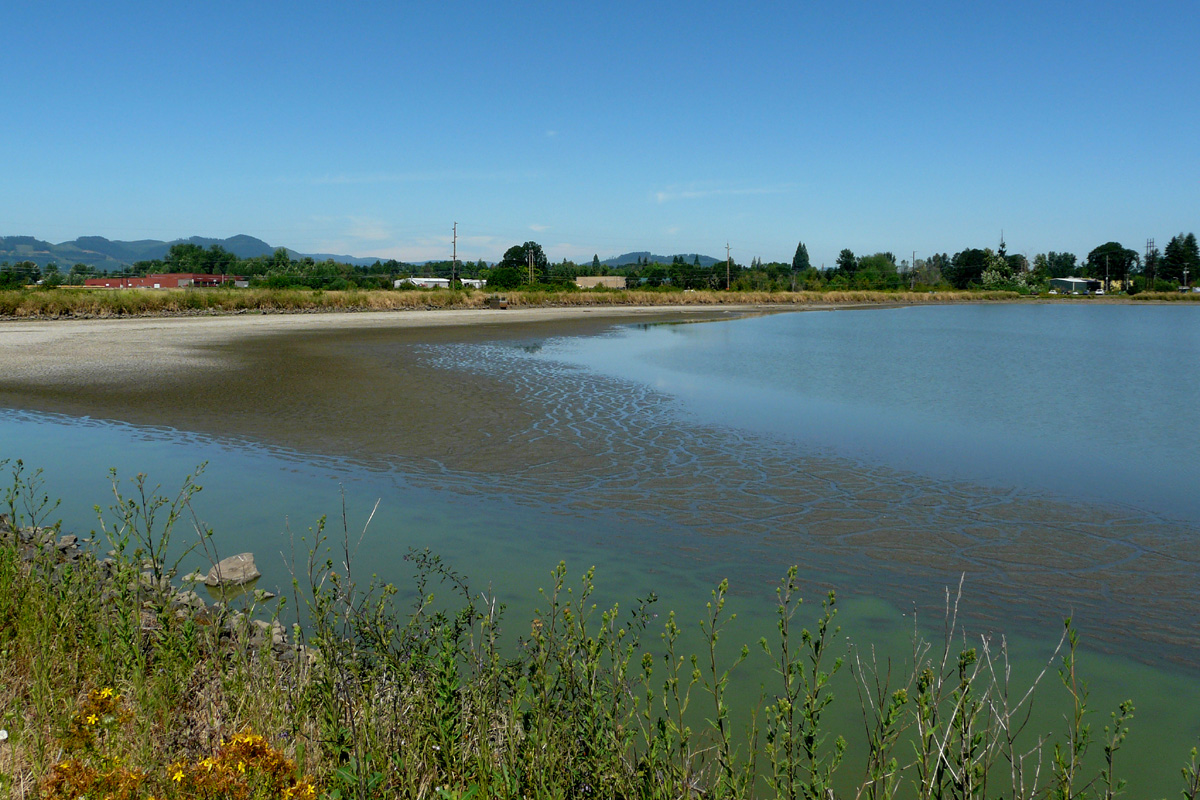
The big news at Fernhill is the low water level of Fernhill Lake, creating mudflats along the shore for the first time in many years. Several species of shorebirds were feeding there today.

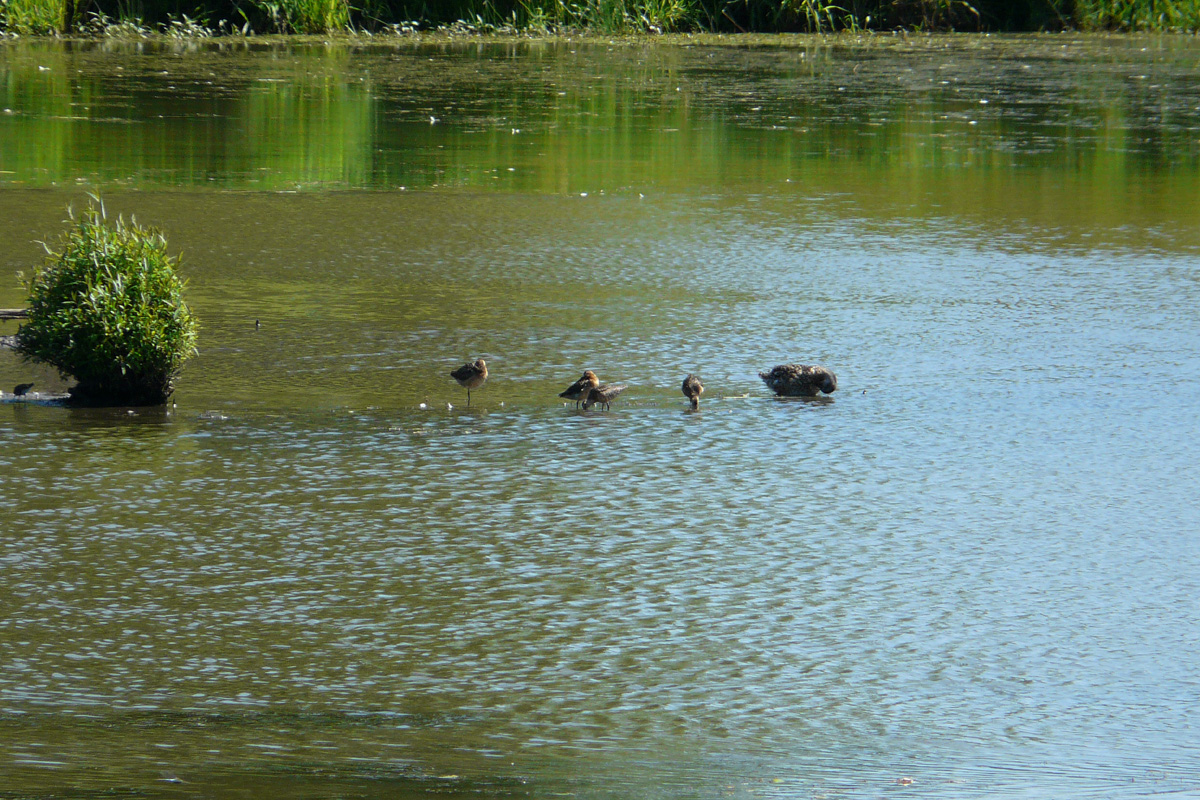
Water levels in Mitigation Marsh are quite high, so there wasn’t much mud. These Long-billed Dowitchers were hanging out with a Mallard.

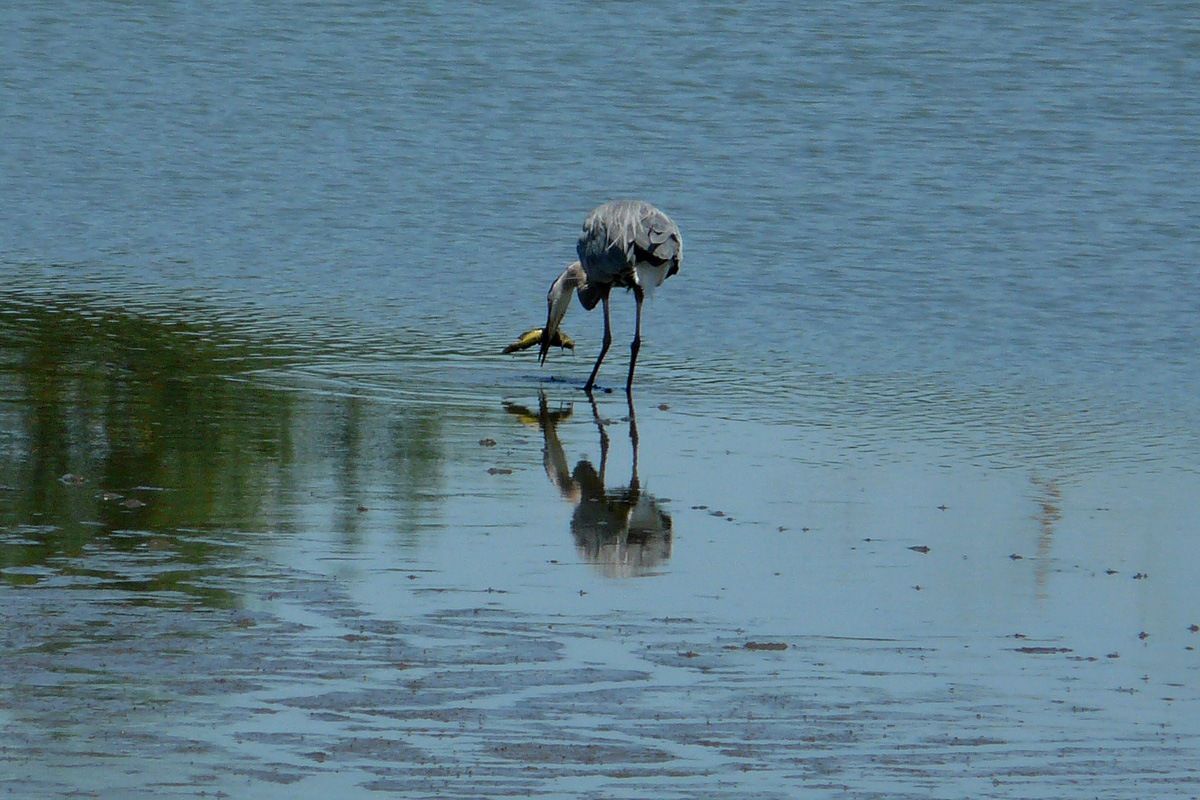
This Great Blue Heron caught a Bullhead (I can’t tell if it is a Yellow or Black Bullhead). He caught the fish near the middle of the lake, then flew to the shore to eat it.

There was some mudflat habitat at Jackson Bottom Wetland (Birding Oregon p. 60), but not a lot of shorebirds yet. The Hardhack is in bloom, adding a splash of color to the marsh.

One of these days I may have to break down and buy a field guide to dragonflies. Or maybe I will just learn to appreciate beautiful creatures without putting a name to them.

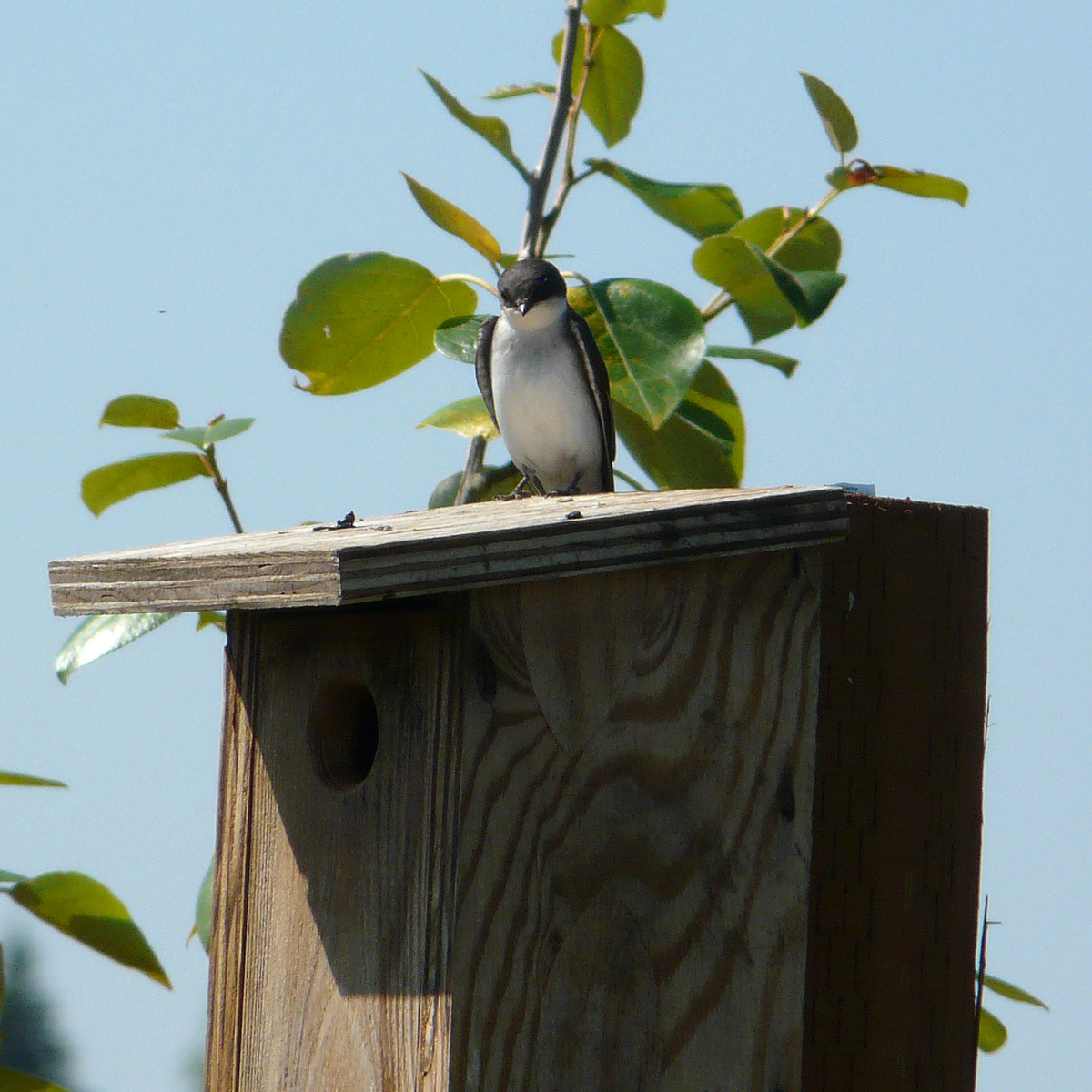
Tree Swallows are thick at Jackson Bottom. Notice the dusky wash across the upper breast. Young Tree Swallows can show extensive dark coloring here, leading some birders to confuse them with Bank Swallows.


Fernhill Wetlands, 2-15-12

I walked around Fernhill Wetlands (Birding Oregon, p. 61) in the mid afternoon. Most of the waterfowl that roost here on winter evenings were still off feeding in the area fields, but there is always something to see.


A flock of Brewer’s Blackbirds were hanging out in a tree by the parking lot.


This American Kestrel was in the same tree as the blackbirds, but the two didn’t seem to pay any attention to each other.


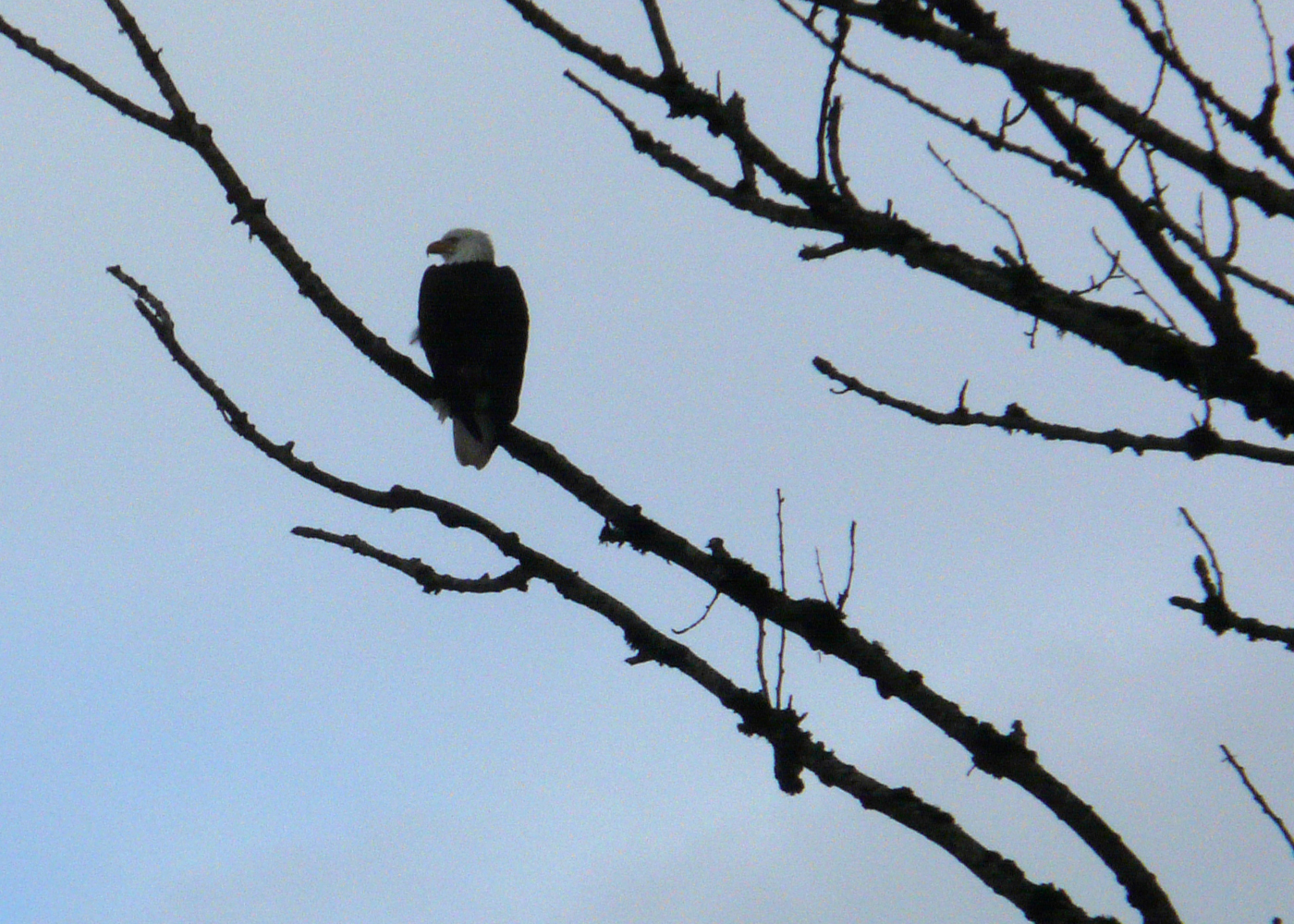
A pair of Bald Eagles is usually visible in the grove of large cottonwoods on the southeast corner of the property.


The eagles have started a new nest this year.


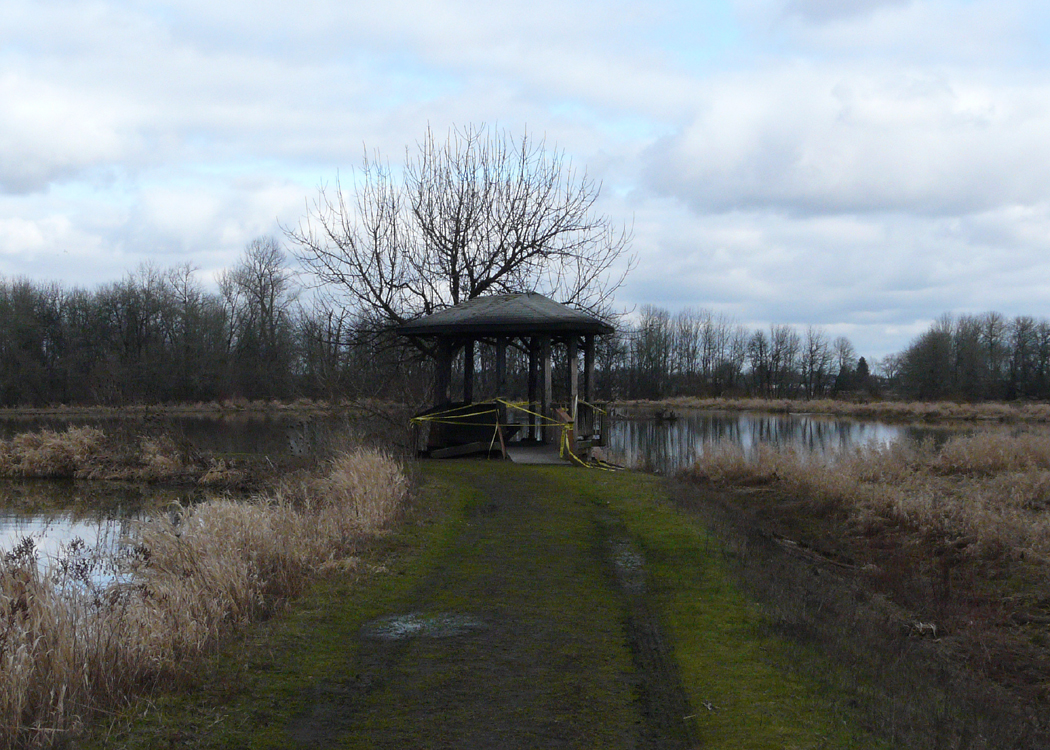
This observation platform was destroyed by arsonists. Fernhill Wetlands is not a park, but is owned by the area waste water department. As a result, there are few resources for facilities or habitat management.


Tundra Swans were flying in to roost. They tend to stay in the more distant parts of Mitigation Marsh.


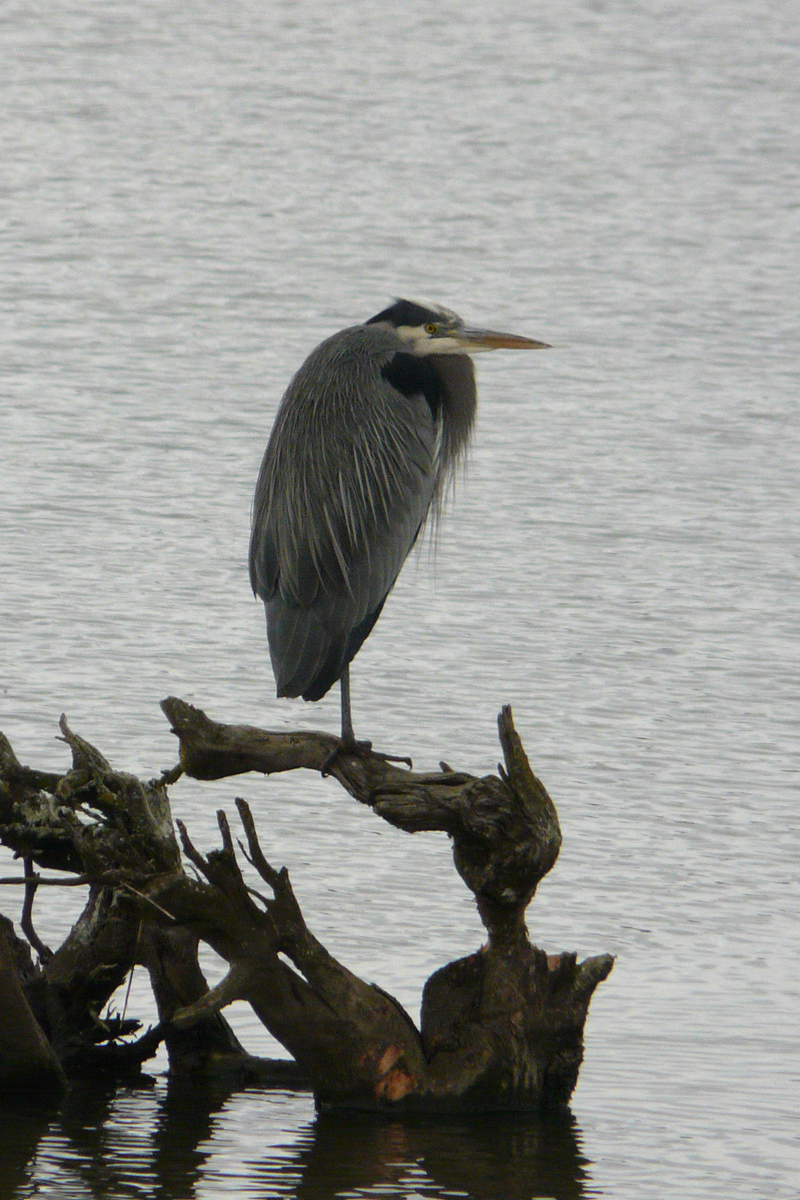
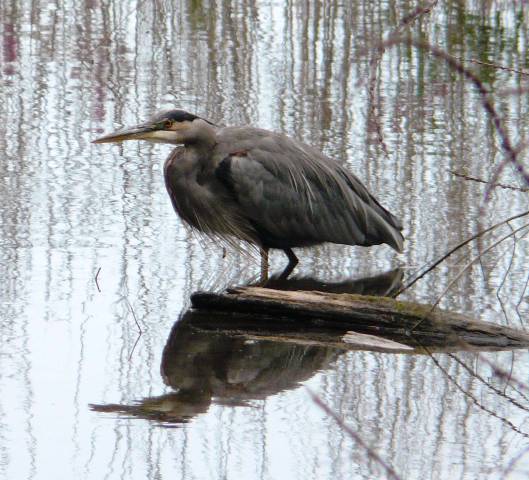
Great Blue Herons are nesting in the trees to the east of the wetlands. This individual was resting on a snag in Cattail Marsh.


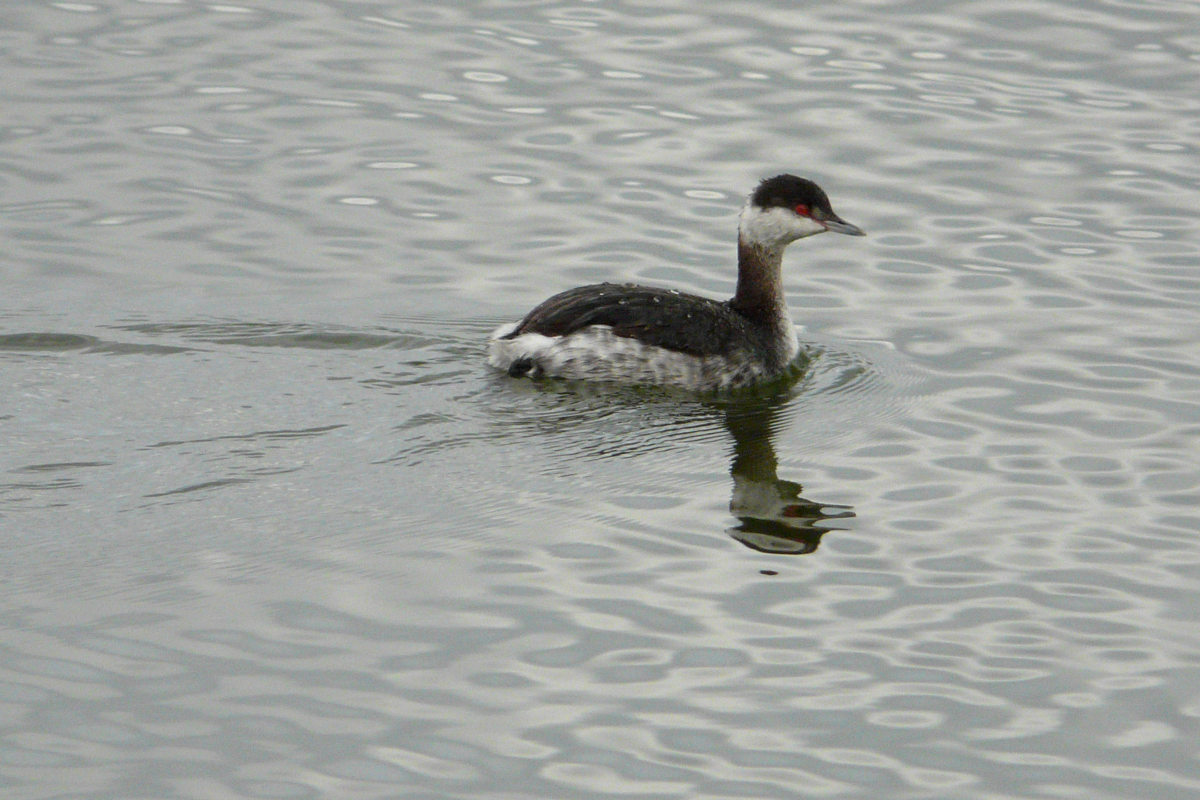
The deeper water of Fernhill Lake attracts divers like this Horned Grebe.

Smith and Bybee Wetlands

Smith and Bybee Wetlands in NW Portland, (Birding Oregon p. 65) is a great spot for waterfowl, waders, and shorebirds in the late summer and autumn. Paved trails lead to observation platforms overlooking both lakes, and primitive paths are available to the more adventurous.


Great Egret, here with a couple of Great Blue Herons and numerous waterfowl on Bybee Lake, are common this time of year. Other waders that have occurred here include Snowy Egret and Little Blue Heron.


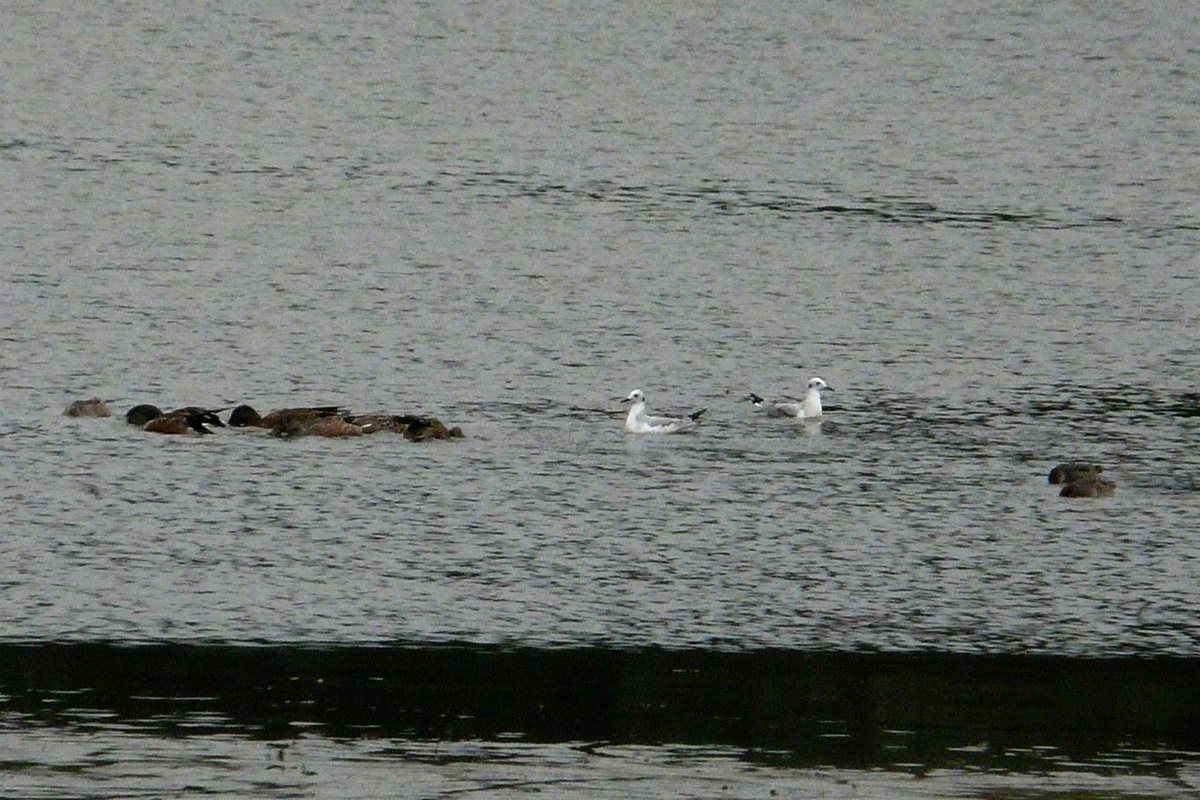
These Bonaparte’s Gulls were feeding with a flock of Northern Shovelers, picking up little food items stirred up by the ducks.


Many trees in this area have fencing around them to protect them from Beavers. Flood conditions last winter enabled the Beavers to float above the level of the fencing and nibble away.


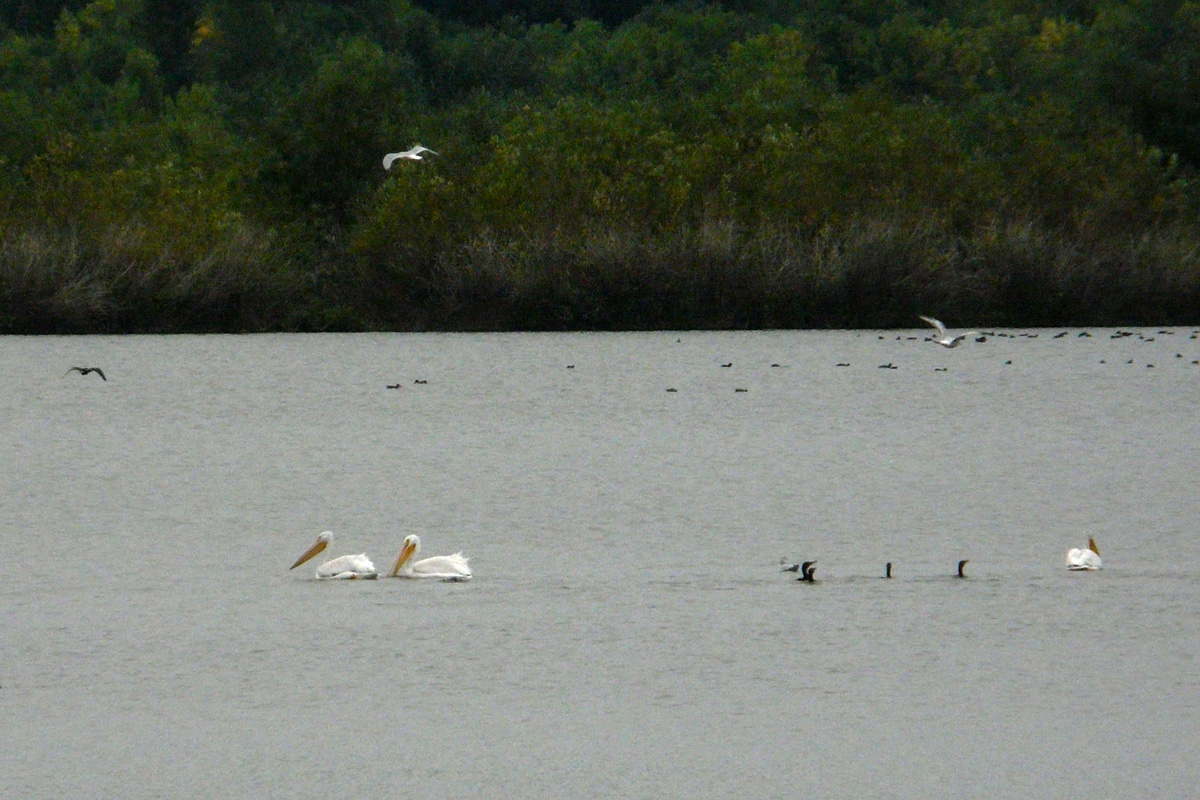
Three American White Pelicans swim with Double-crested Cormorants on Smith Lake. Ten years ago, pelicans were considered rare in Portland, but large flocks are now expected every summer and fall.


more American White Pelicans on Smith Lake

Frozen Fernhill

An arctic air mass brought cold temperatures and ice to Fernhill Wetlands (Birding Oregon p. 61), but there was no shortage of birds. Here are some grainy gray photos from a lap around the ponds.


Horned Grebe


Tundra Swans and California Gull


Taverner’s Cackling Goose and Northern Shovelers


Cackling Geese and Northern Pintails


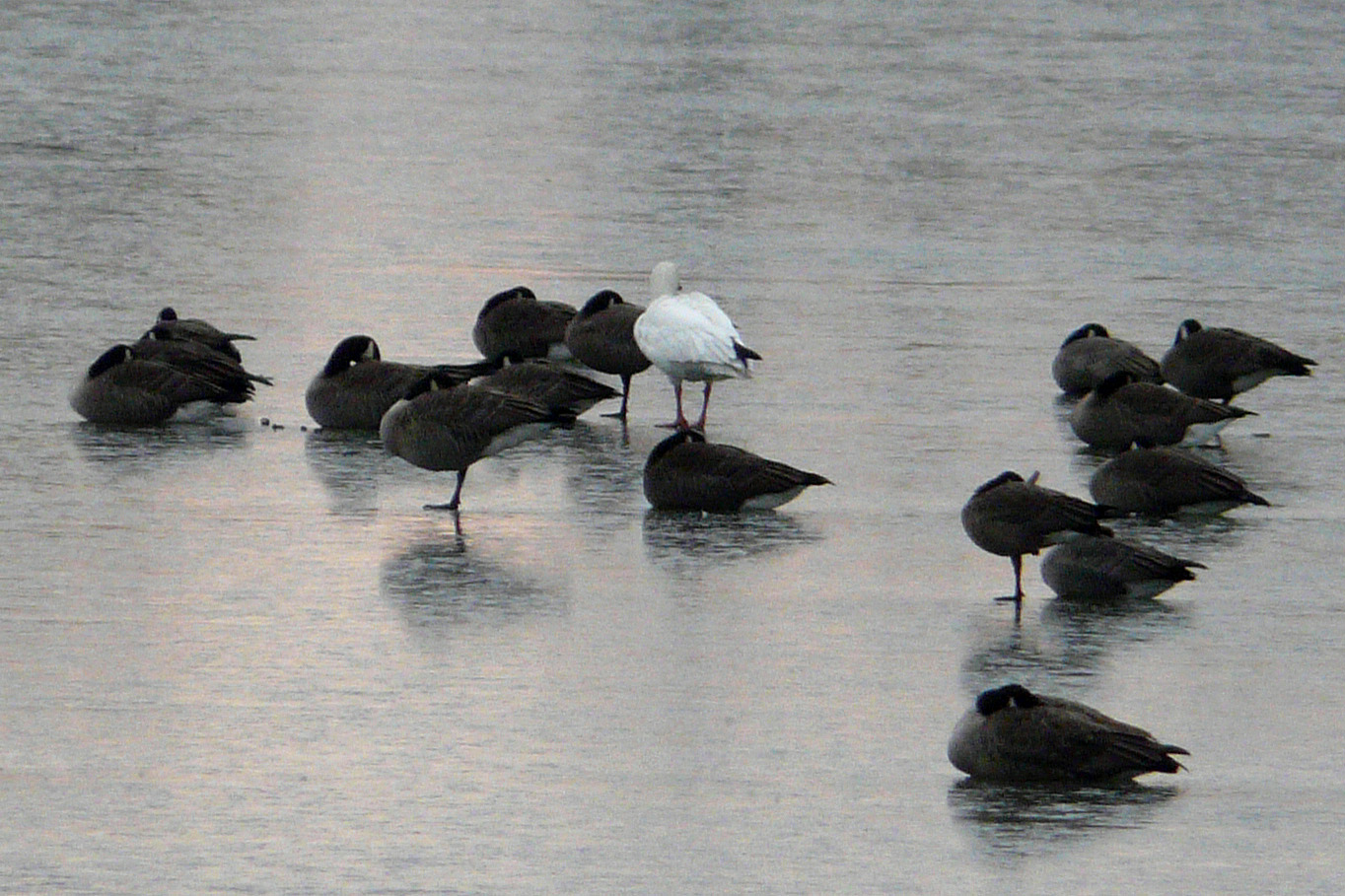
Snow Goose and Cackling Geese


American Kestrel


immature Bald Eagles


This American White Pelican, a very late straggler, was circling high overhead, trying to find a thermal on this cold cloudy morning.


Cackling Cackling Geese


Great Blue Heron standing on a Beaver dam. Note the frost on the bird’s back.

Sauvie Island

Here are a few recent shots from Sauvie Island (Birding Oregon p. 55).


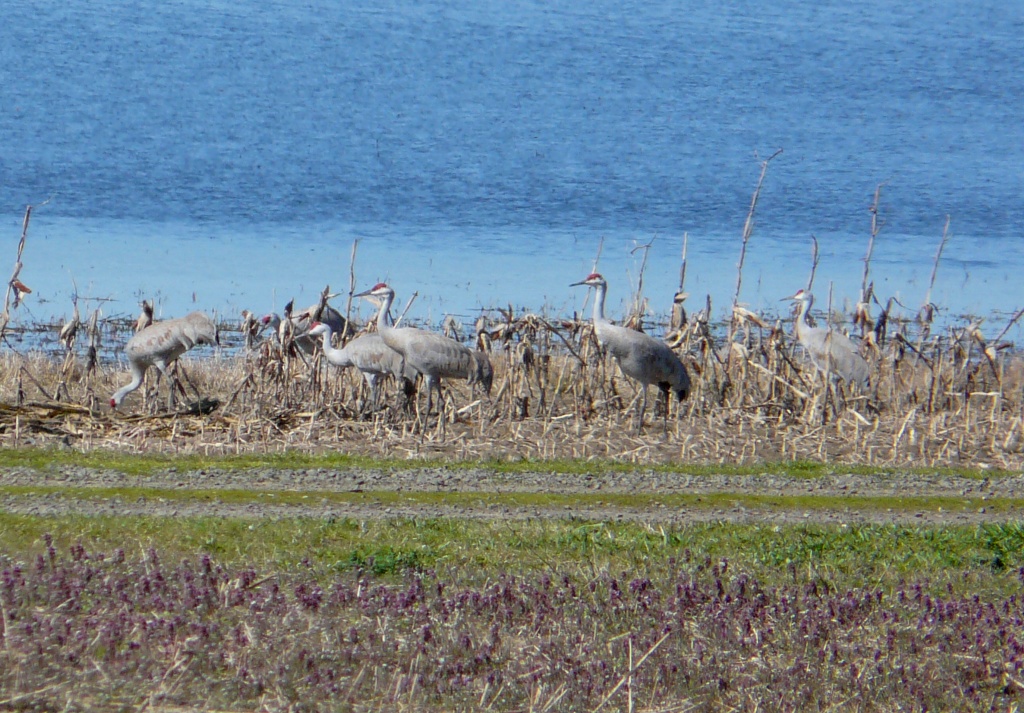
Sandhill Cranes are still present in good numbers.


Here are some Sandhills with three Dusky Canada Geese (Branta canadensis occidentalis). Note the red plastic collar on the goose on the far left. That is a quick way to identify this subspecies.
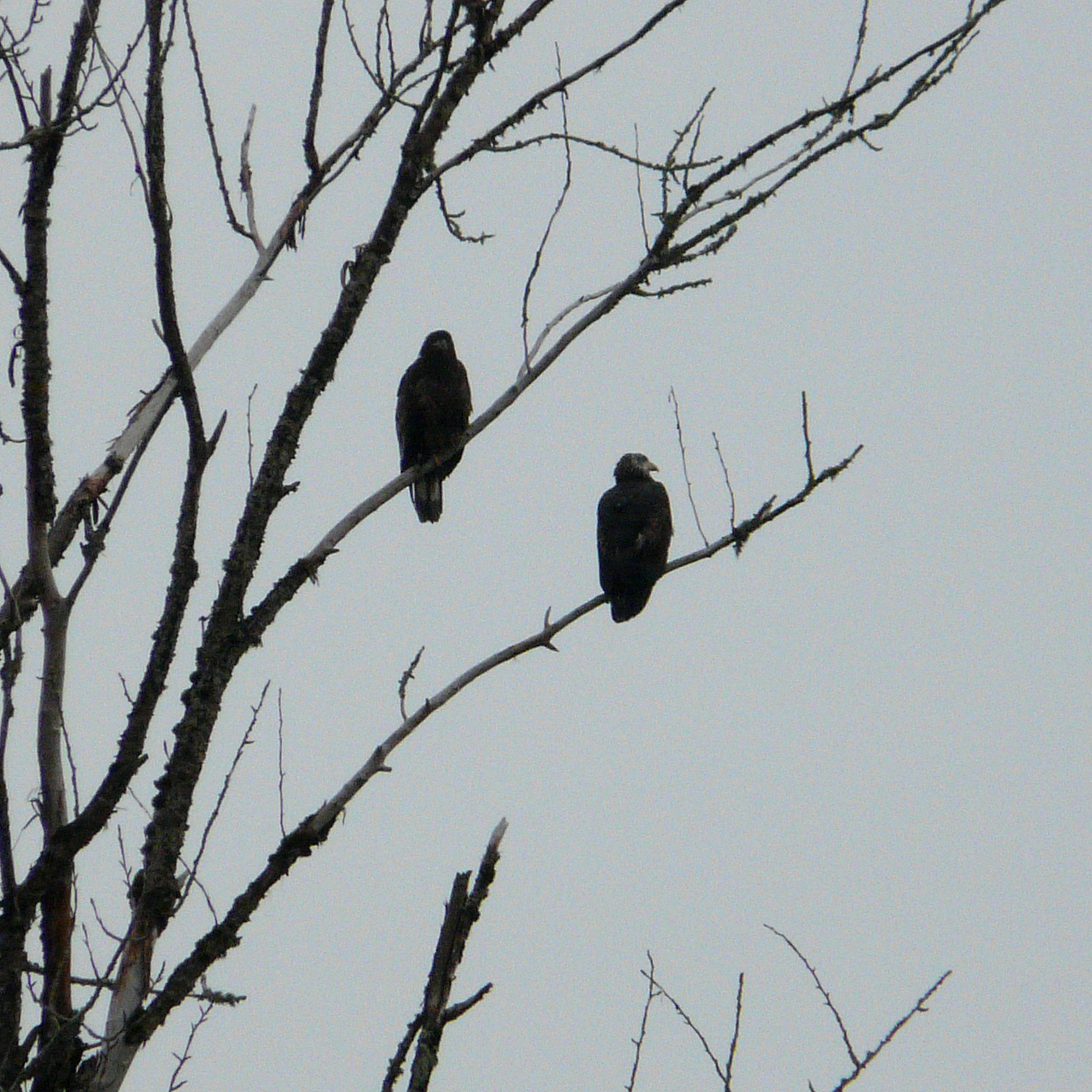

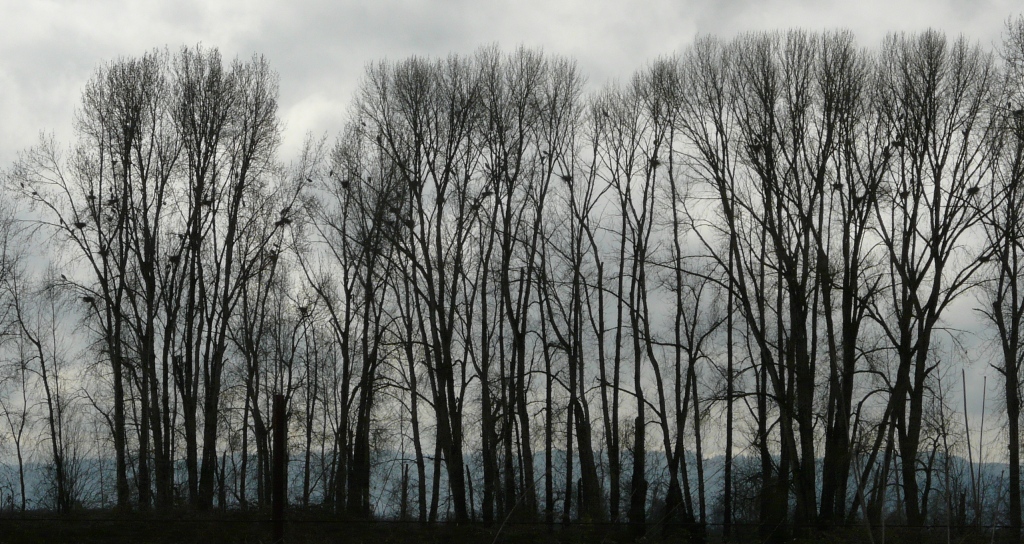
While the Sandhill Cranes and Dusky Canada Geese will fly to Alaska to nest, the Great Blue Herons are in full nesting mode now on Sauvie Island. Here is a section of a rookery in a distant tree line. You can see the bulky nests and, if you look closely, several birds perched in the branches.
Fernhill Wetlands

While certainly not one of the more scenic sites in Oregon, Fernhill Wetlands (Birding Oregon p. 61) always attracts some noteworthy birds.

least and western sandpipers
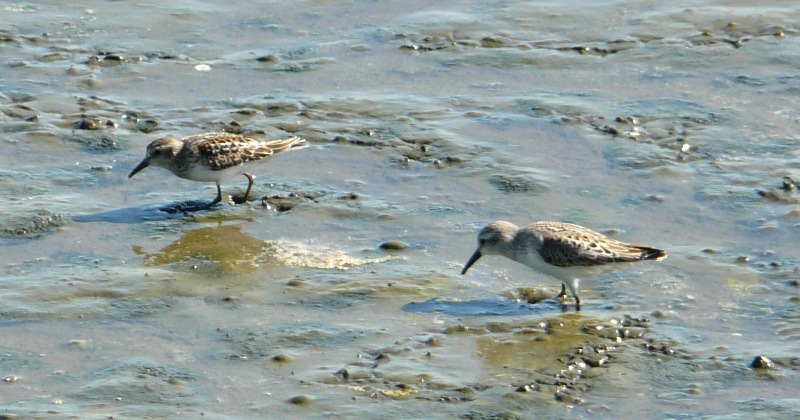
Least Sandpiper (left) and Western Sandpiper (right) are two of the more common shorebirds that use the mudflats at Fernhill. Both birds are juveniles (brightly colored fresh plumage, scapulars are small and rounded). The Least has a small, finely-pointed bill, yellowish legs, breast streaks, and feeds while squatting low to the mud. The Western has a longer drooping bill, dark legs (hidden in the mud),  is grayer overall, and looks “front heavy,” like he might tip forward.

pelican swimming
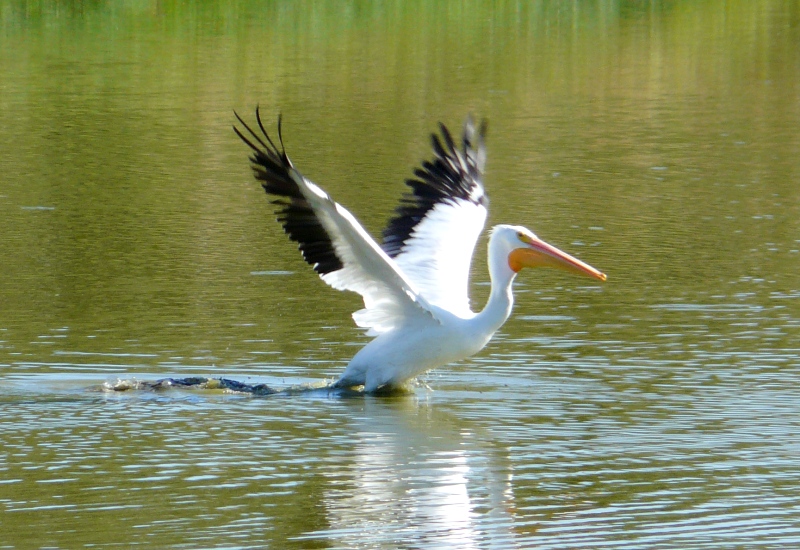
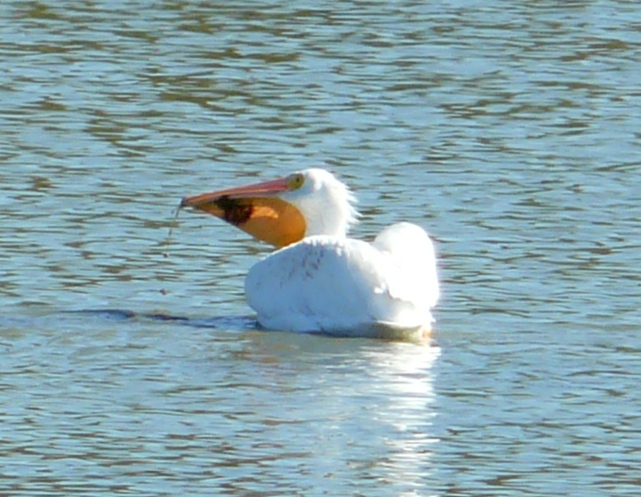
Two American White Pelicans have been at Fernhill lately. This species doesn’t nest in the Willamette Valley, but small flocks are often present in late summer/early autumn.
american white pelican

gb heron with catfish
A Great Blue Heron with a species of bullhead. Catfish have sharp spines on their dorsal and pectoral fins, so the heron has to position the fish carefully before swallowing.

The best laid plans

It is sometimes the case, when I plan to look for a certain type of bird, that my target species are nowhere to be found. On those days we have to let go of our expectations and open ourselves to whatever treasures the birding fates have for us. I helped with a field trip today that was supposed to visit a hawk watch site. The ridge was completely socked in by low clouds, so we had to scrap our plans and instead birded open range and farm land.

Likewise, I recently visited Fernhill Wetlands (Birding Oregon p. 61) to look for shorebirds. Despite the decent amount of mudflat habitat available, shorebirds were almost non-existent. While I was disappointed in the lack of waders, there is always something interesting to watch.


Always common, but always worth a look, Great Blue Herons will often surprise you with the interesting creatures they are attempting to swallow. On this day I watched one bird swallow a large catfish.


Great Egrets congregate this time of year to fish in the receding waters.


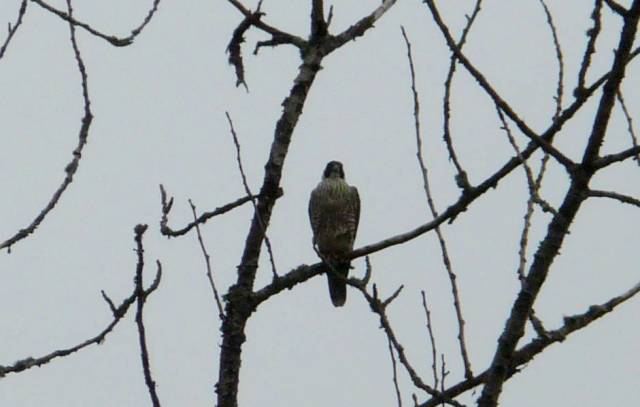
This Peregrine Falcon was keeping watch over the wetlands. This might explain the lack of shorebirds.


We are still in the “ugly brown duck season,” when many birds are still in eclipse plumage. Despite the lack of characteristic colors, most birds can be identified by shape or by tell-tale field marks. This picture shows two Northern Pintails on either side of a Green-winged Teal. The pintails are identified by their pointy backsides and their blue sloping bills. The tiny teal is displaying the green speculum on the wing that give the species its name.

Fernhill Wetlands

I visited three of the Washington County wetlands today, but spent most of my time at Fernhill (Birding Oregon p.61). Nesting species were present in abundance, but overall species diversity was pretty low.


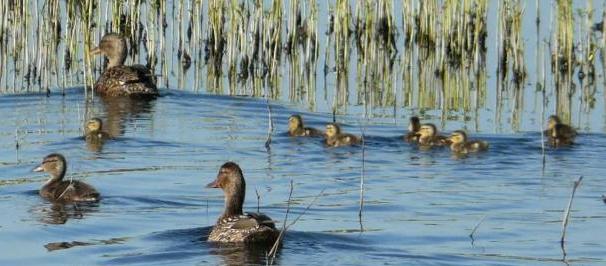
The duck at the top of this picture is a Gadwall, a rare breeder in western Oregon, with her newly hatched brood. The duck at the bottom is a Mallard with her larger duckling. We are quickly entering the “ugly brown duck” season, when all the waterfowl are molting and looking increasingly similar.


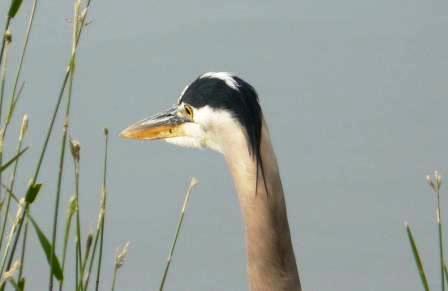
Great Blue Heron


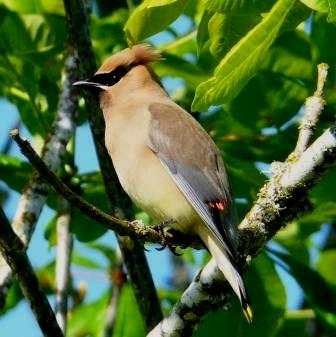
Cedar Waxwing


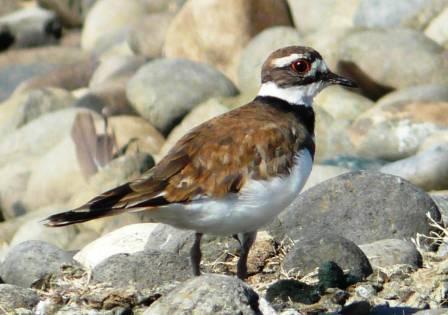
Killdeer were the only shorebirds present today. Migrant shorebirds should start appearing in about two weeks.