Birds and Brew Fest, 12 October 2013

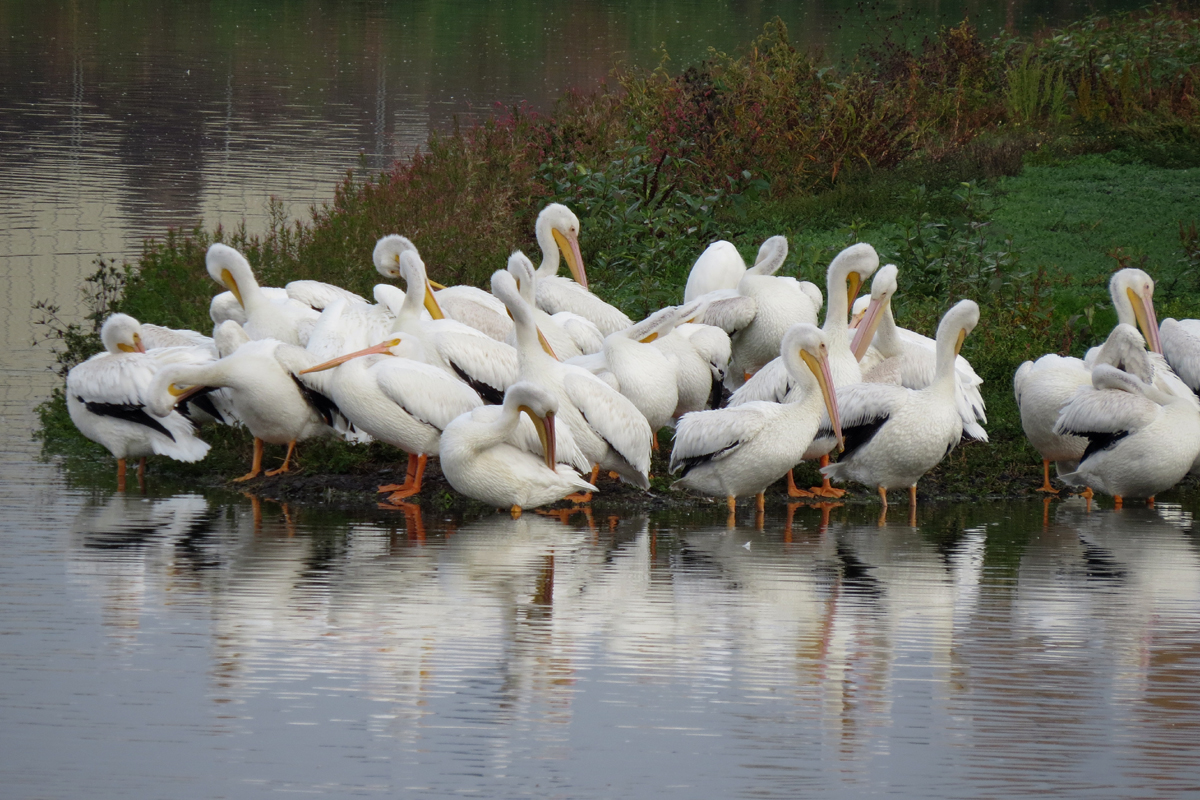
pelicansI led a tour of Fernhill Wetlands for the Birds and Brew Festival. Since there were about 50 people in the group, including many who didn’t have optics, we concentrated on the “charismatic mega-fauna,” like these American White Pelicans.

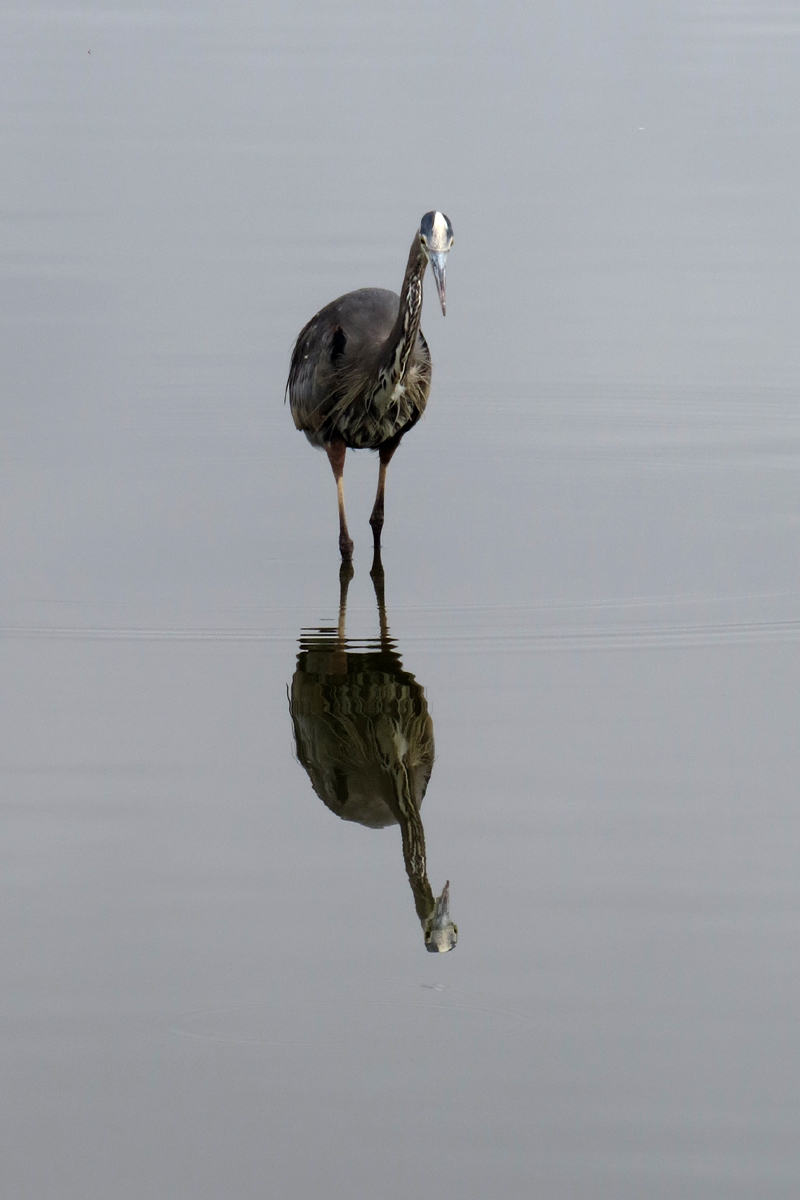
A Great Egret and a Great Blue Heron were looking all artsy with their reflections.

egret 2
egret 1
heron 2
heron 1

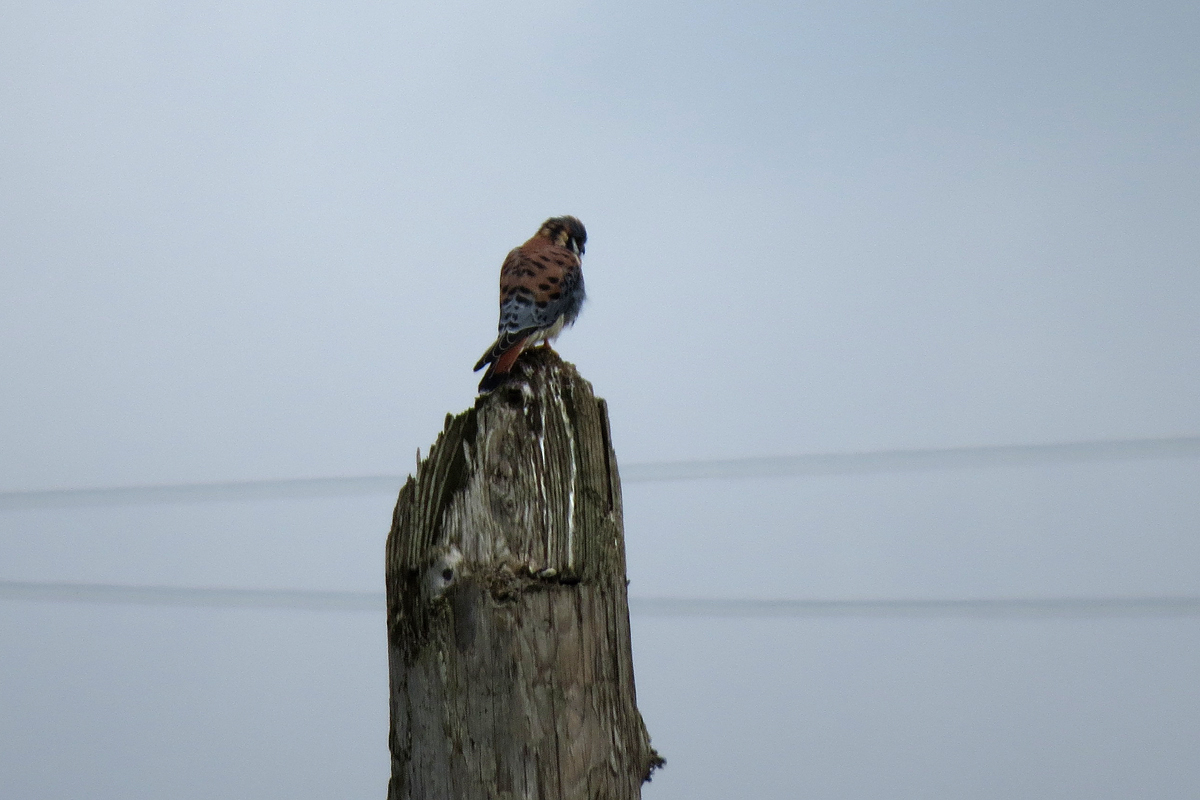
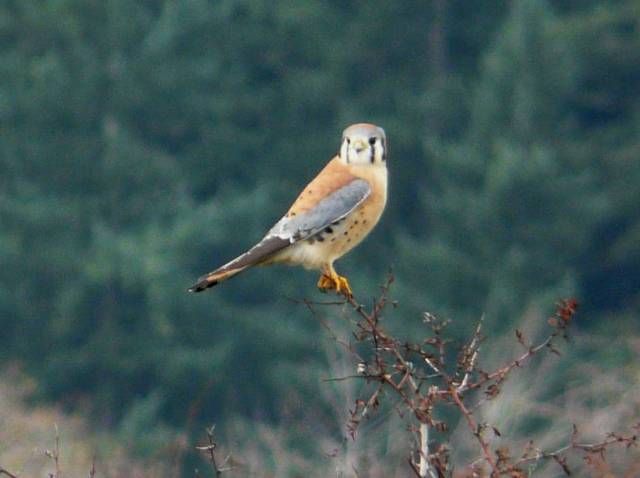
kestrelThis distant American Kestrel was showing off his colors.

yellow-rumpedAfter the group dispersed, I took another lap around the lake so I could check out the smaller birds. Along with five species of sparrow, there were lots of Yellow-rumped Warblers moving around.

Fernhill Wetlands, 2-15-12

I walked around Fernhill Wetlands (Birding Oregon, p. 61) in the mid afternoon. Most of the waterfowl that roost here on winter evenings were still off feeding in the area fields, but there is always something to see.


A flock of Brewer’s Blackbirds were hanging out in a tree by the parking lot.


This American Kestrel was in the same tree as the blackbirds, but the two didn’t seem to pay any attention to each other.


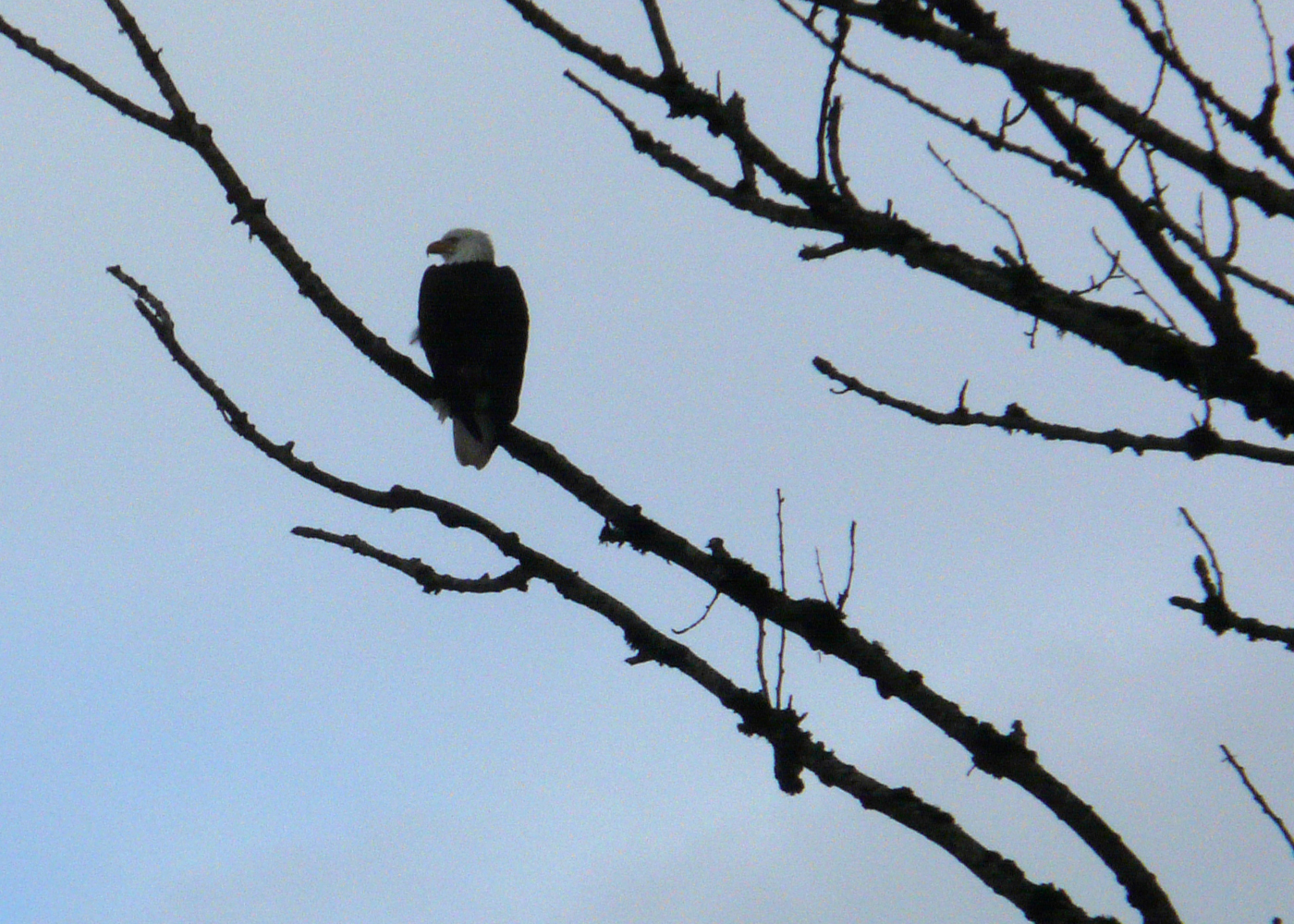
A pair of Bald Eagles is usually visible in the grove of large cottonwoods on the southeast corner of the property.


The eagles have started a new nest this year.


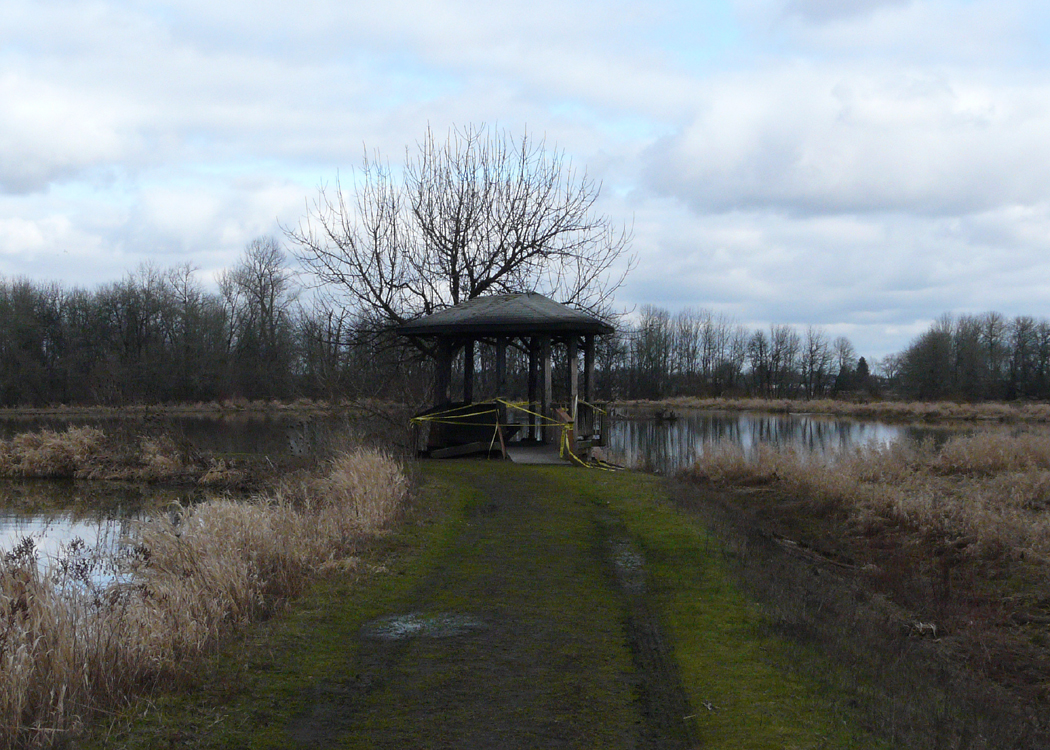
This observation platform was destroyed by arsonists. Fernhill Wetlands is not a park, but is owned by the area waste water department. As a result, there are few resources for facilities or habitat management.


Tundra Swans were flying in to roost. They tend to stay in the more distant parts of Mitigation Marsh.


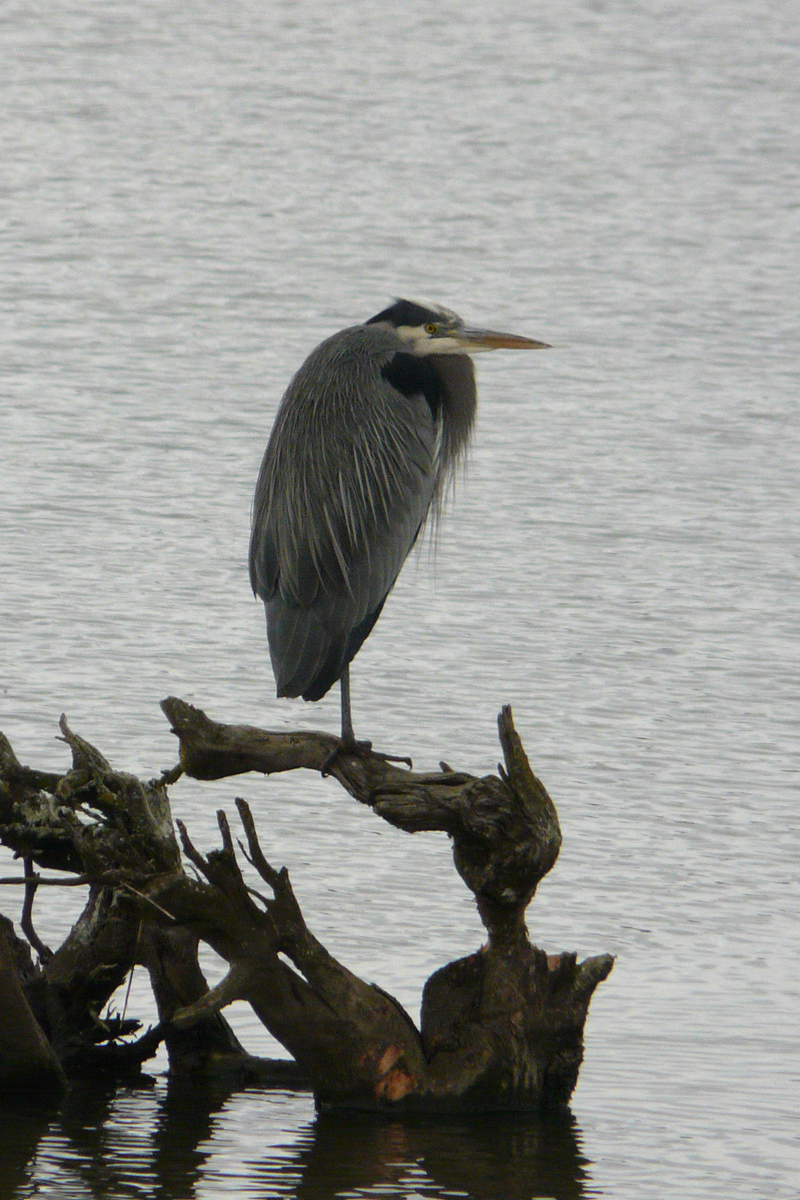
Great Blue Herons are nesting in the trees to the east of the wetlands. This individual was resting on a snag in Cattail Marsh.


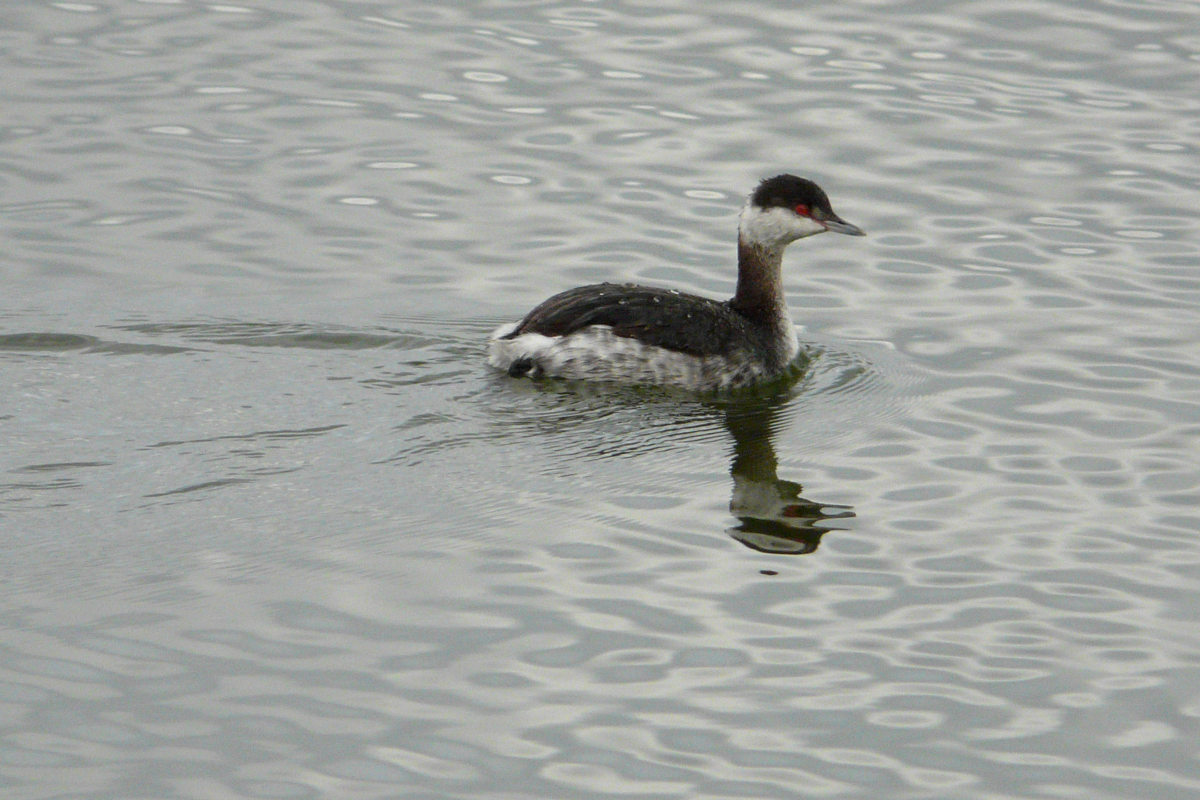
The deeper water of Fernhill Lake attracts divers like this Horned Grebe.

Fields Oasis

The oasis at Fields (Birding Oregon p. 19) is a tiny site, but one of the better known hotspots in Oregon. This little clump of willows around a spring is surrounded by miles of sage steppe, so it is very attractive to species normally found in woodland habitats.


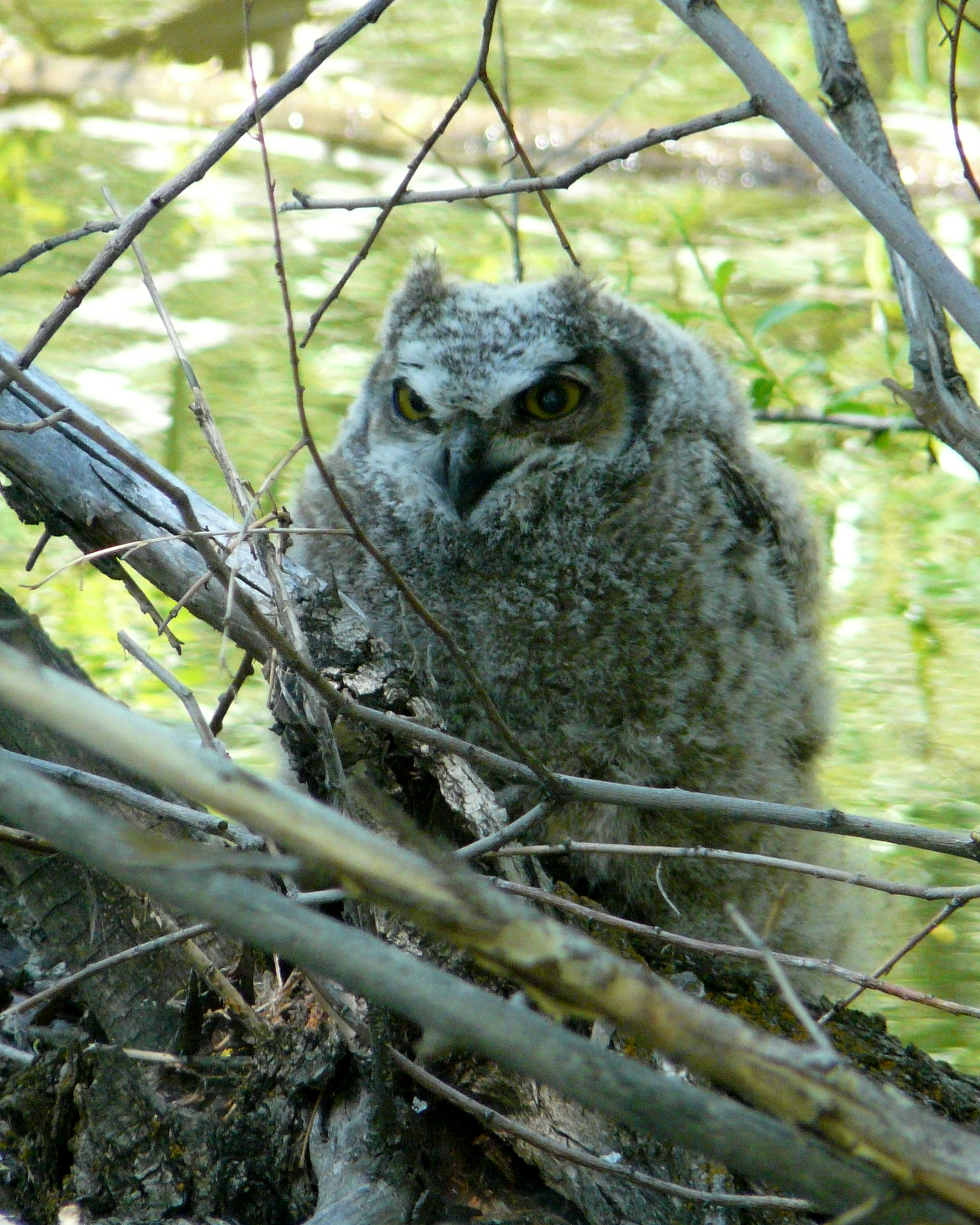
A pair of Great Horned Owls can usually be seen here.


This adult was sitting on a fallen tree right over the water.


They were keeping track of this little guy.


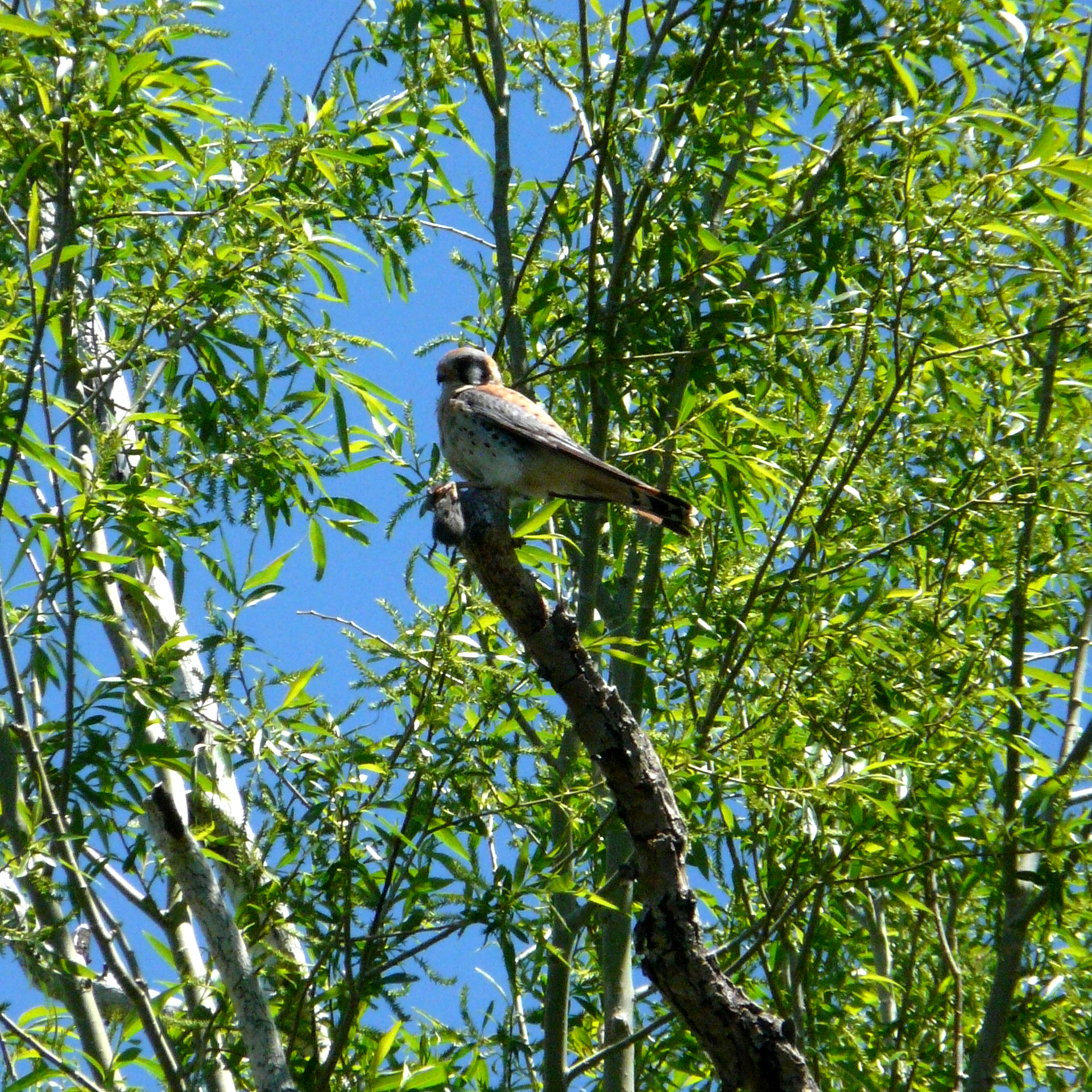
A pair of American Kestrels were also nesting at the oasis. Here is the male with a rodent.


The big attraction for birders is the possibility of vagrants from the east. On this day a Northern Parula was the highlight. Other eastern warblers had been found the week before, and still others appeared later. One never knows what will show up on a given day.

Frozen Fernhill

An arctic air mass brought cold temperatures and ice to Fernhill Wetlands (Birding Oregon p. 61), but there was no shortage of birds. Here are some grainy gray photos from a lap around the ponds.


Horned Grebe


Tundra Swans and California Gull


Taverner’s Cackling Goose and Northern Shovelers


Cackling Geese and Northern Pintails


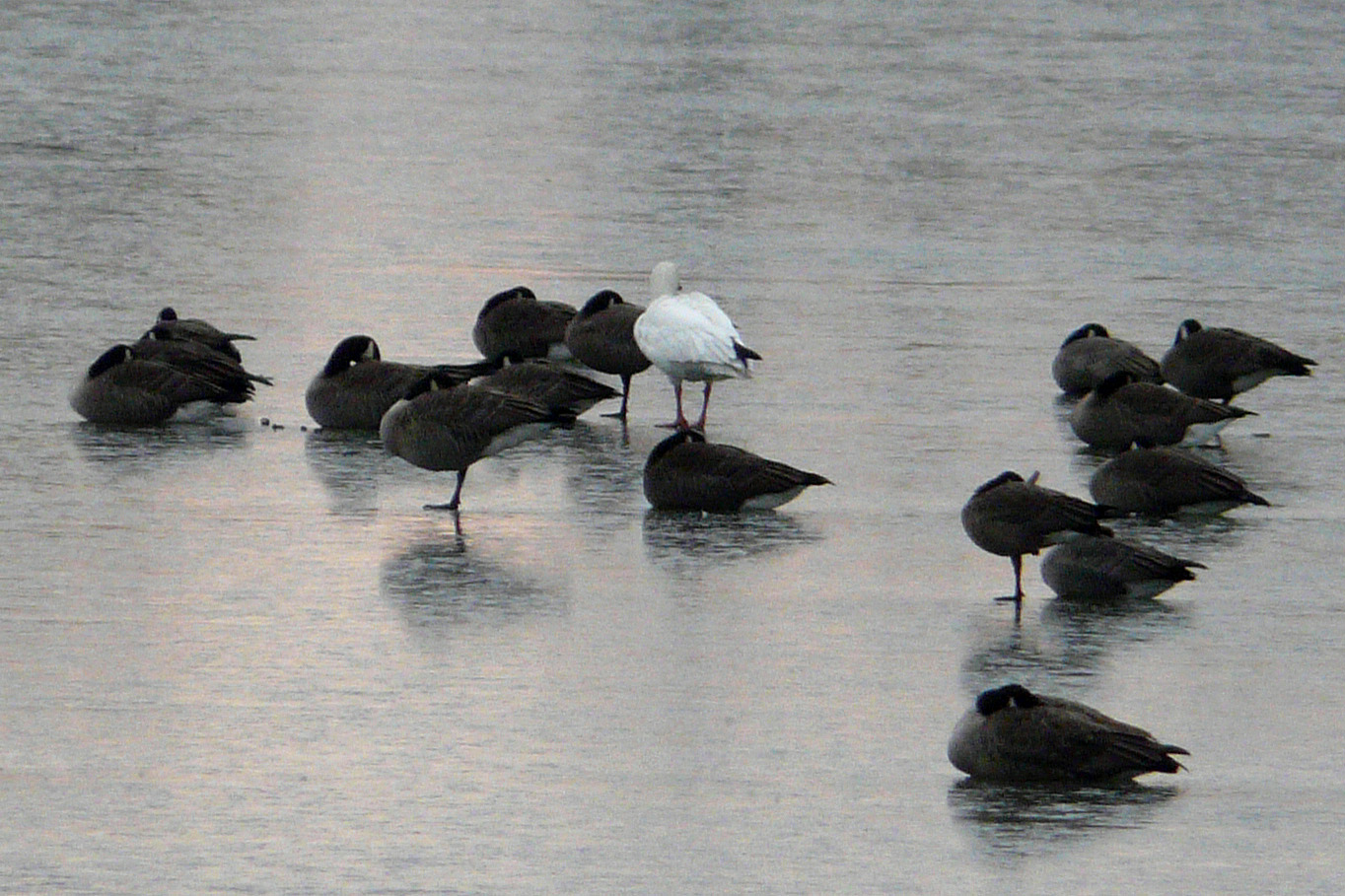
Snow Goose and Cackling Geese


American Kestrel


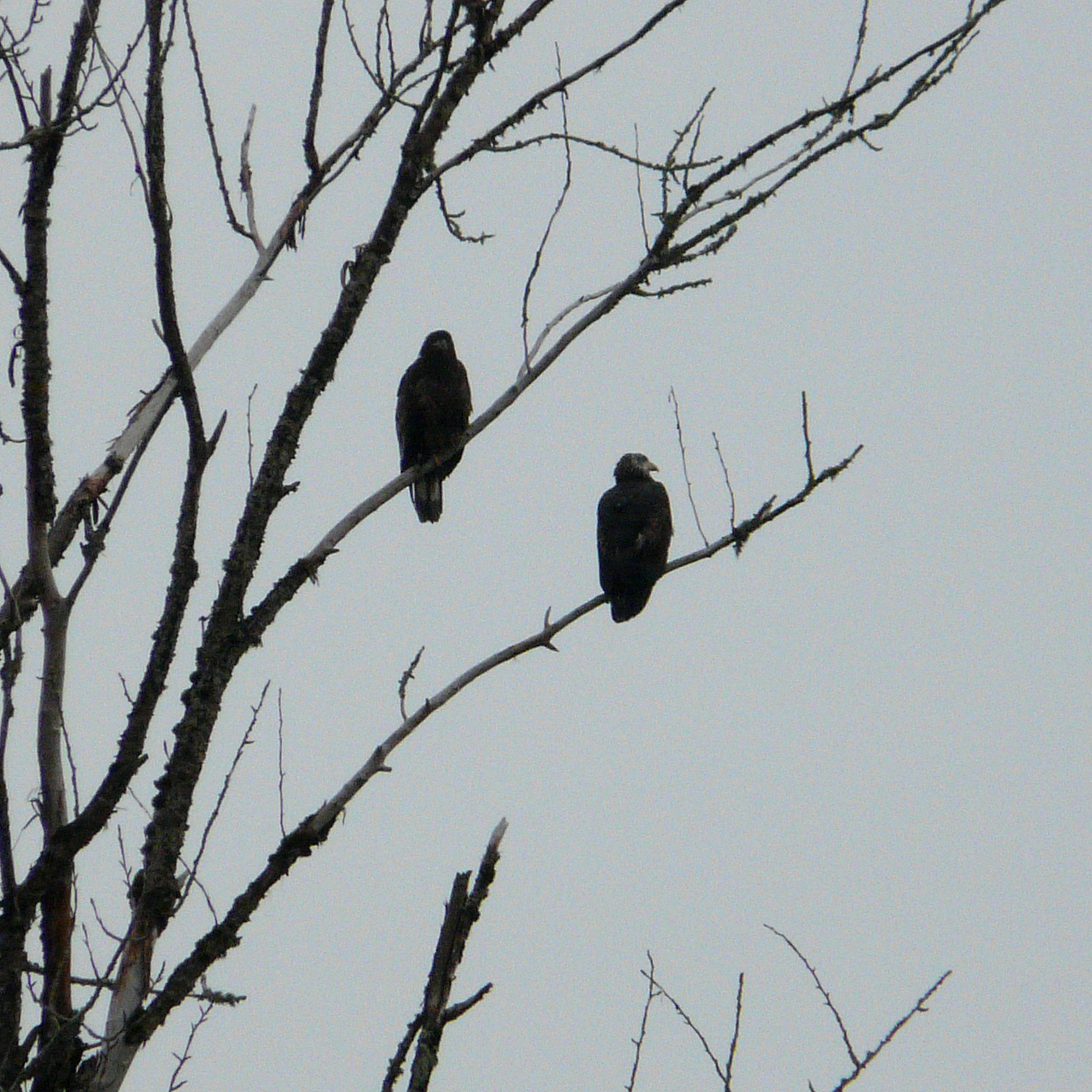
immature Bald Eagles


This American White Pelican, a very late straggler, was circling high overhead, trying to find a thermal on this cold cloudy morning.


Cackling Cackling Geese


Great Blue Heron standing on a Beaver dam. Note the frost on the bird’s back.

Powell Butte

Located on the east side of Portland, Powell Butte Nature Park (Birding Oregon p. 66) offers a variety of birds and some nice views of the nearby mountains.

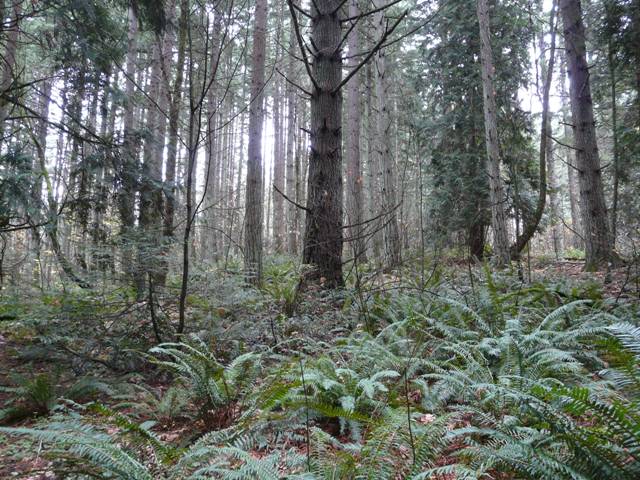
forest
The butte is tall enough to produce its own rain shadow, so the western slope is forested with a dense understory.

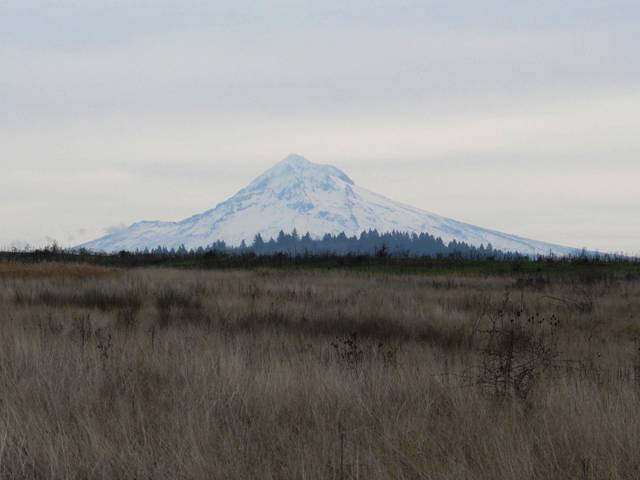
mthood
The top of the butte is drier and dominated by grassland and small scattered trees. Mount Hood looms in the distance.

fox-sparrow
Fox Sparrows are among the birds found in the brushy patches.

kestrel
The open habitat is very attractive to raptors, like this American Kestrel. Northern Harriers and Red-tailed Hawks are also frequently seen.

coyote
I love to see these guys. Urban and suburban Coyotes are a songbird’s best friend. Studies have repeatedly shown that the presence of Coyotes coincides with larger populations of songbirds, since Coyotes reduce the number of free-roaming domestic cats. For more information on the effects of domestic cats on wildlife, check out the American Bird Conservancy site.