Answers to Gull Quiz (look at the quiz first)

#1 Glaucous-winged Gull
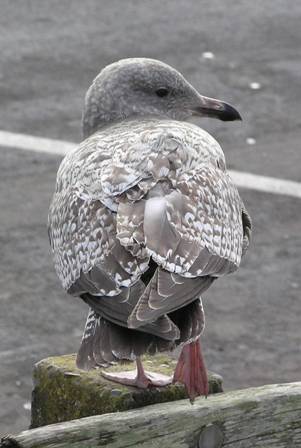
glaucous-winged1.jpg The first thing you notice about this bird is the lack of contrast. The pattern is soft and blurry, and the primaries and tertials are the same color as the rest of the bird. The big head and substantial bill are also good for this species.

#2 Thayer’s Gull
thayers1.jpg The pattern on this bird is very crisp, almost checkered. The tertials and primaries are darker than the rest of the bird. The primaries are two-toned; a dark leading edge and a pale trailing edge. This is the classic mark for Thayer’s Gull. The round head and thin bill are also important marks.

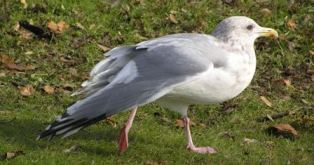
#3 Herring Gull
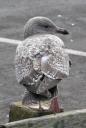
herring1.jpg This bird’s pattern is fairly dark, but not as crisp as the Thayer’s. The tertials and primaries are blackish, and mostly solid. Note the sloping forehead and two-toned bill (heavier than Thayer’s but still fairly thin).

So now go to your local parking lot or beach with a few cat treats and take another look at your local gulls. There is great beauty to be found in subtleties.
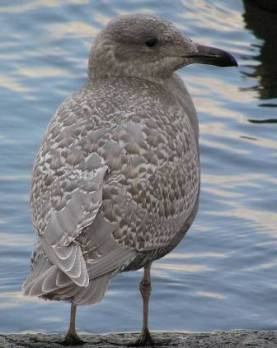
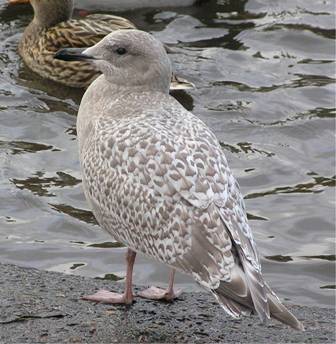
Gull quiz

Happy New Year! What better way to start the year than with a celebration of first cycle gulls? If you have been avoiding learning gulls, then make this the year you start. (It’s really not that tough. Imagine trying to get a warbler to stand this still while you study the finer details. ) All three species pictured below were photographed in Oregon in autumn. None of them are weird hybrids or odd in other ways, unless you catch something I missed. Enjoy.

glaucous-winged.jpg
#1

thayers.jpg
#2

herring.jpg
#3

Arctic Loon

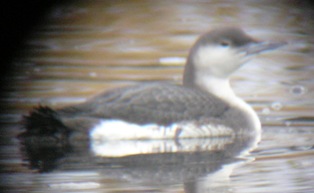
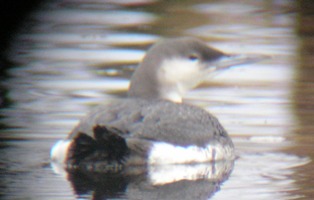
An Arctic Loon has been hanging out near Astoria this week, and I finally had a chance to chase him today. The most direct route, Hwy 30, was closed due to a massive mudslide, but the scenic route worked just as well. I am delighted to see this species in Oregon, as it saves me an expensive trip to Alaska, where Arctic Loons typically hang out. The grainy photos below were taken through my scope. My camera is not very compatible with my scope, but it works for ID purposes. Note the blocky head and white flanks that differentiate this species from the Pacific Loon.
arctic-loon-5.jpg
arctic-loon-4.jpg

A (relatively) dry day at last

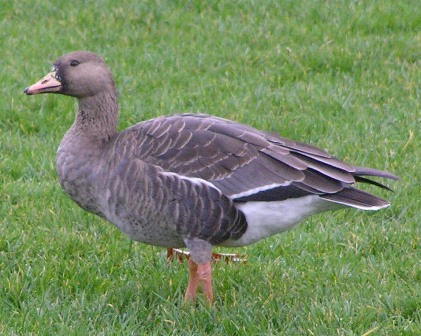
After getting over 5″ of rain in a week, it was finally dry enough to get out today. I was hoping to photograph some Mew Gulls for an upcoming class, but the local gull park was Mewless. I did find one young Greater White-fronted Goose keeping company with the local Canadas.

wf-goose.jpg

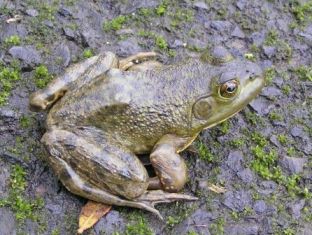
At Smith and Bybee Wetlands I found a young Bullfrog, very sluggish from the cold. Bullfrogs are a big problem in Oregon, as they eat smaller native frogs, baby turtles, and anything else they can catch.

bullfrog.jpg

shades of pale

I am taking a writing course from Wendee Holtcamp, and needed to work on a journaling exercise so I headed out to Fernhill Wetlands. It was a very gray day, and quite chilly, but I was struck by the amount of white to be found in the birdlife. Large rafts of Common Mergansers, the typical flock of Mew and California Gulls, the heads and tails of the resident Bald Eagles, Great Egrets, and a flock of Tundra Swans really brightened up the landscape. There are always colors to be had, even on a gray day, but you have to appreciate big splashes of white, even after Labor Day.
tundra-swans.jpg

great-egret.jpg

Winter is setting in.

With the onset of cooler temperatures and short days, a birder’s attentions are drawn to the avian stars of the Willamette Valley in winter, waterfowl and gulls. Yes, there are sparrows about, and the American Goldfinches are emptying my feeders on a daily basis. But I really enjoy the cacophony of a few thousand Cackling Geese and the challenging genetic soup that makes up the gulls of the West Coast.

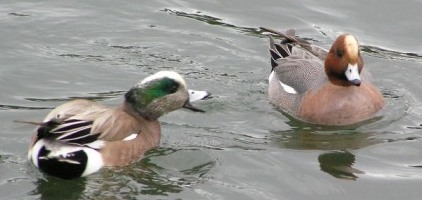
wigeons.jpg
American and Eurasian Wigeons

cackling-geese.jpg
Cackling Geese

thayers-wing.jpg
Thayer’s Gull