Ovenbird

ovenbird side An Ovenbird has been spending the past few weeks in a little yard in northeast Portland. This wood-warbler, which breeds east of the Rocky Mountains, normally winters in Central America and Florida. Most of the few Ovenbirds that have been found in Oregon have occurred in spring and summer, mostly in the eastern part of the state.

ovenbird front

Yellow-rumped Warbler

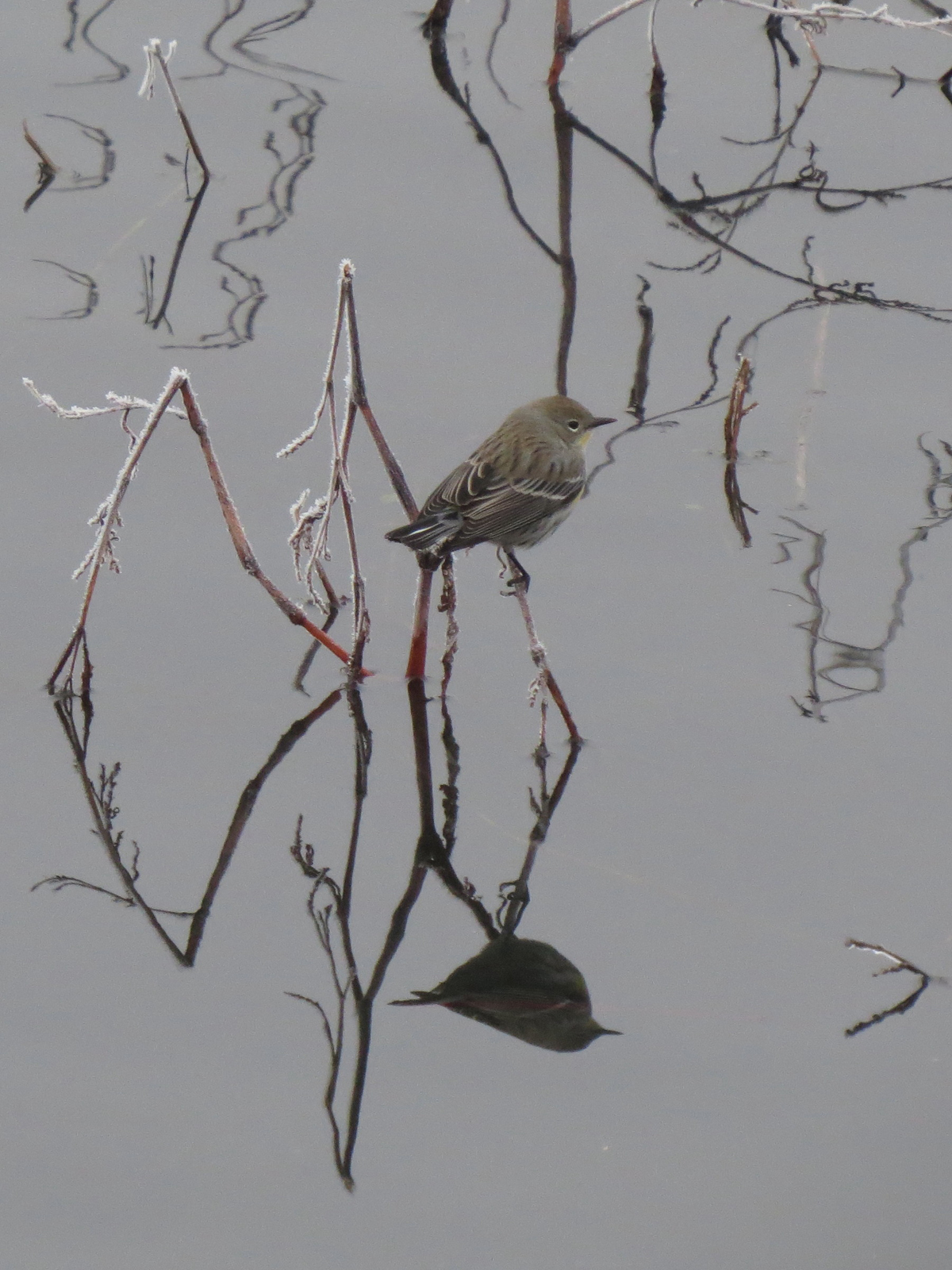
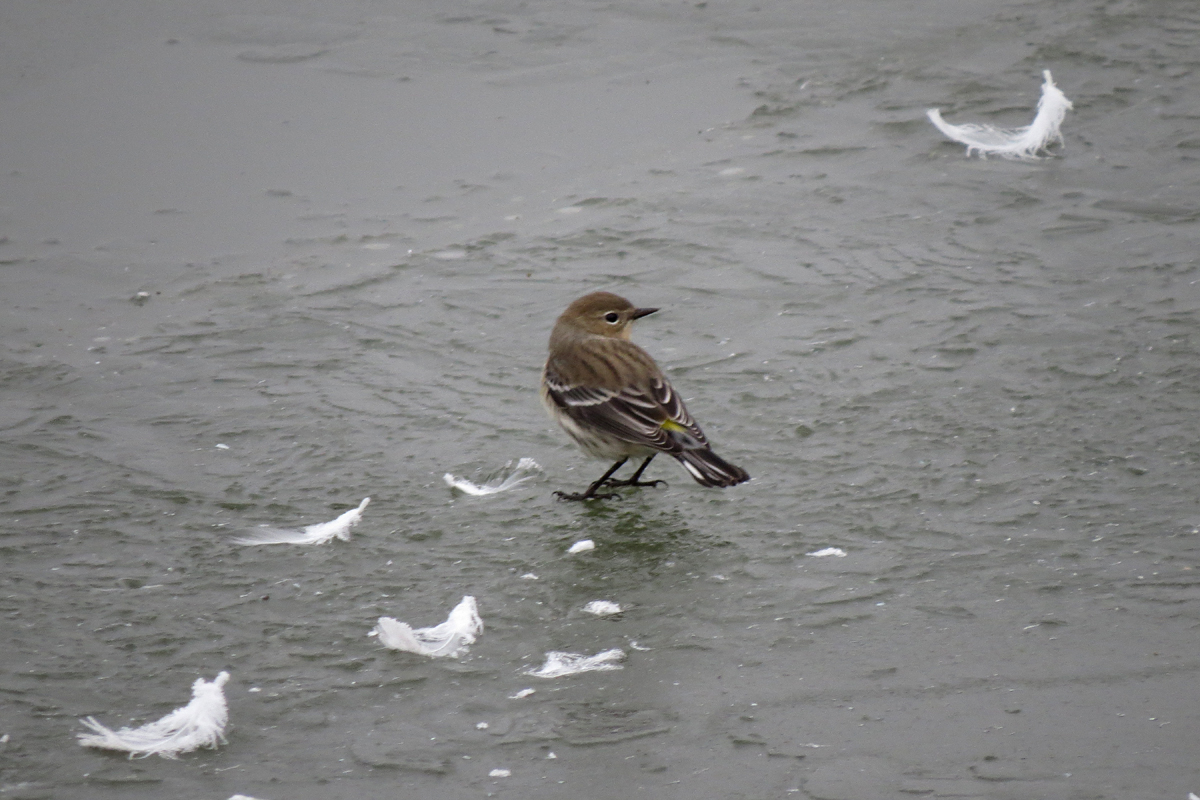
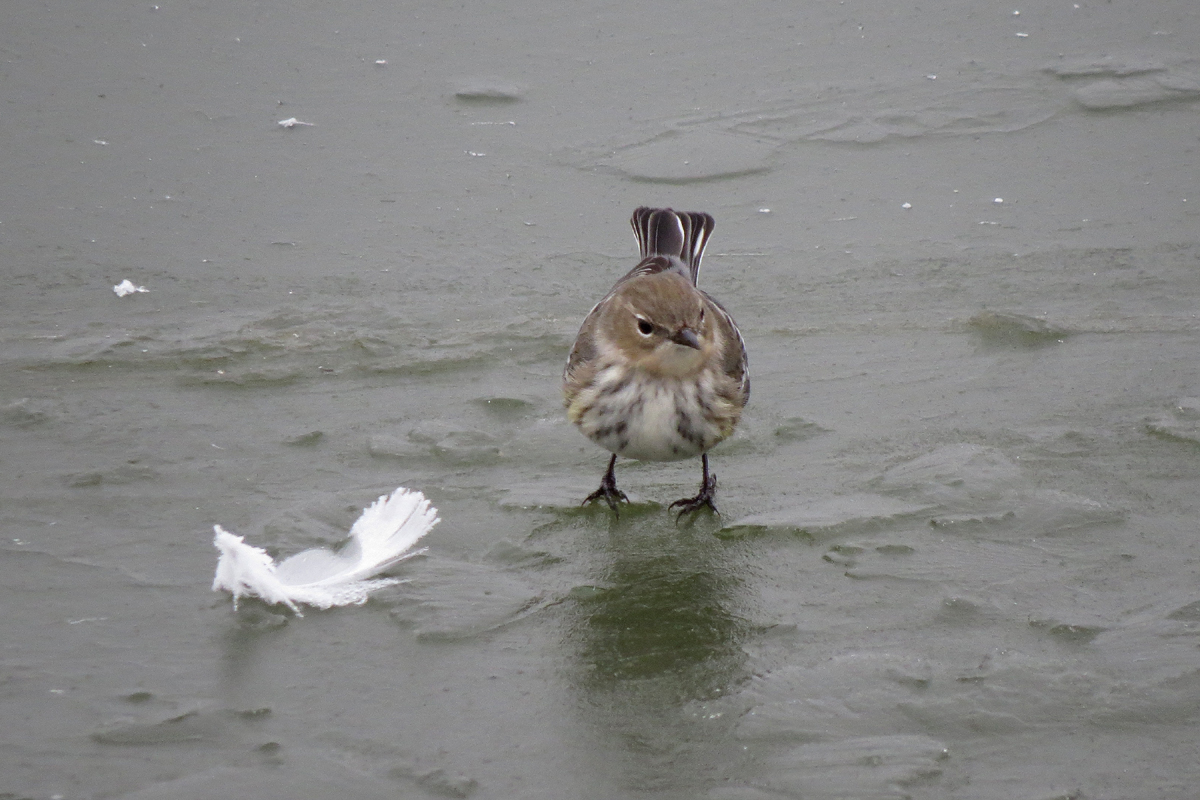
yellow-rumped reflection 1On a recent trip to Fernhill Wetlands (Birding Oregon p. 61), I watched this Yellow-rumped Warbler feeding over the water. The air temperature was below freezing, so I believed the bird was searching for insects in the slightly warmer zone near the water’s surface. This theory was challenged on the other side of the lake when the bird was seen foraging on the shoreline, and then on the ice itself. Yellow-rumps are known to feed on arthropods and fruit in the winter, so I can only assume there were some small insects on the surface of the ice.

yellow-rumped on rocksYellow-rumped Warbler on the rocks.
yellow-rumped feathers  Yellow-rumped Warbler on ice. yellow-rumped soloThis individual is a member of Audubon’s race of Yellow-rumped Warbler (eye crescents, buffy throat). The Myrtle race also occurs in Oregon in winter, but reportedly seldom feeds on the ground.

yellow-rumped with feather

Rentenaar Road, Sauvie Island

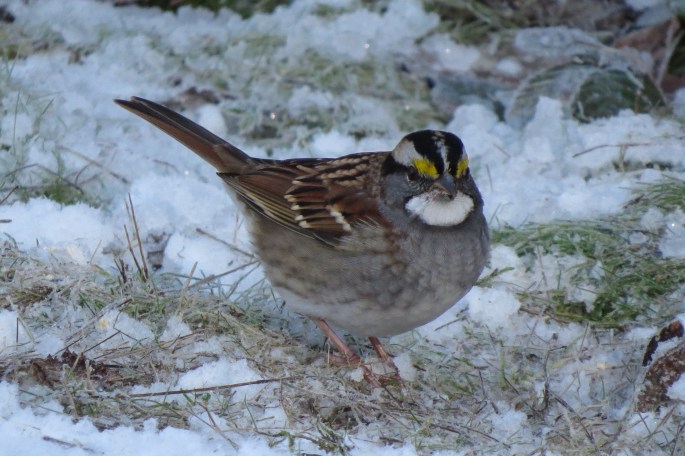
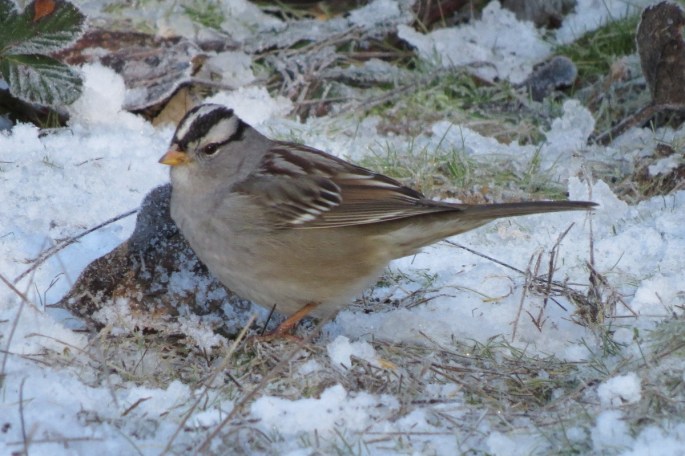
white-throated sparrowRentenaar Road, on Sauvie Island, is one of the better sparrow patches in the Portland area. I found ten species this morning, about typical for this time of year. This boldly patterned White-throated Sparrow was one of the prettier ones.

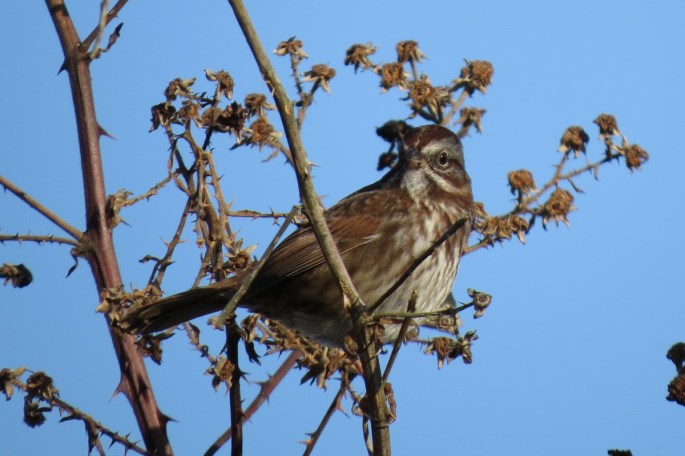
dark-eyed juncoDark-eyed Junco

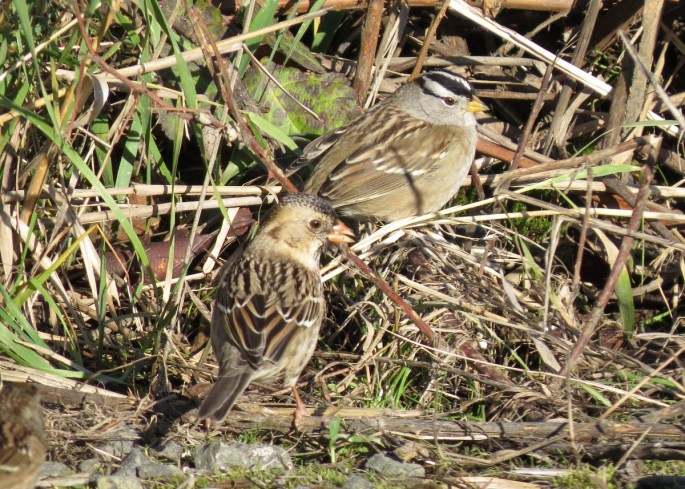
golden-crowned sparrowGolden-crowned Sparrows are the most common sparrows along this stretch of road.

lincoln's sparrowLincoln’s Sparrow, one of my favorites and one of the hardest to photograph

song sparrowSong Sparrow

white-crowned sparrowWhite-crowned Sparrow

spotted towheeSpotted Towhee with two Golden-crowned Sparrows

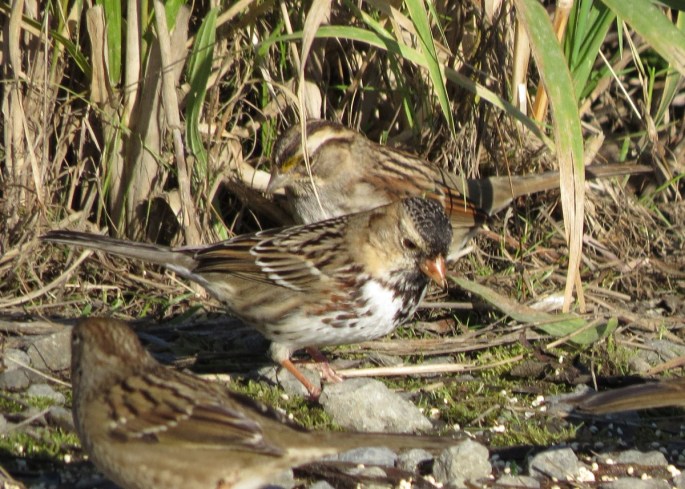
harris's frontThe rarest bird of the day was this Harris’s Sparrow. This is the third winter in a row that a Harris’s (perhaps the same bird) has been wintering at this location.

harris's and golden-crownedHarris’s Sparrow with Golden-crowns

harris's and white-crownedHarris’s with White-crowned

harris's and white-throatedand finally, the Harris’s with a tan-morph White-throated Sparrow in the background. It’s nice that this visitor from the Great Plains gets along with everyone.

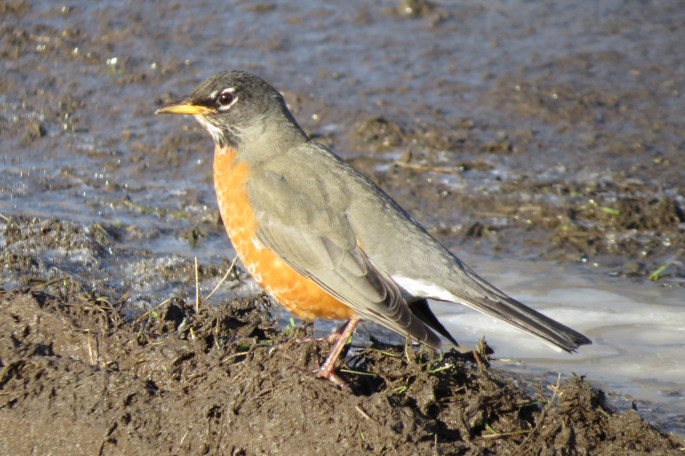
robinWhile certainly not a sparrow, this American Robin was just begging to be photographed, so here you go.

In the Bleak Midwinter

In honor of the winter solstice, in a month that brought Portland 7″ of rain, here are a few dark grainy images from recent weeks.

orange-crowned warblerOrange-crowned Warbler

anna's hummingbirdAnna’s Hummingbird

dark-eyed juncoDark-eyed Junco

american and lesser goldfinchHere is a nice comparison of American (foreground) and Lesser Goldfinches. Notice that the American Goldfinch has white undertail coverts, while the Lesser has yellow.

american goldfinchHere is a very dull American Goldfinch (probable first-year female) in front of a Lesser (probable first-year male).

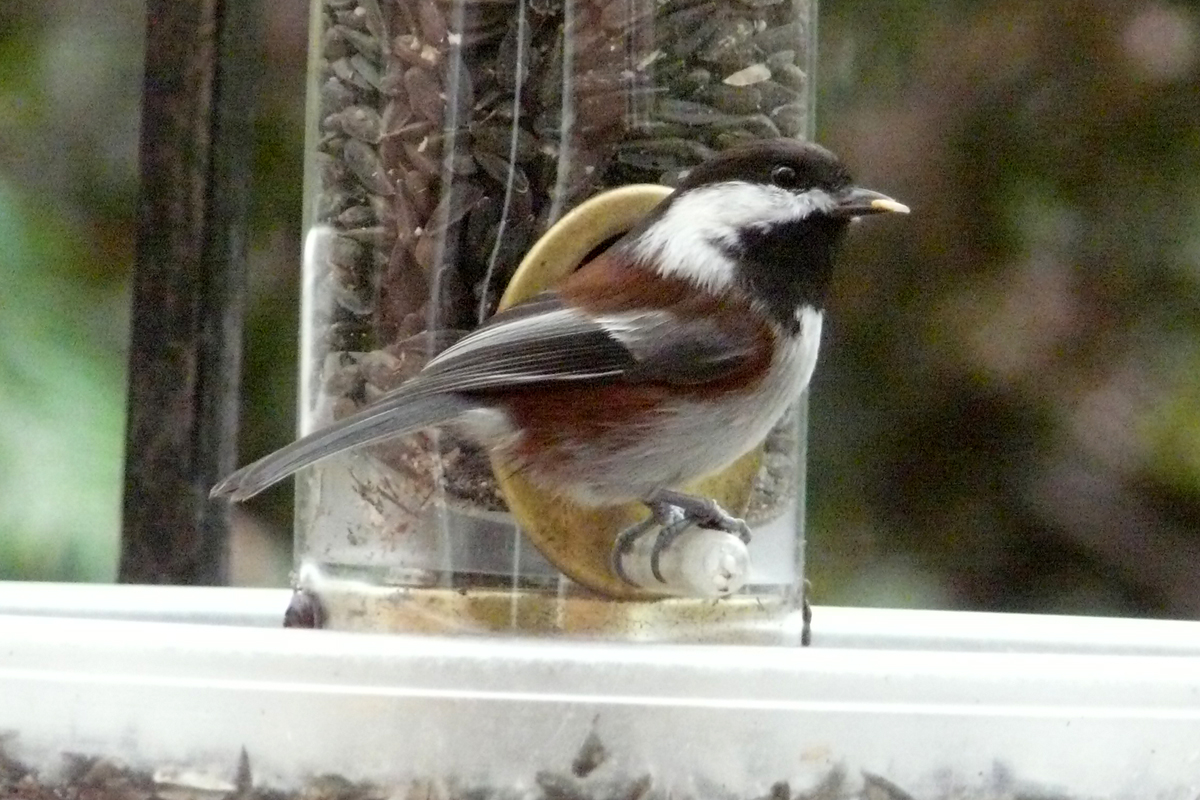
chestnut-backed chickadeeChestnut-backed Chickadee, looking ever perky

Snowy Owls

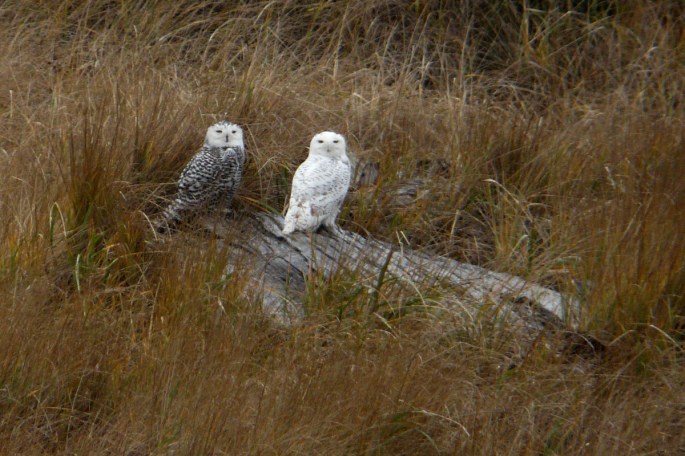
snowiesSeveral Snowy Owls have been reported recently from Fort Stevens State Park, so I made the trek out to see them. I walked around the marsh at Parking Lot C, snapped a few photos from a respectful distance and then moved on. I mention this as a reminder of how one ought to enjoy any bird. Snowy Owls seem to bewitch a lot of people. For some unknown reason, the presence of a Snowy Owl can turn normally sane people into blithering idiots. What power do these birds have?

I understand that Snowies are great birds. They are big and beautiful, they sit out in the open in the middle of the day, and most of us in the Lower 48 don’t get to see them that often (these birds were my 4th and 5th Snowy Owls ever). But is that it? I know people who don’t know a Pine Siskin from a Black-footed Albatross, but they are crazy about Snowy Owls. Many Snowies that visit the Lower 48 are constantly harassed by birders and photographers (like there aren’t already several million good shots of Snowy Owls).

The worst case of Snowy Owl Insanity that I have witnessed occurred in Ohio. An Owl was hanging out on the utility poles near a farm, and many birders, including me, went out to see him. One birder parked her minivan in the farmers field (not along the public road, but IN THE FIELD) and left the engine running ALL DAY. Whenever the owl would fly down to hunt, the woman jumped out of her van and ran at the owl in an attempt to get a photo. This behavior was unethical, illegal, and just a little batshit crazy.

So it would seem that Snowy Owls have magical powers. But I would argue that we have the ability to resist these forces. When a Snowy Owl appears in your area, by all means enjoy the show. Watch them from a respectful distance, for a reasonable amount of time, taking great care not to affect their behavior. They are already dealing with the stress of a long migration away from their normal range. Don’t succumb to the desire to see how close you can get, or to the illusion that you will get rich with the photo you take with your Coolpix camera. Take a breath, recite the ABA Code of Ethics, appreciate the opportunity to see a cool bird, and give the Snowies a break.

Castaways

While the winter weather pattern along the Oregon Coast, a seemingly endless string of storm systems coming in off the Pacific, is not the most comfortable for birders, it does bring some interesting birds into view. Species that normally spend the winter many miles out at sea are sometimes blown in to shore. This is not always good news for the birds, since it takes them away from their normal food sources and into the range of land-based predators, but it does provide birders an opportunity to see these species that are usually out of reach.

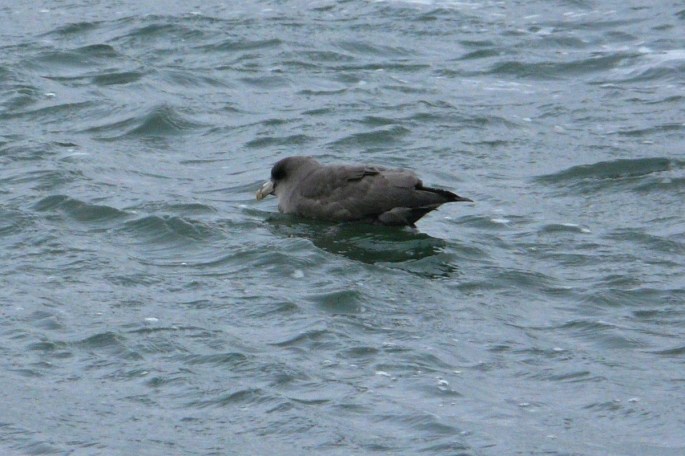
northern fulmarThis Northern Fulmar was swimming right along the shore at The Cove in Seaside (Birding Oregon p. 121). He didn’t seem too perky, so he may have been ill. Fulmars are fairly common sights on pelagic trips, but are not visible from shore too often.

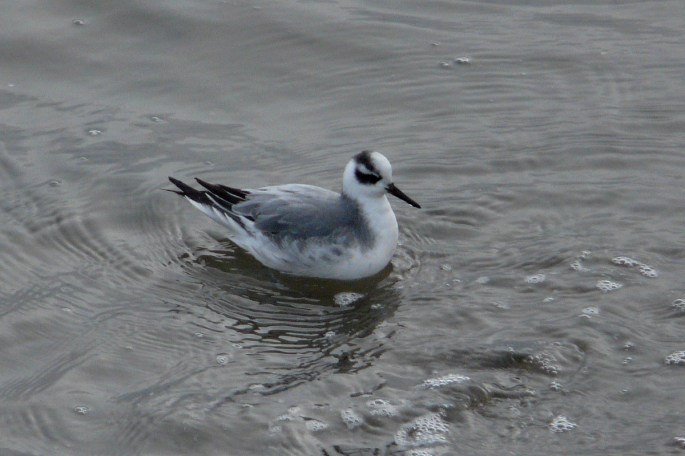
red phalarope rightRed Phalaropes are more commonly blown in during early winter storms. These little shorebirds spend most of the year on the open ocean. It amazes me that such a small bird can survive in such a harsh environment. But when they do occur in the calm waters of tidal ponds and inlets close to shore, they often fall victim to predators, and sometimes cars. This individual was found near the Hammond Boat Basin.

red phalarope front

Westmoreland Park

A quick visit to Westmoreland Park in southeast Portland revealed good numbers of waterfowl and gulls typical of this little urban duck pond in the winter.

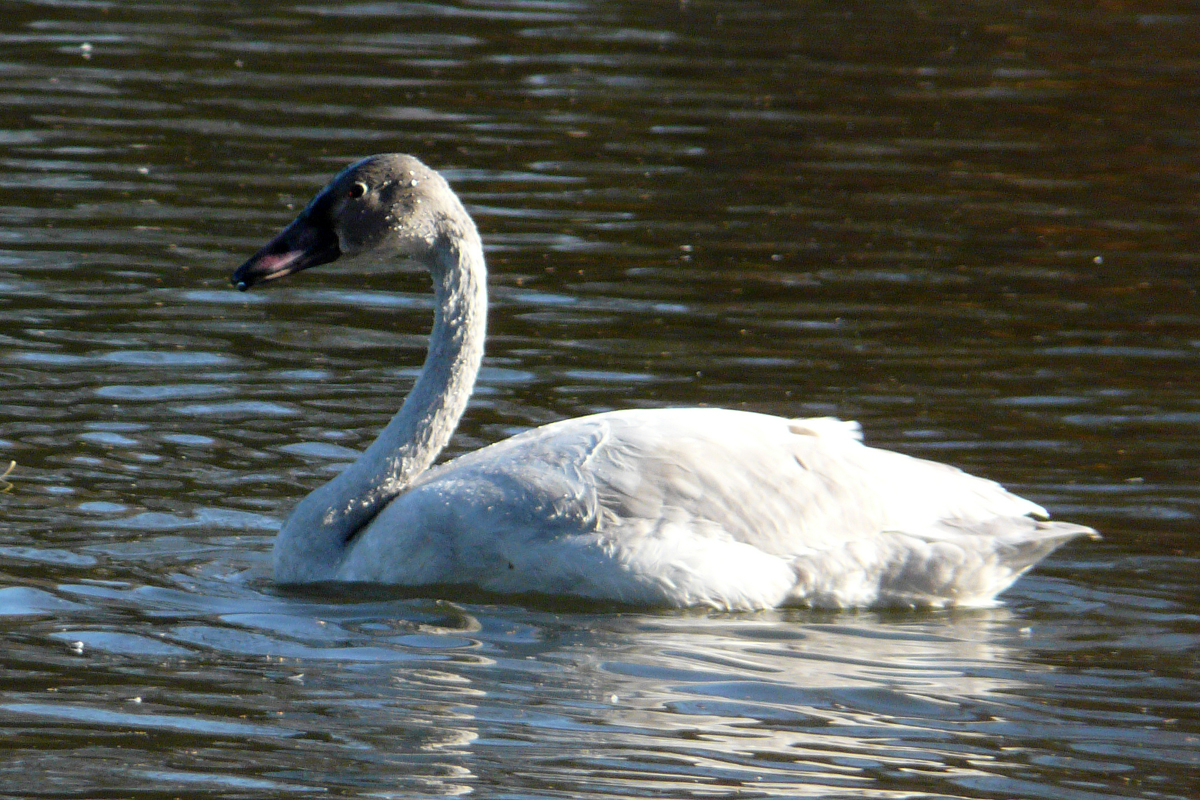
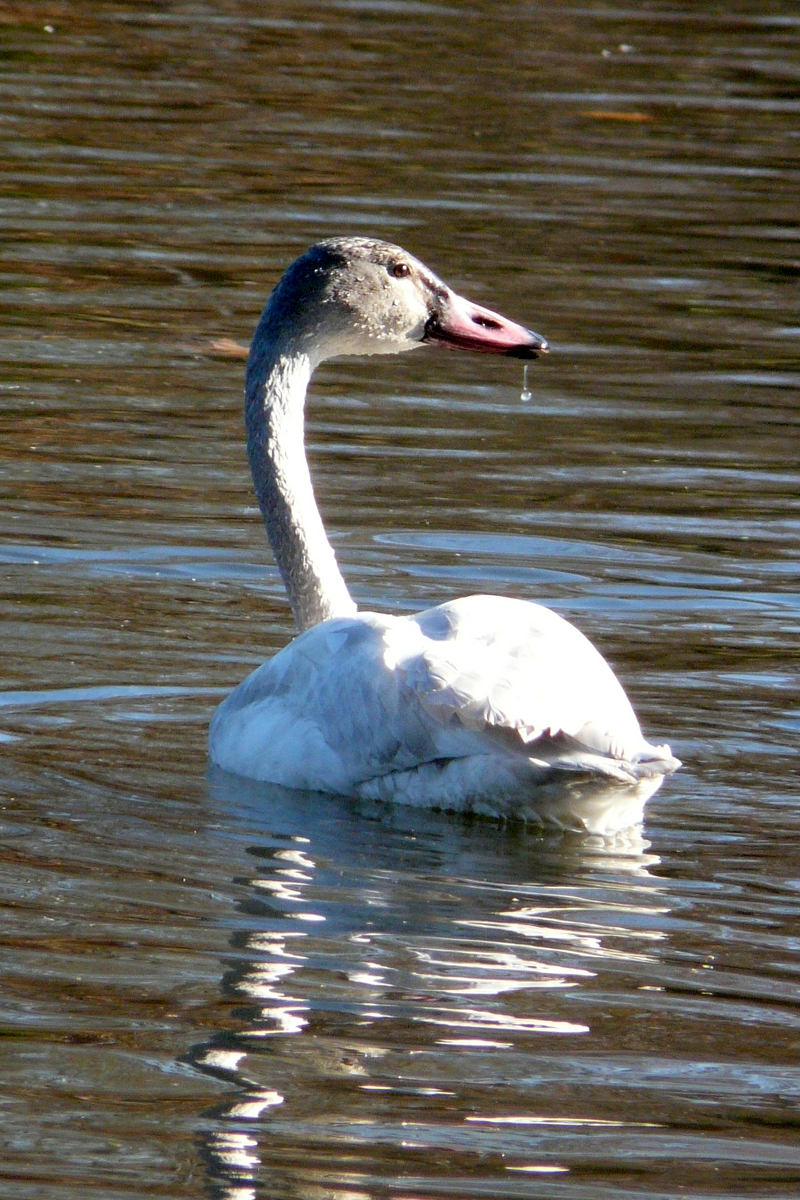
Two duck butts in the middle of the pond stood out because of their large size. They turned out to be Tundra Swans, the first I have seen at this park.

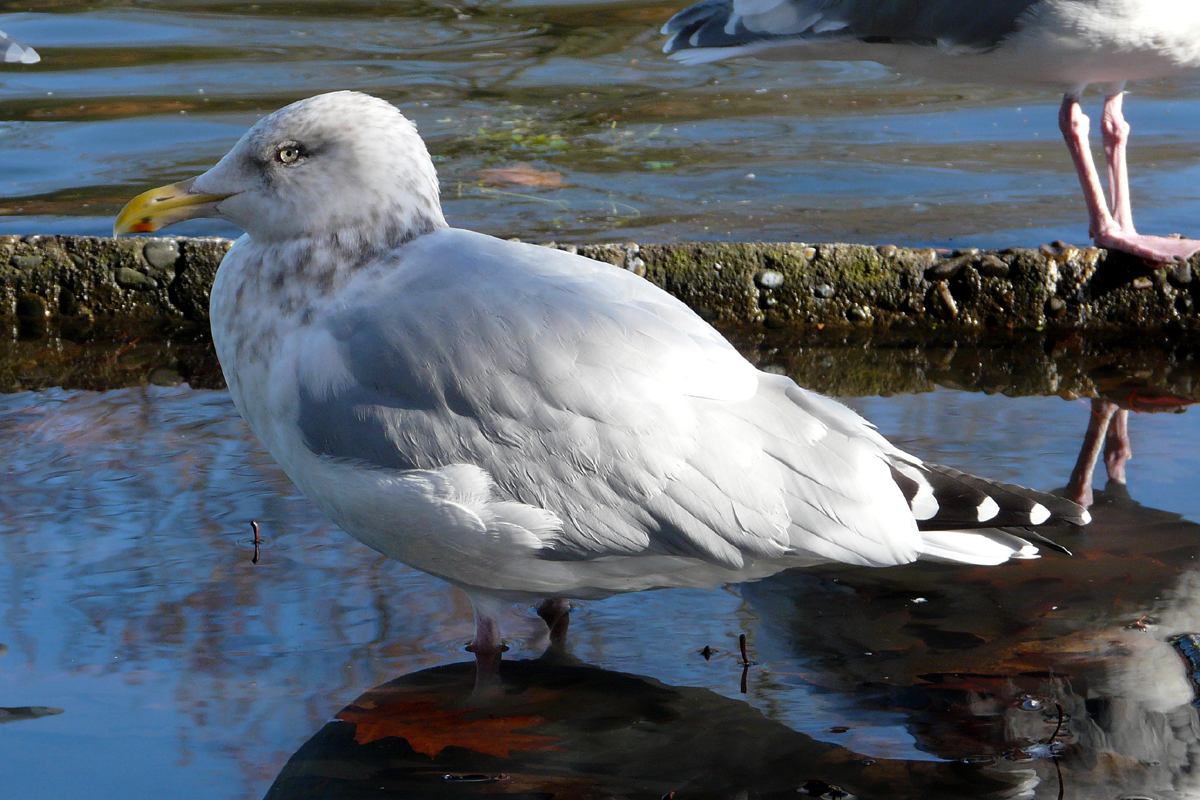
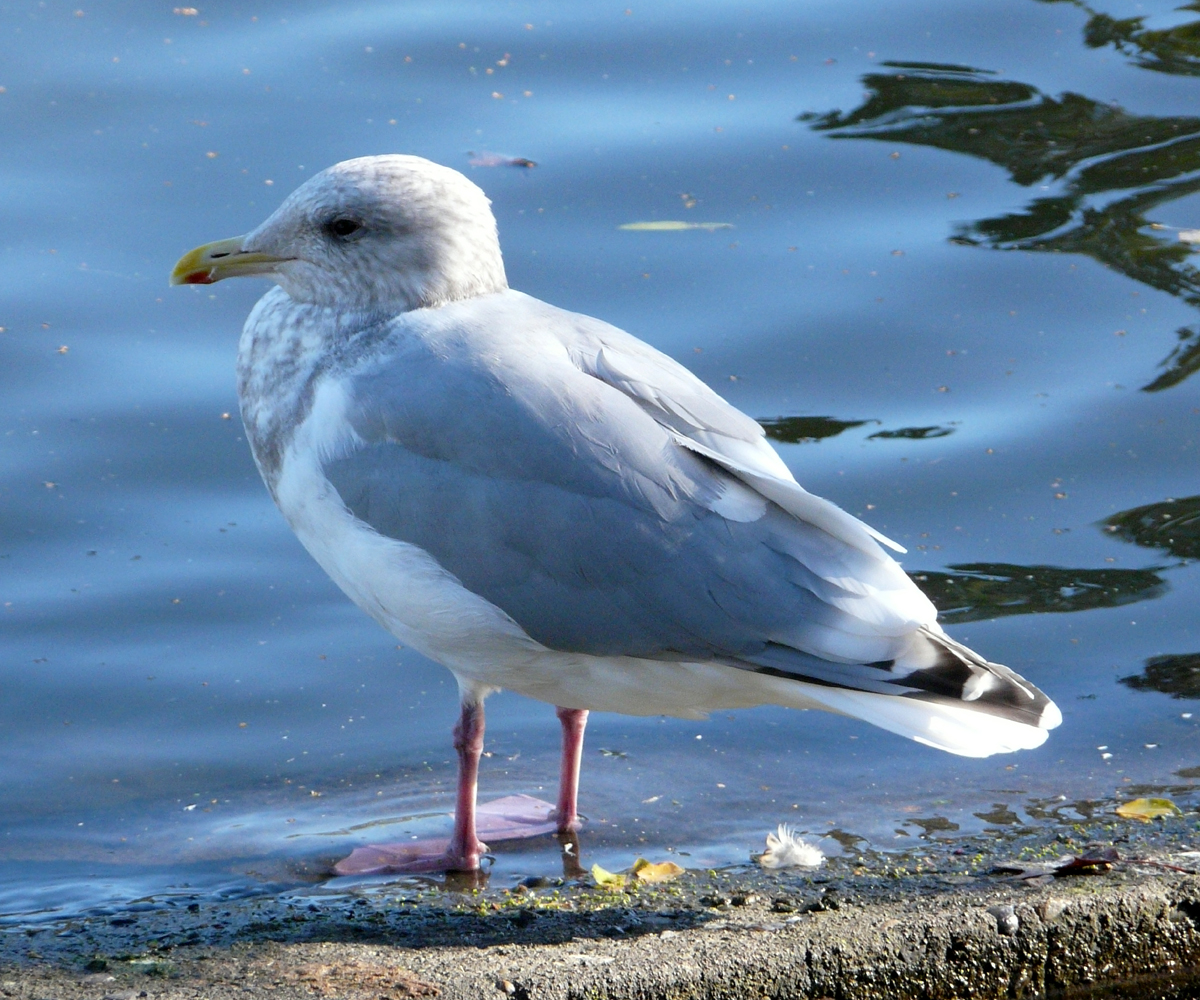
Of course, every visit to Westmoreland requires a quick scan of the gull flock.

Ring-billed Gull

Herring Gull

Thayer’s Gull

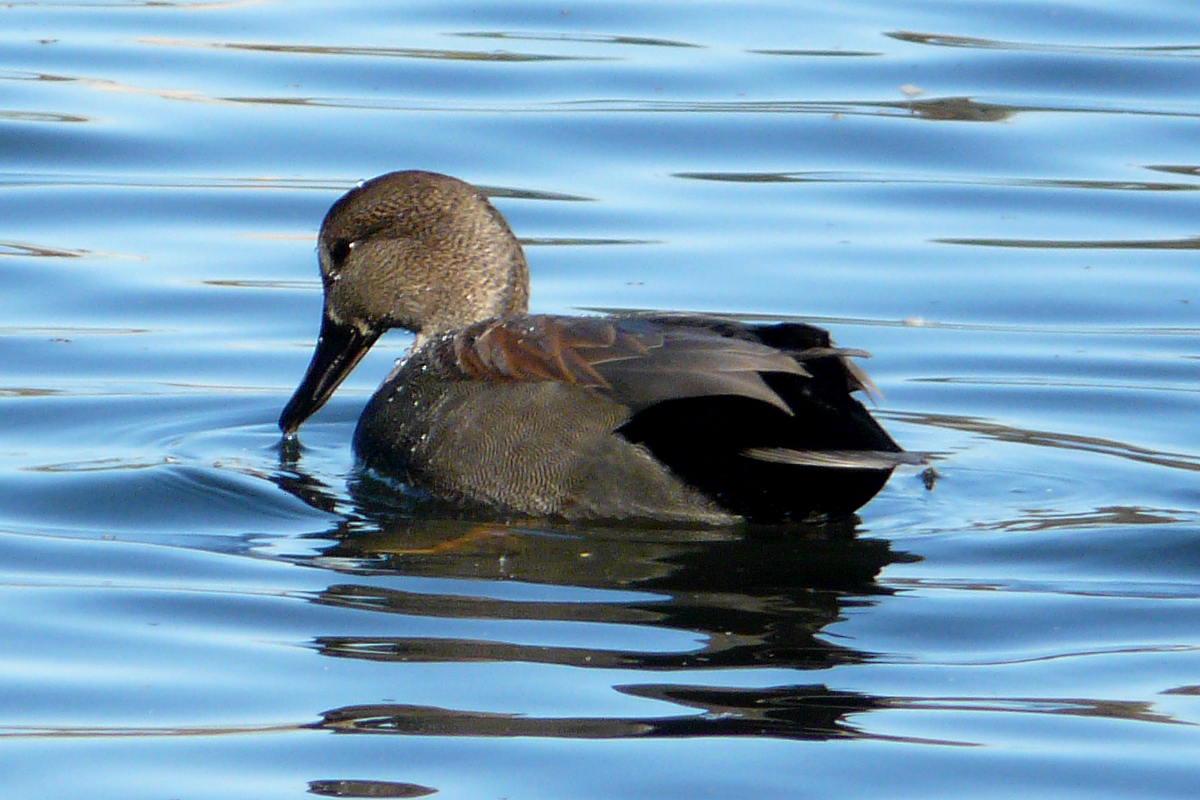
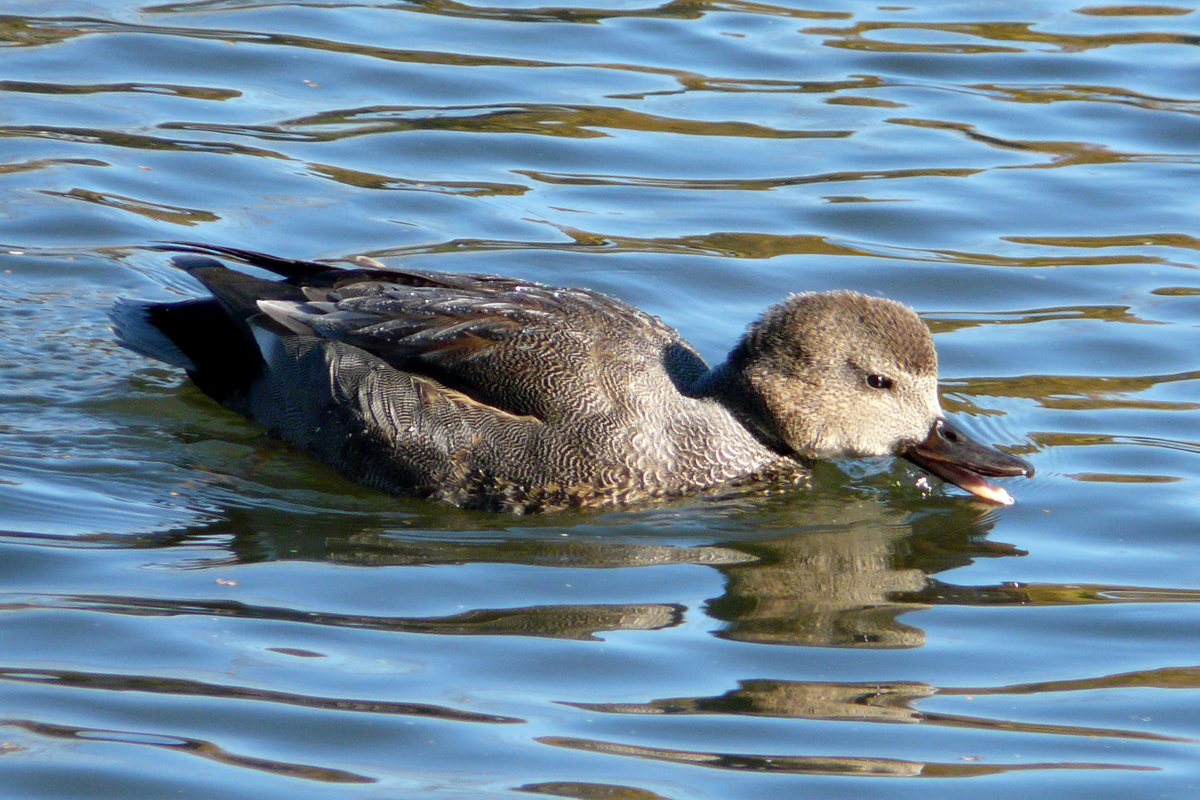
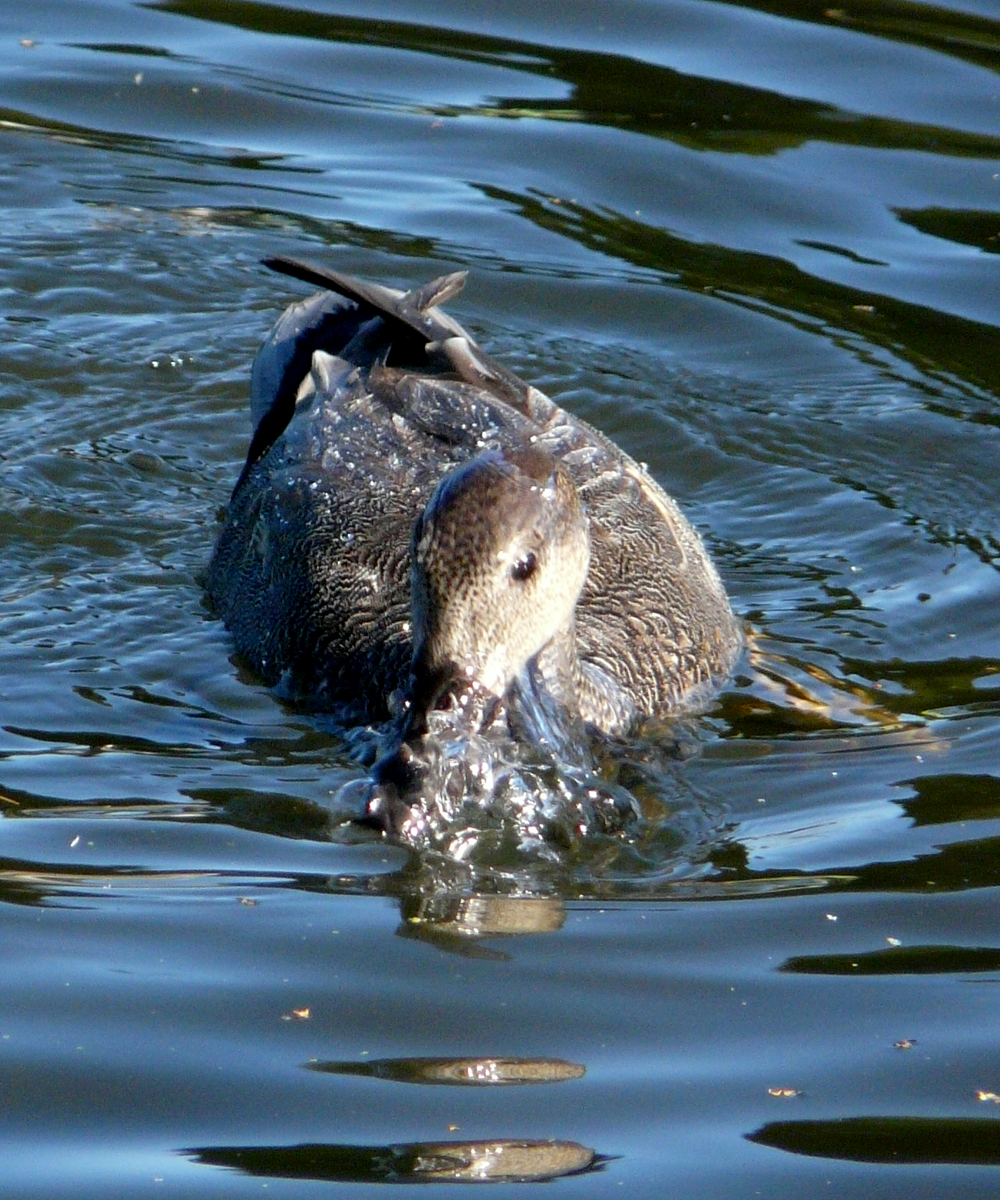
Gadwalls don’t sport a lot of color, but are lovely little ducks.

Fernhill Wetlands 11/1/12

Things are hopping at Fernhill Wetlands, with rising water levels, an influx of several thousand geese and other waterfowl, and a few other goodies.

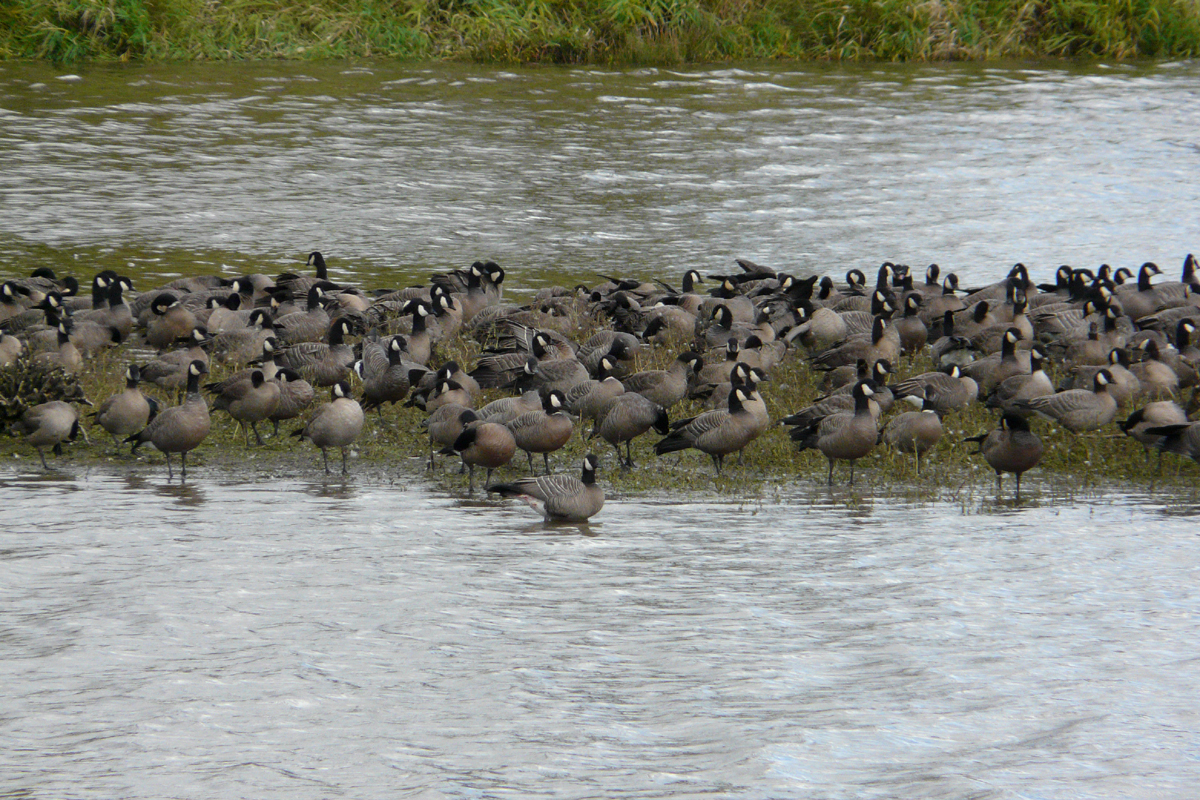
Cackling Geese have been arriving for weeks now, and the skies and fields around Fernhill are covered with these little guys.

A small flock of Greater White-fronted Geese were hanging out with the Mallards in Dabblers Marsh.
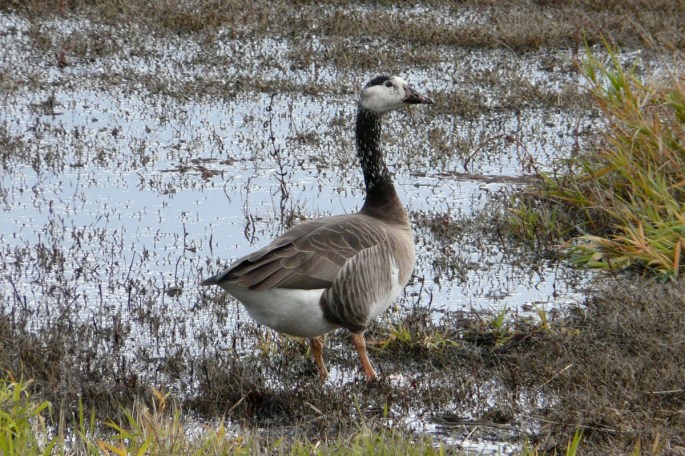
This interesting beast is a hybrid, a product of one of the local Canada Geese and a domestic Greylag Goose.

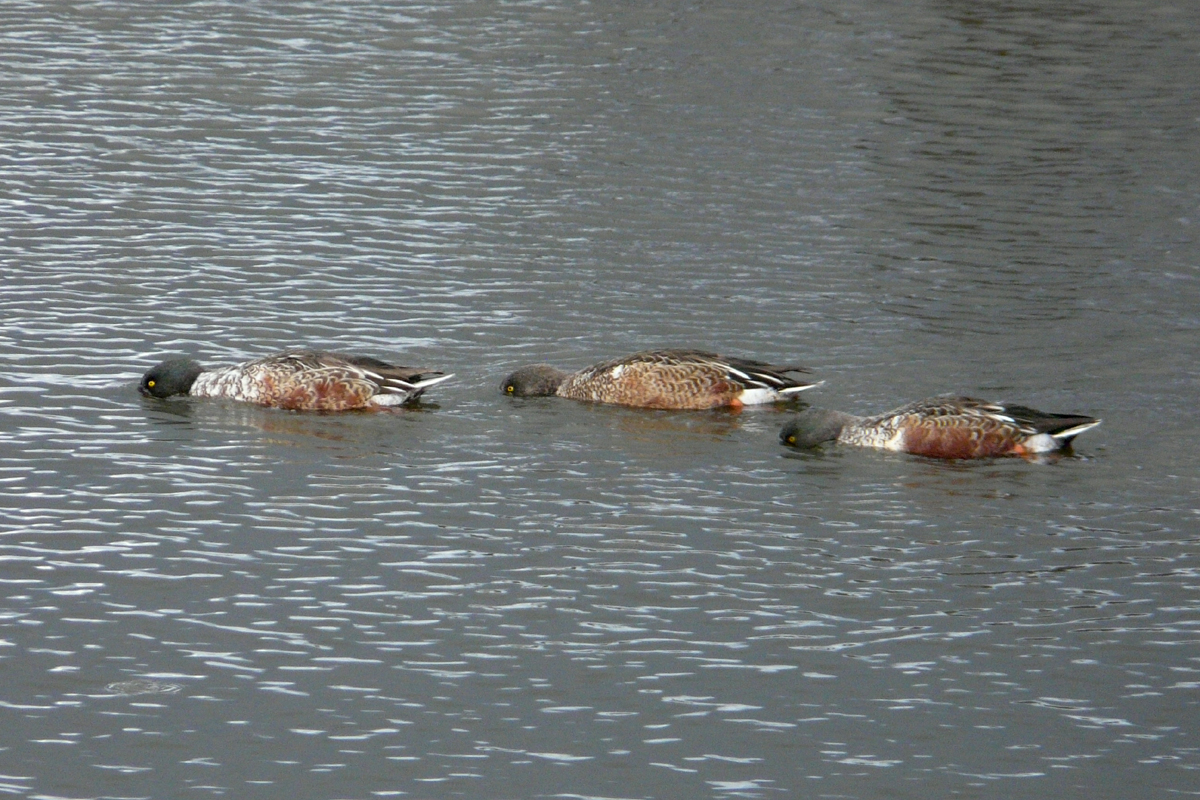
Here are some of the many Northern Shovelers feeding in their typical manner, swimming along with their faces in the water, as if their enormous bills are too heavy to hold up.

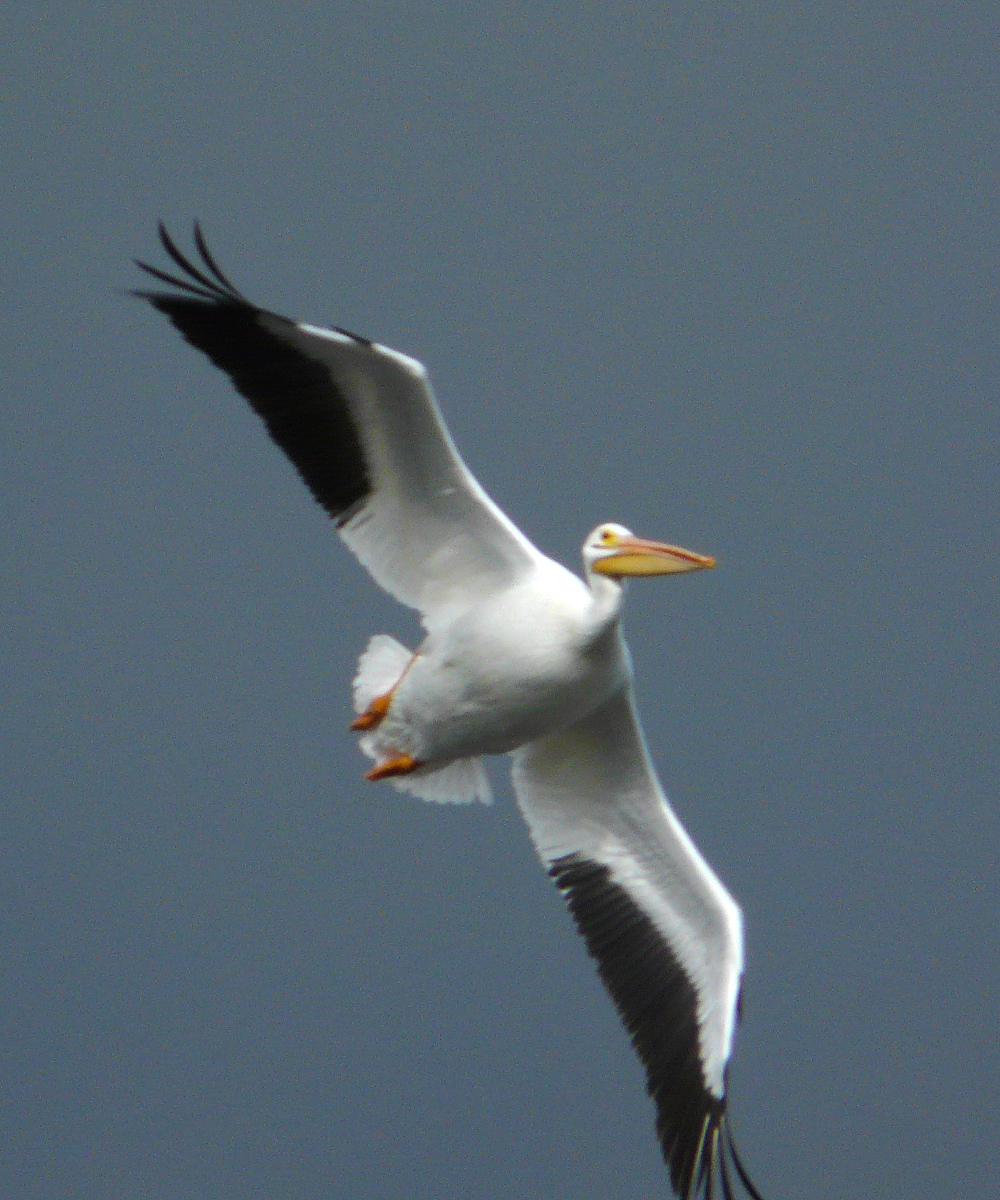
Two American White Pelicans have been hanging out at Fernhill for a couple of months now.

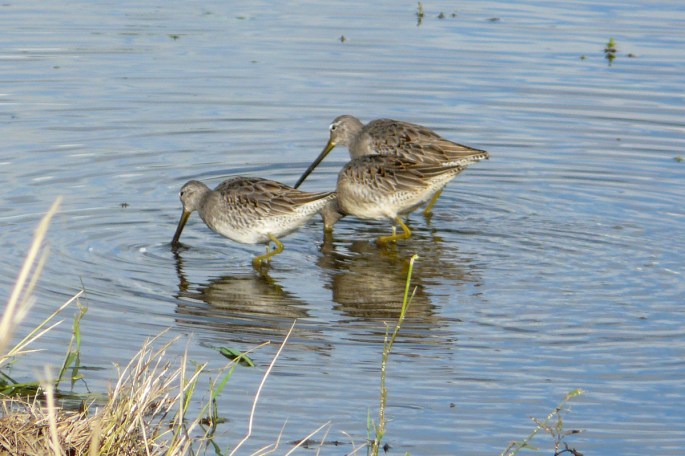
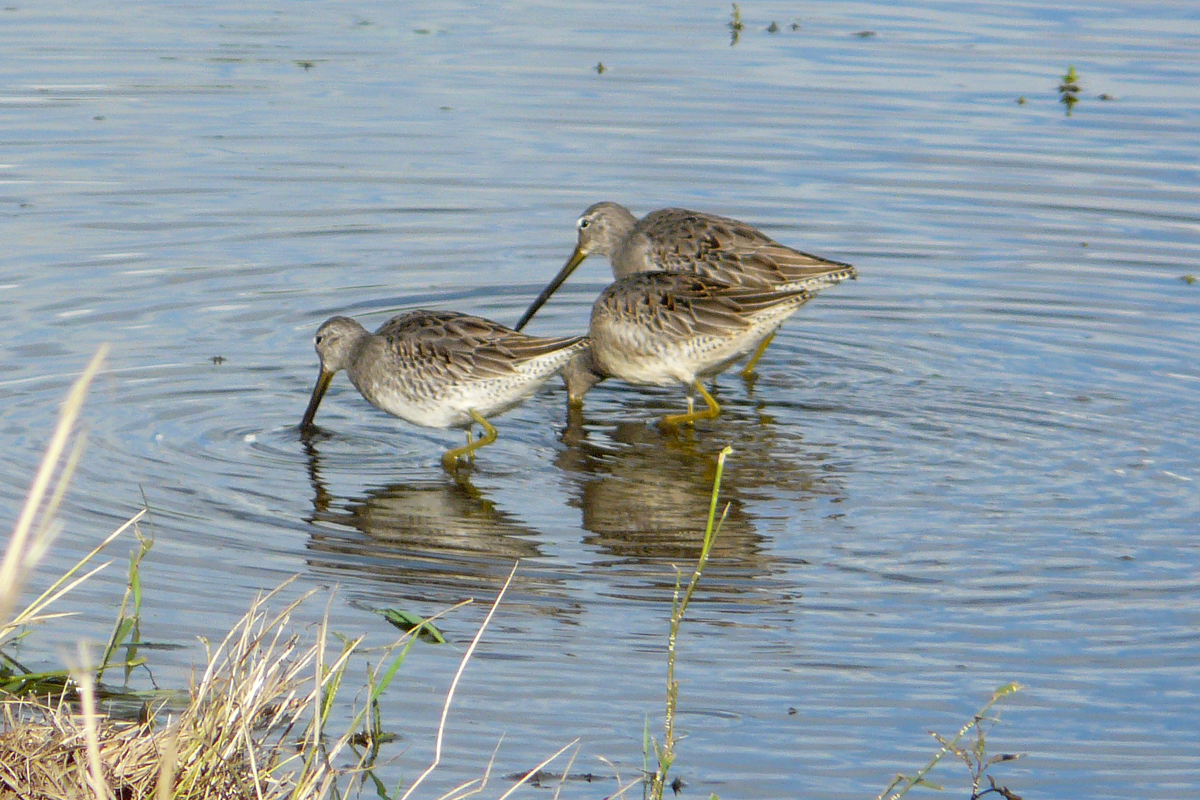
Shorebird numbers and diversity have dwindled. Here are a few Long-billed Dowitchers.

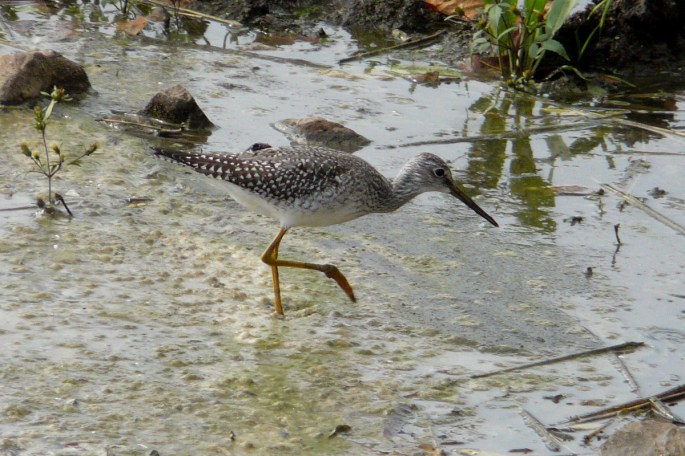
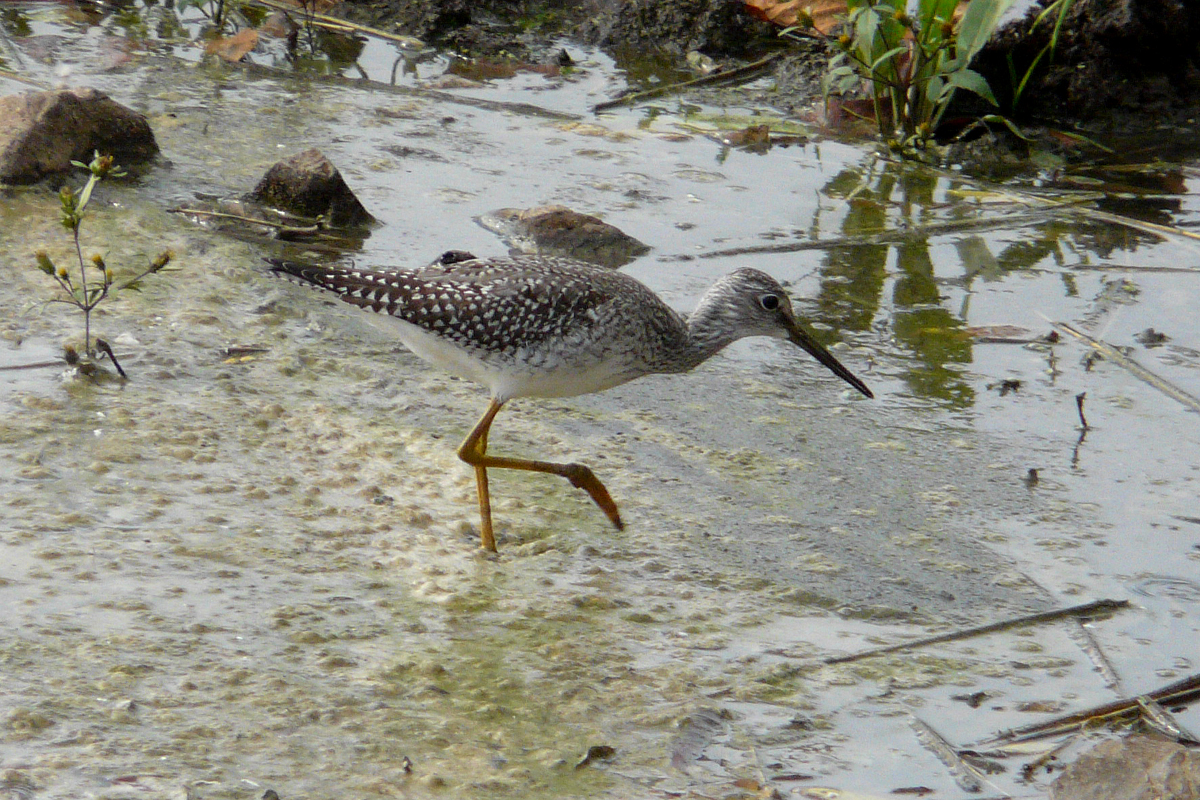
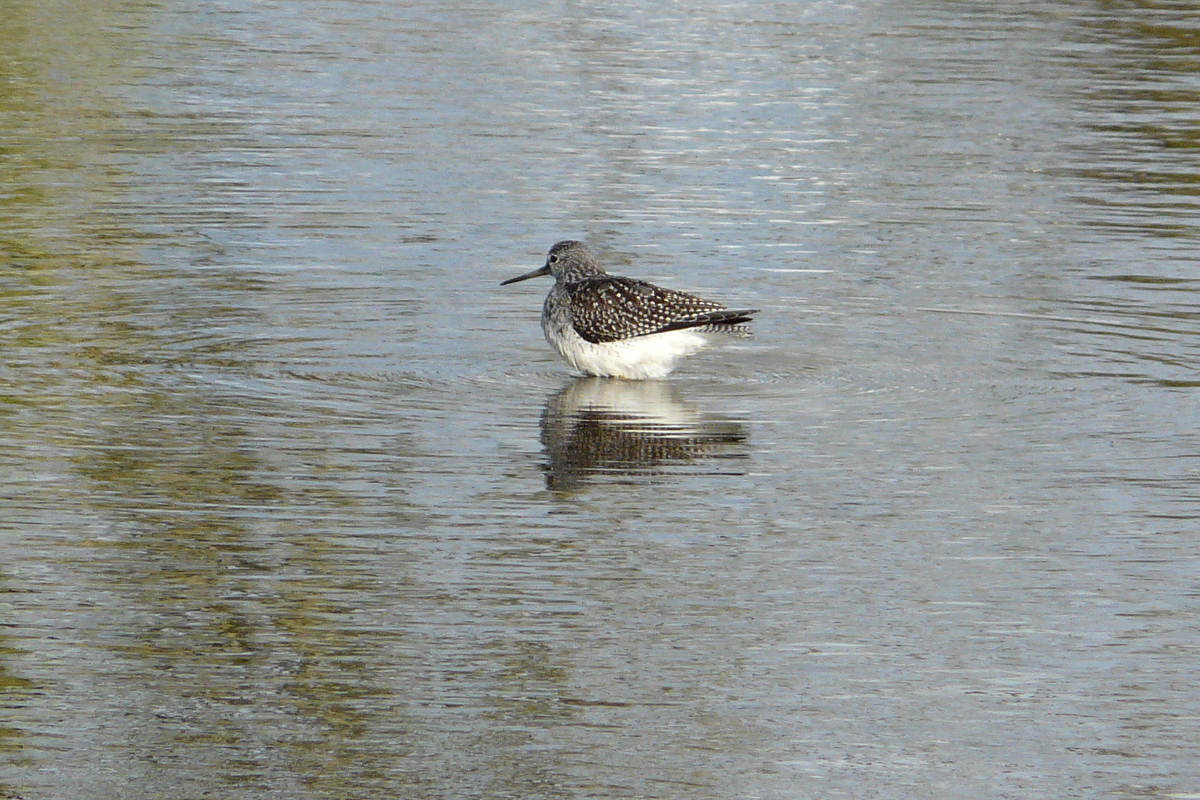
Greater Yellowlegs

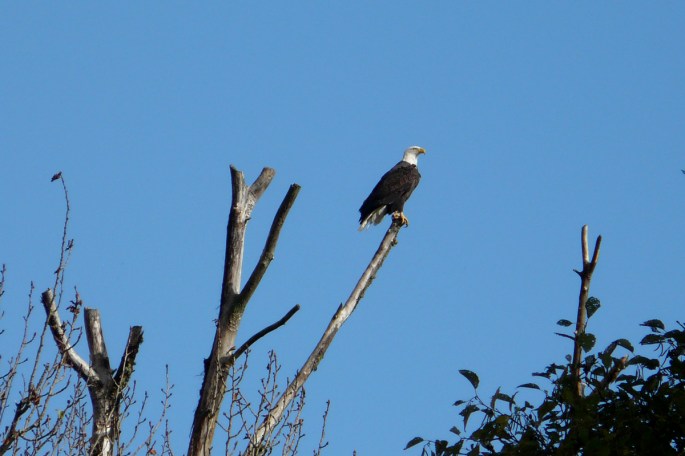
The resident Bald Eagles were sitting around looking majestic. I watched one carrying a stick to add to their nest.
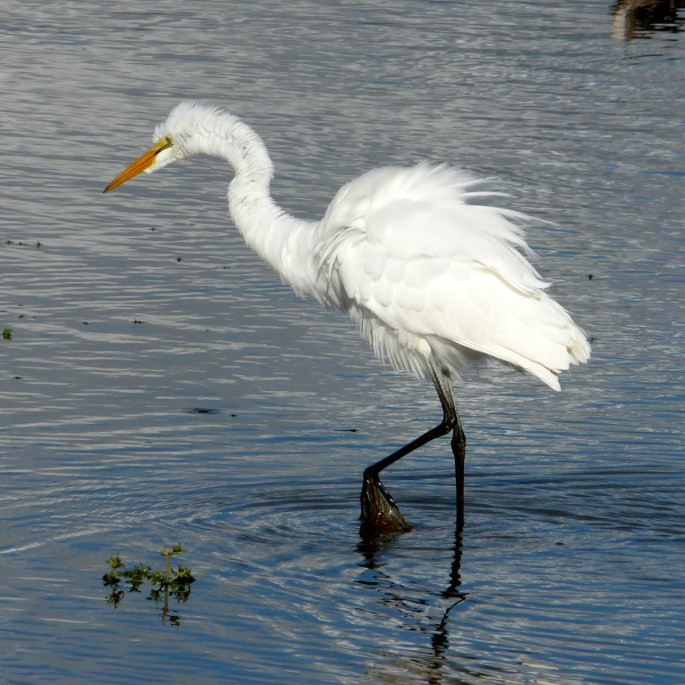
Great Egret

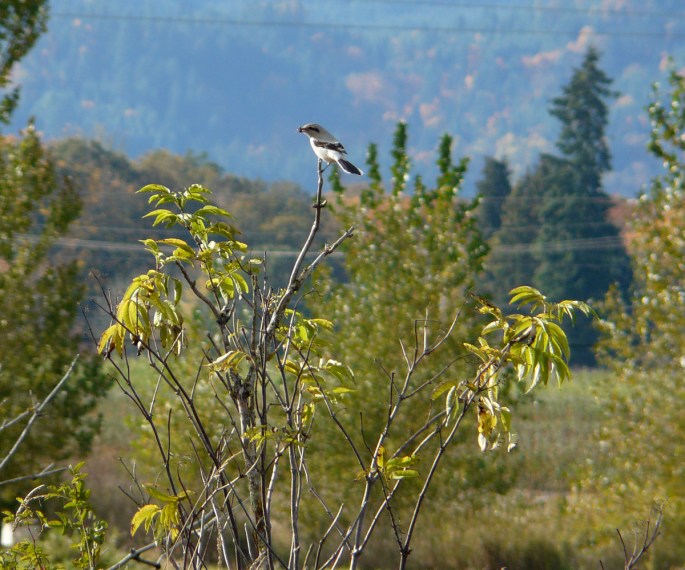
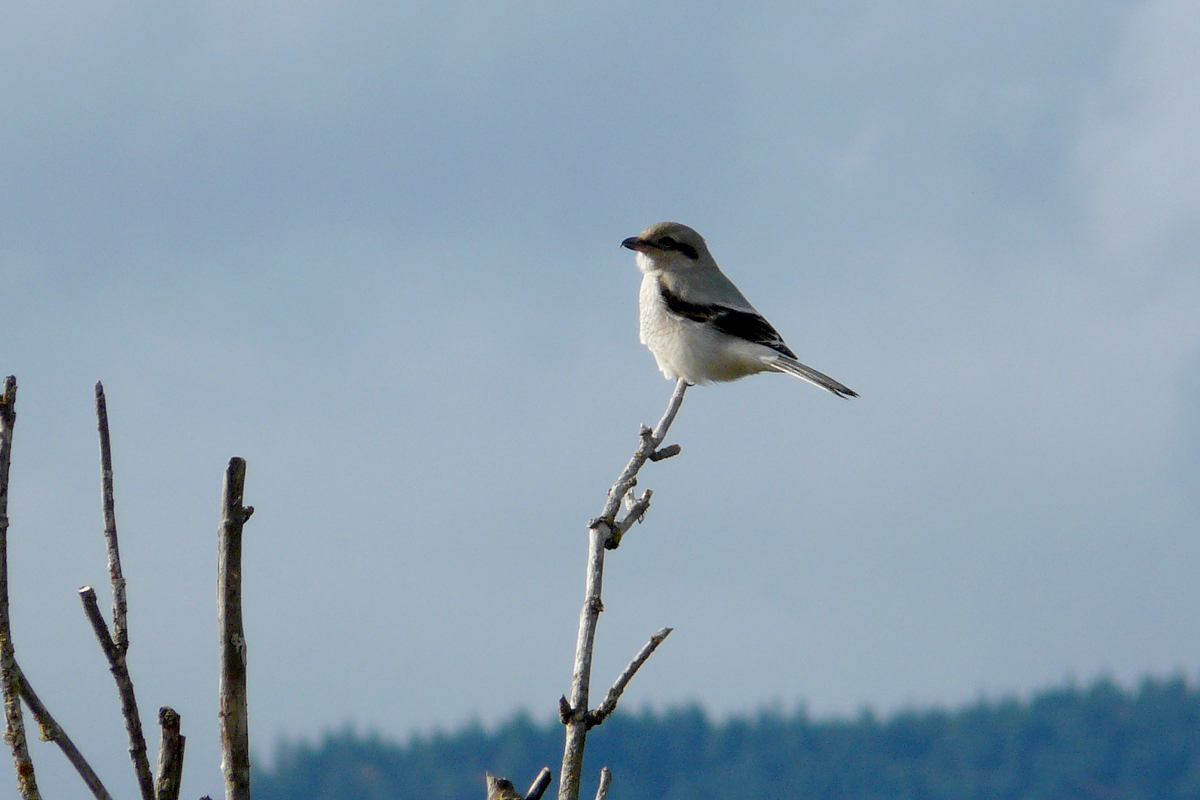
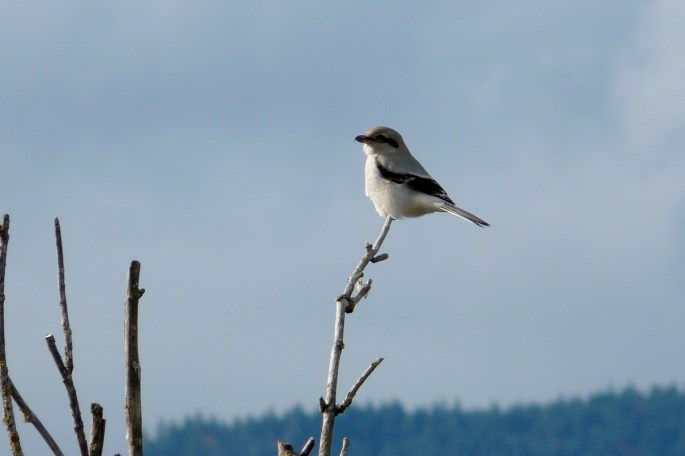
Several Northern Shrikes have been reported around the Portland area in recent days. This one is snacking on a large insect.
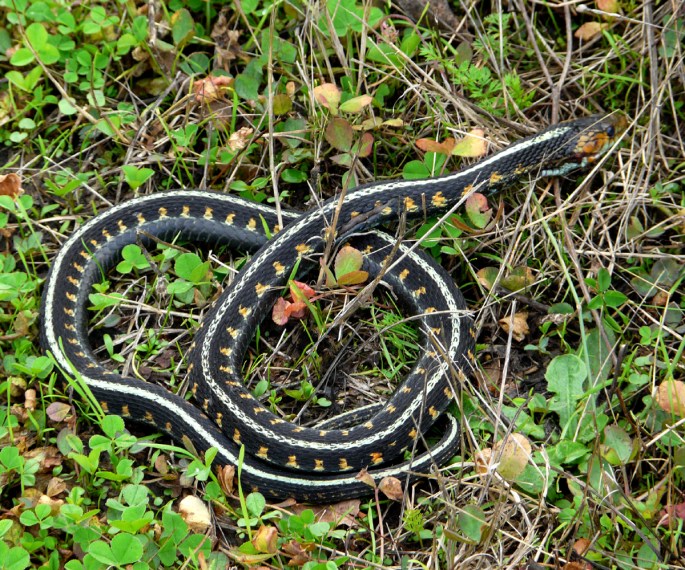
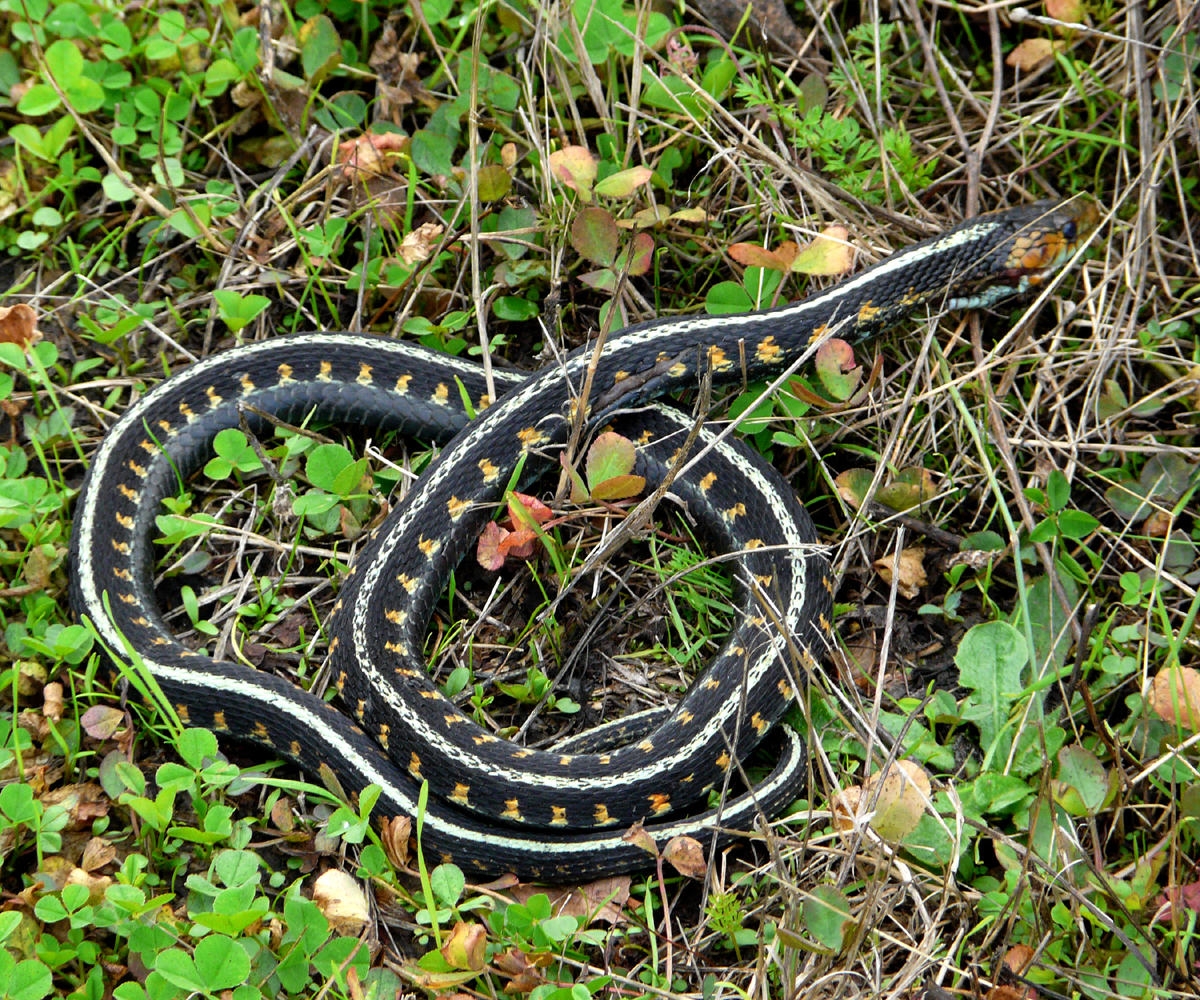
I saw three Common Garter Snakes on this trip, including one very young newborn about the width of a linguine. The colorful individual in this photo was about 20 inches long. Note the large laceration on his neck, presumably from a predator. Despite the severity of the wound, the snake was not bleeding and he crawled away after this photo was taken, so I am hopeful he will recover.
Chickadee Trifecta

I had three species of chickadees attending my feeder recently. The Black-capped Chickadees are year-round residents and visit every day.

Chestnut-backed Chickadees appear occasionally, most often in winter, although I have been seeing them more often in recent months.
The star attraction on this day was a Mountain Chickadee. While common along the crest of the Cascades and points east, they are a rare treat in the Willamette Valley. This bird is the seventh record for Washington County.
I believe the Pacific Northwest is the only place where you might find three species of chickadees in one flock. Range maps indicate that in southeastern Alaska, you might be able to find four species in the same area. That sounds like a worthy birding challenge.

Bayocean Spit

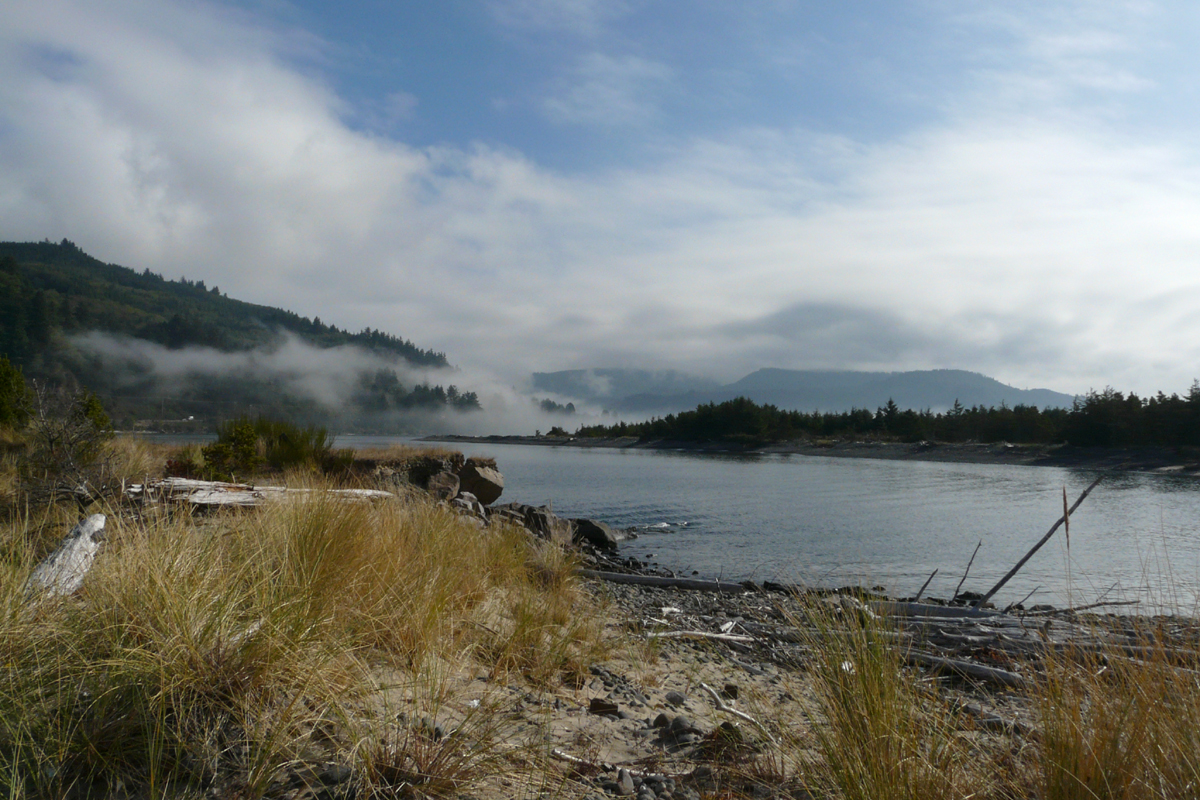
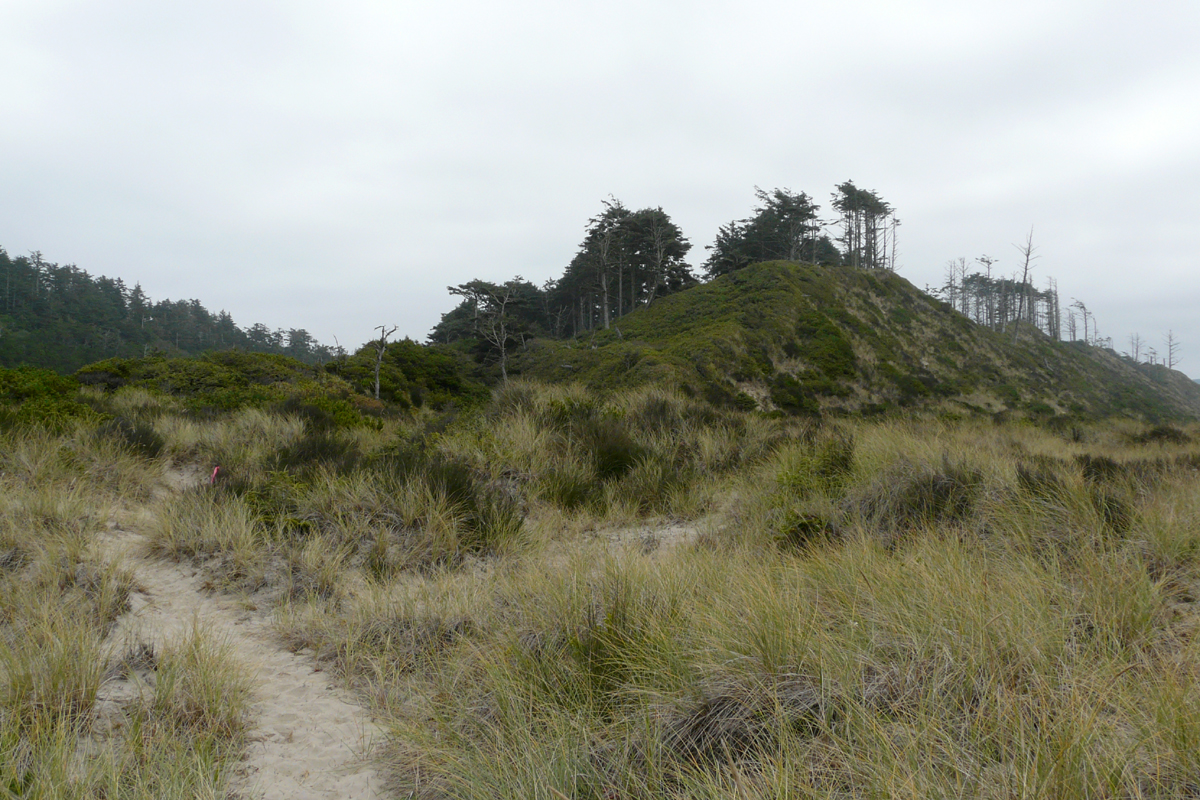
I spent the last day of the dry season walking Bayocean Spit on Tillamook Bay (Birding Oregon p. 128). On a day trip from Portland, it is tempting to try to cover all the hotspots around the bay, but spending the day exploring Bayocean Spit provides access to all the major habitats of the area along with a nice hike.

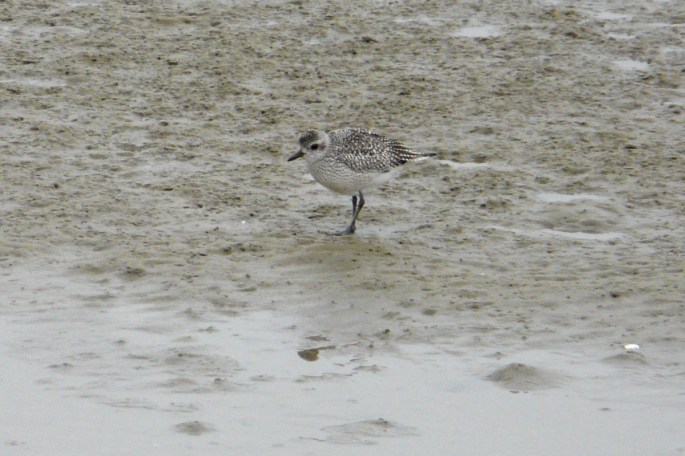
Although the shorebird migration is winding down, there were still some birds on the bay side of the spit. Black-bellied Plovers were the most obvious and vocal, joined by Western Sandpipers, Short-billed Dowitchers, a Semipalmated Plover, and the first Dunlin of the season.

Brown Pelican near the jetty at the mouth of the bay

The ocean side of Bayocean Spit usually has far fewer birds than the bay side, but it is a nice stretch of secluded beach.

Judging from the size, I am guessing these shorebird tracks were from a Black-bellied Plover.

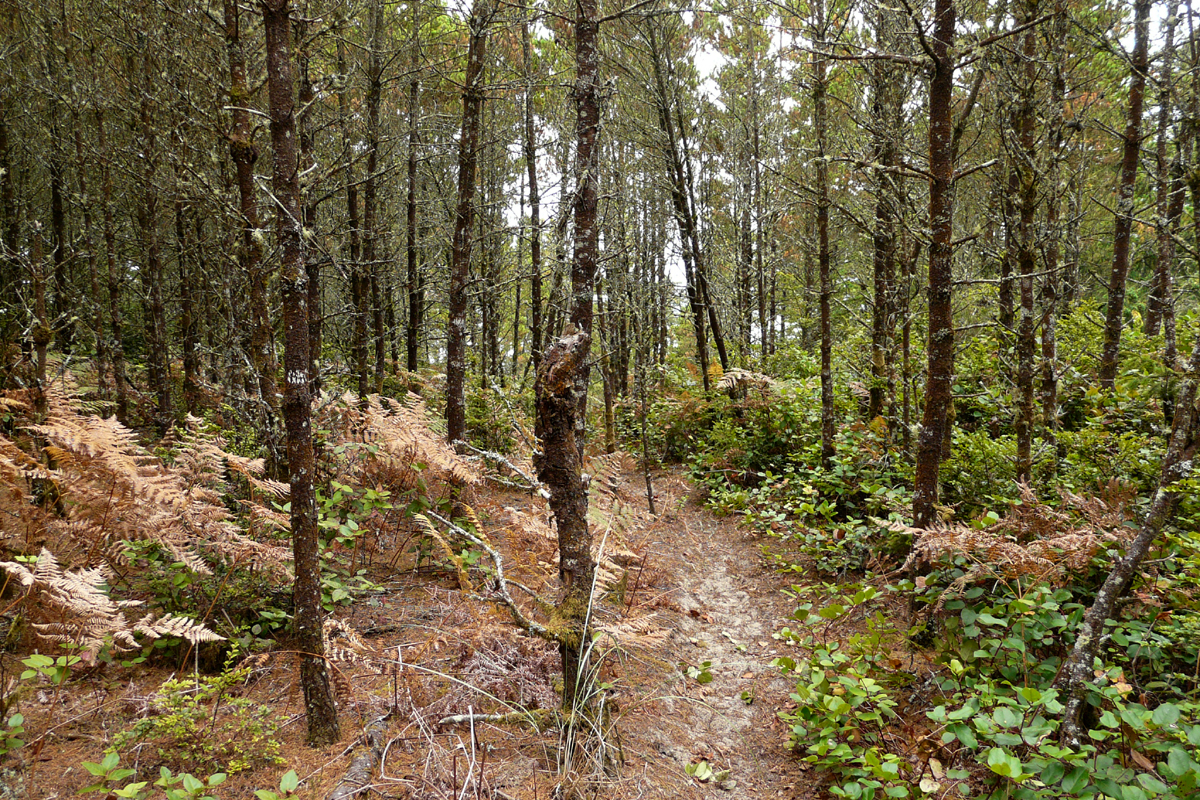
After walking on the beach a while, I cut across the wooded section of the spit to return to the bay side.

The woods on the spit attract a nice variety of songbirds, including Fox Sparrows, Chestnut-backed Chickadees, both kinglets, and Wrentits.

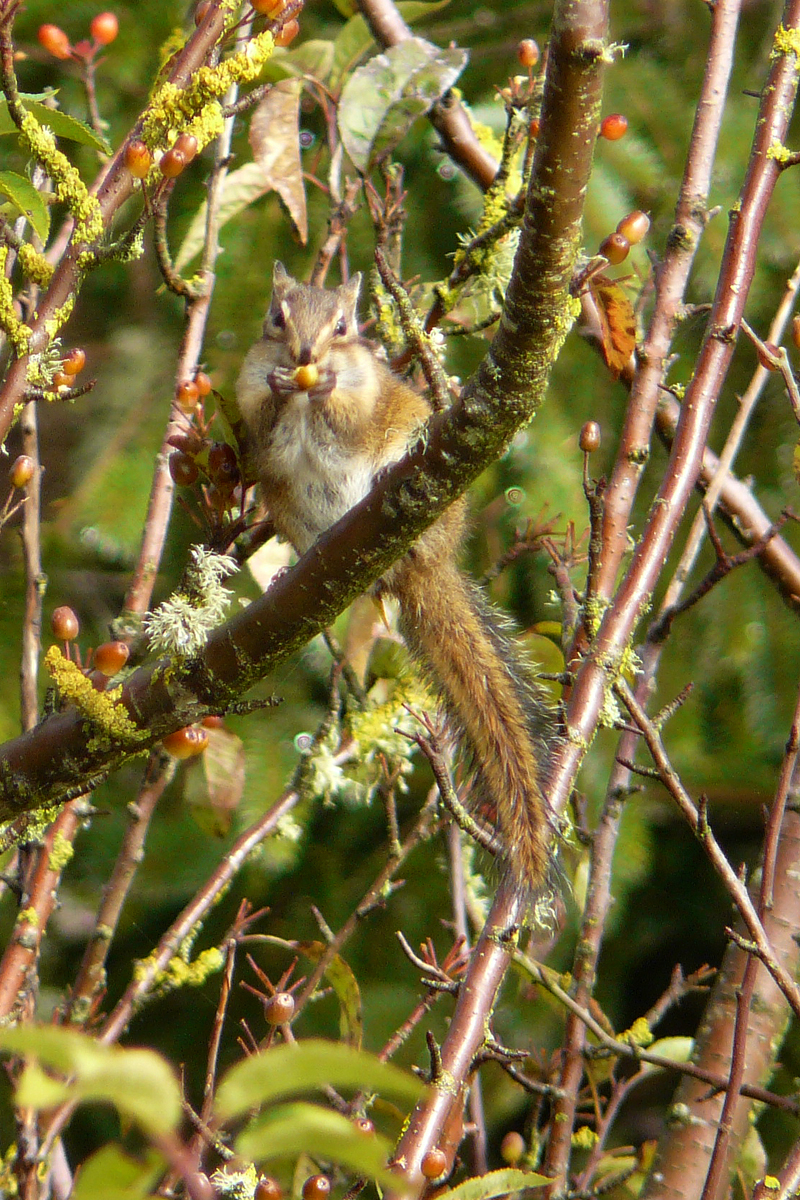
This Townsend’s Chipmunk was busy eating these little red fruits.