Jackson Bottom

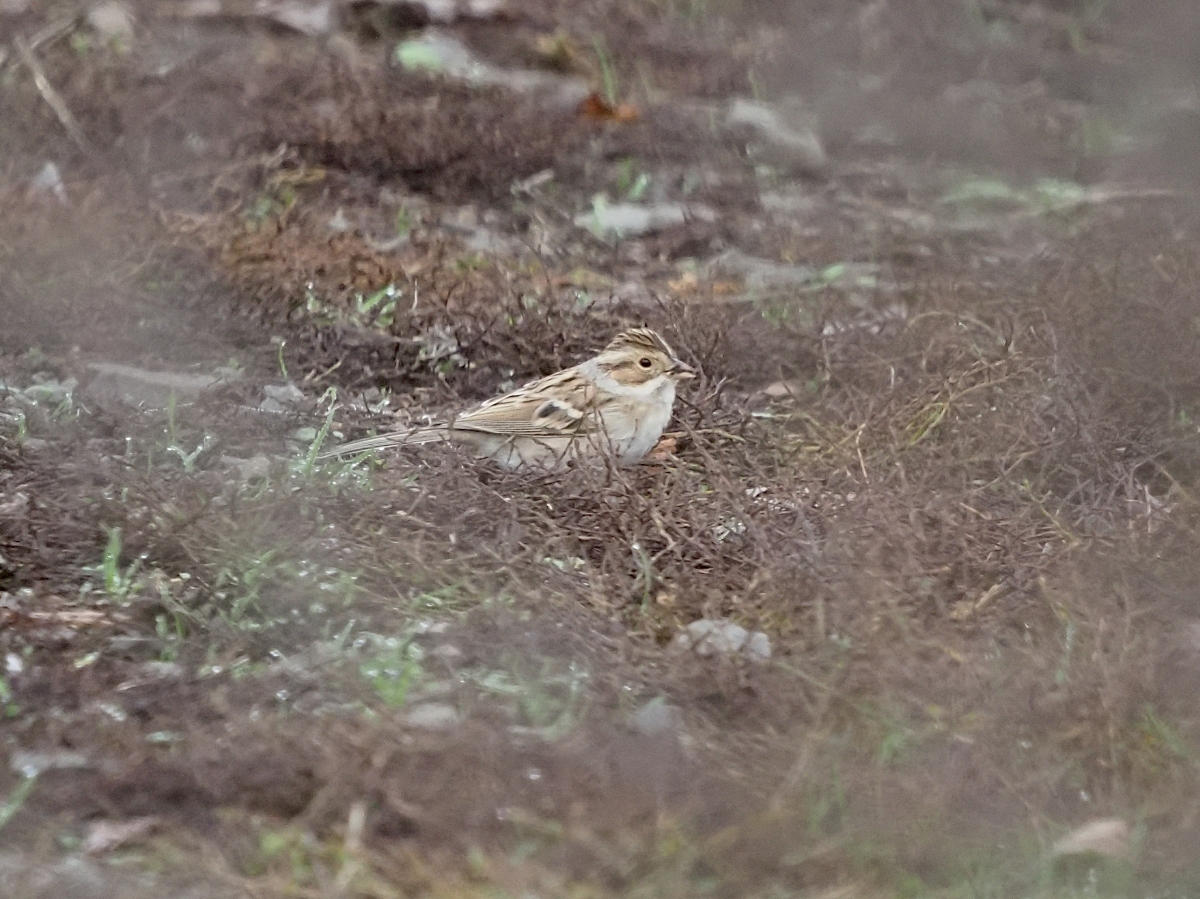
I ran out to Jackson Bottom Wetlands to see a Clay-colored Sparrow that has been hanging around. The bird was shy and didn’t allow a close approach, but the distinctive light coloring, gray nape, and strong face pattern made it easy to pick this bird out of the crowd. This species doesn’t make it to Oregon very often.
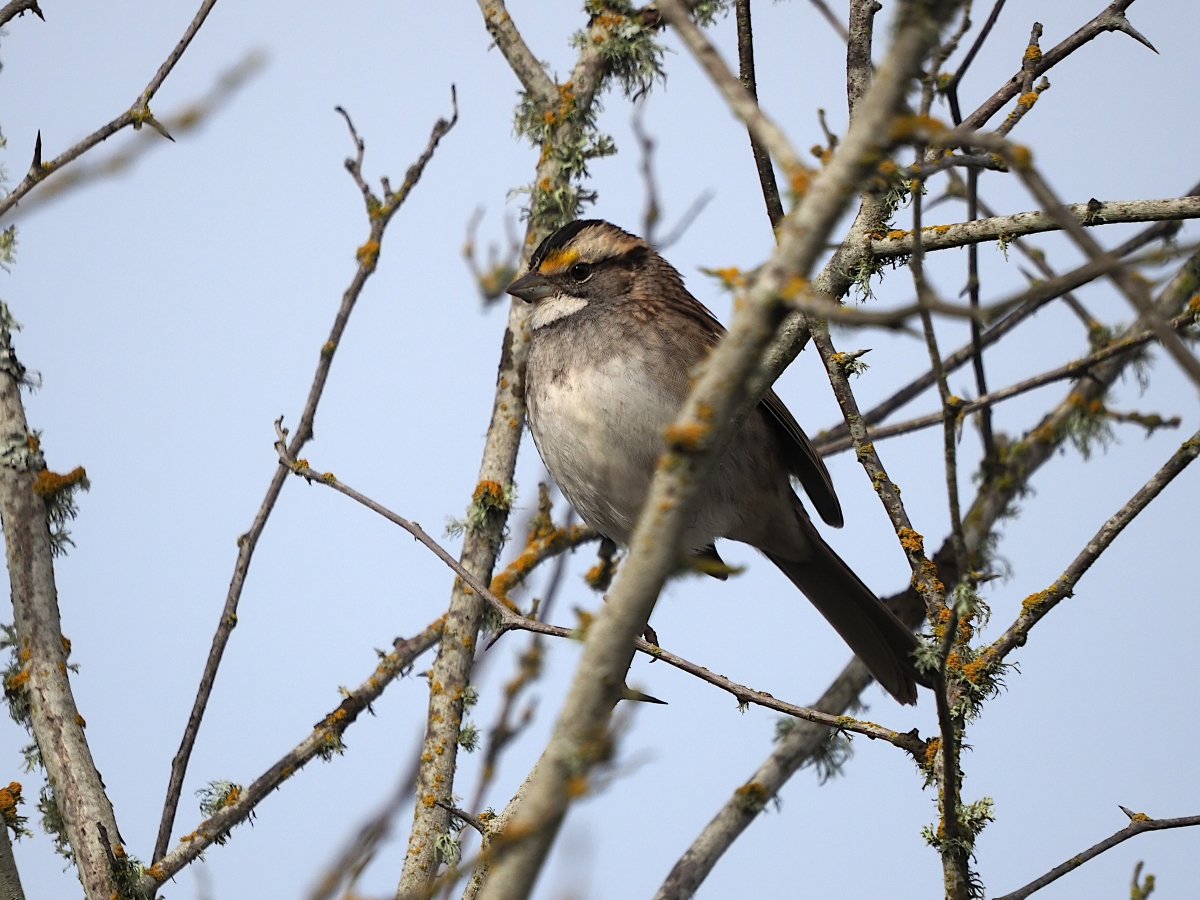
Formerly considered a rarity in Oregon, White-throated Sparrows are now expected among winter sparrow flocks in the state. I found at least three individuals on this trip.

Nutria, in all its mucky, invasive species cuteness.
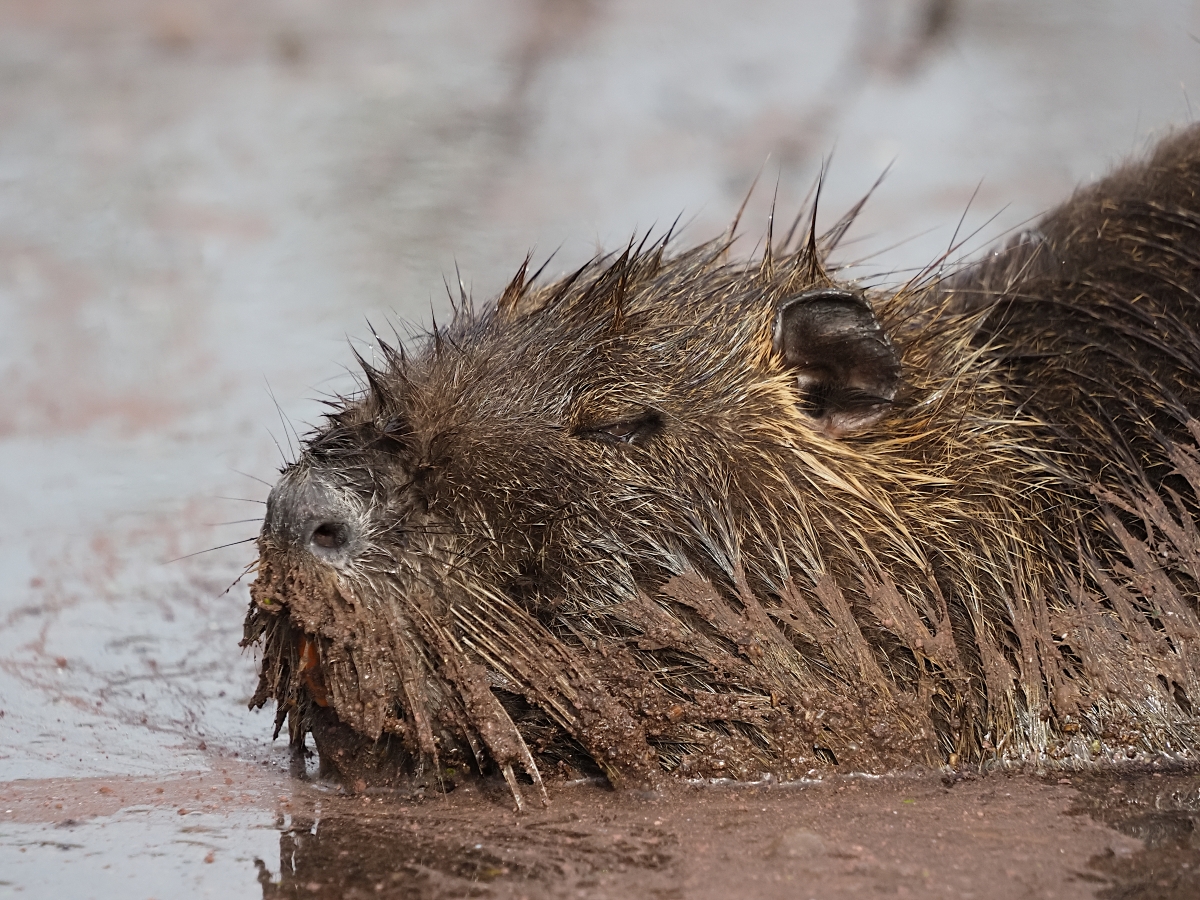
Sleepy rodent. I actually saw a native Muskrat on this trip, but he eluded my photographic efforts.
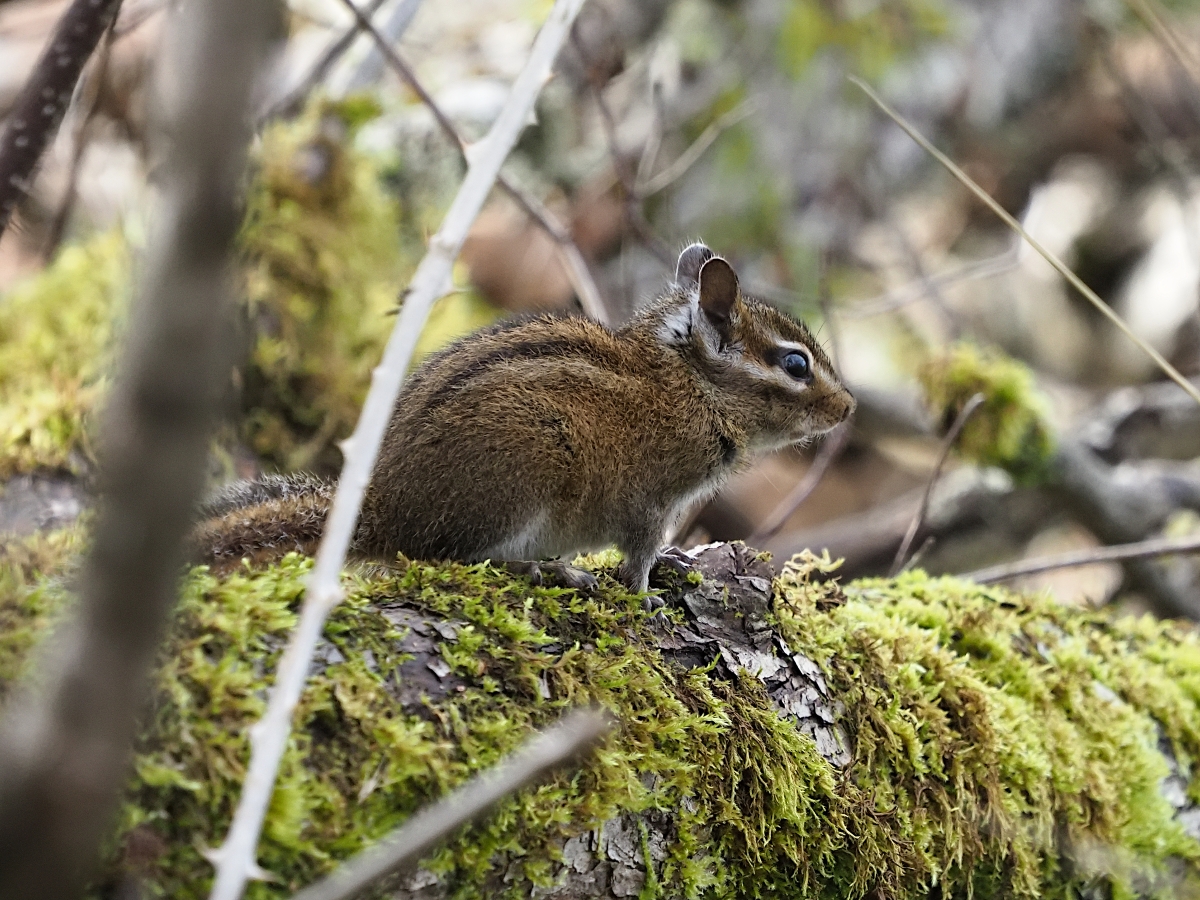
One native rodent I did manage to capture was this Townsend’s Chipmunk. At higher elevations with snow cover, this species will hibernate, but they are active all year in the Willamette Valley.
Autumn Ramblings

Here are a few highlights from this autumn.

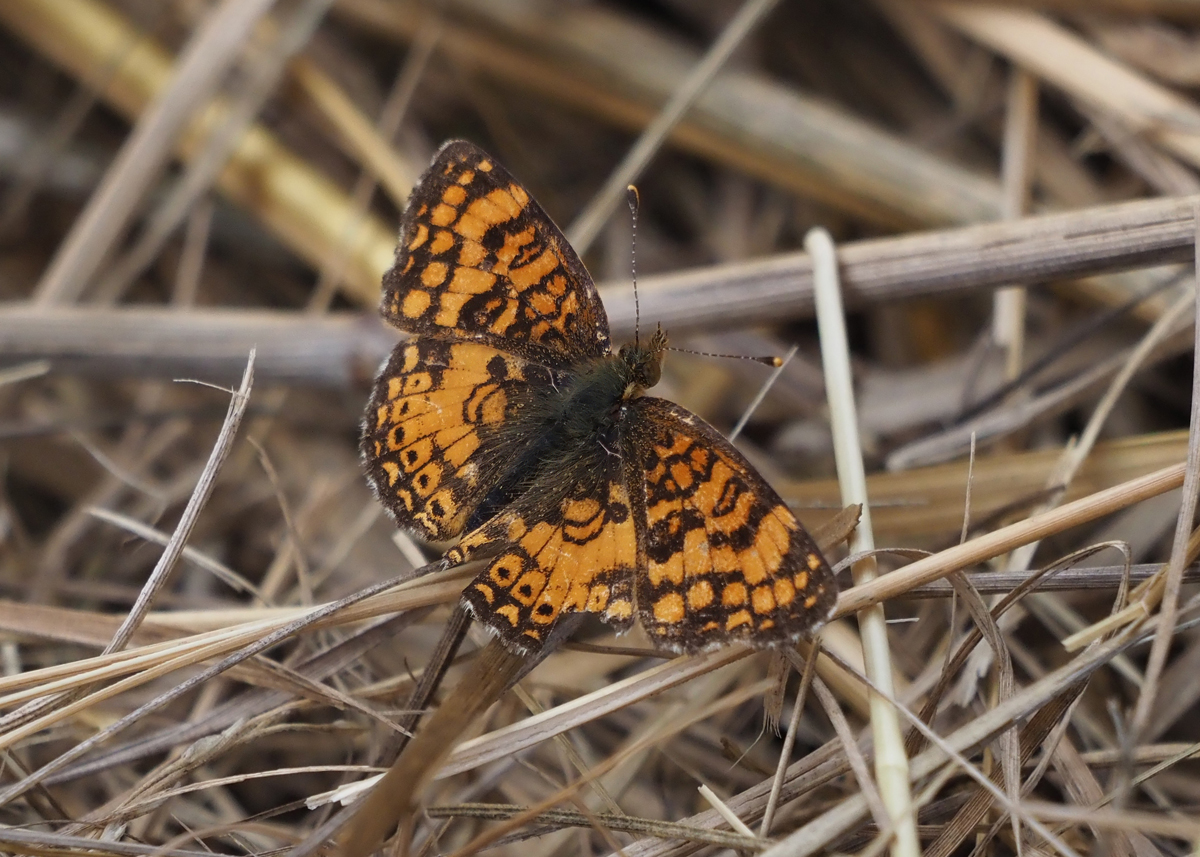
This little Mylitta Crescent was found at Ankeny NWR. I still don’t know my butterflies, so it is fun to identify a new one.
This young Cooper’s Hawk was hunting near the visitor center at Ankeny. Of course, at the time, I was searching for recently arrived migrant sparrows so this guy wasn’t doing me any favors.
Non-native American Bullfrog at Fernhill Wetlands
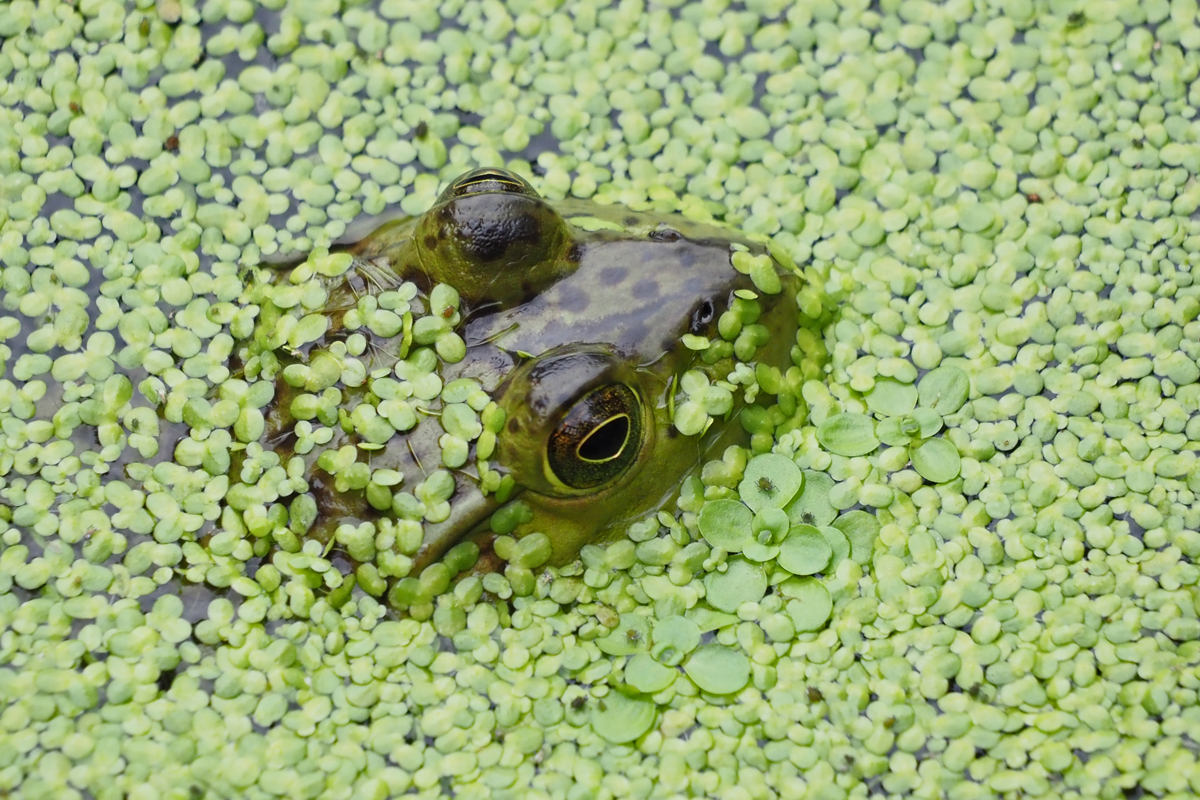
Another American Bullfrog, mostly hidden in the duckweed
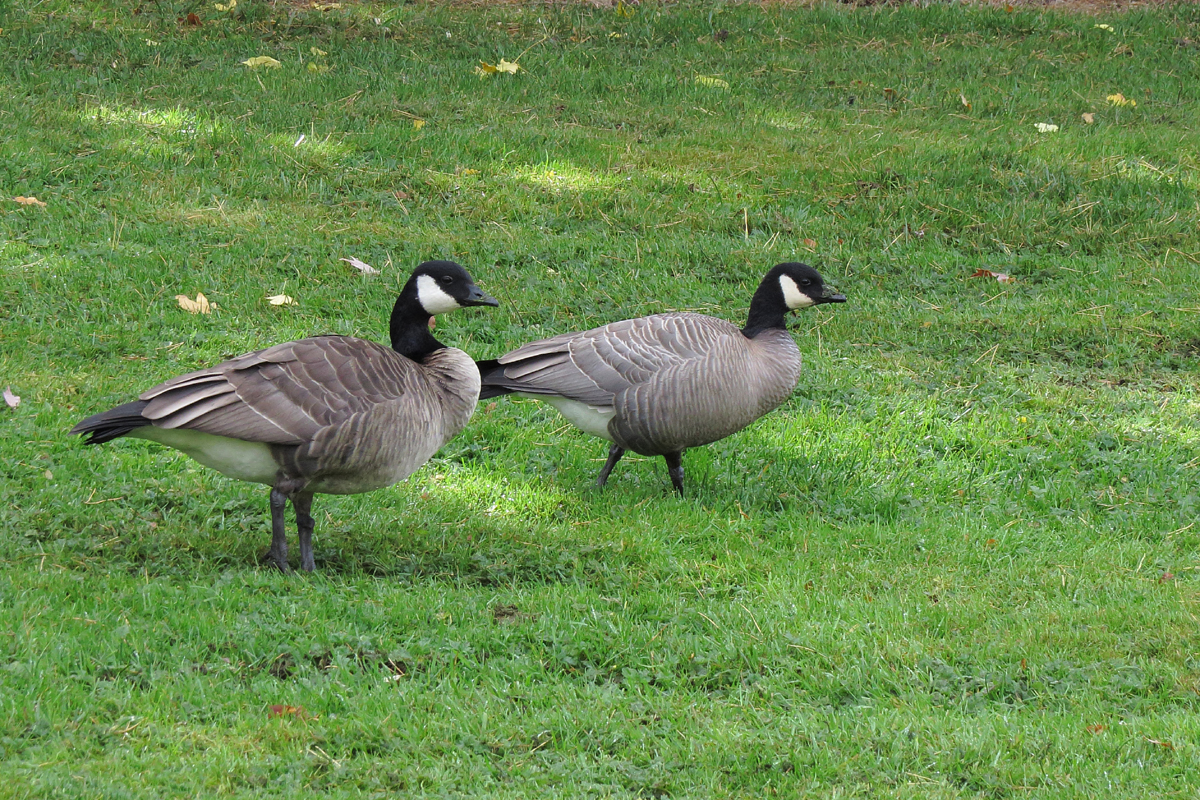
The winter geese have returned. This Dusky Canada Goose seems to have an injured wing.
This Red-spotted Garter was at Ankeny NWR. His red areas are more of a pumpkin spice color.
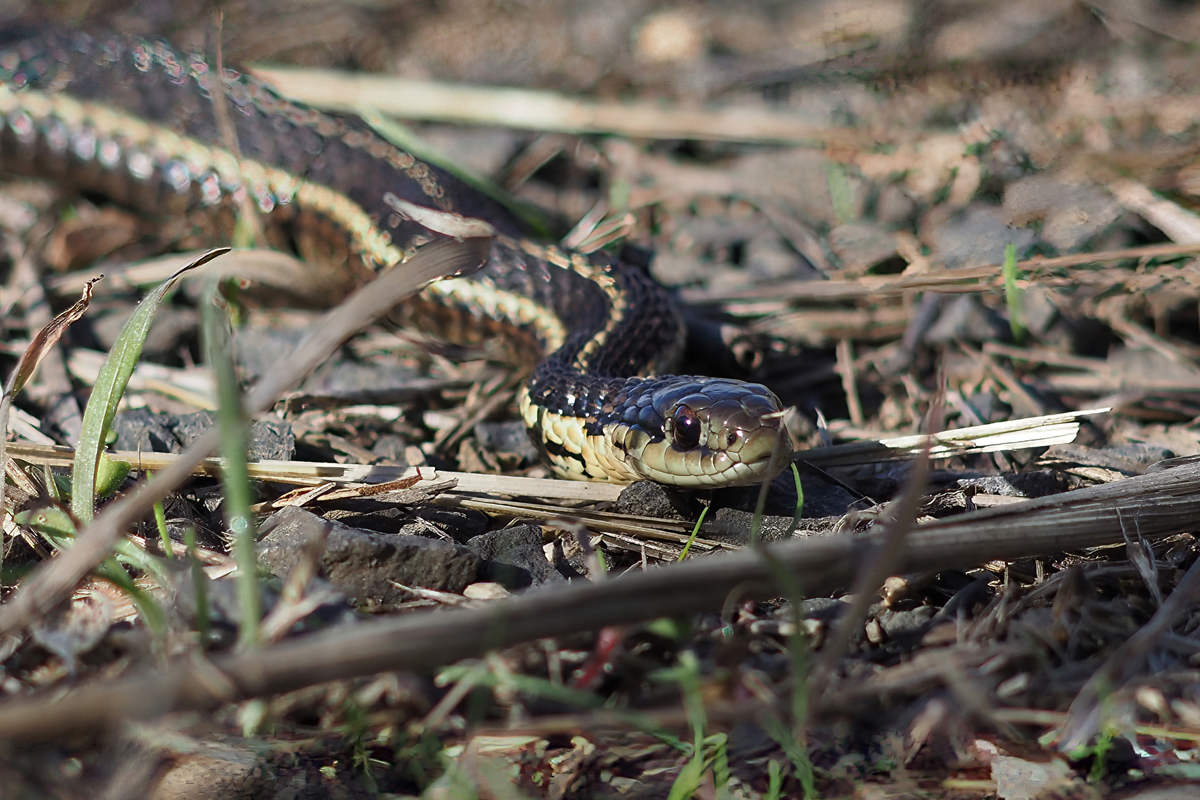
This Northwestern Garter was spread out on the trail at Chehalem Ridge Nature Park, soaking up the sun on a cold morning.
Great Blue Heron having a soak
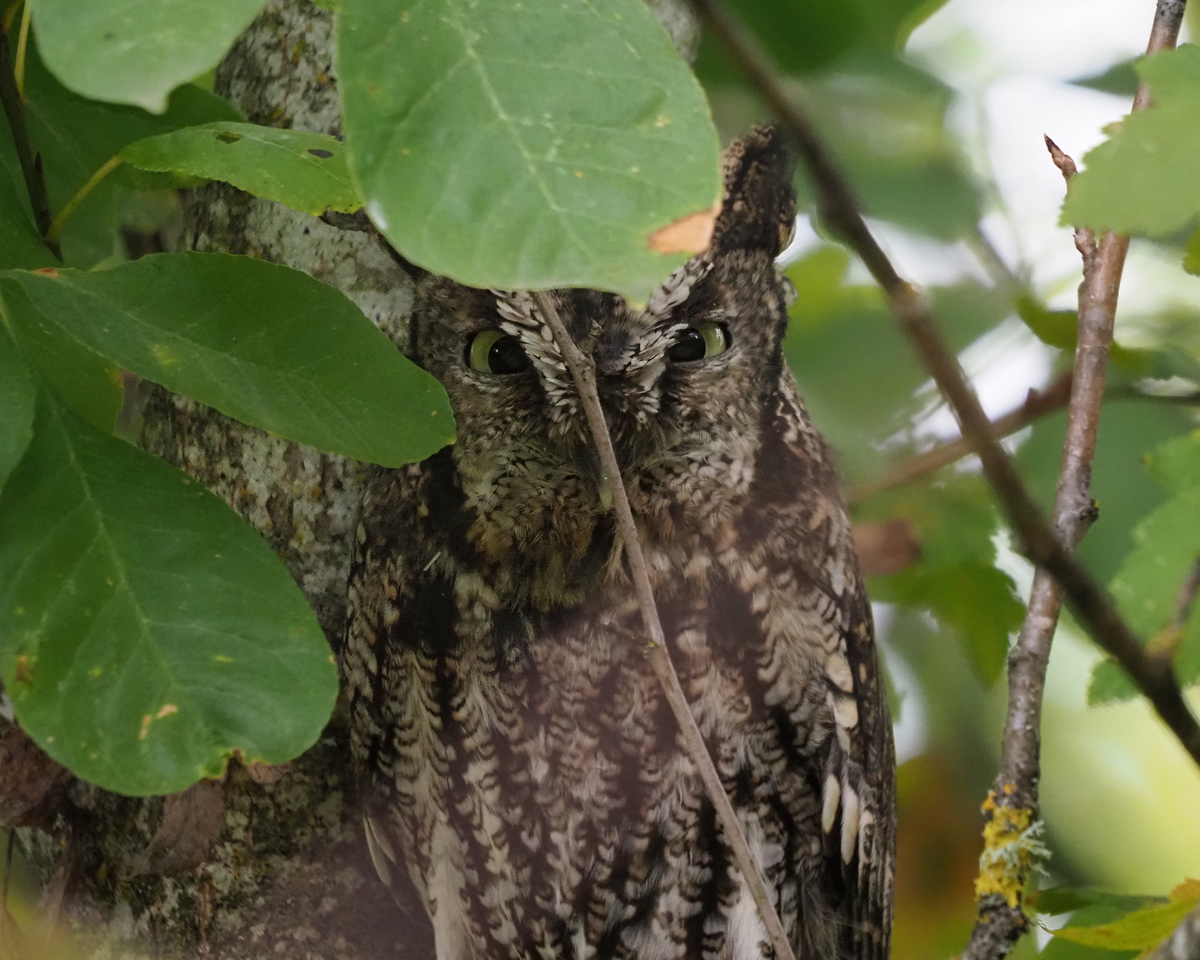
I was sorting through a flock of chickadees and kinglets when I found this Western Screech-Owl blending in with the tree bark.
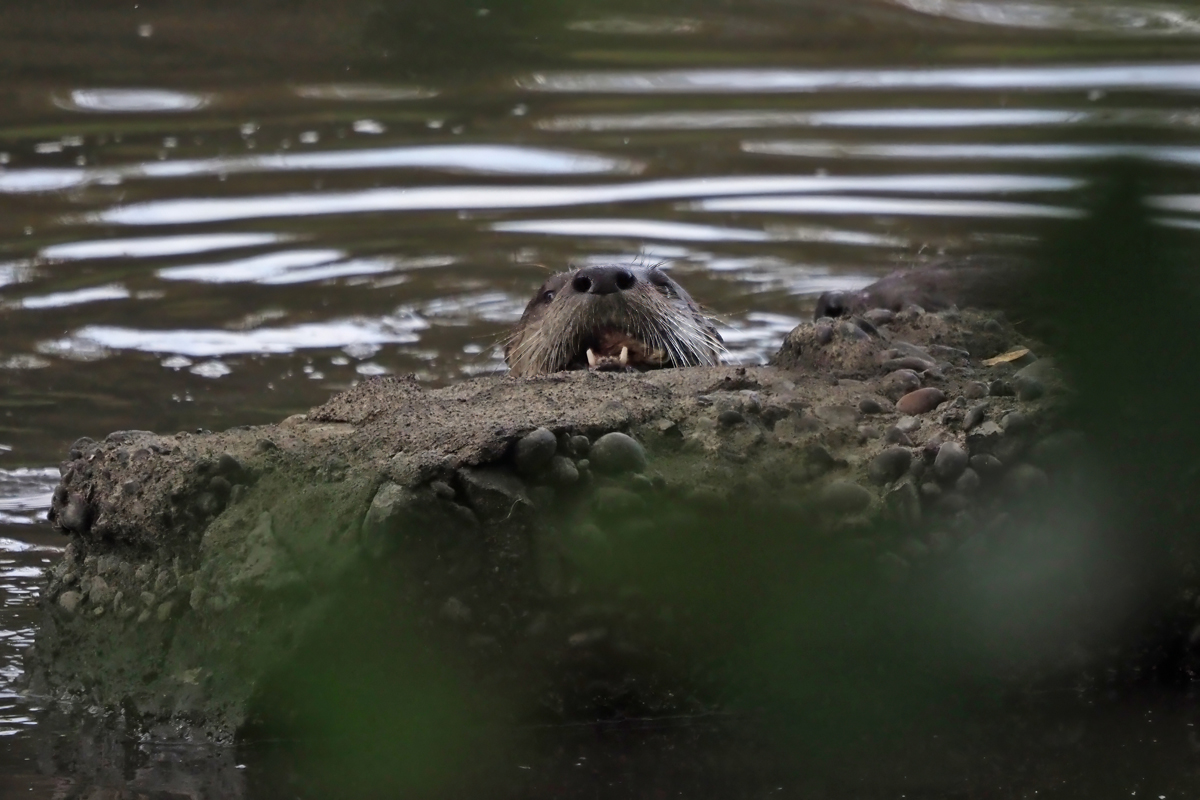
River Otters are always a treat. These were found at Koll Center Wetlands.

Hermit Thrushes have recently arrived for the winter. The weather has turned cooler and wetter, so we are about to settle into winter; lots of sparrows, waterfowl, and raptors; and fewer herps and warblers.

Happy Autumn

Baskett Slough NWR

I led a trip to Baskett Slough National Wildlife Refuge, part of the Willamette Valley NWR Complex. It has a nice mix of wetland, grassland, and oak woodland.

OLYMPUS DIGITAL CAMERA

Wilson’s Phalaropes are uncommon nesters in the Willamette Valley.

OLYMPUS DIGITAL CAMERA

OLYMPUS DIGITAL CAMERA

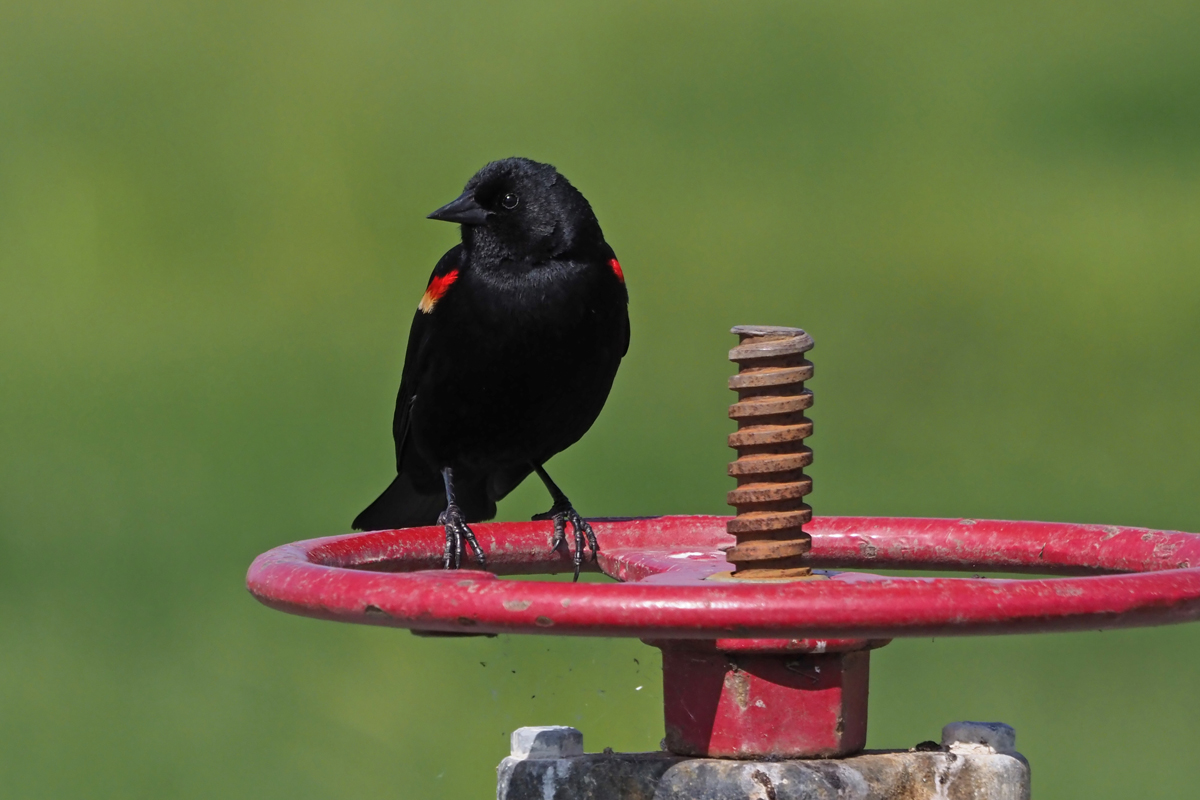
Red-winged Blackbird, color-coordinating with a water control structure

OLYMPUS DIGITAL CAMERA

Brown-headed Cowbird, being slightly less colorful

OLYMPUS DIGITAL CAMERA

Tree Swallow

OLYMPUS DIGITAL CAMERA

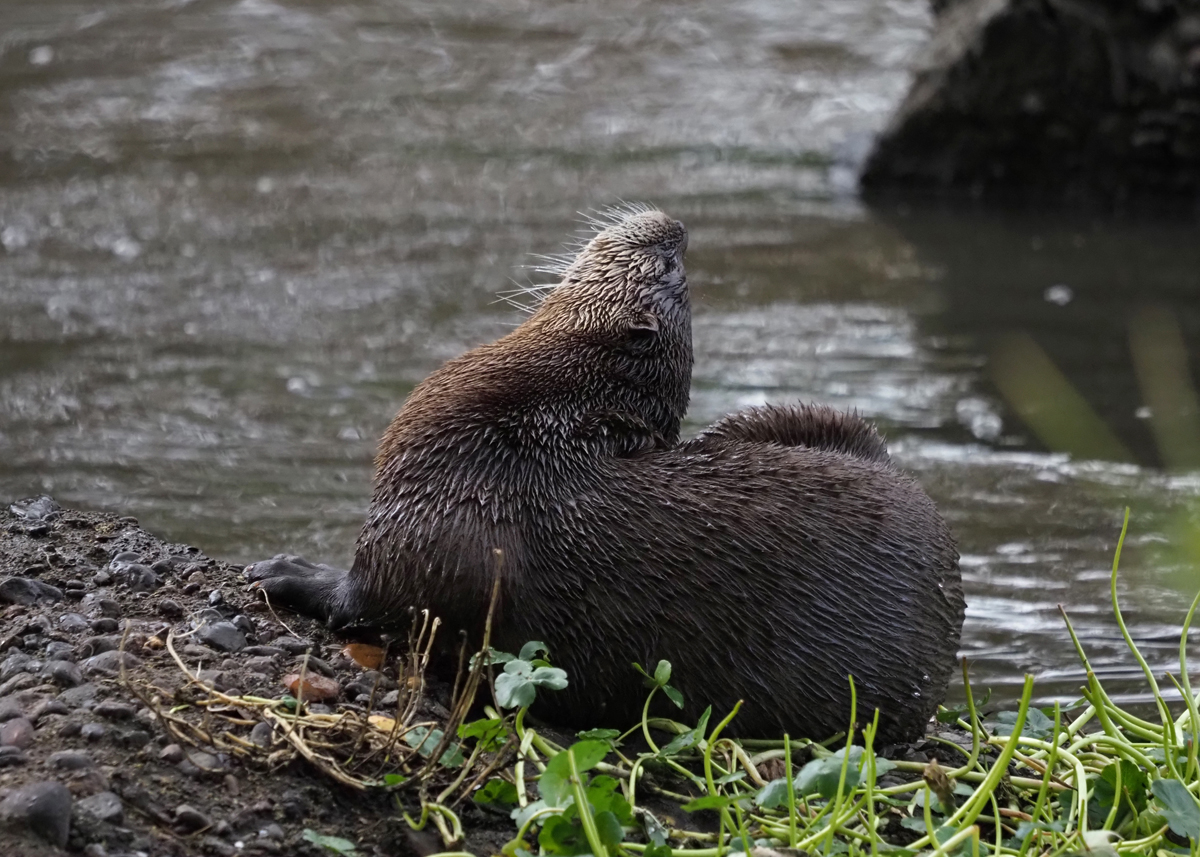
One of three River Otters seen on the trip

OLYMPUS DIGITAL CAMERA

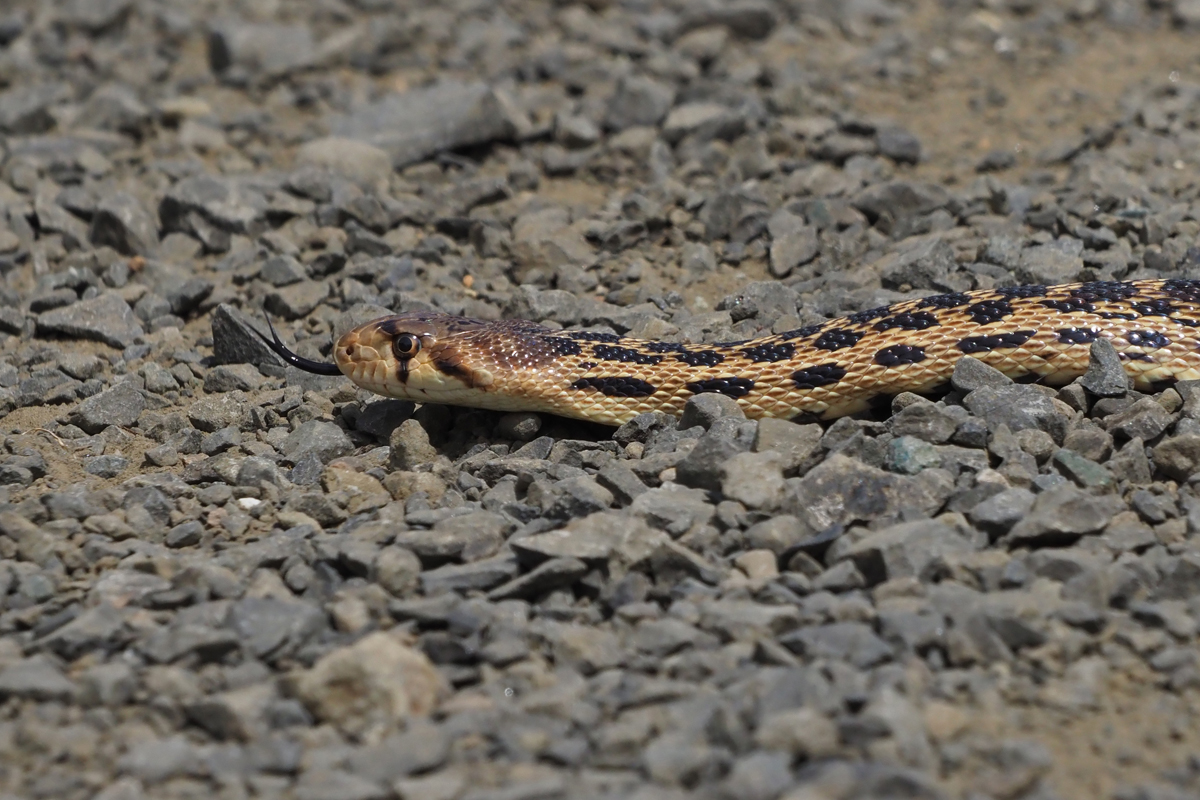
This Pacific Gopher Snake was a nice find in a grassland area of the refuge. I never see this species in the Portland area, even though we are just fifty miles to the north.

OLYMPUS DIGITAL CAMERA

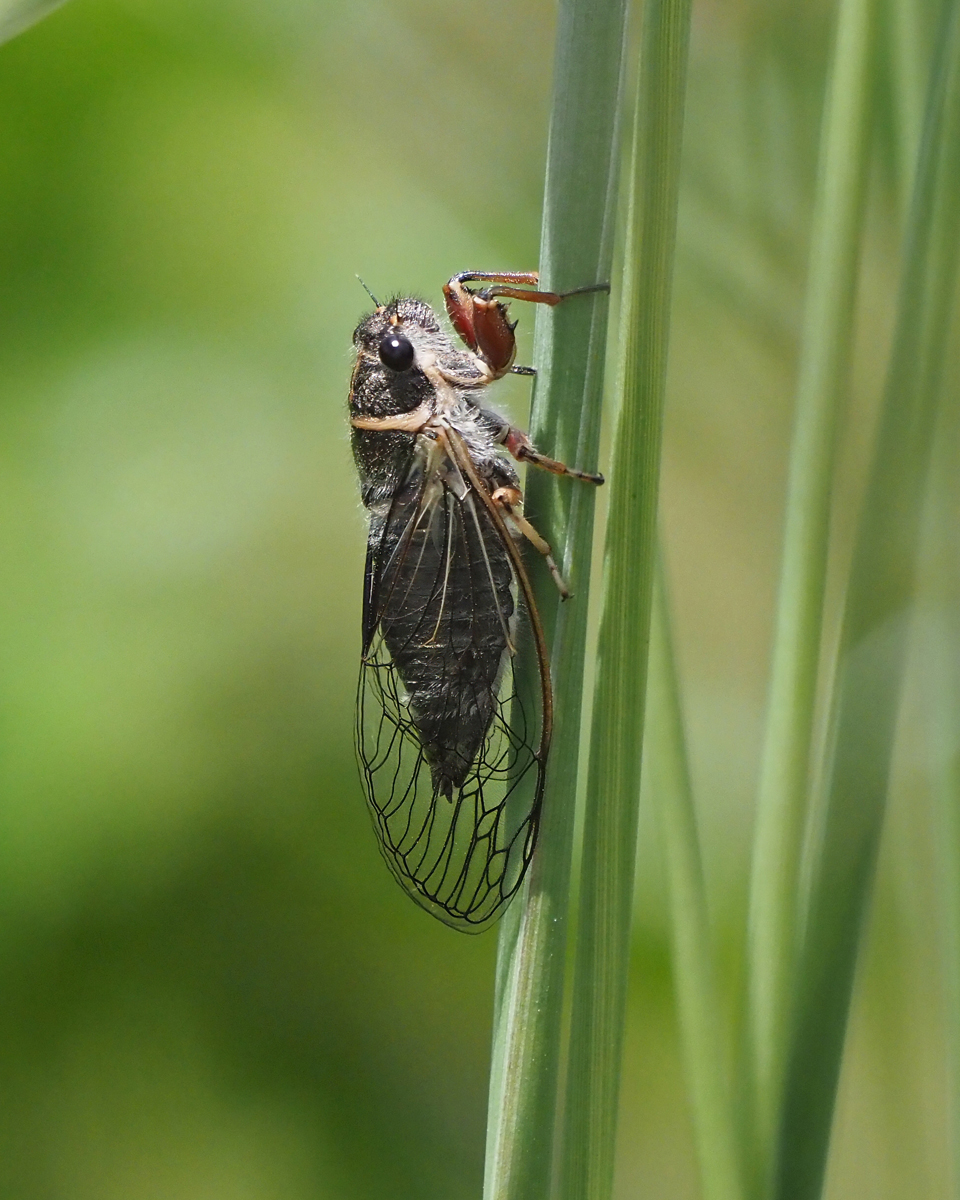
Another interesting find in the grasslands was this Salmonfly Cicada.

OLYMPUS DIGITAL CAMERA

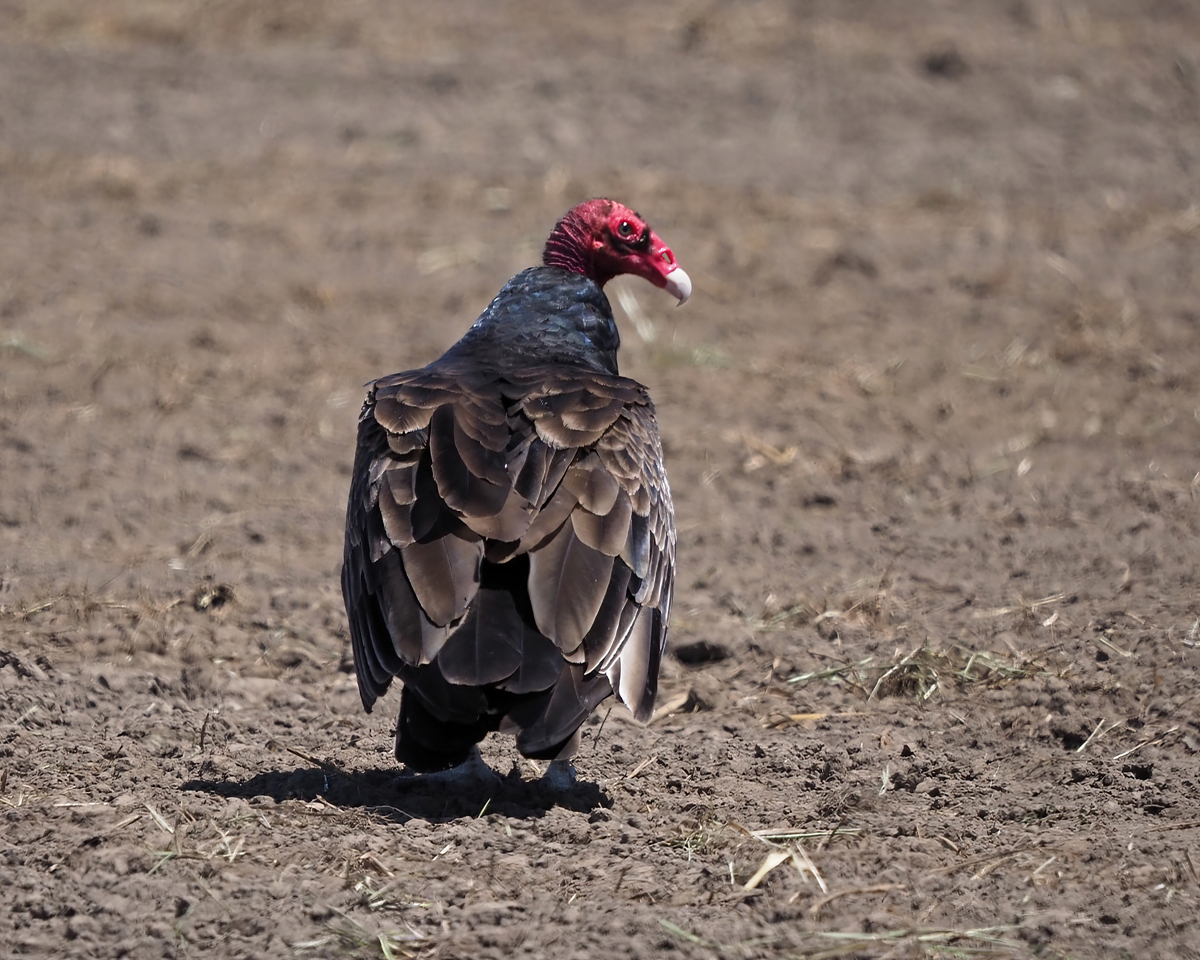
Several Turkey Vultures were hanging out in a freshly plowed field, perhaps scavenging critters displaced by the plow.

OLYMPUS DIGITAL CAMERA

The oaks at Baskett Slough attract Acorn Woodpeckers.

OLYMPUS DIGITAL CAMERA

This little Black-tailed Deer was browsing the woods with their mom.

The refuge can get pretty quiet during the heat of the summer, but things will pick up again in the fall when wintering waterfowl return.

Happy Summer.

Fernhill Wetlands

Here are some images from a trip to Fernhill Wetlands a few weeks back. Every season is different, but there is always something going on at this site.

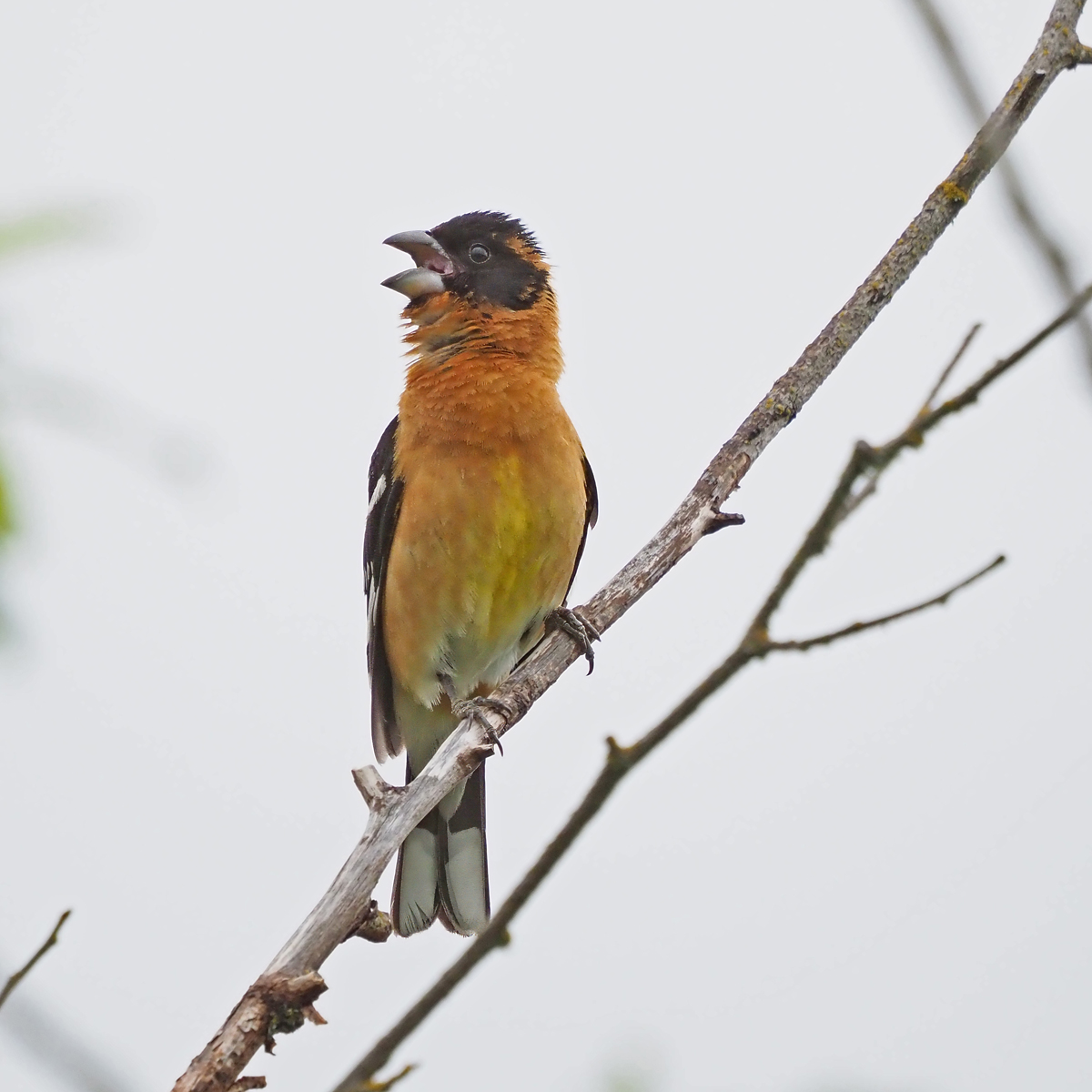
Black-headed Grosbeak singing his little heart out
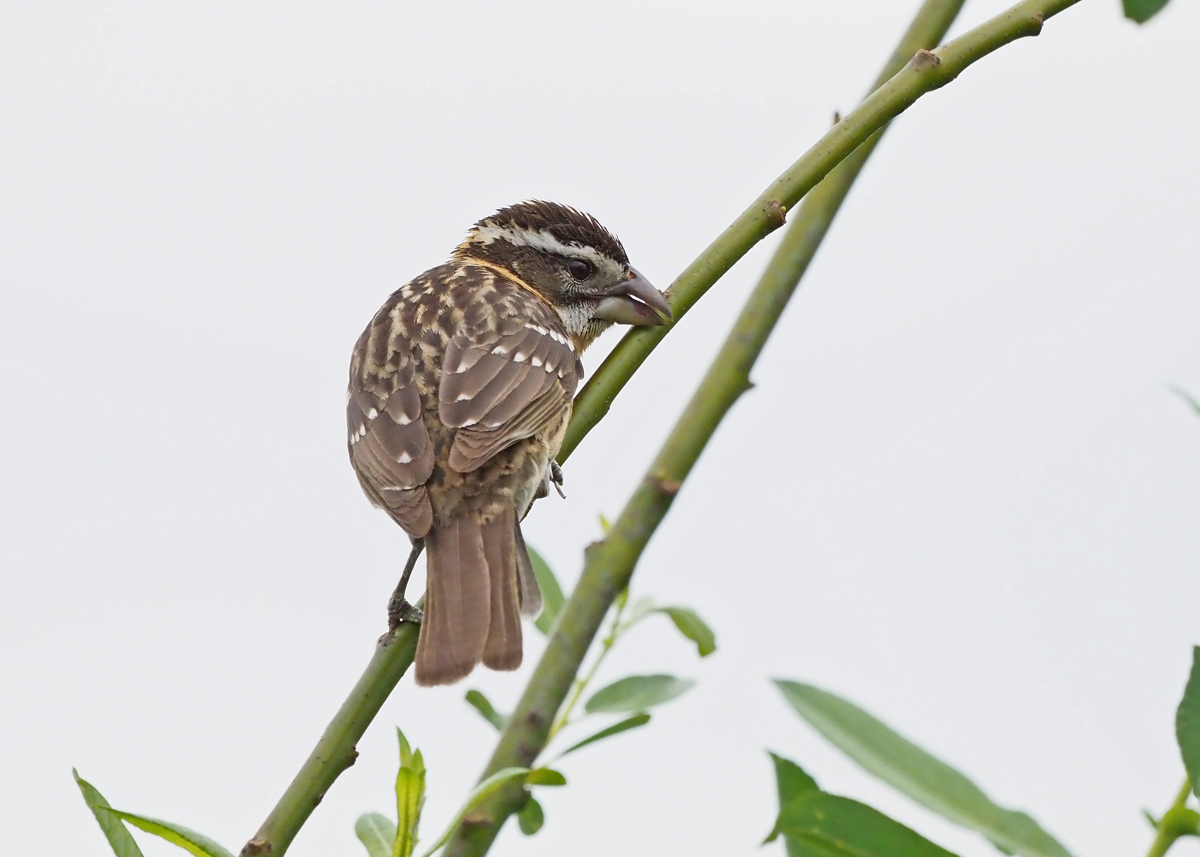
Another Black-headed Grosbeak
This Brewer’s Blackbird was taking frog legs back to her nest to feed her young.
While they are seldom very photogenic, Brush Rabbits are always a treat to see.
California Ground Squirrels are well established at Fernhill.
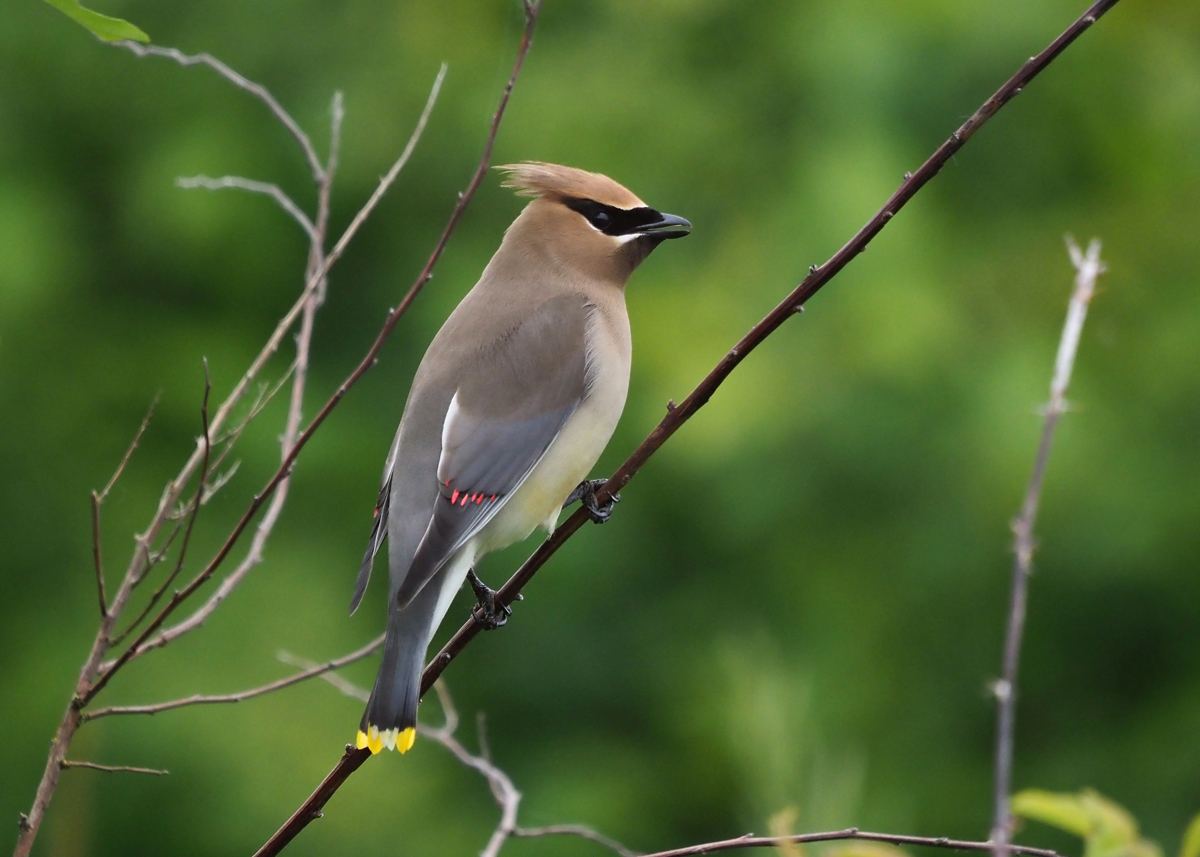
Cedar Waxwing
Cinnamon Teal pair
This massive Common Garter was basking on a log. I don’t know whether she had just eaten well or if she was full of babies.

Happy summer.

End of Winter Rambles

Red-tailed Hawk
We are in that slow time when winter is starting to tire out and there are signs of spring. Here are some random images from the past few weeks.
It is always a treat to get a good view of a Hutton’s Vireo.
Great Blue Heron toying with an American Bullfrog
This Cooper’s Hawk perched low in a thicket for some killer views.
This American Beaver was sitting out on a piling in the Columbia River. Beavers are actually pretty common in the Portland area, but are typically nocturnal. I have read that Beavers were historically diurnal, but became nocturnal in response to intense hunting pressure. Nice to see this one out enjoying the sun.

Happy Spring

In the Bleak Midwinter

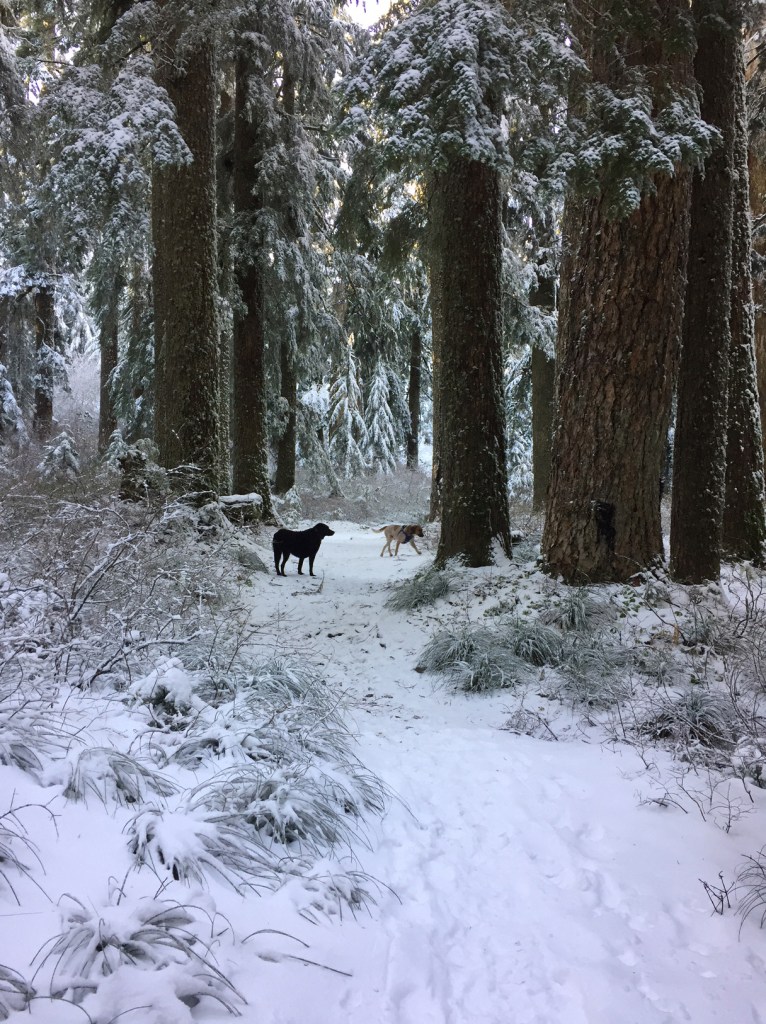
Between the holidays, work, and family activities, there has been very little birding in recent weeks. One of the more enjoyable outings was a hike on Larch Mountain. The dogs loved the snow and it was great to get outside and hike around for four hours. Birds, as expected this time of year at this location, were very few. But we did hear a few kinglets, chickadees, and a flock of Red Crossbills.

The big new thing in 2019 is the Five Mile Radius, the brainchild of Jen Sanford of I Used to Hate Birds. This is where you concentrate your birding efforts to within five miles of your home and see how many species you can find within that circle. Not only does this reduce your gas consumption, but it forces you to explore many areas close to home that you normally wouldn’t. Who knows what avian goodies and birdy little patches you can discover?

Most of my 5MR efforts so far have been keeping track of birds I see at the dog park and at home, but I have already exceeded 50 species, and have yet to visit any wooded habitats or open fields. 

If the recent gale-force winds ever die down, I look forward to getting out and racking up some more local species.

Happy Winter


Taverner’s Cackling Goose vs. Ridgeway’s Cackling Goose

IMG_0085
On a recent trip to Commonwealth Lake Park in Beaverton, I had the opportunity to observe Taverner’s and Ridgeway’s Cackling Geese side-by-side. Taverner’s are larger, with pale breasts and slightly longer bills. Ridgeway’s have dark, iridescent breasts (on adults) and stubby little bills.

taverner
Here is a close look at a Taverner’s Cackling Goose, the subspecies most likely to be confused with Lesser Canada Goose. Lesser Canada Geese have thinner necks and slightly longer bills.

ridgeway's
The bill on a Ridgeway’s Cackling Goose is thick and stubby, and the neck often appears very short and thick. This subspecies is generally regarded as the most adorable.

IMG_0084
Another fun goose at Commonwealth that day was this Greater White-fronted Goose. A few of these have been hanging out at Commonwealth the past few winters.

cormorant
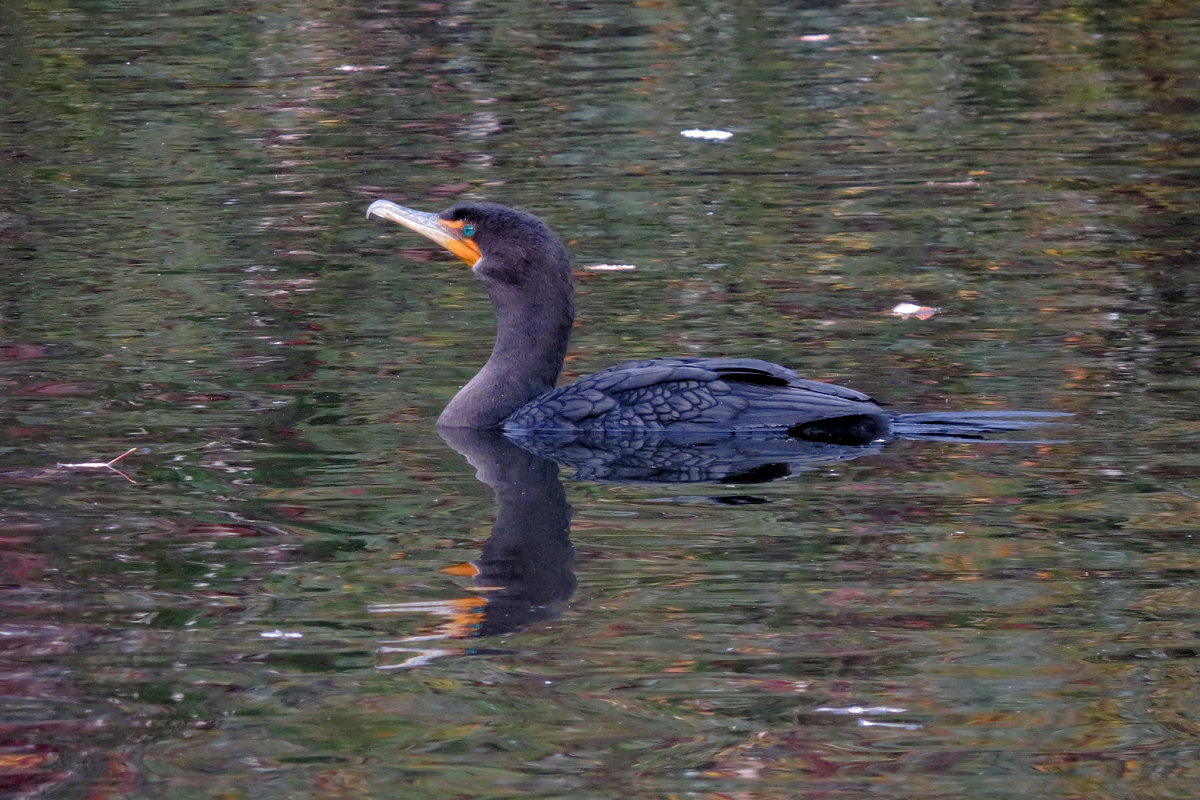
Not a goose, but a gorgeous bird when you get a close enough view, is this Double-crested Cormorant. You can expect to see a few of these whenever you visit this site.

The American Wigeon flock was pretty small this day, but I expect the wintering birds to increase in the coming weeks.

Updates

I have updated the Classes page to show all the classes I currently have scheduled. I would love to share what I know (that part doesn’t take long) and then go birding with you. Check it out.

I have also updated the Updates and Corrections page for Birding Oregon. There are several sites in Tillamook County that are currently not open to birding due to construction projects or the county’s tendency to fall into the Pacific Ocean.
The headquarters at Malheur National Wildlife Refuge remain closed following the armed occupation by inbred troglodytes in January and February of 2016.

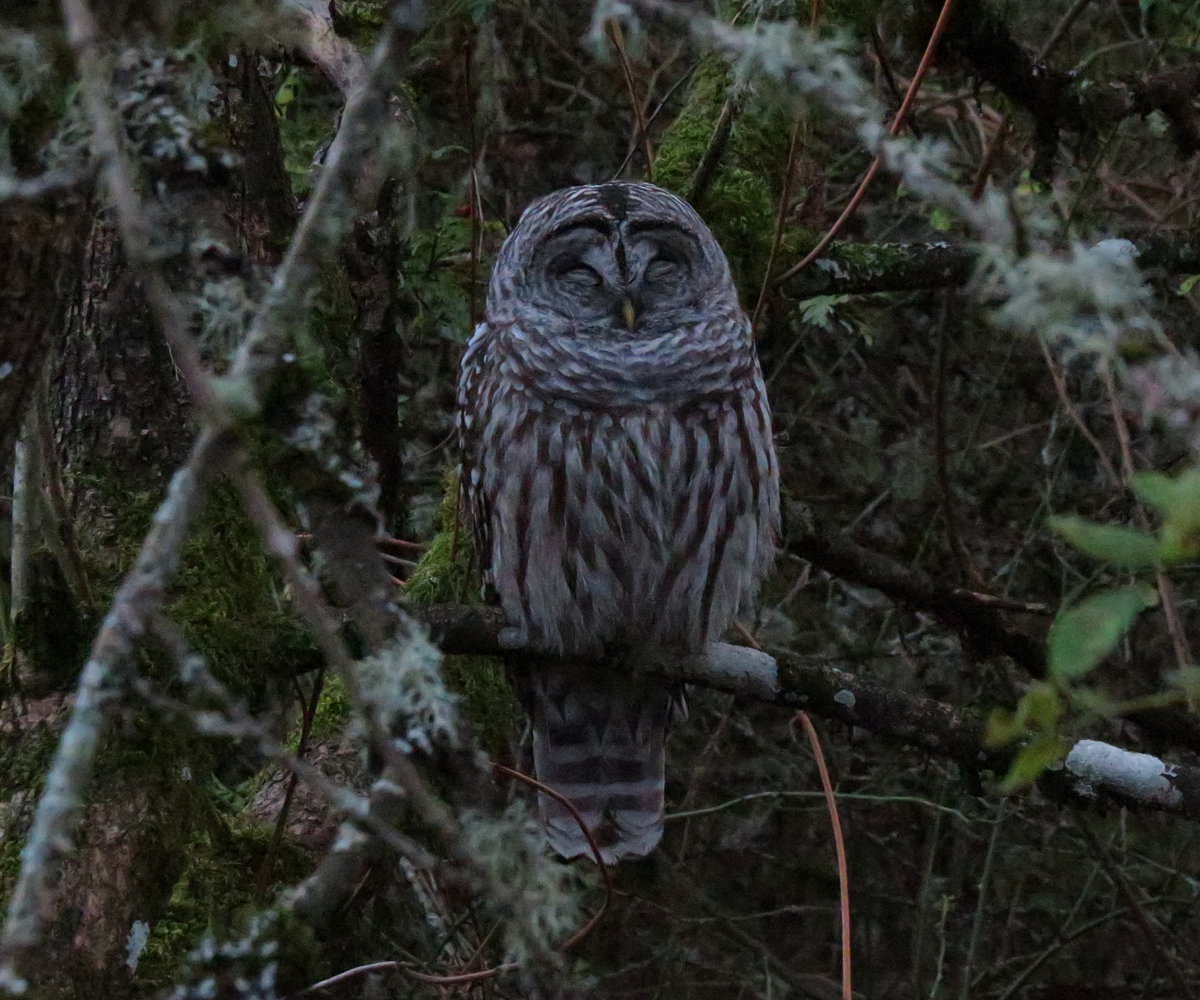
Lest you think this entire post is bad news, please enjoy this photo of a lovely Barred Owl that was snoozing on our property on a recent evening. Cheers.

barred-2

Broughton Beach Horned Larks

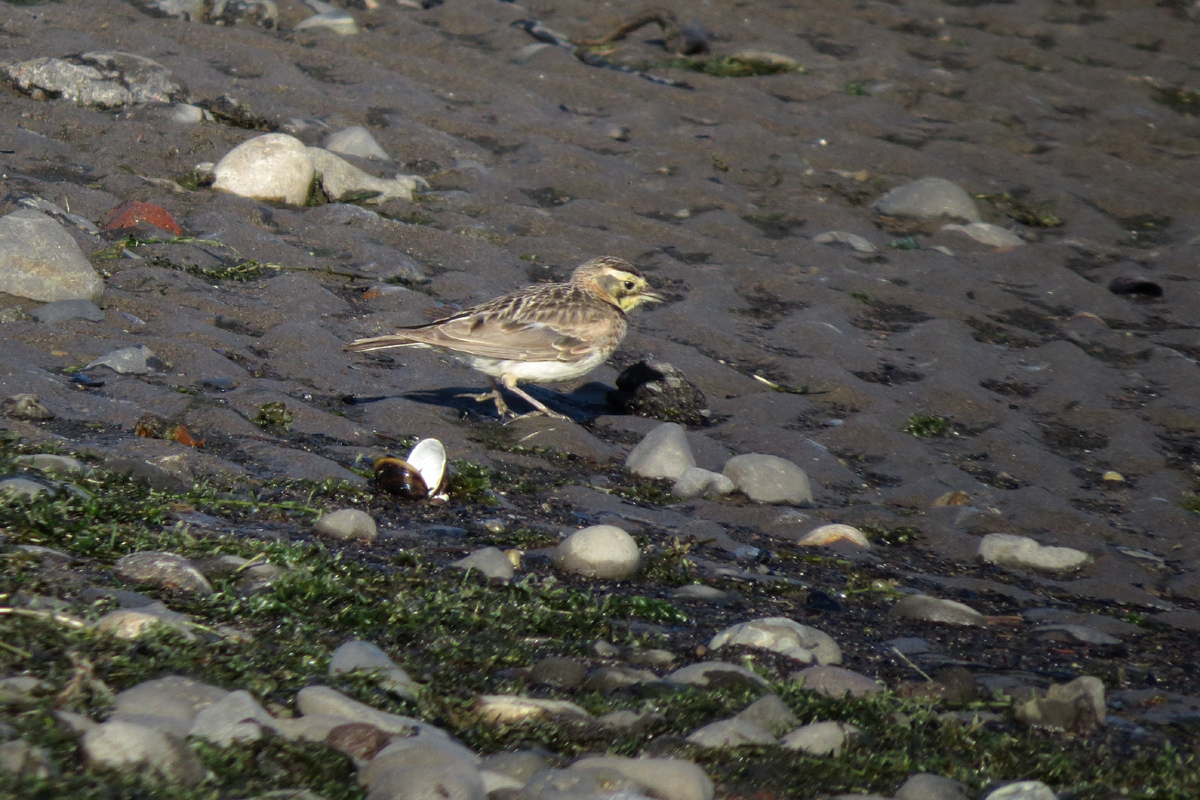
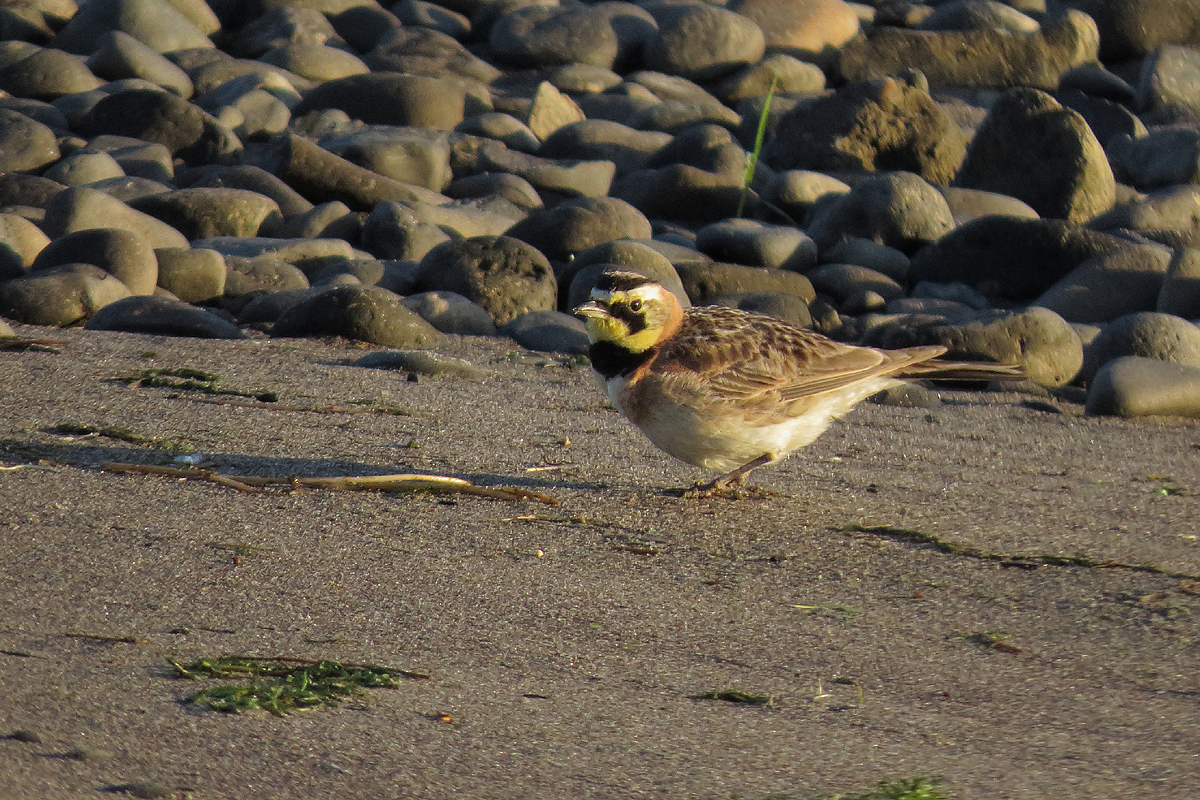
hornedBroughton Beach, along the Columbia River, has been a favorite spot in Portland to check for shorebirds, gulls, and waterfowl, depending on the season. On my recent visit I enjoyed watching a family of Horned Larks working the beach. There are many subspecies of Horned Lark, and I don’t have a reference that provides a good description of the possible subspecies in this area. These birds had much more yellow on their faces than did the birds I saw recently on Mount Hood.

horned juvenileThis juvenile showed more muted colors and lacked the distinctive facial pattern of the adults.

horned juvI’m not sure if this bird is a juvenile or an adult female.

horned lark femaleadult female, I think

horned lark 3adult male, I think

horned lark 2adult male

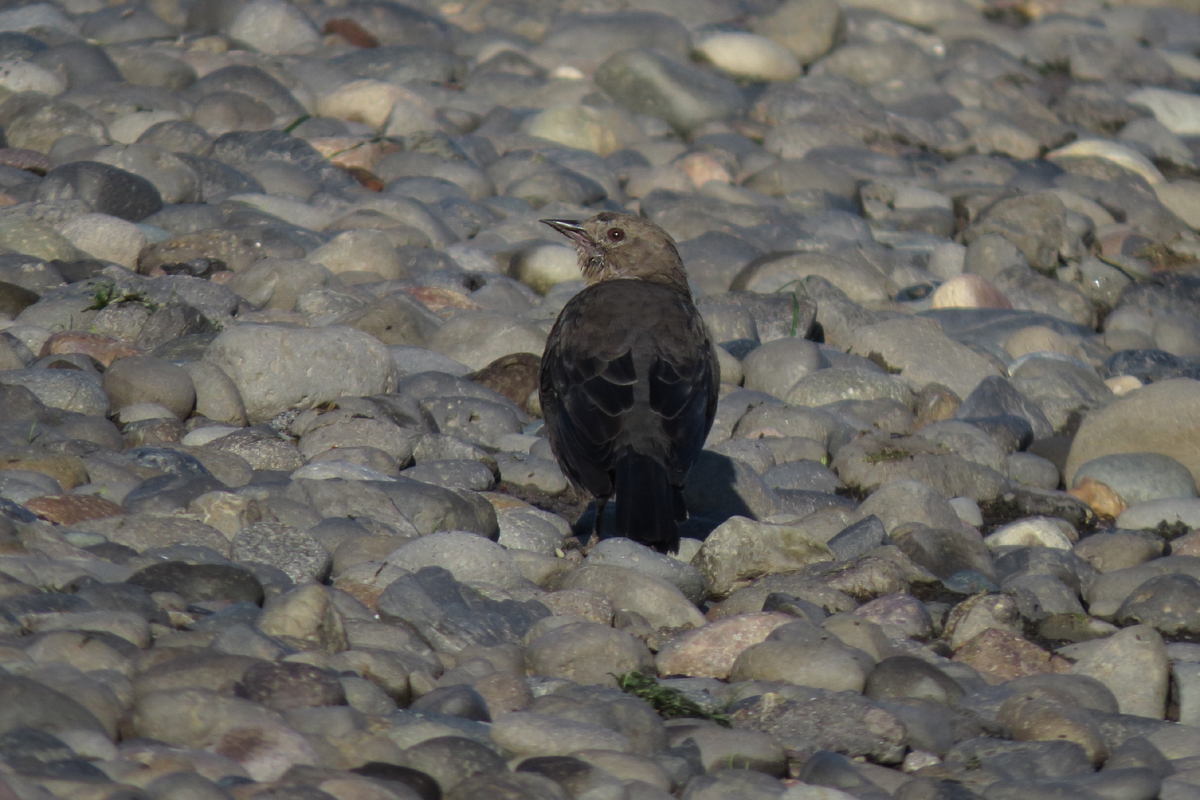
brewer'sNot a Horned Lark, but Brewer’s Blackbirds are among my favorites. This is a female.

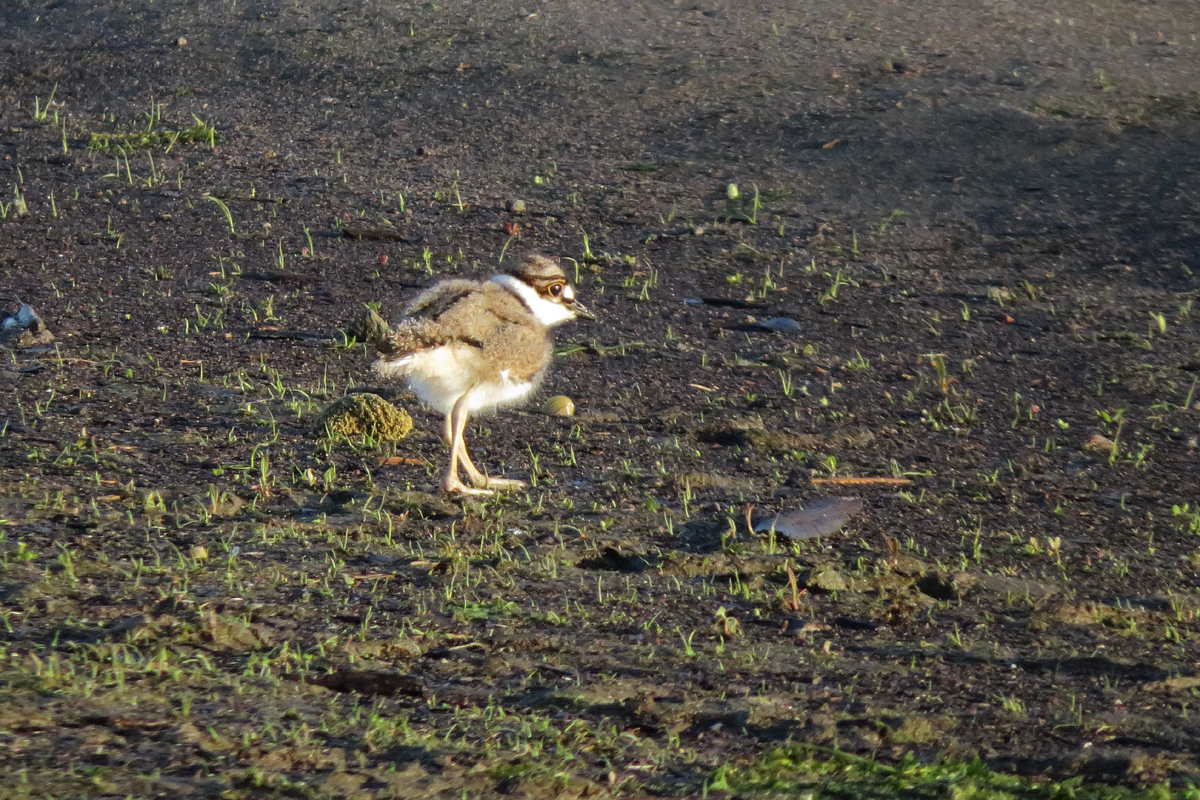
killdeer chickAnd we end with a ball of fluffy cuteness. I was surprised to find such a young Killdeer so late in the summer.


Settling In

purple finch maleI moved at the end of last year. It was not a great distance (less than 100 yards as the finch flies), but I was anxious to see how long it would take the birds to find my feeders. When people ask me that question, I generally tell them between six minutes and six months. The Anna’s Hummingbirds found their feeders almost immediately. The seed feeder sat unnoticed for about a week.
The first birds I saw were a mixed flock of Chestnut-backed Chickadees, Black-capped Chickadees, and Red-breasted Nuthatches. Not too shabby. A few House Finches came by a few days later. Things remained pretty quiet for a few weeks, but activity has recently taken an upturn. A pair of Purple Finches, including the ridiculously beautiful male pictured above, have been regular visitors. Lesser Goldfinches and Pine Siskins have joined the House Finches, and Dark-eyed Juncos and Spotted Towhees are busy on the ground under the feeder.

The biggest surprise at the feeder has been a pair of White-breasted Nuthatches, a species I never saw at the old location. These birds have eluded my efforts to obtain a photo. I am looking forward to seeing what else will appear.

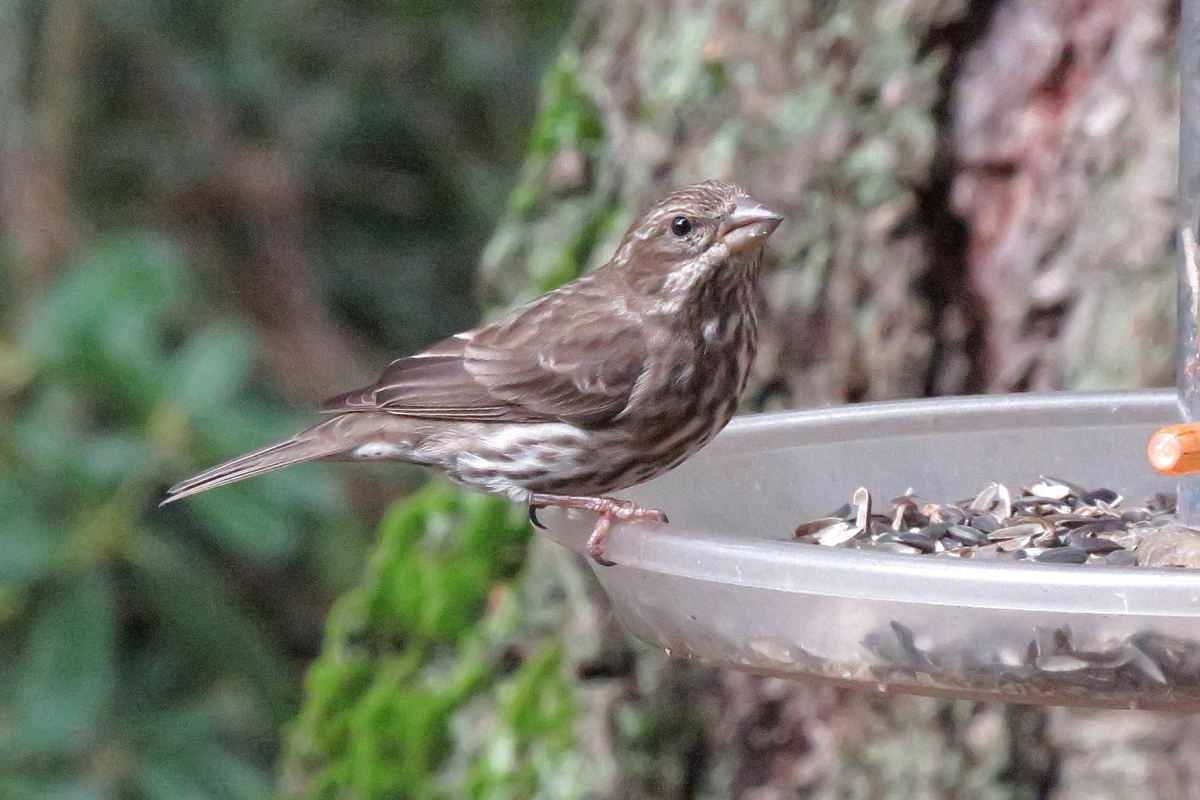
purple femalefemale Purple Finch

pine siskinPine Siskin

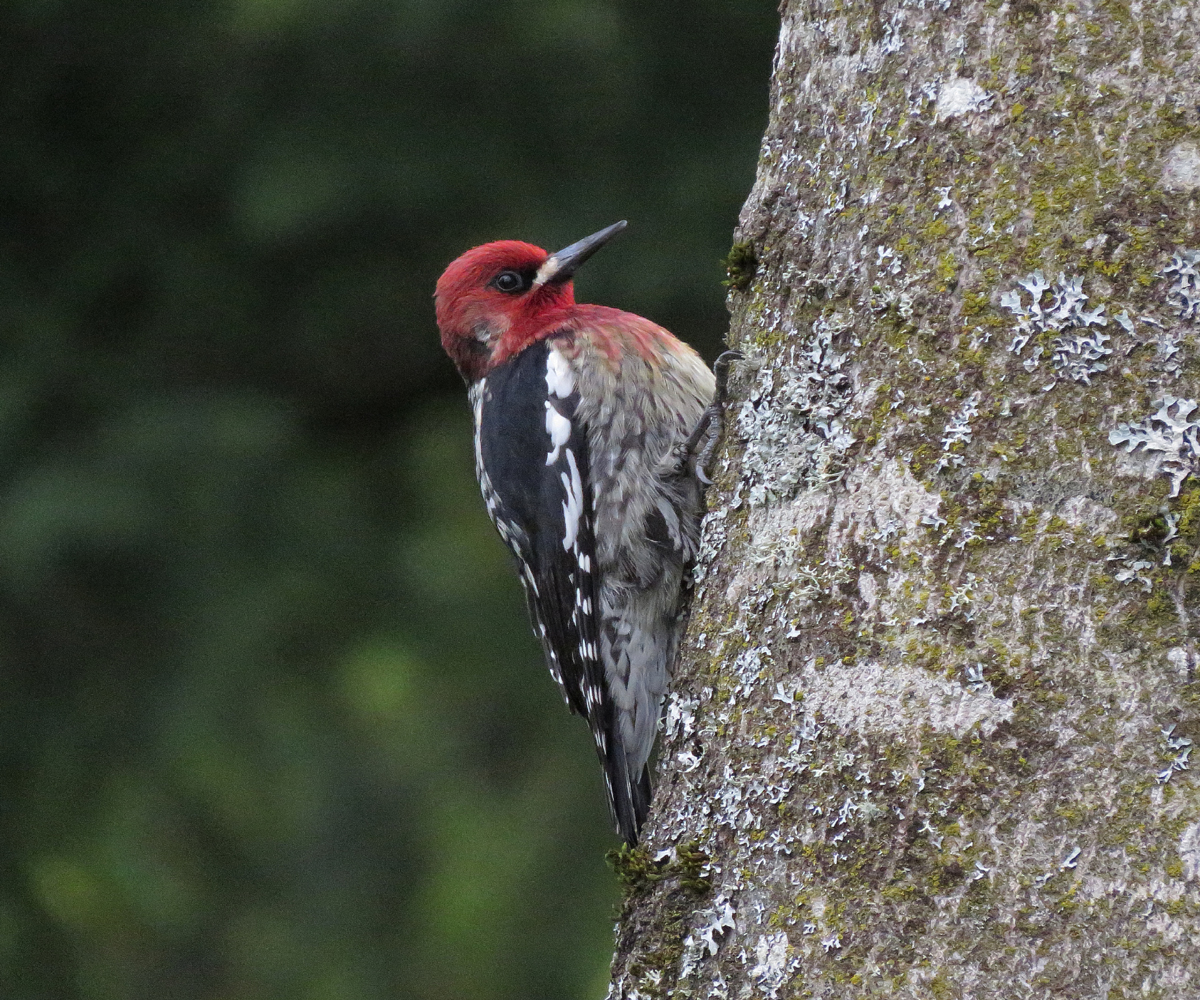
Red-breasted SSNot a feeder bird, but a Red-breasted Sapsucker spent a few days on the property.