
Every spring, birders suggest that the migration is running a little late. I think a lot of that feeling just comes from a desire to see spring migrants again. But this year, a lot of species are arriving noticeably late. It was May 11 before I detected my first flycatcher of any species. Shorebird migration on the coast didn’t really pick up until the second week in May.
So a visit to Cooper Mountain Nature Park during the first week in May provided mostly resident and locally nesting species, like this White-crowned Sparrow.
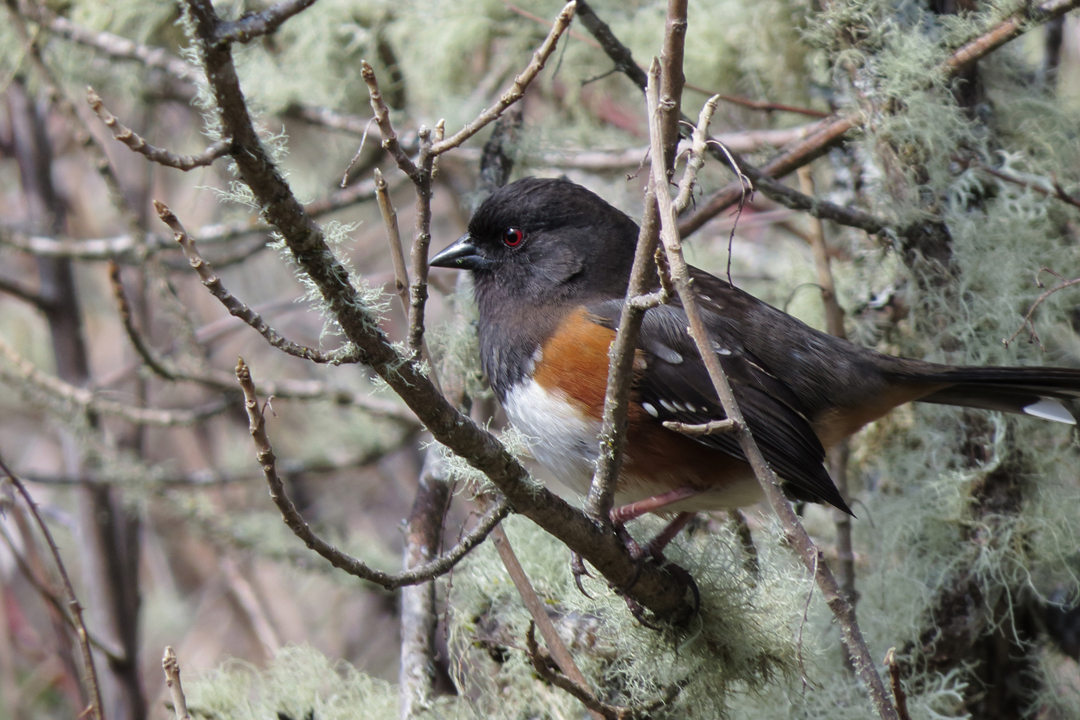
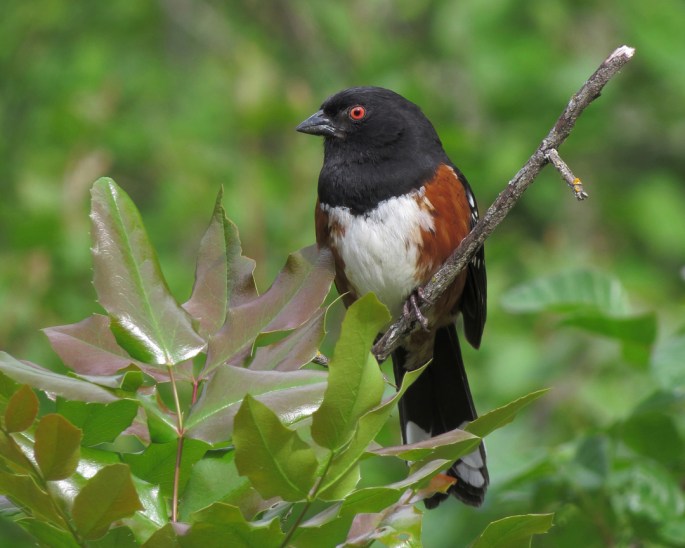 Spotted Towhee, really working that red eye in the sunlight
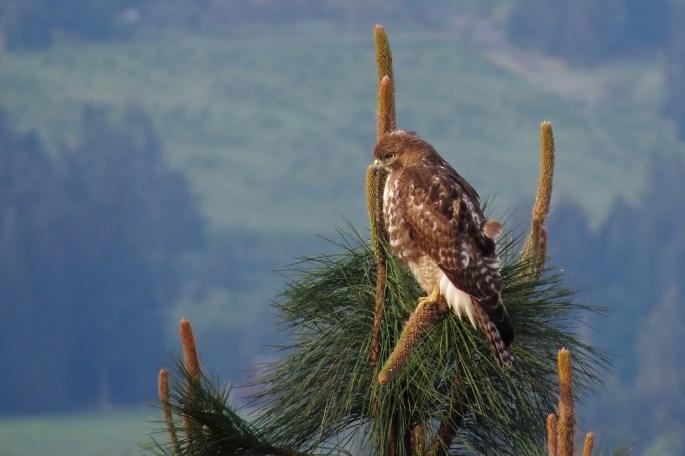 This young Red-tailed Hawk was checking out the meadow.

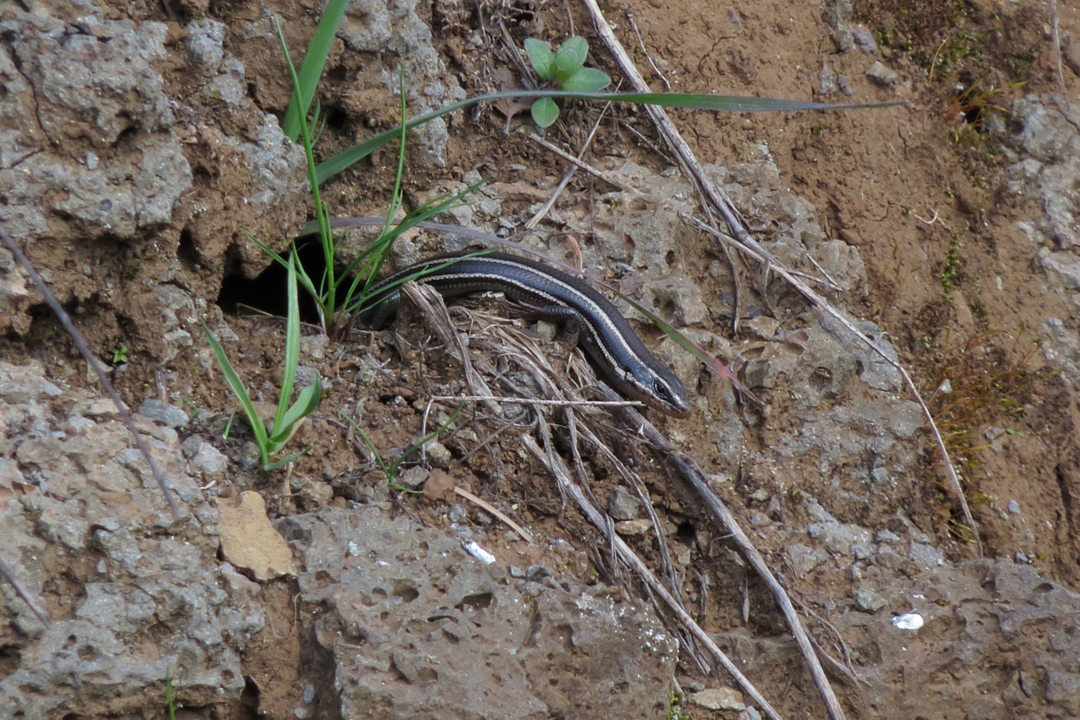
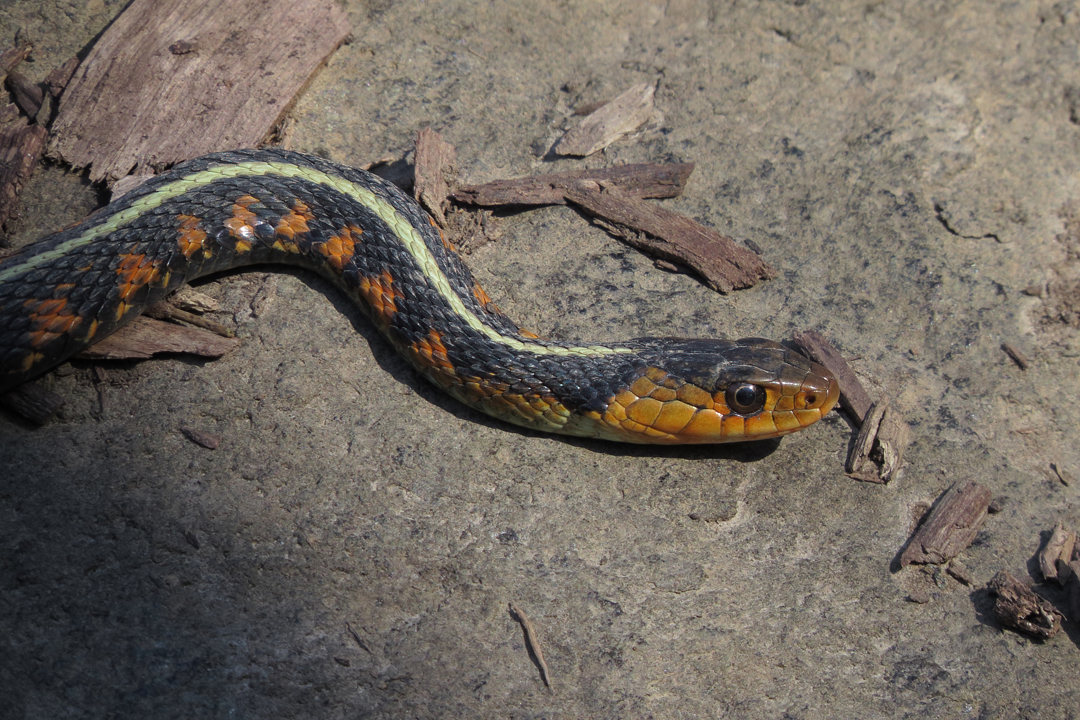
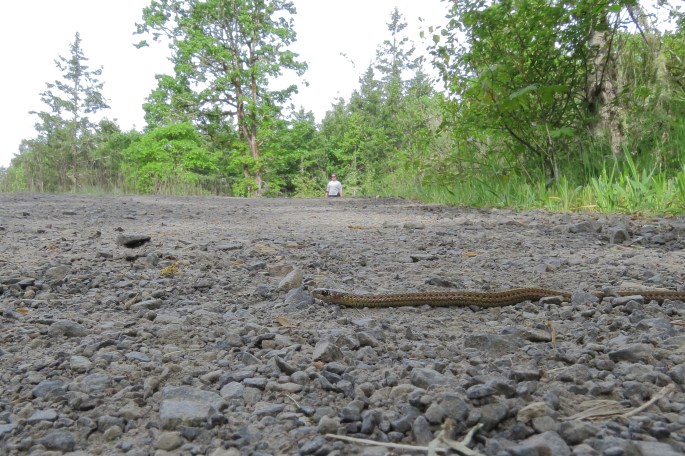 A young Northwestern Garter Snake crossing the trail
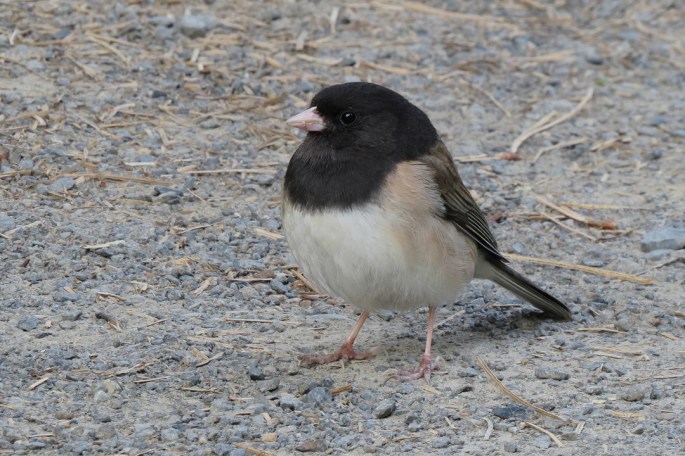 The local Dark-eyed Juncos have seemed quite tame lately. I wonder if they are just really busy gathering food for their nestlings.
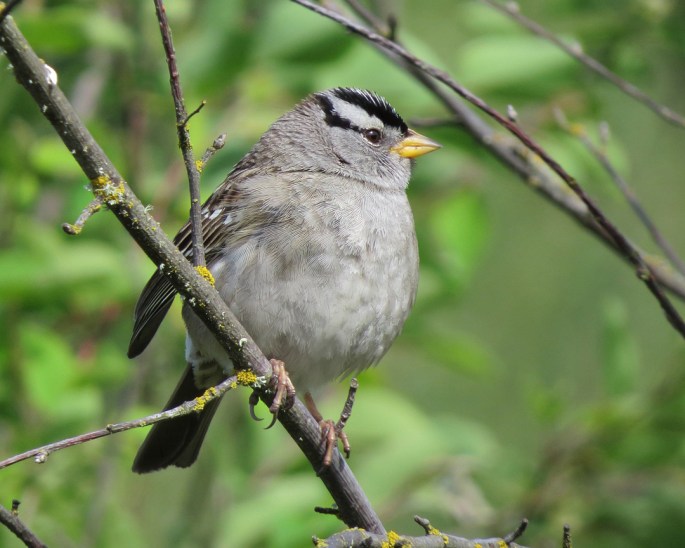 Another White-crowned Sparrow. Despite their limited color palette, I have always thought this species was especially attractive.
Happy Spring
 I went to Fort Stevens to look for shorebirds this week. The main push of spring migrants hadn’t arrived yet, but numbers were definitely on the increase. I was pleased that I timed the tide correctly at Parking Lot D. This little bay fills quickly when the tide comes in, so it was nice to have extensive mudflats on this visit.
 Semipalmated Plovers enjoying the mud
 This spot often hosts good numbers of Caspian Terns. Several birds were seen courting.
 Of the six Black-bellied Plovers I saw that day, only one was in full breeding plumage. The others, including this bird, were still in molt.
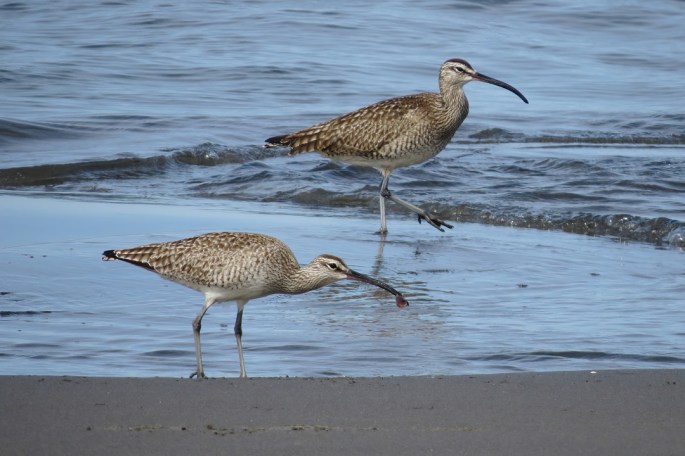 The beach hosted good numbers of Whimbrels.
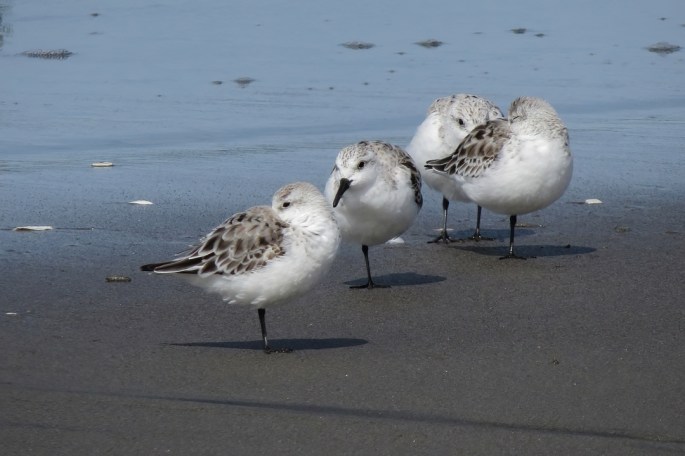
 The most common shorebird on the beach that day was Sanderling. Most were still in winter plumage.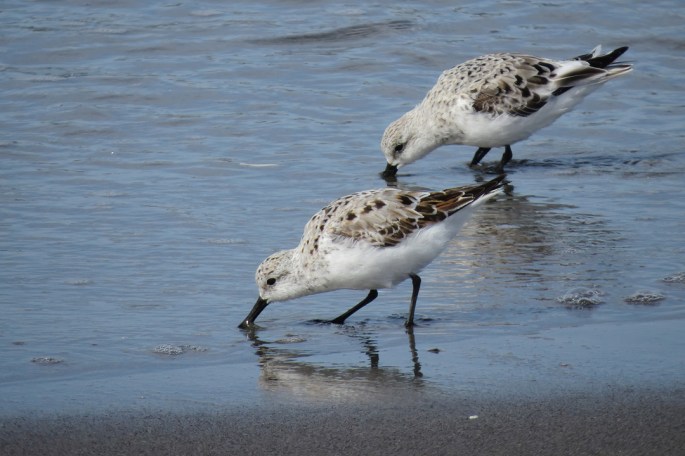


 A quick tour of Fernhill Wetlands showed bird activity picking up, with the appearance of newly arrived migrants and nest building by the local breeders. This Tree Swallow was staking out a cavity.
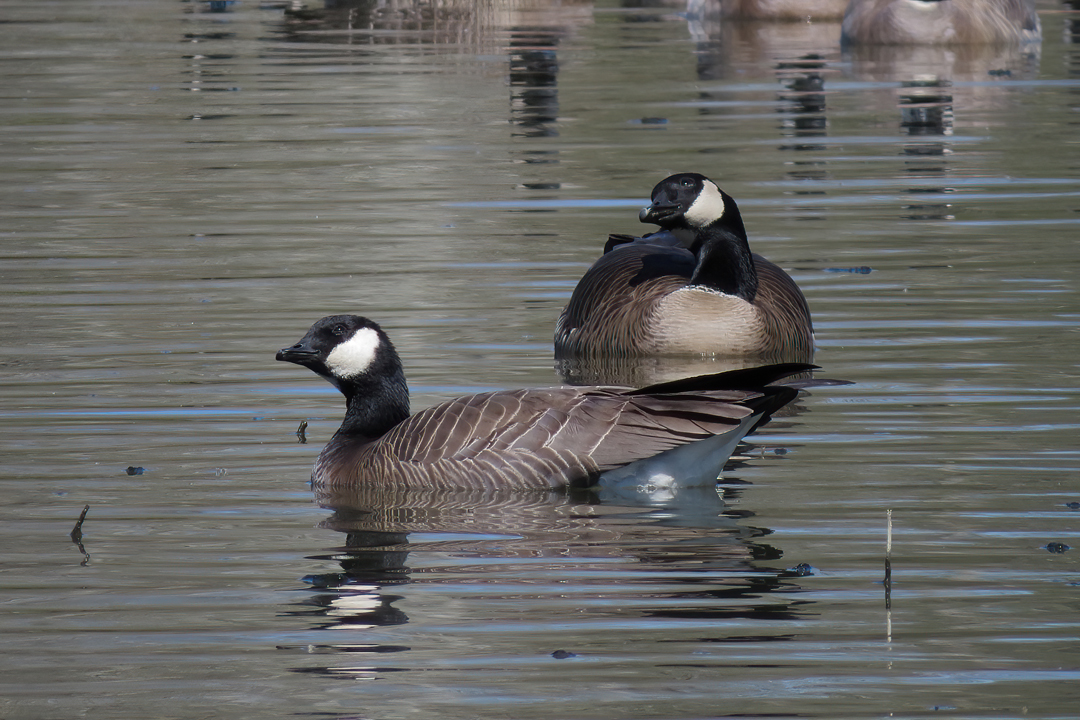 There are still some Cackling Geese around, although they should be heading north any day now. Here is a nice side-by-side view of a Ridgeway’s Cackling Goose and a Taverner’s Cackling Goose.
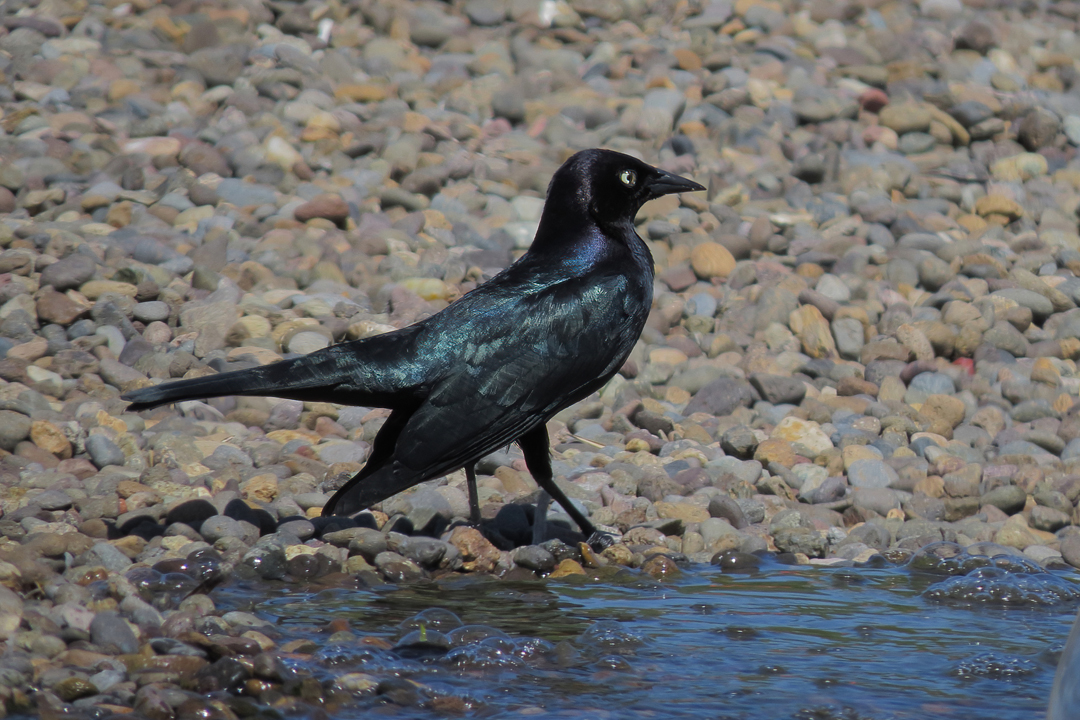 The male Brewer’s Blackbird was showing his colors in the bright sunlight. I caught him in the middle of a blink, so his eye looks weird.
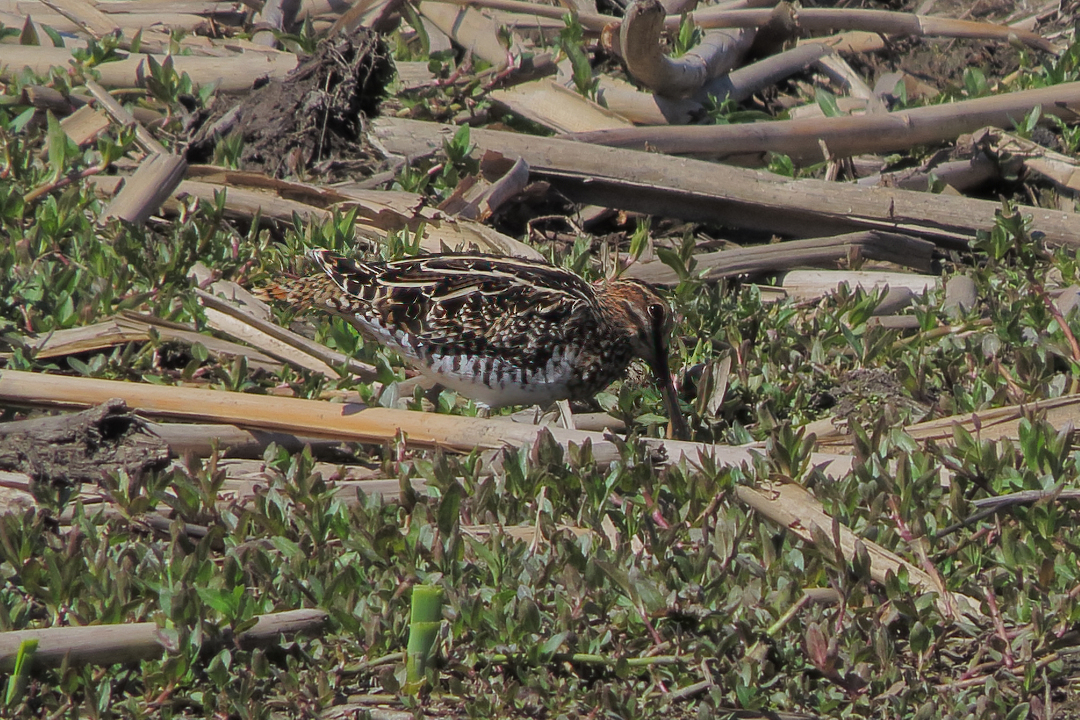 Wilson’s Snipe
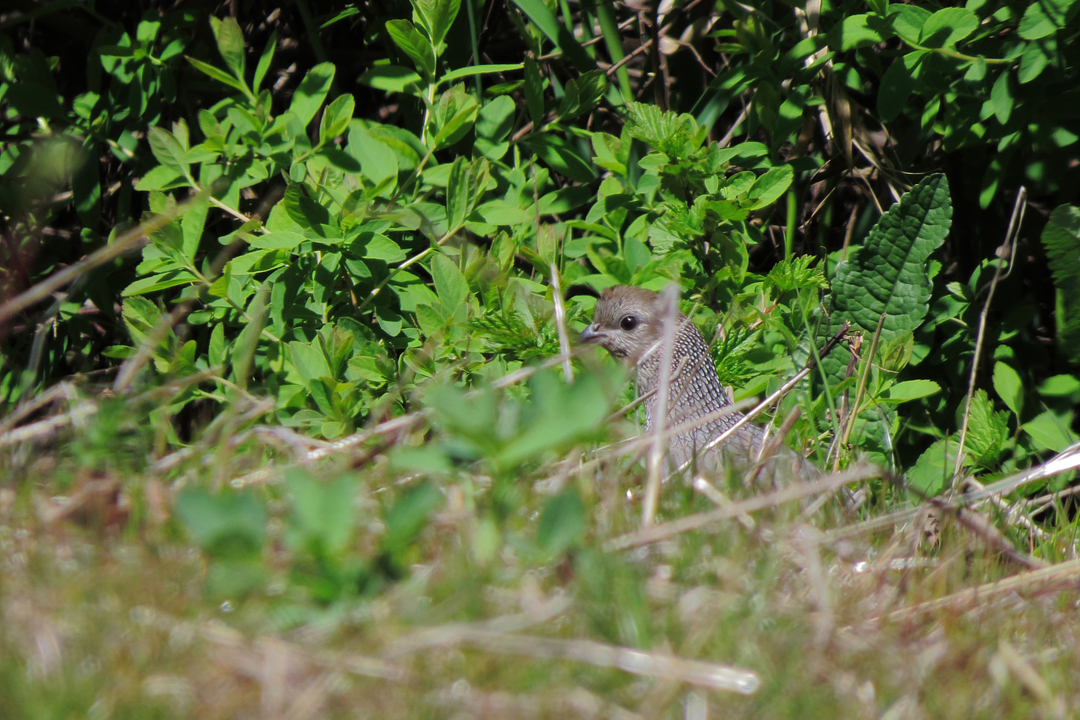 California Quail have become slightly more common at Fernhill in recent years.
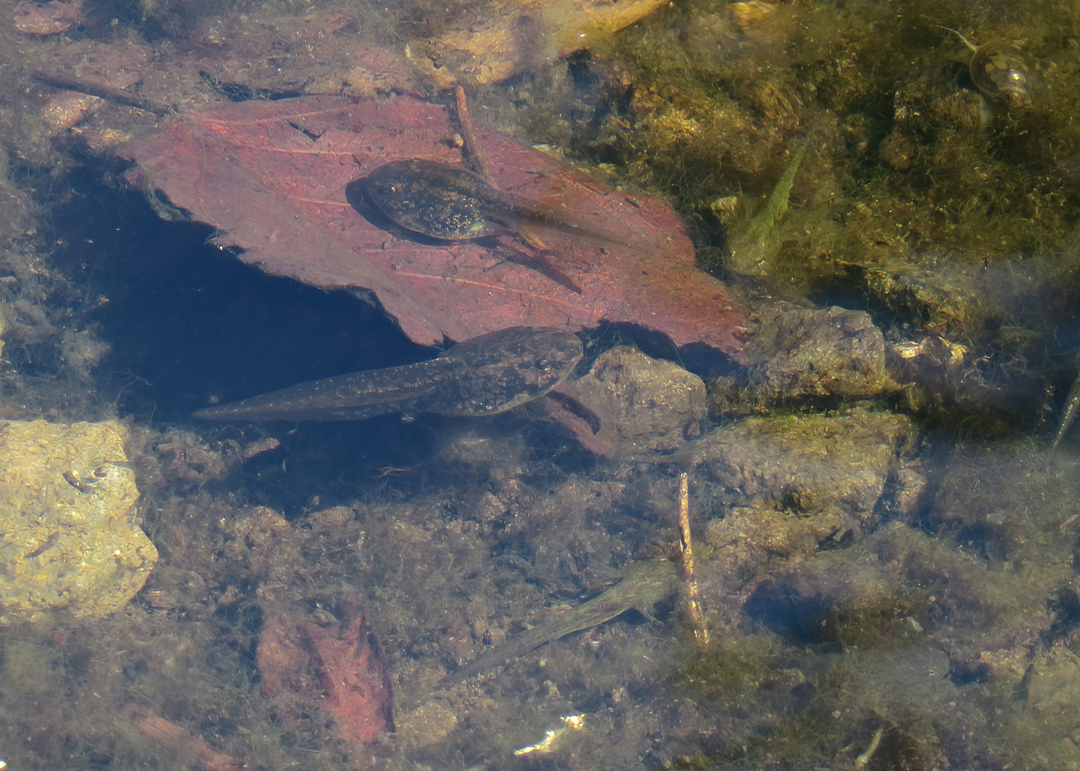
 The Common Carp are spawning in Fernhill Lake.
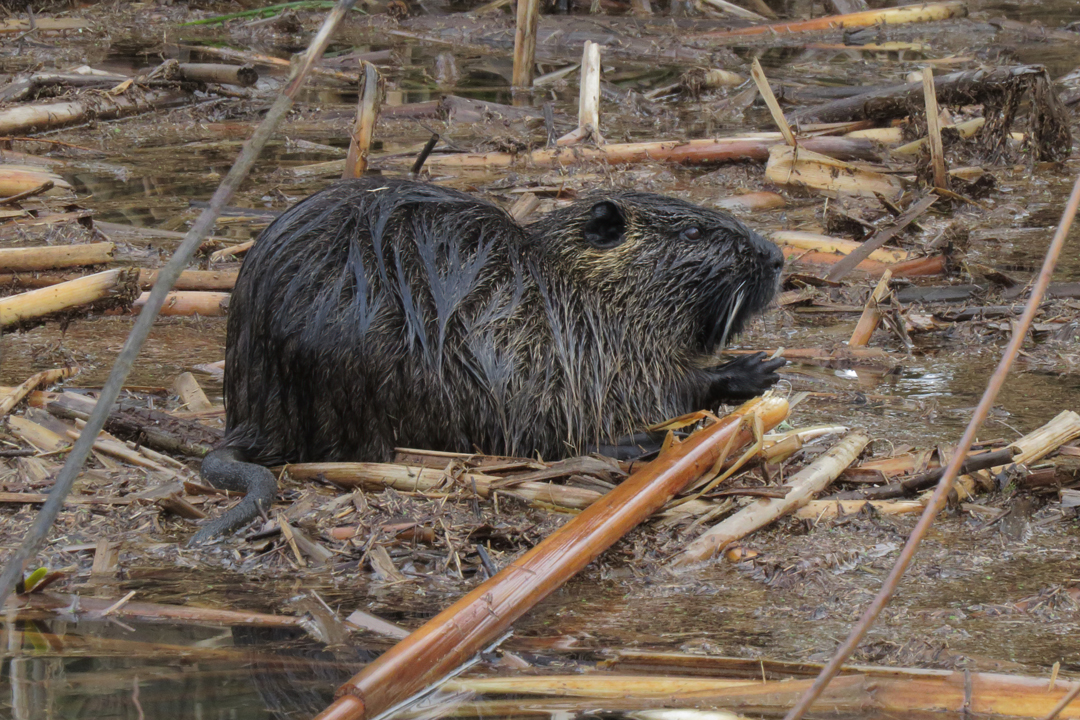
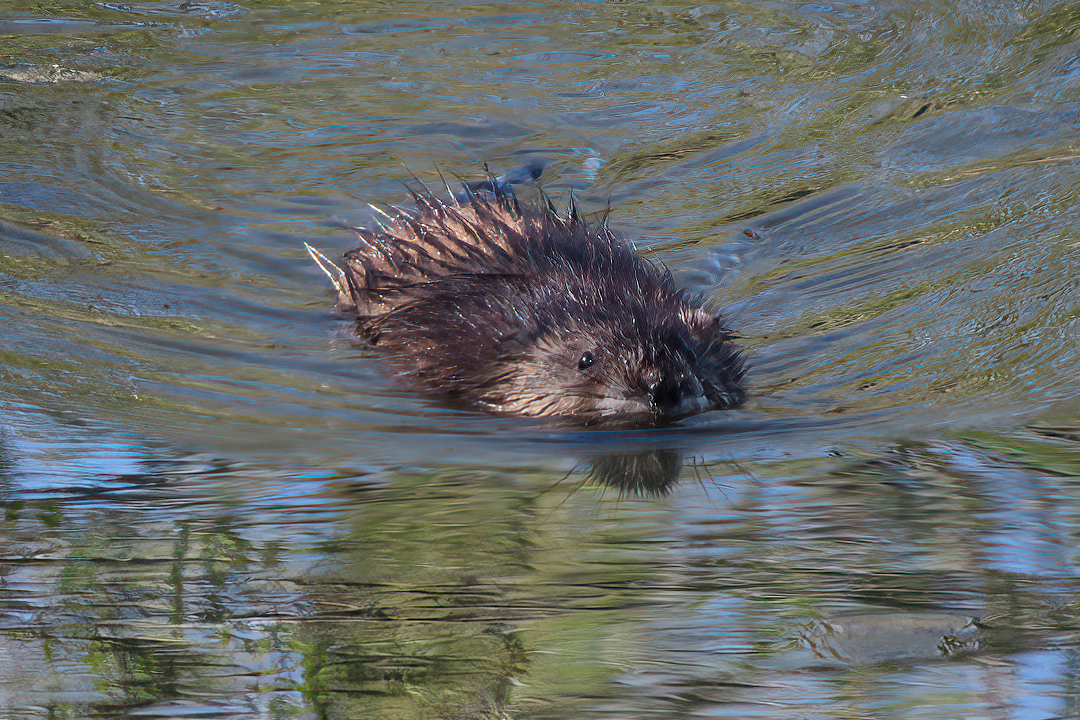 I was pleased to find this Muskrat. The non-native Nutria have become so common at this site I worry they might crowd out the native Muskrats and Beavers.
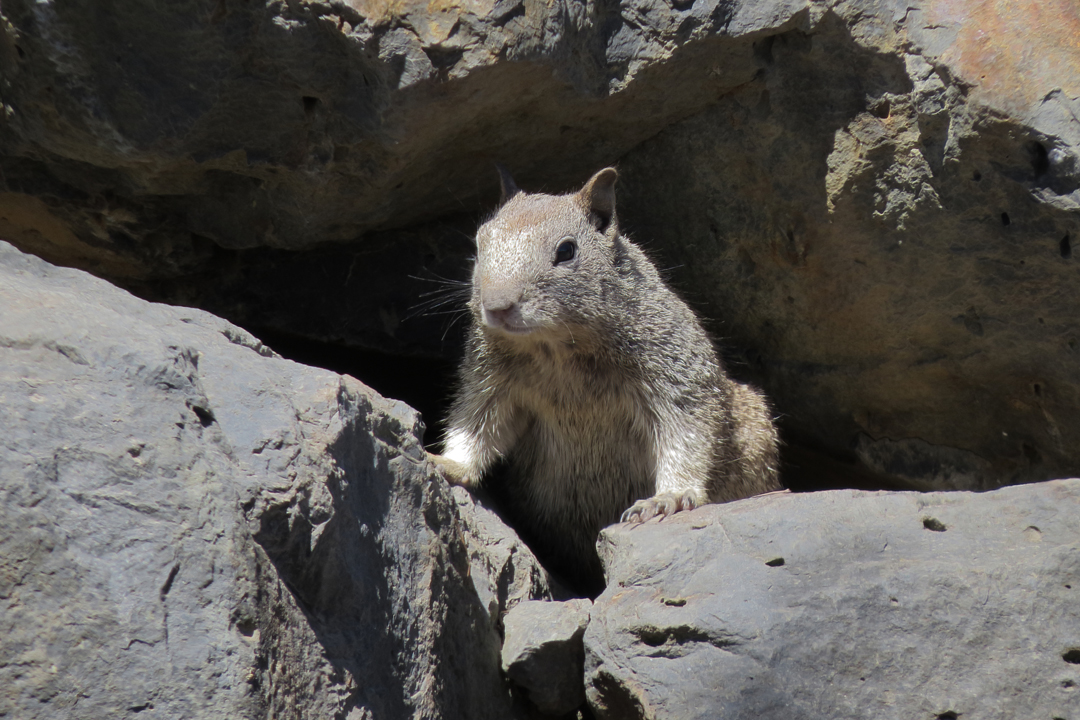 California Ground Squirrels have been taking advantage of the large rocks used in the landscaping at this site.
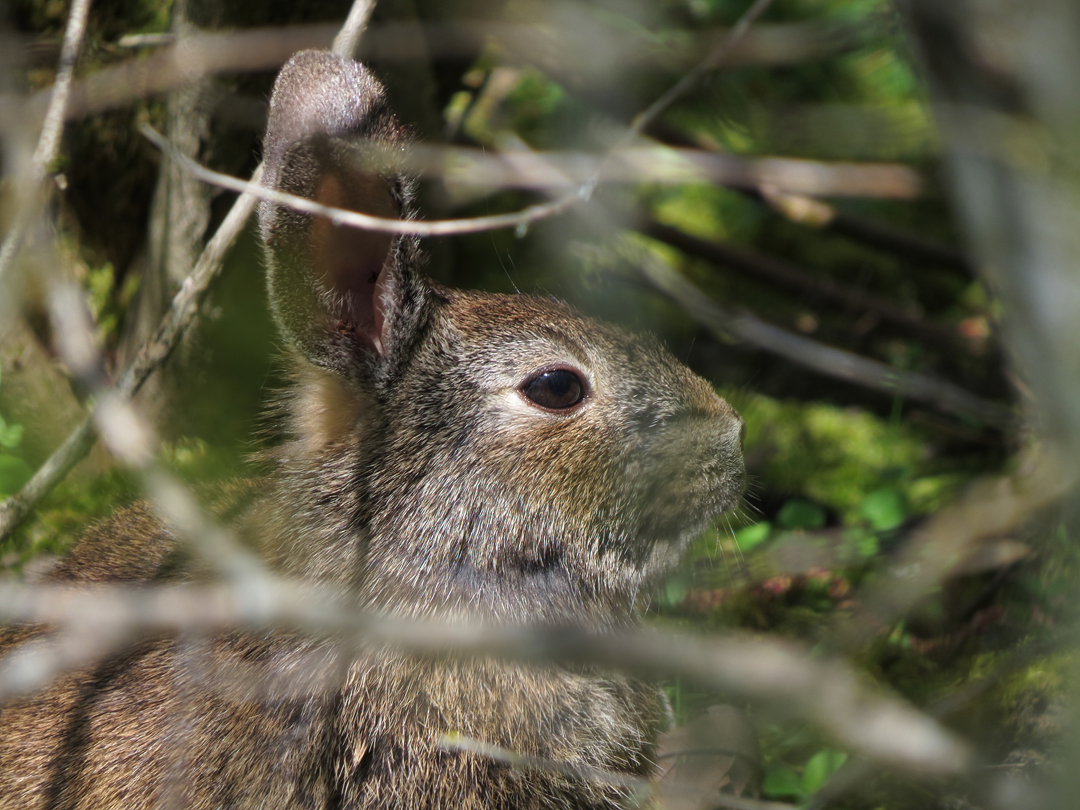 This Brush Rabbit was looking very regal in his thicket.
 This lone Greater White-fronted Goose was at the Tualatin River NWR. Not many of these geese touch down in the Portland area, but huge flocks pass overhead in spring and autumn.
 The western U.S. does not get to enjoy the great diversity of warblers found in the east, but we do get Yellow-rumped Warblers all winter. This male Audubon’s race is coming into breeding plumage.
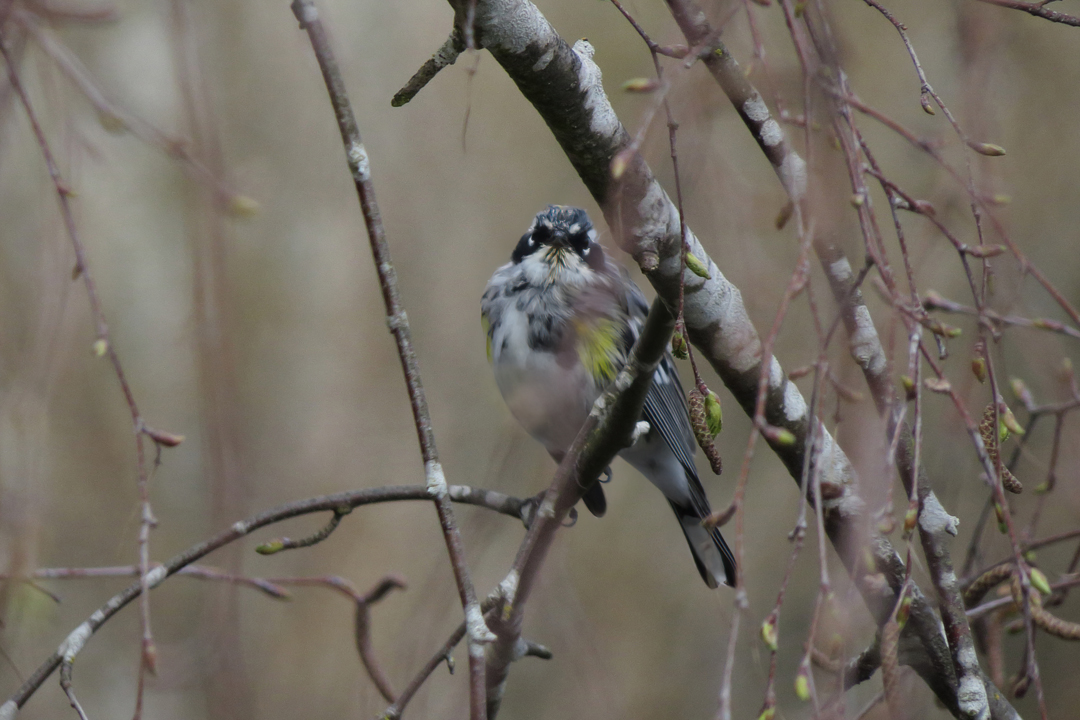 We also get Myrtle race Yellow-rumps in winter. I keep hoping that these two forms will be split into separate species, as they once were. This individual seems to have a little yellow on the throat, suggesting some mixed parentage somewhere in this bird’s family tree.
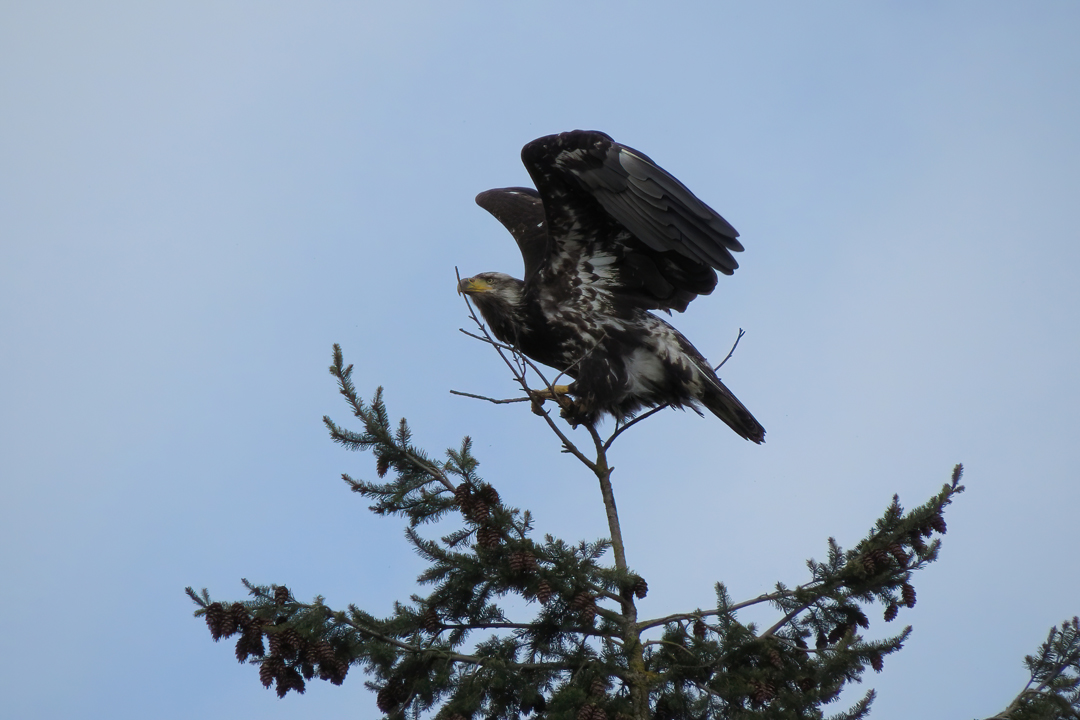 This young Bald Eagle was looking regal in a parking lot.
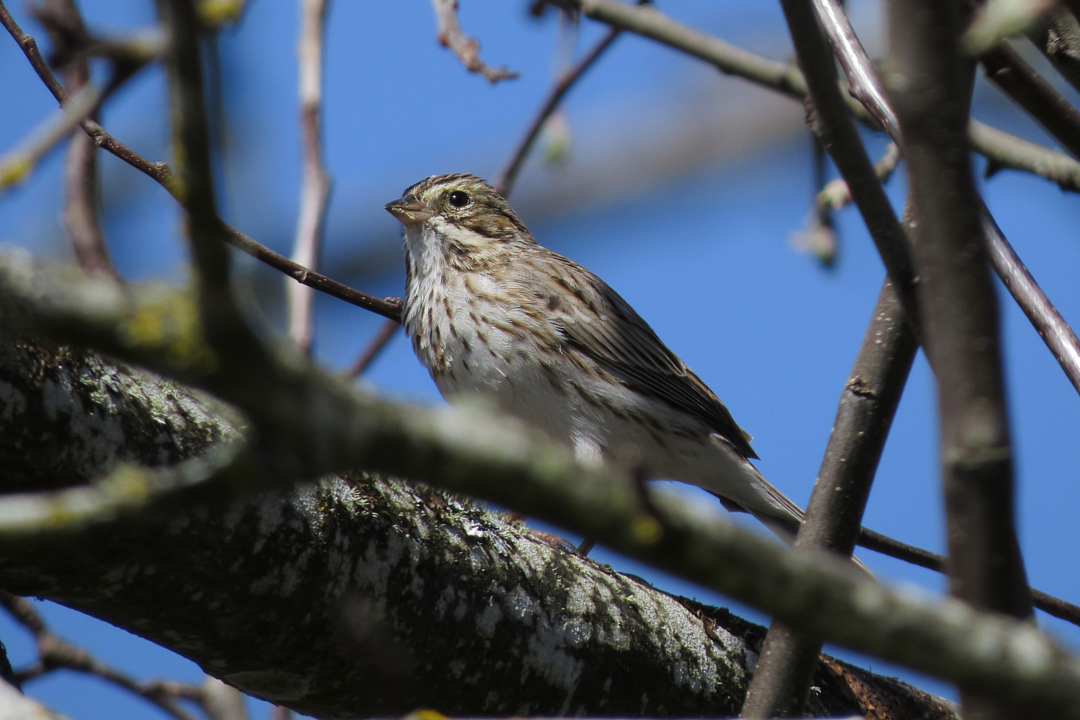 Savannah Sparrows have started returning to their nesting areas. This rather faded individual was at Jackson Bottom.

















 Ethical Birder