Ferruginous at the Beach

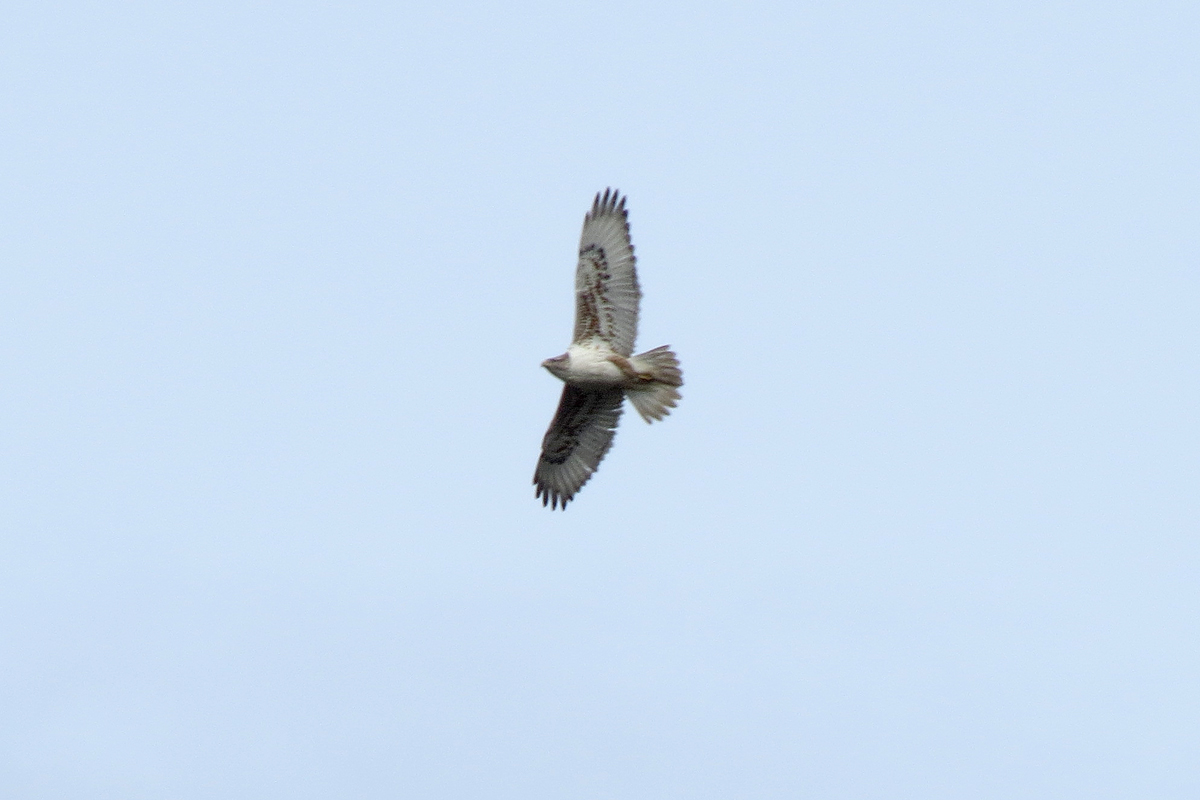
ferruginousWhile scouting for the upcoming Birding and Blues Festival, I found this Ferruginous Hawk soaring over the Clay Myers State Natural Area (aka Whalen Island). This appears to be the first record of the species in Tillamook County. Ferruginous Hawks are normally found in the sage steppe east of the Cascades, and are rare visitors to the Willamette Valley in winter.

The bird was loosely associated with a kettle of Turkey Vultures, and serves as a valuable reminder to check every bird in the flock for something different.

Little Brown Birds

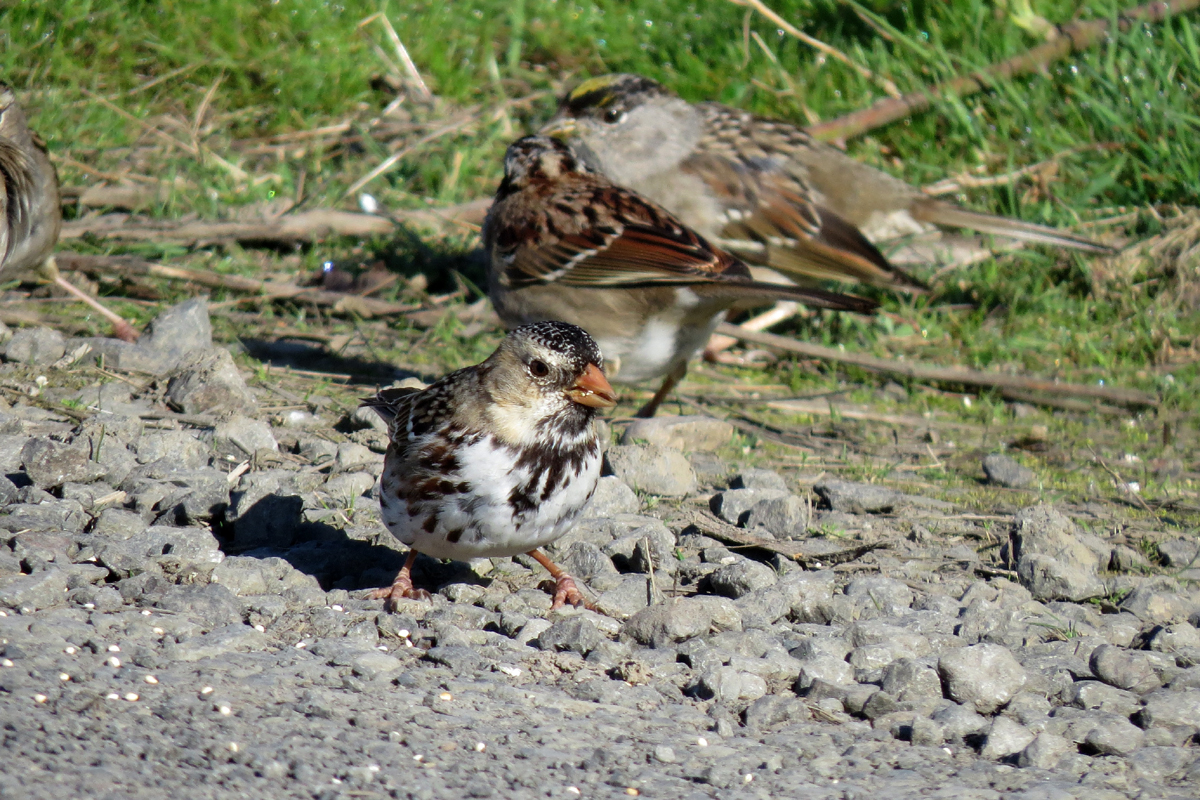
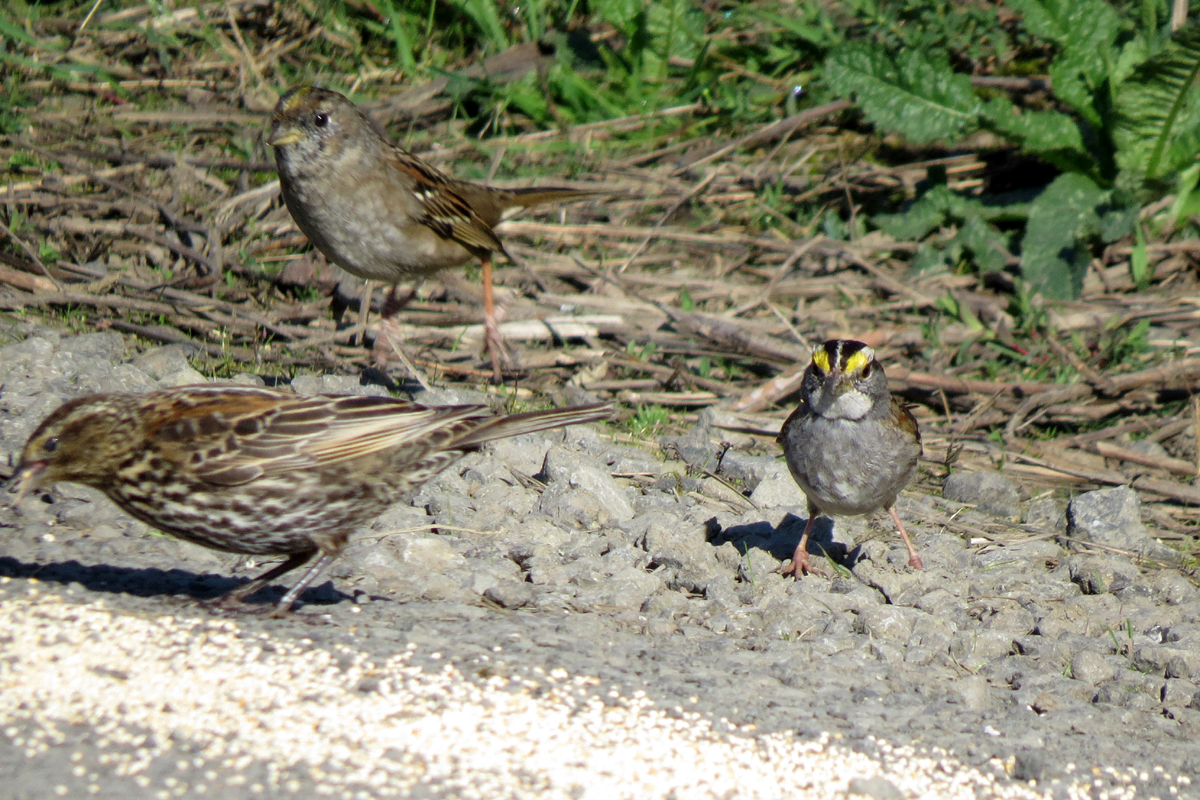
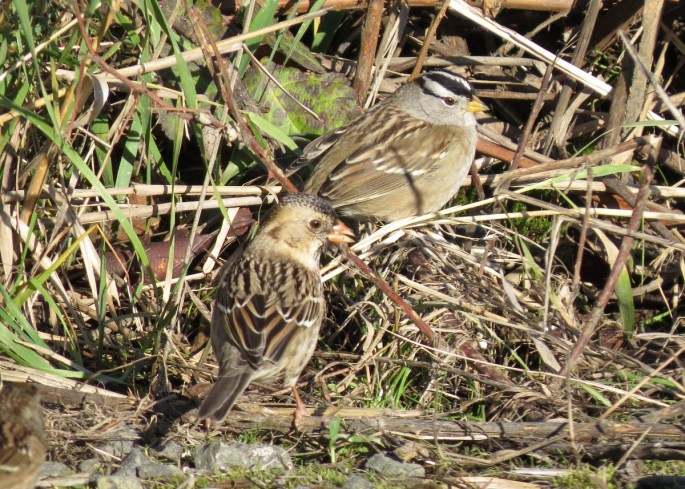
harris's sparrowI took my Little Brown Birds class to Sauvie Island. The sparrow flock along Rentenaar Road is thinning out, but all the expected species are still there. For the third year in a row, the star of the day was a Harris’s Sparrow. There is a White-throated and a Golden-crowned Sparrow in the background.

harris's and golden-crownedHarris’s Sparrow with Golden-crowned Sparrows

fox sparrowFox Sparrow

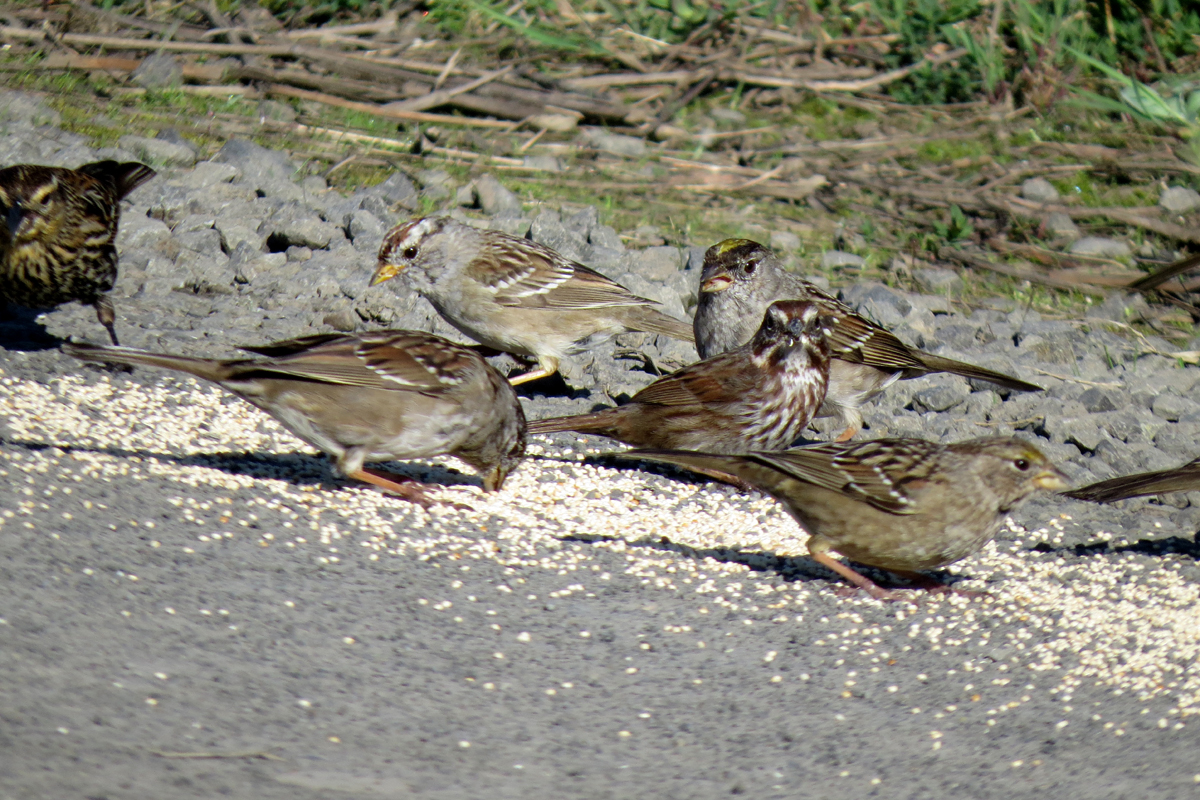
sparrow mixA sparrow mix of White-crowned, Golden-crowned, and Song Sparrow, along with a Red-winged Blackbird

red-wingRed-winged Blackbird, surrounded by Golden-crowned Sparrows and a White-crowned in the background

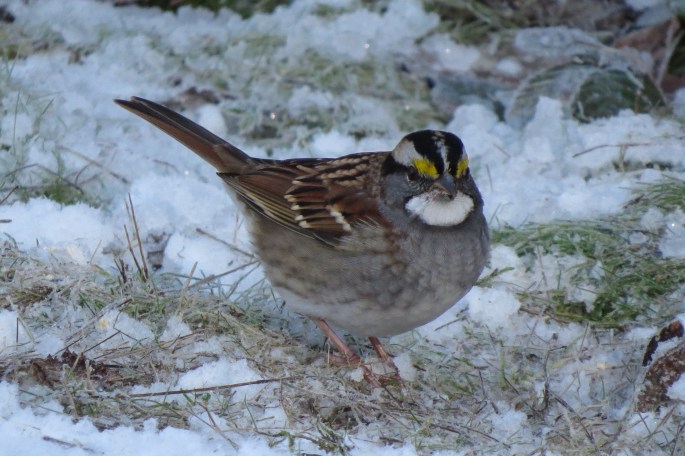
white-throatedOne of four White-throated Sparrows that came to our seed slick

spotted towhee 2Spotted Towhee


Ovenbird

ovenbird side An Ovenbird has been spending the past few weeks in a little yard in northeast Portland. This wood-warbler, which breeds east of the Rocky Mountains, normally winters in Central America and Florida. Most of the few Ovenbirds that have been found in Oregon have occurred in spring and summer, mostly in the eastern part of the state.

ovenbird front

Rentenaar Road, Sauvie Island

white-throated sparrowRentenaar Road, on Sauvie Island, is one of the better sparrow patches in the Portland area. I found ten species this morning, about typical for this time of year. This boldly patterned White-throated Sparrow was one of the prettier ones.

dark-eyed juncoDark-eyed Junco

golden-crowned sparrowGolden-crowned Sparrows are the most common sparrows along this stretch of road.

lincoln's sparrowLincoln’s Sparrow, one of my favorites and one of the hardest to photograph

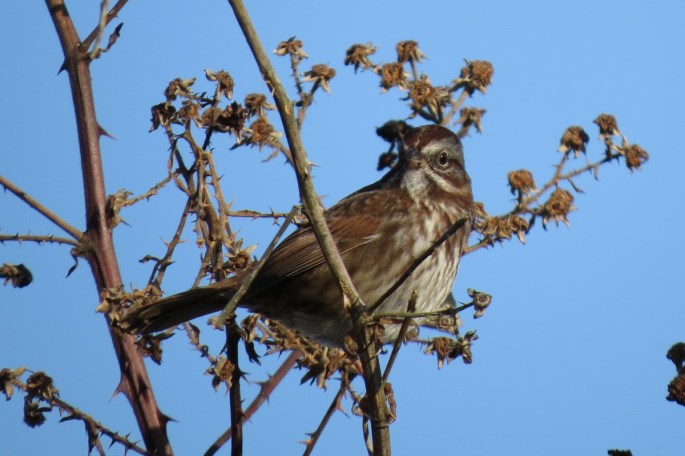
song sparrowSong Sparrow

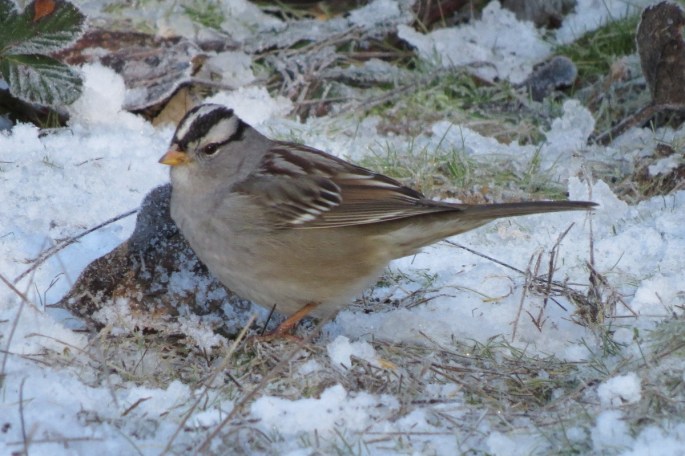
white-crowned sparrowWhite-crowned Sparrow

spotted towheeSpotted Towhee with two Golden-crowned Sparrows

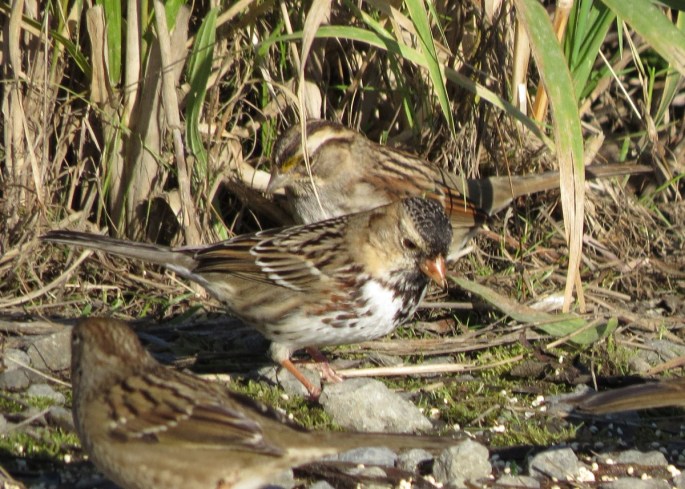
harris's frontThe rarest bird of the day was this Harris’s Sparrow. This is the third winter in a row that a Harris’s (perhaps the same bird) has been wintering at this location.

harris's and golden-crownedHarris’s Sparrow with Golden-crowns

harris's and white-crownedHarris’s with White-crowned

harris's and white-throatedand finally, the Harris’s with a tan-morph White-throated Sparrow in the background. It’s nice that this visitor from the Great Plains gets along with everyone.

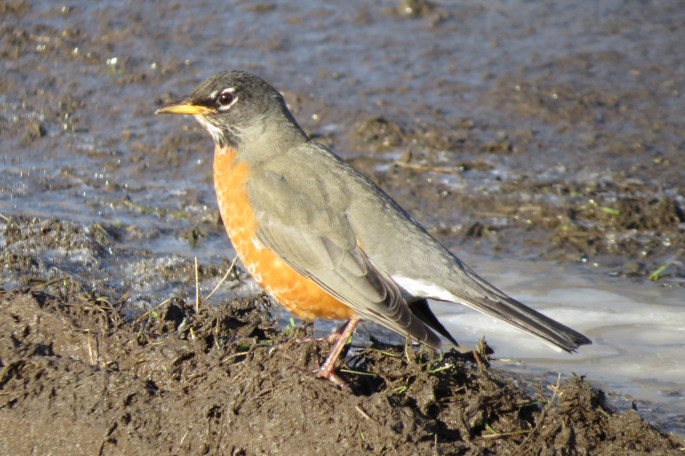
robinWhile certainly not a sparrow, this American Robin was just begging to be photographed, so here you go.

Snowy Owls

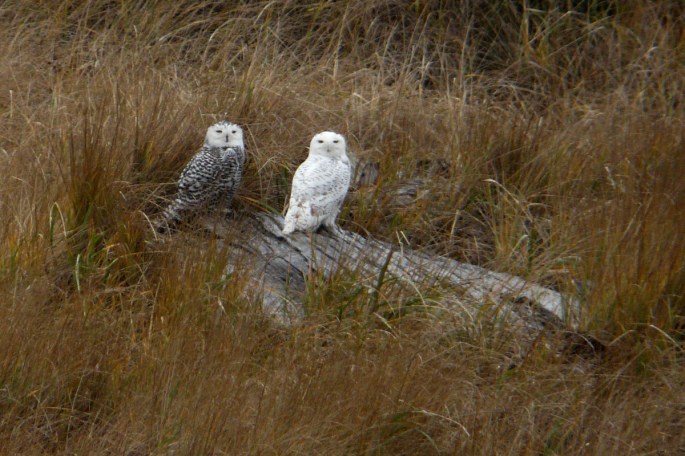
snowiesSeveral Snowy Owls have been reported recently from Fort Stevens State Park, so I made the trek out to see them. I walked around the marsh at Parking Lot C, snapped a few photos from a respectful distance and then moved on. I mention this as a reminder of how one ought to enjoy any bird. Snowy Owls seem to bewitch a lot of people. For some unknown reason, the presence of a Snowy Owl can turn normally sane people into blithering idiots. What power do these birds have?

I understand that Snowies are great birds. They are big and beautiful, they sit out in the open in the middle of the day, and most of us in the Lower 48 don’t get to see them that often (these birds were my 4th and 5th Snowy Owls ever). But is that it? I know people who don’t know a Pine Siskin from a Black-footed Albatross, but they are crazy about Snowy Owls. Many Snowies that visit the Lower 48 are constantly harassed by birders and photographers (like there aren’t already several million good shots of Snowy Owls).

The worst case of Snowy Owl Insanity that I have witnessed occurred in Ohio. An Owl was hanging out on the utility poles near a farm, and many birders, including me, went out to see him. One birder parked her minivan in the farmers field (not along the public road, but IN THE FIELD) and left the engine running ALL DAY. Whenever the owl would fly down to hunt, the woman jumped out of her van and ran at the owl in an attempt to get a photo. This behavior was unethical, illegal, and just a little batshit crazy.

So it would seem that Snowy Owls have magical powers. But I would argue that we have the ability to resist these forces. When a Snowy Owl appears in your area, by all means enjoy the show. Watch them from a respectful distance, for a reasonable amount of time, taking great care not to affect their behavior. They are already dealing with the stress of a long migration away from their normal range. Don’t succumb to the desire to see how close you can get, or to the illusion that you will get rich with the photo you take with your Coolpix camera. Take a breath, recite the ABA Code of Ethics, appreciate the opportunity to see a cool bird, and give the Snowies a break.

Castaways

While the winter weather pattern along the Oregon Coast, a seemingly endless string of storm systems coming in off the Pacific, is not the most comfortable for birders, it does bring some interesting birds into view. Species that normally spend the winter many miles out at sea are sometimes blown in to shore. This is not always good news for the birds, since it takes them away from their normal food sources and into the range of land-based predators, but it does provide birders an opportunity to see these species that are usually out of reach.

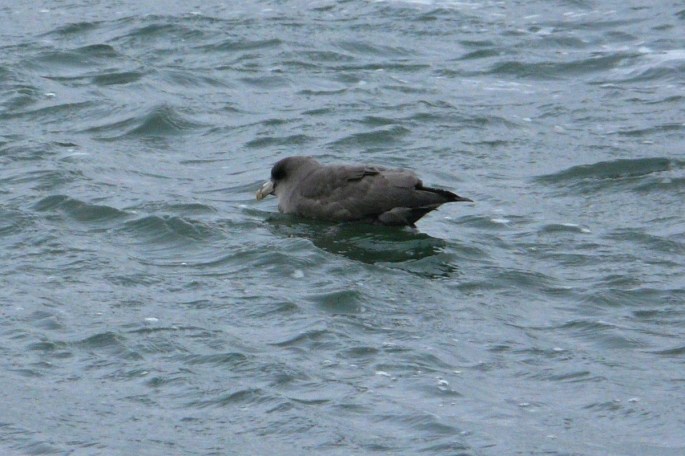
northern fulmarThis Northern Fulmar was swimming right along the shore at The Cove in Seaside (Birding Oregon p. 121). He didn’t seem too perky, so he may have been ill. Fulmars are fairly common sights on pelagic trips, but are not visible from shore too often.

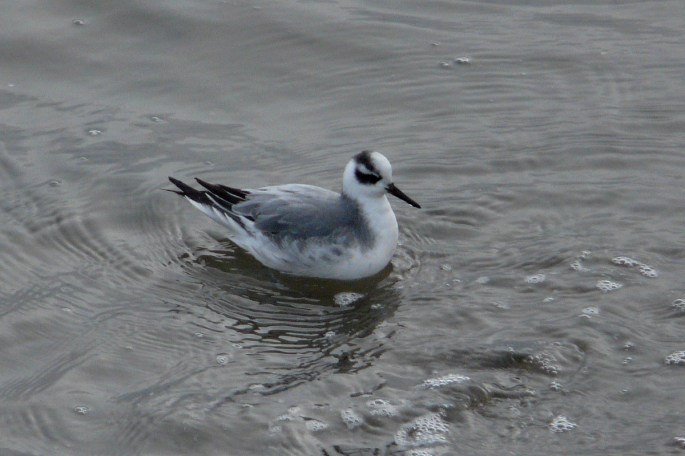
red phalarope rightRed Phalaropes are more commonly blown in during early winter storms. These little shorebirds spend most of the year on the open ocean. It amazes me that such a small bird can survive in such a harsh environment. But when they do occur in the calm waters of tidal ponds and inlets close to shore, they often fall victim to predators, and sometimes cars. This individual was found near the Hammond Boat Basin.

red phalarope front

Chickadee Trifecta

I had three species of chickadees attending my feeder recently. The Black-capped Chickadees are year-round residents and visit every day.

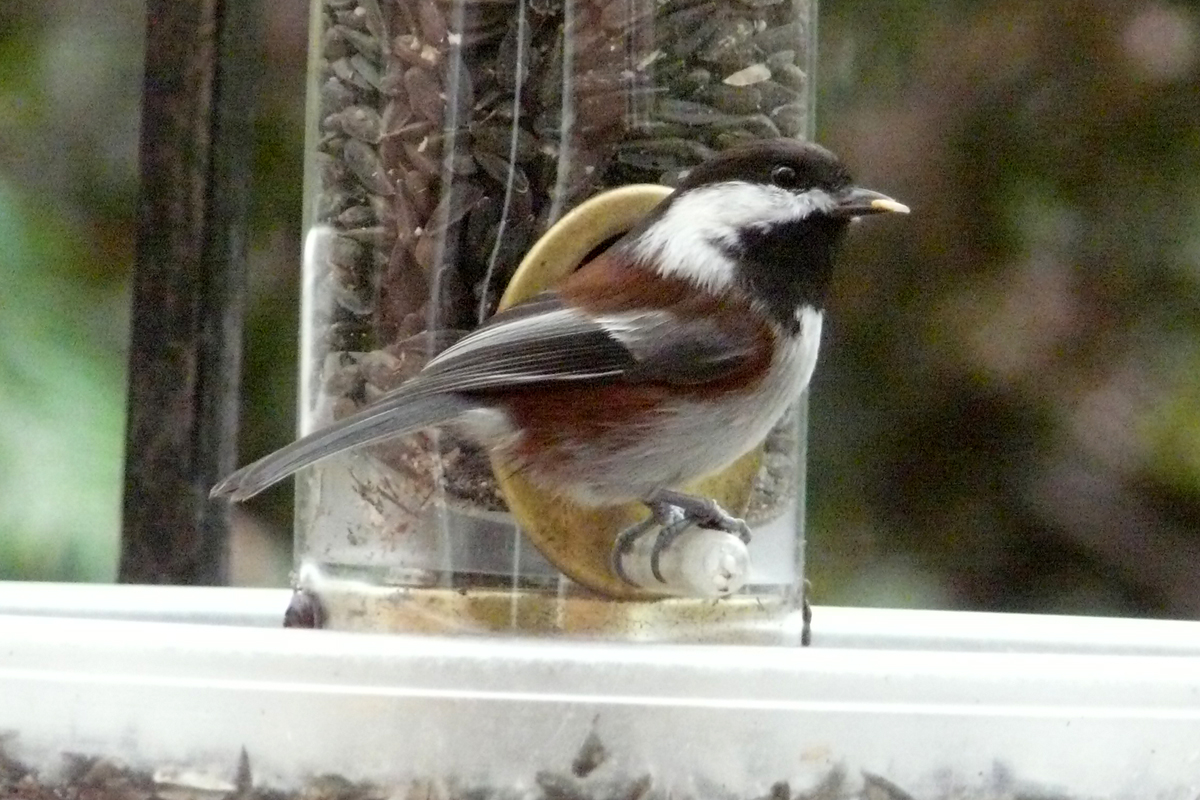
Chestnut-backed Chickadees appear occasionally, most often in winter, although I have been seeing them more often in recent months.

The star attraction on this day was a Mountain Chickadee. While common along the crest of the Cascades and points east, they are a rare treat in the Willamette Valley. This bird is the seventh record for Washington County.

I believe the Pacific Northwest is the only place where you might find three species of chickadees in one flock. Range maps indicate that in southeastern Alaska, you might be able to find four species in the same area. That sounds like a worthy birding challenge.

Buff-breasted Sandpiper

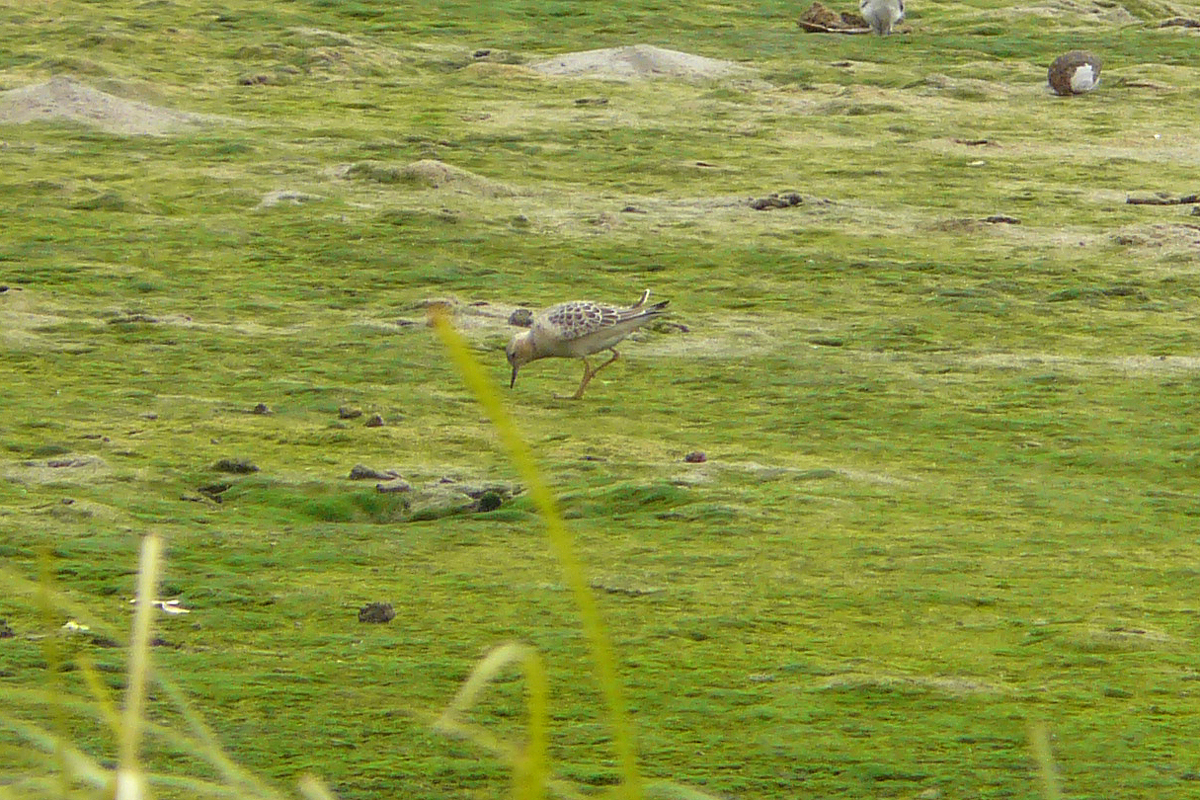
A couple of Buff-breasted Sandpipers have been staging at the Necanicum Estuary (Birding Oregon p.121) in Gearhart. I have wanted to see this species in Oregon for some time, but I have been unable to connect until this year. Buff-breasteds are uncommon to begin with, and most of the population migrates through the center of the continent or over the Atlantic. A few (almost always juveniles) are found in Oregon in September most years, and the Necanicum Estuary seems to be one of the more reliable sites for this species.

After nesting in the Arctic, Buff-breasted Sandpipers fly to southern South America for the winter. Such a long migration requires that the birds occasionally stop off for a week or so to build up fat reserves before continuing their long flight. Thankfully for us birders, these long rest stops give us a good chance to go see these rare beauties when they are reported.

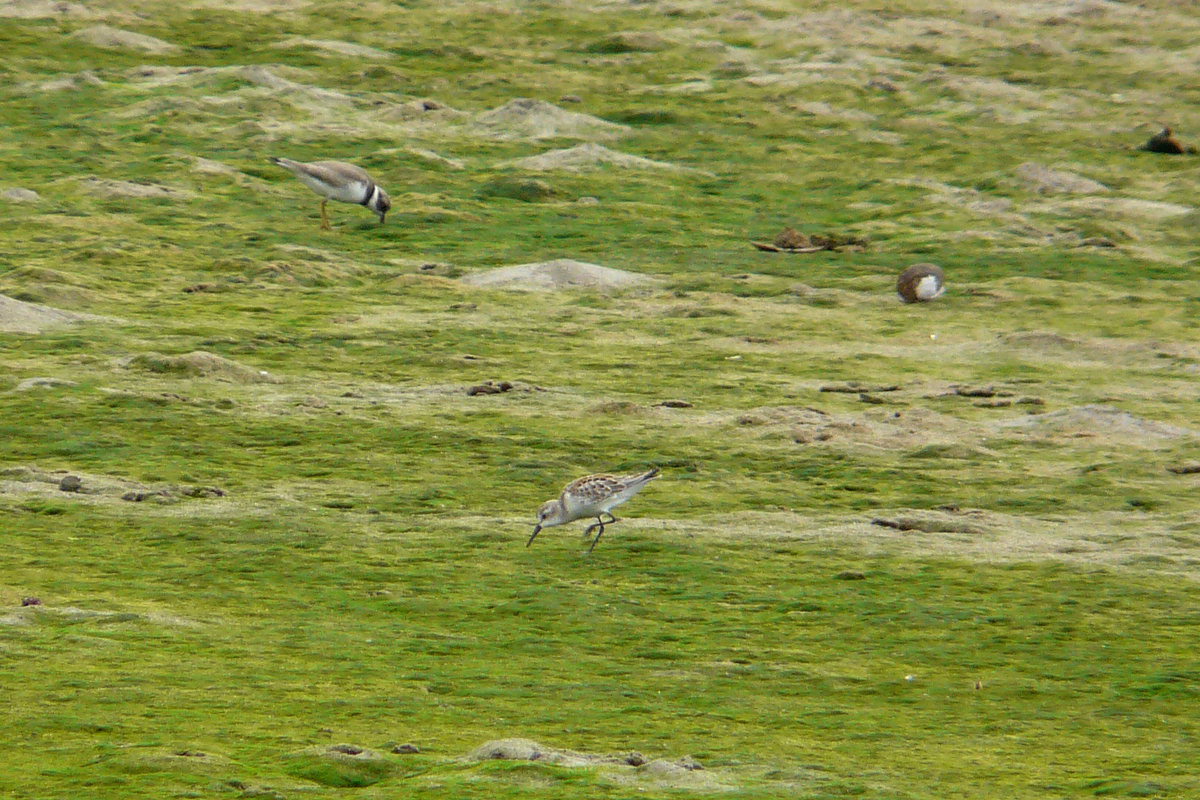
The algae mats that are hosting the Buffy are also attracting good numbers of other shorebirds. Several Baird’s Sandpipers were present on this visit. Pictured above are a Western Sandpiper and a Semipalmated Plover. Shorebird viewing at this location should remain good throughout September.

The North Coast

I made two trips to the northern Oregon Coast for my recent shorebird class. The “autumn” migration is well underway.

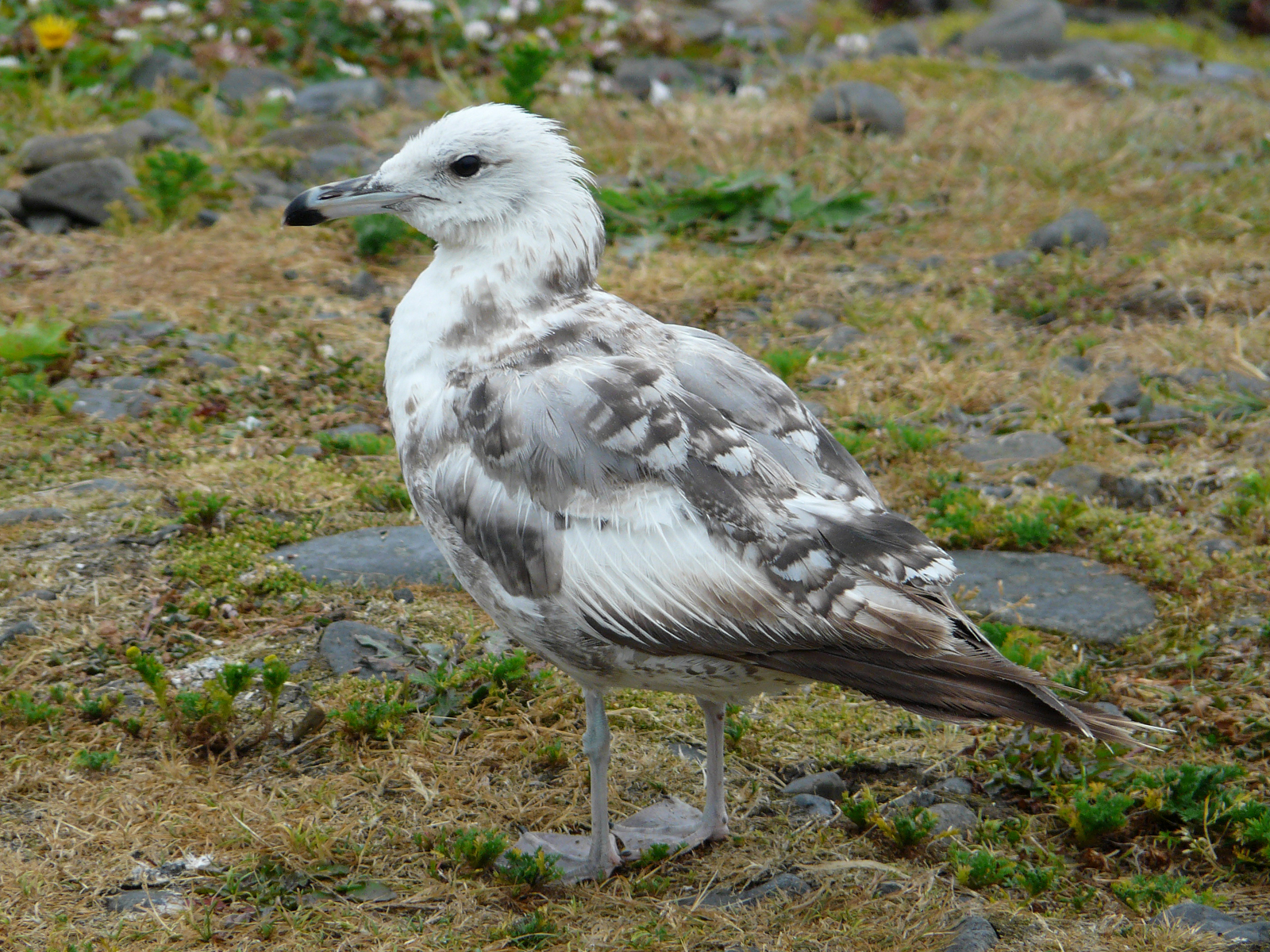
The Seaside Cove has a nice gathering of gulls. This California Gull is undergoing a rather extensive molt, I believe from second cycle to third. The severity of feather loss has actually created some interesting patterns.

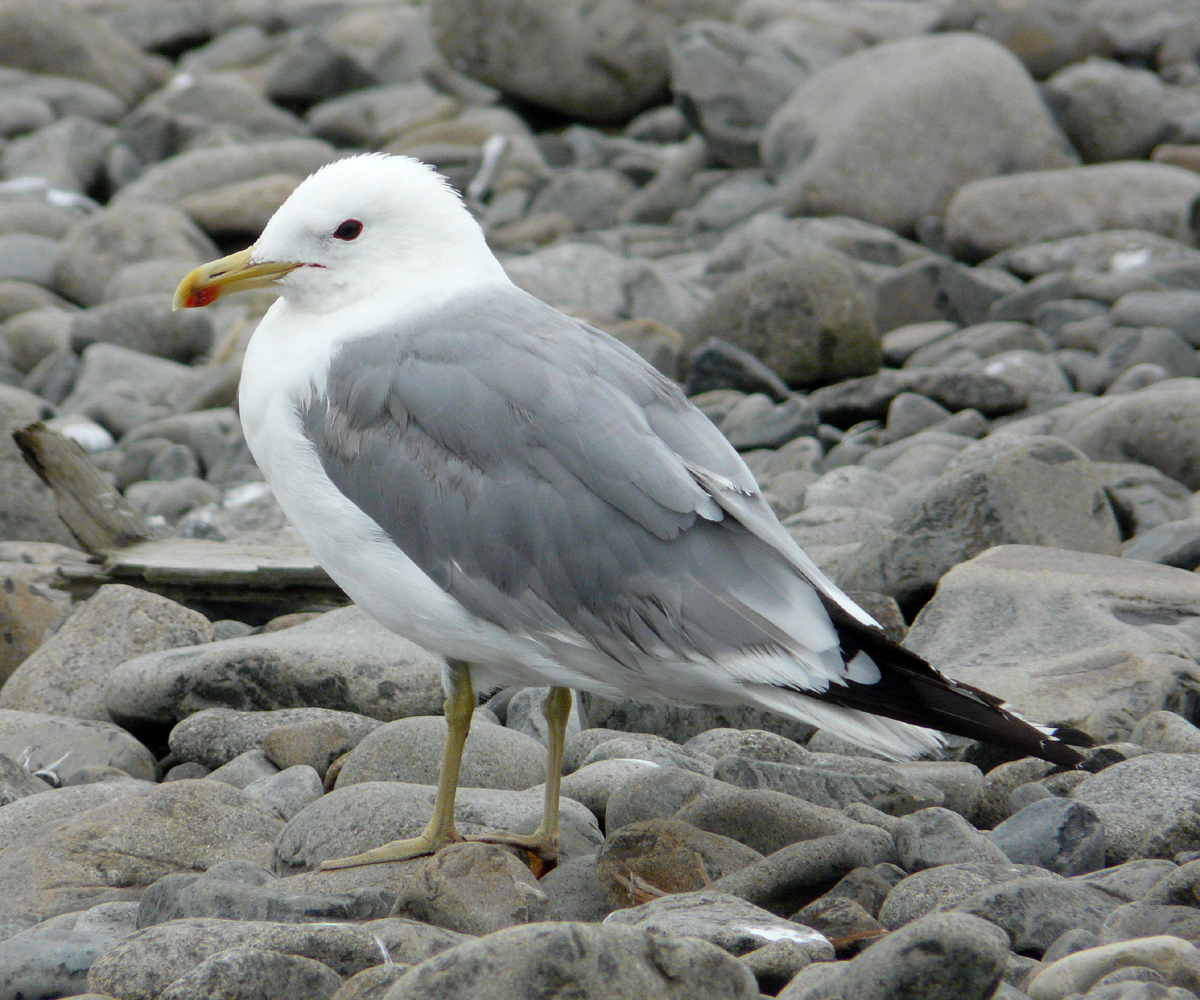
This adult California Gull is showing a little wear, but nothing like the previous individual.

The Cove is a favorite hang-out for Heerman’s Gulls.

Young Heerman’s Gulls are a rich chocolate brown. I believe this is a second-cycle bird, given the smattering of gray feathers coming in.

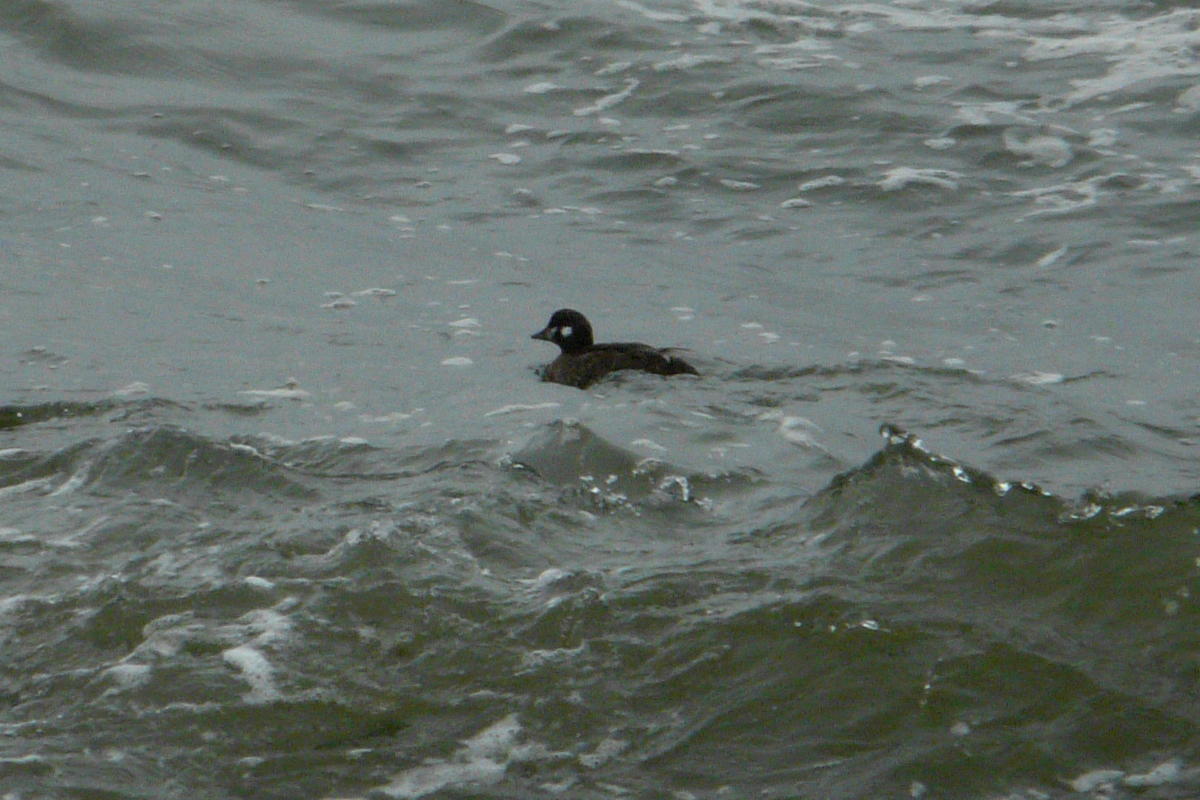
This female Harlequin Duck was near the southern end of The Cove both days.

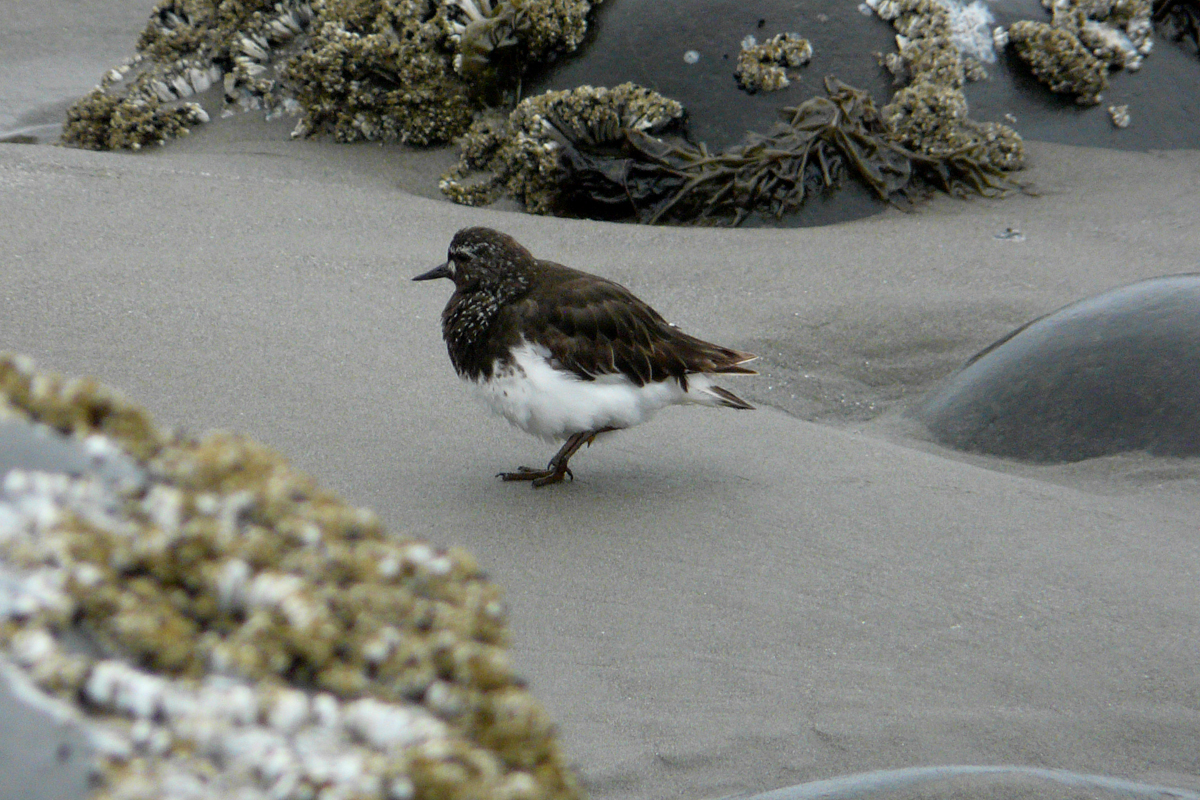
Black Turnstones, which spend the winter here, are back.

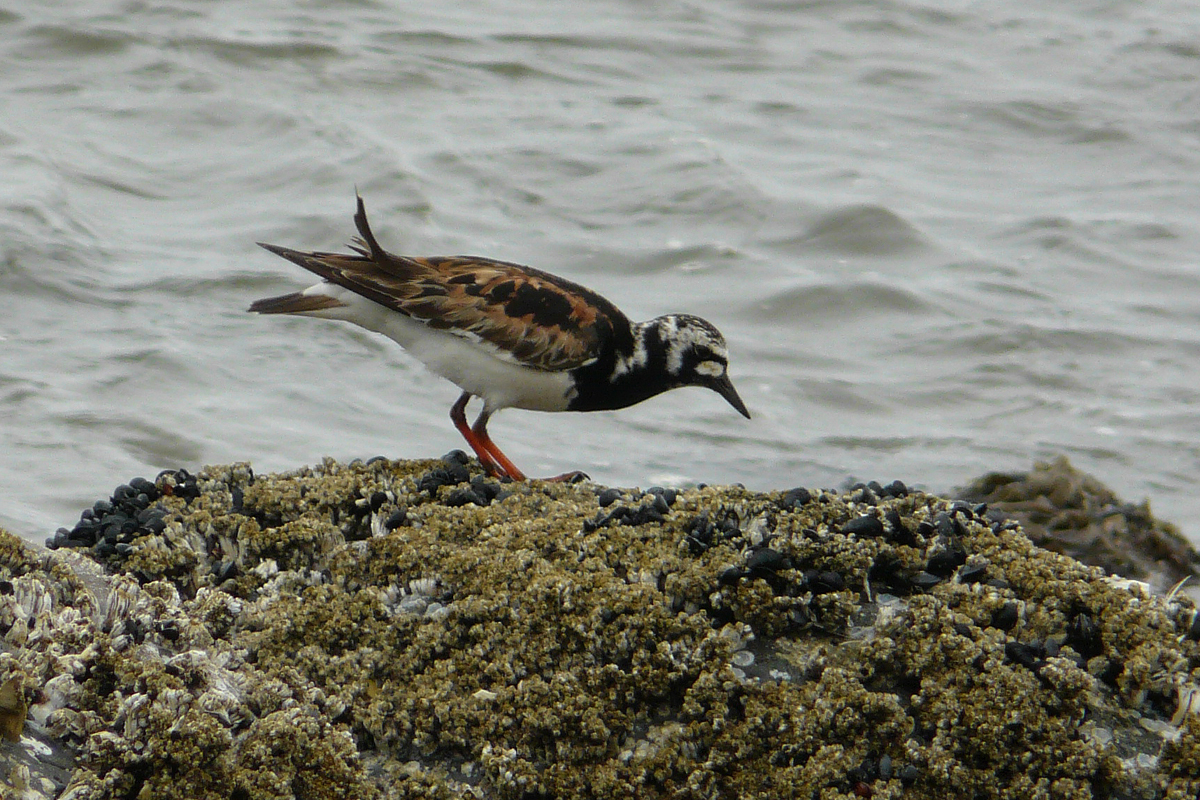
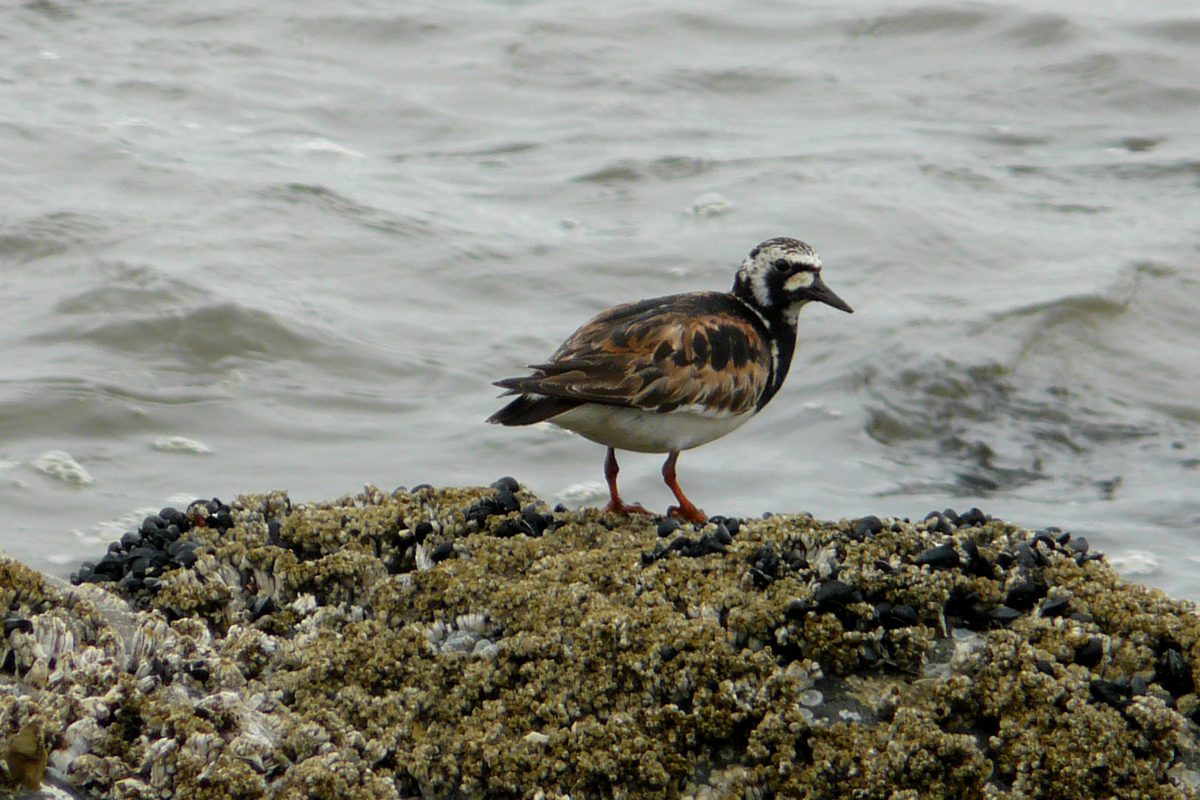
The best bird of the day Thursday was this Ruddy Turnstone, an uncommon migrant along the coast. Unfortunately, he did not stick around for my shorebird class field trip on Saturday.

Caspian Terns, seen here with California Gulls, were common on the beaches. Note the young tern in the center of the photo.

More Caspian Terns with Brown Pelicans and a Western Gull

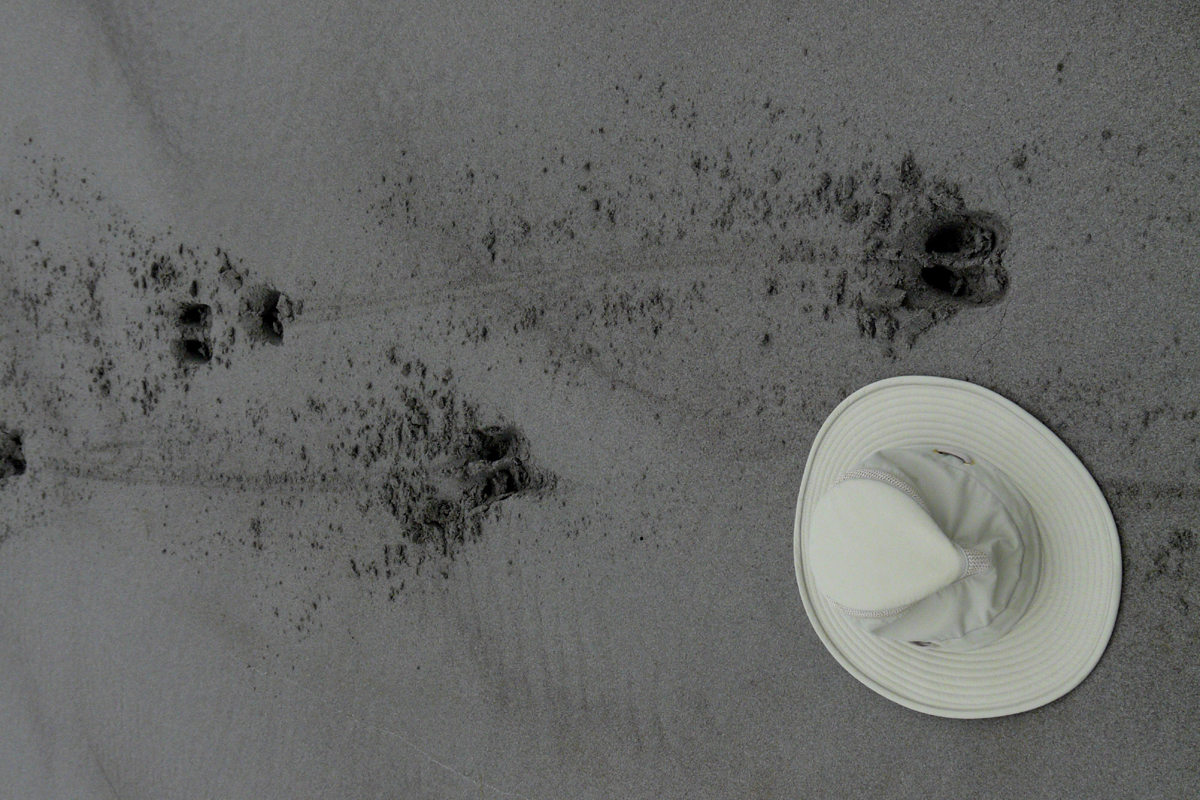
These Elk tracks were on the beach near the south jetty of the Columbia River at Fort Stevens State Park.

At high tide, the Hammond Boat Basin has been hosting large flocks of Marbled Godwits and Whimbrels (and an unidentified dowitcher species in the middle of this image). Similar roosts in Washington attract rare migrants every year. I hope the same is true for the Oregon side of the river.

To Bird or to Twitch?

I finally had a few hours to get out birding, and had planned to visit some of the Washington County wetlands. But a Brambling visiting a feeder in Woodburn presented me with a dilemma. Should I spend my birding time standing around in someone’s back yard hoping to see a particular bird, or should I explore large areas of habitat and find birds on my own?

The Brambling, an uncommon visitor from Asia, was only a 30 minute drive from home, well within my “chase radius.” (I will drive up to an hour and a half to chase a rarity, although it had better be a darned good bird if it is over an hour away.) The species would be a lifer for me, a nice tick on my Oregon list, and this would perhaps be my only chance to see this species. Then again, if the bird didn’t show up, I would have spent my limited birding time not looking at birds. With some reluctance, I decided to go for the twitch.

When I arrived at the stake-out site, a small group of birders informed me that I had just missed the Brambling. How typical is that? So I began my wait, hoping that the bird would maintain her schedule of repeated visits to her favorite feeder. I had come this far, so I might as well stick it out.


As luck would have it, this yard was very birdy. A small flock of Evening Grosbeaks was a rare treat. Several species of finches and sparrows worked the feeders, interrupted occasionally by a hungry Cooper’s Hawk. After about an hour of waiting, three things happened; my cell phone rang, the owner of the home came out to offer me a cup of coffee, and the Brambling appeared.
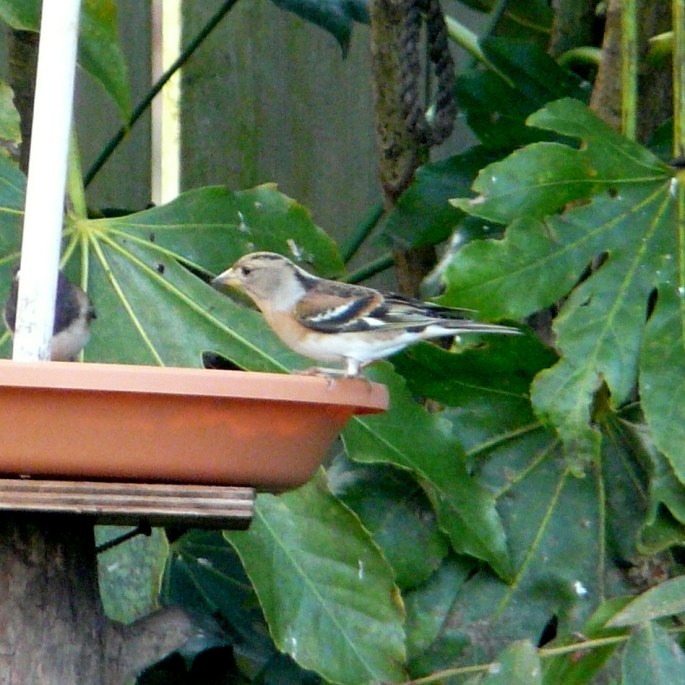

So with one hand holding my phone (it was an important call), I used the other hand to hold my binocular to get a brief look at the bird, then snap a few photos, all while thanking my host for the coffee (he didn’t realize that I was on the phone, and didn’t know that I don’t drink coffee). Then the Brambling flew away.

So now what? I had gotten a brief glimpse of the Brambling, although not a very satisfying view of a lifer, and had no idea if any of my photos would be usable or not. The bird had established a pattern of visiting the yard about once an hour for less than a minute. Do I hang out for another hour (did I mention it was really cold?), or do I cut my losses and go do some real birding? I was leaning toward the latter when an acquaintance of mine arrived to look for the bird. The prospect of visiting with him, along with the general birdiness of the this yard, convinced me to stay and try for another look at the Brambling.


This Downy Woodpecker worked on the suet feeder.


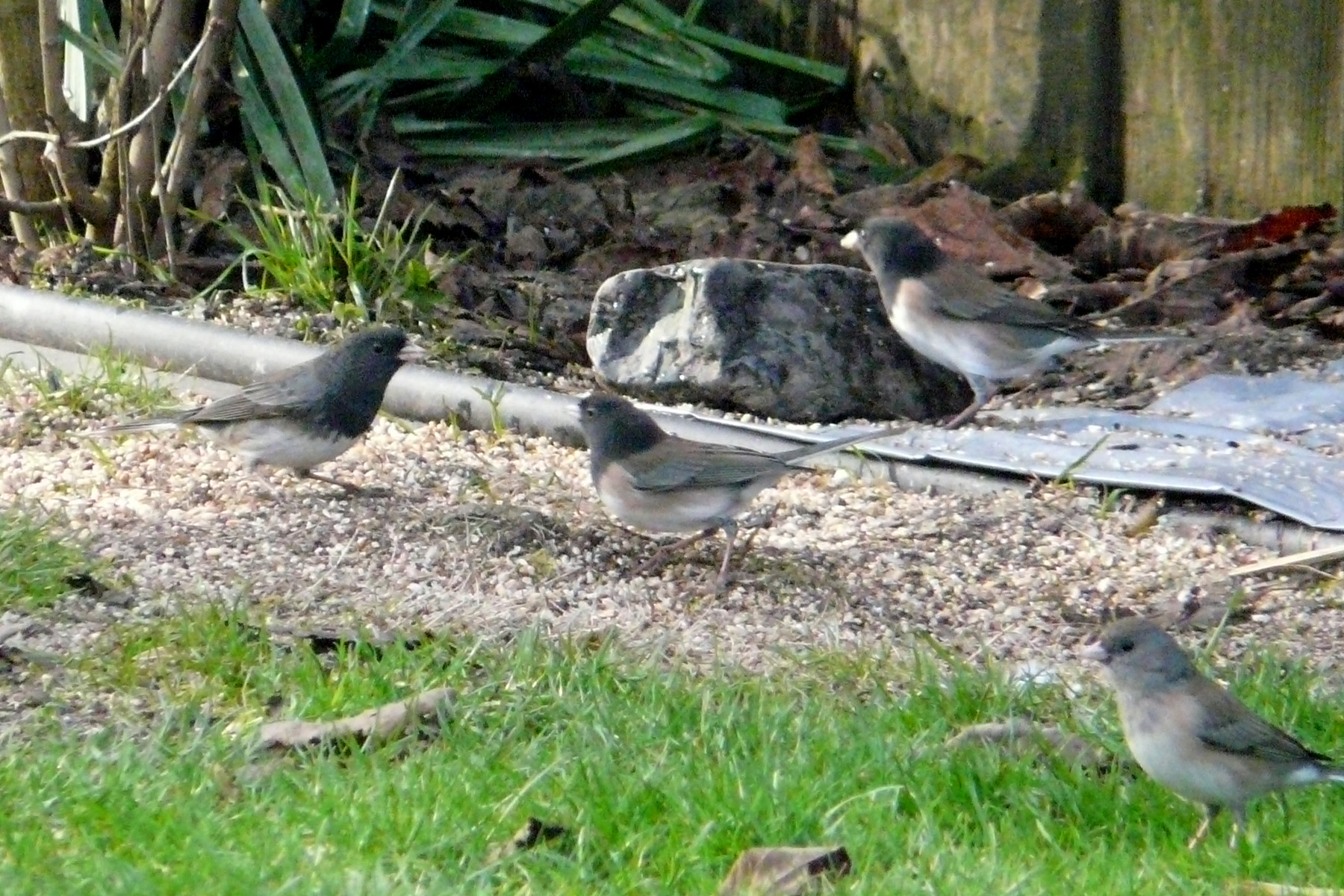
Notice that the Dark-eyed Junco on the left has some dark gray on the sides and a darker back than the typical Oregon race birds.

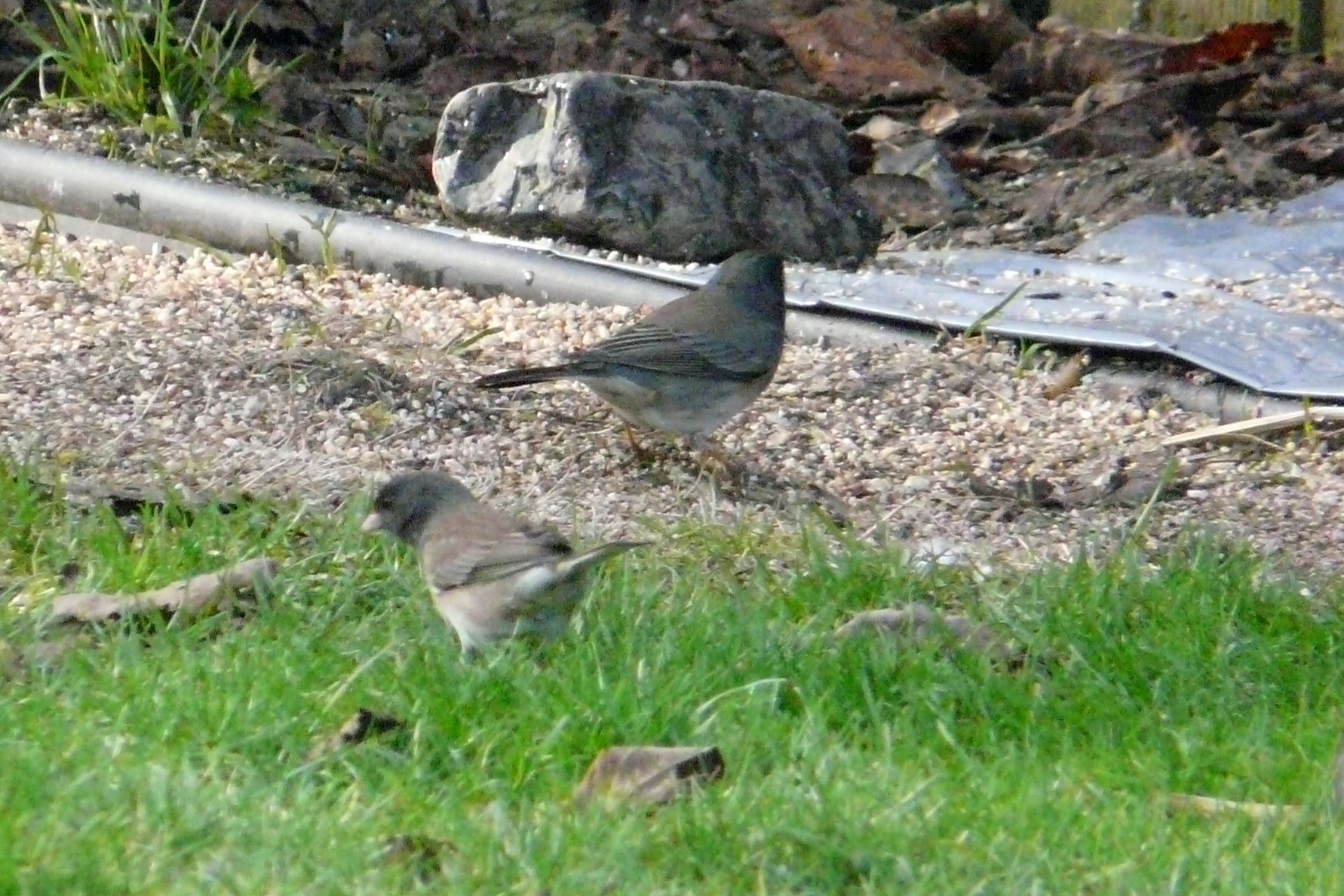
Here is the same bird from the back. The brownish cast on the bird’s back is not right for a pure Slate-colored Junco, so I think this bird is an intergrade Slate-colored/Oregon.
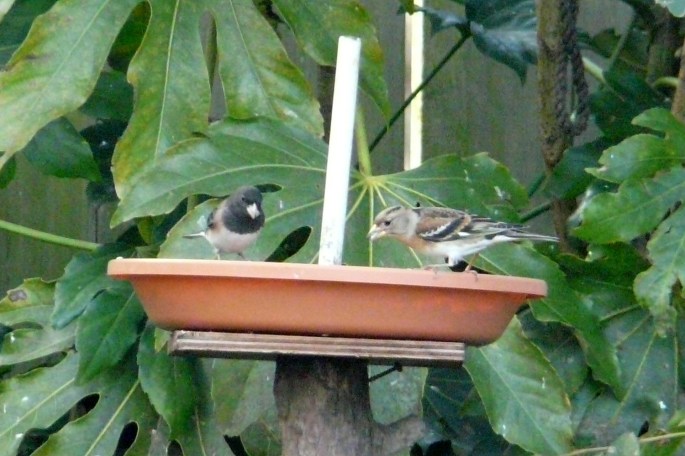

After about an hour, the Brambling returned for less than twenty seconds. I spent the entire time watching her with my binocular, making up for the fleeting view of the previous visit.

So I had gotten my lifer, adding my twitch to the checklist, but I had also gotten some actual birding in, as well. I had seen about 20 species in that little yard, and had a nice visit with some other birders. While I really enjoy getting out and finding large numbers of species, there is often birding to be had in confined situations such as this. I will still struggle with the choice of birding or twitching, but hopefully I will allow myself to find the joy in either.