Weekend at the Coast

I led trips for the Birding and Blues Festival in Pacific City, OR, last weekend. The weather was cool with scattered showers, so photo ops were not abundant.

california ground squirrelThe Three Capes Tour on Friday was actually very good for mammals, with charismatic mega-fauna such as Gray Whale, Steller’s Sea Lion and Roosevelt Elk. Only slightly less charismatic was this California Ground Squirrel.

peregrine falconThis Peregrine Falcon posed nicely on the cliff at Cape Meares. The rich colors of the rocks and plants, compared the overexposed image of the falcon show that I have obviously still not mastered my new camera.
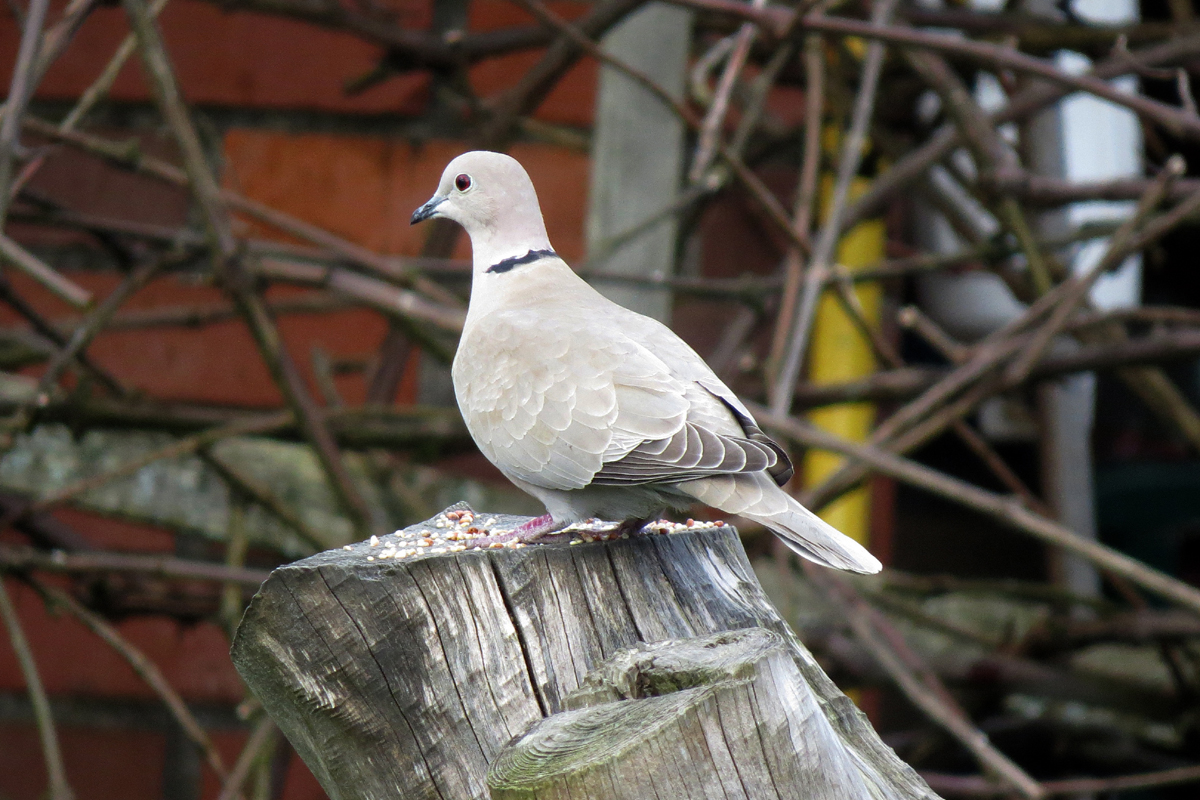
eurasian collared doveThere is a large flock of Eurasian Collared Doves in Pacific City. Ten years ago, this species would have been a huge deal, but they are very well established now. Despite their abundance, this flock was very shy.

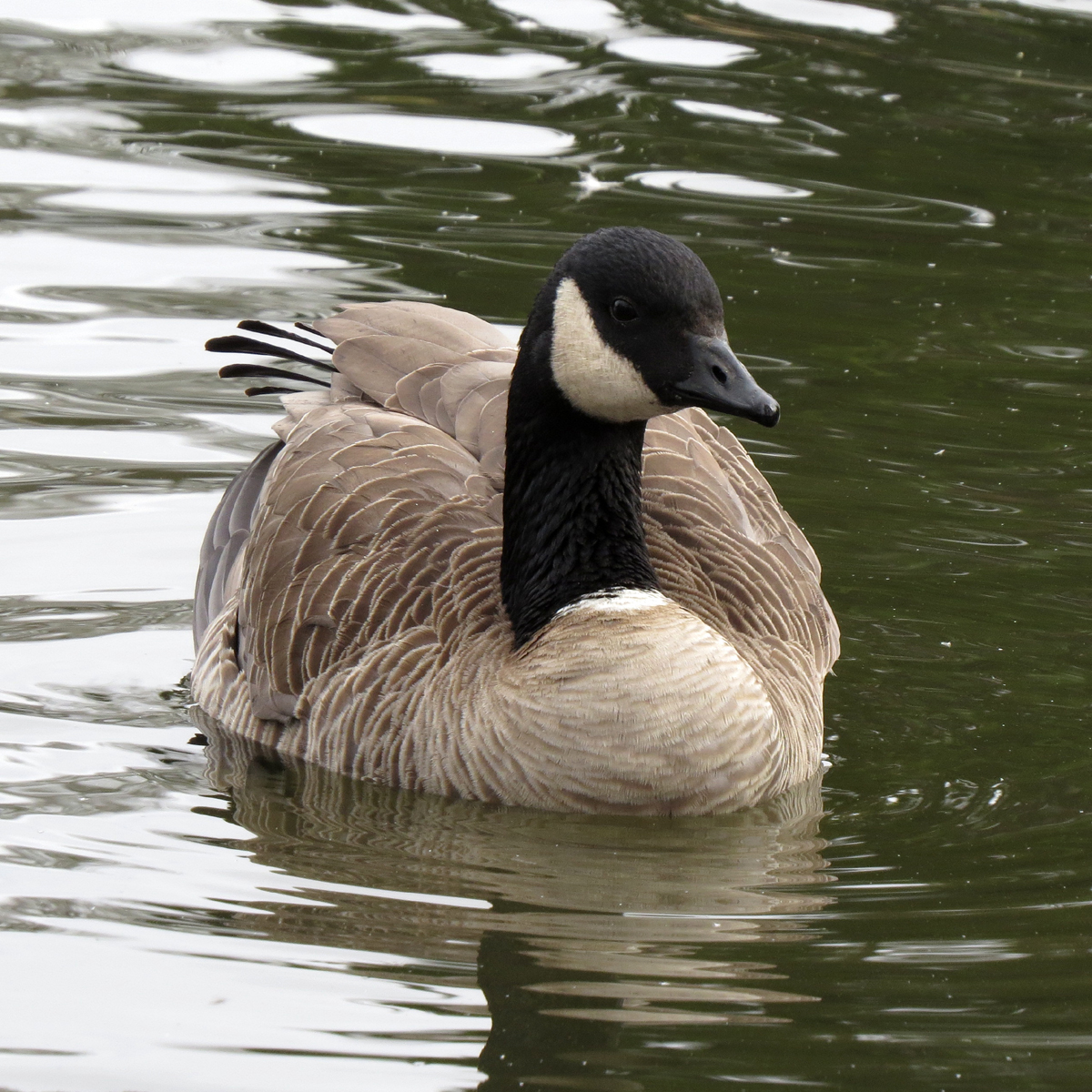
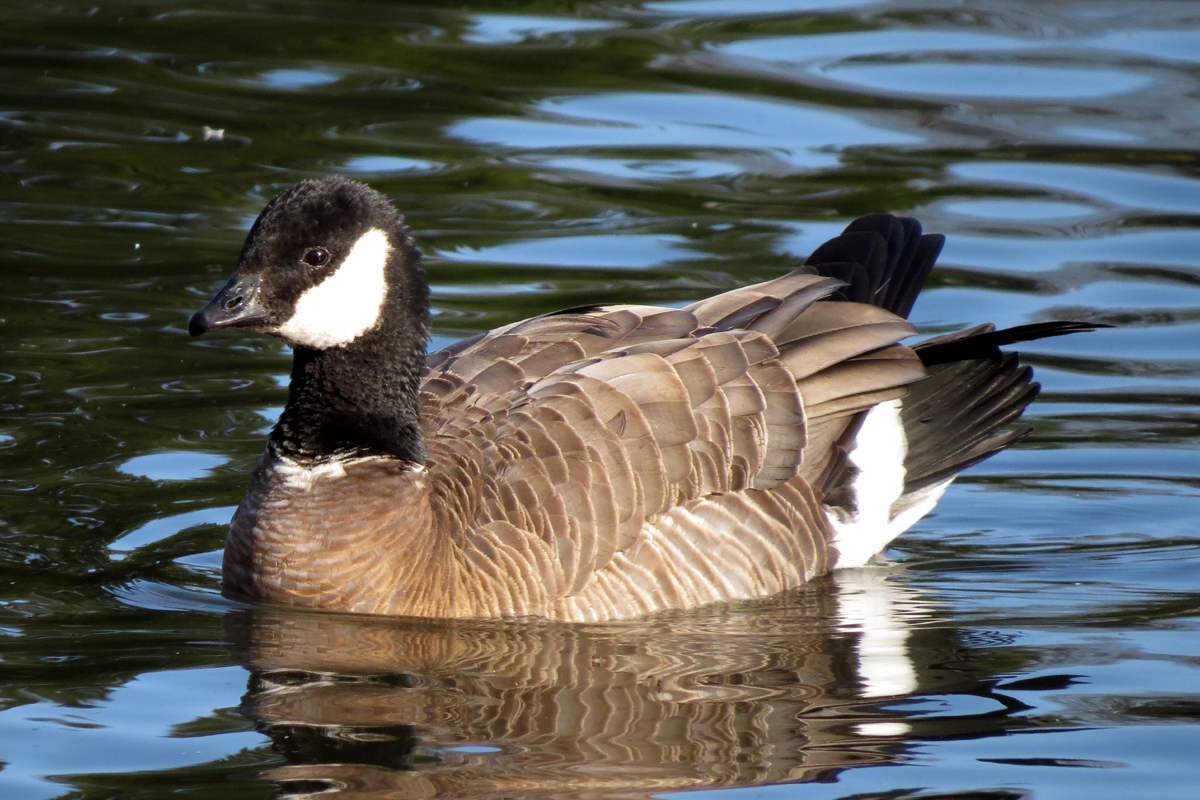
aleutian cackling geeseThe avian stars of Pacific City are these Aleutian Cackling Geese. This particular population breeds on the Semidi Islands and winters at Pacific City, spending the nights on Haystack Rock offshore and days in this cow pasture at the north end of town.
Little Brown Birds

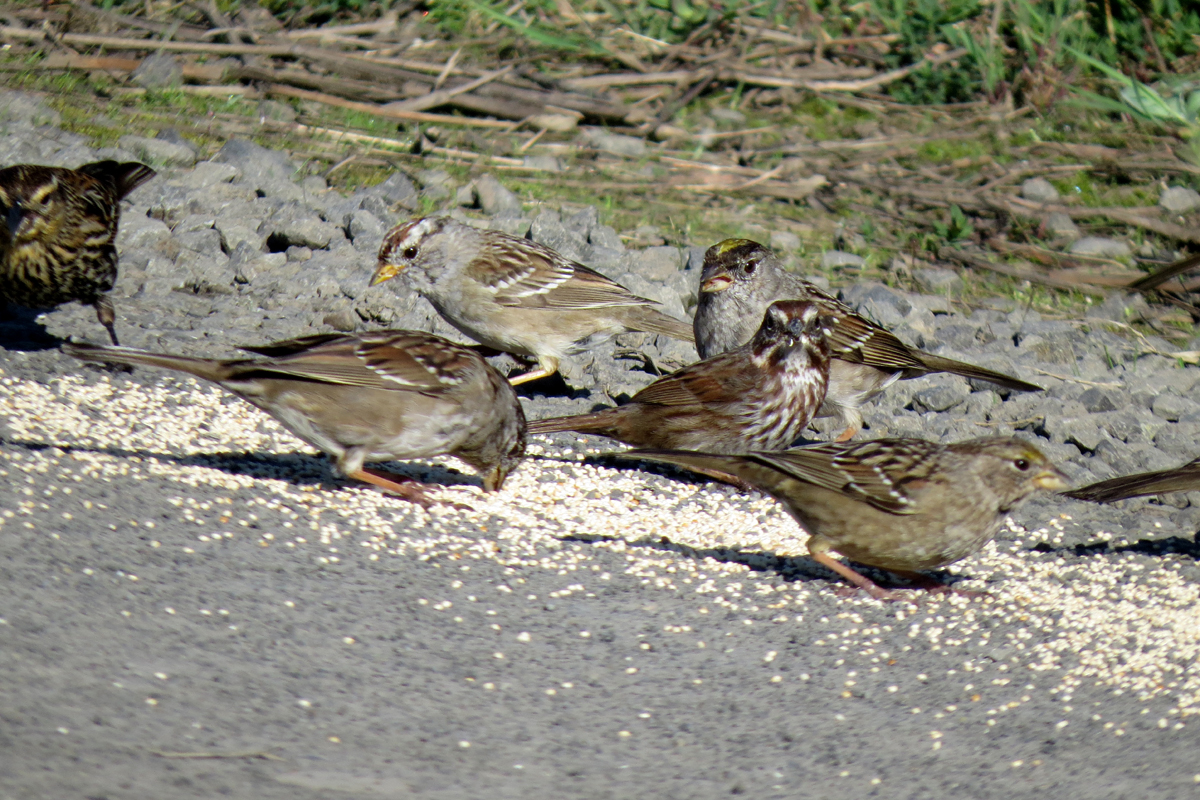
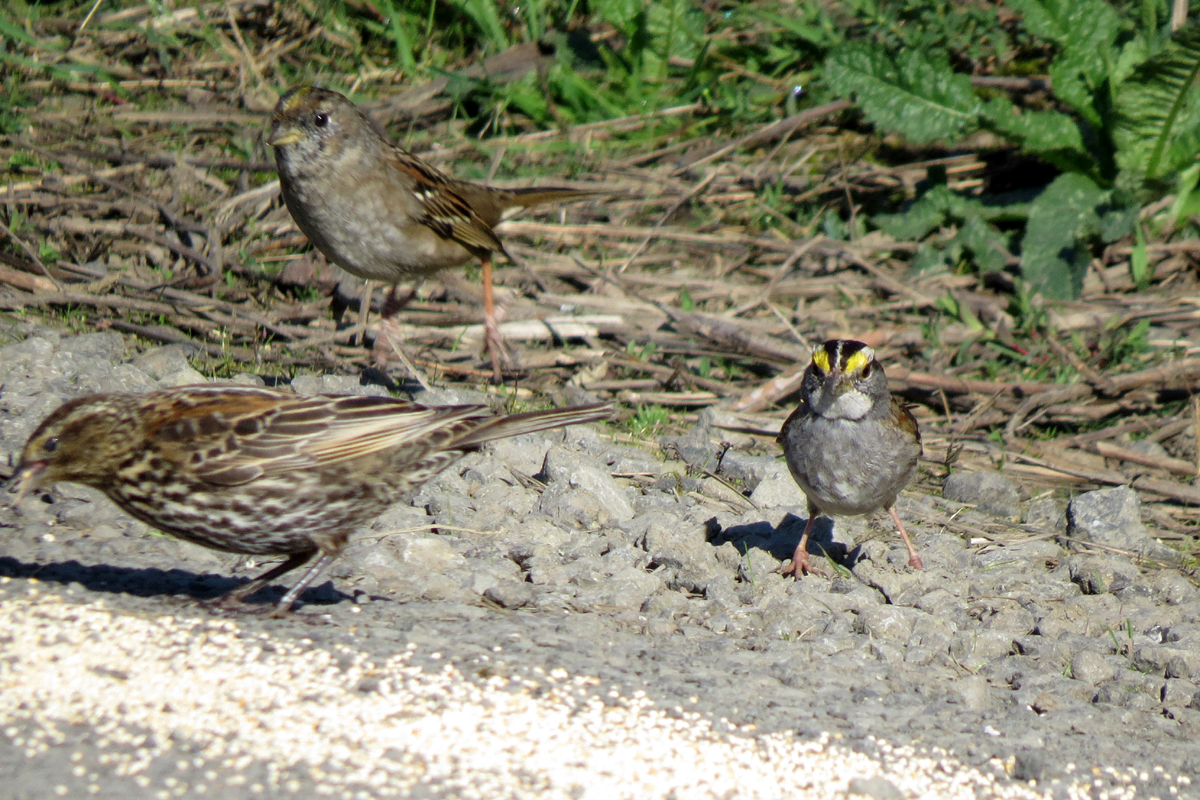
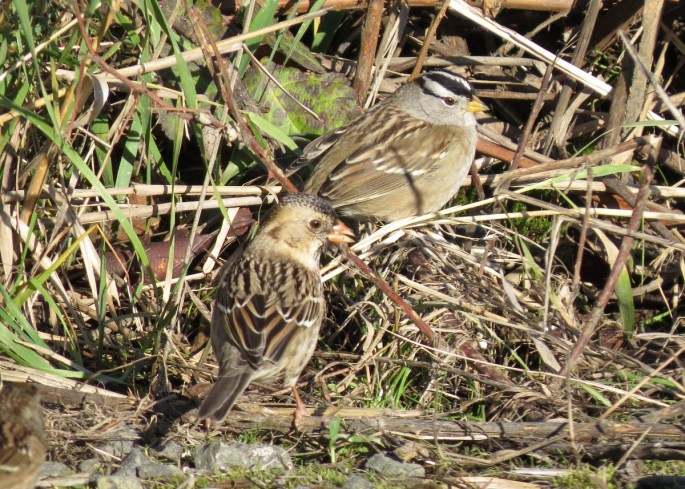
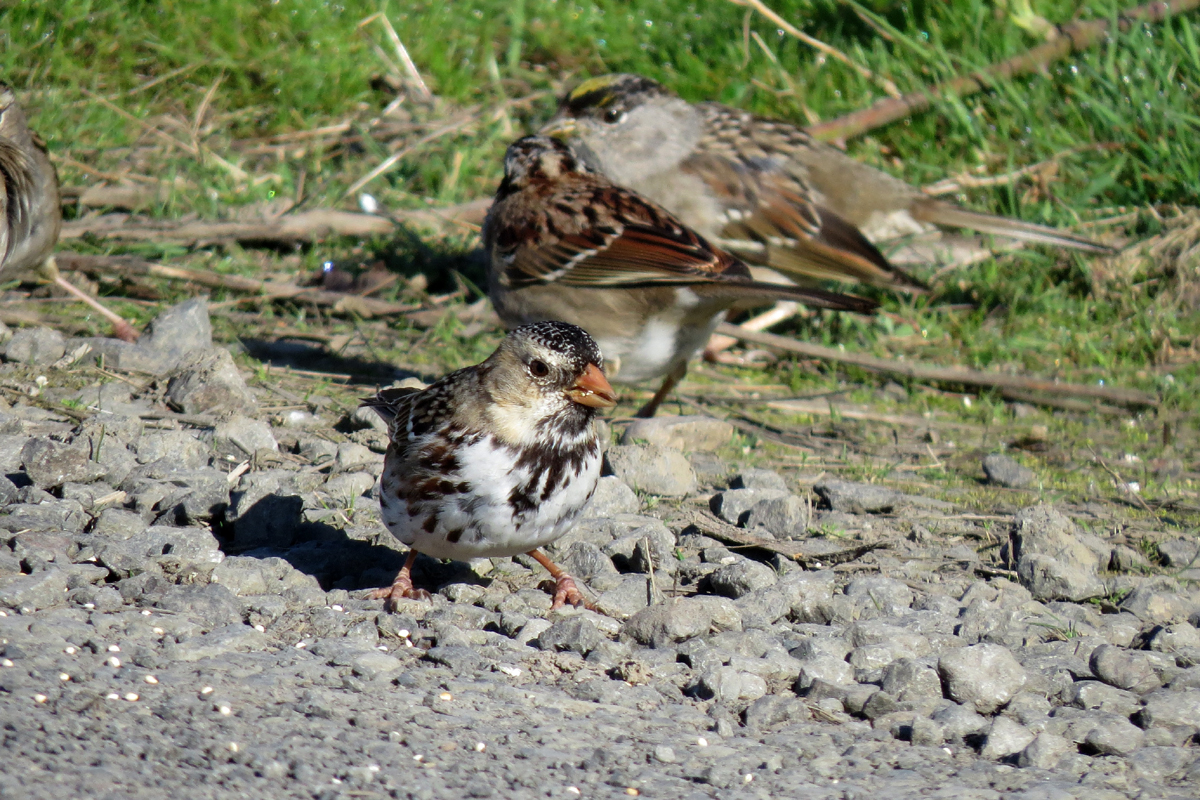
harris's sparrowI took my Little Brown Birds class to Sauvie Island. The sparrow flock along Rentenaar Road is thinning out, but all the expected species are still there. For the third year in a row, the star of the day was a Harris’s Sparrow. There is a White-throated and a Golden-crowned Sparrow in the background.

harris's and golden-crownedHarris’s Sparrow with Golden-crowned Sparrows

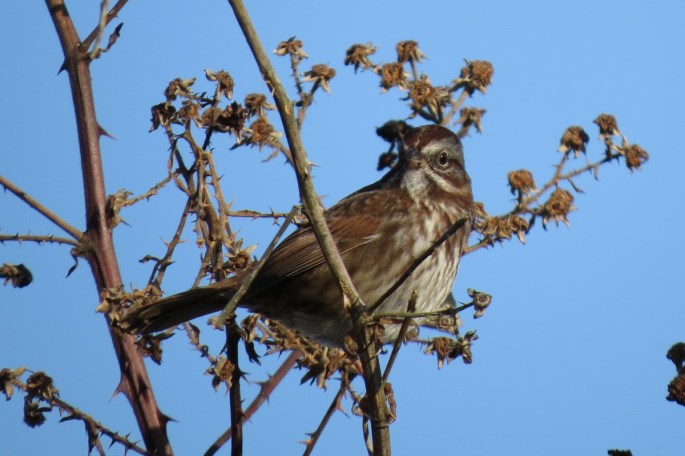
fox sparrowFox Sparrow

sparrow mixA sparrow mix of White-crowned, Golden-crowned, and Song Sparrow, along with a Red-winged Blackbird

red-wingRed-winged Blackbird, surrounded by Golden-crowned Sparrows and a White-crowned in the background

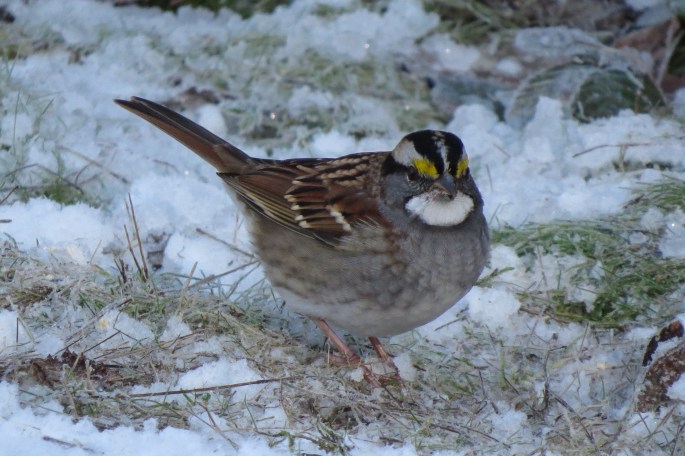
white-throatedOne of four White-throated Sparrows that came to our seed slick

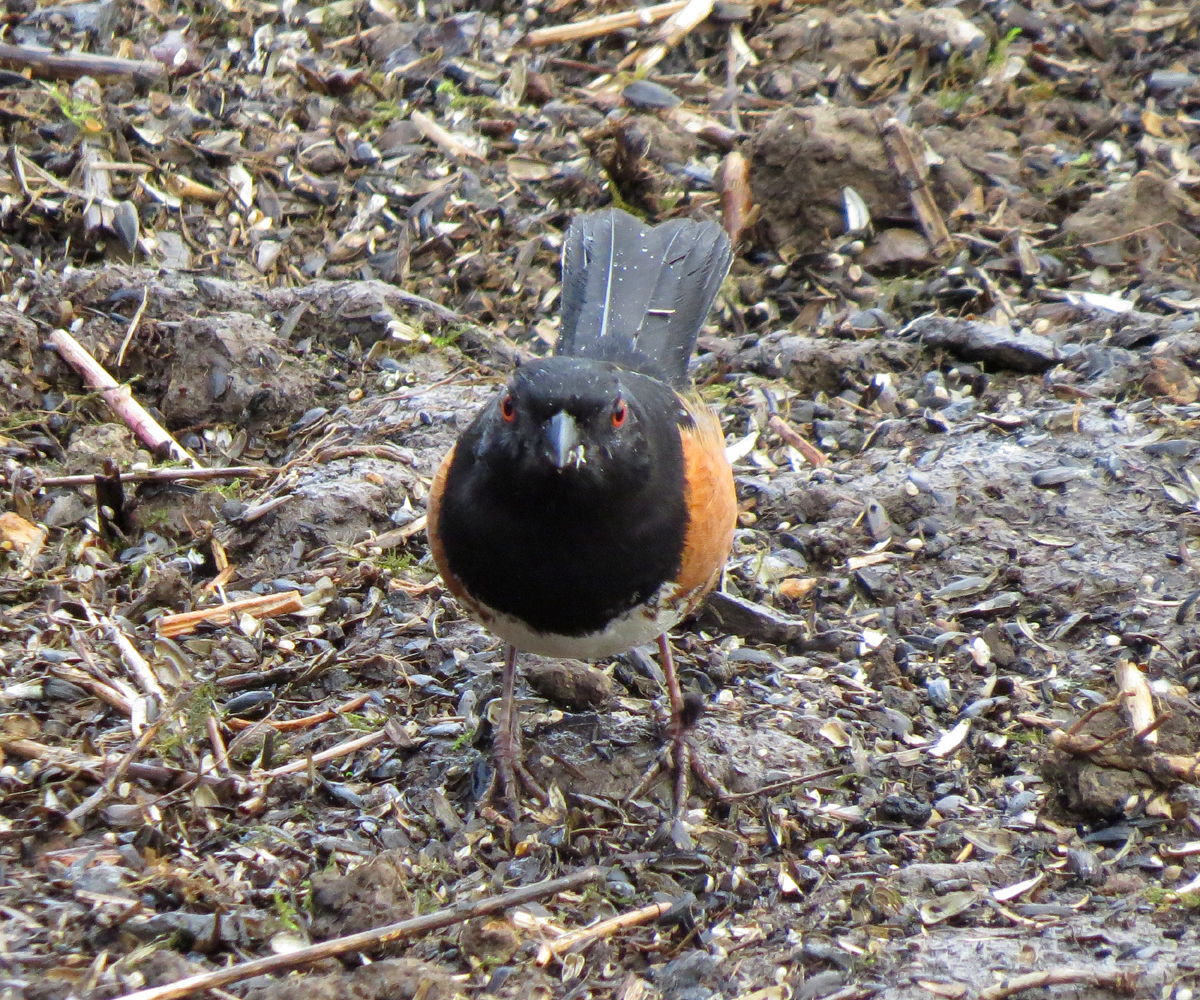
spotted towhee 2Spotted Towhee


Westmoreland Park, 2/27

As spring approaches, the numbers and diversity at Portland’s Westmoreland Park are starting to wain. The winter gull flock is down to Glaucous-winged X Western hybrids and two Herring Gulls. While there is no shortage of white-cheeked geese, there were very few other species of waterfowl on this visit.

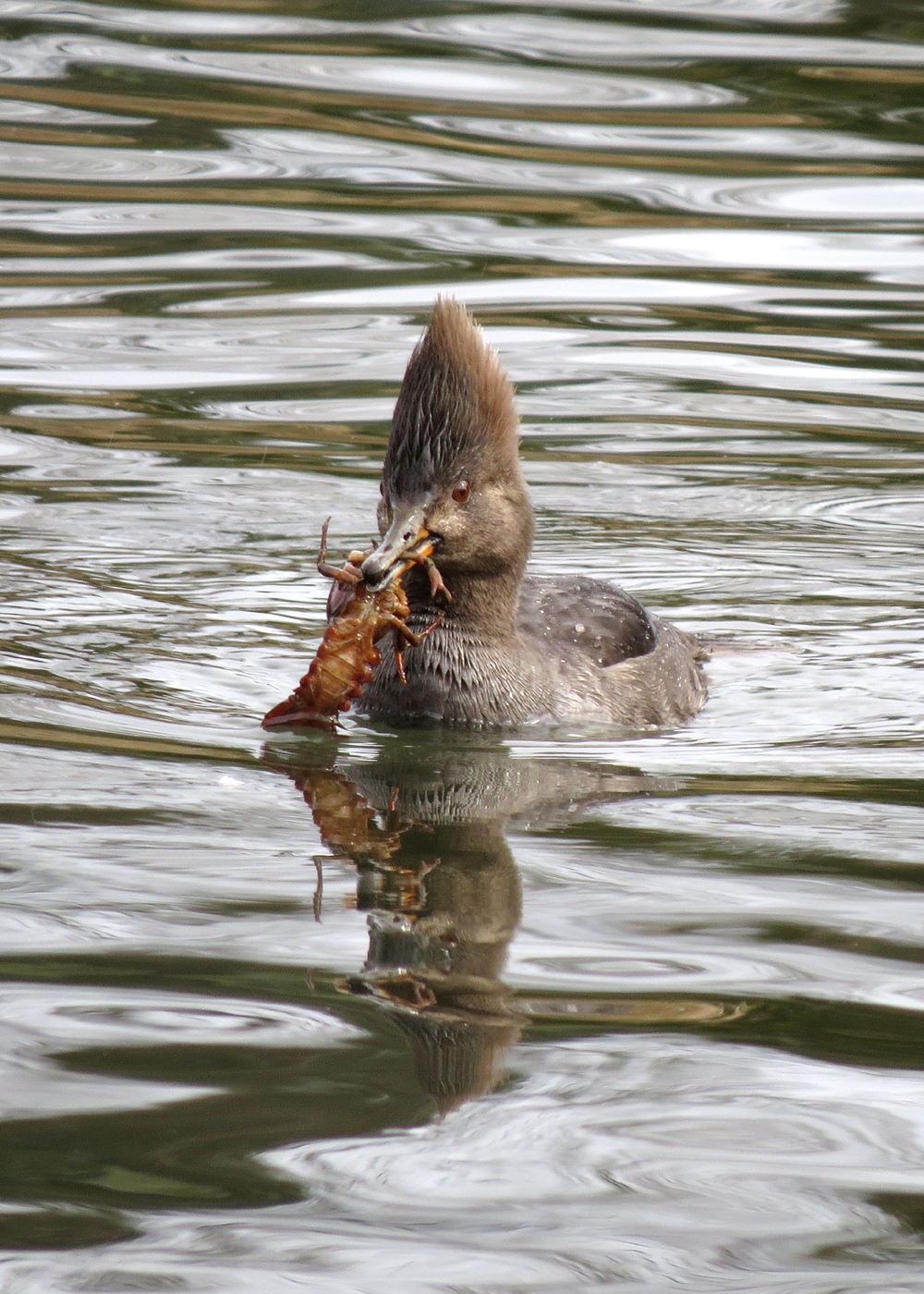
hooded merganserThe highlight of this trip was a pair of Hooded Mergansers squabbling over a large crayfish. The female finally won possession and, with a great deal of effort, swallowed the crustacean.

hooded merganser profileThere must be some powerful muscles in that little neck.

american and eurasian wigeonTwo Eurasian Wigeons, both females, remain with the local American Wigeon flock. Here is one of the Eurasians next to a male American.

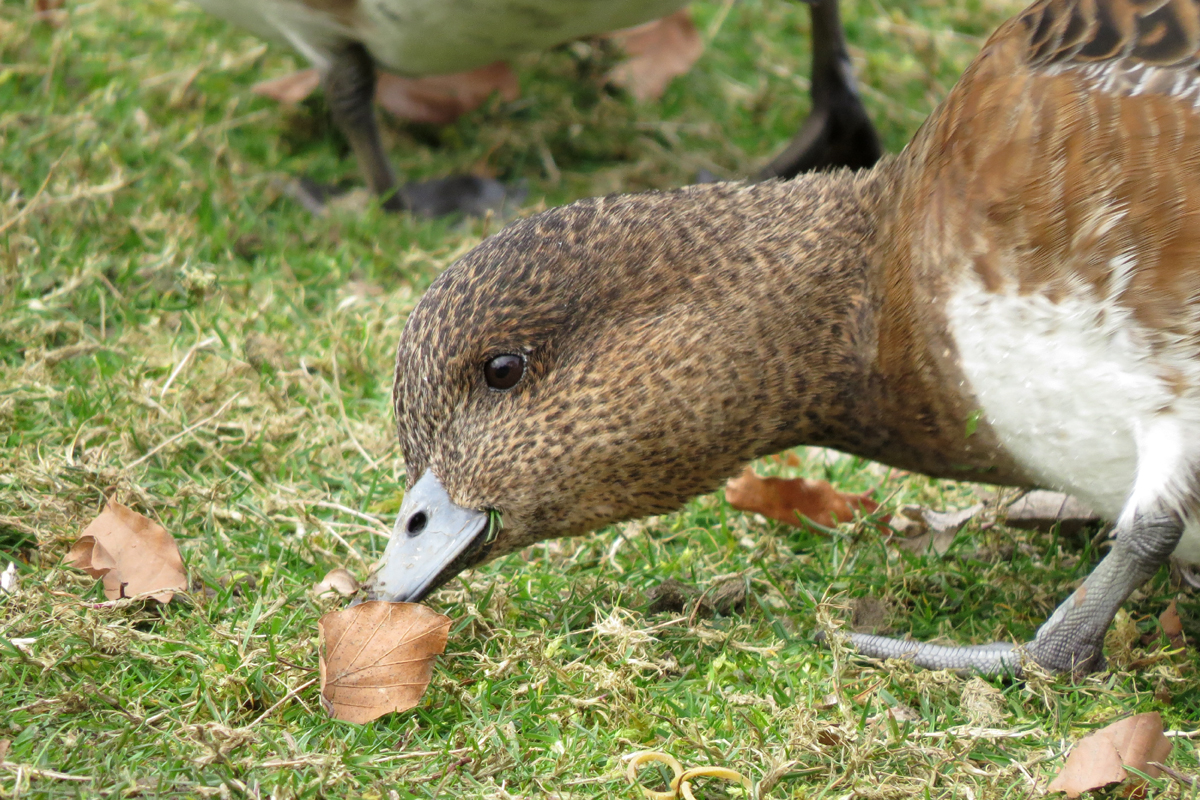
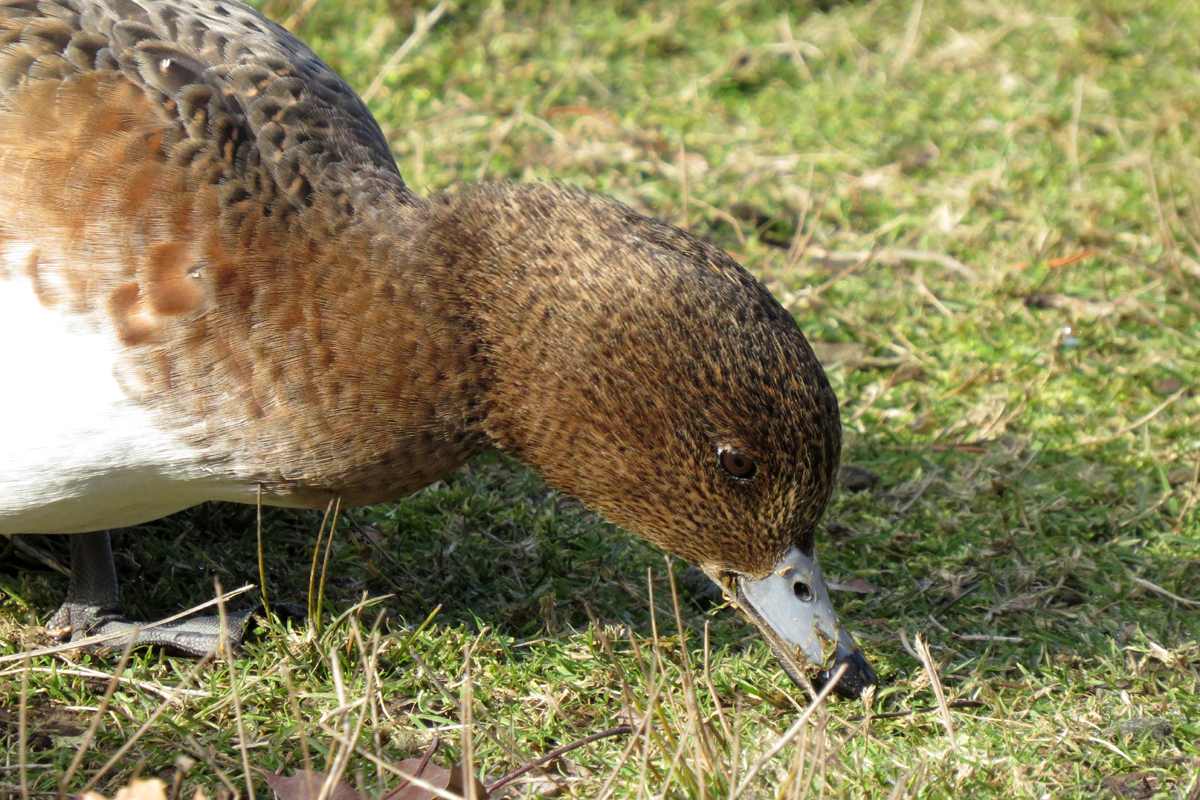
eurasian wigeon femaleHere is a close-up of the Eurasian Wigeon. Note the warm brown color and the lack of a black outline around the base of the bill.

taverner's cackling gooseTaverner’s Cackling Goose, with a partial white neck ring. It will be just a few weeks before these birds head back north, and we will have to console ourselves with warblers and flycatchers.

Winter in the Wetlands

We are in that late winter season when birding seems to slow. I don’t know whether there are actually fewer birds around this time of year or we have just already seen the local winter residents so they don’t hold our attention. In any case, the best birding is usually found in and around wetlands. Here are some recent shots from area wetlands from the past couple of weeks.

great blue heron 1Great Blue Herons are always around, and have started hanging out in their nesting colonies.

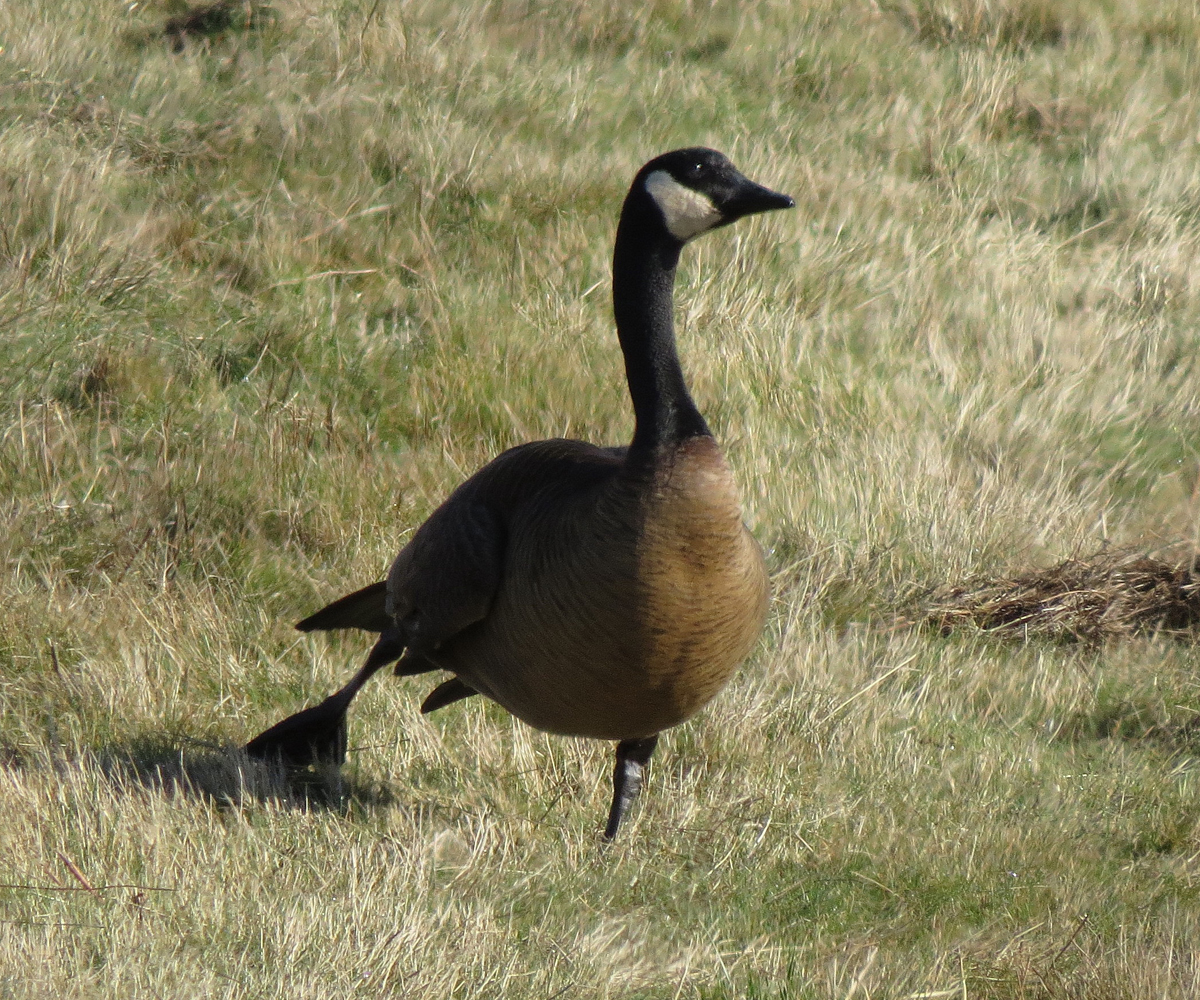
dusky canada stretchingThis Dusky Canada Goose was enjoying the sunshine at Ankeny NWR.

dusky canada feeding

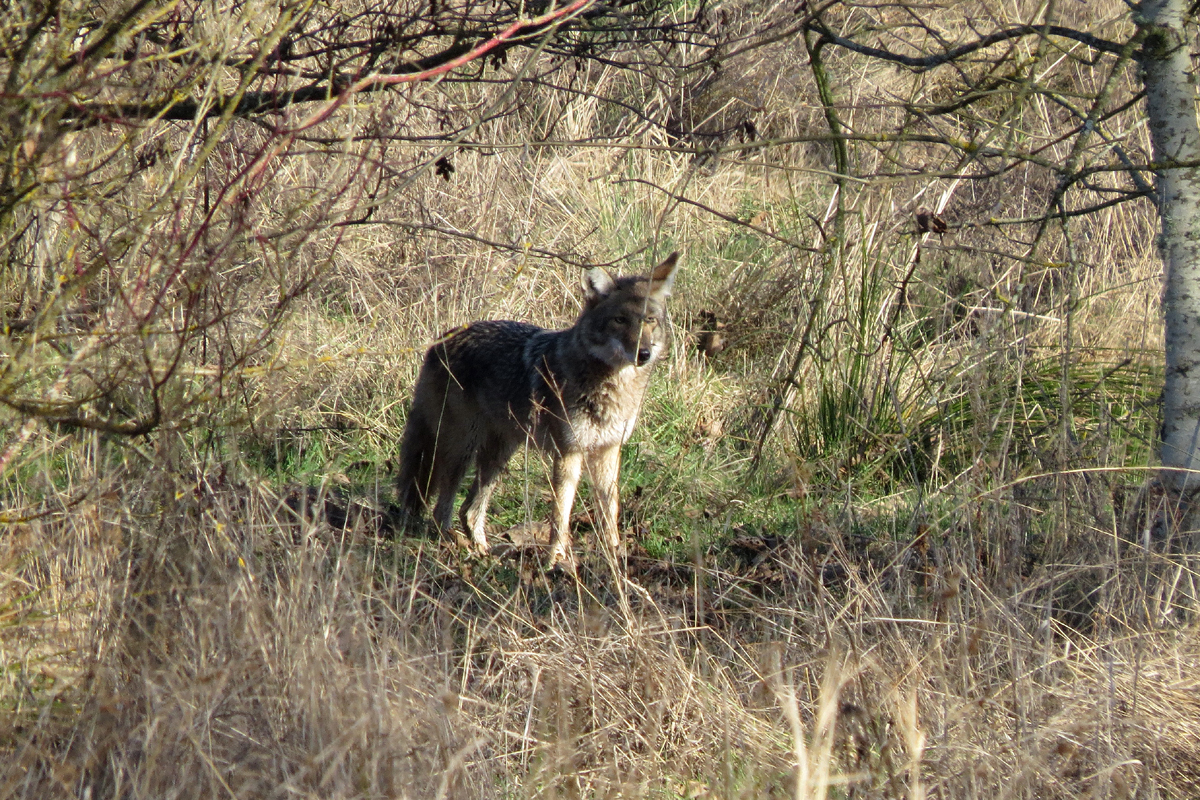
coyoteCoyote, Vanport Wetlands

coyote ankenyAnother Coyote, at Ankeny NWR

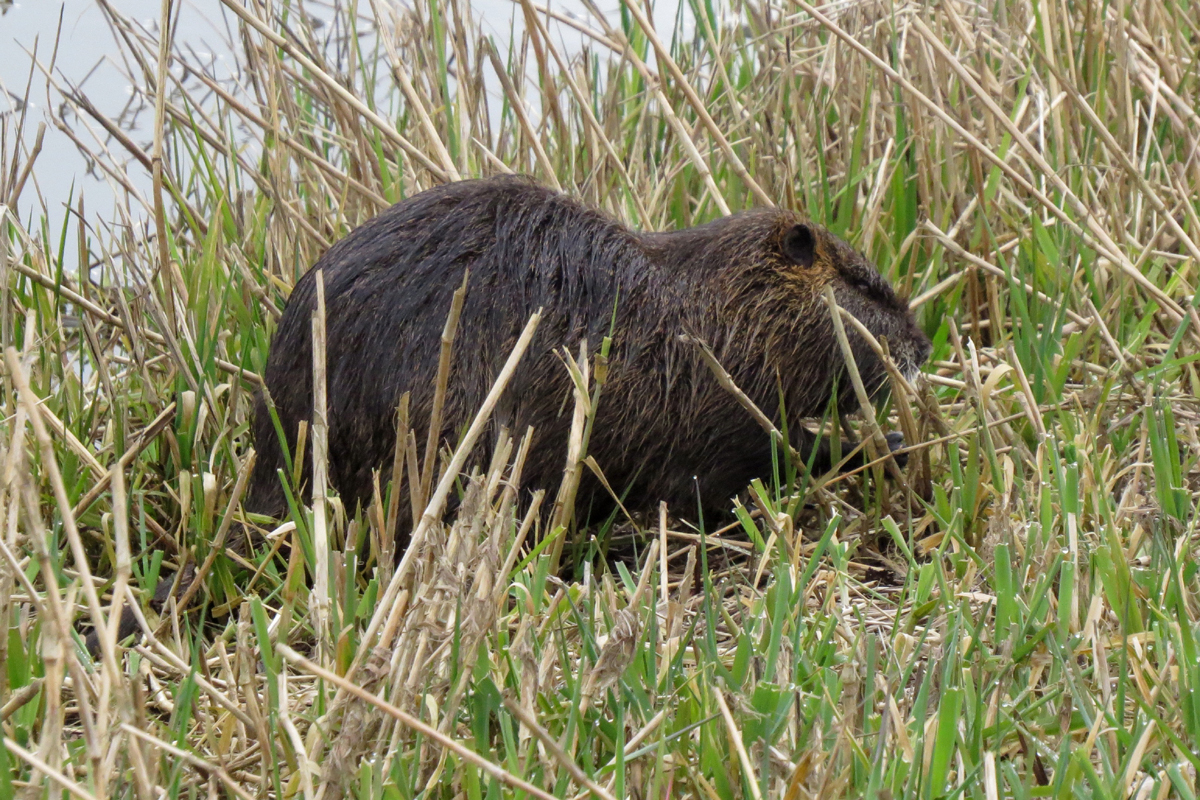
nutriaThis Nutia at Fernhill Wetlands seemed unconcerned with the group of birders walking by.

red-winged blackbird and lesser goldfinchHere is a Red-winged Blackbird sharing a nyjer feeder with a Lesser Goldfinch at Jackson Bottom. I don’t recall seeing blackbirds eating nyjer before.

spotted towheeSpotted Towhee, Jackson Bottom

Sauvie Island

I led a tour on Sauvie Island this week. This is a great time of year for birding Sauvie, as the hunting season is over and there are still large flocks of waterfowl and wintering sparrows.

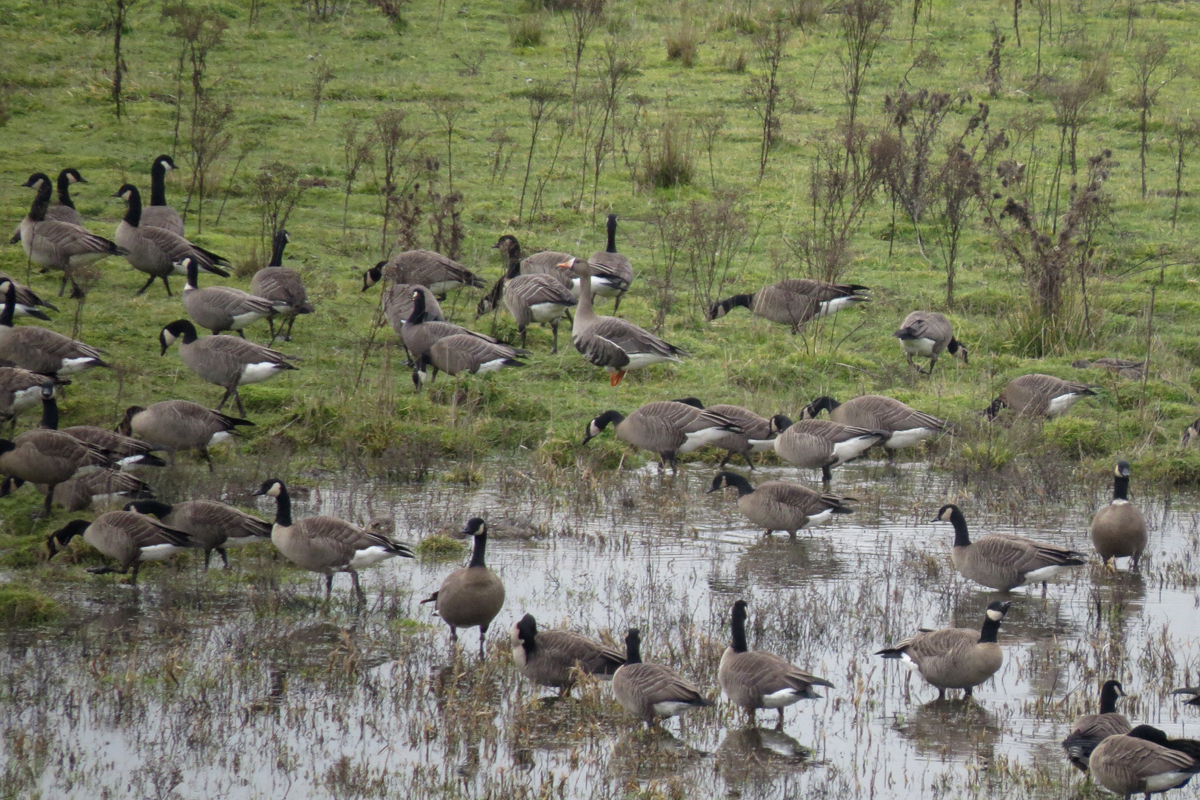
duskies, snowsHere are some Snow Geese within a flock of Dusky Canada Geese. If you look closely you will find one Taverner’s Cackling Goose and a couple of Mallards.

greater white-fronted gooseOne Greater White-fronted Goose was hanging out with the Taverner’s Cackling Geese. Greater White-fronts are hard to come by in winter, so we were fortunate to find this individual.

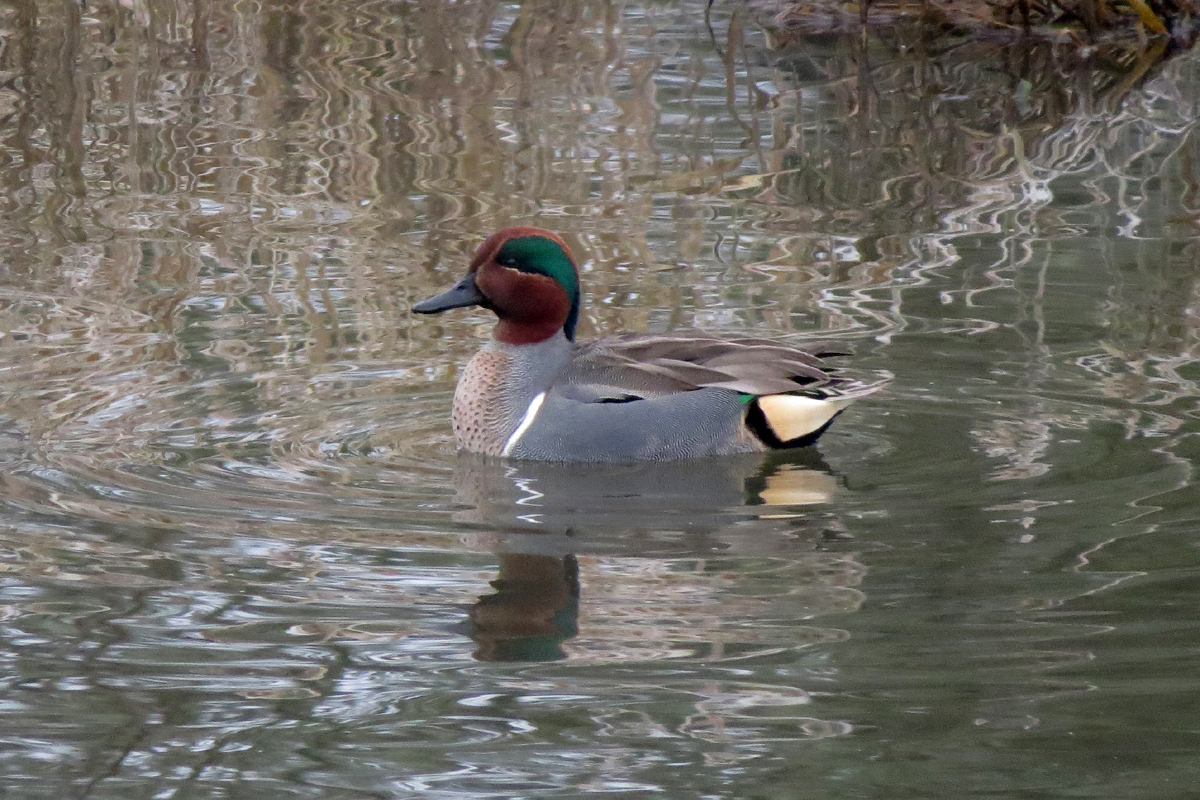
green-winged tealGreen-winged Teal, the smallest duck in North America, and one of the prettiest

rough-legged hawkA very distant view of a Rough-legged Hawk

Westmoreland Park

Westmoreland Park, in southeast Portland, is always worth a quick visit in winter.

canvasbackThis Canvasback has a mud on her face from rooting around in the bottom of the pond.

canvasback scratching

lesser scaupLesser Scaup

eurasian wigeon2At least two female Eurasian Wigeons have been spending the winter at Westmoreland. No males have been reported yet this year.

herring gullThis park is one of best gull sites in Portland, although by this time the gull flock is starting to thin out. This is a sleepy Herring Gull.

taverner's cackling gooseWestmoreland is also a good spot for studying the various subspecies of the white-cheeked goose complex. This is a Taverner’s Cackling Goose, identified by her medium bill (covered in down for some reason), blocky head, and pale breast.

ridgeway's cackling goose leftRidgeway’s Cacking Goose (stubby bill, round head, dark breast)

canada goose 1Western Canada Geese have long snakey necks, long bills, and pale breasts. While common in Cackling Geese, it is unusual to see such a distinct white neck ring on a Western Canada.

western canada goose bathingWestern Canada Goose bathing

Rentenaar Road, Sauvie Island

white-throated sparrowRentenaar Road, on Sauvie Island, is one of the better sparrow patches in the Portland area. I found ten species this morning, about typical for this time of year. This boldly patterned White-throated Sparrow was one of the prettier ones.

dark-eyed juncoDark-eyed Junco

golden-crowned sparrowGolden-crowned Sparrows are the most common sparrows along this stretch of road.

lincoln's sparrowLincoln’s Sparrow, one of my favorites and one of the hardest to photograph

song sparrowSong Sparrow

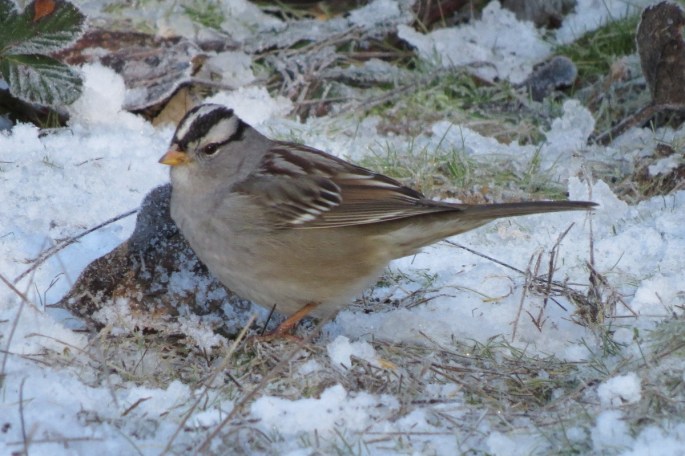
white-crowned sparrowWhite-crowned Sparrow

spotted towheeSpotted Towhee with two Golden-crowned Sparrows

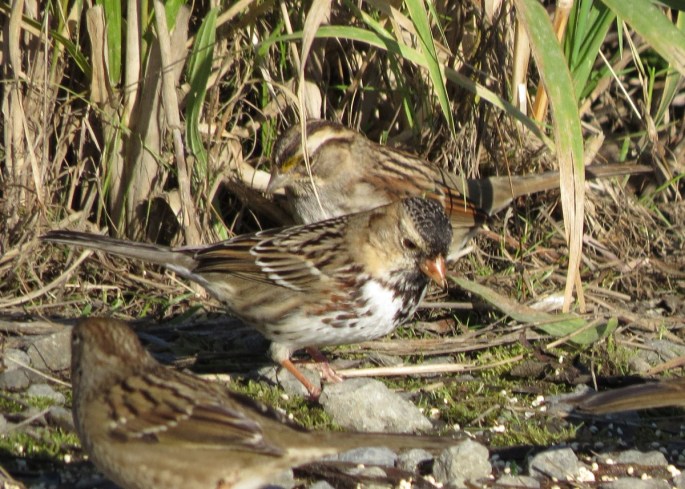
harris's frontThe rarest bird of the day was this Harris’s Sparrow. This is the third winter in a row that a Harris’s (perhaps the same bird) has been wintering at this location.

harris's and golden-crownedHarris’s Sparrow with Golden-crowns

harris's and white-crownedHarris’s with White-crowned

harris's and white-throatedand finally, the Harris’s with a tan-morph White-throated Sparrow in the background. It’s nice that this visitor from the Great Plains gets along with everyone.

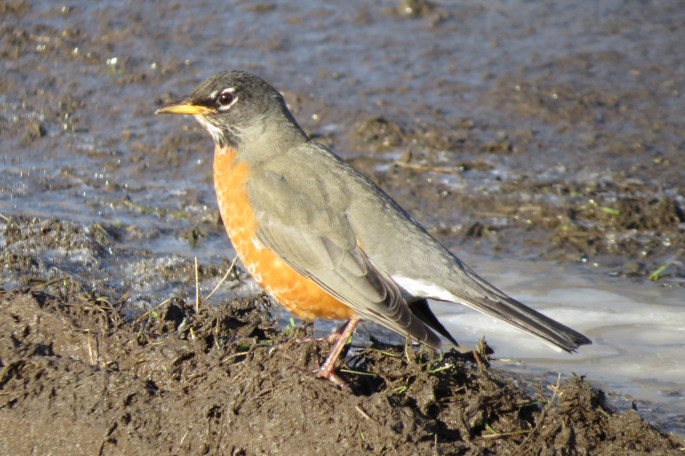
robinWhile certainly not a sparrow, this American Robin was just begging to be photographed, so here you go.

Westmoreland Park

A quick visit to Westmoreland Park in southeast Portland revealed good numbers of waterfowl and gulls typical of this little urban duck pond in the winter.

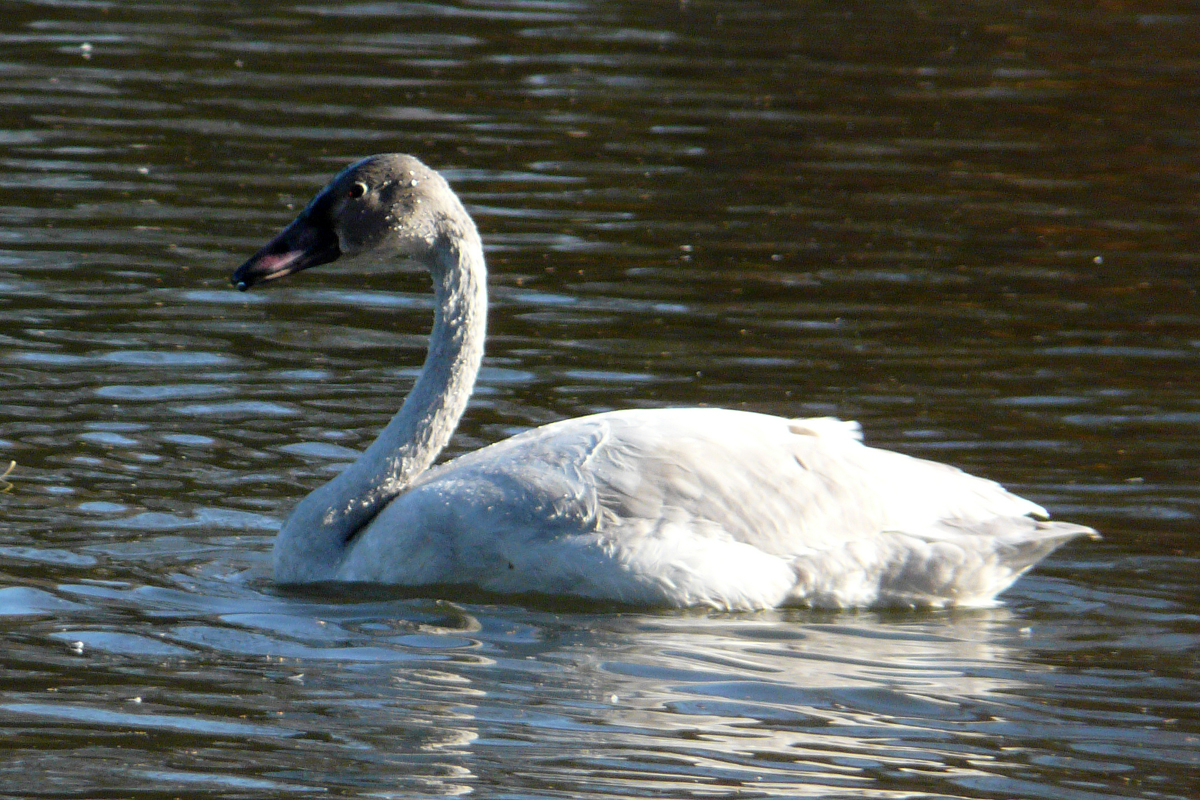
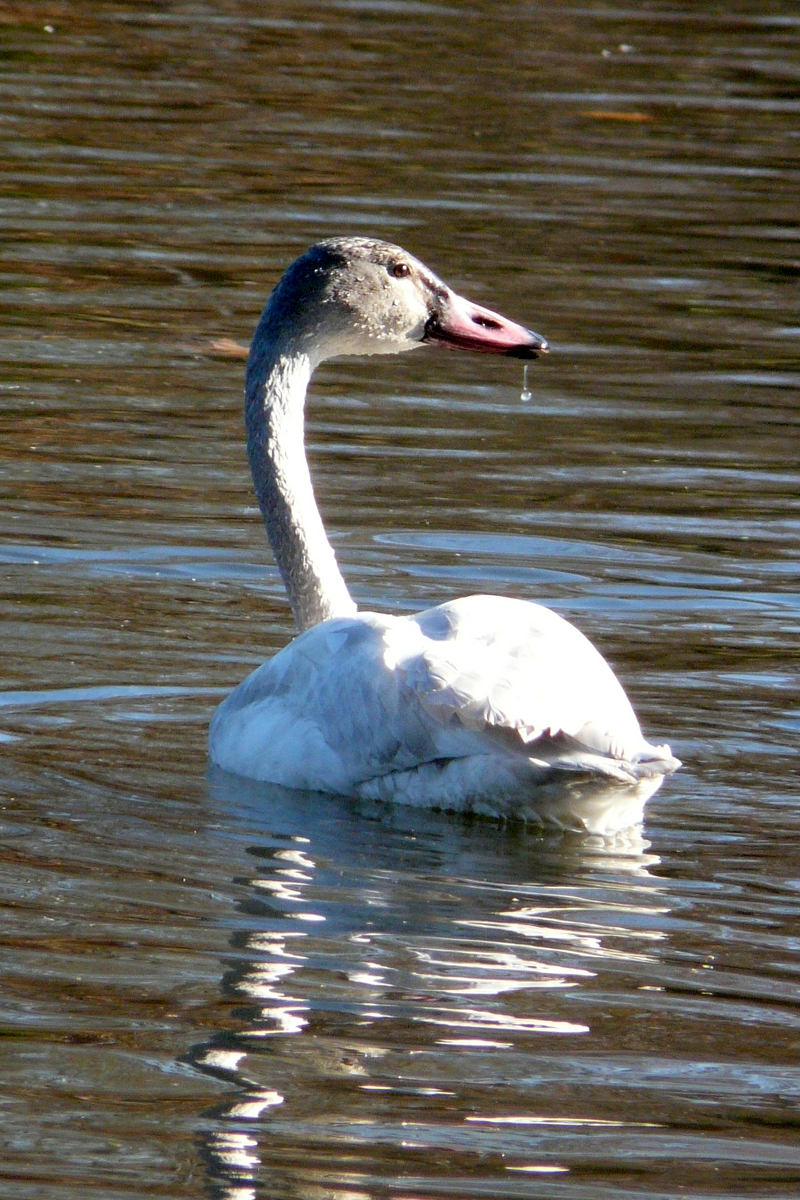
Two duck butts in the middle of the pond stood out because of their large size. They turned out to be Tundra Swans, the first I have seen at this park.

Of course, every visit to Westmoreland requires a quick scan of the gull flock.

Ring-billed Gull

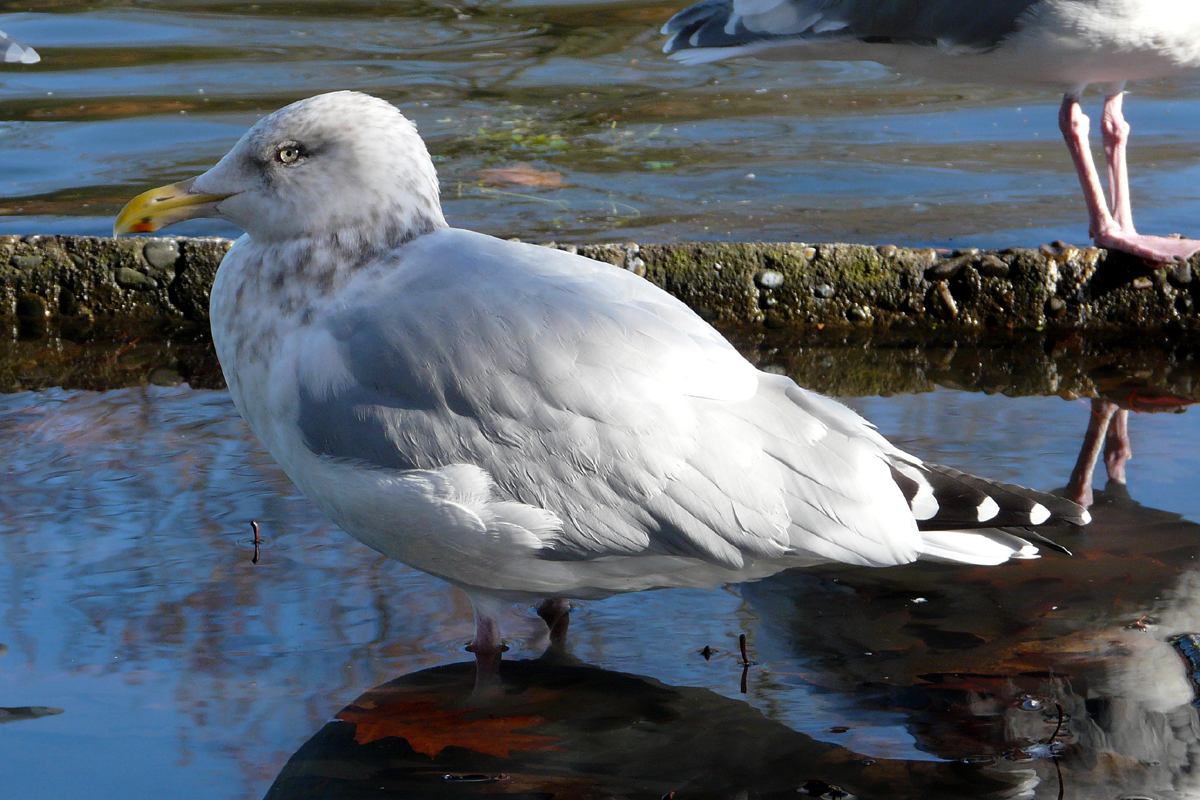
Herring Gull

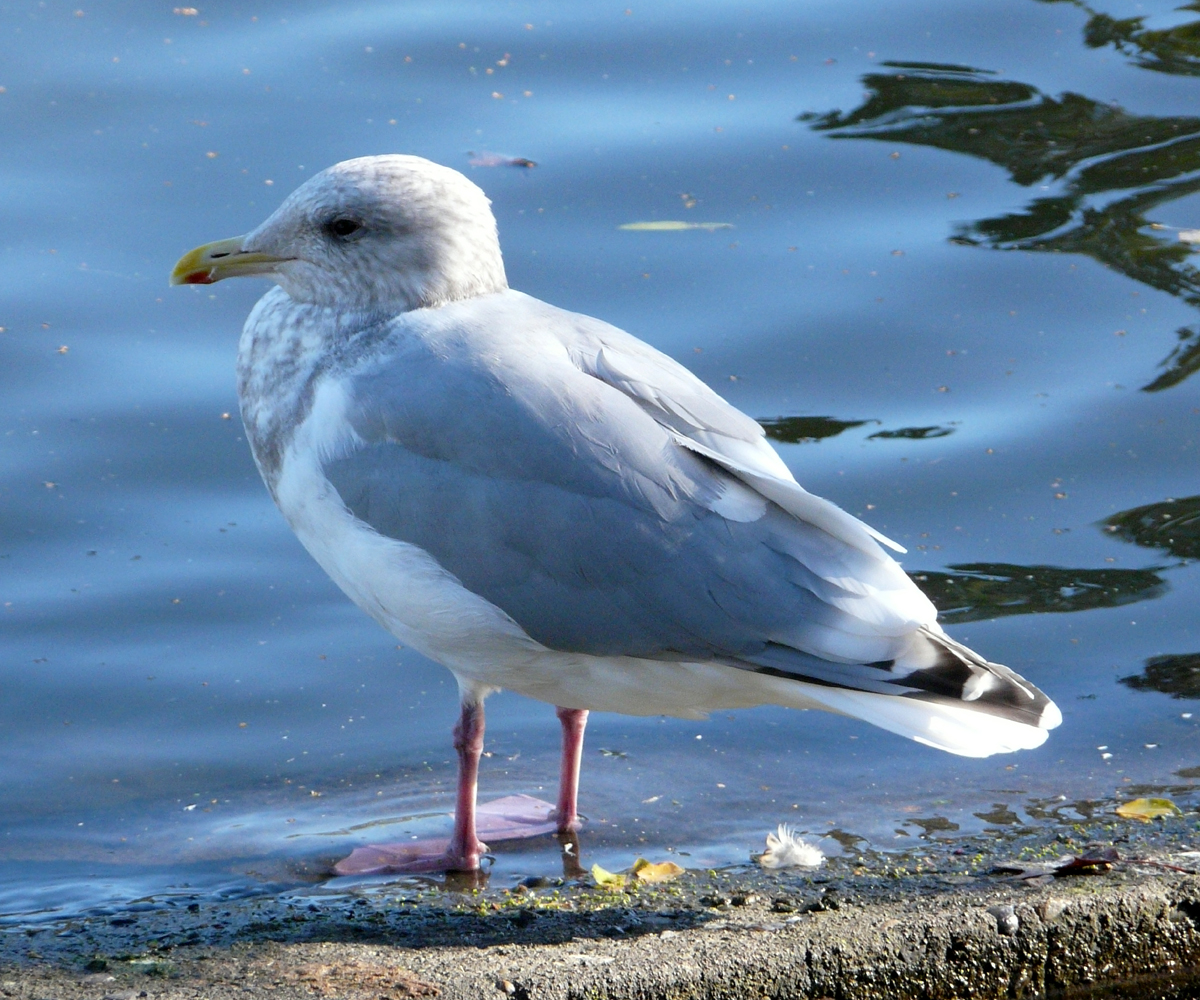
Thayer’s Gull

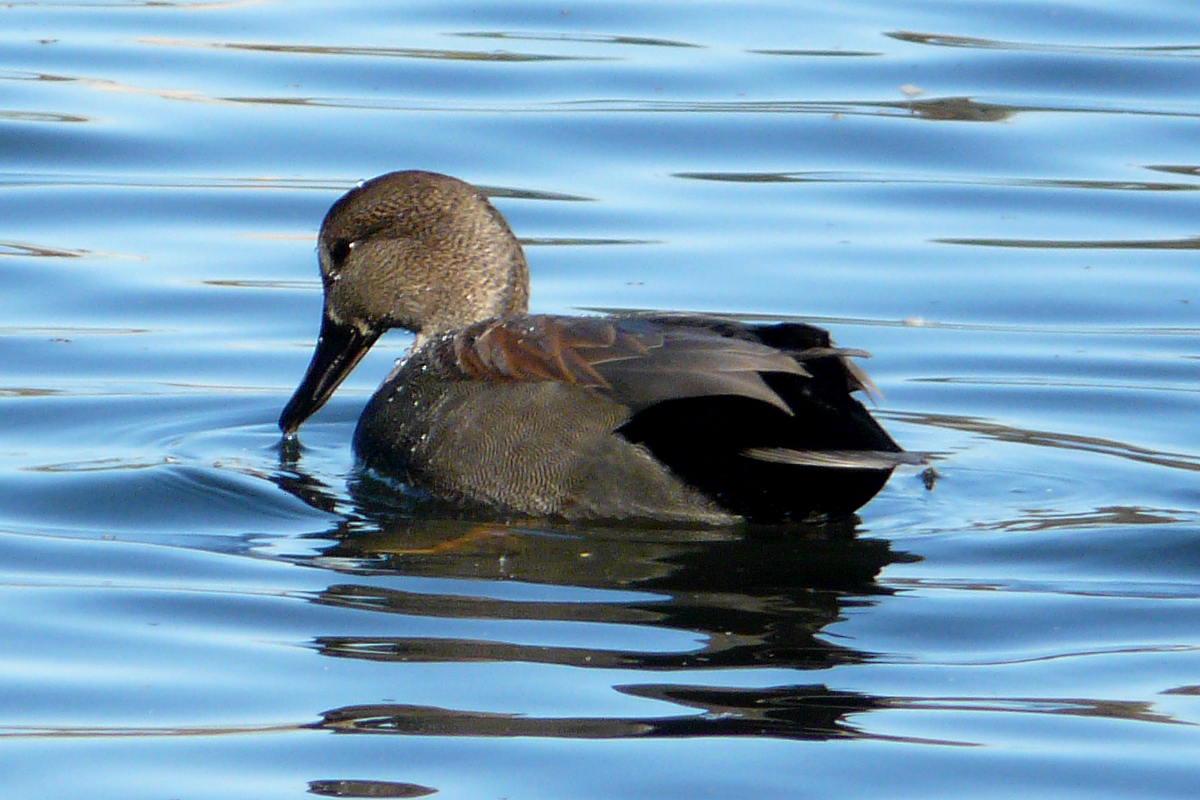
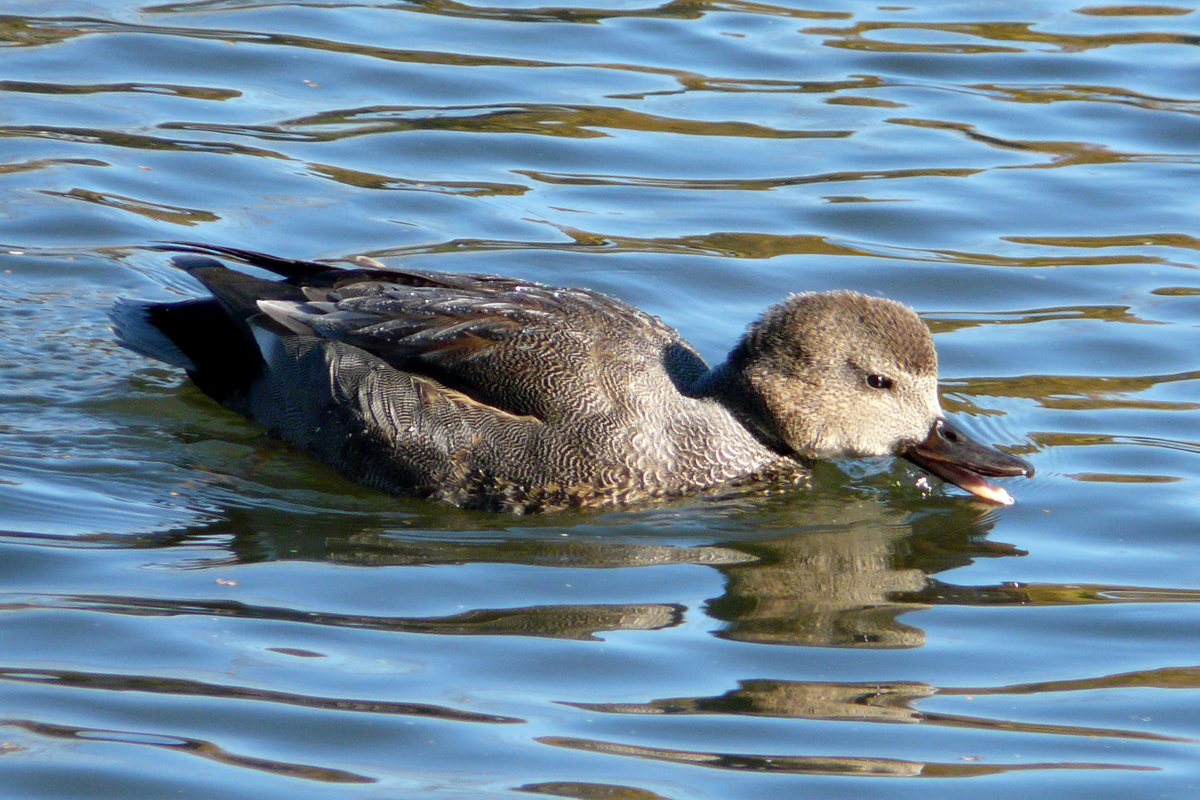
Gadwalls don’t sport a lot of color, but are lovely little ducks.

Fernhill Wetlands 11/1/12

Things are hopping at Fernhill Wetlands, with rising water levels, an influx of several thousand geese and other waterfowl, and a few other goodies.

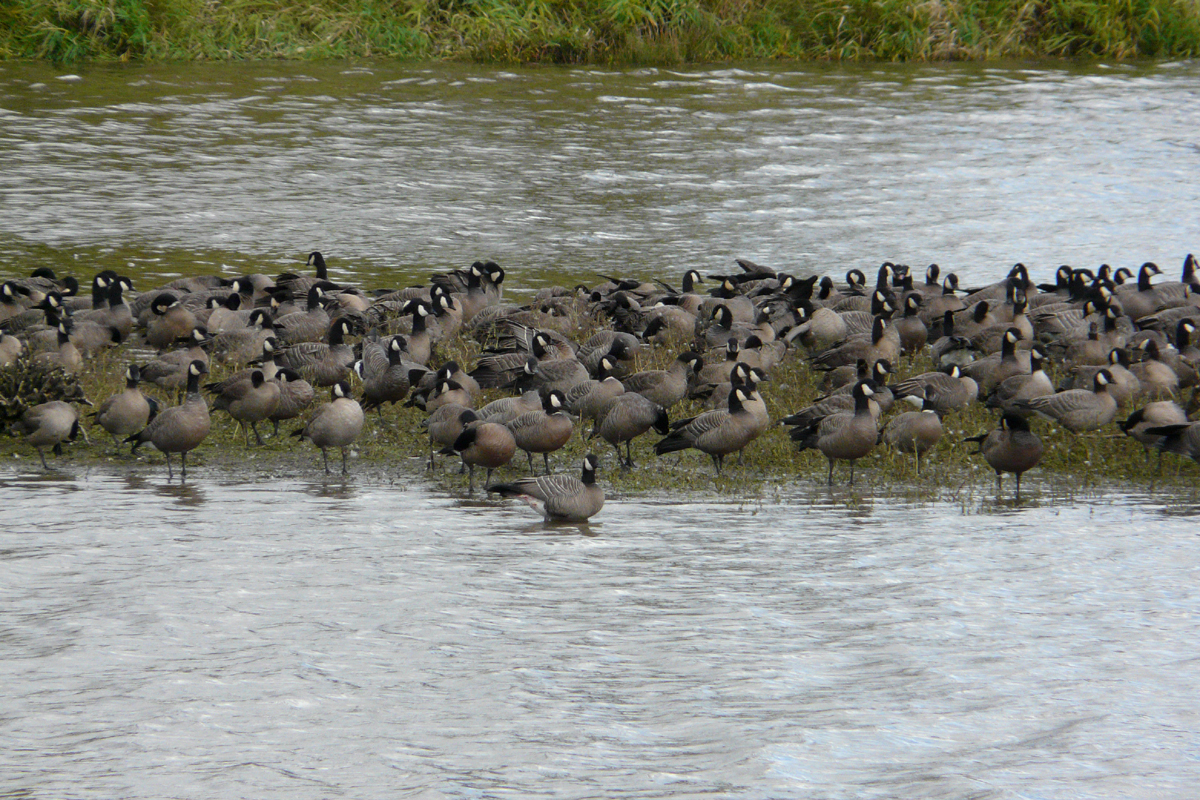
Cackling Geese have been arriving for weeks now, and the skies and fields around Fernhill are covered with these little guys.

A small flock of Greater White-fronted Geese were hanging out with the Mallards in Dabblers Marsh.

This interesting beast is a hybrid, a product of one of the local Canada Geese and a domestic Greylag Goose.

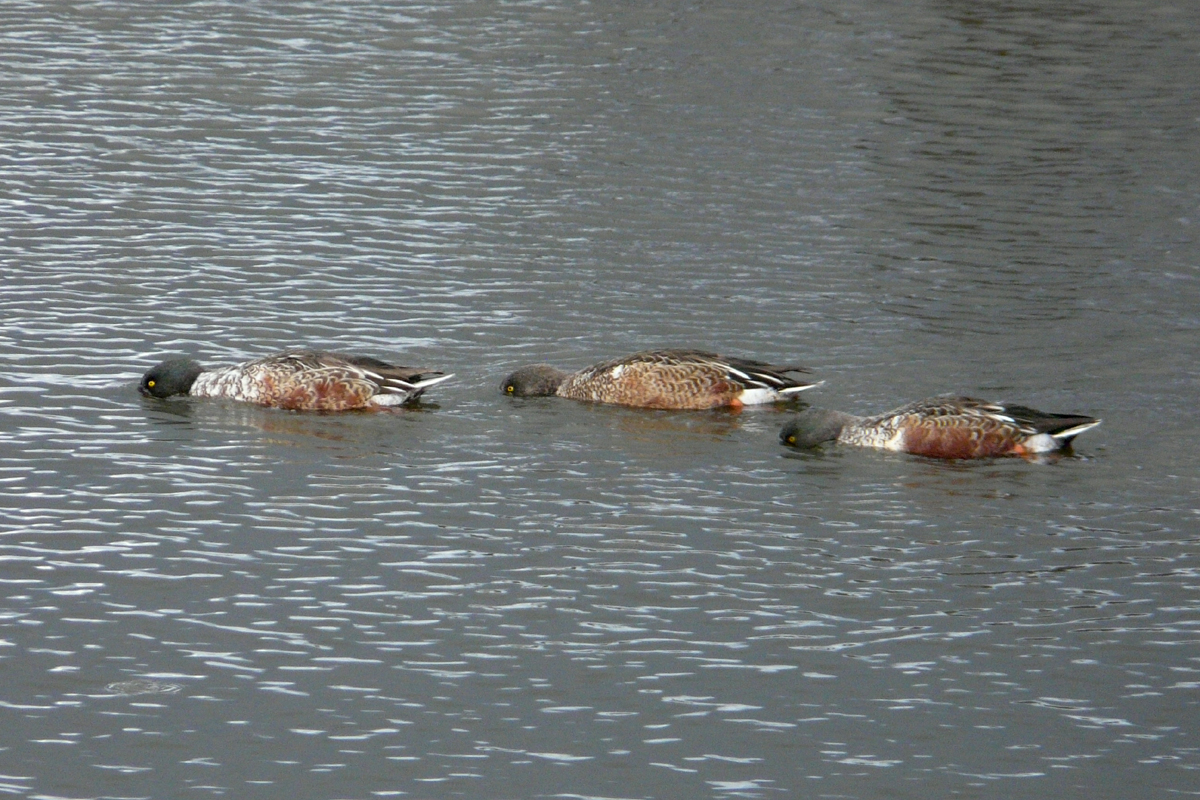
Here are some of the many Northern Shovelers feeding in their typical manner, swimming along with their faces in the water, as if their enormous bills are too heavy to hold up.

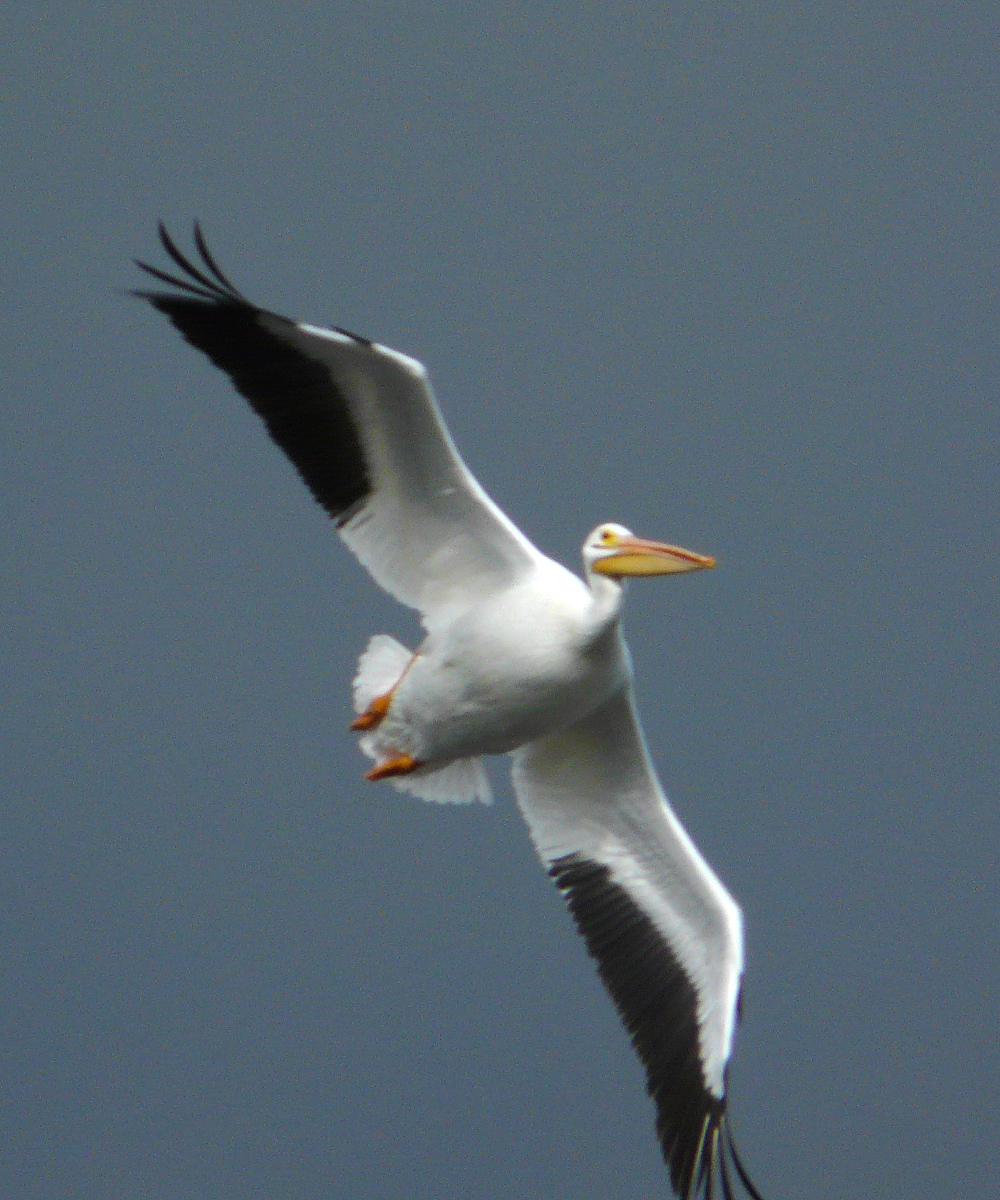
Two American White Pelicans have been hanging out at Fernhill for a couple of months now.
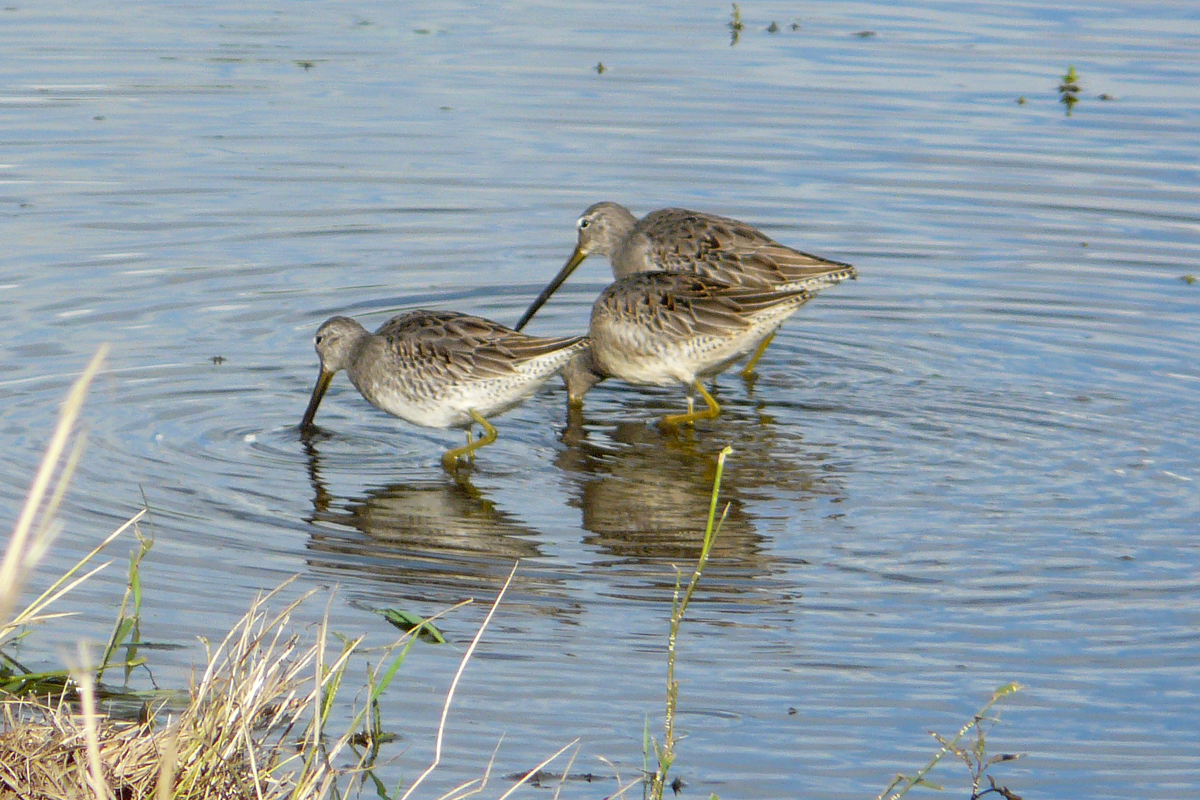
Shorebird numbers and diversity have dwindled. Here are a few Long-billed Dowitchers.

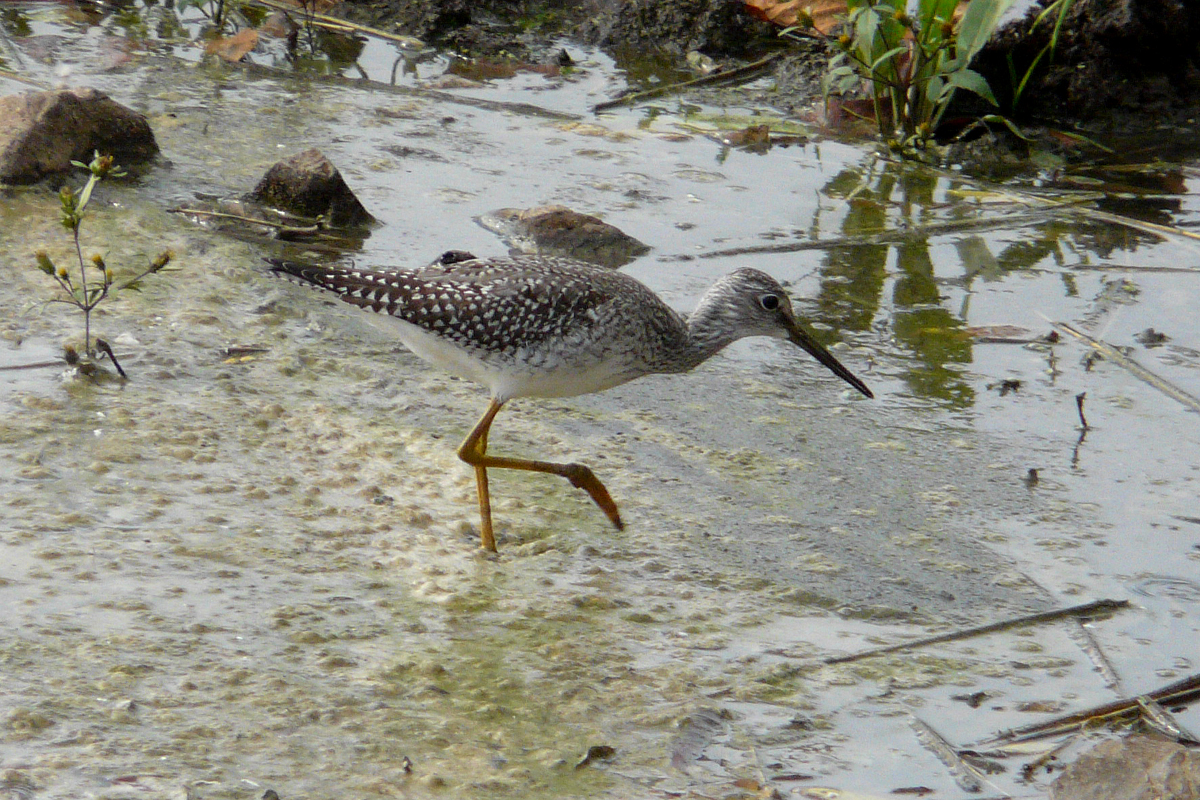
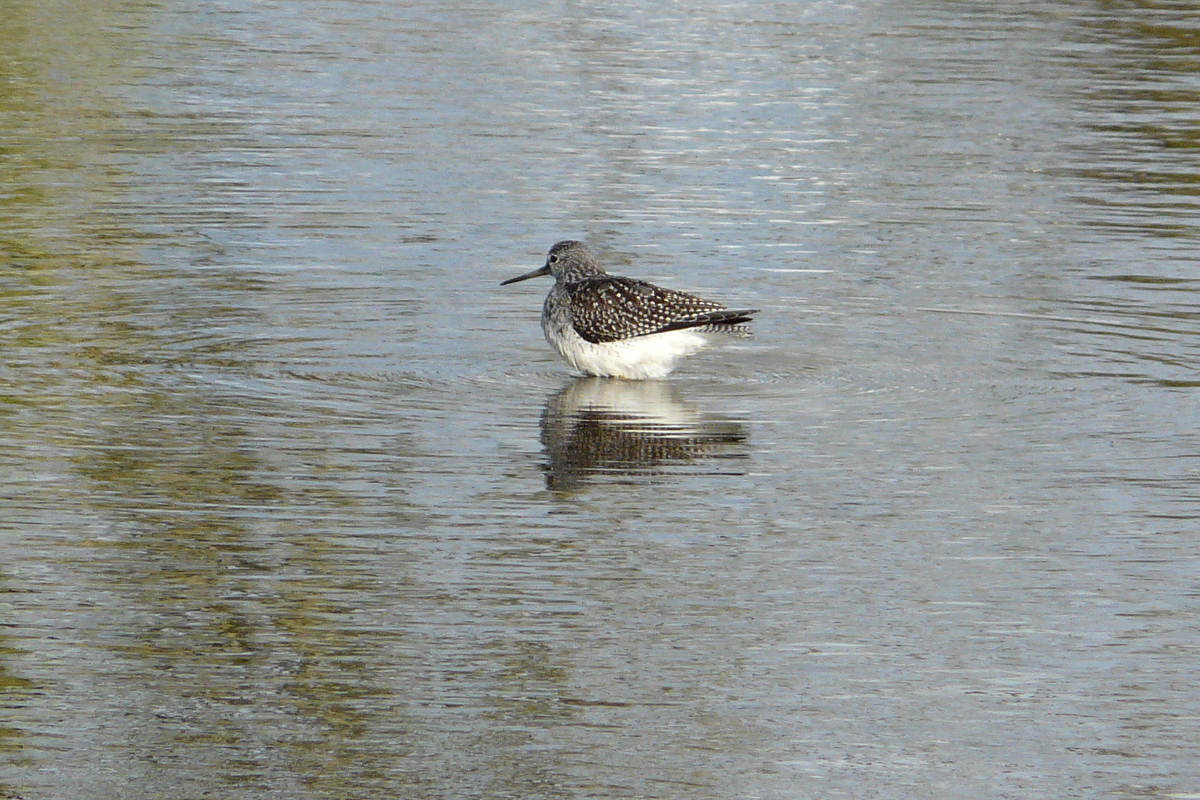
Greater Yellowlegs

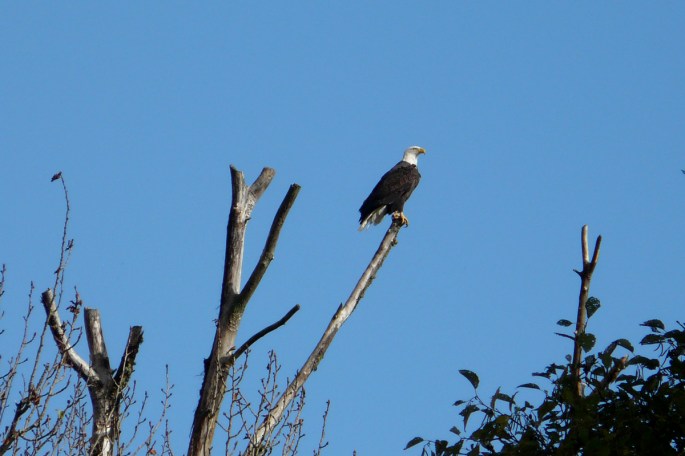
The resident Bald Eagles were sitting around looking majestic. I watched one carrying a stick to add to their nest.

Great Egret

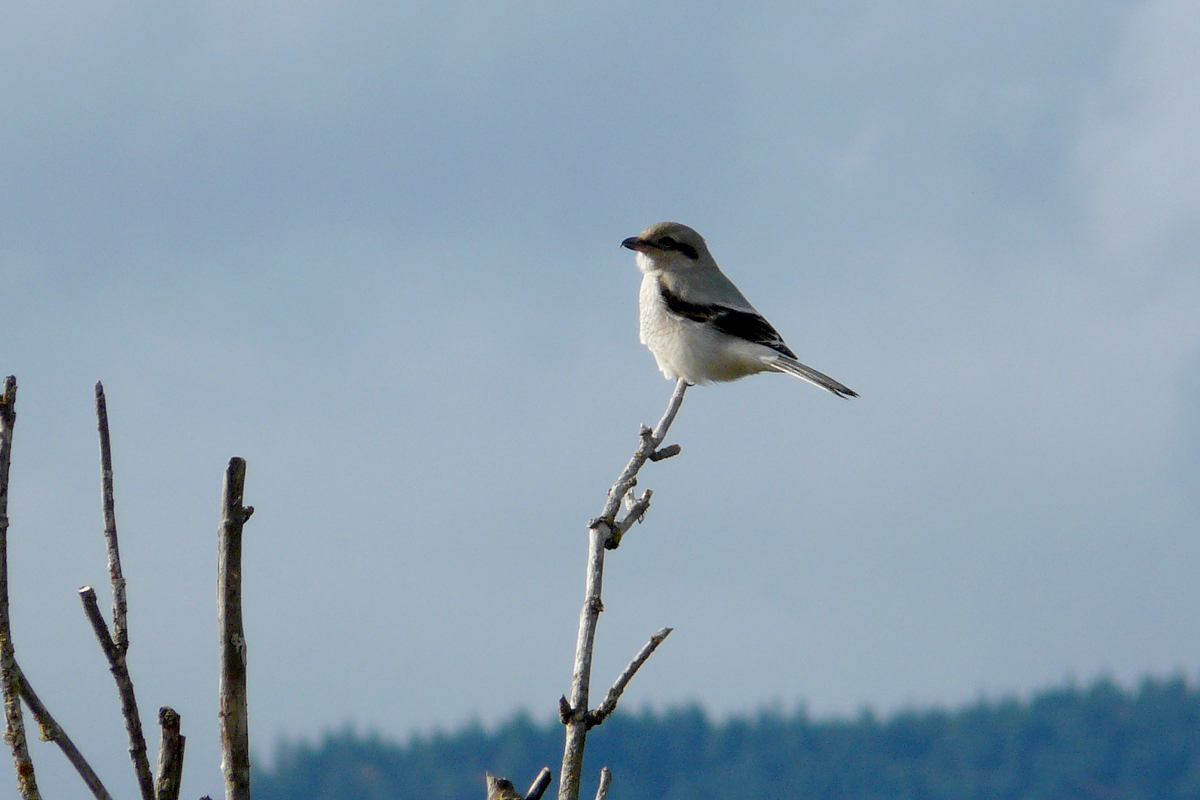
Several Northern Shrikes have been reported around the Portland area in recent days. This one is snacking on a large insect.

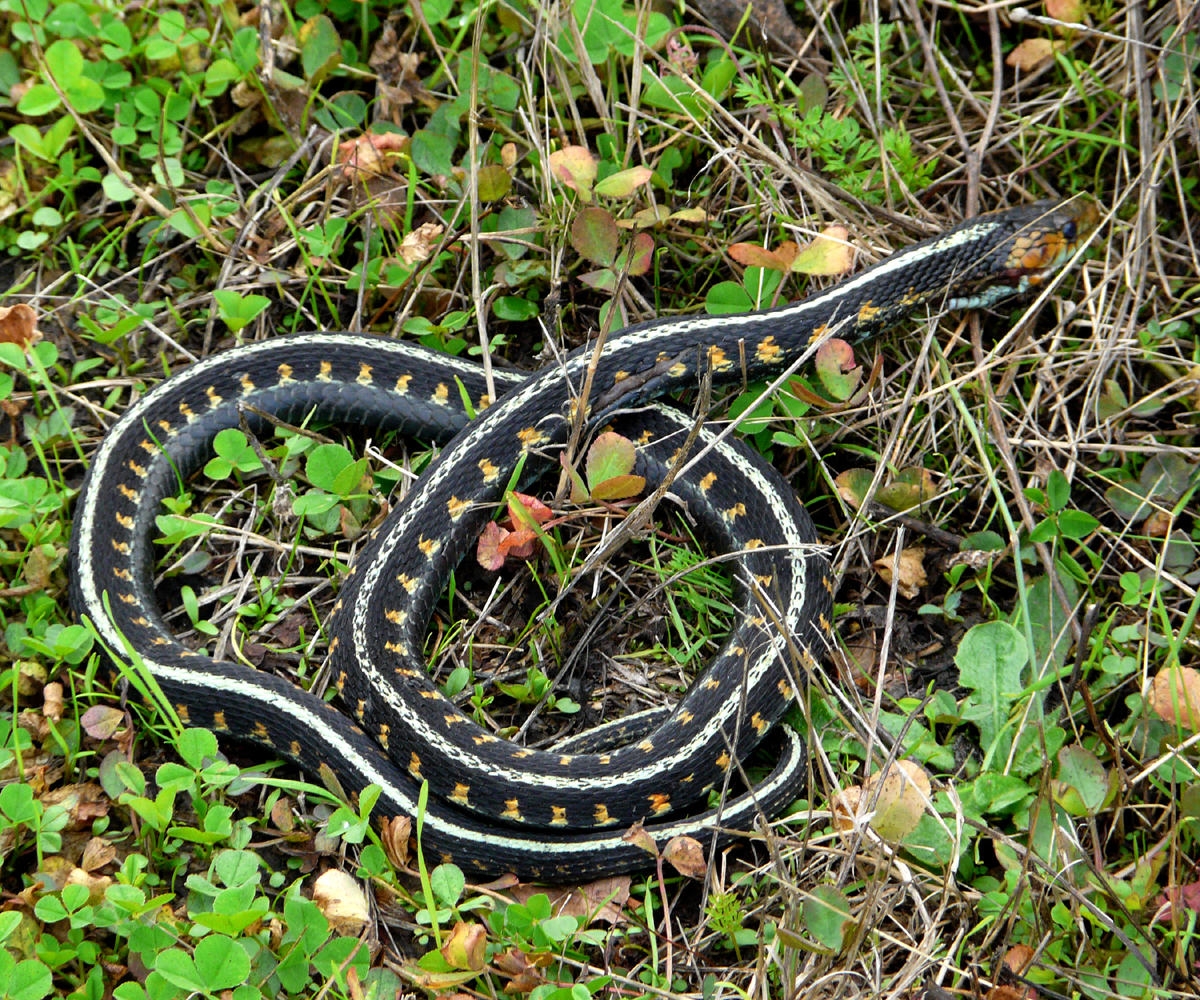
I saw three Common Garter Snakes on this trip, including one very young newborn about the width of a linguine. The colorful individual in this photo was about 20 inches long. Note the large laceration on his neck, presumably from a predator. Despite the severity of the wound, the snake was not bleeding and he crawled away after this photo was taken, so I am hopeful he will recover.

Bayocean Spit

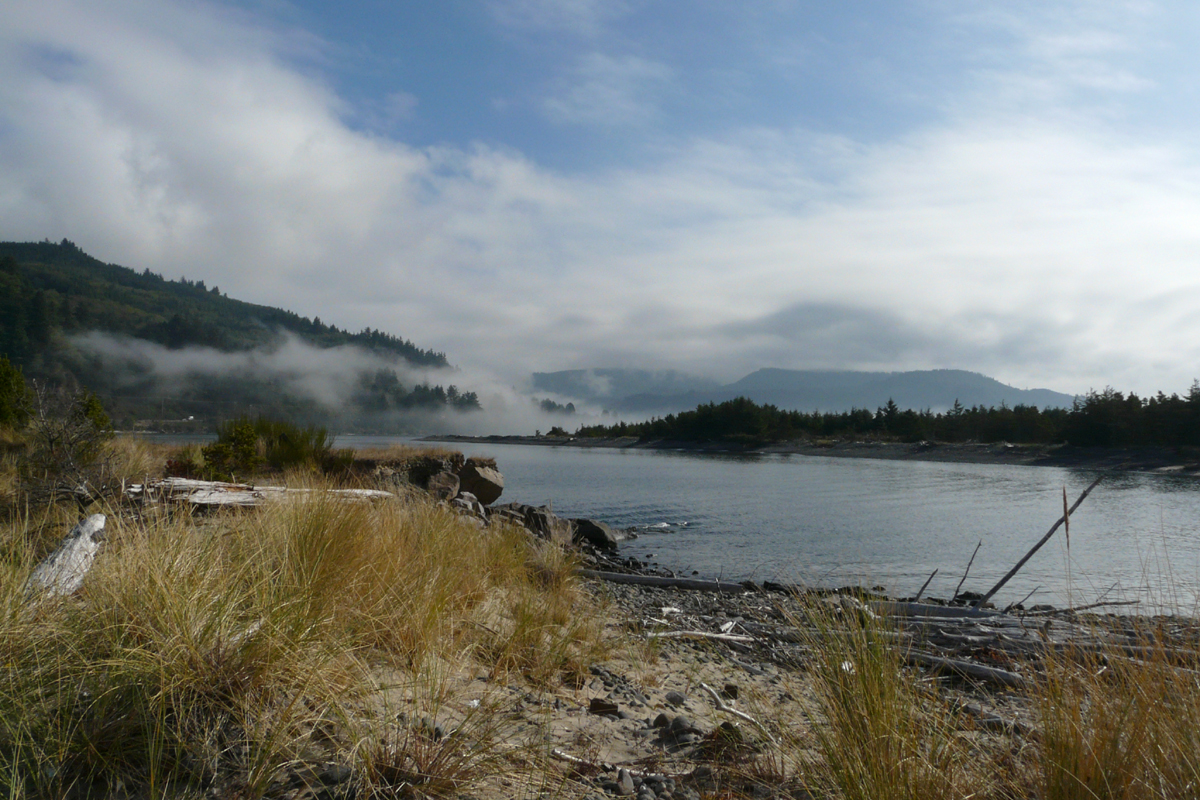
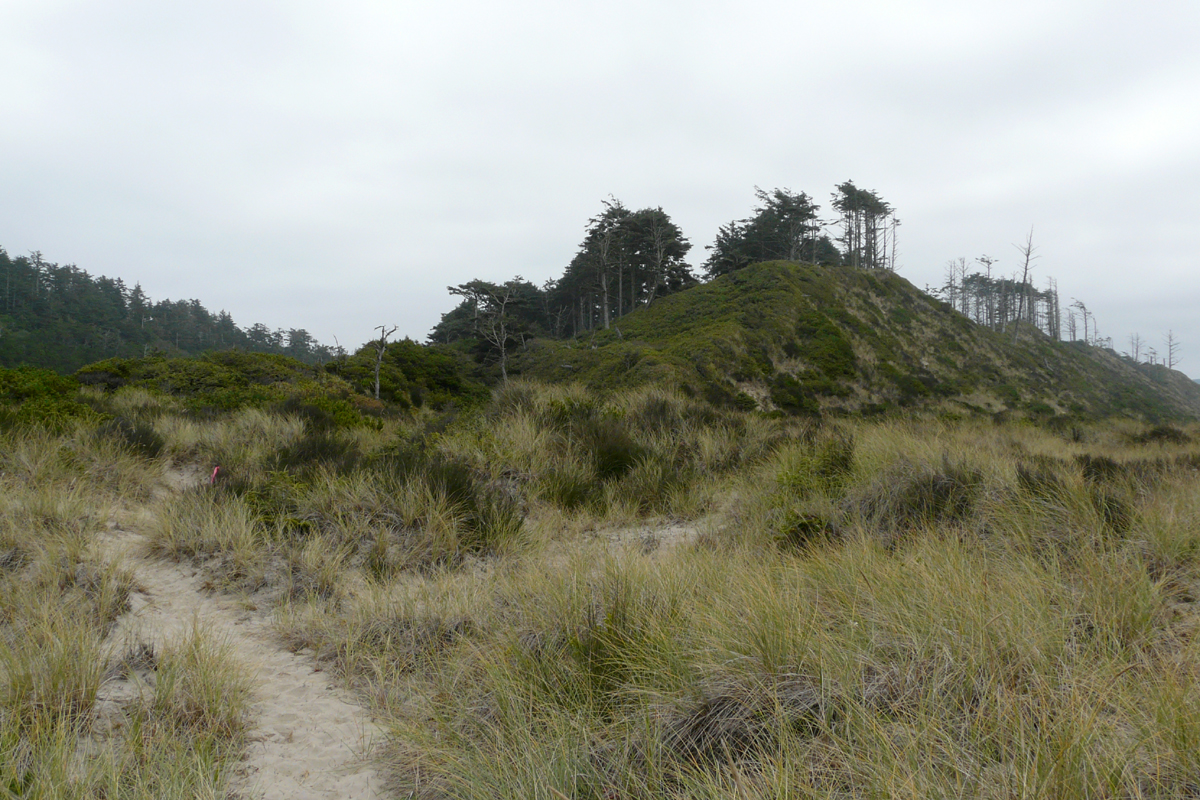
I spent the last day of the dry season walking Bayocean Spit on Tillamook Bay (Birding Oregon p. 128). On a day trip from Portland, it is tempting to try to cover all the hotspots around the bay, but spending the day exploring Bayocean Spit provides access to all the major habitats of the area along with a nice hike.

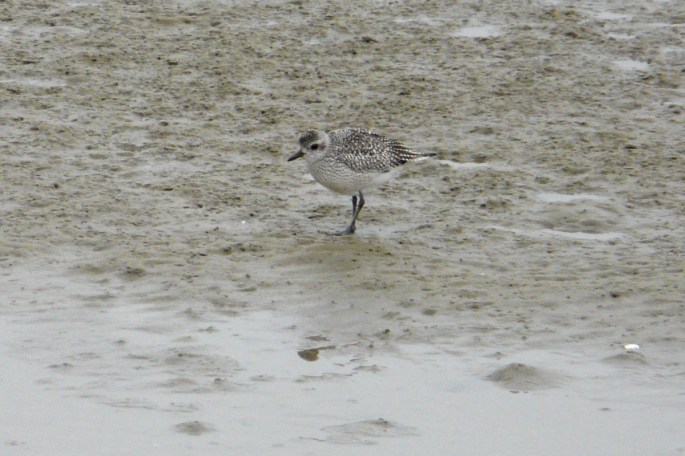
Although the shorebird migration is winding down, there were still some birds on the bay side of the spit. Black-bellied Plovers were the most obvious and vocal, joined by Western Sandpipers, Short-billed Dowitchers, a Semipalmated Plover, and the first Dunlin of the season.

Brown Pelican near the jetty at the mouth of the bay

The ocean side of Bayocean Spit usually has far fewer birds than the bay side, but it is a nice stretch of secluded beach.

Judging from the size, I am guessing these shorebird tracks were from a Black-bellied Plover.

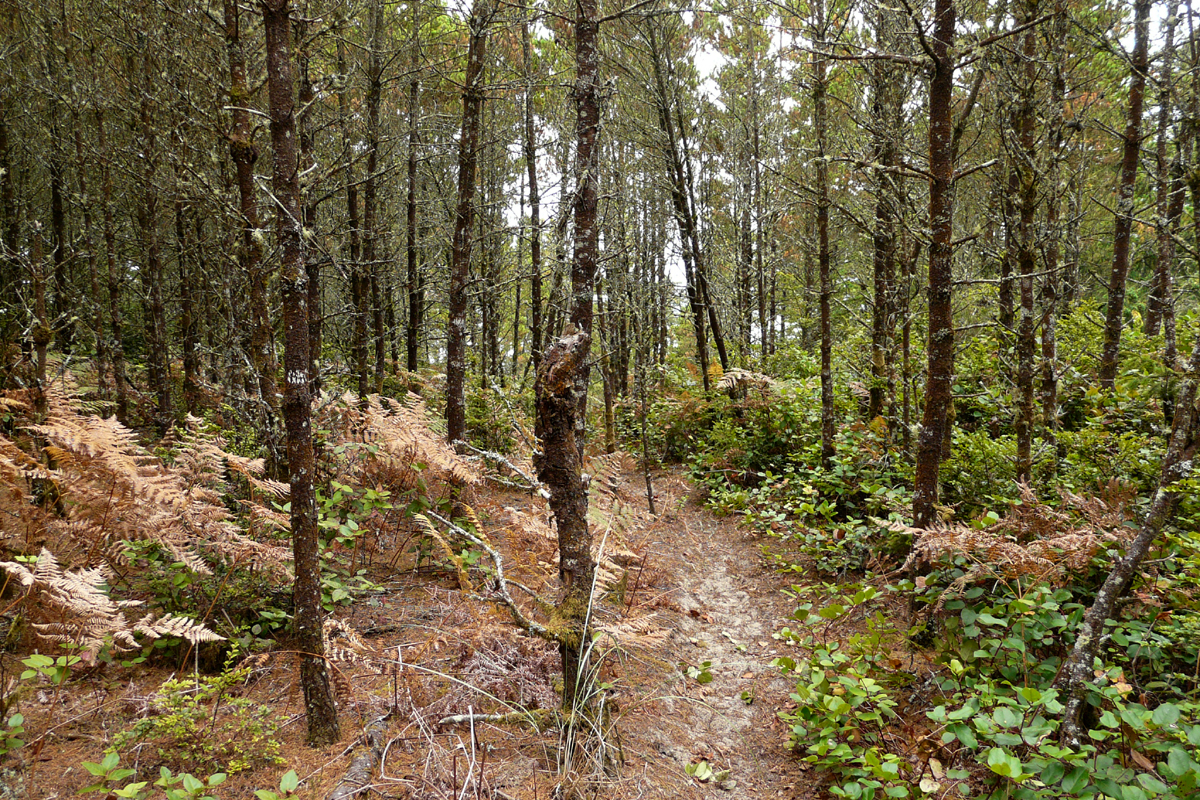
After walking on the beach a while, I cut across the wooded section of the spit to return to the bay side.

The woods on the spit attract a nice variety of songbirds, including Fox Sparrows, Chestnut-backed Chickadees, both kinglets, and Wrentits.

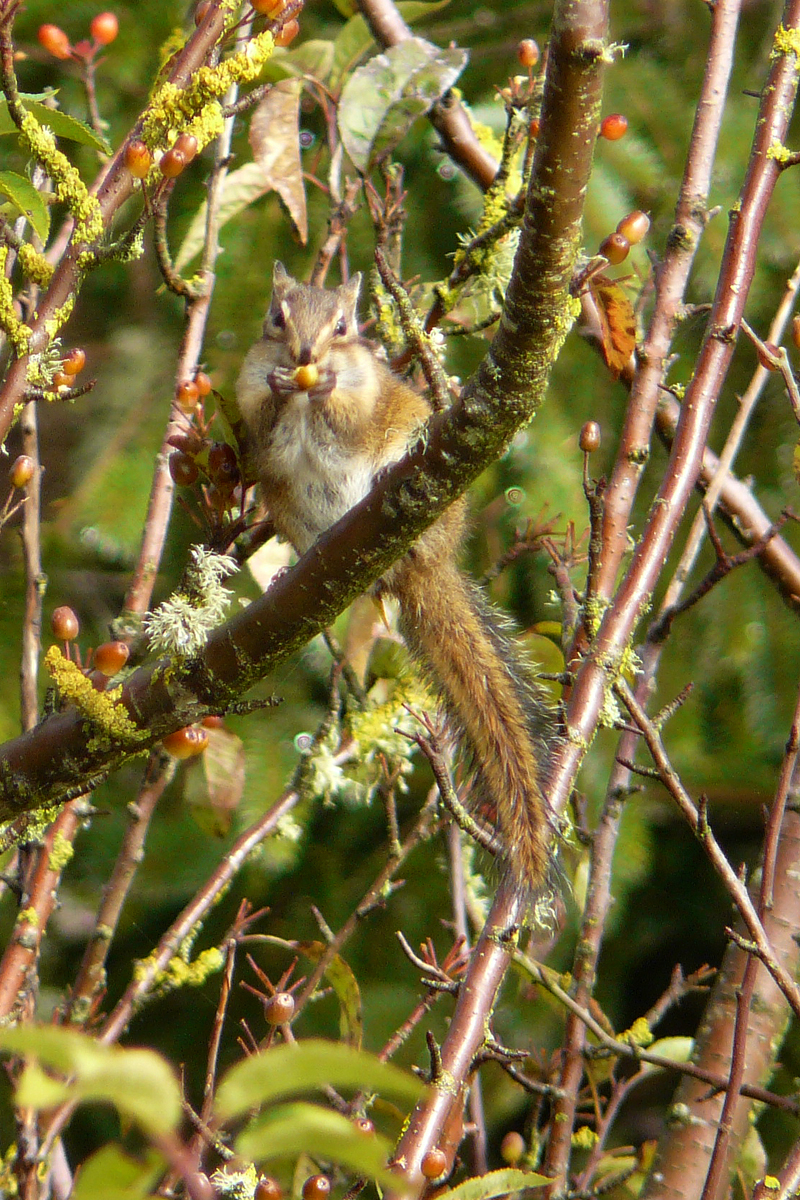
This Townsend’s Chipmunk was busy eating these little red fruits.