Fernhill Wetlands

With the ongoing renovations taking place at Fernhill Wetlands, each visit throughout the year is a new experience. Most of the breeding species have done their thing, and the resident waterfowl have molted into ugly duck season. Water levels are still a little too high to provide shorebird habitat, but that should change soon enough.

brush rabbit
Afternoon temperatures have been getting quite warm, so the brush rabbits come out early in the morning to enjoy the cool. The backlighting on this guy highlights the blood vessels in his ears.
purple martin
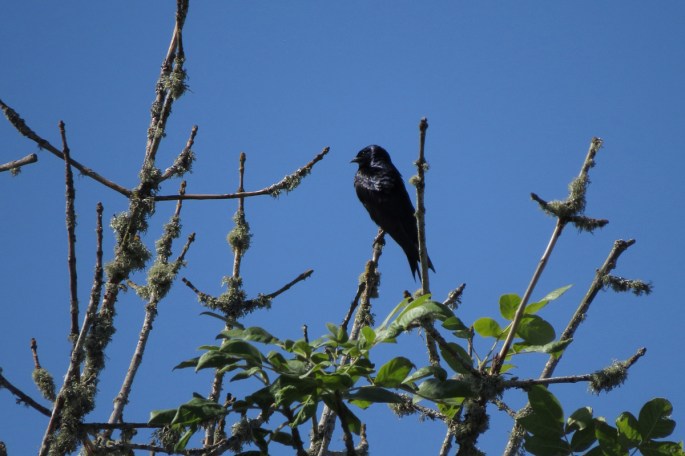
Purple Martins are a new addition to Fernhill this year. A new nesting box installed beside the main lake has attracted at least one pair. If you build it, they will come.

cinnamon teal
These Cinnamon Teal were plowing through a thick mat of algae. Note the very large bills on these ducks, which help identify them in their summer plumage.
merg
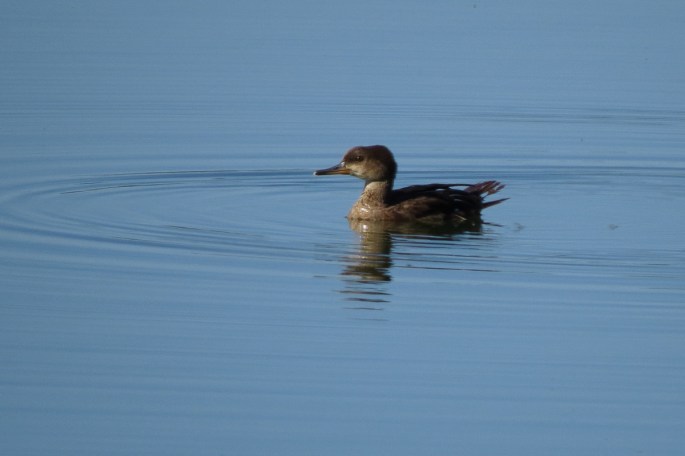
This hatch-year Hooded Merganser was hanging out in the middle of the lake. The unusual habitat choice and the unfamiliar juvenile plumage caused many birders, myself included, to initially call this a bird a Red-breasted Merganser. While a Red-breasted had been documented at this site in May, closer inspection of this bird reveals the solid head shape and the slightly smaller bill of a Hooded. Another reminder to actually look at every bird and don’t rely on others to identify them for you. 
turkey vulture
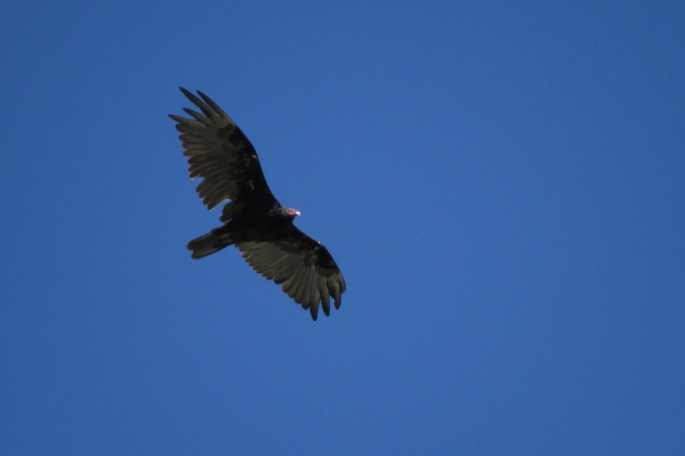
Turkey Vulture, experiencing some wing molt
red-winged
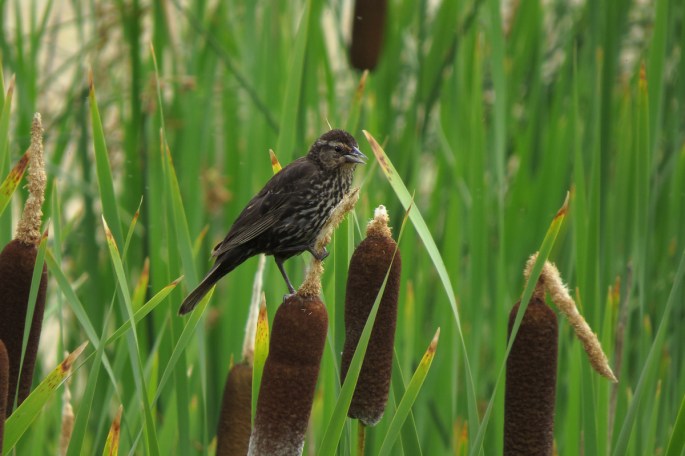
This Red-winged Blackbird was one of a large flock feeding in the cattails.

barn swallow chicks
Some of the local breeders are working on a second clutch. These young Barn Swallows are waiting for someone to come feed them. Soon the power lines will be crowded with young swallows preparing for their first migration. 
Jackson Bottom

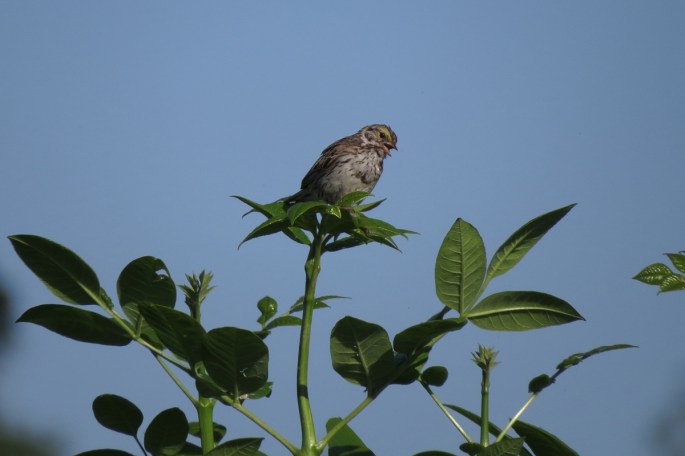
savannahI made a quick visit to Jackson Bottom in Hillsboro. This is a very busy spot in the summer. The Savannah Sparrows are still in full song.
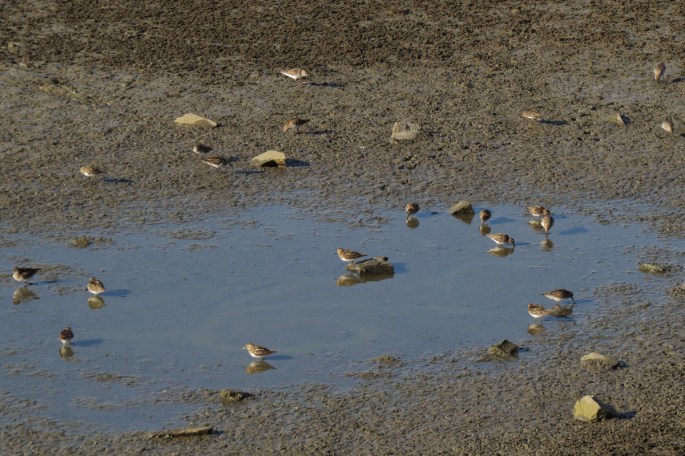
puddlePintail Pond has been drained to accommodate some restoration work on the site, so it has dried out about two months earlier than normal. This is normally one of the better shorebird sites in the Portland area during the summer, so we will have to find other spot this year.  There is only about three weeks between the end of northbound shorebird migration and the beginning of southbound migration. Western and Least Sandpipers have arrived in good numbers, and were feeding in the little puddle that remains of Pintail Pond.

western least
Western (l) and Least (r) Sandpipers

spotted adult
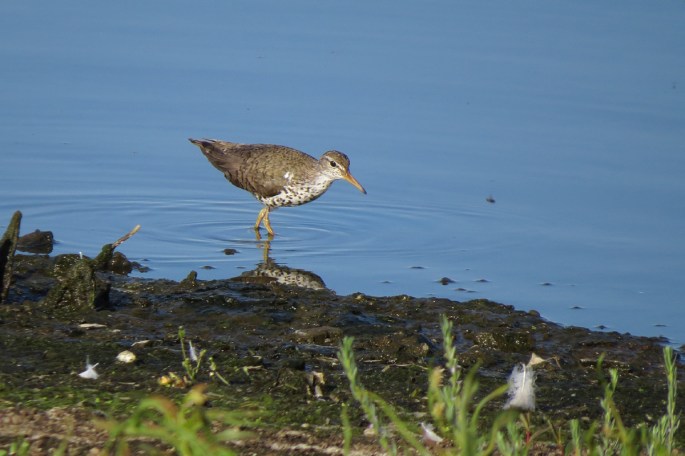
Spotted Sandpipers are common nesters in the area.

spotted chick
Spotted Sandpiper chick

greater yellowlegs
Four Greater Yellowlegs made a brief appearance.

swallow box
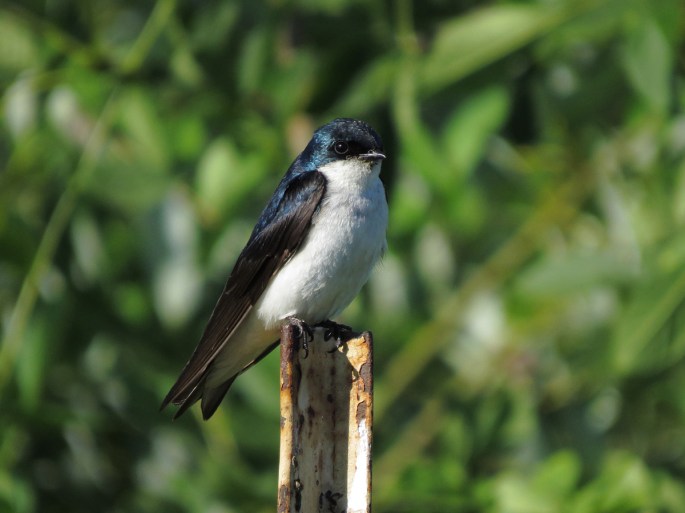
Tree Swallows are everywhere at Jackson Bottom, thanks in part to the many nesting boxes that have been installed here.

swallows 3
The first broods are grown up now, and it looks like second broods will be arriving shortly.

swallow 2
pretty boy

Northwest Portland Wetlands

I went out to Smith and Bybee Wetlands and Vanport Wetlands to check for migrants. The Smith and Bybee area was pretty slow. Water levels were high so some of the trails were inaccessible. Vanport had some really interesting birds, including several Redheads and Yellow-headed Blackbirds, both hard to find in the Portland area.

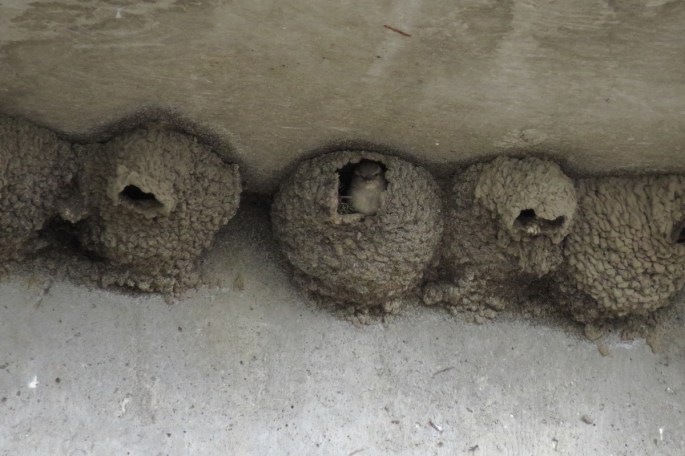
The small colony of Cliff Swallows at Smith and Bybee was active with nest building.

This House Sparrow had moved into an old Cliff Swallow nest.

American Bullfrogs were enjoying the spring weather.

Brush Rabbit scratching an itch

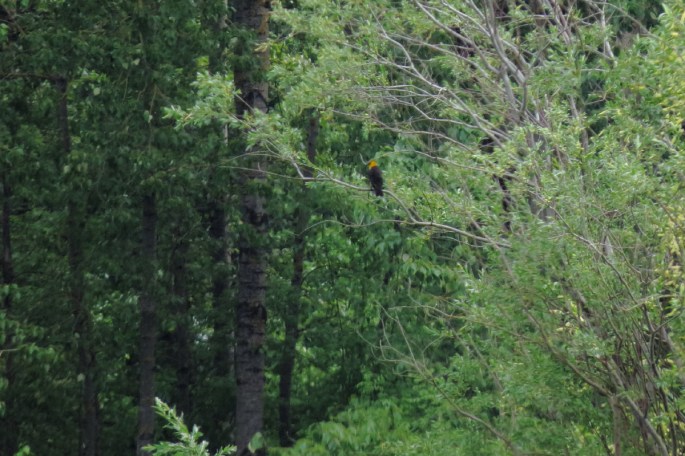
At Vanport, most birds were pretty far away, like this Yellow-headed Blackbird. His song was easily heard, even from across the lake.

This Ruddy Duck was doing his motorboat impression to impress the ladies.

This Cooper’s Hawk was atop a tall tree overlooking the racetrack. The loud engines did not seem to bother him. I can’t say the same for me.

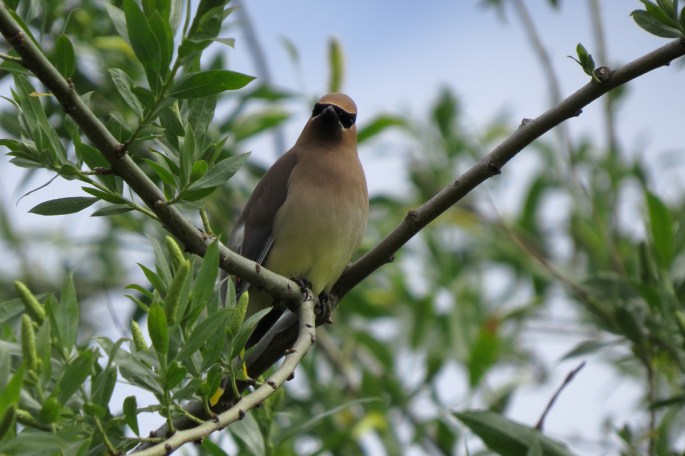
A few birds, like this Cedar Waxwing, were down in the small trees along the near shore of the lake.

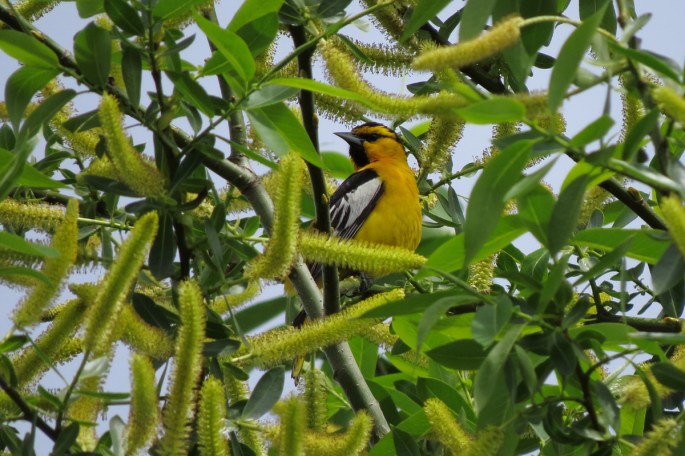
Bullock’s Orioles are often obscured by foliage in the treetops. This individual was low enough for a brief glimpse among the blossoms.

Broughton Beach Horned Larks

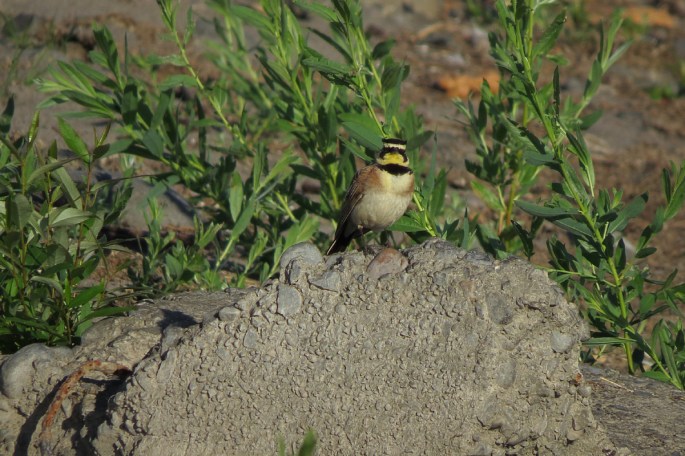
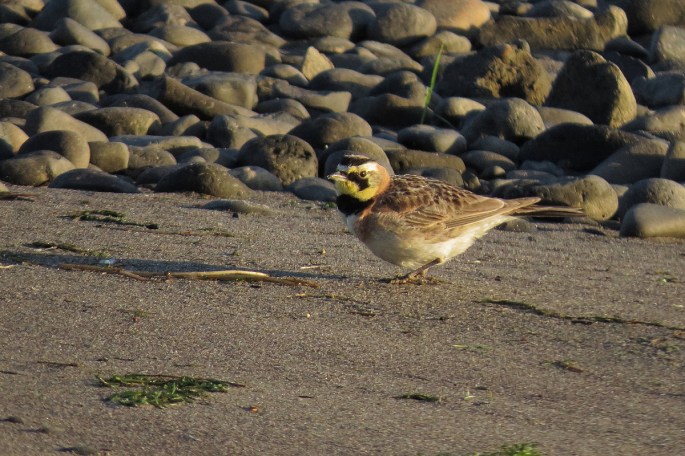
hornedBroughton Beach, along the Columbia River, has been a favorite spot in Portland to check for shorebirds, gulls, and waterfowl, depending on the season. On my recent visit I enjoyed watching a family of Horned Larks working the beach. There are many subspecies of Horned Lark, and I don’t have a reference that provides a good description of the possible subspecies in this area. These birds had much more yellow on their faces than did the birds I saw recently on Mount Hood.
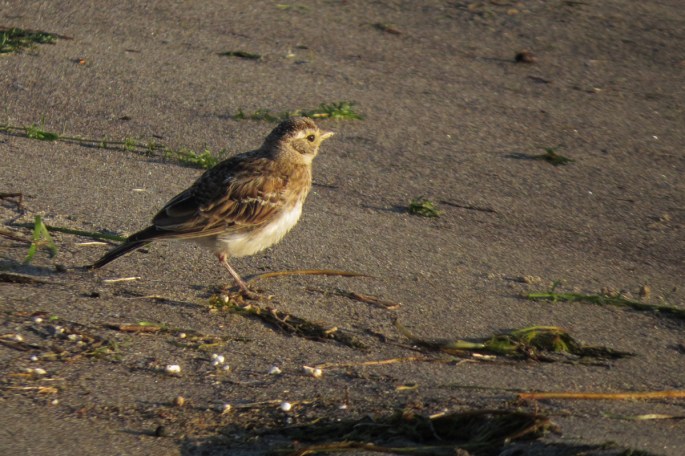
horned juvenileThis juvenile showed more muted colors and lacked the distinctive facial pattern of the adults.

horned juvI’m not sure if this bird is a juvenile or an adult female.

horned lark femaleadult female, I think

horned lark 3adult male, I think

horned lark 2adult male

brewer'sNot a Horned Lark, but Brewer’s Blackbirds are among my favorites. This is a female.
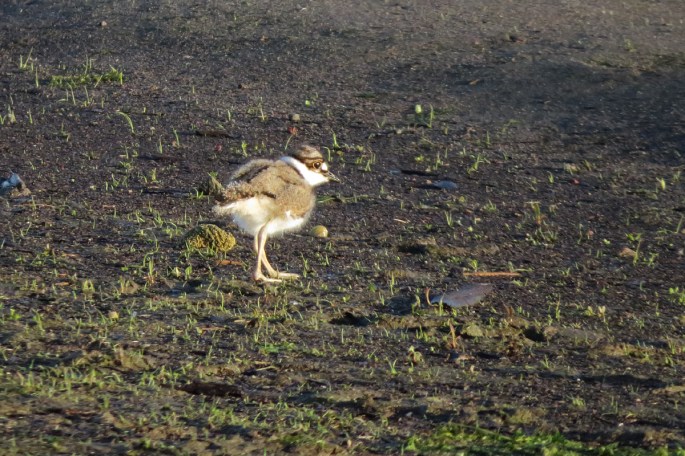
killdeer chickAnd we end with a ball of fluffy cuteness. I was surprised to find such a young Killdeer so late in the summer.
 

Fernhill Wetlands and Jackson Bottom

I made a quick trek around Washington County’s two prominent wetlands. There was nothing unusual to report, but there is plenty of bird activity at these sites this time of year.

green heronGreen Heron, lurking

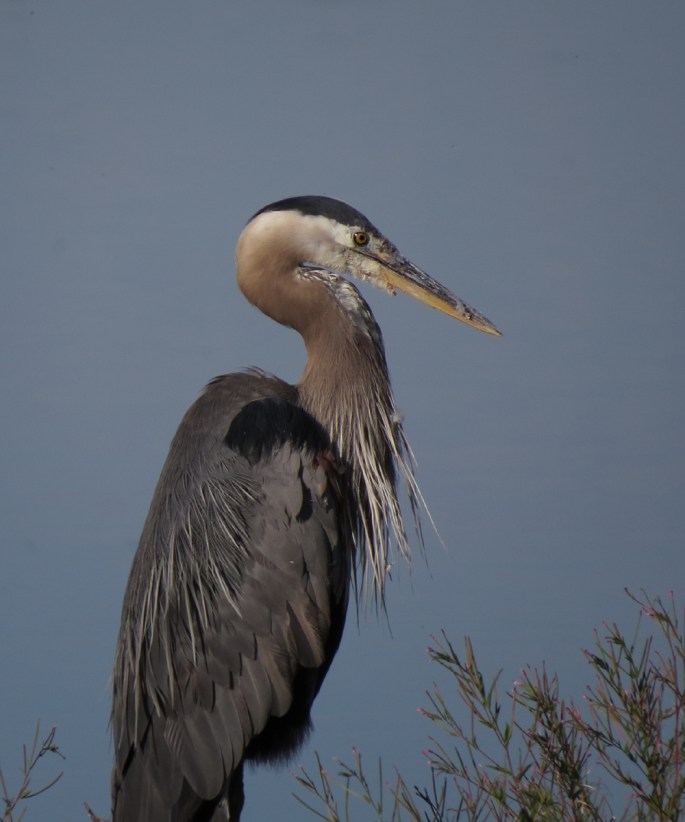
gb heronGreat Blue Heron, not lurking

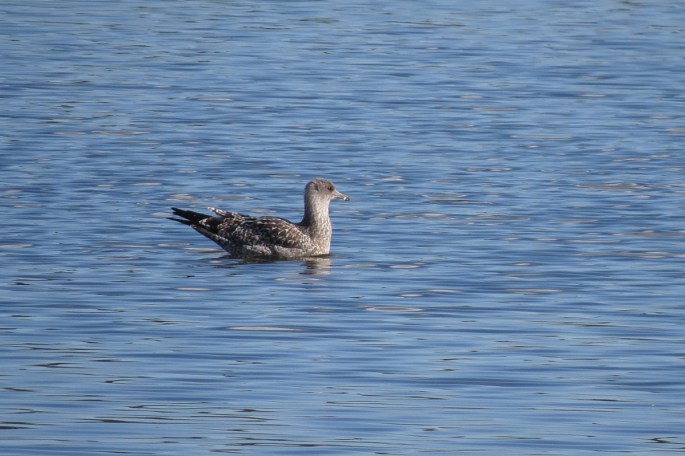
californiaJuvenile California Gulls are very common lately.

spotty 2I didn’t find many migrant shorebirds this trip, but the resident Spotted Sandpipers posed nicely.

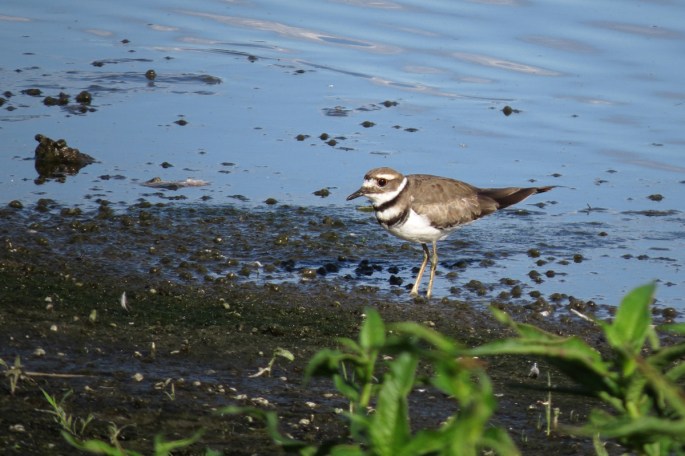
killdeerKilldeer

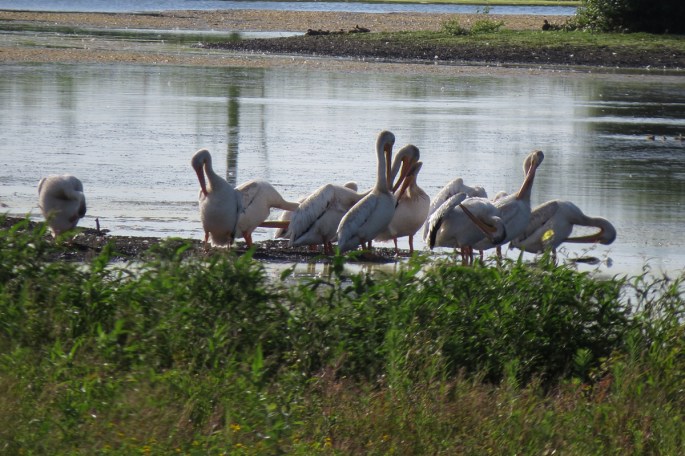
pelicansFifteen years ago, White Pelicans in the Portland area were a pretty big deal, but now they are expected in the larger wetlands in summer.

kingfisherBelted Kingfishers like the perches that have been installed at Fernhill.

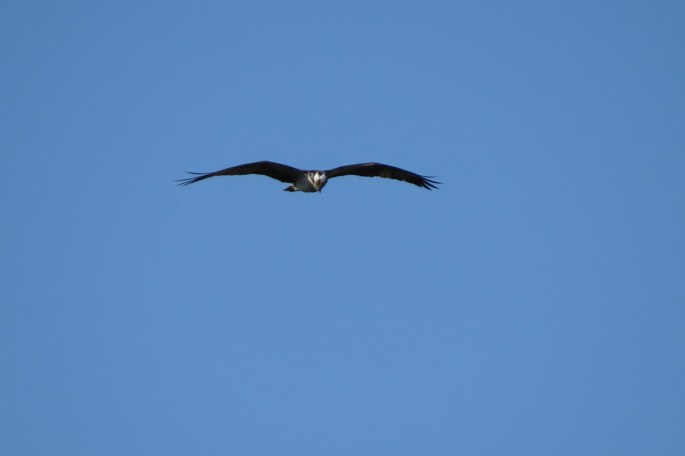
ospreyOsprey over the lake at Fernhill

treeClouds of swallows are hanging out at Jackson Bottom. This Tree Swallow spent a long time just sitting in the opening of her nest box.

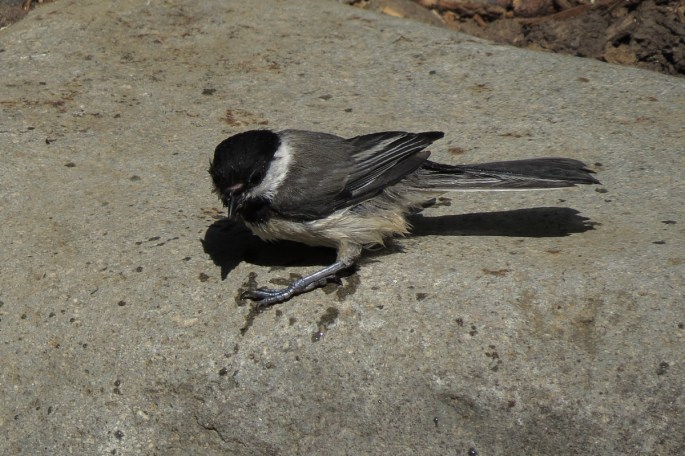
chickadeeThey have installed a water feature near the visitor center at Jackson Bottom. This soggy Black-capped Chickadee was enjoying a dip.

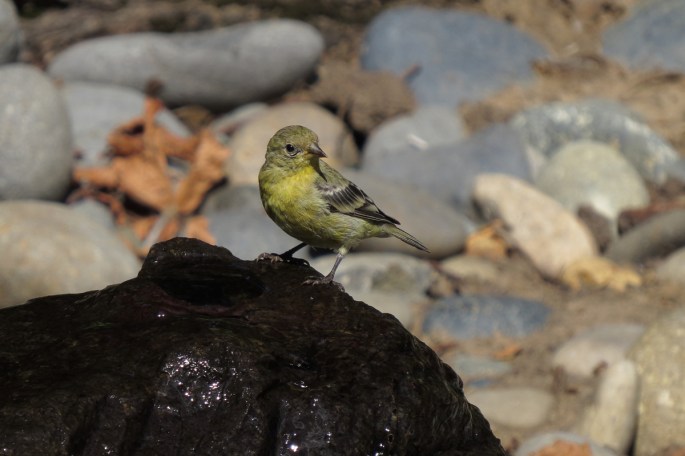
lesser goldLesser Goldfinch on the fountain

As nesting season wraps up and water levels drop, I can soon start obsessing on migrant shorebirds.

Commonwealth Lake

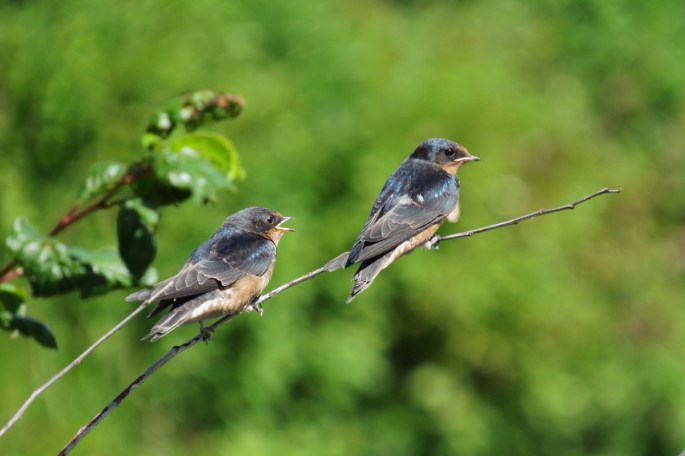
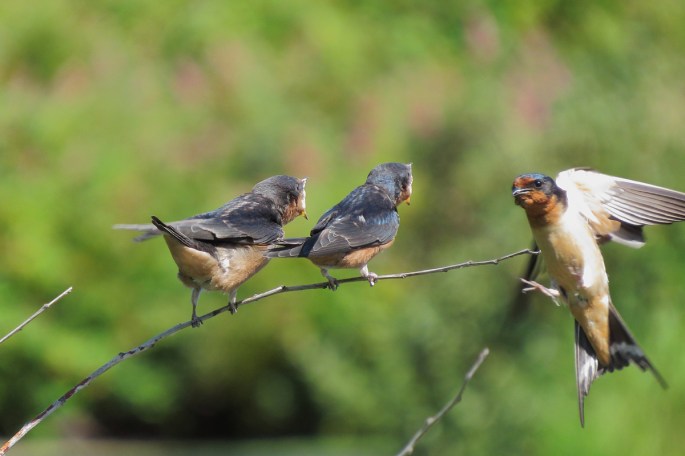
IMG_8730I brief walk around Commonwealth Lake in Beaverton revealed lots of recently fledged Barn Swallows. They were perching on branches above the water, waiting for their parents to fly in with food.

barn swallow fledglingsstill waiting

barn swallow feedingnote the bulging crop on the adult

IMG_8720This park has produced a bumper crop of Green Herons this year, great to see in such a busy suburban setting.

IMG_8754There were several new broods of Mallards on the lake. It seems late to see such small ducklings.

bullfrogthe ubiquitous American Bullfrog

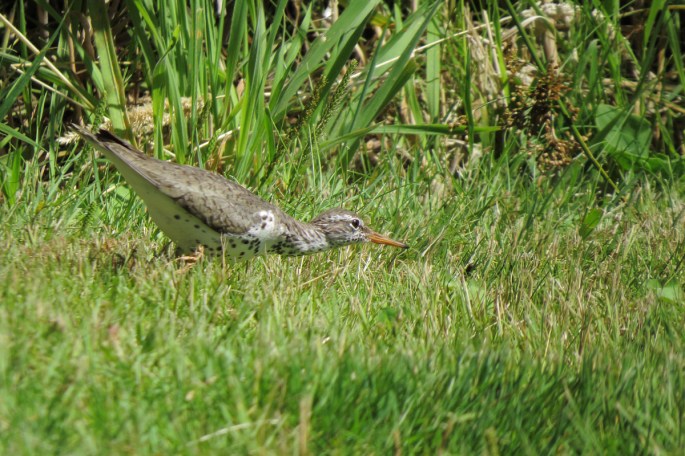
spotty frontThe highlight of this visit was watching this Spotted Sandpiper hunting flies in the lawn. He would crouch low to approach his prey, then reach out and grab it, hitting the mark more often than not.
spotty huntingThis little urban duck pond is surprisingly birdy, and warrants more frequent visits.

Random Images

A spate of cloudy damp days has not allowed many photo opportunities the past couple of weeks, but here are a few random images.

lazuliLazuli Bunting, Cooper Mountain Nature Park, Beaverton. This is a great natural area that I really need to visit more often.

junco 1I made two trips to the clearcut near Milepost 8 on Larch Mountain. It is very birdy this year, with a lot of nesting activity going on. Here is a rather wind-blown Dark-eyed Junco.

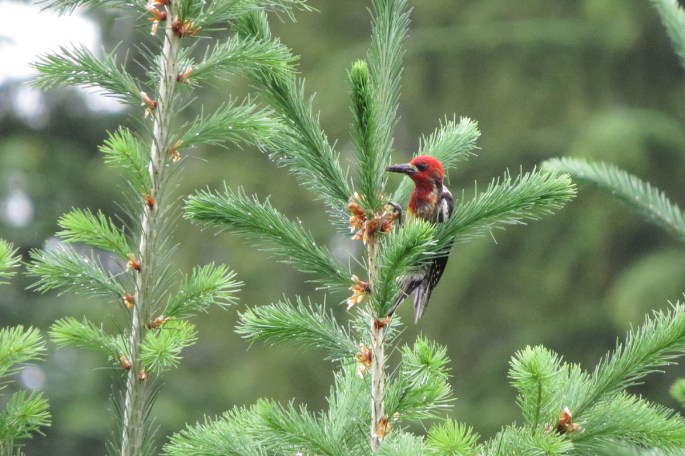
sapsuckerRed-breasted Sapsucker

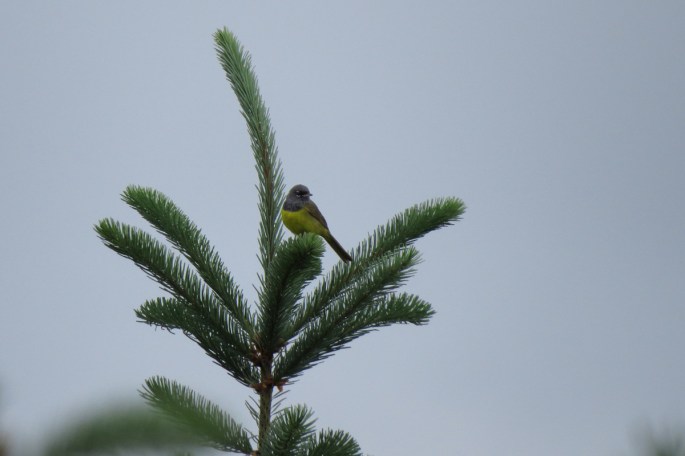
macMacGillivray’s Warbler

willowWillow Flycatcher

A trip to the north coast brought all the expected species. One of the highlights were these two Heermann’s Gulls among the Westerns. Heermann’s are common in mid to late summer, but are just starting to arrive on the Oregon Coast now. This is the first time I have seen them in breeding plumage. In a few weeks they will lose the white plumage on their heads and replace it with mottled gray.

gullsToday is the summer solstice. Pretty soon the nesting season will wrap up and the southbound shorebird migration will begin. Always something to look forward to.

Sandy River Delta

IMG_8618Our freakishly nice spring weather continued this week, so I took Nala to the Sandy River Delta to check for spring migrants. Actually, Nala could not care less about spring migrants, but found the cool waters of the Sandy River just right for ball fetching. Nesting species have not arrived in any numbers yet, but spring is definitely taking off.

savannah singingSavannah Sparrows were the most obvious singers in the grassland habitats.
savannahcatching his breath before the next number

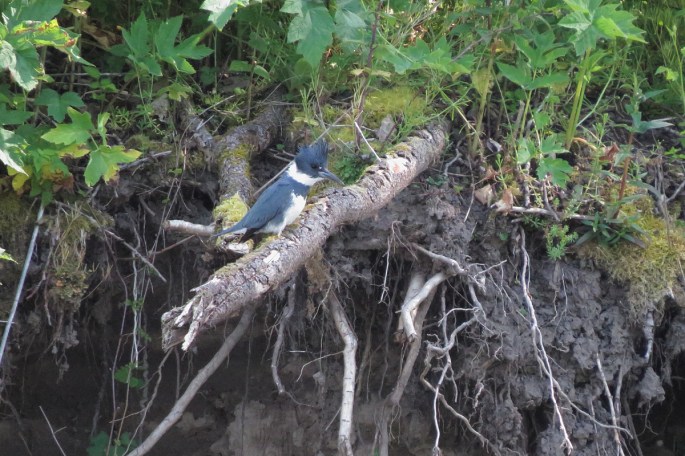
IMG_8622A pair of Belted Kingfishers is nesting along the channel that runs between the Sandy and the Columbia. They kept to the far bank, so these distant grainy images will have to do. This is the female.

IMG_8619And here is the male.

IMG_8621This is a hole. Not terribly interesting on its own, but very cool when it has a Belted Kingfisher entering or leaving it.

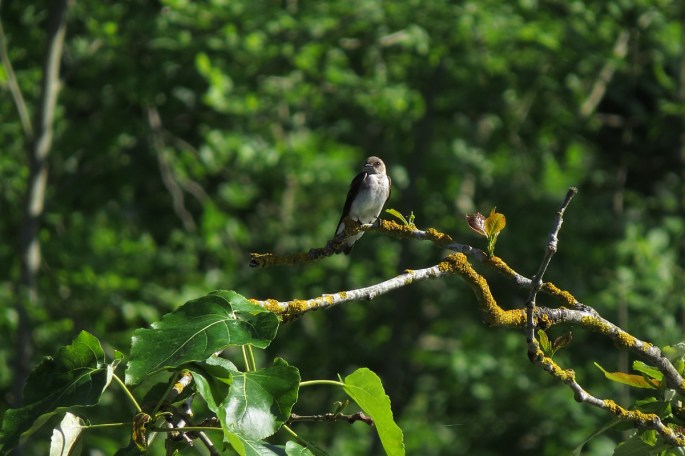
IMG_8624Northern Rough-winged Swallows also frequent this area.

The next couple of weeks should bring the delta’s specialties; Lazuli Bunting, Yellow-breasted Chat, Willow Flycatcher, and perhaps Eastern Kingbird. Happy Spring.

Ridgefield NWR

I don’t get up to Ridgefield NWR in Washington very often, even though it is a short drive from Portland. But lots of folks had recently seen adorable fuzzy little Virginia Rail babies, so I wanted to try my luck.

IMG_7595By the time I got there, the adorable fuzzy little babies had become rather unattractive adolescents, but it was still fun to see this usually shy species out in the open.
IMG_7603

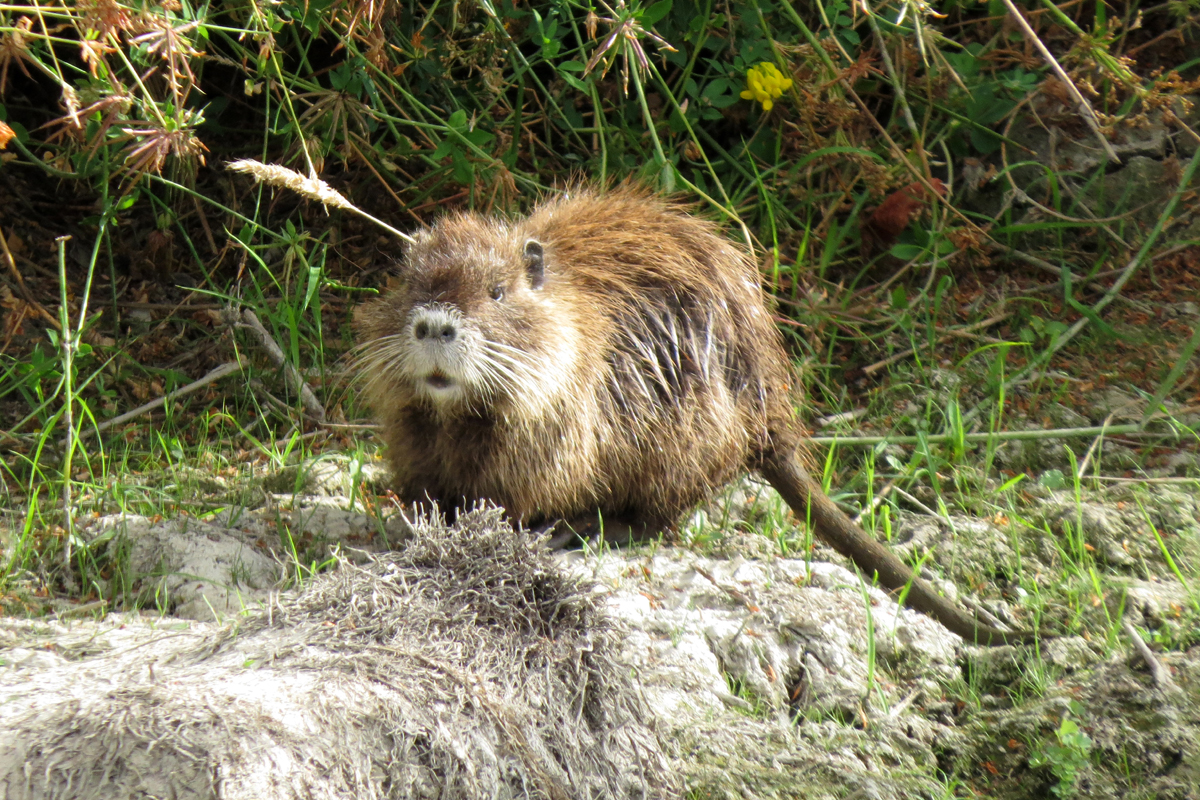
IMG_7618Another adolescent foraging near the rails was this little Nutria. The refuge staff tries to control the population of this introduced species, but they remain plentiful.
nutria

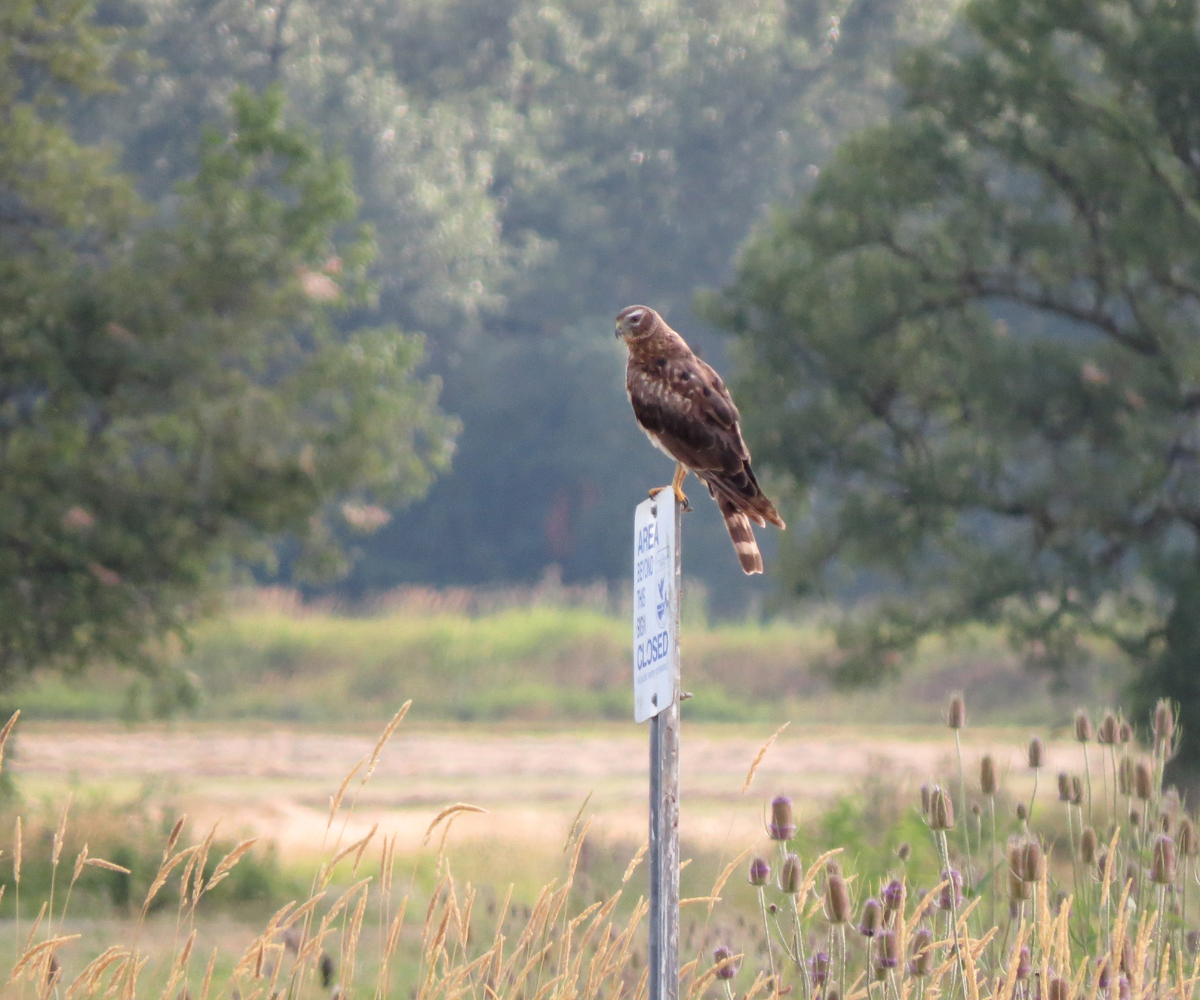
northern harrierNorthern Harrier

IMG_7583Black-tailed Deer, perfectly hidden among the teasel

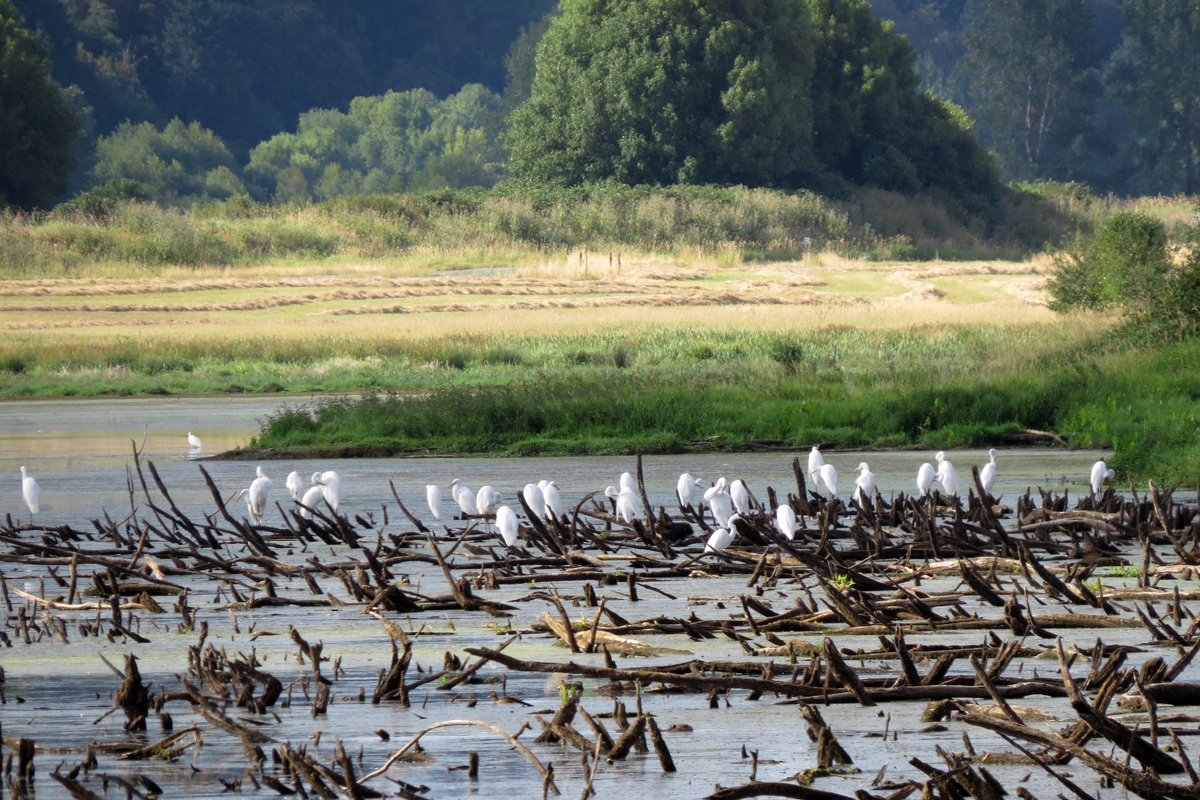
IMG_7591There is not a lot of water on the refuge right now, so the Great Egrets were gathered on one of the remaining ponds.

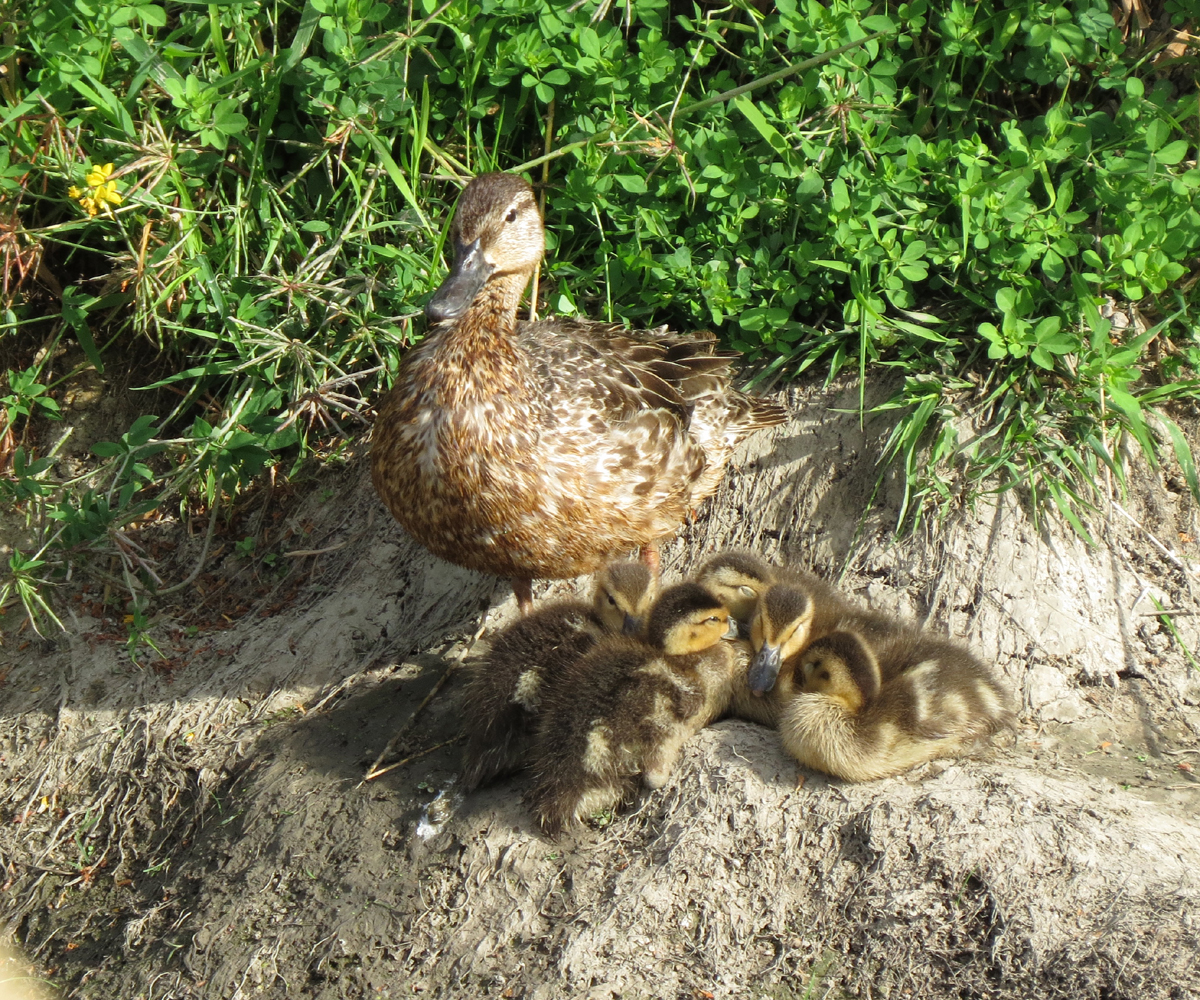
IMG_7581We are entering Ugly Duck Season, when adult ducks molt into identical ratty plumages, making them much harder to identify. I am going with Cinnamon Teal on this mama and babies (all-black bill, overall warm brown coloring).

IMG_7622On the way home we stopped at Kelly Point Park along the Columbia River in NW Portland. California Gulls were gathered on the pilings.

IMG_7623This young American Crow (note the pinkish gape) was begging for food.

IMG_7627Nala, the large aquatic mammal.

Tilley Jane Trail

trail 5I walked the Tilley Jane trail on the east side of Mt. Hood. This trail starts near the Cooper Spur Ski Area and goes about two and a half miles up to the Tilley Jane Campground.

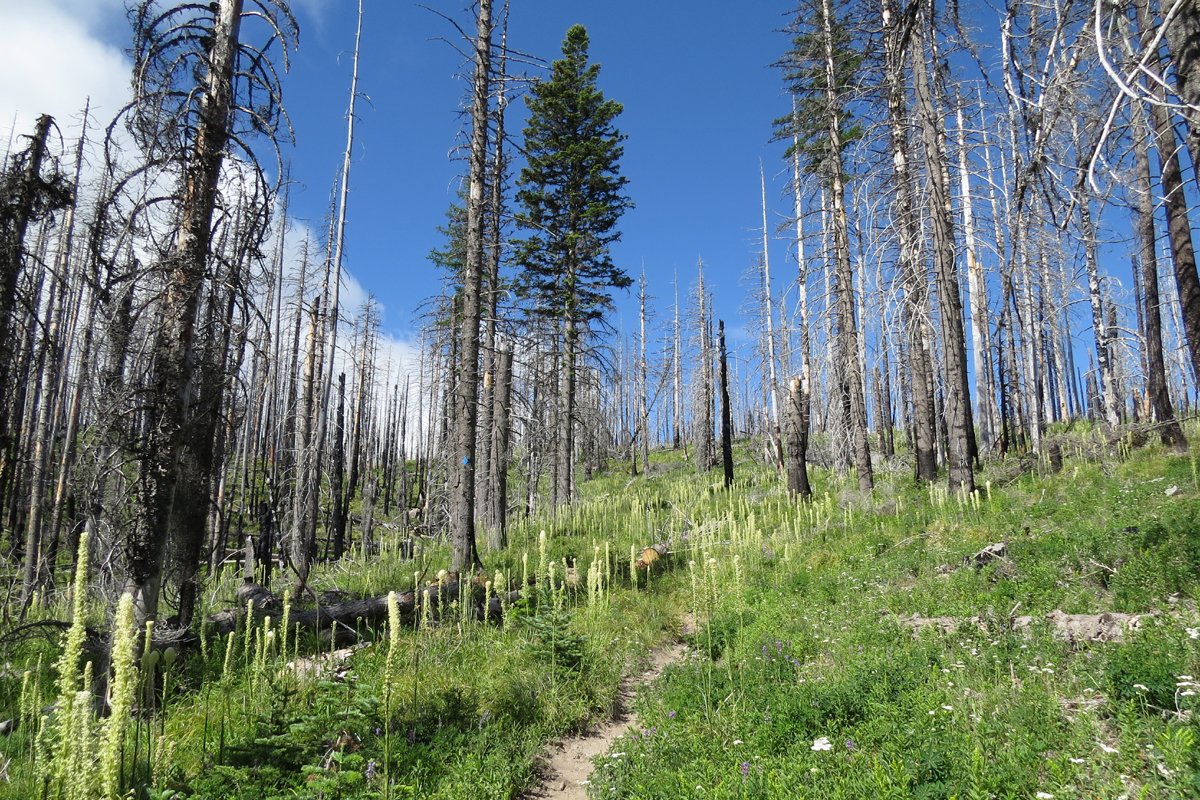
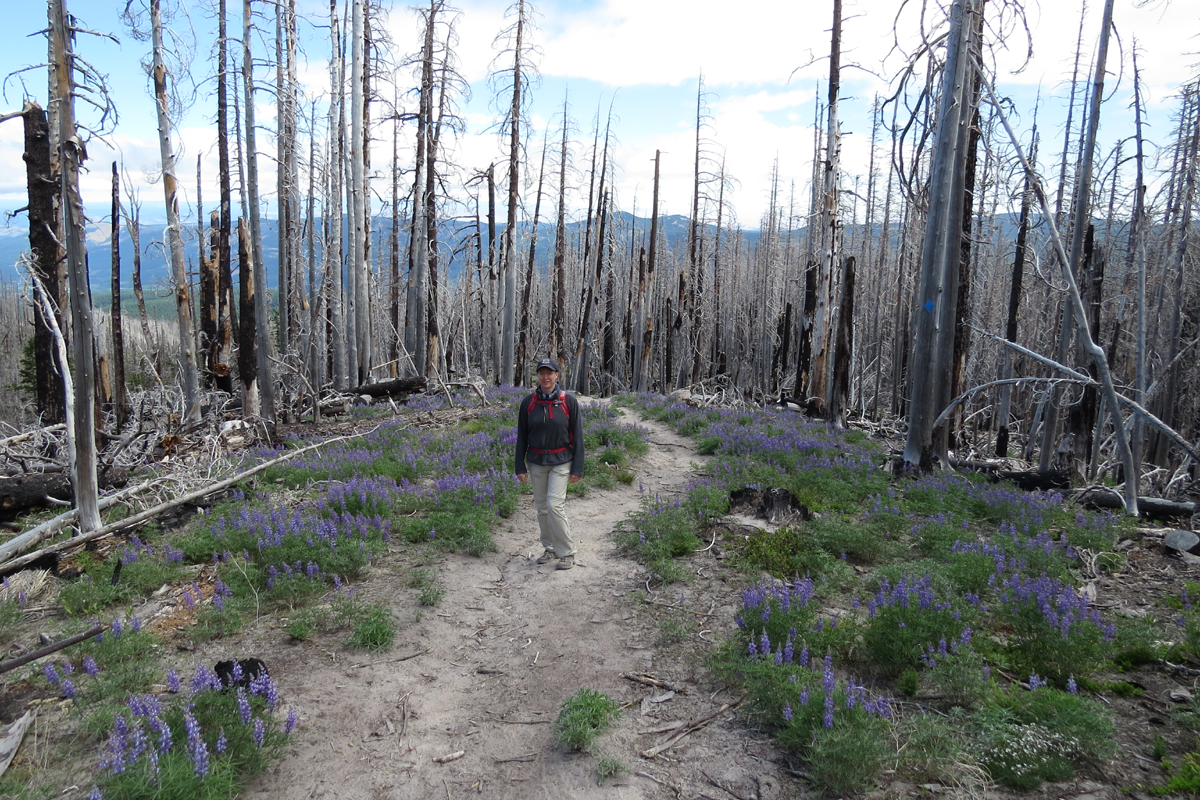
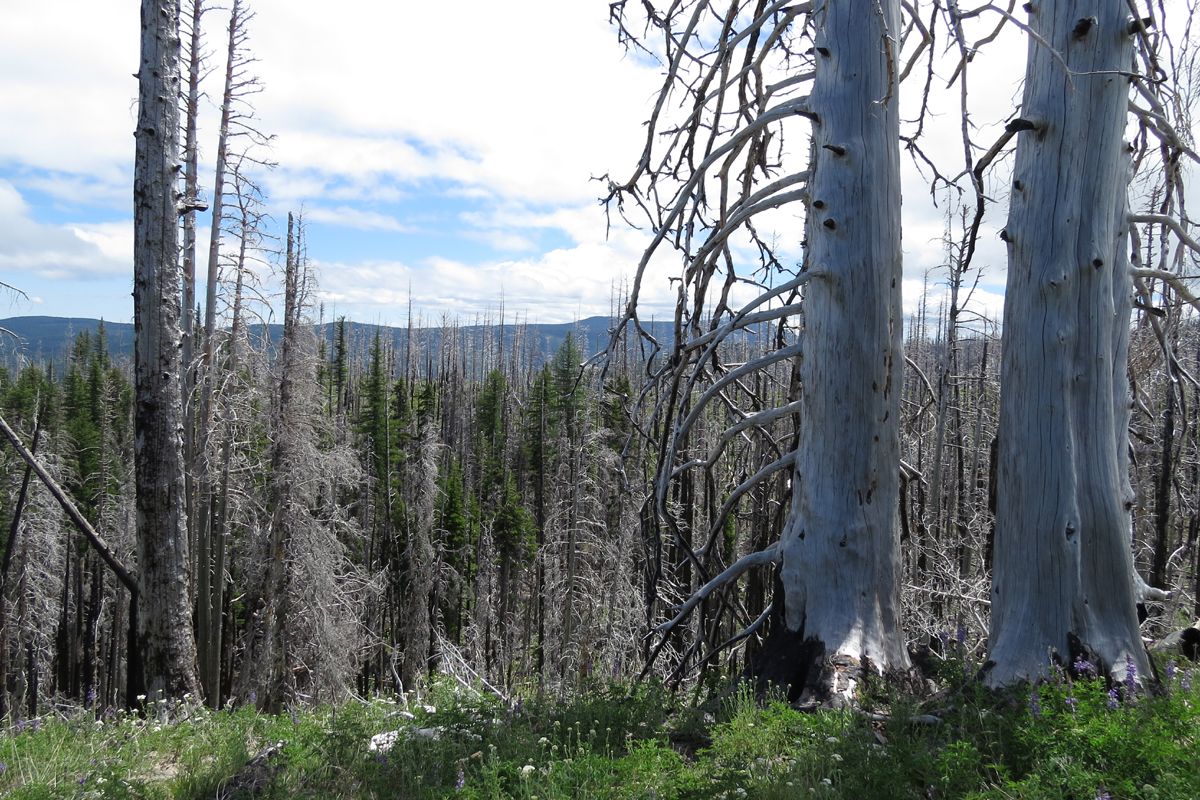
trail 1Much of the trail goes through an area that burned a few years ago, so there are lots of standing dead trees and wildflowers.

flickerBurned areas are great for woodpeckers and other cavity nesters. This is a young Northern Flicker that was peeking out of her nest hole.

olive-sided flycatcherOlive-sided Flycatcher

juncoDark-eyed Junco. Yes, I can see them out my living room window, but they look better on the mountain.

deer 2We came upon this Black-tailed Deer nursing her new fawn. If the fawn had been hidden, I think the doe would have taken off. But since the baby was exposed, they both just froze as we passed by.

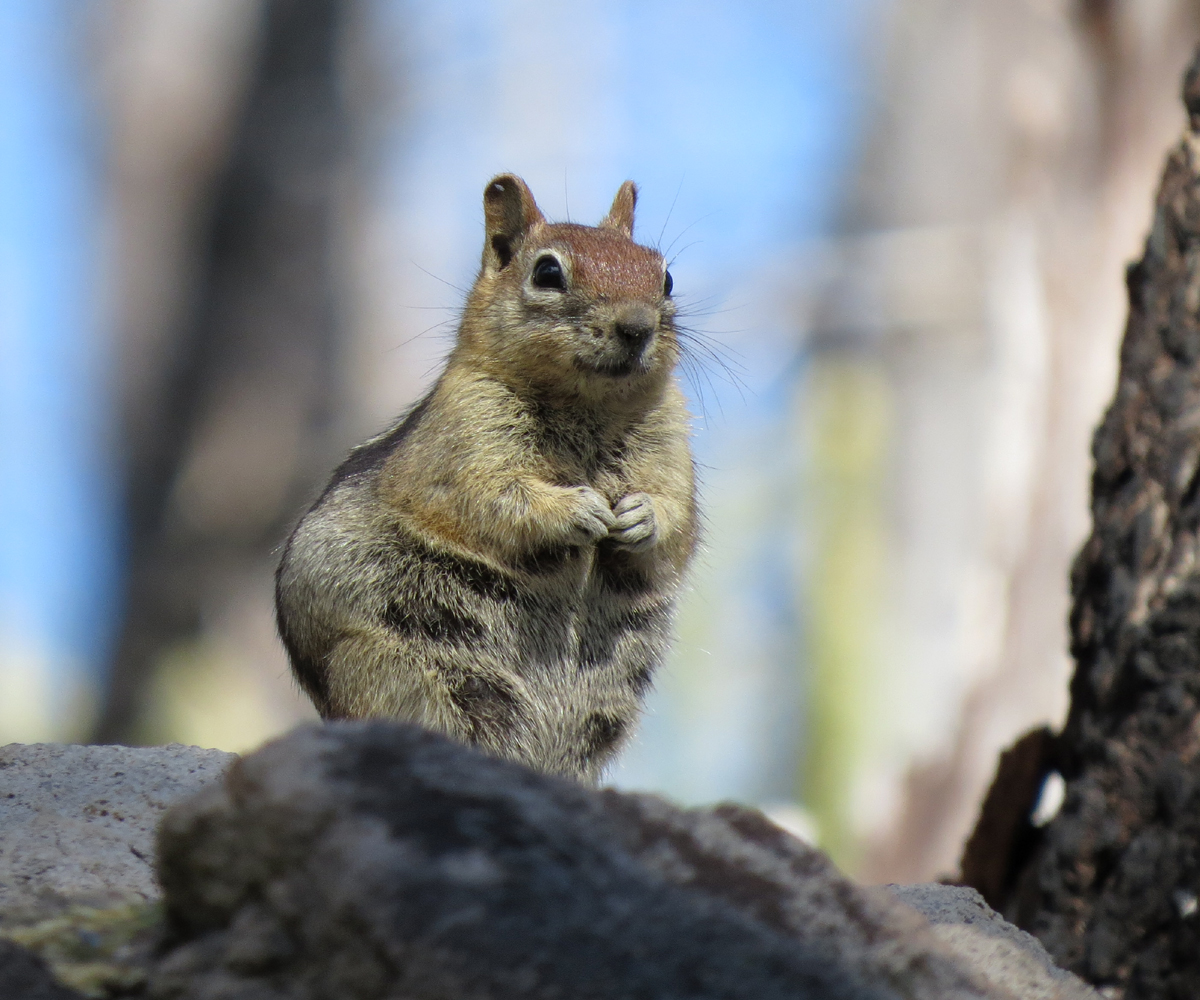
golden-mantled ground squirrel 1This Golden-mantled Ground Squirrel looks like she might be carrying a litter.
golden-mantled ground squirrel
m in lupinesCharismatic megafauna among the lupines

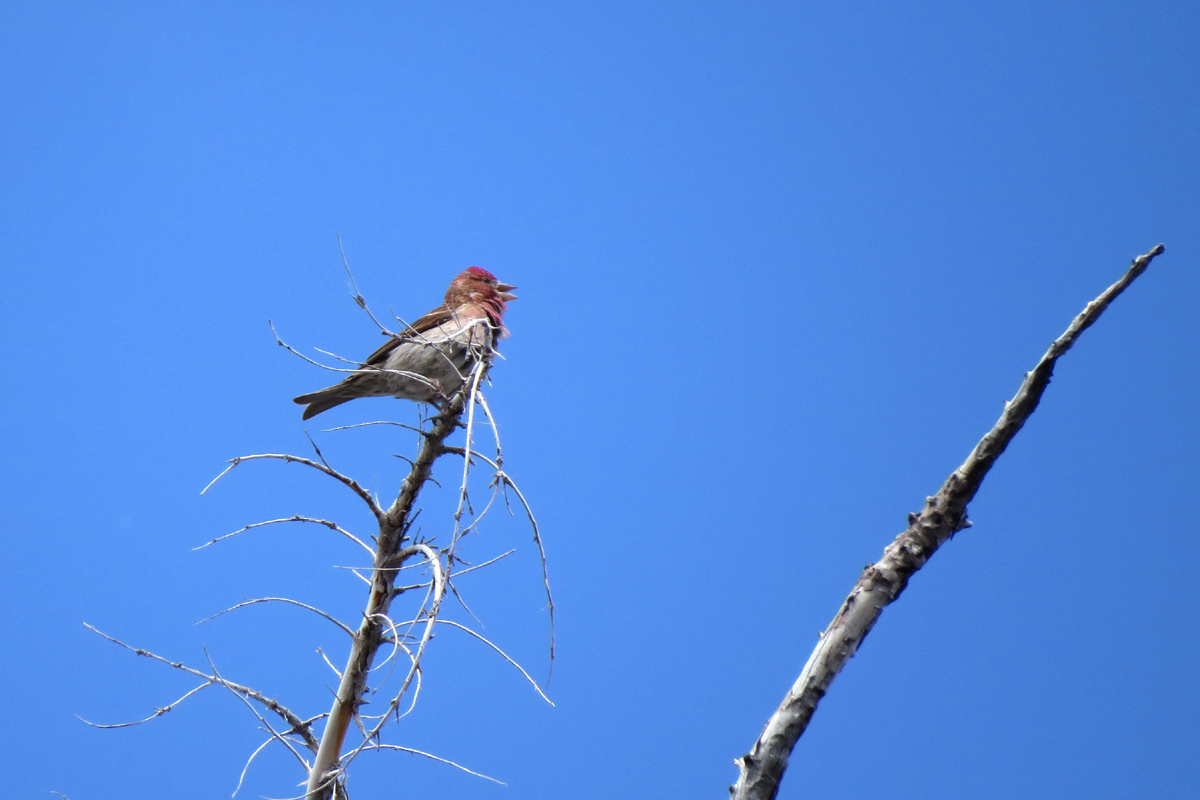
cassin's finchAt higher elevations, Cassin’s Finches became common, if not cooperative.
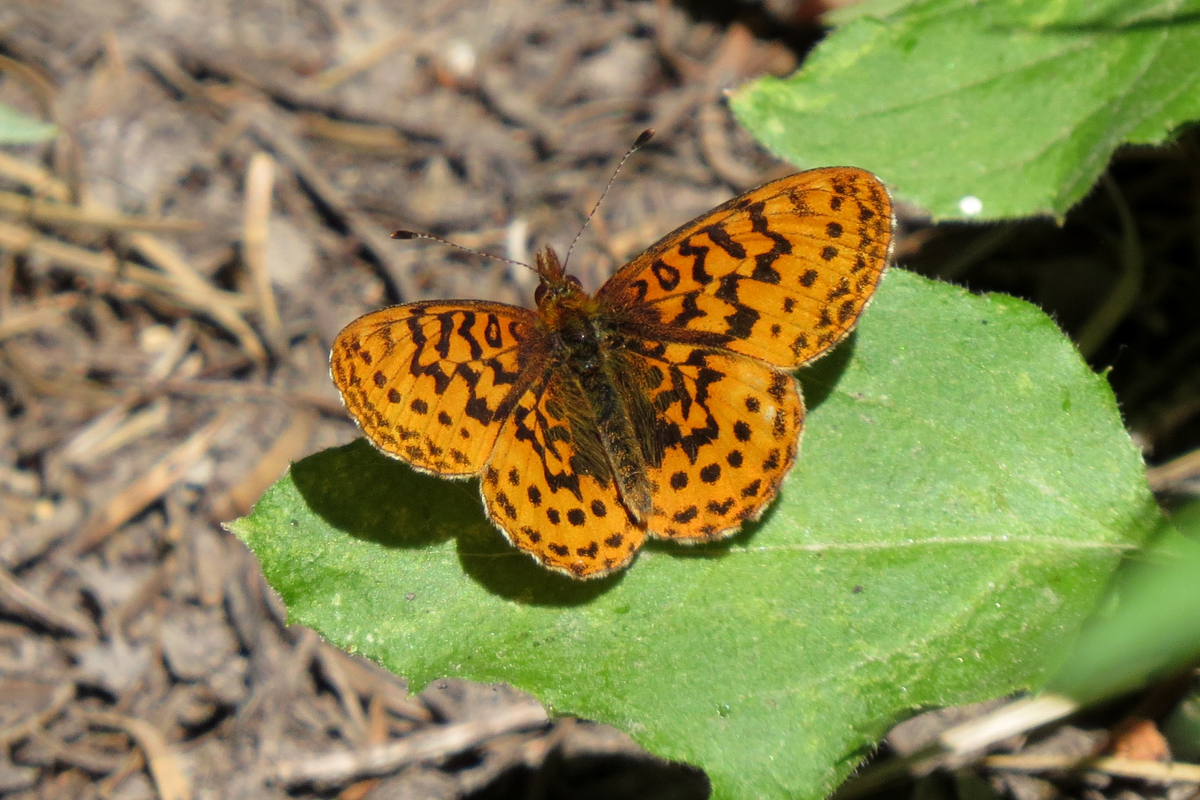
pacific fritillary 1Along with the wildflowers are butterflies. The flowers are interesting in person, but not so much in photos. A few butterflies, like this Pacific Fritillary, posed for good looks.

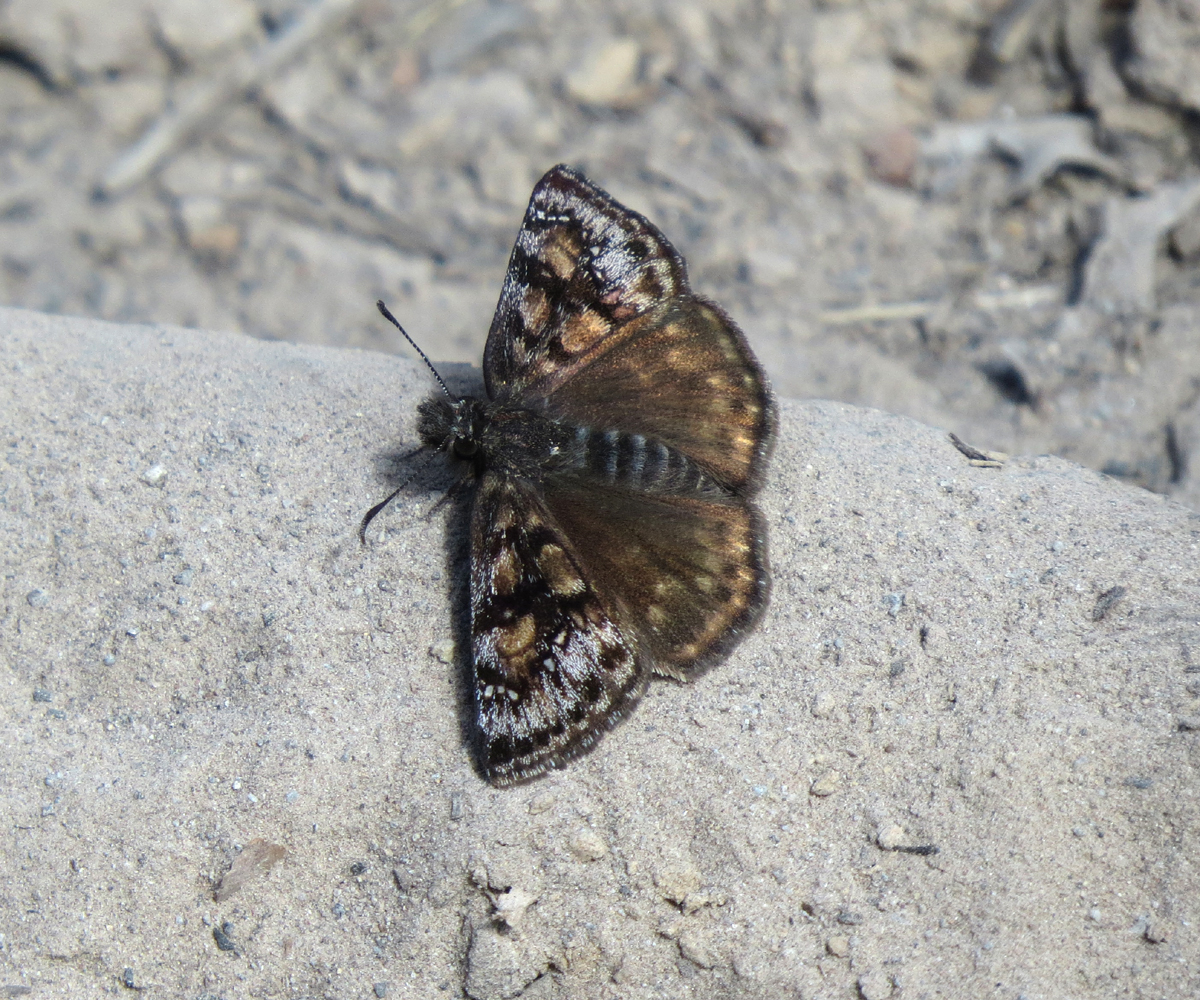
persius duskywing 1This is a Persius Duskywing, which I had never heard of before.

trail 4