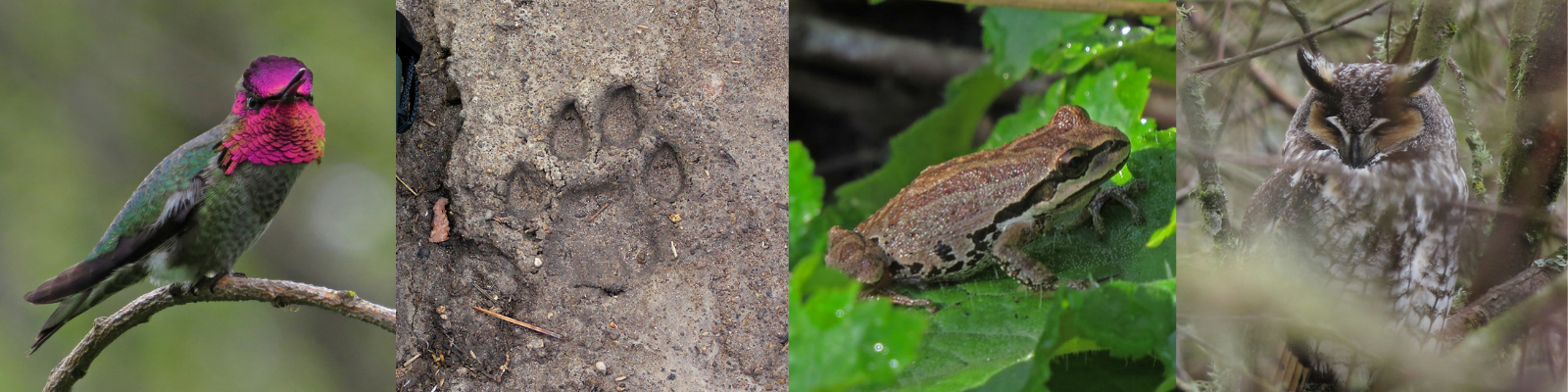
The equinox has passed and the rains have begun, so we are officially in autumn.
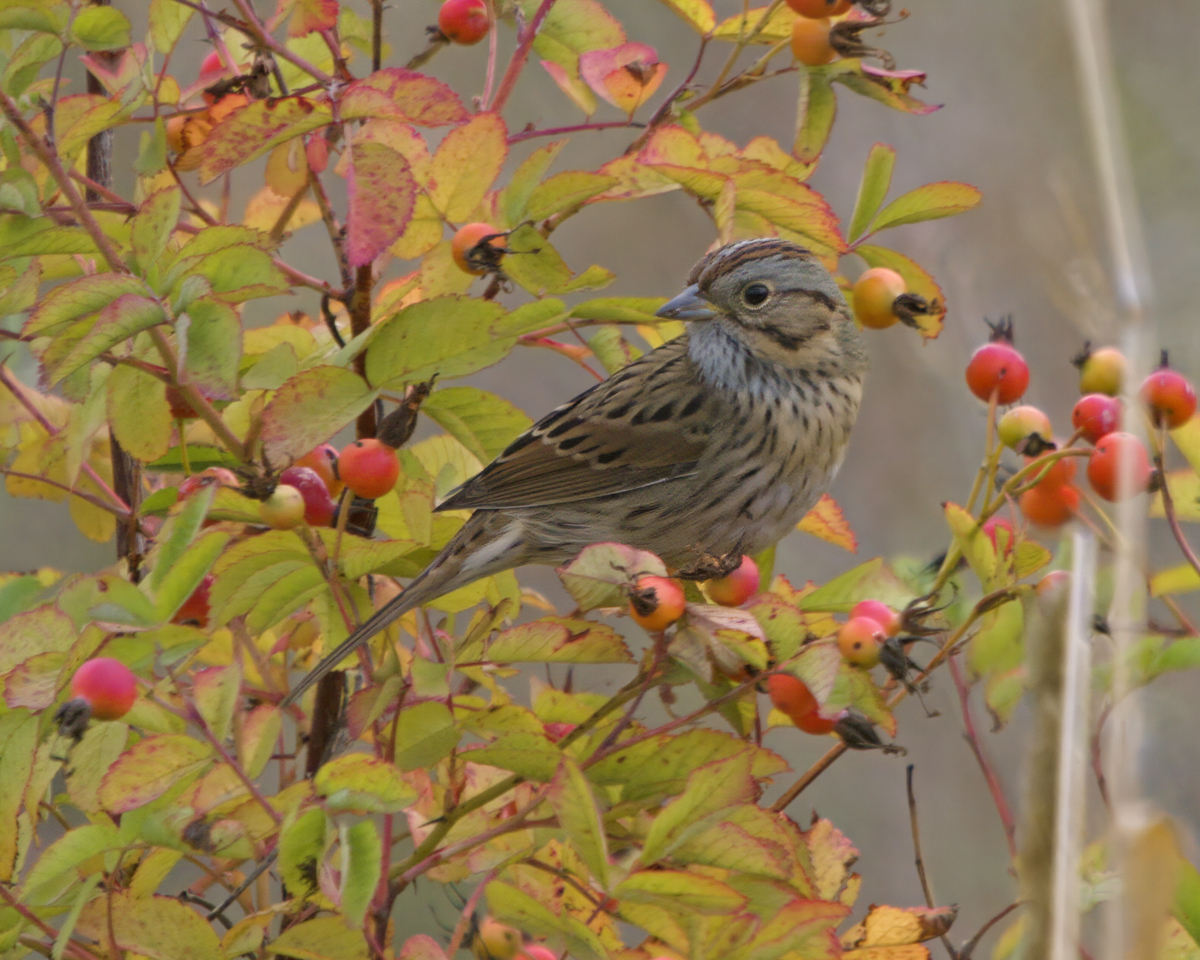
The winter sparrows have returned. This Lincoln’s Sparrow was posing with rose hips.
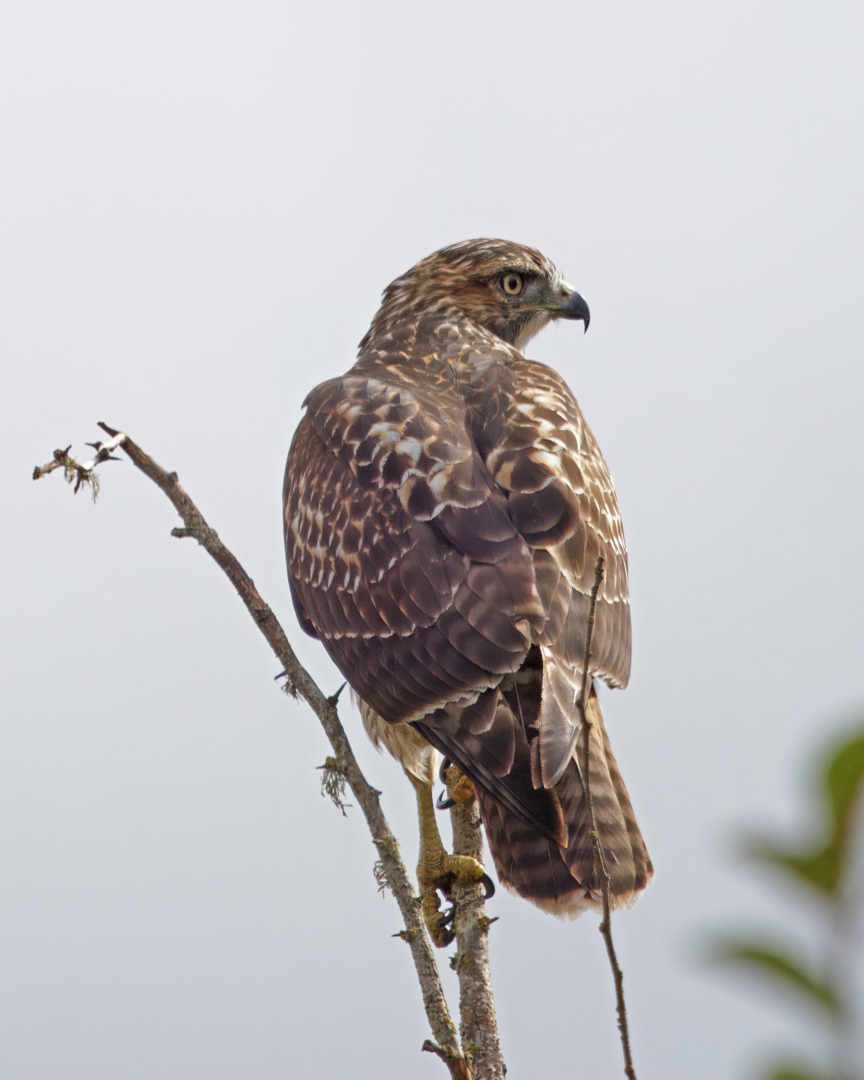
juvenile Red-tailed Hawk
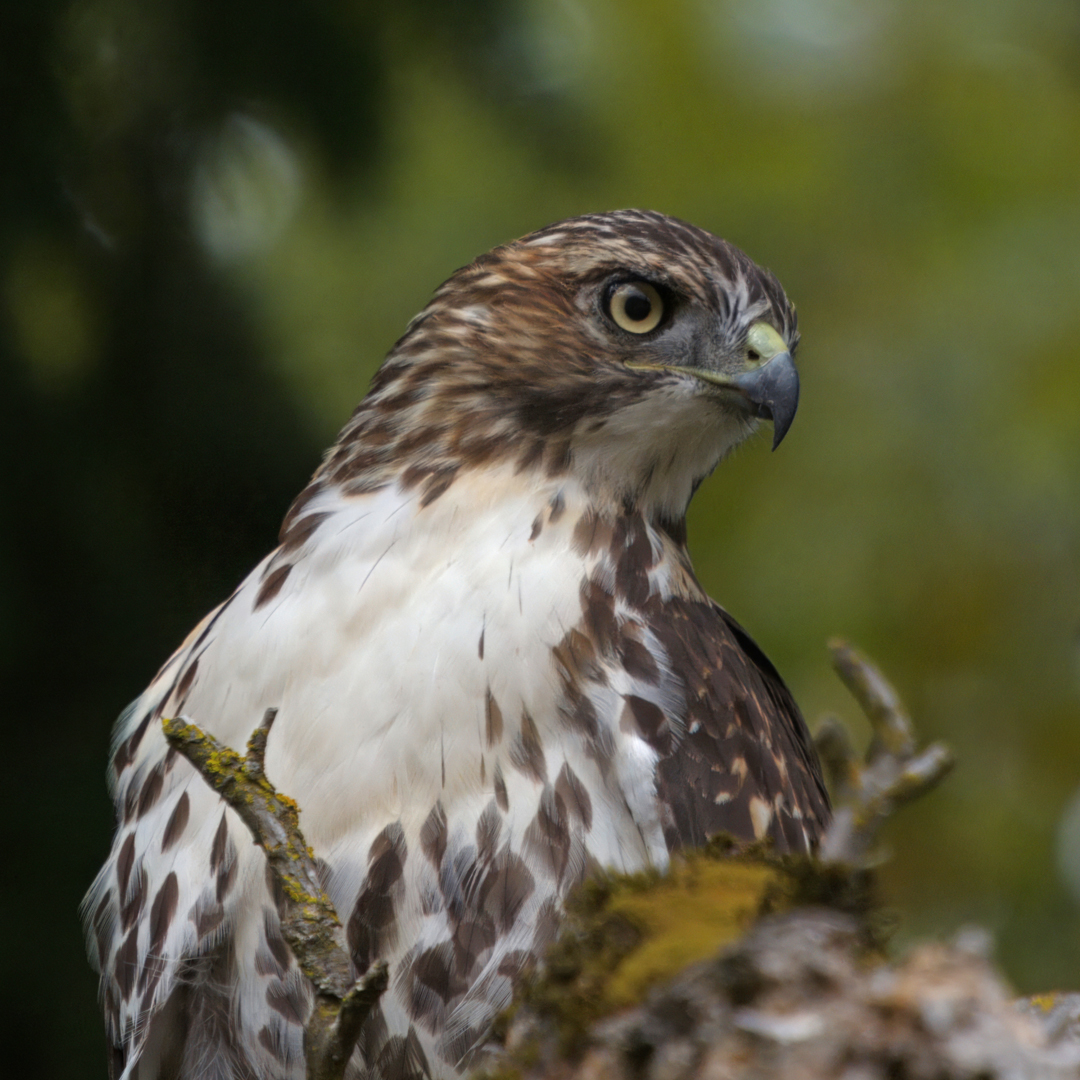
Here is another view of the same individual.
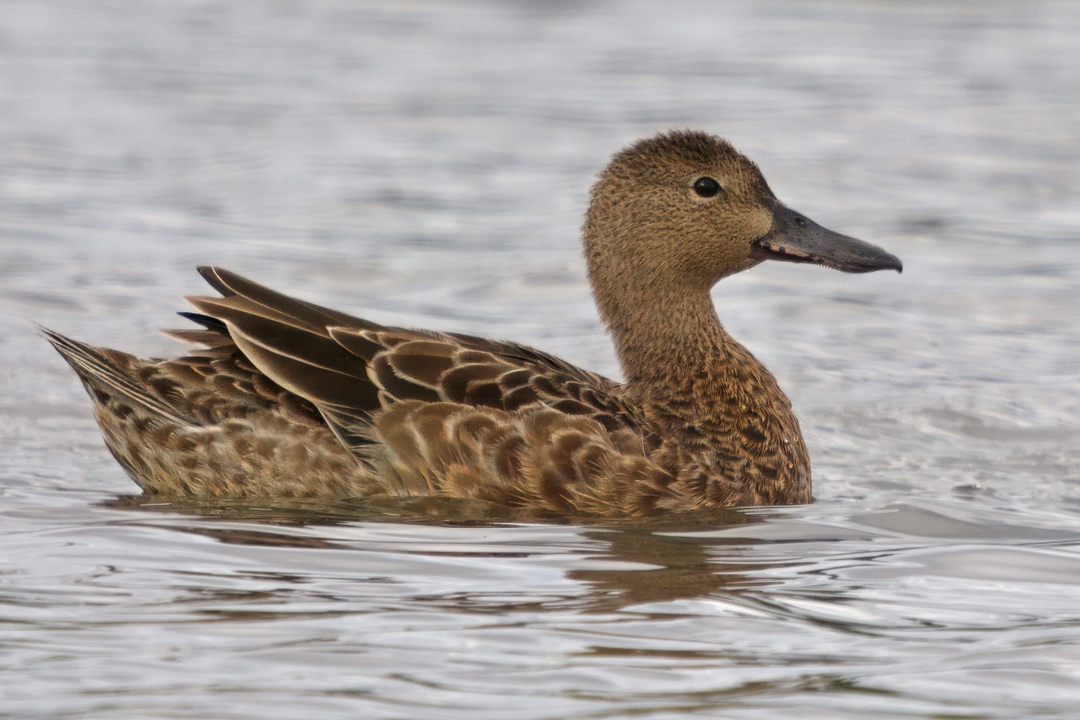
We are still in what I call Ugly Duck Season, when most birds are still in their dull summer patterns. I have heard it referred to as Brown Duck Season, which sounds a little more respectful. This brown duck is a Cinnamon Teal.
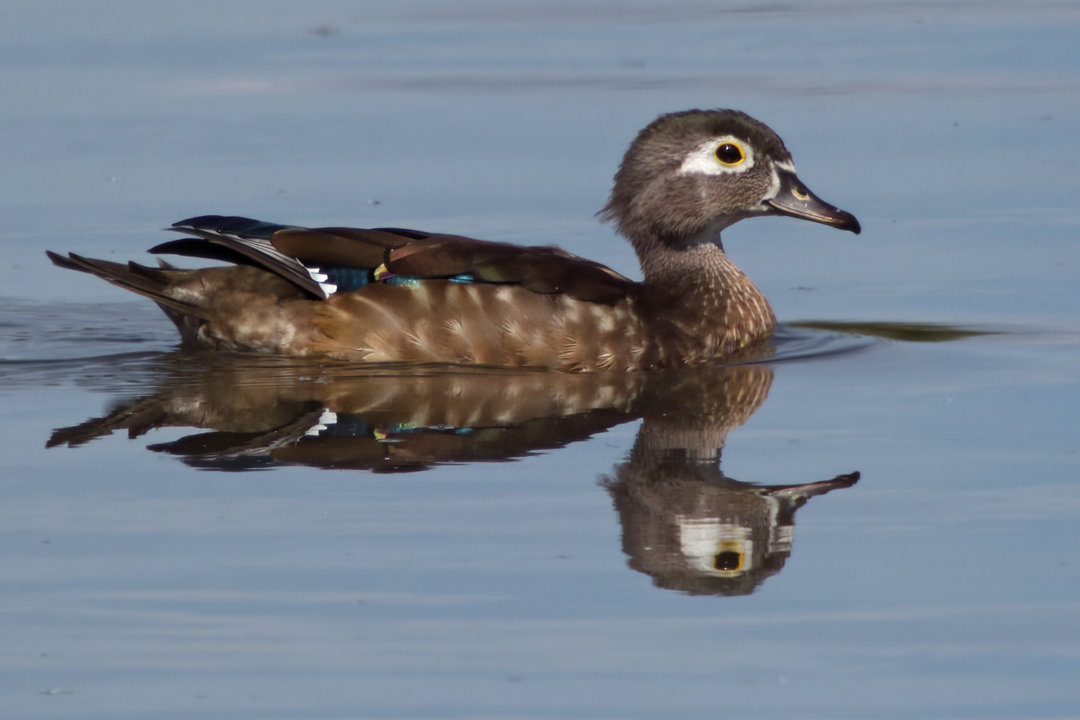
This female Wood Duck is slightly more fancy.
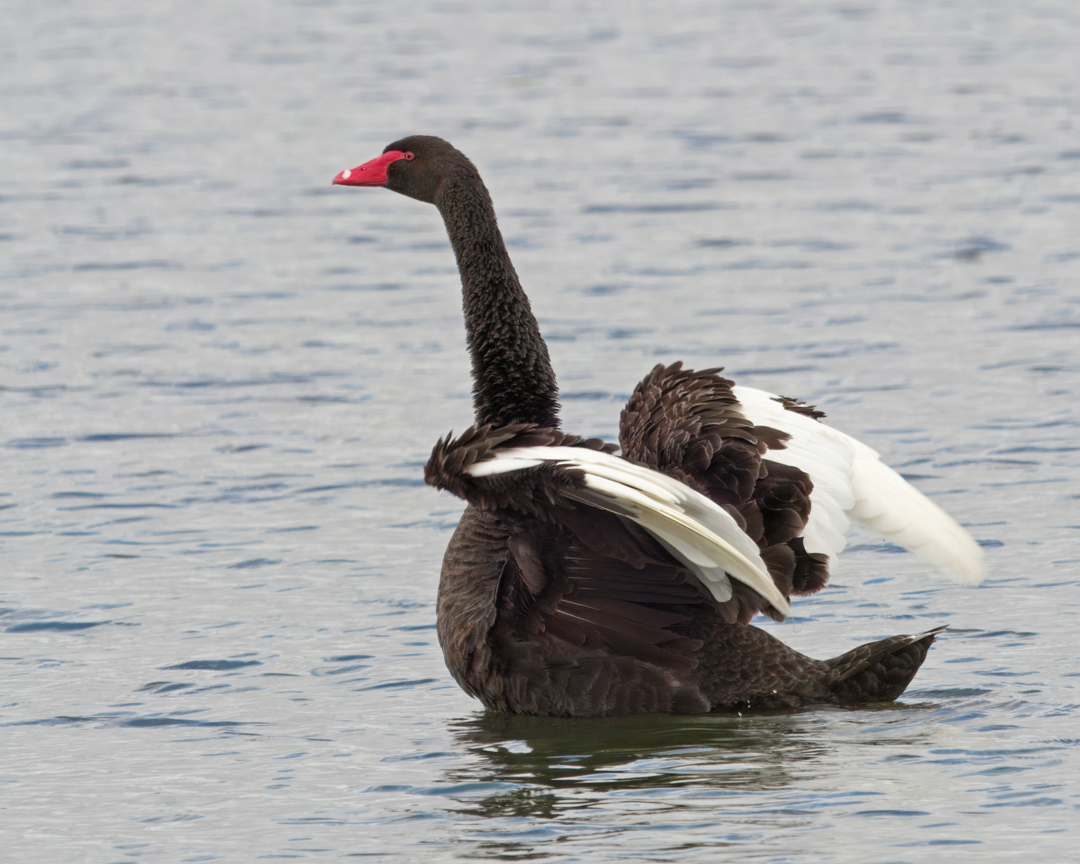
Speaking of fancy, this Black Swan escaped from captivity and is living the high life at Tualatin River NWR.
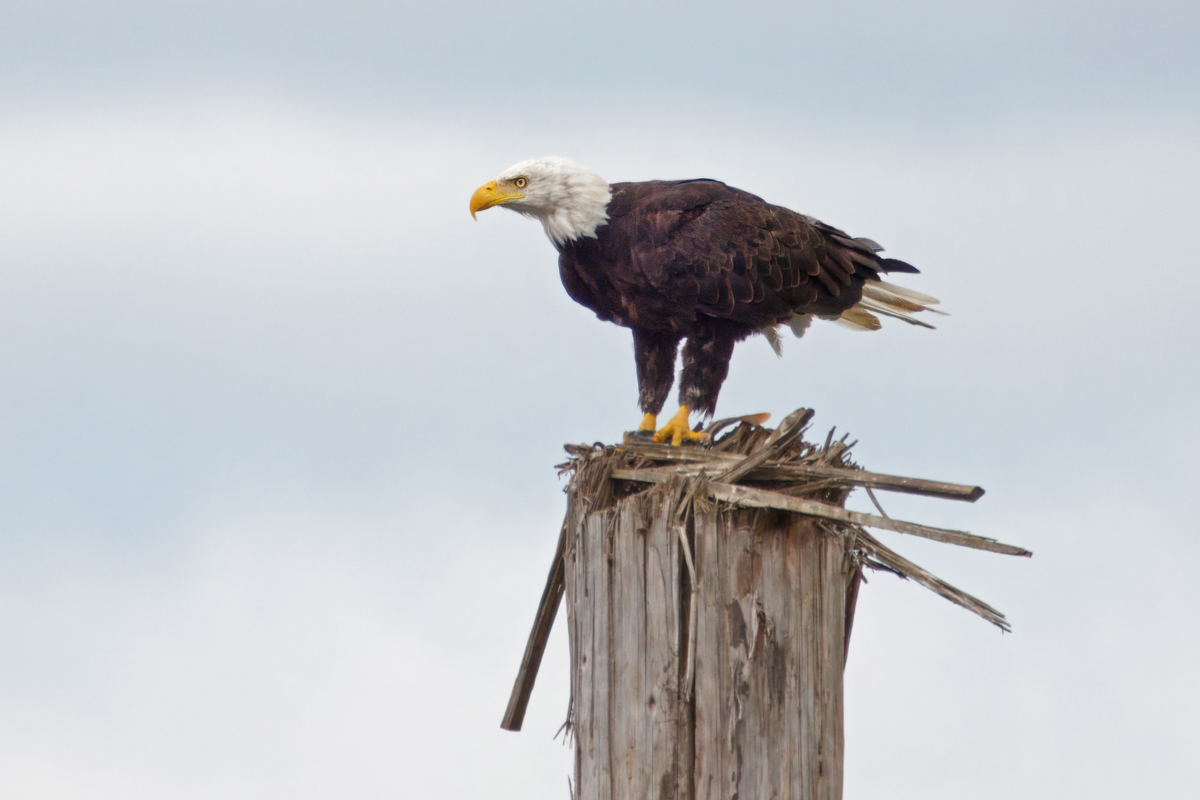
Bald Eagle with a fish
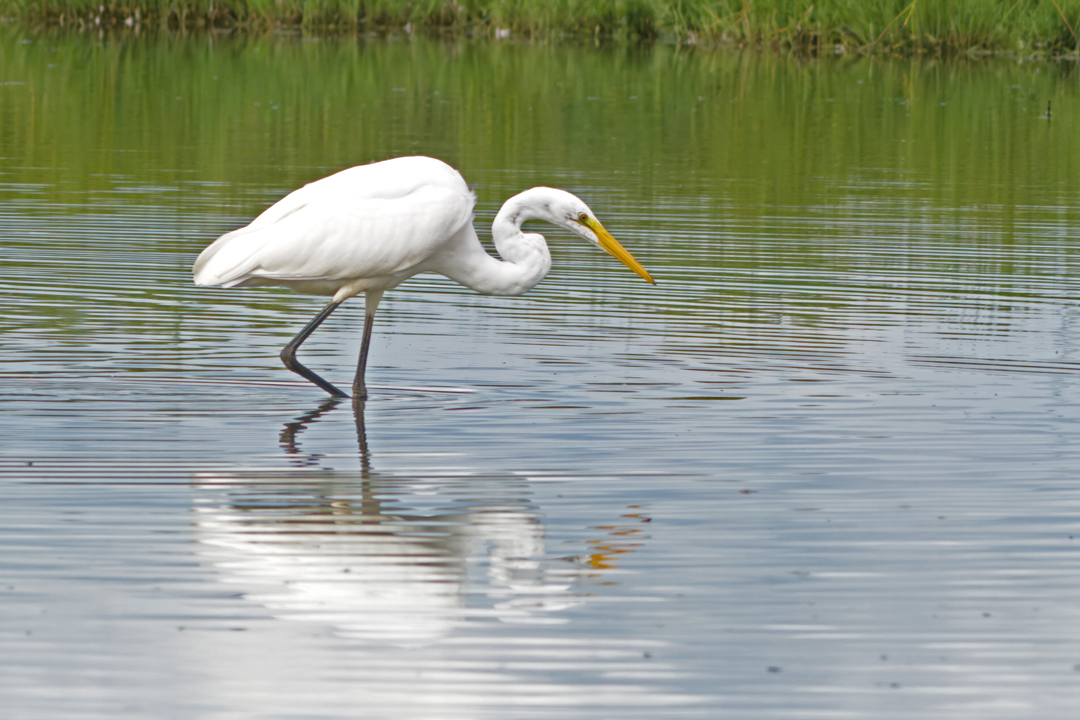
I have never gotten a good photo of a Great Egret, so here is a mediocre one.
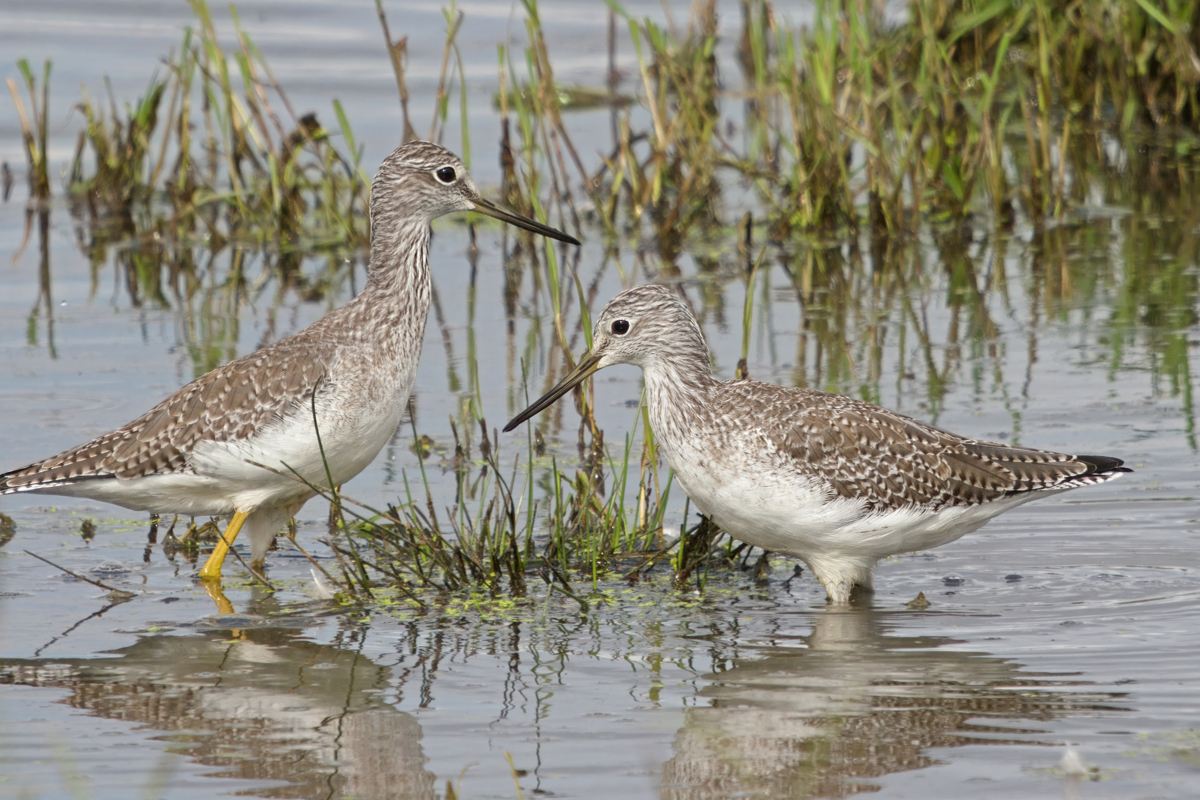
There are still decent numbers of shorebirds around, including these Greater Yellowlegs, but their numbers should be thinning out pretty quickly.
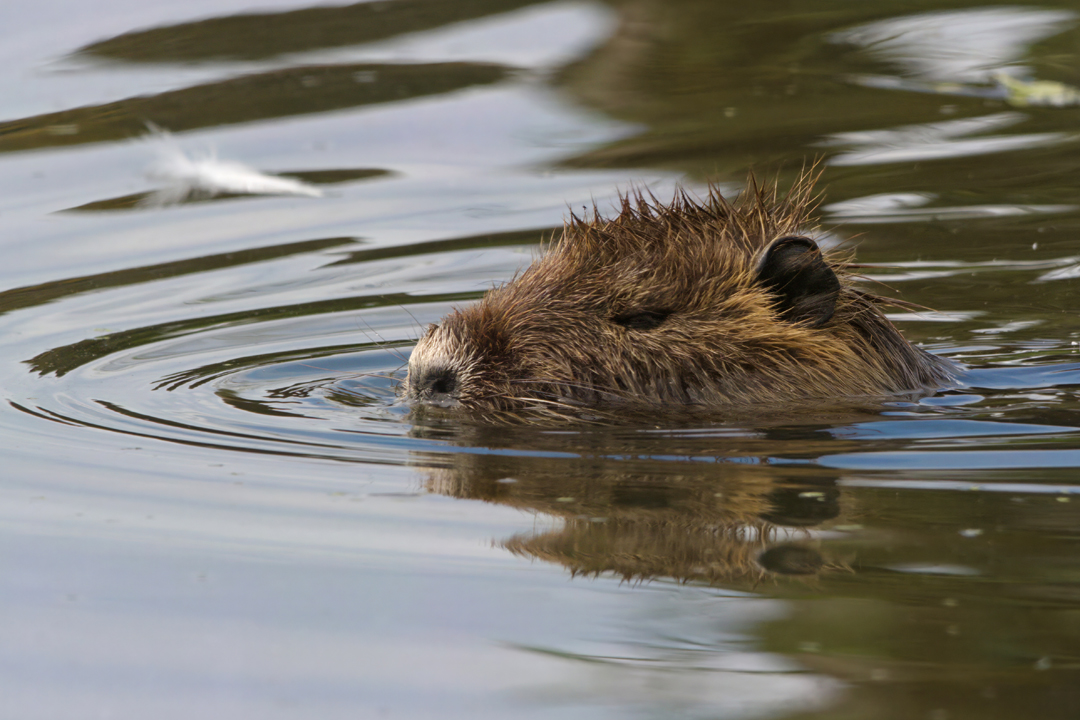
I’ll leave you with this Nutria with a spiky punk hairdo.
Happy Autumn!


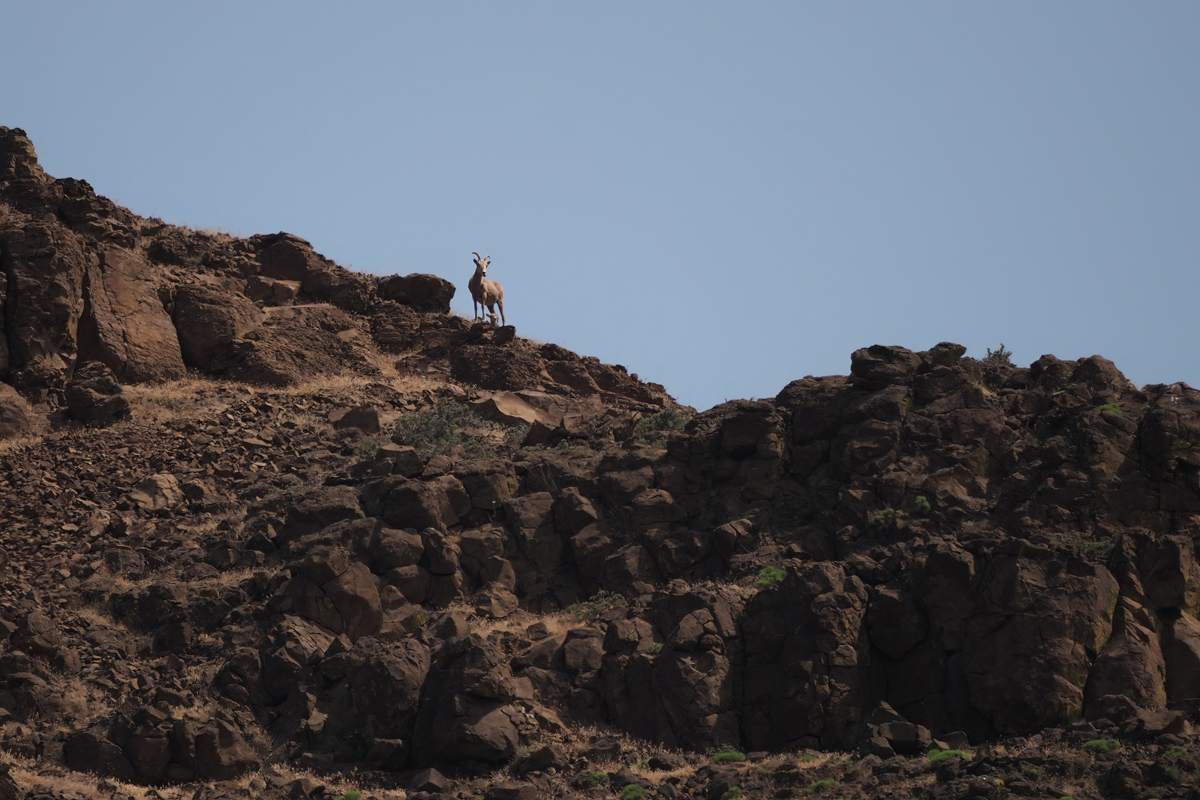


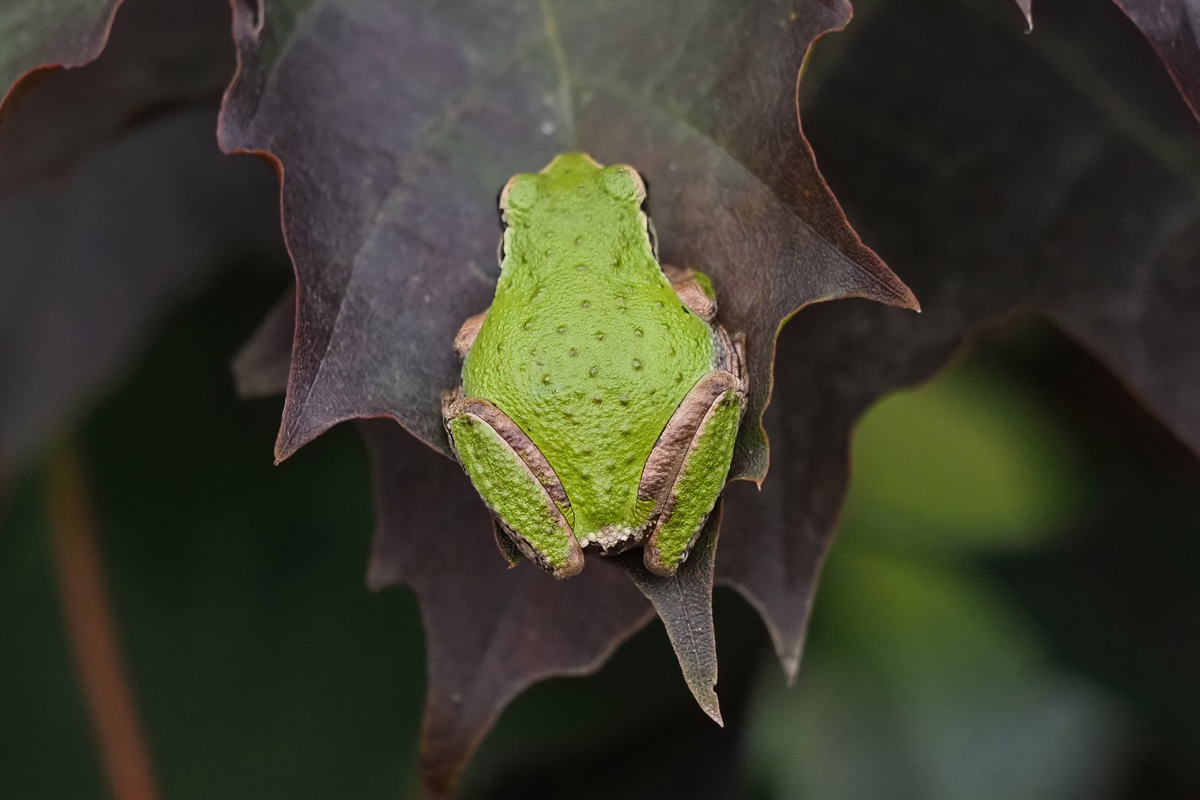







 I think we had more snow in April than we did in December. It has been cold and wet most of the month, and while I am very grateful for the rain and the added mountain snowpack, the weather has seemed to delay the onset of spring. Migrants have been few, and resident species a just starting to get revved up for the season. This Pacific Wren was trying out his song at Tualatin River NWR.
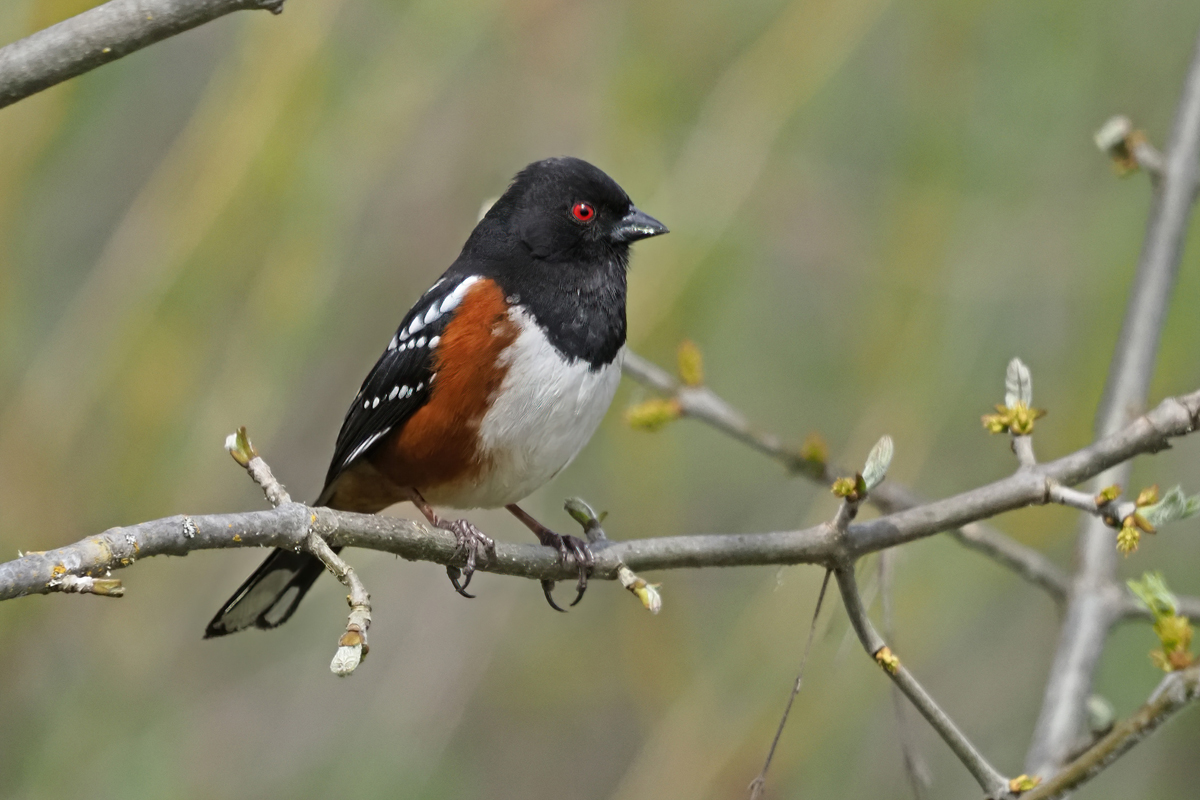

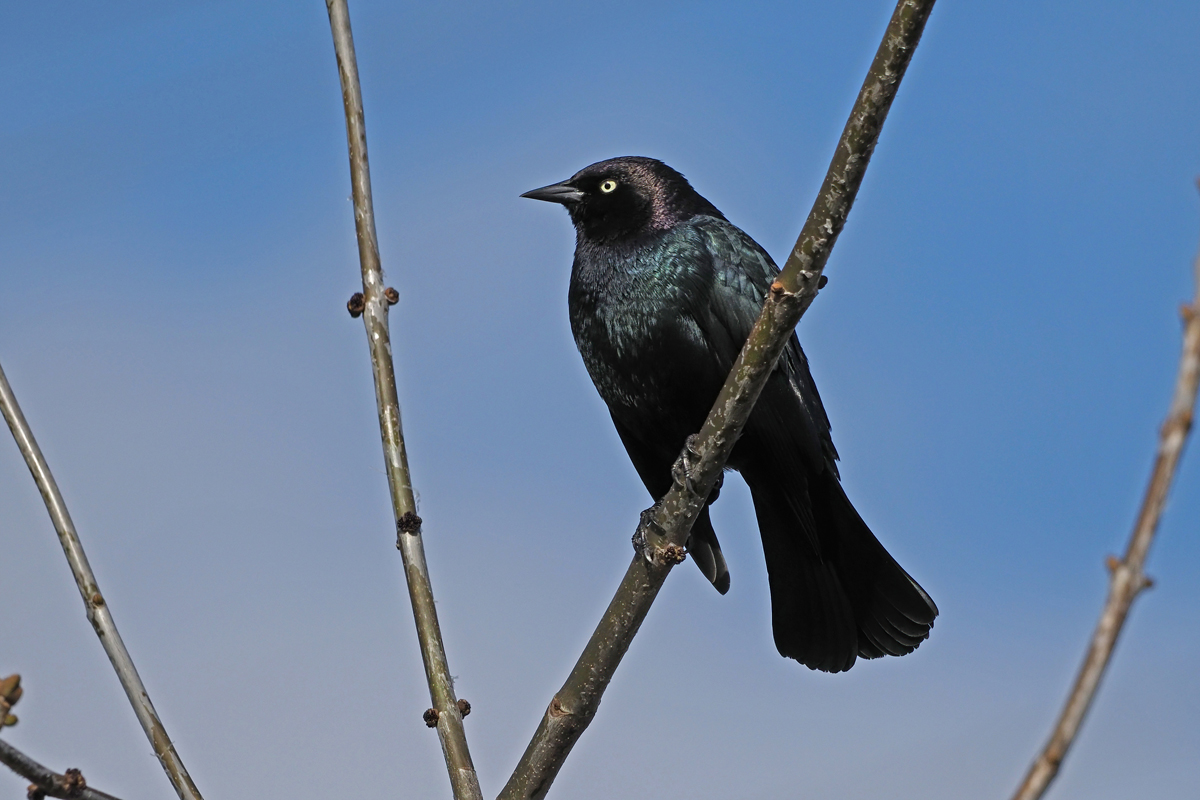
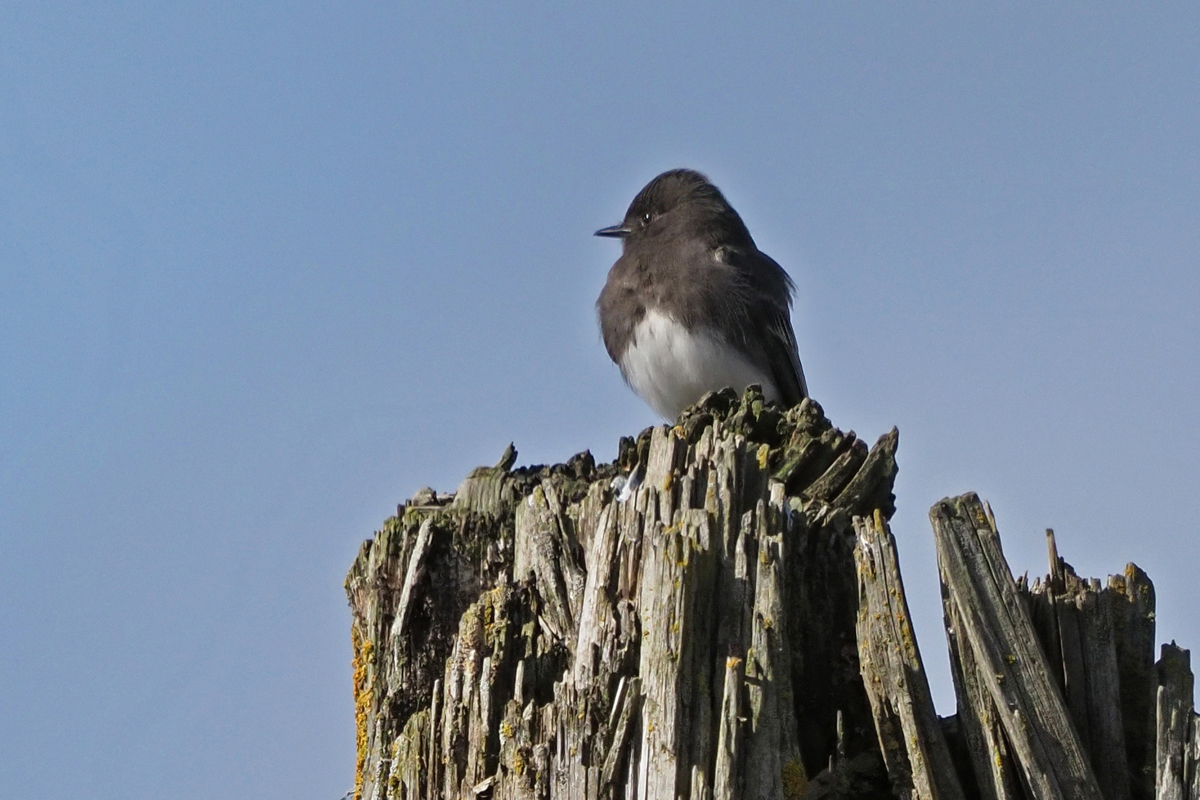

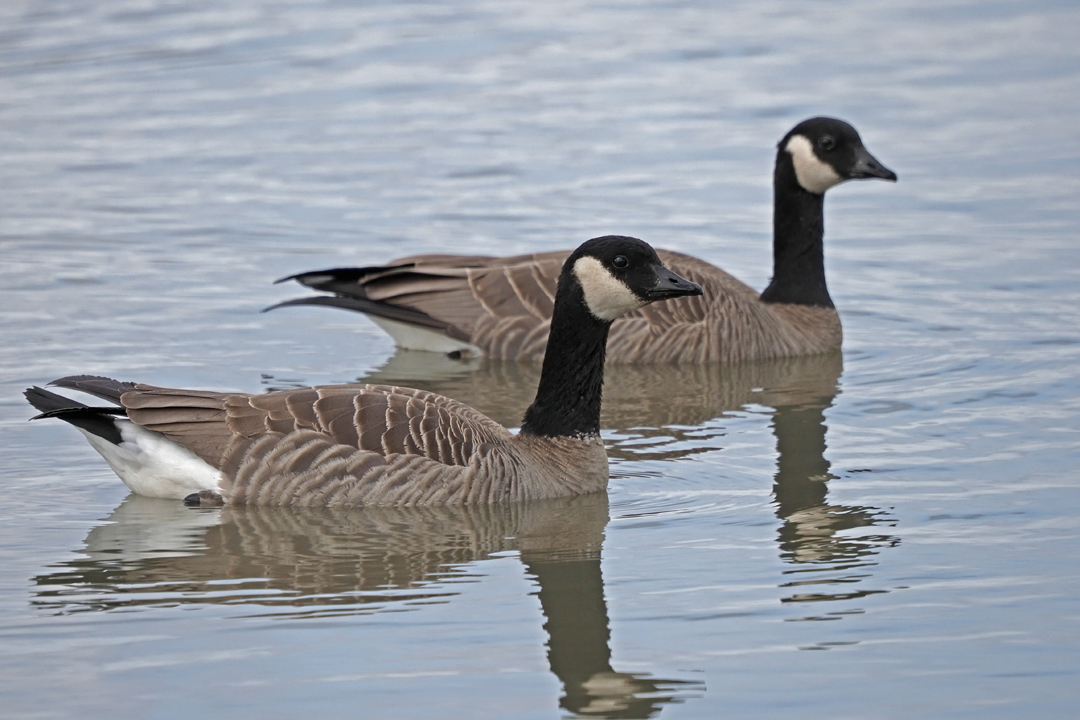



 Tree Swallows are usually the first swallow species to arrive in spring. When the weather is still cold, they hunt for insects close to the water’s surface.
 Some Tree Swallows were already laying claim to the many nest boxes at this site.
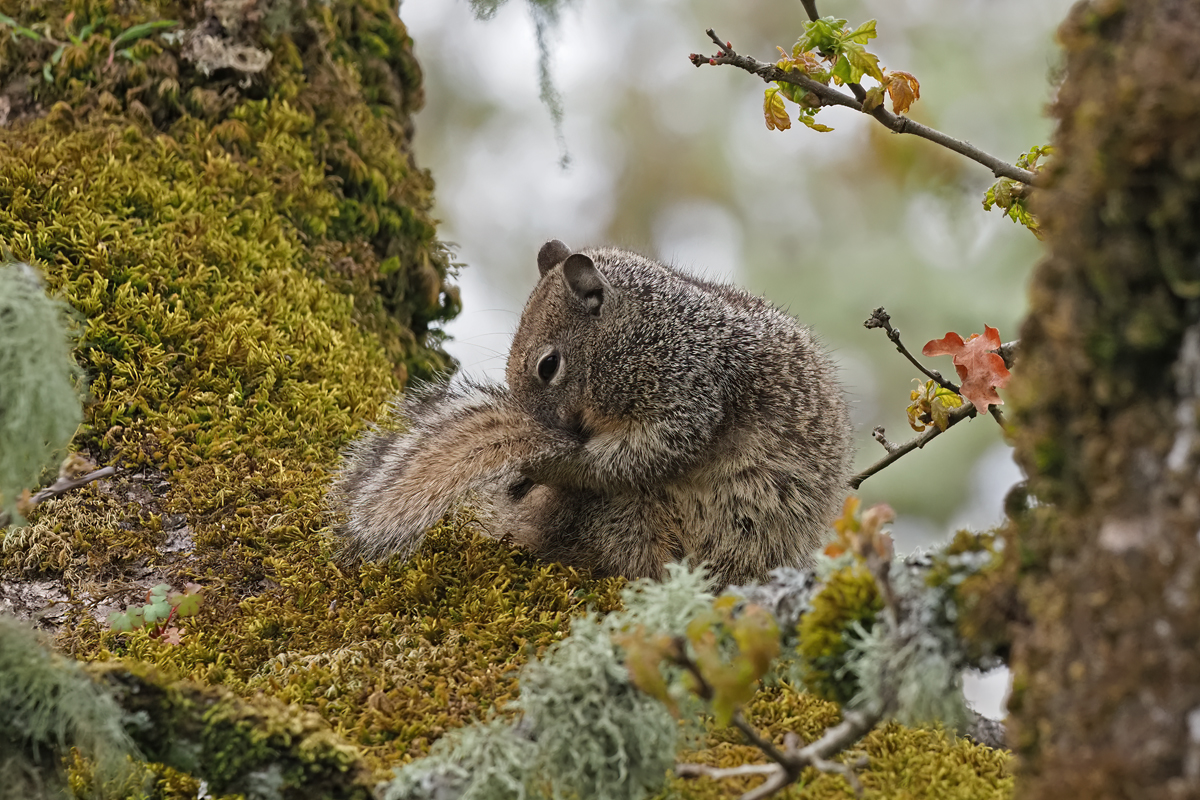
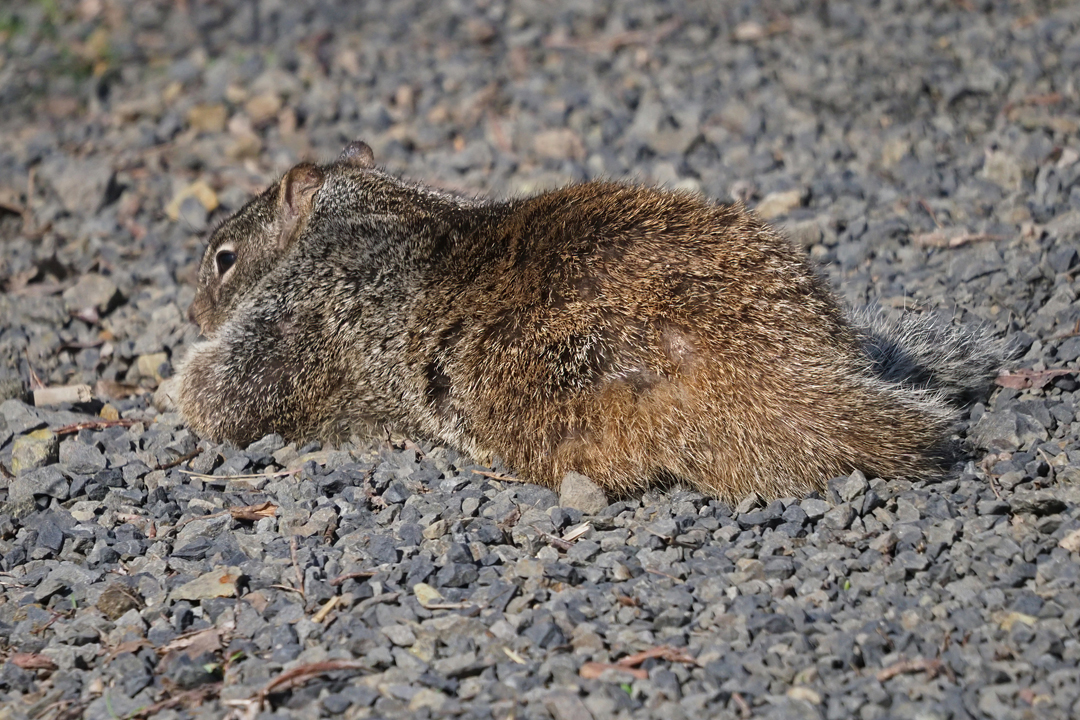
 This California Ground Squirrel was singing (screaming) from a log perch.
 The sunshine brought out a good number of snakes, despite the cold temperature. These are Northwestern Garters.
 This is a typical Common (Red-spotted) Garter.
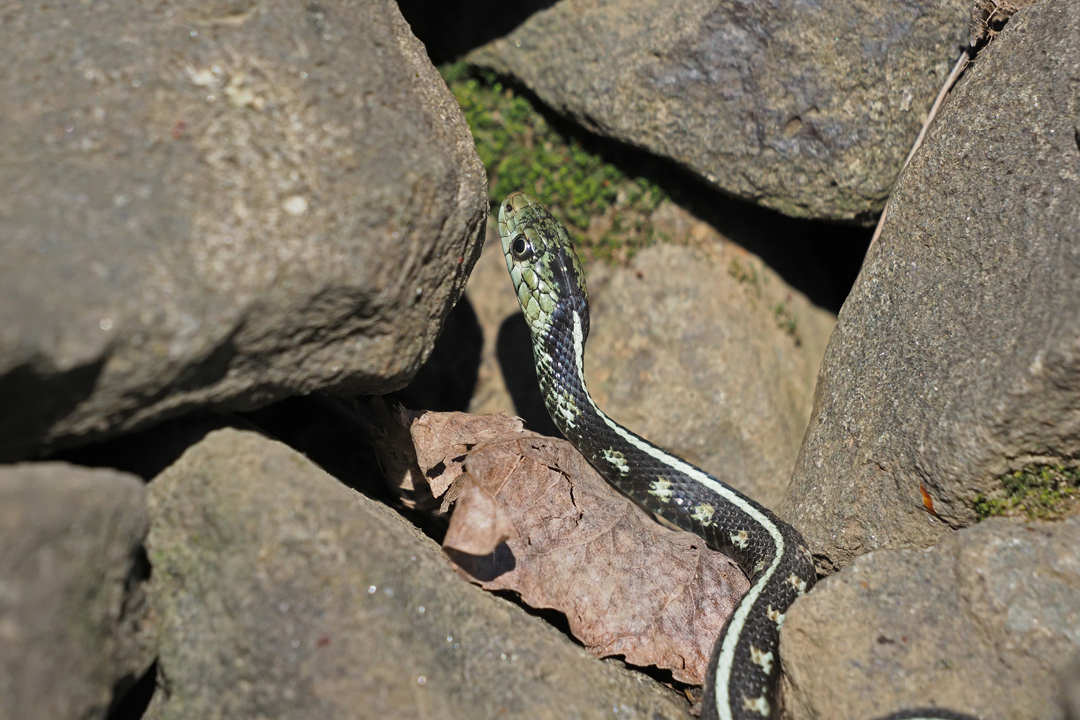 This Common Garter is lacking the red pigment shown by most members of this subspecies.
 This Long-toed Salamander was hanging out under a big piece of bark.
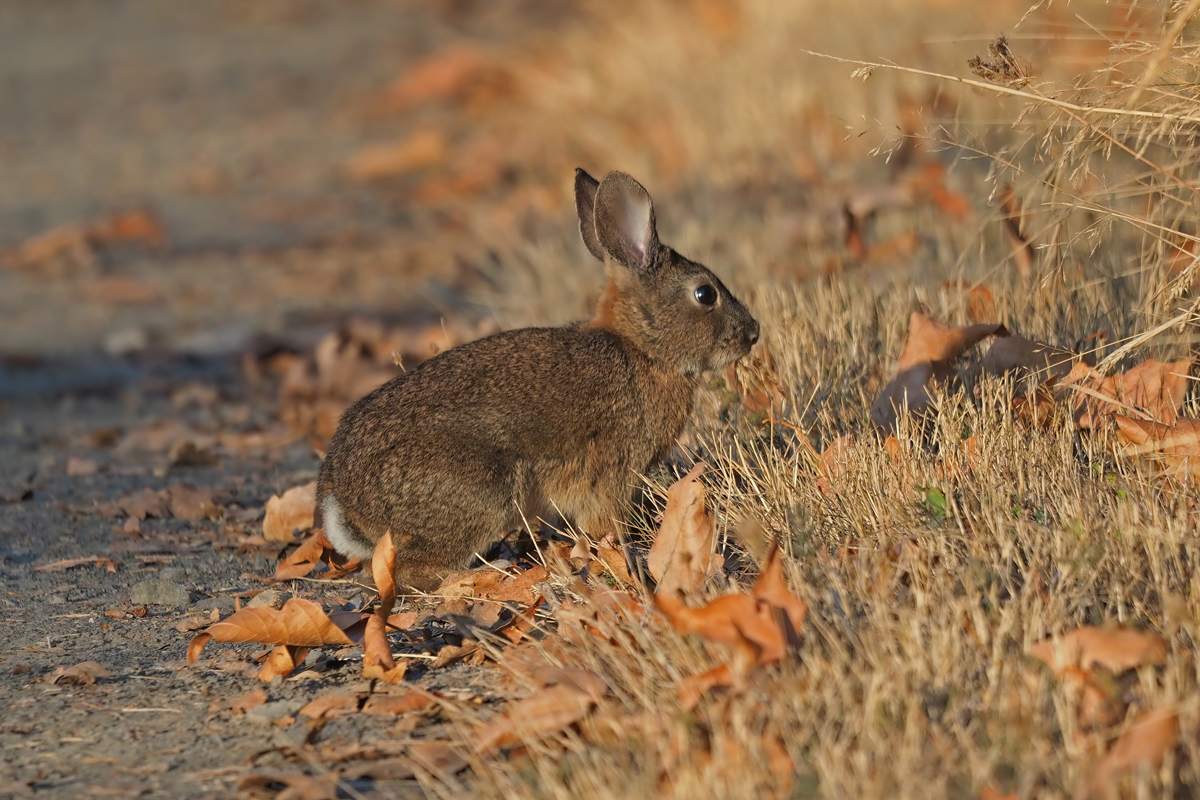
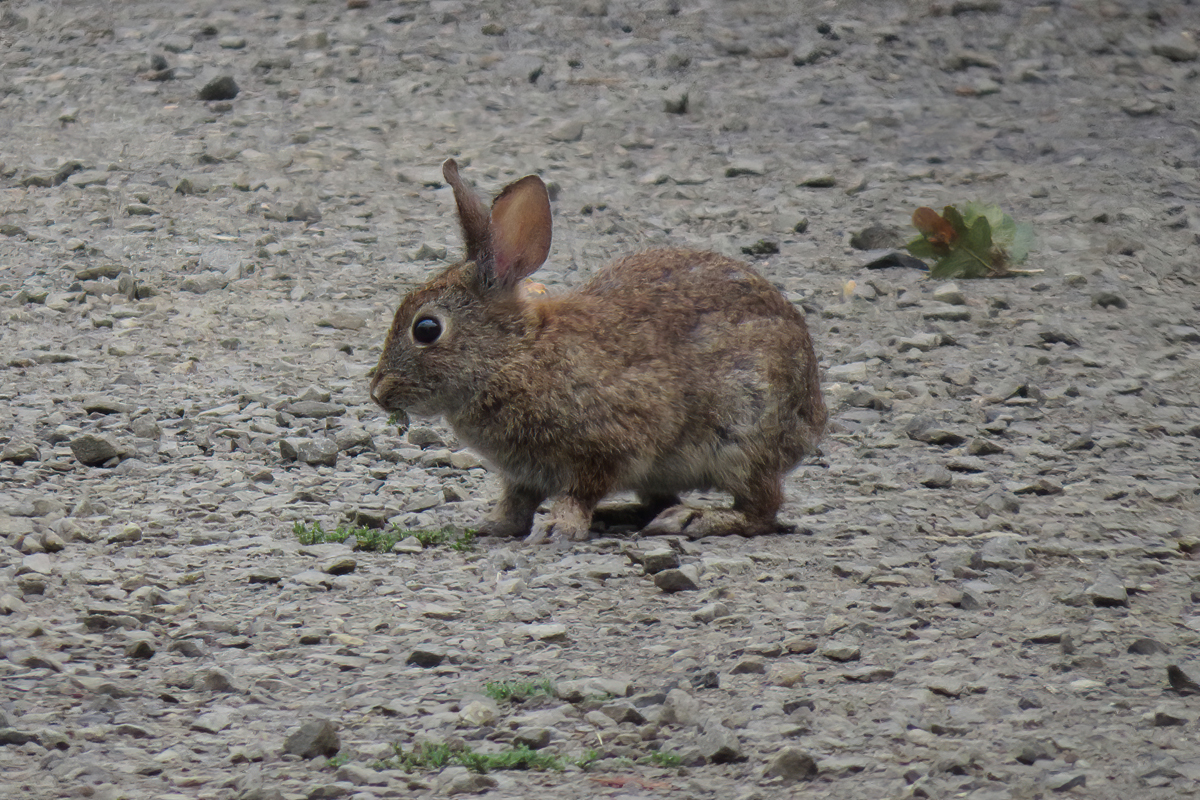 Brush Rabbit, Fernhill Wetlands
 The top image shows a massive male American Bullfrog found at Dober Reservoir. Note the injury around his right eye. The bottom image is of a newly emerged female. At this stage, she was about the size of the males head, but females typically grow larger than males of this species.
 Orange Sulphur, found at Jackson Bottom. Unfortunately, this species perches with their wings closed, so you can’t see the vibrant colors on the top.
 This Mylitta Crescent at Fernhill Wetlands was much more cooperative.
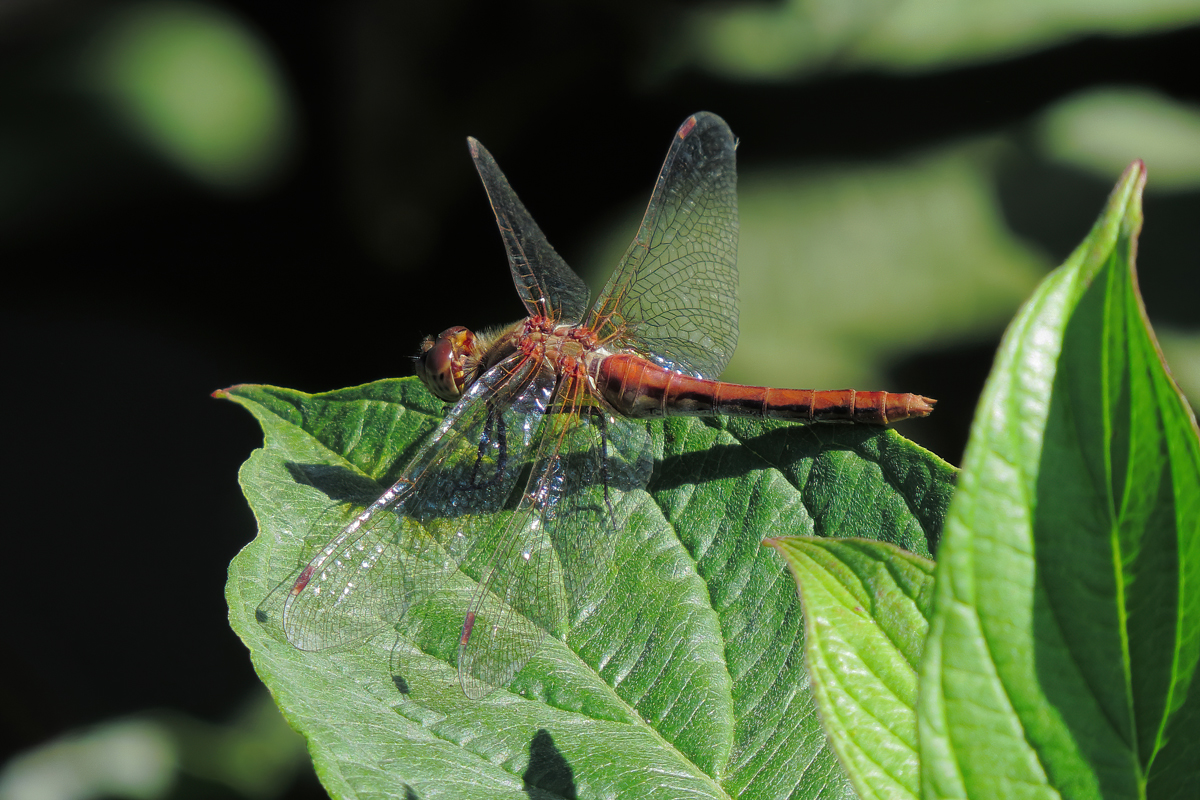 I don’t know the dragonflies, but I am told this individual from Fernhill Wetlands is a Striped Meadowhawk.
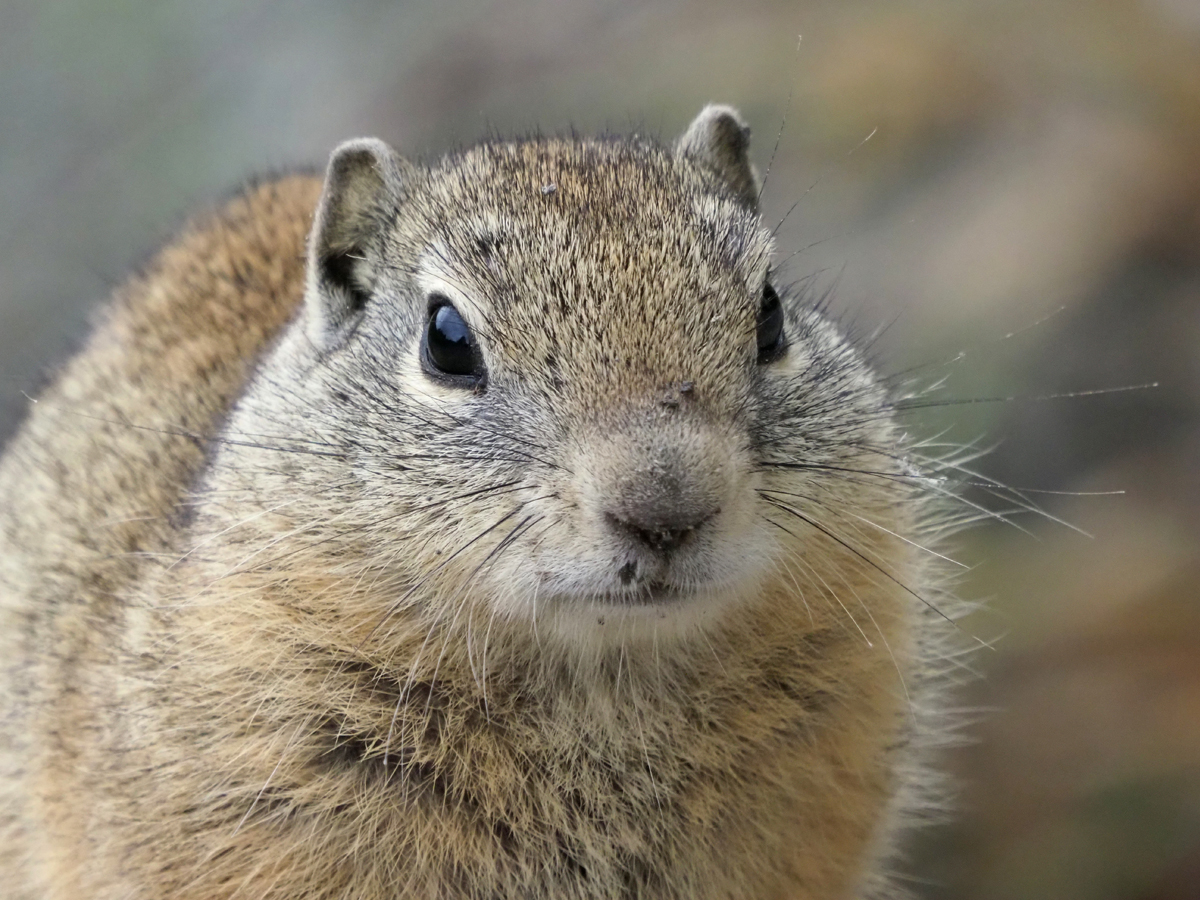
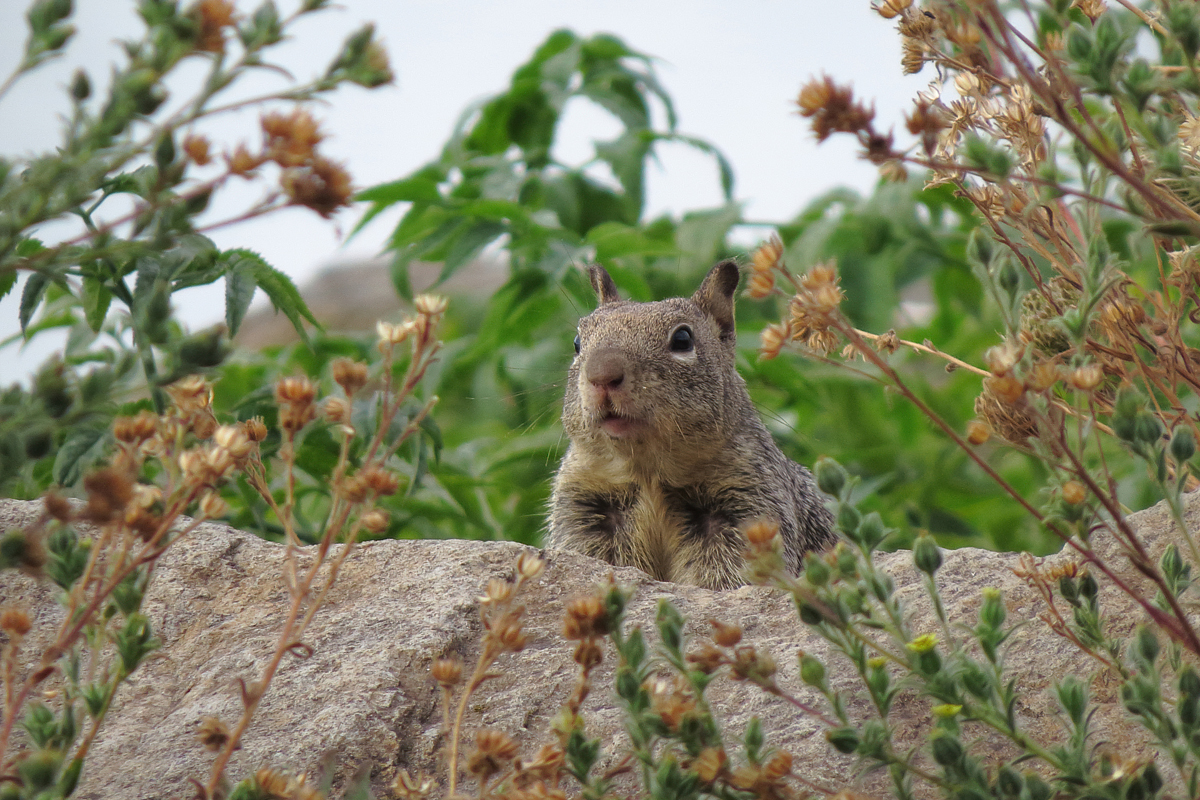 California Ground Squirrels, one of my favorite rodents, have become more common at Fernhill Wetlands since the reconstruction a few years ago.
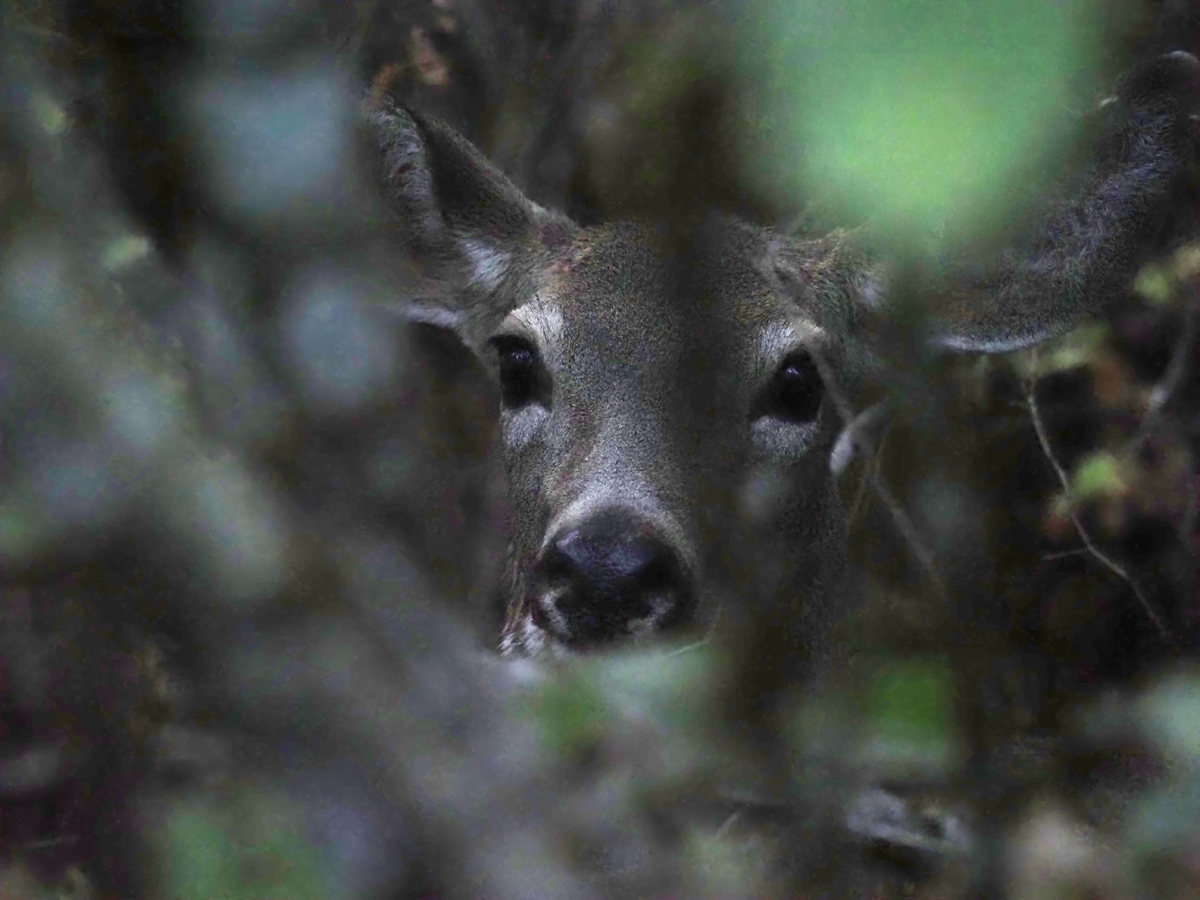
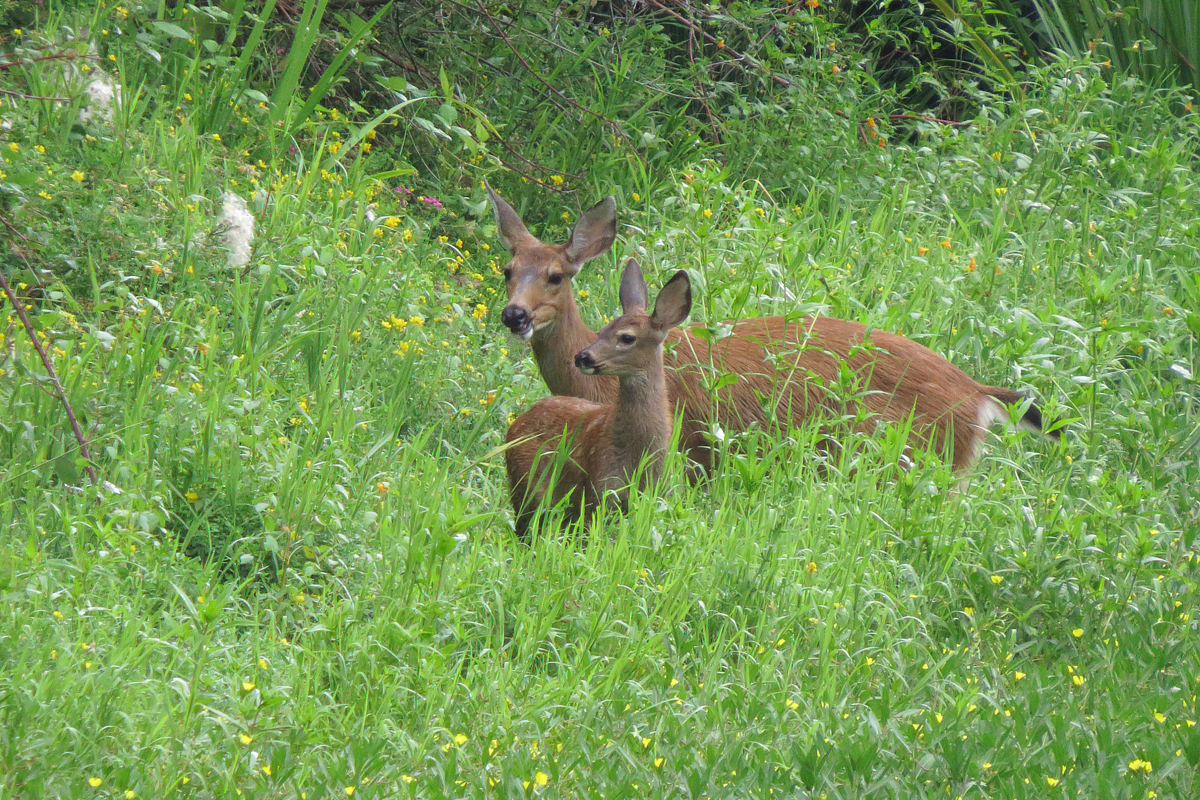 This Black-tailed Deer and her fawn were enjoying the lush vegetation at Smith and Bybee Wetlands.
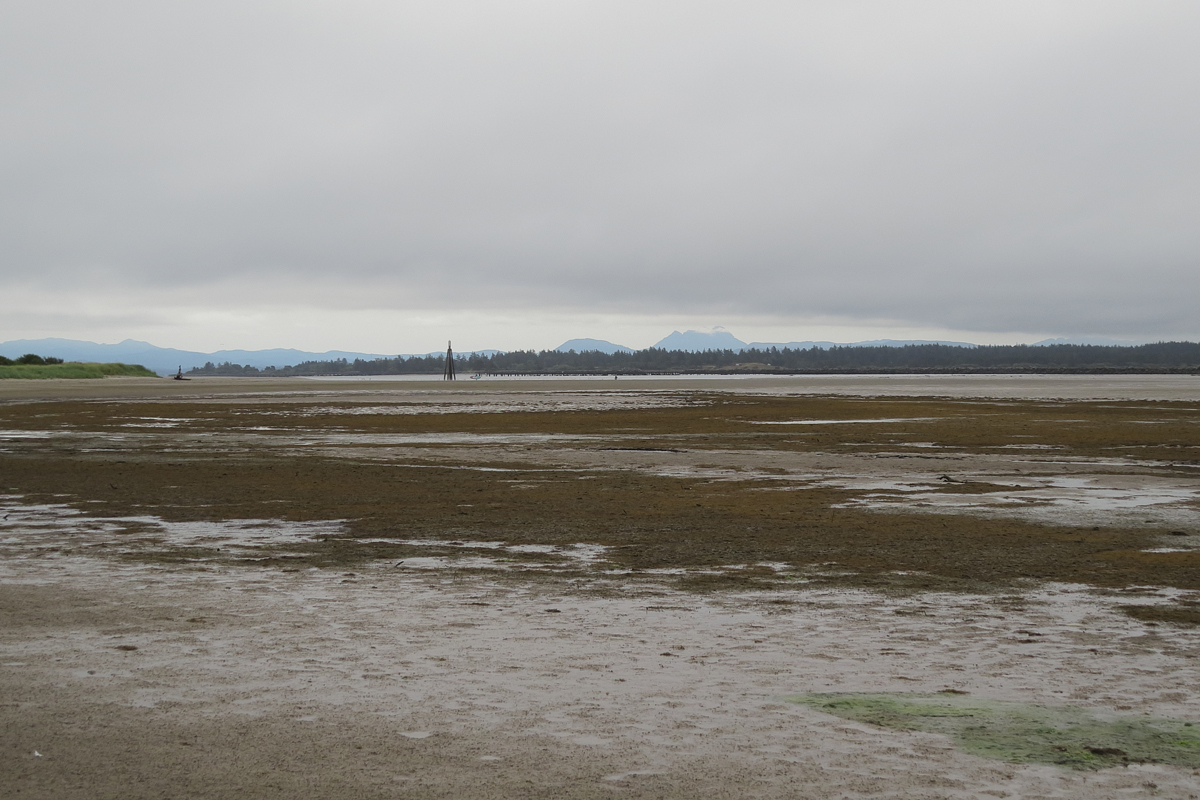 Trestle Bay, just off Parking Lot D at Fort Stevens State Park, can be one of the more productive shorebird spots on the north coast. Timing is critical, as the bay fills completely with the high tide.
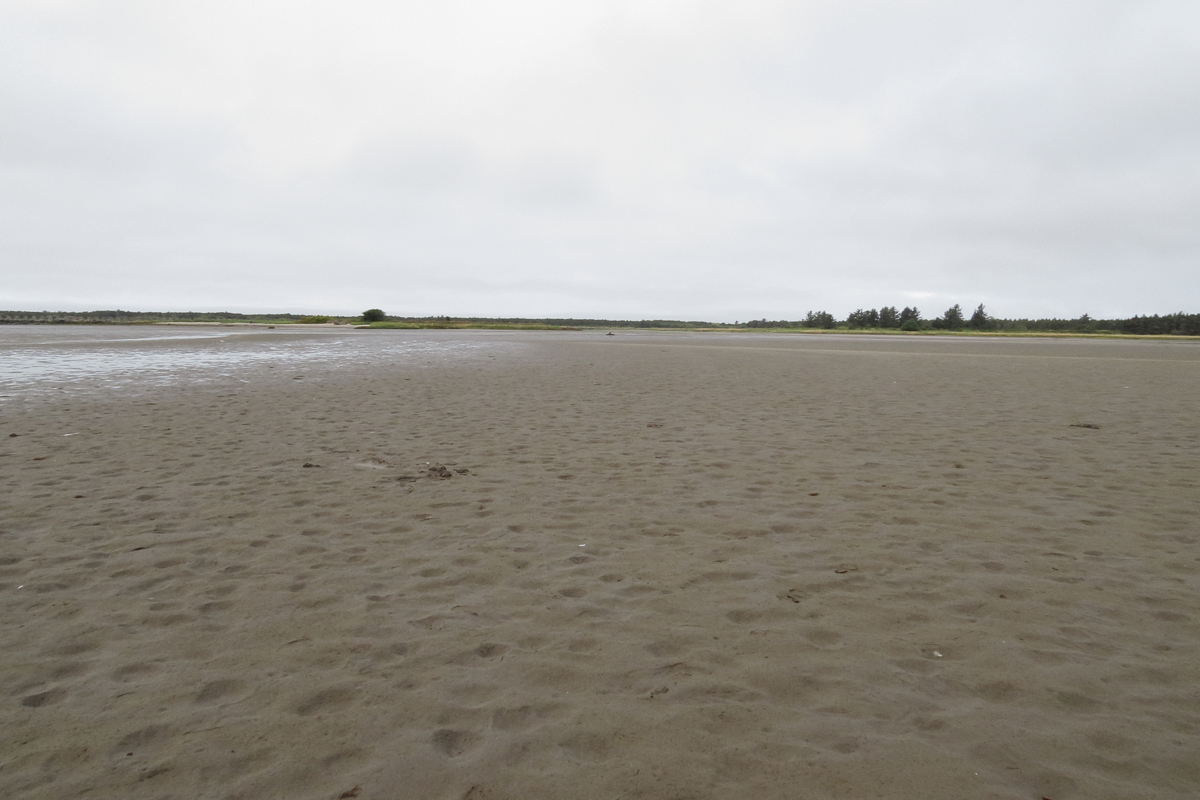 When the tide is out, the bay provides extensive mudflats. With this much exposed mud, the birds can be quite distant, so timing your visit when the tide is coming in can produce some nice viewing.
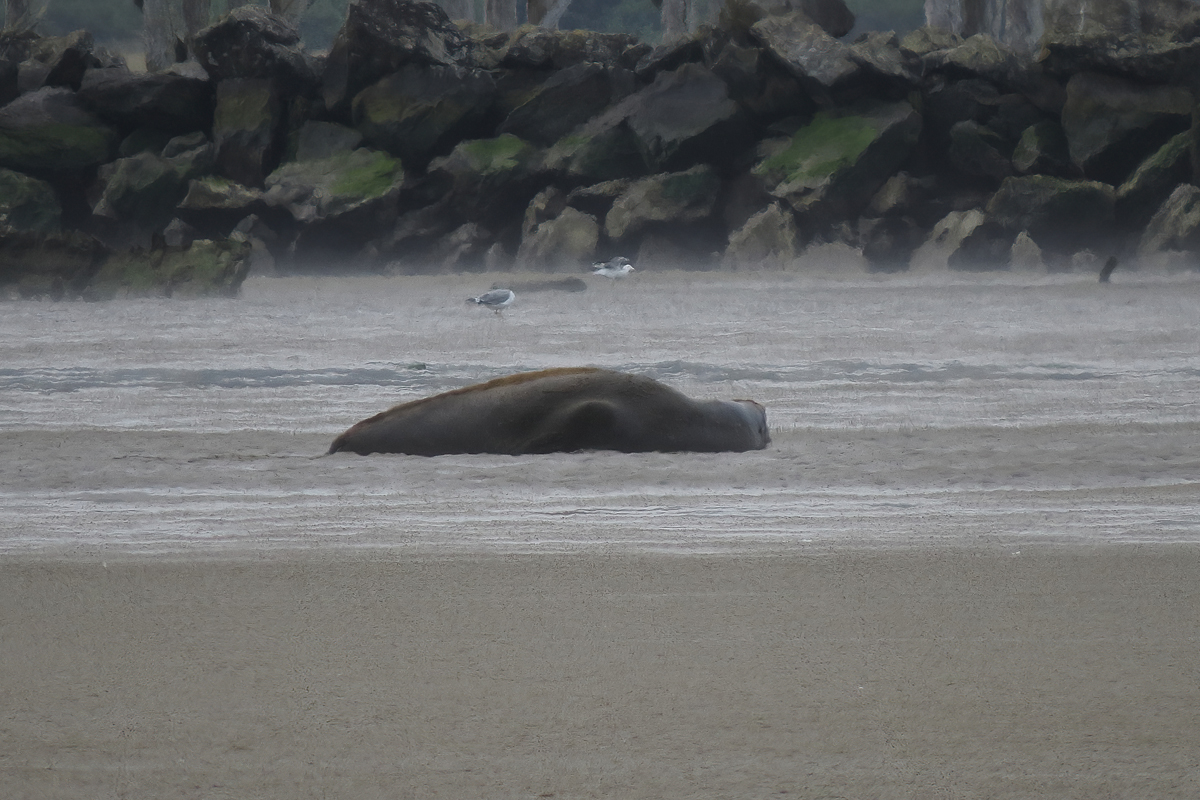 On this visit we observed what we thought was a California Sea Lion carcass way out on the flat.
 Later we noticed the the sea lion had rolled over and extended a flipper. Apparently he was just hanging out on the mudflat catching some sun.
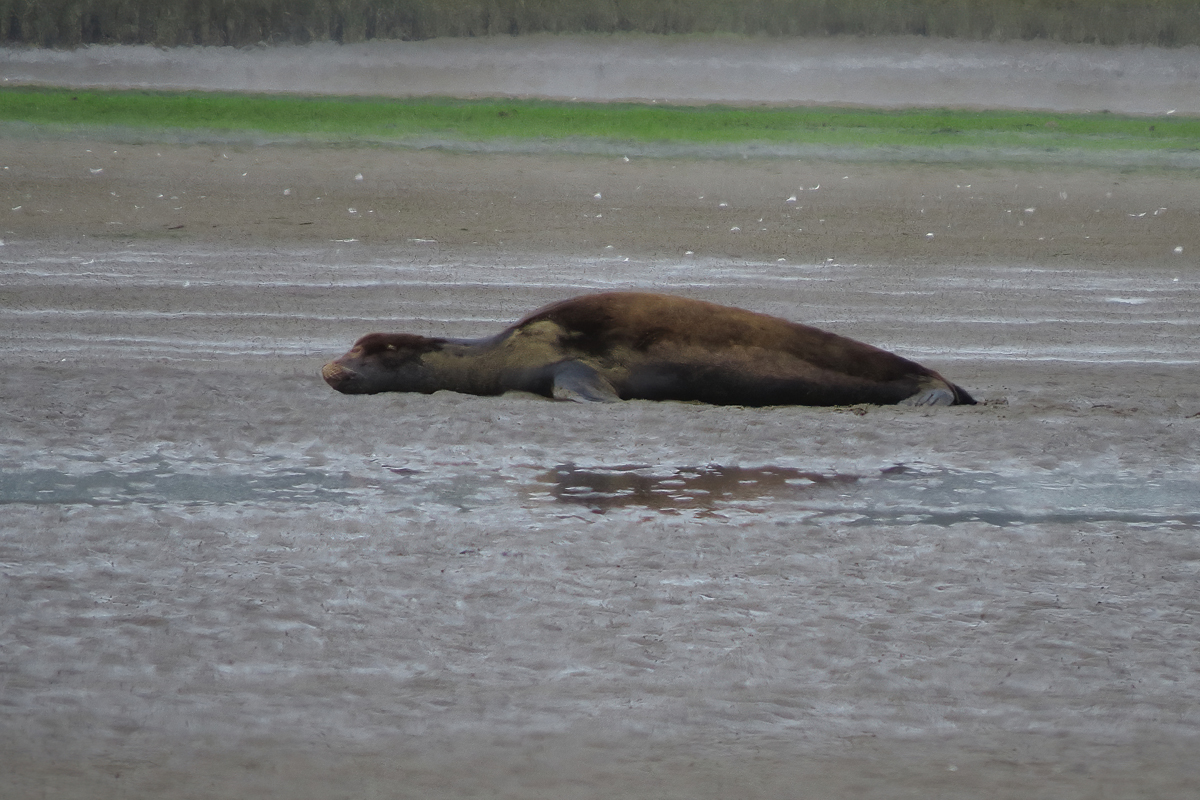 I normally see these animals basking on rocks, but the mud was apparently working for this guy.
 Southbound shorebird migration tends to come in waves, and we were between waves on this visit. Our consolation birds were this flock of Common Mergansers with a California Gull.
 Ethical Birder