


Happy Spring
Happy Spring
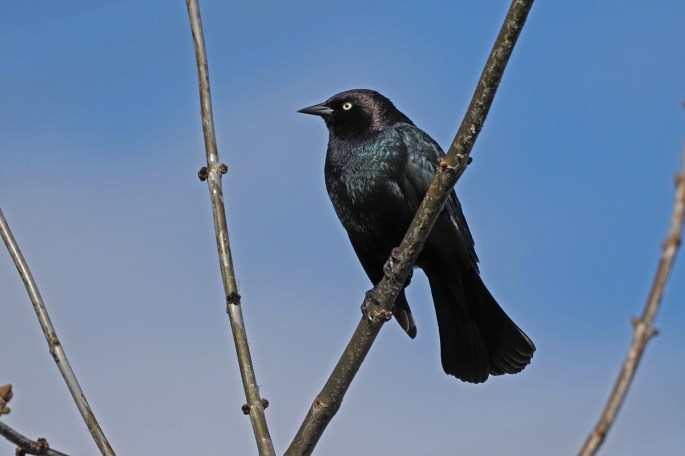
Spring migration hasn’t really kicked in, yet, but the birds that are here are getting more active. Here are some recent images from Fernhill Wetlands. This Brewer’s Blackbird was looking good in the sunshine.

Black Phoebes are now expected at Fernhill Wetlands. It doesn’t seem like that long ago that I found Washington County’s first Black Phoebe there.
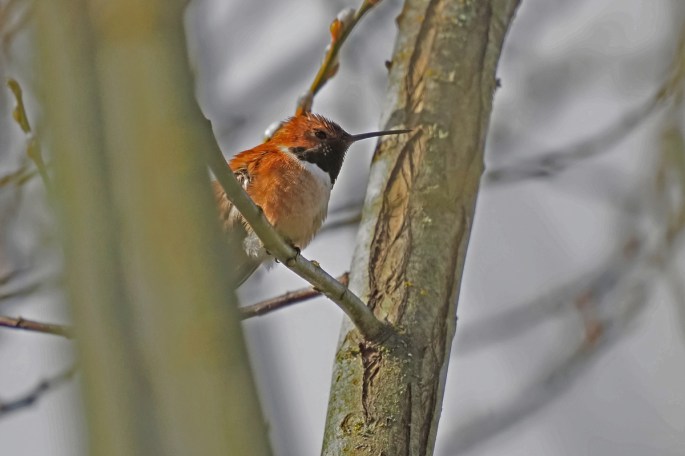
This was my first Rufous Hummingbird of the year. He refused to perch in decent light.
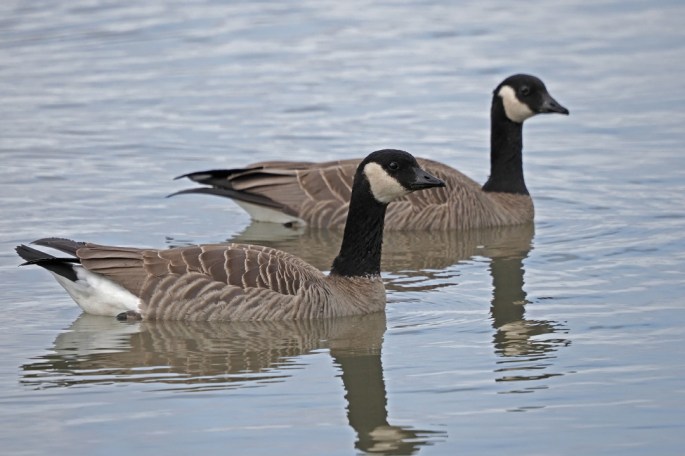
A large flock of Taverner’s Cackling Geese were hanging out on Fernhill Lake. The Ridgeway’s Cackling Geese were either off feeding somewhere or have moved on.
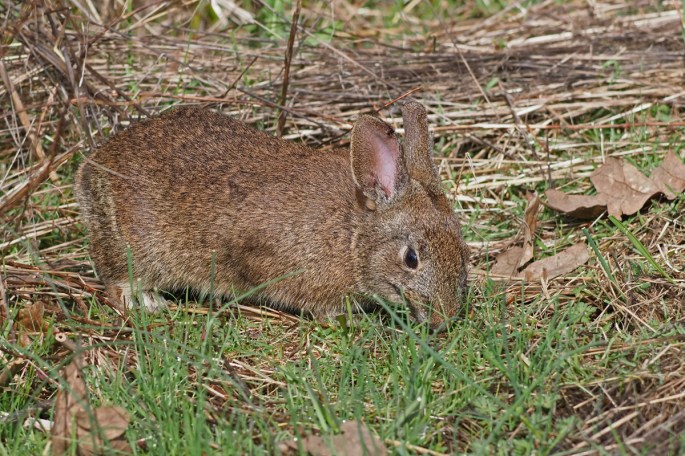
Brush Rabbit, always adorable
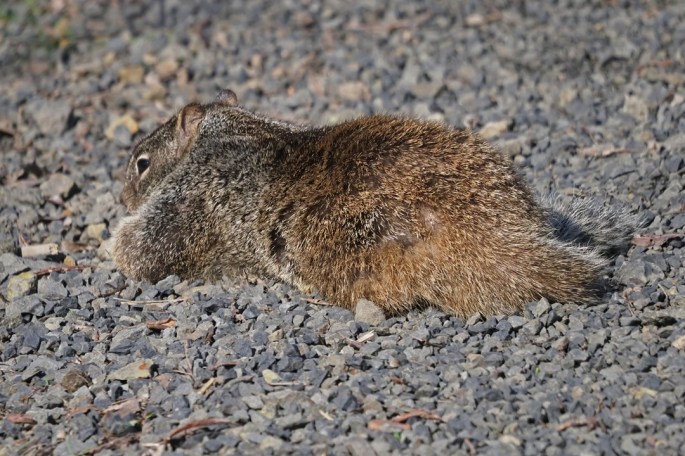
California Ground Squirrel, soaking up the sun
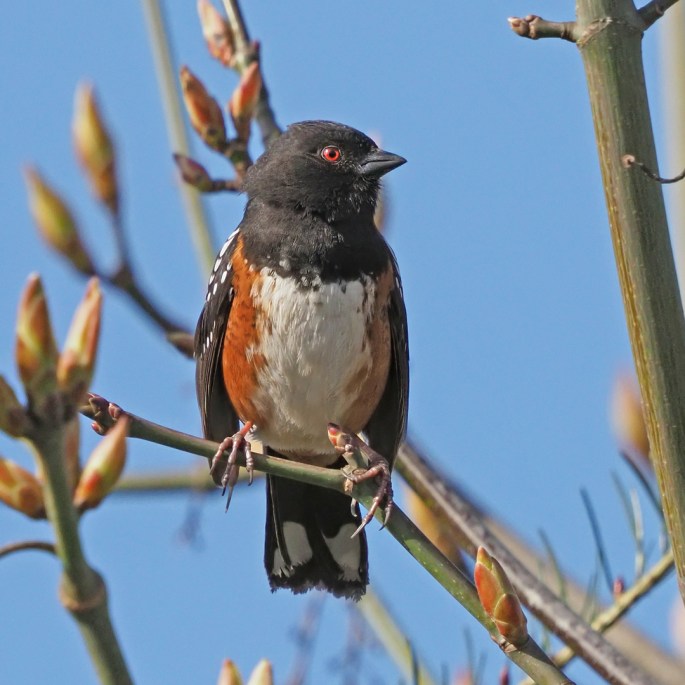
Spotted Towhee
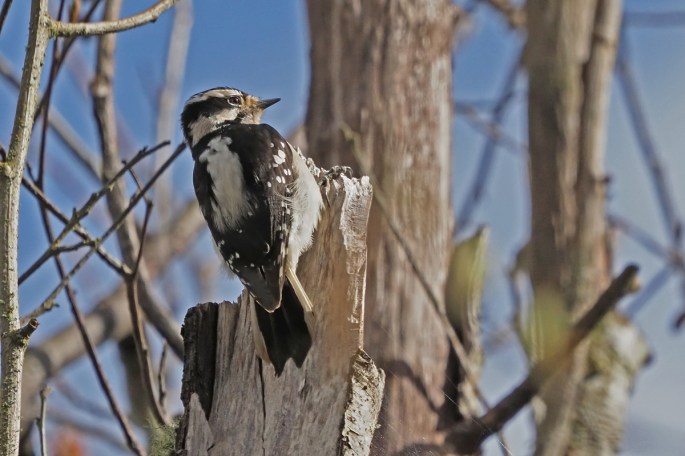
Downy Woodpecker

Bright sunlight makes it hard for me to get a decent of photo of an American Coot, but this bird’s yoga pose was too good not to share.
Happy Spring!
Despite air temperatures in the 40s, the sunshine brought out some signs of spring on a recent visit to Jackson Bottom Wetlands Reserve in Hillsboro.
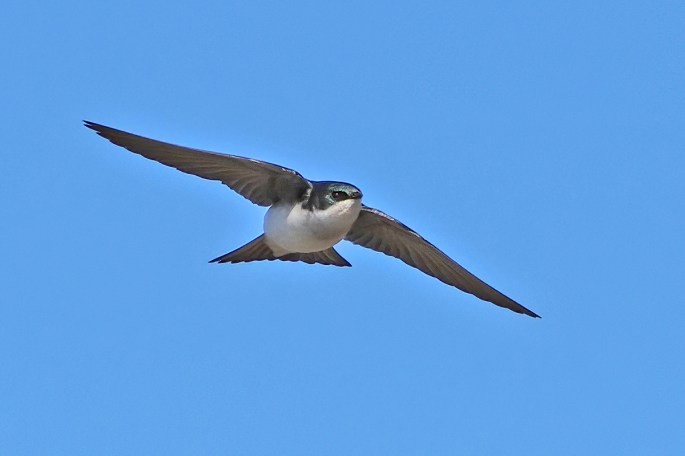 Tree Swallows are usually the first swallow species to arrive in spring. When the weather is still cold, they hunt for insects close to the water’s surface.
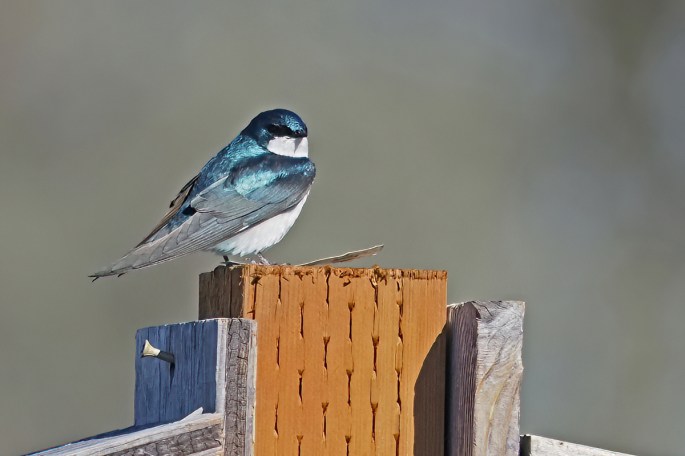 Some Tree Swallows were already laying claim to the many nest boxes at this site.
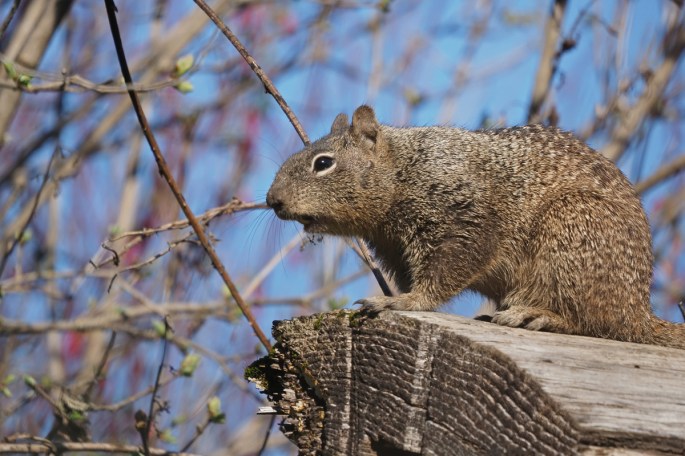 This California Ground Squirrel was singing (screaming) from a log perch.
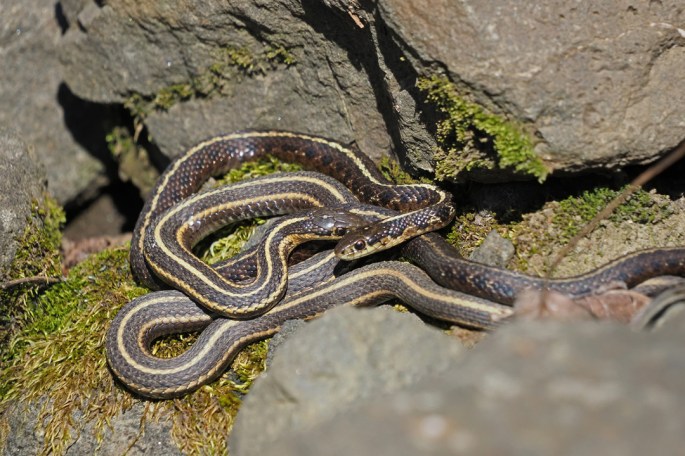 The sunshine brought out a good number of snakes, despite the cold temperature. These are Northwestern Garters.
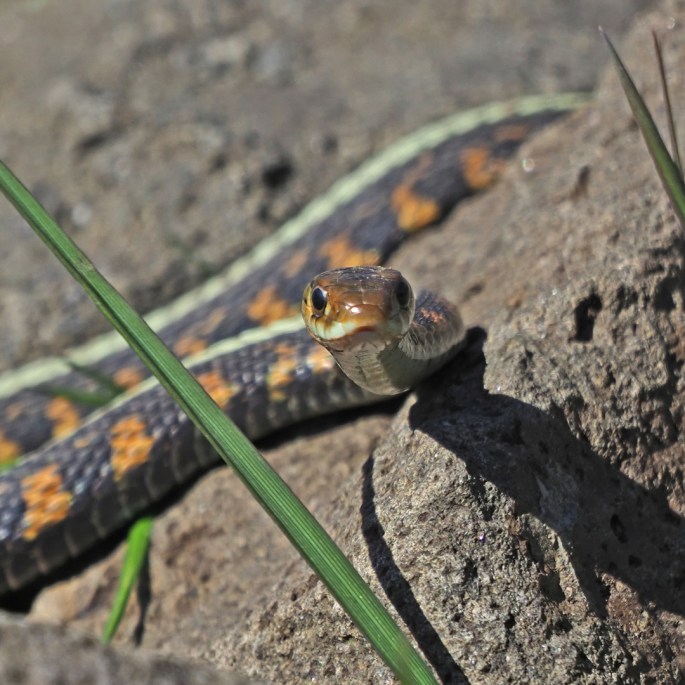 This is a typical Common (Red-spotted) Garter.
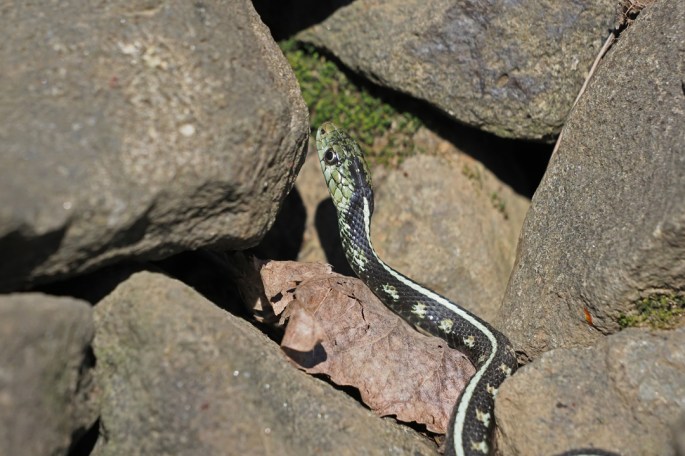 This Common Garter is lacking the red pigment shown by most members of this subspecies.
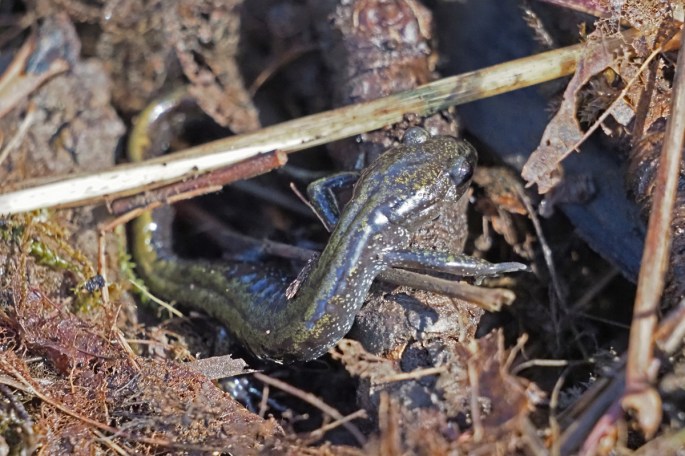 This Long-toed Salamander was hanging out under a big piece of bark.
Happy last days of winter.
Shape is one of the most important field marks you should consider when identifying a bird. While color and plumage condition will fluctuate, shape and proportion are much more consistent throughout the year and between individual birds of a given species.
That being said, the shape of a bird can change at any given moment due to the way they hold their feathers.
 This Cooper’s Hawk had just bathed and was helping their feathers dry by fluffing them out. From a distance, this bird appeared to show a broad breast with rusty barring and a broad, banded tail. The drooping wings made the tail seem shorter. These are all great marks for a Red-shouldered Hawk.
 After a while, the bird smoothed their feathers down, revealing a slender build and a long rounded tail typical of a Cooper’s Hawk. So shape alone is enough to identify this bird, but we had to observe the bird long enough to see what their shape actually was. This is another reason to take the time to study every bird you come across. A quick glance or a single photo can be misleading. (How many times have plastic bags been identified as Snowy Owls?)
Happy Winter
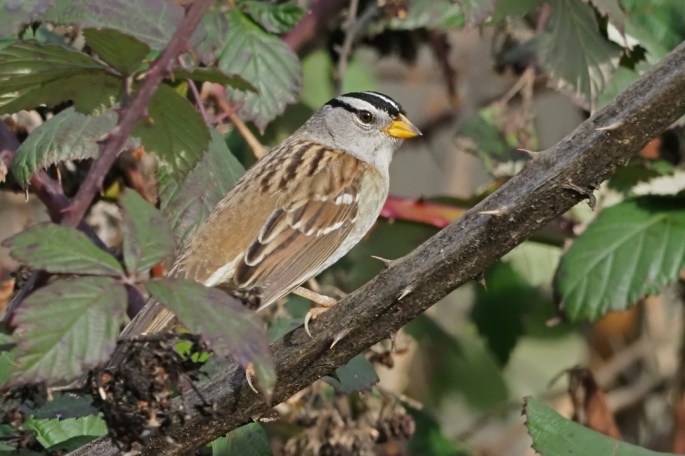 Rentenaar Road on Sauvie Island remains one of the better sites in the Portland area to find a nice diversity of winter sparrows, along with other songbirds and waterfowl. While this trip did not produce any rarities, there were plenty of birds and sunshine to make the trip worthwhile. White-crowned Sparrows, pictured above, are among the more common species.
 Golden-crowned Sparrows are usually the most common sparrow in the winter flocks.
 This Fox Sparrow kept close to the heavy cover.
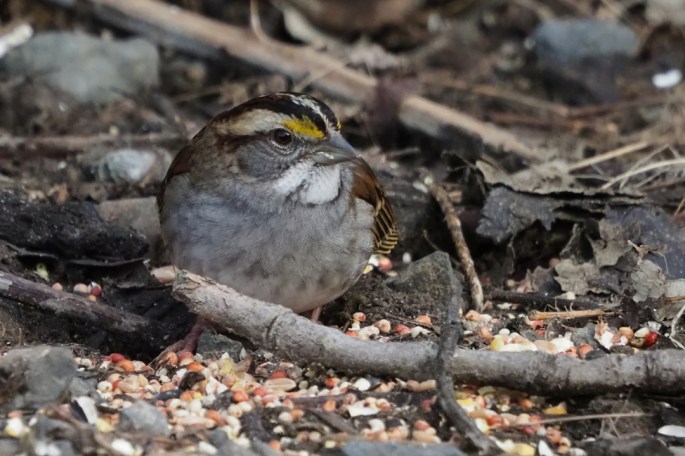 Once considered a rarity in this area, White-throated Sparrows are now reliable winter residents.
 Red-winged Blackbirds
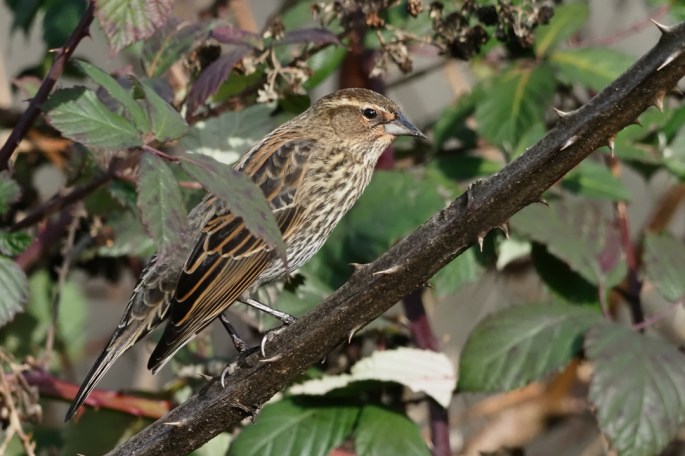
Another Red-winged Blackbird, showing off her colors
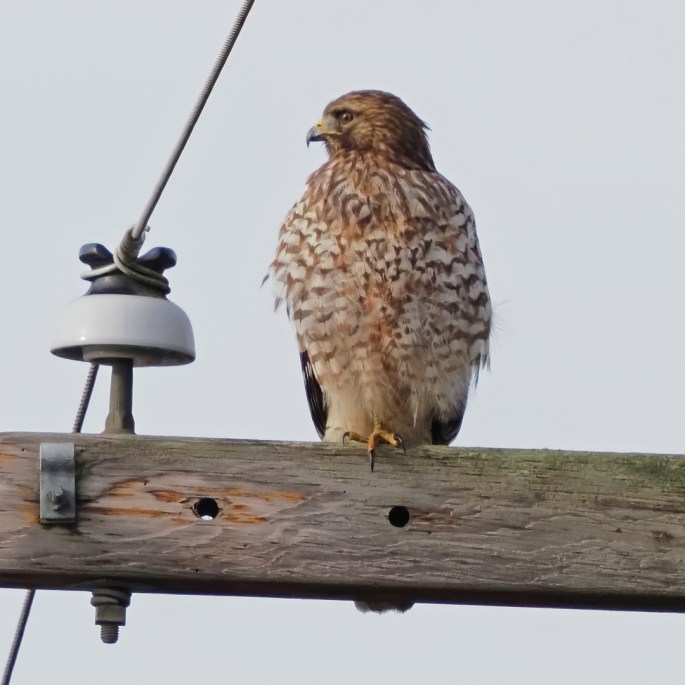 This Red-shouldered Hawk was the most unusual find of the day.
 Several birds were bathing in puddles in the road. Here a male Purple Finch cavorts with a female House Finch.
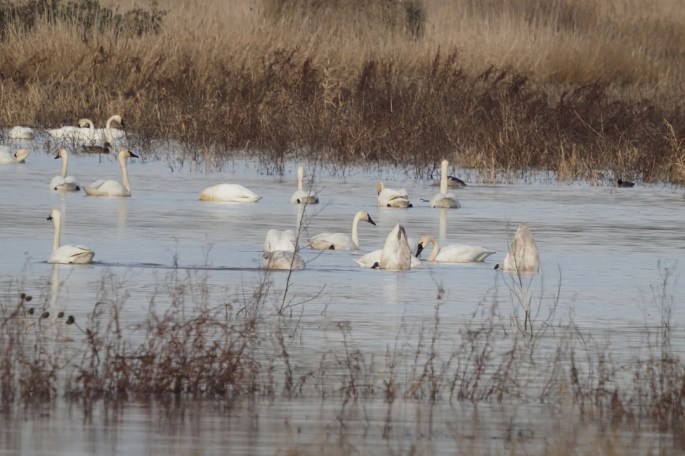 Waterfowl numbers were a little low on this trip. Ducks and geese face pretty heavy hunting pressure on Sauvie Island. Numbers should increase in the next month as hunting seasons expire and some birds start moving north. This flock of Tundra Swans kept their distance from the road.
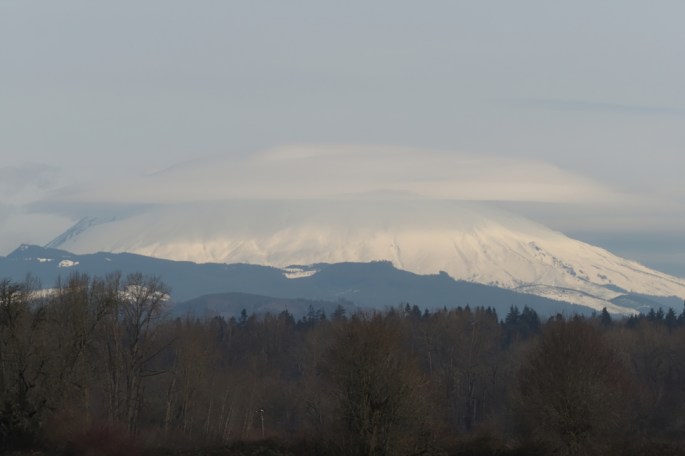 As the weather was clear on this day, there were nice views of Mount St. Helens, here with a lenticular cloud.
Happy Winter.
The end of the year brings cold wet weather and busy schedules, so I look forward to the start of the new year to get back out in the field. The weather is still bad most of the time, but schedules allow a better chance to get out if there is a dry patch.
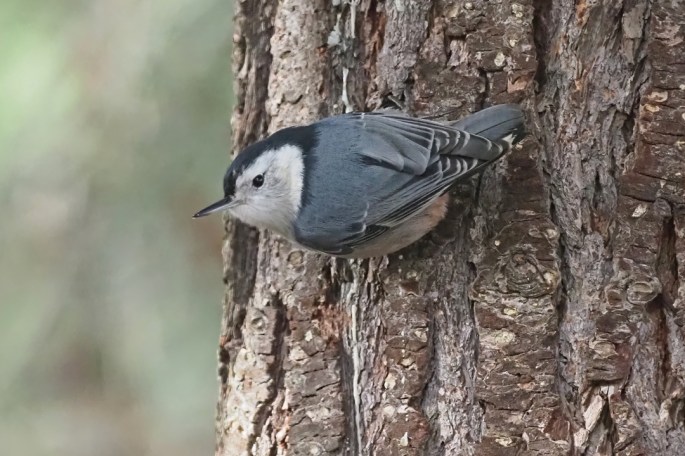
 This Golden-crowned Sparrow was foraging around the shrubs at the Hillsboro library.
 Here’s a young White-crowned Sparrow for comparison.
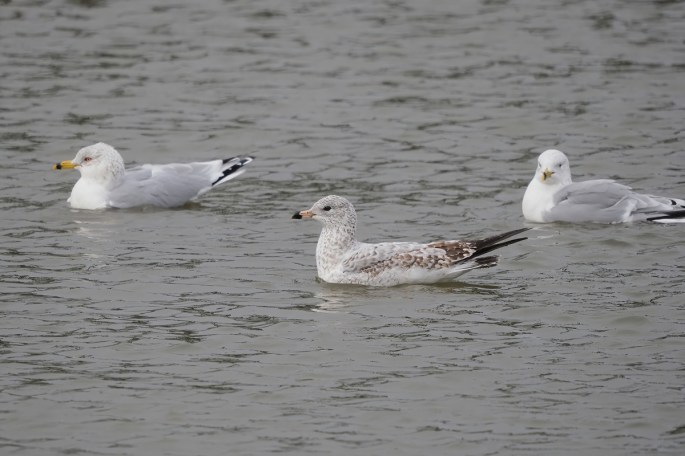 We still have about a month to enjoy a good diversity of gull species before they start to disperse. This first-cycle Ring-billed Gull was swimming with two adults.
 This Olympic Gull (Glaucous-winged X Western hybrid) was hanging out with the Ring-billed Gulls.
At least in western Oregon, January provides some really good winter birding. Get out and enjoy it before the February doldrums kick in.
Happy Winter
Like other national wildlife refuges in the Willamette Valley, Tualatin National Wildlife Refuge has limited access in autumn and winter. But the trail that is open can provide some good birding.

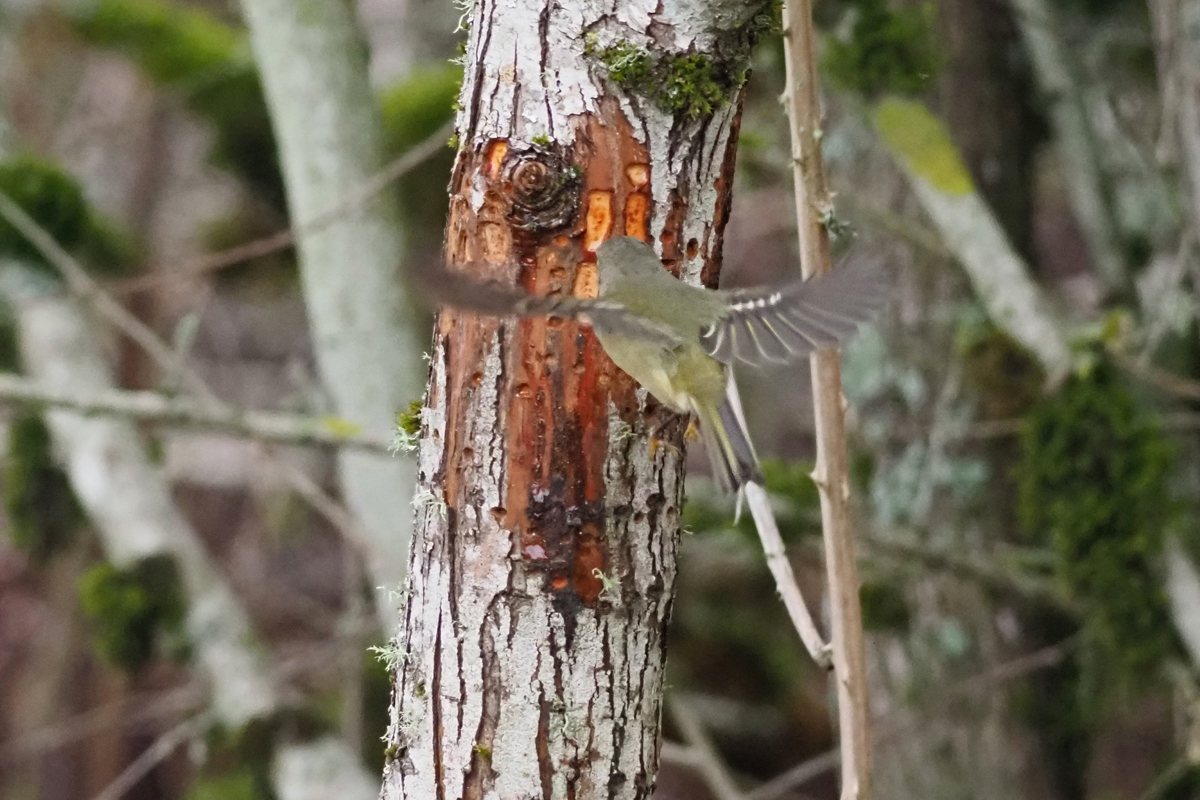
The highlight of this trip was a fresh sapsucker well that was attracting both Anna’s Hummingbirds and Ruby-crowned Kinglet. Sapsucker wells are an important source of nectar and insects for birds in the colder months.


Bewick’s Wrens spend much of their time buried in the depths of brush piles, but this individual popped up and posed for a few photos.
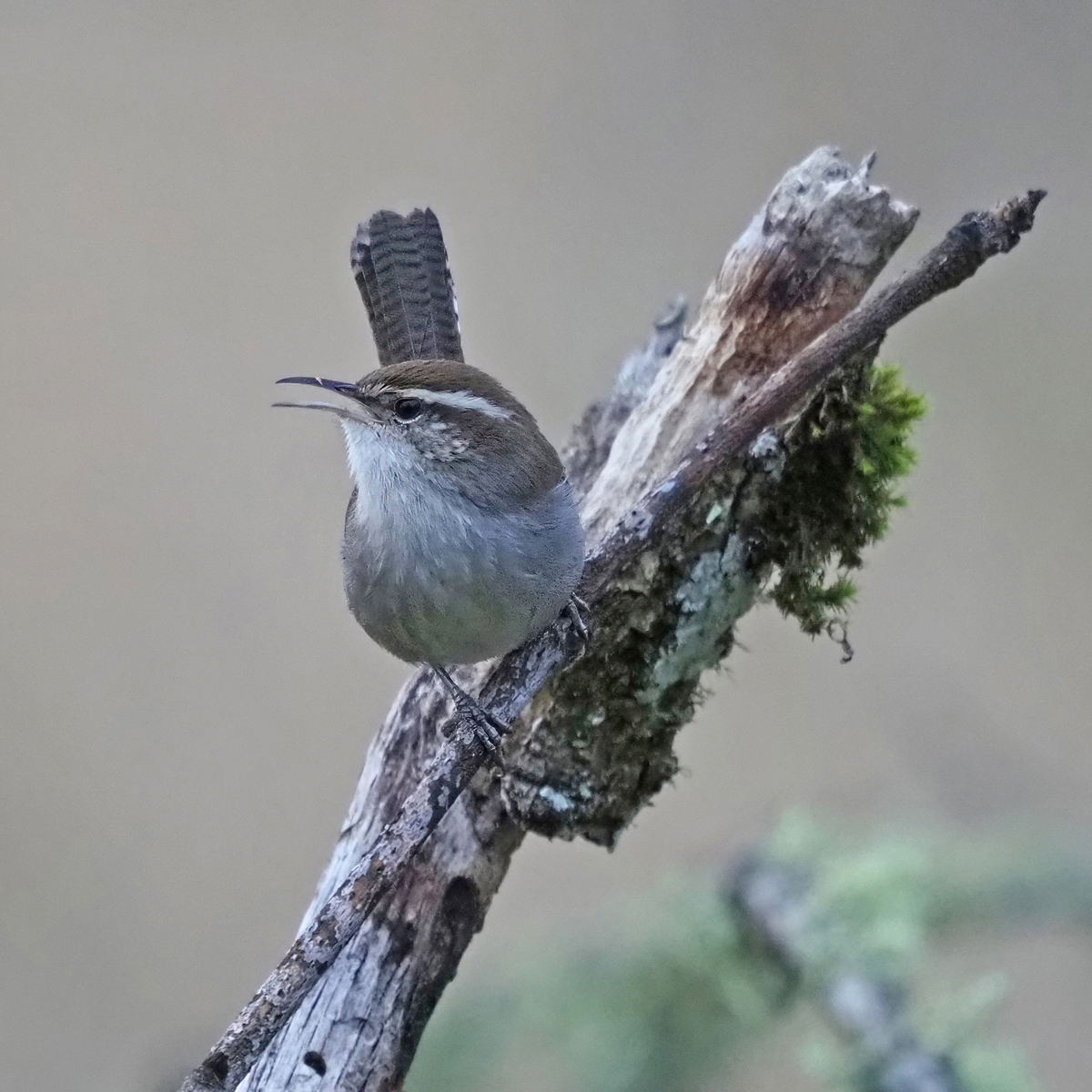
It is always worth the time to check out brushy hedgerows this time of year.

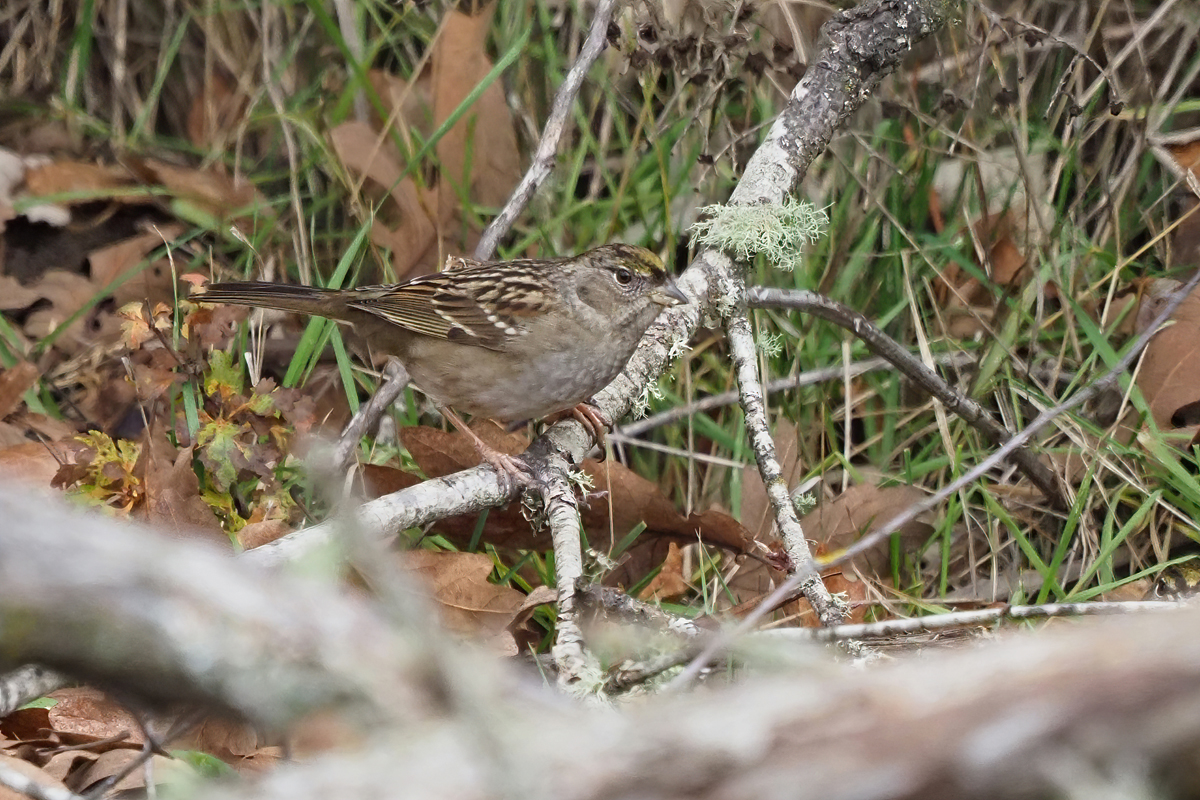

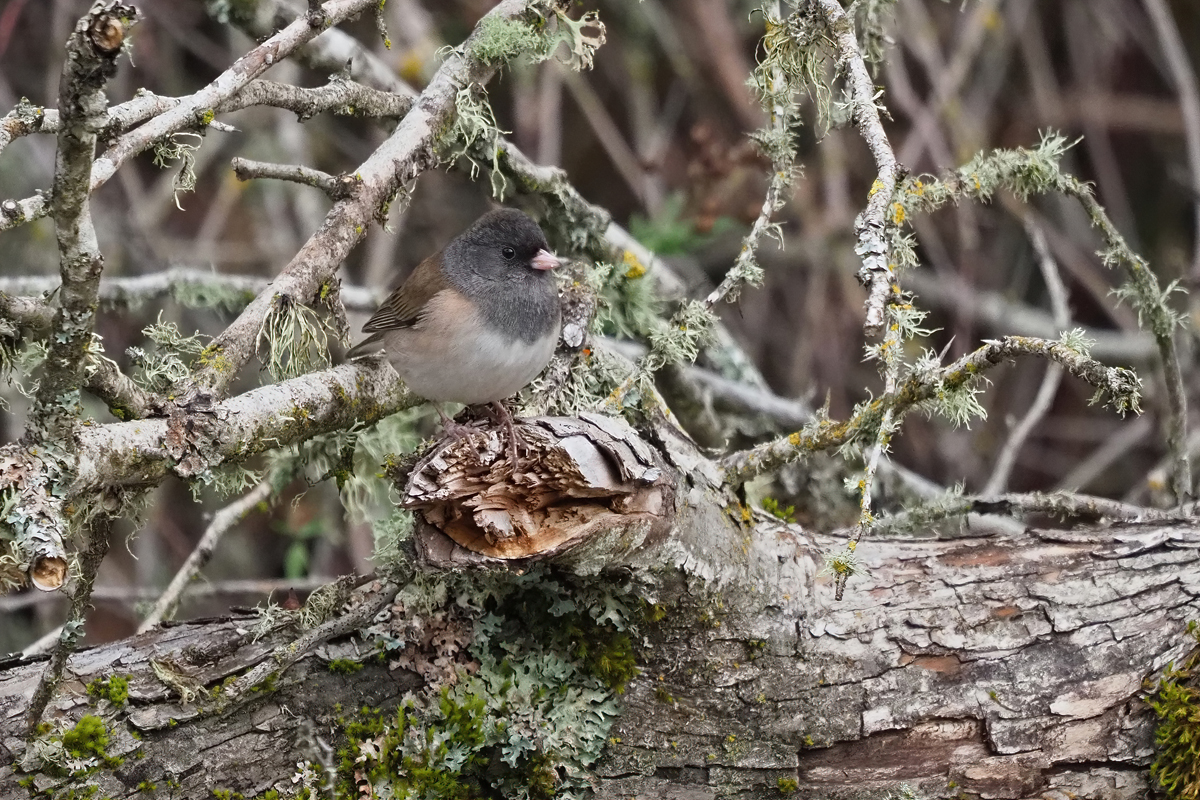
I don’t normally think of Dark-eyed Juncos as having a camouflage pattern, but this individual was doing a great job of blending in with his environment.
Happy Autumn
Late autumn and early winter is the time to find the biggest diversity of gulls in Oregon. I led a field trip to the coast at the end of October. Strong storms from the west had moved a lot of birds close to shore earlier in the week, but on the day we arrived, strong east winds had driven a lot of birds back out to sea. At least we didn’t get rained on.

At the Seaside Cove, a few gulls posed for us in the sun. This gull is mostly Western, but the streaking on the head and neck suggest some Glaucous-winged ancestry.

This is a fairly robust Iceland Gull (Thayer’s subspecies).
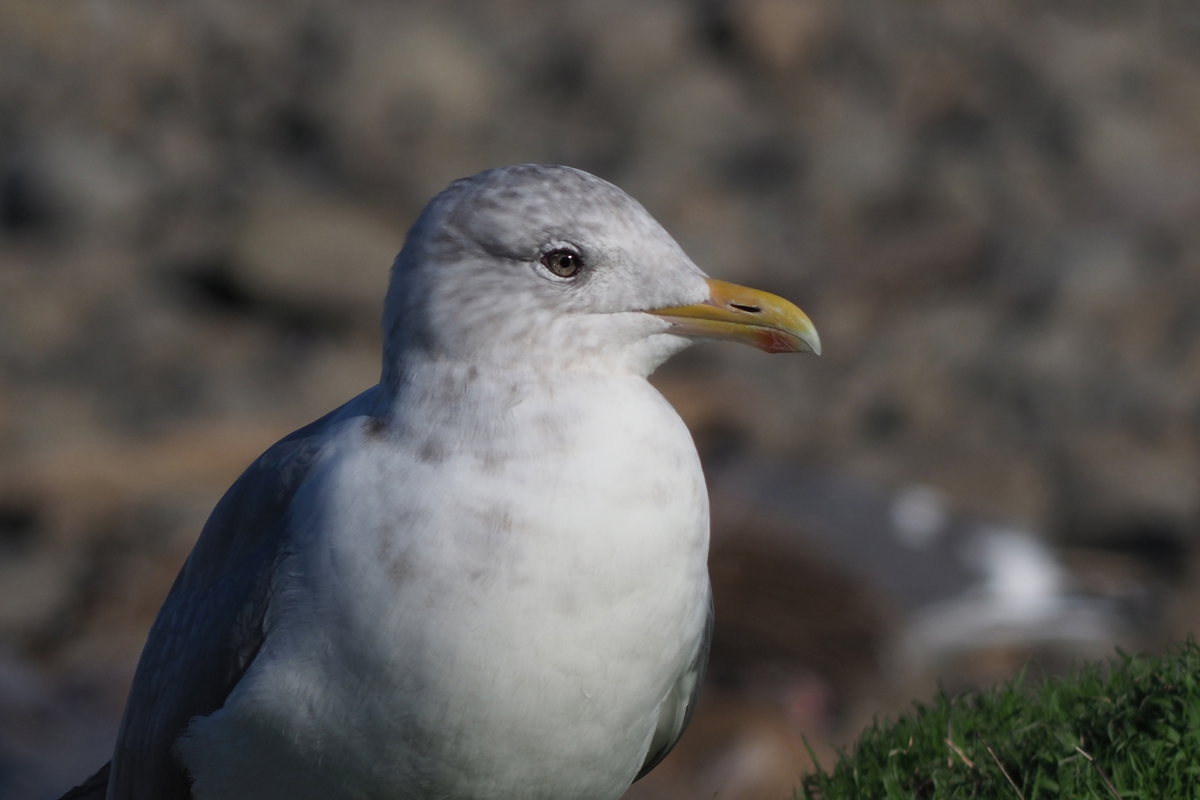
A closer look at the Iceland. The yellow bill will fade as the season progresses.
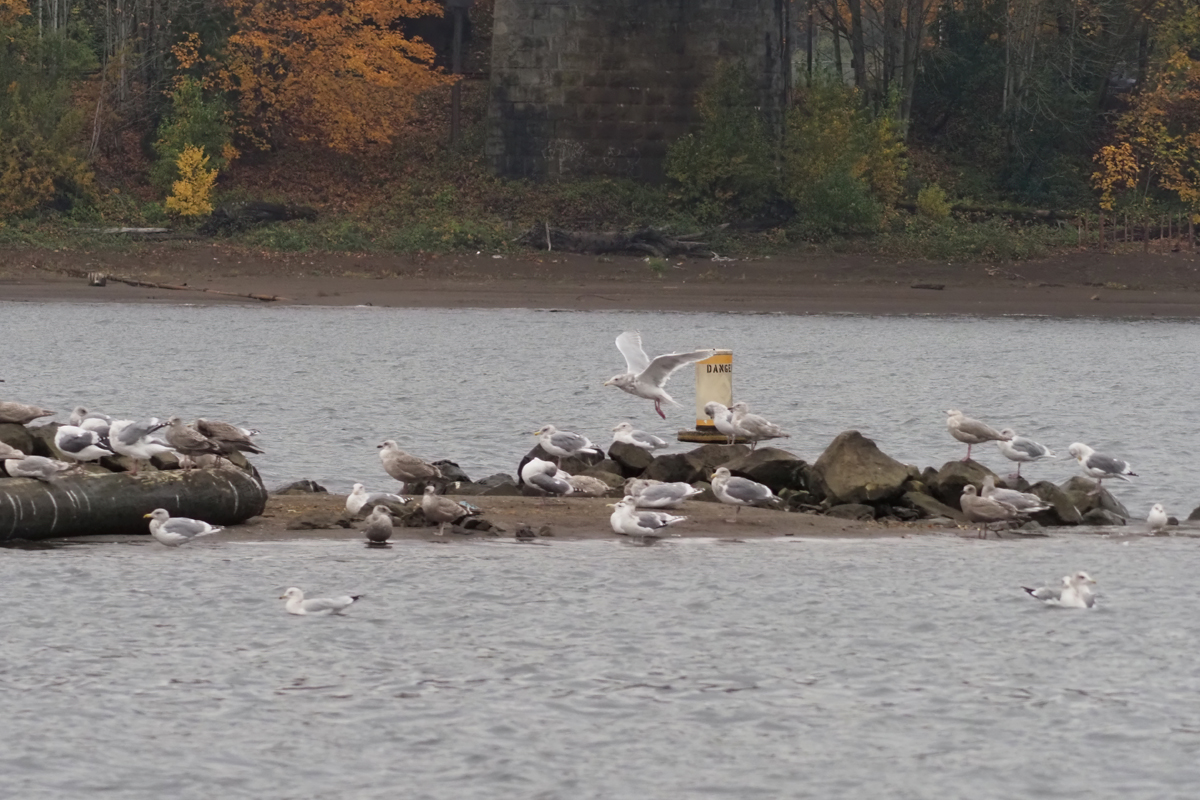
There aren’t a lot of places in the Portland area to get close looks at gulls anymore. This group was hanging out on a bar in the Willamette River. The flock was a mix of California, Ring-billed, Herring, Iceland, Glaucous-winged, Western, and a mass of messy hybrids.
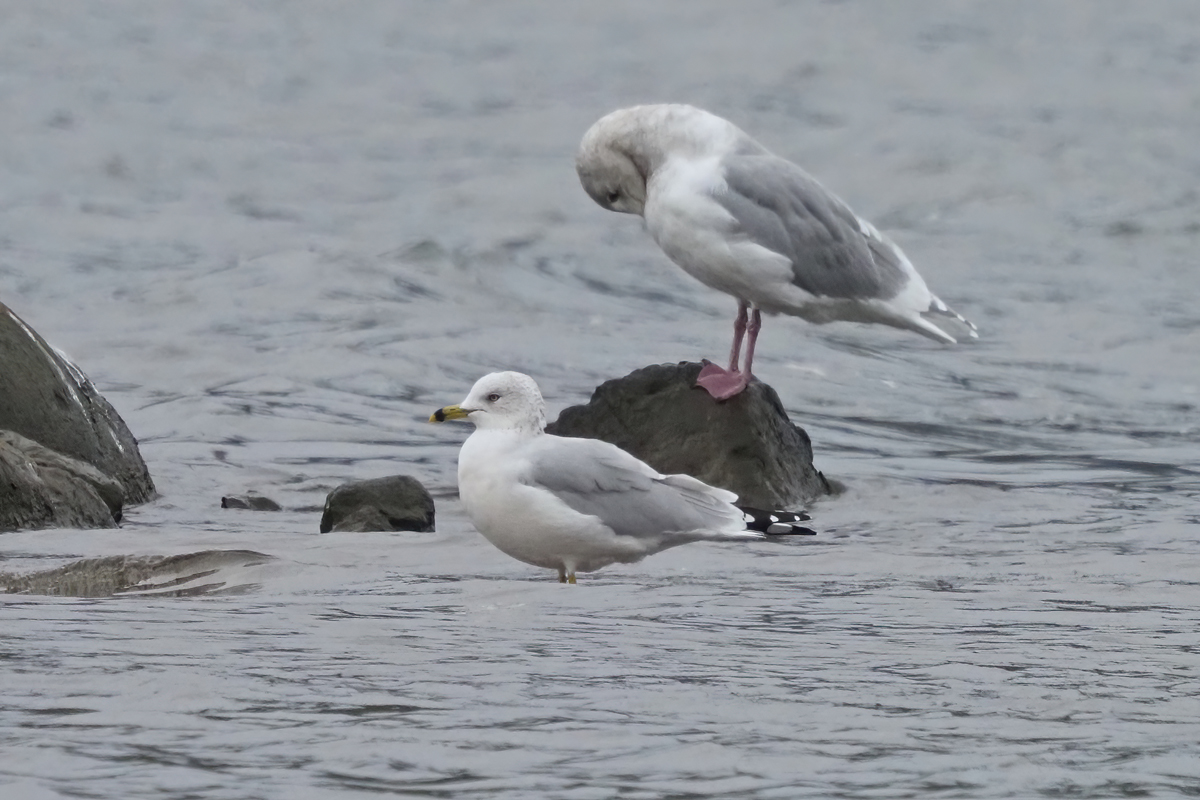
While scanning the genetic soup of confusing hybrids, it was refreshing to land on a Ring-billed Gull.

California Gull

While this bird ticks most of the boxes for Herring Gull, the bill seemed a little too heavy to me. This, combined with the primaries which were slightly less than jet black, suggest this might be a Cook Inlet Gull (Herring X Glaucous-winged).

This Glaucous-winged Gull was hanging out in a flock of Cackling Geese at Amberglen Park. I am guessing that the grazing geese were stirring up worms for the gull.
Happy Gulling!
Here are some non-waterfowl that I’ve seen in various wetlands recently.
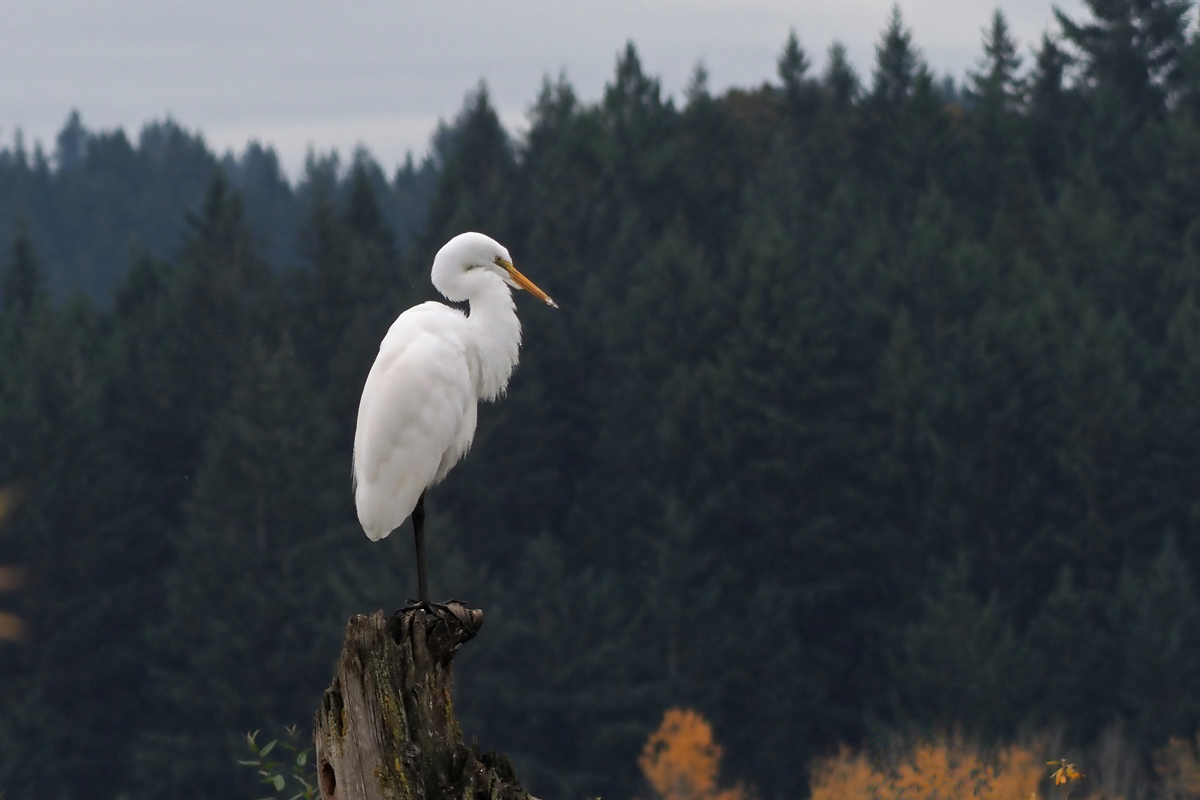
I often struggle with photographing white birds, but this Great Egret came out OK.

Most of the shorebirds have moved on, but a few Least Sandpipers are still around.
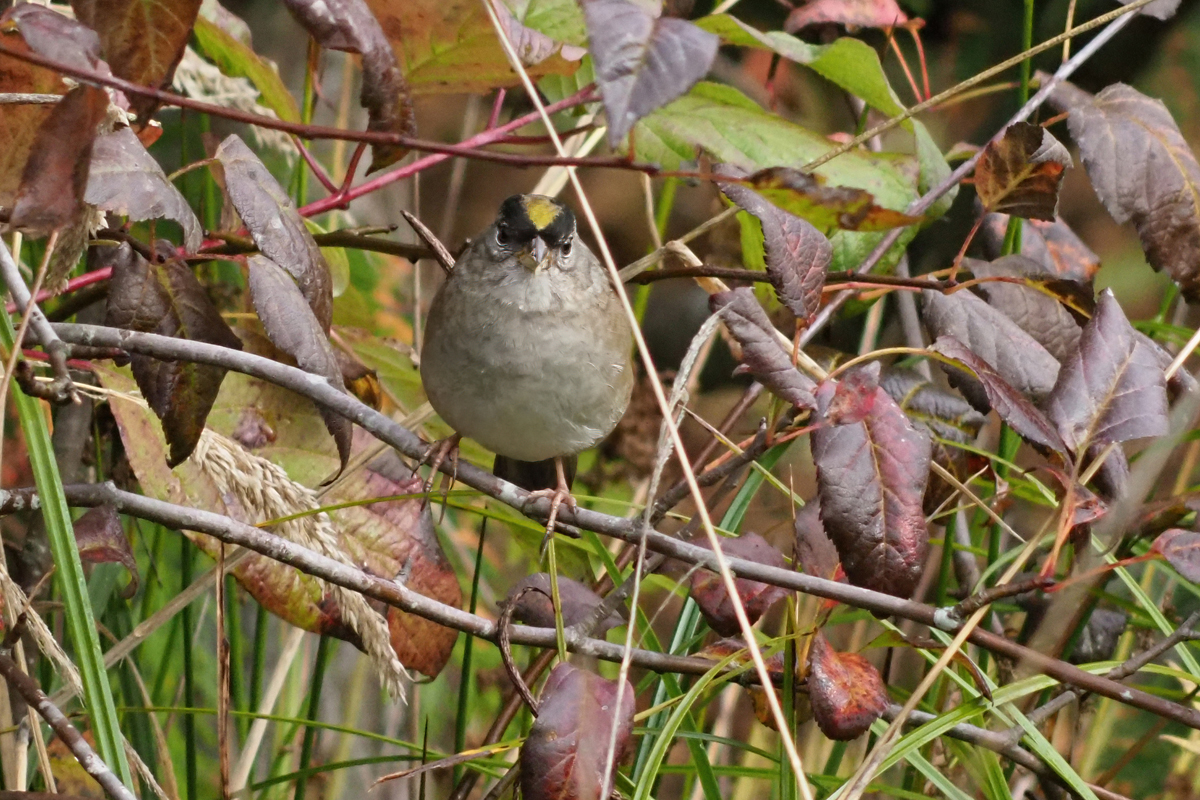
The winter sparrow flocks are building up. This Golden-crowned Sparrow was still sporting their breeding plumage.
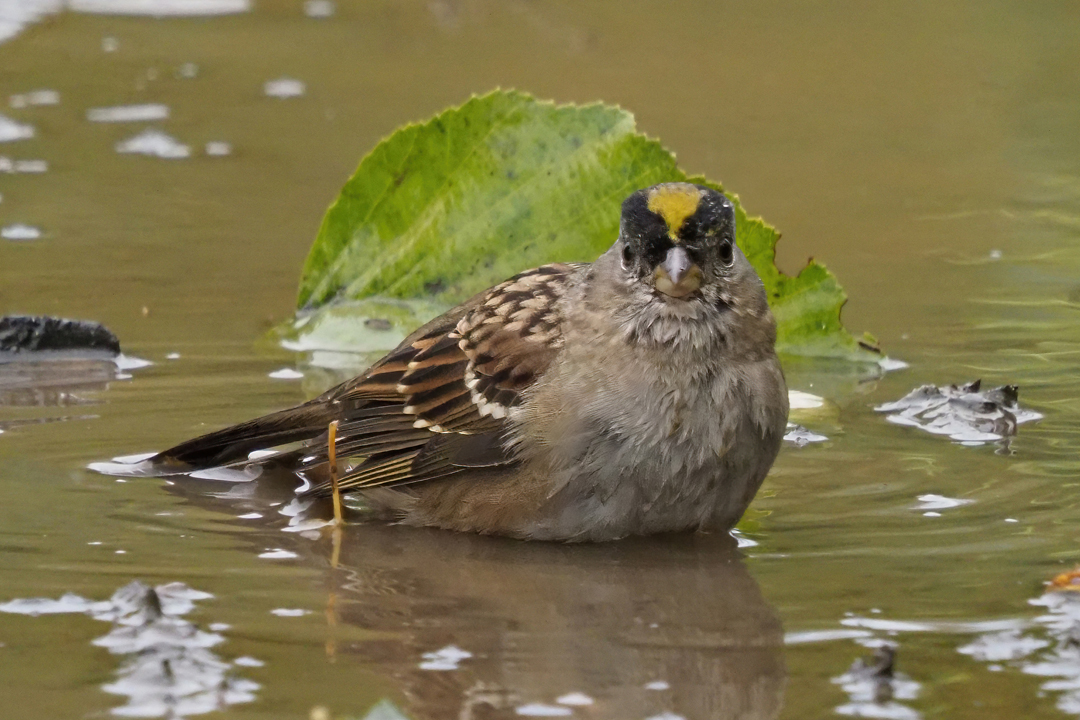
Golden-crowned Sparrow taking a bath

Song Sparrow
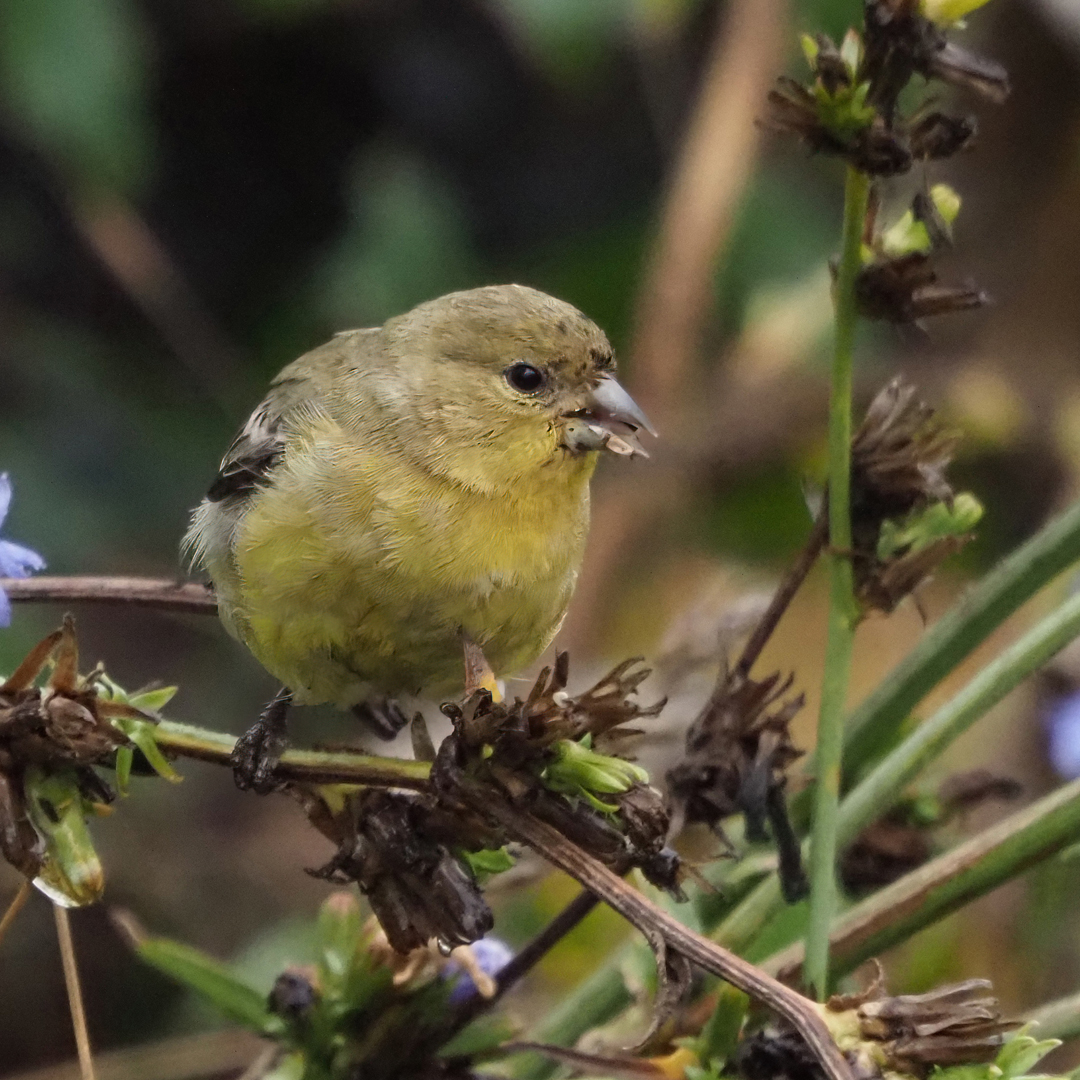
I remember when it was hard to find Lesser Goldfinches in the Portland area, but they usually outnumber American Goldfinches now.
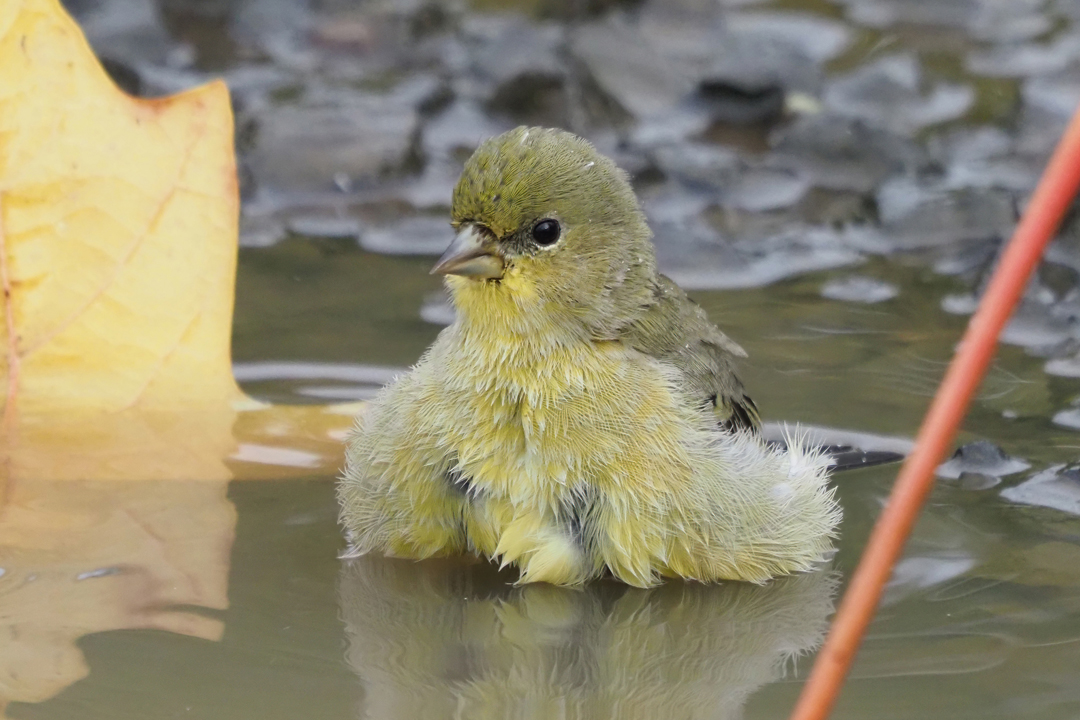
Lesser Goldfinch taking a bath


Belted Kingfisher sharing a perch with a European Starling

Red-winged Blackbird striking a pose
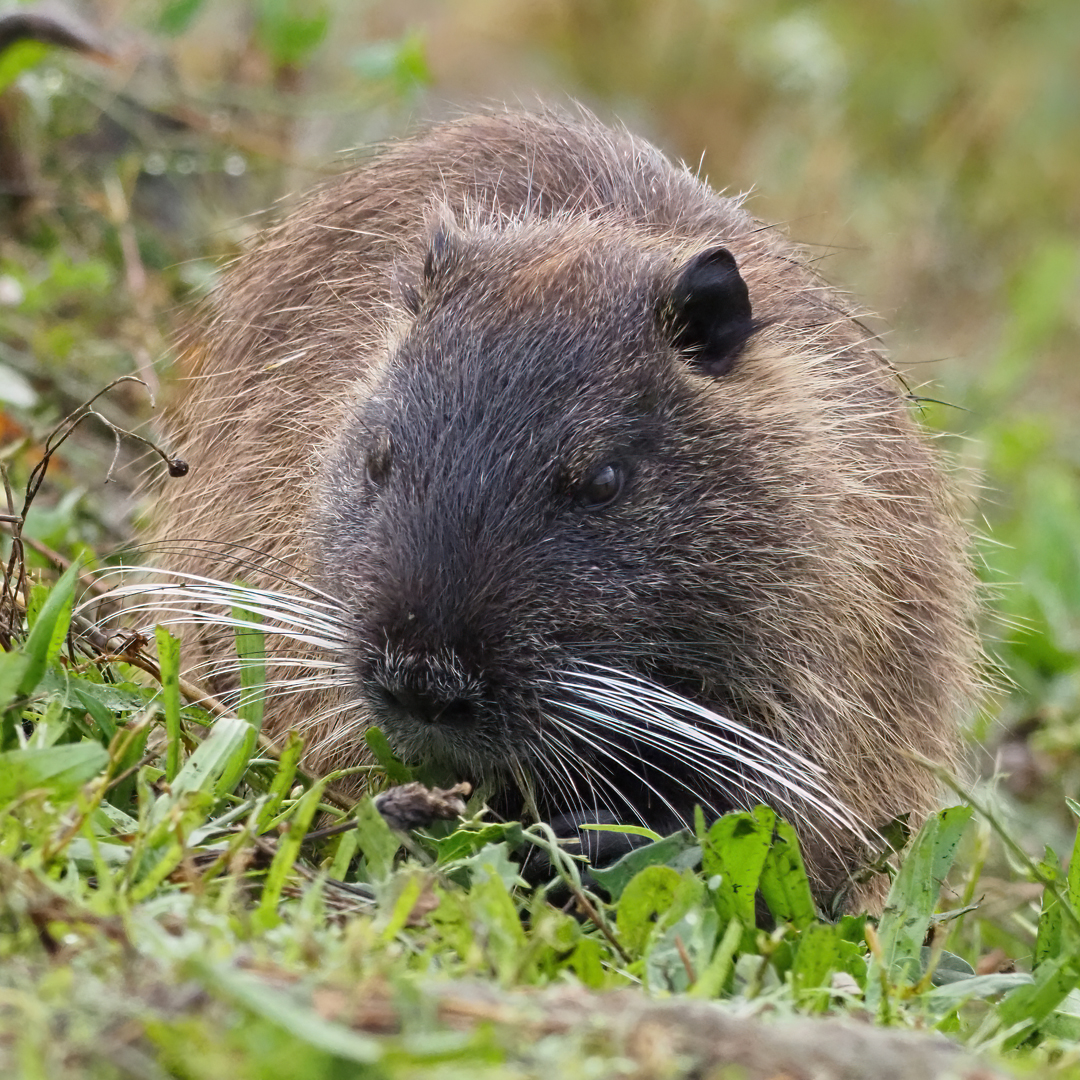
The numbers of Nutria in the Willamette Valley have exploded in recent years. The are indeed non-native and invasive, but the babies are so cute.
Happy Autumn

Waterfowl numbers have been increasing in the Willamette Valley as the rains have begun. This male Northern Shoveler is still in his drab summer plumage.

This Emperor Goose is currently a local celebrity in the Beaverton area, hanging out with the local ducks and Cackling Geese.

This Gadwall was hanging out at Koll Center Wetlands. A brick building at the edge of the pond creates those brown reflections in the water, which complement the colors on this duck.

American Coot having a snack

Green-winged Teal at Fernhill Wetlands

Common Merganser at Fernhill
Numbers of ducks and geese should continue to increase into November.
Happy Autumn.

