Stalled Spring

This March has been one of the coolest and wettest on record in the Portland area. Aside from keeping me indoors far more than I would like, the weather has created a bit of a stall in spring’s progress.
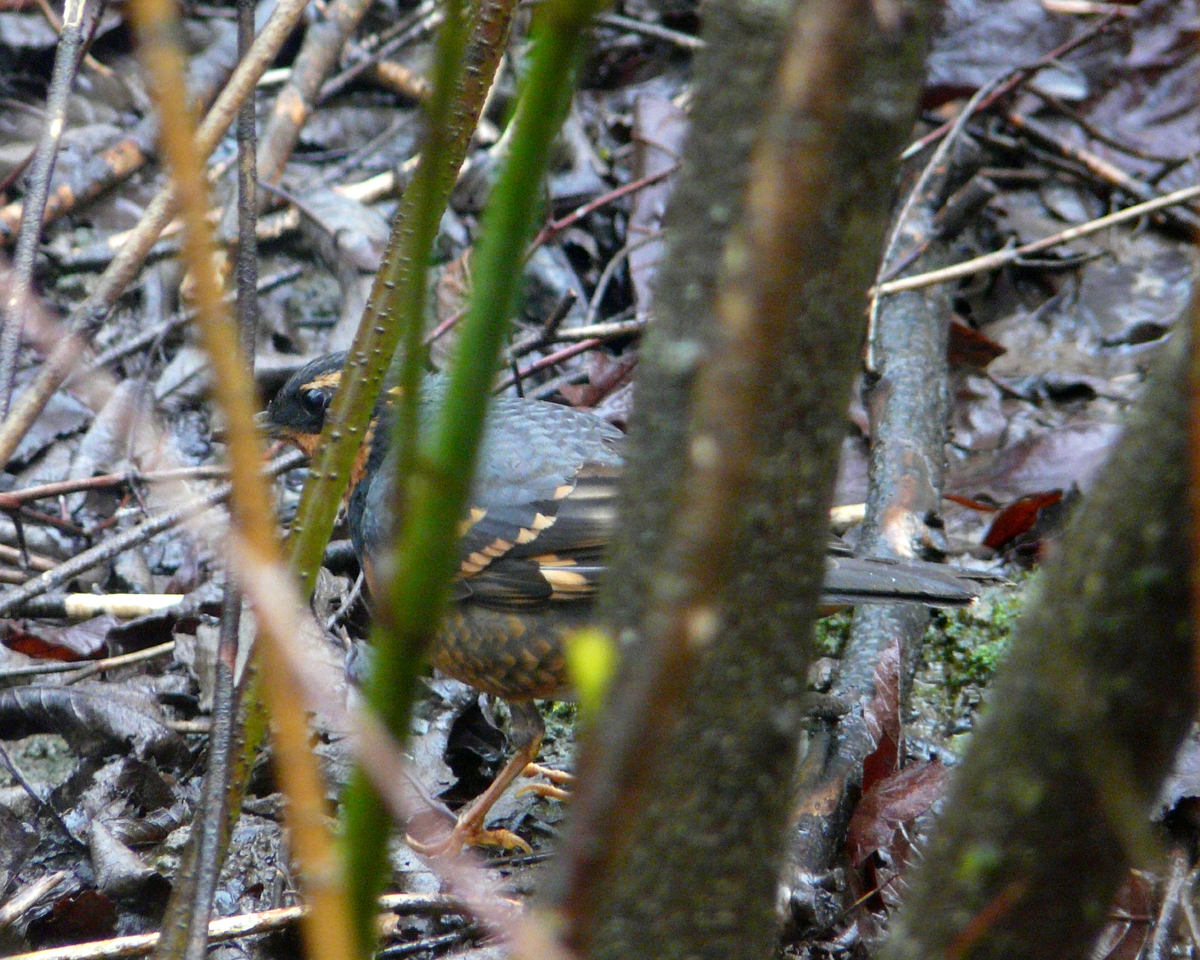

The winter residents, like this skulking Varied Thrush, have started to thin out. There are still a lot of waterfowl around, but gull numbers are greatly reduced.
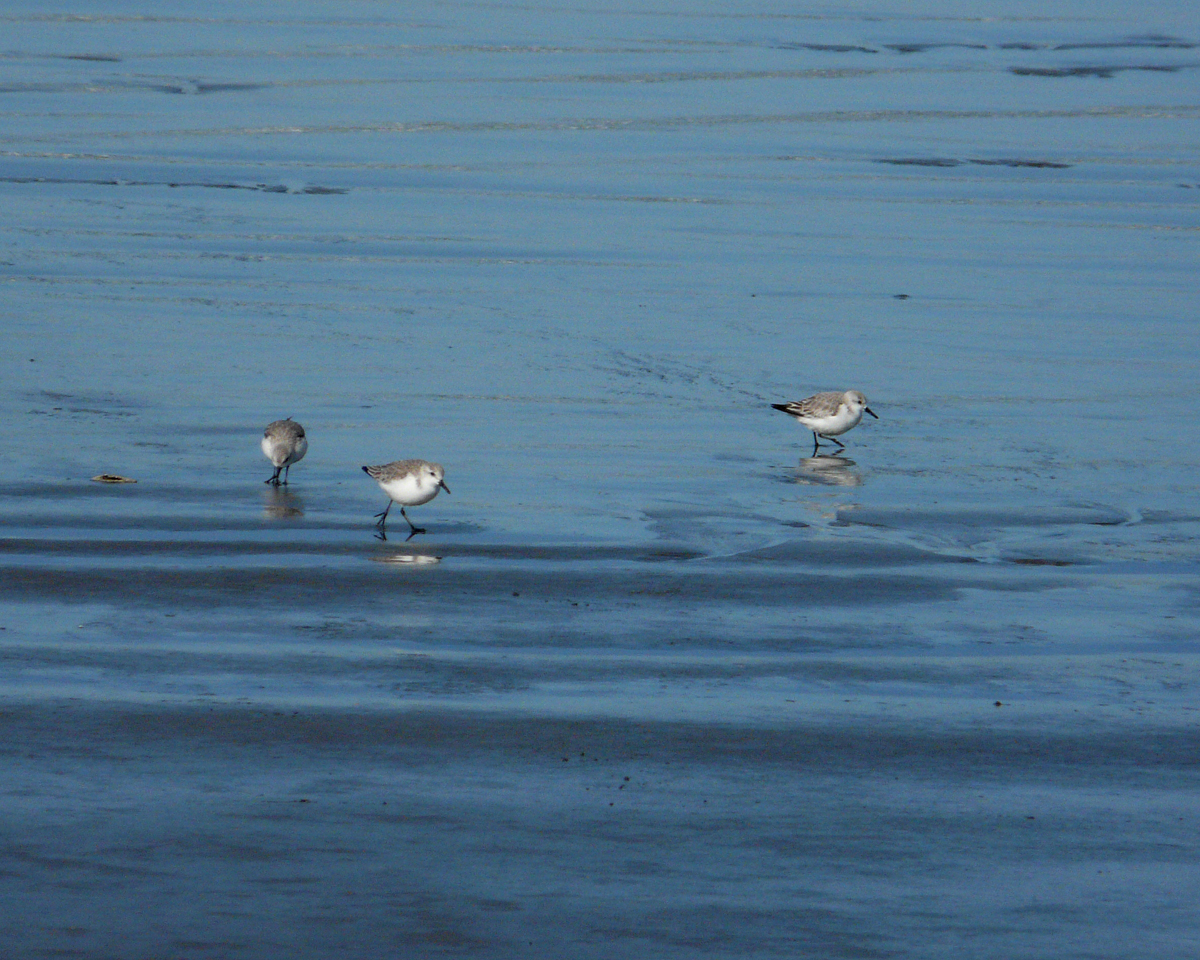

A long walk on the beach north of Gearhart produced a few Sanderlings, but the northbound shorebirds haven’t arrived yet.


Activity at the bird feeder has slowed down as the winter flocks are breaking up and the local birds start pairing up. Here is one of the resident Black-capped Chickadees.
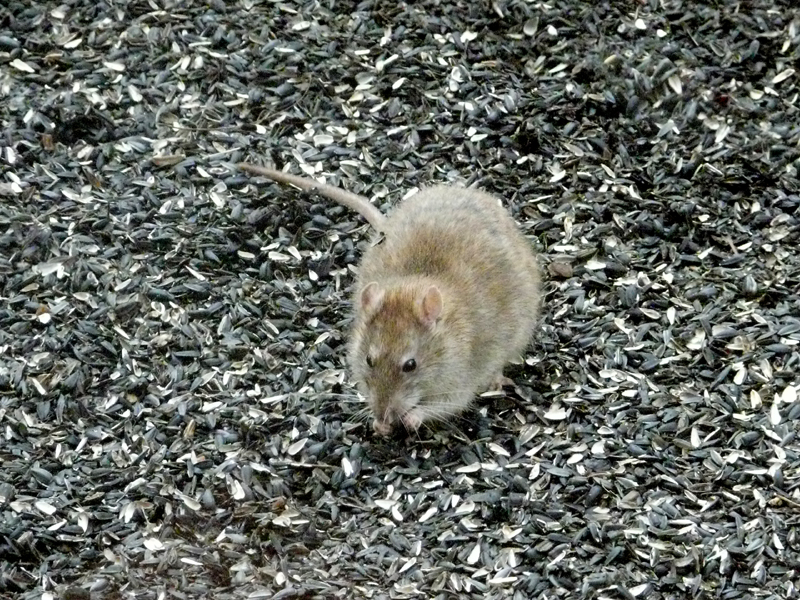

A Norway Rat has been taking advantage of the seeds the birds drop.
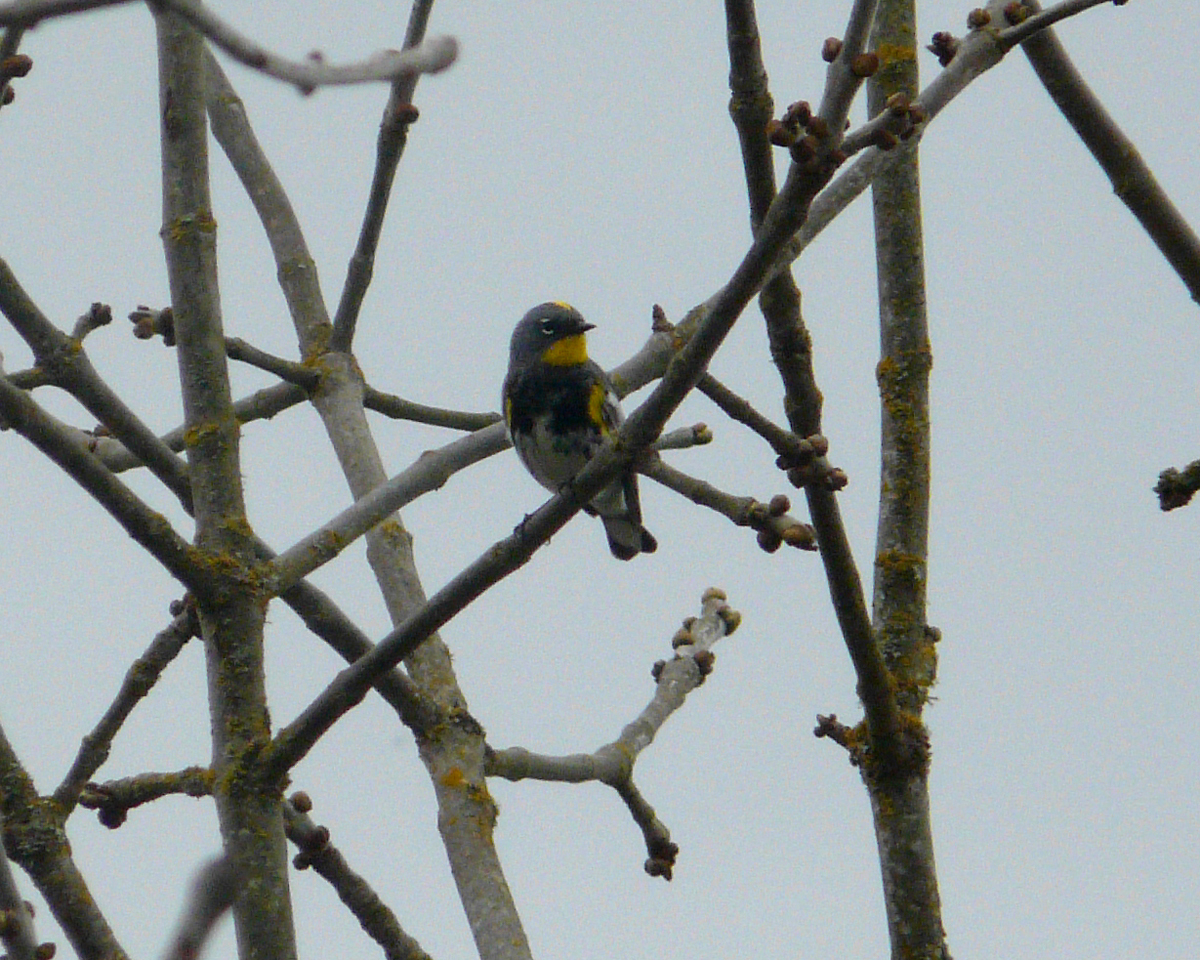

Despite the dreary weather, there are signs of the coming breeding season. This Yellow-rumped Warbler (Audubon’s race) is showing off his fresh breeding plumage.

When we experience long bouts of bad weather, and spending the month of March in Arizona sounds very appealing, we still need to get out into the field. Spring may be slow in coming, but there are still birds out there. Slow birding gives you the chance to study the common local species more carefully, and you never know what might turn up.
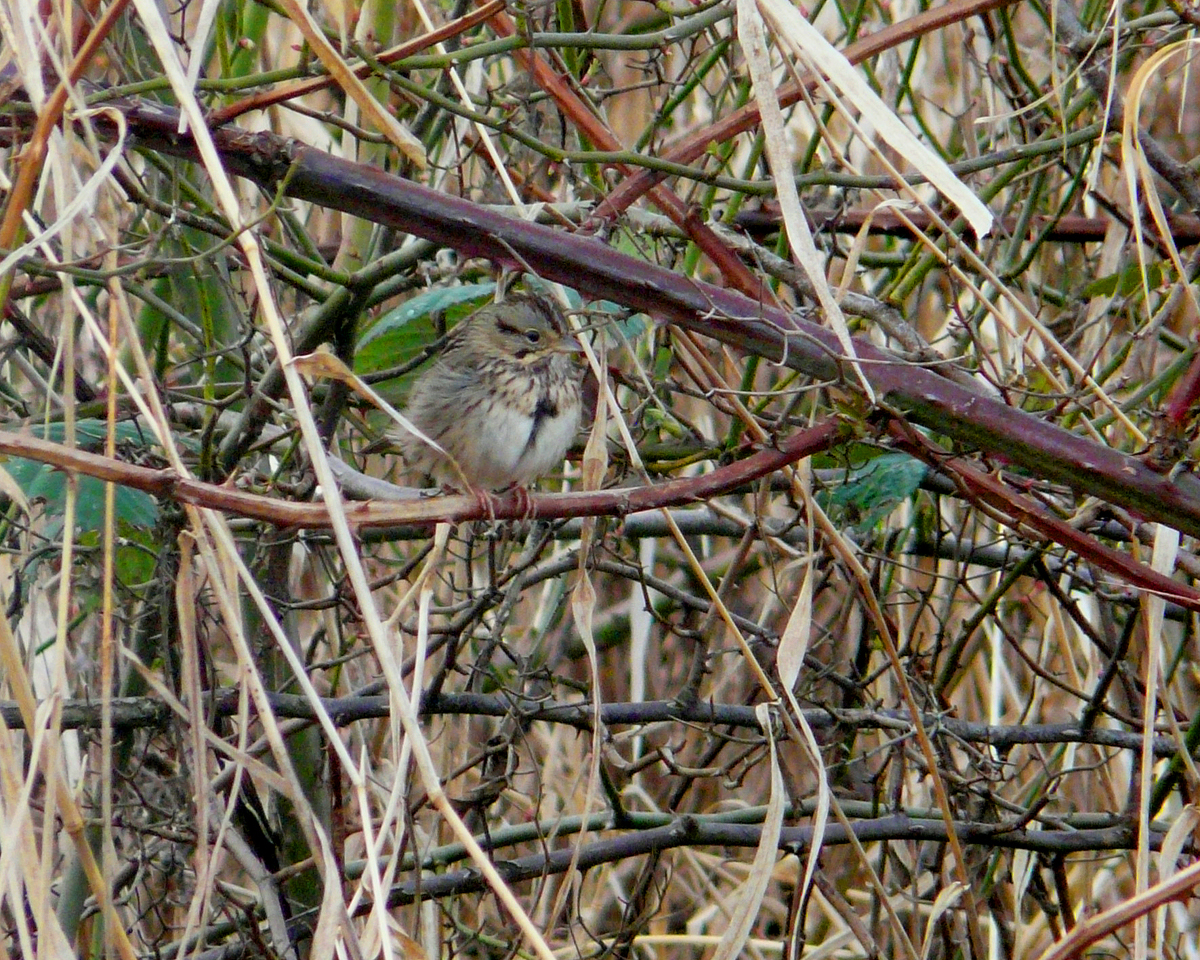
Lincoln’s Sparrow


I was headed to the coast early last Friday when I heard on the radio that the area was under a tsunami warning. While a true hard-core birder might have continued on, I decided to turn around and ended up walking parts of Sauvie Island instead. This Lincoln’s Sparrow was preening in a blackberry thicket along Rentenaar Road (Birding Oregon p.57). The dark spot and line on the bird’s breast are a result of the feathers being fluffed out.

This stretch of dirt road is one of the spots we will visit for my upcoming Little Brown Birds class for The Audubon Society of Portland. The Saturday field trip is full, but a few spaces remain on the Friday trip. For information, go to  http://audubonportland.org/trips-classes-camps/adult/classes/lbbs2011.

Eurasian and American Wigeons


It’s always nice when similar species pose side by side for direct comparison. These two wigeons, Eurasian on the left, American on the right, were engaged in some synchronized grazing. The female Eurasian Wigeon is a warm brown color, compared to the colder gray/brown tones of the American.


Male wigeons are easier. The Eurasian has a rusty head with just a hint of green behind the eye, and a clear demarcation between the pinkish breast and the gray vermiculated sides.

Barnacle Goose


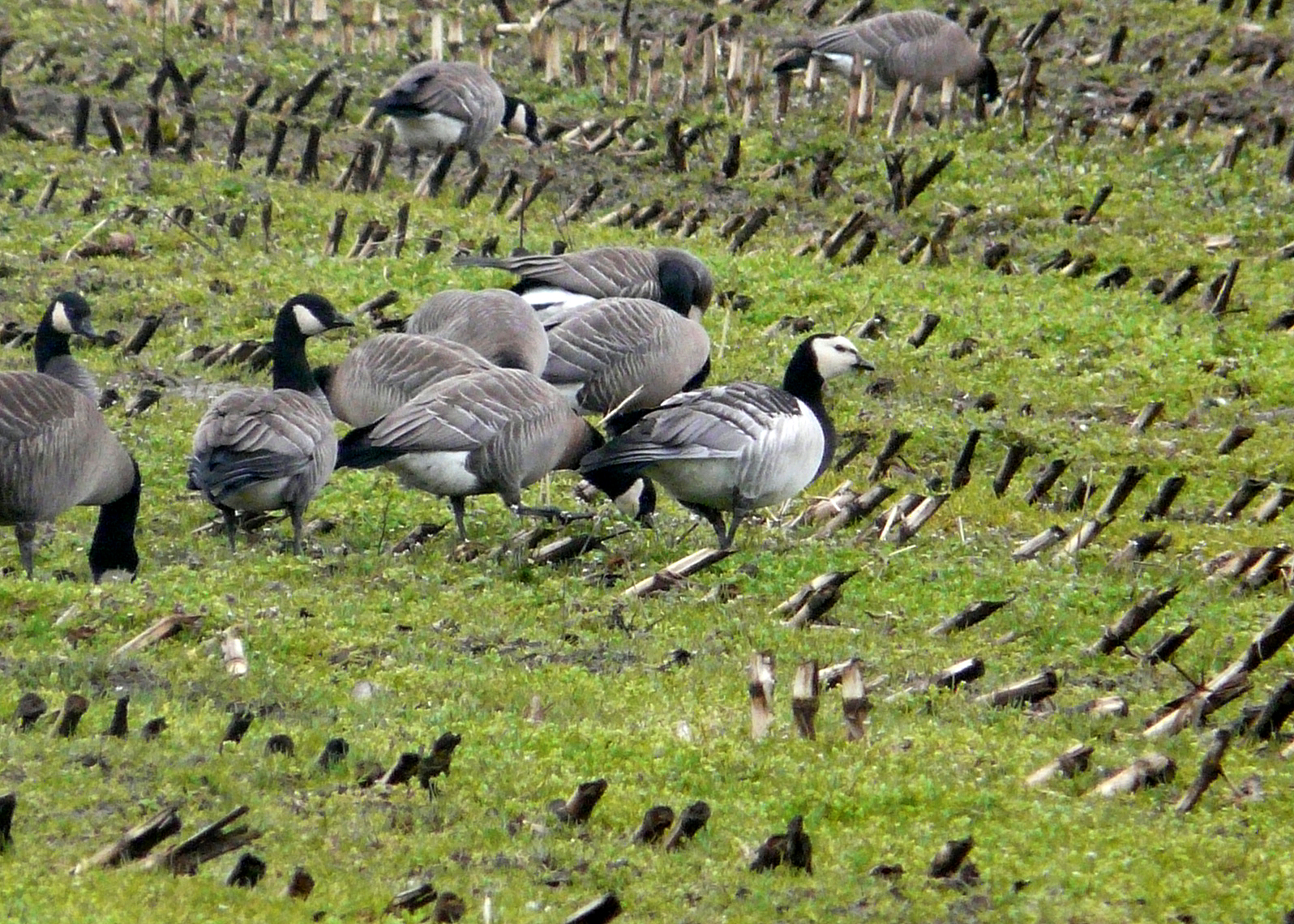
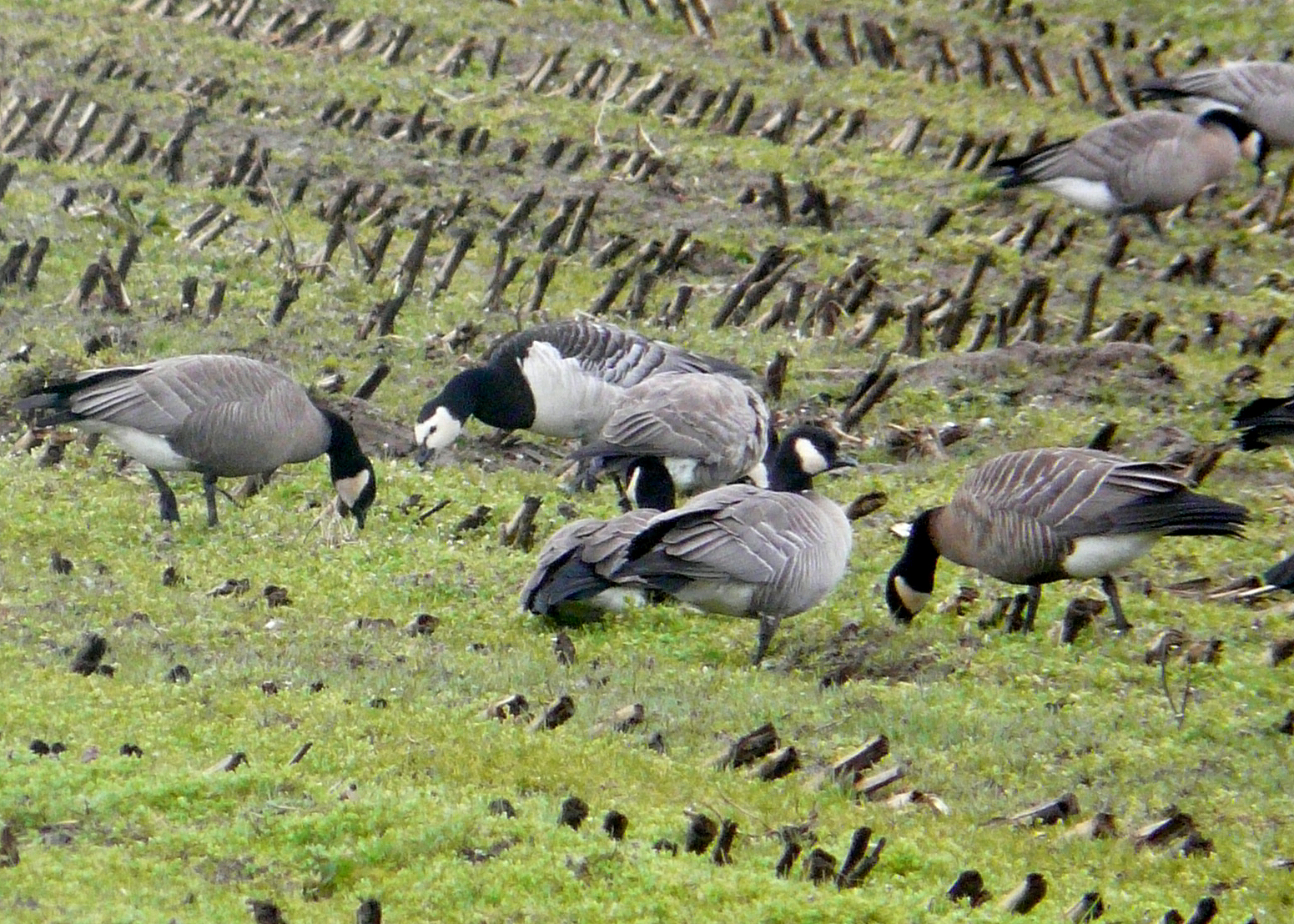
A Barnacle Goose was found at Ridgefield NWR in southwestern Washington this week. The bird was with a flock of Ridgeway’s Cackling Geese.


When an unexpected species of waterfowl appears, the discussion instantly turns to whether this is a “countable” bird (a bird that takes a wrong turn on its own to show up on  the wrong continent) or a bird that has escaped from captivity. Many species of waterfowl are kept in “collections,” and sometimes these birds escape their captors and join up with the locals. Many birders assume that a Barnacle Goose on the west coast of North America must be an escapee, or the direct descendant of an escapee. But the same could be said for every Eurasian Collared-Dove, European Starling, and House Sparrow currently in North America.

It is certainly plausible that a Barnacle Goose hatched in western Greenland, headed west instead of east, joined with a flock of Cackling Geese in the Arctic, and made his way to Washington. Populations of Barnacle Geese are increasing, and the species is showing up in eastern North America with greater frequency. At some point it seems inevitable that this species will occur in the western U.S. Unfortunately, the only way to prove where the bird came from would be if the bird had been banded on the nesting grounds. This particular bird wears no band, nor does he show any signs of captivity (clipped hind toes or unusual feather wear).


Given that this bird is associating with a flock of Ridgeway’s Cackling Geese (another long-distance migrant from the Arctic), and shows no sign of former captivity, I am inclined to consider him a naturally occurring vagrant. Of course, the goose doesn’t care what we call him. Whatever his origins, I am grateful for the opportunity to see a free-flying Barnacle Goose  without my having to visit Greenland or Scotland to do so.

Brewer’s Blackbird


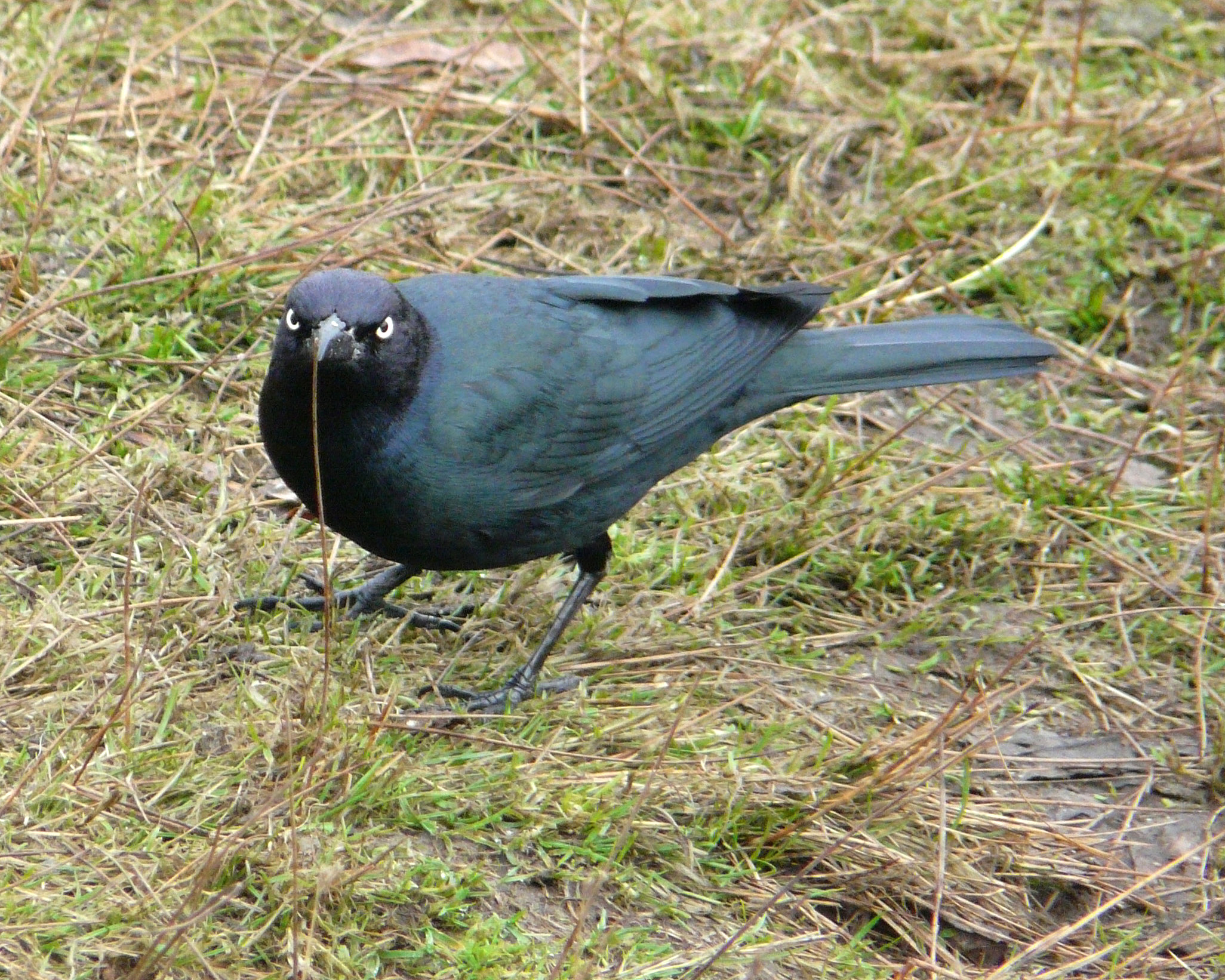
Brewer’s Blackbird is one of my favorite local species, with their subtle coloring and tame nature, but I have yet to get a decent photo of one. I am usually foiled by the challenge of photographing a black bird in a bright background. This individual insisted on hiding behind a single pine needle.


Here we see a male Brewer’s feeding by inserting his bill into the ground vegetation, then opening his bill to pry the vegetation apart in hopes of finding a food item. This is a common feeding method used by European Starlings, but I hadn’t witnessed it in Brewer’s Blackbird before.

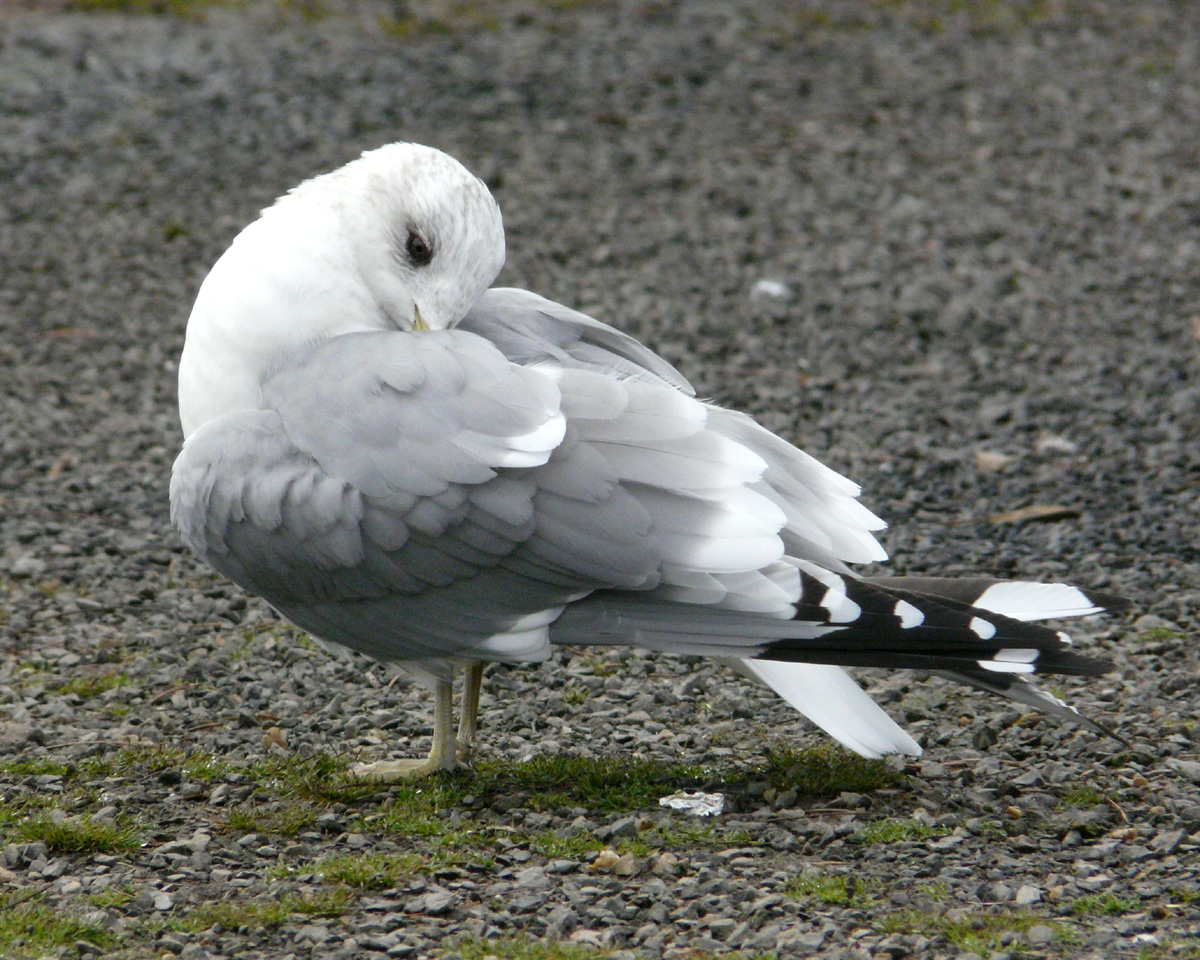
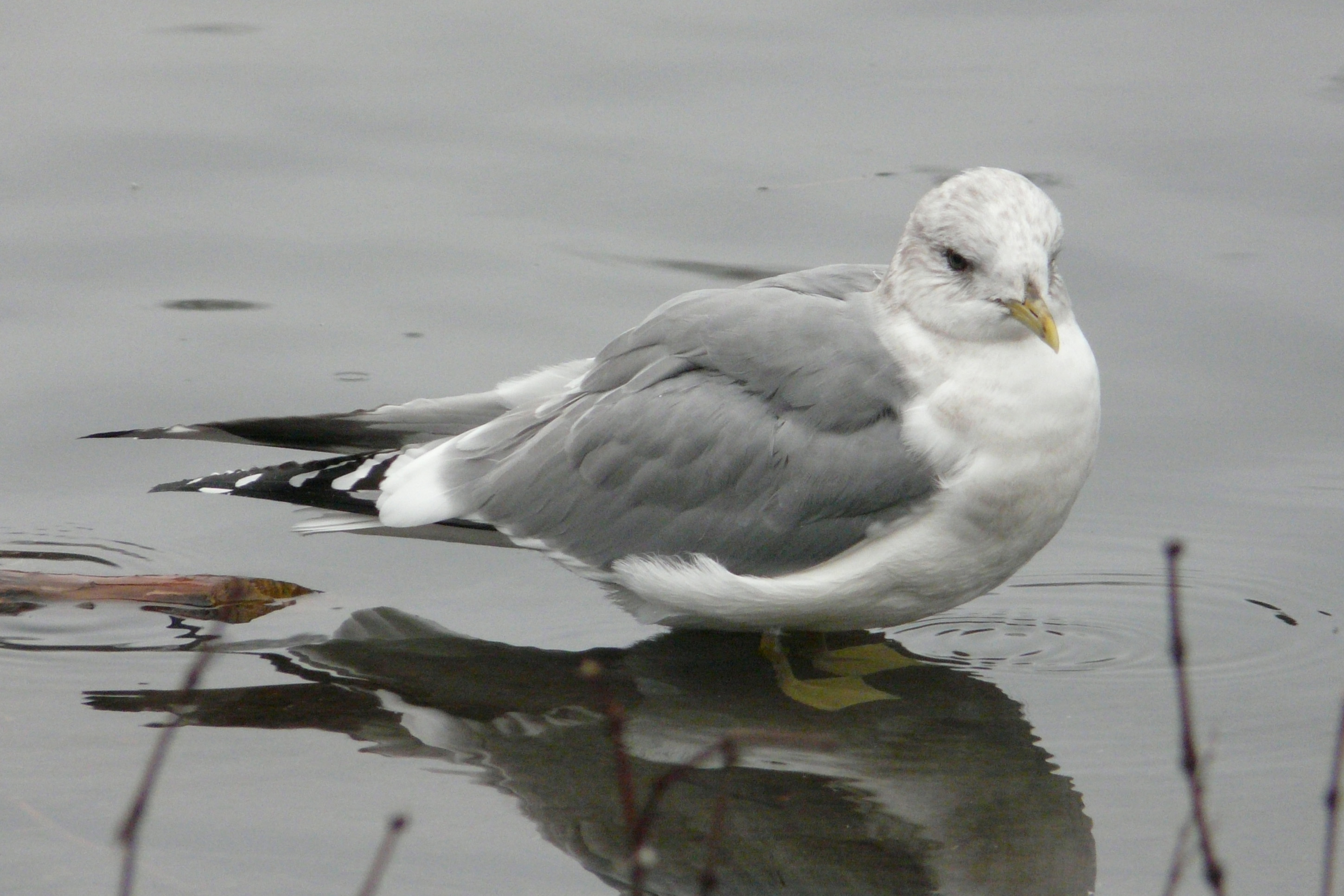
Mew Gull


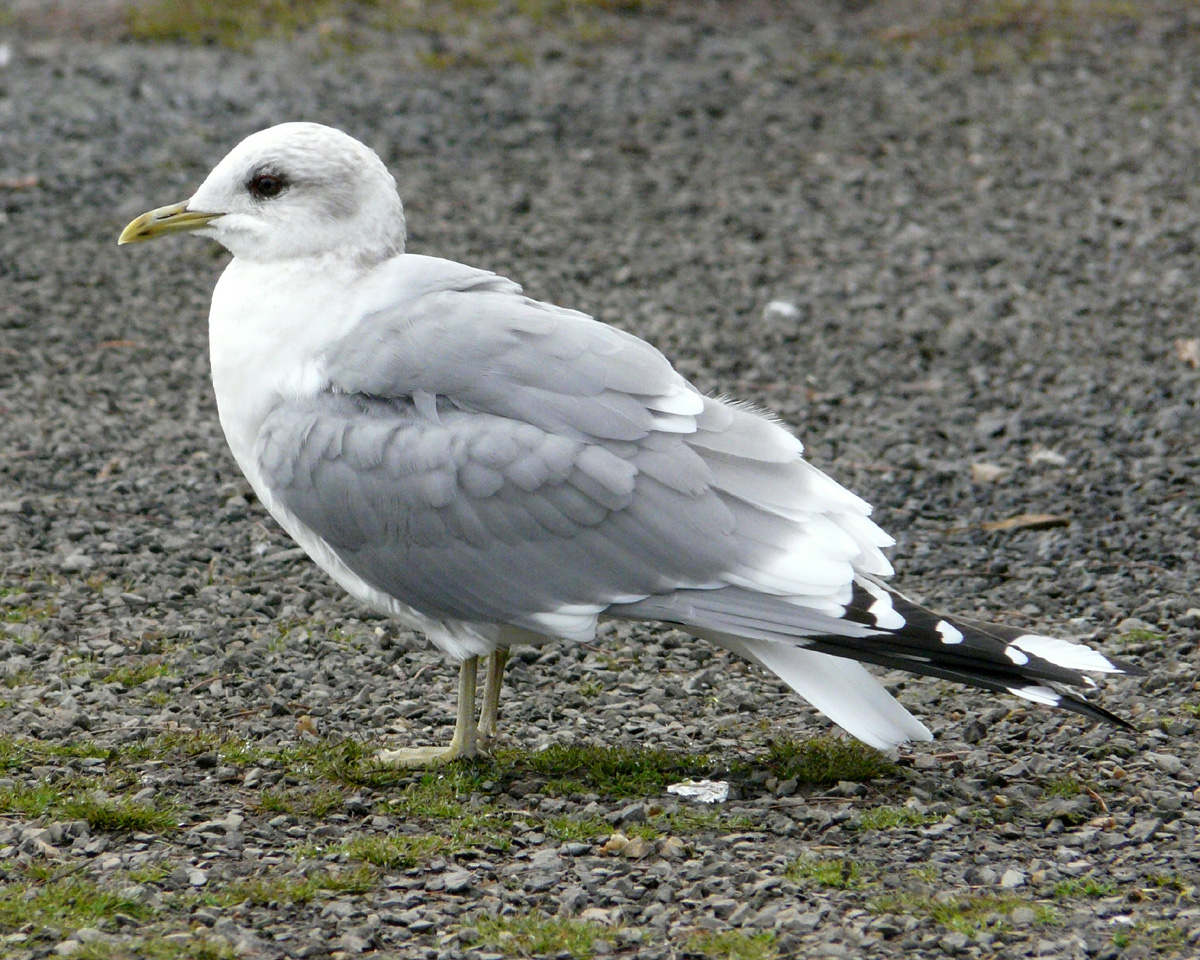
As gulls go, Mew Gulls are very petite. They are instantly recognized by their round head, dark eye with a brick-red orbital ring, long wings, yellow legs, and thin bill with just a hint of a “ring” in winter.


Mew Gulls have a very large white mirror on the outermost primary (P10) and a fairly large one on P9. On flying birds, the amount of white in the wingtips helps to differentiate Mew Gulls from Ring-billed Gulls from quite a distance.


Mew Gull bathing.


Mew Gulls are common in winter along the Oregon Coast (usually at river mouths and in meadows) and in the Willamette Valley. Due to their small size, they normally form single-species flocks or associate with Ring-billed and California Gulls, avoiding concentrations of larger gull species.

Yellow-bellied Sapsucker


This Yellow-bellied Sapsucker has been seen in southeast Portland for the past week. It is a young male, molting into his first adult plumage. The timing of this bird’s molt is key to distinguishing him from the very similar Red-naped Sapsucker. Young Red-napes achieve an adult-like head pattern by early October, while young Yellow-bellies gradually attain this pattern over the winter.

Yellow-bellied Sapsuckers normally winter across the the southeastern U.S. and into Central America. They breed across Canada and the northeastern U.S. Red-naped Sapsuckers are common breeders in eastern Oregon, only occasionally occurring west of the Cascade Crest, and winter in the southwestern U.S. and Mexico.

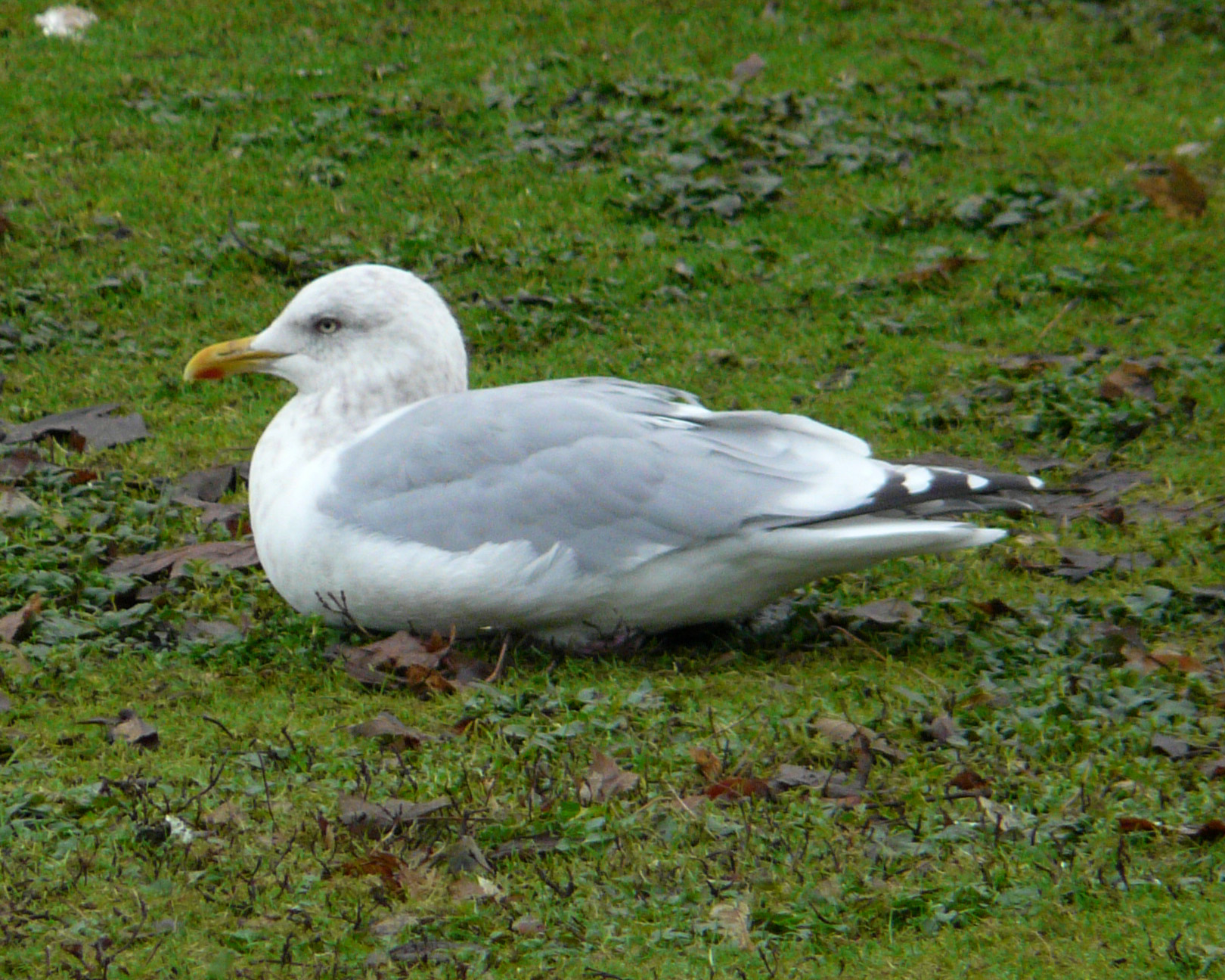
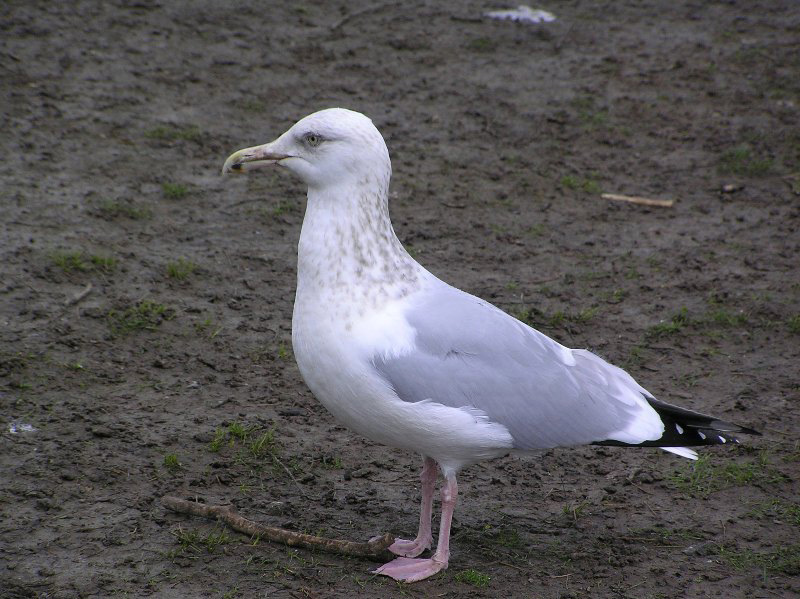
Thayer’s and Herring Gulls

Once considered to be part of the same same species, Thayer’s and Herring Gulls can appear quite similar at first glance.The pattern on the spread wing is very different between the two, but that doesn’t help you with birds at rest.


Here is a Thayer’s Gull on the left, and a Herring Gull on the right. In direct comparison, we can see that the Thayer’s has a slightly darker mantle, rounder head, dark eyes (usually), and a bill that is greenish-gray at the base and yellow at the tip.


Here is a closer look at the Thayer’s Gull. This is probably a male, given the long bill and slightly sloping forehead. Note the color pattern on the bill, typical of Thayer’s Gulls in winter.


Another Herring Gull, probably a female. This bird has a smaller bill and a slightly more rounded head than the bird in the first photo, giving this individual a more Thayer’s-like quality. Note the all-yellow bill, the pale eye, and the light gray mantle.


This Herring Gull, probably a male, has a larger bill and a more sloping forehead.


This is a first-cycle Thayer’s Gull. Note the round head and small bill. The overall color is rather pale, with fine markings.


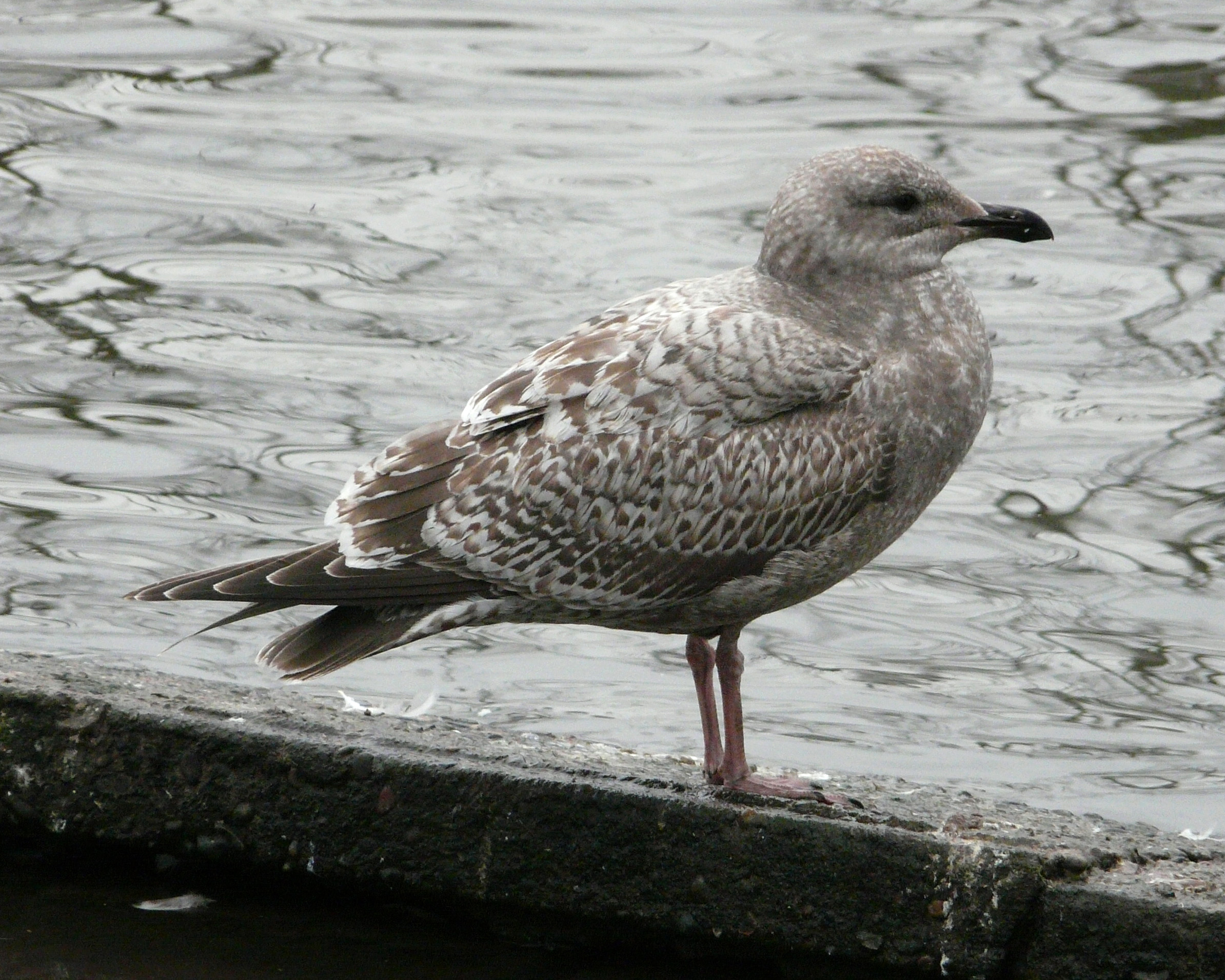
First-cycle Herring Gulls are darker overall, with heavier markings. This is most apparent on the greater wing coverts. Note the sloping forehead and slightly larger bill.

Second cycle gulls

Here are a few gulls in their second plumage cycle (often referred to as their second year, but that is not always the case). The first two birds are four-cycle gulls. On a four-cycle gull, the second cycle looks much like the first, but the mantle feathers are coming in gray.


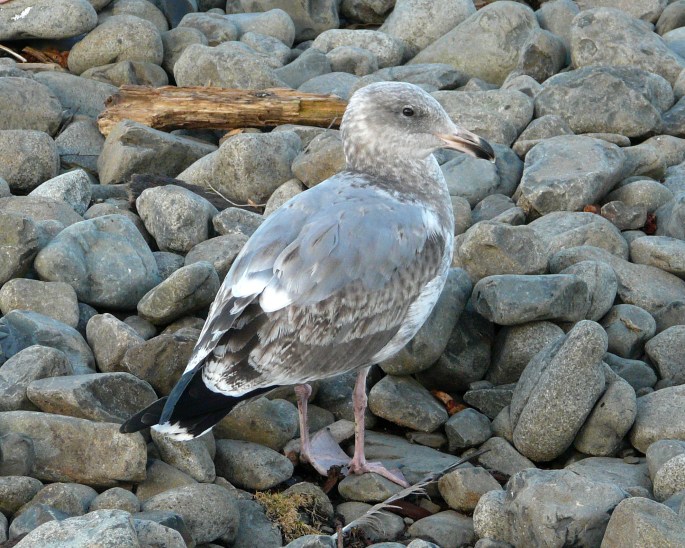
Western Gull, second cycle.  Note the blackish primaries and tail, the dark gray mantle, the heavy bill, and the fairly extensive mottling on the underparts.


Herring Gull, second cycle.  Note the pale iris and the slender pinkish bill with the black tip.

Three-cycle gulls skip the all-brown phase seen on young four-cycle gulls. (So a first cycle Ring-billed Gull has a gray mantle like a second cycle Herring Gull.) The second cycle on a three-cycle gull shows a gray mantle and wing coverts, but the primaries lack the white tips and mirrors seen on an adult.


Ring-billed Gull, second cycle.   Note the sloping forehead, pale eye, yellow bill with dark near the tip, fine streaking on face, and crisp scaly pattern on breast and sides.


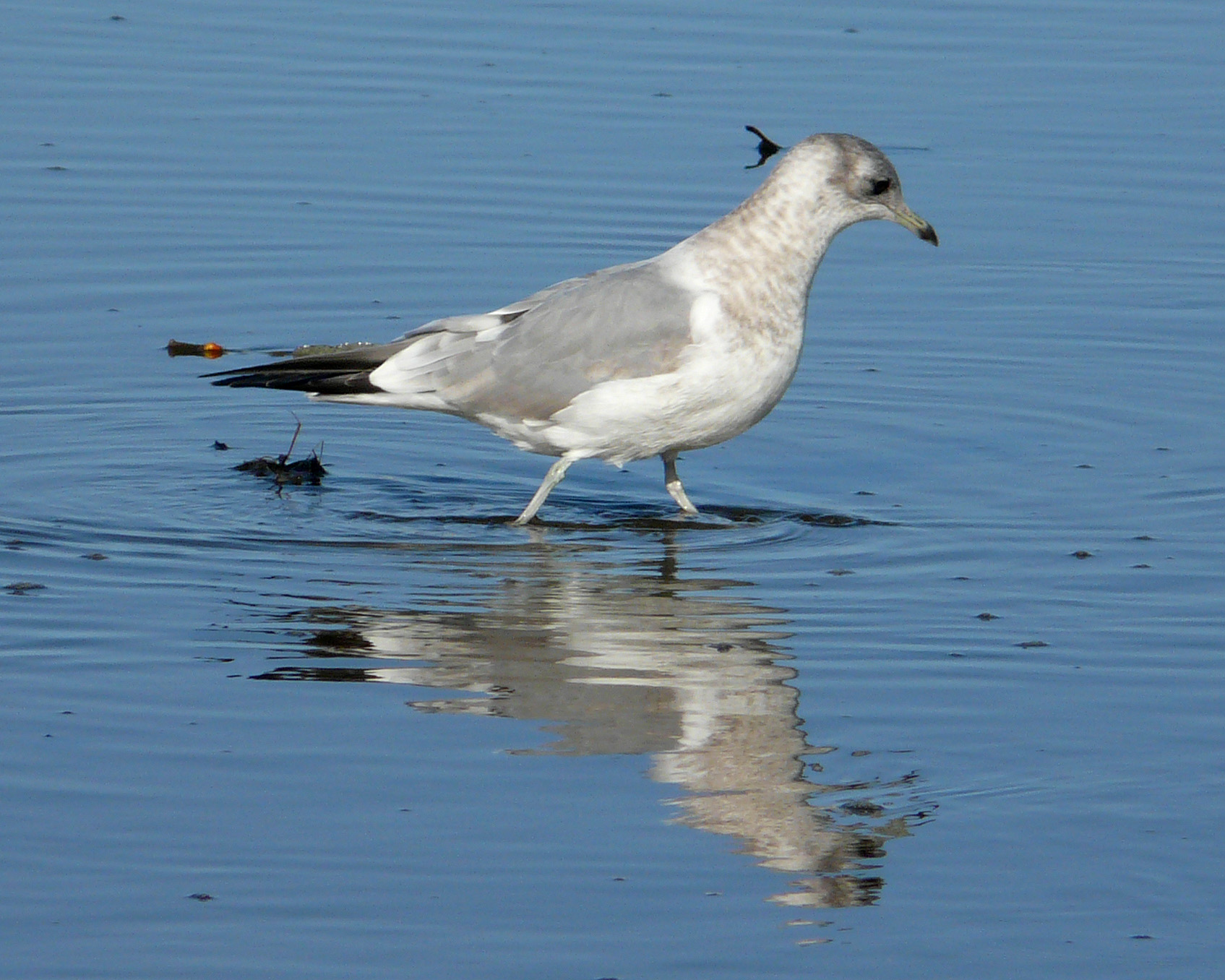
Mew gull, second cycle.  Note round head and very thin bill.


Sharp-shinned Hawk

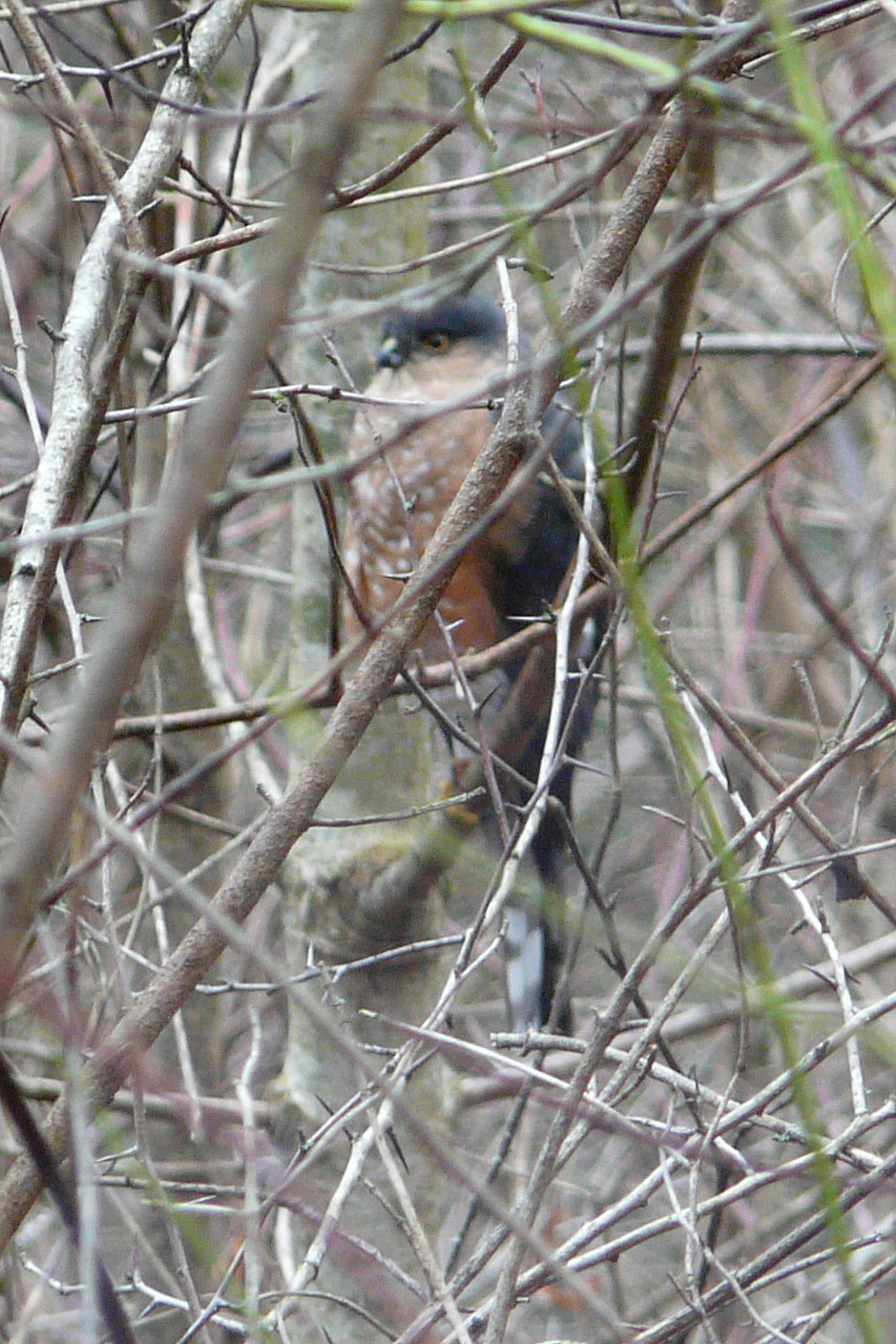
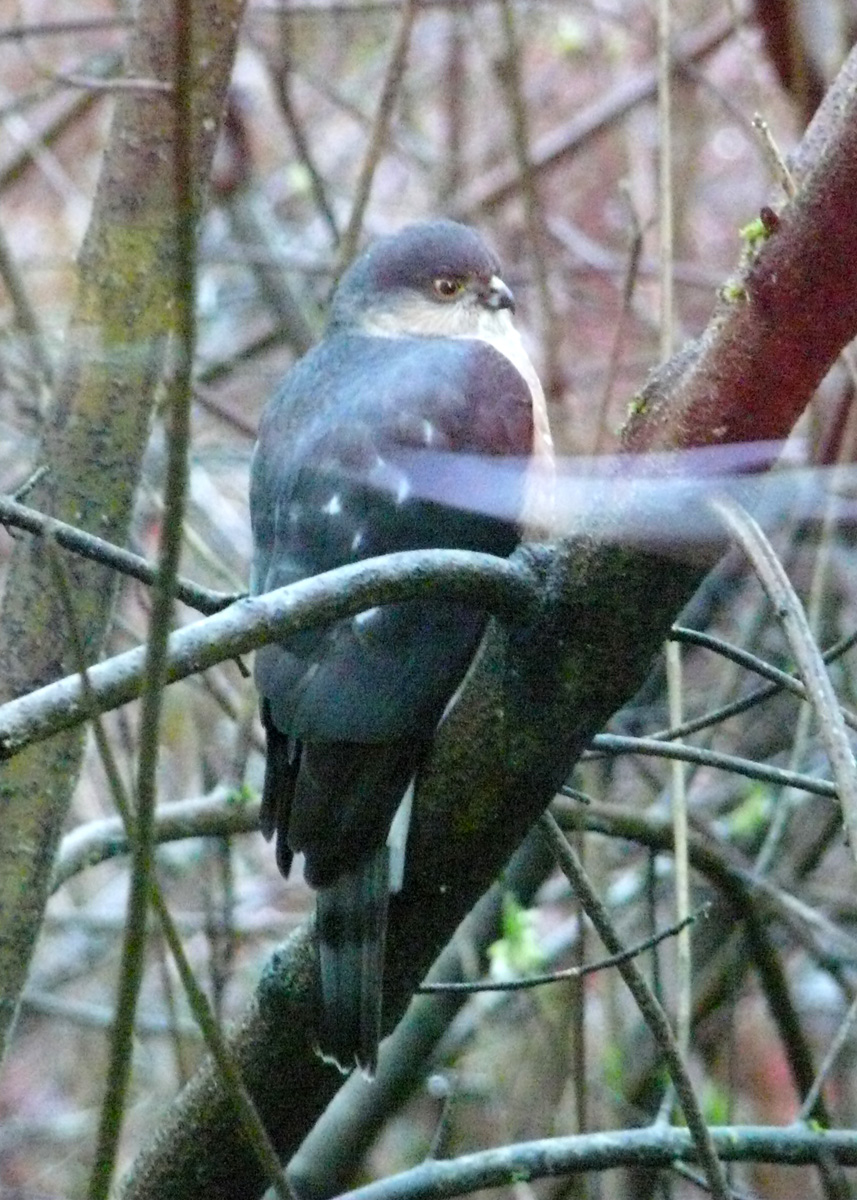
This Sharp-shinned Hawk was trying to be inconspicuous while hanging out near the bird feeders. As usual, the songbirds were nowhere to be seen as long as this guy was around. Some of the field marks for distinguishing Sharp-shinned Hawks from Cooper’s (shape of the head, capped appearance of Cooper’s vs. the uniform crown and nape on Sharp-shinned, shape of the tail, and thickness of legs) are not visible in this photo. A hawk bander recently shared another clue for this species; Sharp-shins have a “bug-eyed” look to them, while Cooper’s Hawks always look angry. These may seem to be subjective terms, but the shape of the head and position of the eye on the head does give each species a unique expression.


Here is a little better view where you can see the shape of the head, the uniformity of the crown and nape, and the neat square tail.