Trees may get all the credit for creating pretty colors in autumn, but I think the birds do their part.




Happy autumn.
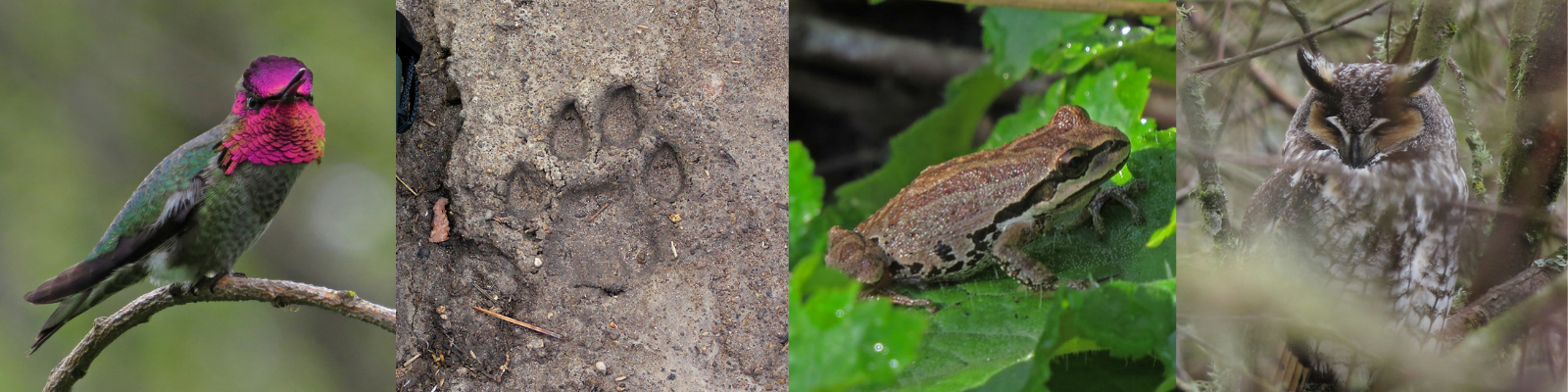
Trees may get all the credit for creating pretty colors in autumn, but I think the birds do their part.
Happy autumn.
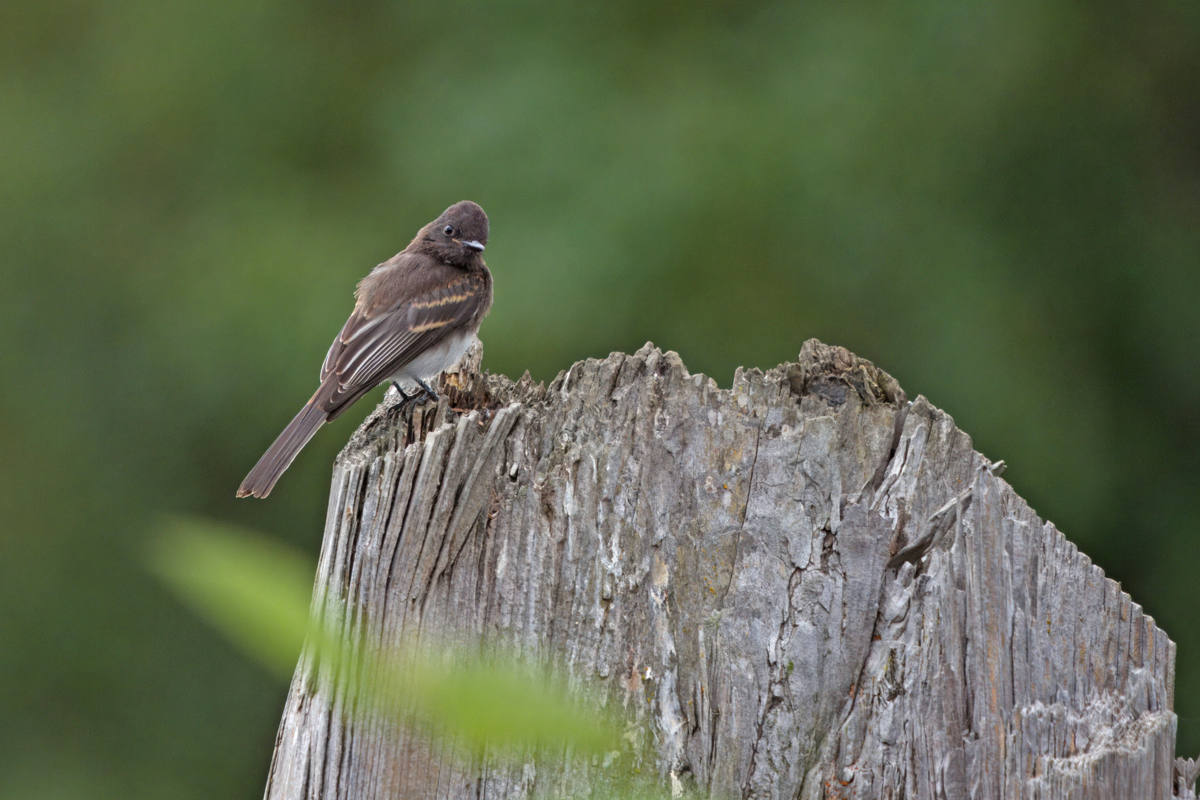
I enjoyed a walk around Fernhill Wetlands recently. We are in that in-between time when the seasons haven’t decided exactly who is in charge, so you never know what or who you will find out and about this time of year. This Black Phoebe still shows the pale gape and buffy wingbars of a juvenile.
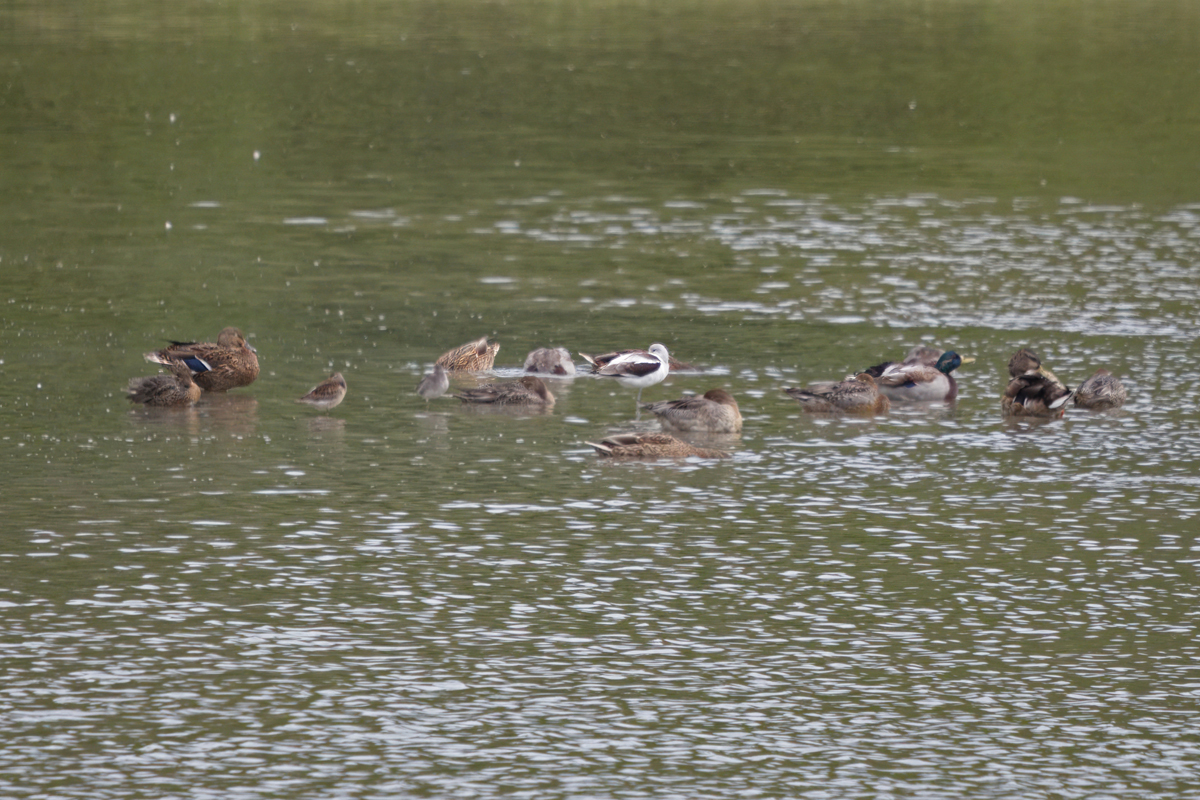
Most of the migrant shorebirds have moved on, but this wayward American Avocet was hanging out with the local waterfowl.
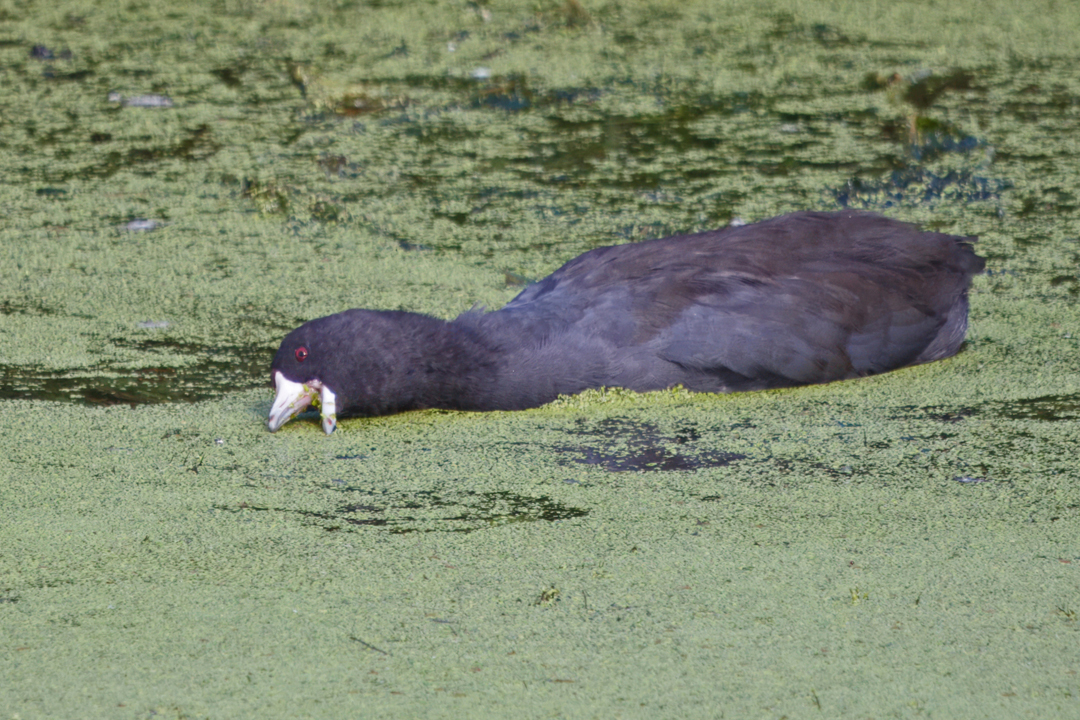
American Coot, enjoying their greens
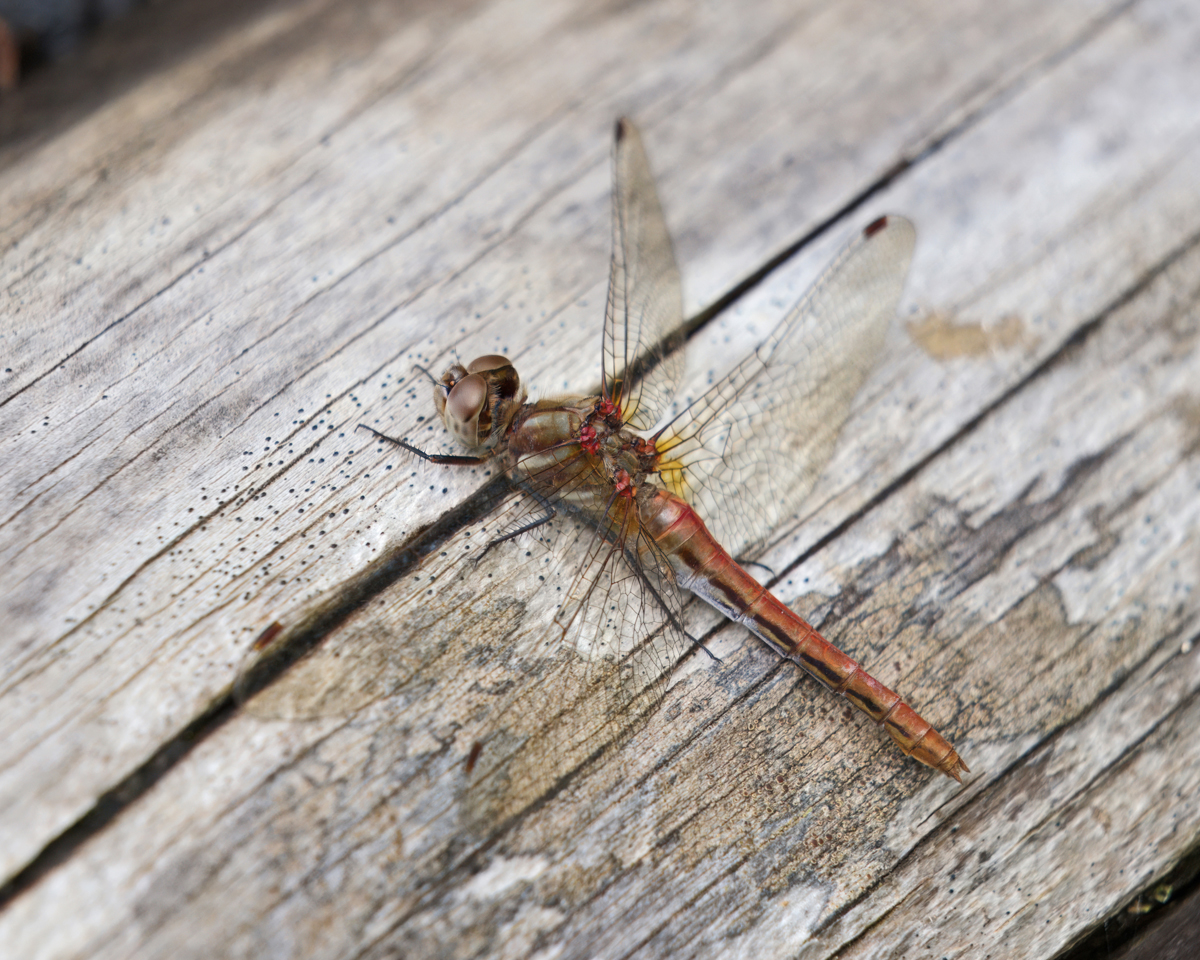
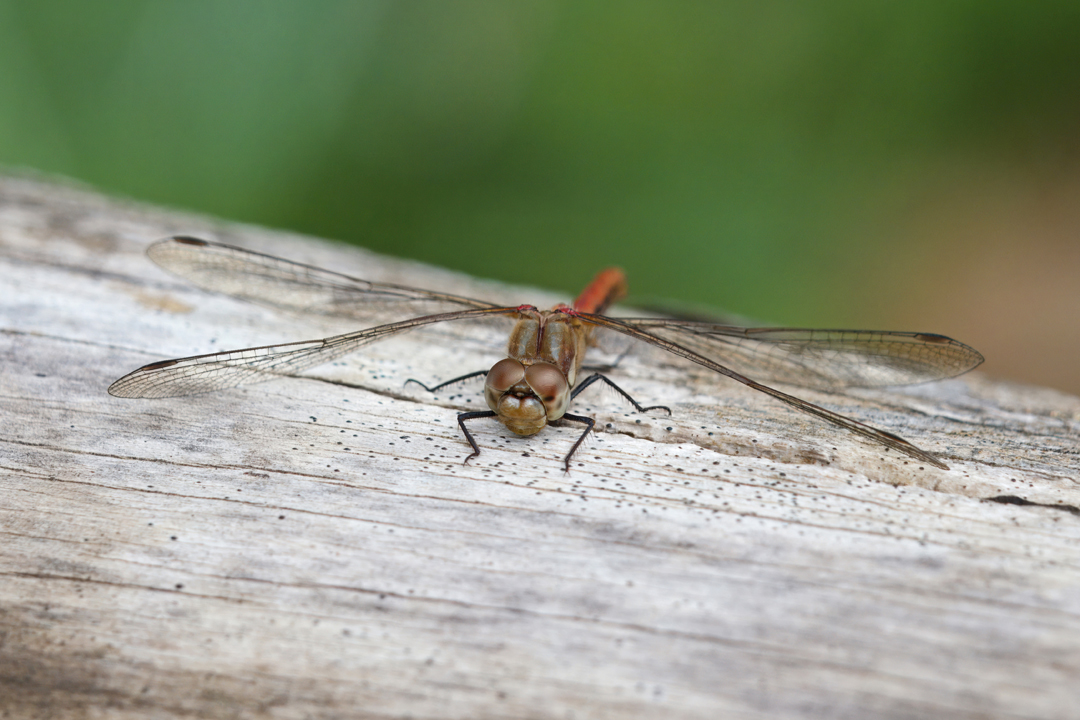
I still haven’t taken the leap into studying dragonflies, but I am noticing them more and more. I believe this is a female Cardinal Meadowhawk, but please correct me if I am wrong.
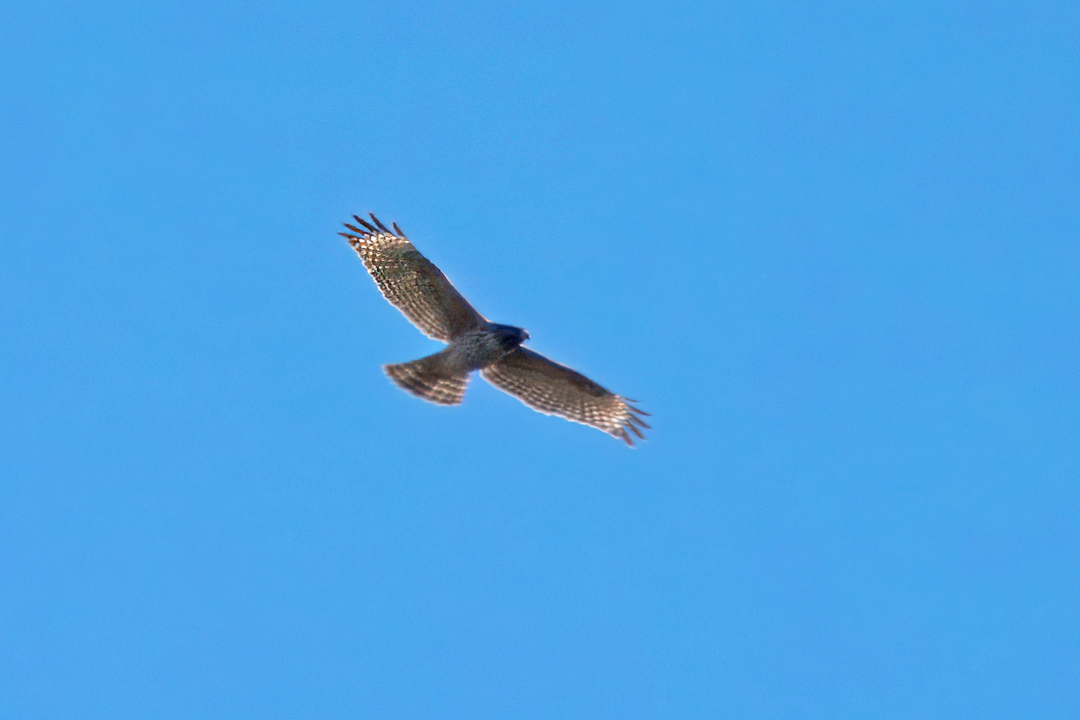
Southbound raptor migration is pretty hit and miss in the Portland area. You have to be out at the right time when a flock is passing over. I missed the big flights this year, but did get to see a little flock that included a couple of Red-shouldered Hawks.
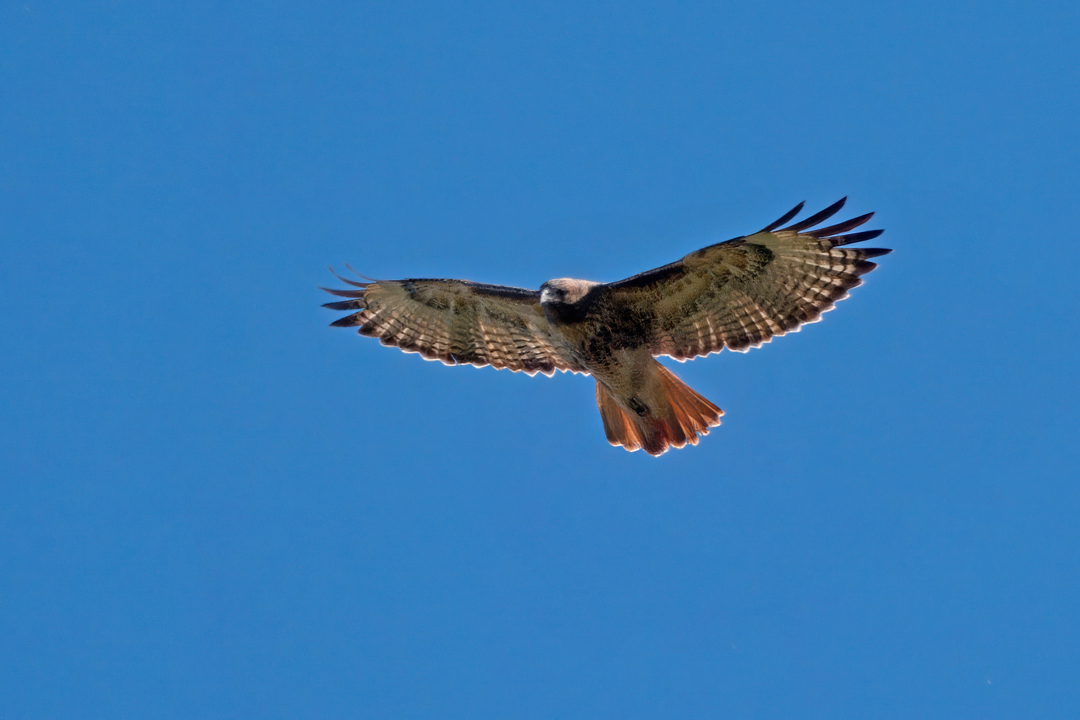
I don’t know if this Red-tailed Hawk is a migrant or a resident.
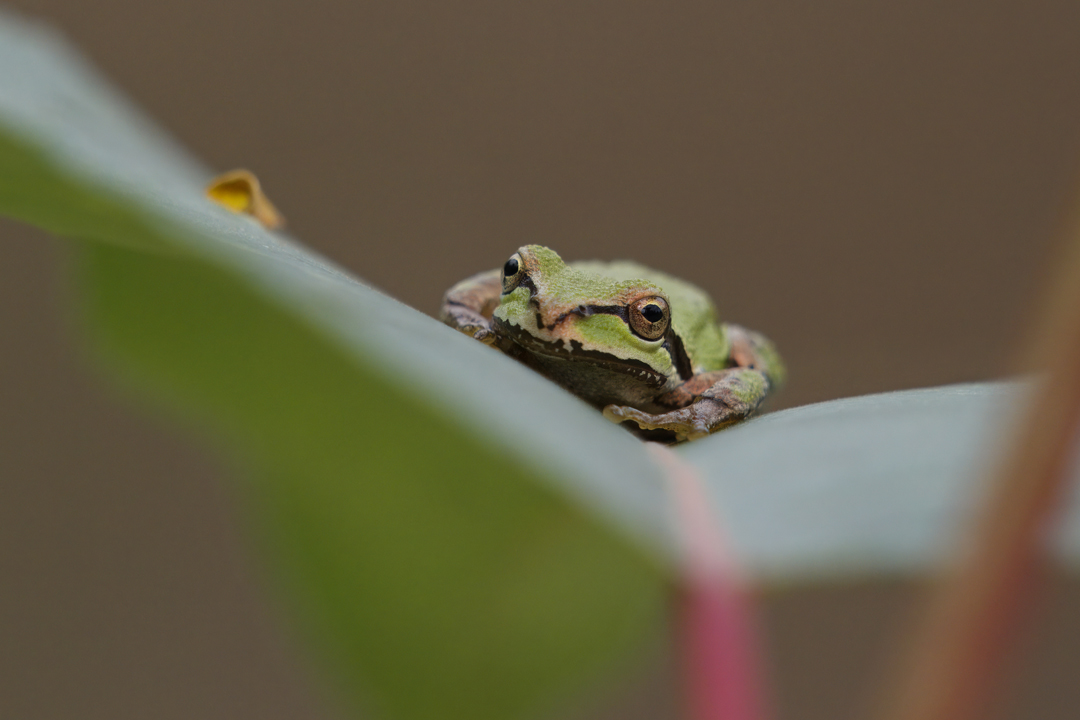
Now that the rains have begun, the Pacific Treefrogs have become more vocal and more visible. This youngster was sitting in the middle of a leaf on a cottonwood sapling. I missed most of the spring herp activity this year due to the demands of a certain puppy, so it has been great to see a few herps this fall.
Happy Autumn
The equinox has passed and the rains have begun, so we are officially in autumn.
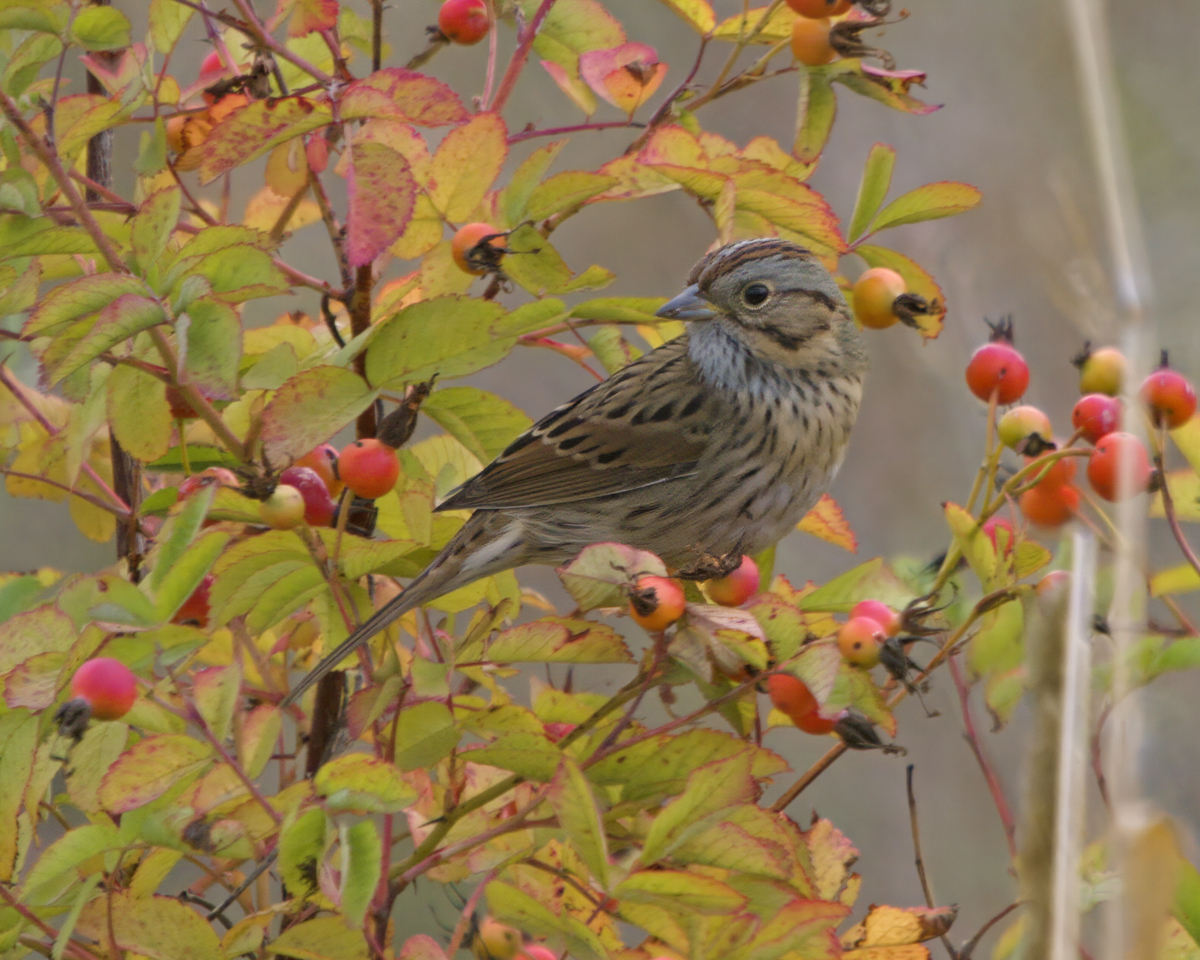
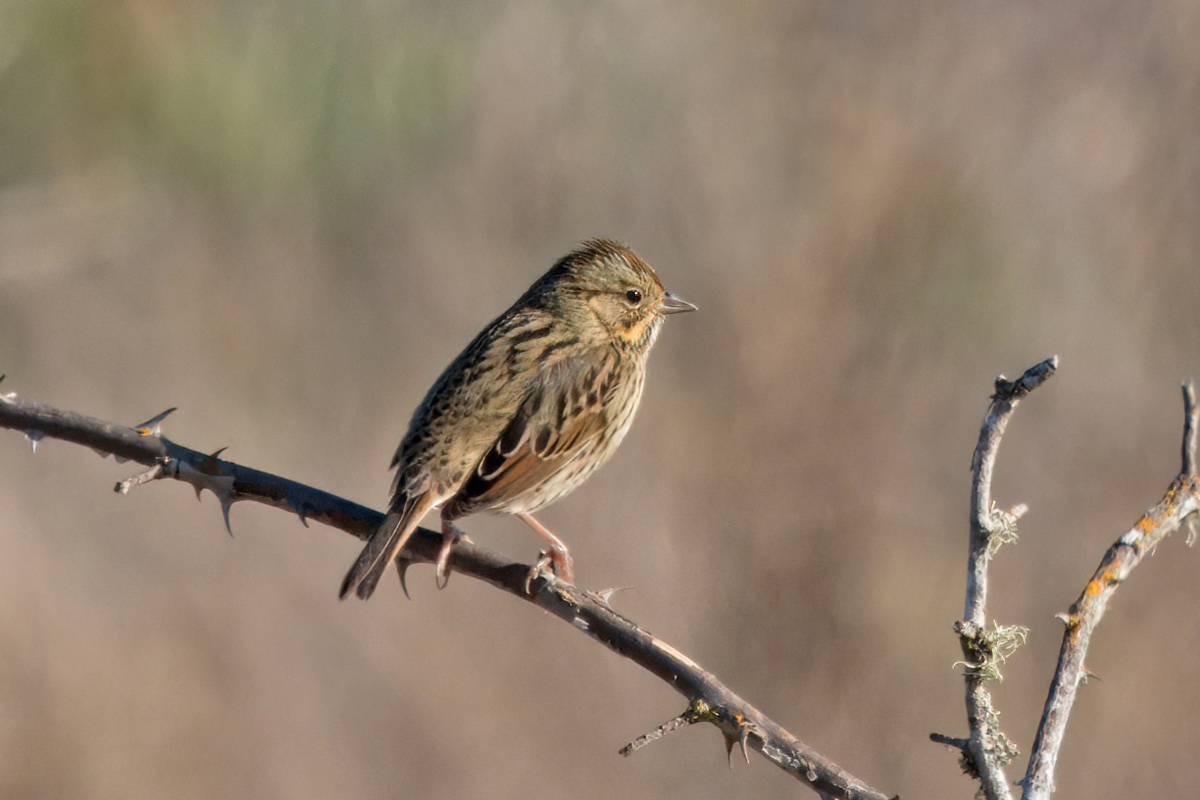
The winter sparrows have returned. This Lincoln’s Sparrow was posing with rose hips.
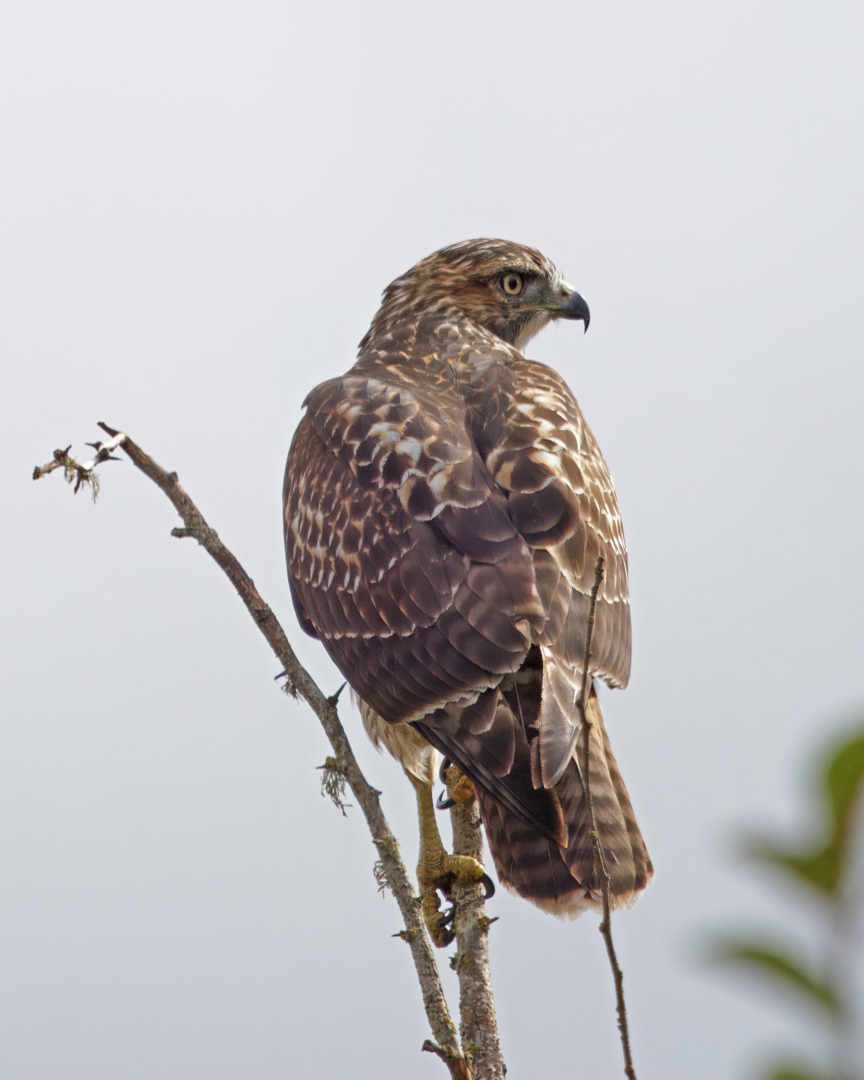
juvenile Red-tailed Hawk
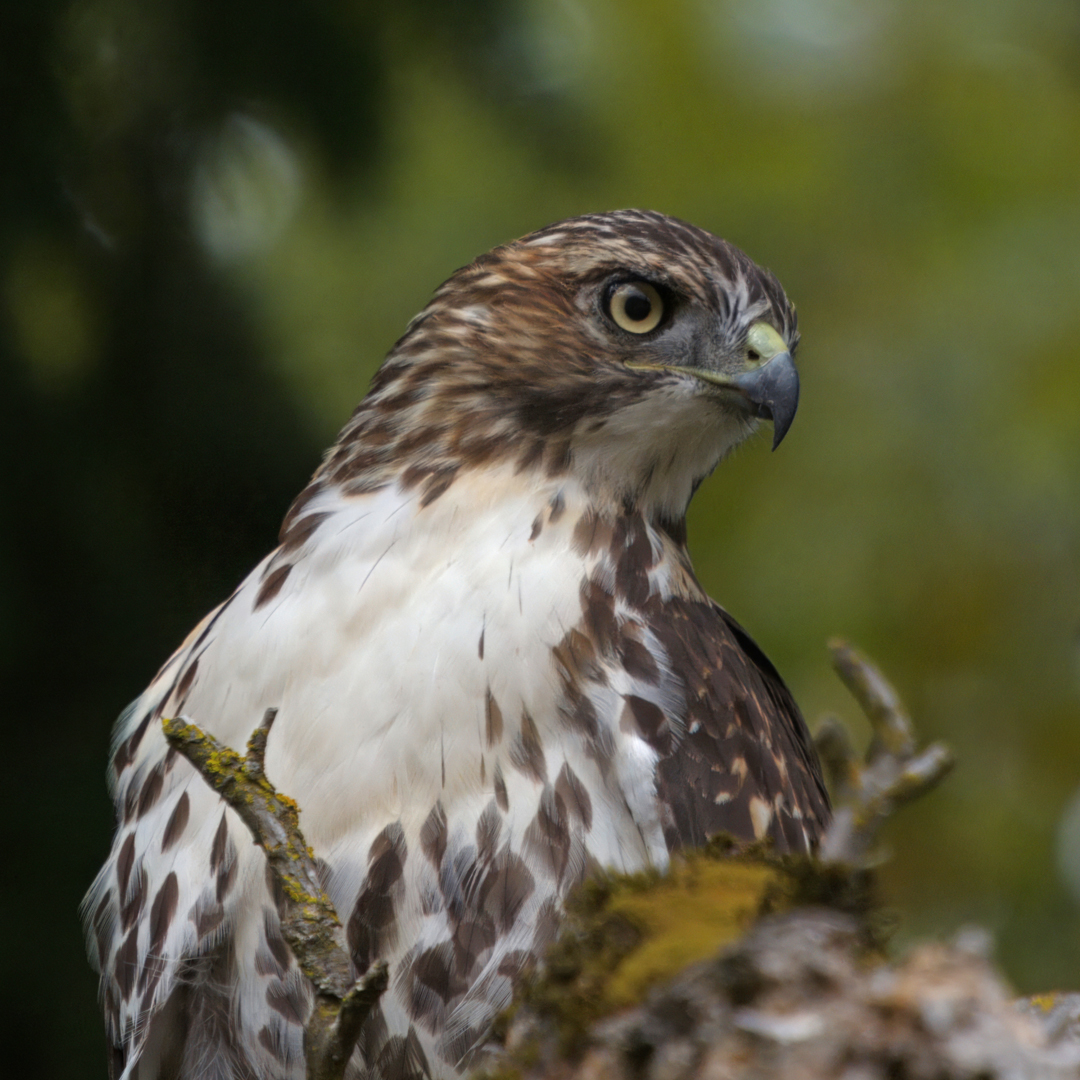
Here is another view of the same individual.
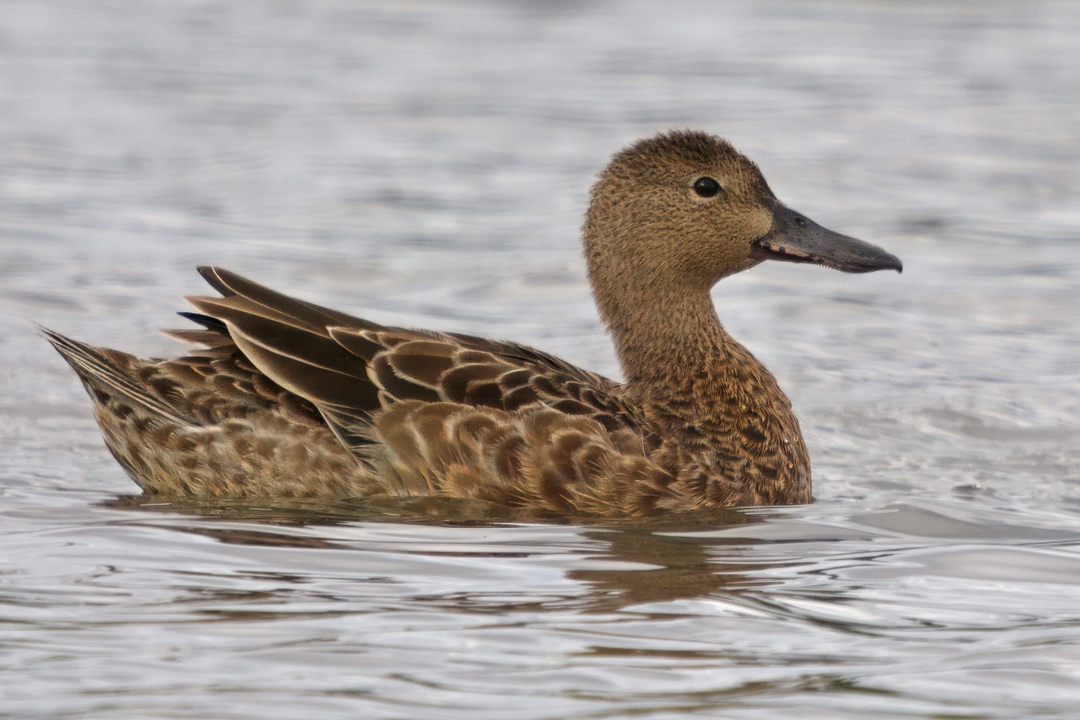
We are still in what I call Ugly Duck Season, when most birds are still in their dull summer patterns. I have heard it referred to as Brown Duck Season, which sounds a little more respectful. This brown duck is a Cinnamon Teal.
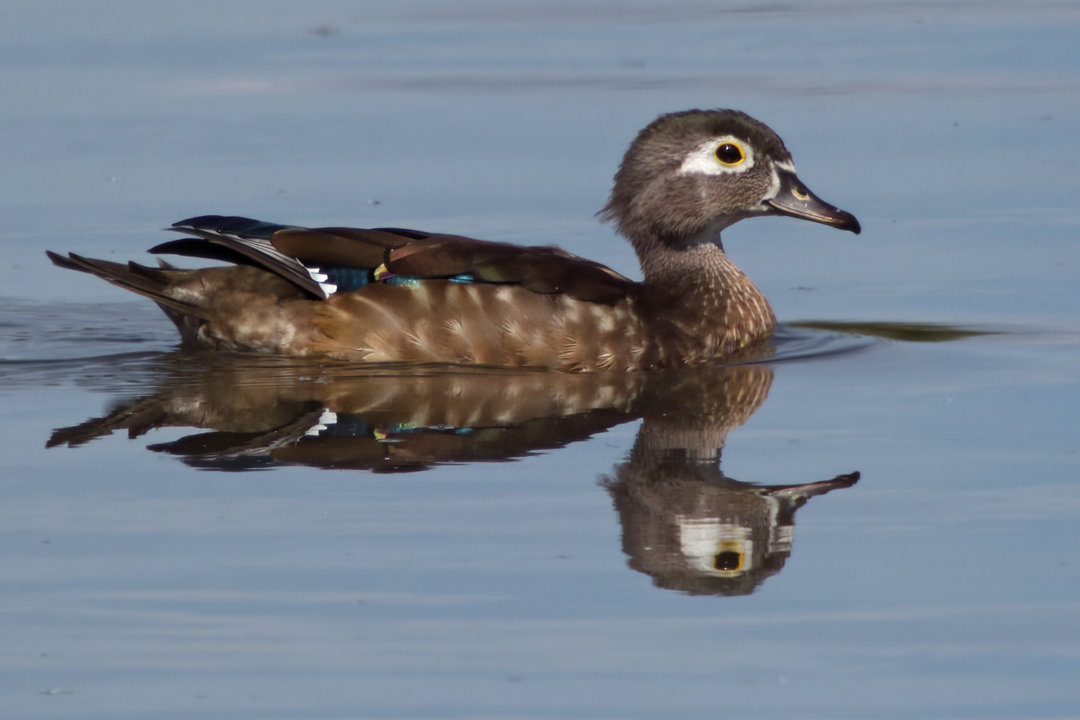
This female Wood Duck is slightly more fancy.
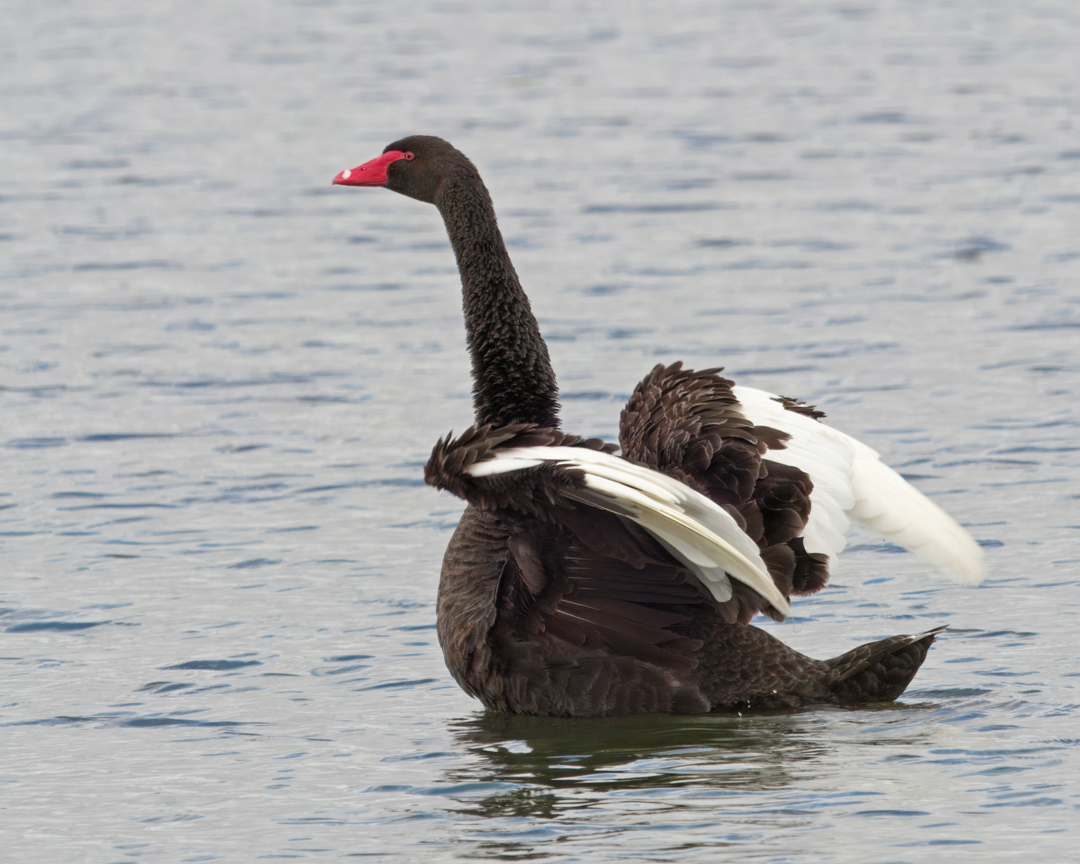
Speaking of fancy, this Black Swan escaped from captivity and is living the high life at Tualatin River NWR.
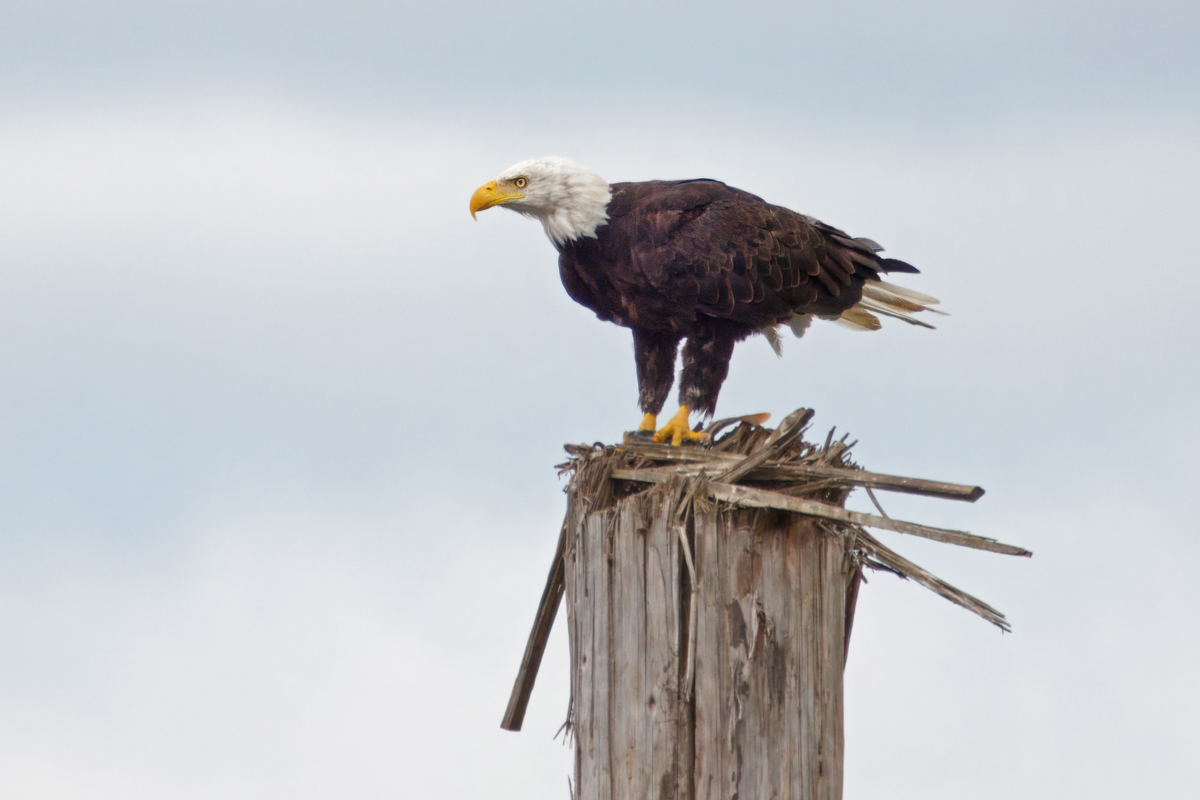
Bald Eagle with a fish
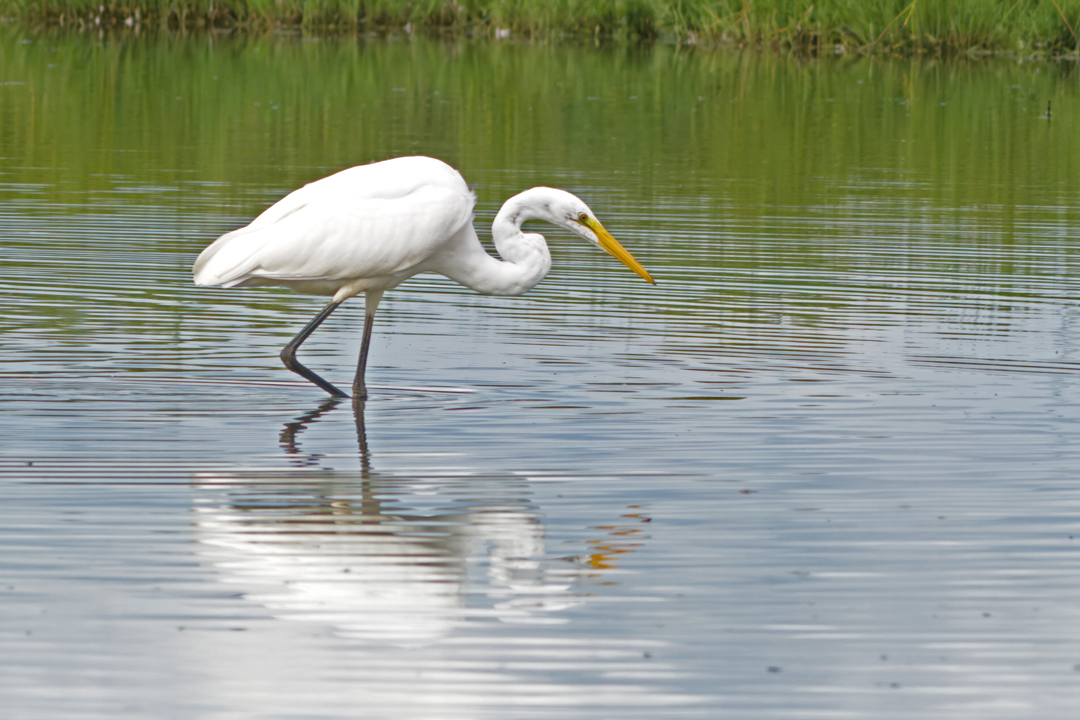
I have never gotten a good photo of a Great Egret, so here is a mediocre one.
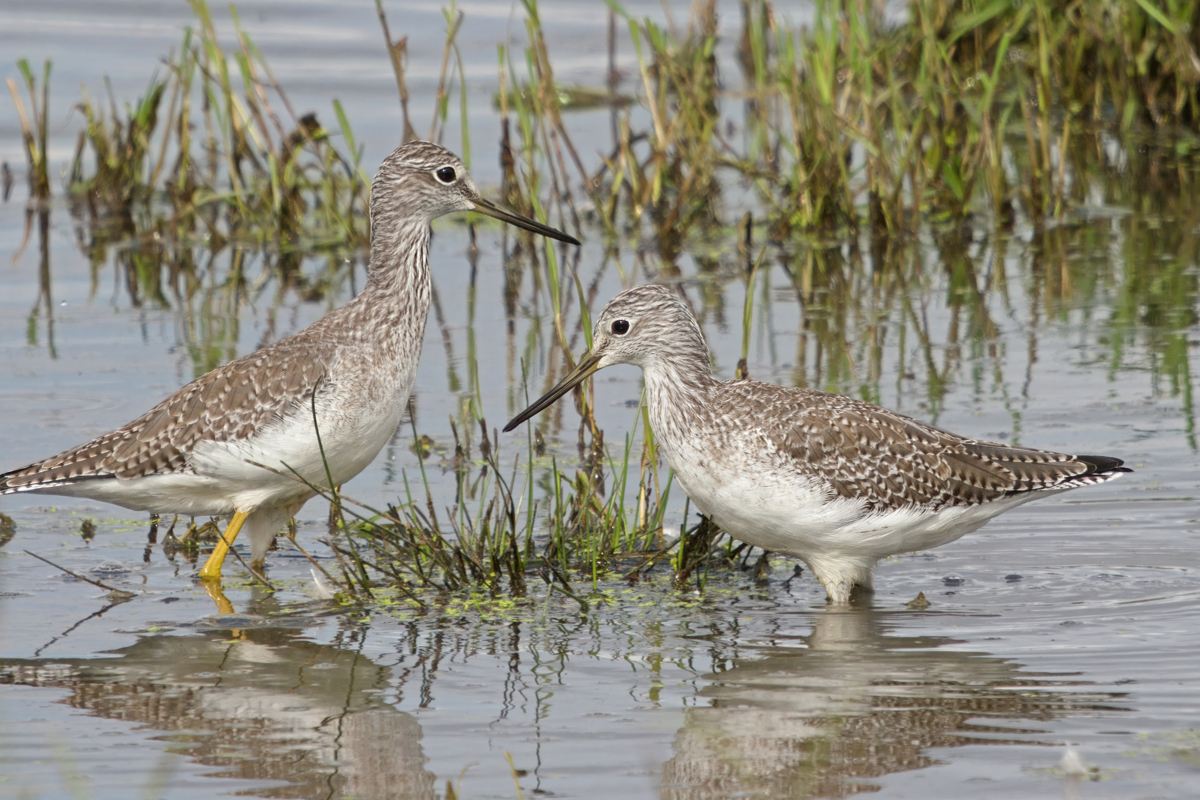
There are still decent numbers of shorebirds around, including these Greater Yellowlegs, but their numbers should be thinning out pretty quickly.
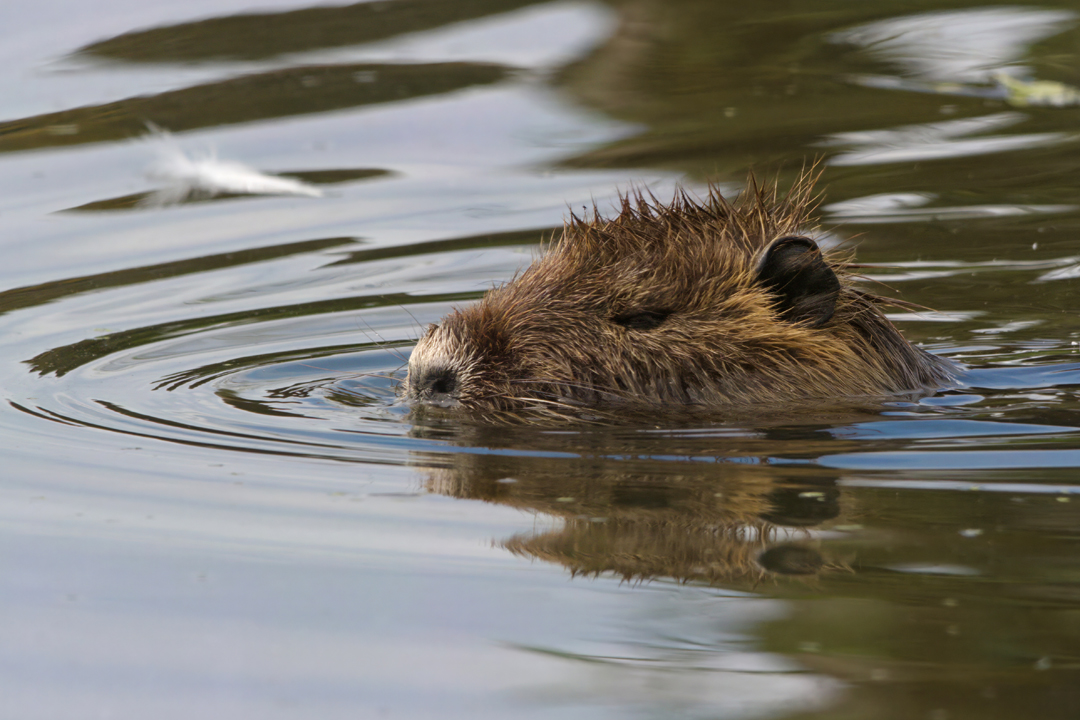
I’ll leave you with this Nutria with a spiky punk hairdo.
Happy Autumn!
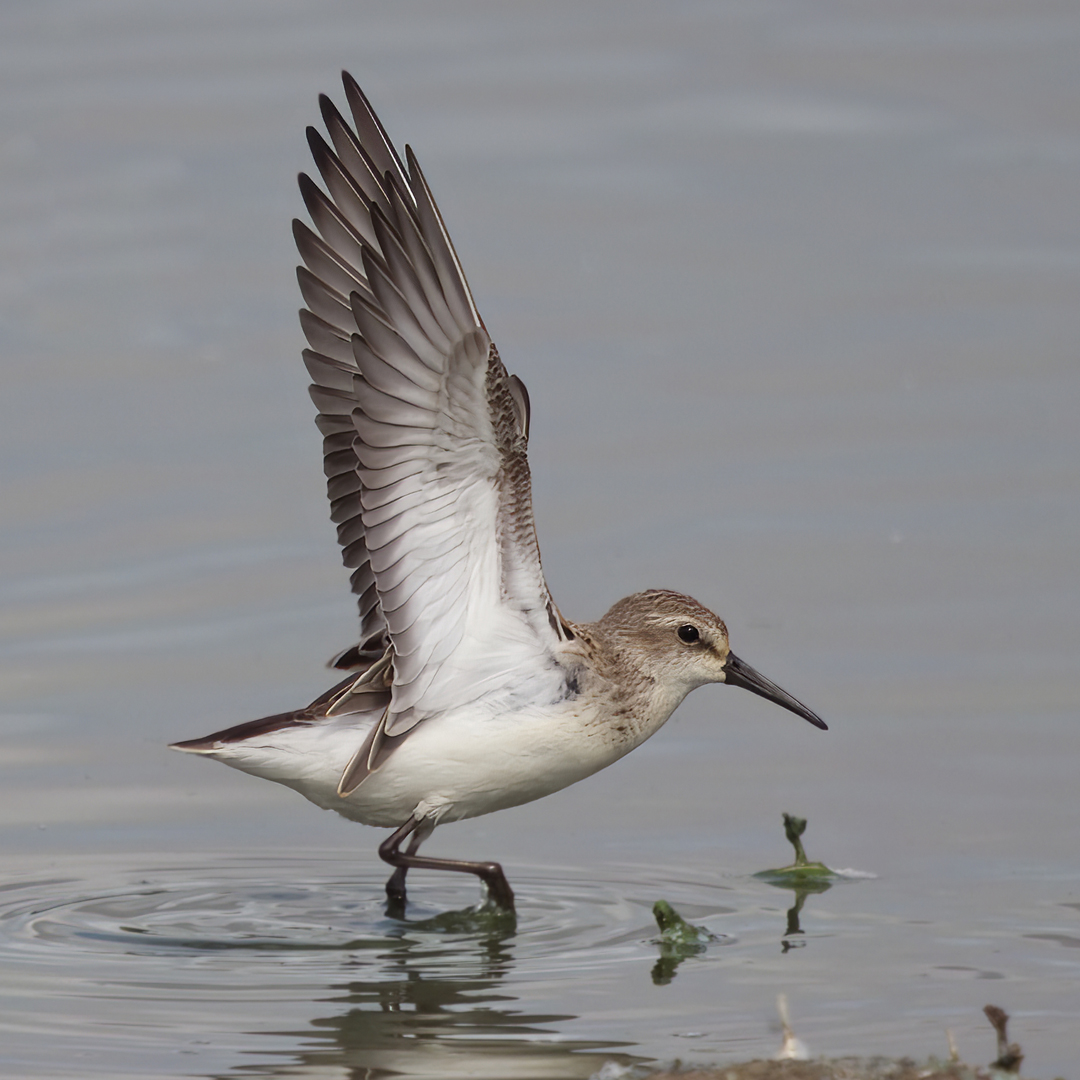
Late summer is shorebird season. There isn’t a lot else going on, bird-wise, so now is the time to study these long-distance migrants and hope for something unusual to show up. Western Sandpipers are among the most common species.
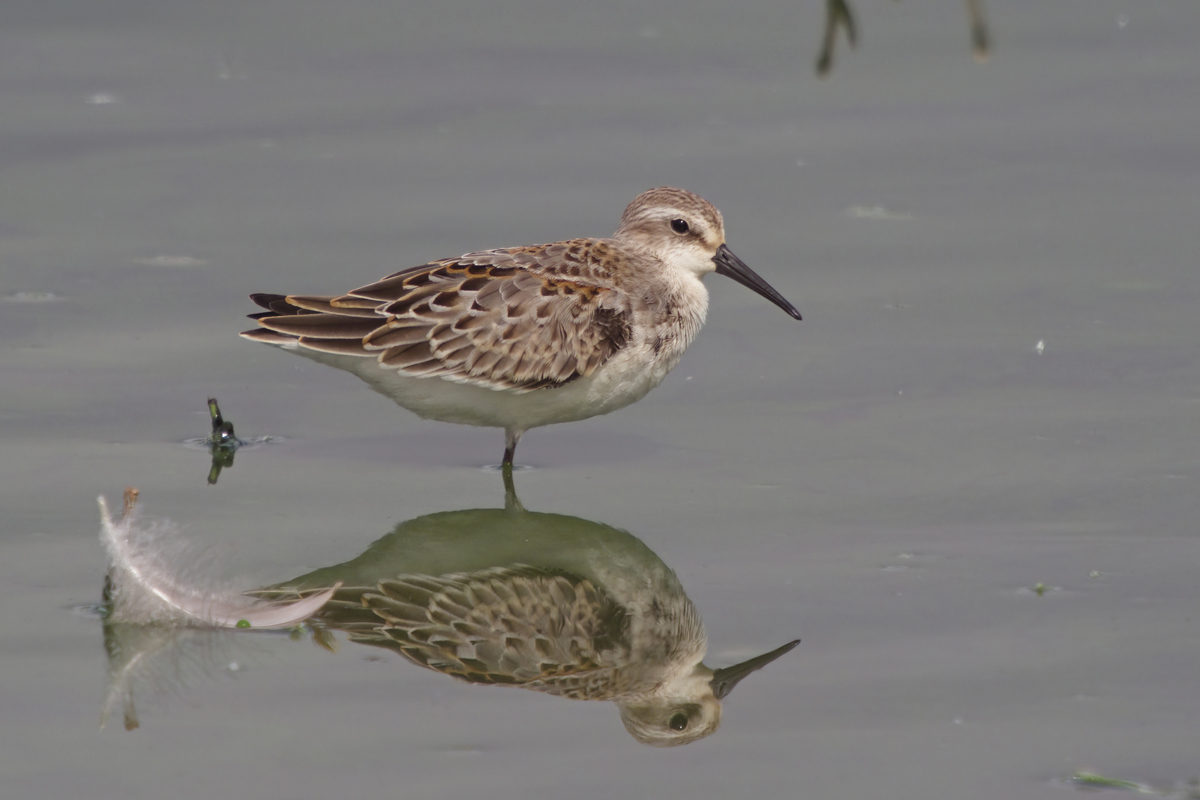
This juvenile Western Sandpiper is already molting into their first winter plumage. Some gray feathers are appearing on the wings and the rusty “suspenders” that young Westerns are known for are fading.
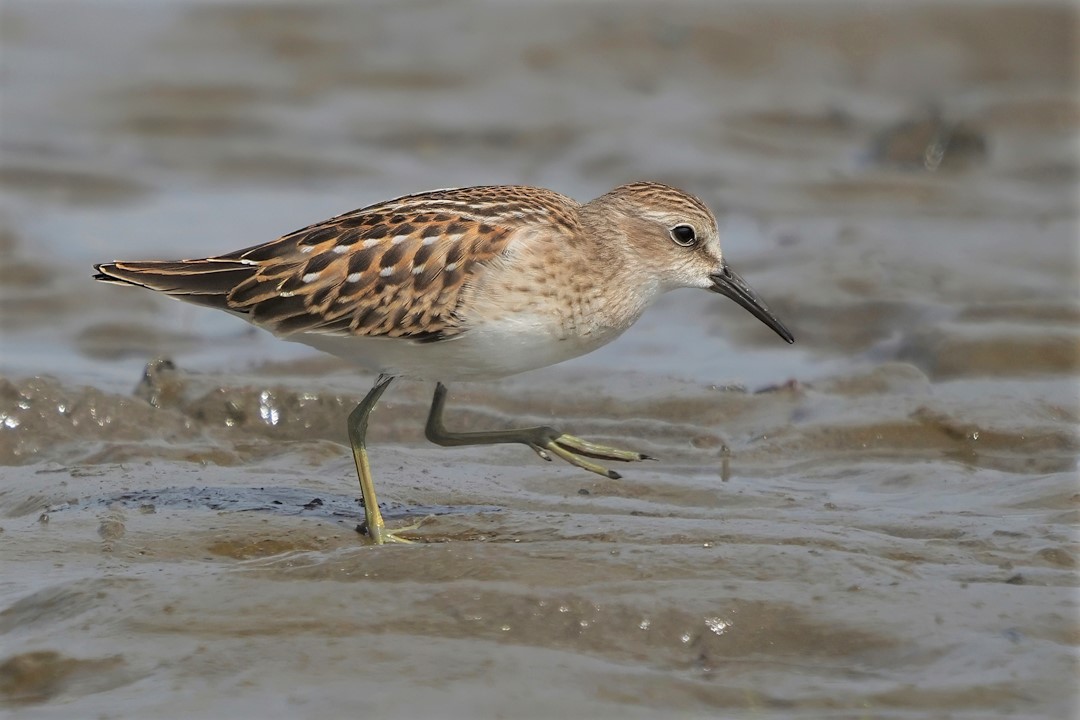
Here is a Least Sandpiper in fresh juvenile plumage.
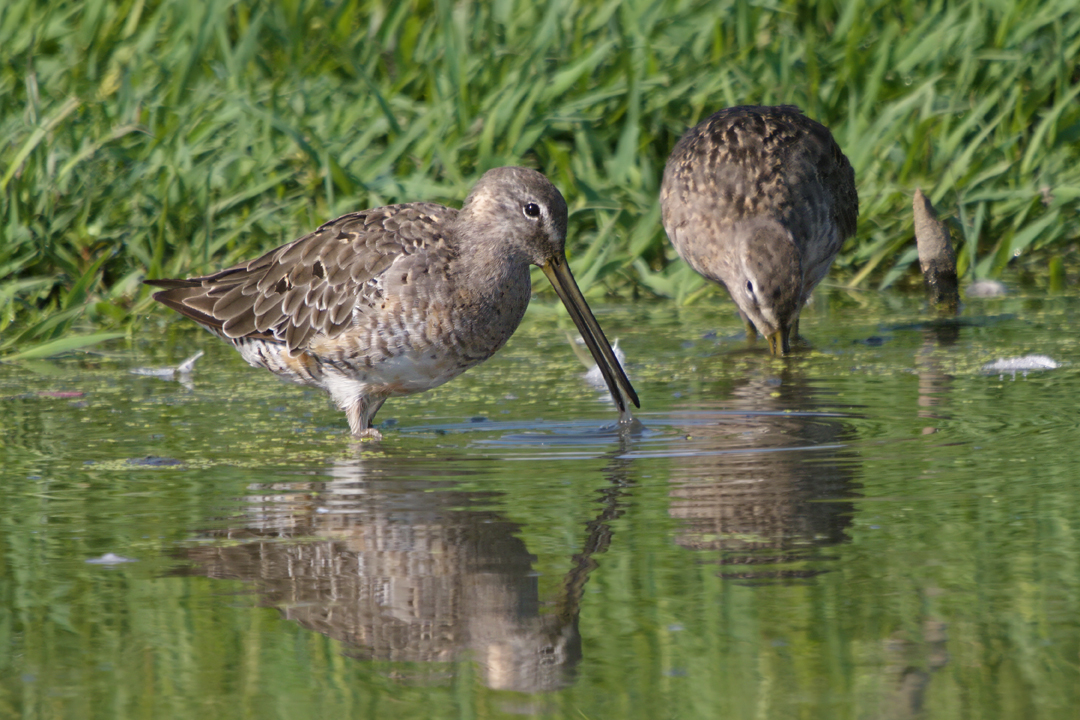
Long-billed Dowitchers
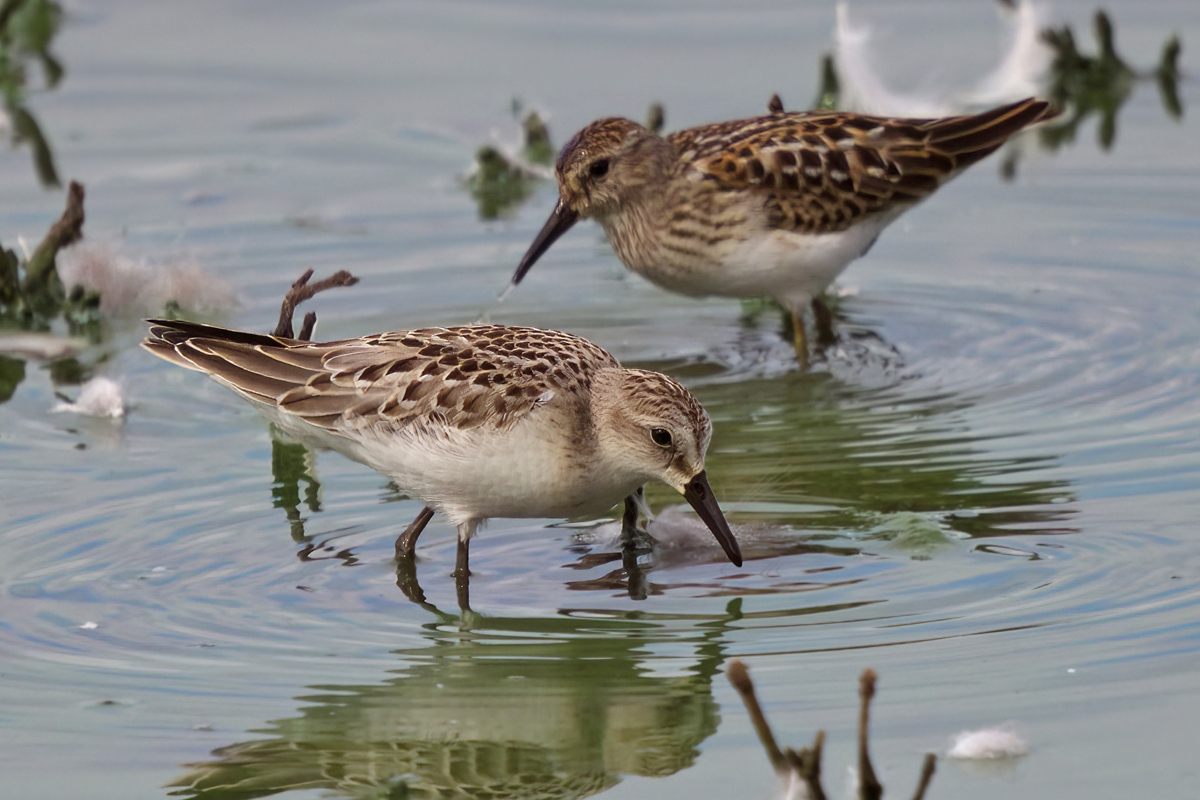
This is a juvenile Semipalmated Sandpiper with a Least in the background. Semipalmateds were a really big deal anywhere in Oregon 20 years ago, but I think birders are just getting better at recognizing them now.
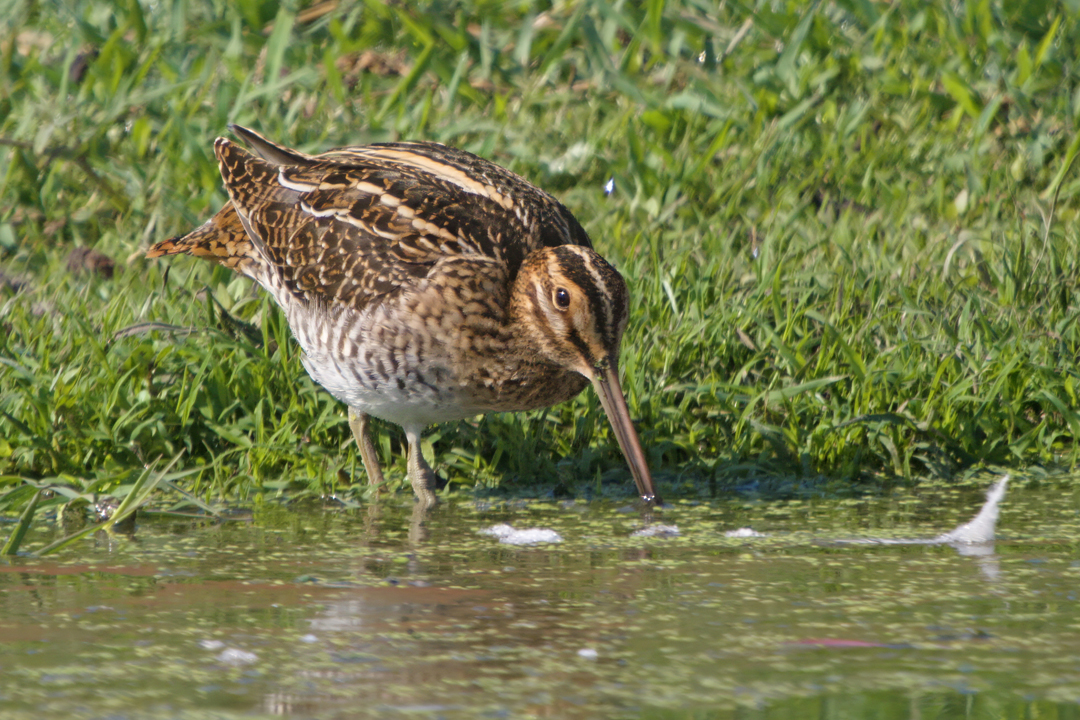
It is always nice when a Wilson’s Snipe comes out into the open.
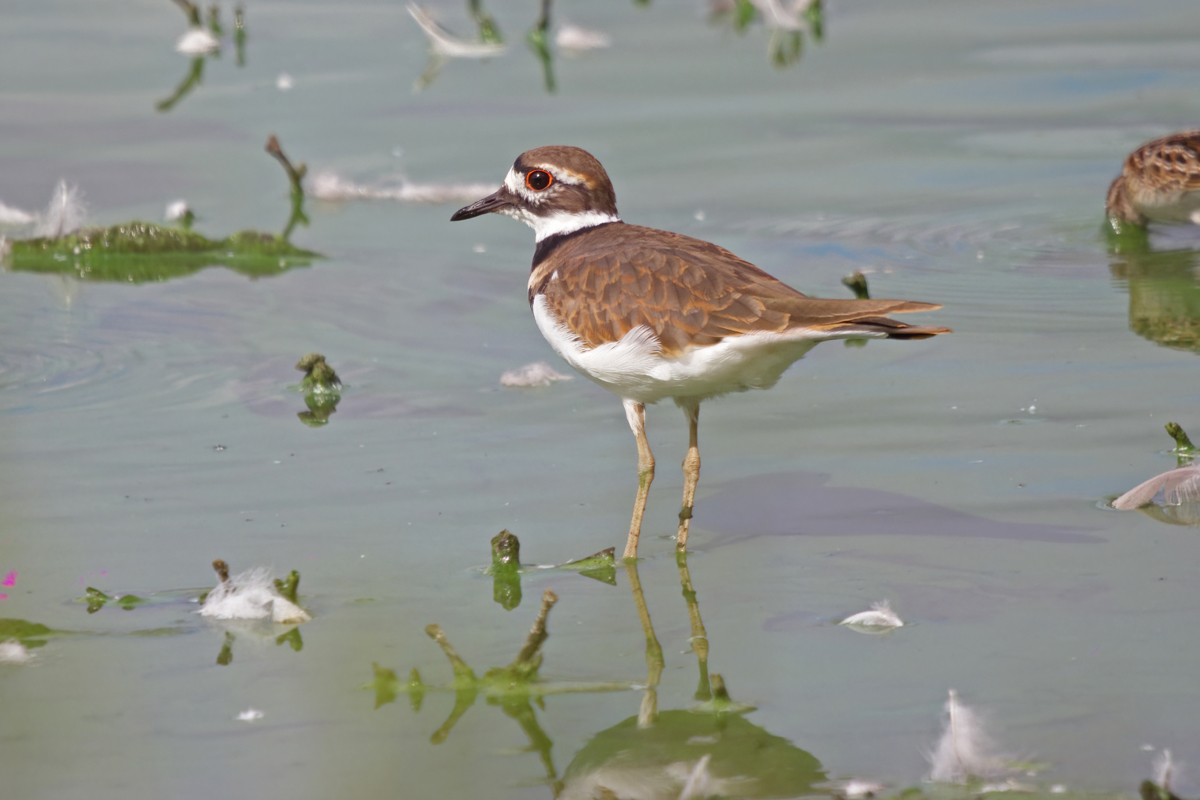
Killdeer
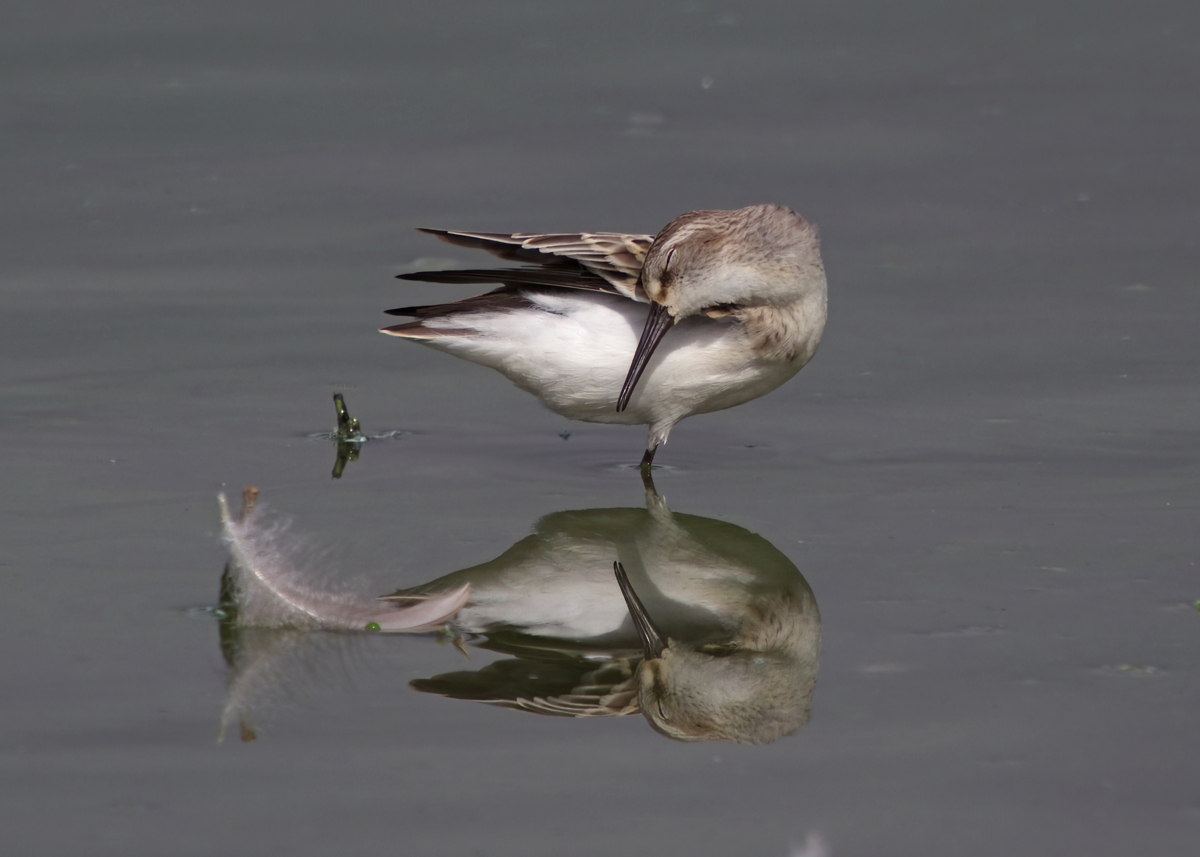
Western Sandpiper preening
Happy (late) summer!
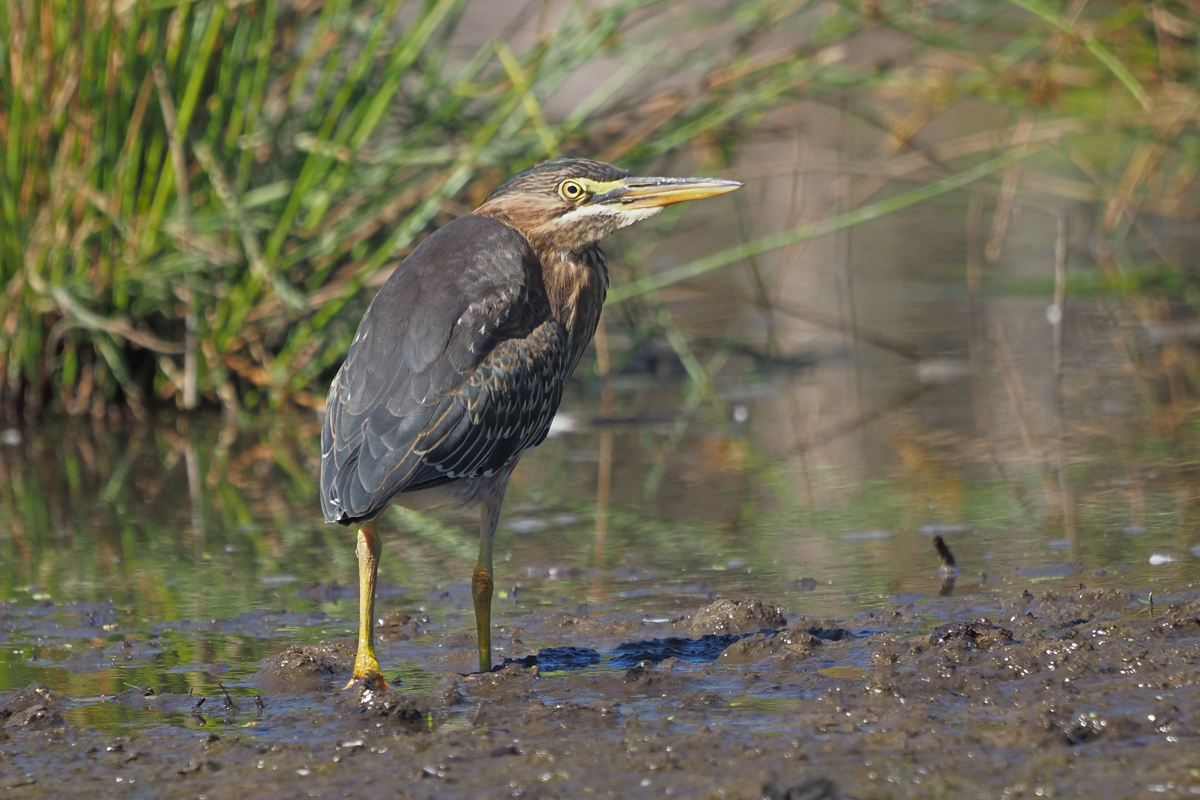
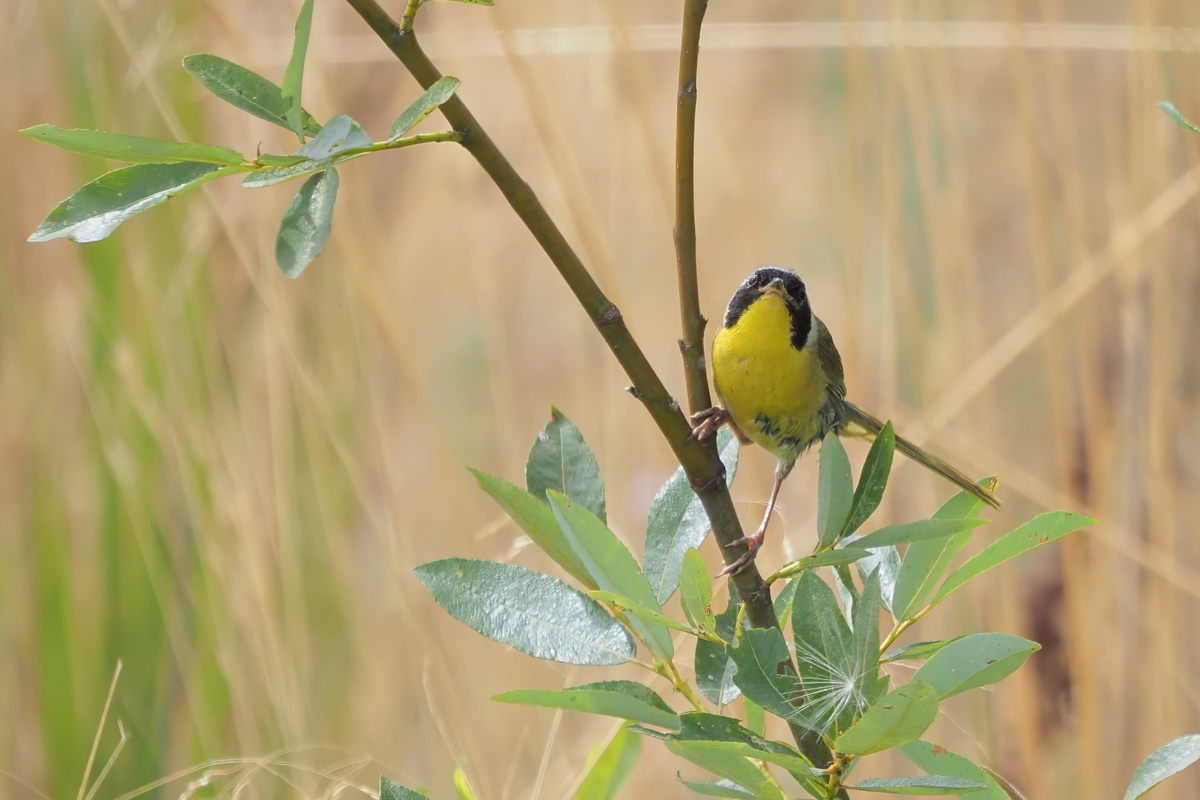
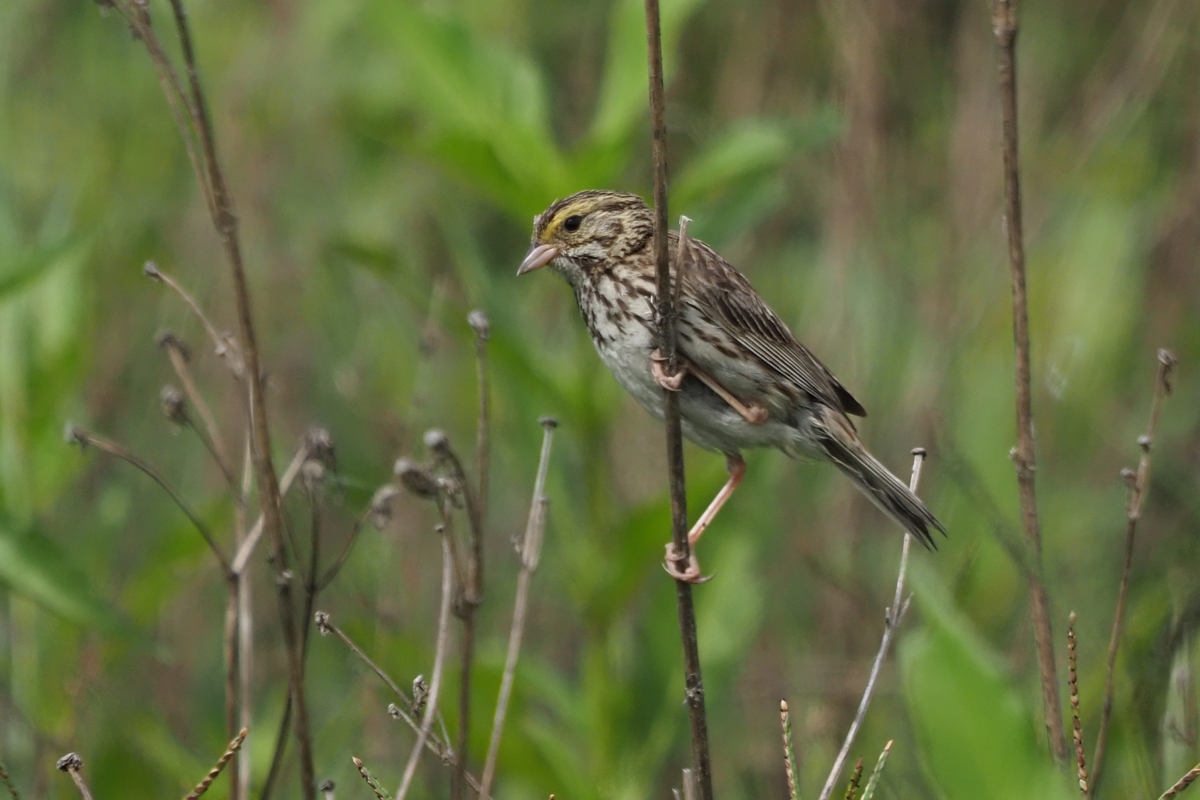
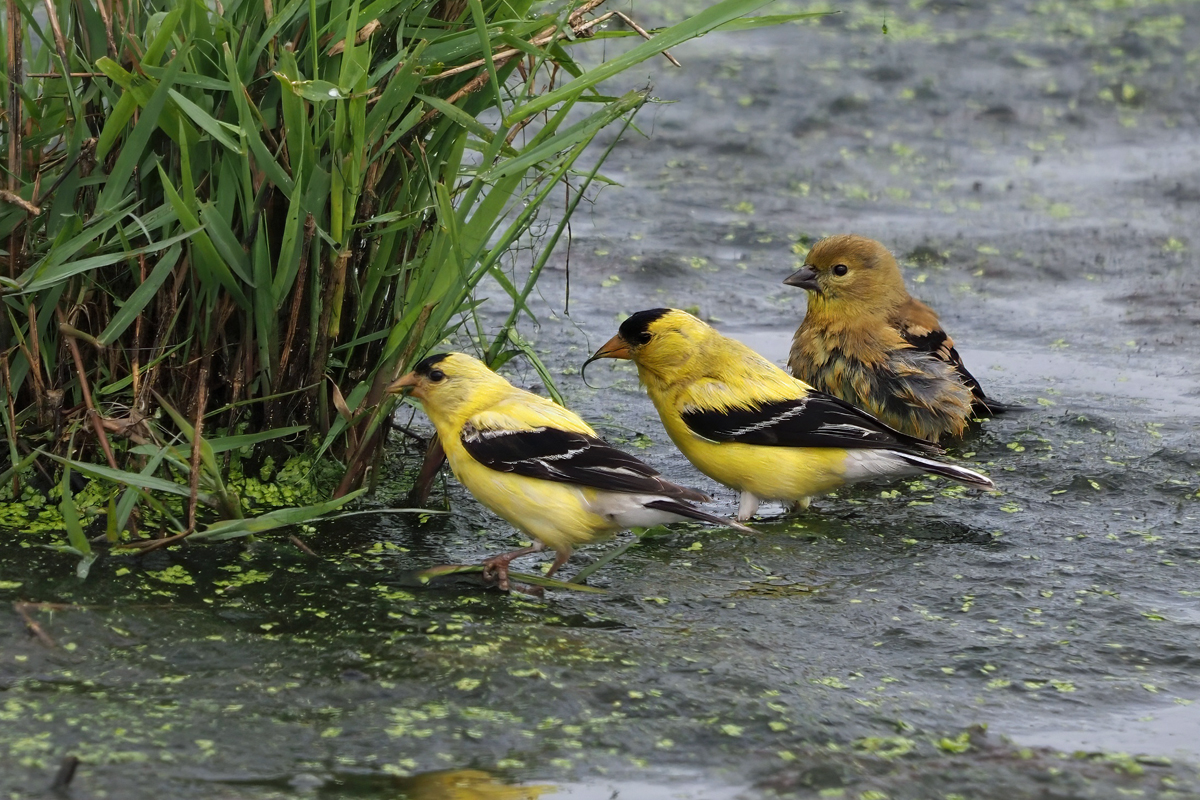
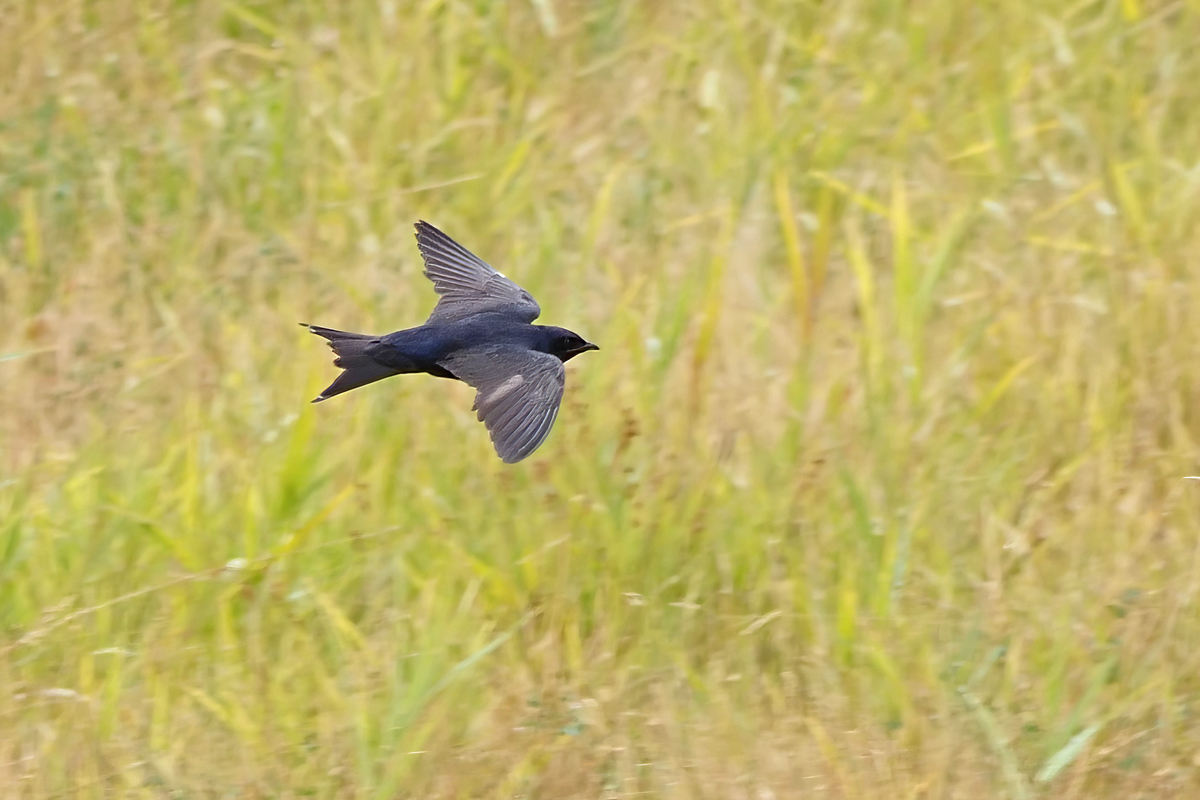
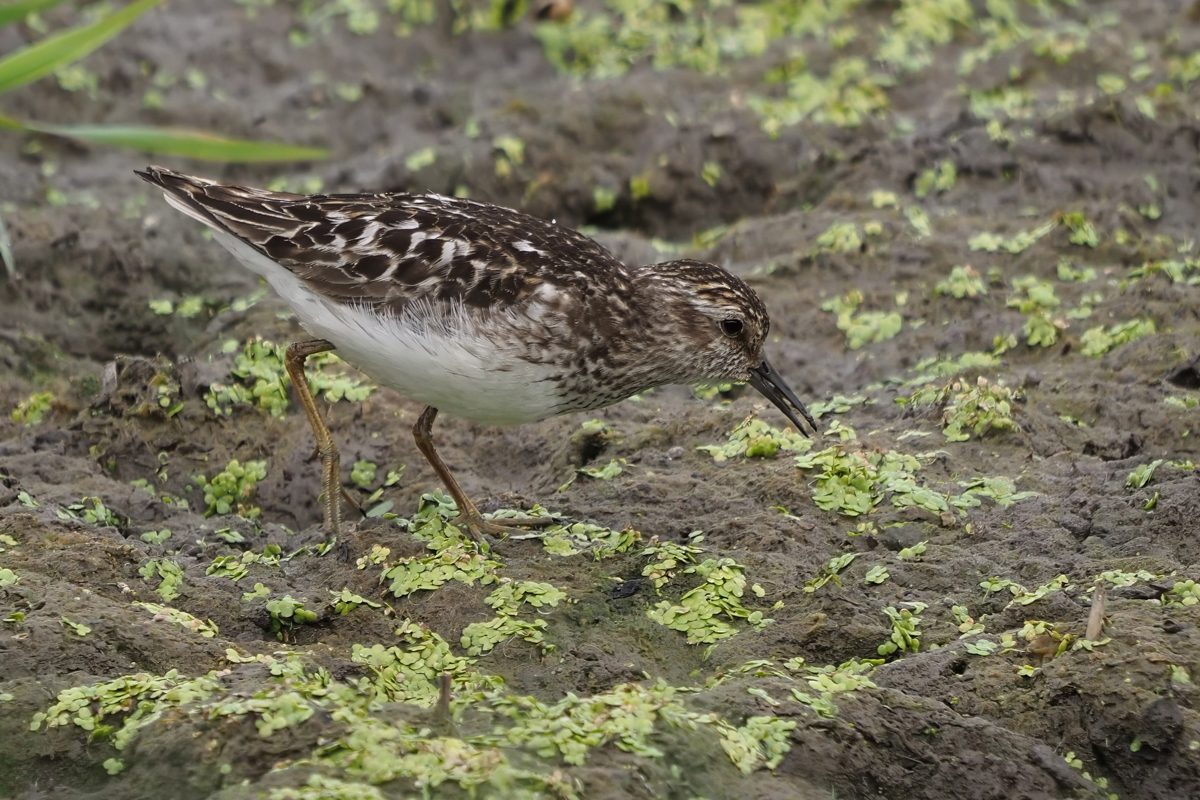
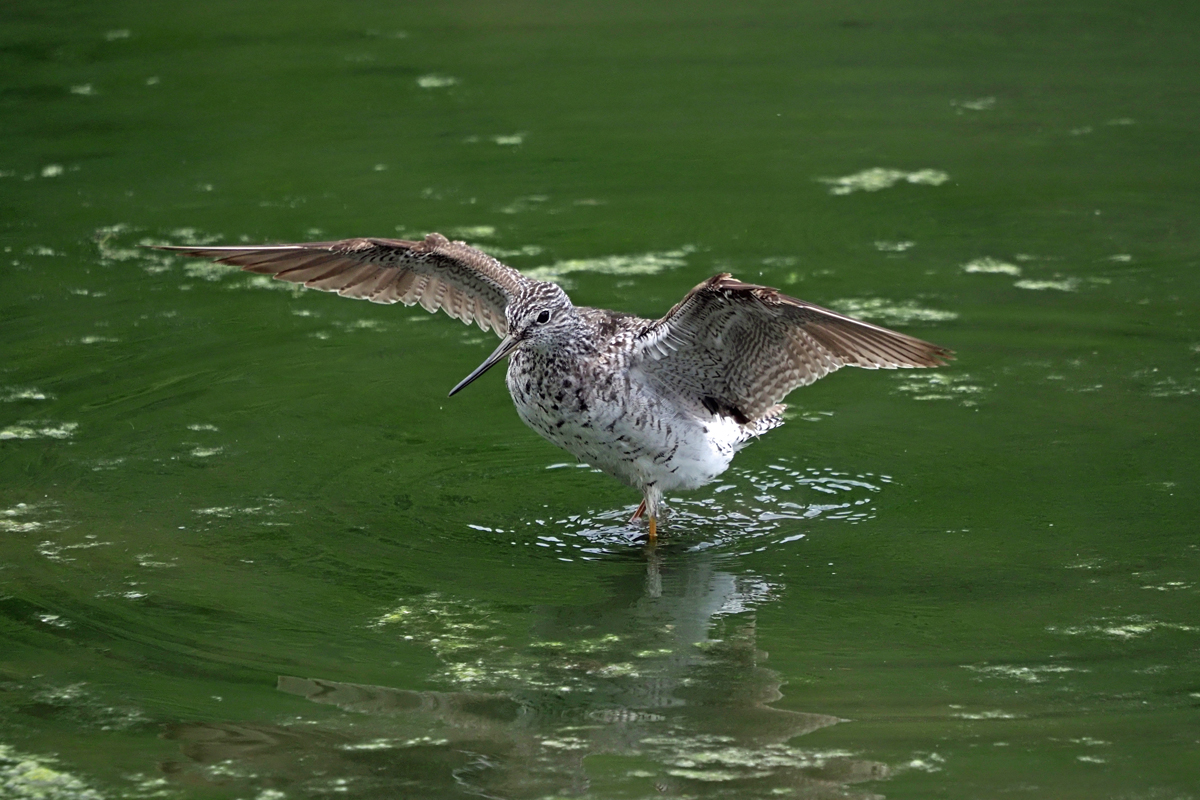
Summer birding can be tough. Songbird activity has slowed way down. Shorebirds are starting to come through on their southward migrations, but hot and bright conditions limit one’s birding to the early morning hours. Unfortunately for me, our young dog also demands attention in the early morning hours, so my outings have been limited. Here are a few photos from recent weeks.
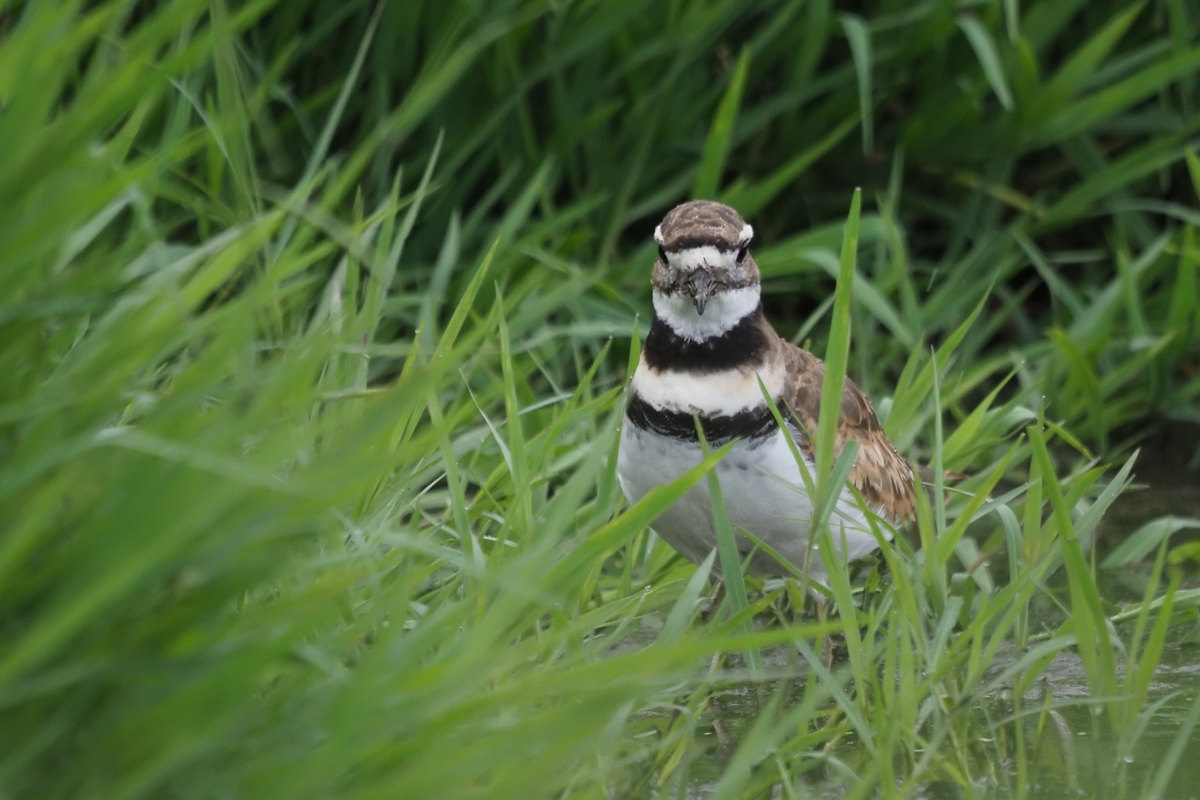
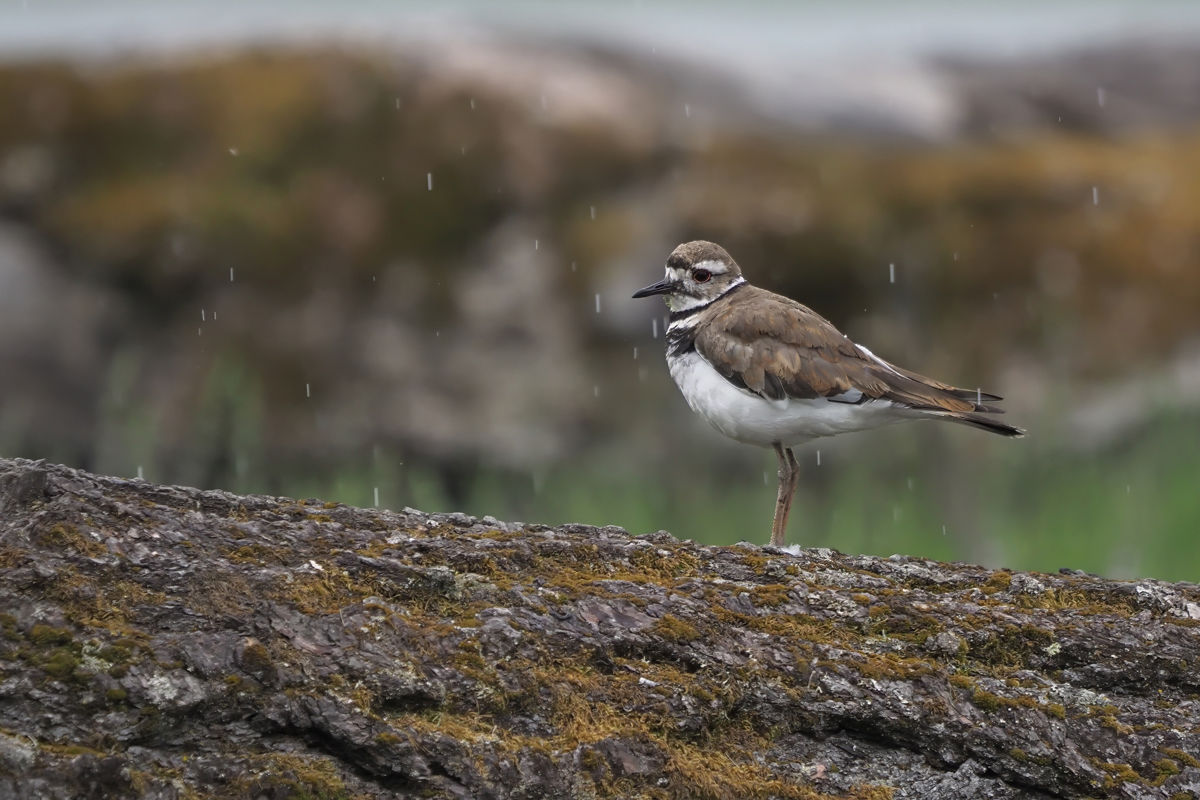
Happy summer.
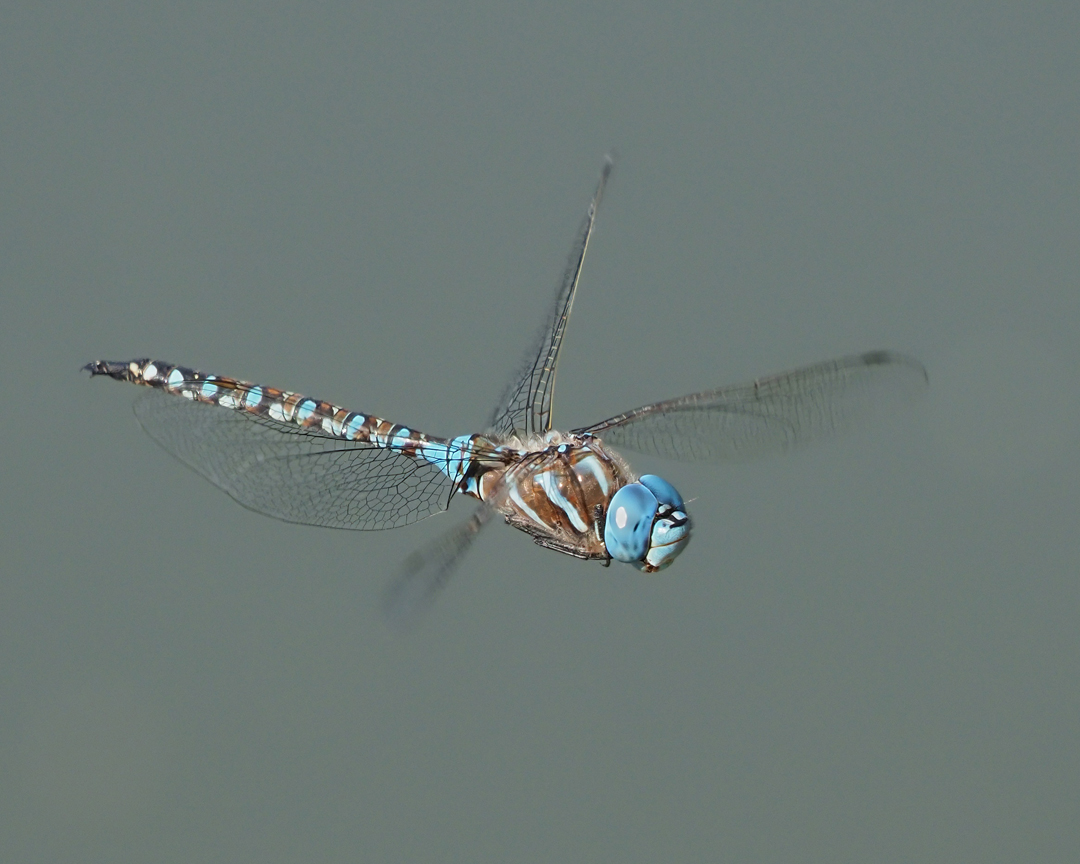
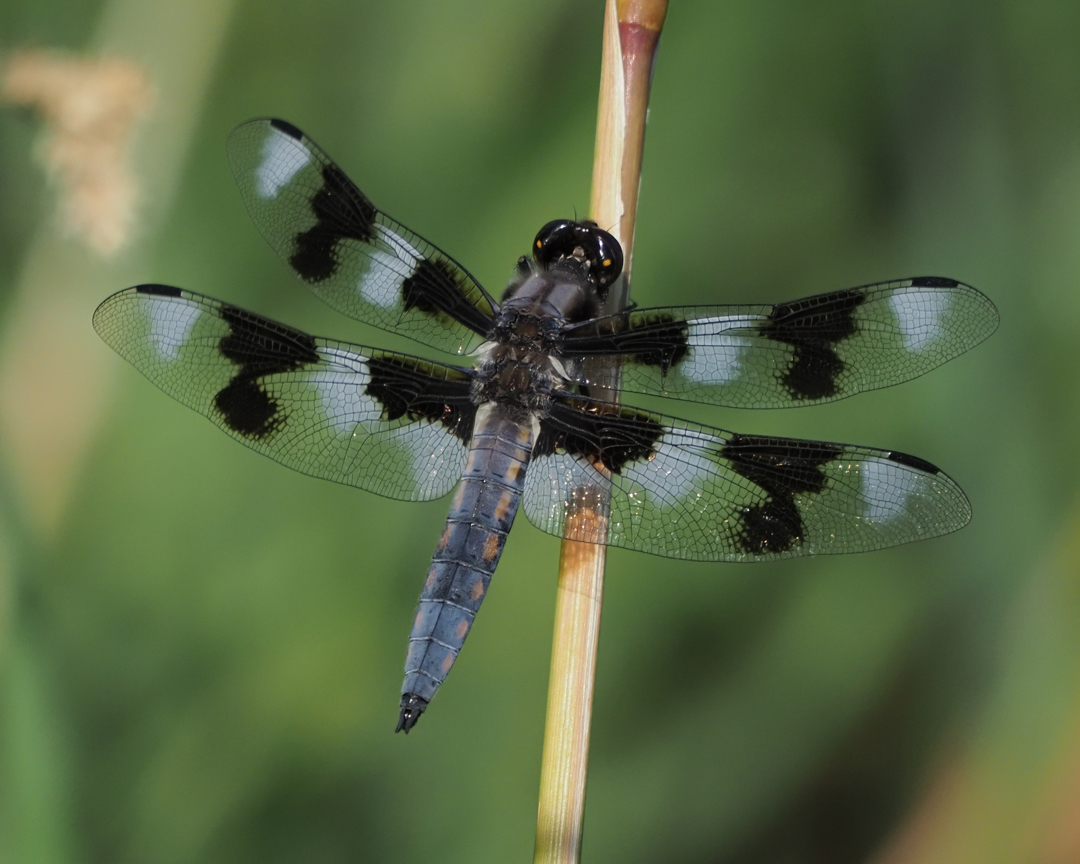
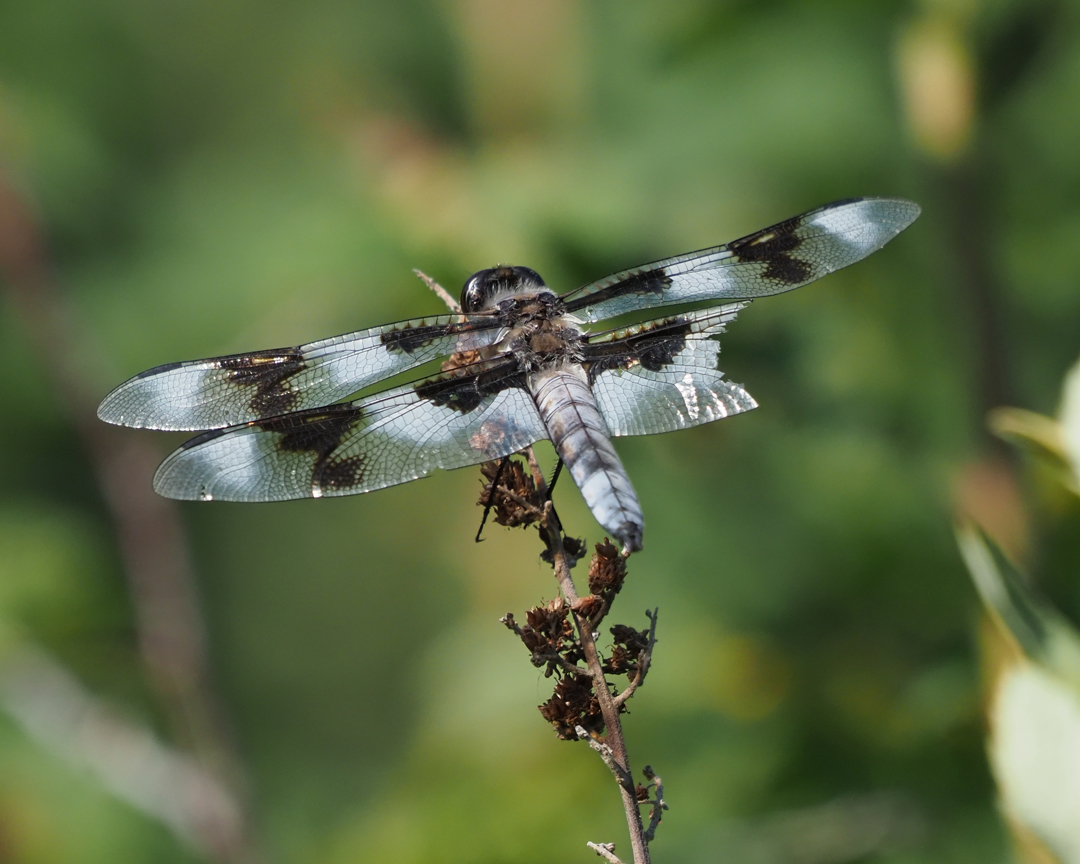
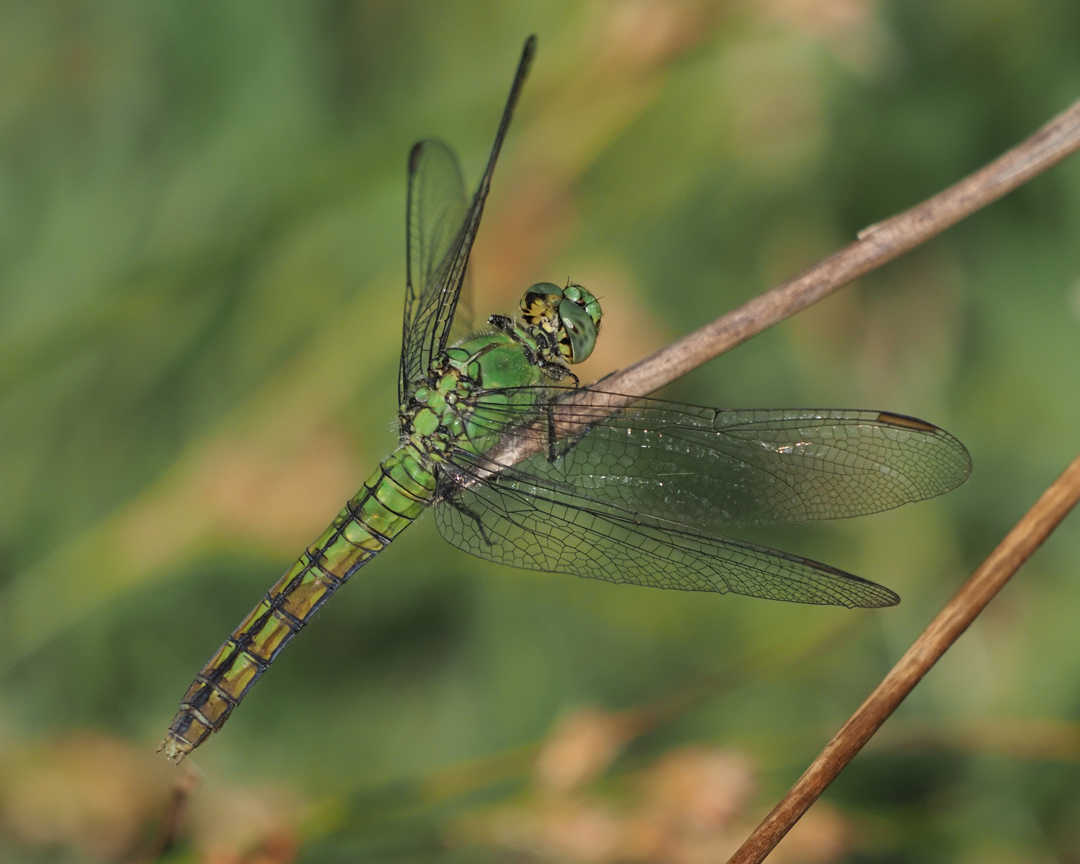
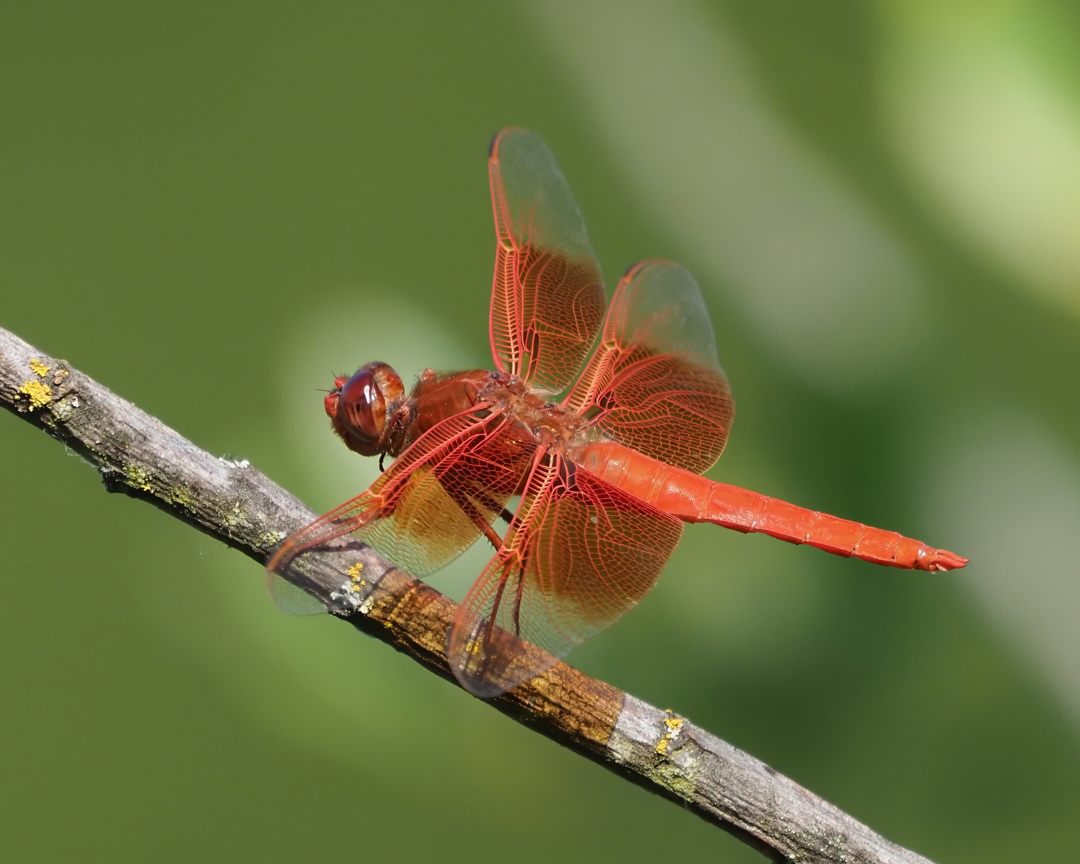
Happy Summer
My team for the Portland Audubon Birdathon visited Cottonwood Canyon State Park in late May. Birding was a little slow that day, but it is always a treat for me to get to the east side of Oregon.


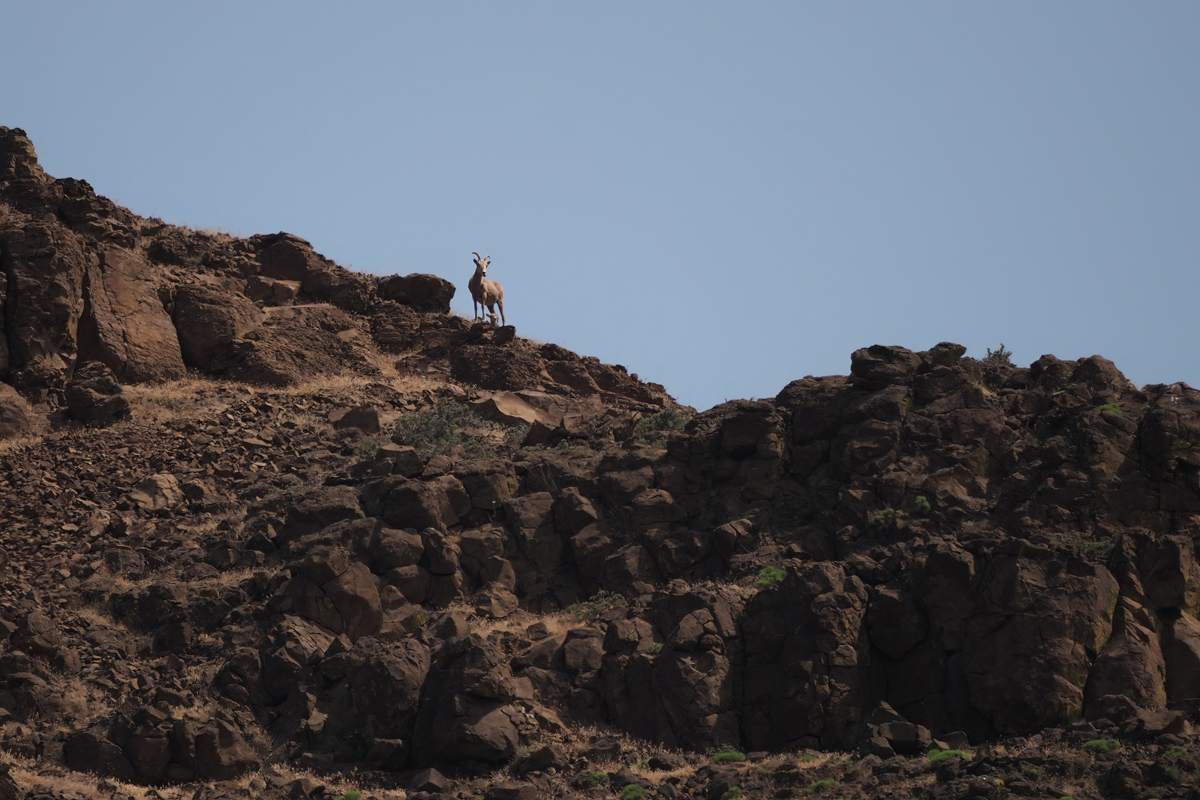
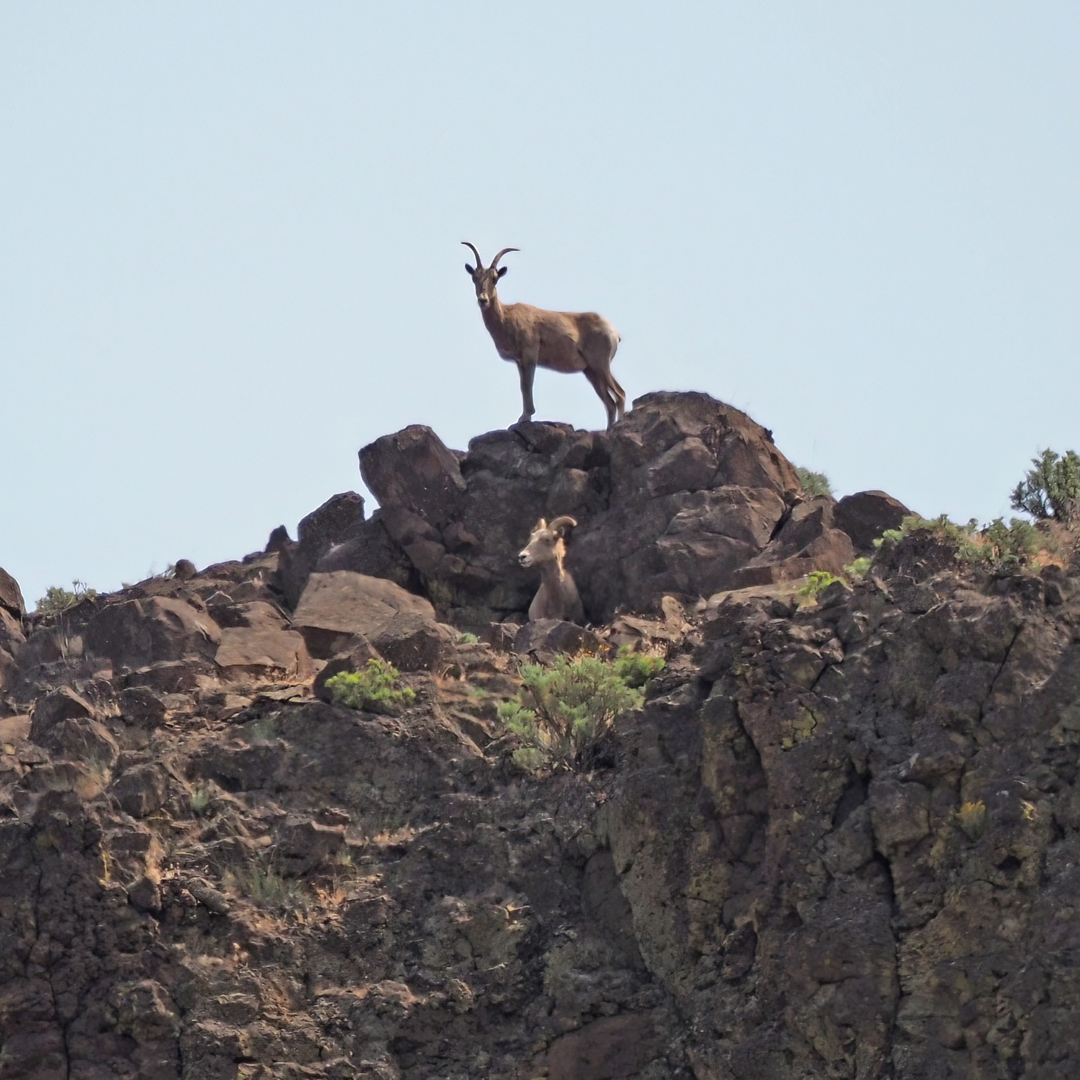


Happy Summer
I’ve made several trips to the Sandy River Delta this spring. It is one of the few places where I can bird and the puppy can run around. The wide open spaces often mean that the birds are distant, but it is still a great spot.
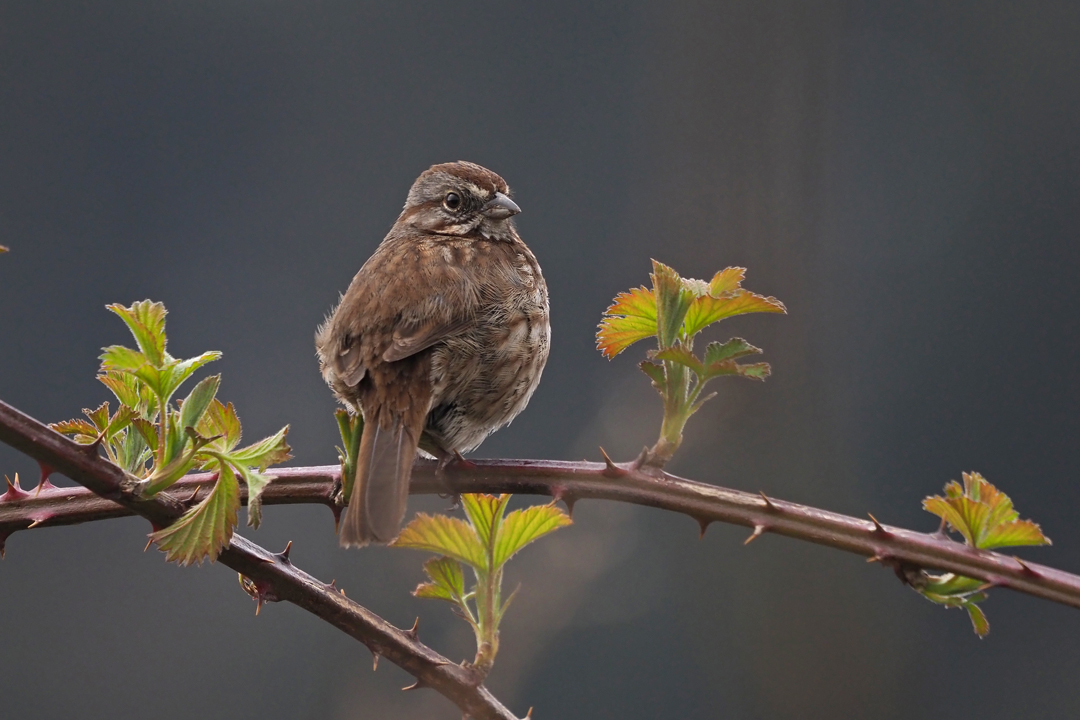
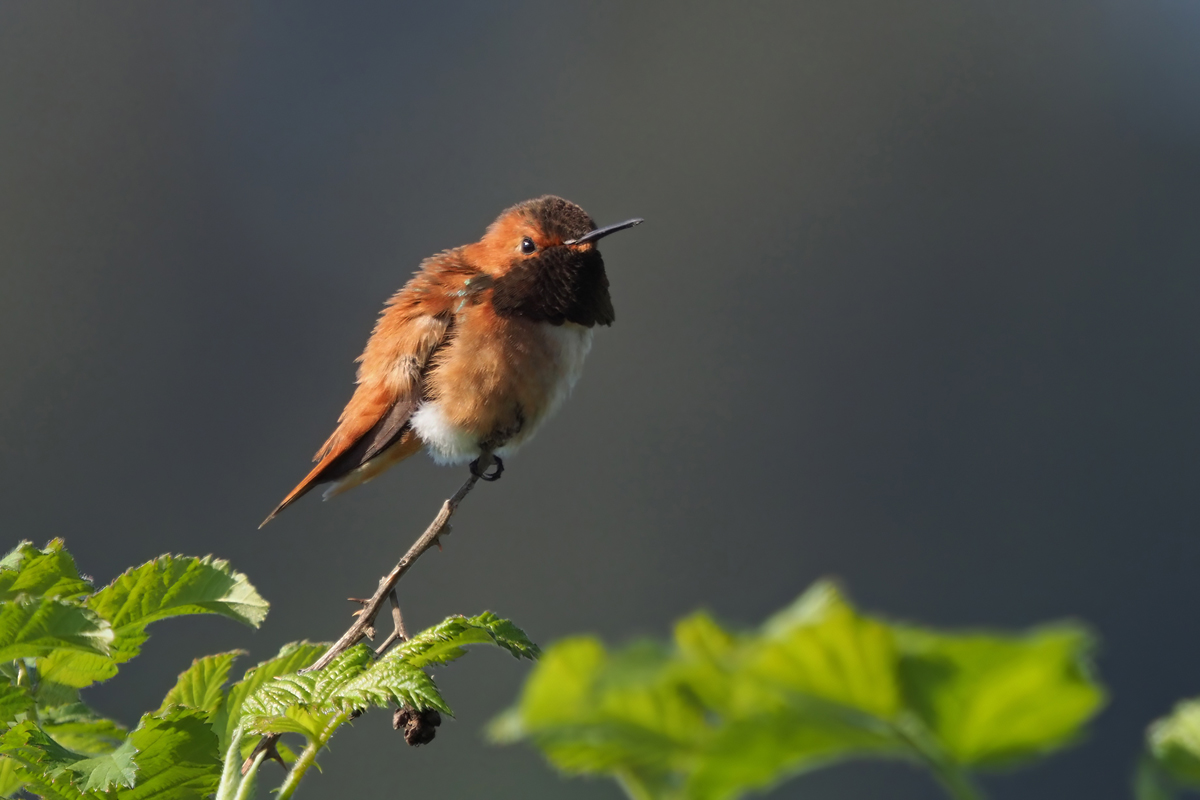
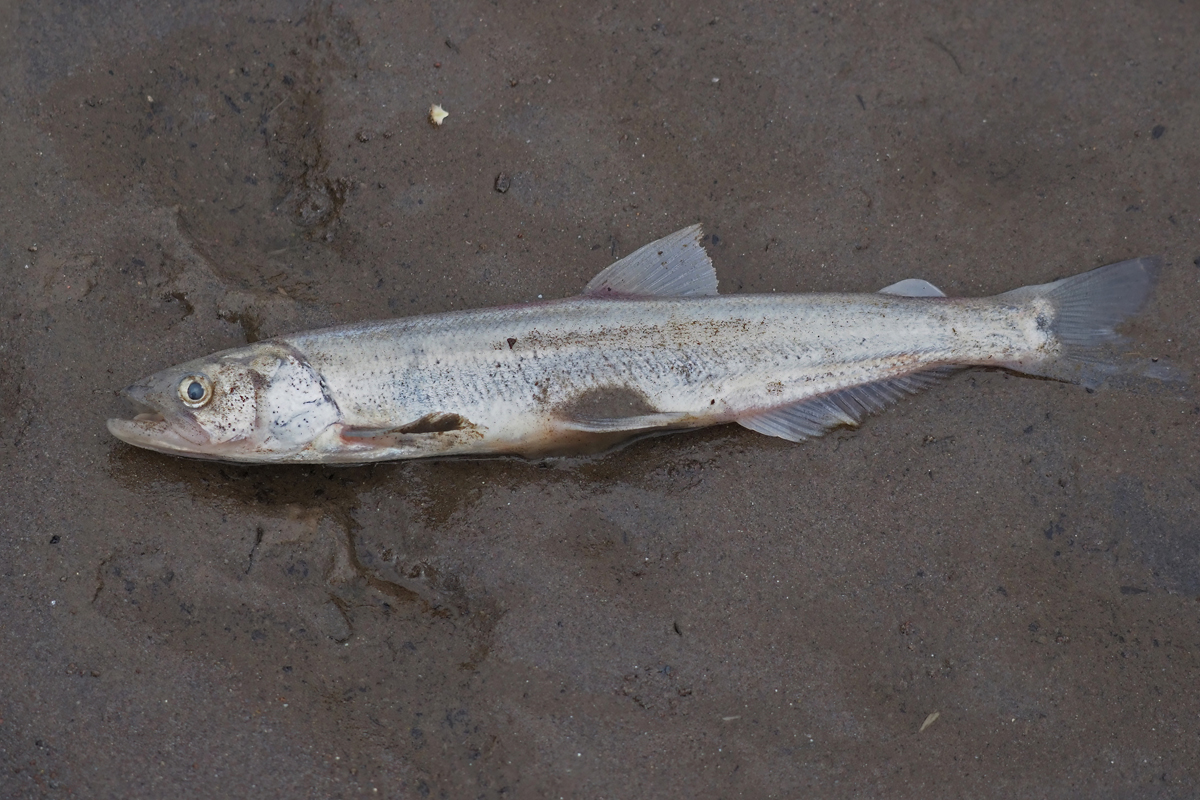
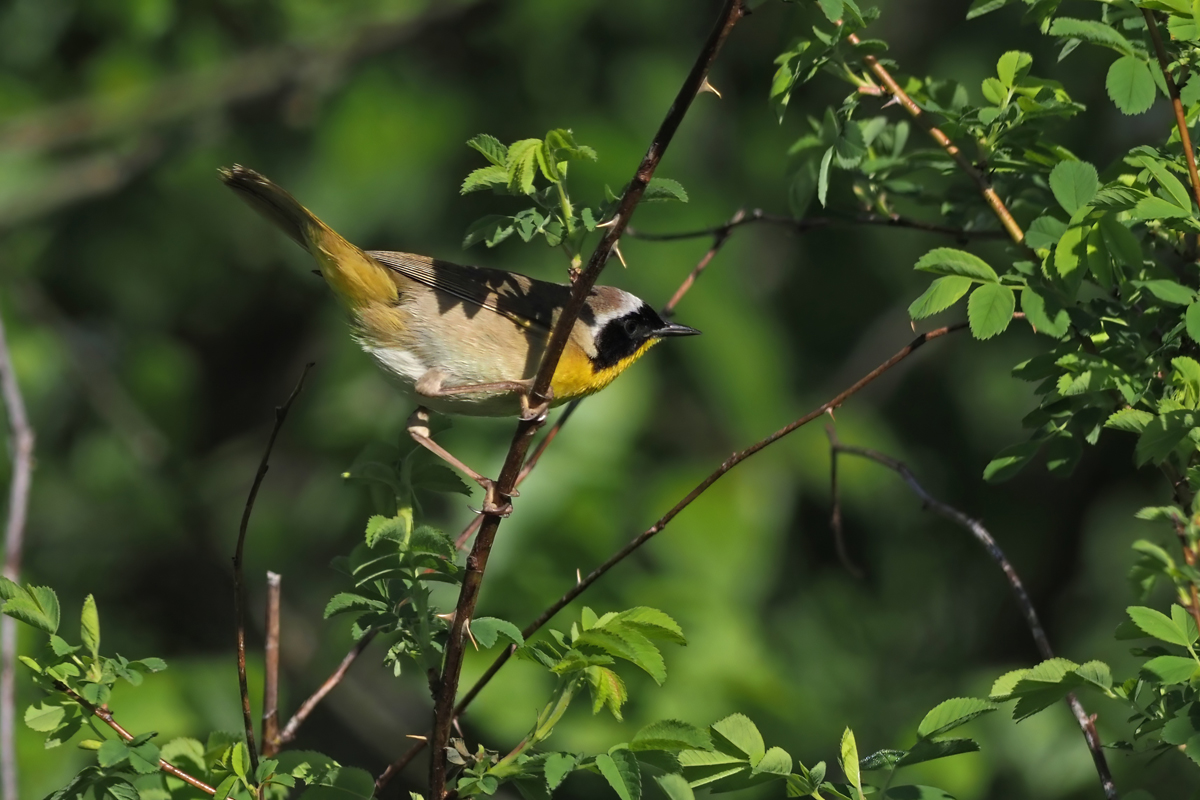
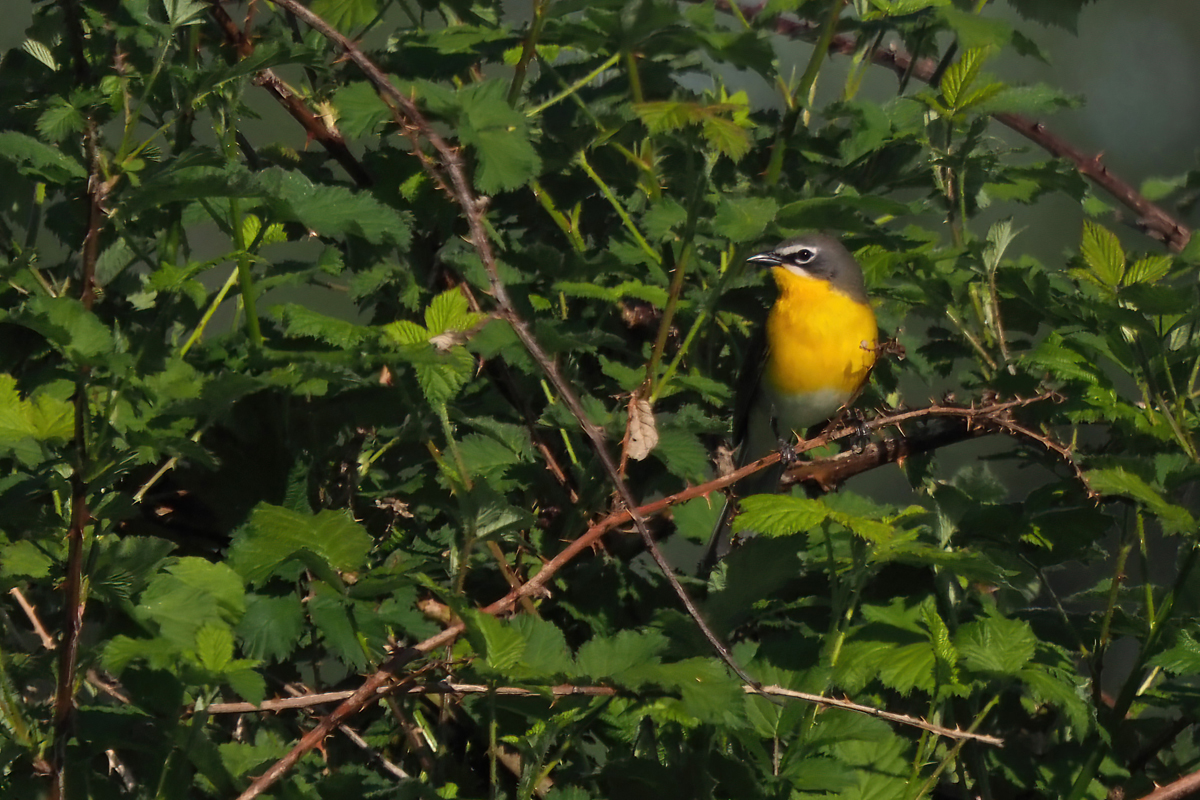
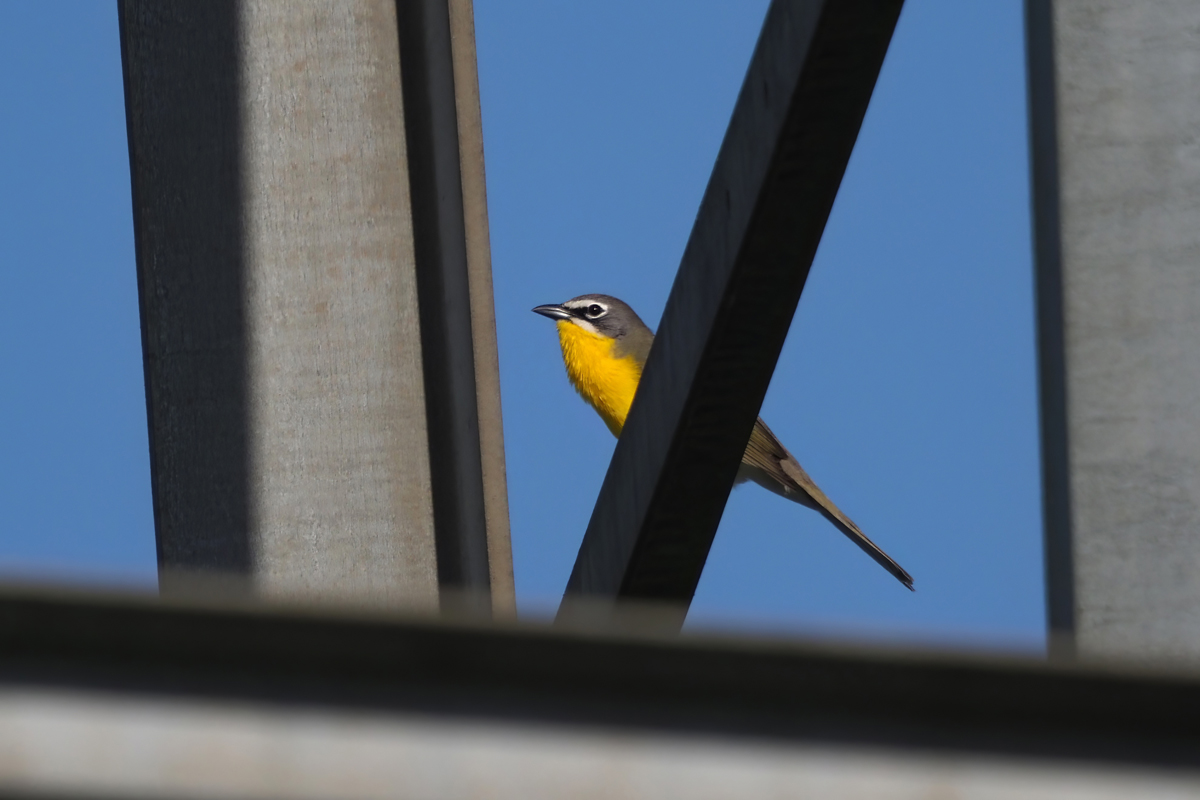
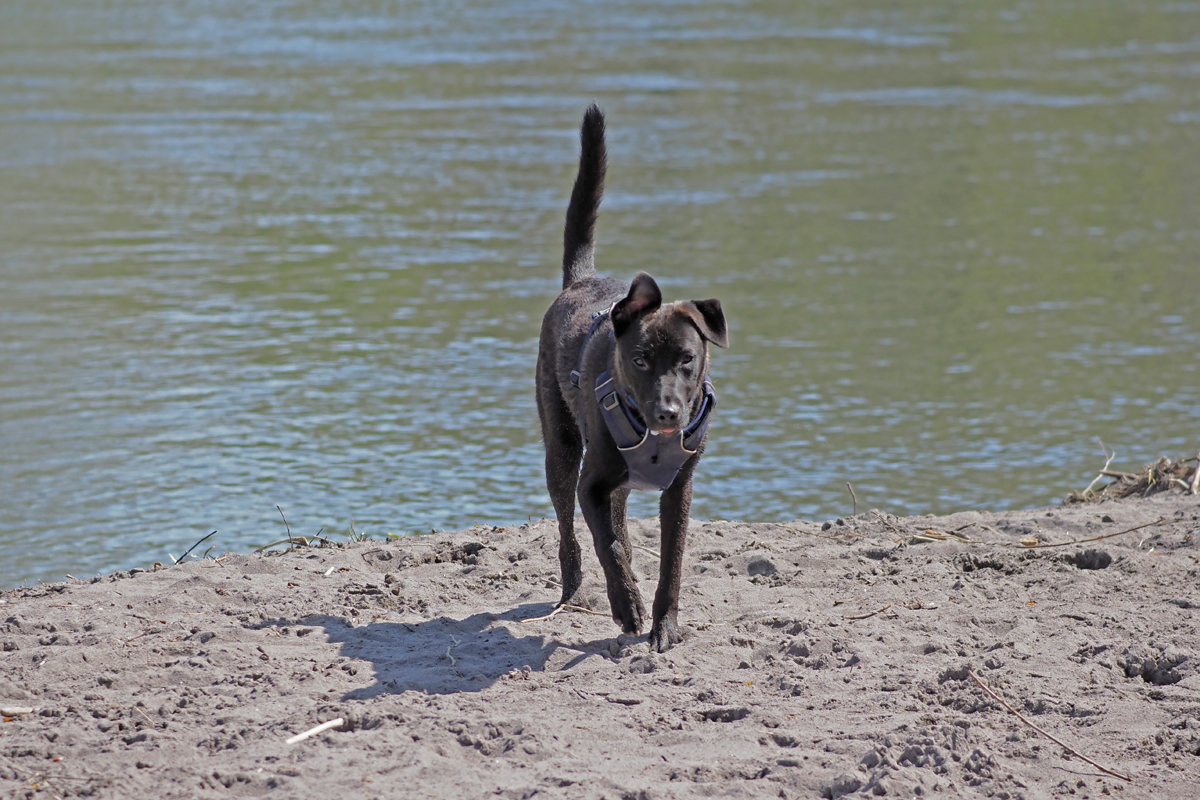
Happy Spring
With our first spring-like day, the Common Garter Snakes have come out in force. On a trip to Sauvie Island I saw lots of Common Garters and a few Northwestern Garters. I wasn’t able to get any good photos of the Northwesterns, but the Commons were pretty cooperative.
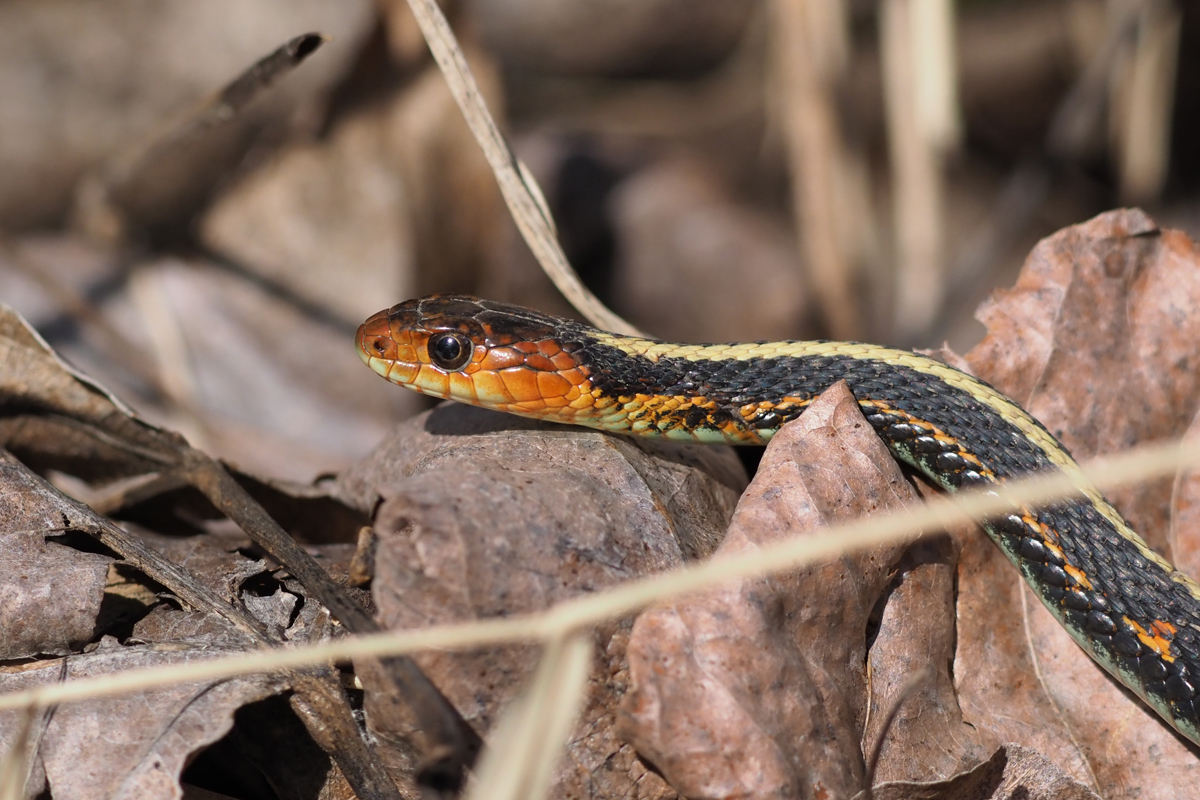
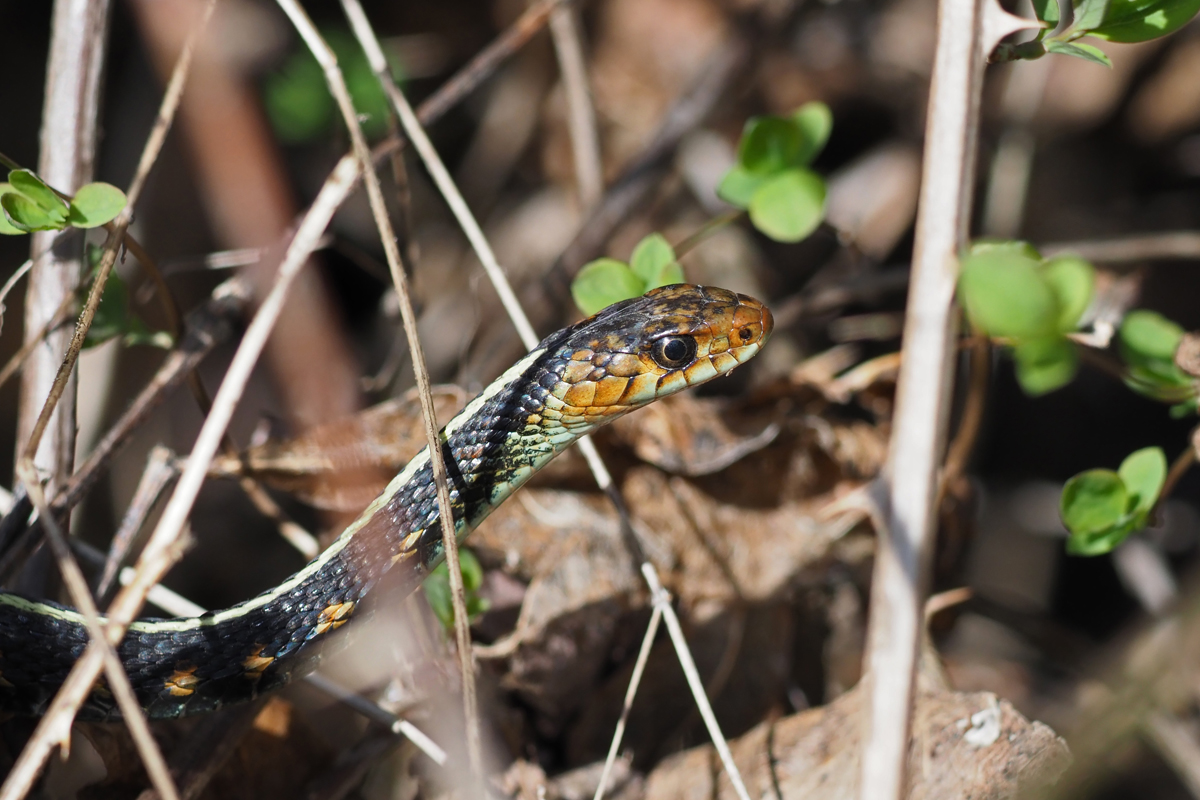
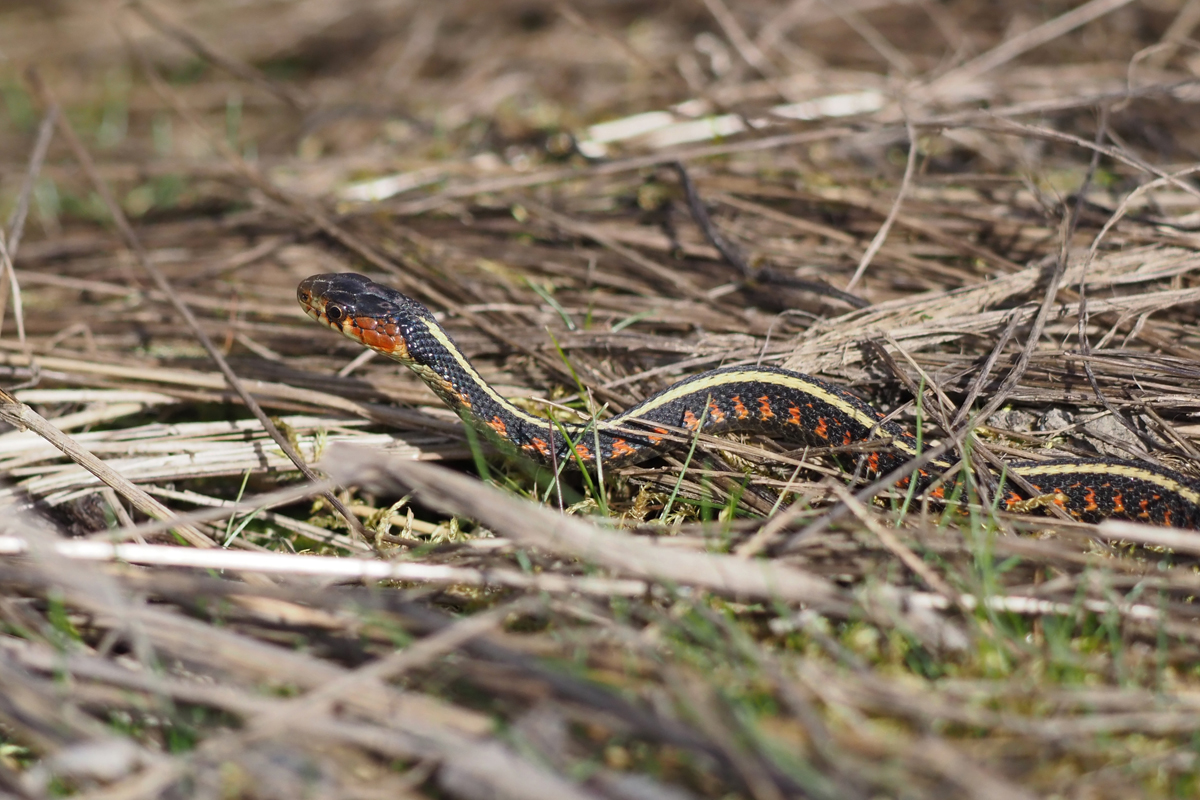
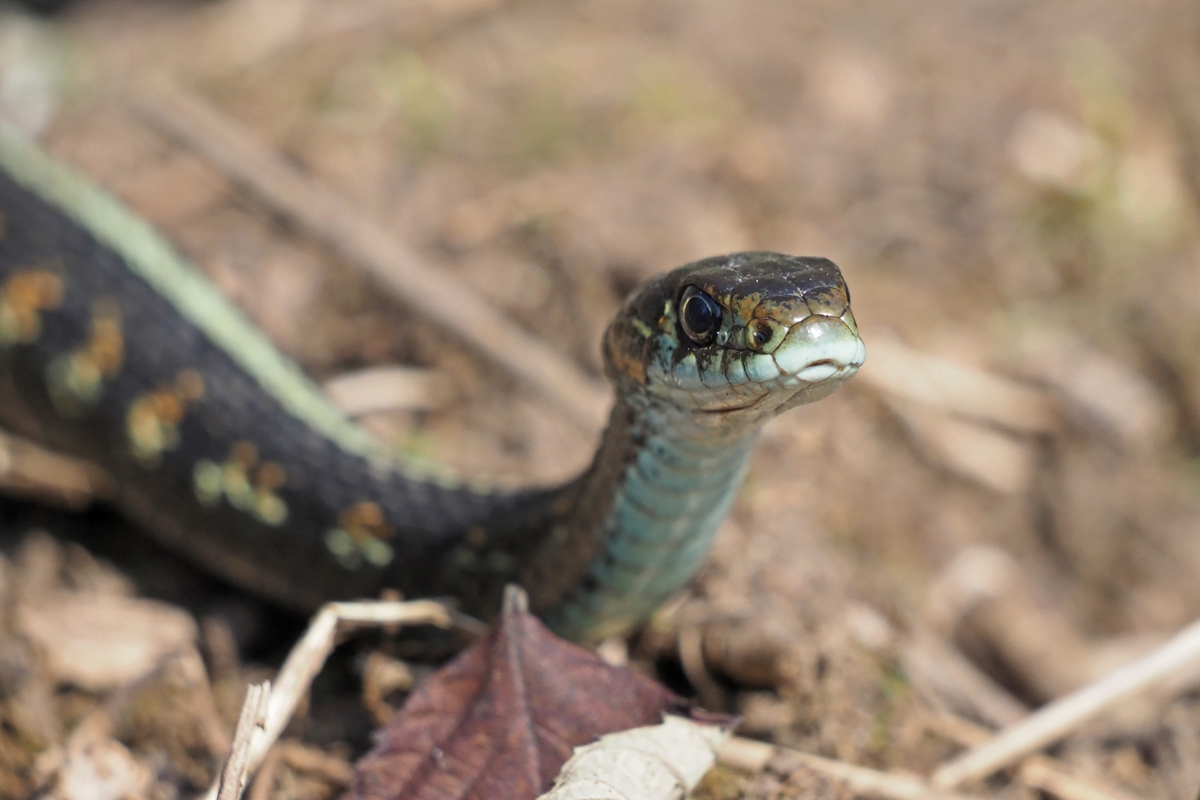
More herps should be out and about in the next couple of weeks. That can keep us busy until the spring migrants arrive.
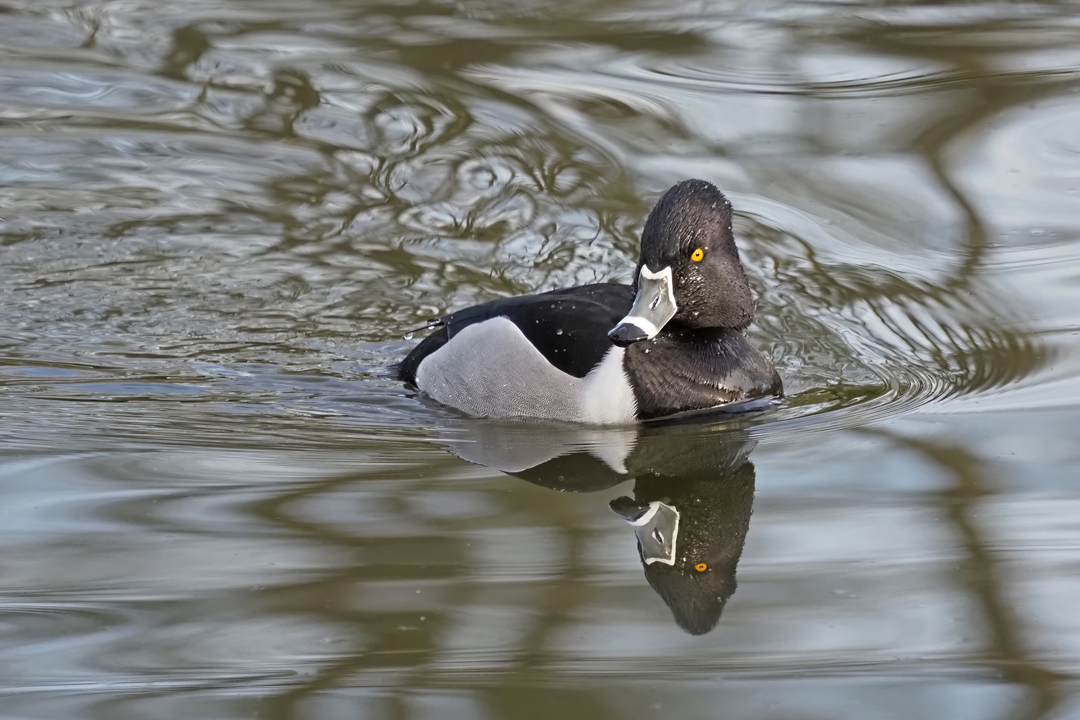
February is generally regarded as one of the slowest months for birding in the Portland area, at least in regard to finding rarities. But there are a lot of birds around to brighten up this dreary month. This Ring-necked Duck was making quite a wake in a pond at Dawson Creek Park.
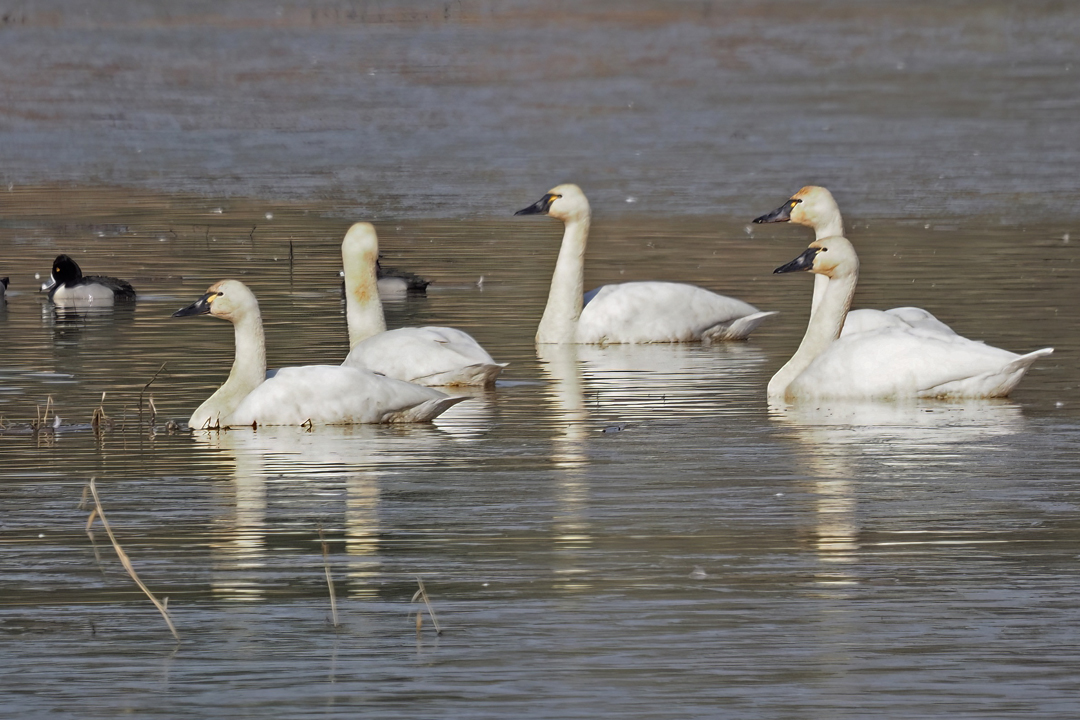
Tundra Swans are common on Sauvie Island.
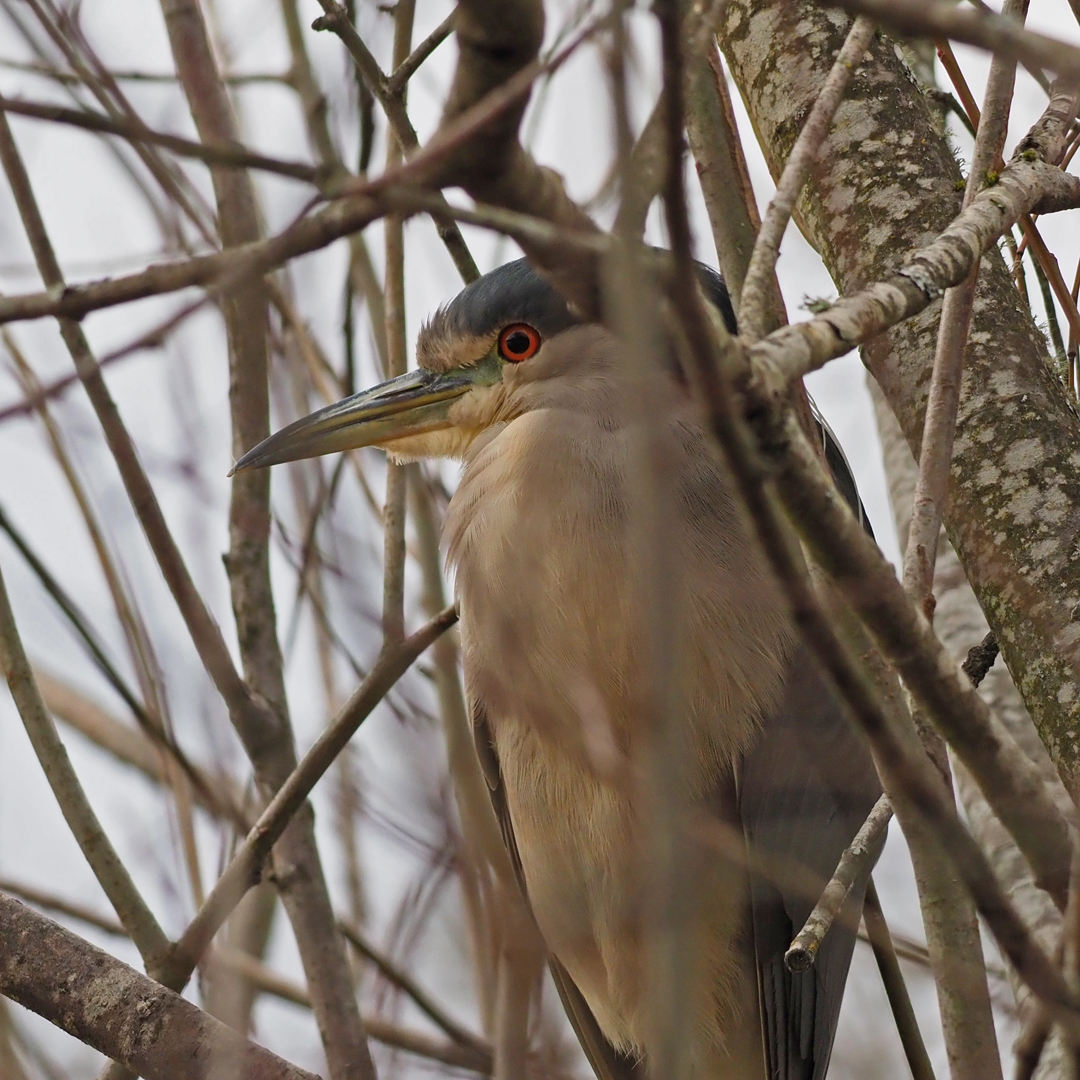
Black-crowned Night-Heron lurking in the brush at Koll Center Wetlands
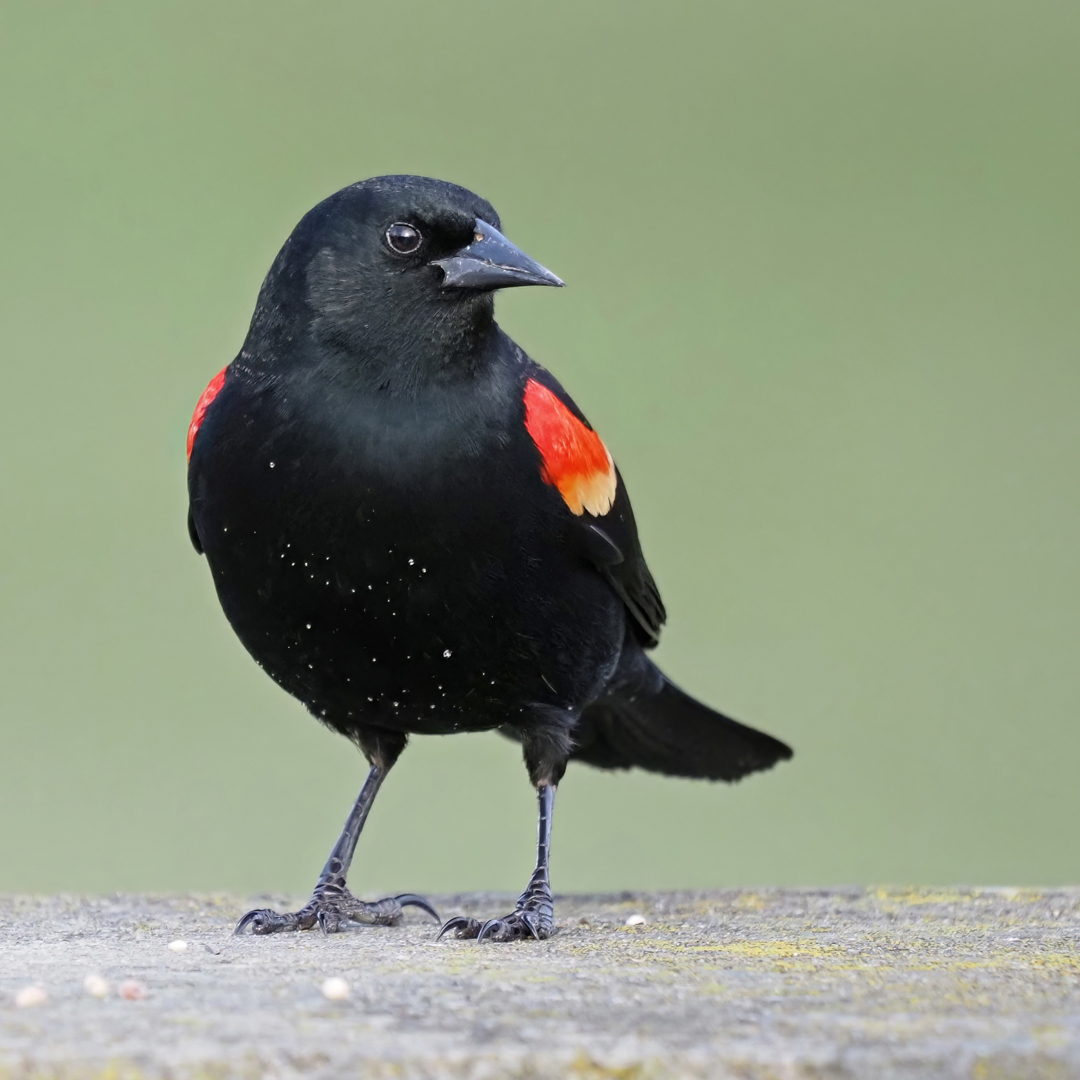
Red-winged Blackbirds are ubiquitous around any wetland in the area, but they are a striking bird.
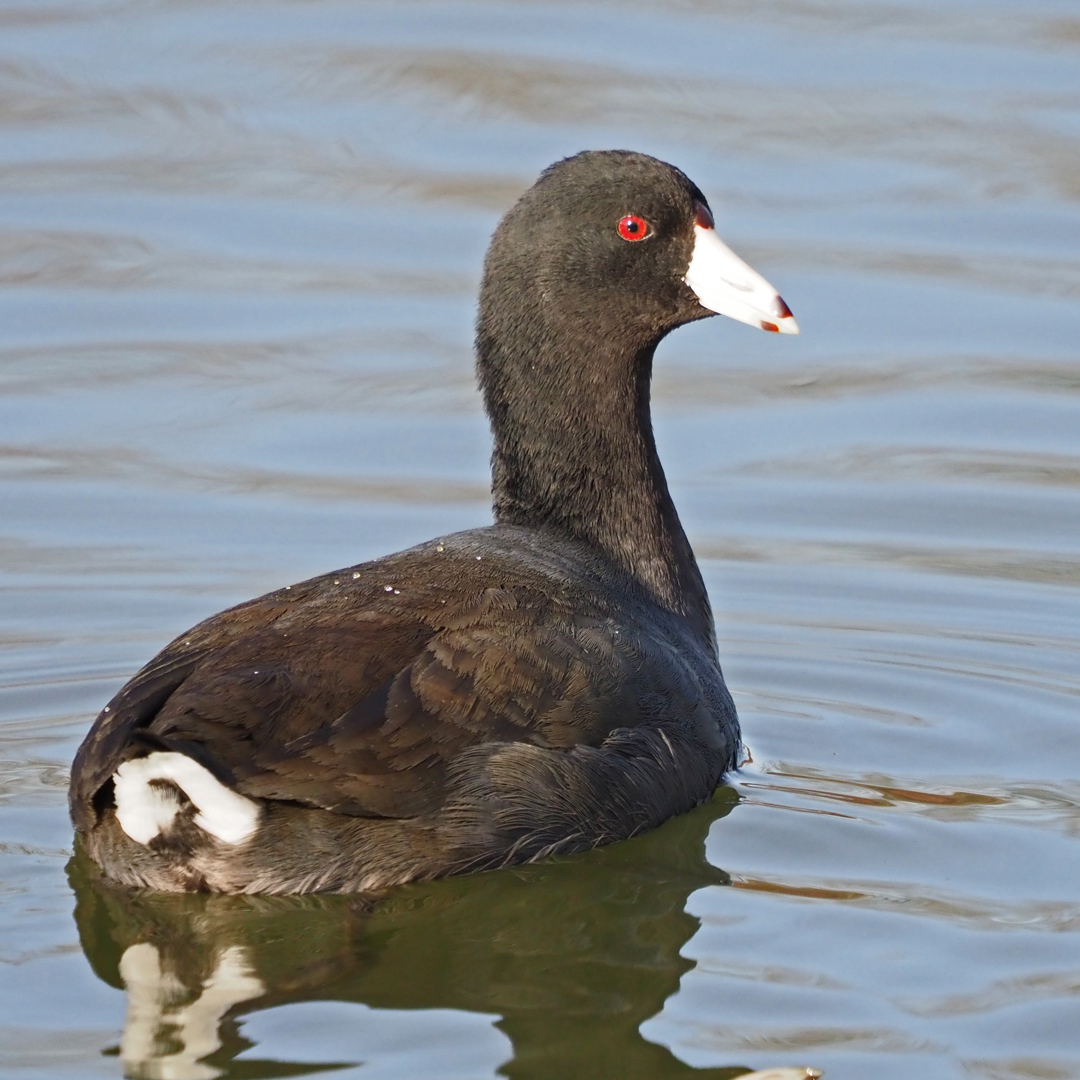
Another species that tends to be overlooked is American Coot.
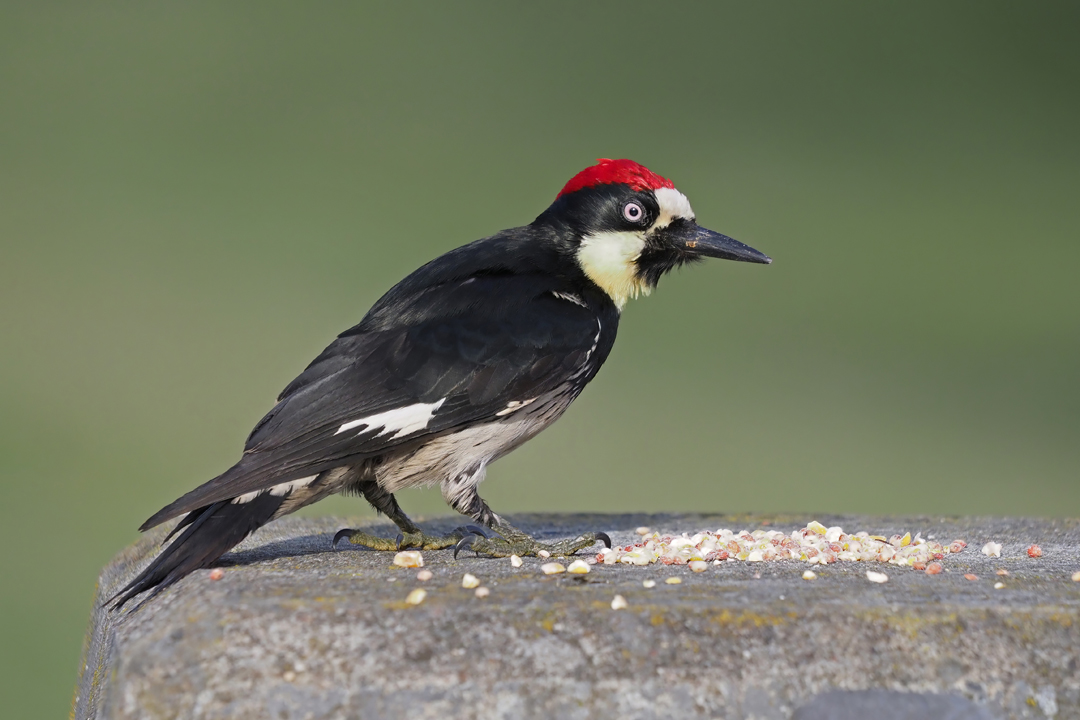
The Acorn Woodpeckers at Dawson Creek tend to be perched high and backlit, but this individual came down low for some cracked corn that someone had put out.
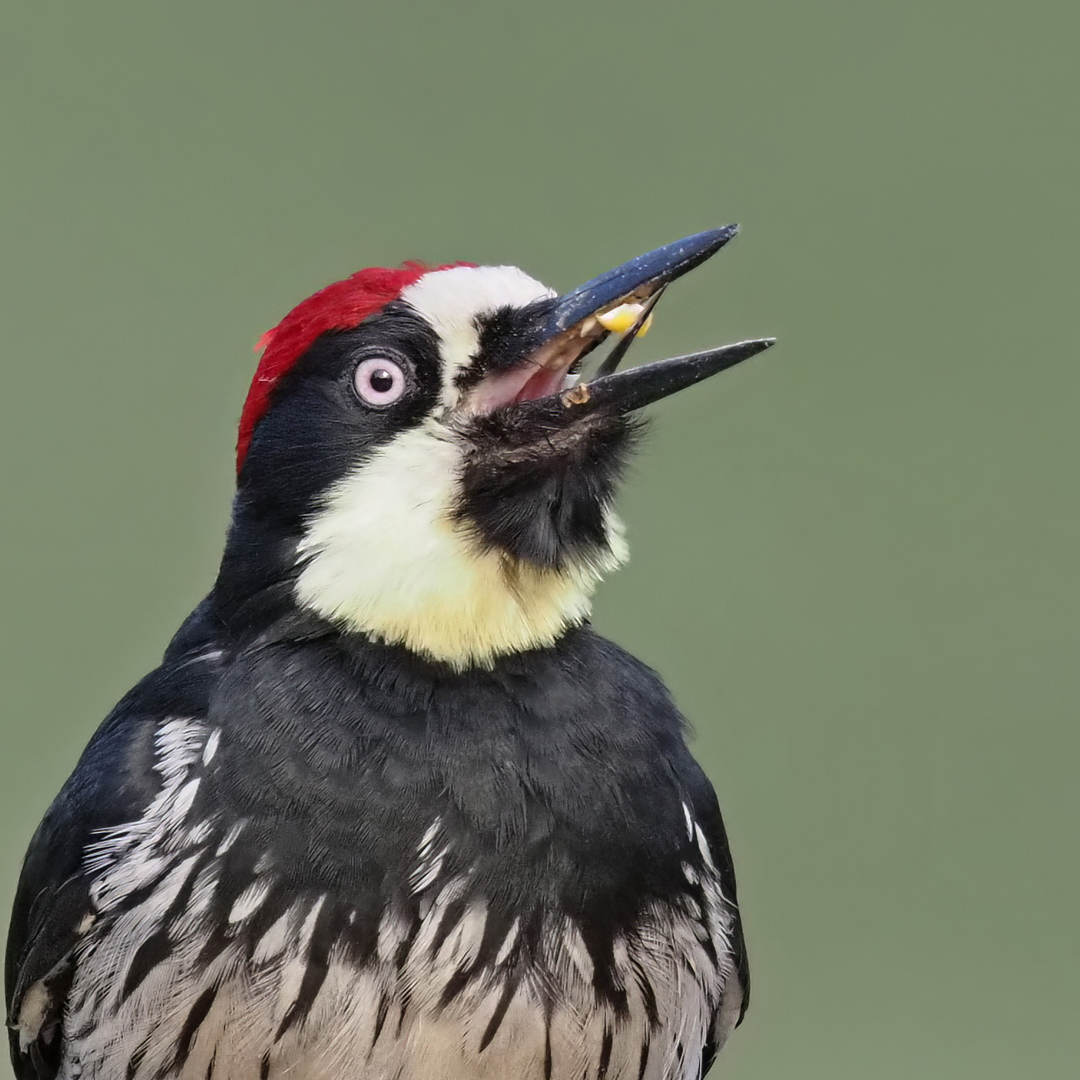
Check out the tongue holding the corn kernel.
Despite the recent winter weather, migration should be kicking in at any moment.
Happy winter birding.
 Ethical Birder